

Welcome to my little rose garden where each petal is nurtured with love and dedication. Today I will share how to propagate roses at home by cuttings. A simple yet extremely effective technique.
1. Rose Cutting Propagation: Rice Water and Turmeric Method
Select and prepare cuttings
Step one, choose cuttings. Choose young branches, not too young, not too old, about 15 to 20 cm long with at least two to three leaf buds. The branches are pest free and have a lush green color.
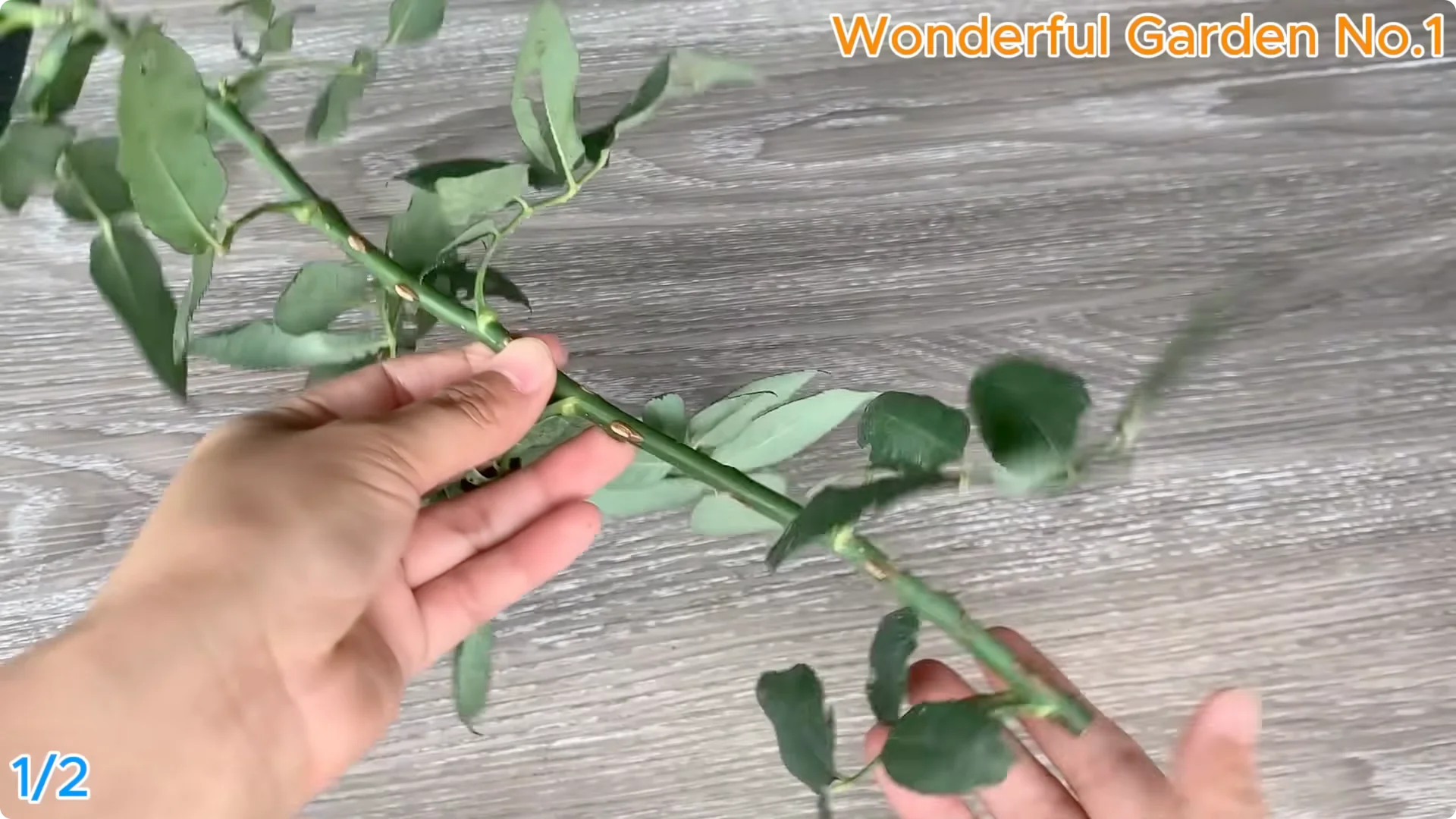
Remove leaves and thorns from rose stems. Be careful with those buds. Make a clean 45° angle cut below the bottom leaf to increase the area exposed to the growing medium.
Then I sprinkled some turmeric powder on the cut. Turmeric powder has natural antibacterial properties which help protect damaged tissue, prevent infection, and help wounds heal faster.
Read More: a citrus and garlic approach to rooting cuttings
Mix a natural root stimulant
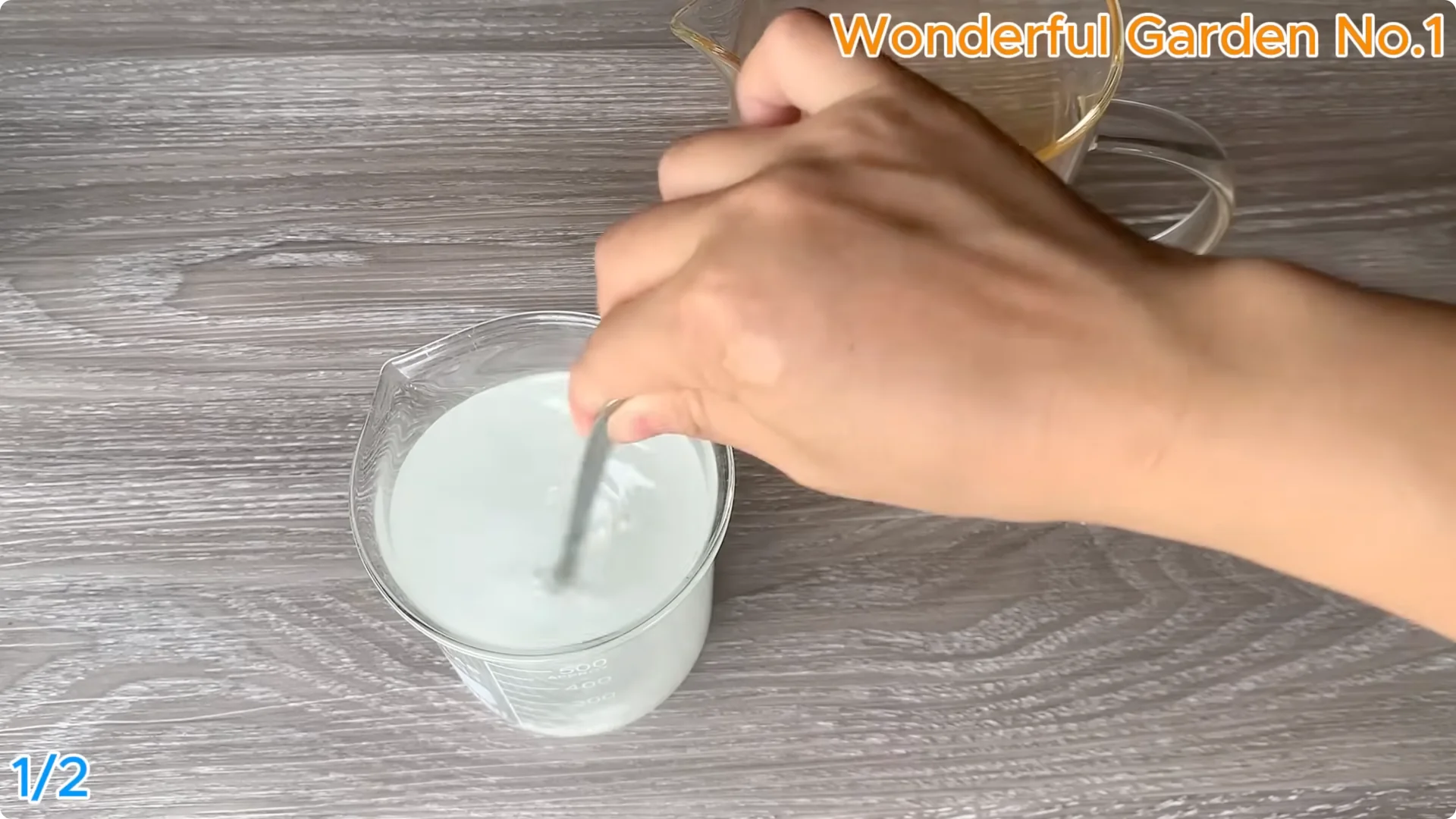
Step two, how to mix the root stimulant solution. Take three spoons of rice, add 500 ml water, and stir well. Rice water provides nutrients and stimulates beneficial microorganisms.
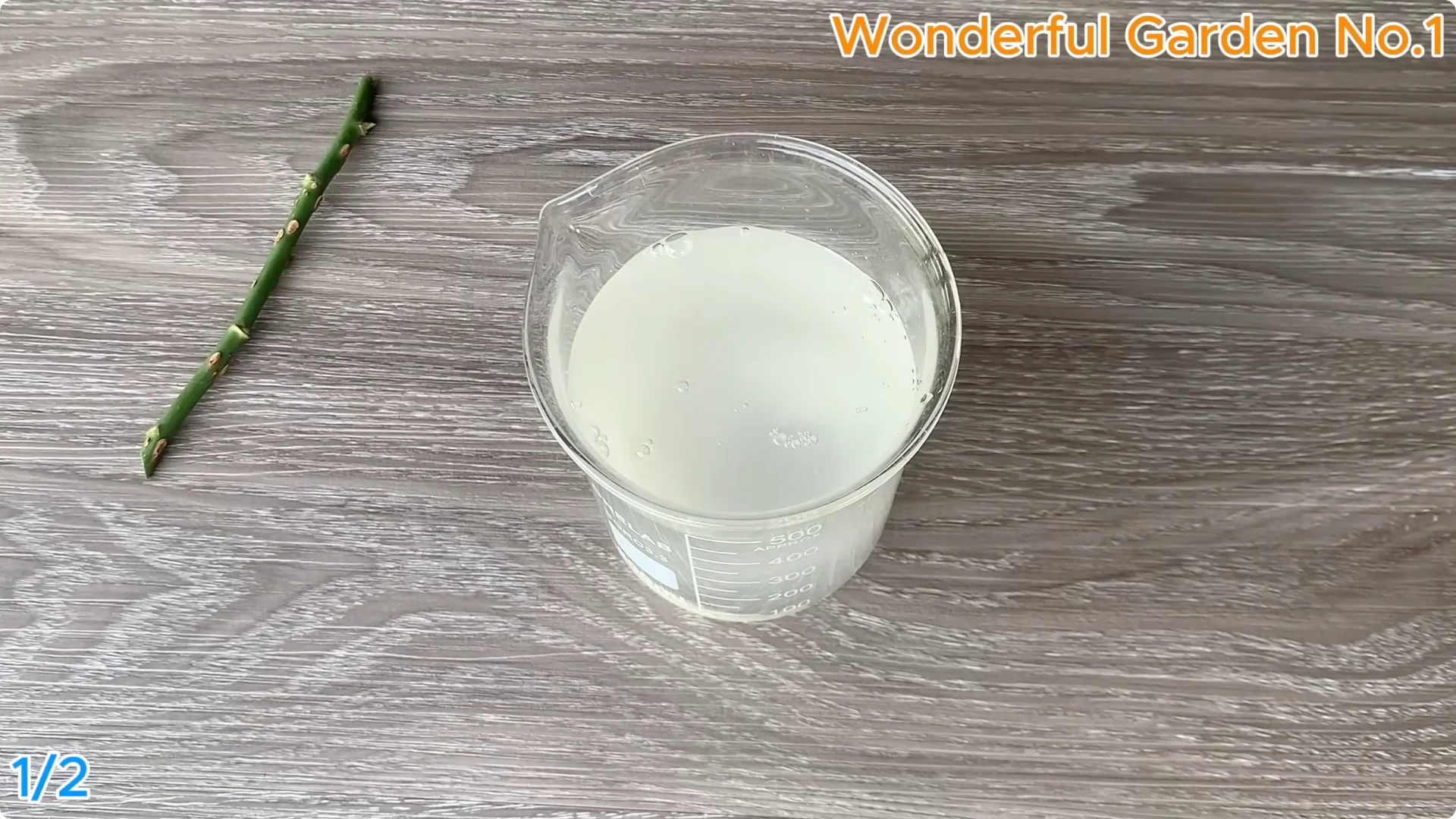
Cover and let stand for a few hours to allow the nutrients in the rice to fully dissolve. Next, mix 1 teaspoon of turmeric powder with 500 ml of water and stir well. Turmeric has natural antibacterial and antifungal properties which help protect cuttings from root rot.
In addition, curcumin in turmeric supports tissue regeneration and stimulates root growth safely and naturally. Cover and let the solution sit for several hours. This helps the beneficial active ingredients from turmeric powder completely penetrate the water.
After about 3 hours of soaking, filter the turmeric solution to remove residue. This is important because turmeric residue can clog and hinder the cutting’s ability to absorb nutrients.
Treat and soak the cuttings
I used a soft cloth soaked in the turmeric solution and gently wiped it on the cuttings. This helps protect the cuttings from infection and also stimulates root formation, helping the cuttings grow healthier.

Next, I mixed rice water with the turmeric solution to create the ideal nutrient mixture which significantly improved the rooting and growth of the cuttings. When mixing, make sure to strain the rice water thoroughly to remove any impurities. This helps the solution become cleaner and easier for the cuttings to absorb.
Once the mixture is ready, I soak the base of the cutting in the solution for about 20 minutes. This is enough time for the nutrients to seep into the cut, helping the cutting absorb better.
Plant in a sand mini greenhouse
Step three, proceed to cuttings by creating a mini greenhouse using sand as a growing medium. Use clean filtered sand without impurities as the medium for growing cuttings. Moisten the sand with the mixture of rice water and turmeric powder.
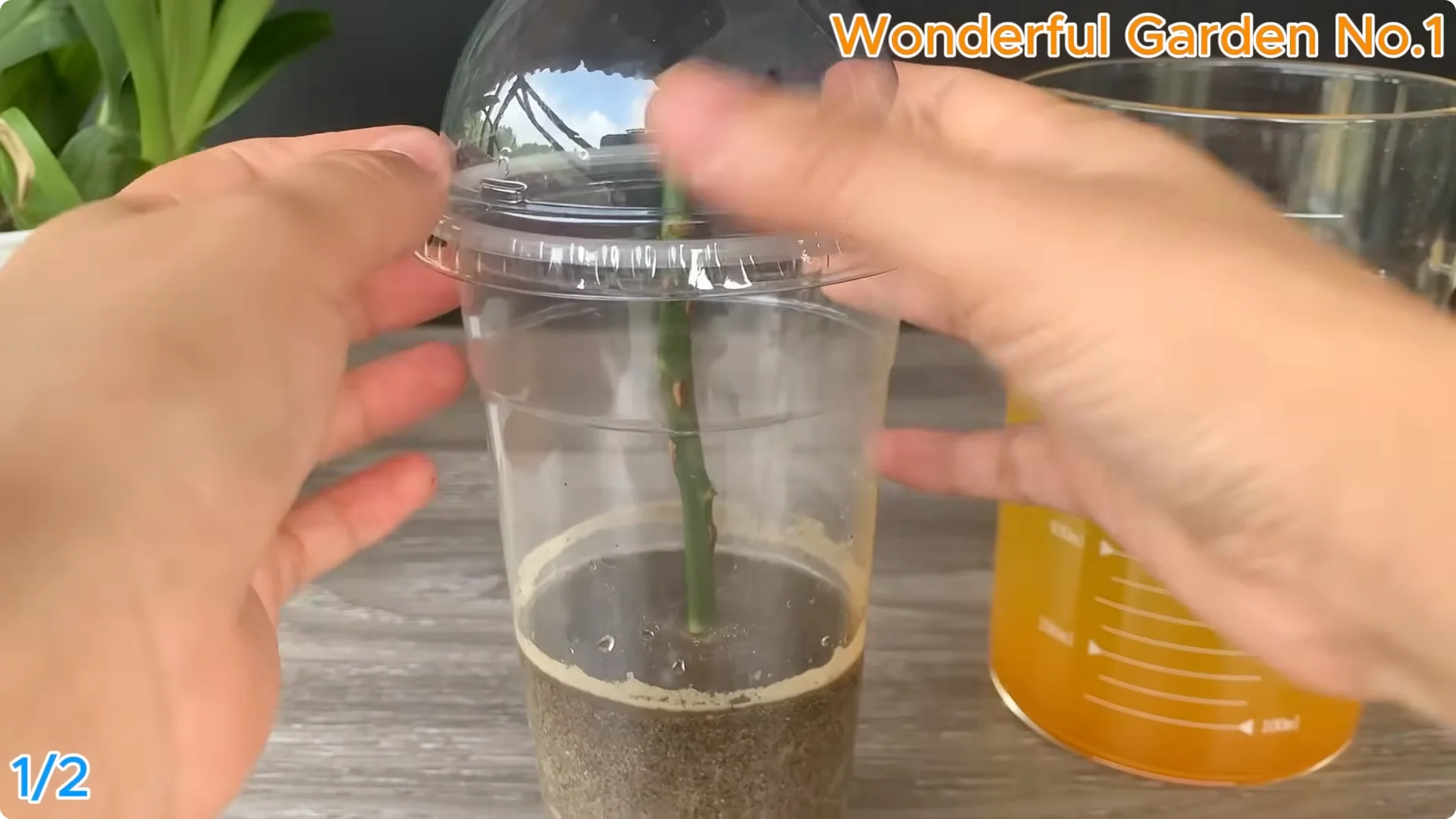
This natural mixture promotes rooting and contributes to increased vitality and growth of cuttings. Insert the rose stem into the prepared substrate. Cover with a transparent lid to keep humidity high and stable.
Place the cutting tray in a cool place away from direct sunlight but with soft light. And here are the results after 10 to 14 days. Rose branches begin to form young roots near the leaf buds.
Read More: a simple spoon trick to speed up rooting
Light green buds also develop vigorously, showing the branch has adapted and grown well. Once the roots and shoots have developed steadily, you can transfer the cutting to a permanent pot with loose soil for continued care.
2. Rose Cutting Propagation: Tea, Honey, and Turmeric Method
Prepare a tea and honey solution
Hello flower lovers. I am very happy to share a simple natural but extremely effective method of rose propagation. No need for any chemical rooting stimulant.
We will use safe and easy to find ingredients: dry tea, turmeric powder, moss for moisture, and a little honey. To begin, prepare a young rose stem, not too old, not too young, about 15 to 20 cm long. Prepare 2 tablespoons of dry tea, pure honey, a little pure turmeric powder, and clean peat moss or sphagnum moss.
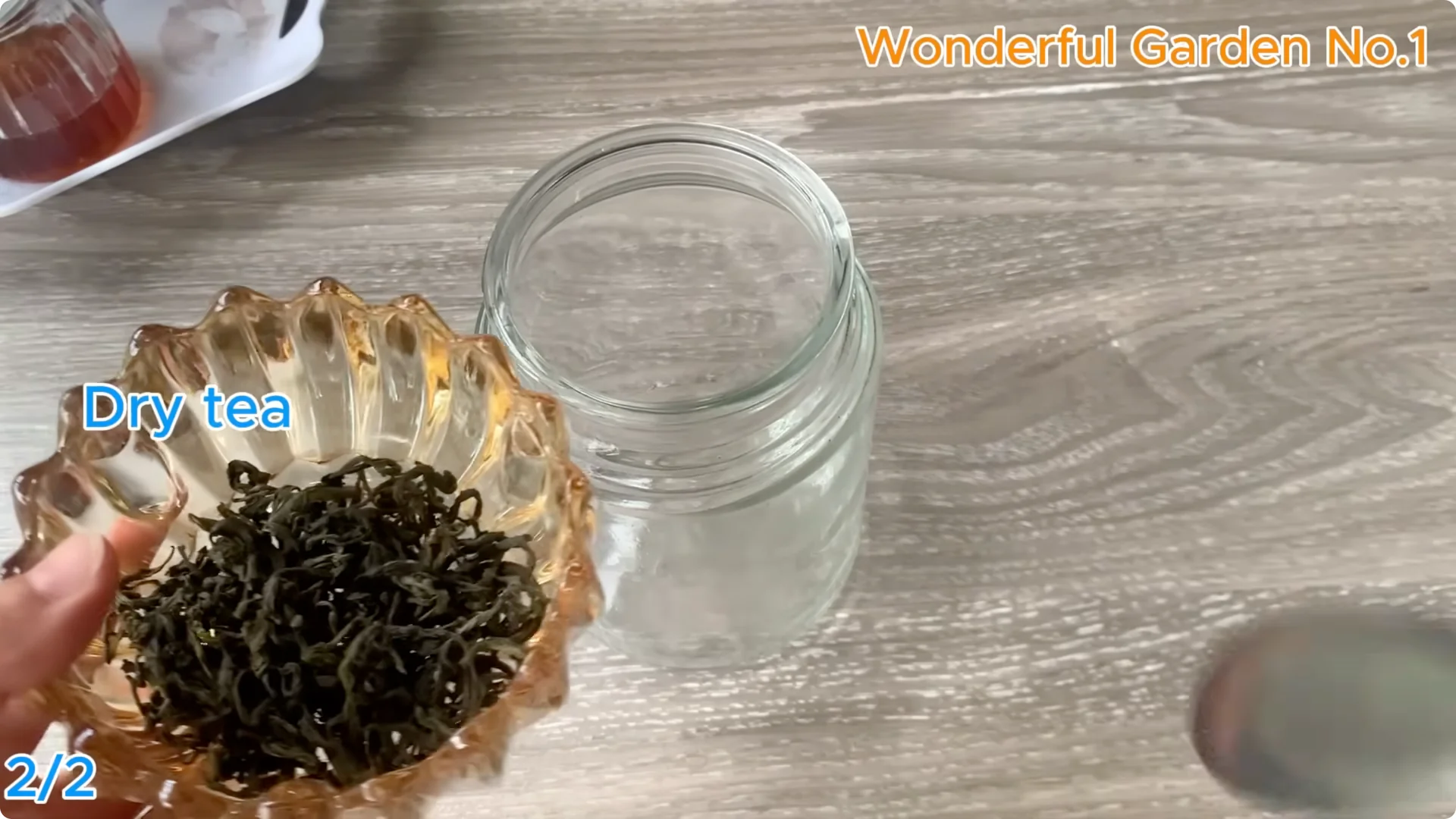
Put teaspoons of dry tea in a glass jar. Dry tea, especially green or oolong, contains natural tannins that act as a mild antiseptic and help the cutting heal faster. It also provides caffeine and polyphenols which stimulate root growth.
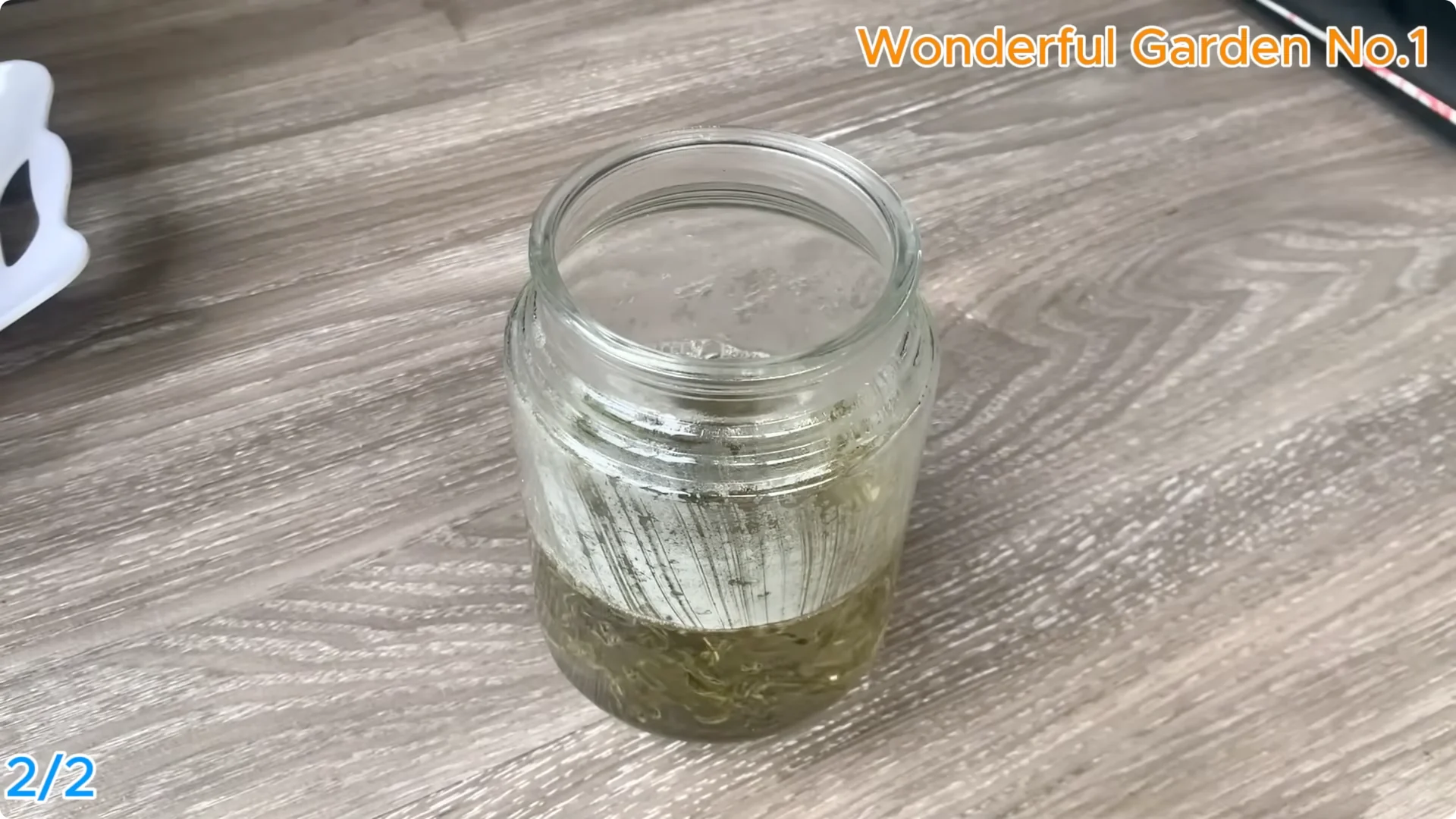
Then pour in 500 ml of boiling water. Cover the jar and let it steep gently for about 10 minutes, allowing the natural compounds to infuse fully.
Prepare the cutting
While waiting for the tea to steep, prepare the rose cuttings. Choose semi-hardy cuttings, those that are not too young and not too old. Gently cut away any leaves and thorns from the lower part of the stem to reduce moisture loss and prevent rot.
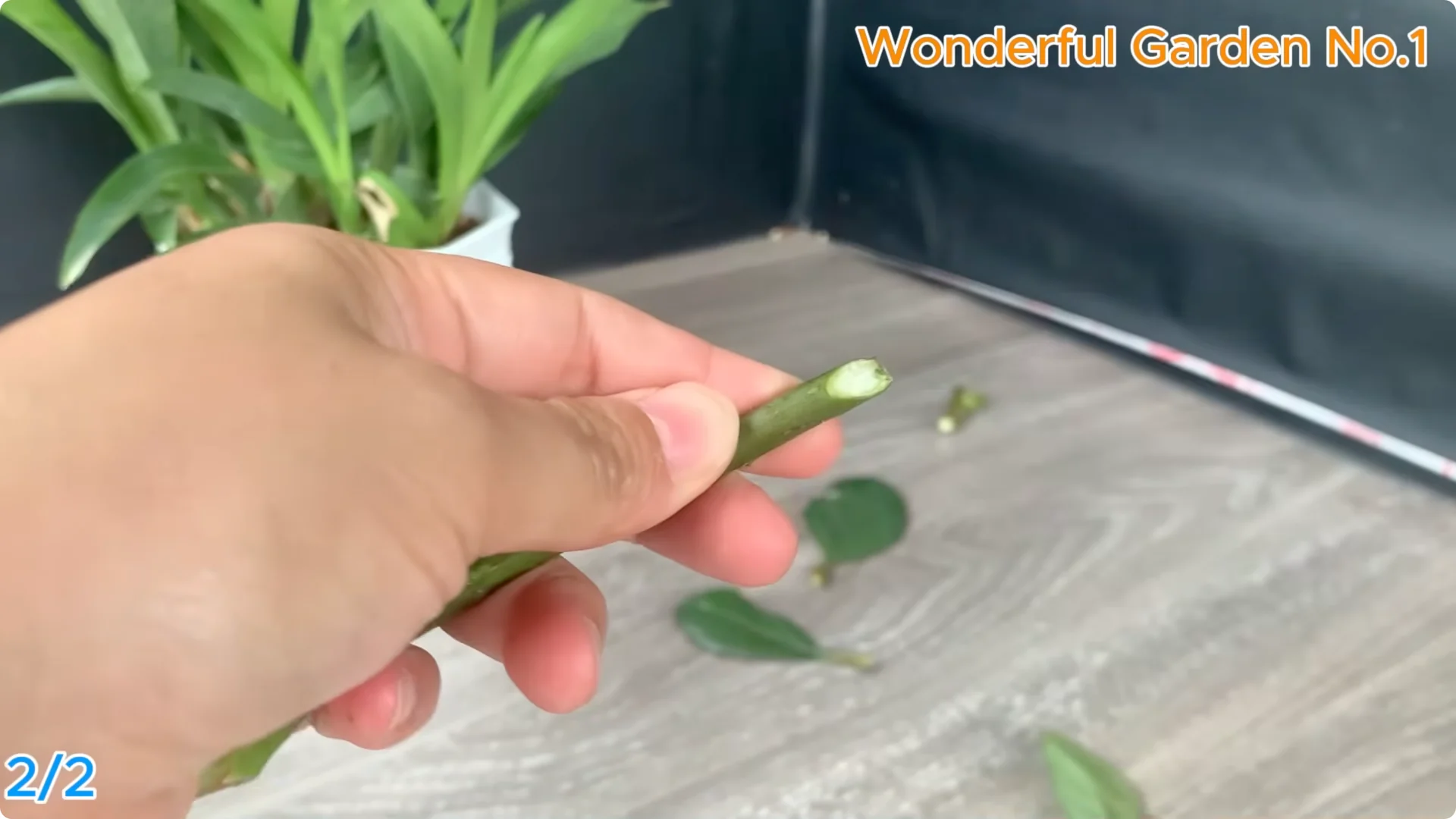
The ideal length is 6 to 8 inches. Make a clean 45° angle cut at the base. This increases the surface area for water and nutrient absorption.
Read More: use beer to boost early root growth
Enrich, soak, and turmeric-coat
Strain the tea leaves and let the tea cool completely. Add 2 tablespoons of honey to enrich the solution and enhance the tissue healing process. The blend of tea and honey naturally disinfects and nourishes the cutting, promoting faster healing and stronger root development.
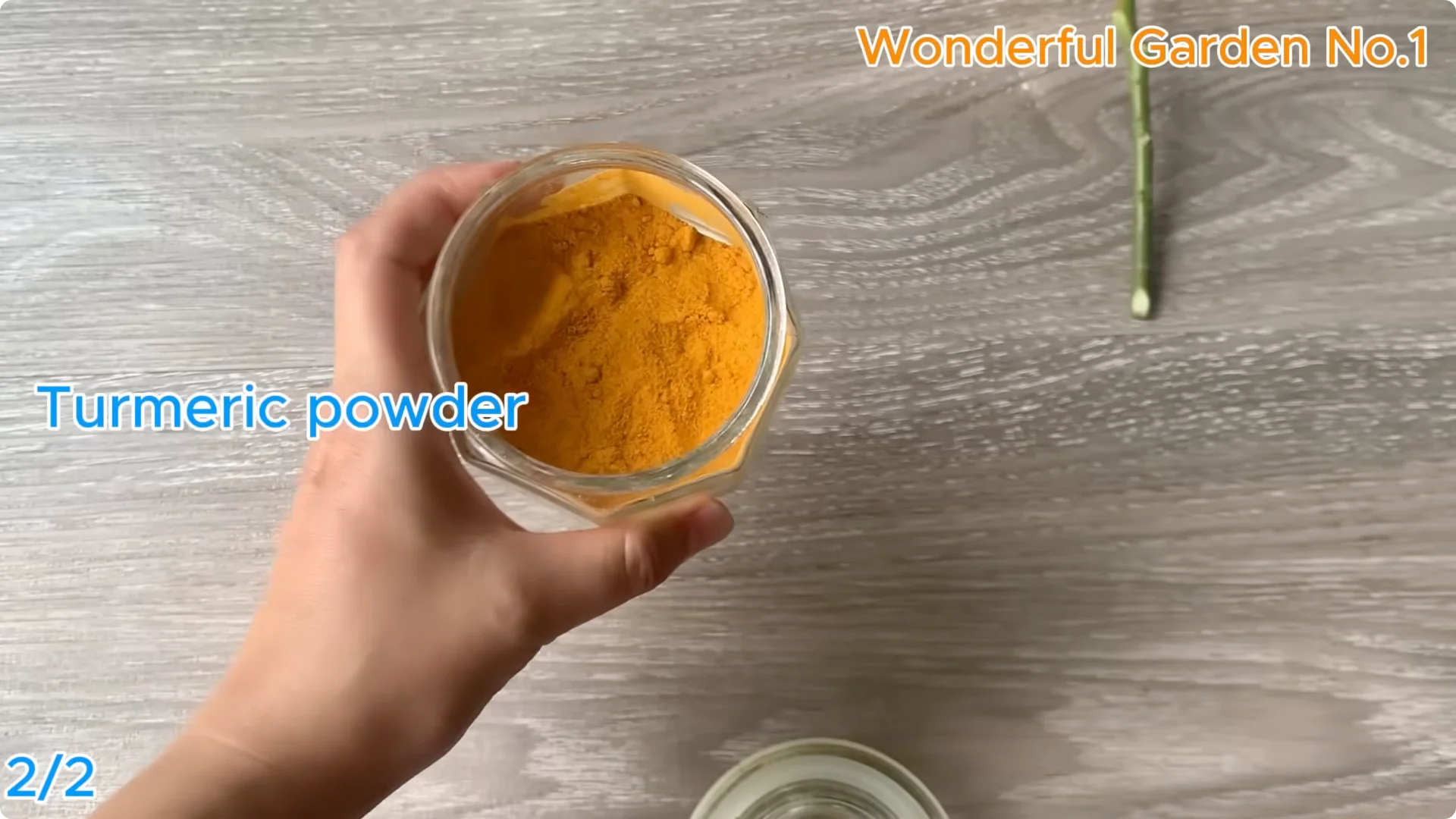
Soak the base of the cutting in the tea solution for 4 to 6 hours to boost root growth and protect against infection. After soaking, let the cuttings drain a little. Roll the base in pure turmeric powder to fight bacteria, prevent root rot, and protect the cutting tissue effectively.
Plant in a moss mini greenhouse
In this method, I use moss as the growing medium to provide ideal moisture retention and aeration for the cuttings. Soak the moss with the rooting solution, making sure it is moist and has enough nutrients for the cuttings. Use moss that has been soaked and lightly squeezed, not too dry.
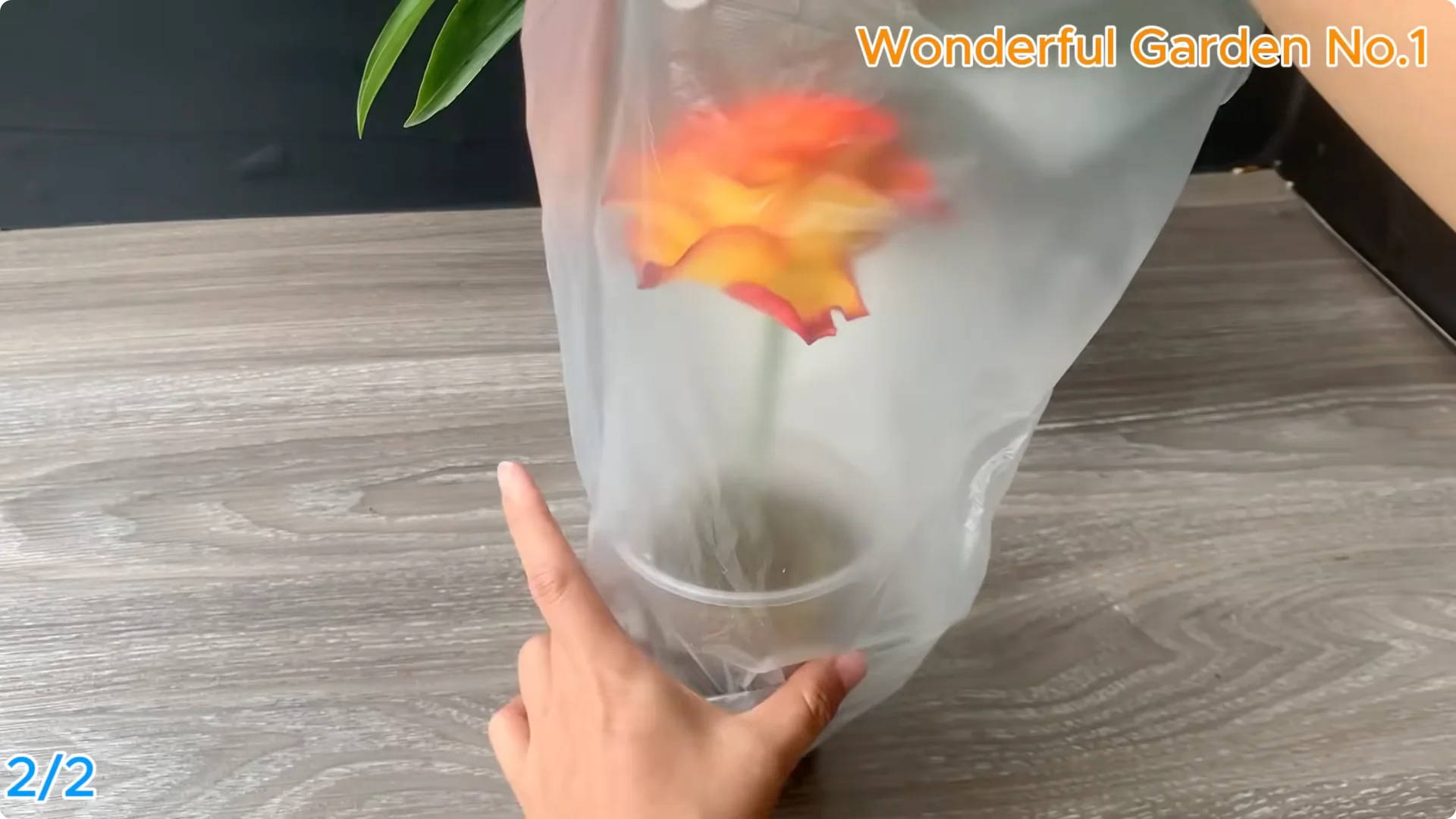
Put the prepared moss into a plastic cup. Make a small hole in the moss surface and gently insert the cutting. Make sure the leaf bud is facing outwards as this is where new growth will appear.
To create a greenhouse effect, seal the cup tightly with a plastic bag, securing it with adhesive tape to retain humidity and warmth. Place the pot in a cool place away from direct sunlight. Maintain humidity by misting the moss every 2 to 3 days.
If the moss shows signs of drying out, you can lightly spray the remaining diluted tea solution onto the moss.
Check progress and transplant
Check the results: are roots starting to form and are there any new shoots growing? New shoots will begin to appear. You will begin to see healthy roots growing from the cuttings, signaling successful growth and the beginning of a healthy, lush rose plant.
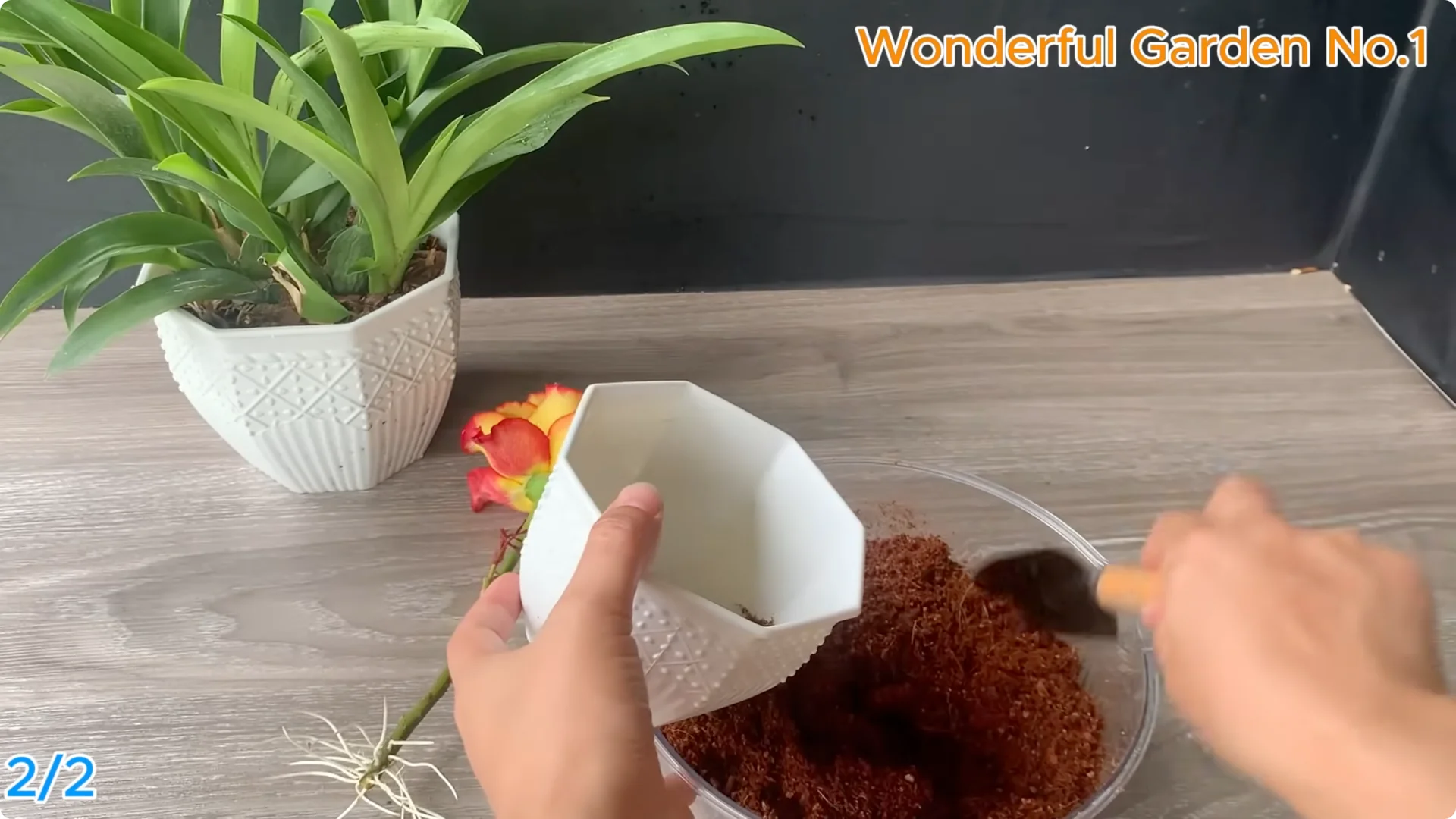
Once the roots are established, transfer the plant to soil or a nutrient-rich medium for continued care. This method avoids the use of chemicals by using natural ingredients that help the cuttings grow healthy and are less likely to rot or wilt.
Final Thoughts
These natural Rose Cutting Propagation methods focus on clean cuts, gentle disinfectants, and steady moisture. Rice water with turmeric and tea with honey plus turmeric both protect tissue and encourage strong root formation. Wishing you success and many healthy plants, good roots, and fresh flowers as you care for your little garden.