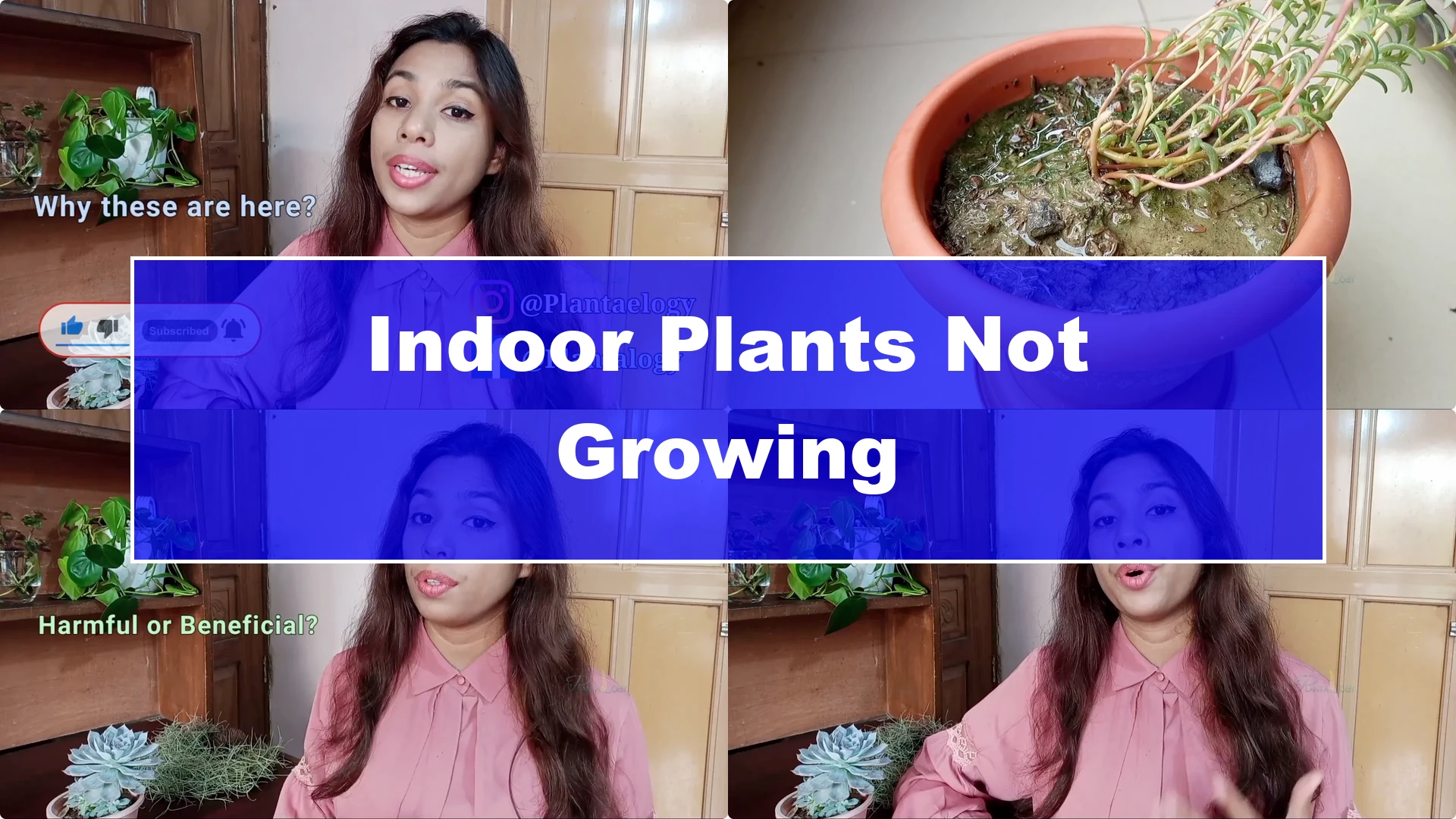
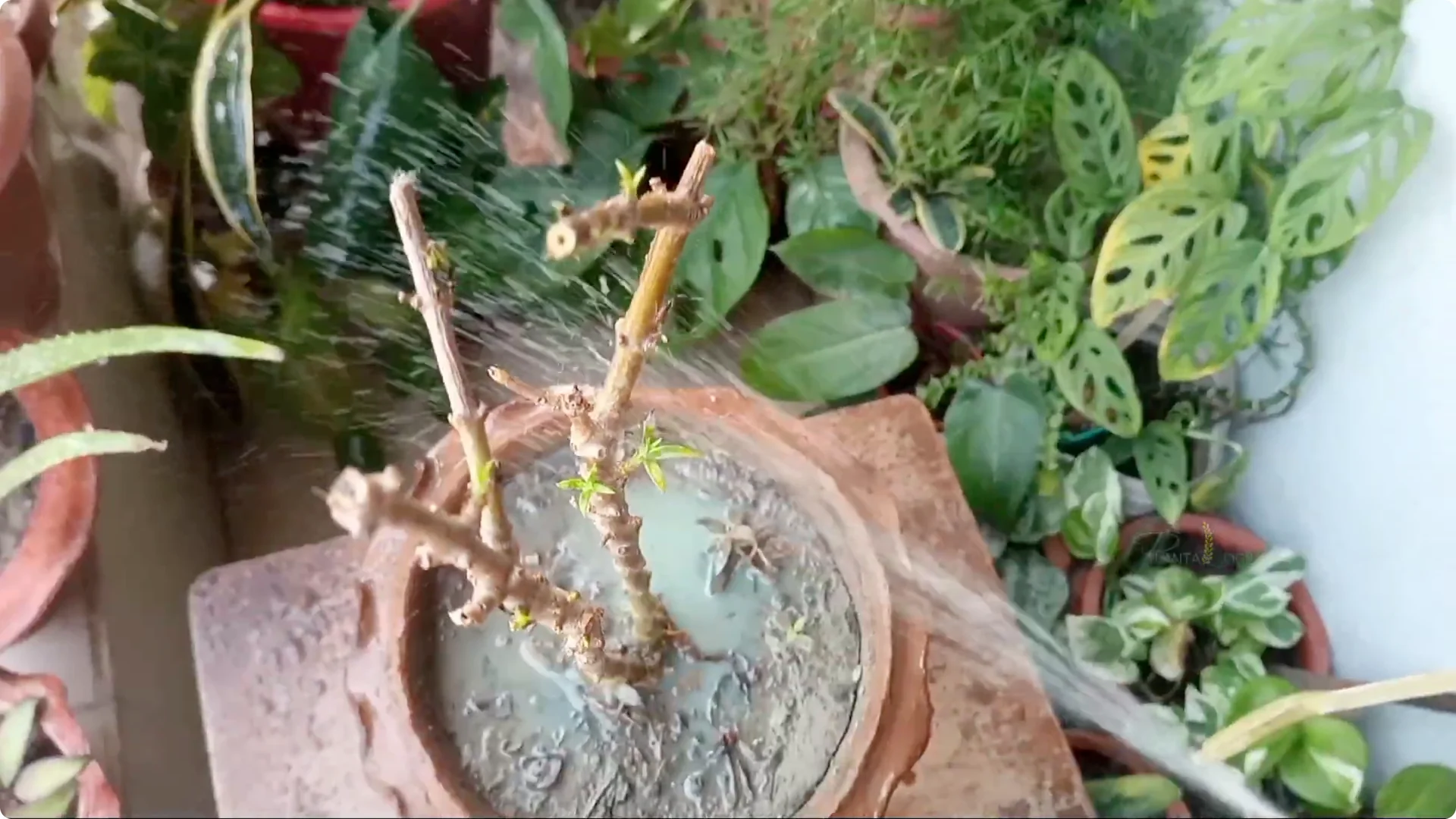
Sometimes we notice something green or bluish green on the soil surface. I am dealing with this problem on one of my plants, and the plant is not doing well. What are these, are they harmful or beneficial, and how to get rid of them?
These can be algae, mold, or moss. Most of the time the green thin colonies we notice in the soil are algae. In my case I am dealing with algae.
1. Algae on Potting Soil: What You See
Most of the time the green thin colonies we notice on the soil are algae. These colonies spread across the surface and form a thin film. That is why they are so easy to spot at the top of the pot.
2. Algae on Potting Soil: Why It Appears
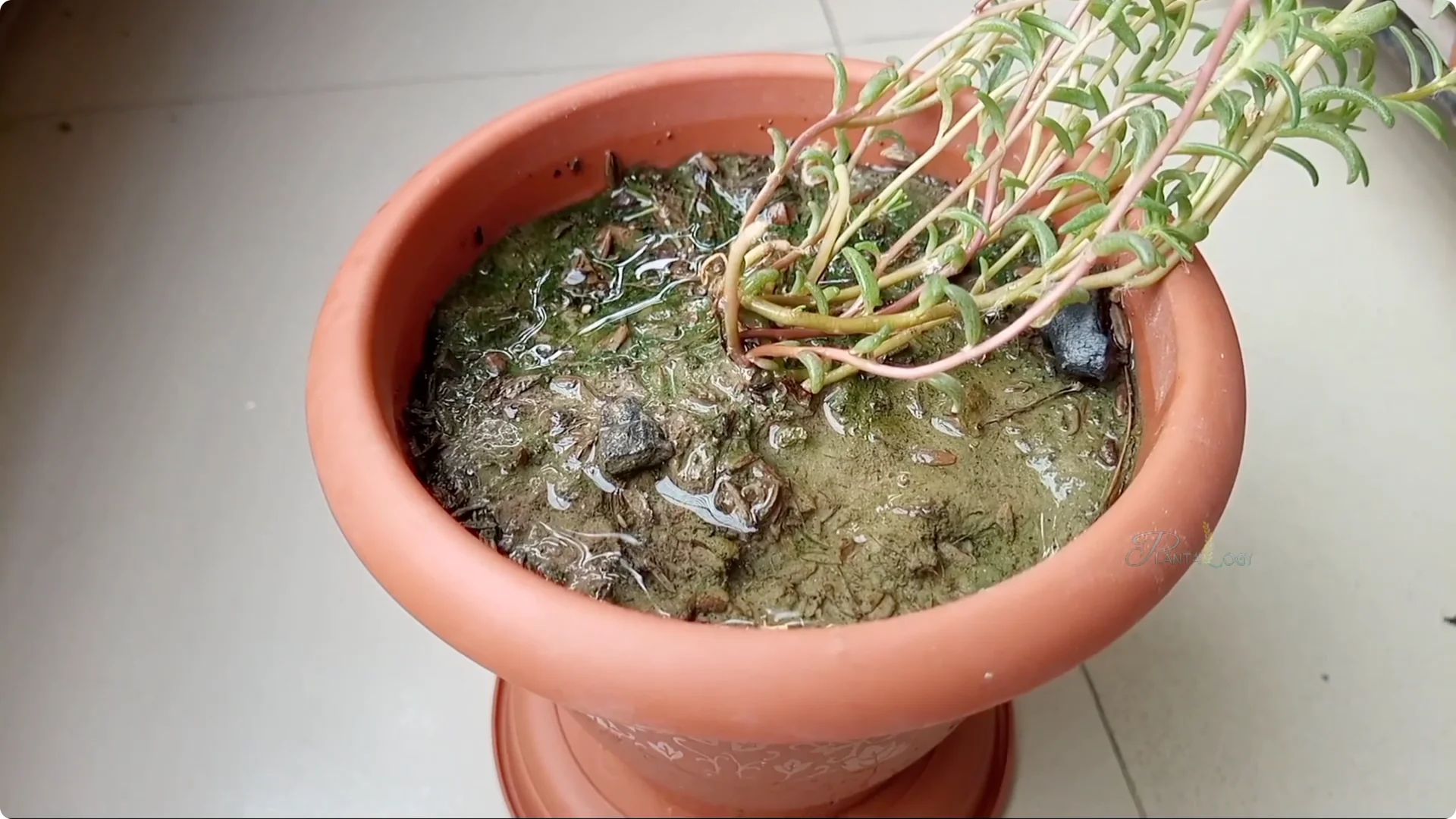
A green thin layer on the soil surface appears due to overwatering. It is very common in the rainy season because plants get excess water due to excessive rain. Soil contains several varieties of algae spores.
These spores transfer from one place to another by water and air. When these micro plant spores get humidity, moisture, and warm conditions at the same time, they sprout and create a colony on the soil surface. Algae are autotrophs that need sunlight to make food, so we often notice them on the soil surface.
Moisture control is critical for water-sensitive houseplants. For succulents that hate excess moisture, see this aloe vera care guide.
3. Algae on Potting Soil: Harmful or Beneficial?
Algae are not harmful or toxic at all. They are more beneficial to the soil, to the plant, and to the microbes present in the soil. Algae generally produce oxygen which is utilized by the plant roots as well as the soil microbes.
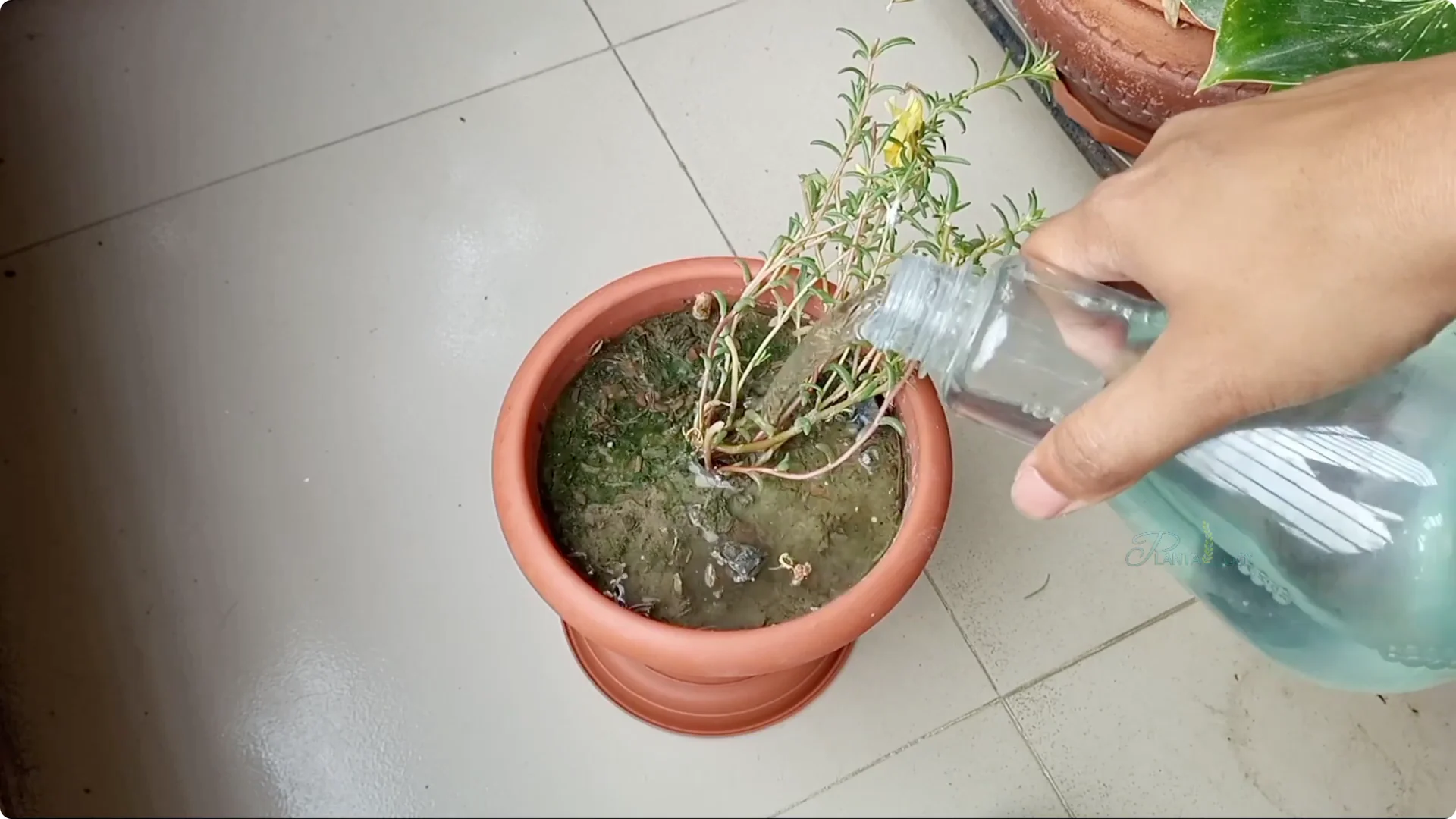
The problem is these algae block the soil surface by creating their colonies. Water cannot penetrate into the soil and air cannot flow between the soil layers. Water stands on the surface and causes overwatering on the upper layers, which can rot the lateral roots at the plant base.
Such overwatering on the upper layers can attract pests such as mealybugs. Most gardeners grow plants in small containers or small places. Container plants get overwatered or suffer by root rot very often, so this type of algae growth can disturb plant growth.
For shrubs that like consistent but careful watering, see these azalea care tips.
4. Algae on Potting Soil: What To Do
We need to take care of this problem because we do our gardening in small areas. There are several ways to manage it. You can pour hydrogen peroxide, but I am not going to recommend it because it destroys both harmful and beneficial bacteria.
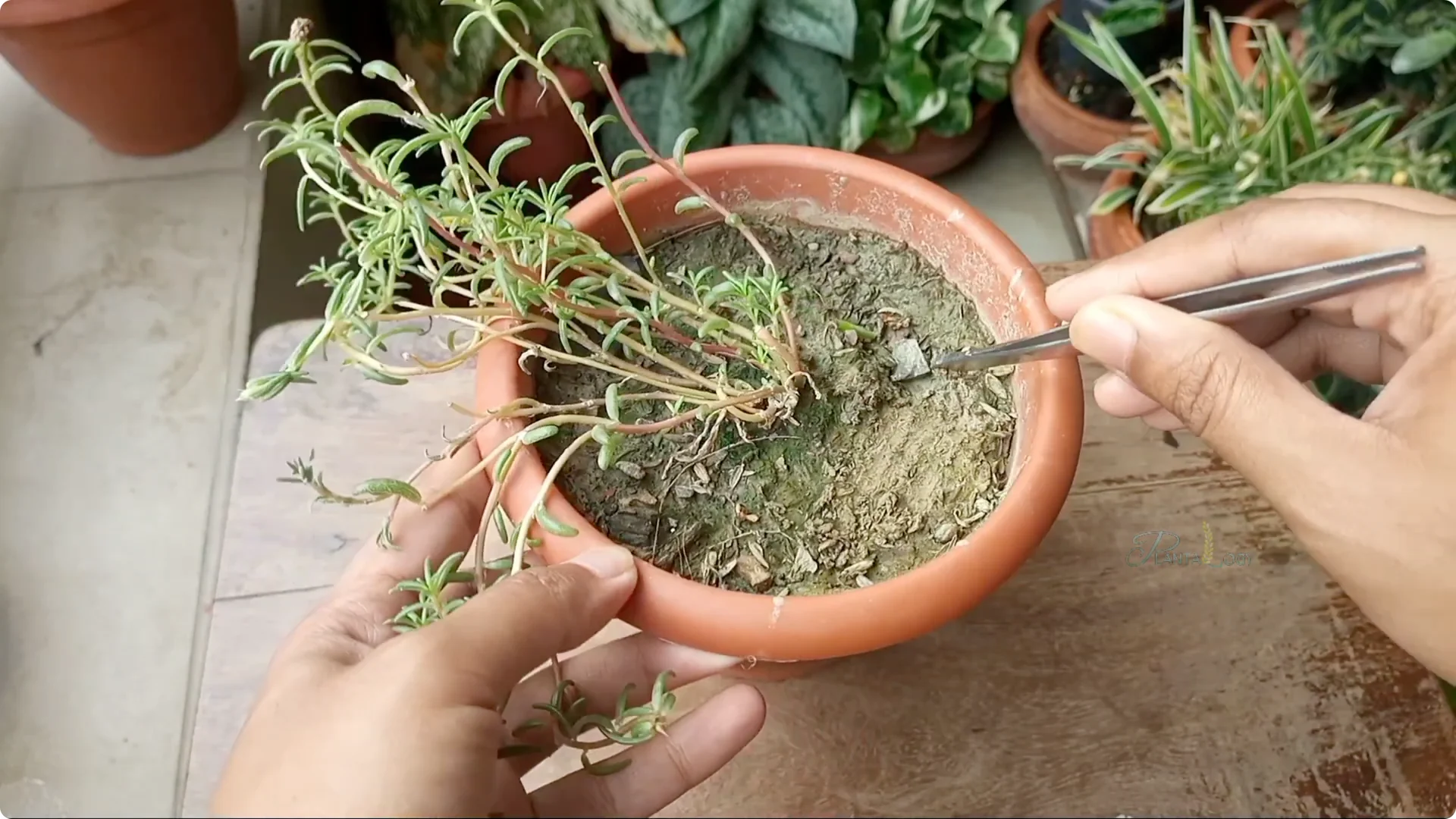
As I said before, algae are non-toxic. The best way to remove this algae is just loosening and scratching the upper layer of the soil. I also loosen up the soil surface and added some fertilizer.
Step-by-step removal
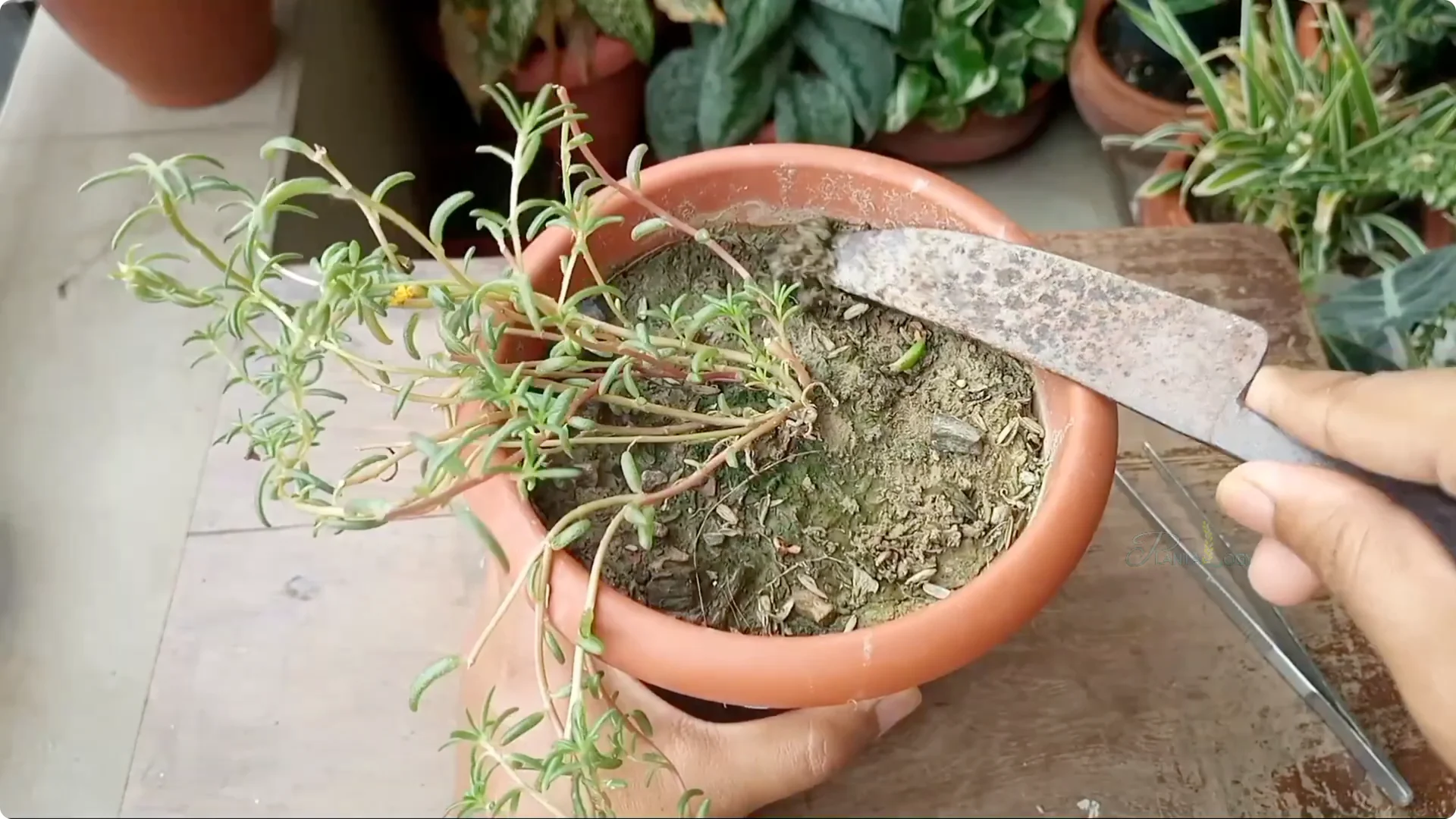
Step 1 – Loosen the surface
Loosen and scratch the upper layer of the soil. Break the crust so water and air can move again.
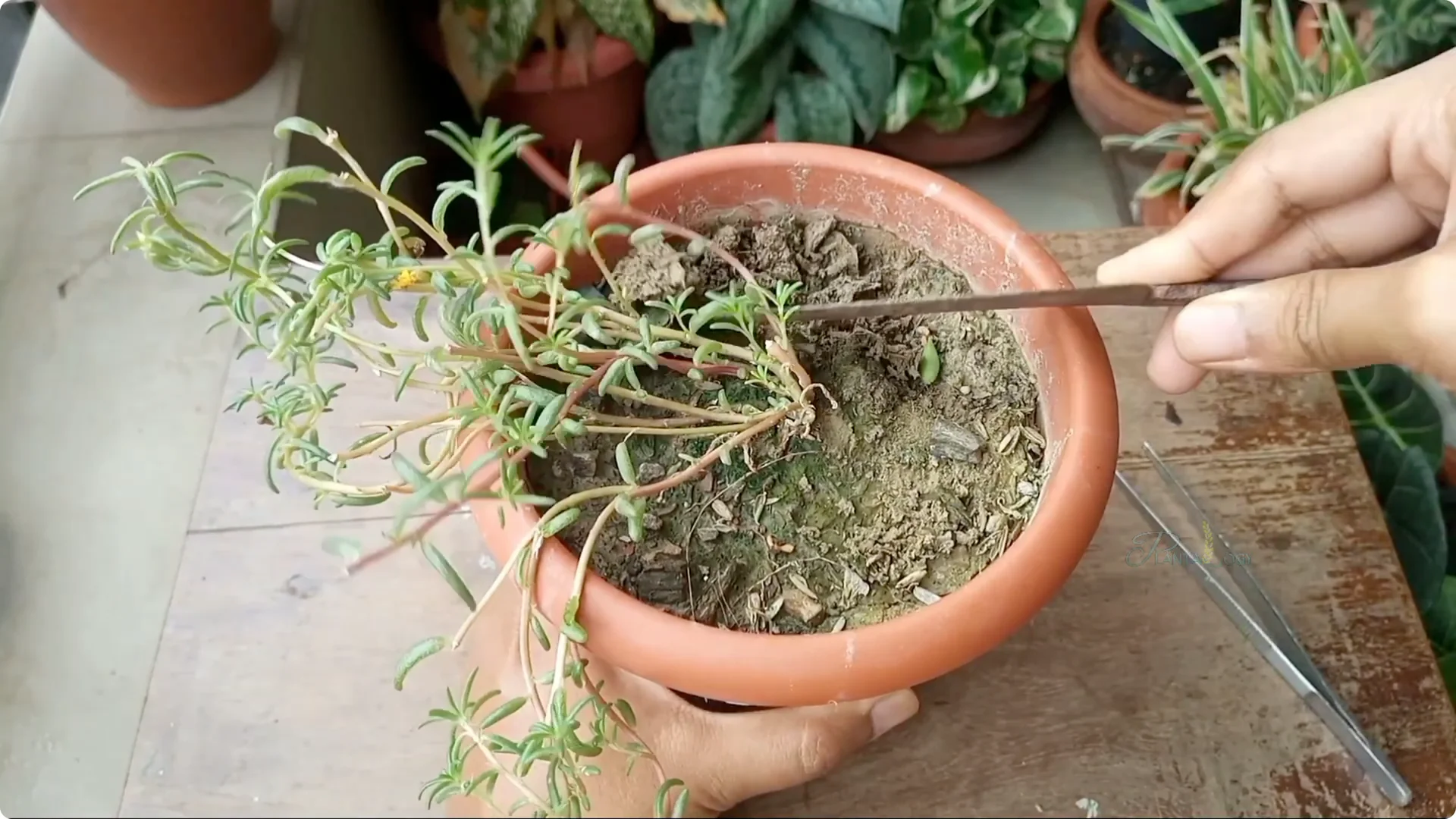
Step 2 – Replace the top layer
Scrape out the upper few inches of the soil. Add new soil to refresh the surface and control algae growth.
Step 3 – Use a sterile medium
Use sterile medium such as cocopeat, peat moss, or LECA balls, which rarely contain algae spores. This keeps the surface cleaner over time.
Step 4 – Avoid harsh treatments
Skip hydrogen peroxide and similar quick fixes. They can destroy beneficial bacteria you want to keep. You can also use fungicide or herbicide, but algae are non-toxic, so I just took the primary precautions.
Step 5 – Adjust watering
Most importantly avoid overwatering the plant. This is the major reason these algae create their colonies.
Step 6 – Address mold or fungus
If your soil has molds or fungus, use a fungicide or repot the plant. Treat the cause so it does not return.
Cold-season watering mistakes can cause brown tips on spider plants – see how to prevent brown tips on spider plants in winter.
Final Thoughts
Algae on potting soil signal extra moisture and favorable light. They are not toxic, but the surface crust they build can block water and air and invite root problems.
Loosen or replace the top layer, improve your medium, and cut back watering. If you see mold or fungus, use a fungicide or repot the plant.