
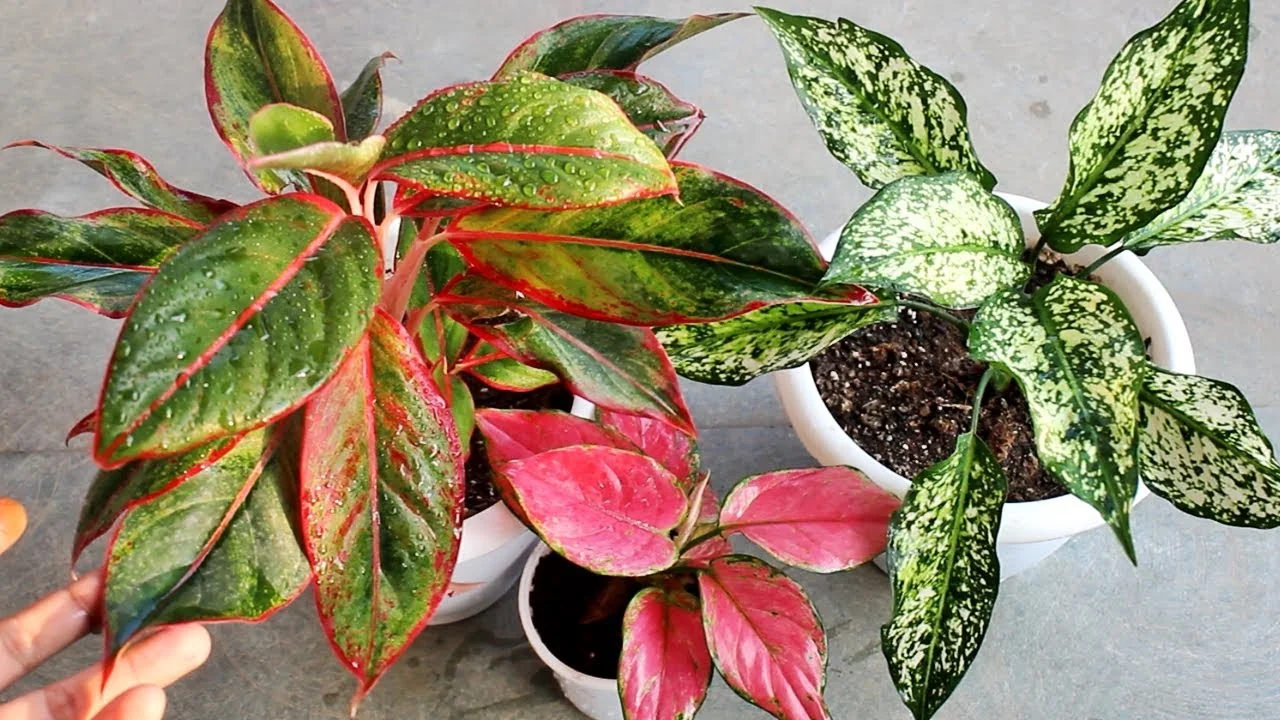
Aglaonema is one of the most popular indoor plants. I started by repotting two of my plants and then looked at the results after more than 180 days. You are going to know everything that I do for day one to six plus months.
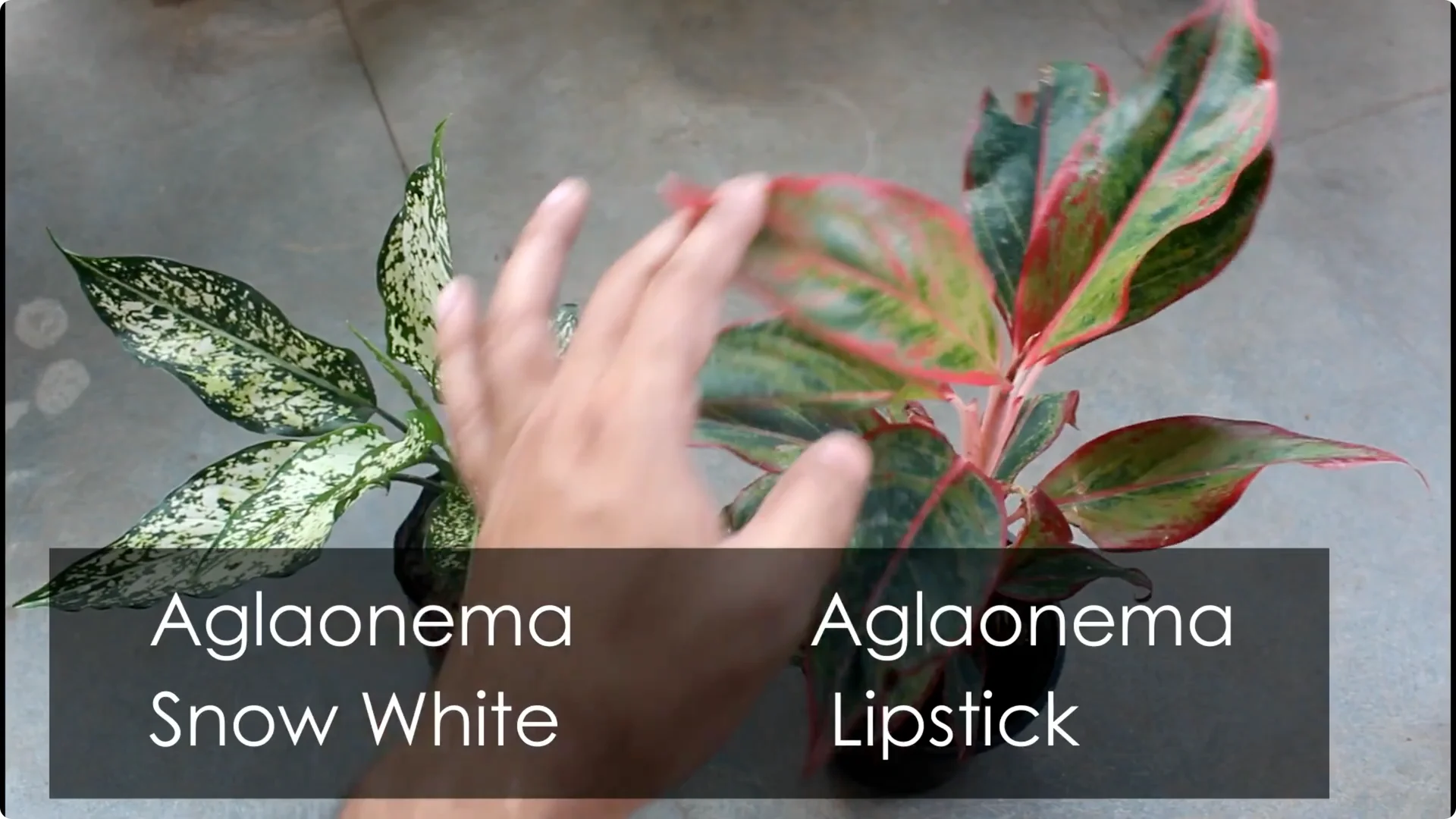
I have two different varieties. The left side one is known as Aglaonema Snow White and on the right side I have the Lipstick Aglaonema. There are other varieties too, and one specific variety is somewhat difficult to grow, which I will mention below.
1. Aglaonema Care Guide: Containers
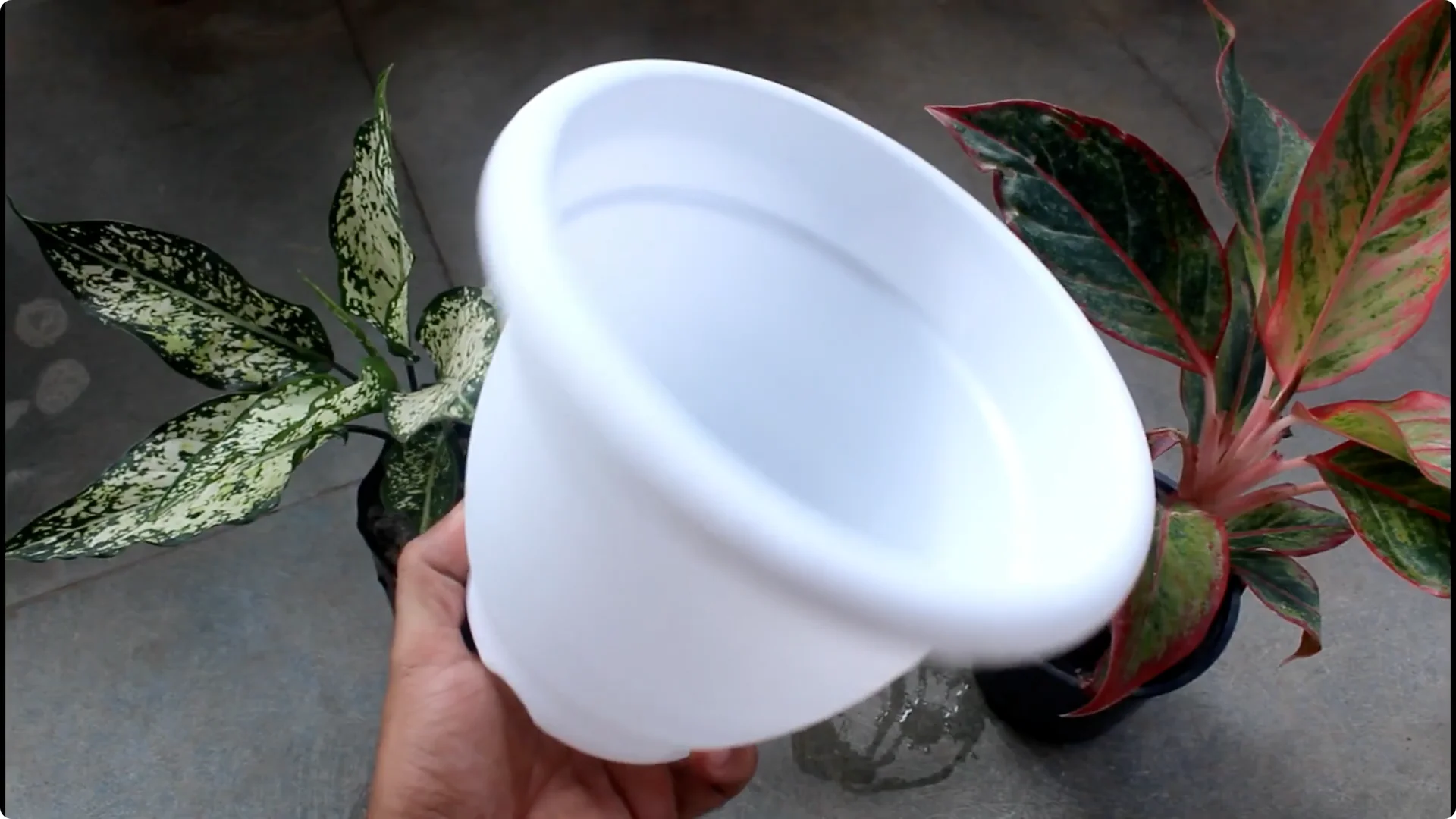
I am going to use a 6 inch soft container. Aglaonema is an indoor plant and it does not grow fast like plants we grow outside. That is why you can use a much smaller container if you want to.
You can use a 4 inch container for the first year. Then you can upgrade the size the next year or even after two years. Please make sure that your pot has at least one drainage hole.
Keep some hard object on the drainage hole so that water can drain out well. Prepare your setup first and then move to the soil mix. If you are also growing a money tree, similar pot sizing logic applies.
2. Aglaonema Care Guide: Potting Mix
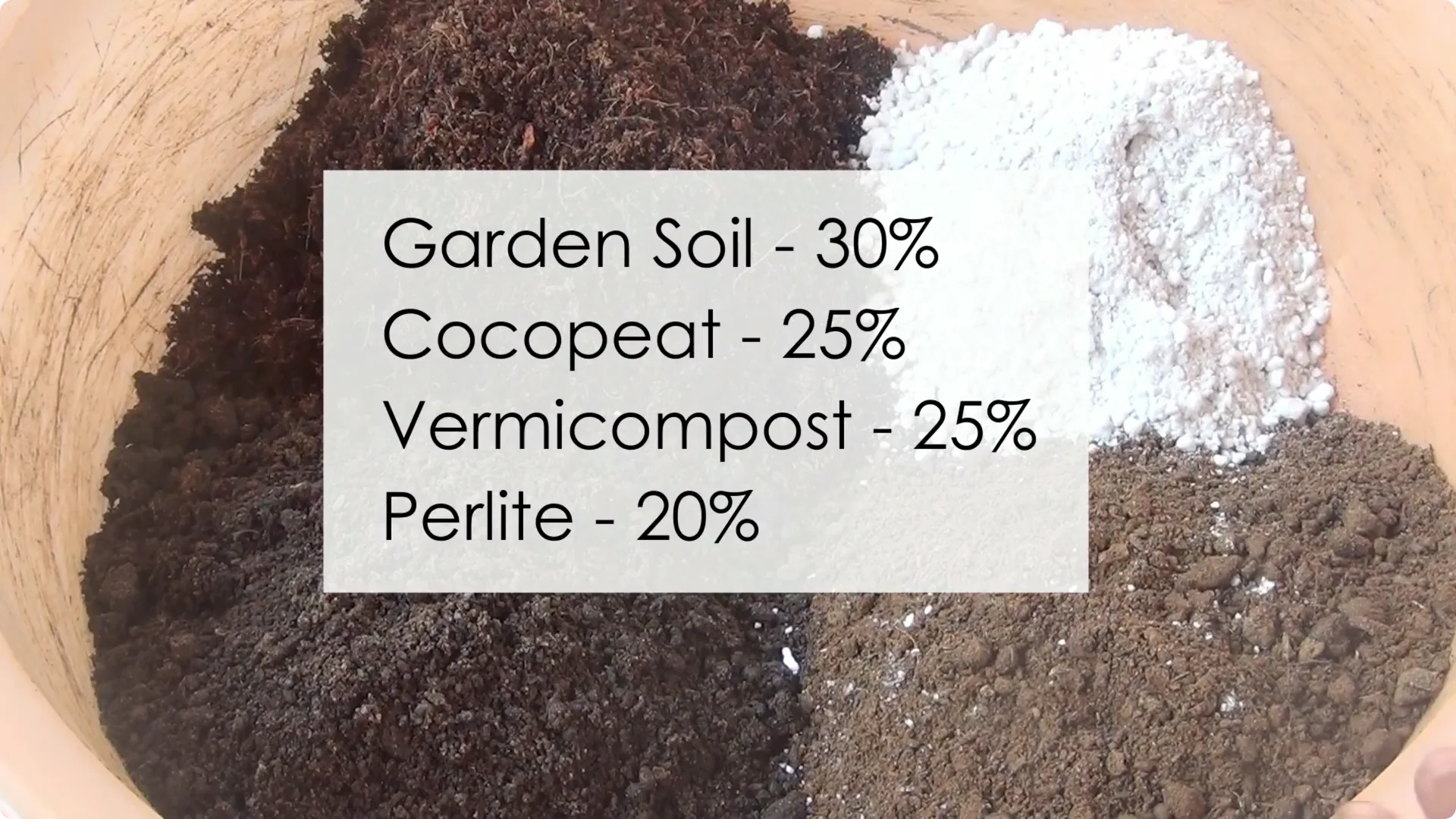
Be careful while preparing the potting soil mix. I take 30 percent normal garden soil, 25 percent coco peat, 25 percent vermicompost, and 20 percent perlite. Mix them well.
This blend keeps the soil airy and drains well. It also holds enough moisture for indoor conditions. Avoid heavy mixes that stay soggy for long.
3. Aglaonema Care Guide: Step-by-Step Repotting
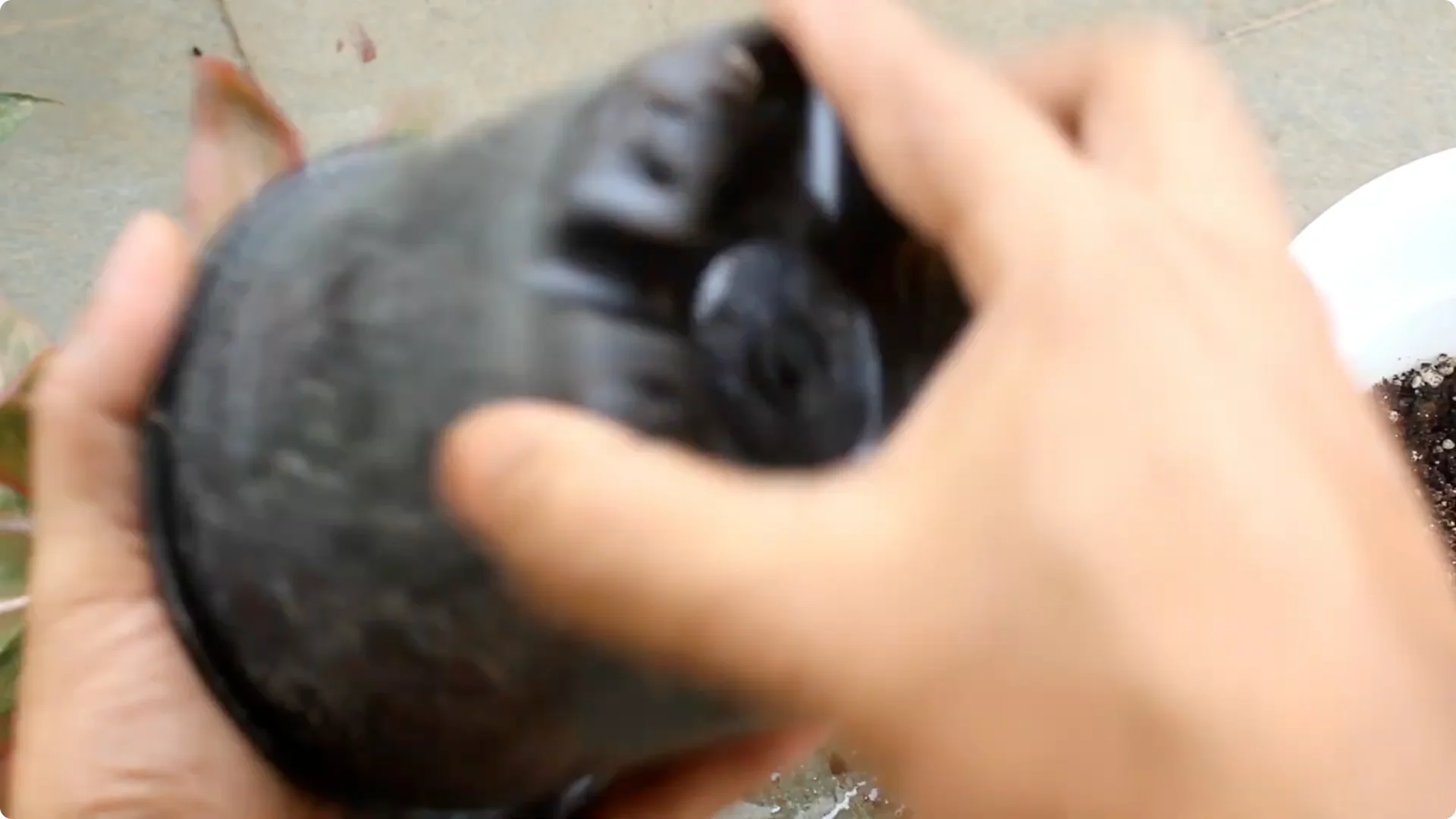
Step 1: Fill the pot one third with the mix and set the plant in the center. Adjust the height so the crown sits slightly above the rim. Backfill gently around the root ball.
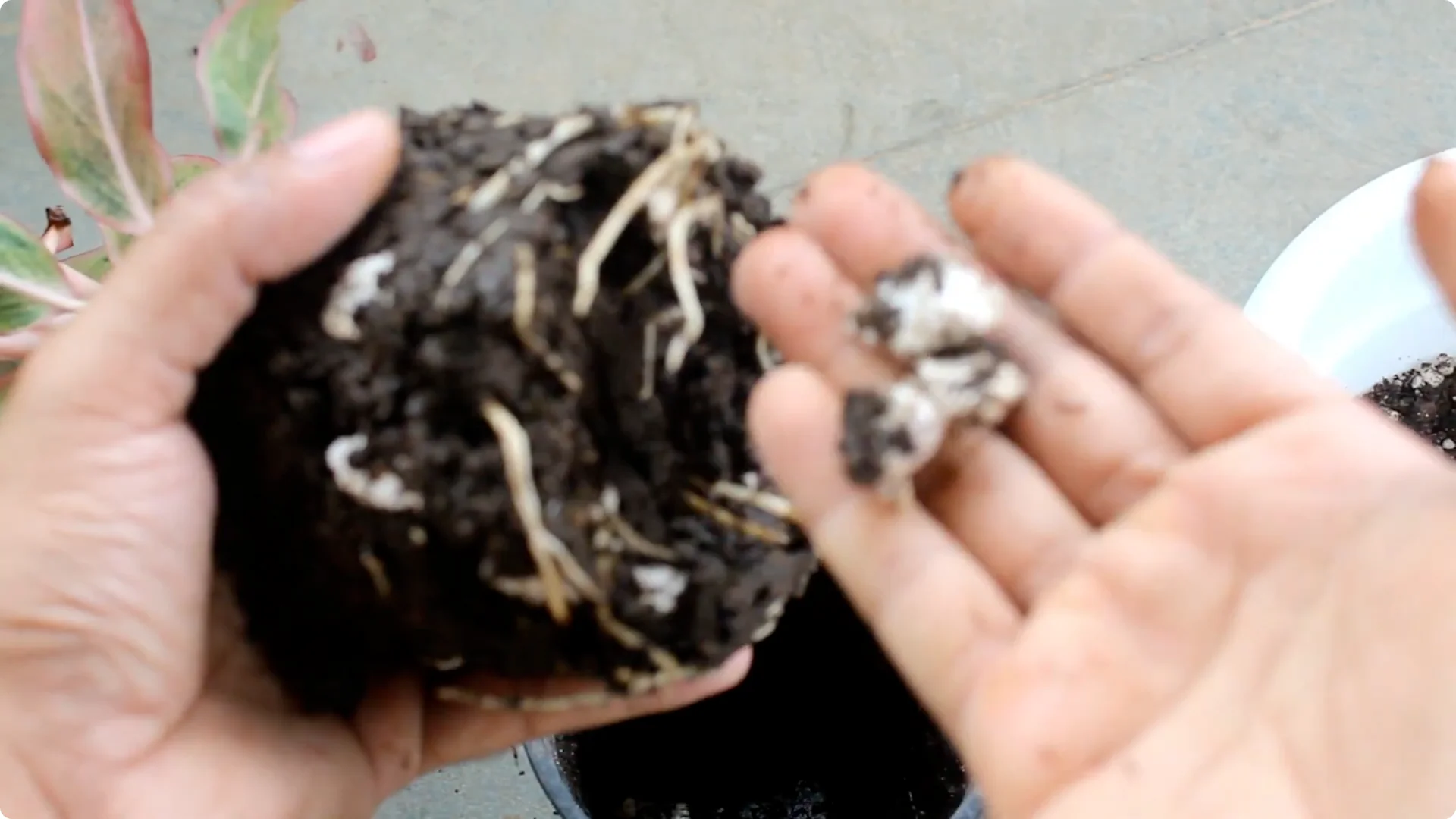
Step 2: Tap the pot to settle the mix and add more if needed. Do not press too hard. Keep the crown free.
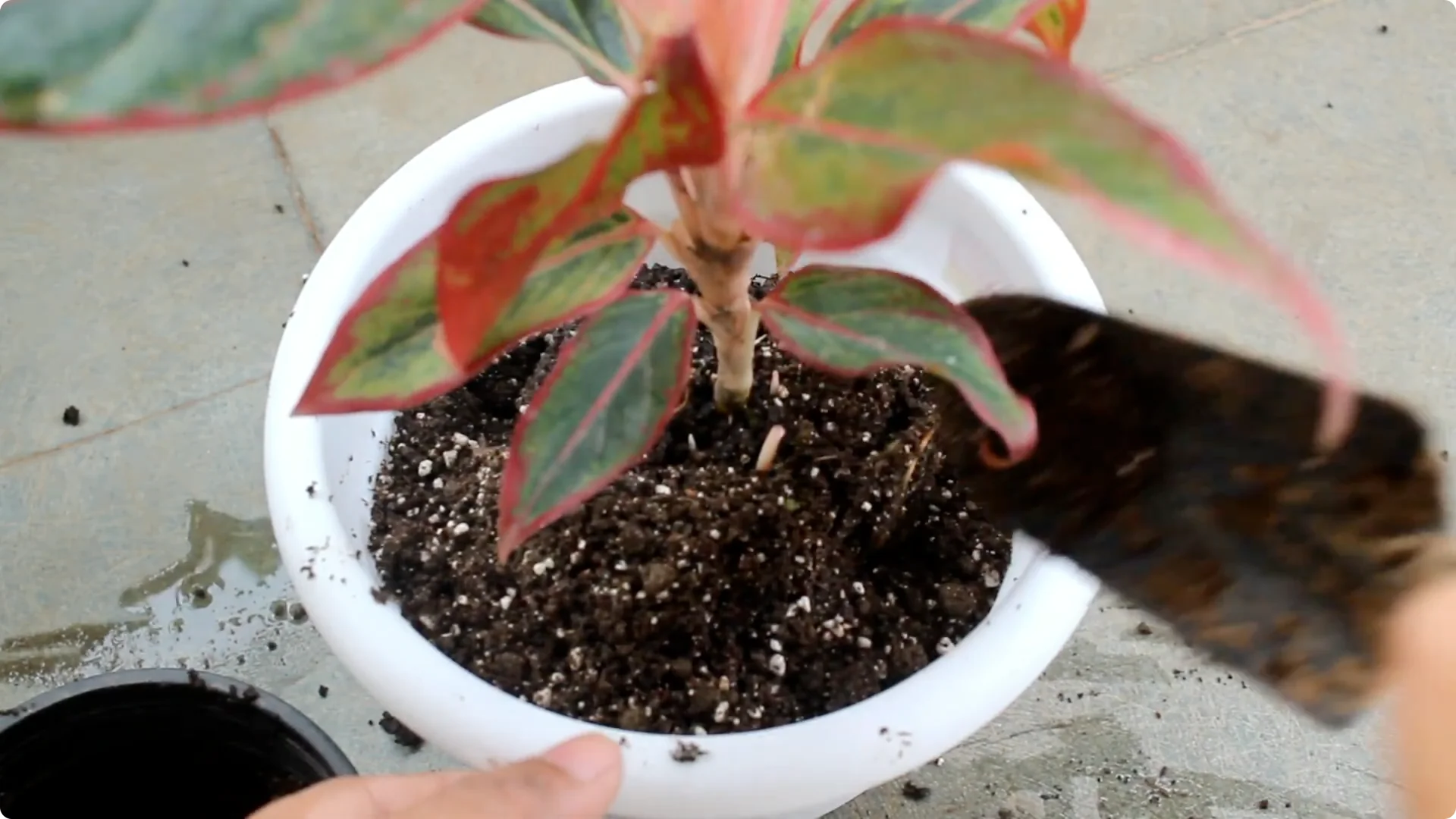
Step 3: If the soil was wet while repotting, do not water now. If the soil was dry, water thoroughly right after repotting. After that, do not water before you see the topsoil getting dry.
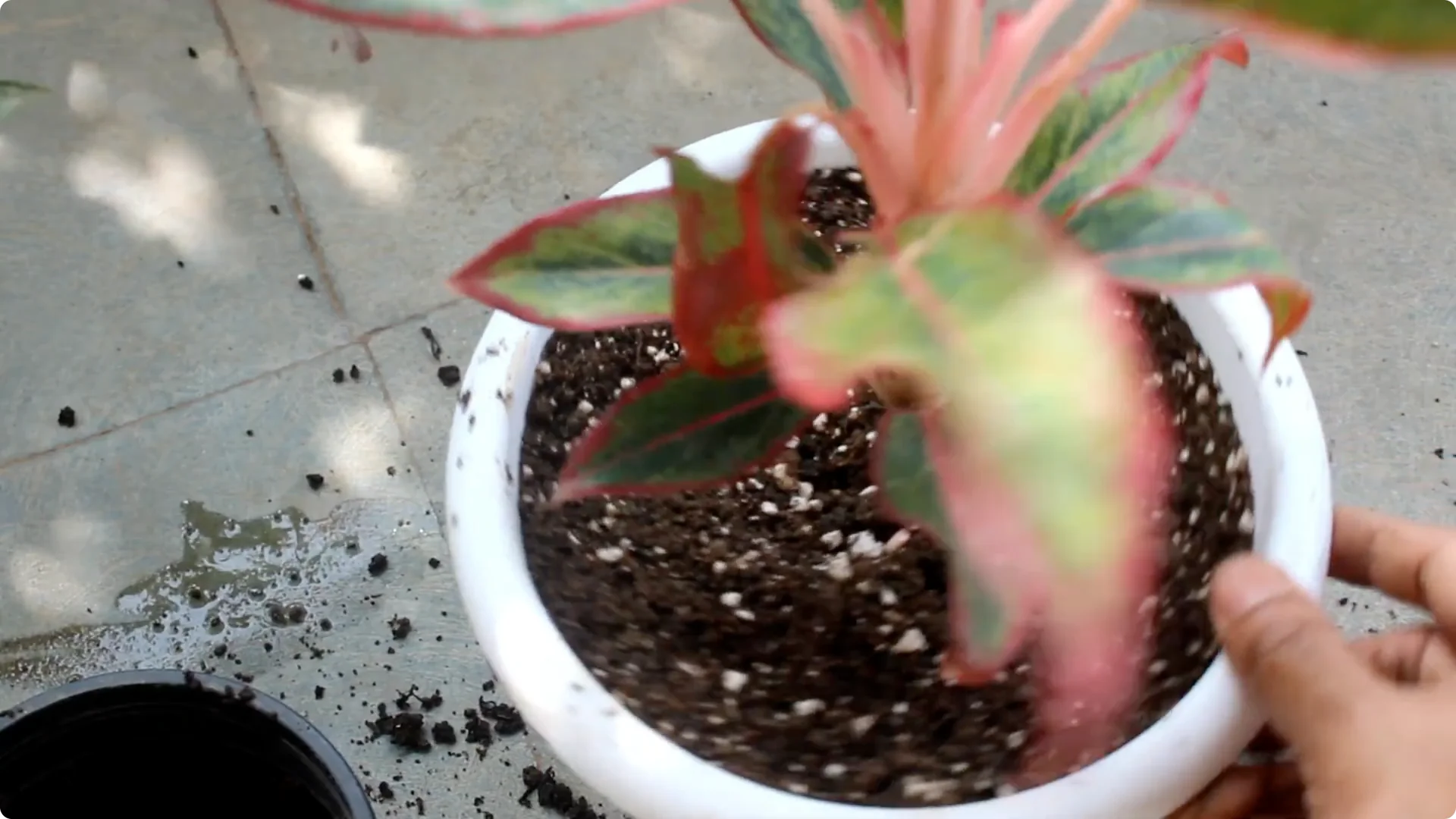
4. Aglaonema Care Guide: Results After 195 Days
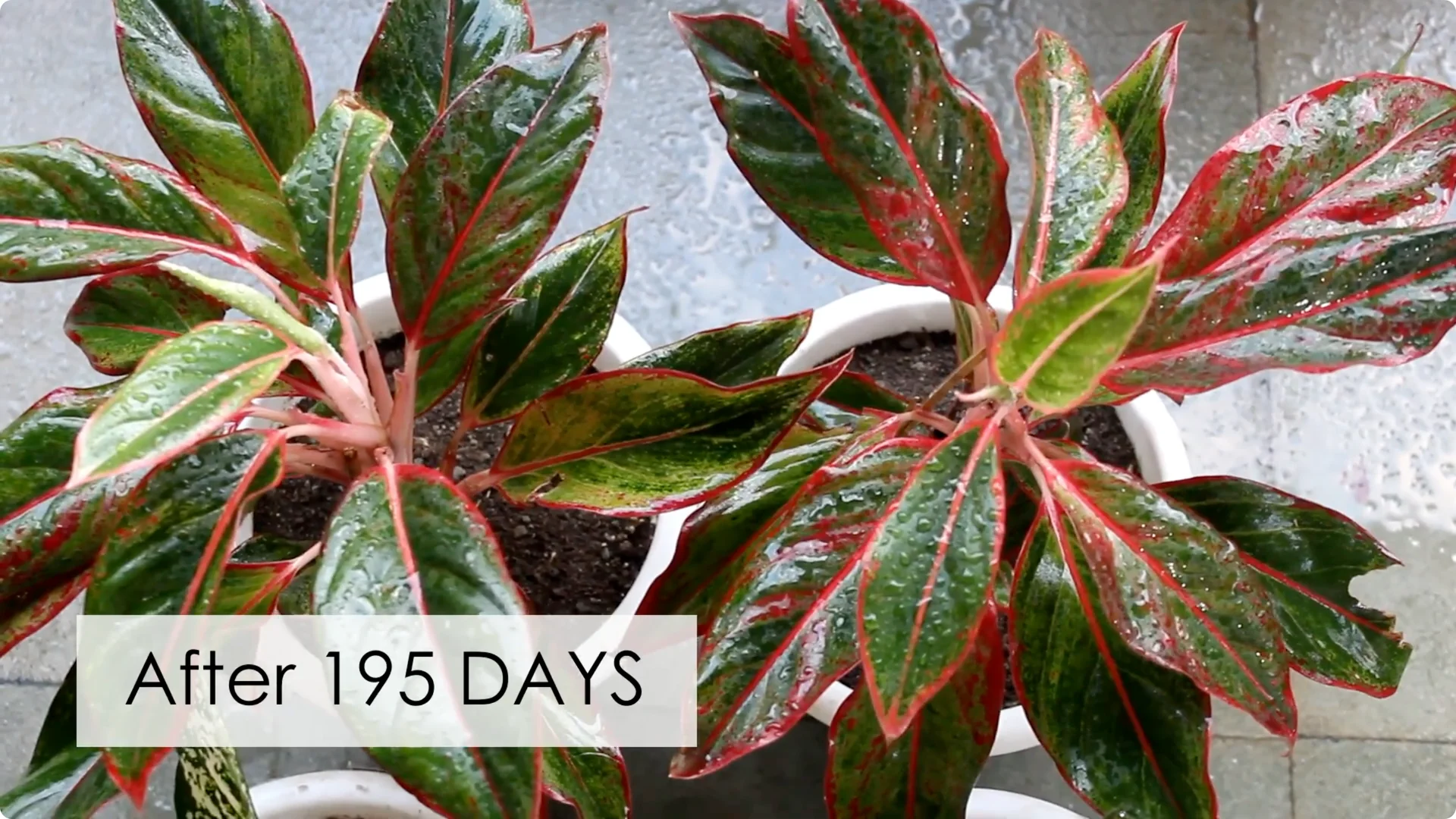
This is the result after 195 days, which means more than six plus months. You may be surprised because they are almost looking similar. Indoor plants including Aglaonema take time to grow well, so you have to have patience.
I am really glad that all of my plants have produced lots of babies. This is a very good sign. Growth can be slow, but steady with the right care.
5. Aglaonema Care Guide: Light
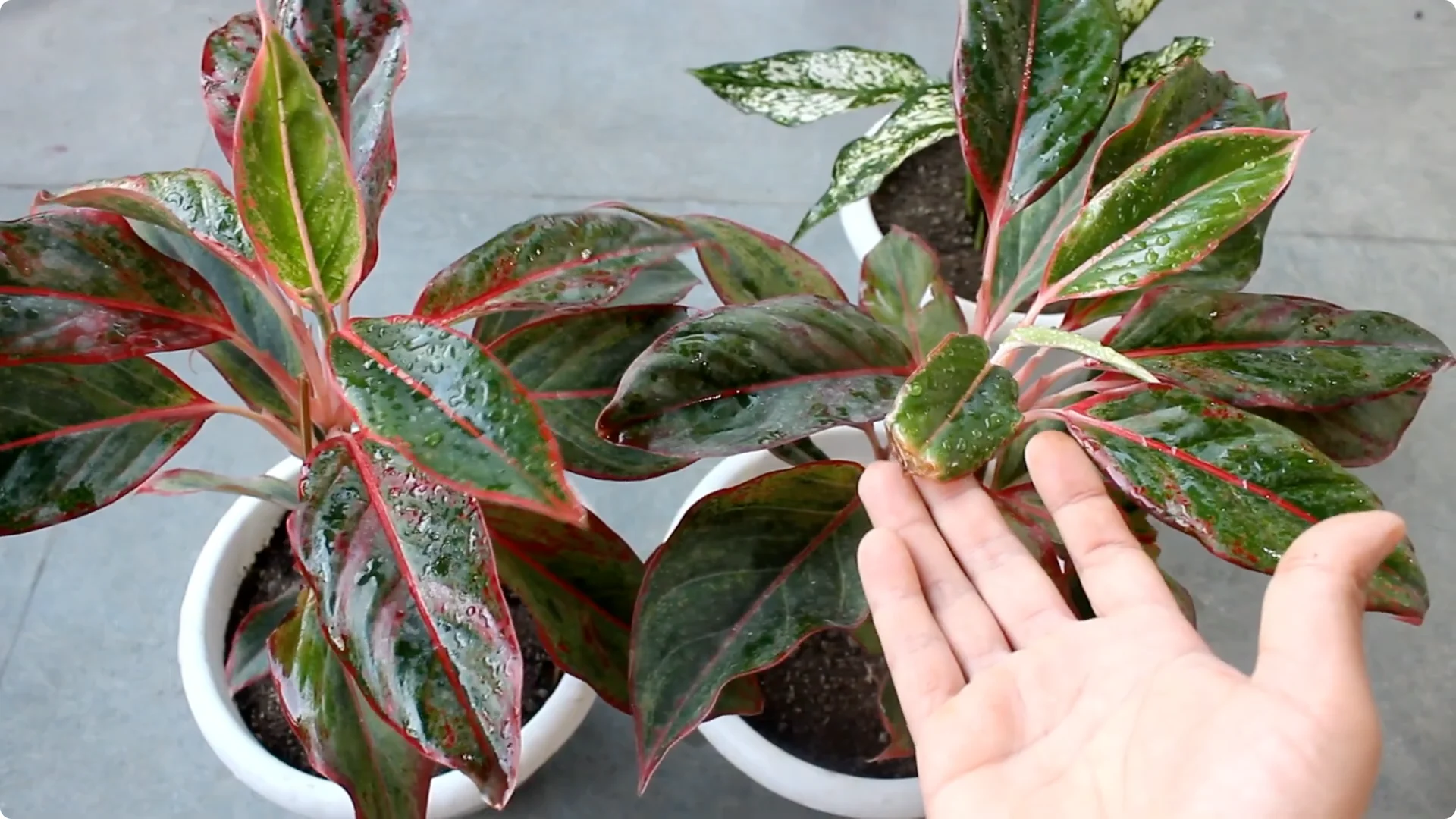
Aglaonema needs bright light but not direct sunlight. You can see leaf tips get burned if it gets direct sun even for a while. Please be extremely careful and make sure that your plant is not getting direct sunlight.
Aglaonema is known as a low light houseplant, so it can tolerate an extremely low level of light. Mine stayed about ten feet away from a bright window and did really well. If you can provide more bright light, they are going to grow somewhat faster.
For another tough low light option, see our snake plant guide. If you prefer a bright but indirect light bloomer, check the Christmas cactus. Both pair well with Aglaonema in the same room.
6. Aglaonema Care Guide: Watering
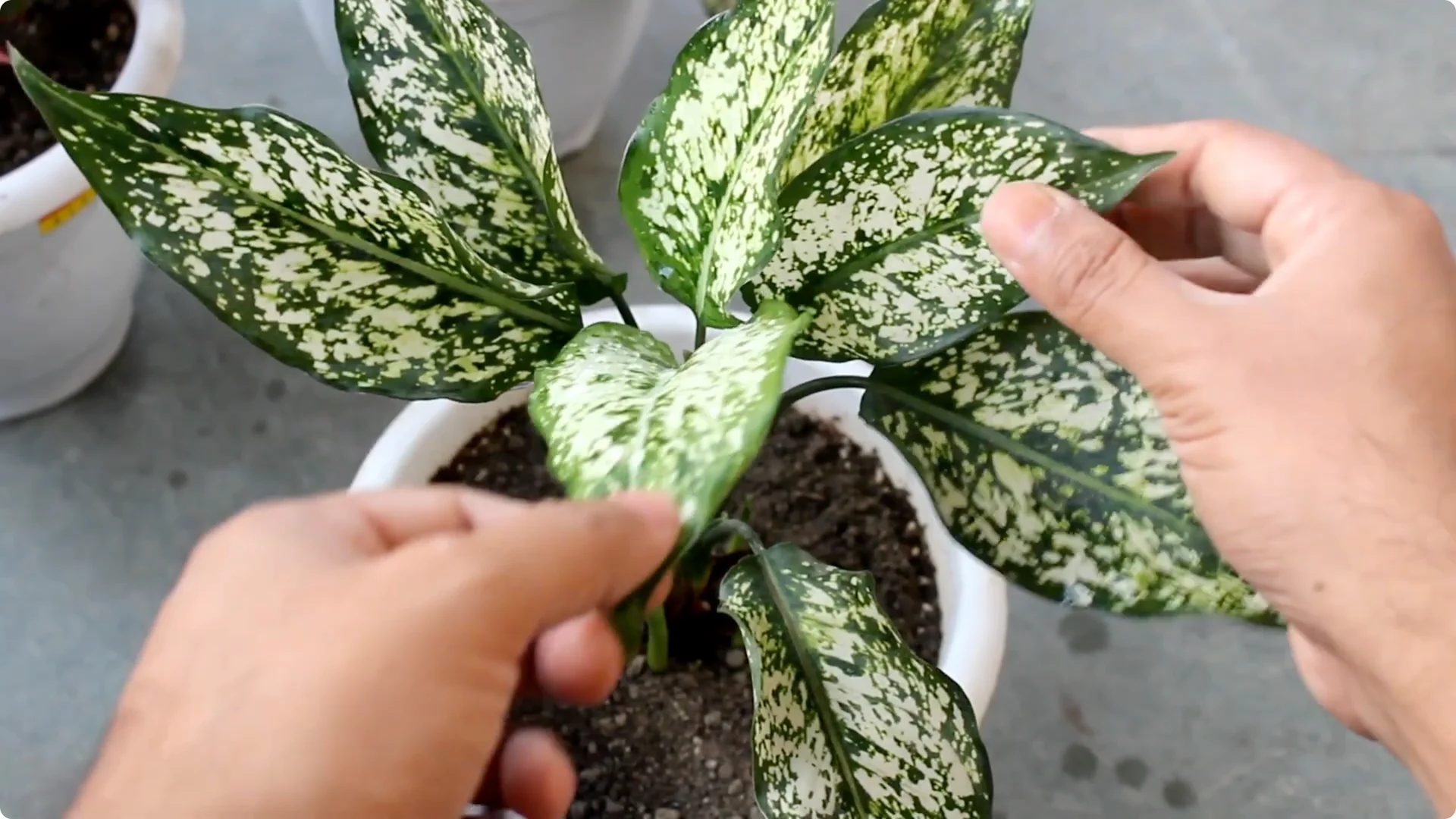
I always try to keep the soil somewhat on the drier side. It is always a good idea to underwater any indoor plant than overwater. Make sure the soil is dry before you water.
Let the topsoil dry out or at least one inch of soil dry out in between watering. I water once in 7 to 10 days. Adjust based on your room conditions.
In case of underwatering you are going to find droopy leaves. Whenever you see droopy leaves on a plant, you should water immediately. The plant perks up fast after a good drink.
7. Aglaonema Care Guide: Fertilizing and Cleaning
Since Aglaonema does not grow very fast, it needs less fertilizer and less frequent feeding. I take about 1/2 teaspoon of NPK 19-19-19, mix it in 1 litre of water, and apply directly on the leaves once in 30 days. This schedule works well for me.
Sometimes you may find dust on the leaves. Clean the leaves at regular intervals. Wipe gently so the plant can breathe and photosynthesize better.
8. Aglaonema Care Guide: Propagation
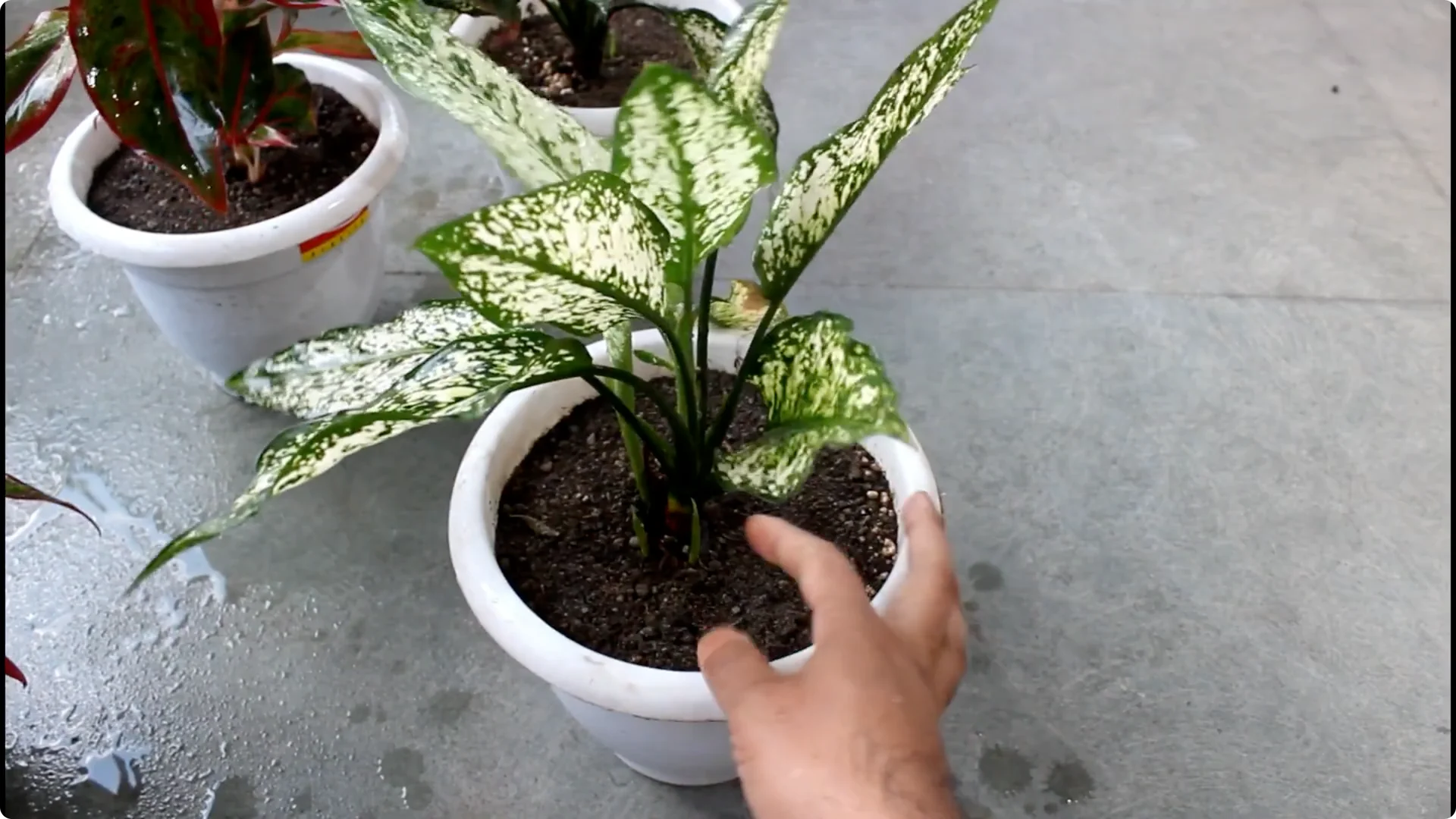
Propagating Aglaonema is very easy by dividing the babies. You can see the baby plant sides at the base. Take out the baby plants from the mother plant and grow them in another container.
There is a very lovely variety known as Pink Aglaonema. Please note that it is somewhat difficult to grow compared to Snow White or Lipstick. Start with the easier ones if you are new.
Final Thoughts
This is all about how I grow and care for Aglaonema. Give them bright indirect light, keep the soil on the drier side, feed lightly, and be patient. They reward you with steady growth and lots of babies over time.