
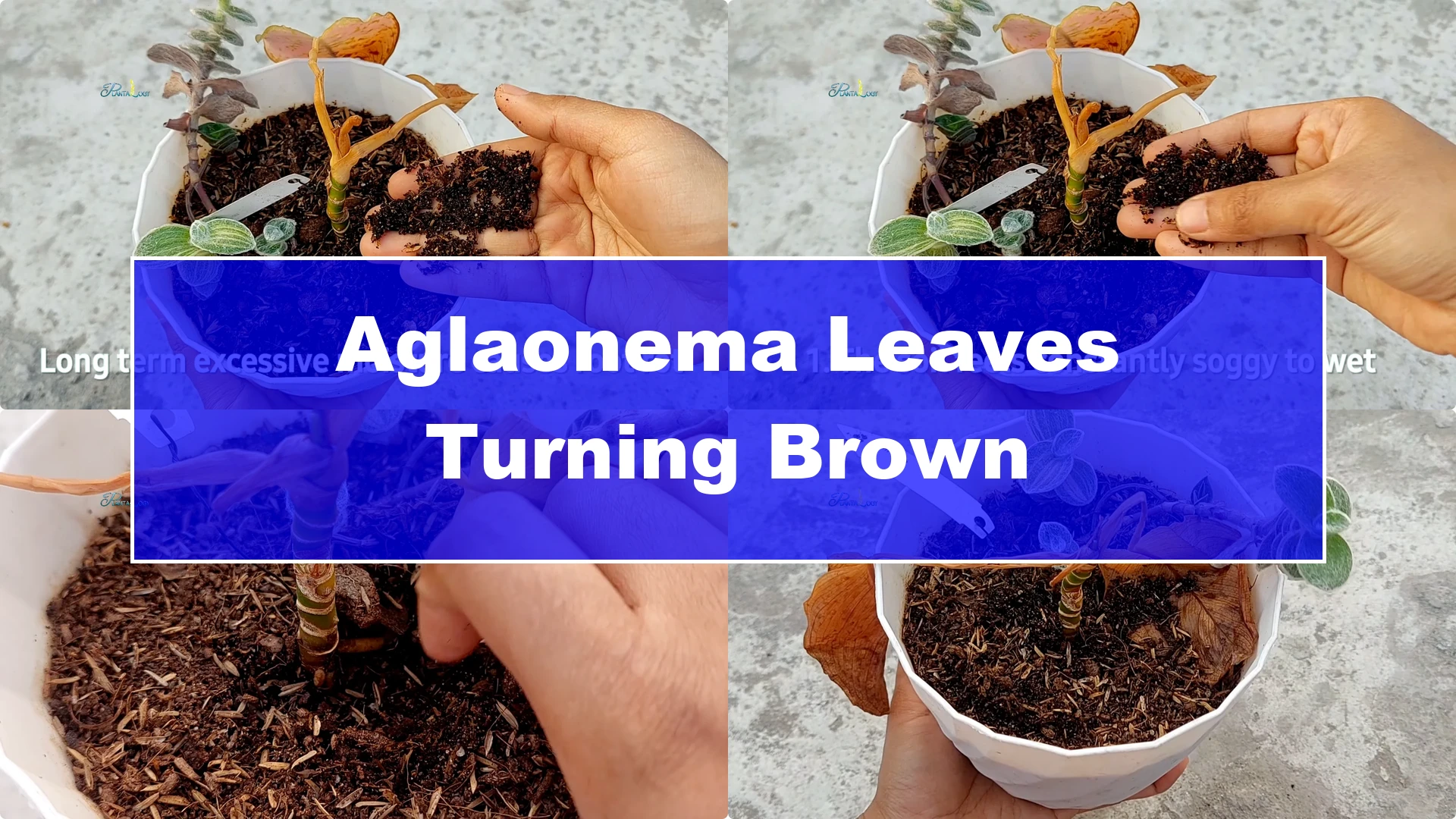
Sometimes beautiful Aglaonema leaves start turning brown, suddenly dry out, or the plant stops growing for months. Don’t panic. Here are the three main reasons behind the decline and exactly how to bring your Aglaonema back to life.
Brown leaves most often come from overwatering, harsh direct sun, or natural winter dormancy. Each issue looks a little different. Fixing the right cause brings your plant back faster.
1. Aglaonema Leaf Browning Causes: Overwatering and Root Rot
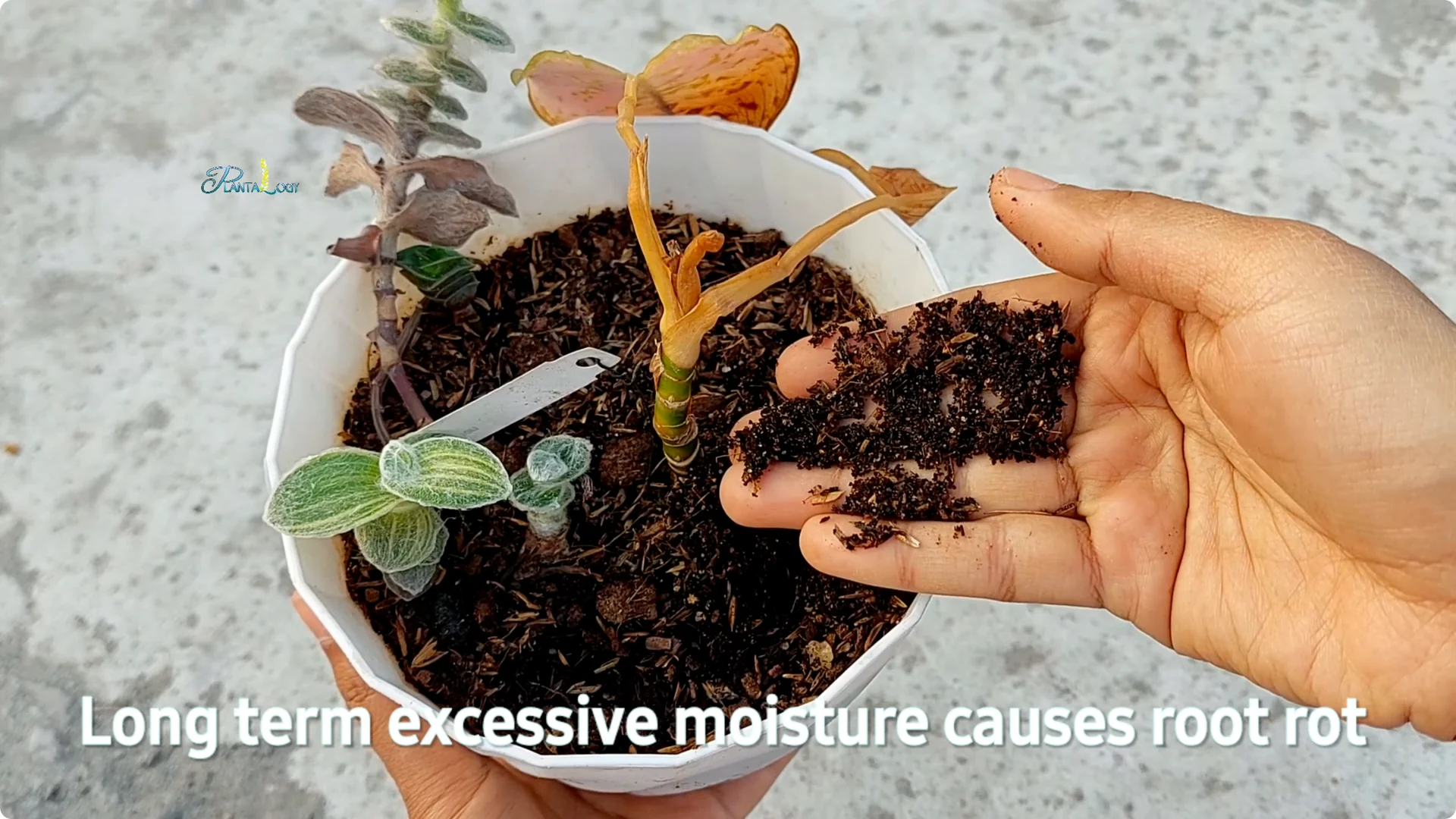
The most common culprit behind brown leaves is overwatering. When your Aglaonema sits in soggy soil for too long, the roots literally drown and begin to rot. Root rot prevents the plant from absorbing water and nutrients properly, and the leaves respond by turning water-soaked, mushy brown starting from the tips and edges.
Diagnose overwatering and root rot
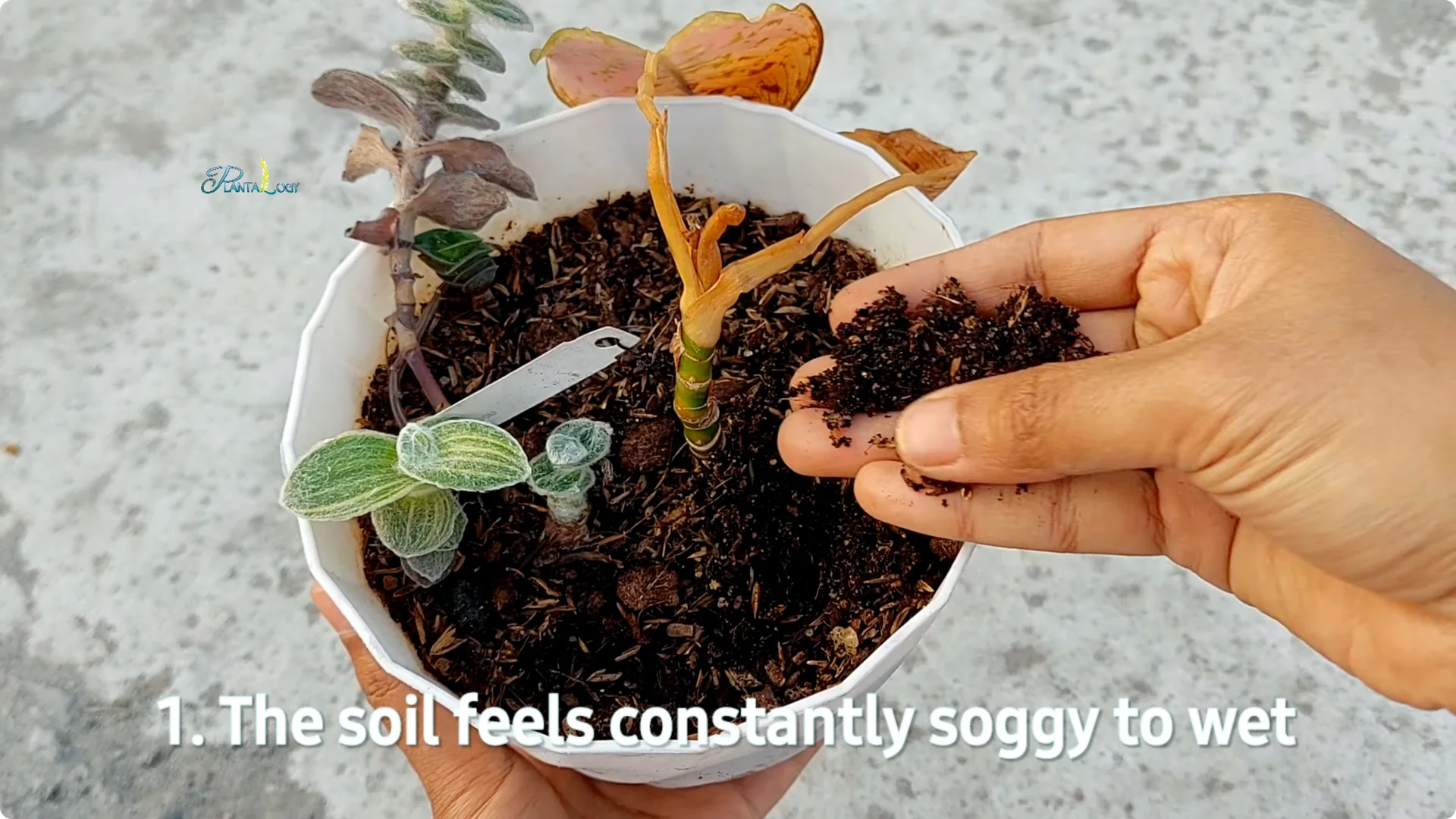
Check if your soil feels constantly wet. If the leaves feel soft and soggy rather than crispy, or if there is a pungent smell coming from the soil, you are looking at root rot from overwatering. These are the exact signs to confirm the diagnosis.
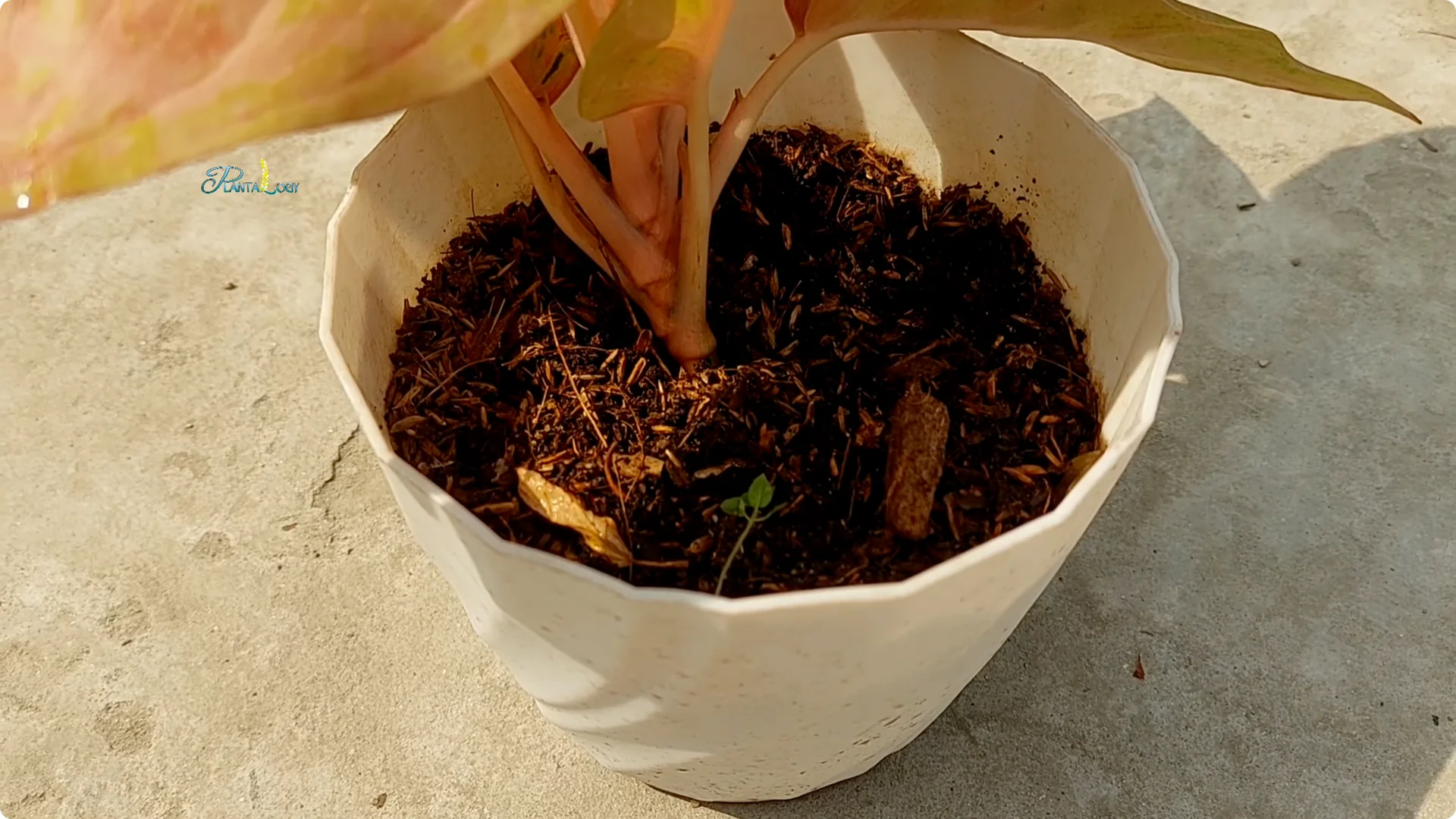
I found one of my Aglaonema was overwatered. All the leaves turned brown and felt soft and water soaked, and I noticed the overgrown roots that once came out from the drainage holes were now rotten. As I tried to pull out the plant, it felt grabbed in the soil, indicating most of the roots were still healthy.
I moved a little bit of soil around the base and found white healthy roots, which indicated the plant was not severely damaged. In that situation, I did not repot. I focused on drying the soil and stabilizing the roots.
Fix overwatering gently
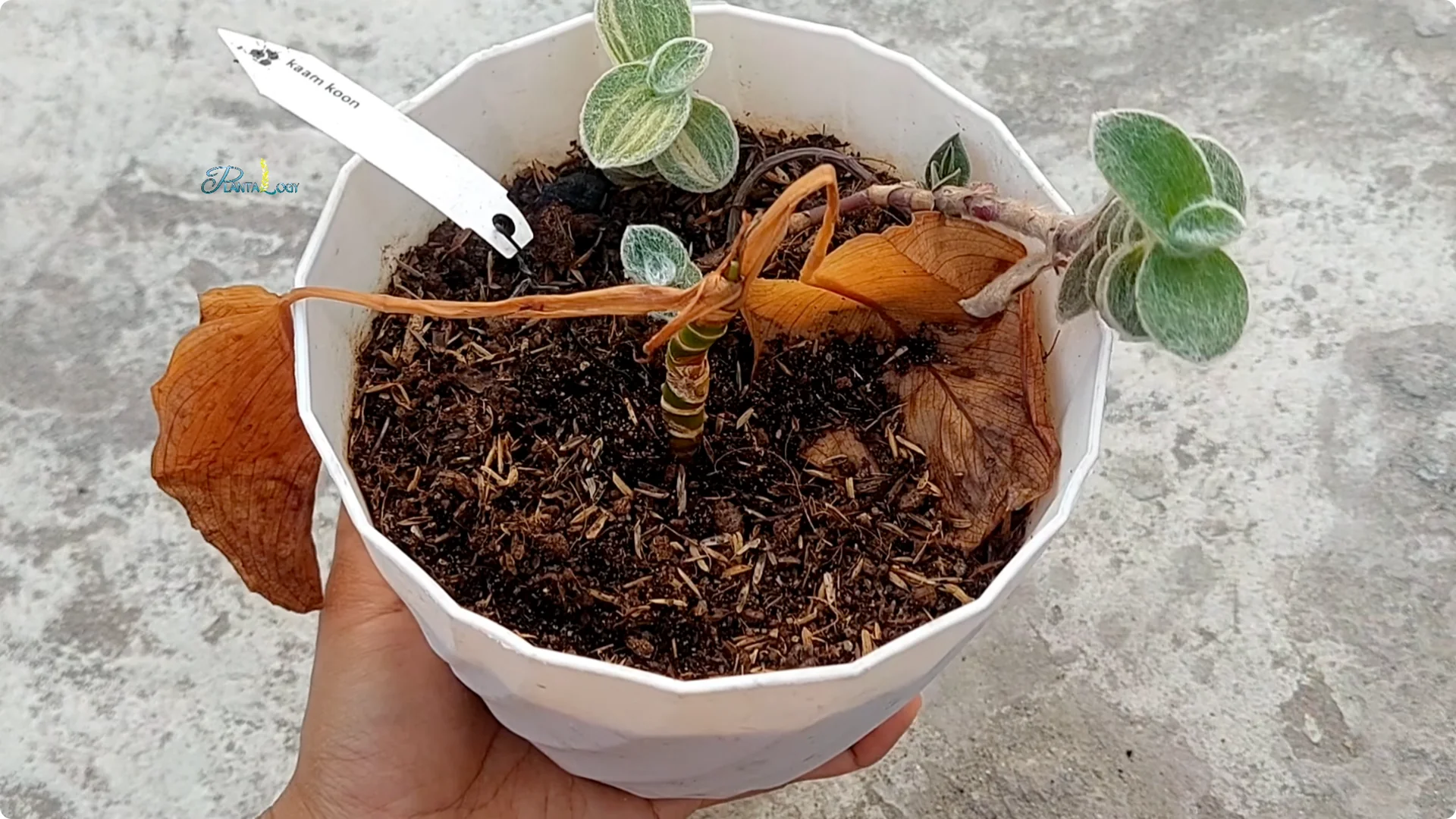
Step 1: Stop watering and let most of the soil dry
I stopped watering and let about 90% of the soil dry out. This helps the roots get oxygen and slows the rot.
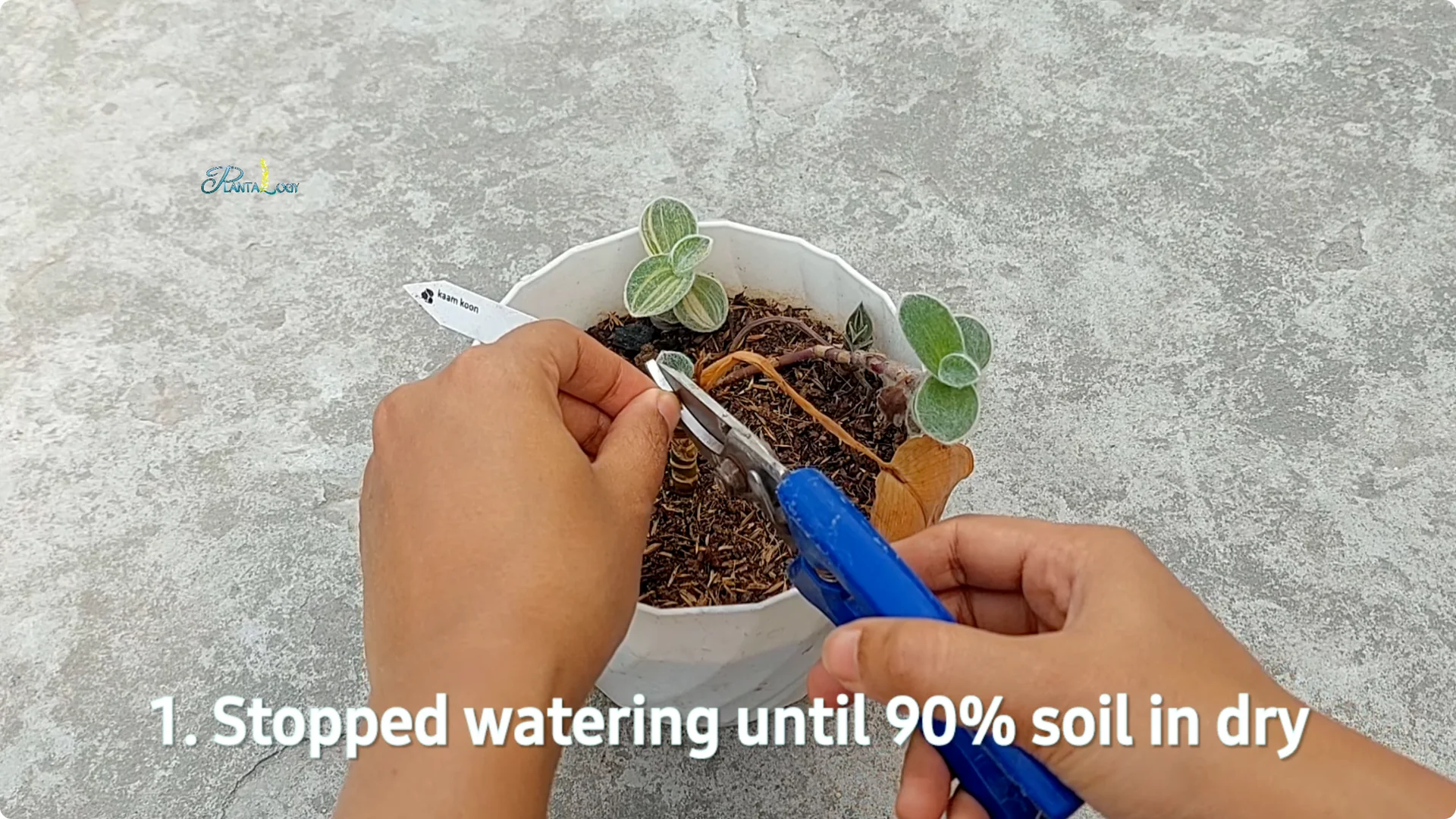
Step 2: Check for healthy roots at the base
I gently moved soil around the base to confirm white, healthy roots without disturbing the root ball. That helped me decide repotting was not necessary.
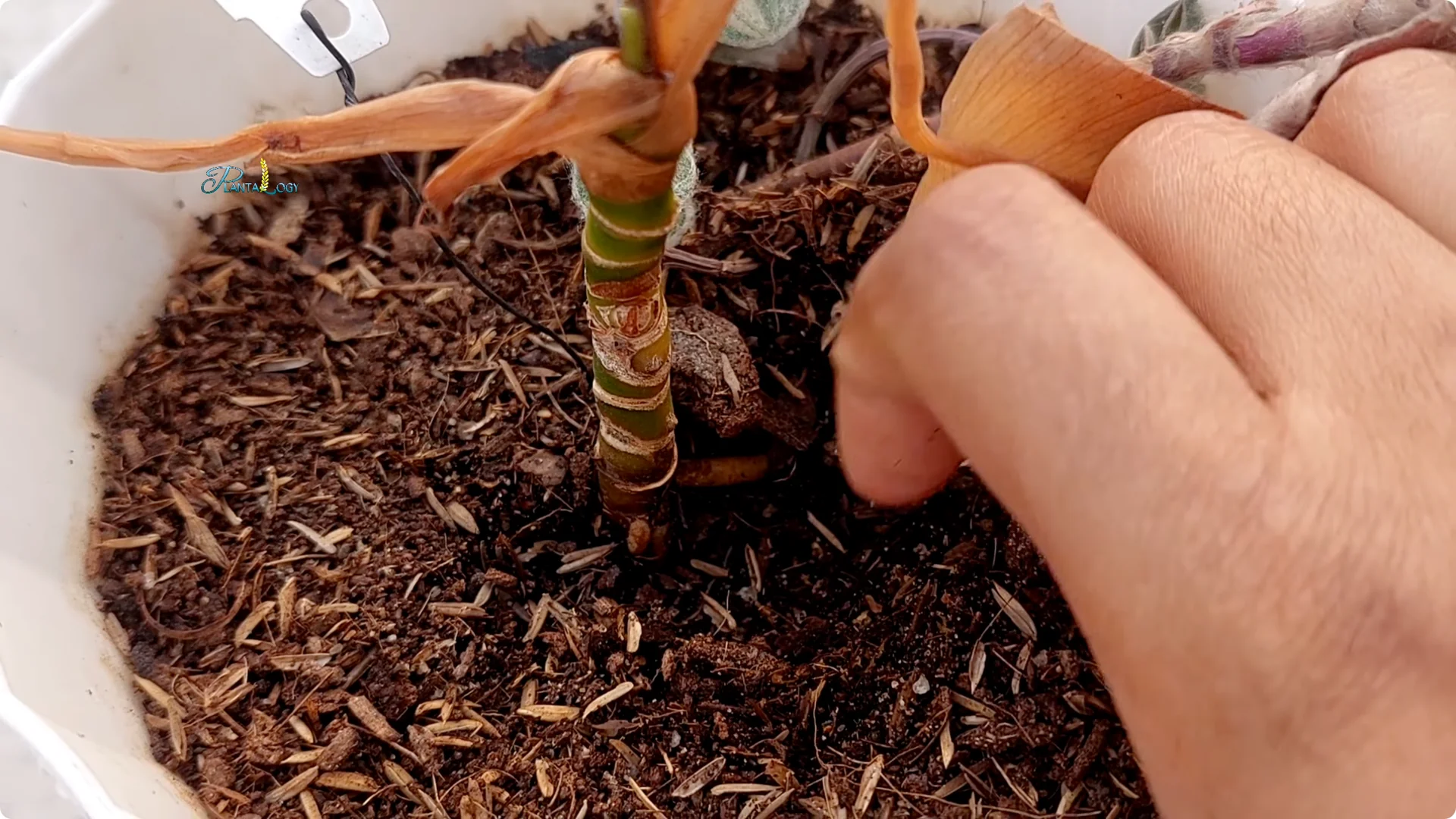
Step 3: Hold repotting if roots remain mostly healthy
If the plant feels firmly anchored and you can see white roots, avoid repotting right away. Stabilize moisture first.

Step 4: Adjust your mix to prevent repeat issues
Peat-based soil holds moisture longer. Although Aglaonema prefer peat-based soil, going with a slightly chunky mixture helps prevent overwatering.
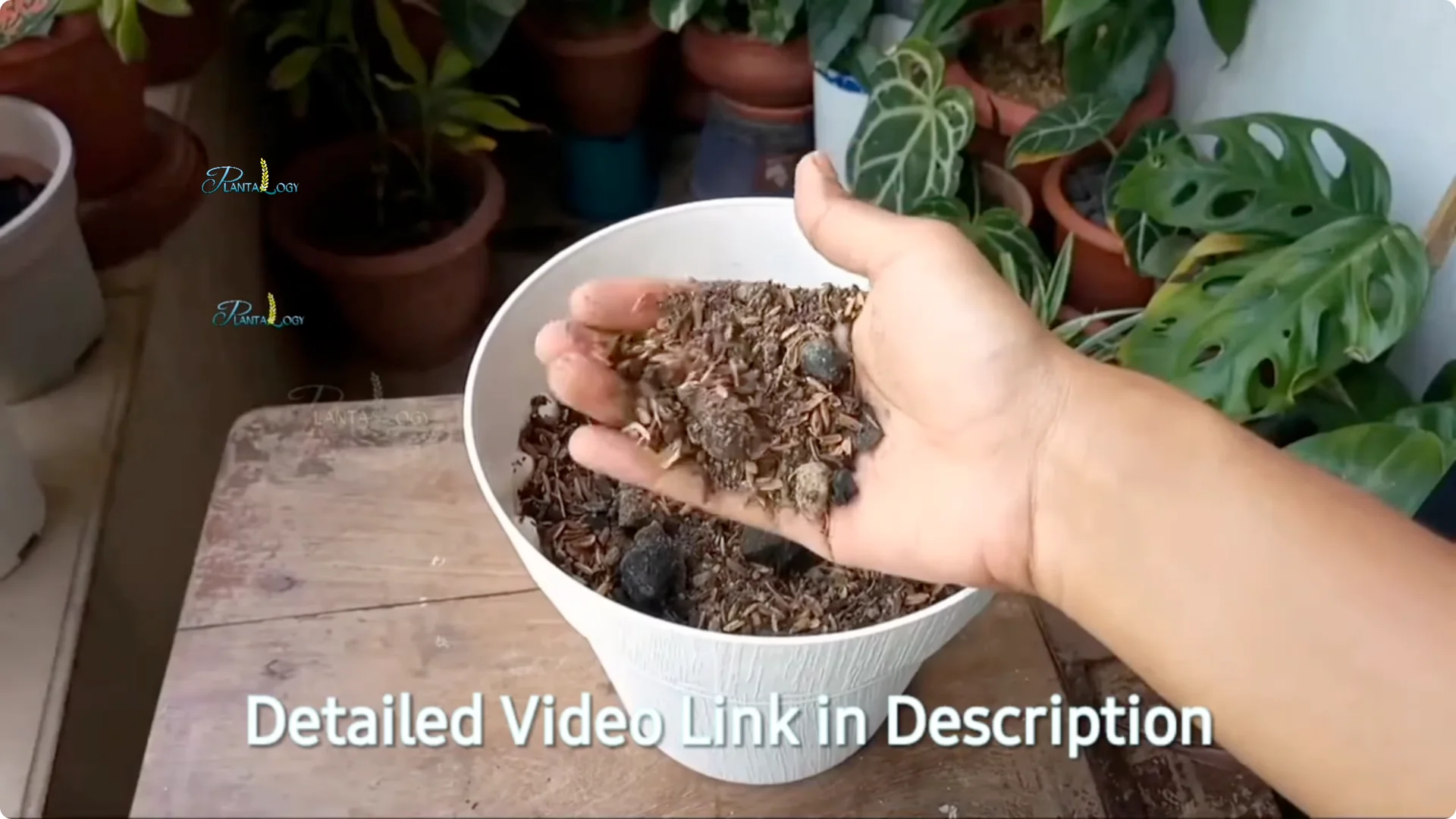
Step 5: Resume watering with a fungicide assist
I watered next with a diluted fungicide solution as soon as the top 2 to 3 inches of the soil felt completely dry. This supports recovery after rot.
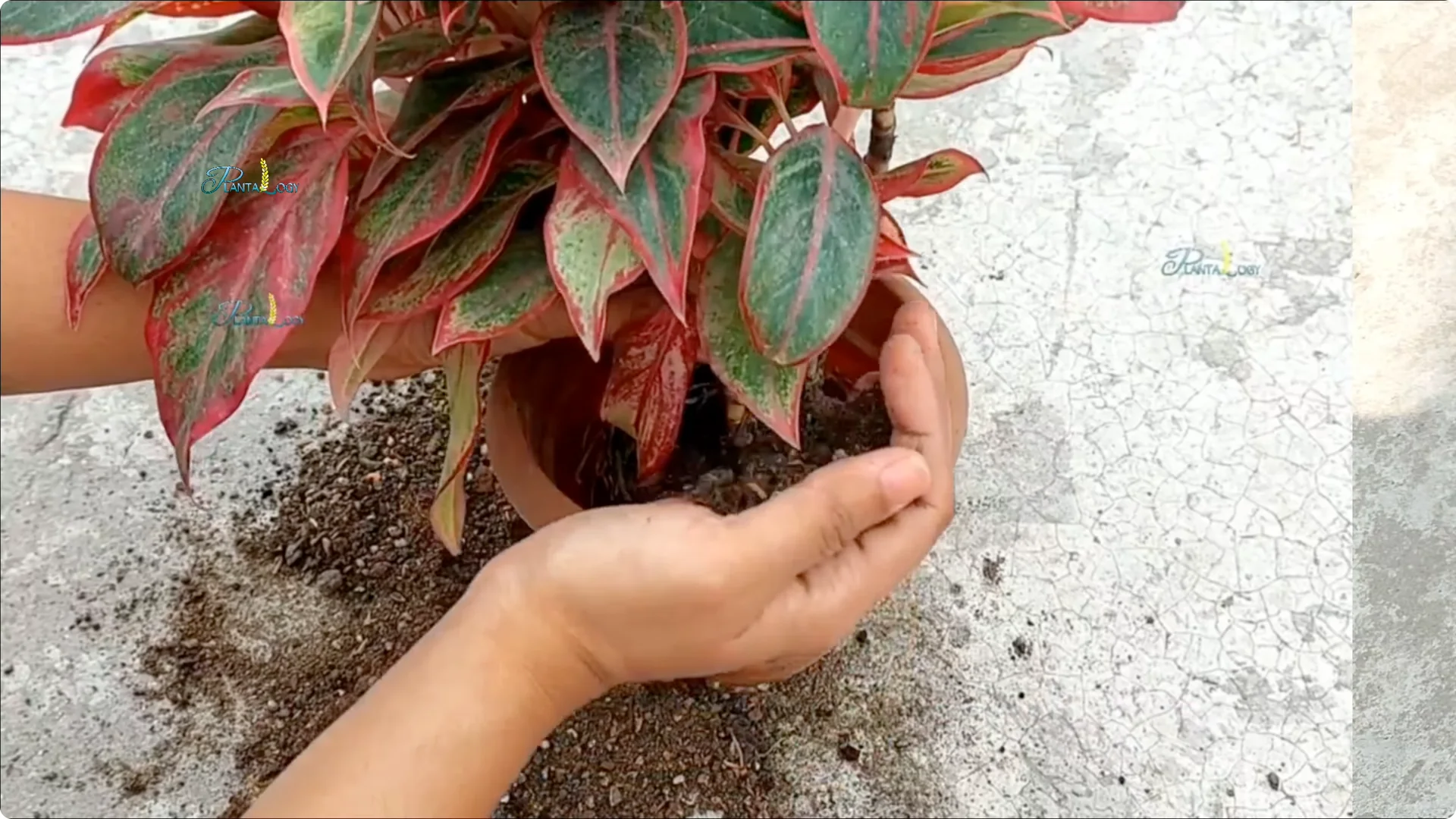
For a complete routine on soil, light, watering, and propagation, see this Aglaonema care guide.
2. Aglaonema Leaf Browning Causes: Sunburn and Light
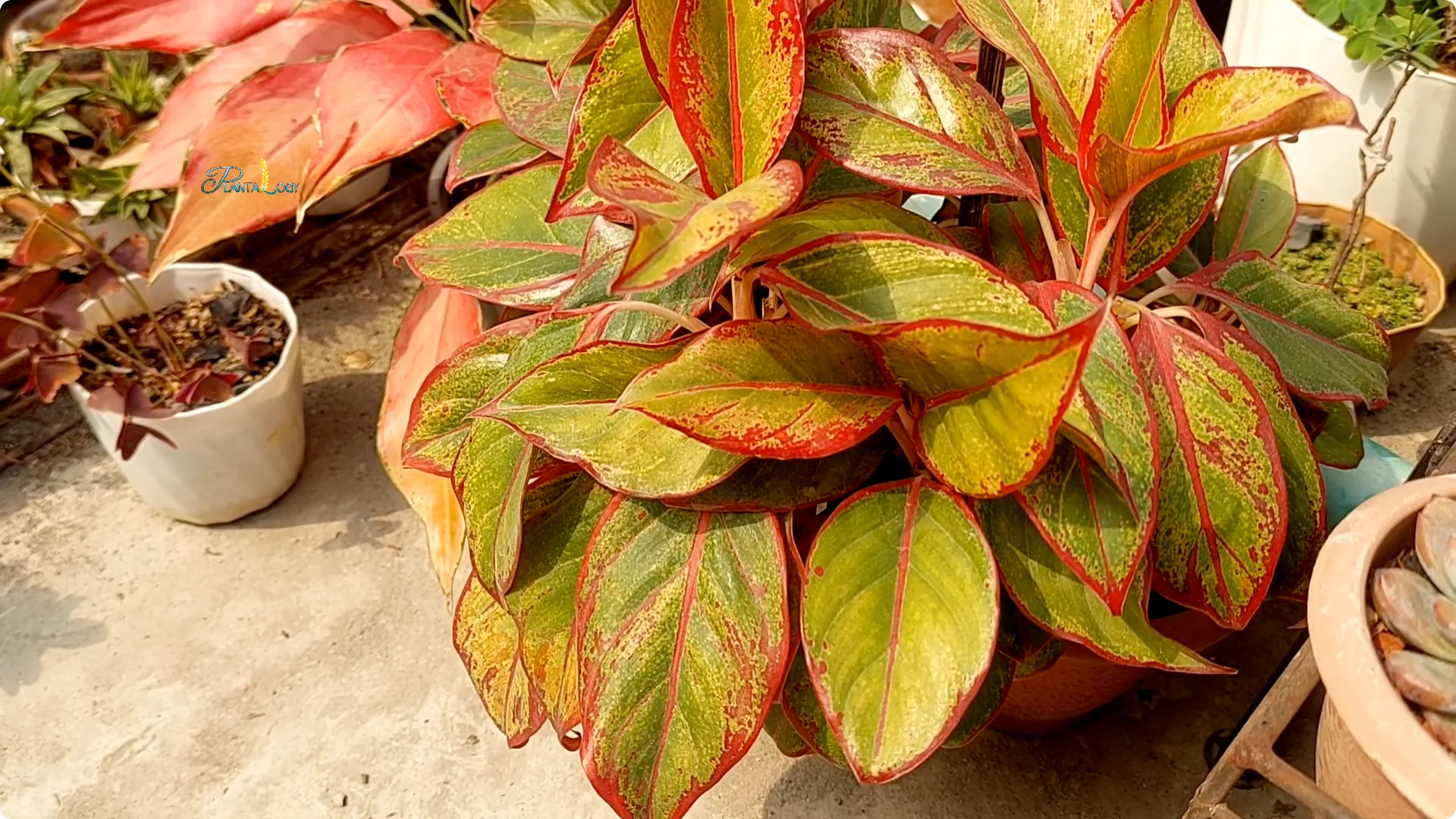
Aglaonema are native to the shaded forest floors of Southeast Asia, so they are not built for direct sunlight. When exposed to harsh direct sun, their leaves develop brown crispy patches. You will notice the brown areas appear dry and paper-like, often with bleached or faded spots where the chlorophyll has been damaged.
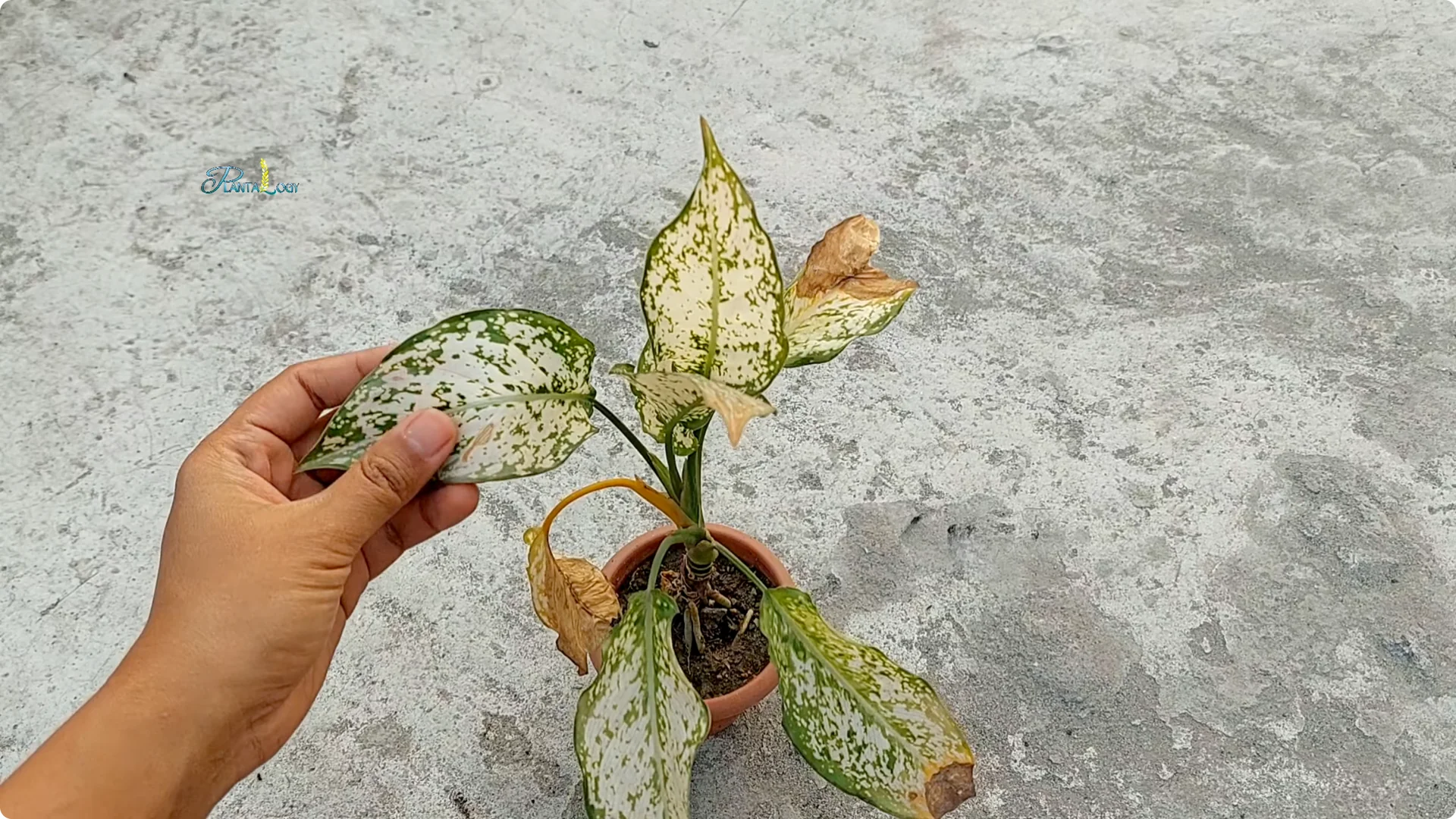
Recognize sunburn
The brown patches are crispy to the touch, not mushy. The damage appears mainly on the sides of the plant facing the window or light source. The affected areas might look bleached or yellowish before turning brown.
Fix the light
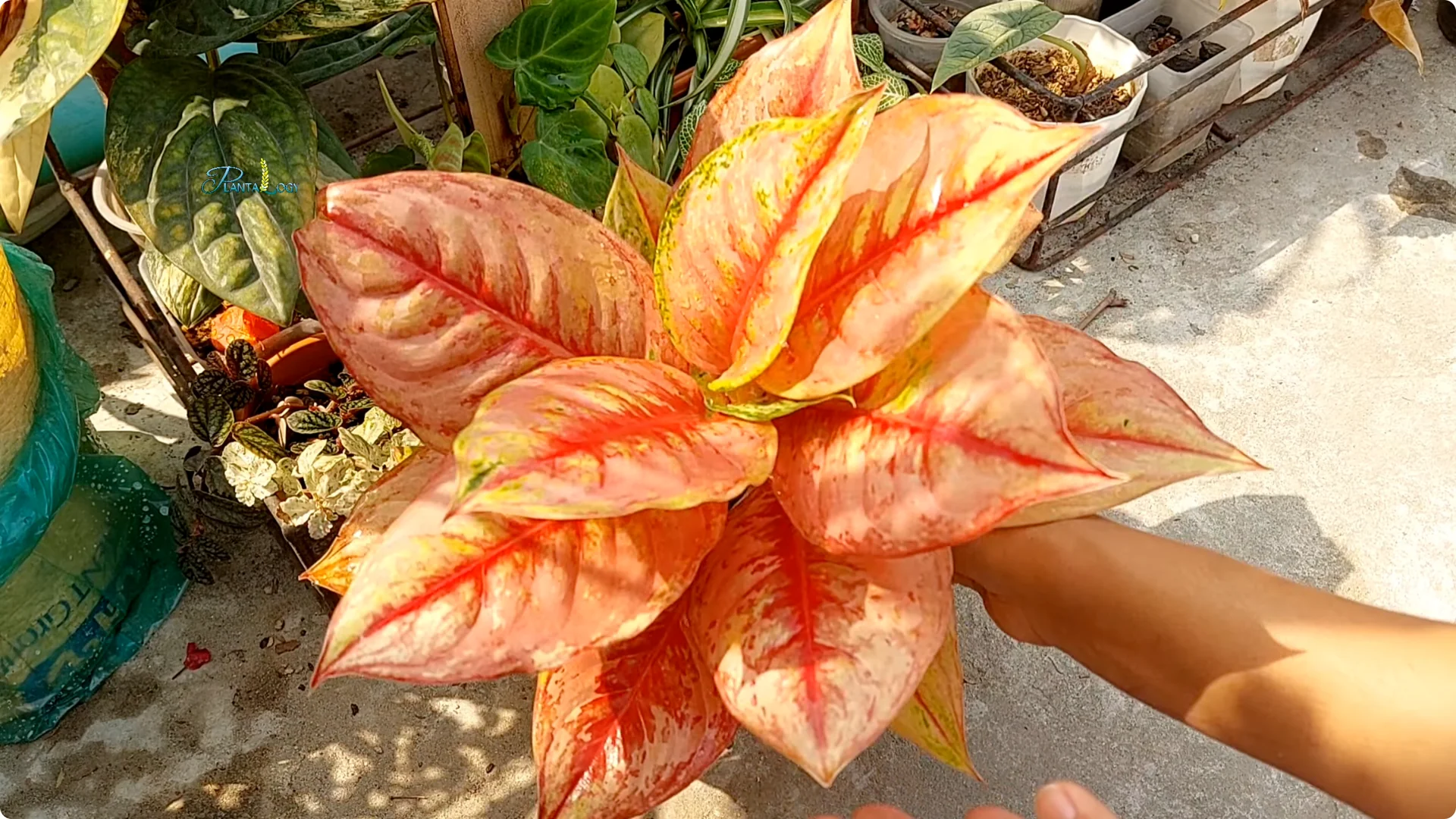
Move your Aglaonema away from direct sun exposure as soon as you notice sunburn patches. Place it in a spot with bright indirect light, a few feet away from a window or behind sheer curtains. East or north-facing bright spots work perfectly.
Read More: Snake plant signal guide
3. Aglaonema Leaf Browning Causes: Winter Dormancy
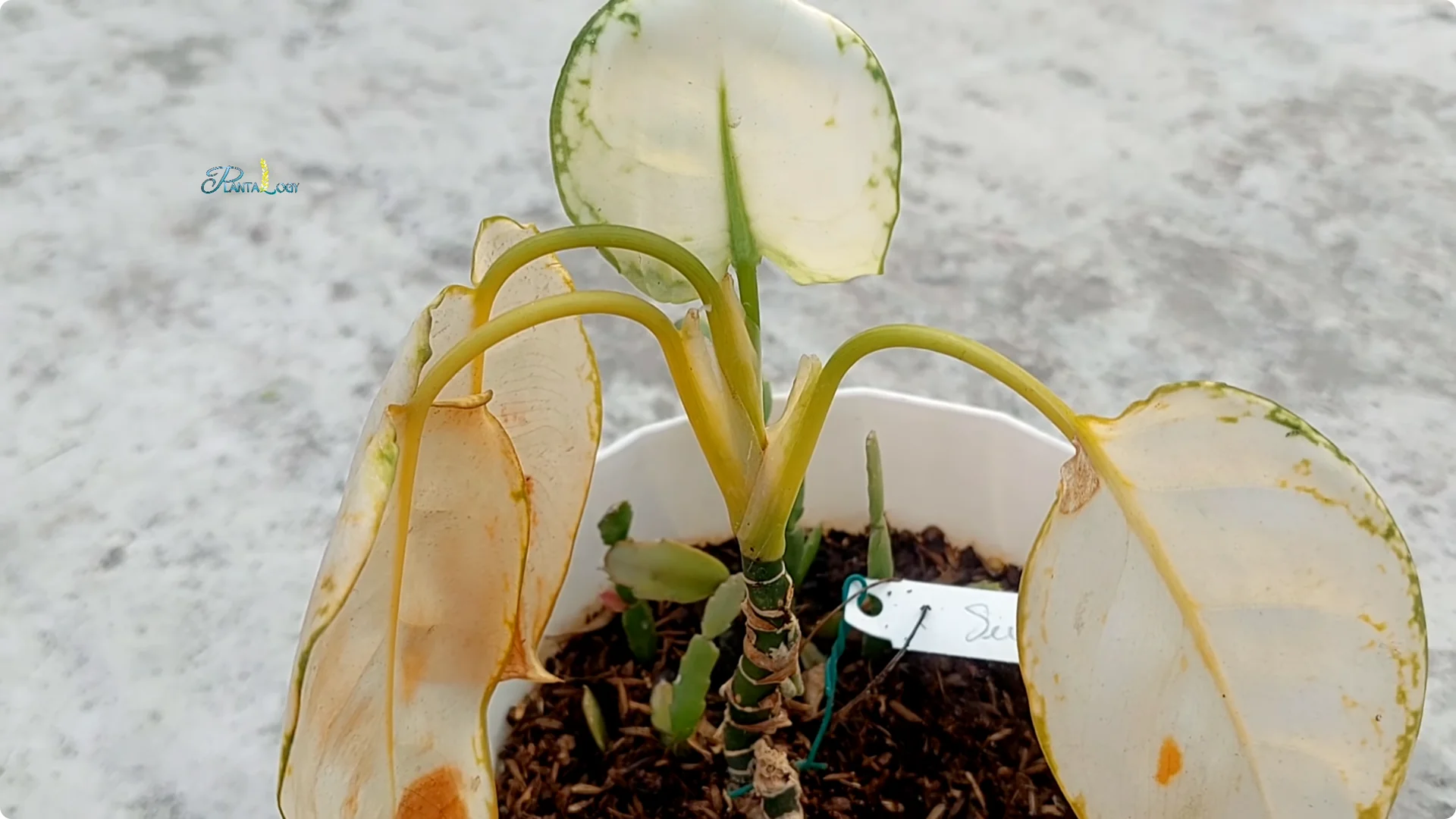
Here is something many plant parents don’t realize. Aglaonema can enter a dormant phase during winter months when temperatures drop below 60° F and daytime hours shorten. During this time, your plant might look almost dead with slow or no new growth, leaves that appear dull or slightly brown at the tips, and an overall lifeless appearance.
But don’t worry, this is completely natural. Dormancy is a rest period. Support the plant with gentler care until spring returns.
Care during dormancy
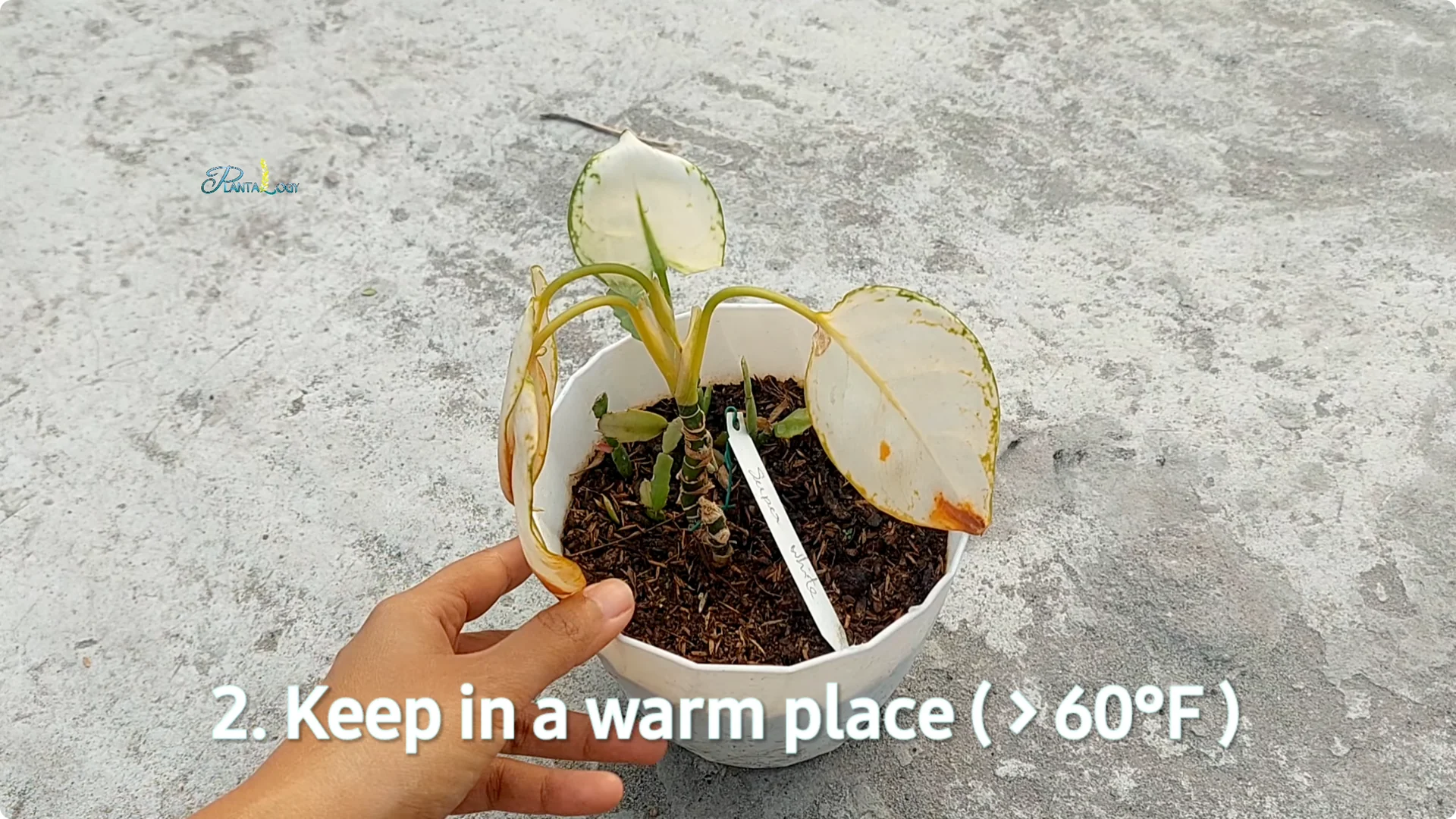
Step 1: Keep it warm and steady
Move the plant indoors or to a warm spot where the temperature stays between 65 and 75° F. Stable warmth helps the plant conserve energy.
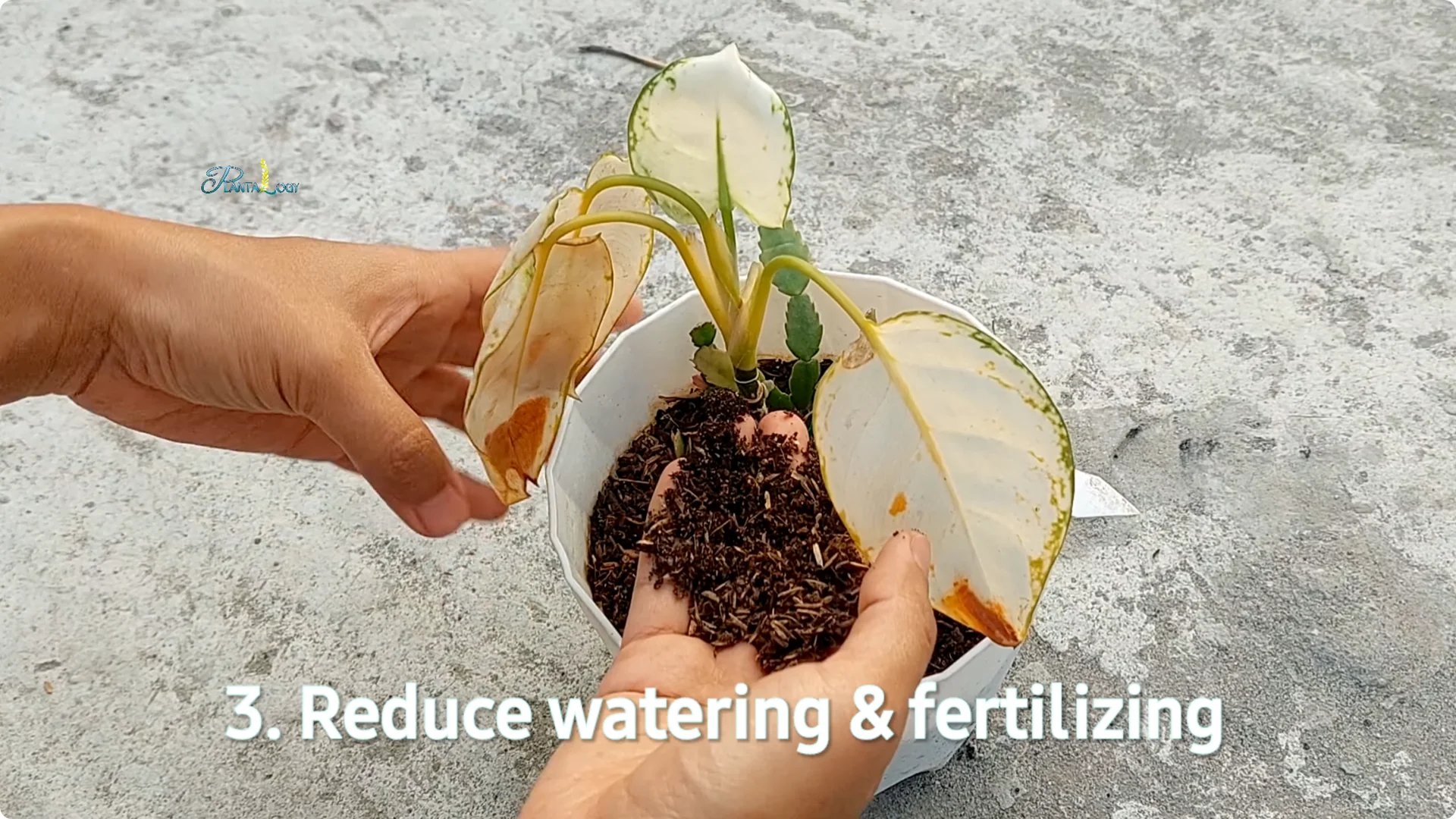
Step 2: Reduce watering
Cut back on watering during winter. The plant uses less moisture when it is resting.
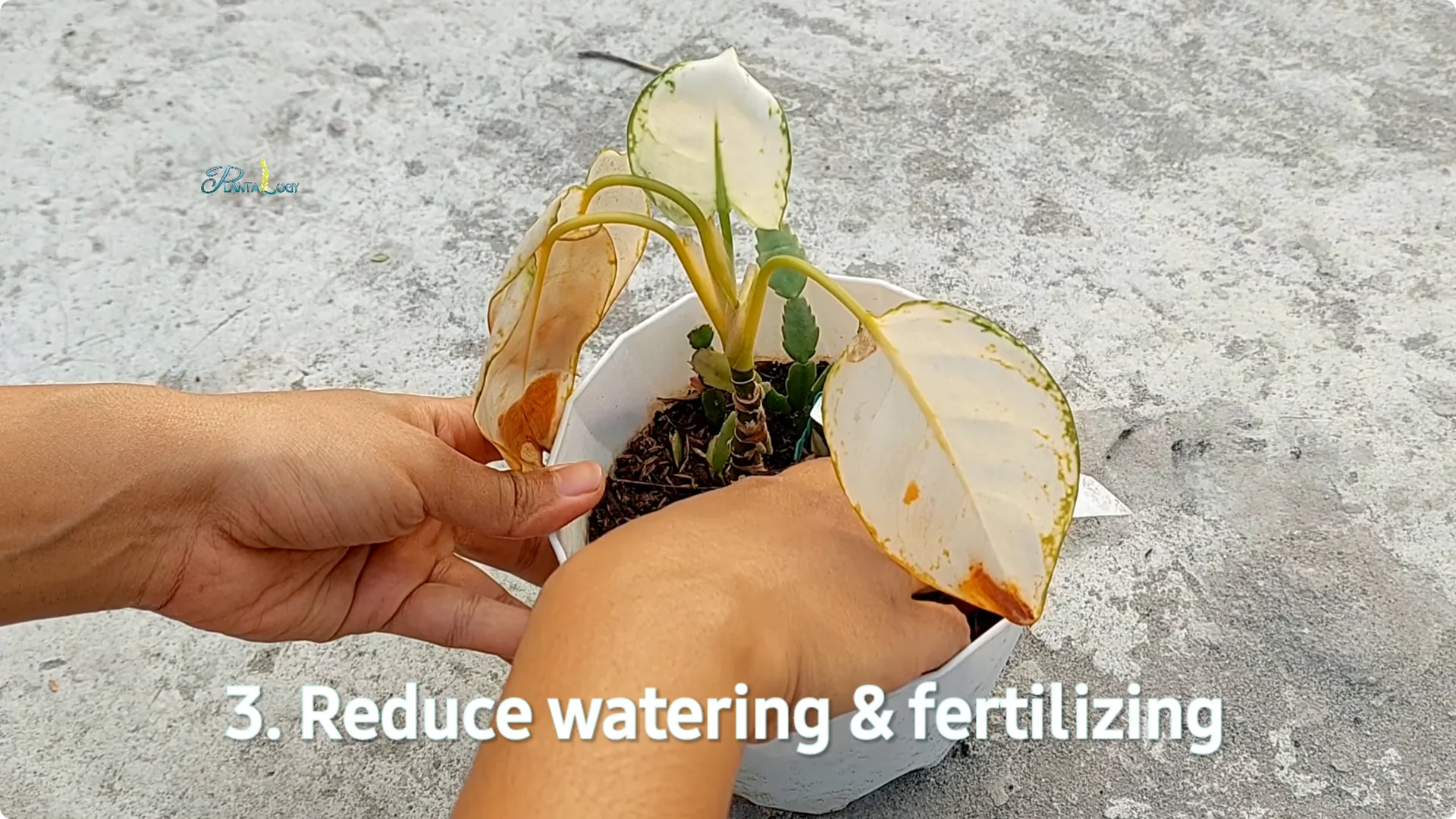
Step 3: Stop fertilizing
Stop fertilizing entirely because feeding during dormancy can cause damage. Wait until active growth resumes.
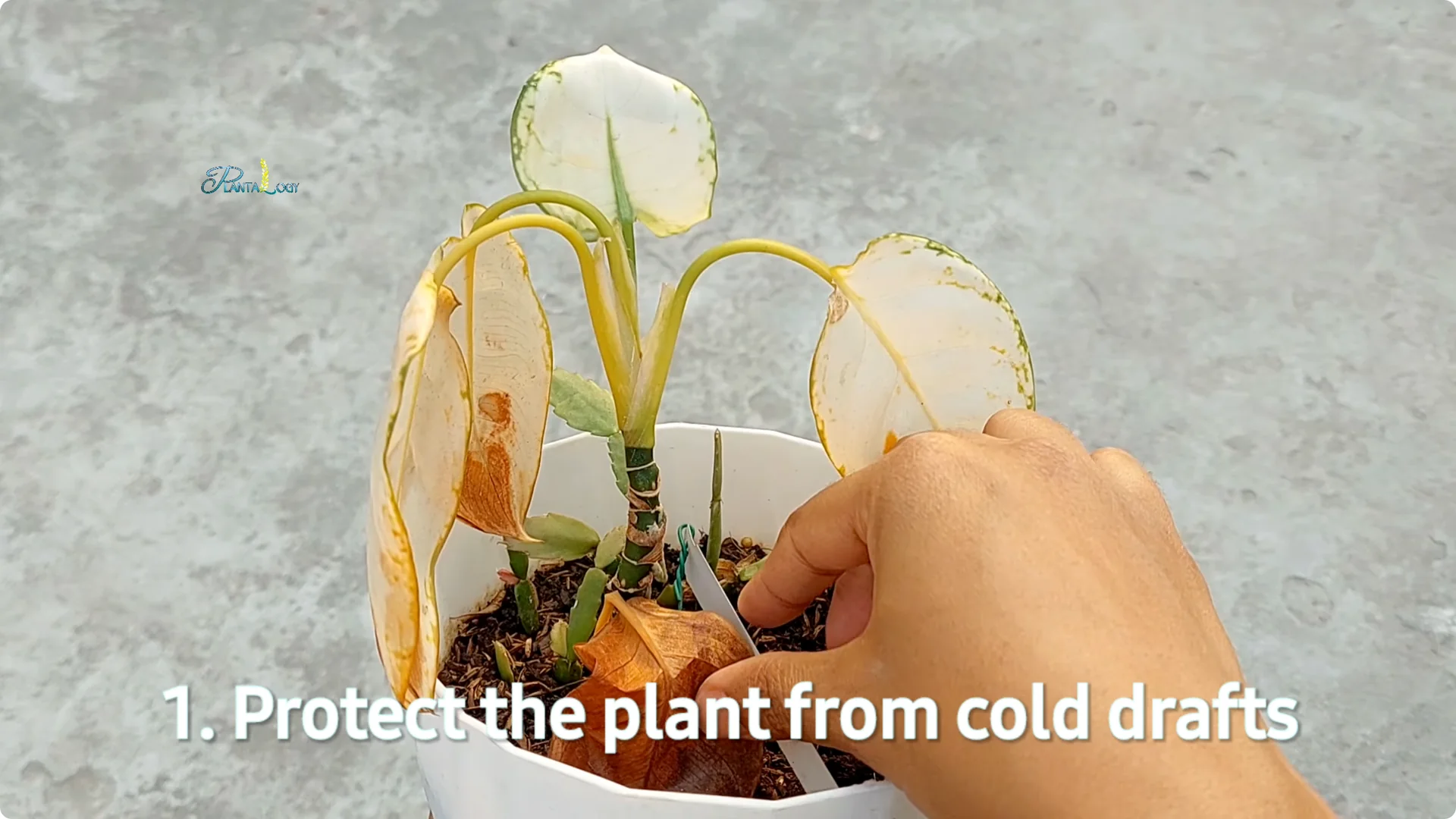
Step 4: Guard against cold air
Protect the plant from cold drafts, windows, or air conditioning fans. Consistent conditions prevent stress.
Step 5: Maintain moderate humidity
Try to maintain humidity around 50 to 60% using a humidifier. That keeps leaf tips from browning further.
Step 6: Reintroduce care in spring
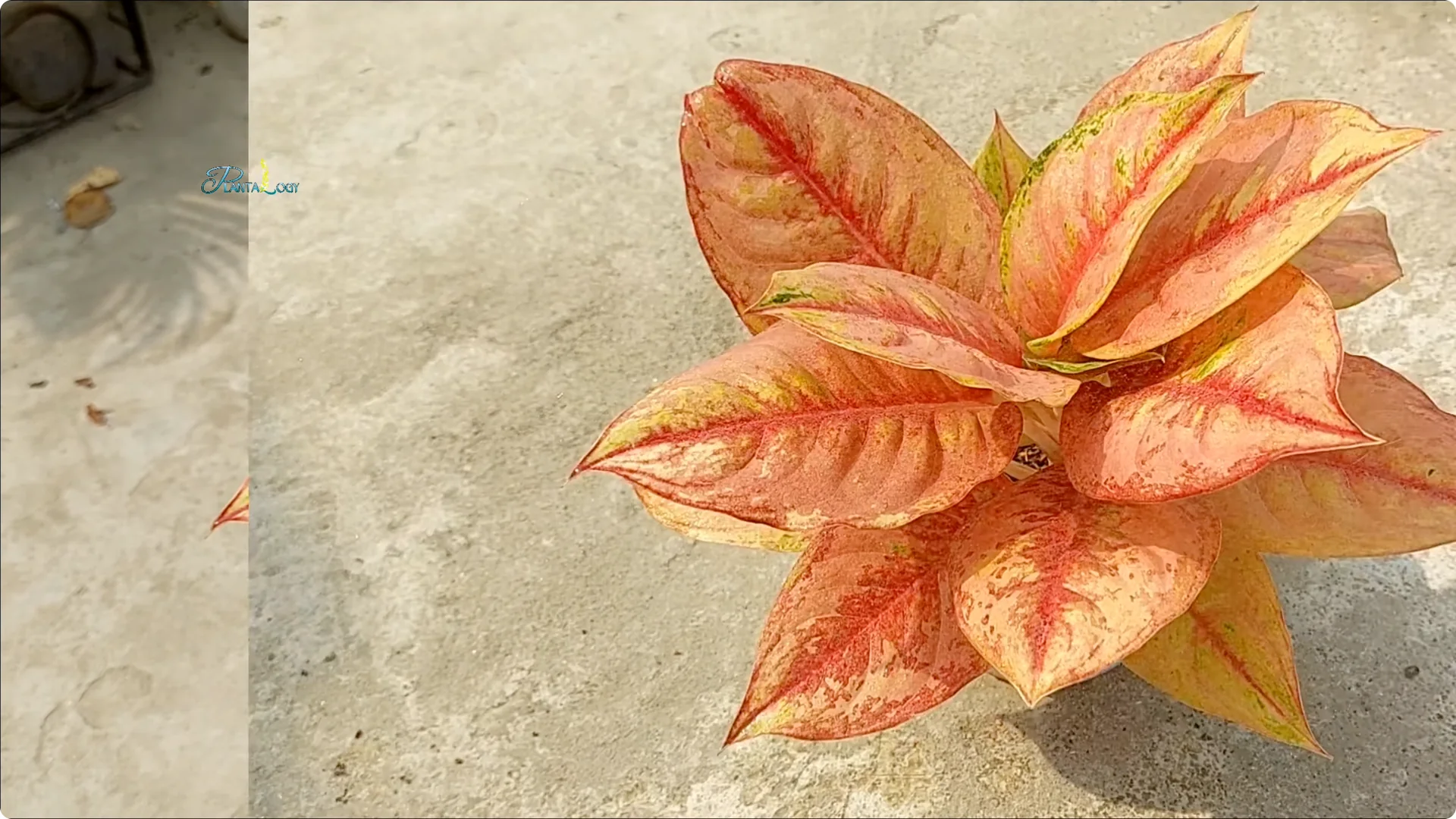
When spring arrives and temperatures warm up, gradually reintroduce your normal care routine. You will notice new growth emerging as your Aglaonema wakes up from its winter rest.
Read More: Common Monstera care mistakes
Final Thoughts on Aglaonema Leaf Browning Causes
These are the three major reasons Aglaonema leaves turn brown: overwatering leading to root rot, sunburn from too much direct sun, and winter dormancy. Each has distinct symptoms and specific solutions. Aglaonema are remarkably resilient plants, and with the right adjustments to watering, lighting, and seasonal care, your plant will bounce back beautifully.