
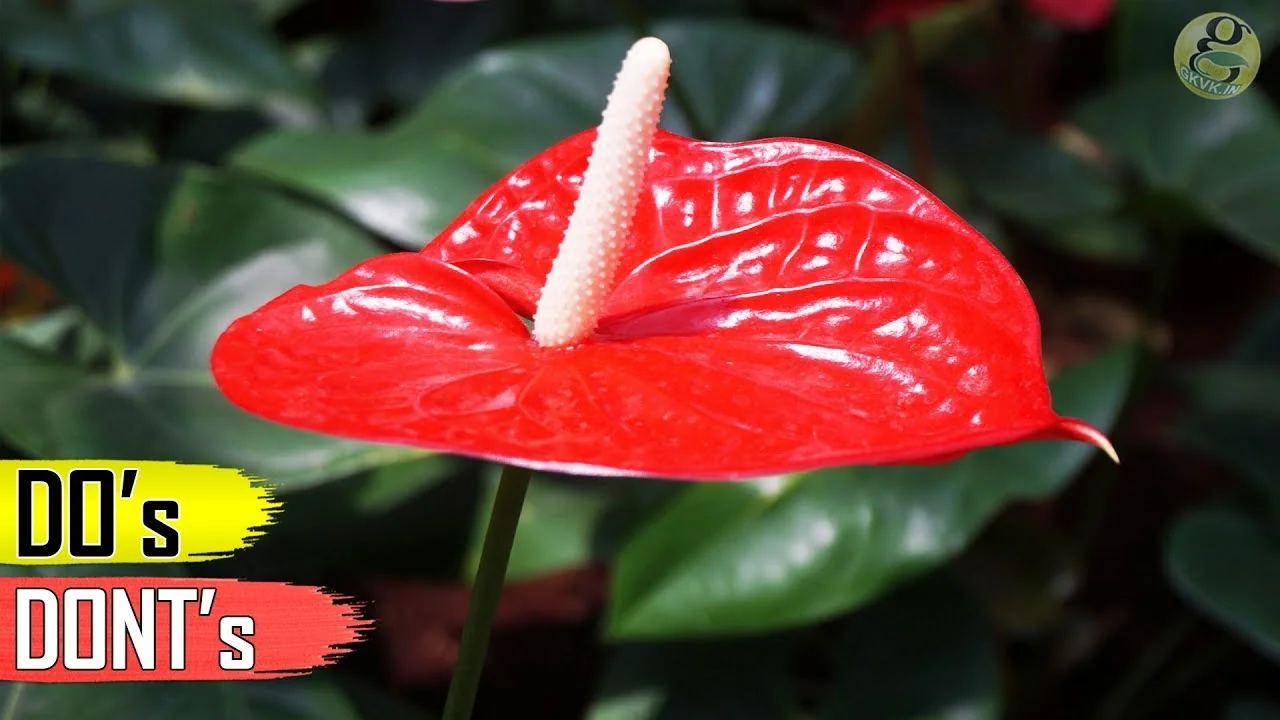
Today I look into a very beautiful ornamental indoor plant – the Anthurium Plant. I will cover important care tips, the common mistakes we tend to make while caring for anthurium, and how to propagate this plant.
Anthurium is a genus of about 1000 species of flowering plants. The botanical name of this plant is Anthurium andraeanum. At home gardening level we just call it Anthurium plant.
Common names of this plant are tailflower, painter’s palette, flamingo flower, and laceleaf. The name Anthurium comes from the Greek words anthos, meaning flower, and oura, meaning a tail, referring to the spadix. This spadix is similar to Peace lily.
Anthurium is a commonly grown ornamental shade plant or indoor plant with a bright colored spathe or modified leaf with a central spadix. The spathe can be bright red or pink in color. Anthurium is a short plant with heart shaped leaves.
One most important point to note is that all parts of the plant are poisonous to humans and pets. Contact or ingestion can cause problems.
1. Anthurium Plant Care: Sunlight
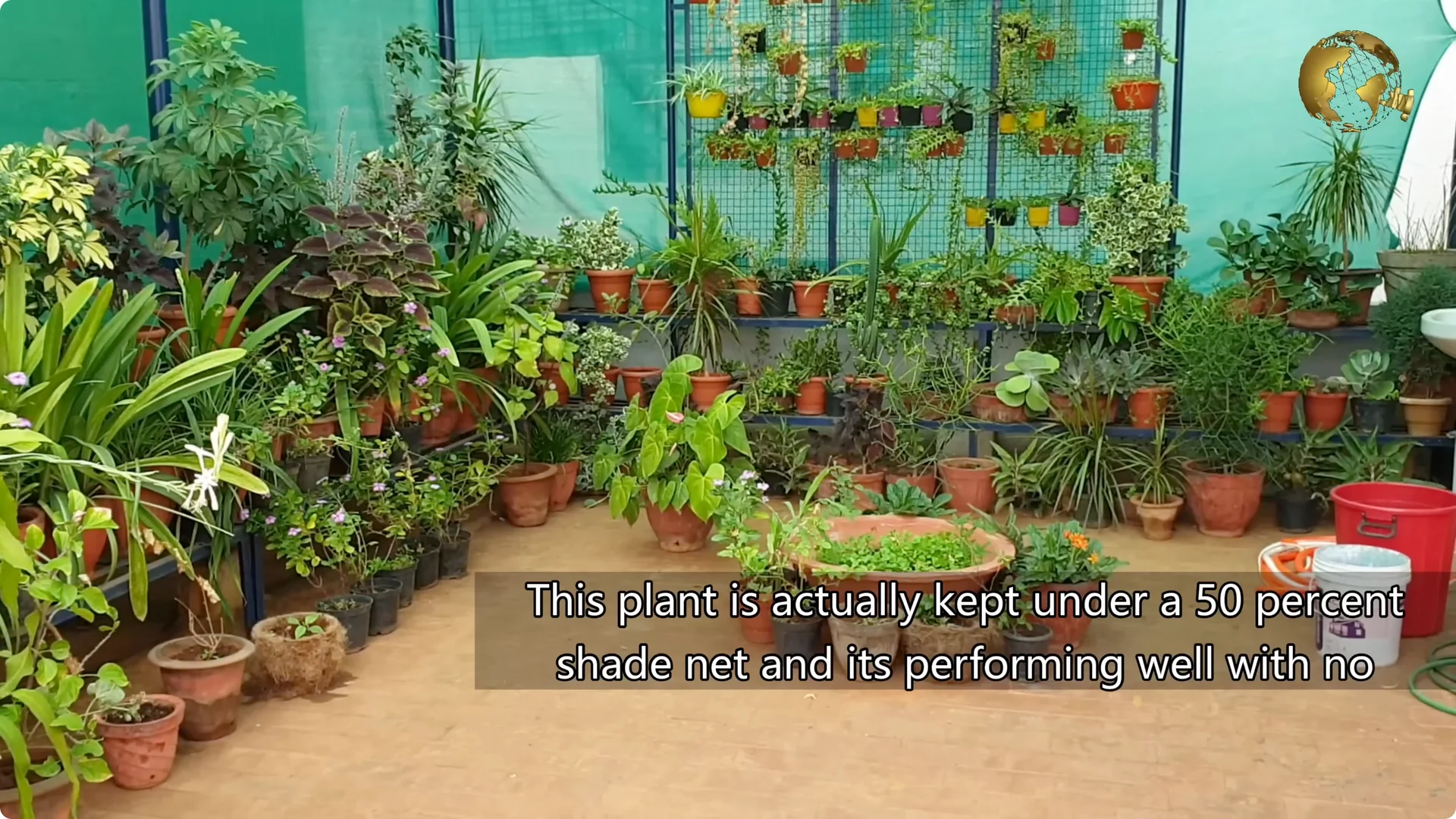
Anthurium prefers indirect bright light and can be kept in shady places and indoors. Bright light is important to produce flowering, and keeping it fully indoors may not produce flowering. Keep it at a spot that receives adequate indirect bright light.
This plant under a 50 percent shade net performs well with no leaf burns. Avoid direct sunlight exposure.
Read More: Snake Plant Care Tips
2. Anthurium Plant Care: Watering
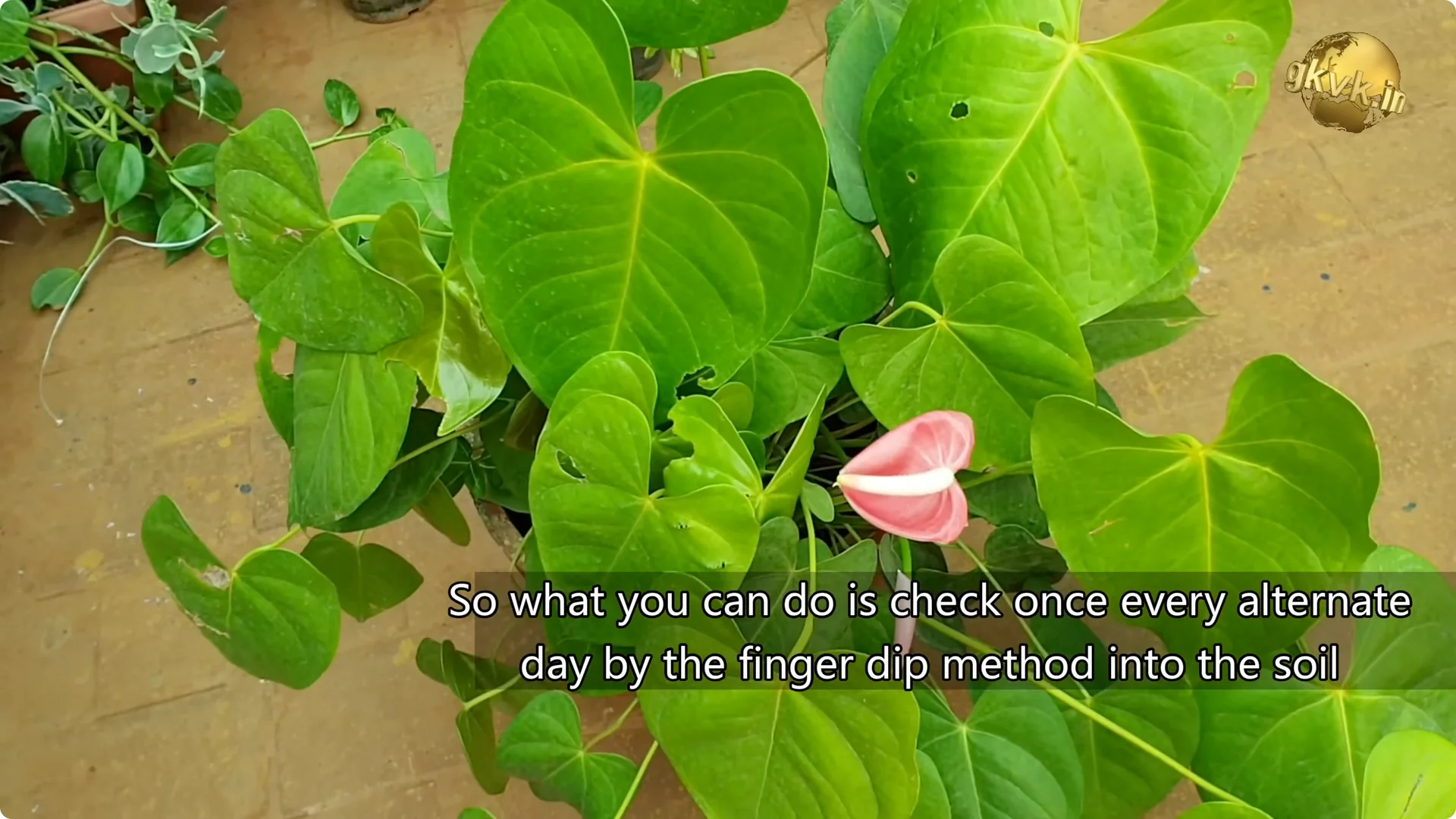
This point is very important for anthurium care, and the most common mistake gardeners tend to make is overwatering this plant. Anthuriums are far more tolerant of under-watering than overwatering, which is one of the most common reasons for an Anthurium plant to die.
Check once every alternate day using the finger dip method to gauge moisture. If the soil is still damp, do not water. Check again after 1 or 2 days and then water the container.
Read More: Money Tree Care Tips
3. Anthurium Plant Care: Soil
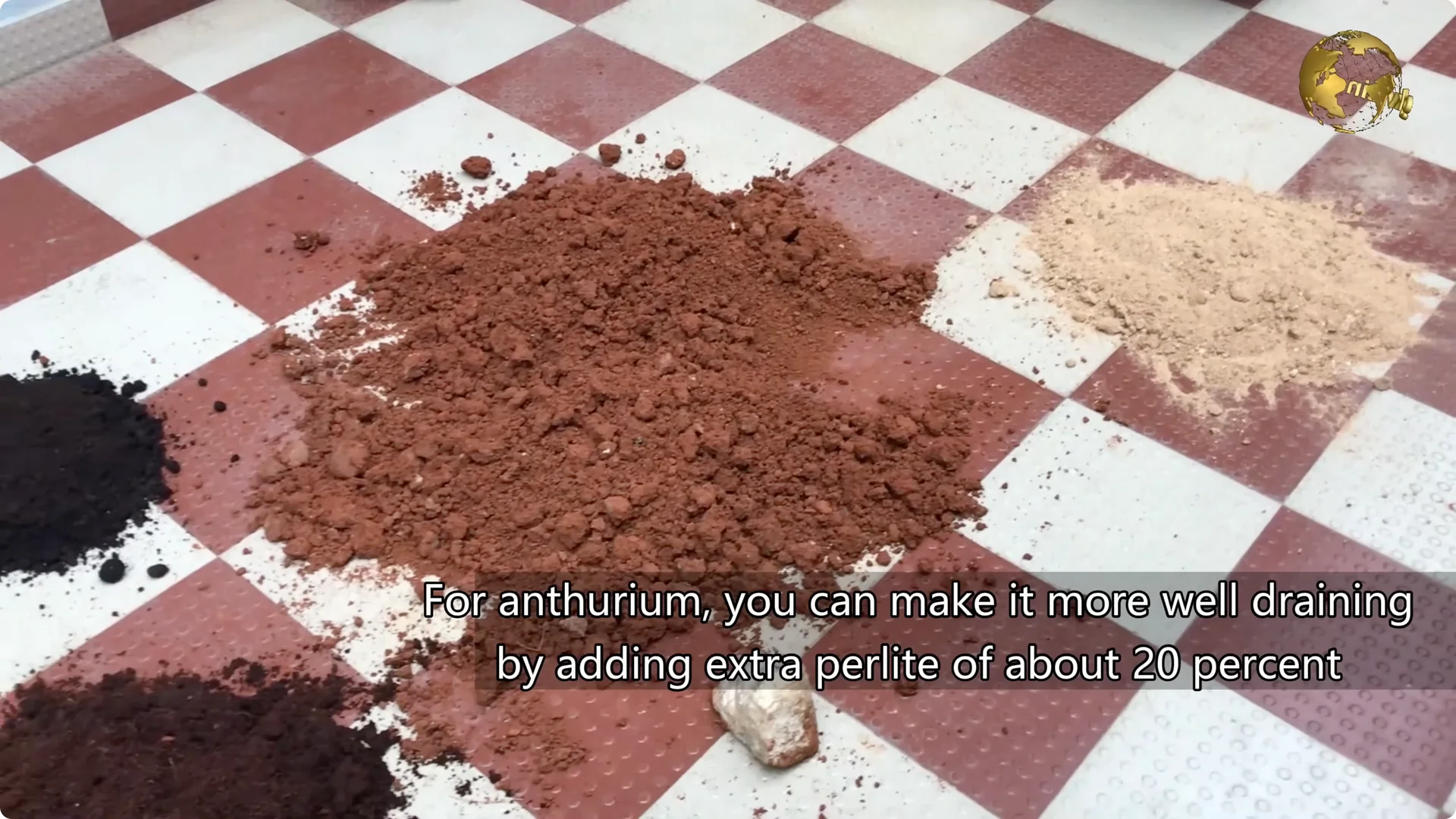
Use very well draining soil. If you bring your plant from a nursery and find it planted in clay rich soil, remove the clay rich soil by soaking the root ball in a tub of water to dissolve it.
Then repot the plant in a larger container in a well draining soil. For anthurium, make it more well draining by adding about 20 percent extra perlite into the potting mix.
4. Anthurium Plant Care: Fertilizer
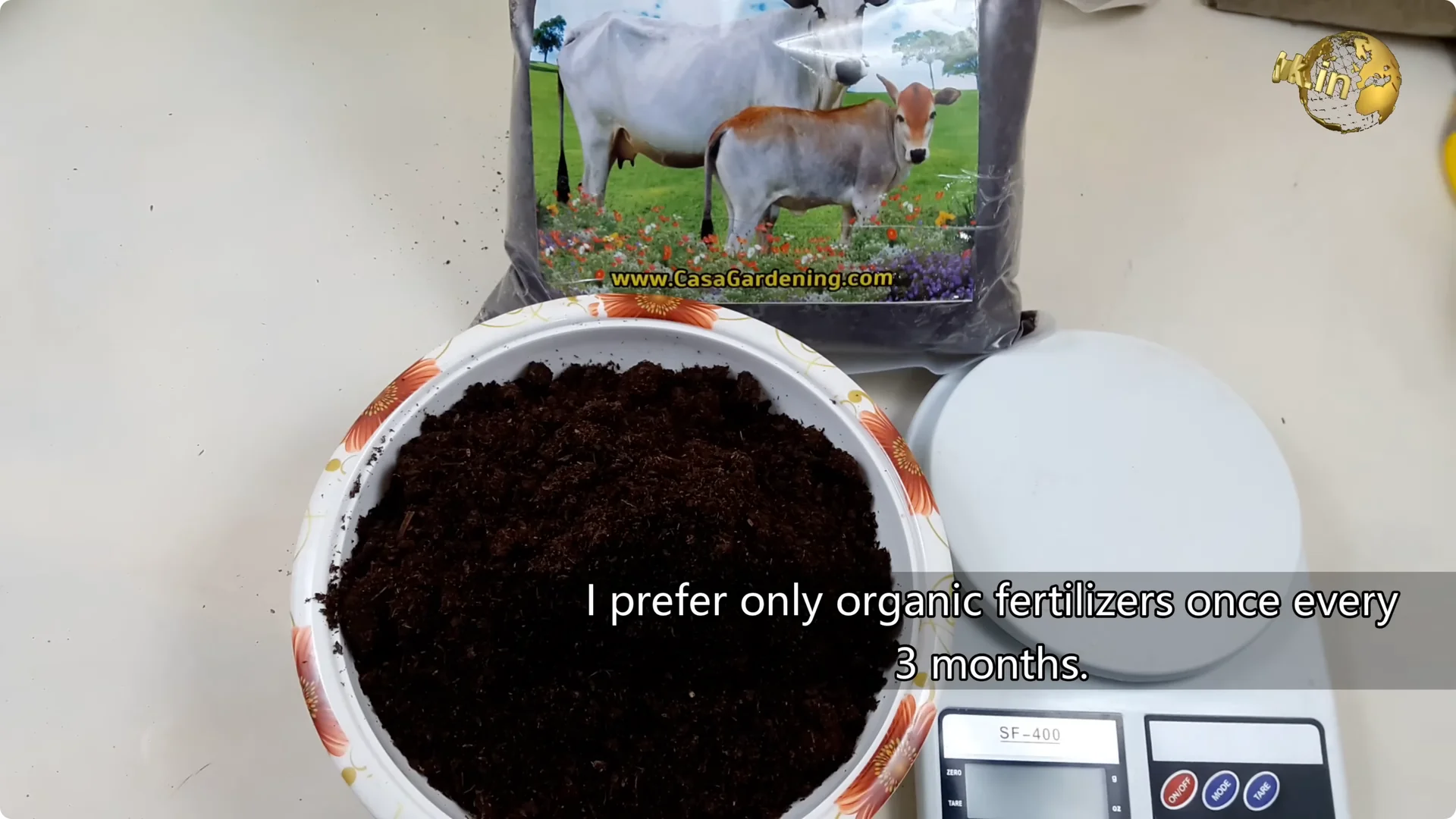
I prefer only organic fertilizers once every 3 months. You can add a handful of decomposed cow dung or vermicompost.
Add 1 or 2 teaspoons of bone meal powder while repotting or at any point of time. It is rich in phosphorous and can induce flowering for a long period of time.
Read More: Christmas Cactus Care Tips
5. Anthurium Plant Care: Pest Control
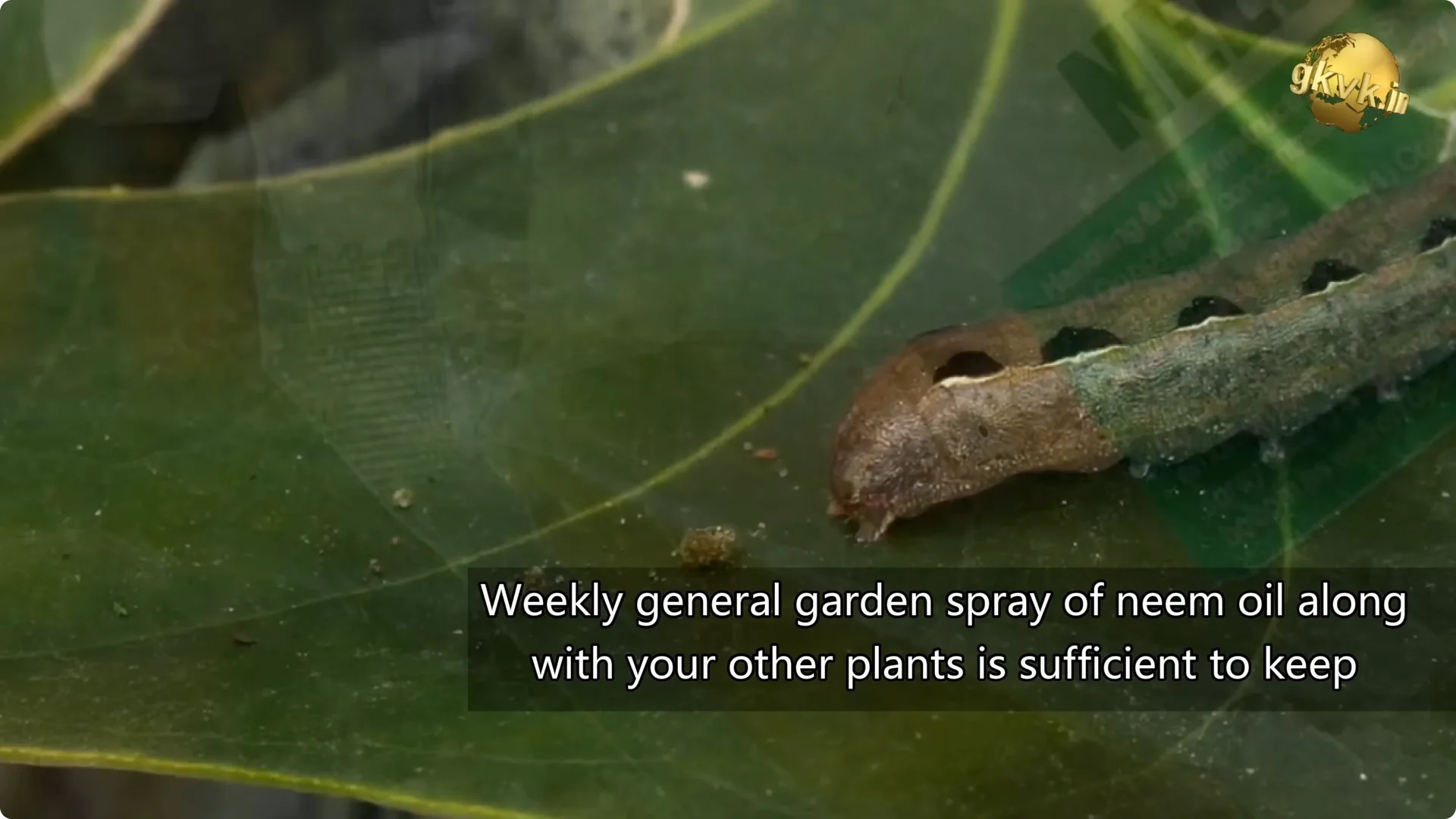
Anthurium is commonly affected by sucking pests like aphids, thrips, and mites. Leaves can also be eaten by caterpillars, slugs, and snails.
A weekly general garden spray of neem oil along with your other plants is sufficient to keep these pests and insects at bay.
6. Anthurium Plant Care: Propagation
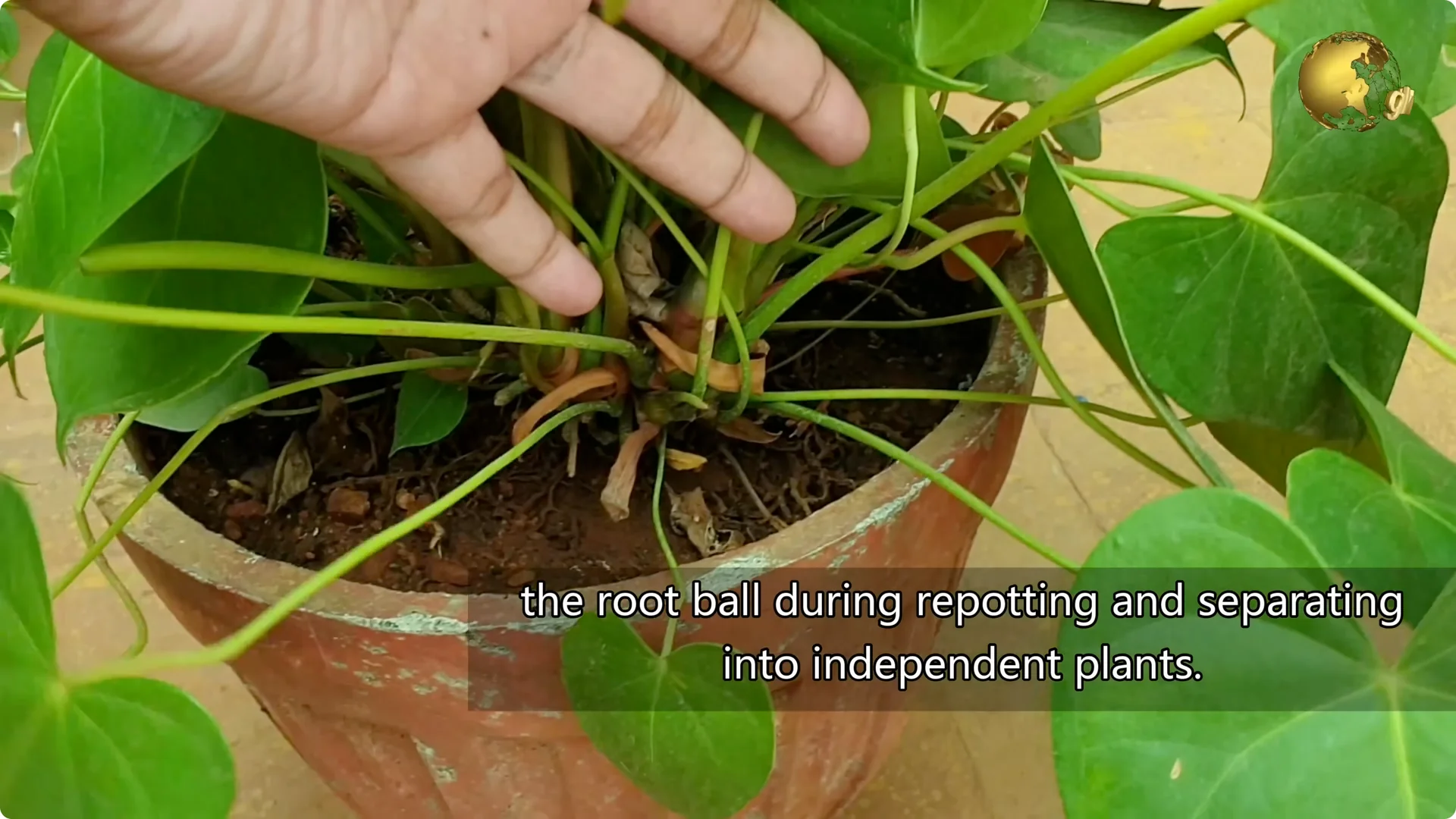
It can be grown from seeds. It can also be propagated by dividing the root ball during repotting and separating into independent plants.
You can root anthurium cuttings in water or soil.
Final Thoughts
This is a short guide on growing Anthurium plant. Keep it in bright indirect light, use well draining soil, avoid overwatering, feed organically, manage pests, and propagate by seed, division, or cuttings. Happy gardening!