
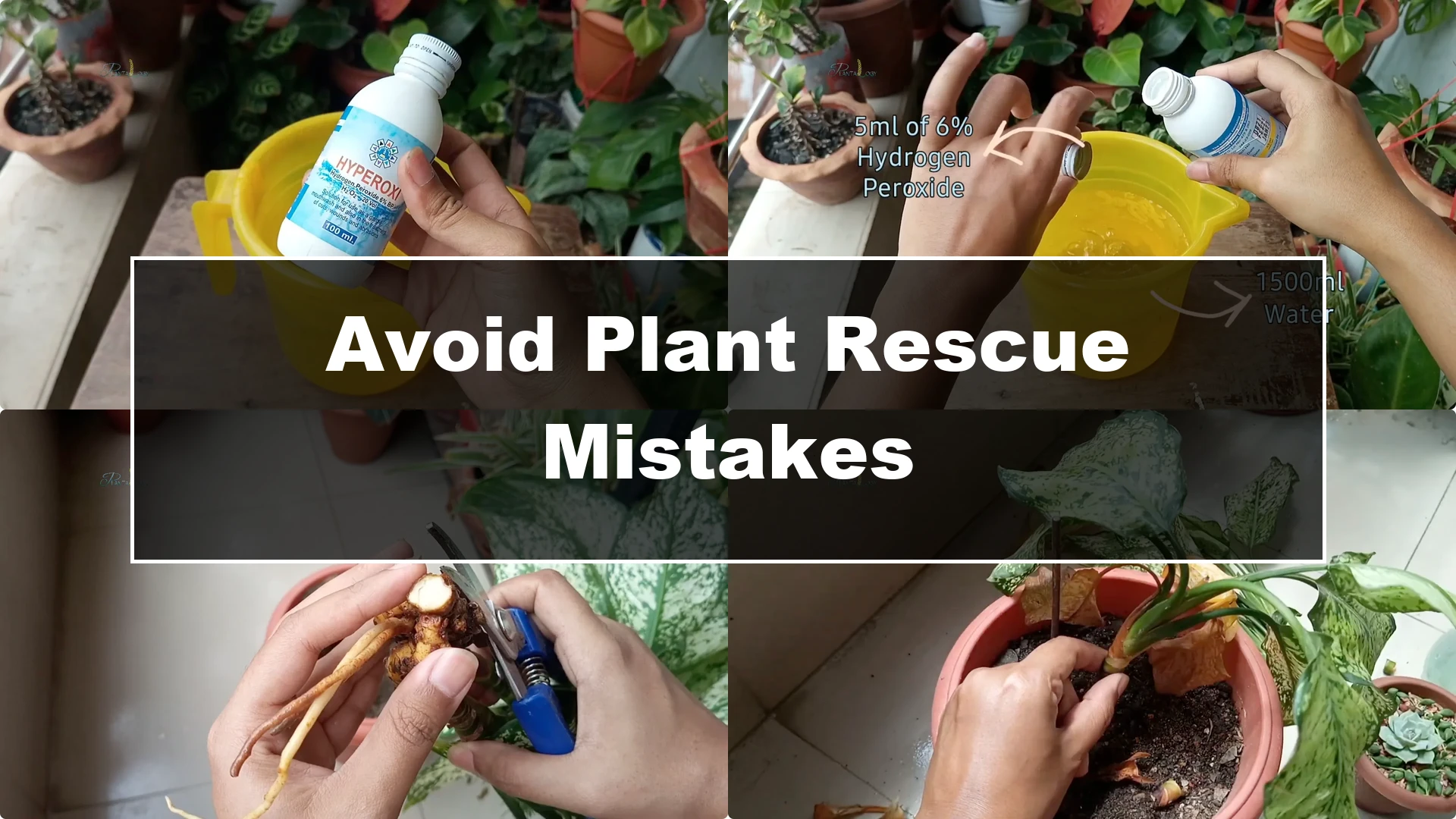
This aglaonema was unfortunately overwatered and around 80 percent of its roots were rotted. I followed a root rot treatment to try to save it. Only three or four roots were still white when I unpotted it.
1. Aglaonema Root Rot Treatment: Initial Diagnosis
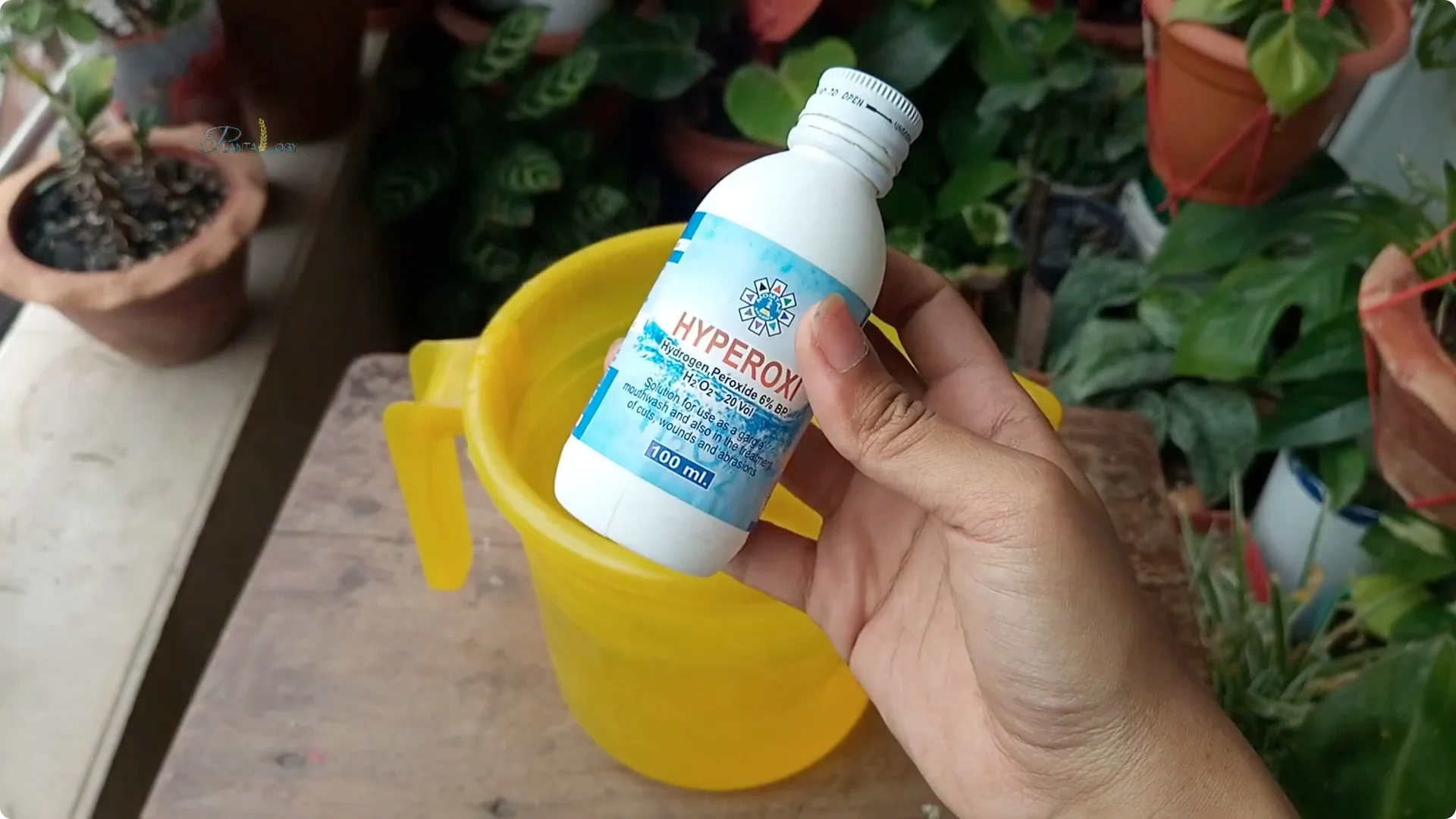
Gently take out the plant from the media and inspect the roots. Healthy roots look firm and white, while rotted roots feel mushy and dark. When most roots are gone, move quickly.
If overwatering trips you up with other houseplants too, see these common ZZ plant care mistakes. Simple changes in watering and soil can prevent repeat problems.
2. Aglaonema Root Rot Treatment: Disinfect the Roots
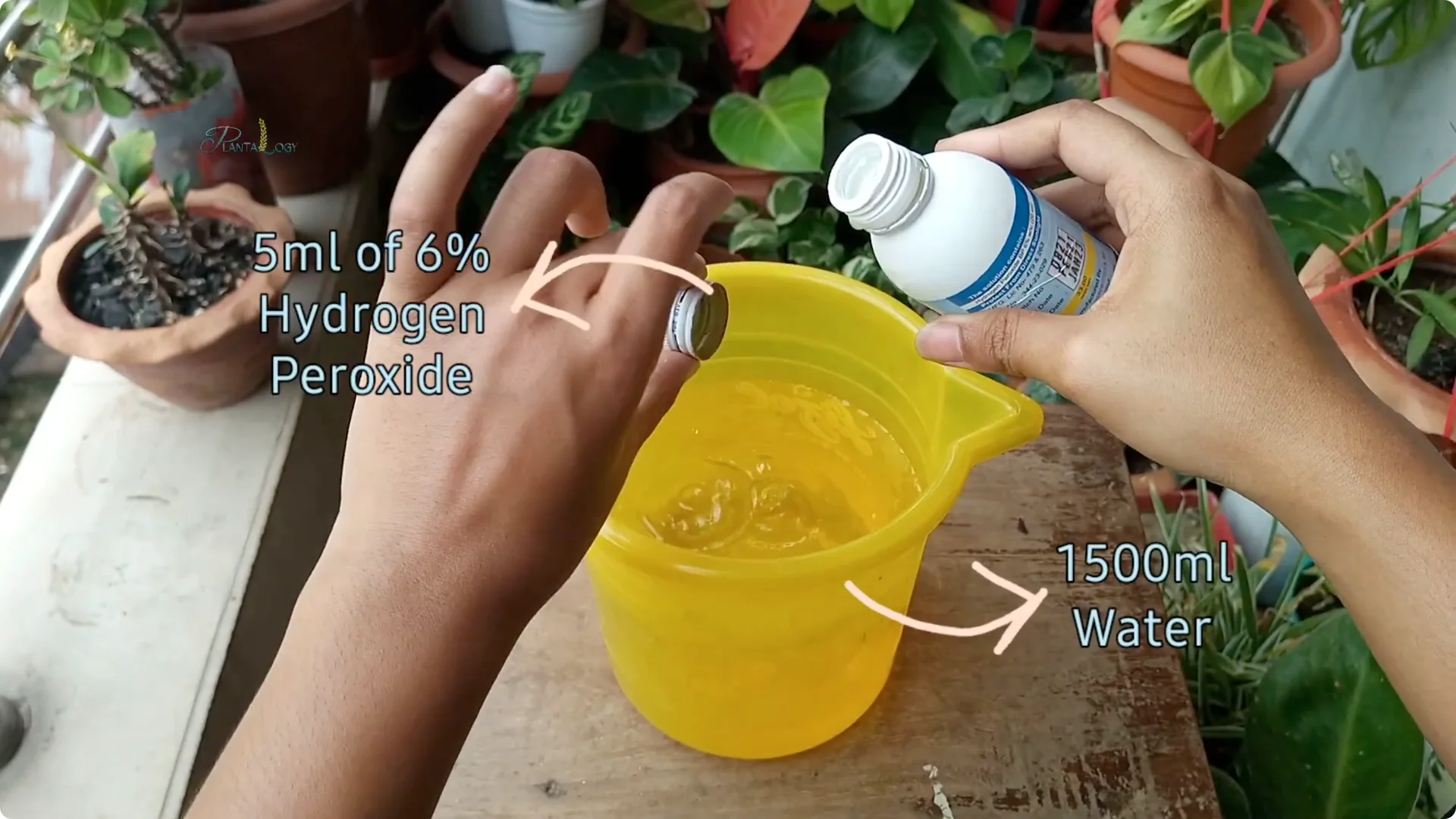
Mix 5 ml of 6% hydrogen peroxide with 1.5 liter of water. Pour the solution over the roots so it reaches all surfaces. Hydrogen peroxide destroys all types of microbes, both harmful and beneficial, and ultimately sterilizes the plant roots.
Soak the roots in the diluted hydrogen peroxide for 3 to 4 minutes. Do not exceed this, since longer soaks can stress the plant. Let the roots drip dry briefly before potting.
3. Aglaonema Root Rot Treatment: Repot and Early Care
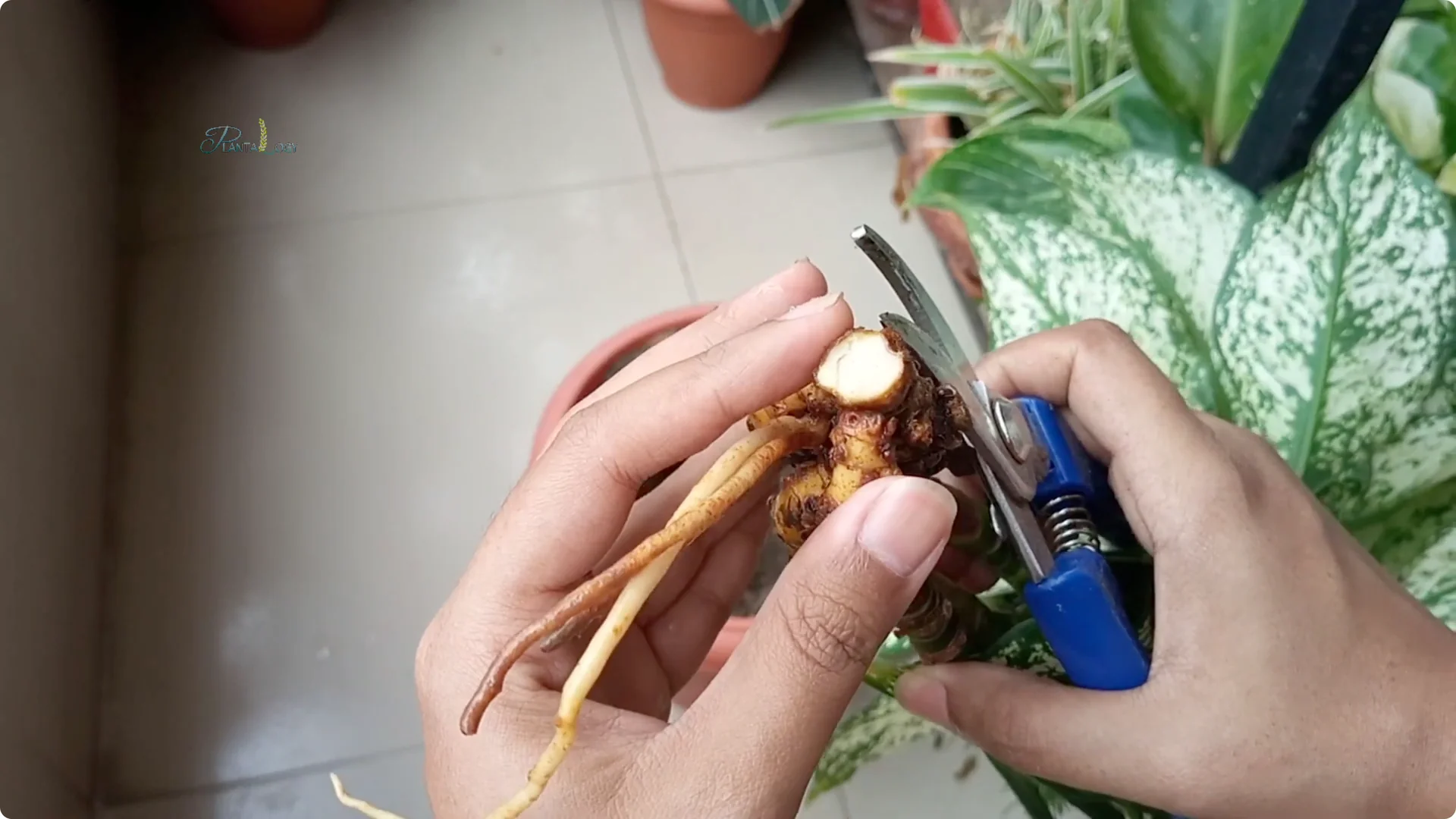
Repot the plant in a fresh, well-draining soil mix. Ensure the pot has proper drainage. Avoid compact, soggy media.
Keep the plant in a shaded place. Water it when 40% soil feels dry. Monitor closely for any wilting or yellowing.
4. Aglaonema Root Rot Treatment: If the Plant Keeps Wilting
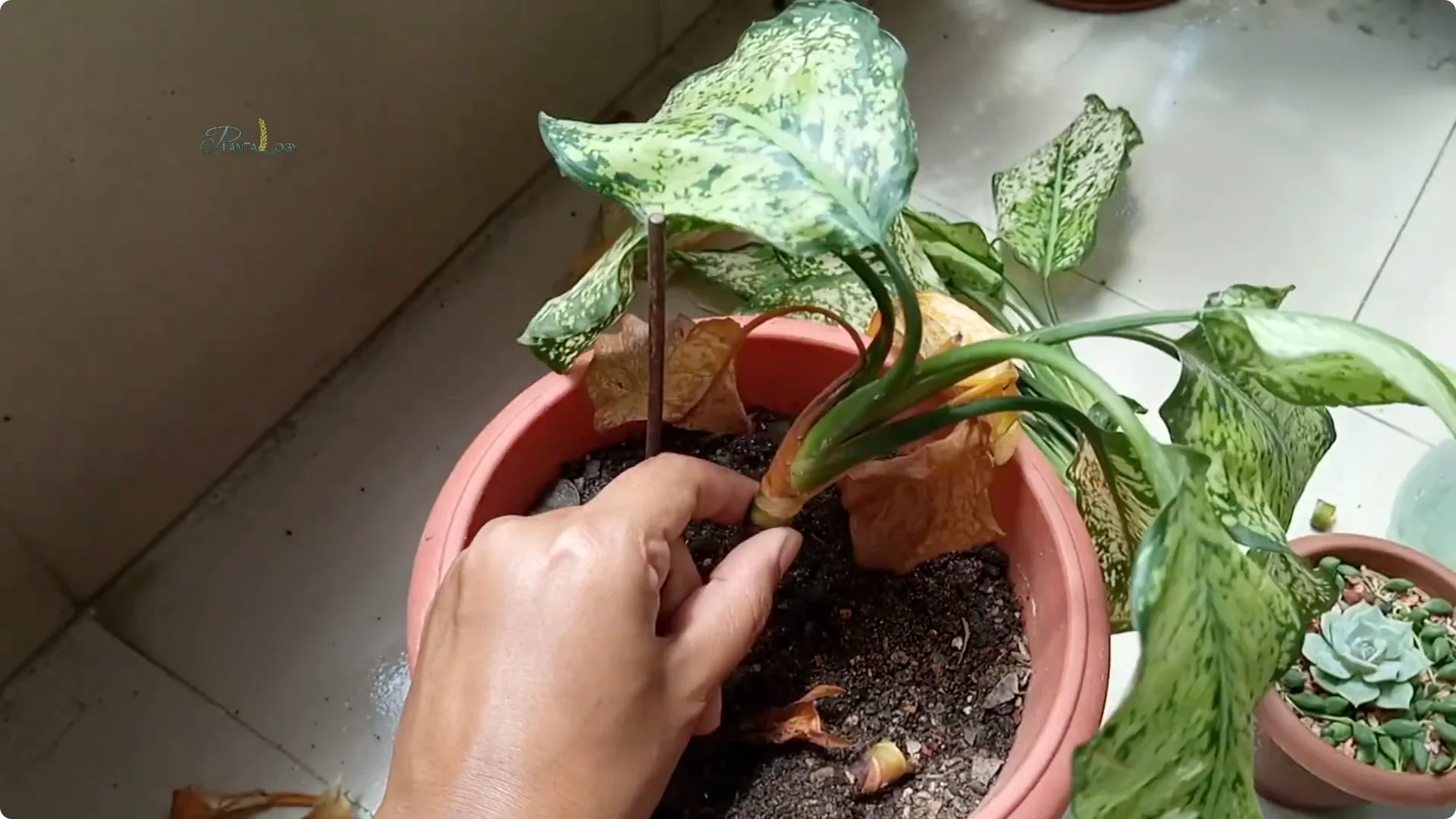
If leaves turn yellow and the plant wilts again, check the base and stems. Pull out the stems and inspect for rot at the base. When a plant has no roots left and is rotted from the base, treatment must switch to propagation.
Read More: Indoor spider plant mistakes to avoid
Take Cuttings To Save the Variety
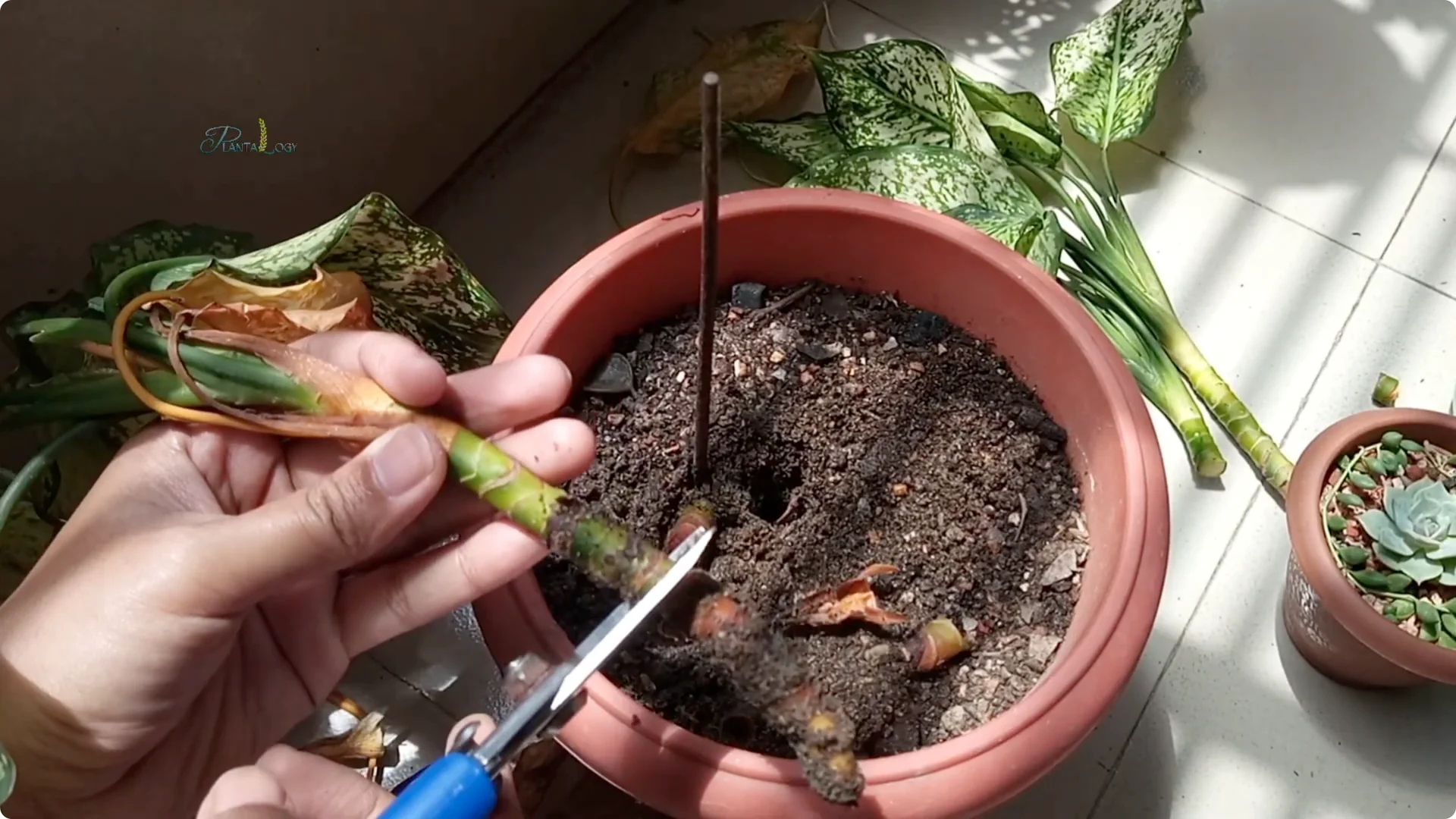
Cut out the rotted portion at the base. Separate the stems into clean cuttings. This becomes the only way to save the variety.
Place the cuttings in water. Keep them in a cool, well ventilated, bright place. Aglaonema is an aroid plant and they are easy to propagate.
Rooting Timeline and Expectations
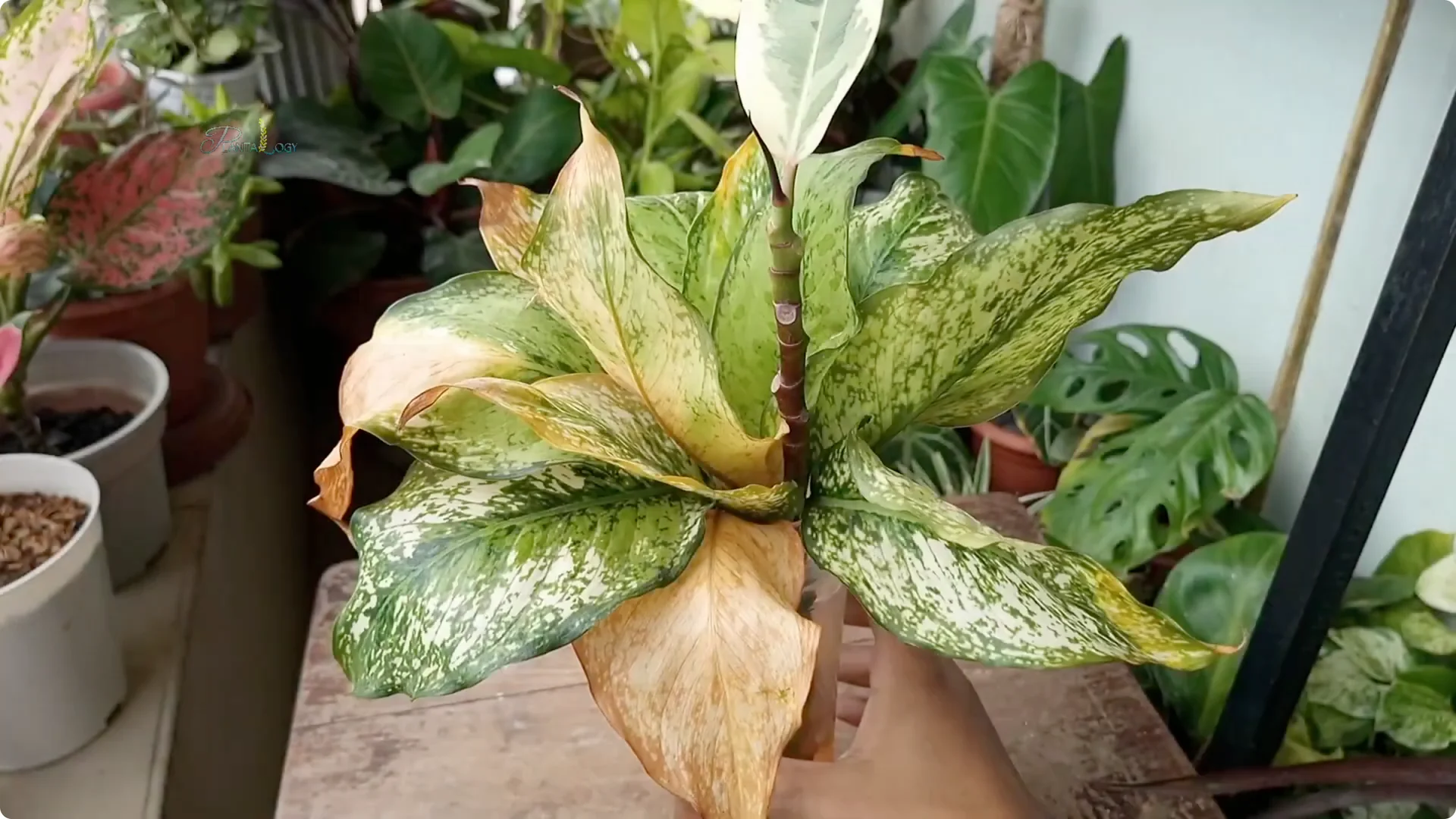
After about a month, two stems out of three developed roots. Not all cuttings will successfully root. You may lose one or two cuttings, so start with multiple cuttings for a higher success rate.
5. Aglaonema Root Rot Treatment: Potting Rooted Cuttings
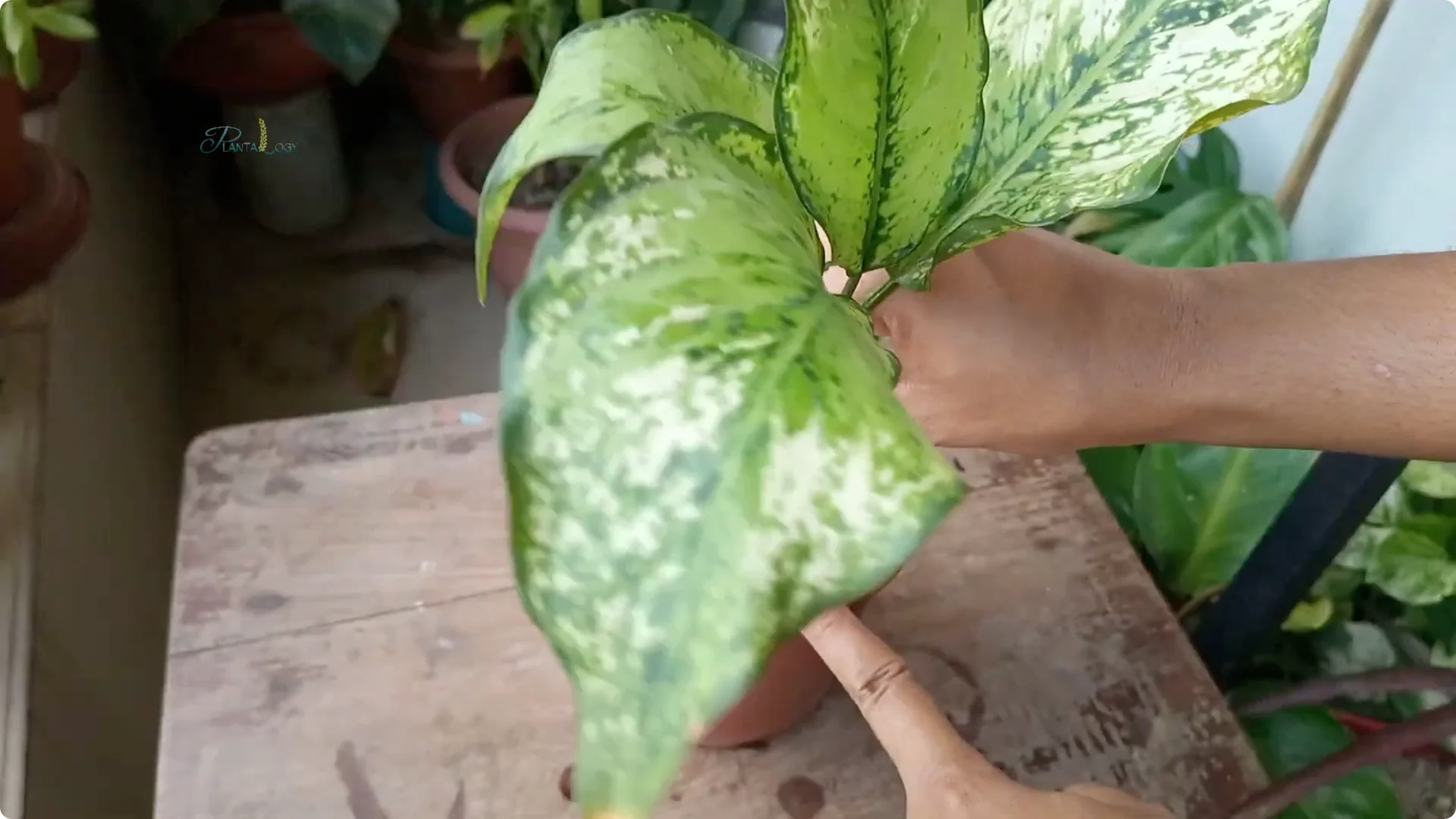
When the roots reach 3 to 4 cm, it is the ideal time to repot the cuttings. Use a well-draining mix to prevent another episode of rot. Firm the soil lightly around each rooted cutting.
After repotting, keep the cuttings in a shaded place for a week. Then gradually shift them to the desired place. Increase light slowly to avoid shock.
If you also grow Alocasia, avoid repeating watering and soil errors by reviewing mistakes that harm indoor Alocasia plants.
Final Thoughts
Root rot requires fast action and clean technique. Disinfect with diluted hydrogen peroxide, repot in well-draining soil, and adjust watering. If roots are gone, take multiple cuttings, root them in water, and repot once roots reach 3 to 4 cm.