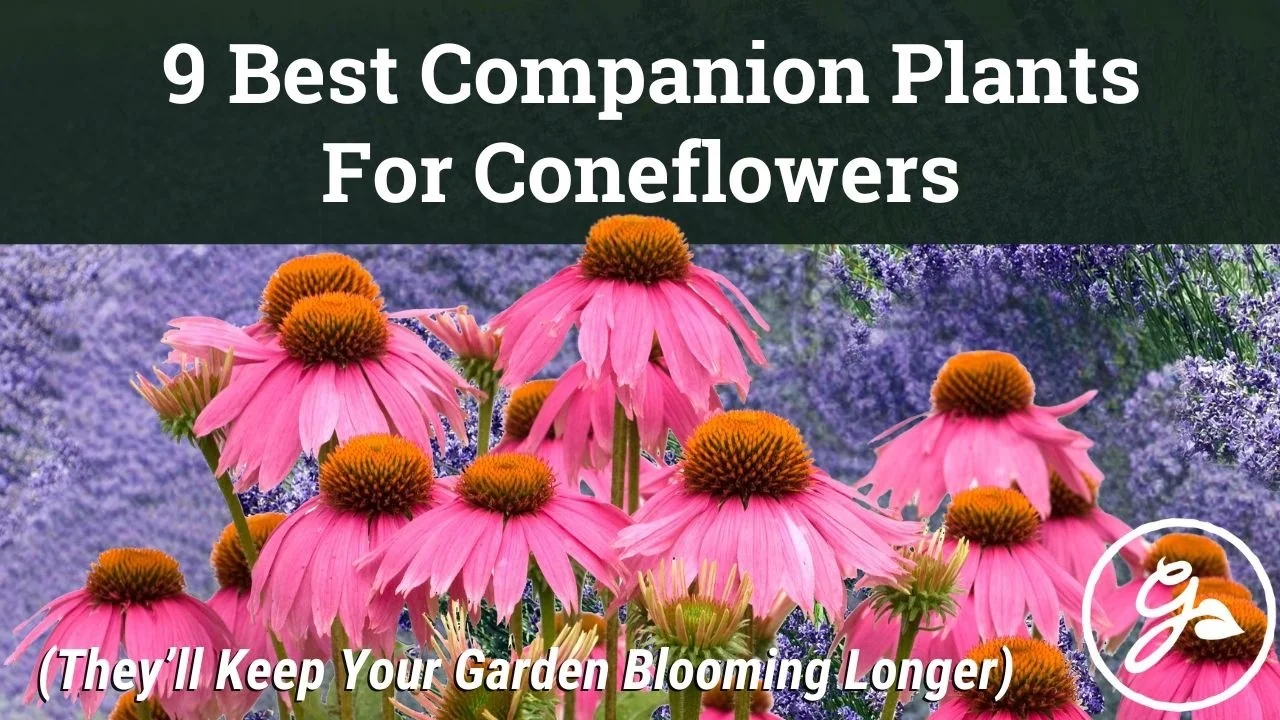
Coneflowers are a garden favorite for a reason – these tough, colorful perennials are drought-tolerant, pollinator magnets, and bloom for weeks with little fuss on your part. Pair them with perennials that complement their bold colors, bloom alongside them, and keep your beds vibrant before, during, and after coneflower season.
Choose perennials that match the growing needs of coneflowers – plants that thrive in full sun, prefer well-draining soil, and can handle dry conditions. Look for options with staggered bloom times to extend color in the garden.
You might be after continuous color, layered height, or a pollinator paradise. There is something here for every sunny garden bed.
How to Choose Coneflower Companion Plants
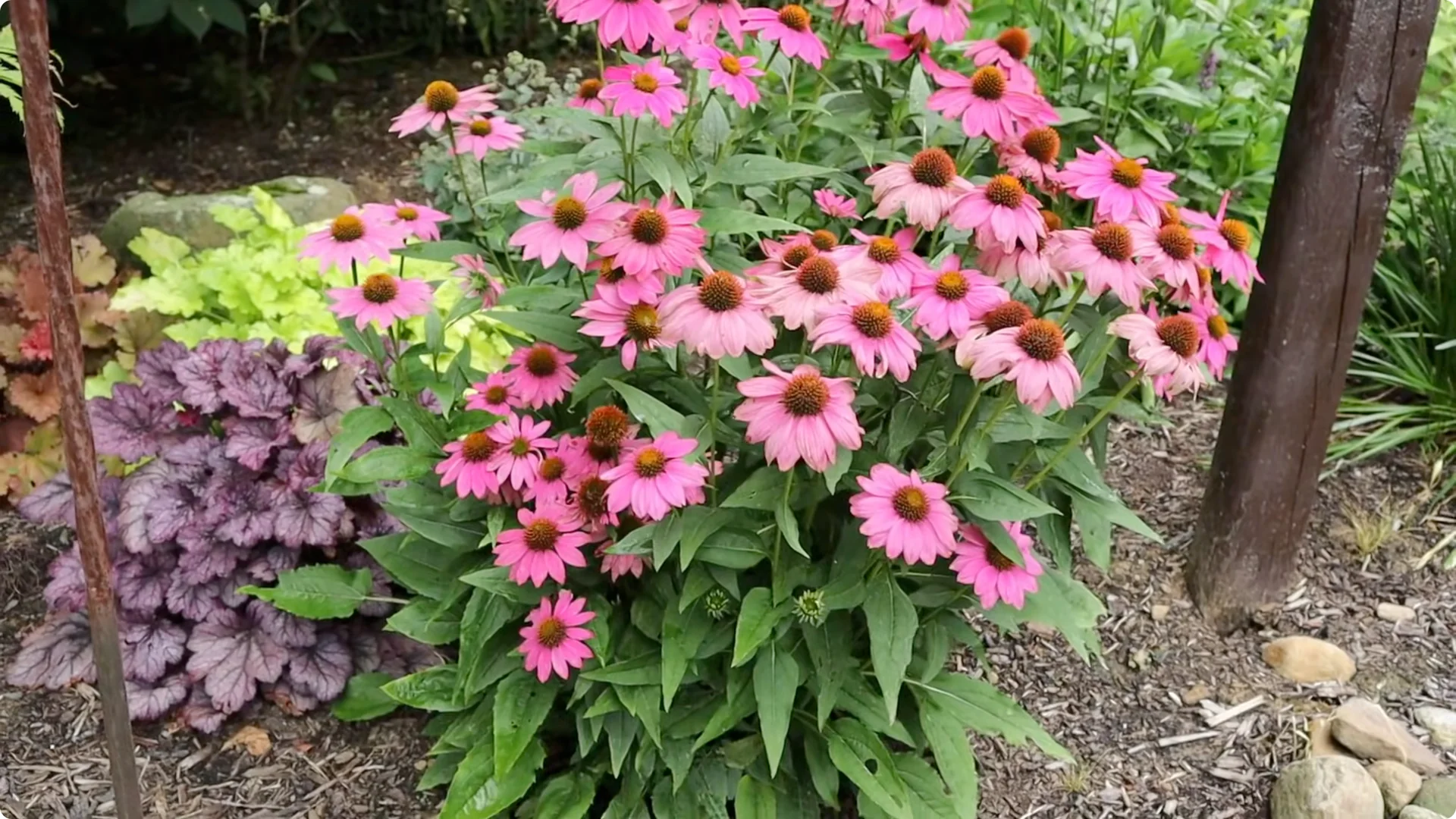
1. Match growing conditions
Pick full-sun perennials that like well-drained soil and can handle dry spells. This keeps care simple and plants happy side by side.

2. Stagger bloom times
Combine early, mid, and late bloomers to carry color across the season. Aim for overlap with coneflowers and interest before and after.
3. Layer heights and textures
Use low growers to fill in and taller accents for structure. Mix spiky forms with rounded blooms for contrast.
4. Support pollinators
Favor nectar-rich plants that draw bees, butterflies, and hummingbirds. You will build a lively, productive bed.
Read More: Snake Plants Signs Your Houseplant Is Giving You
Top 9 Coneflower Companion Plants
1. Gaillardia (Blanket Flower)
These cheerful, daisy-like blooms complement not only the color of coneflowers but growing habits, too. They handle heat and drought like champs while covering the ground beneath the coneflowers to suppress weeds and create a full, layered look.
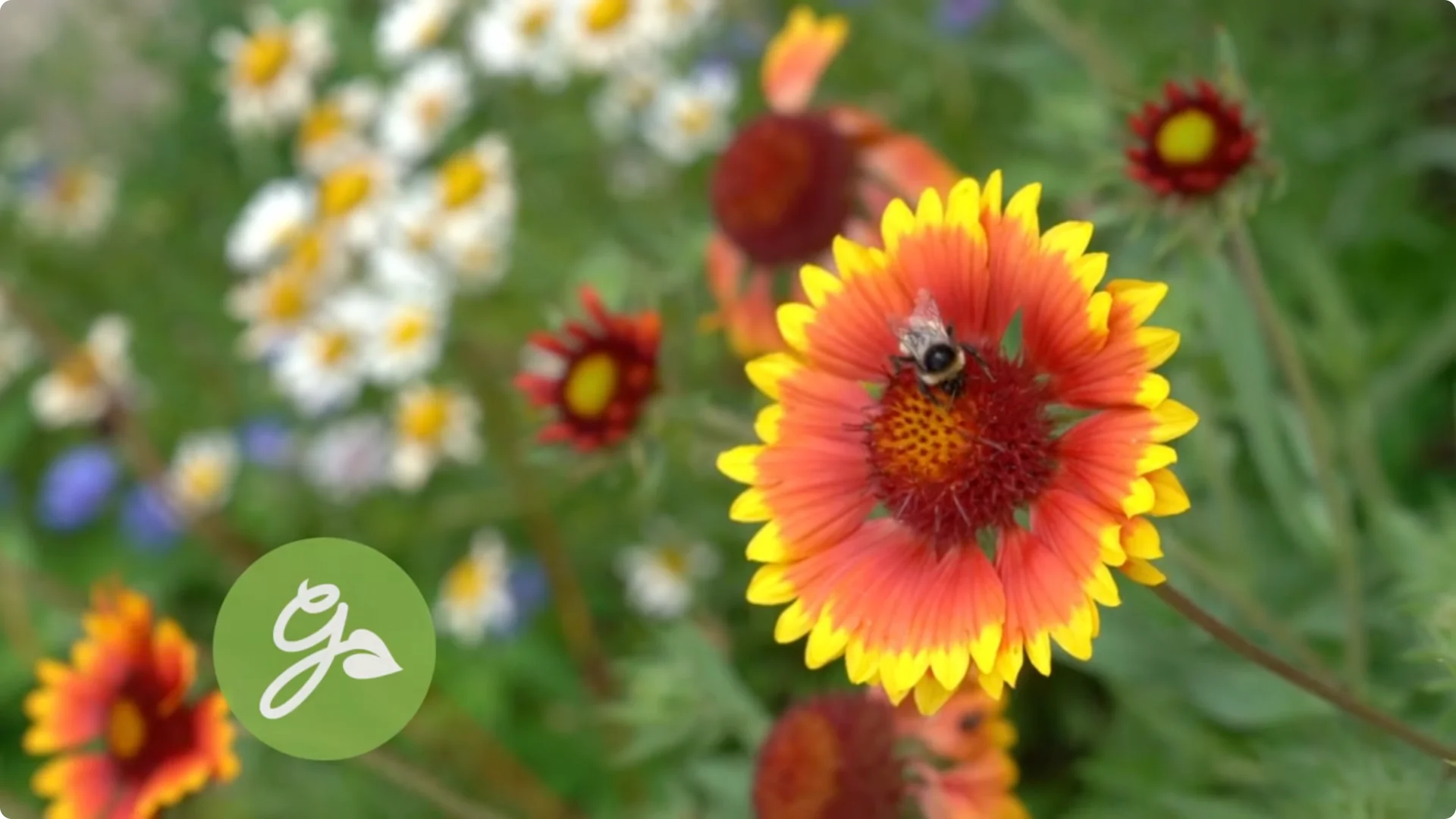
They also bloom around the same time, giving you a pop of color from top to bottom.
2. Agastache (Hummingbird Mint or Hyssop)
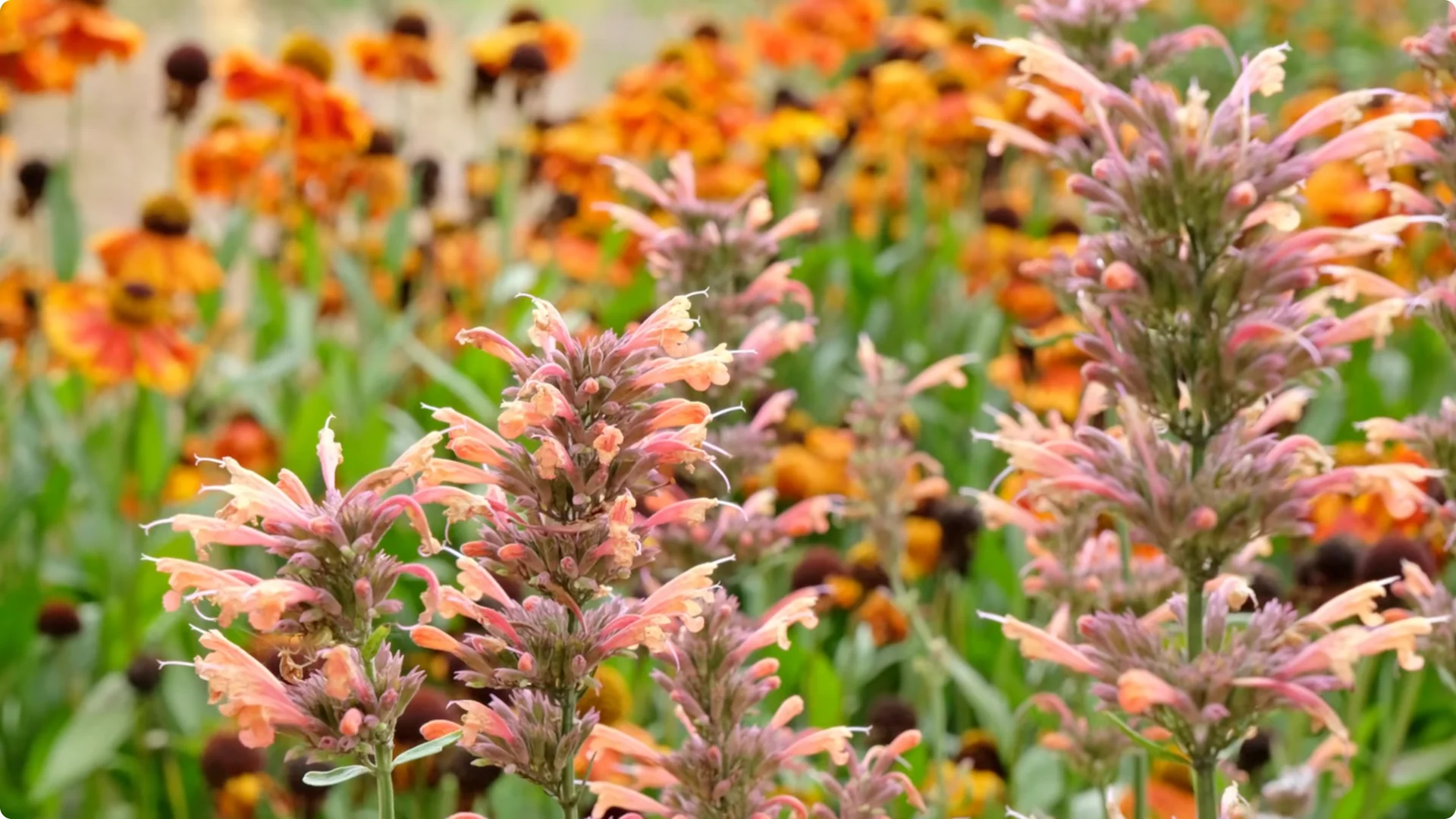
They share similar growing preferences but also bring a dynamic contrast to the garden. The airy, vertical texture and spiky flower clusters complement and contrast with the bold daisy-like blooms, attracting a parade of pollinators.
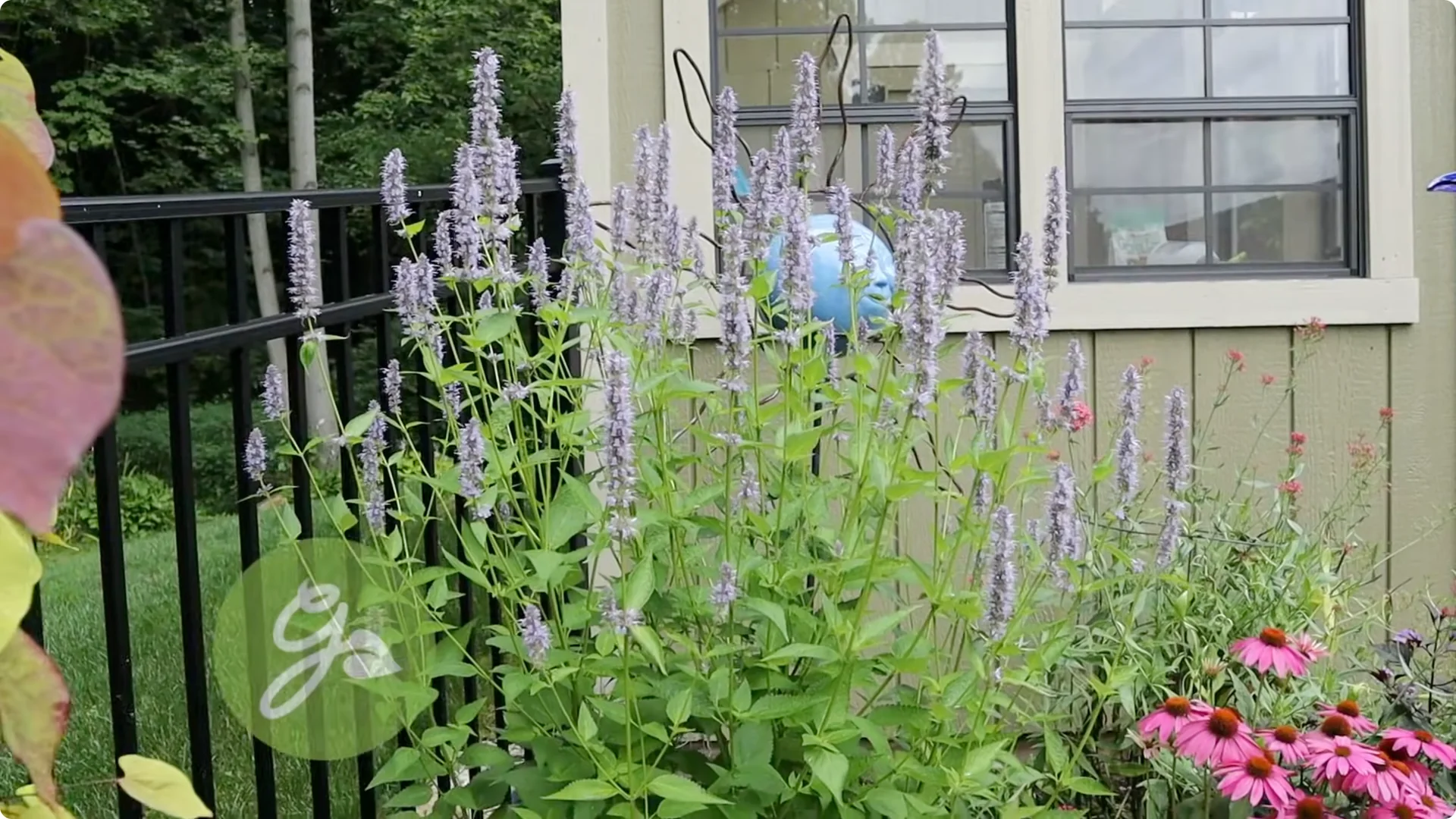
Hyssop has a long bloom time. It often flowers right alongside your coneflowers and keeps blooming well after they start to fade.
3. Lavender
Loved for its alluring fragrance, it also makes a standout companion because of its low, mounding habit and soft, silvery foliage that complements the bold form of coneflowers. Together, they create a striking mix of color, texture, and structure in planting beds.
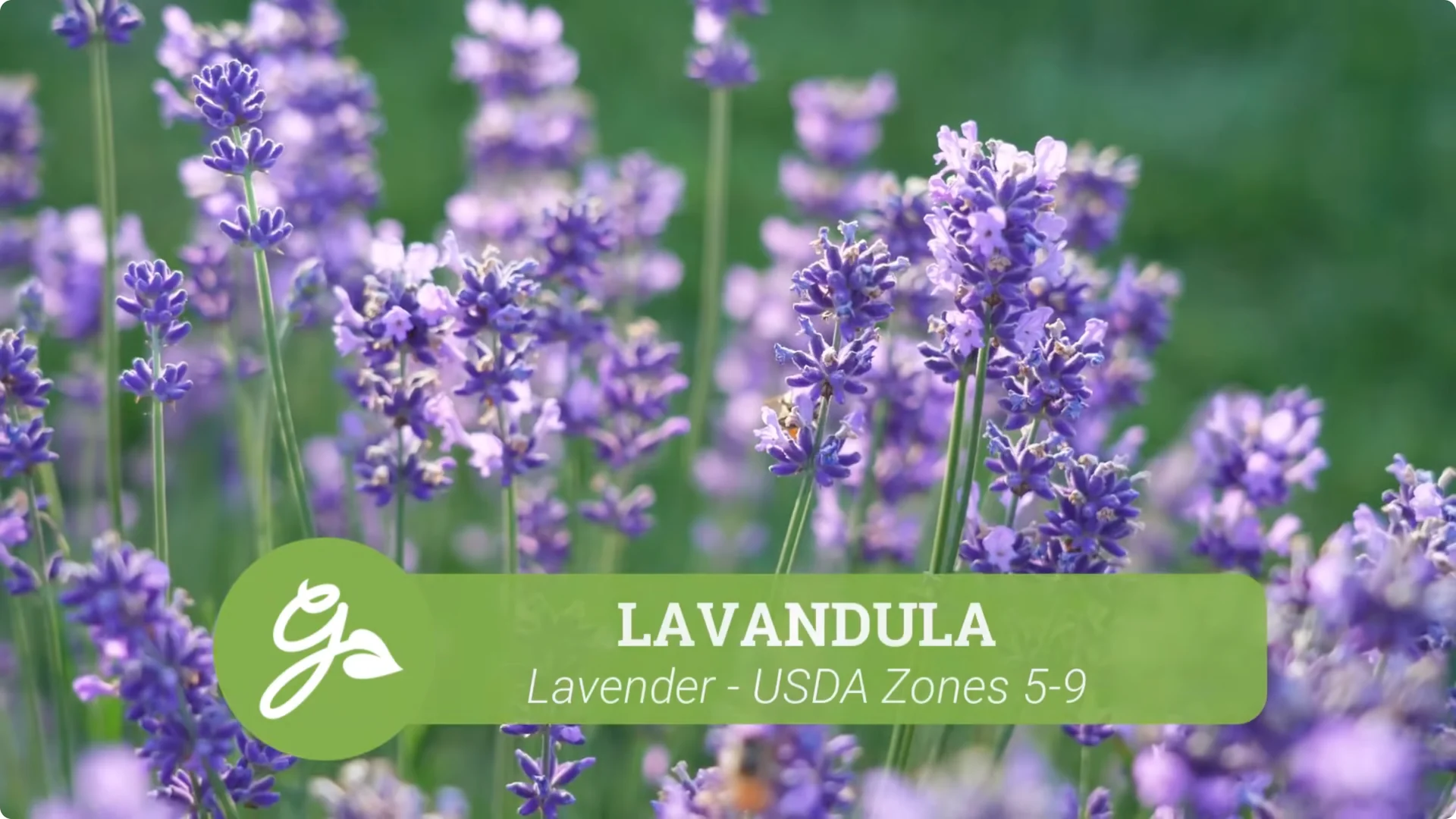
Both thrive in full sun and are incredibly drought-tolerant once established.
Read More: Grow Care Prayer Plants
4. Bee Balm
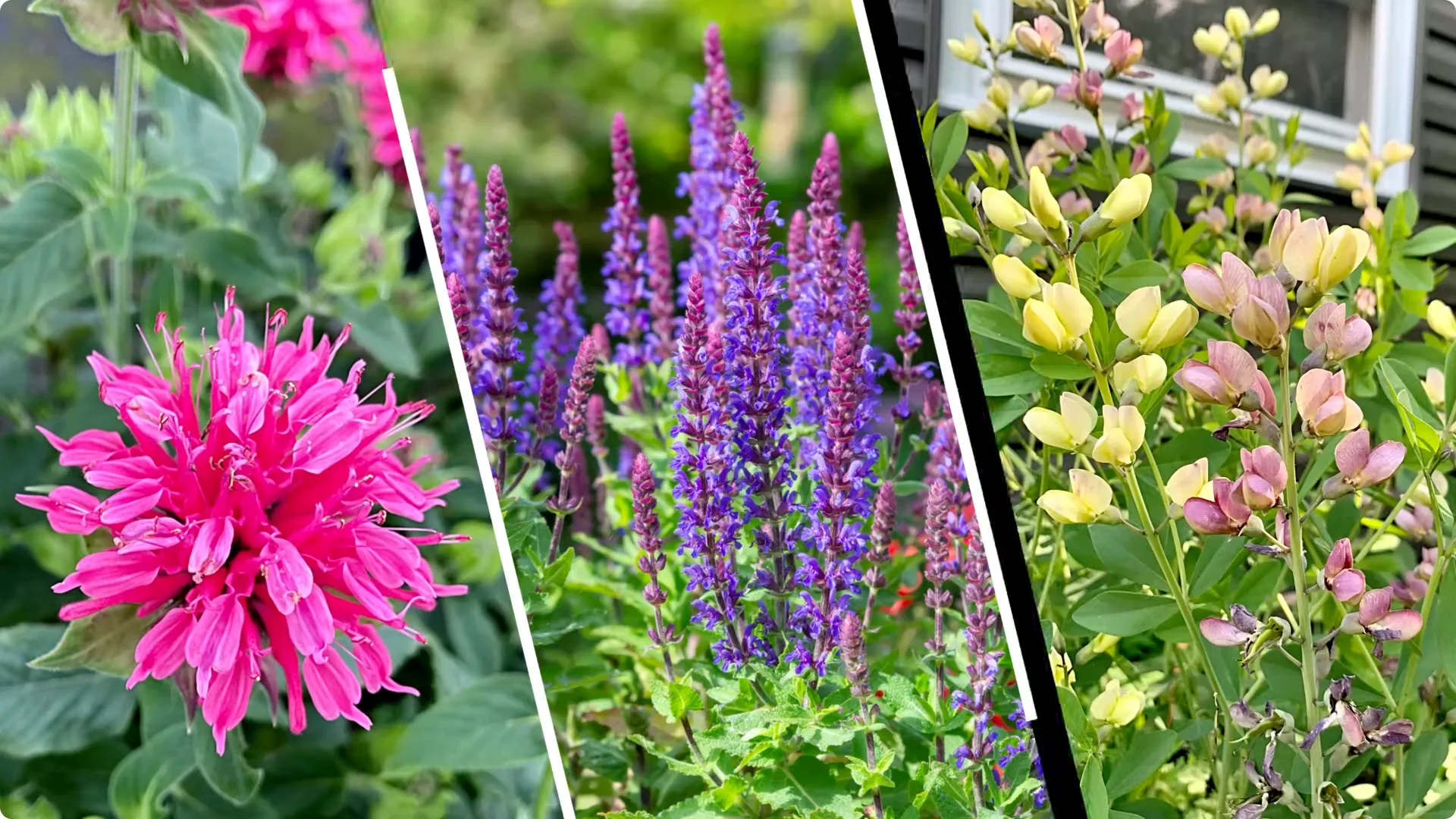
This pairing creates an incredible show of color and pollinator activity. Coneflowers bring a strong vertical structure while bee balm adds a more wild, ruffled look with its unique tubular flowers loved by hummingbirds.
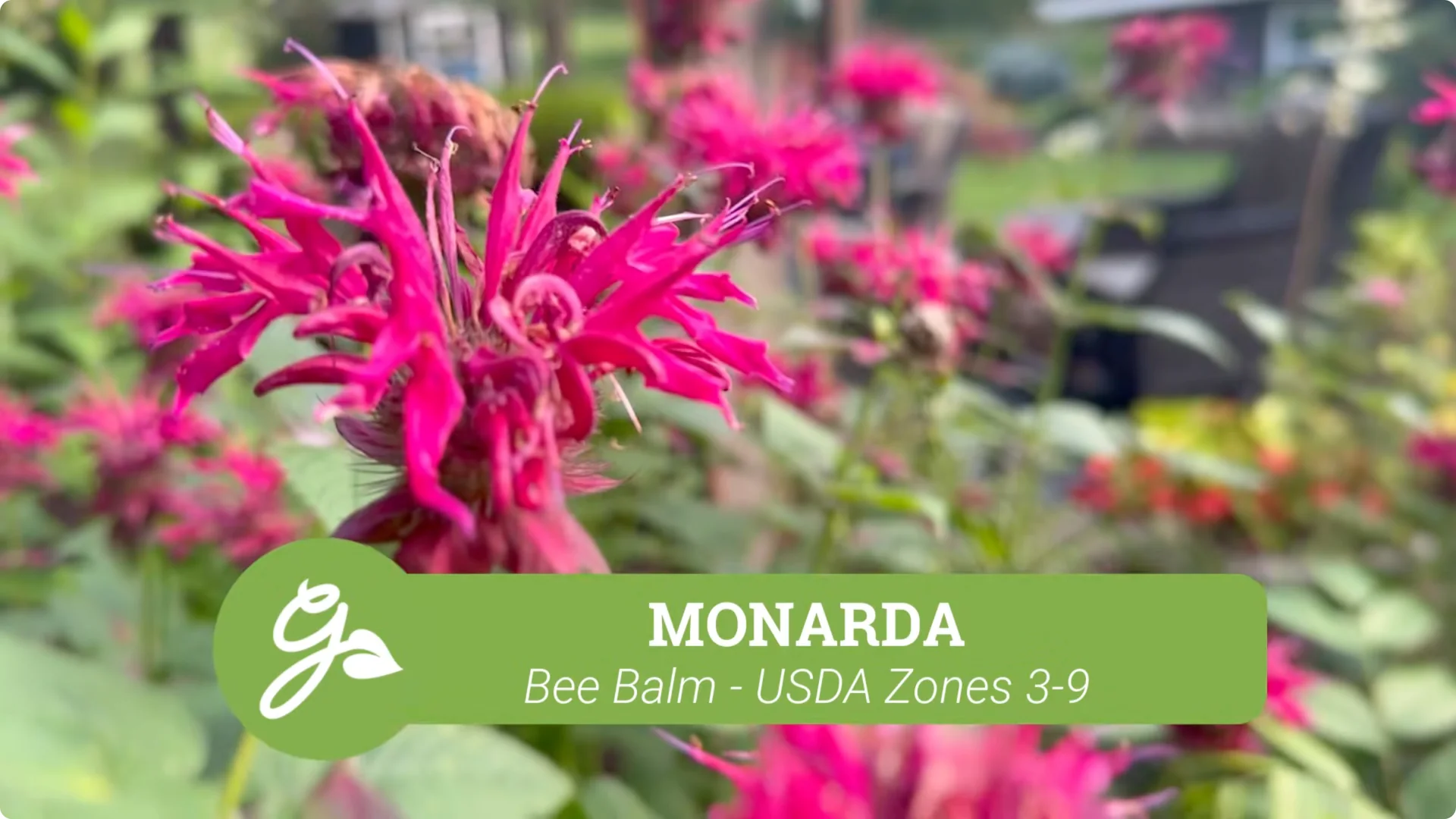
This combo adds beautiful texture and energy to the garden.
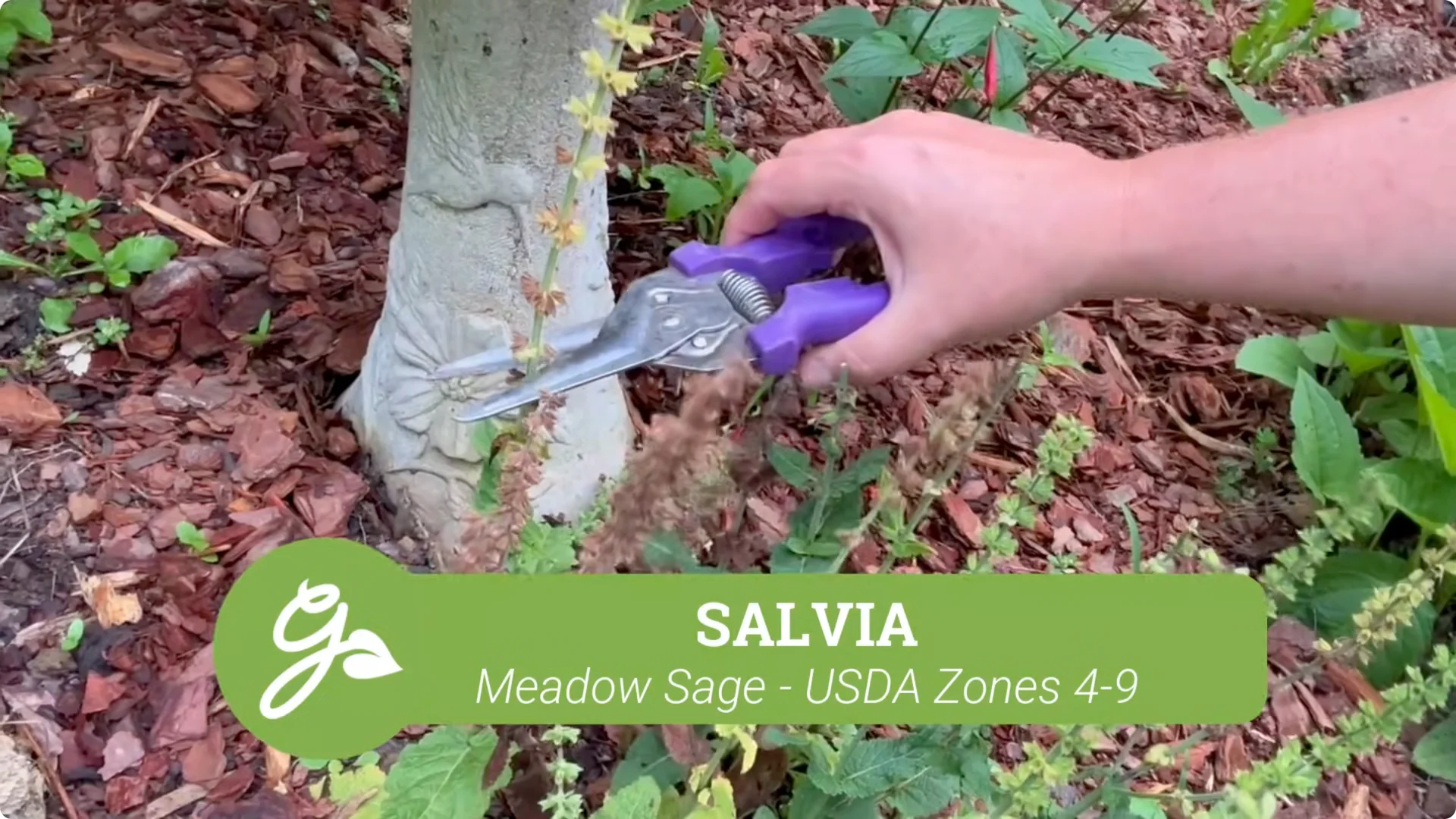
5. Perennial Salvia
It usually blooms earlier in the season, giving your garden an early burst of color before your coneflowers begin their show. With a quick haircut, salvia will rebloom, creating a smooth flow of color throughout the season.
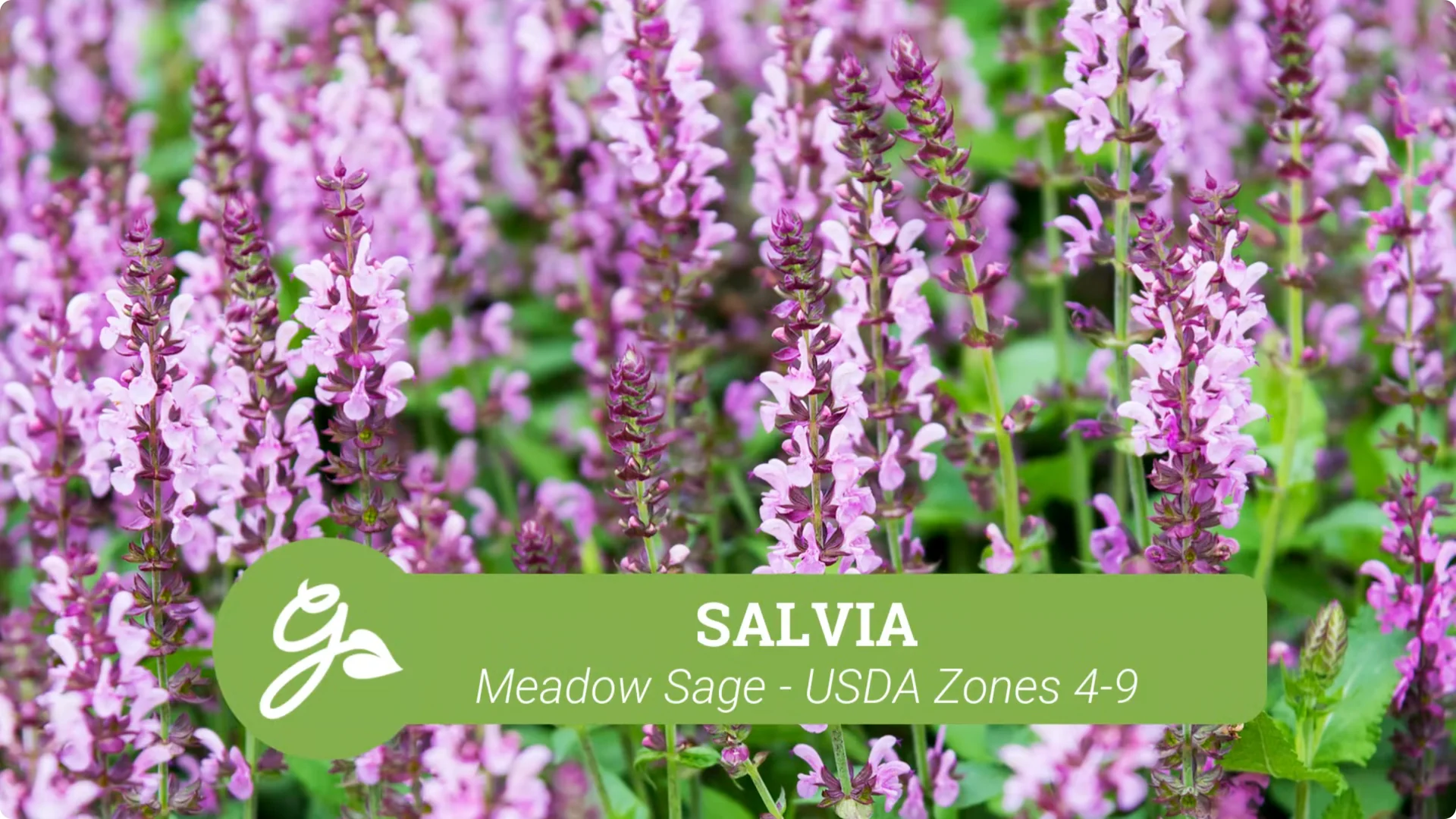
The spiky vertical flowers also offer a nice contrast to the rounded blooms of coneflowers.
6. Baptisia (False Indigo)
It typically blooms earlier in the season, offering tall spikes of blue, purple, or even yellow flowers right as your coneflowers are gearing up to take center stage. Once the blooms fade, baptisia leaves behind a full, bushy mound of blue-green foliage.
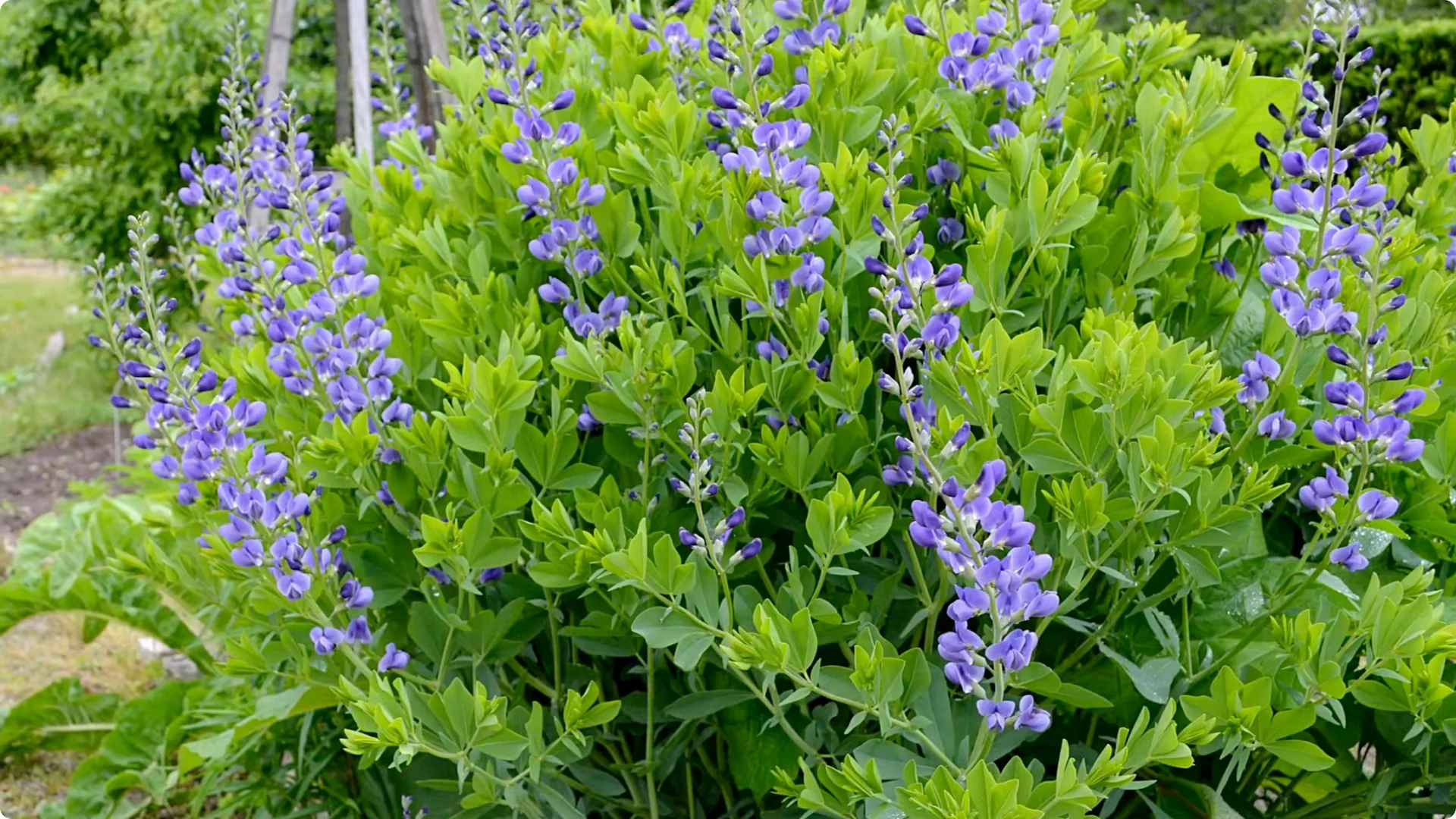
It is especially effective at the back of the border, where its size and structure help anchor the bed. They are both incredibly easy to grow, drought-tolerant, and practically foolproof.
7. Catmint
Its low, soft, spreading form works almost like a living mulch, filling in around taller plants like coneflowers and helping to suppress weeds. It blooms earlier in the season, giving you waves of purple-blue flowers just as your coneflowers are starting to leaf out.
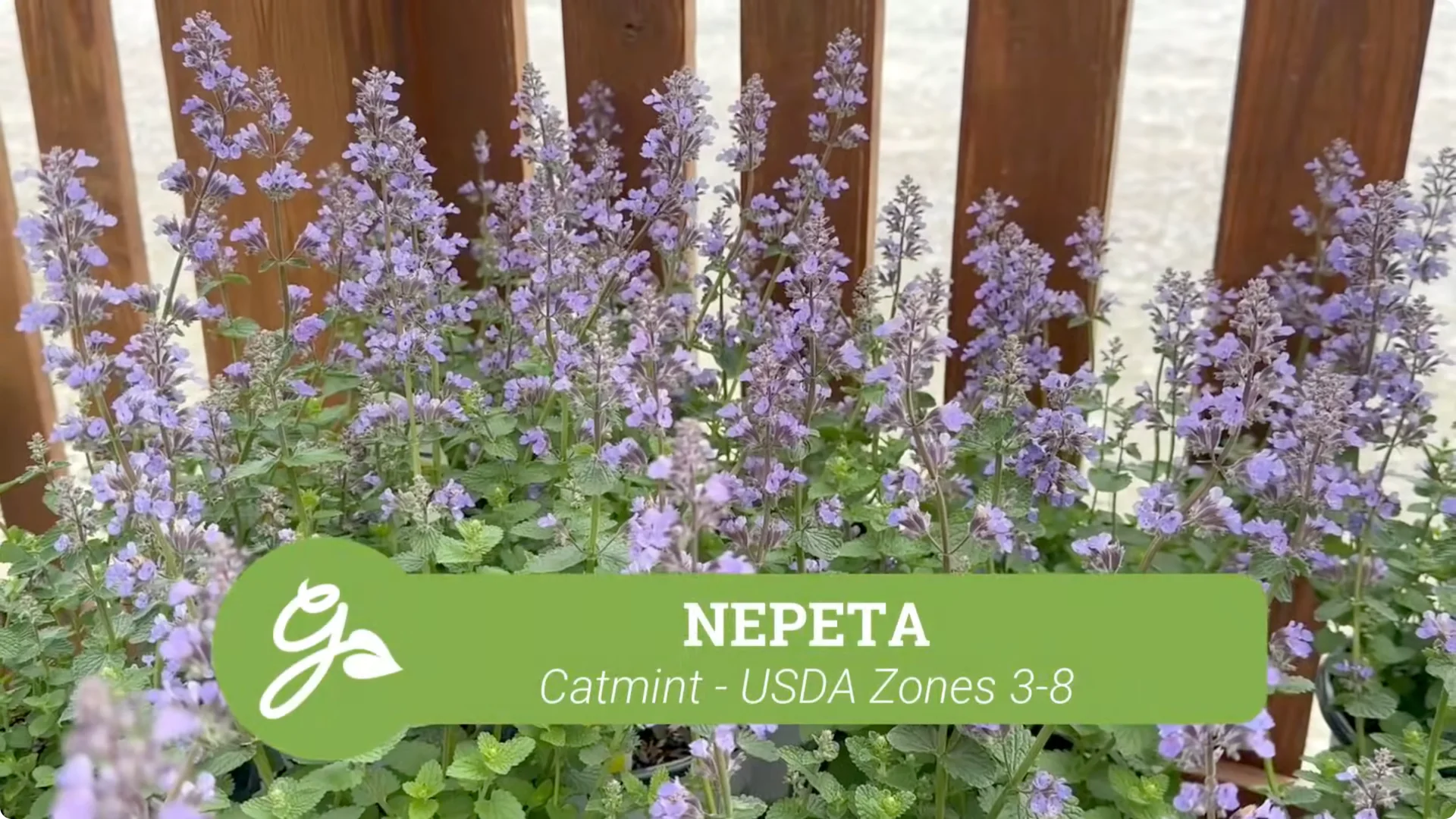
With a quick trim after the first bloom, it will rebloom again later in the season.
8. Sedum
This ultra-easy perennial combo is hardy, low-maintenance, and always stands out in the garden. Like coneflowers, sedum thrives in sunny, well-drained soil but brings something unique with its fleshy, textured foliage for contrast and visual interest.
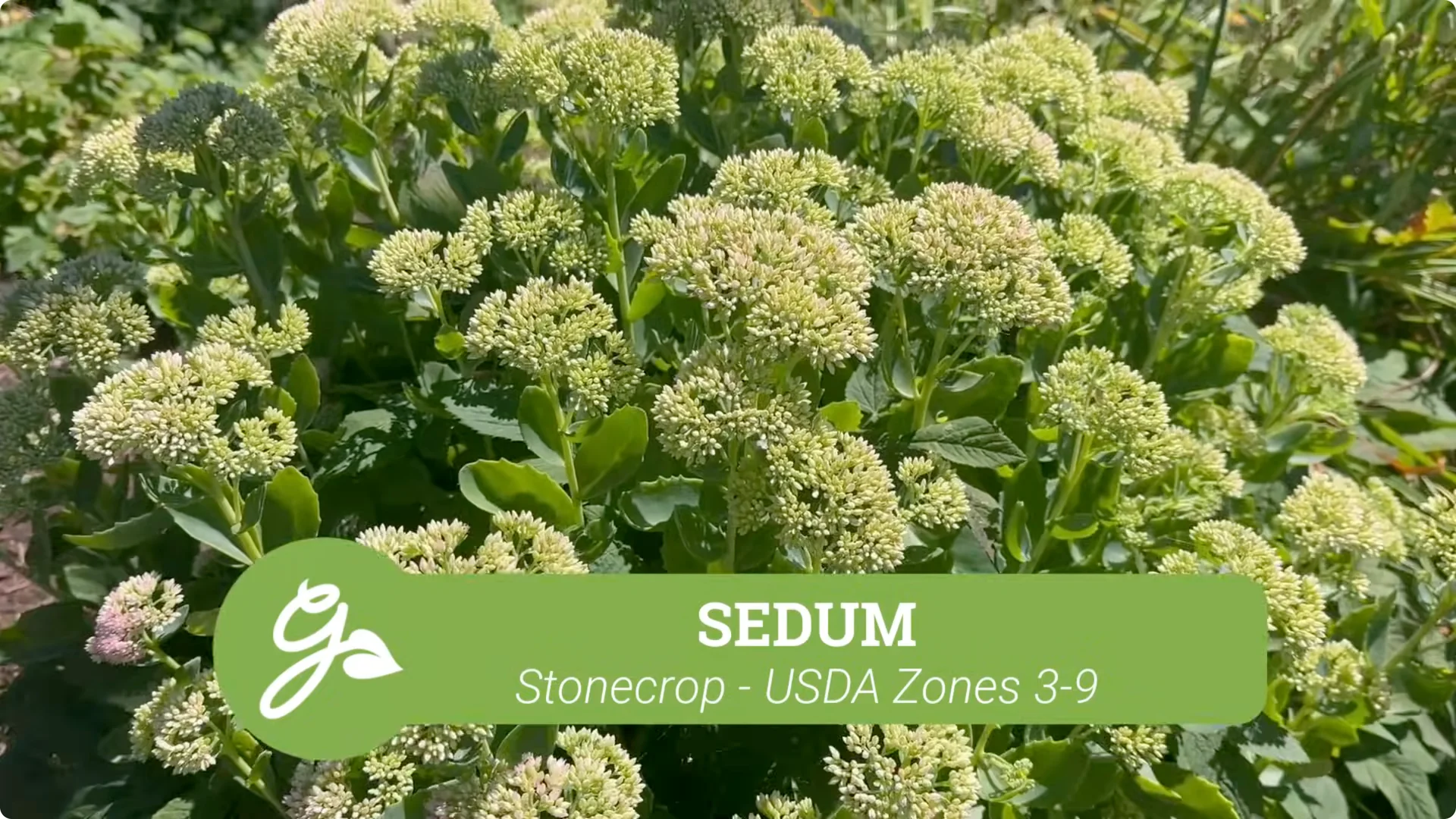
As your coneflowers wind down, sedum steps in with clusters of pretty blooms that extend the color well into fall.
9. Rudbeckia (Black-eyed Susan)
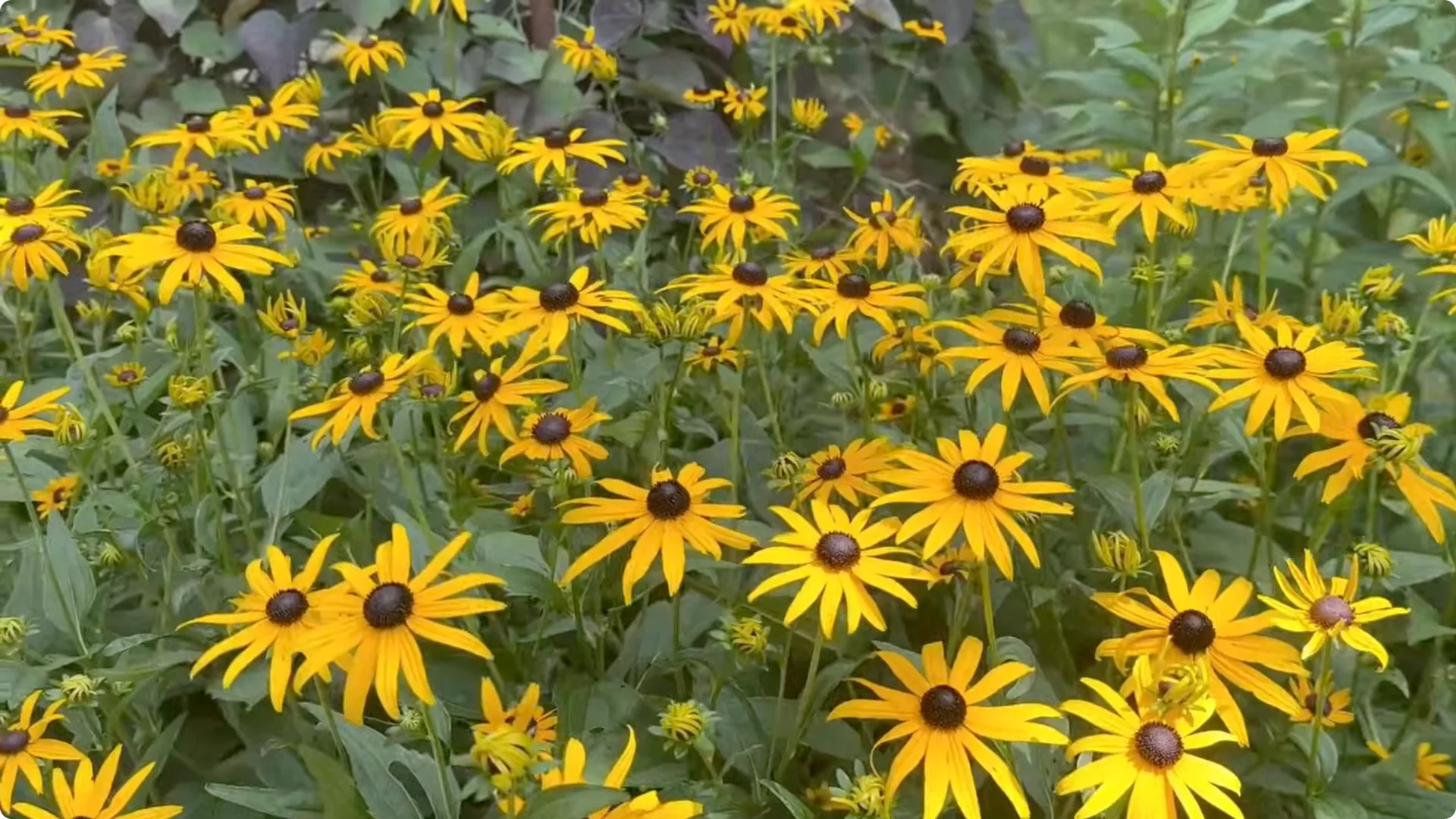
Bright, cheerful yellow blooms with dark centers beautifully complement coneflowers. This combo keeps beds colorful for months and offers beauty without the fuss.
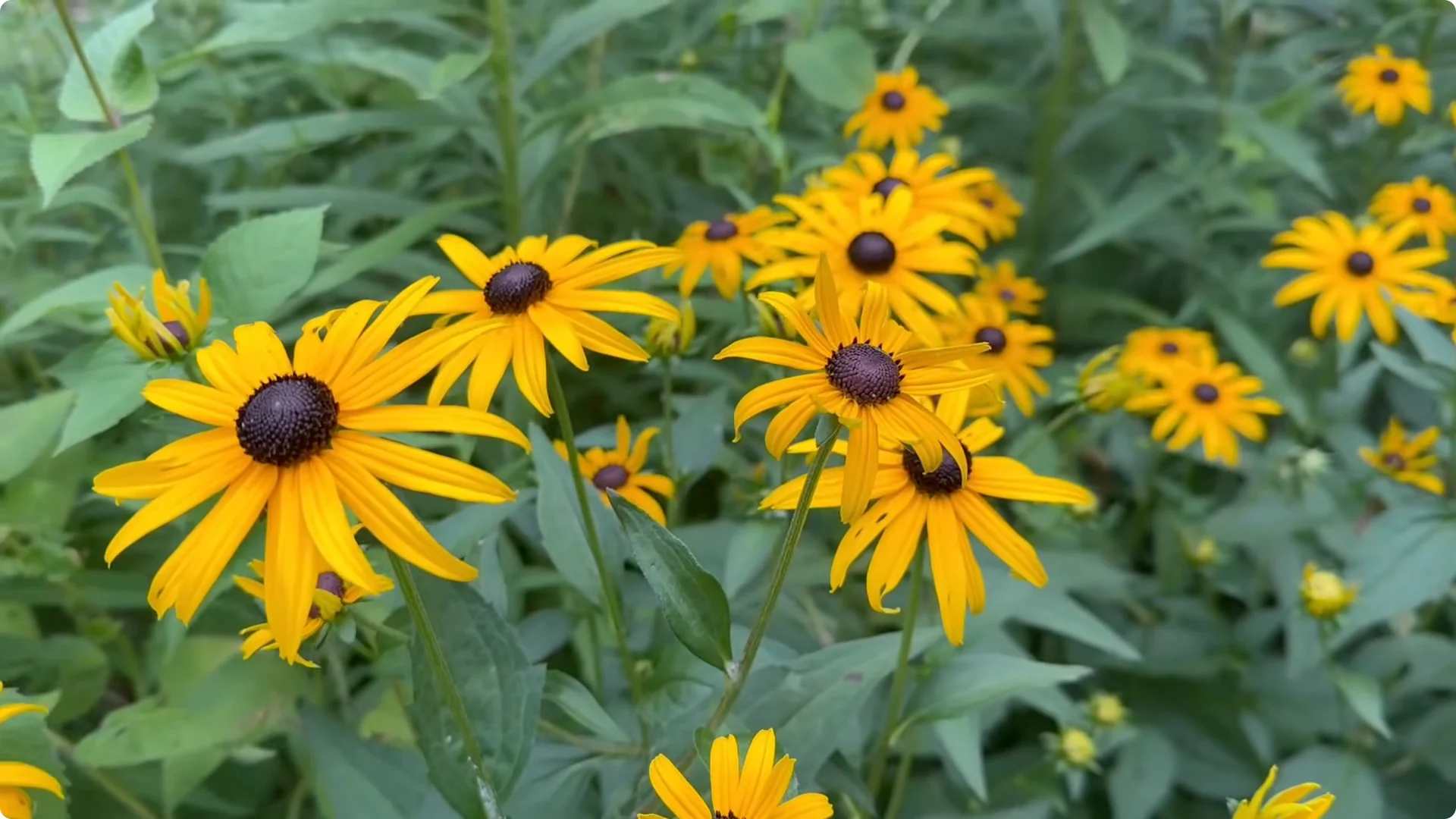
Both plants serve as valuable late-season sources of pollen for pollinators.
Read More: Anthurium Care Tips Indoor Blooms
Final Thoughts on Coneflower Companion Plants
These pairings keep your garden colorful, vibrant, and buzzing with pollinators all season long. Mix bloom times, textures, and heights to extend interest and make maintenance easier.
Gardening is all about experimenting and finding what works best for you and your space.