
Monsoon brings lots of growth, but it also brings fungal infestation. Floating leaf browning, black spots, and falling leaves are major signs. Before it is too late, we need to rescue our plants.
There are two types of precautions to prevent fungal infestation from spreading: natural and artificial. Before that, understand why and when fungus spreads.
1. Plant Fungal Disease Management – Why and When It Spreads
Excessive rainfall, overwatering, high humidity, high temperature, and pest infestation promote the life cycle and infection of fungi. In most cases, plants are attacked when the weather is changing. At that point, the plant uses lots of energy to acclimate and loses resistance, so it gets infected easily.
The fungus first attacks the roots and then spreads through the vegetative part. Treat the roots first, then take care of the vegetative part.

2. Plant Fungal Disease Management – Symptoms and What You Can Control
Fungal infestation can cause a wide range of symptoms such as black spots, rotting, root rot, leaf rot, wilting, wounds, and changes in leaf color or organ shapes. Fungus is a stubborn microbe. You cannot remove it completely because spores can remain even after strong fungicide treatment, so we aim to prevent spreading.


If you are caring for humidity-sensitive species, see these practical care tips for prayer plants to reduce stress during muggy weather.
3. Plant Fungal Disease Management – Natural Precautions
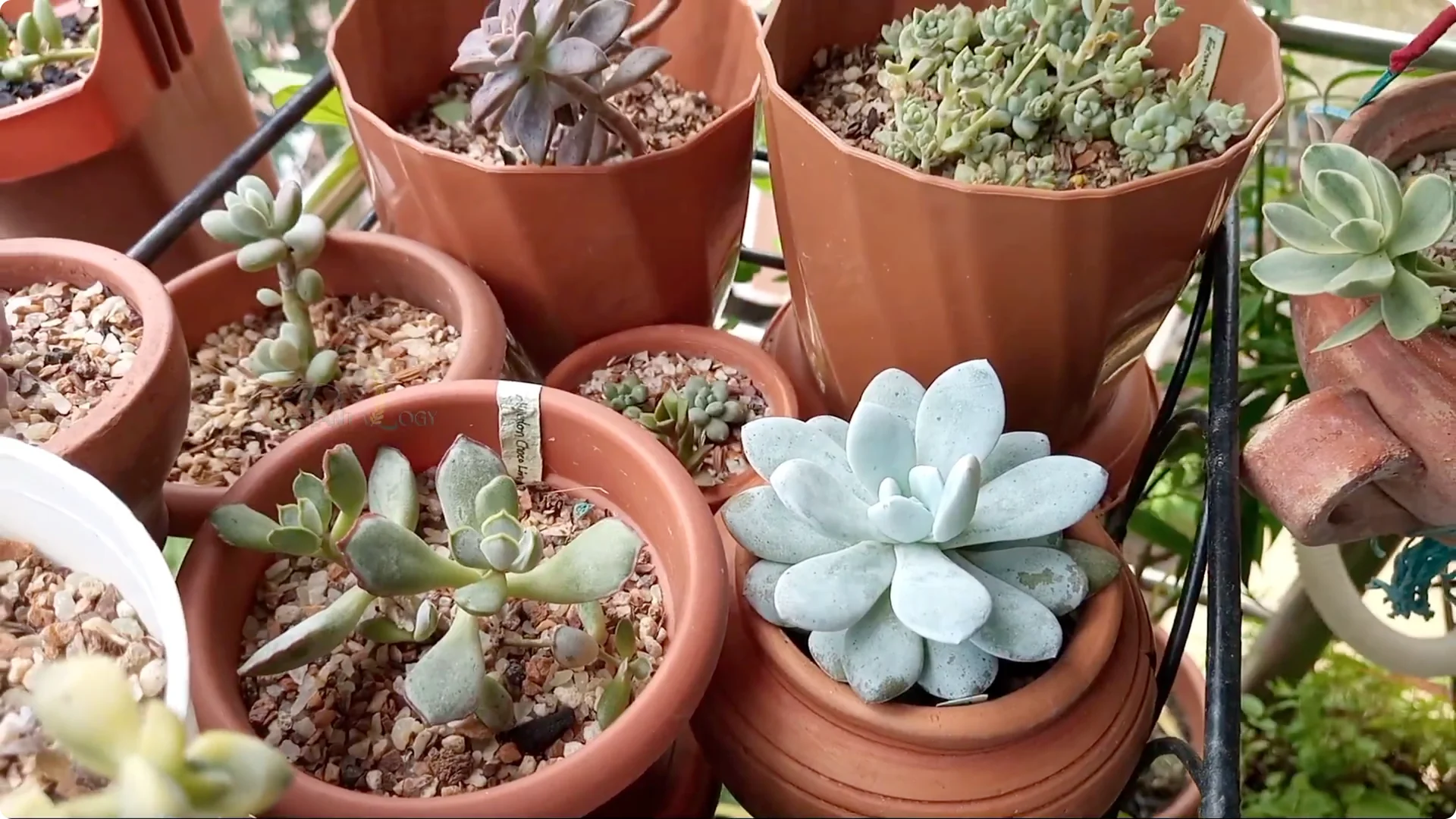
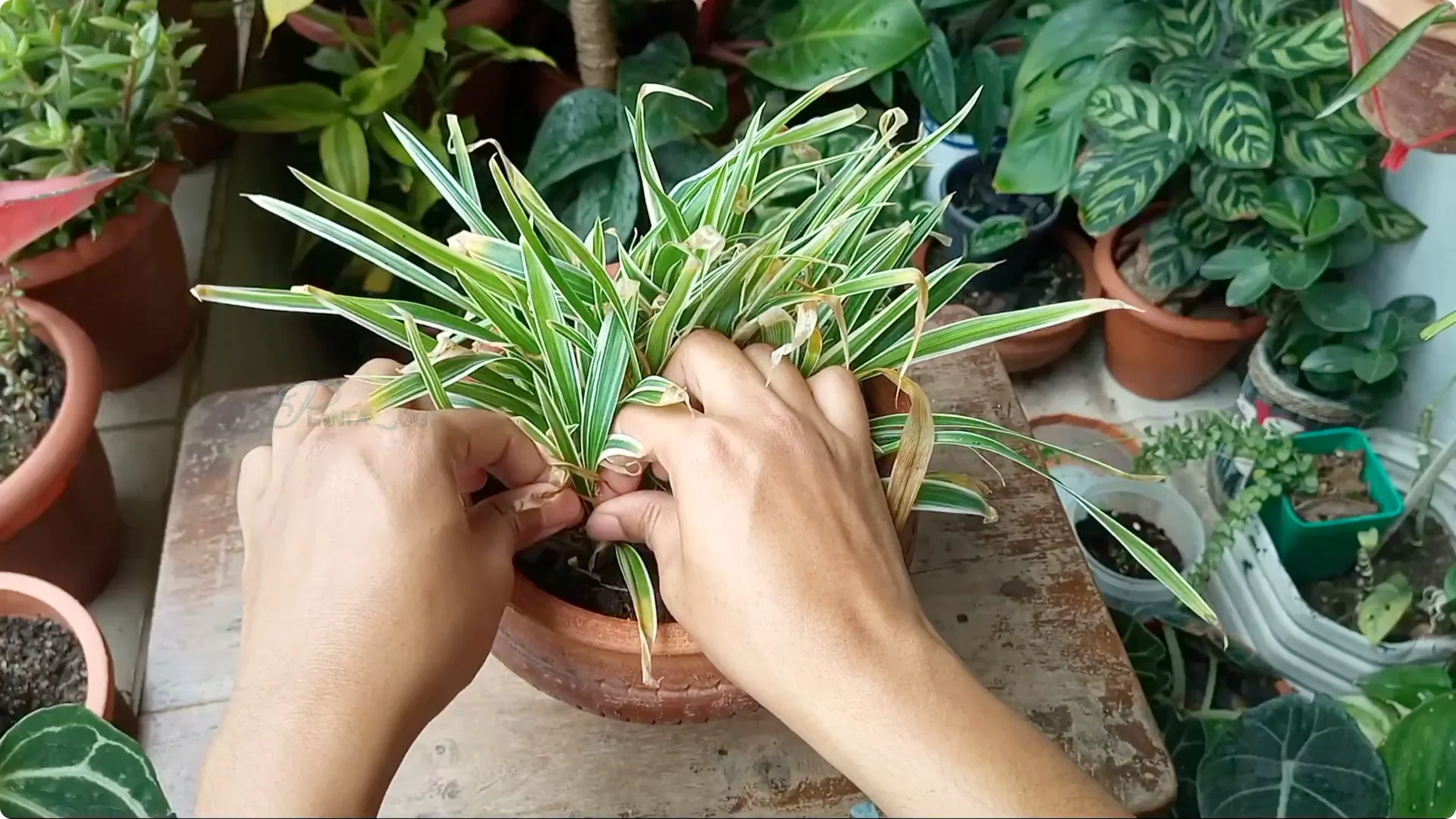
You can control fungal infestation naturally by removing dry, dead, and rotten leaves, stems, and roots. Increase airflow around your plants. Keep plants away from heavy rainfall and move infested plants away from the garden.

For houseplants like snake plants, review the common warning signs your snake plant may show so you can act early.
4. Plant Fungal Disease Management – Artificial Precautions
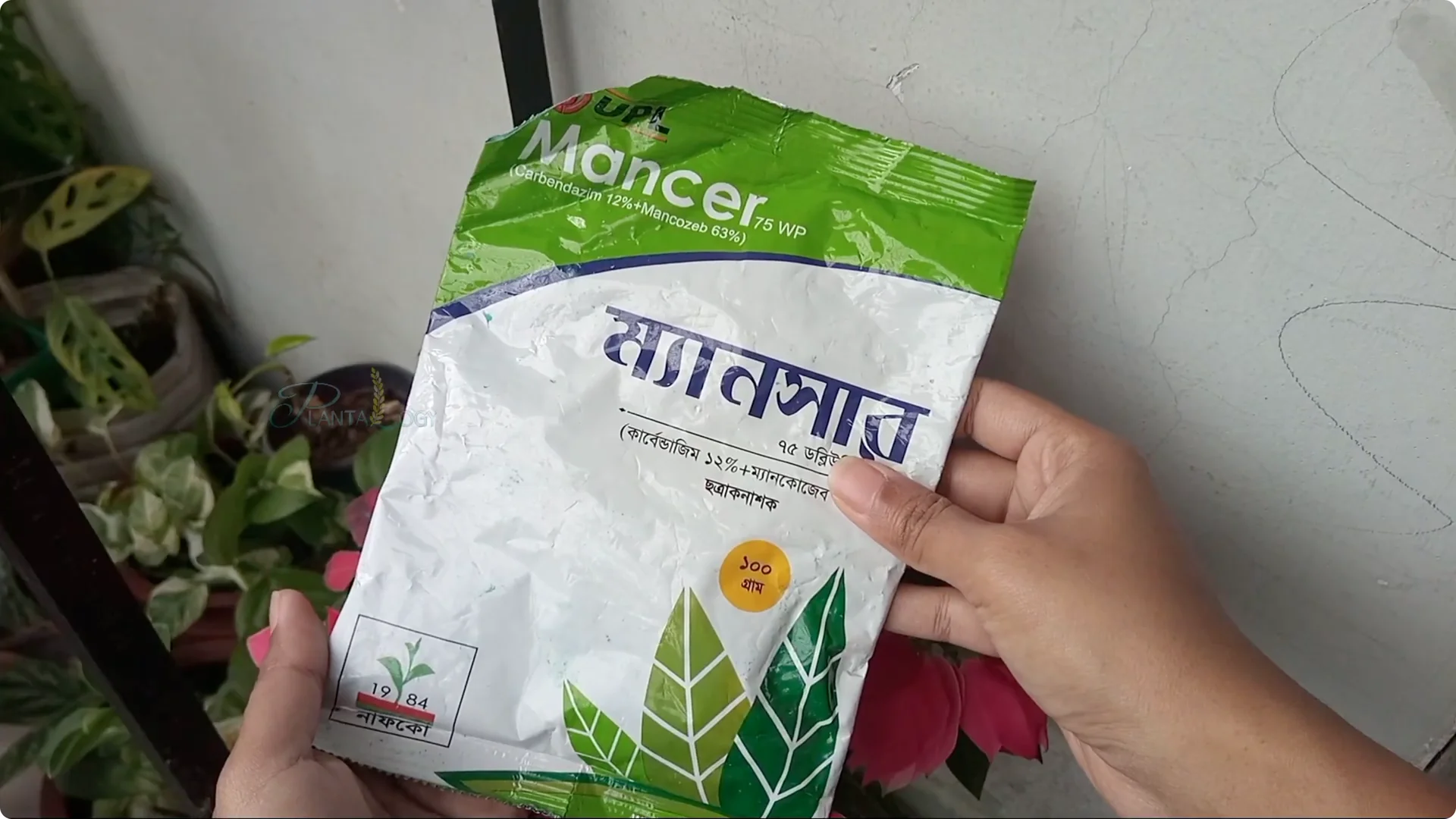
Fungicide options
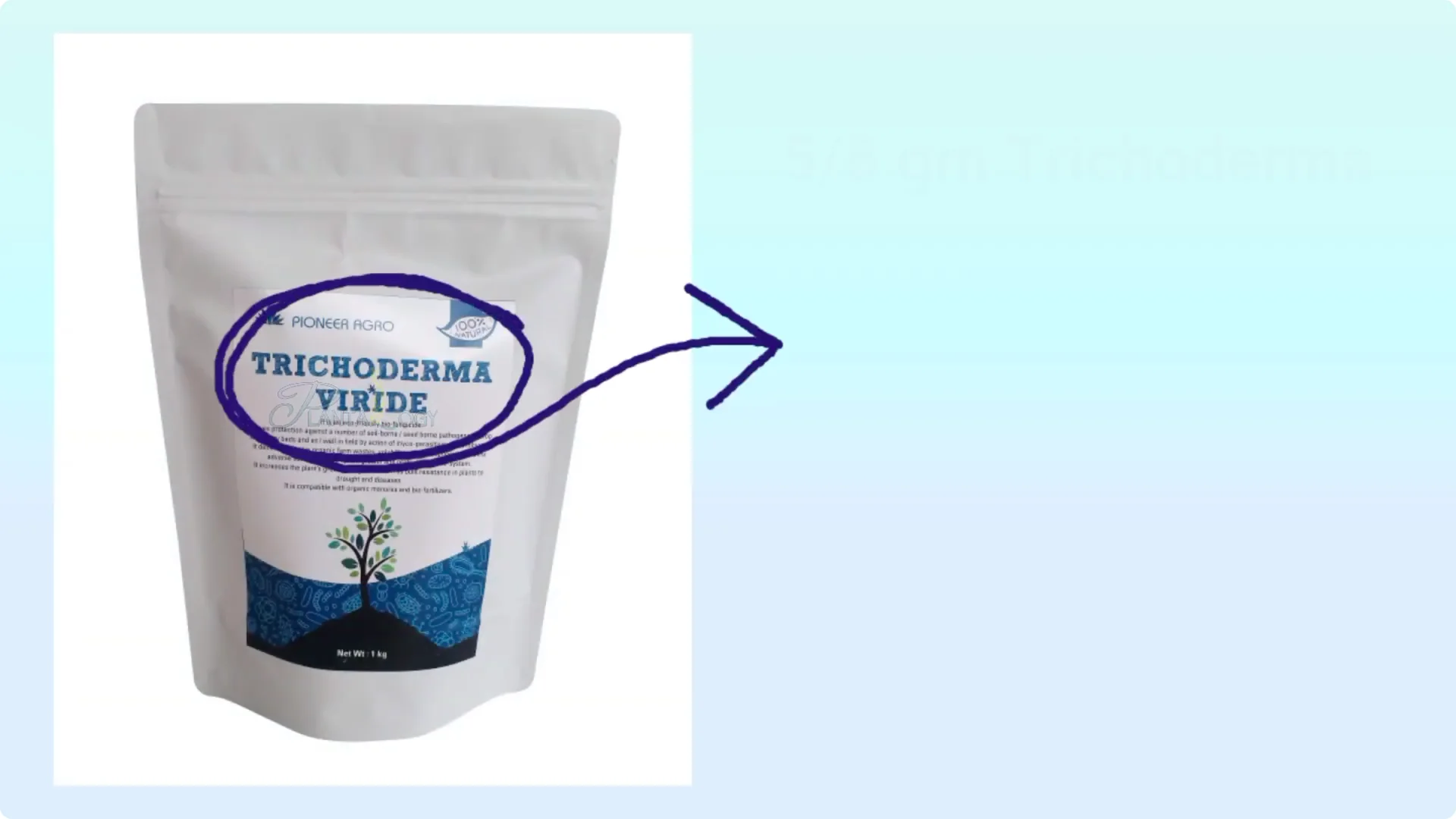
There are two types of fungicides: biofungicide and systemic fungicide. As a biofungicide, you can use Trichoderma, which is popular and widely used. As a systemic fungicide, a mancozeb-containing product works well against fungal infestation, and I often use it because it is effective and easily available.

Dilution and routine schedule
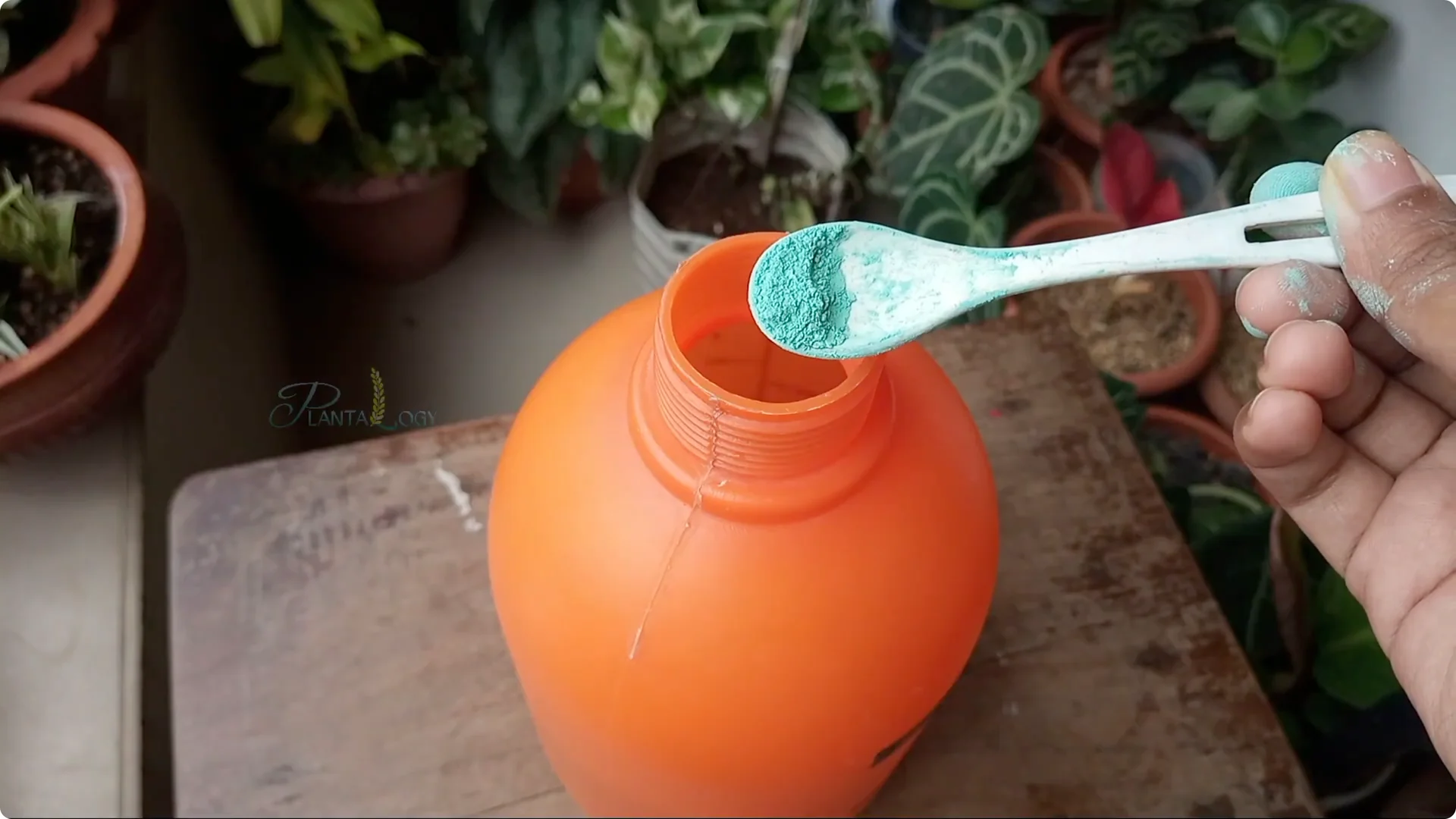
I prefer a diluted fungicide solution because it does not contaminate the soil as much. Some plants are sensitive to concentrated solutions, and a diluted mix will not harm those plants.

Add 1/3 teaspoon of fungicide to 1 liter of clean water. Mix well. Spray all your plants once every 20 days.
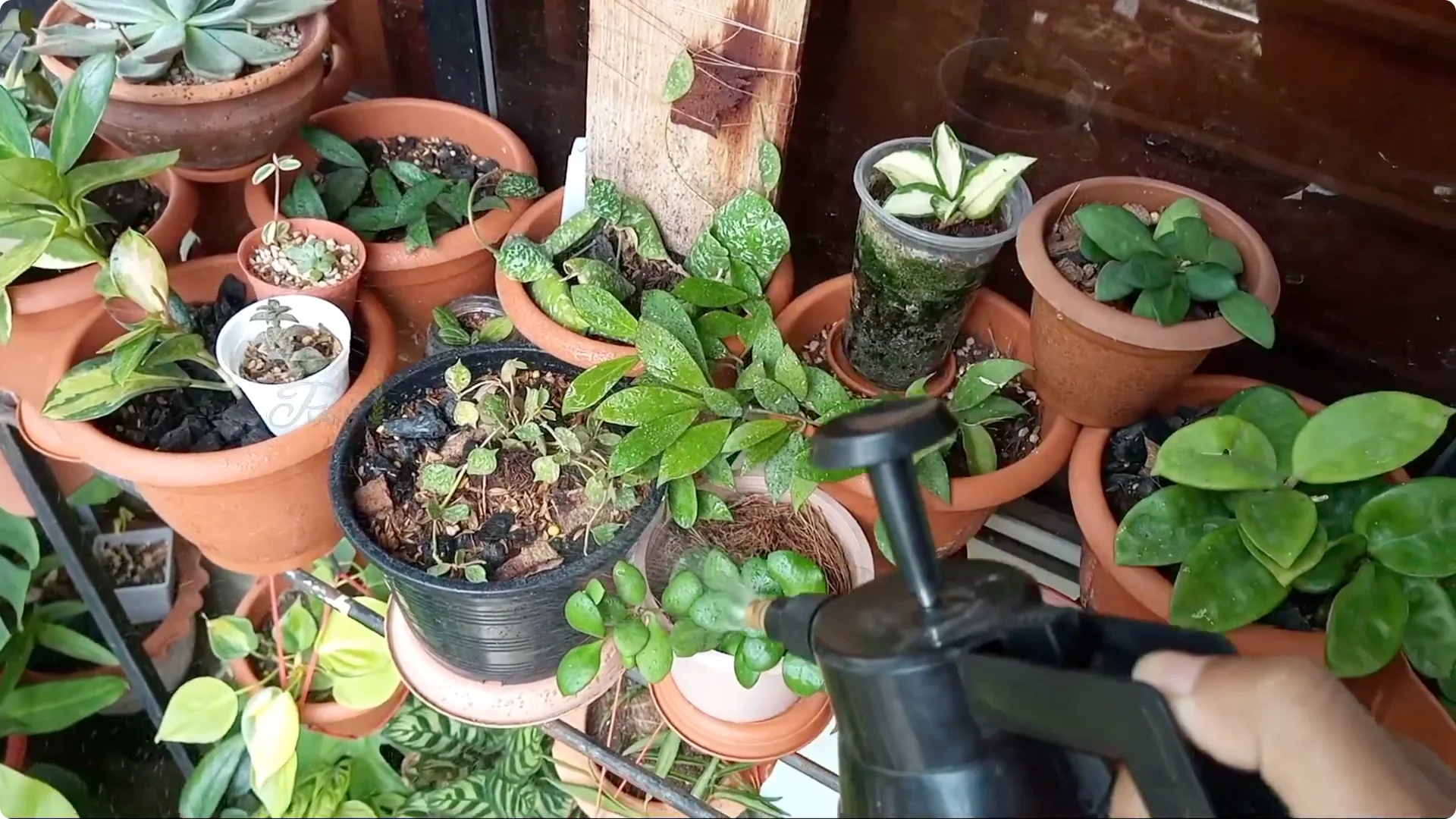
Rain, sun, and reapplication
If it rains within 6 hours after applying fungicide and the solution is washed off, apply it again. Use the solution when the sun is not intense, or move the plant away from direct sun during application.
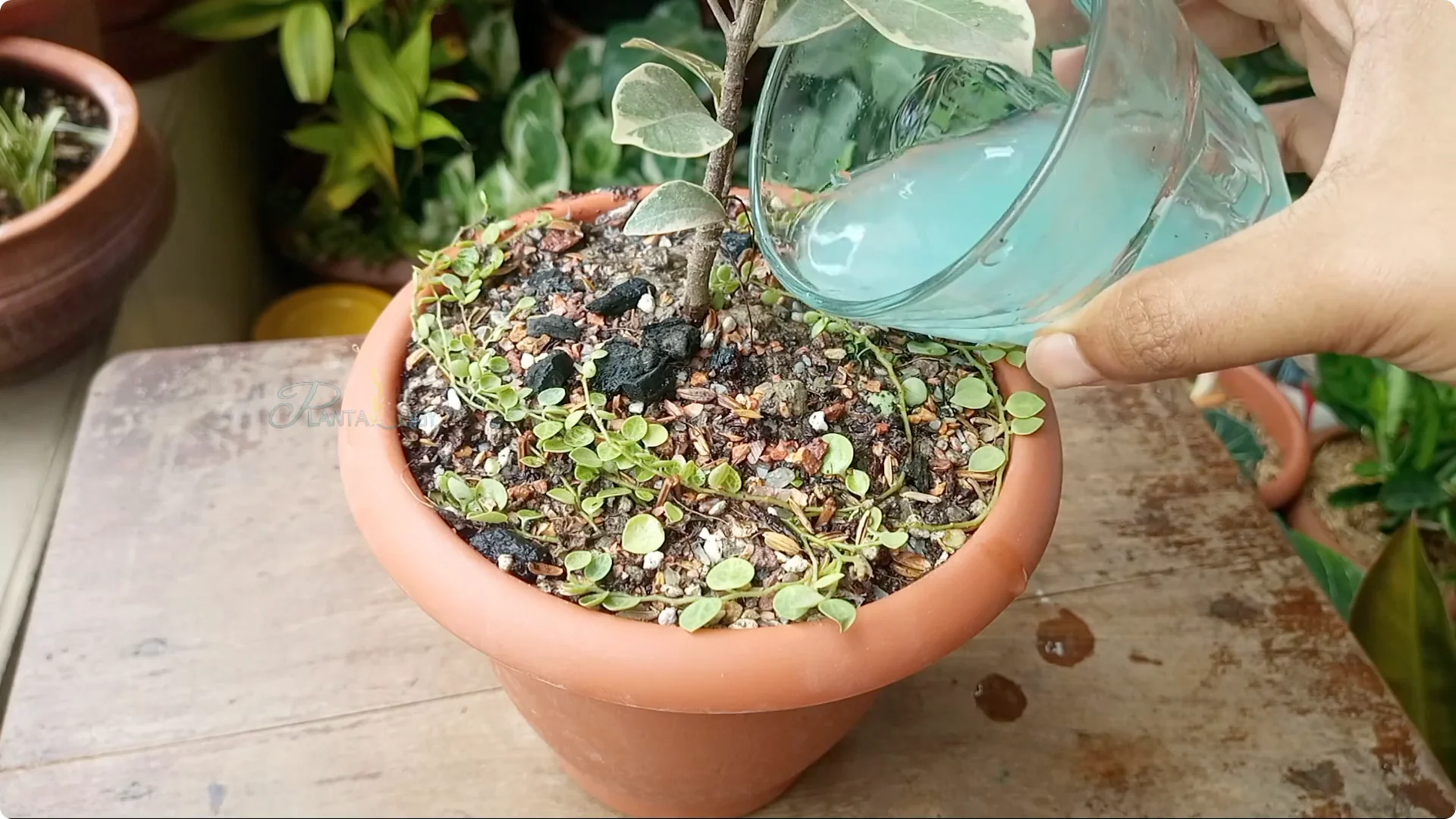

Focused treatment for infested plants
For infested plants, use the solution once every week. I had a ficus that suddenly showed brown spots on many leaves, and I was sure it was a type of fungal infestation. I sprayed the fungicide all over the leaves and poured around 40 ml of the solution into the soil, then repeated after a week.
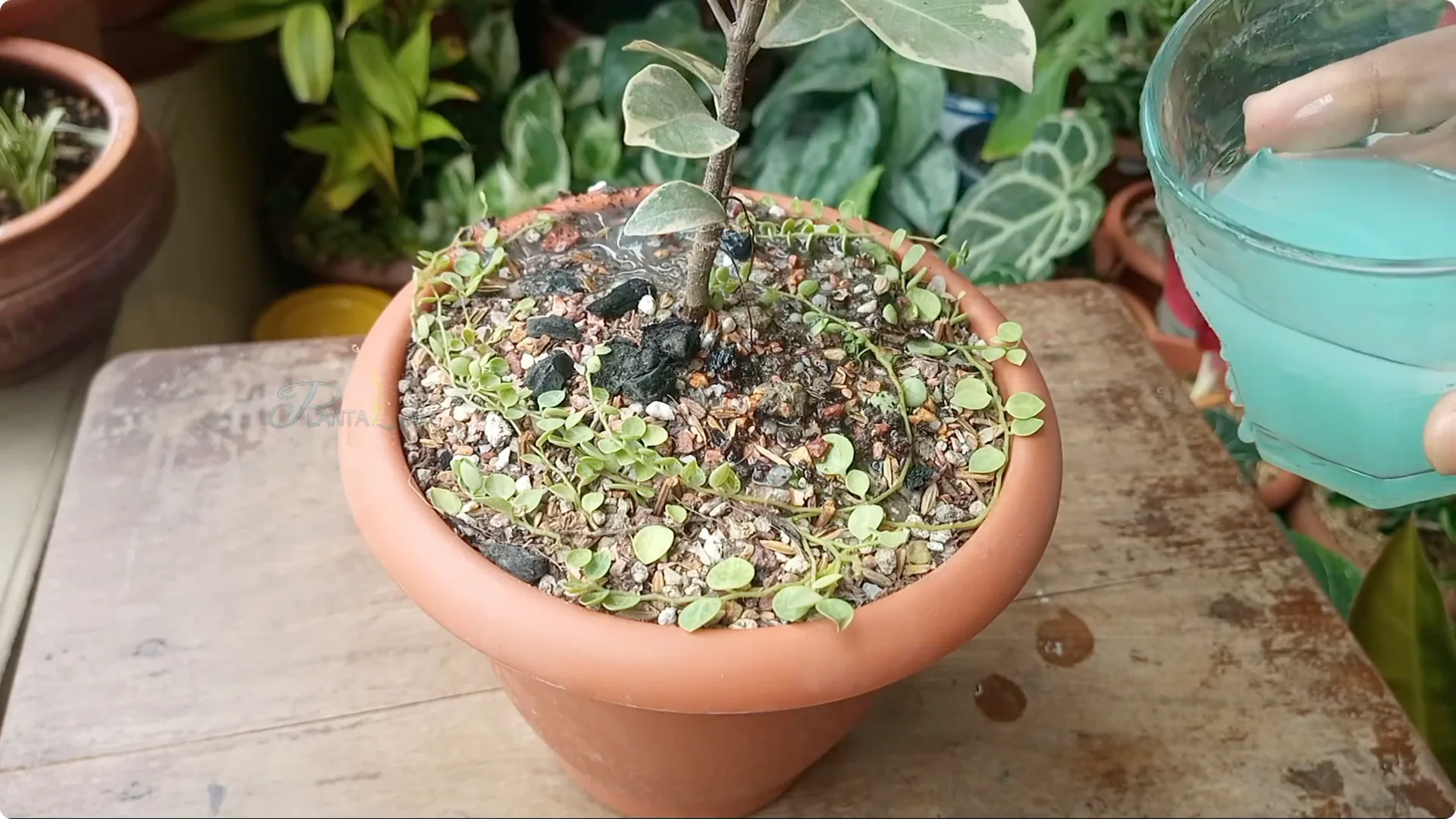
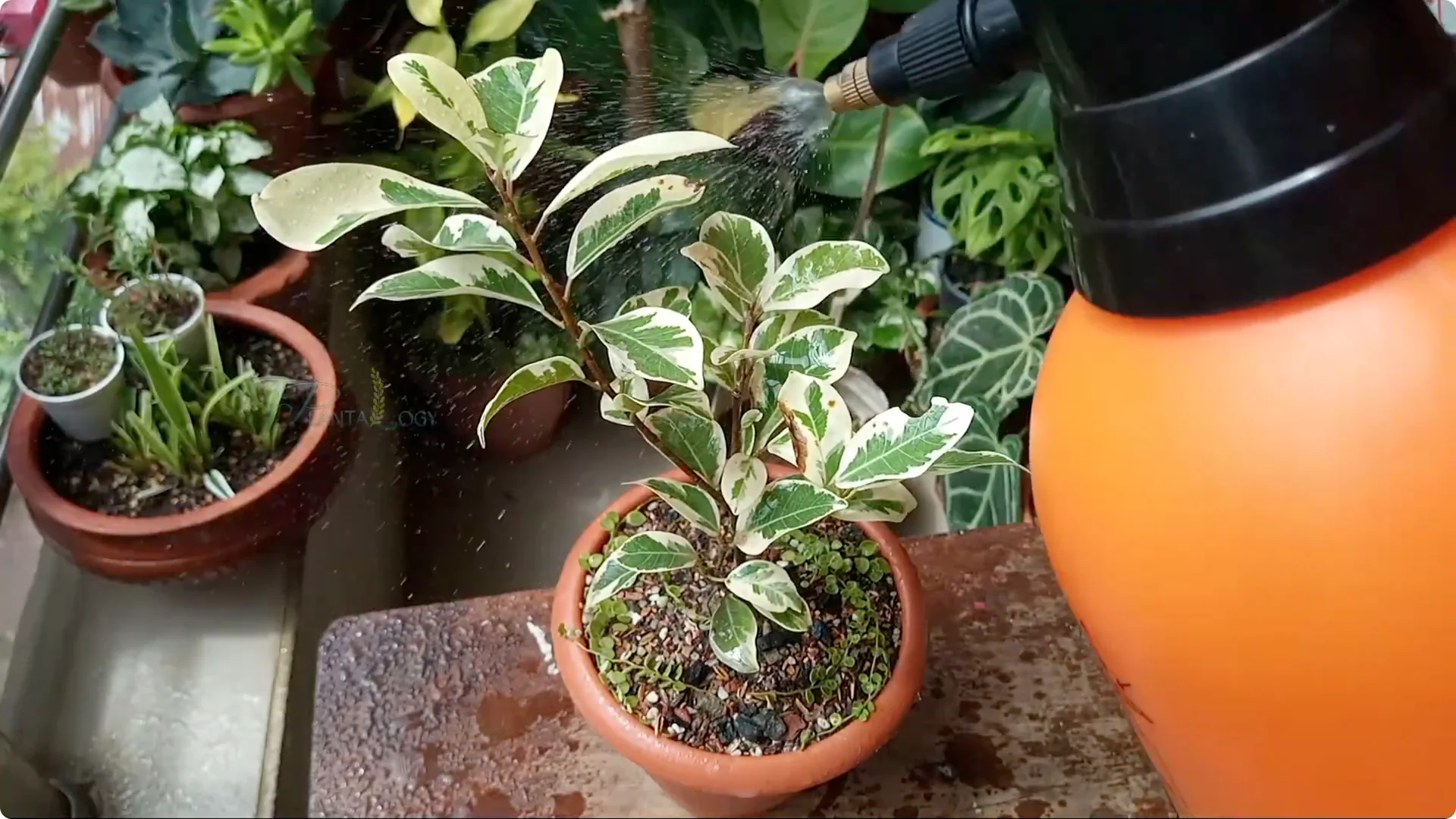

For severely infested plants, use the solution on both leaves and soil once every five days. Continue applying until the plants recover. It is better to remove infected leaves and stems before applying fungicide.
If you need to save healthy sections from a damaged snake plant, learn how to propagate snake plants and restart clean growth.
5. Plant Fungal Disease Management – What to Avoid
Many gardeners recommend hydrogen peroxide to treat fungal infestation. Hydrogen peroxide destroys both harmful and beneficial fungi and can disturb the soil ecosystem. It is better to go with a systemic solution.

6. Plant Fungal Disease Management – Safety Precautions
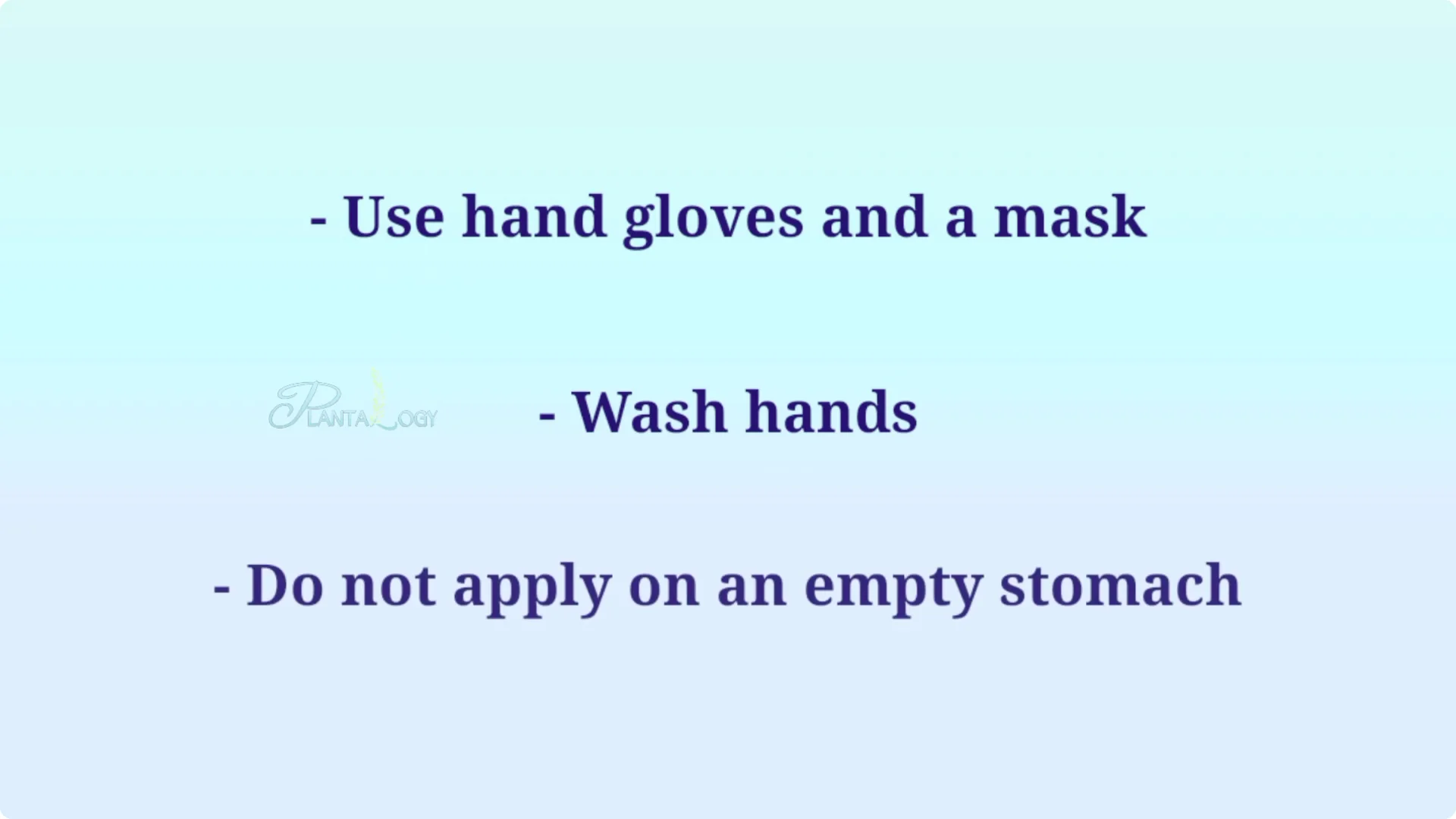
Use hand gloves and a mask before applying fungicide solution. Wash both hands after treatment. Do not apply fungicide solution to plants on an empty stomach.

Final Thoughts on Plant Fungal Disease Management
Weather shifts, humidity, and pests set the stage for fungus, so act early. Remove infected material, improve airflow, shelter plants from pounding rain, and isolate sick plants. Use a diluted fungicide on a schedule, reapply after rain, and treat severe cases more frequently until recovery.