
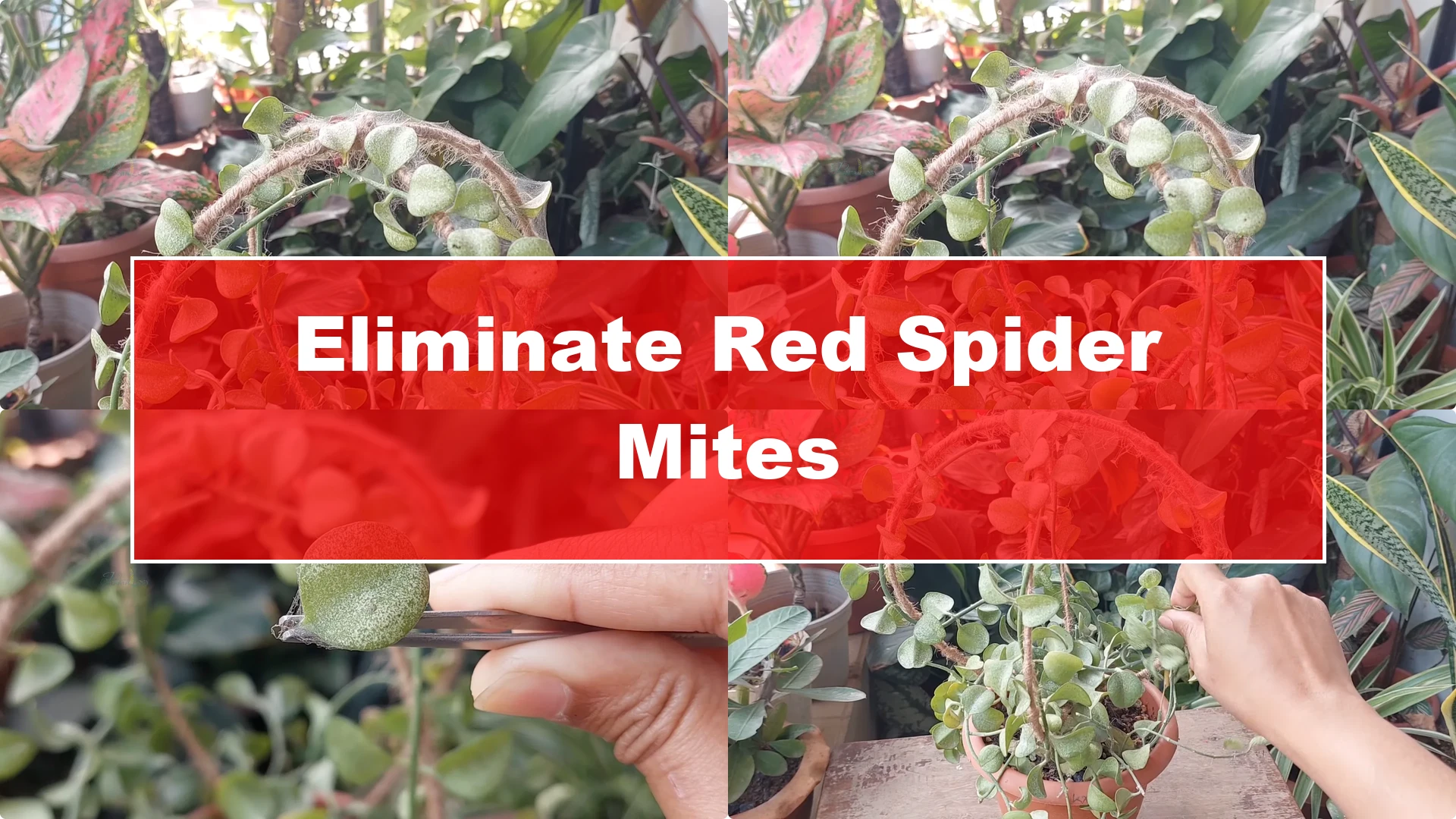
Red spider mites are sap-sucking insects attracted by dry weather or low humidity. They suck sap from plant tissue as food and can multiply into hundreds overnight. They are difficult to remove because only the adults are visible, while the eggs and larvae are microscopic and can remain even after treatment.
Here is how I rescued a spider mite infested plant and the exact steps I used. Follow this process and repeat as needed to clear the infestation.
1. Houseplant Spider Mite Control – Basics
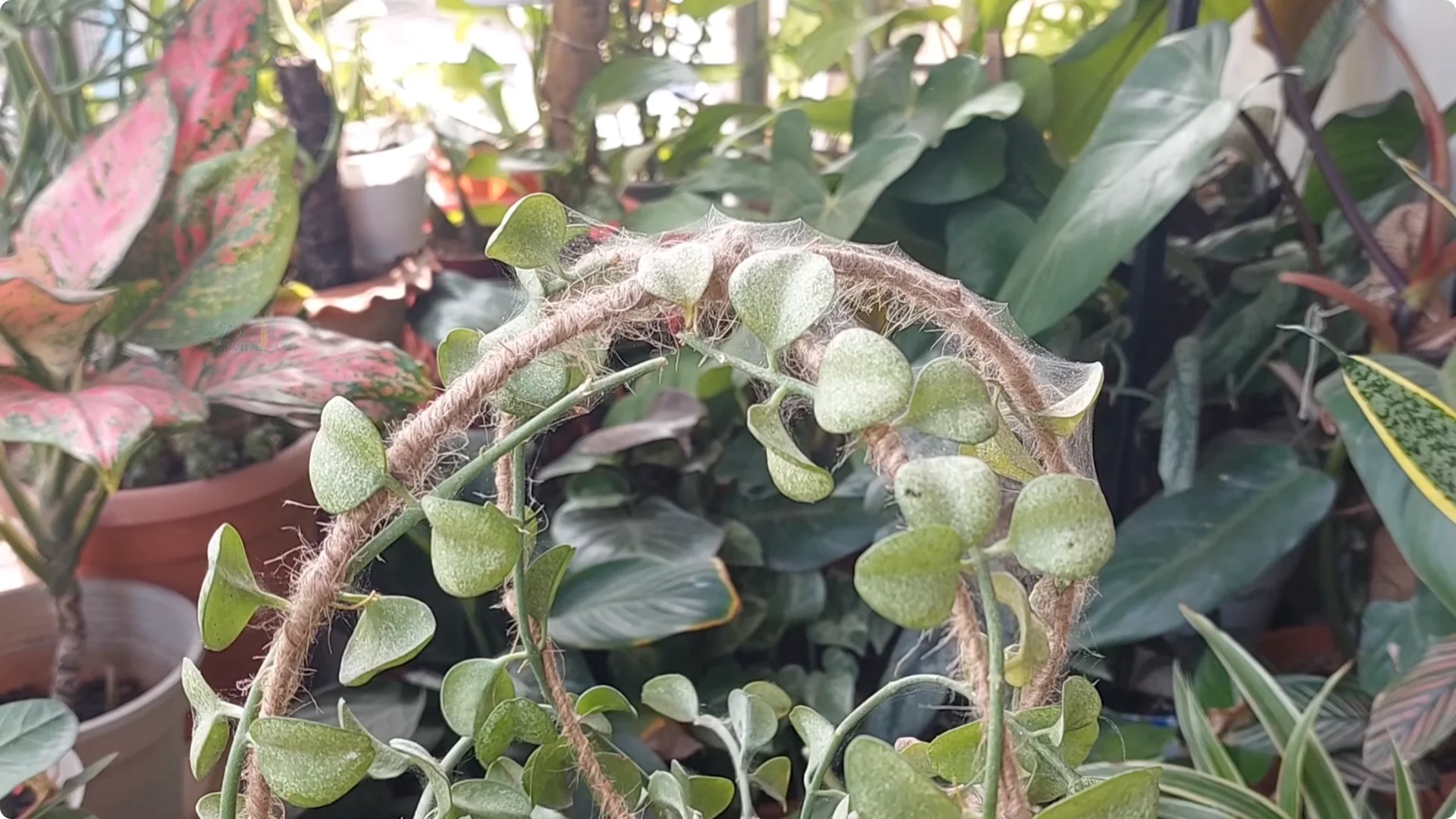
Dry air and low humidity trigger outbreaks. Poor air circulation and underwatering make the problem worse. Addressing these conditions helps the treatment work and prevents a quick rebound.
Read More: Prevent Brown Tips Spider Plants Winter
2. Houseplant Spider Mite Control – Case Overview
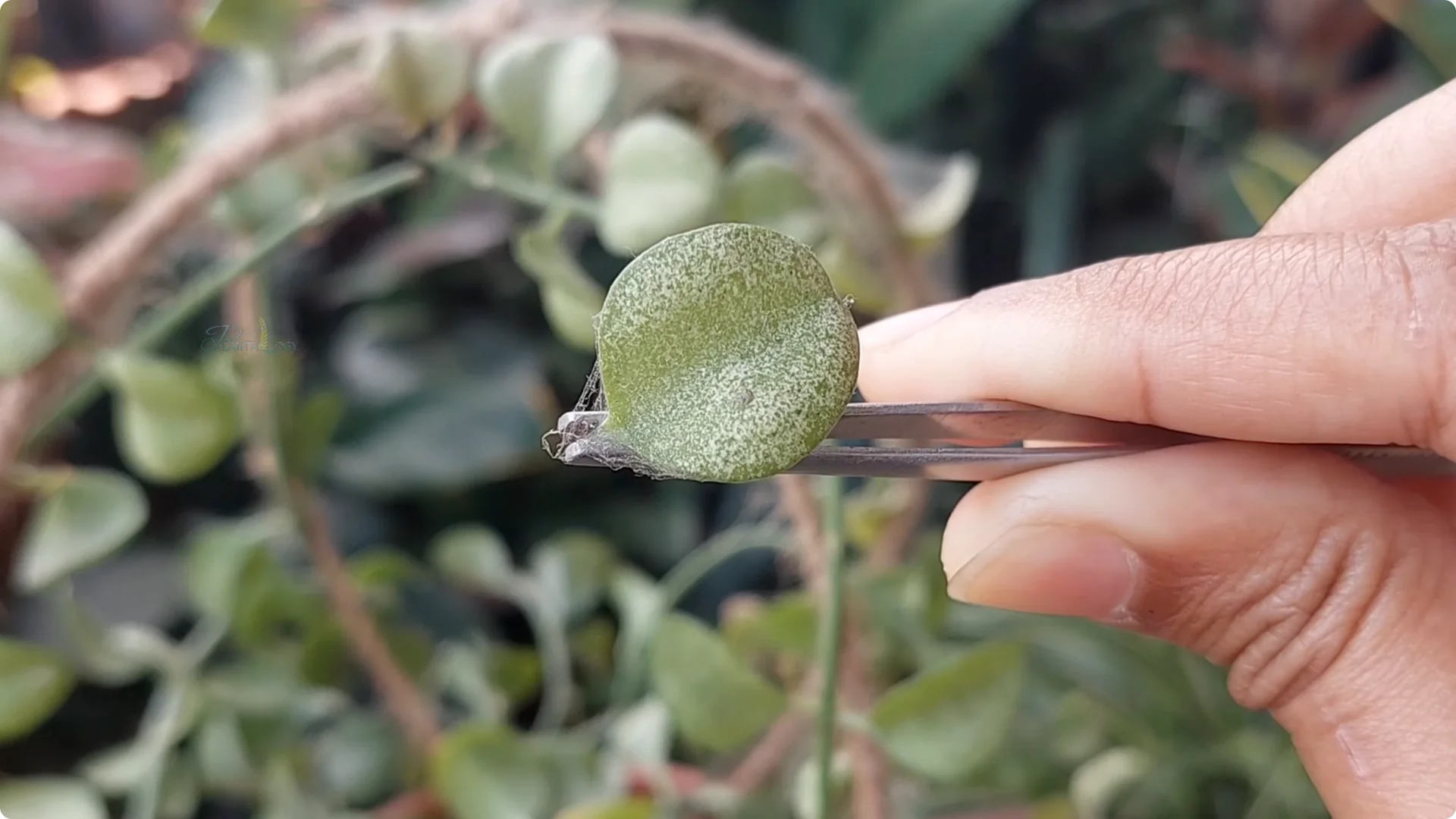
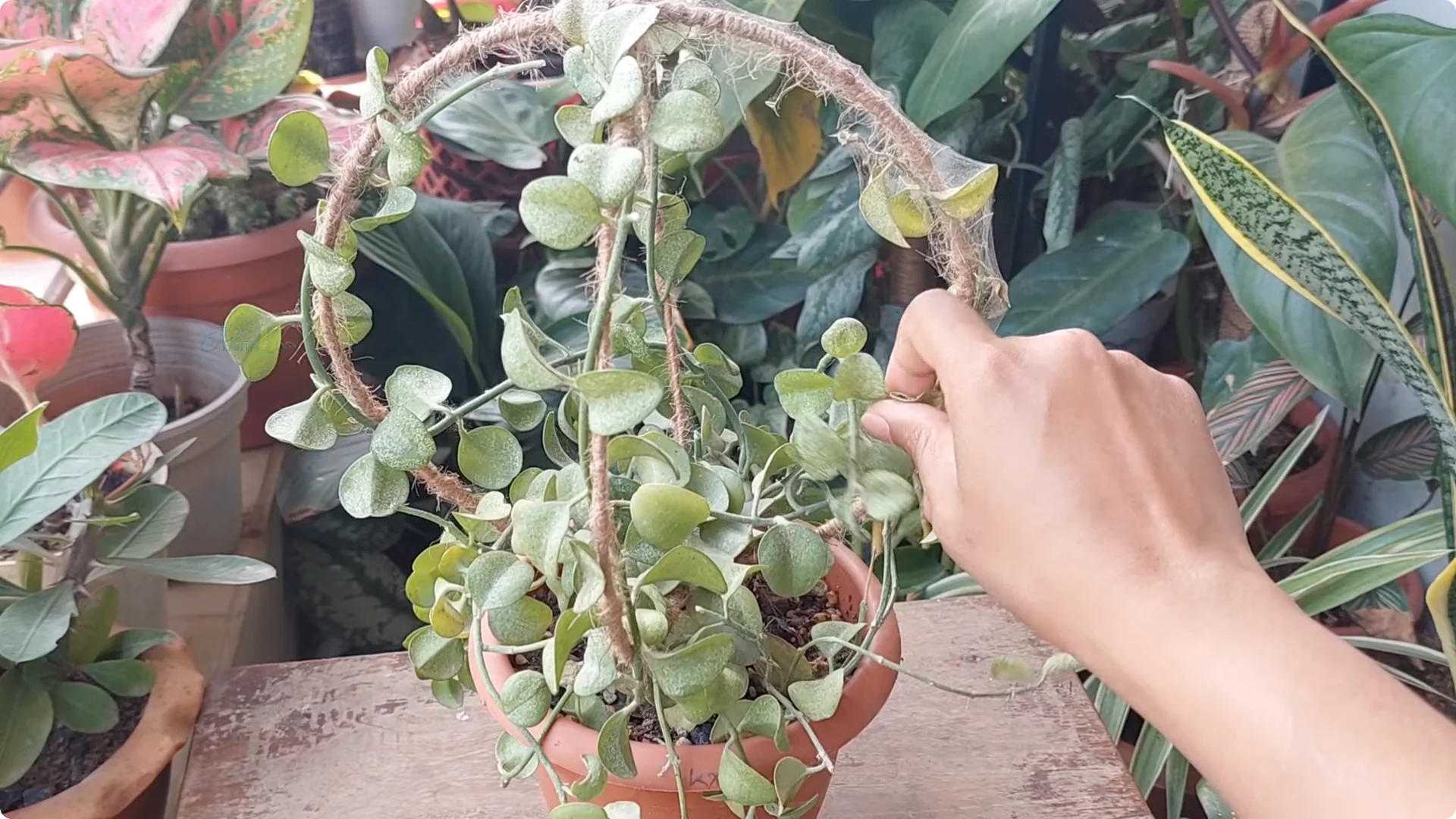
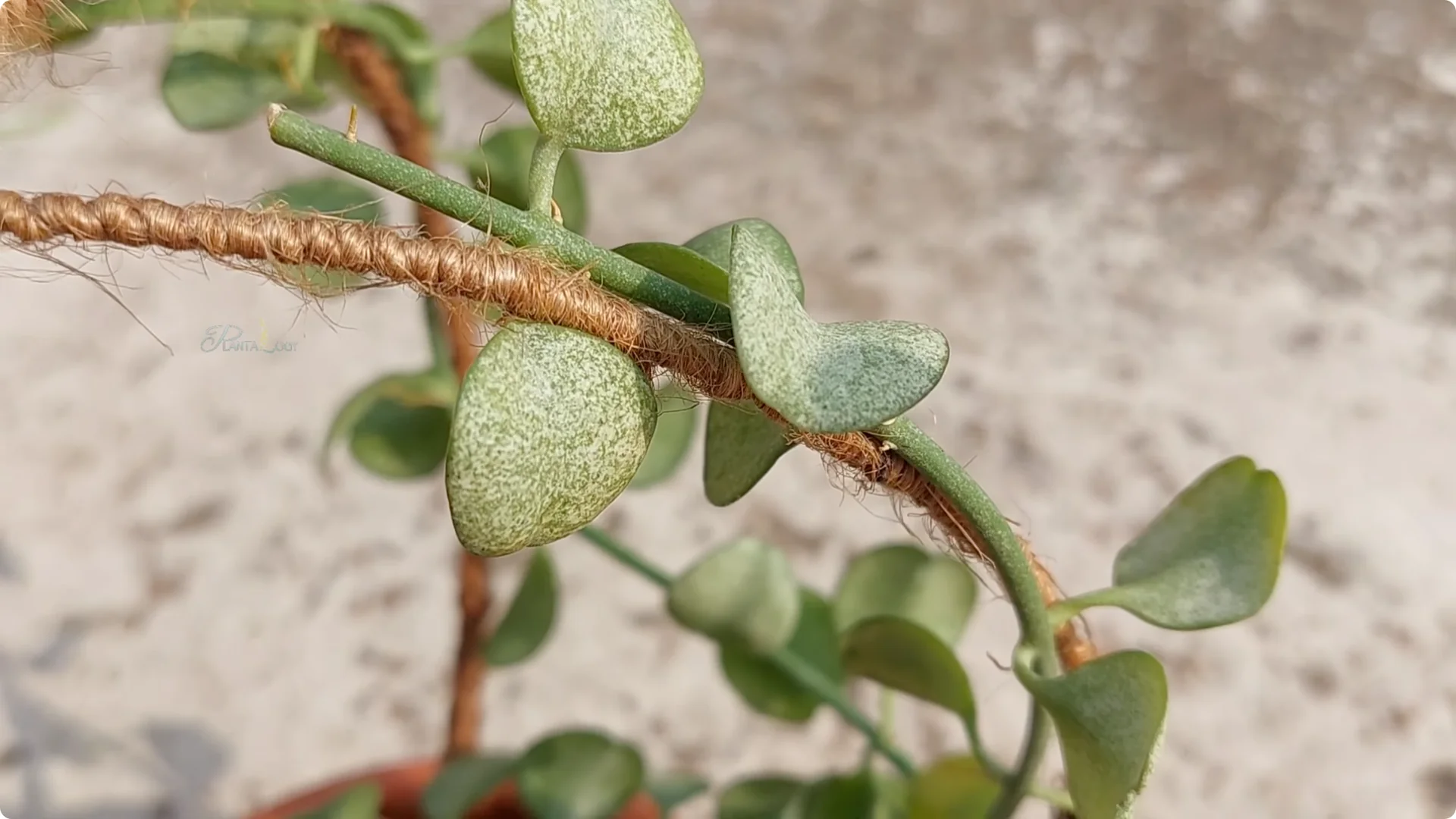
This is a Dishkidia Wenta trailed on a trellis and highly infested by red spider mites. The plant was coated with adults and webs of mites.
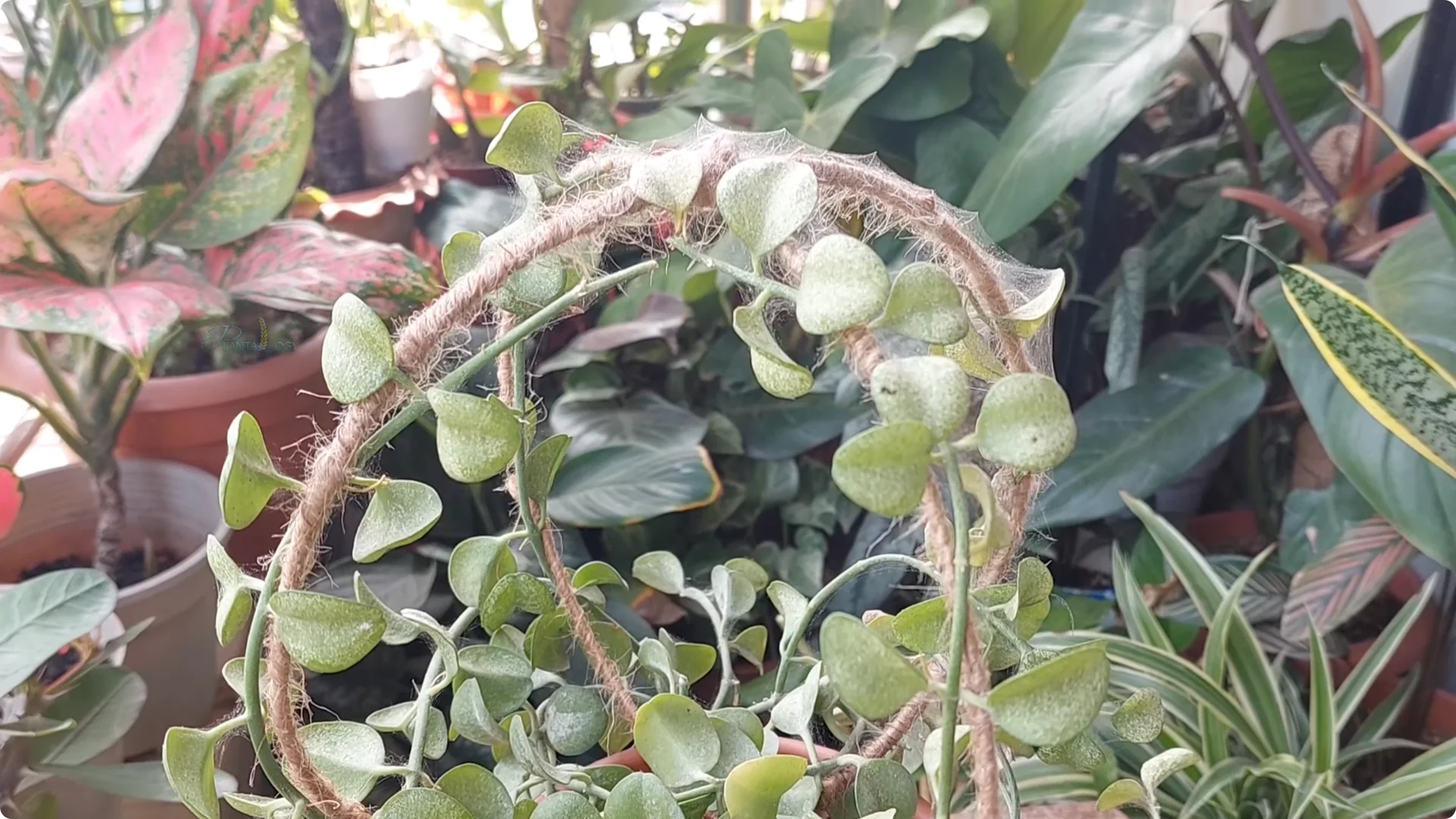
The plant was in an area with inappropriate air circulation and it struggled with underwatering. Overall, the dry air and low humidity caused the spider mite infestation.
Read More: Hard To Kill Houseplants Easy Care
3. Houseplant Spider Mite Control – Step-by-Step Rescue
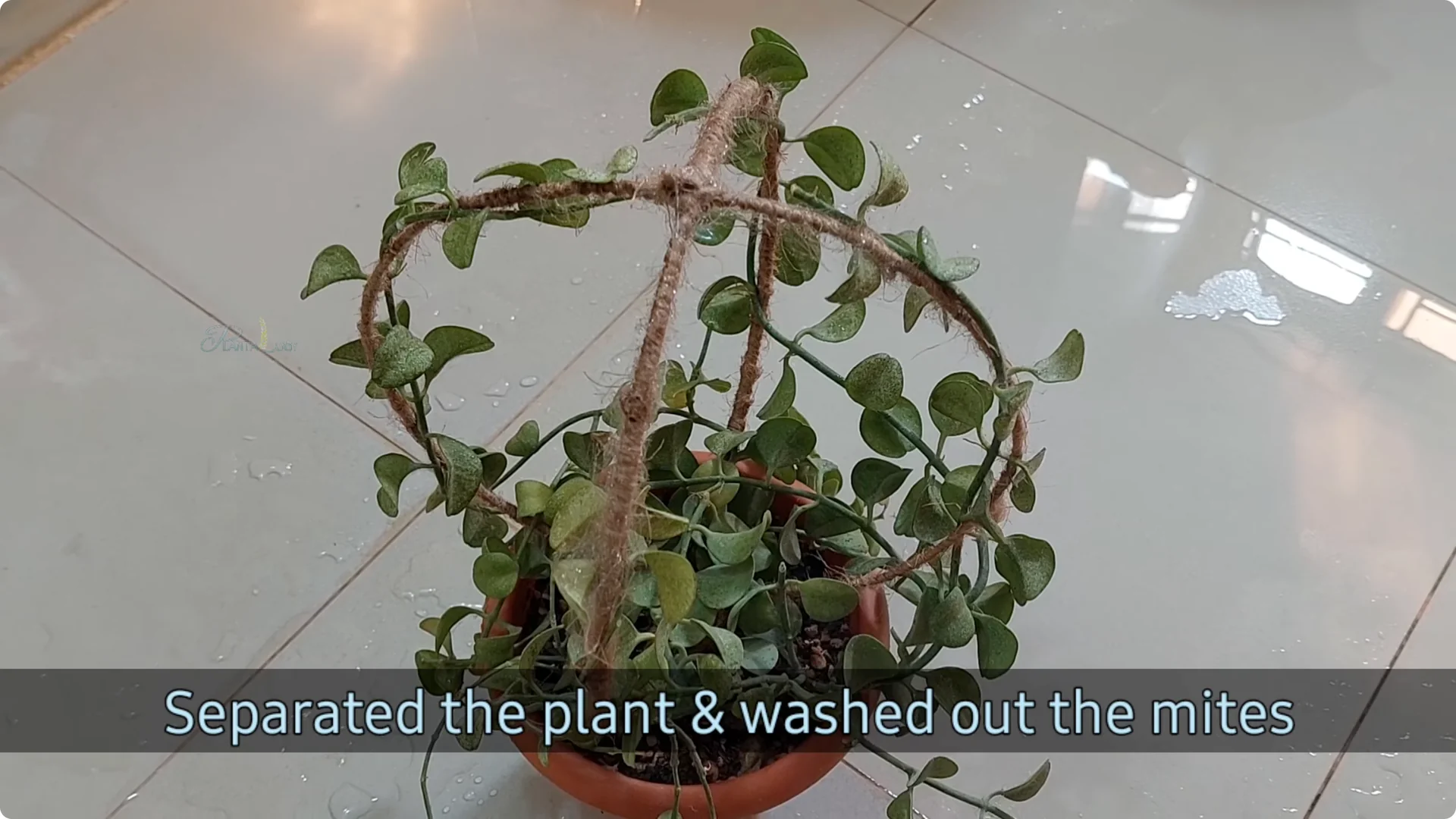
Quarantine and Wash
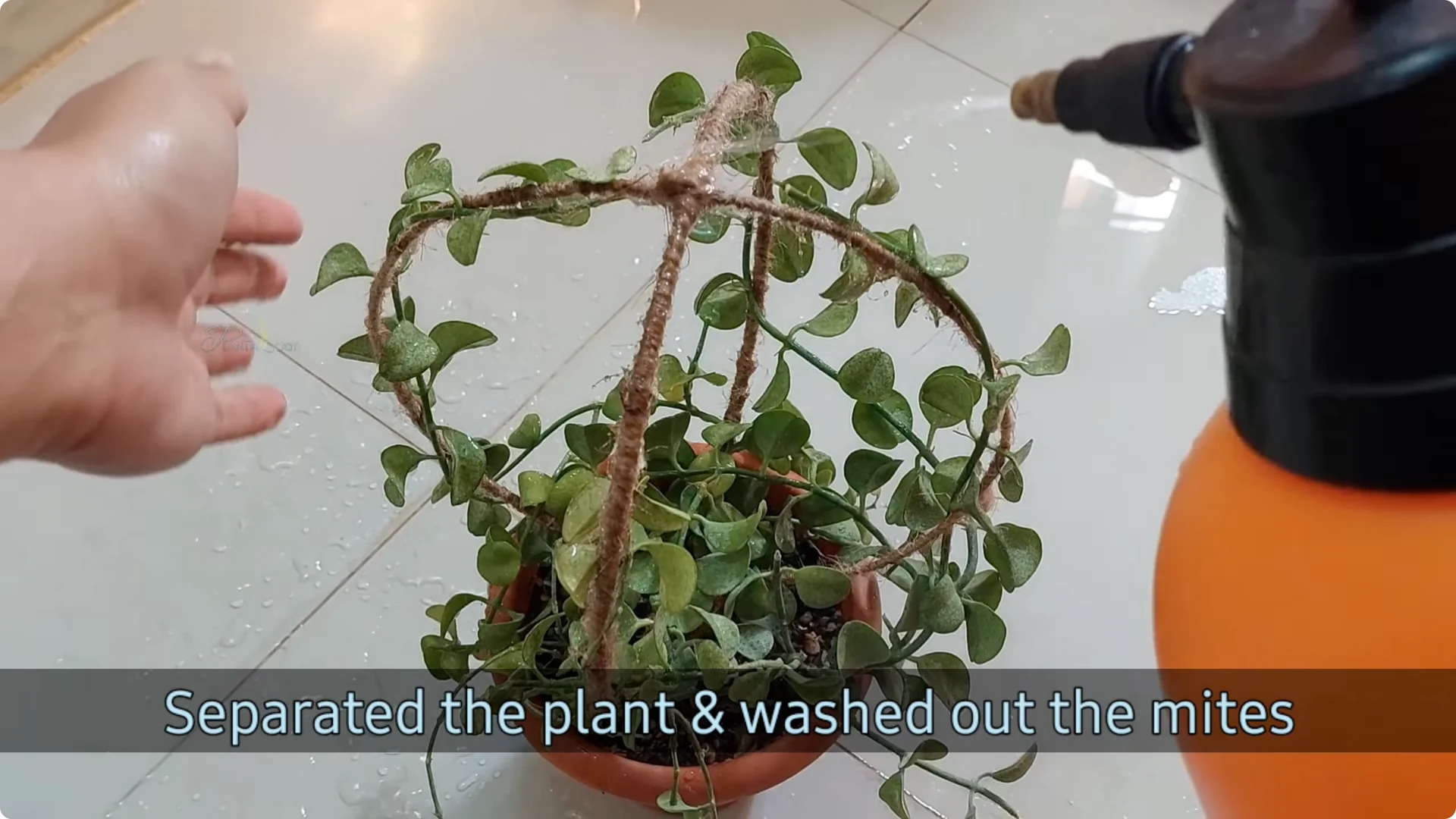
First, I quarantined the plant from the other plants. Then I washed out the webs and adult mites by spraying water with high pressure. Water the plant properly to help wash out most of the adult mites.
Prune and Clean
After soaking in water, after a couple of days, I removed the yellow dry leaves and stems. I cleaned the plant once again to reset growth.
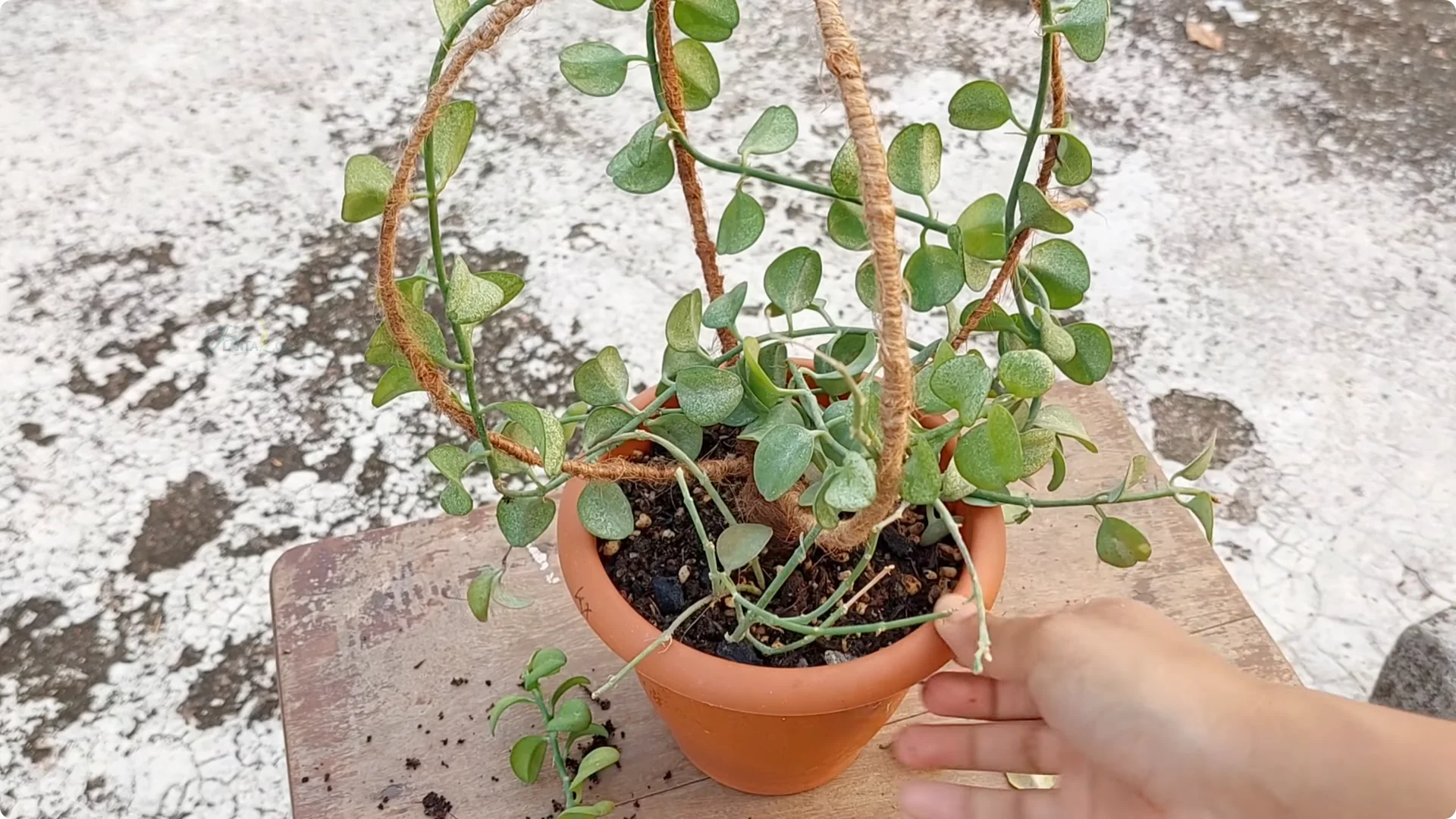
Abamectin Treatment
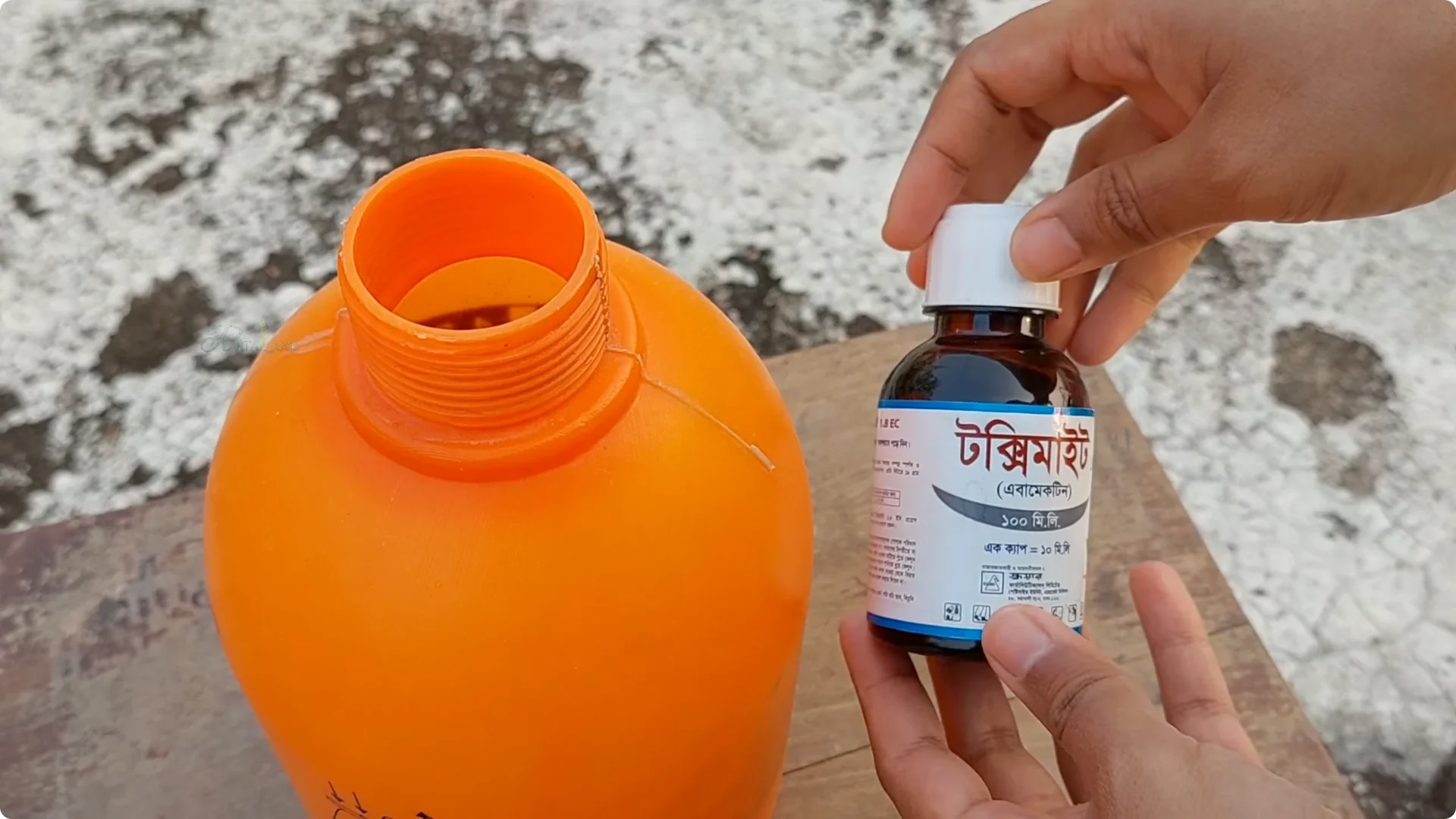
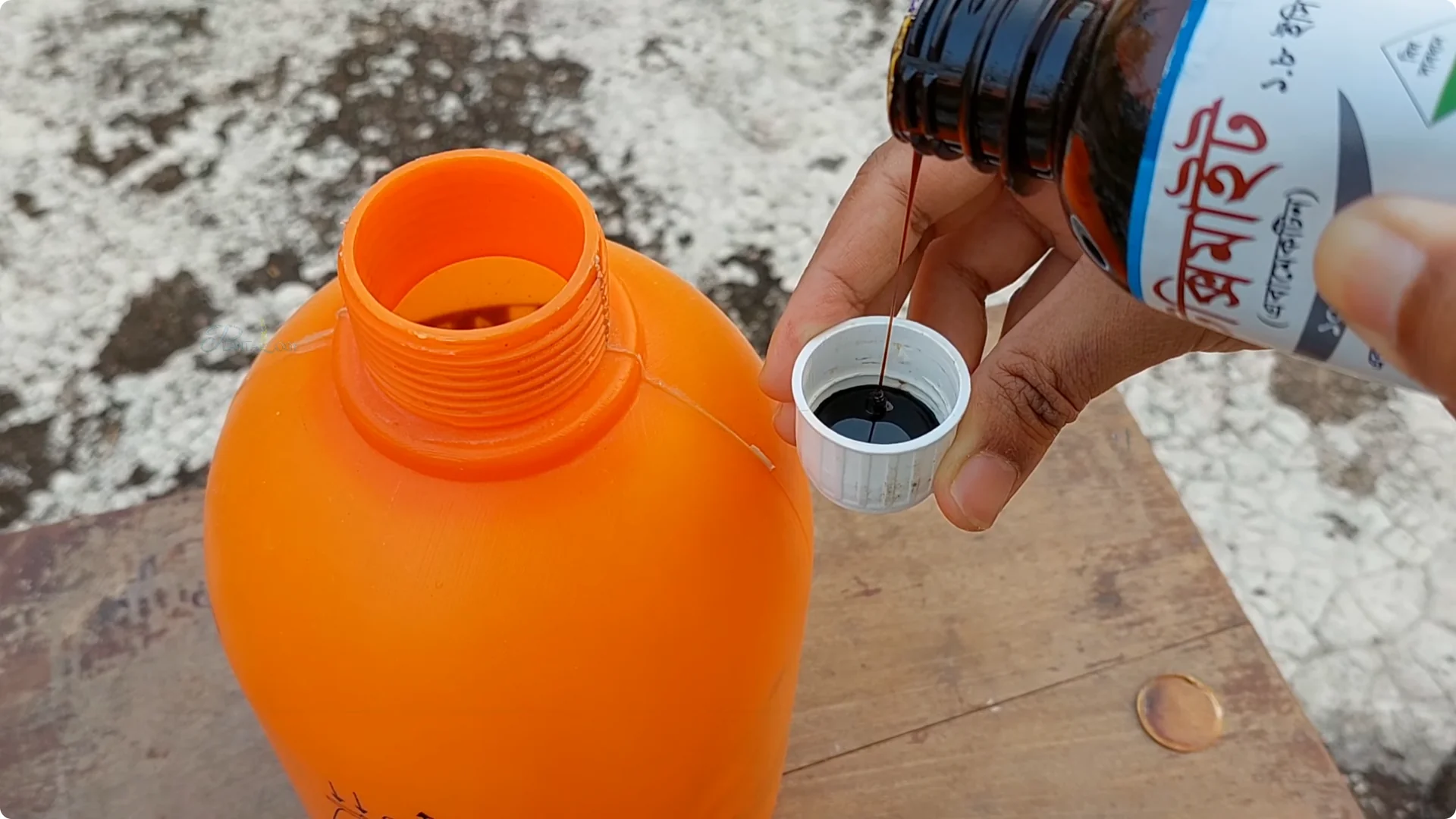
To reduce the infestation, I used an insecticide containing abamectin. This insecticide is available under different names; just ensure the solution contains abamectin. Add 5 ml of abamectin to 2 liters of water and spray all over the plant.
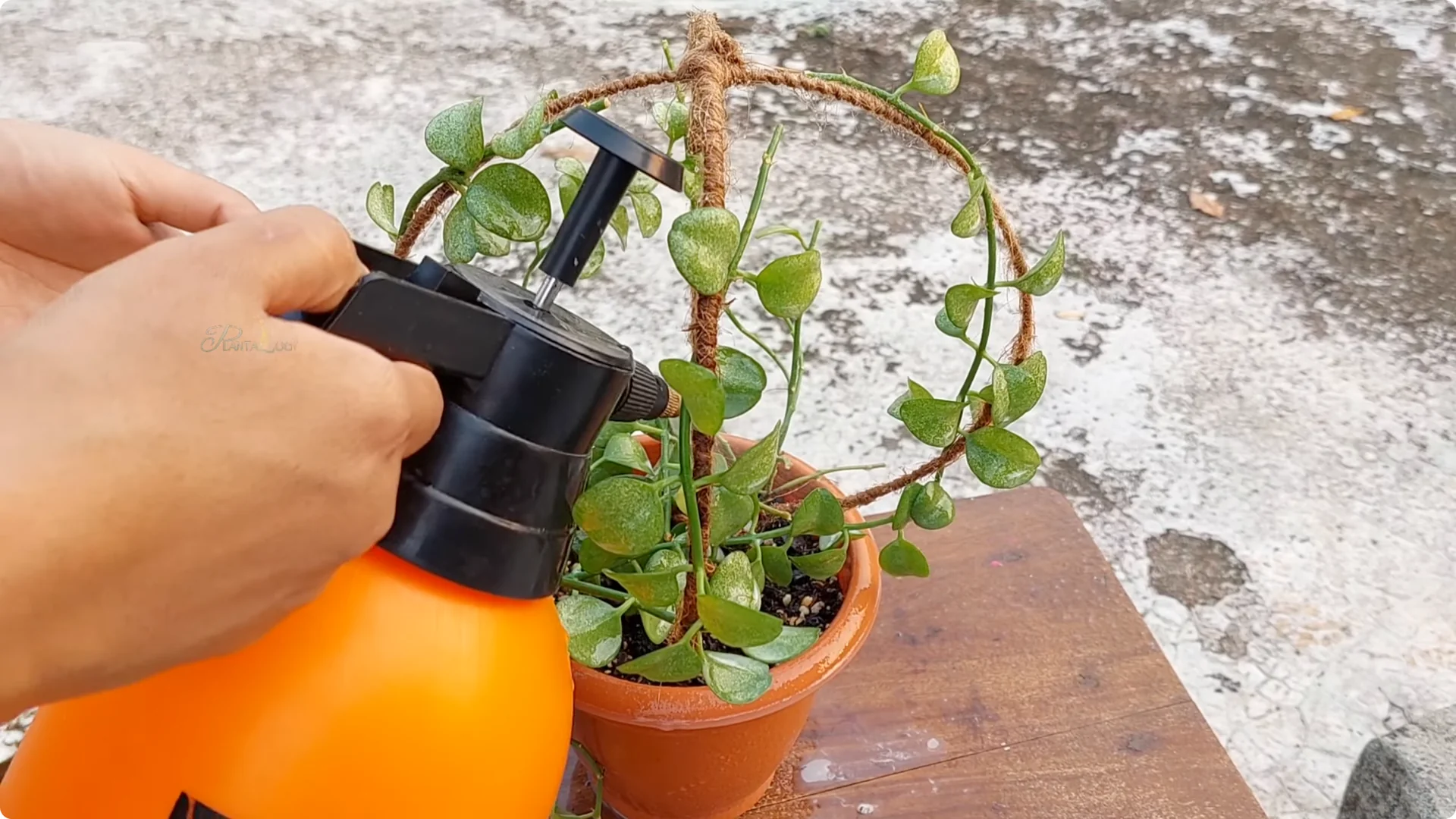
Spray the abamectin solution twice a day. Continue for the next couple of days.
Read More: Eggs Effective Rose Propagation
Monitor and Repeat
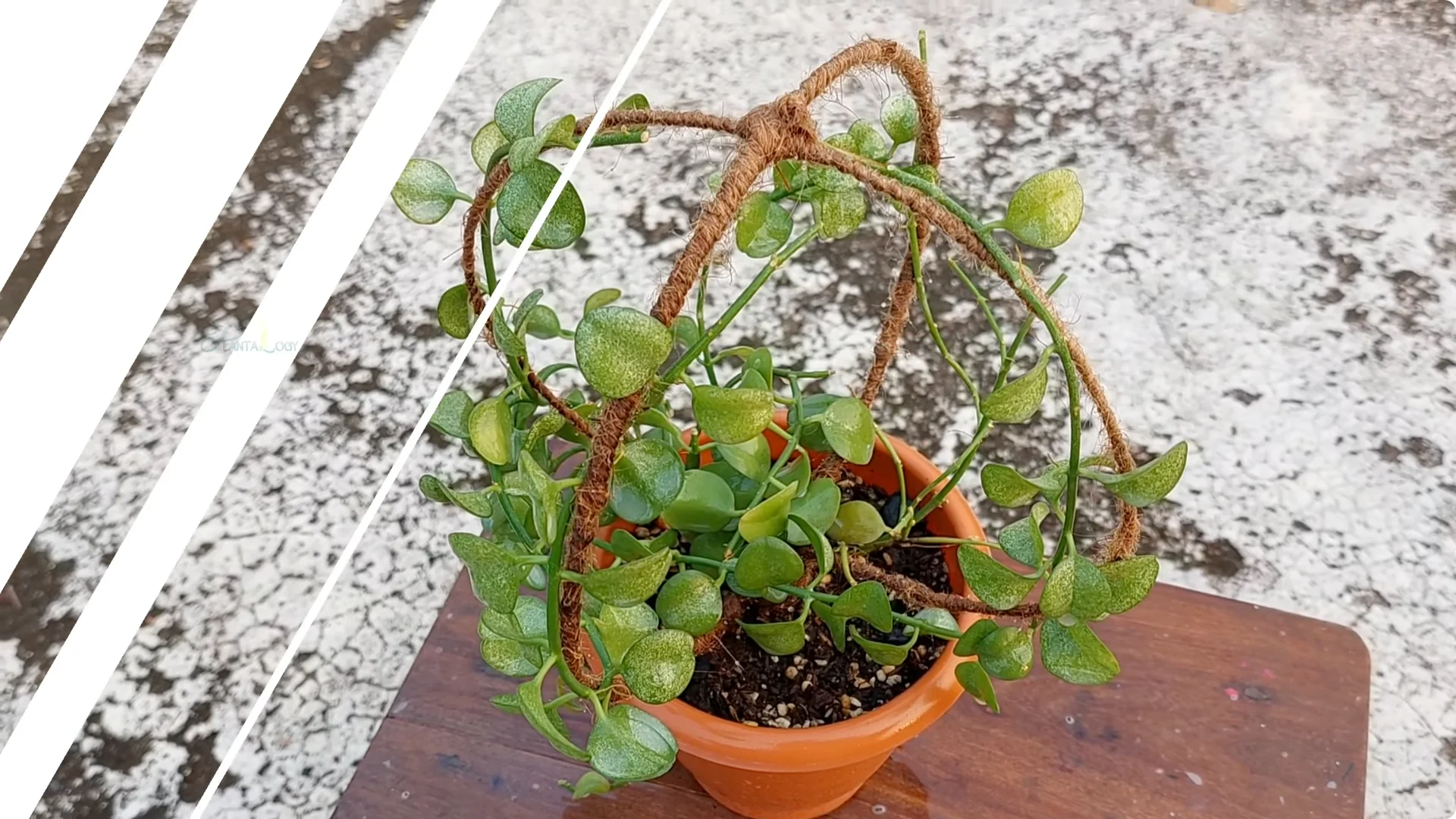
After three days, there were no mites walking. I will check the plant again after a week. If I find any pest movement again, I will start spraying the solution again, and the dose will remain the same.
Final Thoughts
Spider mites thrive in dry, stagnant conditions and bounce back from hidden eggs and larvae. Quarantine, deep washing, pruning, and consistent abamectin sprays cleared the adults and broke the cycle. Keep air moving, maintain proper watering, and repeat checks to keep your houseplants clean and healthy.