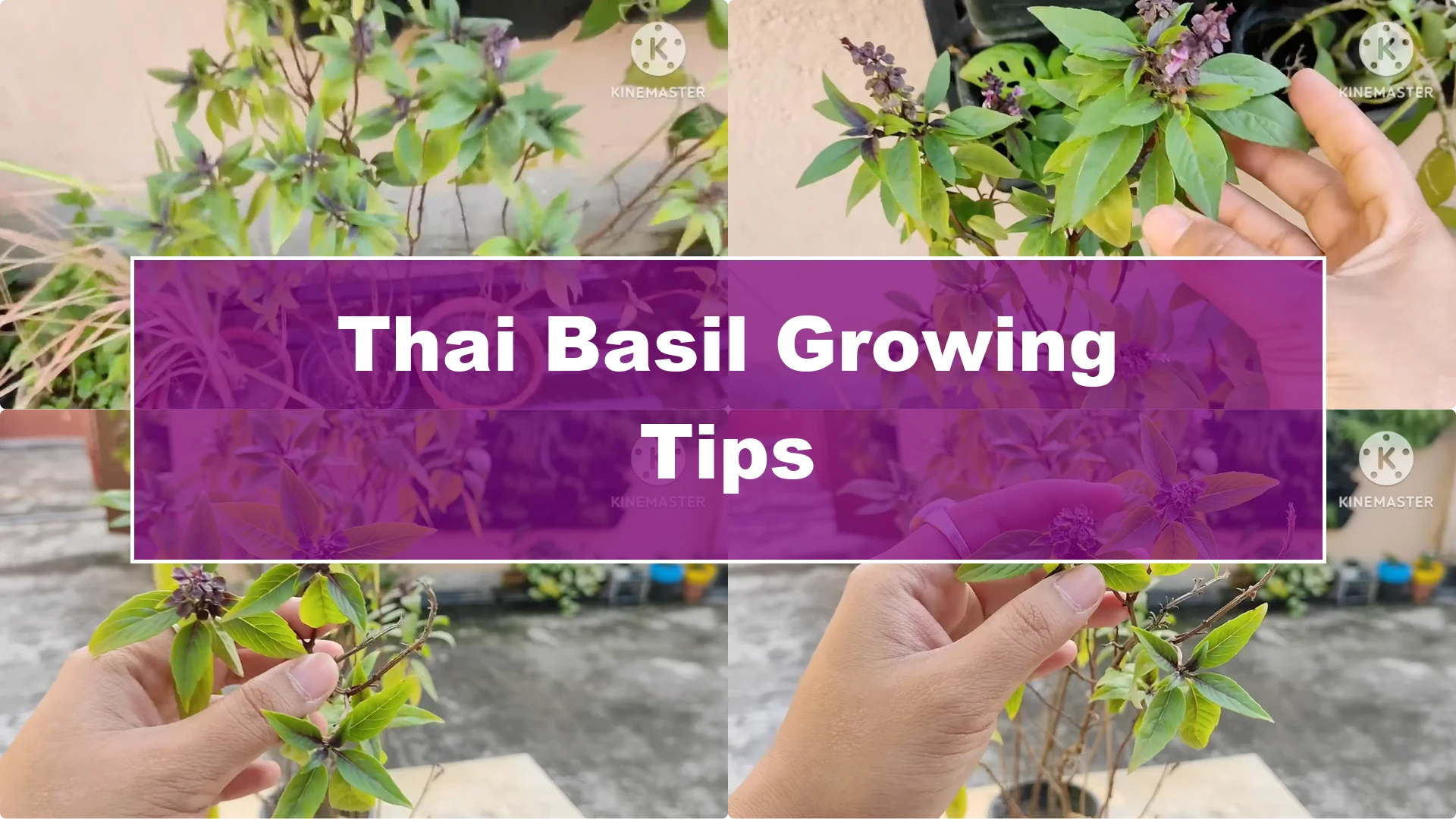
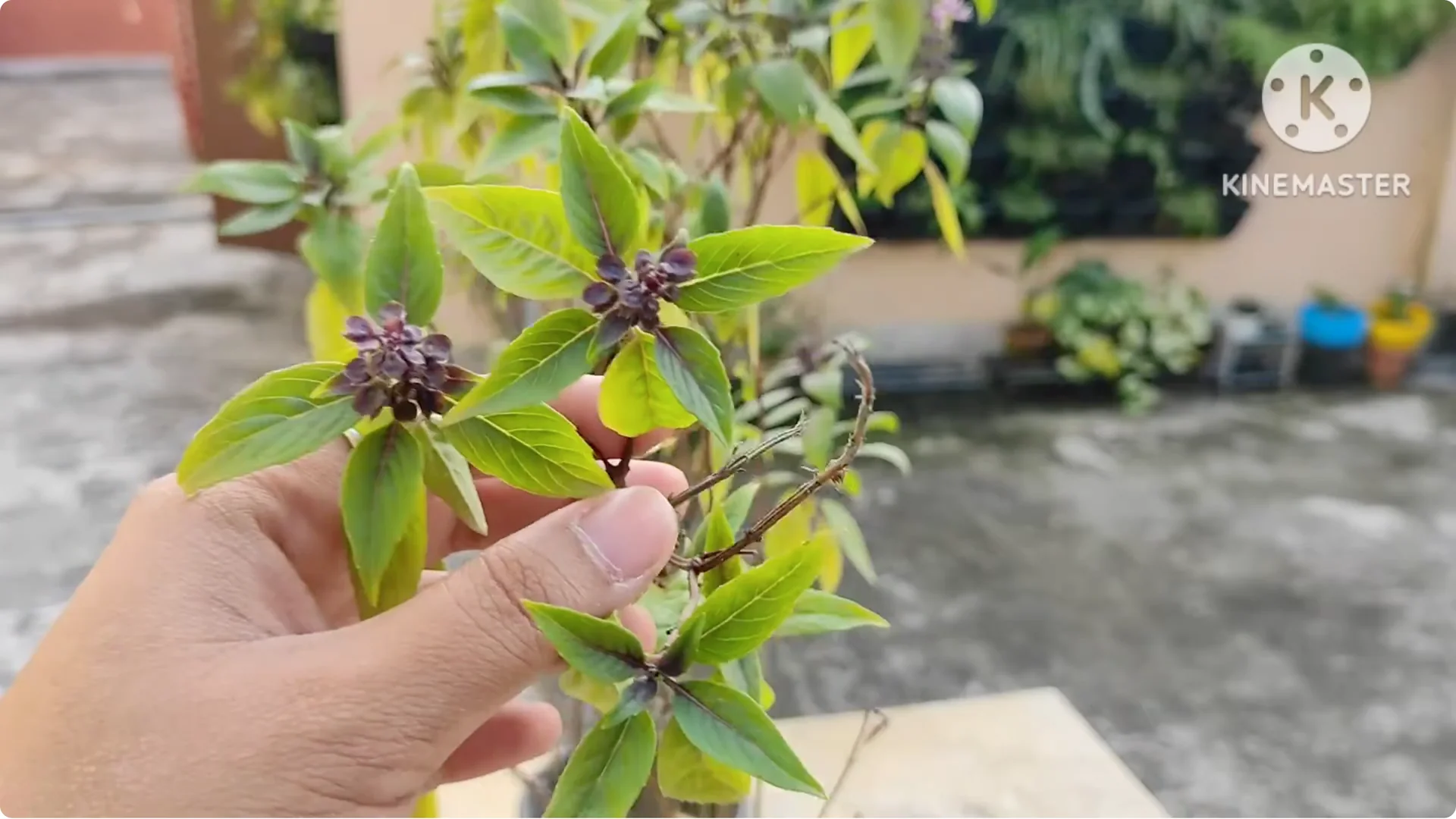
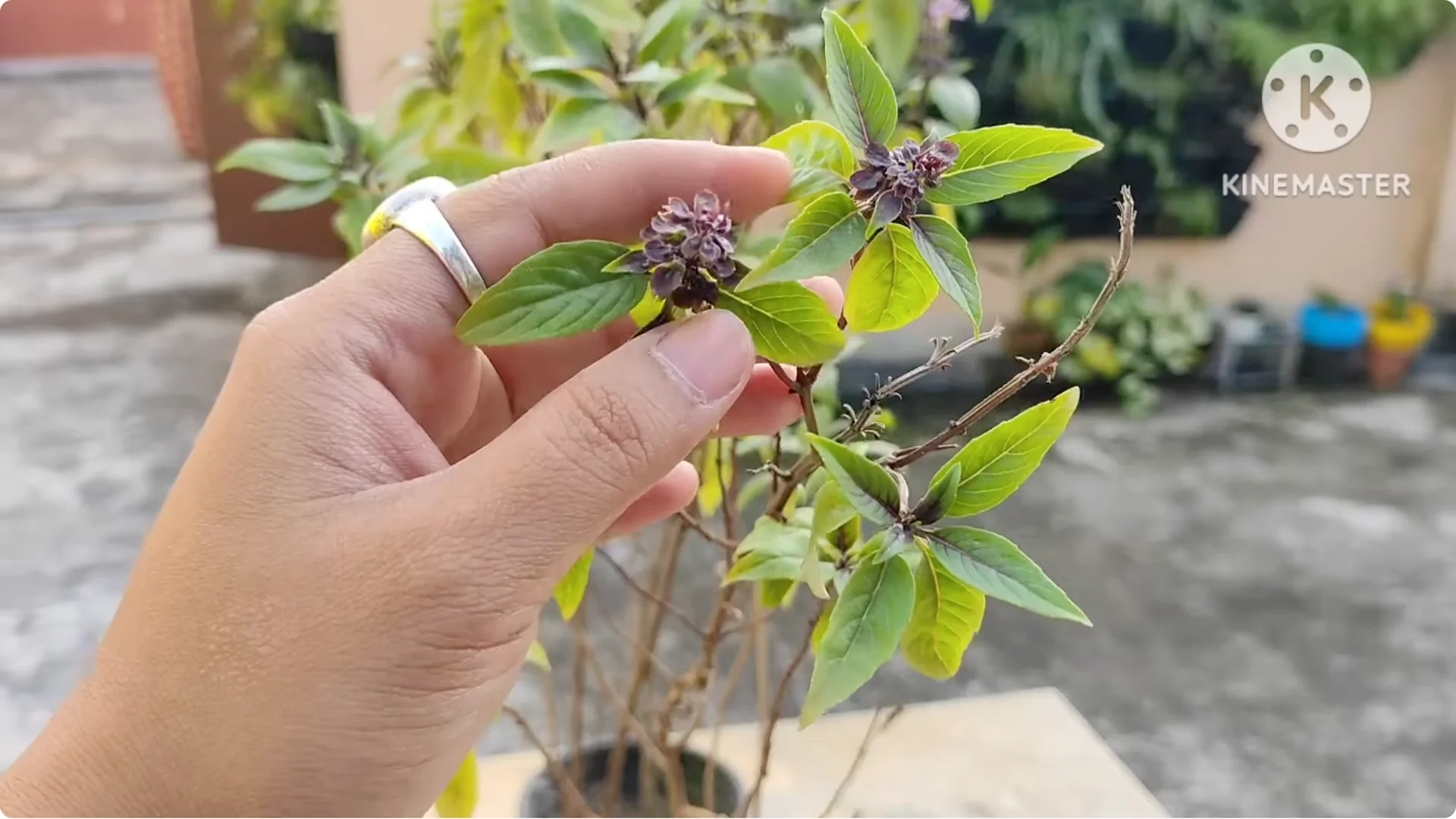
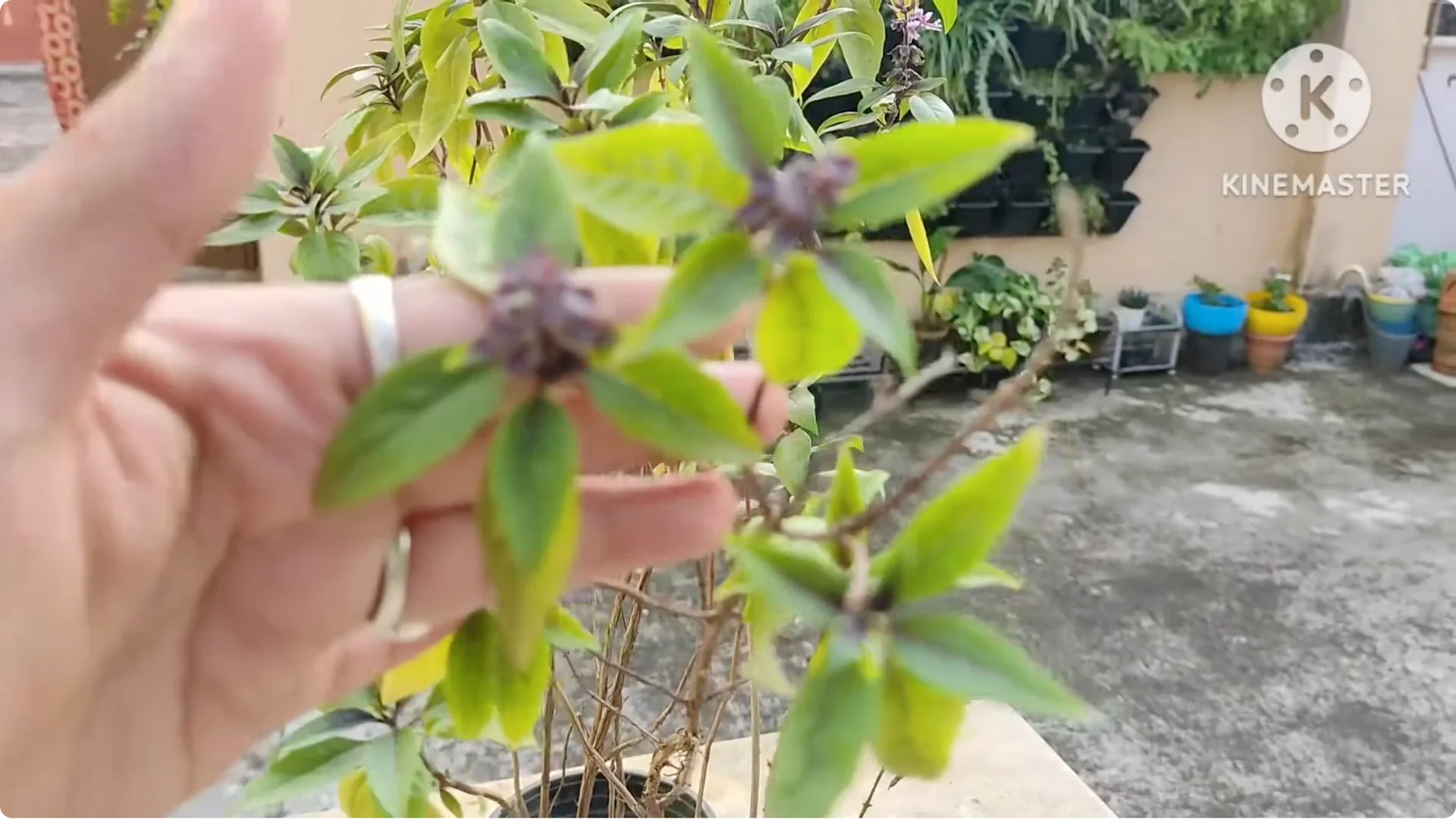
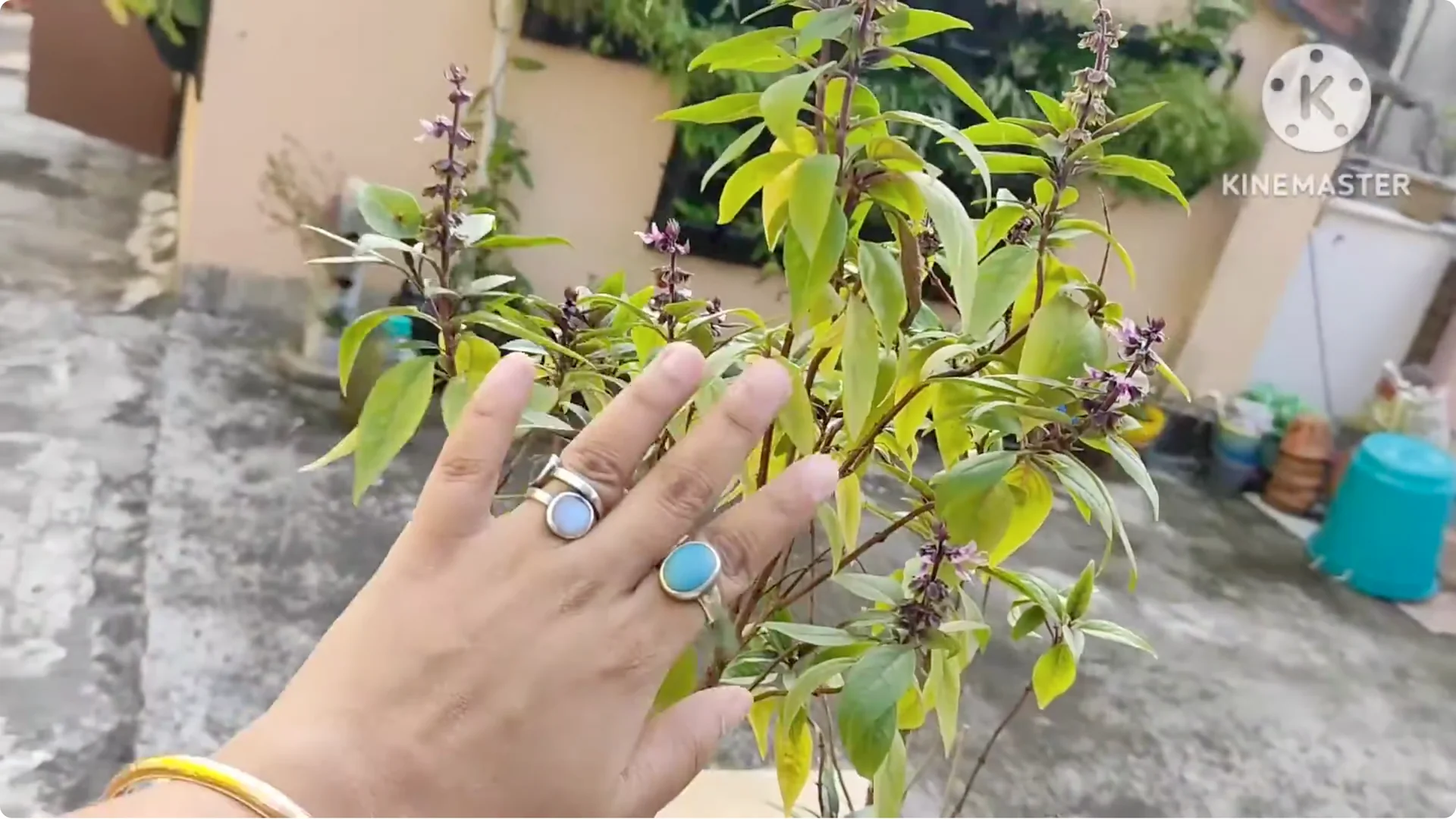
I have been growing two basil plants for a year now. I bought them last winter, and they are the Thai sweet basil variety. They are flowering right now and are really very fragrant.
I live in a subtropical region that is hot and very humid during summers, with winters that are dry and pleasant. Temperatures here seldom dip below 10 C. That climate shapes how I care for my basil.
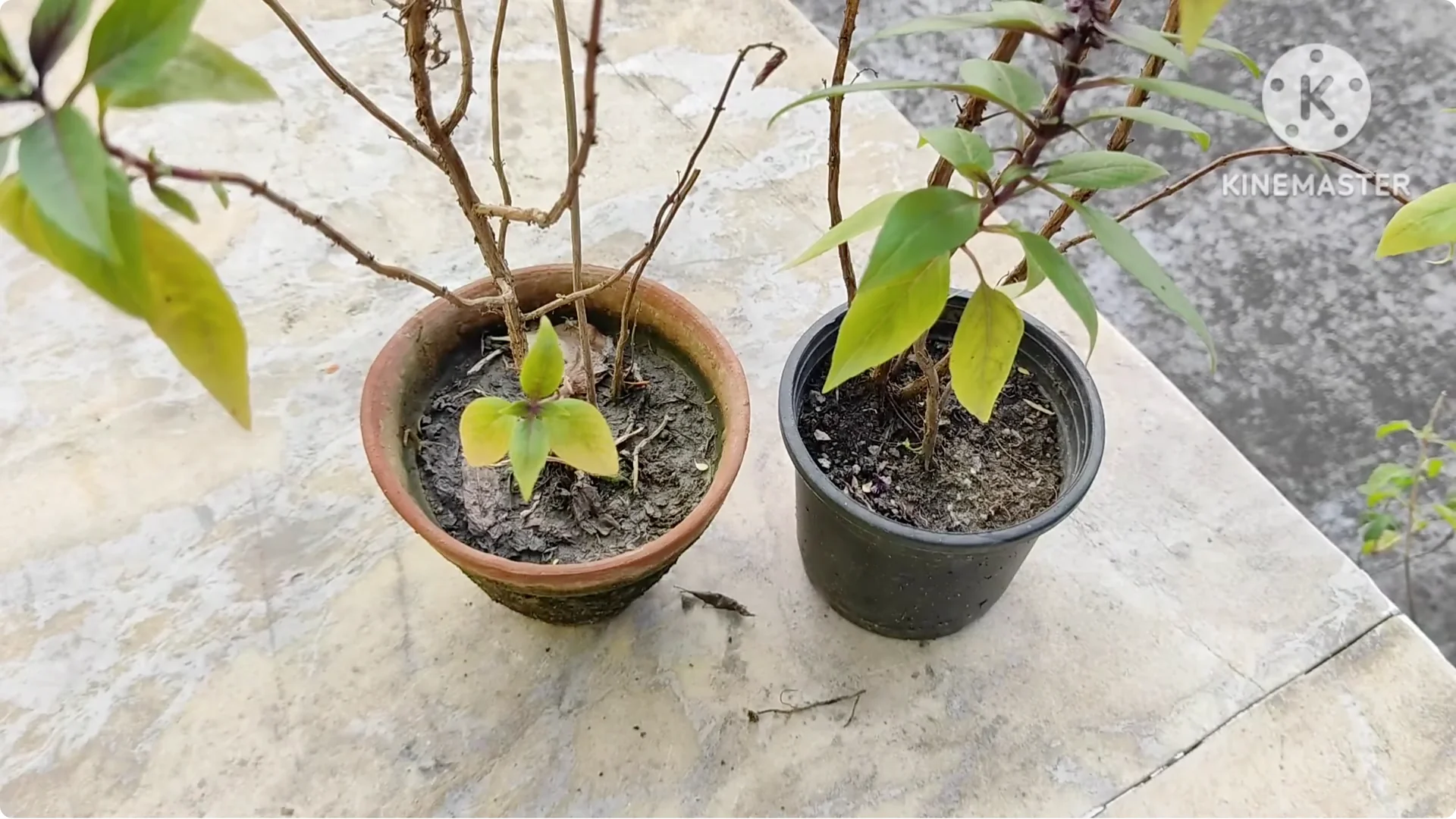
The plant in the urn pot was the original one I bought from a nursery. It grew quite well, then as summer came it died back. I collected the dry flower pods, sowed the seeds, and before long I had new saplings, including one completely seed grown plant that is about nine months old.
Thai basil is a distant relative of holy basil or Tulsi. There is a distinct difference in the leaves, since Tulsi leaves are more ovoid while Thai basil leaves are rather pointy. One thing you will notice across both is the same kind of flower and seed pods.
1. Thai Basil Plant Care Overview
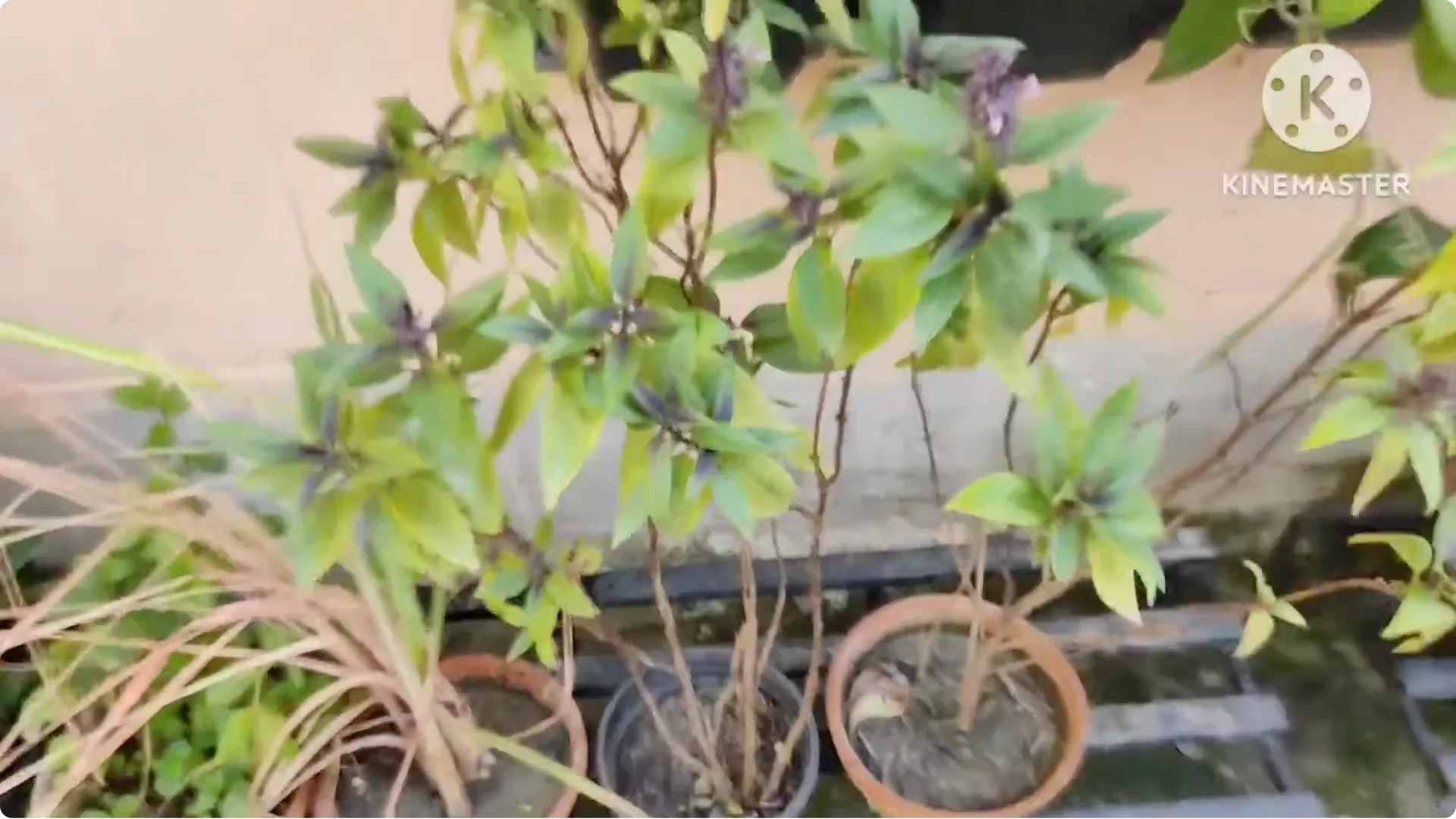
I will keep the care simple and based on what has worked for me through the seasons. The key pieces are light, soil and drainage, moisture and humidity, and a little attention to flowering. Propagation from seeds is easy and worth doing every year.
2. Light For Thai Basil Plant Care
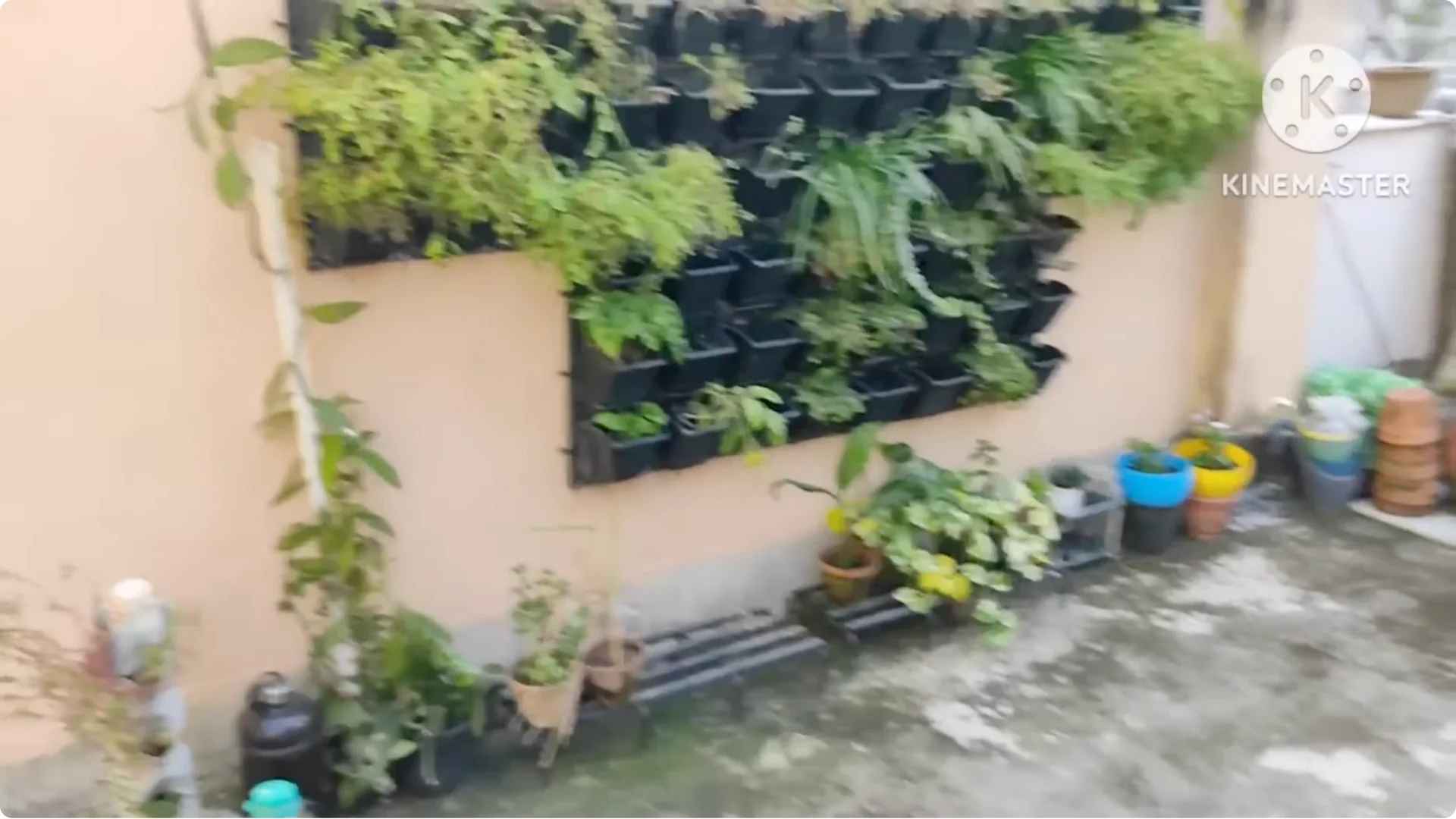
My basil plants live in the southwest portion of my terrace where dappled or reflected light falls. Through the year there is barely any direct sun, and this is where they have stayed and thrived. There is enough bright light, but not the harsh mid day sun.
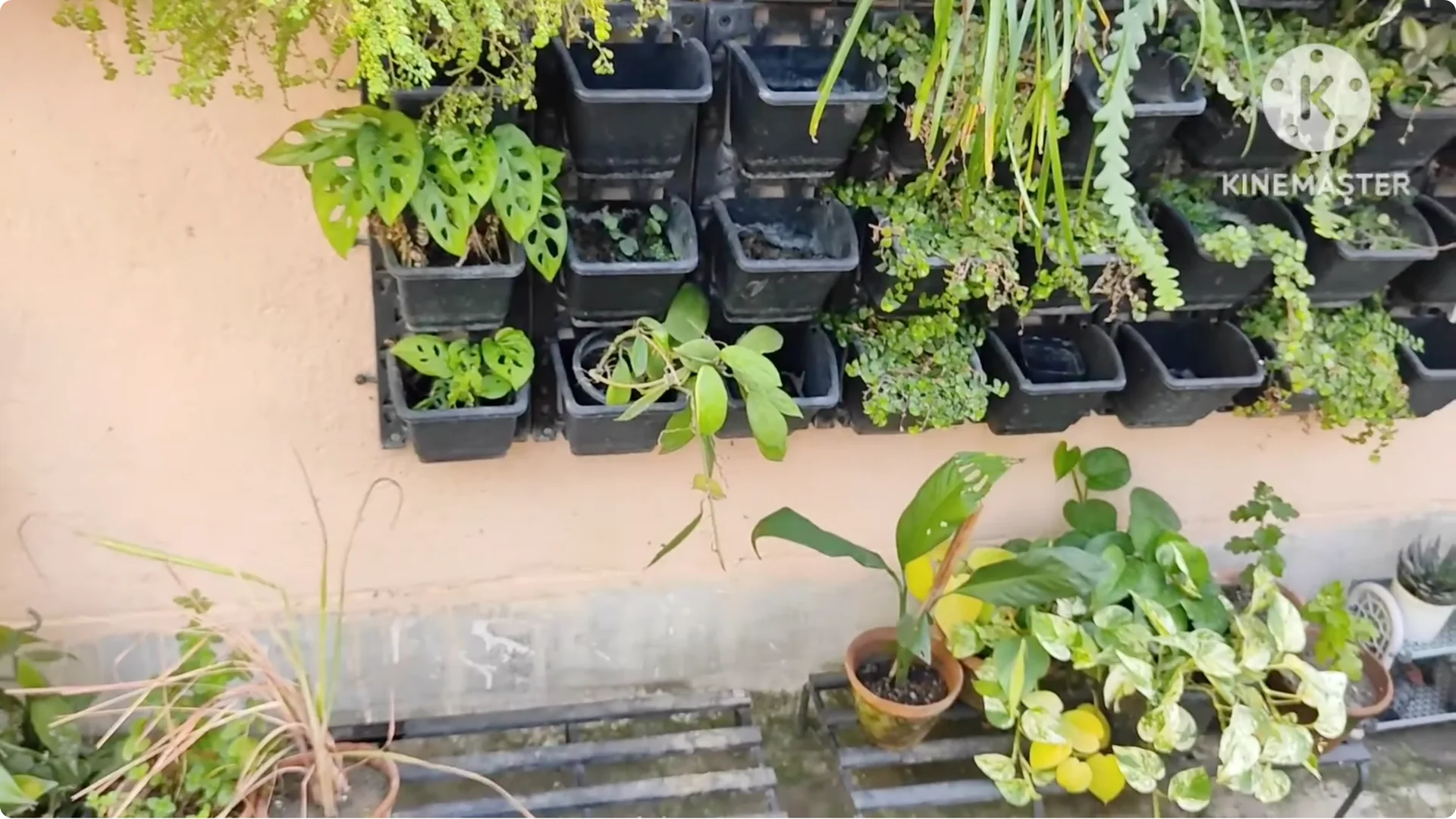
This same dappled light spot keeps my mint, lemongrass, peace lily, philodendron, hoya and others happy. That tells me the light is strong but gentle. Avoid scorching light, or the leaves will scald.
For bright conditions that spare plants from harsh sun, see tips for thriving spring hydrangeas. Managing light well often makes the difference across many garden favorites.
3. Soil And Potting Mix For Thai Basil Plant Care
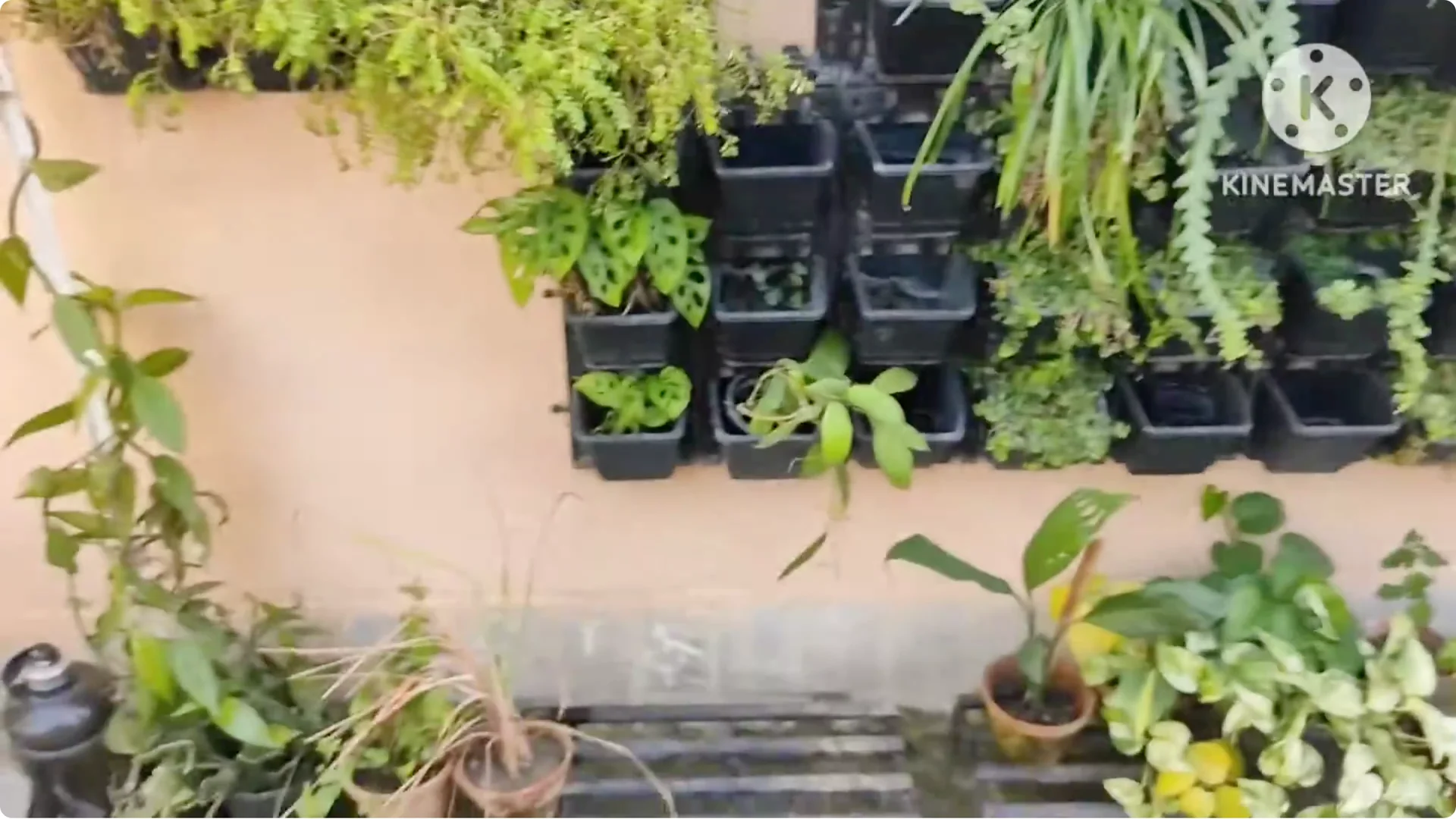
The potting soil I use is soft and stays lightly moist. I mix equal quantities of coco peat and vermi compost, which keeps the media airy and evenly hydrated. In one pot I added some garden soil too, and it still did well.
Mix Ratios That Work
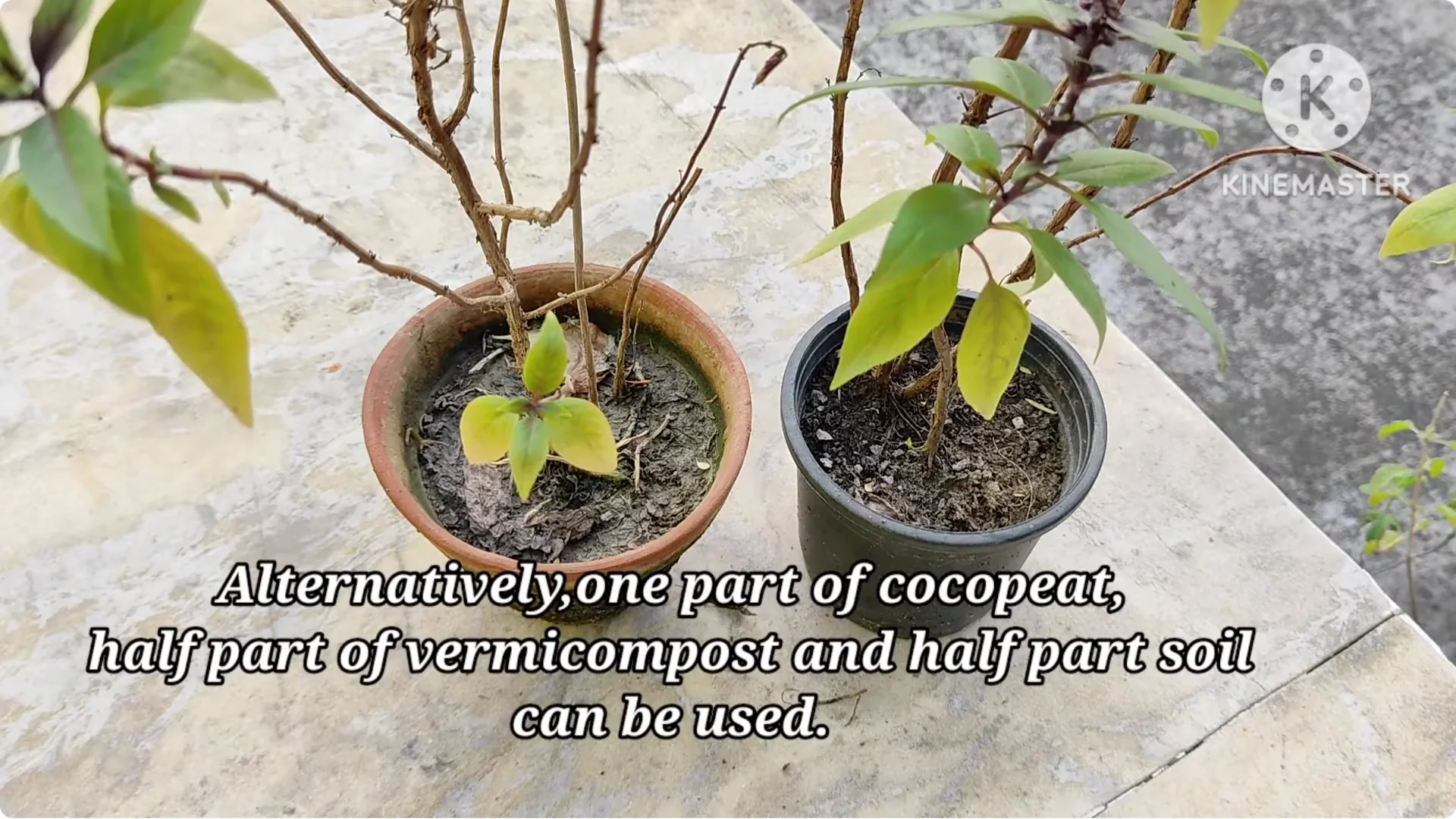
If you are using all three ingredients, add 1 part coco peat, half part vermi compost, and half part soil. Keep the mix fluffy, never compacted. That way the roots breathe and water spreads evenly.
Drainage Matters
Keep the soil moist but not soggy, and never let it get water logged. Ensure the pot has very good drainage holes. From growing both holy basil and Thai basil year round, I can tell you they do not like standing water at the base.
4. Watering And Humidity In Thai Basil Plant Care
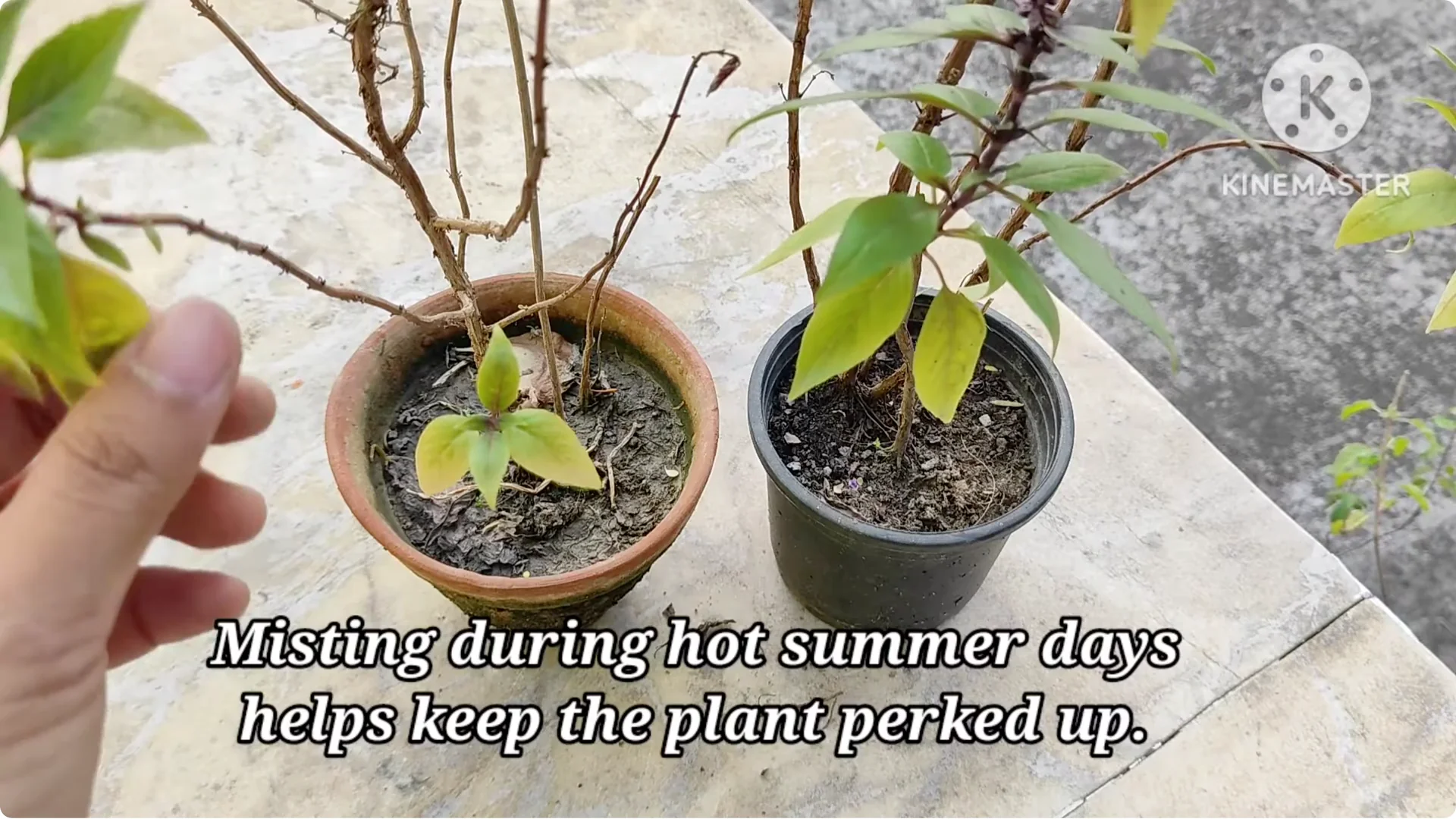
A few leaves can turn yellowish in winter because of the dry winds and lack of humidity. During hot summer days, the plant can droop even when the soil is watered. I give a very fine misting of water twice a day, early morning and before sunset, and they perk right up.
They are humidity loving plants, and they do well when you keep them near other plants. That creates a slightly more humid pocket of air. Keep the soil hydrated, the air moist, and the light gentle for steady growth.
For another plant that appreciates balanced moisture and bright indirect light, see holiday cactus care tips. The watering rhythm there is a helpful reference too.
5. Pests And Scent
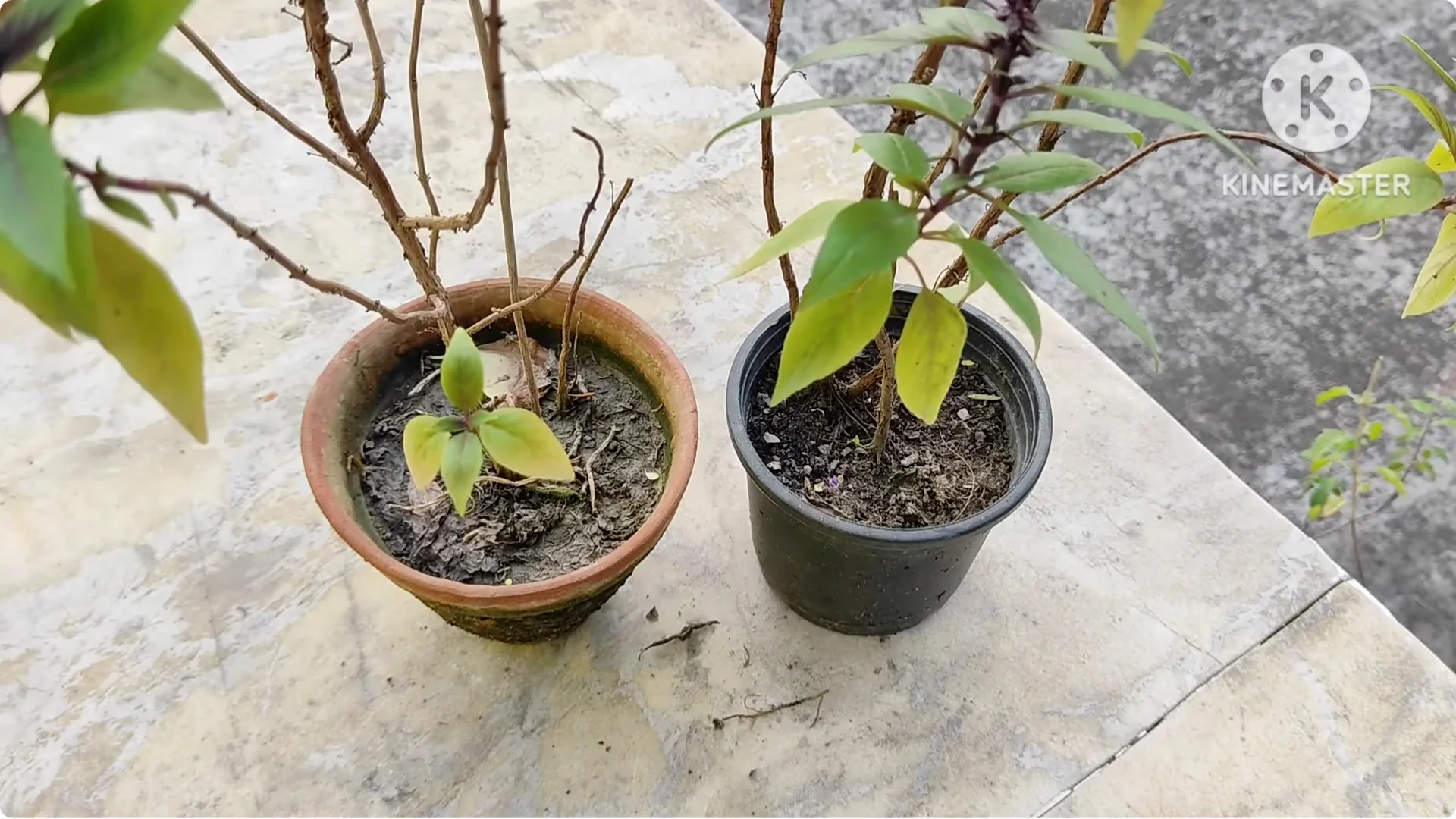
I have not had much pest trouble on Thai basil. There was a stick like bug that clung to stems and sucked sap, but I handpicked and removed it. Herbs with a fragrance of their own often do not attract a lot of pests, and I feel the aroma helps keep many away.
I have used these leaves in pasta and on pizza. It is not the actual oregano type flavor, but it has a distinct kick of its own. Harvest lightly and regularly to keep the plant branching.
6. Propagation And Seeds For Thai Basil Plant Care
Herbs are usually annuals. With good care you can sometimes keep them as biennials or short lived perennials, but the normal course is to live for a year, flower, set seed, and decline. That is why saving and sowing seeds is so useful.
Start Thai Basil From Saved Seeds
Step 1 – Collect Seed Pods
Wait for the flower pods to dry on the plant. Snap them off and keep the pods in a dry paper envelope.
Step 2 – Prepare The Mix
Fill a shallow tray or small pots with coco peat and vermi compost. Keep the surface even and lightly moist.
Step 3 – Sow And Water
Sprinkle the seeds on top and press them in gently. Mist to settle them, and keep the mix moist, not soggy.
Step 4 – Give Bright, Gentle Light
Place the tray in bright, indirect light. Before long, you will see new saplings.
Step 5 – Pot On
When seedlings have a few sets of leaves, transplant them into small individual pots. Keep the same airy mix and steady moisture.
7. Managing Flowering In Thai Basil Plant Care
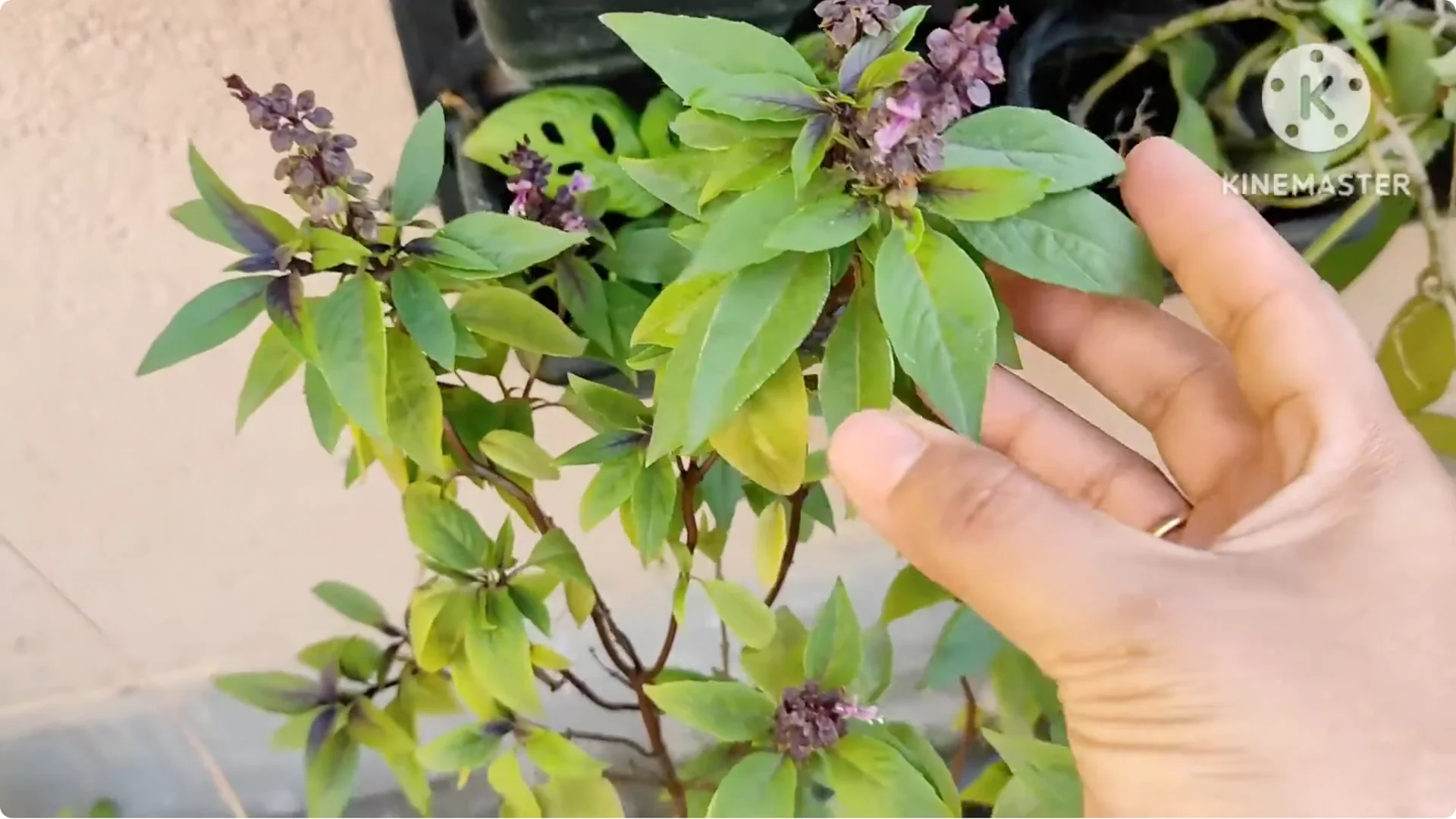
One simple trick is to snap off the flower pods. Once flower pods ripen with seeds inside, the plant understands that its work is done and starts dying back. By removing the flower spikes, you keep the plant pushing new leaves and branches.
I tried this on my Tulsi plant and it stayed vigorous as long as the flower pods were not there. I plan to continue this with my Thai basil too. Time your pinching regularly to direct the plant’s energy into foliage.
If timing blooms is your focus in shrubs too, see how to keep flower show strong in growing healthy, blooming azaleas. Smart pruning and timing apply across many plants.
Final Thoughts
Thai basil thrives for me in bright, dappled light, an airy coco peat and vermi compost mix, and steady moisture with good drainage. It appreciates humidity, responds well to light misting in heat, and stays cleaner from pests than many other edibles. Save seeds, start a fresh batch each season, and pinch flower spikes to keep those fragrant leaves coming.