

If you have 1 or 100 hydrangeas, a bit of spring maintenance will go a long way to produce healthy plants filled with beautiful blooms year after year. Grab your garden gloves and a few other supplies while you follow my top 5 tips for happy hydrangeas.
1. Fertilizing for Spring Hydrangea Care
All types of hydrangeas benefit from several applications of fertilizer per season starting early in spring, once new growth begins to emerge.
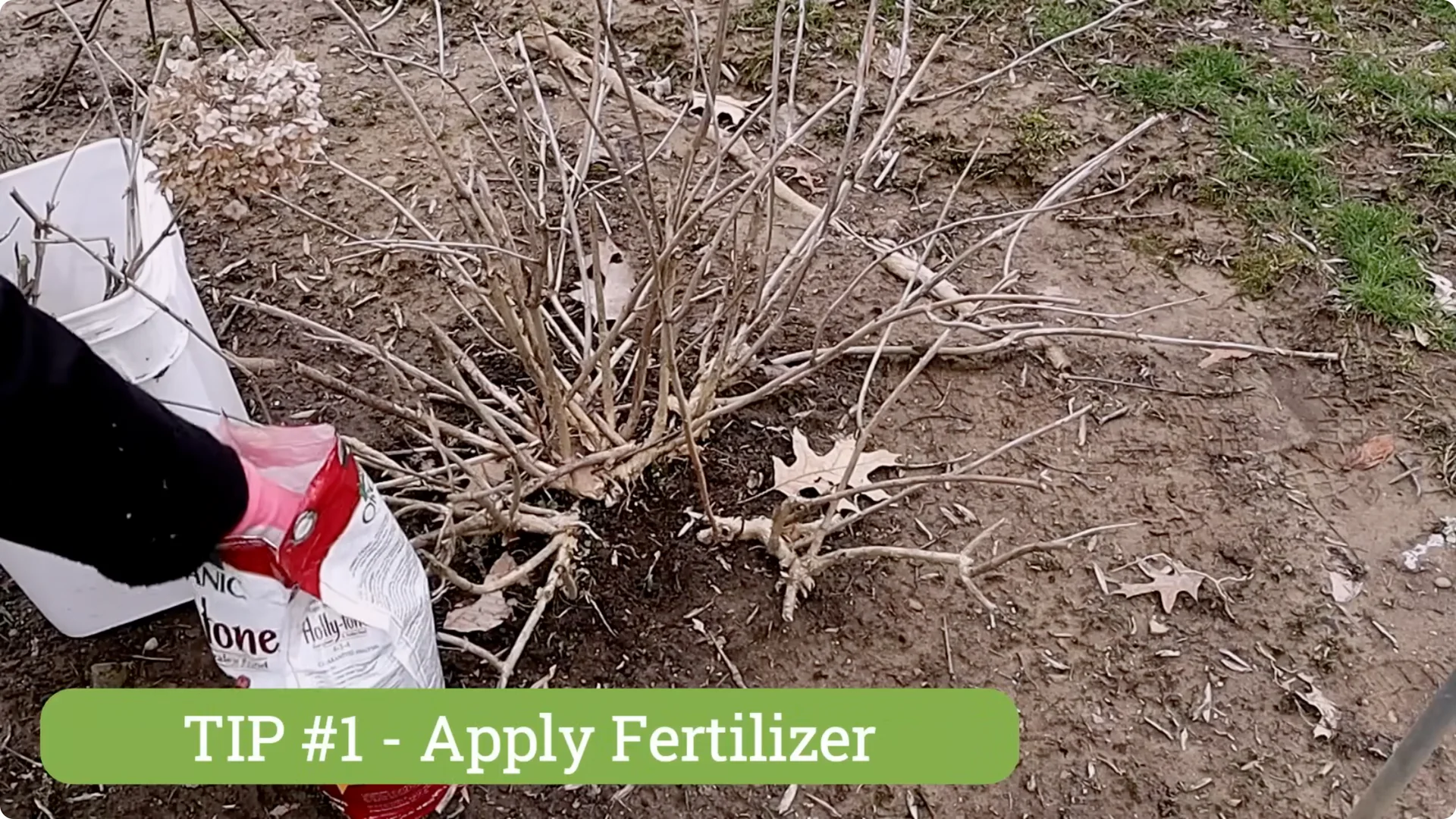
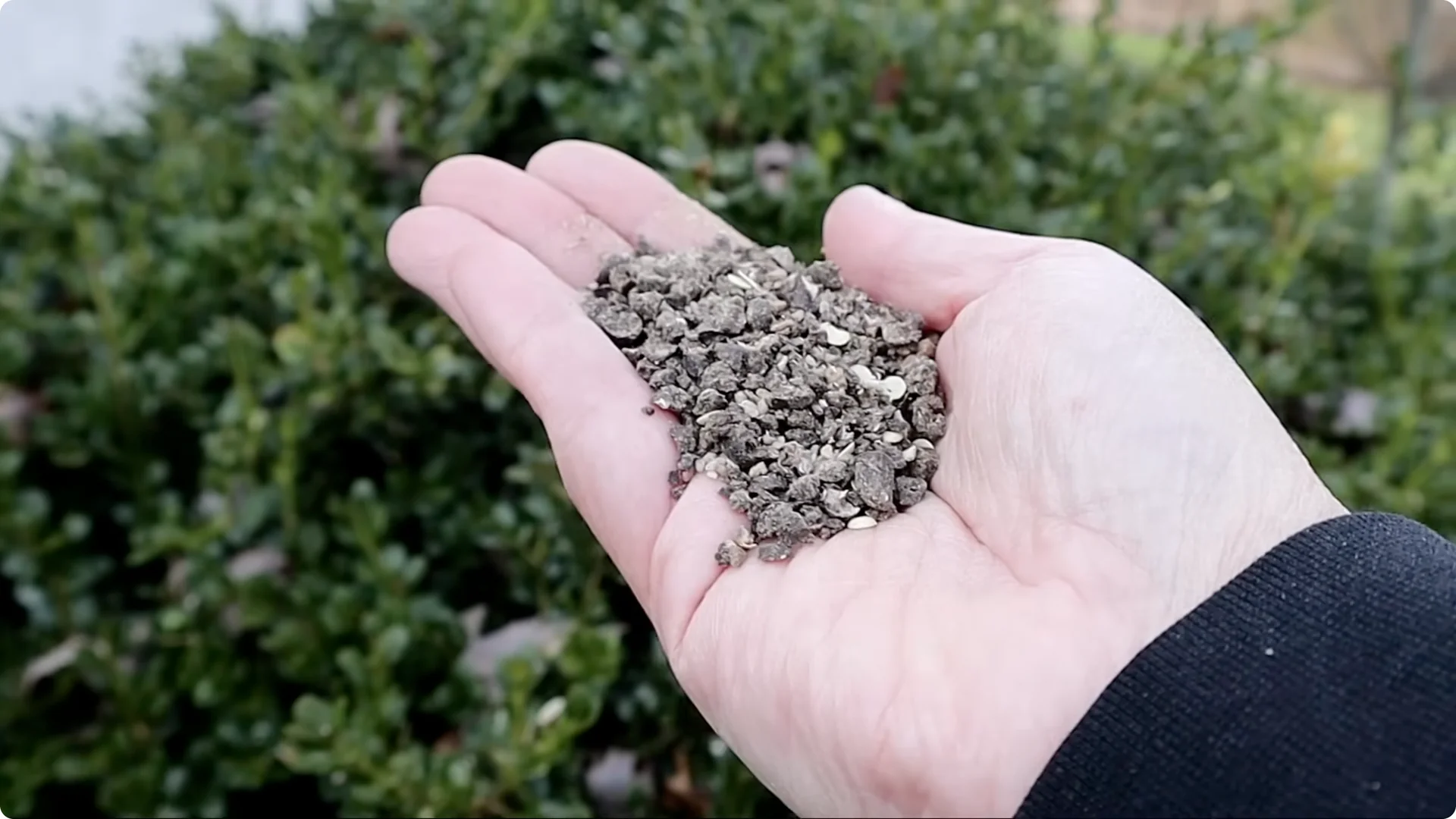
A general all-purpose fertilizer works well, but I prefer a granular organic fertilizer formulated for acid-loving plants as it breaks down slowly, providing an even feed.
Step 1: Begin feeding as soon as you see new growth.
Step 2: Choose your fertilizer, then follow the application instructions on the bag.
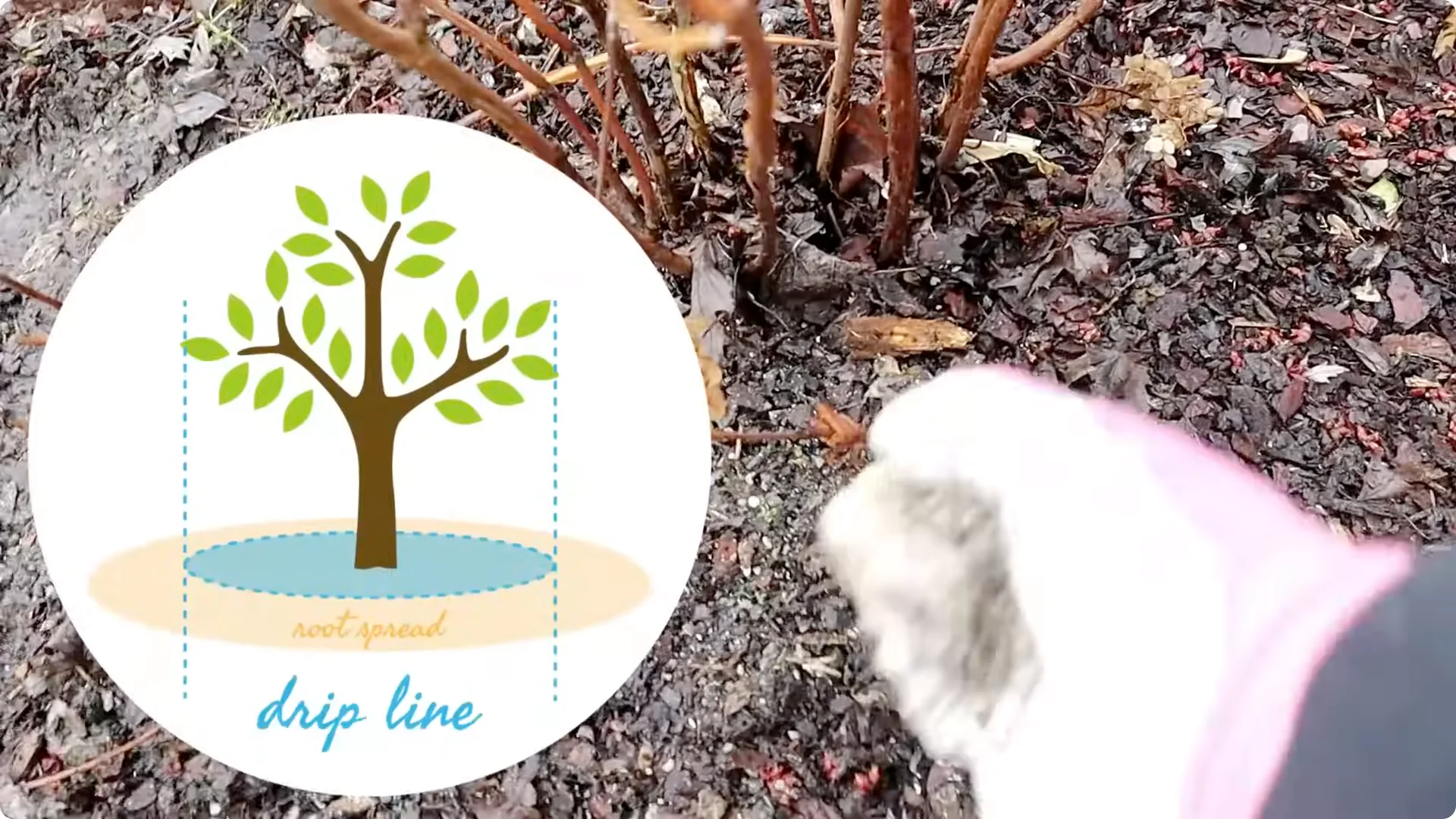
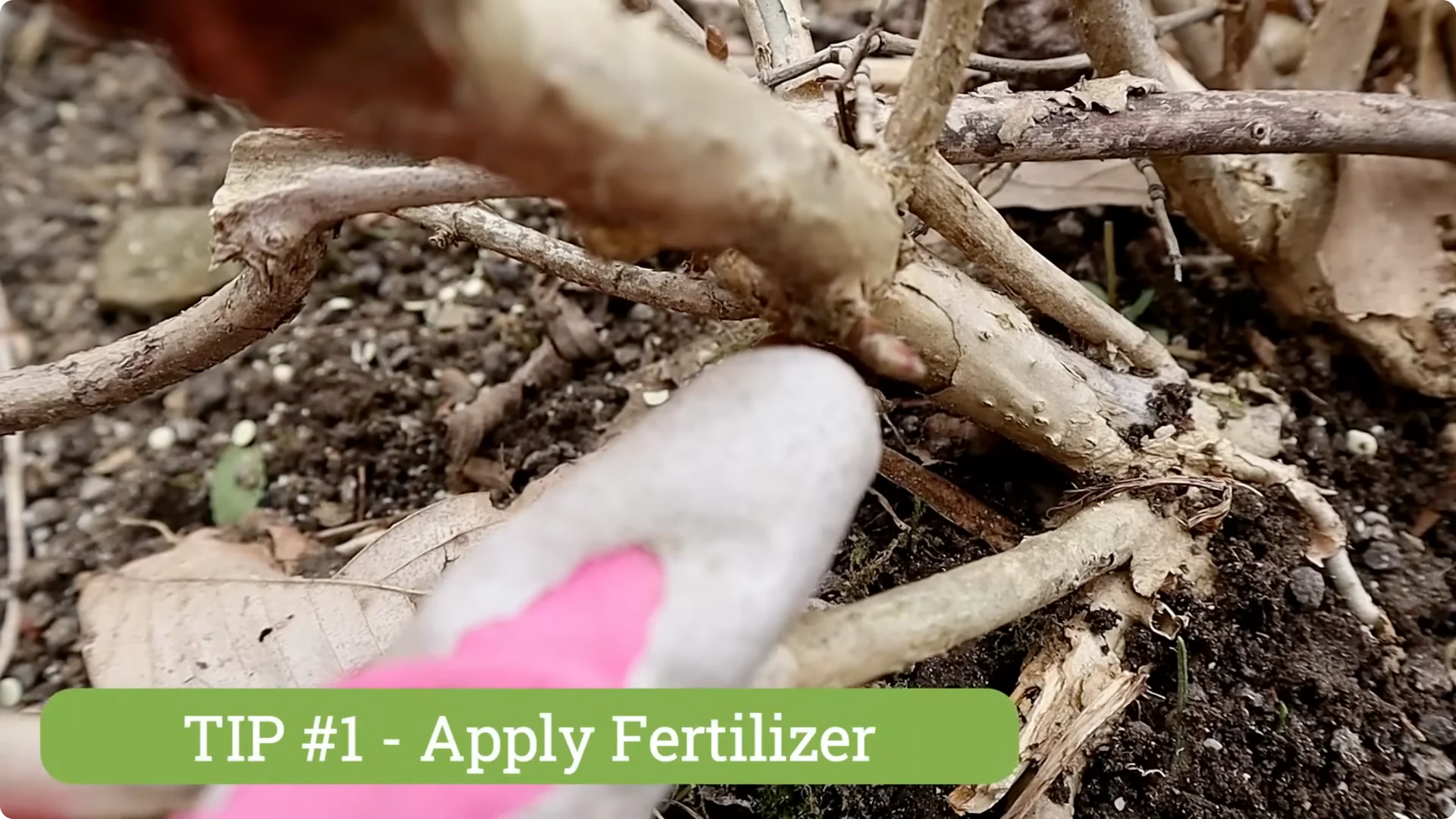
Step 3: Broadcast the fertilizer within the drip line, scratch or rake it into the top inch of soil, and water in as directed.
Read More: Money Tree Care Tips
2. Color Adjustments in Spring Hydrangea Care
Once new growth begins to emerge, you may want to adjust the bloom color of mophead or lacecap hydrangeas.
A soil acidifier such as aluminum sulfate will turn blue hydrangeas darker and shift pink hydrangeas toward a purple hue, so choose the correct amendment for your desired flower color.
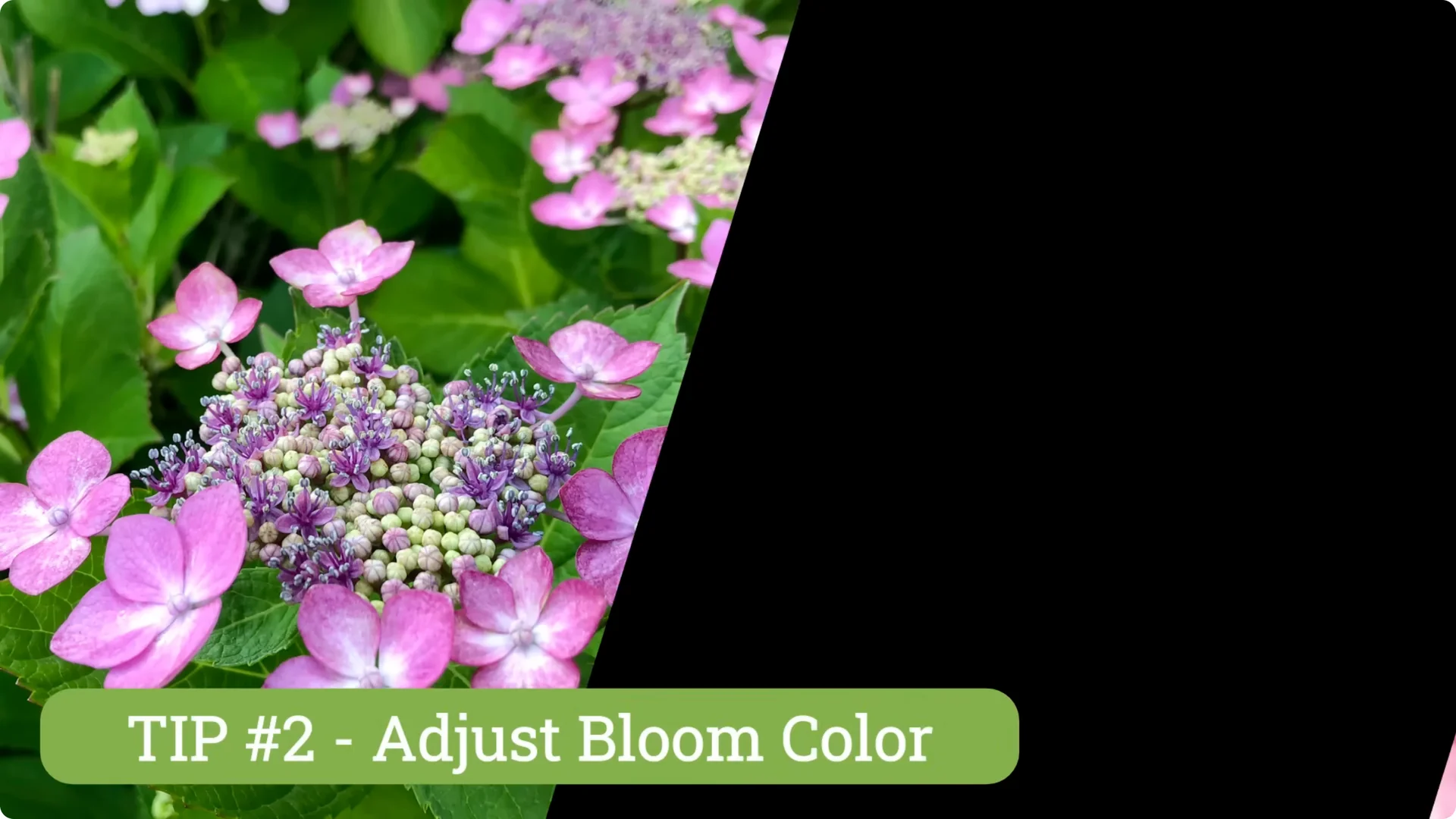
The addition of lime will lighten the pink color and can revert blue varieties back to pink. Apply products as directed on the package early in spring once new growth appears, and give a second application one to two months later.
These amendments only modify flower color on macrophylla and serrata species.
Read More: Fiddle Leaf Fig Tips
3. Pruning Basics for Spring Hydrangea Care
In spring there are only a few hydrangea types that require trimming to keep plants neat and tidy, and trimming will produce a fuller, healthier shrub.
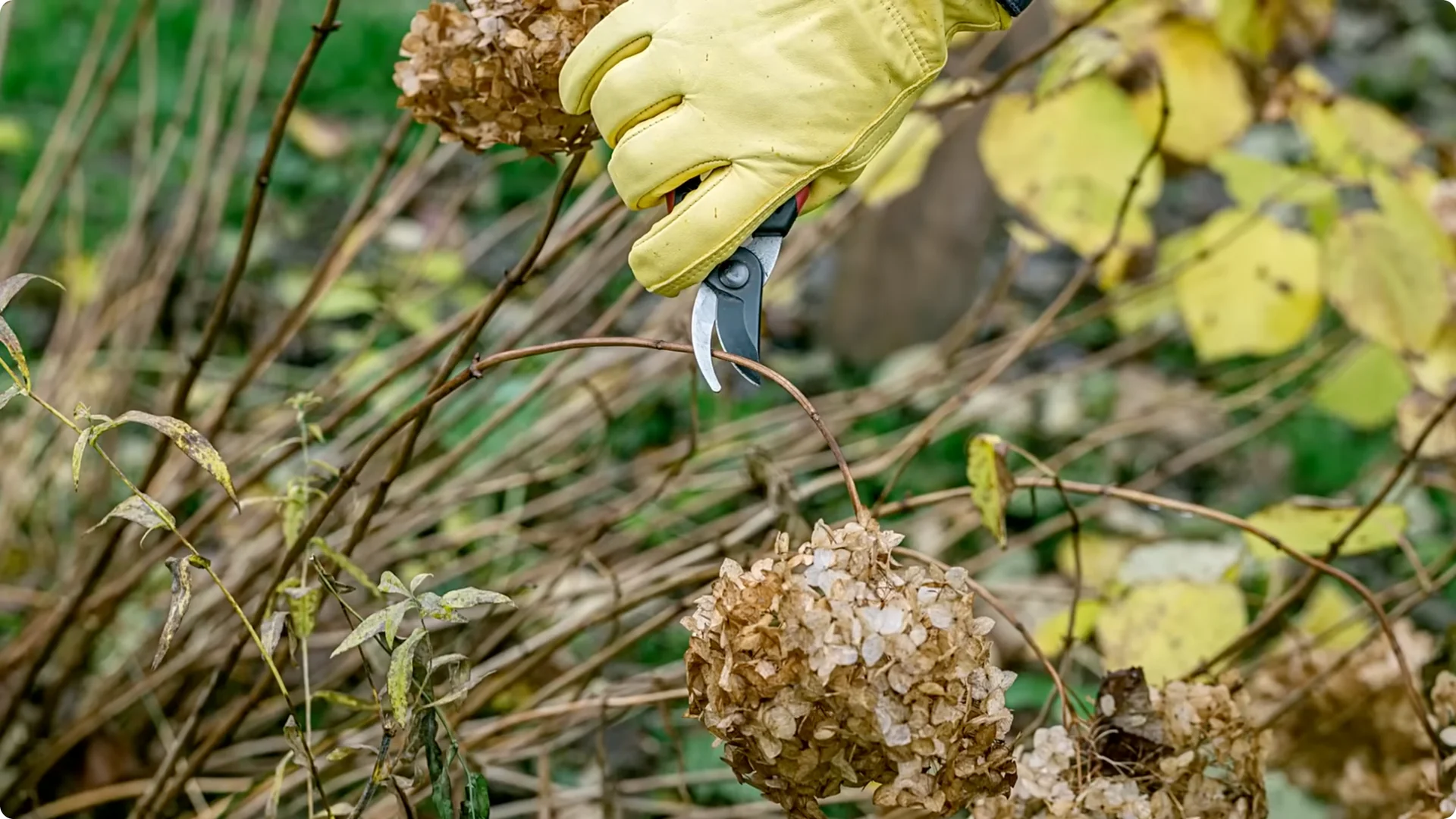
Focus on species that respond well to spring pruning and time your cuts to protect blooms.
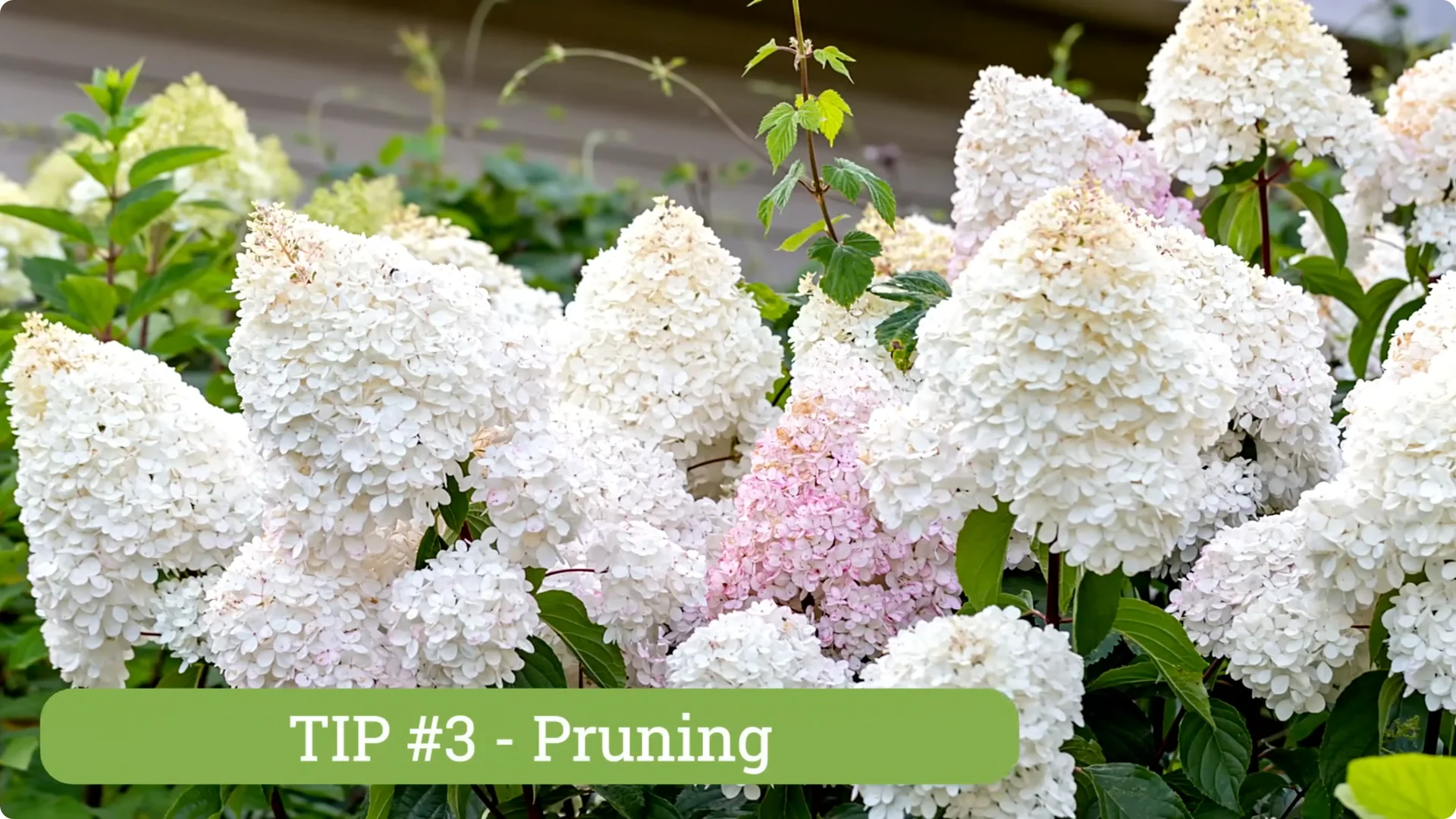
Panicle Types
Panicle hydrangeas, known for large cone-shaped flowers in white that fade to pink, benefit from having the top one-third to one-half of the shrub cut off.
The best time to prune is early to mid spring once the first new green growth emerges.
They bloom on new growth, assuring you flowers this season even if you make a few mistake cuts, but cut right above a set of buds.
Smooth Hydrangea
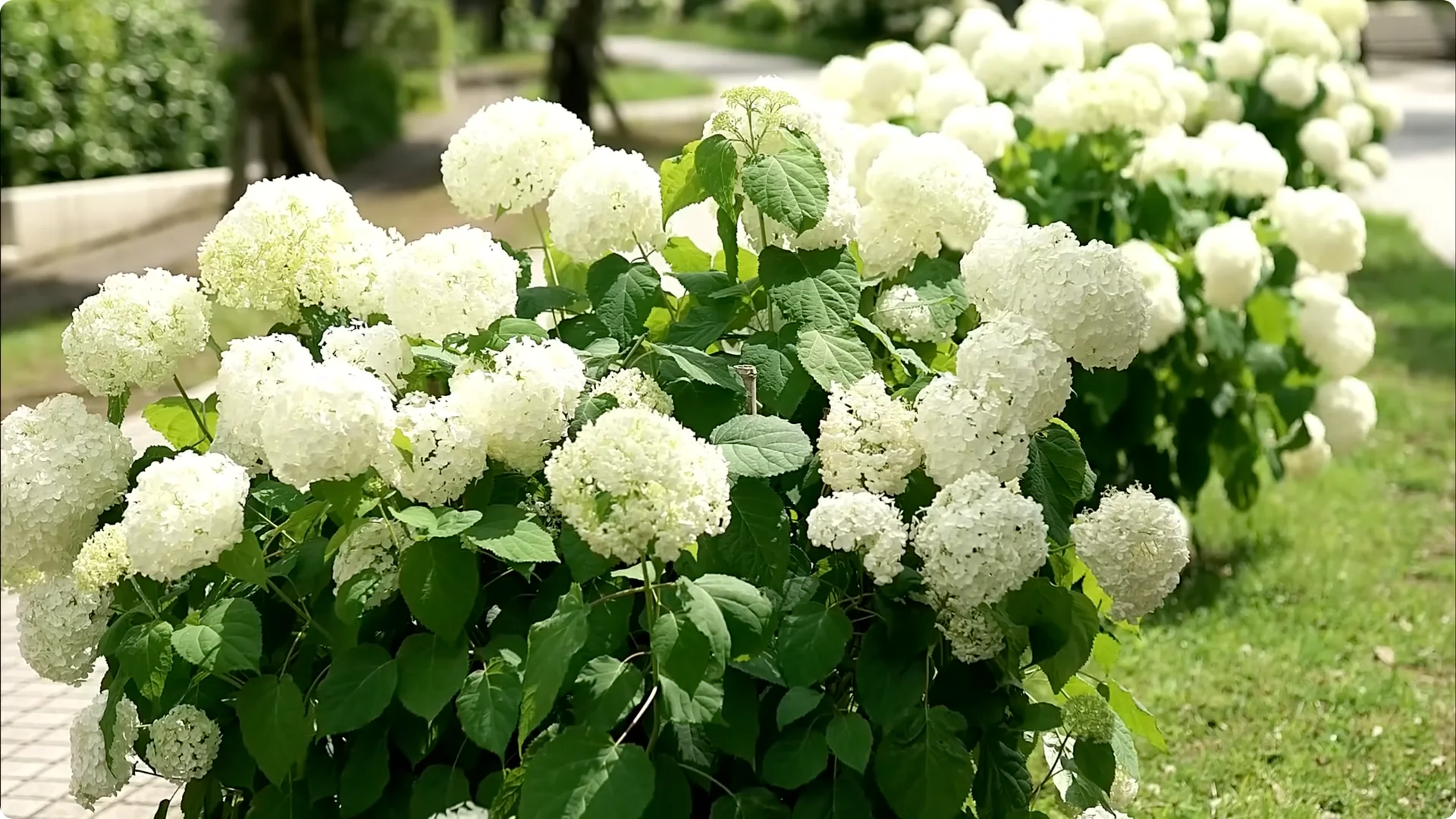
Hydrangea arborescens, commonly known as smooth hydrangea, includes varieties such as Annabelle and Incrediball.
This species can be pruned hard down to one foot tall. Pruning in early spring helps support a top-heavy plant that may flop to the ground by mid-summer.
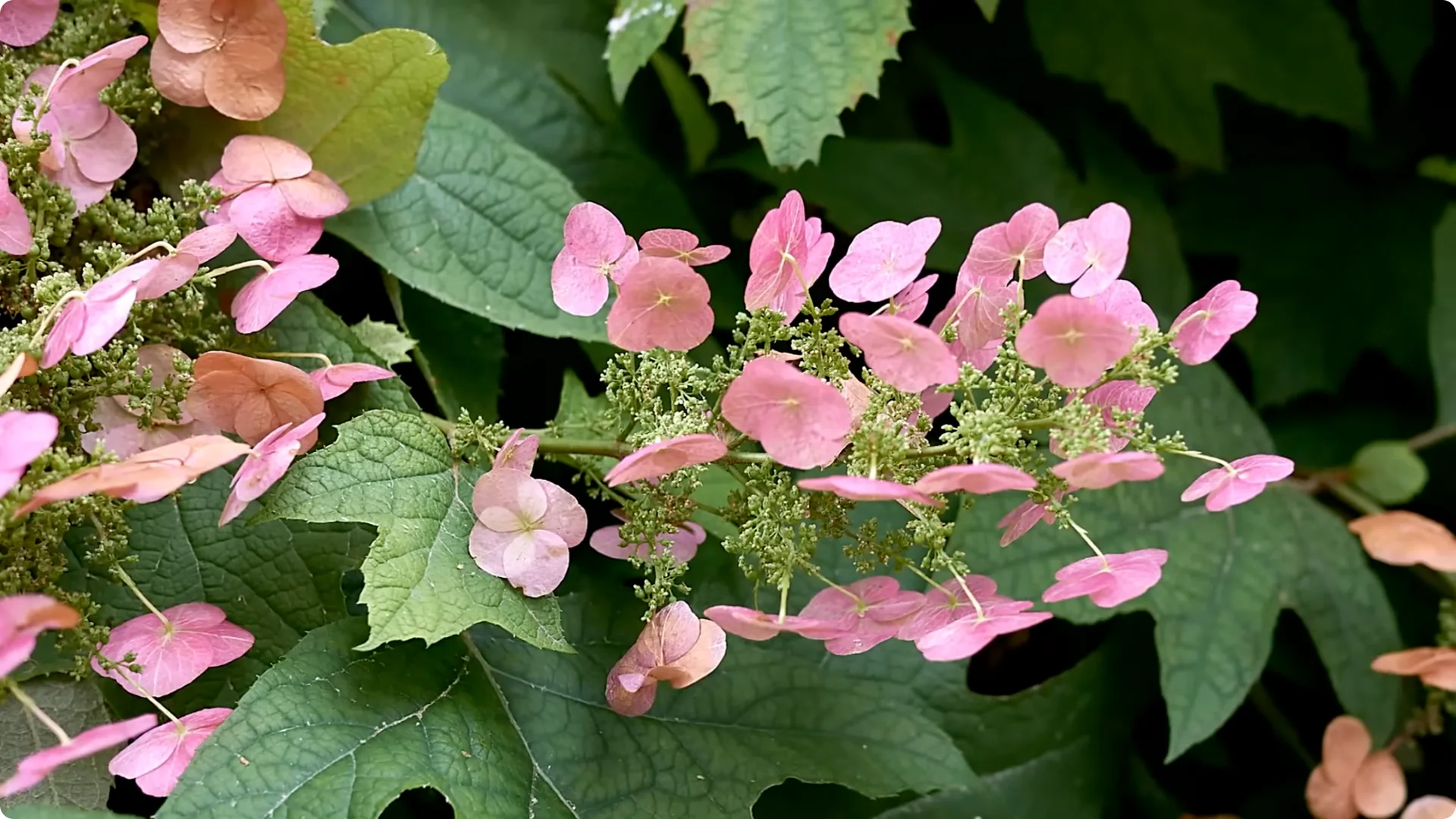
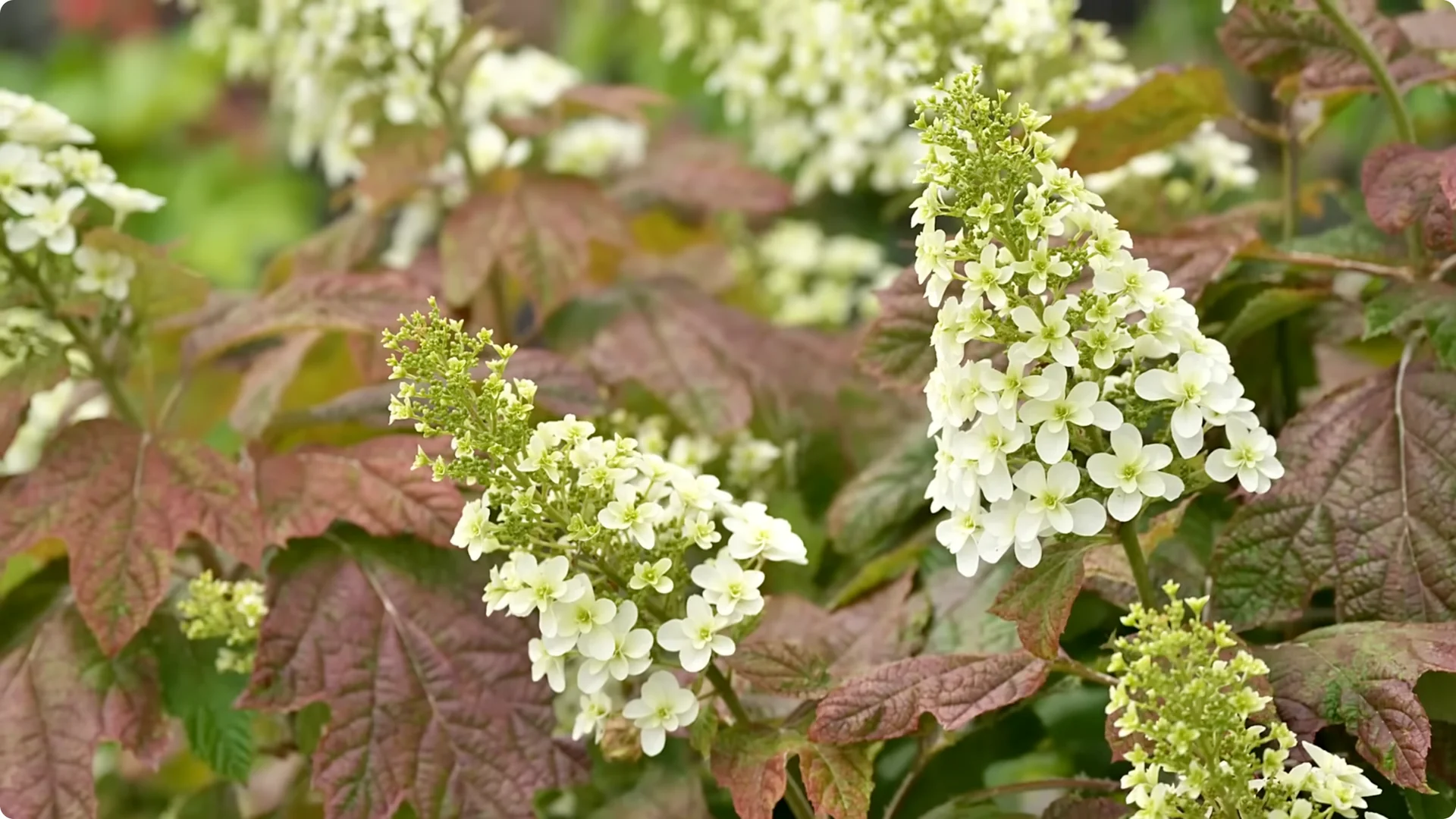
Oakleaf Hydrangea
Oakleaf hydrangeas can be left alone completely. They bloom on old wood and have an attractive large spreading habit that is desired.
Mophead Types
Mophead hydrangeas, with rounded ball-shaped flowers in shades of pink and blue, are a bit more complicated.
Mostly they bloom on buds formed the previous season, but some newer varieties bloom on both old wood and new growth, so cutting branches in early spring can remove the first set of flower buds.
If you need to tidy a mophead, cut above the topmost healthy set of buds.
Remove a few older branches that will not produce blooms, targeting stems that are very woody, possibly hollow, and lighter in color.
As with oakleaf types, this species does not require pruning at all.
Read More: Christmas Cactus Care Tips
4. Mulching in Spring Hydrangea Care
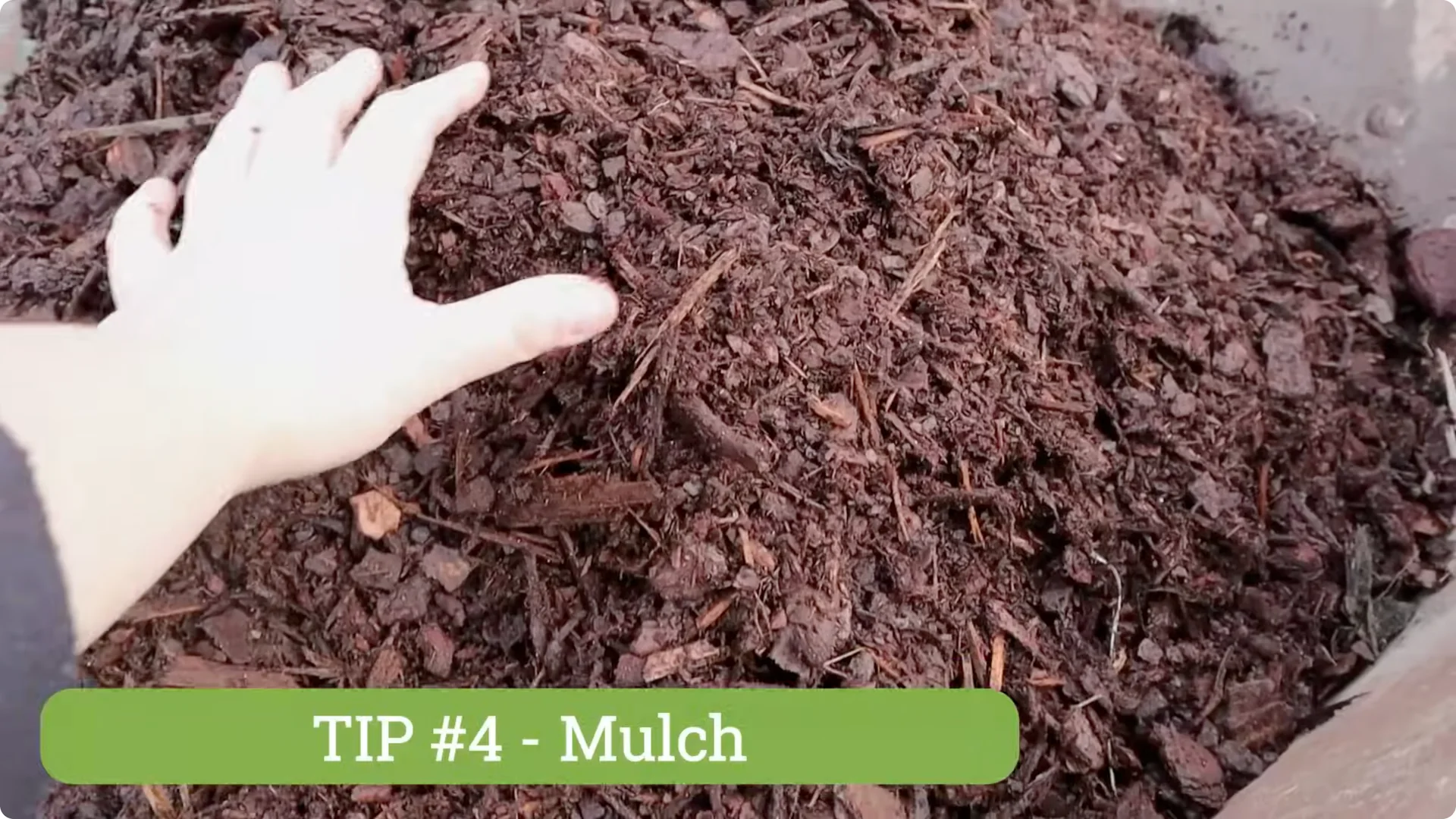
The next step for spring hydrangea care is to apply a layer of mulch. Mulching reduces weeds, retains moisture, and gives beds a fresh, clean look.
After leaf buds begin to open, apply a two inch layer of mulch. I prefer pine bark mulch in my area, but shredded mulch, compost, and pine needles are other good choices depending on availability.
5. Transplanting in Spring Hydrangea Care
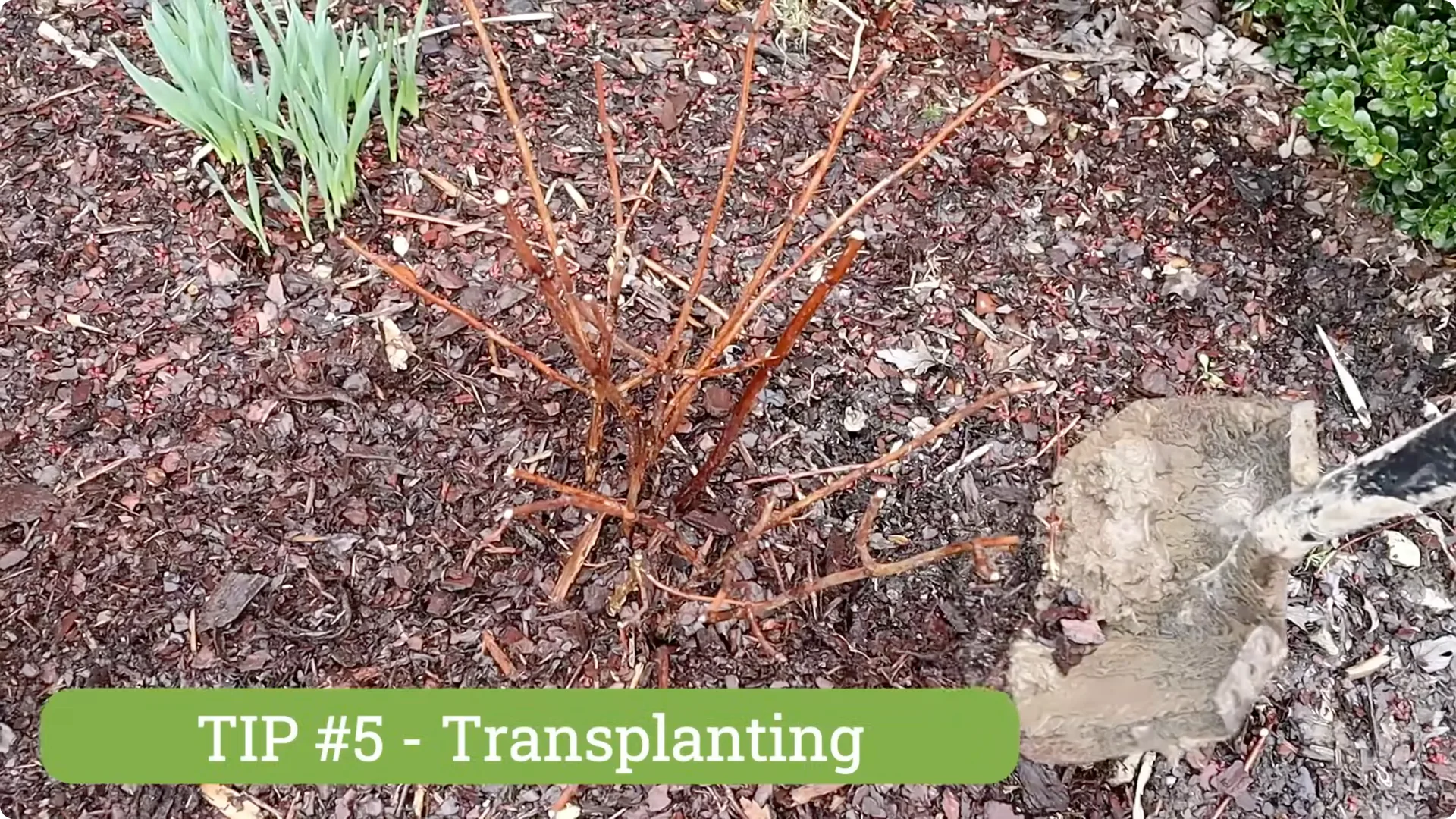
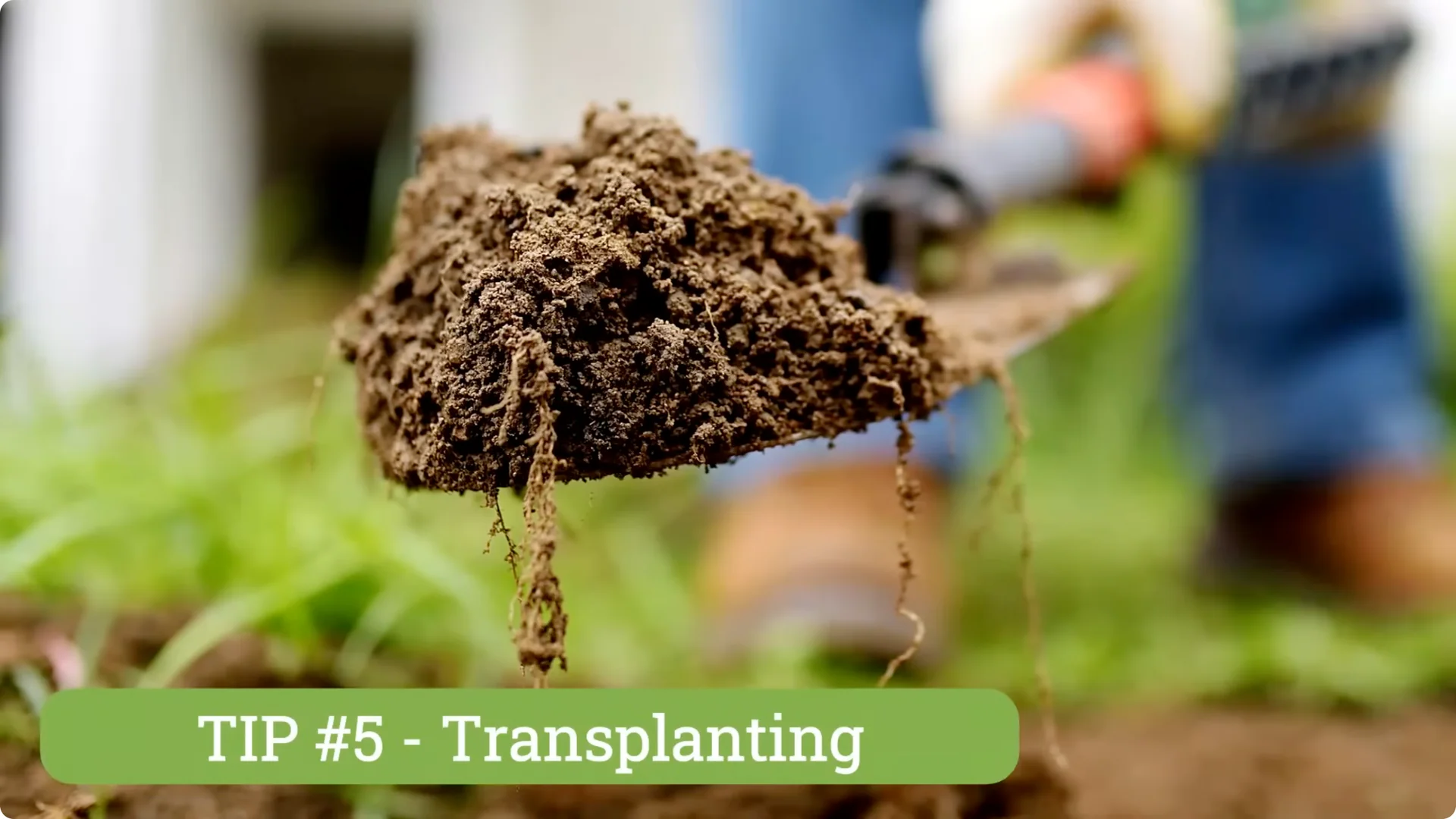
This tip is optional if your plant is getting too much sun or has outgrown its spot. Early spring is an excellent time to move a hydrangea before the heat of summer arrives.
Dig a hole in the new location first. If the plant is too big and cumbersome, prune it back a bit before moving.
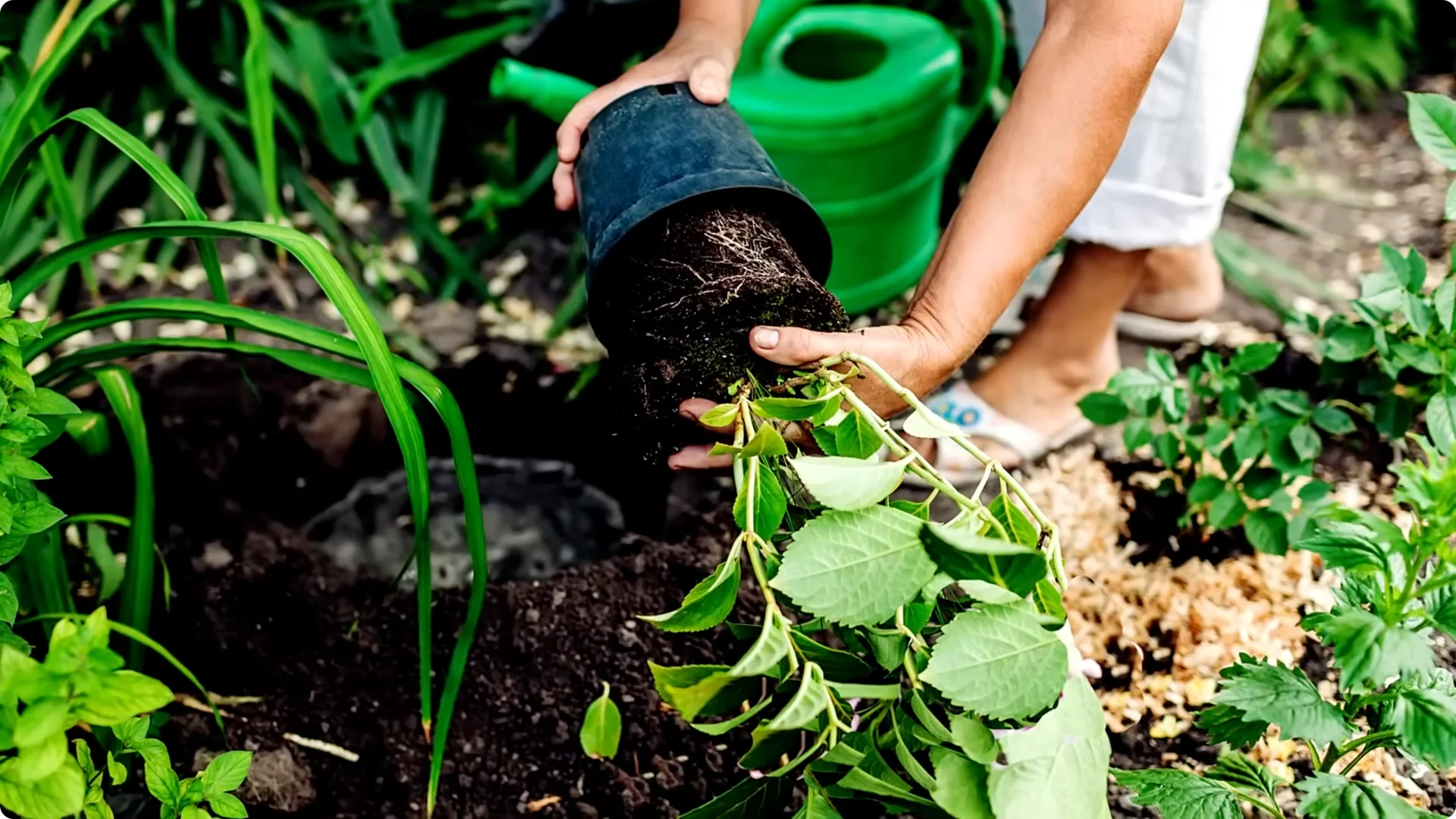
Amend the new planting bed with compost or peat moss if needed, water thoroughly after planting, and repeat frequently while roots establish.
Final Thoughts
Spring tasks like proper feeding, smart color adjustments, species-specific pruning, fresh mulch, and a well-timed move will keep hydrangeas healthy and blooming. Work with each plant’s growth habit and timing, and you will be rewarded all season. Happy gardening!