

This is a green space full of love where every flower is a story of care and patience. Here is a natural, easy, and meaningful way to propagate roses. The method is gentle, effective, and inspired by nature.
We begin with a simple natural rooting mix. It is made from rice water, orange peel, and garlic. Each ingredient supports healthy, quick root growth.
Rose Cutting Propagation: Natural Rooting Mix
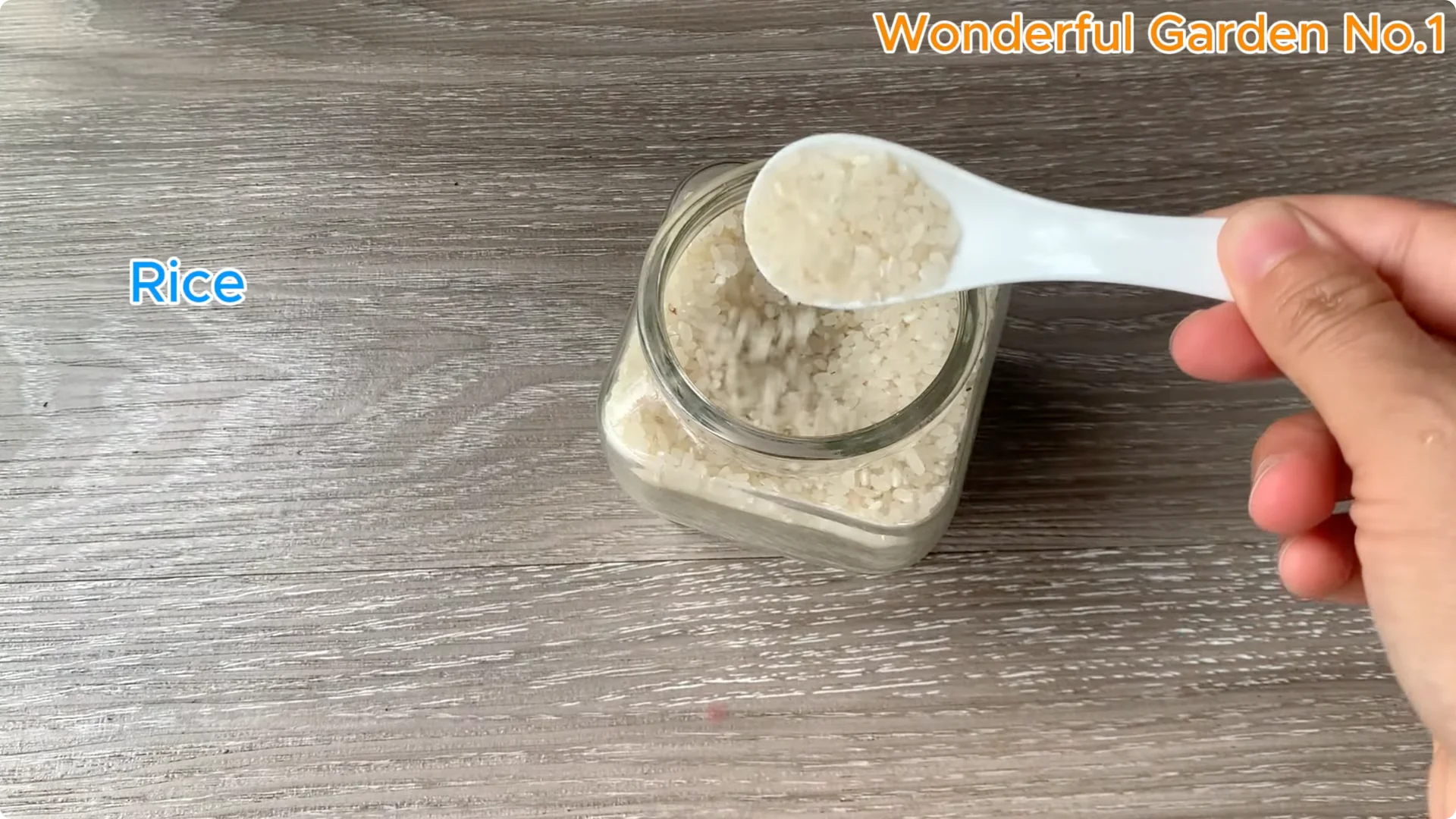
1. Rice water base
Take 2 tablespoons of white rice and put it in a clean cup. Add about 300 milliliters of warm water at around 40 degrees Celsius, similar to tea water. Soak for 30 minutes to let nutrients from the rice seep into the water.
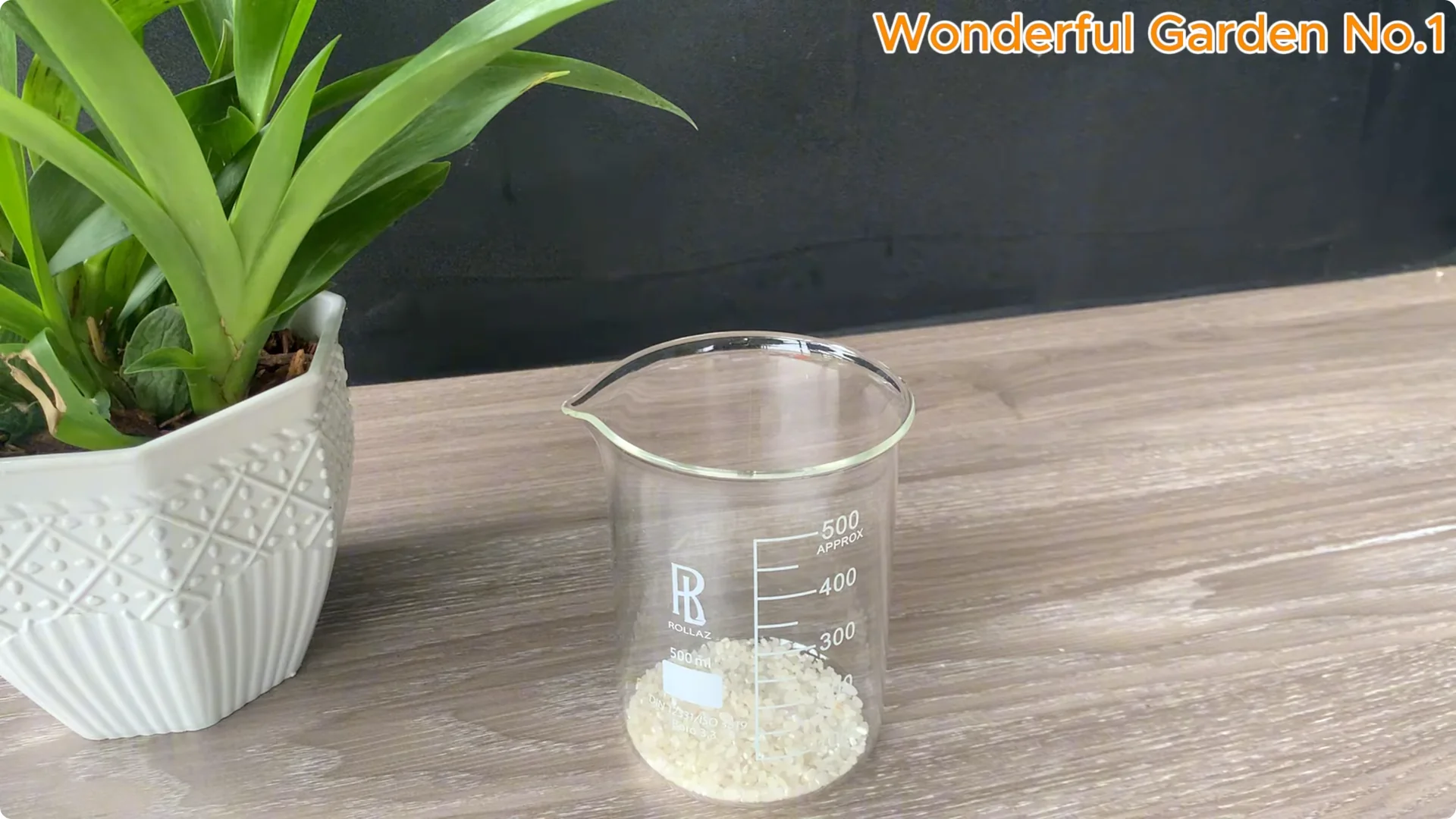
This rice water contains natural vitamins and minerals. It becomes the first life source to help the rose branch take root healthily. Keep the mixture clean to avoid contamination.
2. Add oranges and garlic
Use oranges, a familiar kitchen ingredient rich in vitamin C and antioxidants. Orange peels have natural antibacterial properties that help protect cuttings from mold and encourage new root growth. Peel the orange and cut the peel into small pieces to make it easier to puree.

Then add 3 cloves of garlic, fresh or dried. Garlic increases antibacterial ability and stimulates effective root growth. Peel and chop the garlic so it blends well.
3. Blend and filter
After 30 minutes of soaking, filter out the rice residue and keep only the clear, light, vitamin-rich water. Add the orange peel and chopped garlic to a blender along with the filtered rice water. Blend until smooth and well combined.

Filter out the residue and keep only the clear solution. This is the complete rooting stimulant solution. It provides natural nutrients from rice and strong antibacterial and antifungal properties from garlic and orange peel.
This helps prevent cuttings from rotting while stimulating roots to grow quickly and healthily. It also supports sustainable development of young roots. Keep the solution fresh for best results.
Read More: techniques to grow 100 rose roots overnight
4. Dilute for gentle use
Add 100 milliliters of filtered water to dilute the mixture. This makes the solution gentler and easier to penetrate into the cuttings. It creates an ideal environment for healthy root growth without irritation.

Rose Cutting Propagation: Prepare the Cuttings
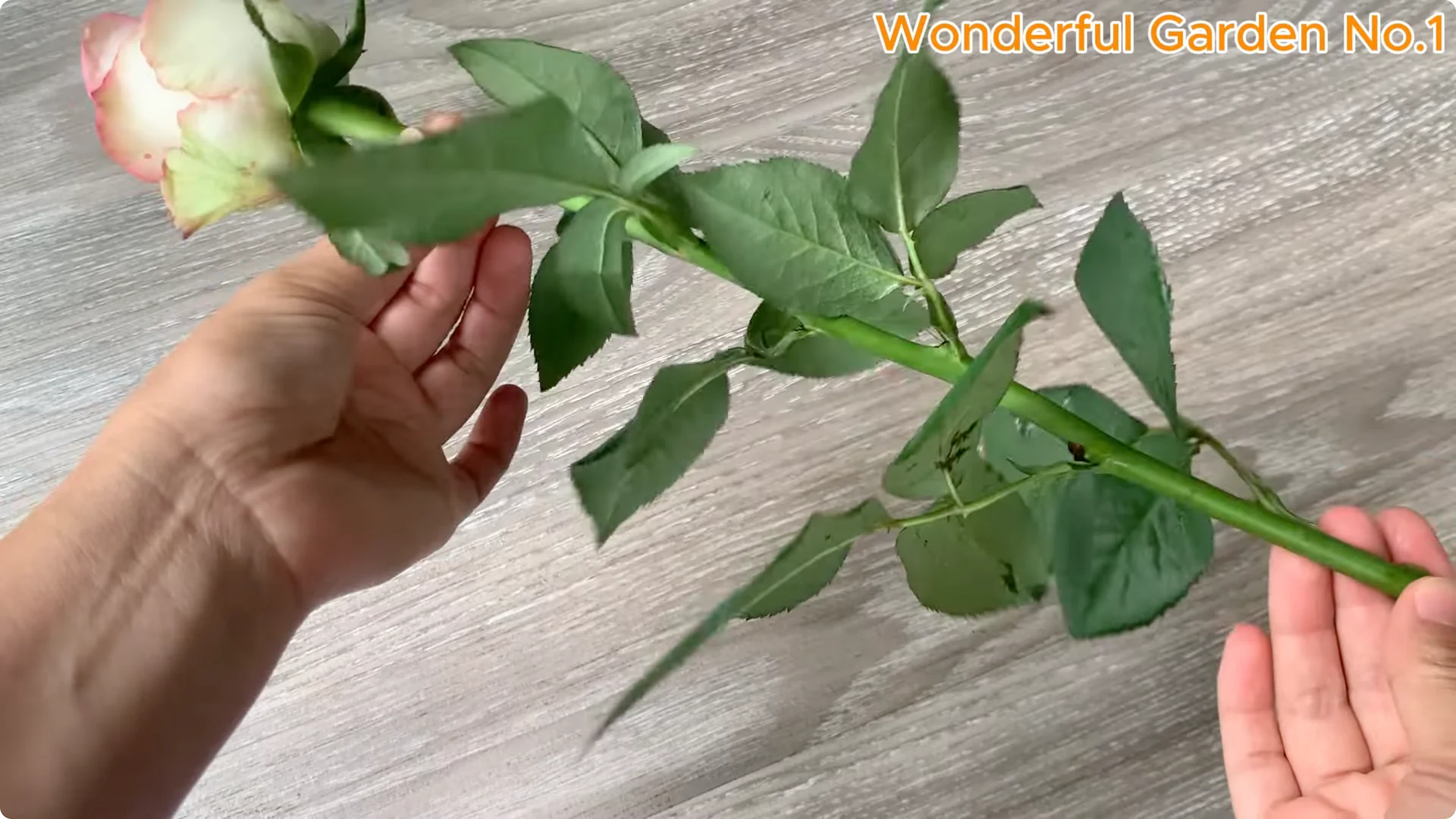
Choose healthy, disease-free branches that are 15 to 20 cm long. This size helps the branches root and grow well. Avoid weak or flowering stems at this stage.
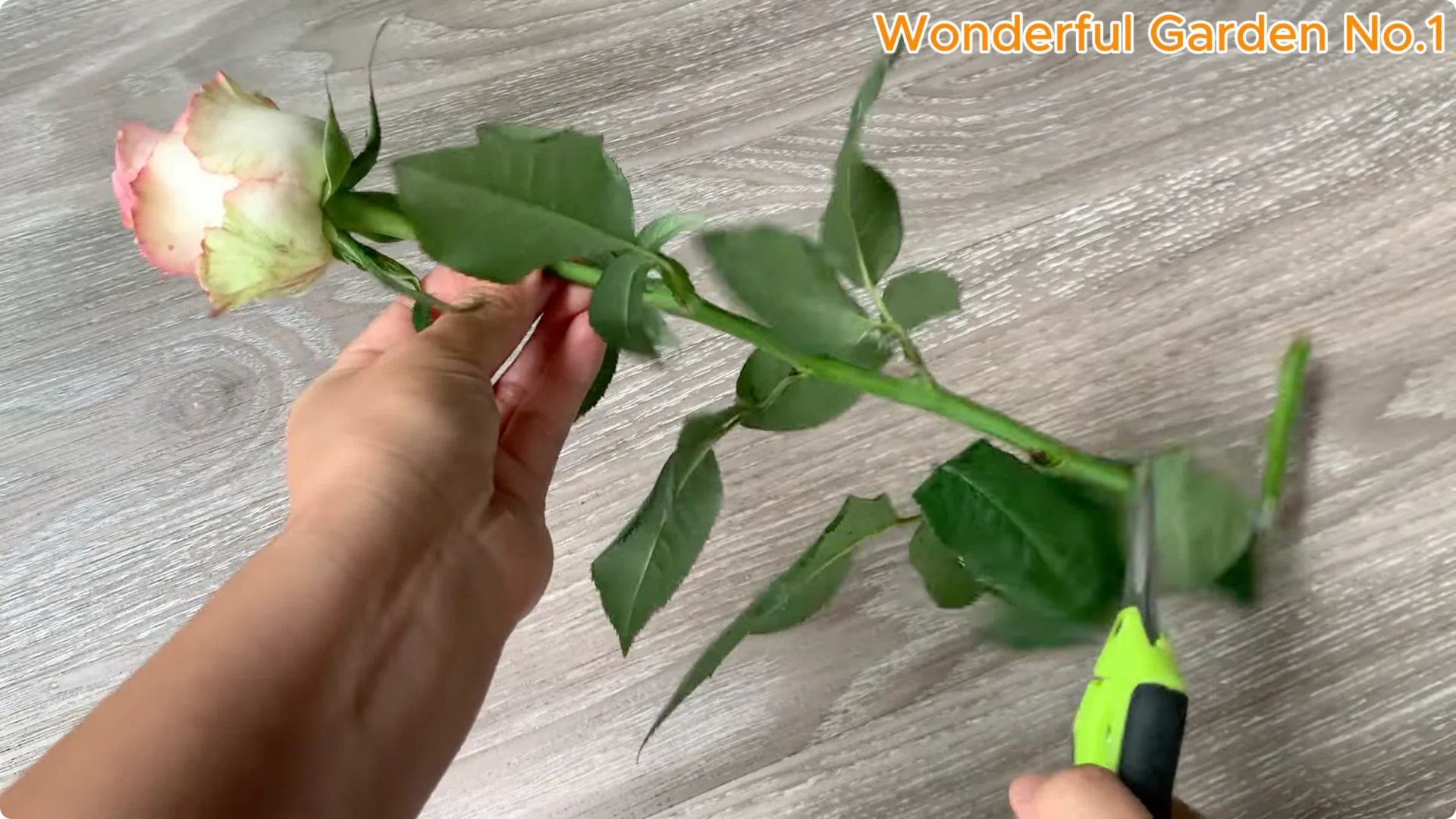
Remove all the lower leaves from the cuttings. This minimizes water evaporation and prevents mold while soaking in the solution. Keep a few leaves at the top if they do not crowd the stem.
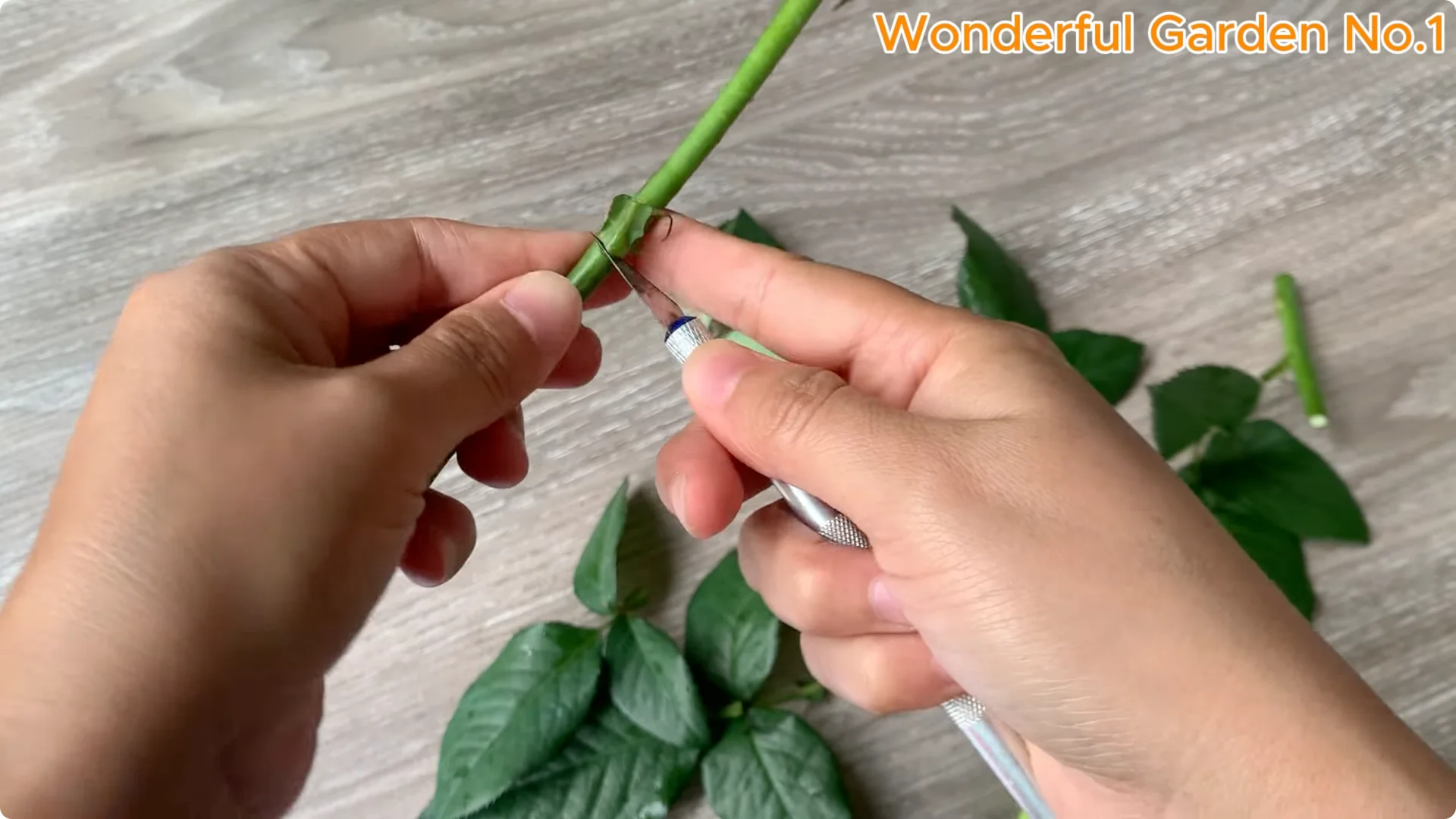
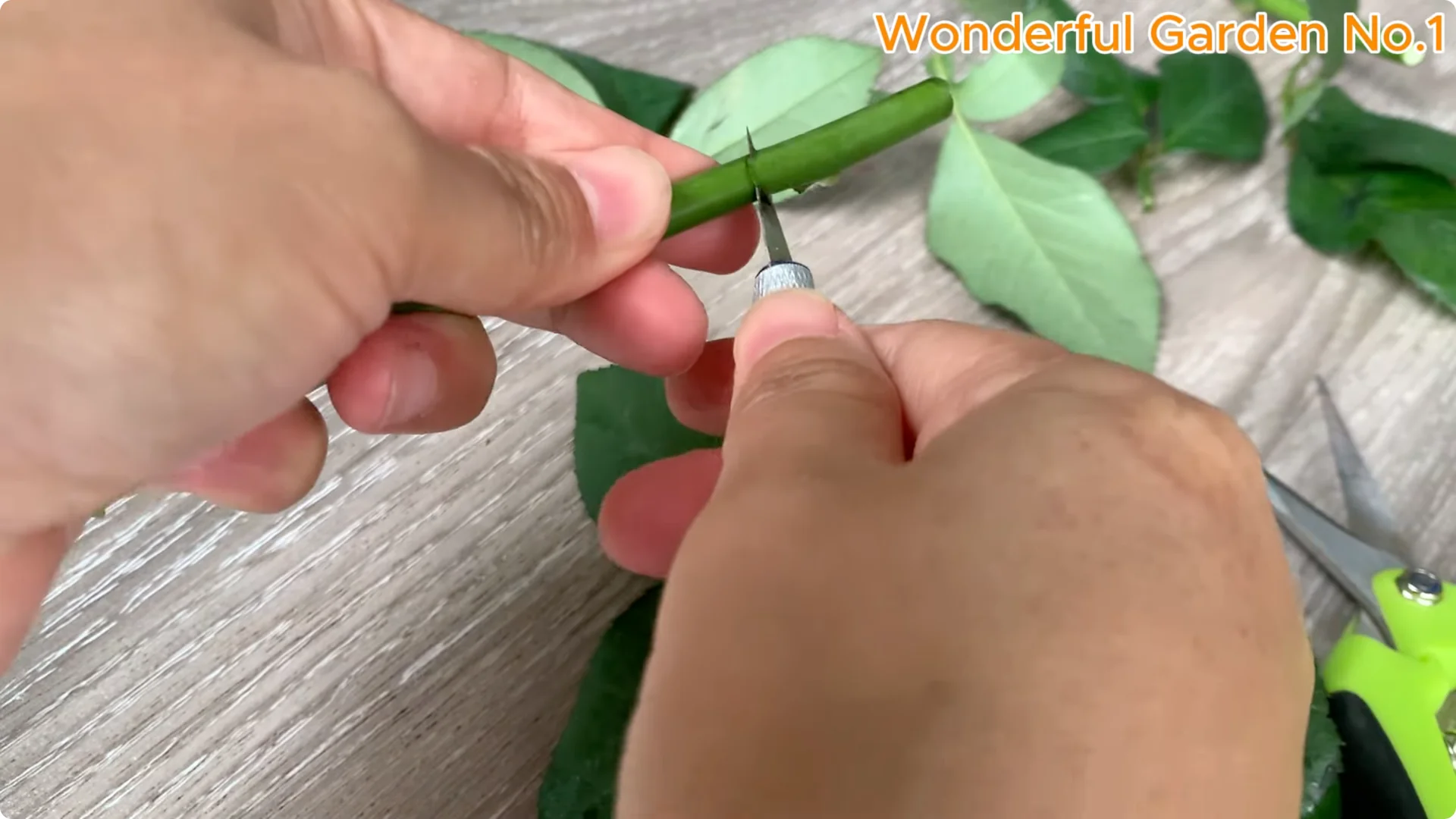
Use a sharp knife to cut the base of the branch at a 45 degree angle. This increases the surface area exposed to the solution. It helps the branch absorb nutrients more easily.
Finally, soak the trunk and lower part of the branches in the rooting solution. Allow the nutrients to penetrate deep into the cells. This stimulates young roots to grow healthily and quickly.

Read More: grow 1001 rose roots from cuttings
Rose Cutting Propagation: Plant in Coconut Fiber
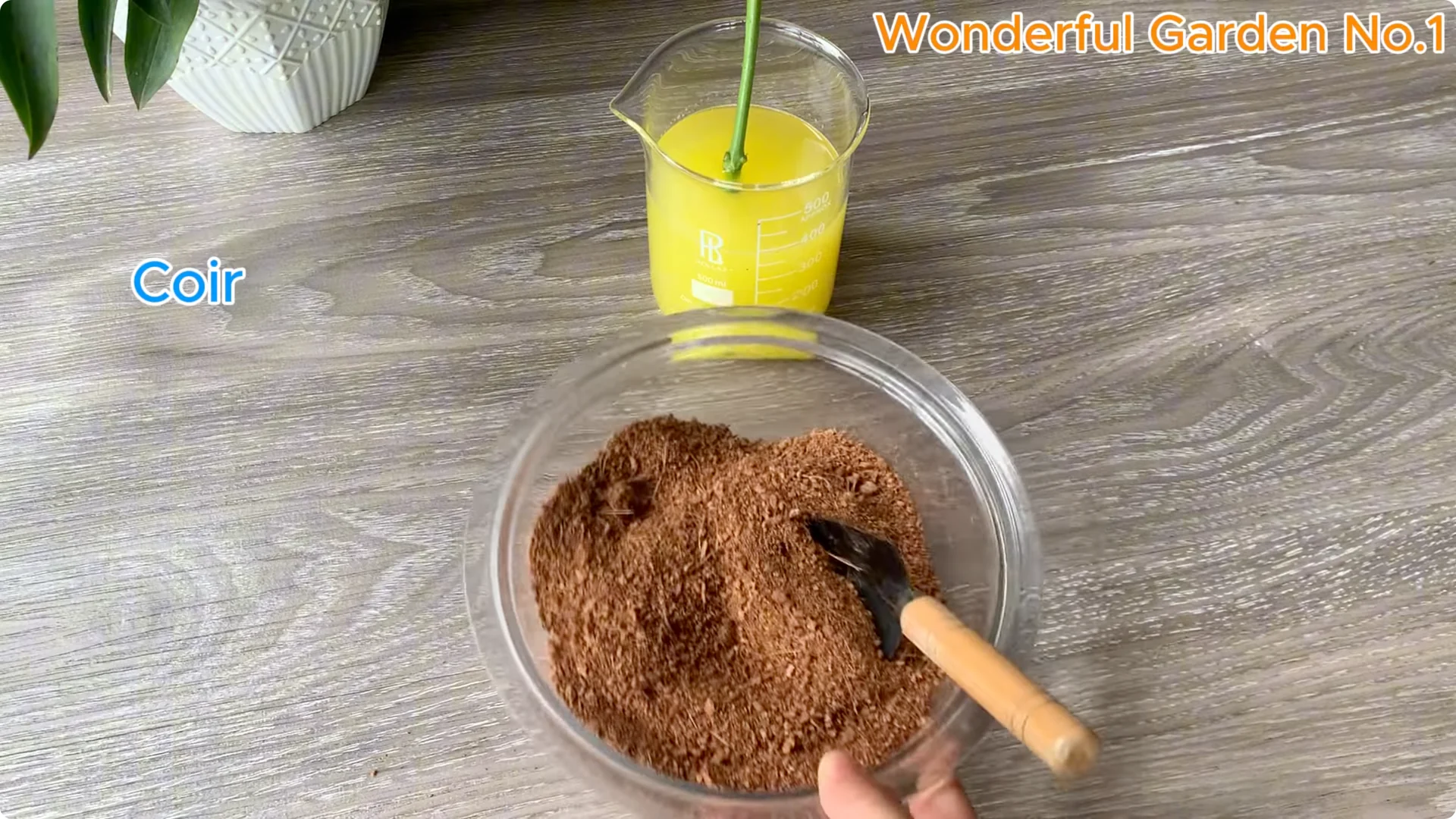
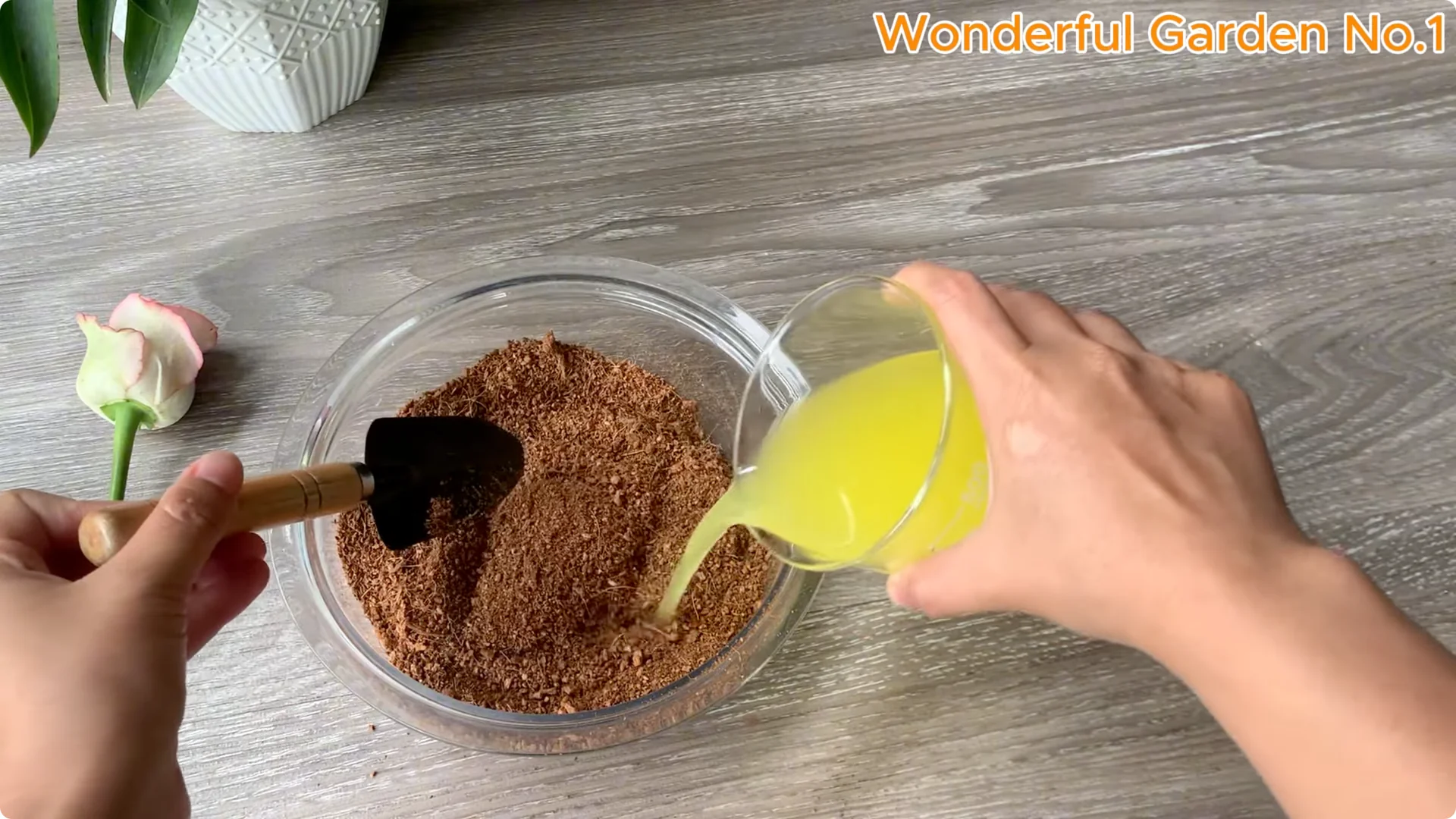
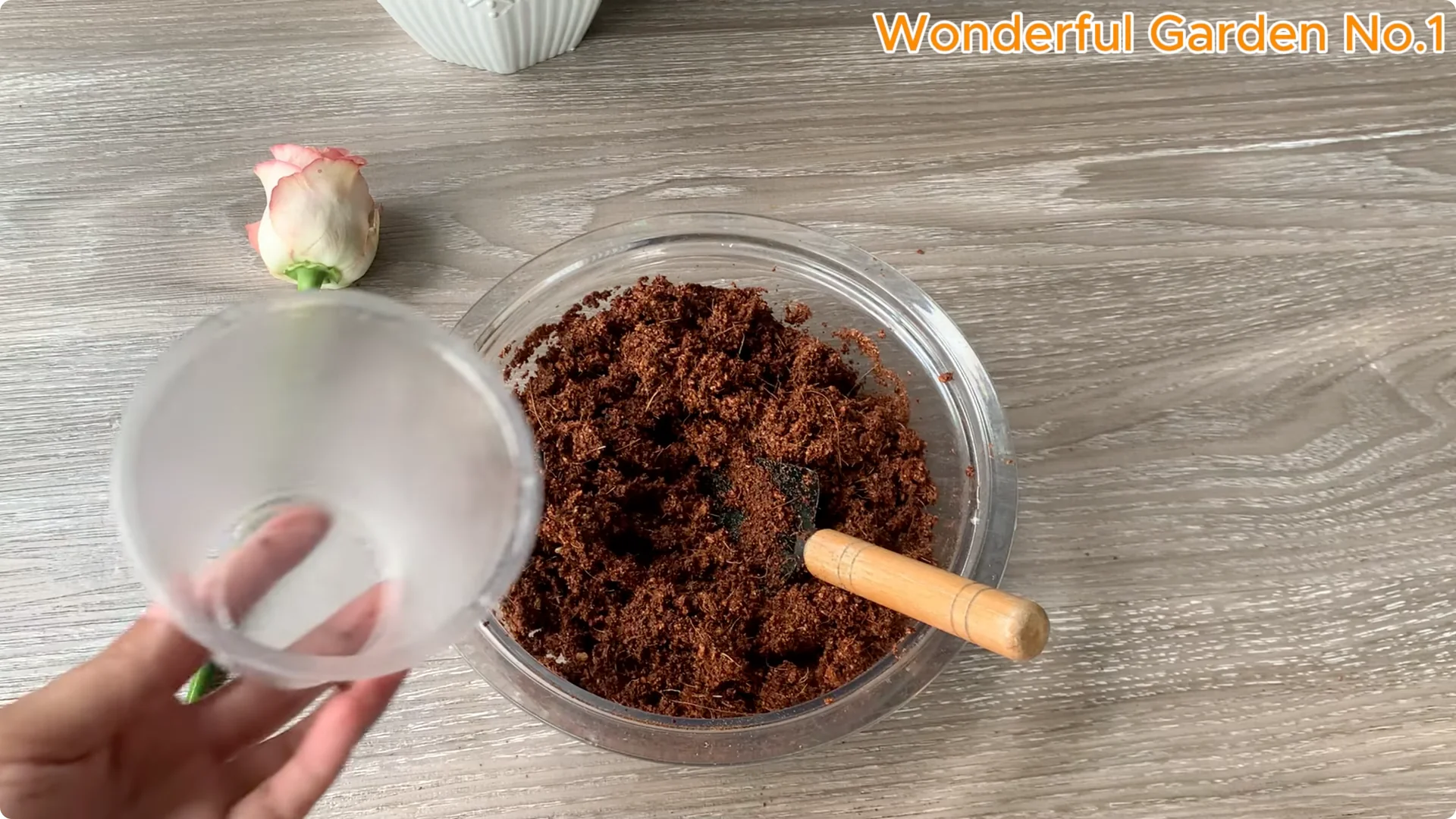
Use treated, disease-free, well-ventilated coconut fiber. Coconut fiber helps retain moisture, circulate air, and facilitate natural root growth. Moisten the coconut fiber with the rooting solution you just mixed.
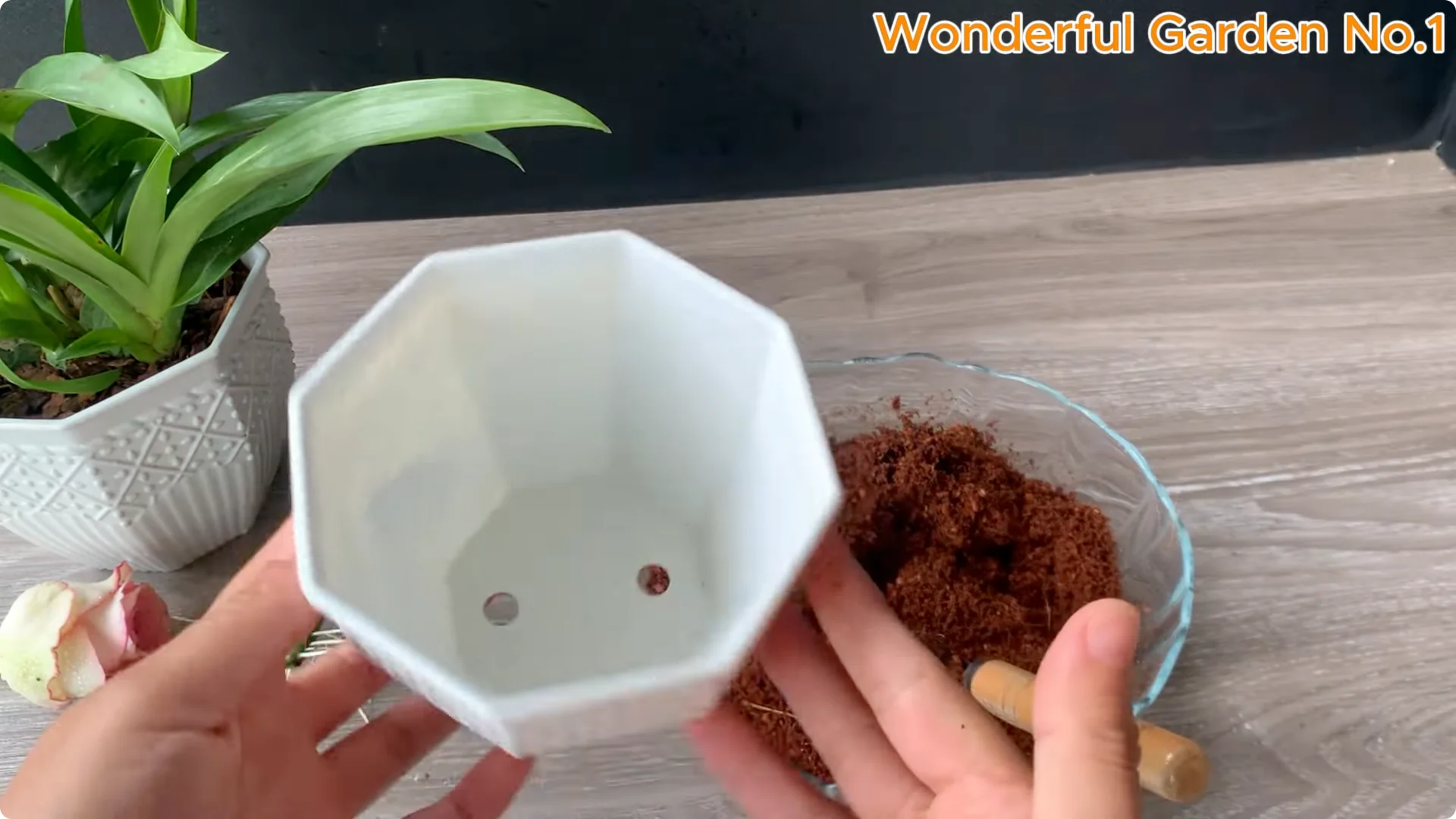
Place the moistened fiber in a plastic cup with drainage holes. Good drainage prevents waterlogging and rotting. A clear cup can help you monitor moisture and roots.
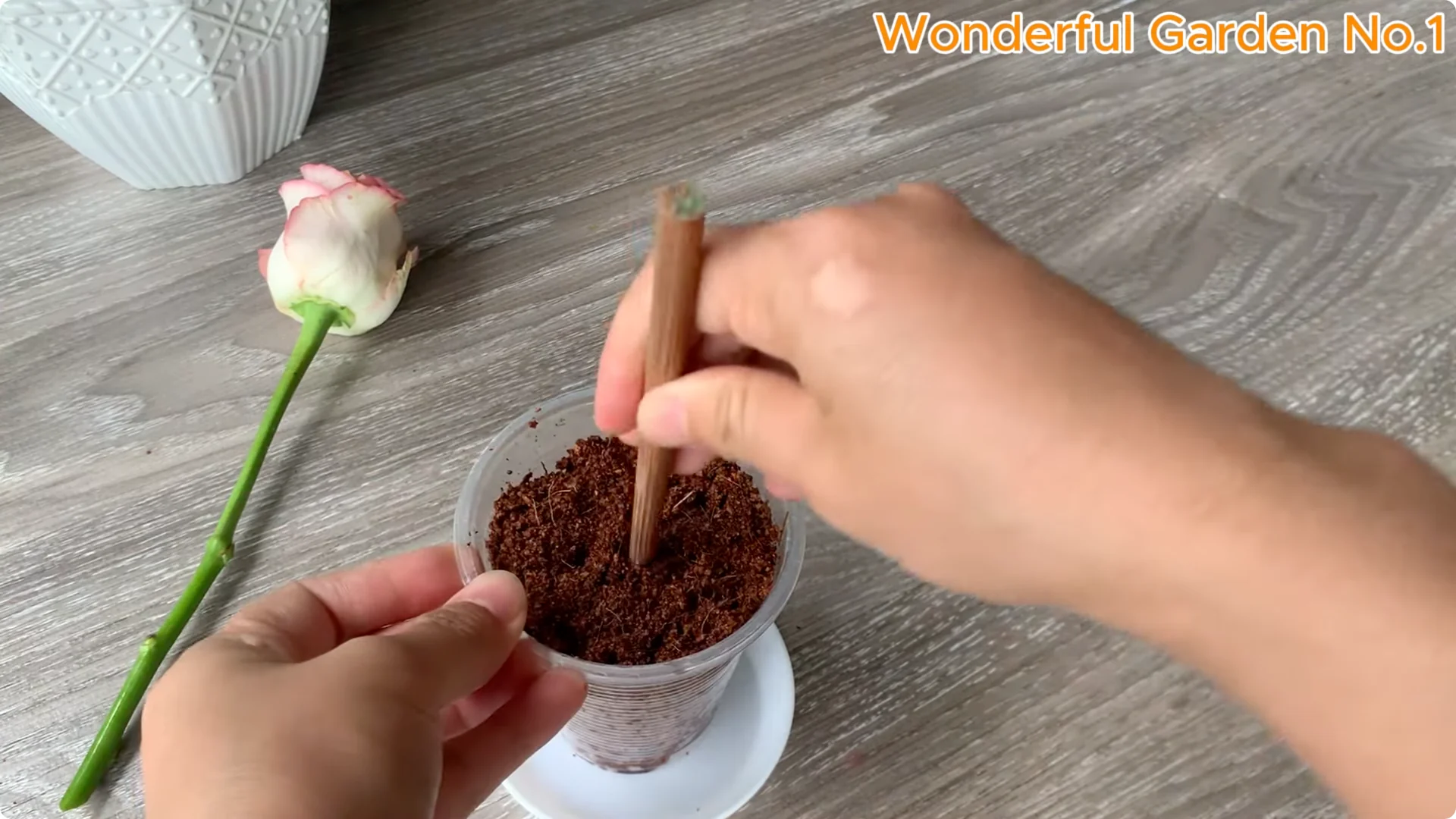
Use a small stick to make a hole in the middle of the cup. Gently insert the rose stem into the hole. Make sure the leaf nodes are on the outside of the container, as this is where new growth will appear.
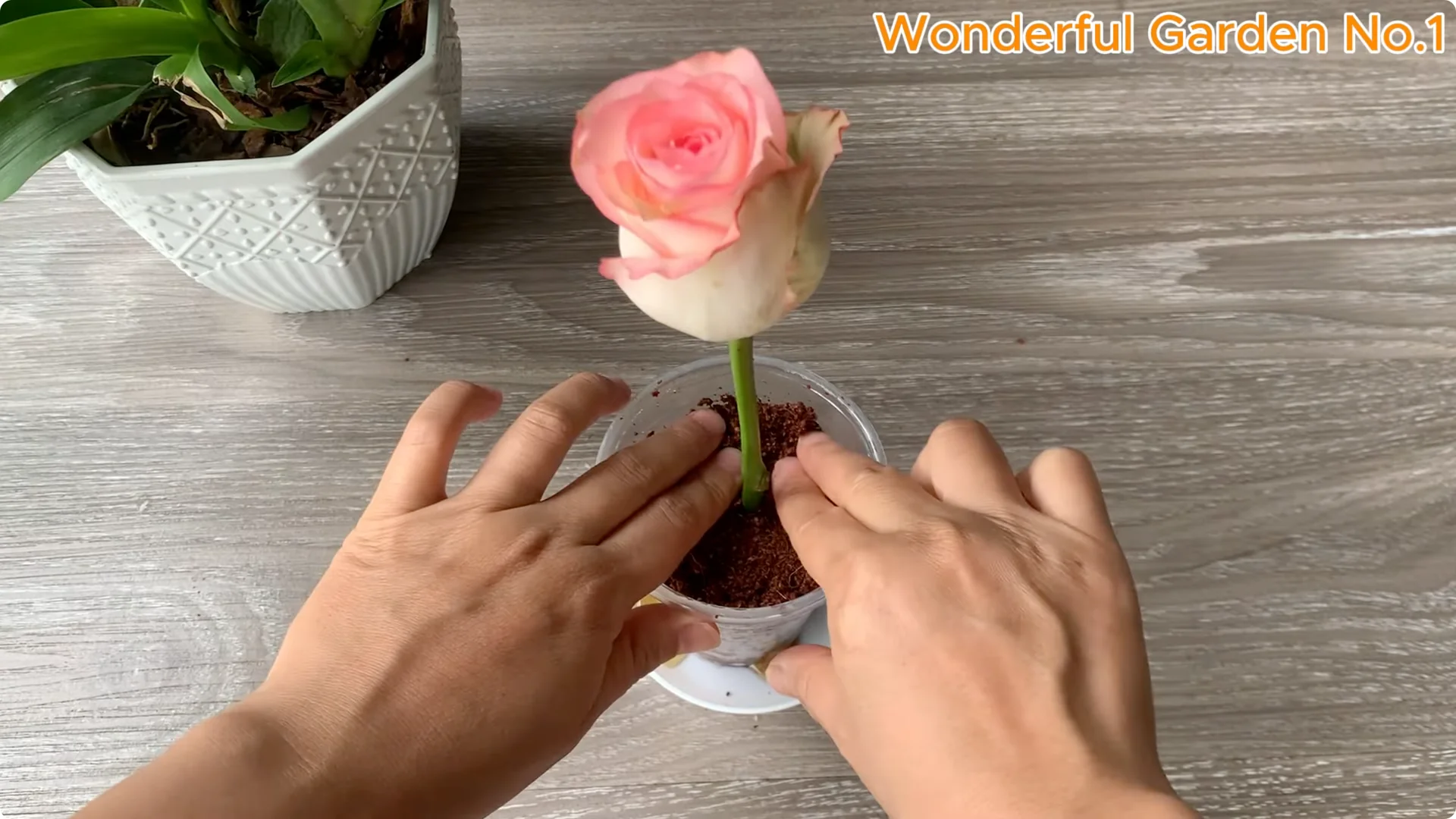
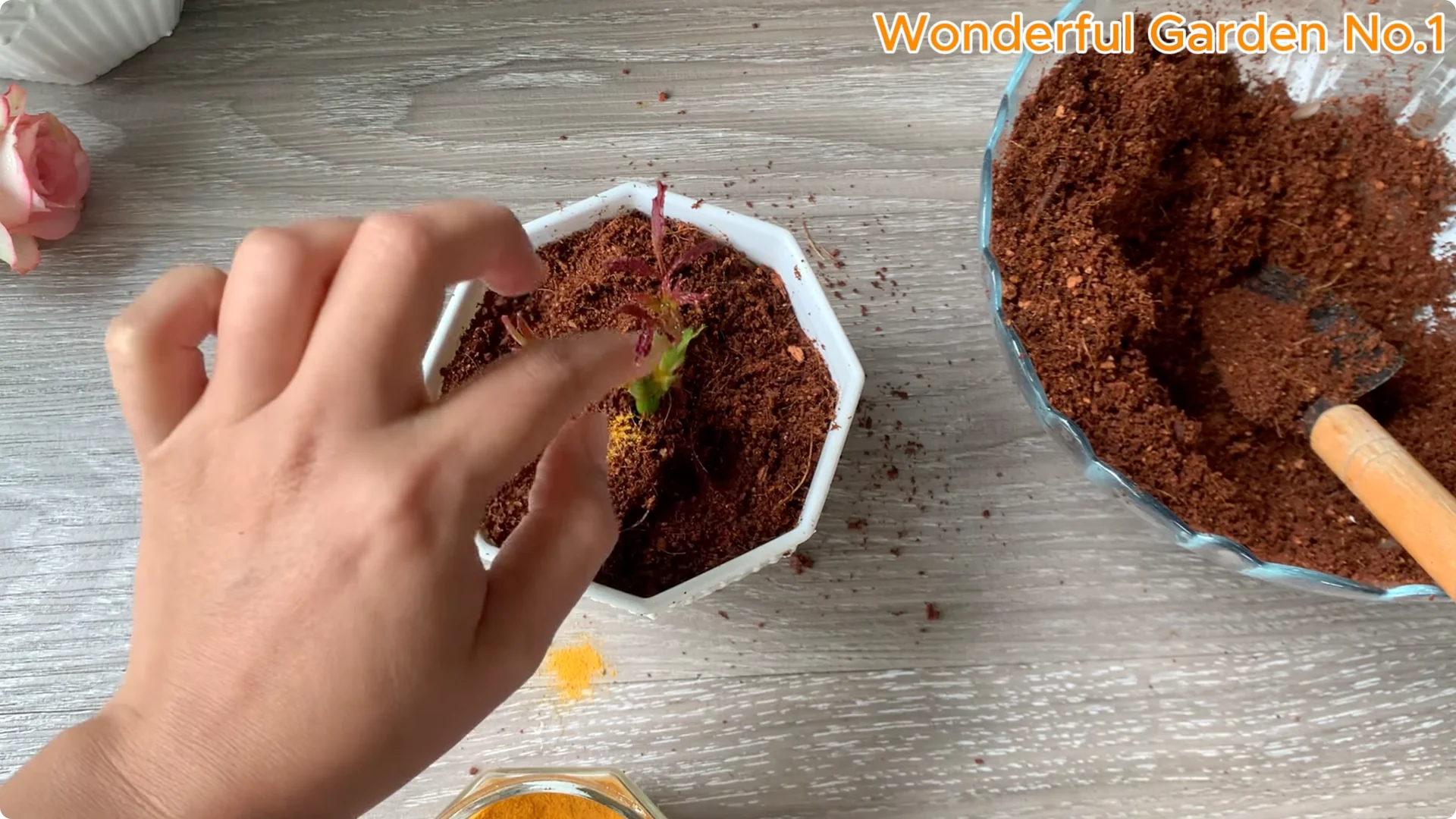
Gently pack the coconut fiber around the base to secure the branch. Keep it firm but still airy to allow ventilation for root growth. Avoid compressing the medium too tightly.
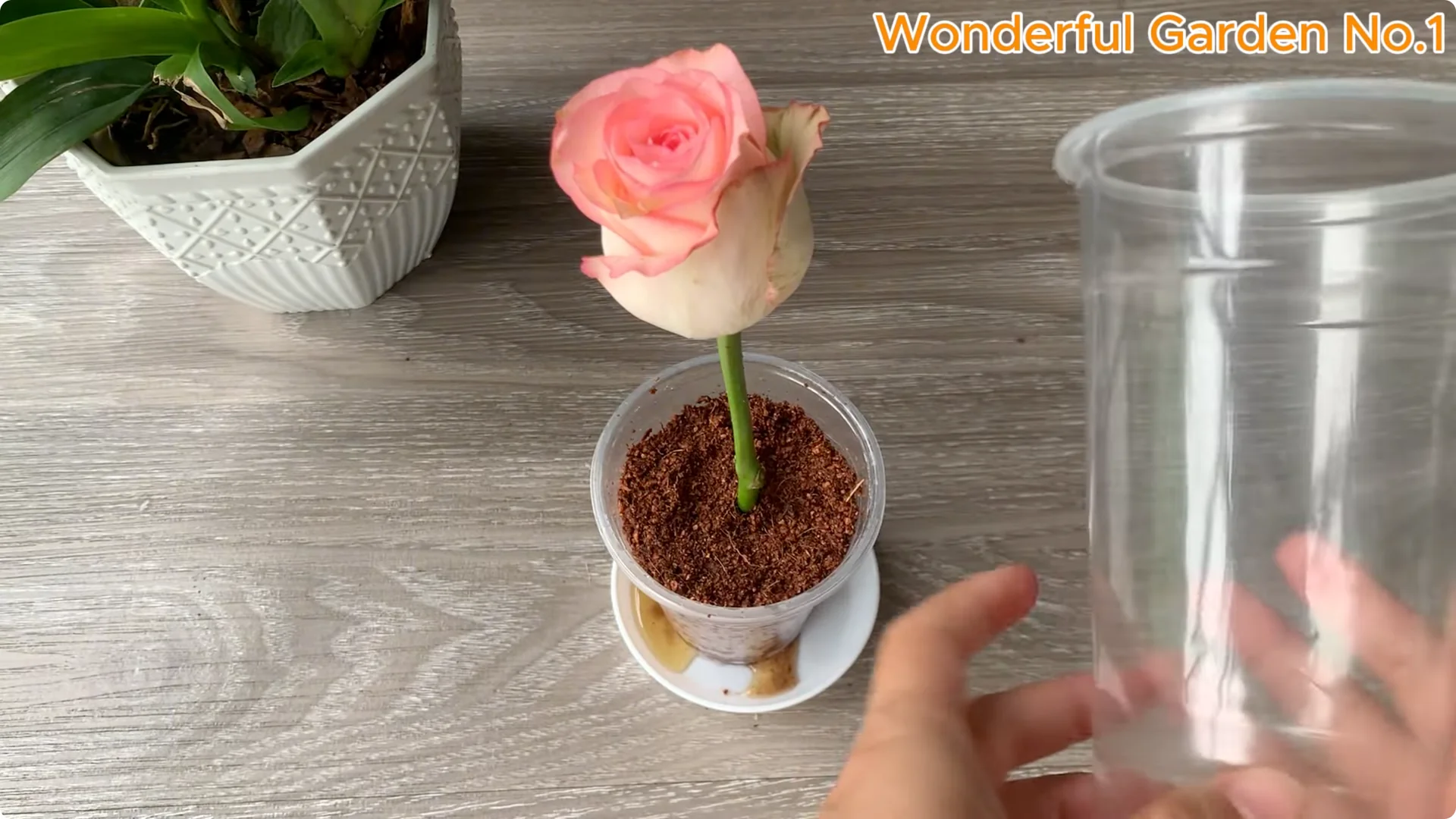
Use a large upside-down plastic cup to create a greenhouse effect. This keeps humidity stable and protects the cutting from wind and direct sunlight. It also reduces water loss while roots form.
Place the cutting in a cool, indirect light spot. Check the moisture regularly. The coir should be moist but not soggy.
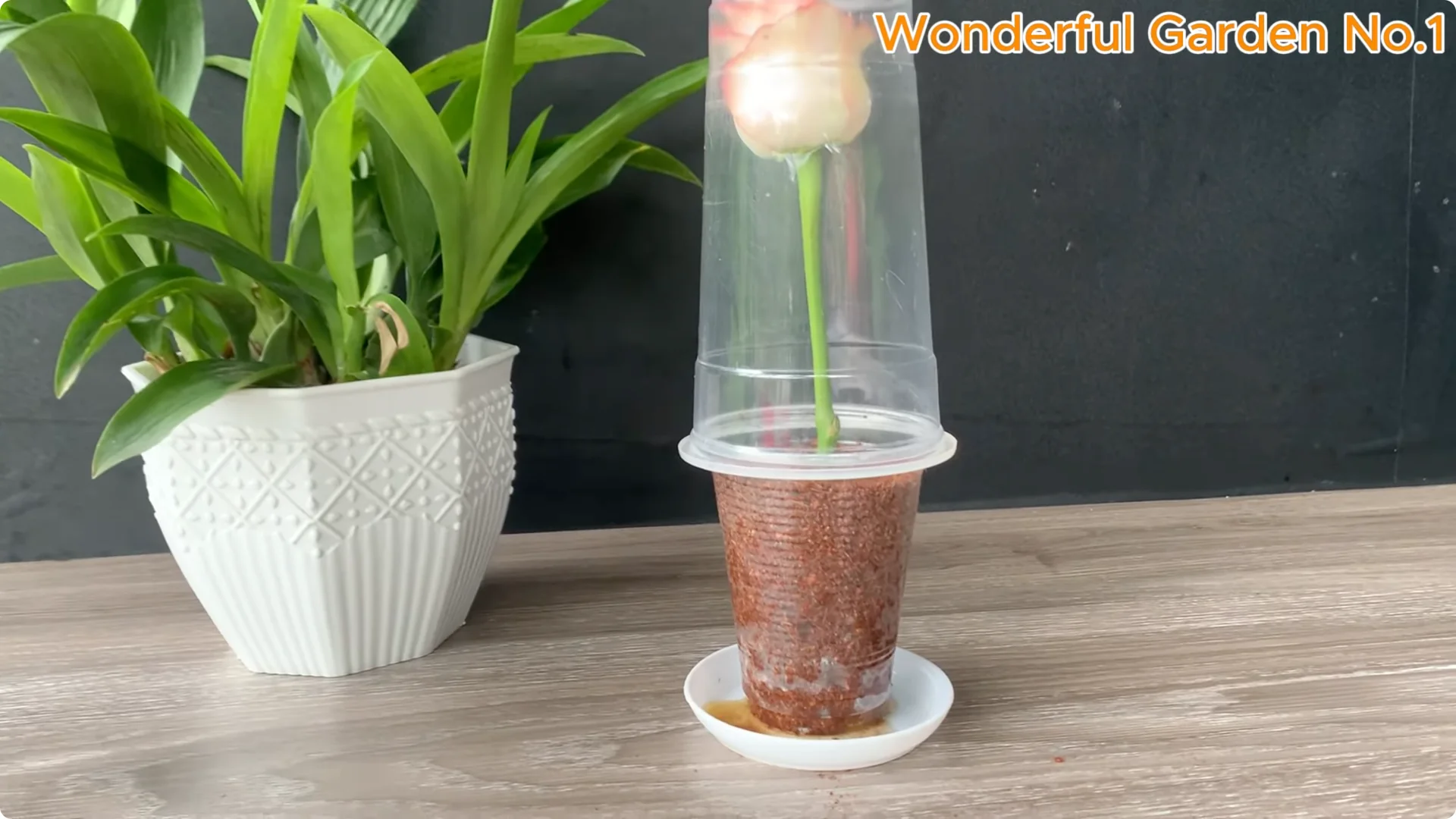
After about 15 to 20 days, if humidity and light are stable, small white roots will appear around the base of the cutting. This is a great sign that life is sprouting. At the upper leaf nodes, green buds gradually appear like the first greeting of a new flower to the world.
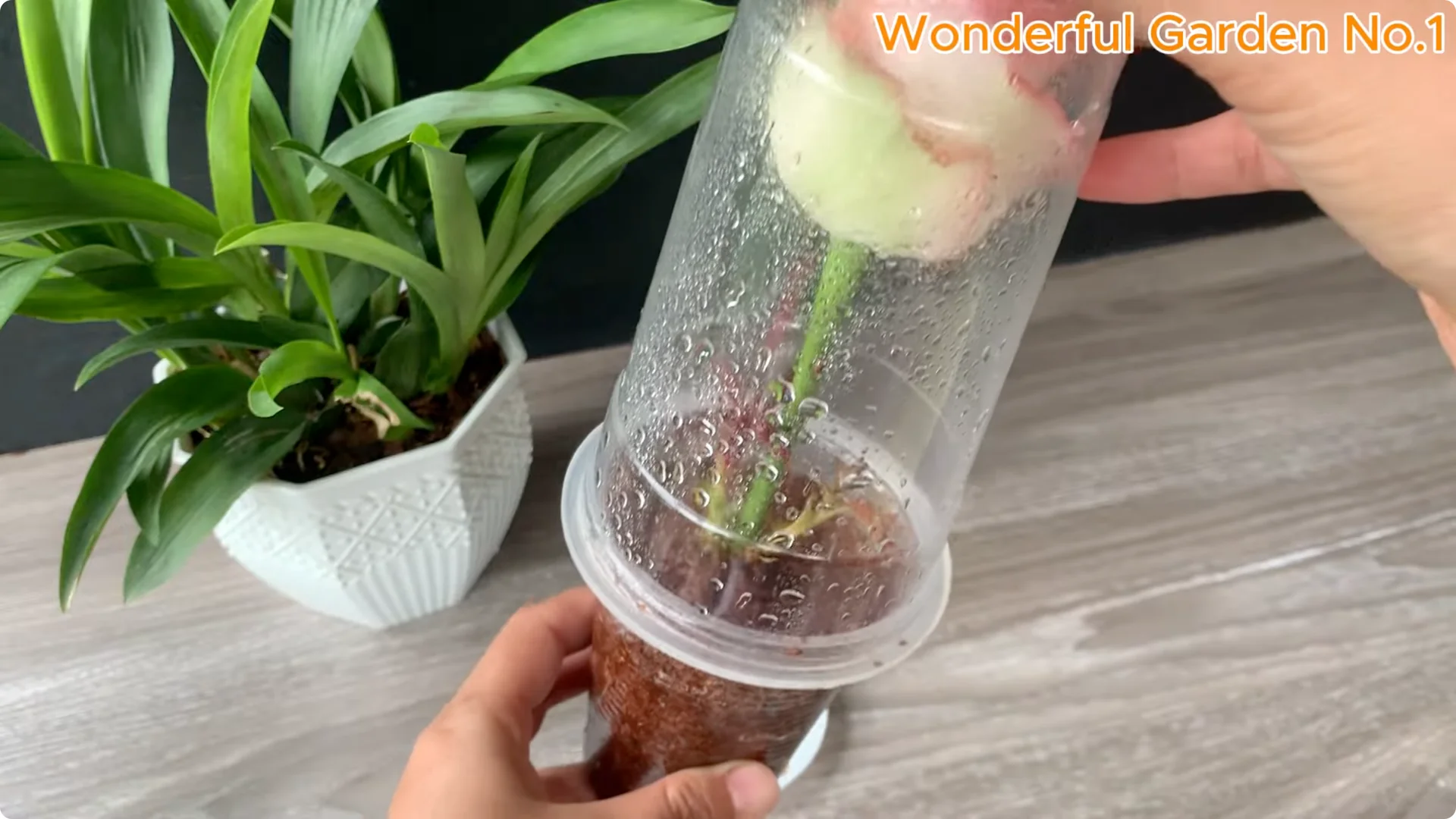
For a deeper boost in root mass, see how to turn one rose cutting into hundreds of roots. This pairs well with the natural solution above. It can help you scale results with simple tweaks.
Rose Cutting Propagation: Potting Up and Transition
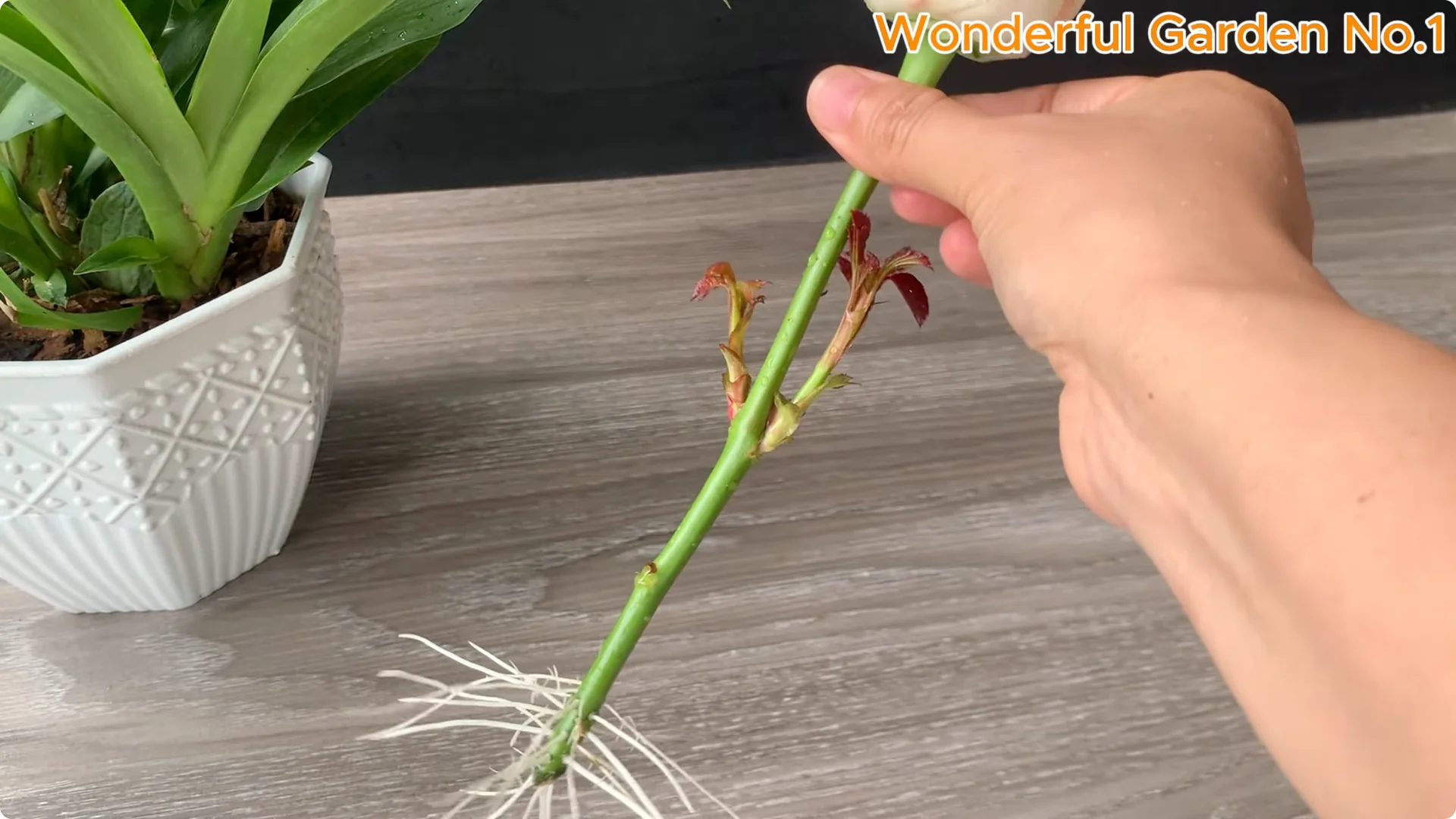
Once the roots are long enough and the shoots have developed well, transfer the plant to a larger pot. This helps the plant gradually get used to a new environment before going into the ground. Handle the young roots gently.
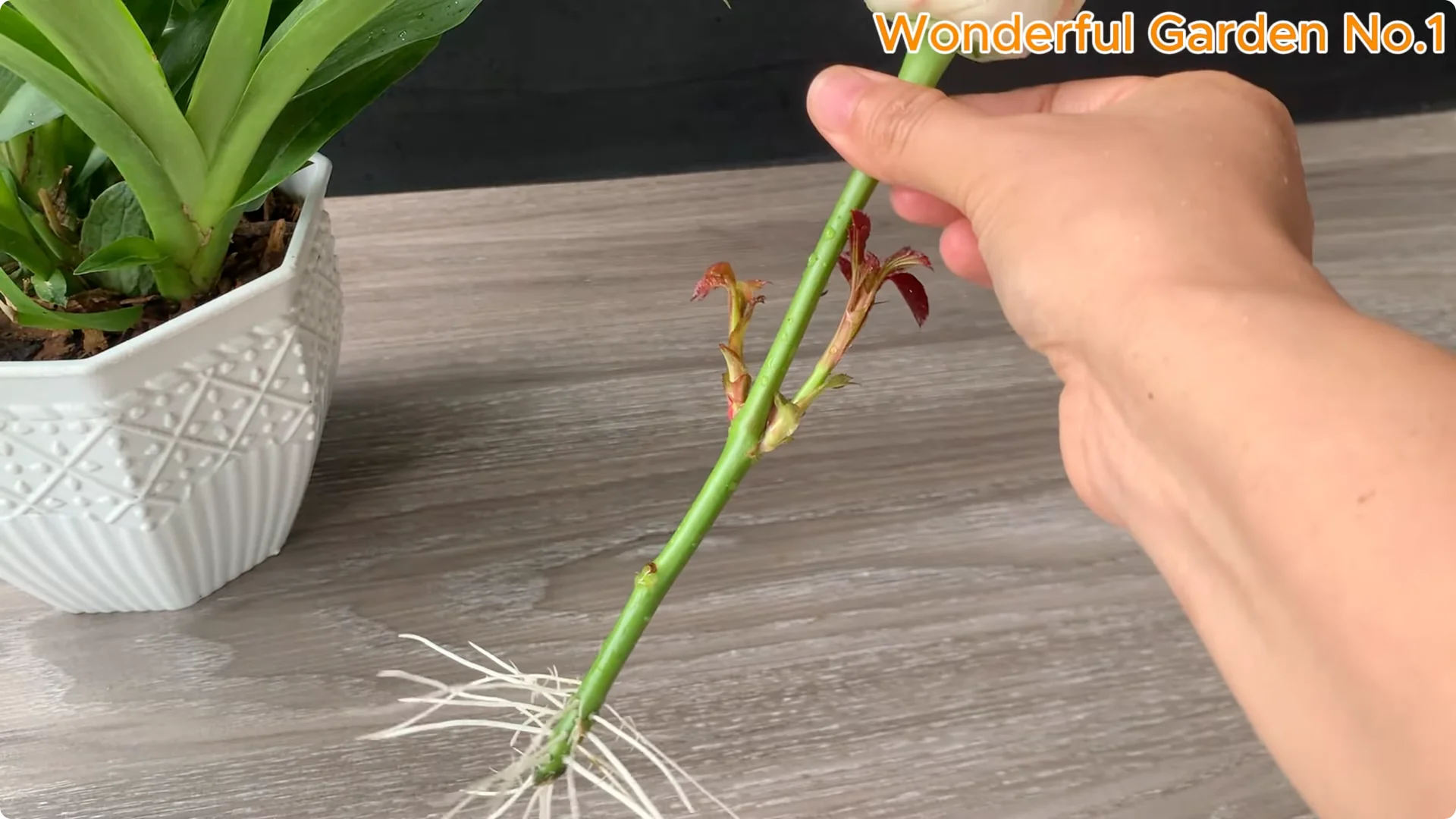
Prepare a pot with good drainage holes. Use a loose organic soil mix, and add some coconut coir or worm castings to increase ventilation and nutrients. Avoid heavy, compacted soil.
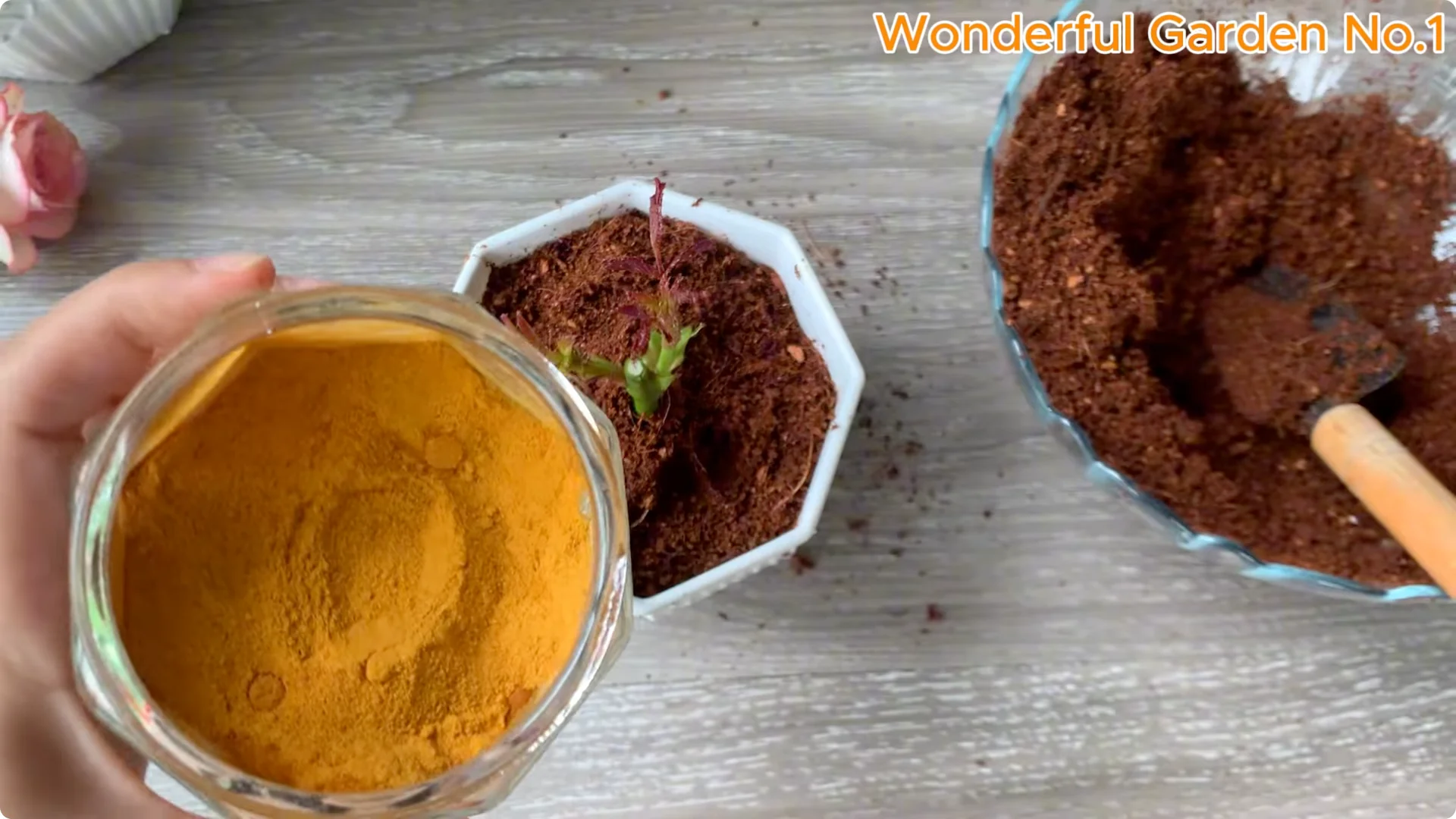
You can apply a little turmeric powder on the cut. Turmeric has natural antibacterial and antifungal properties. It helps protect the cutting from bacteria and prevents root rot.
Place the potted plant in a cool place away from direct sunlight for the first few days. Let it establish and grow well. When it is stronger, transplant it into the garden to allow it to grow naturally.
Final Thoughts
From simple kitchen ingredients and gentle steps, a new journey begins for a rose branch. The process may be slow, but it is full of life. Care, patience, and a natural touch bring beautiful results.