
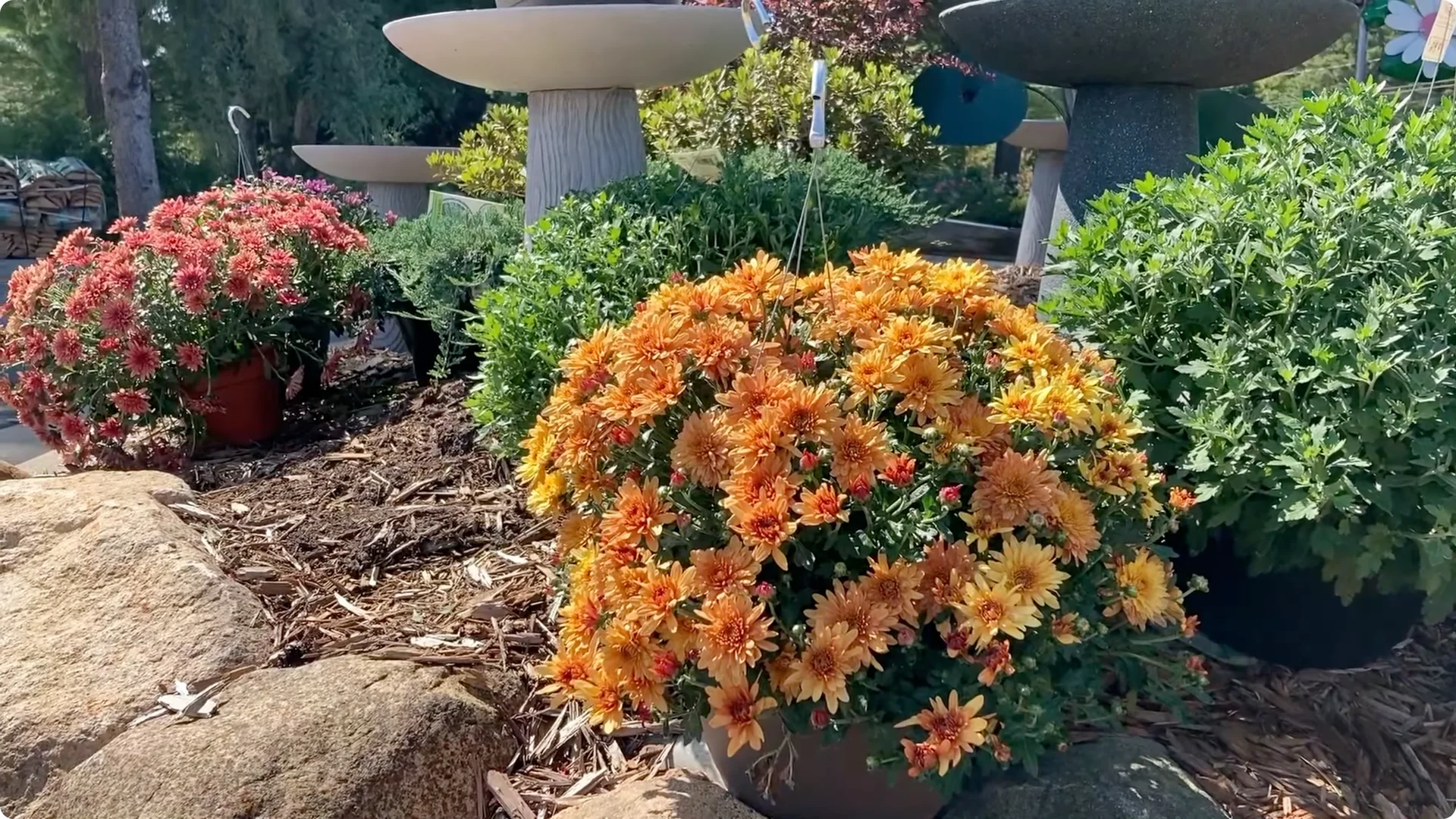
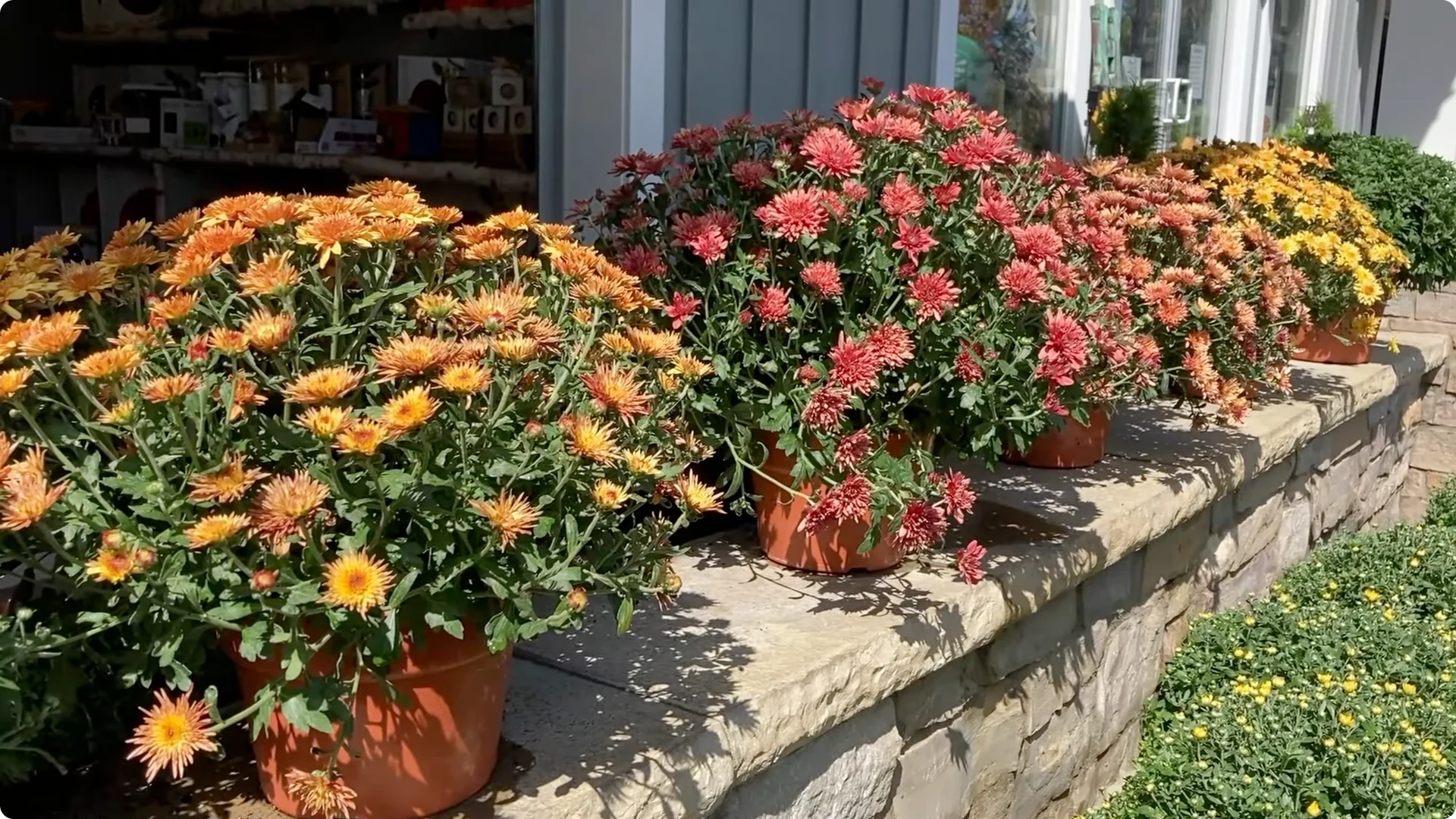
When you think of fall flowers and décor, you think pumpkins, corn stalks and of course, chrysanthemums. Mums are the quintessential fall flower. In fact, they are so popular that there are several festivals that celebrate this flower all across the United States in the autumn months.
However, these plants often get a bad rap. They are normally purchased and planted late in the growing season and even though they are marketed as perennials, they generally do not return again the next spring. If this sounds like your experience, I have some good news.
1. Fall Chrysanthemum Care: Basics
The key to successfully growing chrysanthemums is starting with the right type. Chrysanthemums are flowering herbaceous plants and some types are hardier than others. Are they annuals or perennials? Well, the answer is both.
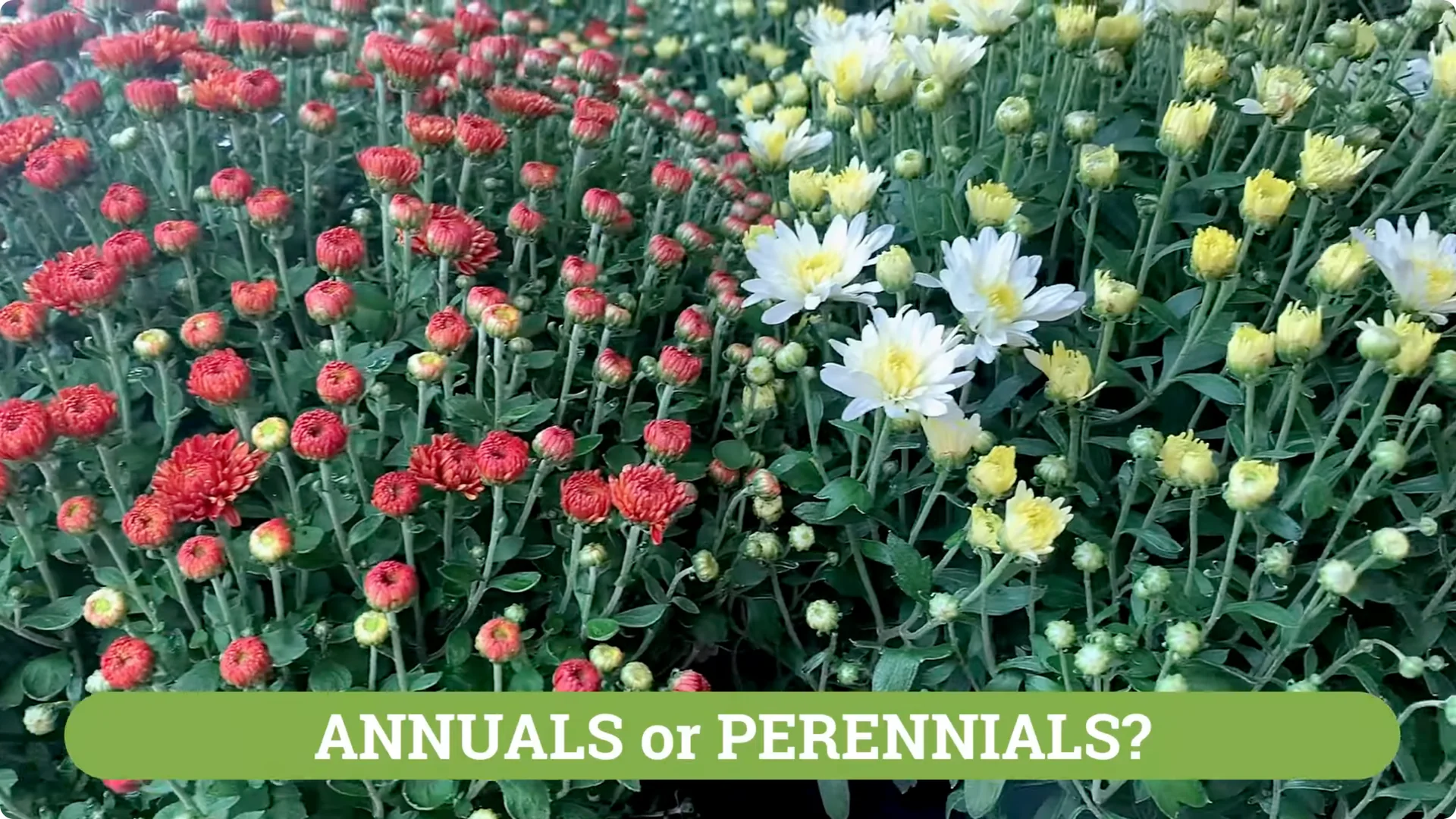
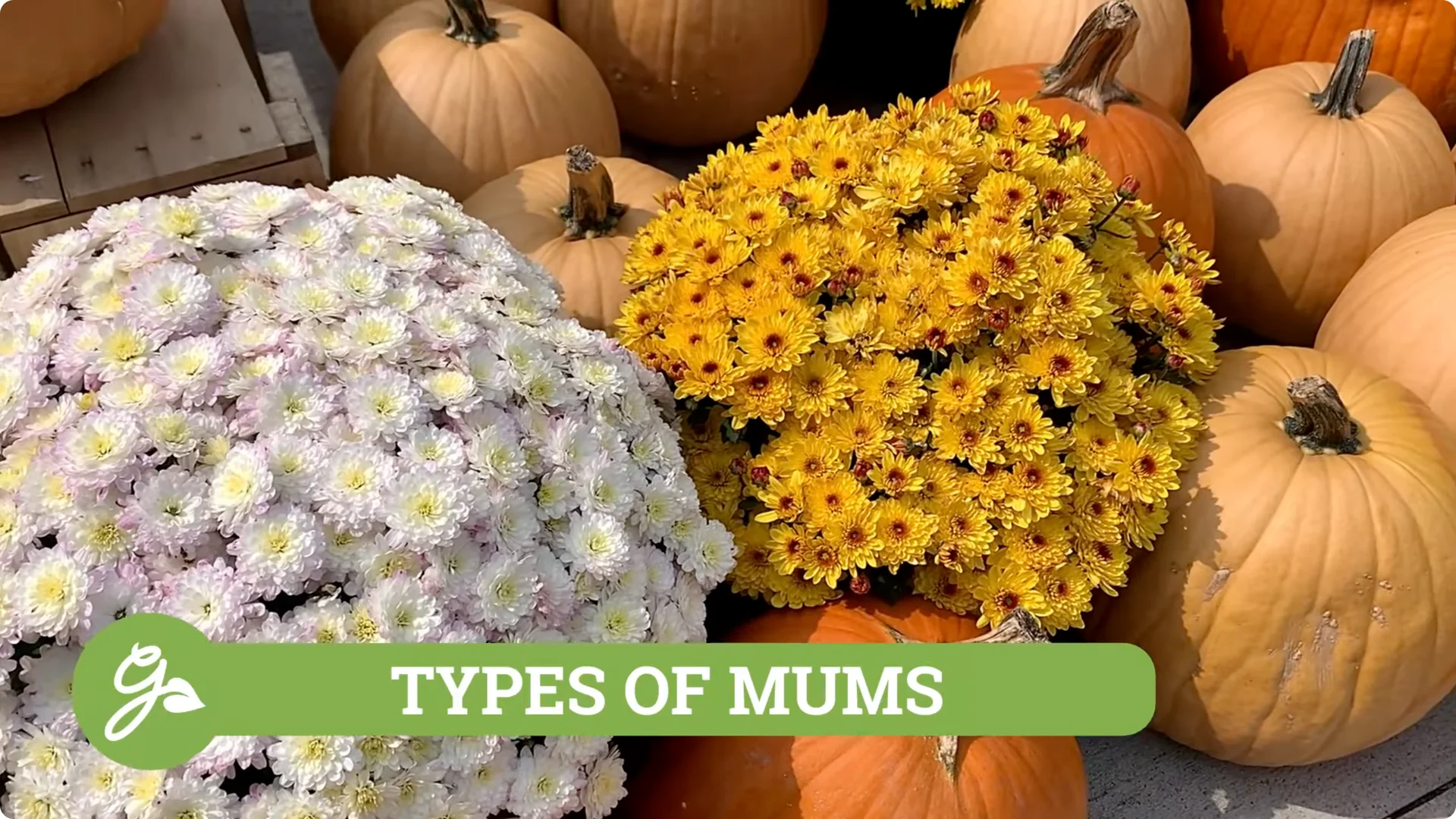
Hardy garden mums thrive in USDA zones 4 to 9 but the mums you buy at the garden center in the fall are just not as hardy as they used to be. All of their energy is devoted to blooming which makes for a showy plant with pretty fall color but it does not give the plant enough time to grow a good root system before winter arrives. Because of this, many mums have a short lifespan.

If you are just using your mums for seasonal color, then it may not matter if your plants are annual or perennial. However, it does seem like a shame to waste a perfectly good plant. How can you make sure your mums come back?
2. Fall Chrysanthemum Care: Planting Time
Plant them as early as possible. If you wait until they appear seemingly everywhere from grocery stores to garden centers to warehouse clubs, it may already be too late. Mums need at least 6 to 8 weeks to root into the ground to ensure winter survival.

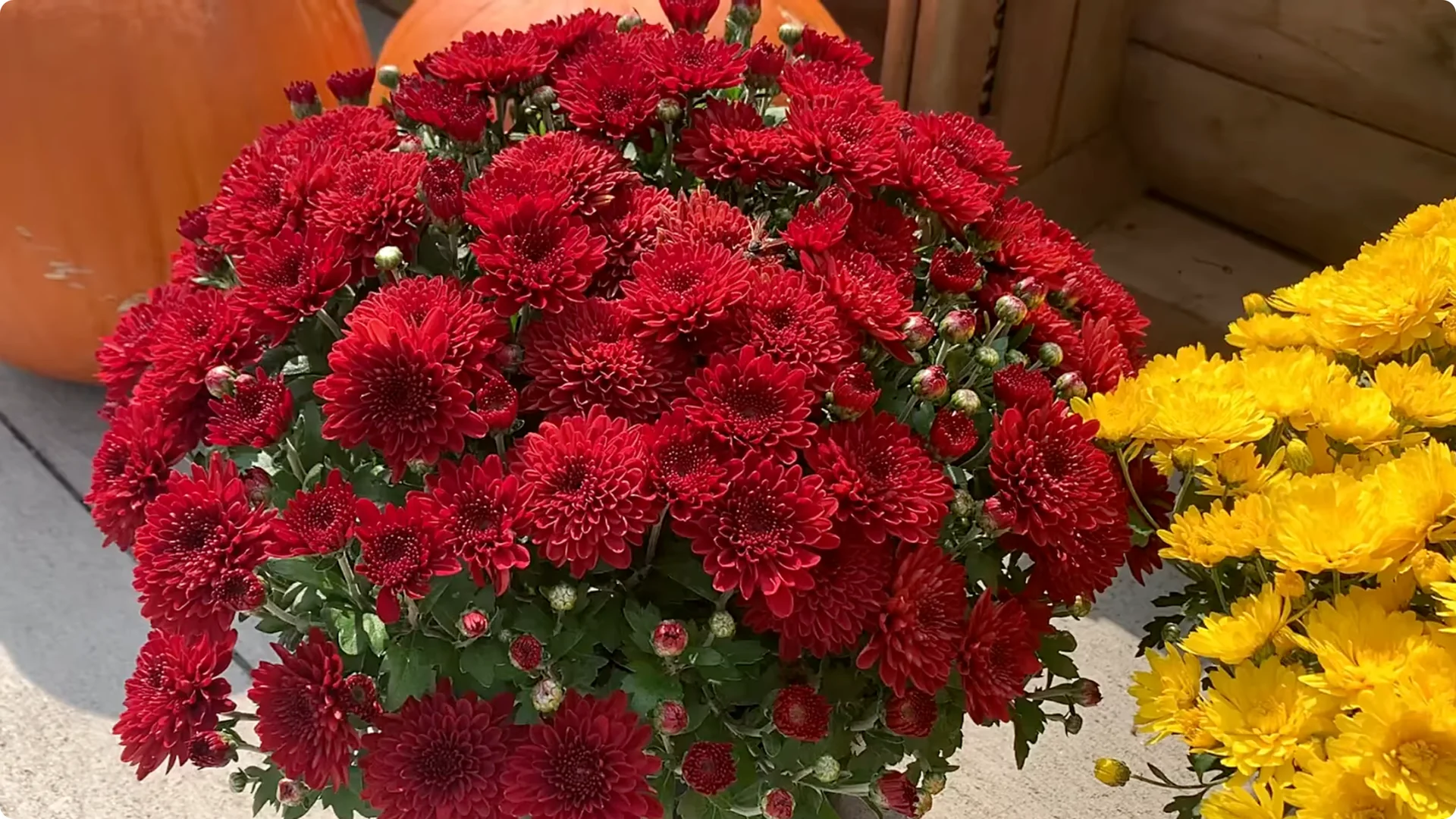
Even then, there may only be a 50 percent chance they survive, especially in cold climates. The best bet is to plant hardy chrysanthemums in the spring. While this is not the case for all garden centers, many plant shops do carry hardy mums in their perennial department.
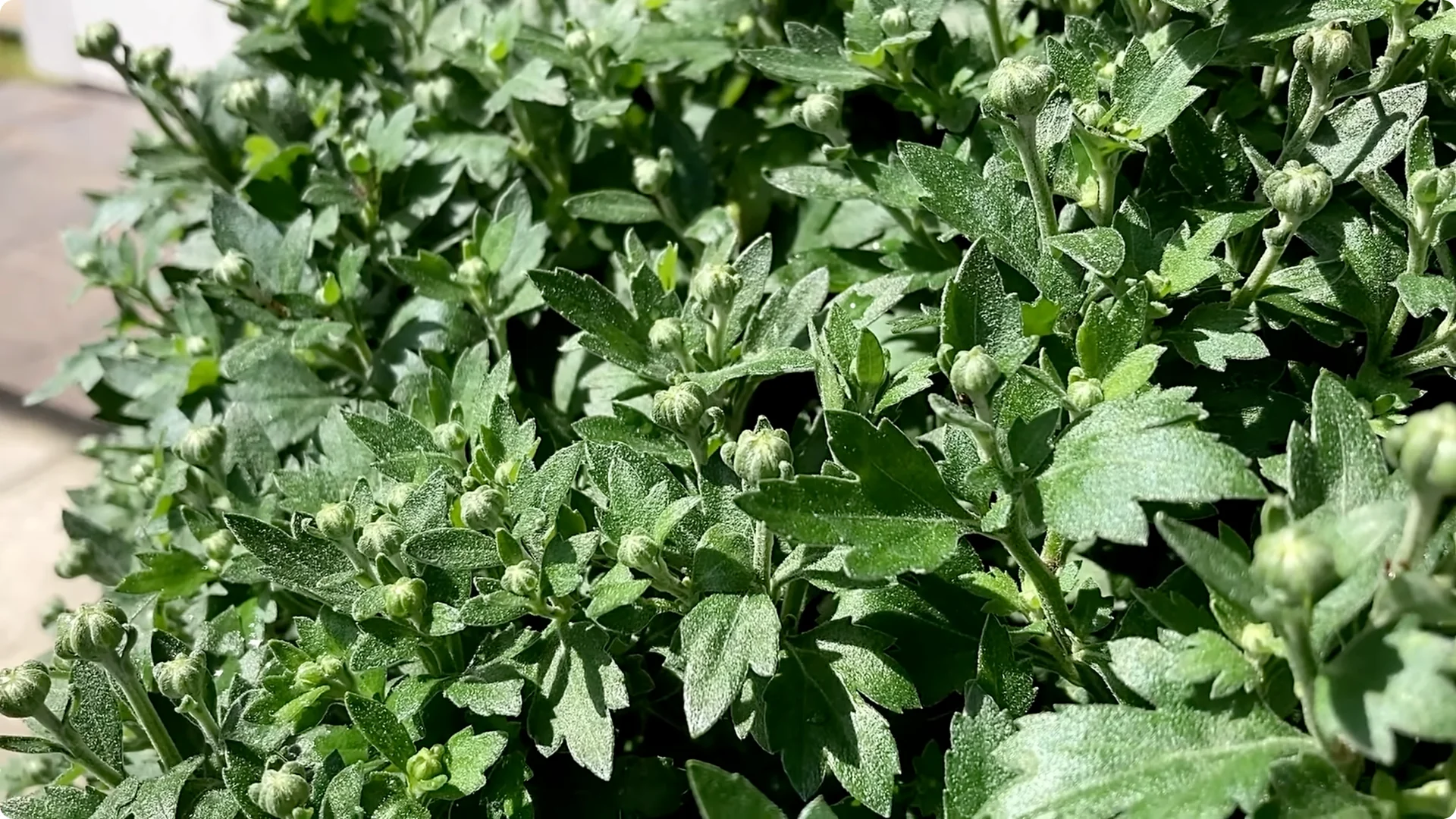
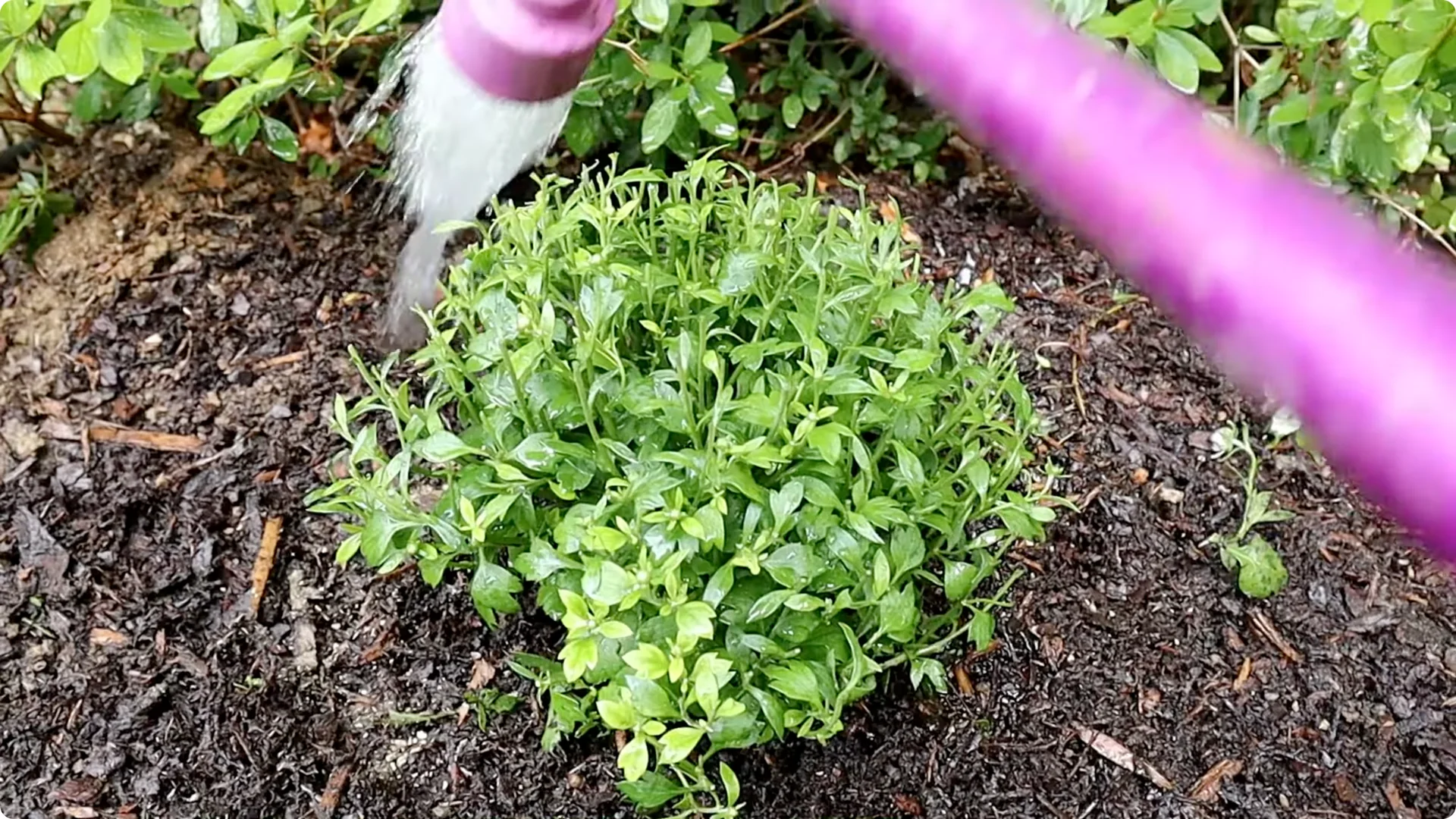
They may come in smaller pots or starter packs. Planting early can ensure they get rooted before cold weather arrives. When buying mums in spring or fall, pick out plants that are tightly budded, not split and in good shape overall.

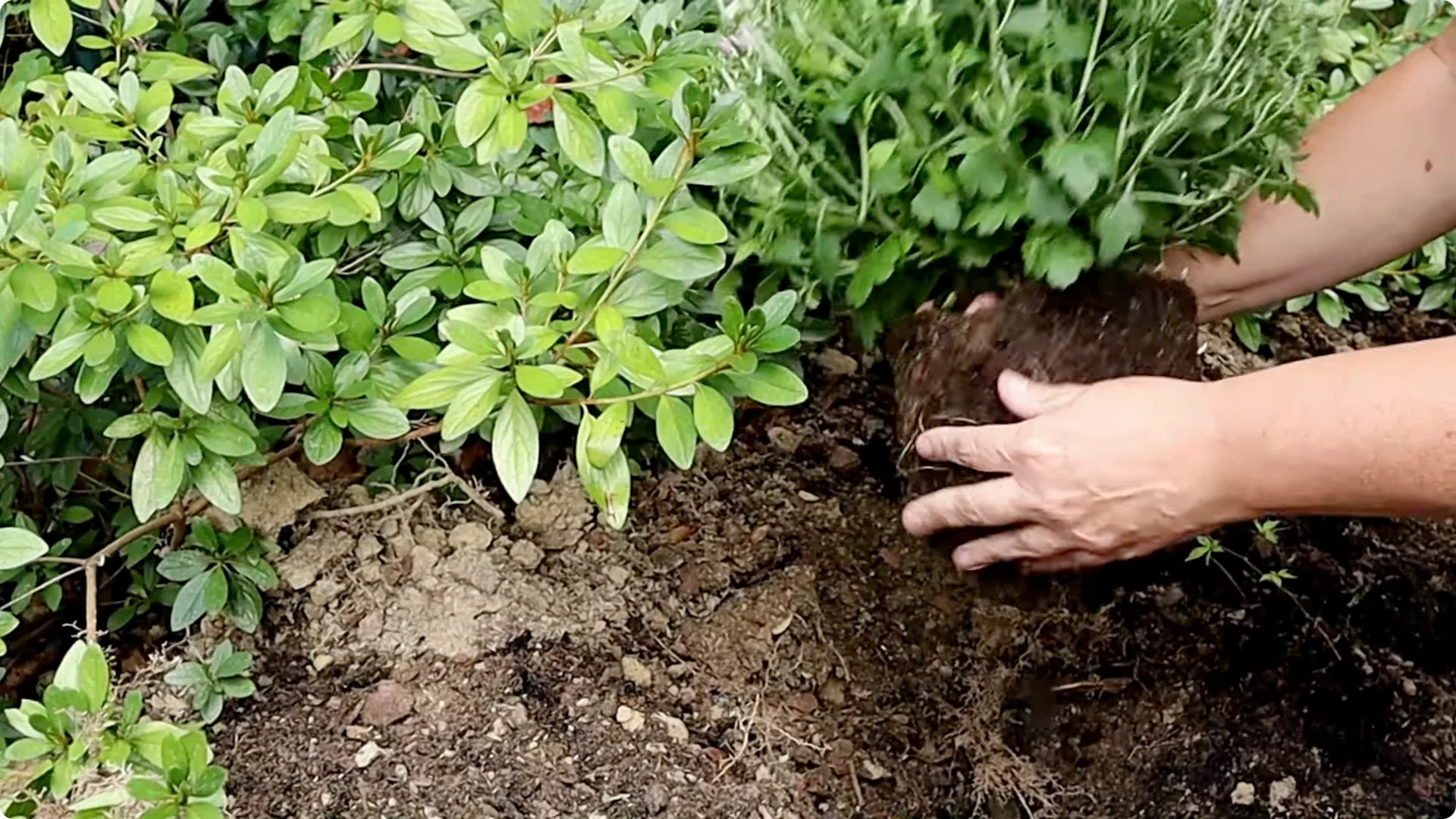
Mums growing in small pots can dry out very easily, so check the soil before making your purchase. Dry plants will often wilt, giving you an indication of lack of water. Choose healthy, well-hydrated plants from the start.
Read More: Tips to help peonies bloom beautifully
3. Fall Chrysanthemum Care: Containers
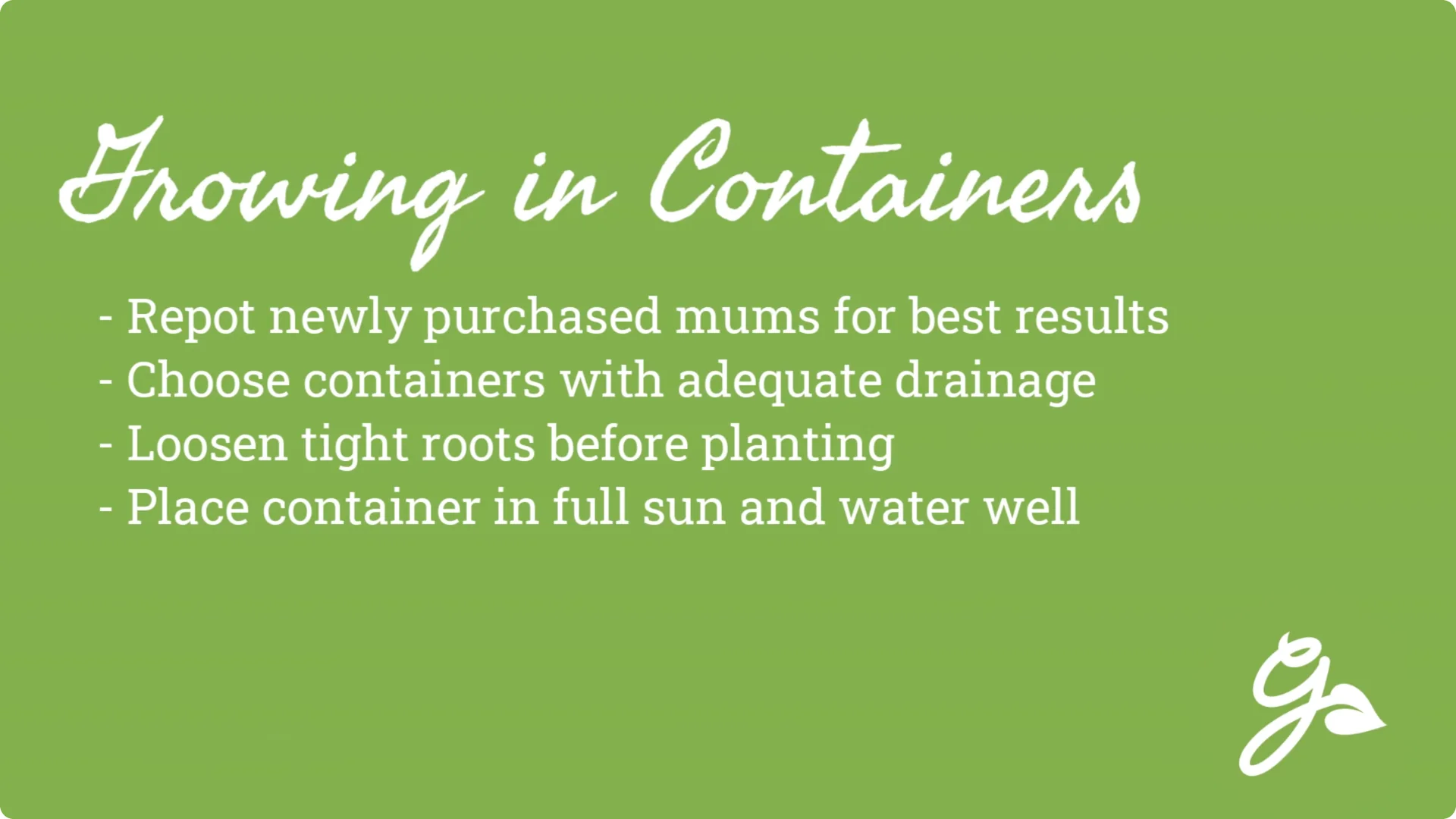
If you plan to replace worn out summer annuals with fresh fall mums in your containers, repot for best results. Gently remove the plant from its pot, break up any tight roots, and replant into a larger container filled with good, fertile potting soil and proper drainage. Water well and place the container in full sun for the best results.
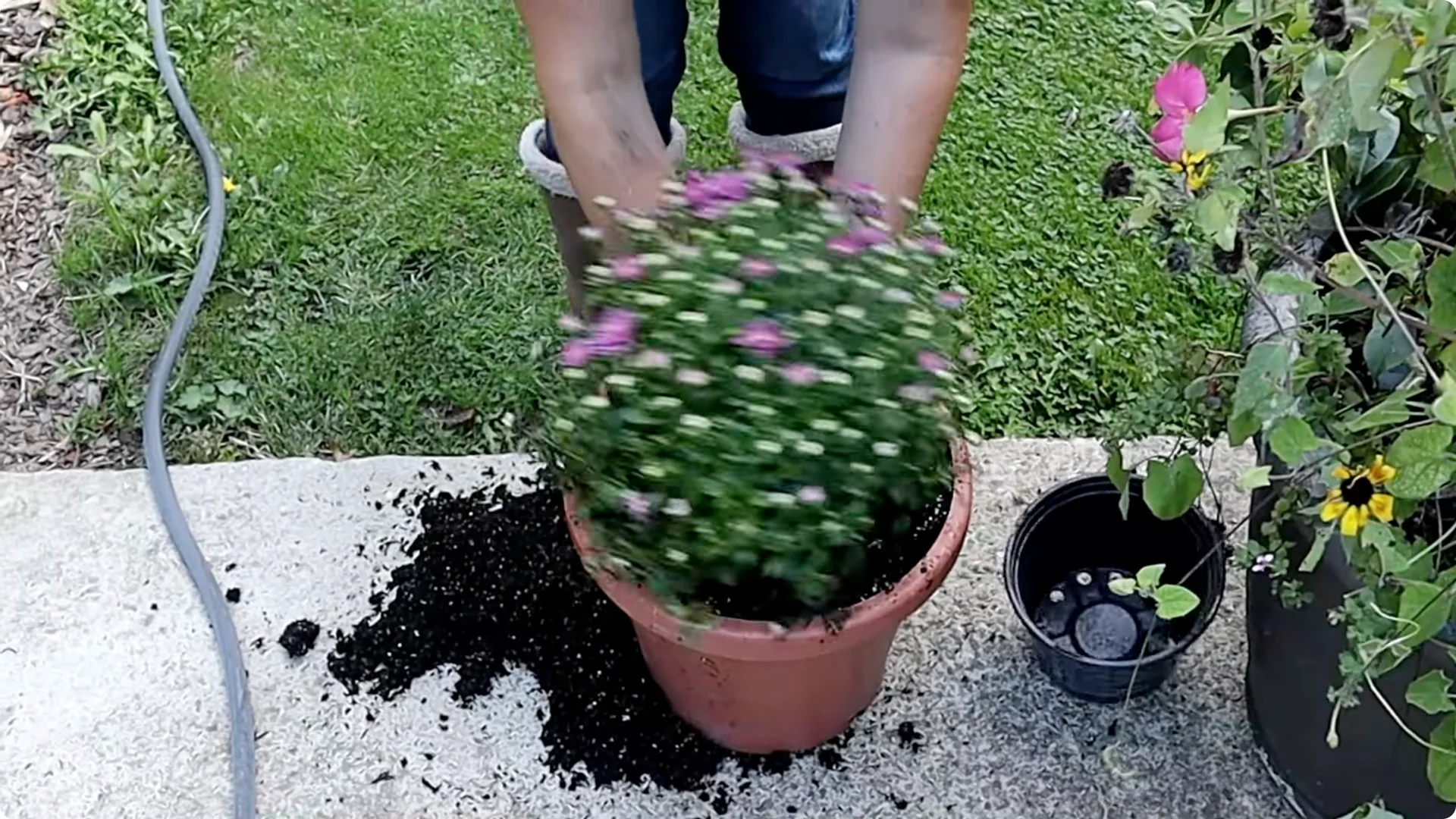
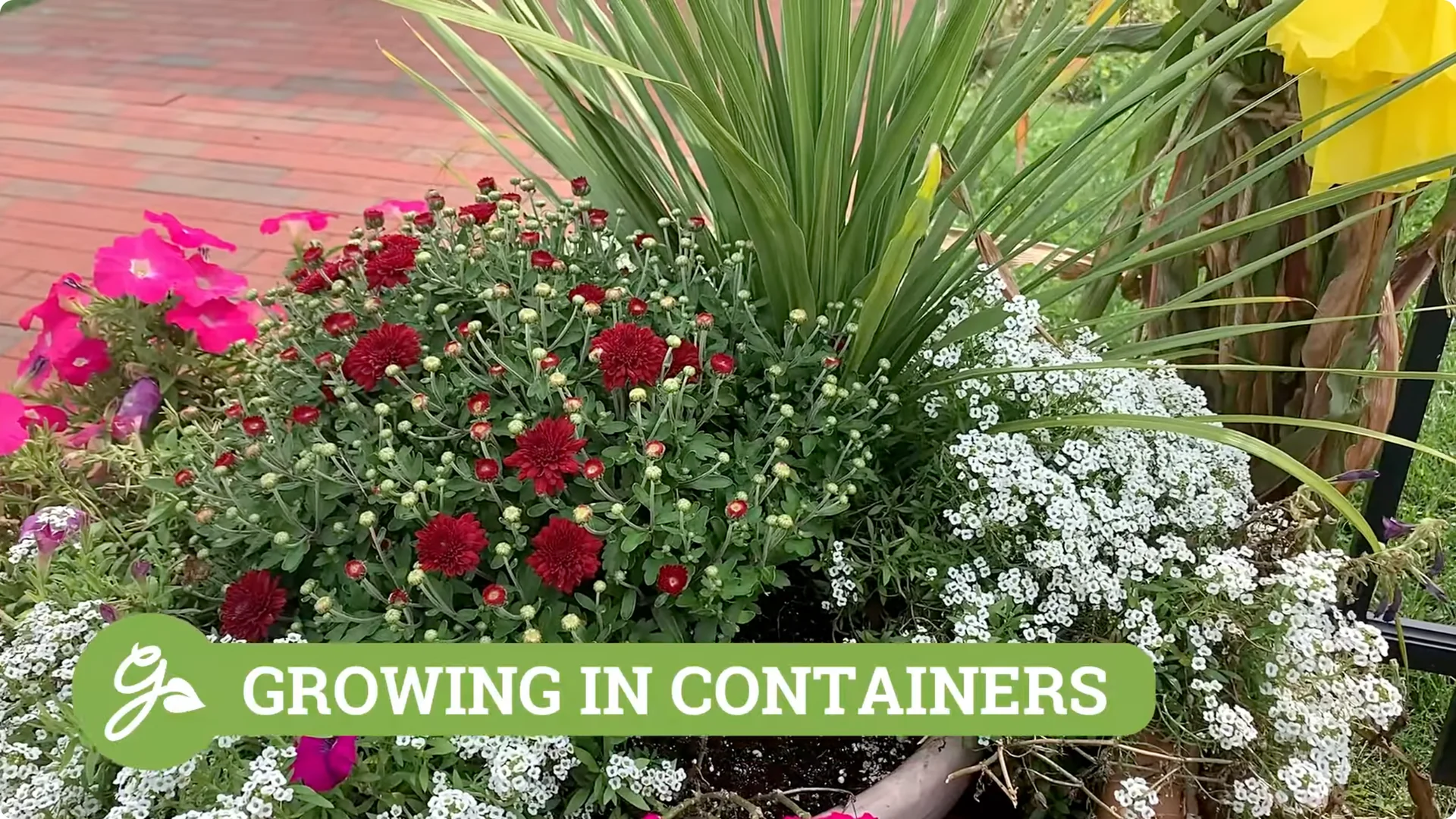
Remember that your sunny summer spots may be more shaded in the fall. Keep an eye on your plant for the first few days and make sure it is getting plenty of sunlight. Keep it well watered to settle the soil and support buds.
Read More: Easy indoor care for prayer plants
4. Fall Chrysanthemum Care: Garden Planting
Choose a sunny, well-drained spot in the garden. They will grow in partial shade but they tend to get leggy while reaching for sunlight. Plant in a somewhat sheltered location where they will not be exposed to winter winds that can decrease their chances of winter survival.
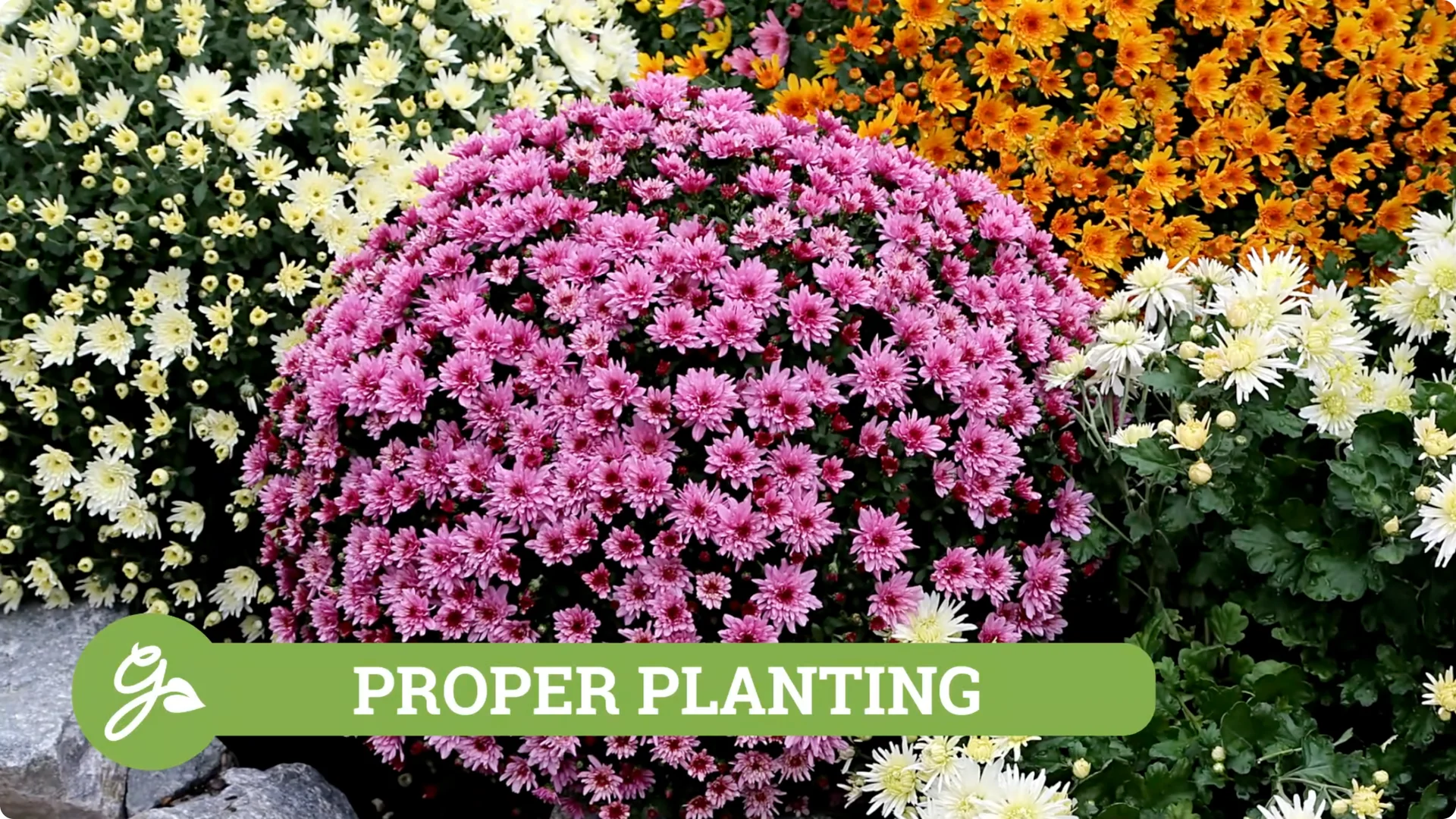
Sometimes it is not the cold that kills mums but soil that remains wet and saturated over the winter. This is why choosing a spot with very well-drained soil is crucial. Good drainage and sun set the stage for strong roots.
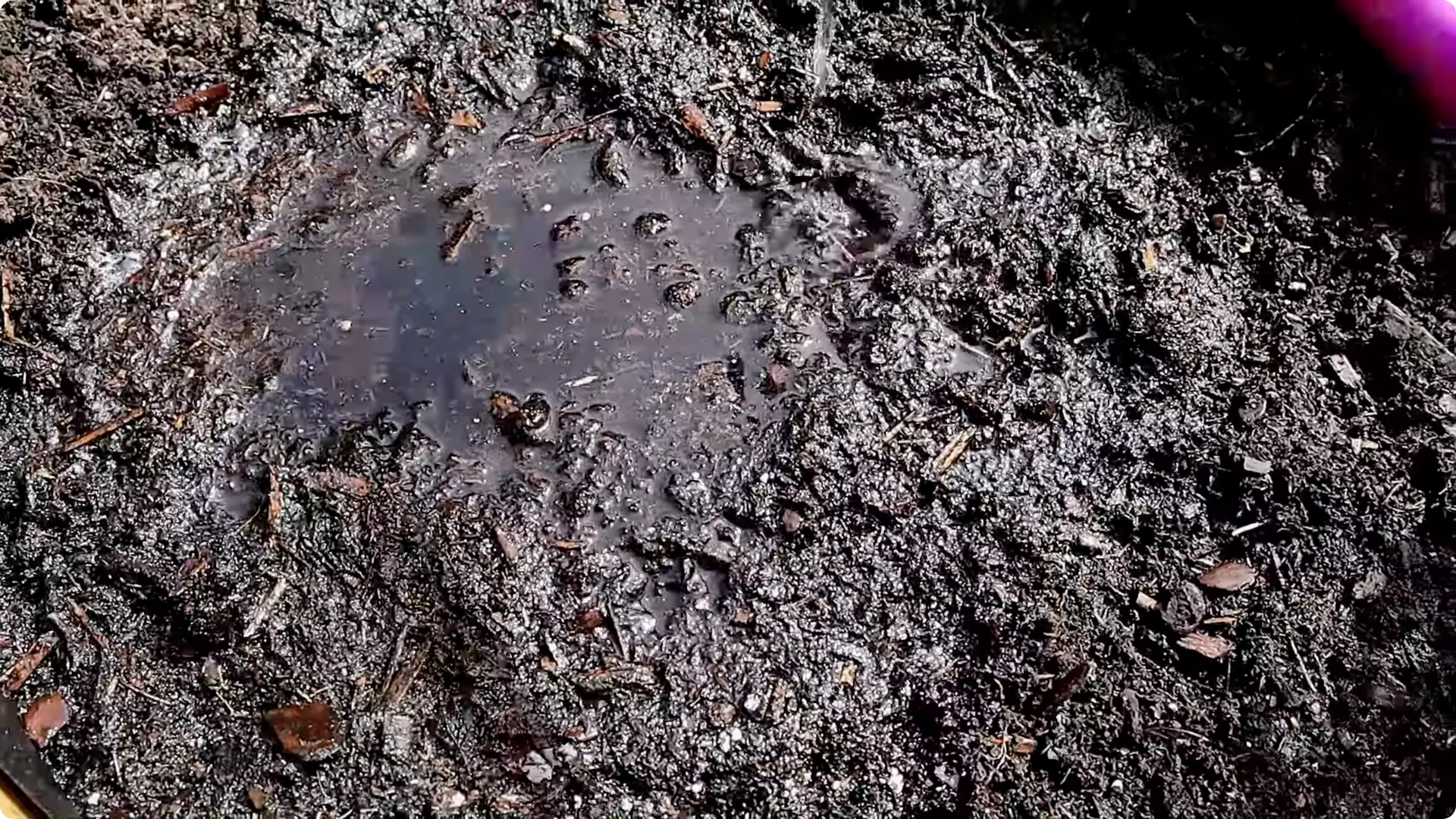
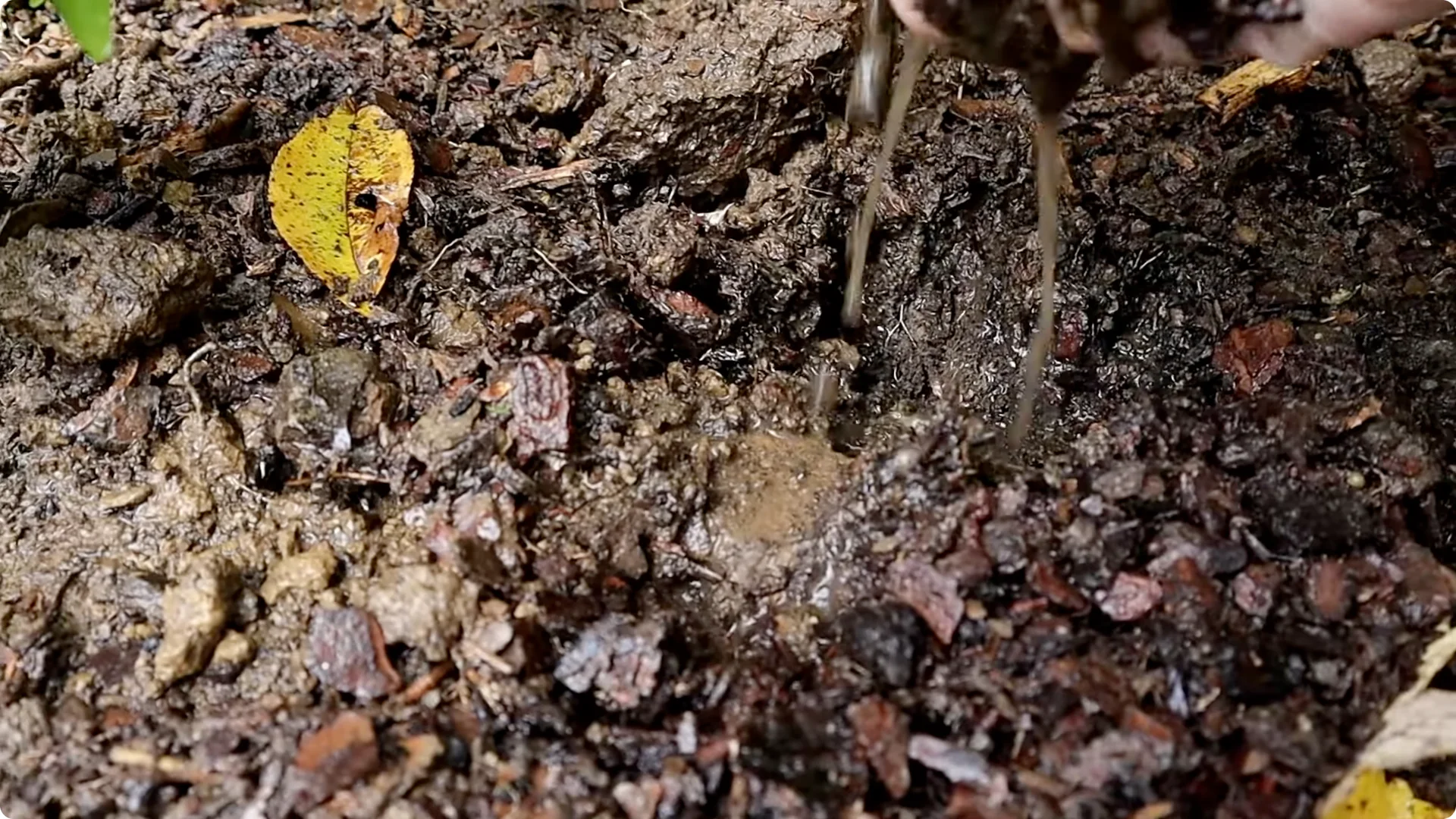
Step-by-Step Planting
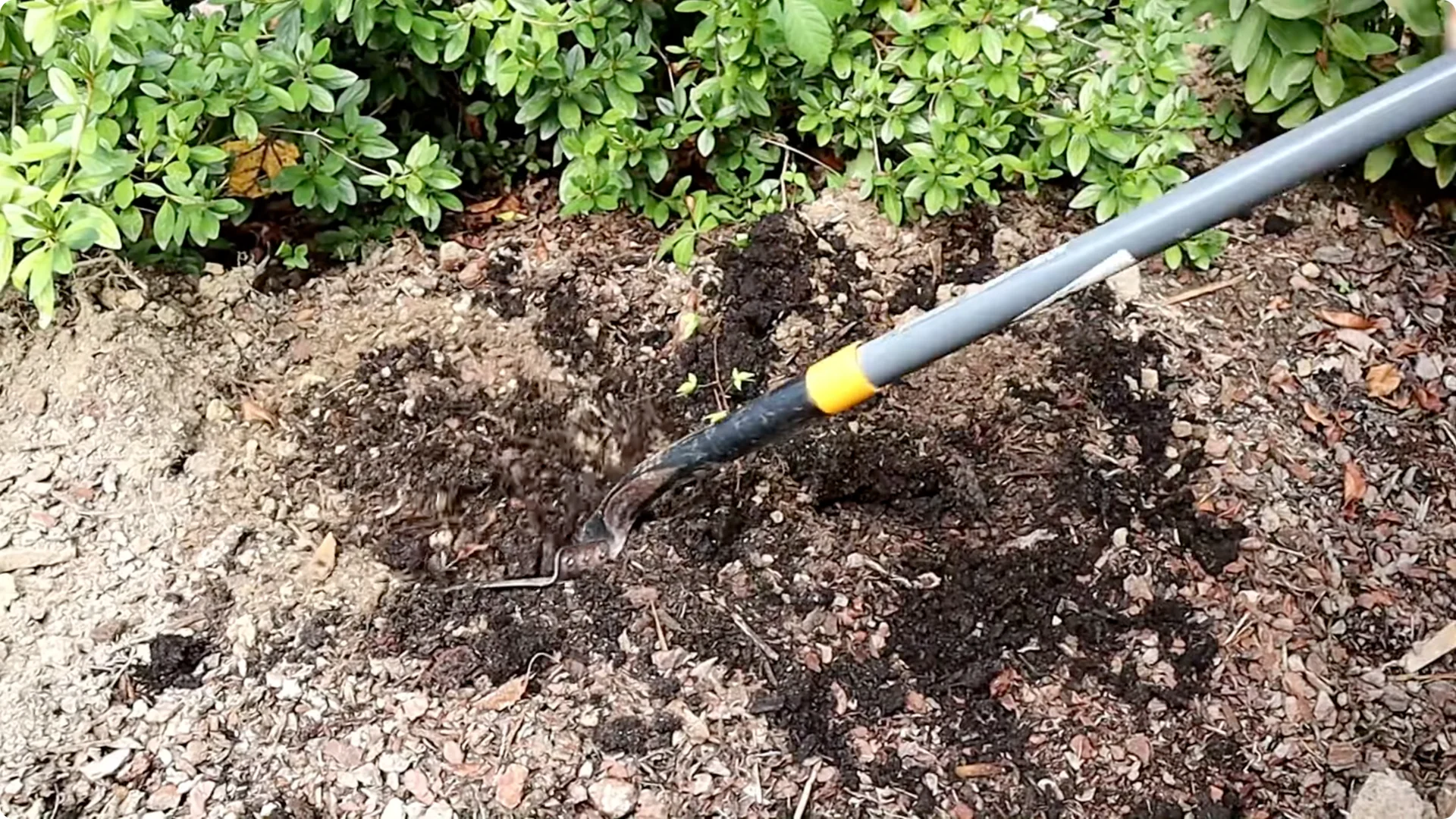
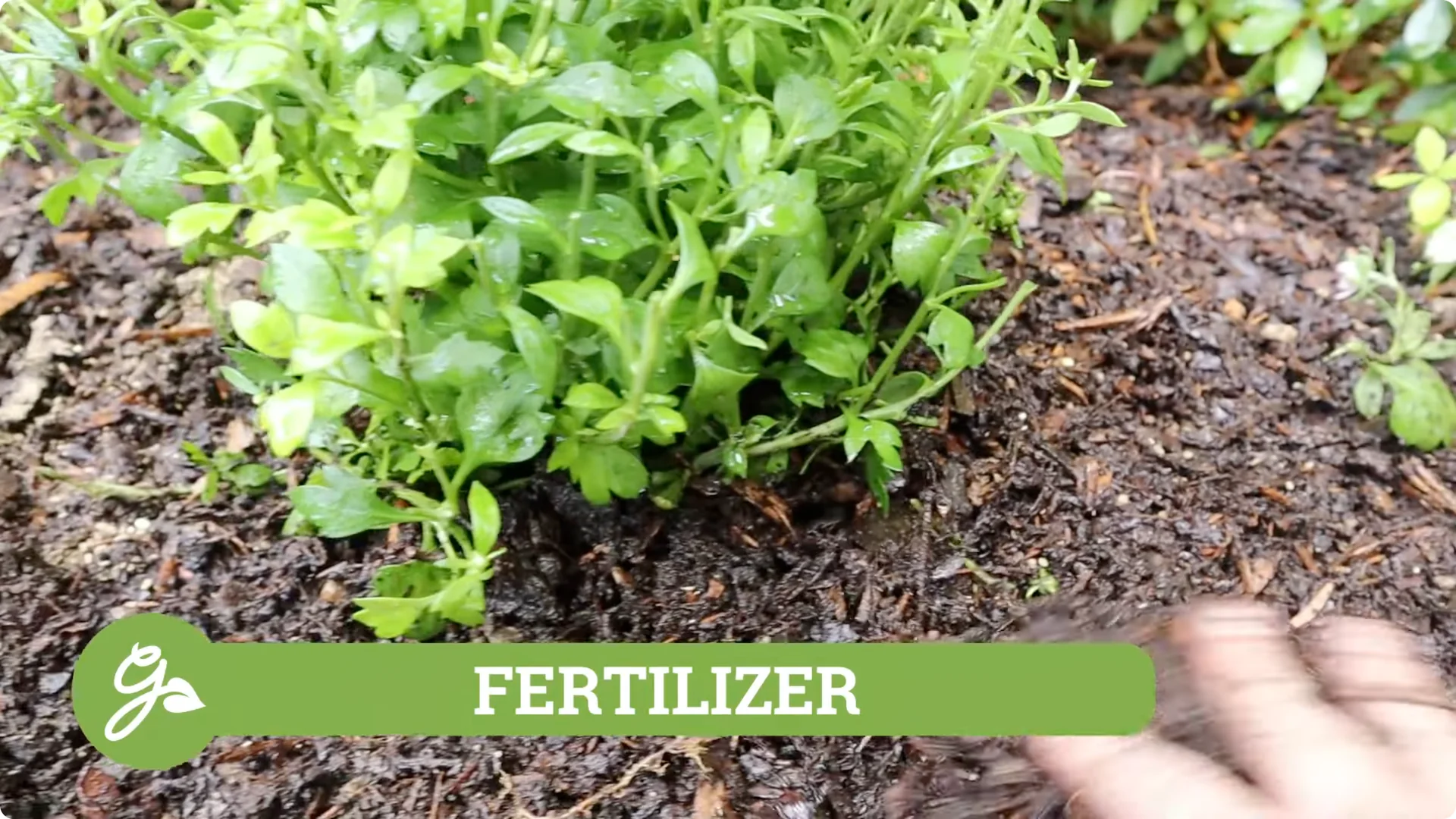
Dig a hole twice as wide as the root ball and just as deep. Amend the native soil with compost at a ratio of 1 to 1. Add a starter fertilizer to the backfill to help with root production if planting in spring or summer.
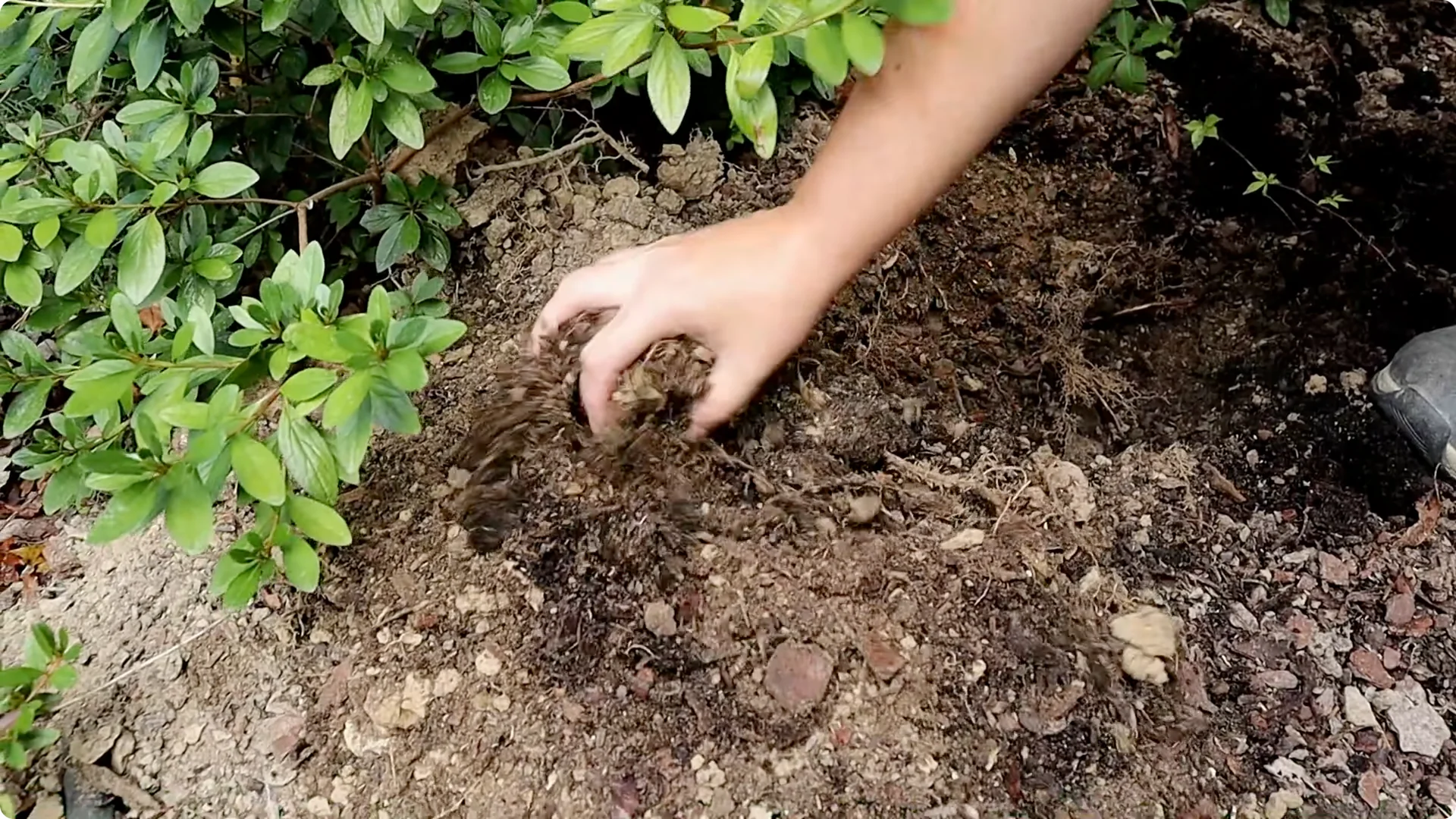
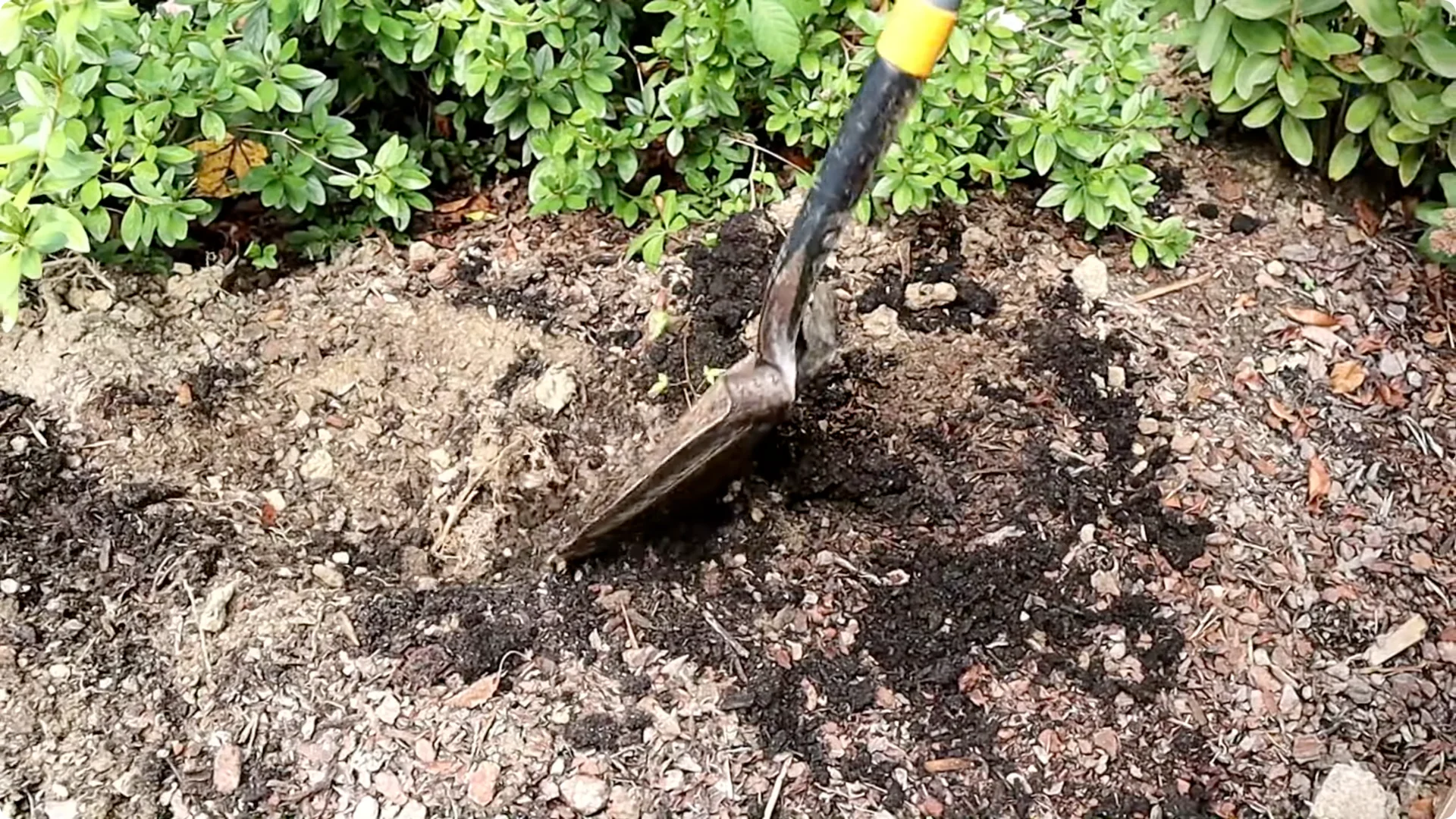
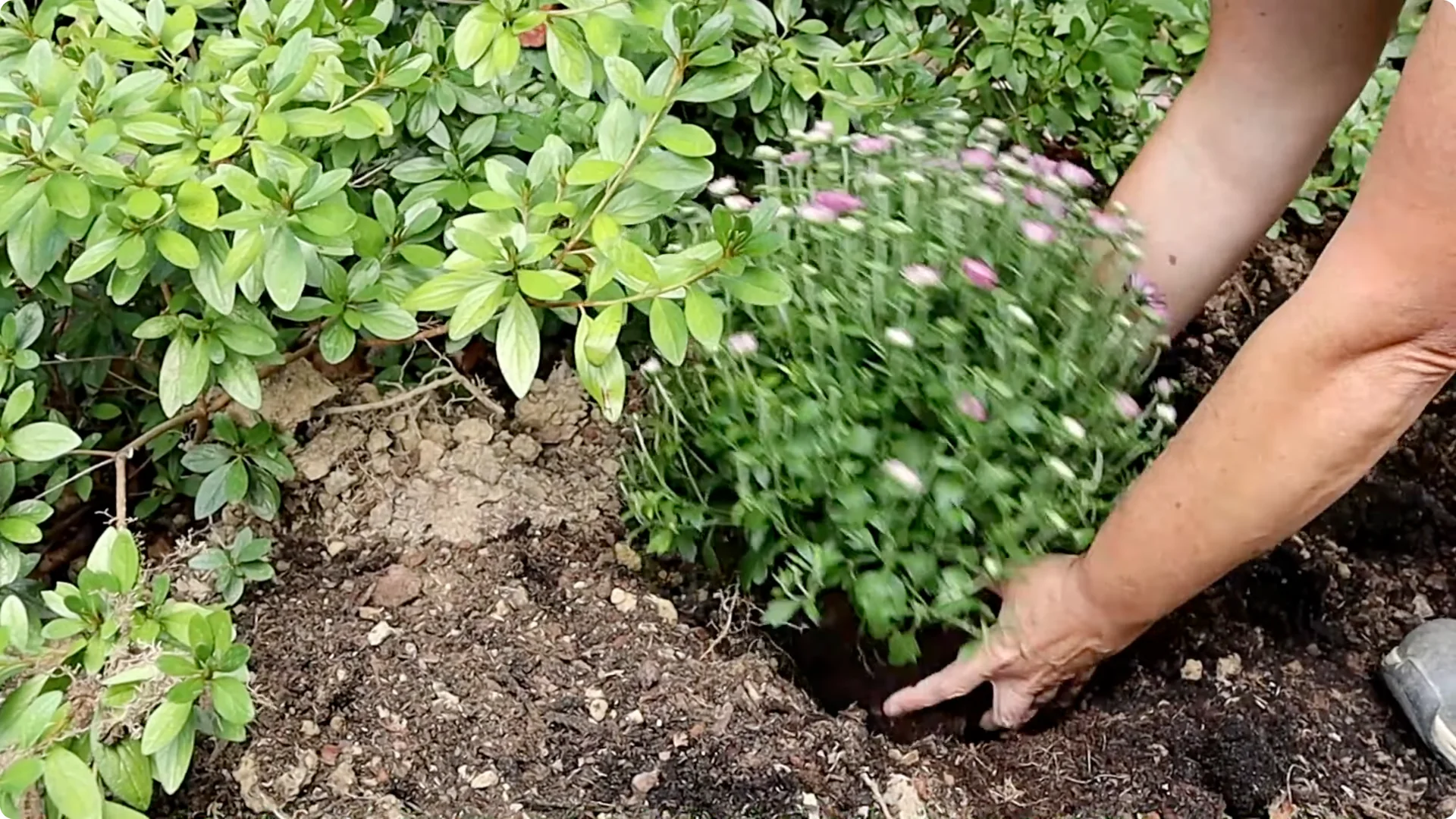
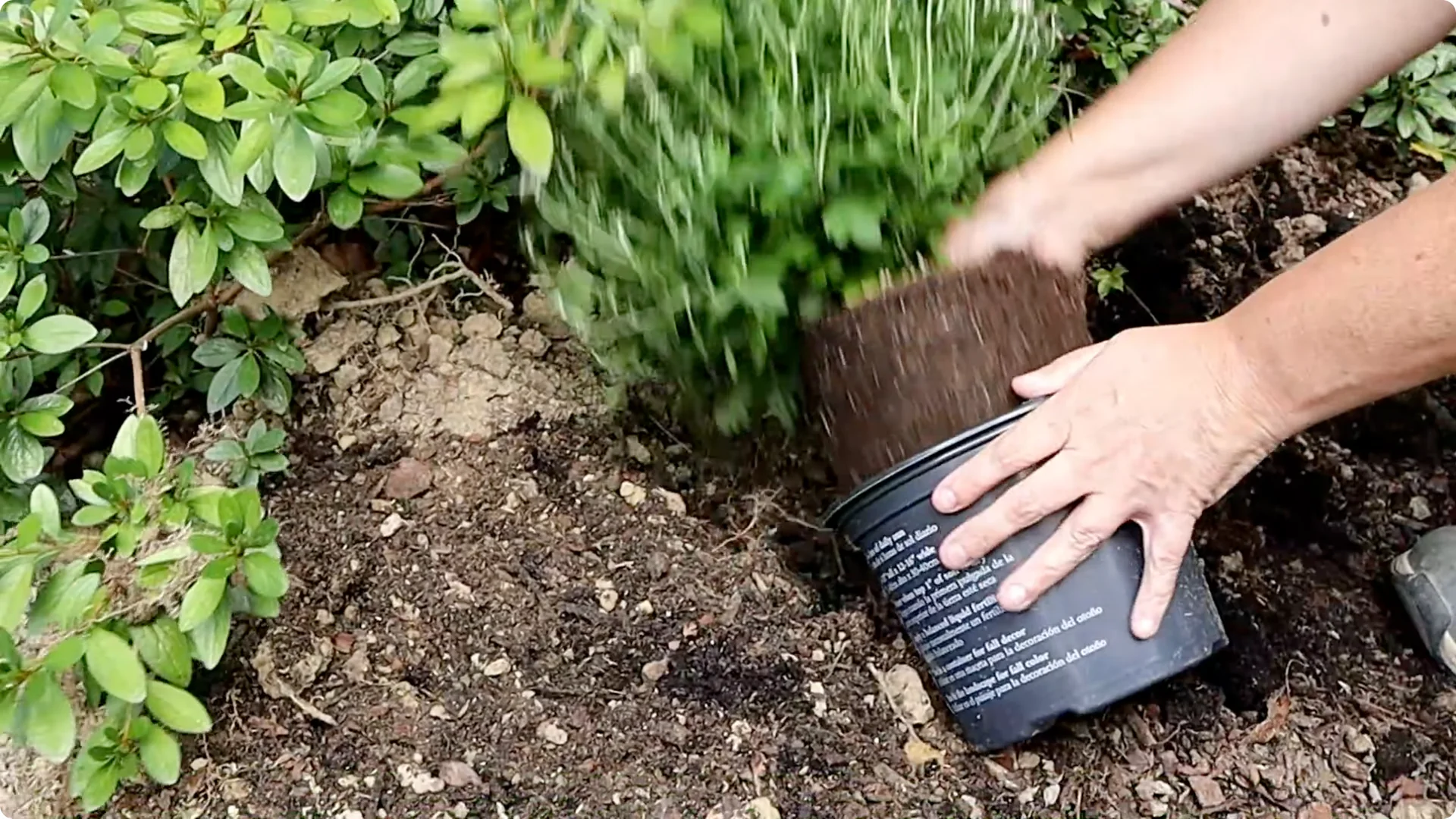
Do not fertilize late in the season. Break up the roots slightly if root bound by scoring or pulling them apart. Plant the mums slightly above soil level and backfill around the root ball.
5. Fall Chrysanthemum Care: Feeding
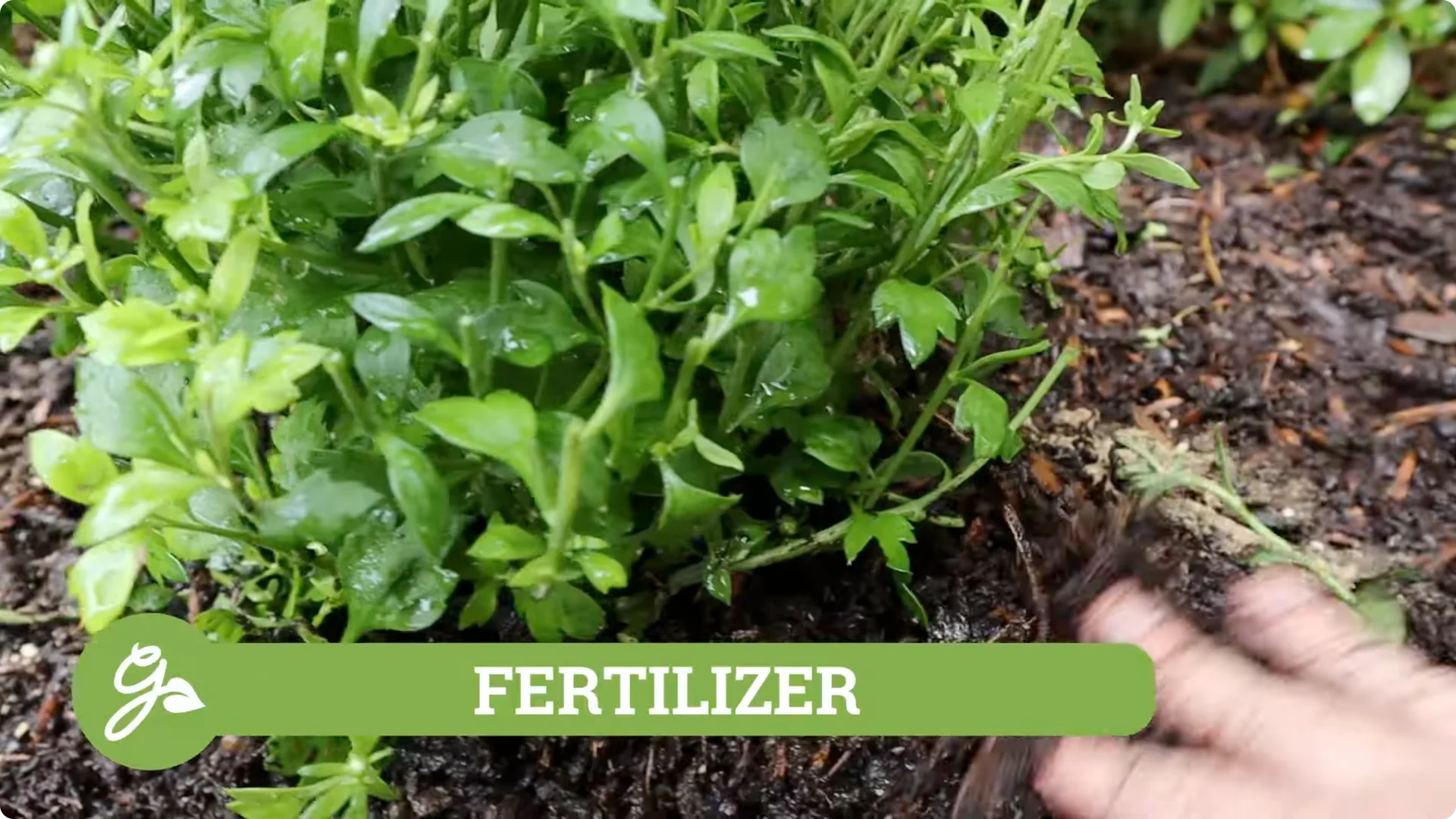
As far as feeding throughout the growing season, mums benefit from a dose of fertilizer in the spring and early summer. Begin your fertilizing routine once you see new growth develop in the spring. One or two applications per season is enough to give them the boost they need to grow, bud, and bloom.
Read More: Orchid care tips to help plants thrive
6. Fall Chrysanthemum Care: Pinching
After following these growing suggestions, practice the most important technique of how to care for mums: pinching. Many mums grow a bit wild, possibly overgrowing their space or splitting before the fall season arrives. To prevent this, pinch off the new growth as it develops.
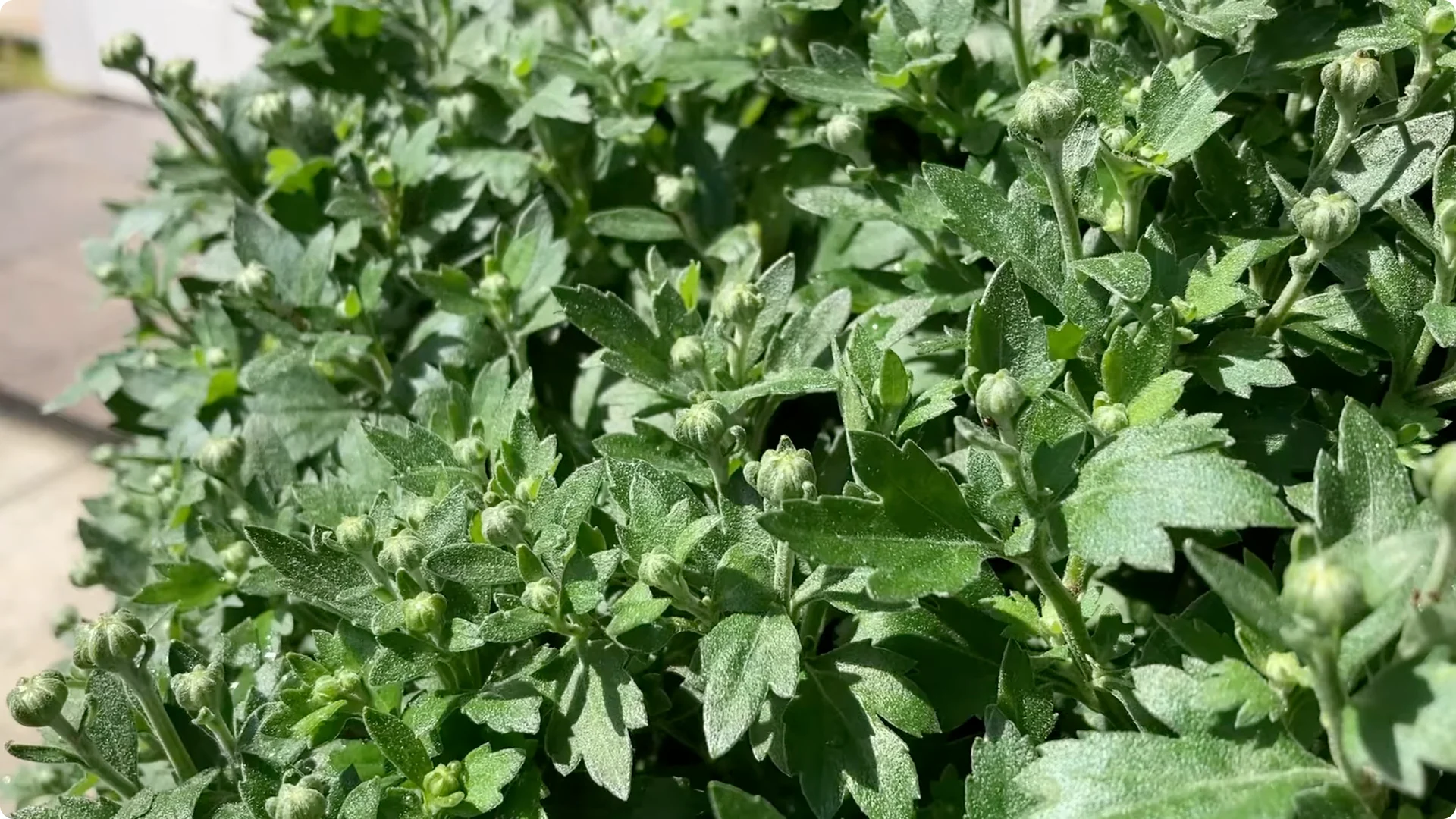
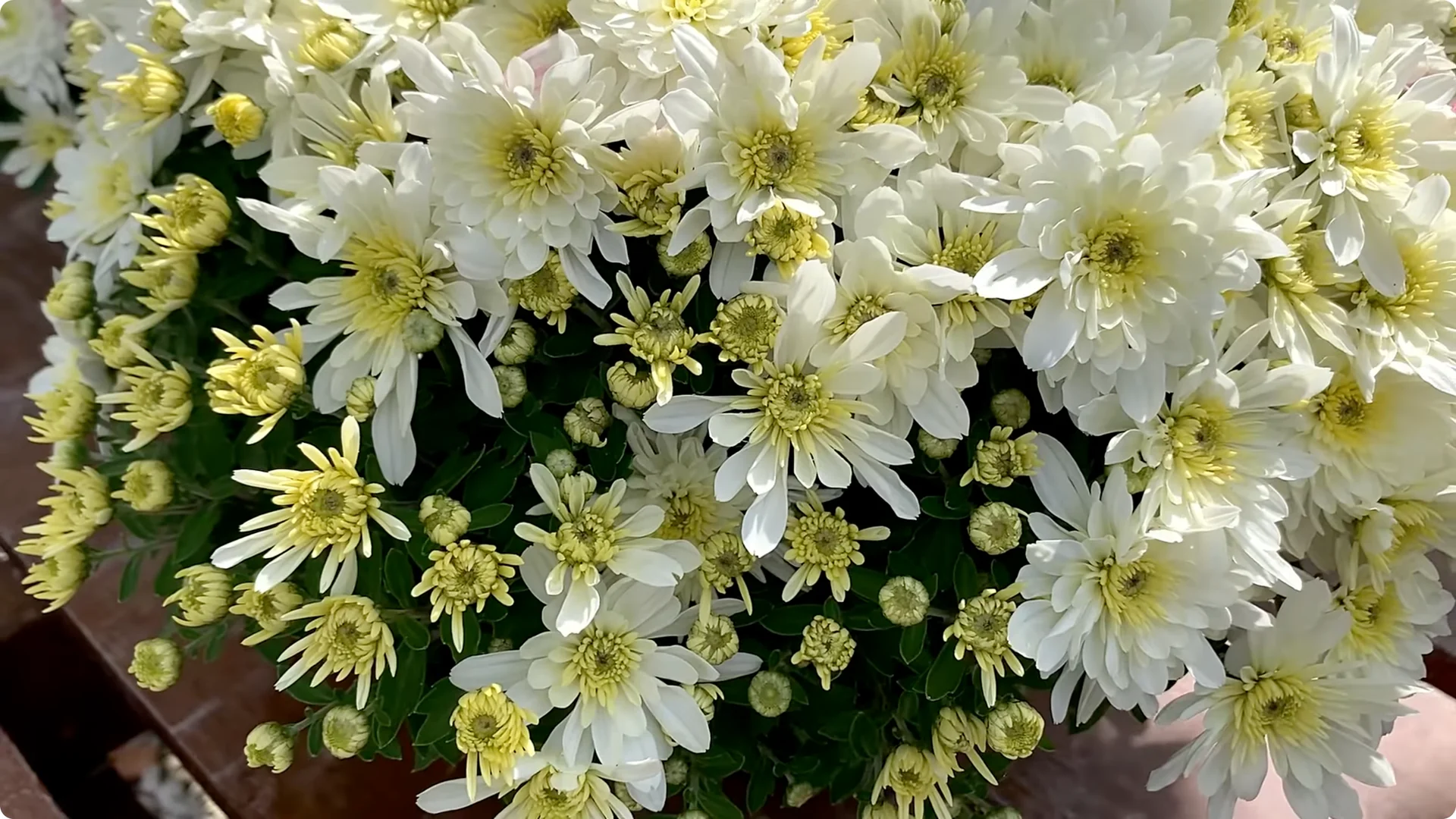
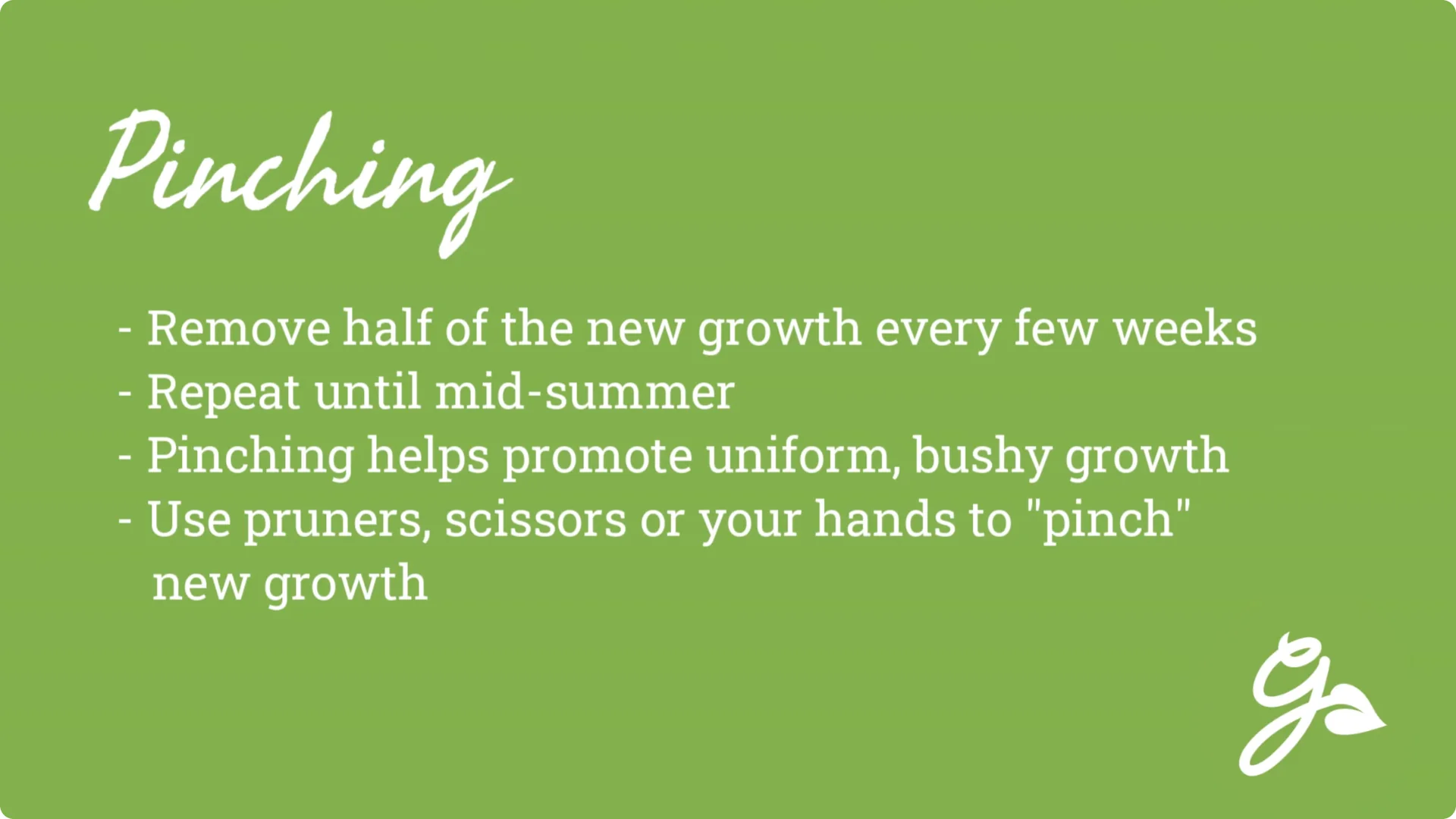
Every few weeks after the plant reaches about 6 inches tall, remove about half of the new growth at the top of each shoot. Repeat this step through spring and summer until the middle of July, or into August if you want to delay bloom a bit longer. This promotes a full, bushy plant that blooms later in the growing season.
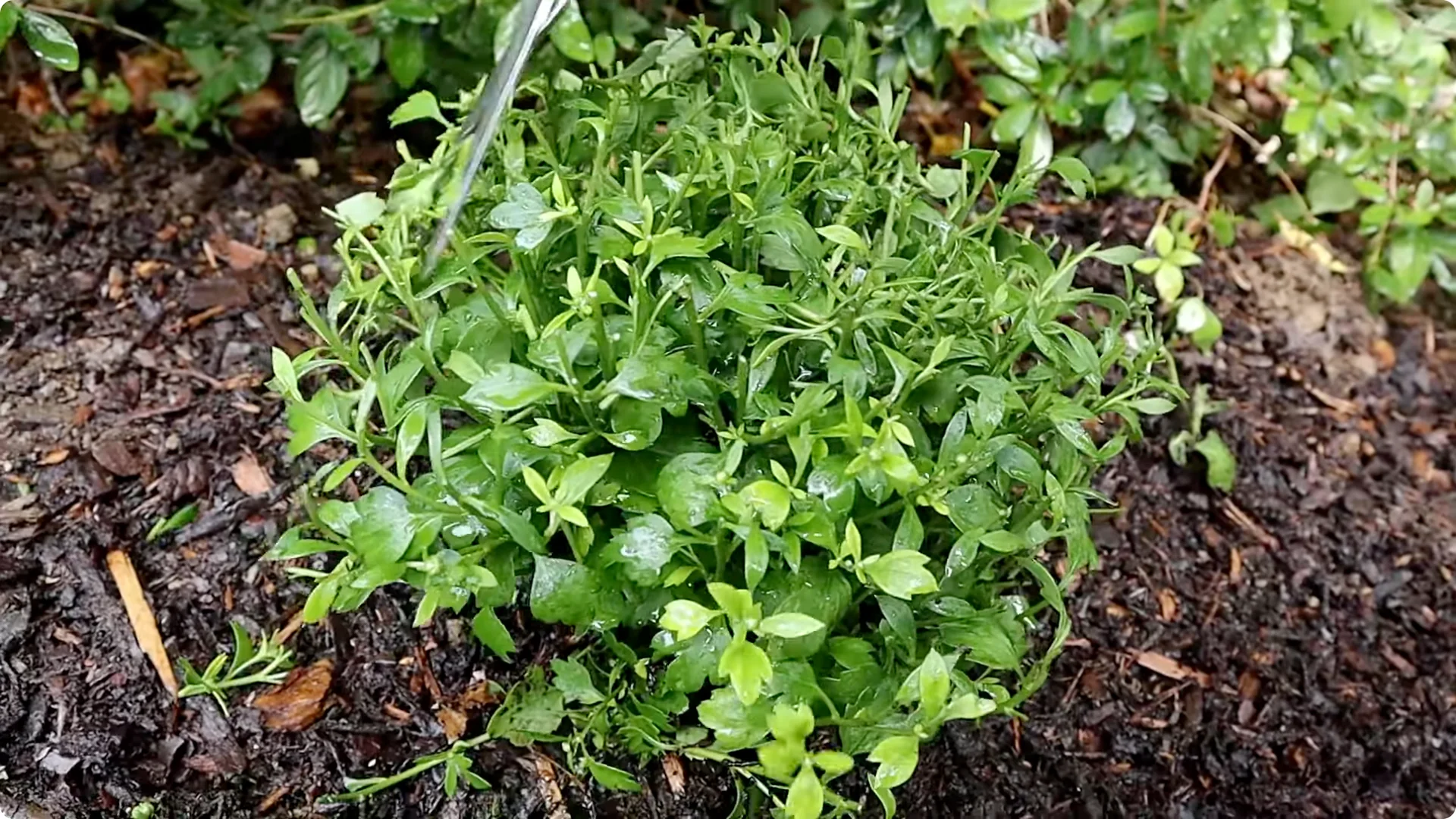
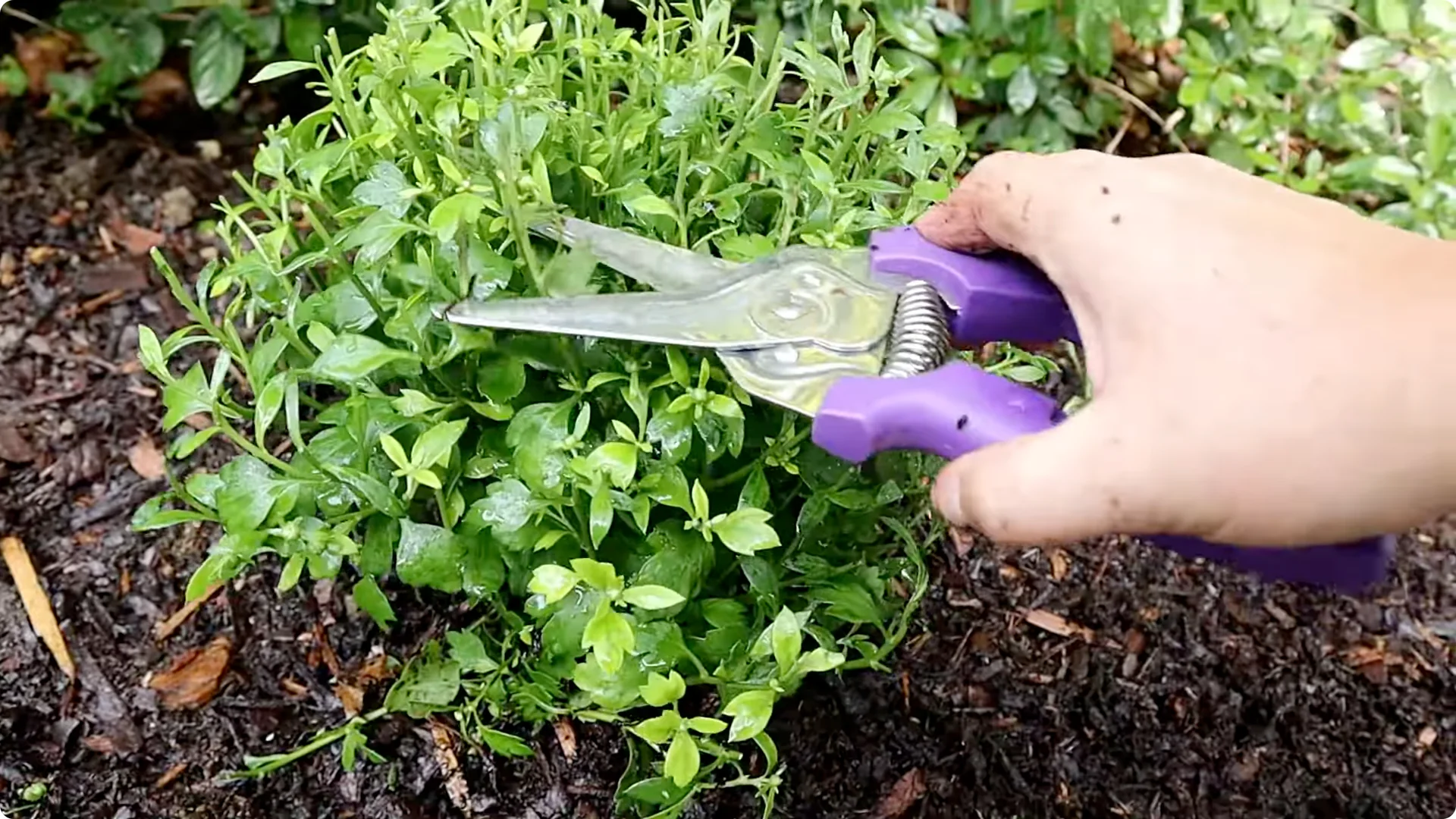
You do not need to use your fingers to pinch. Shears, scissors, or pruners will also do. If you do not have the energy or desire to pinch the new growth, they will still bloom but may develop more of a carefree, floppy appearance.
7. Fall Chrysanthemum Care: Winter Survival
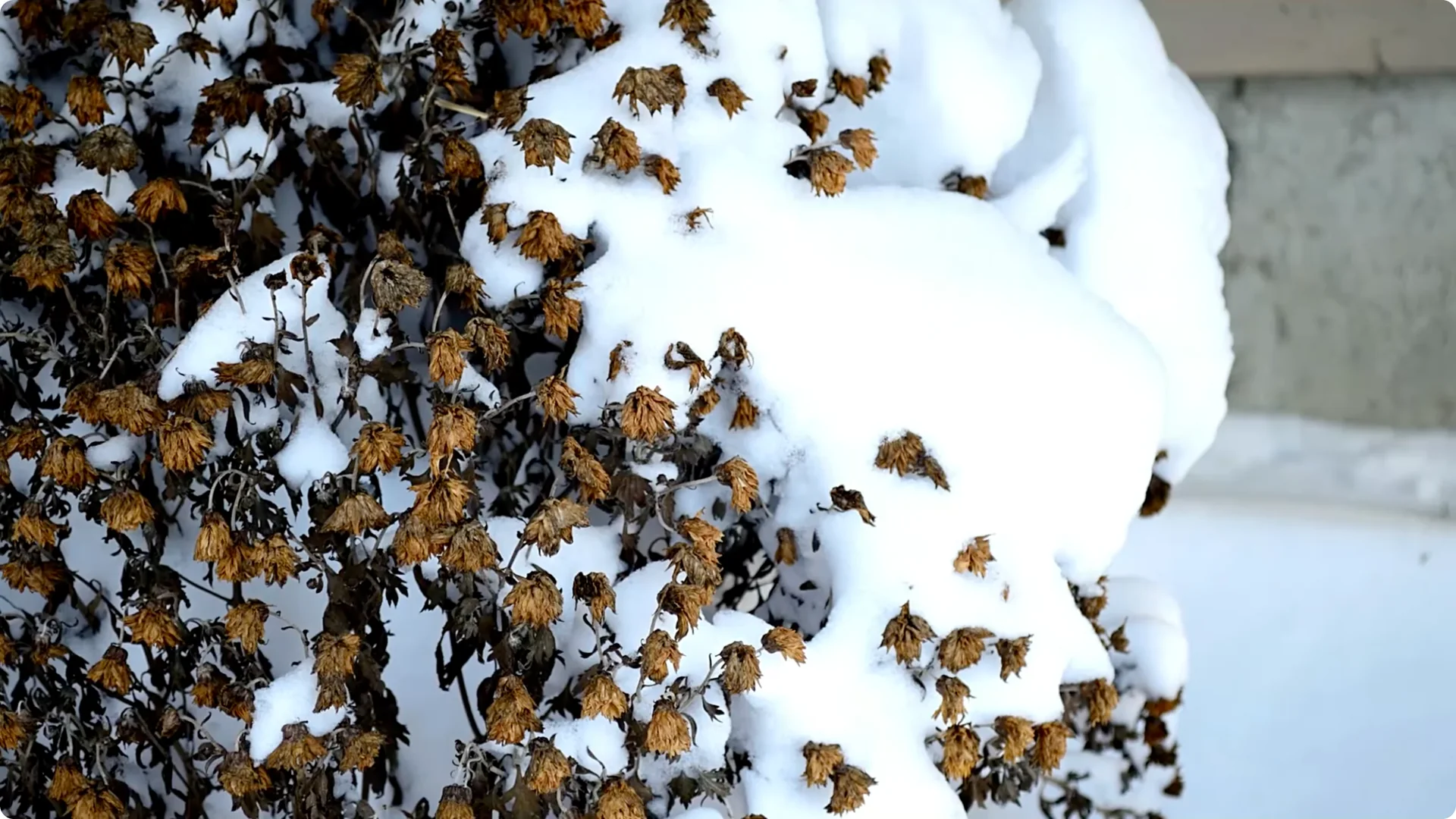
Garden mums, even if considered perennials, can have a tough time surviving the winter. If you plant them in the spring or take your chances in the fall, even the hardiest chrysanthemum will need a little TLC to survive harsh weather. The first step is to not cut back any foliage in the fall.
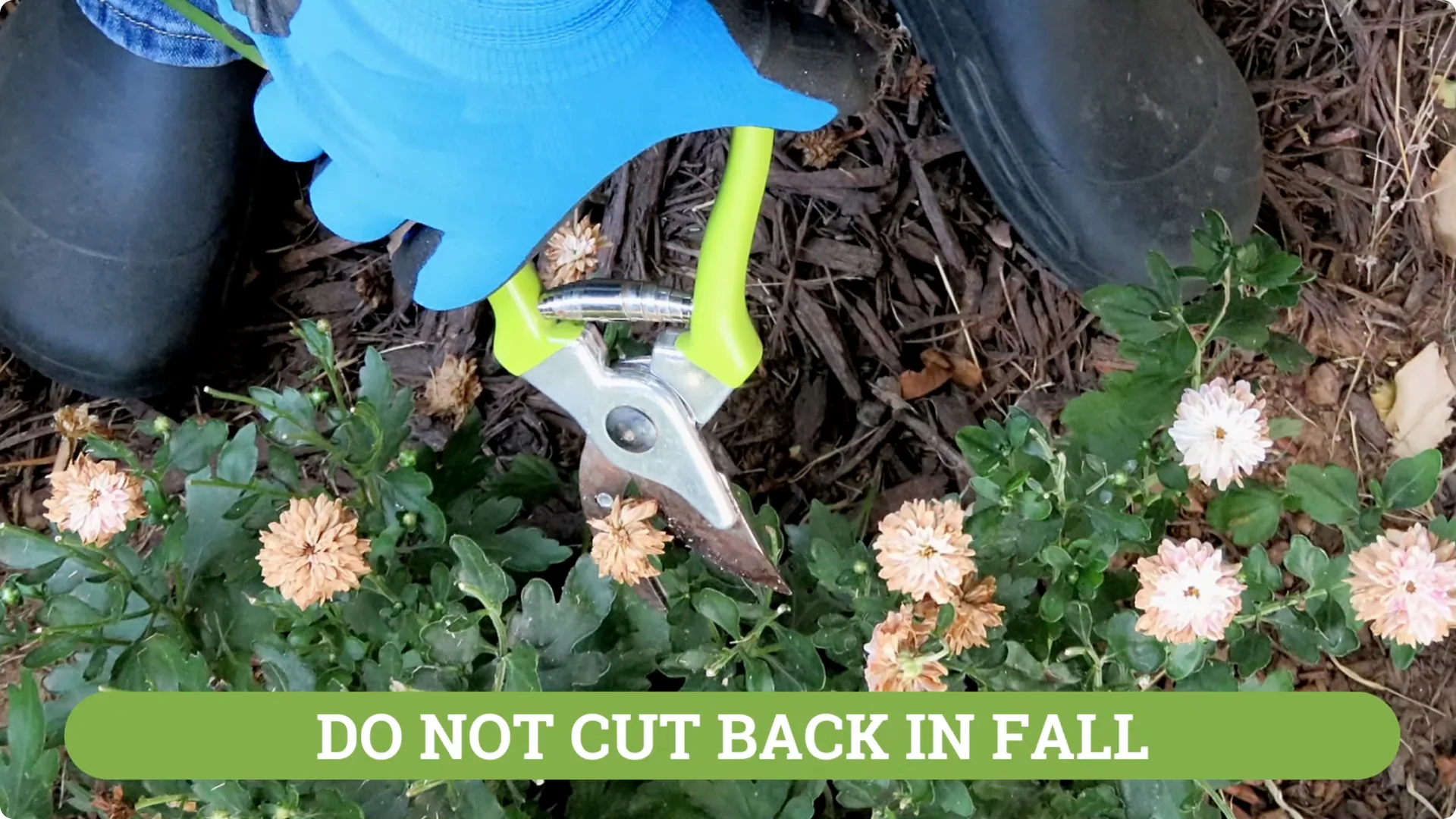
Leave the dead foliage to help trap leaves and mulch to protect the plant’s crown over the winter months. Wait until new growth has begun at the base of the plant the next spring to cut back any remaining dead foliage from the prior season. This simple timing protects crowns from cold snaps.
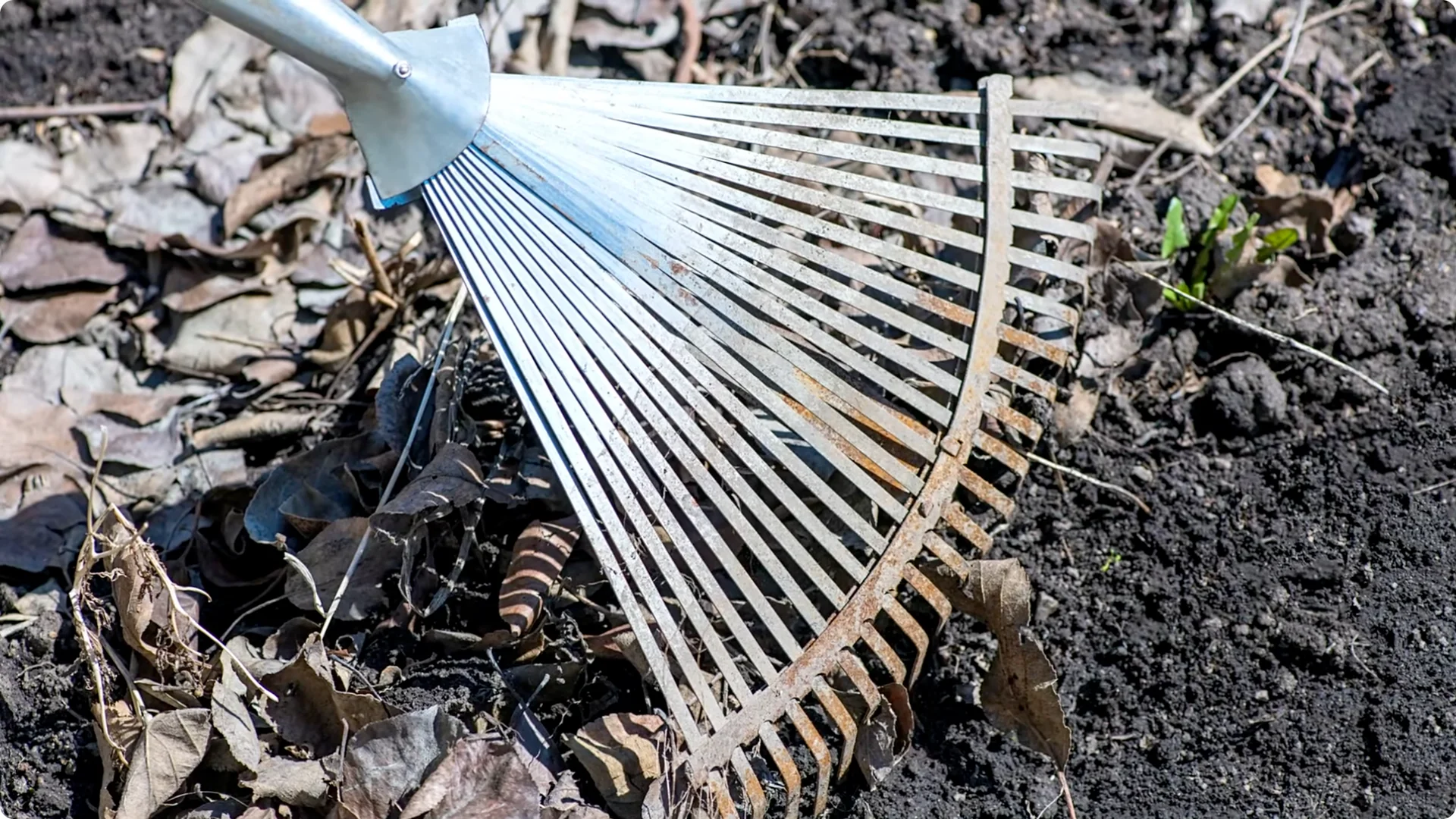
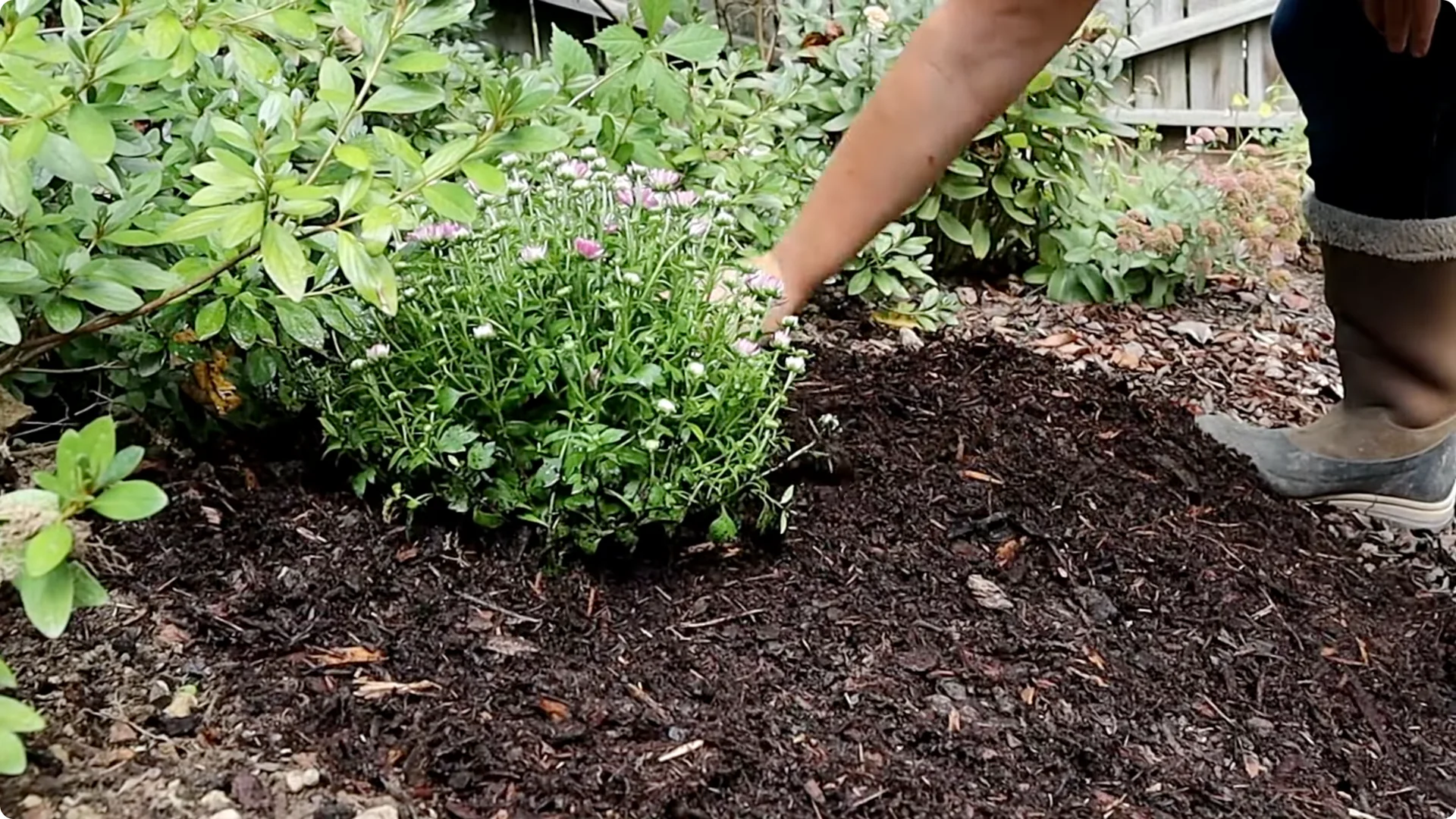
Properly insulate the plant after several hard frosts or a hard freeze. Apply a heavy layer of mulch such as hardwood or pine, straw, evergreen branches, or fallen leaves. The mulch layer helps protect the plant during freeze and thaw cycles.

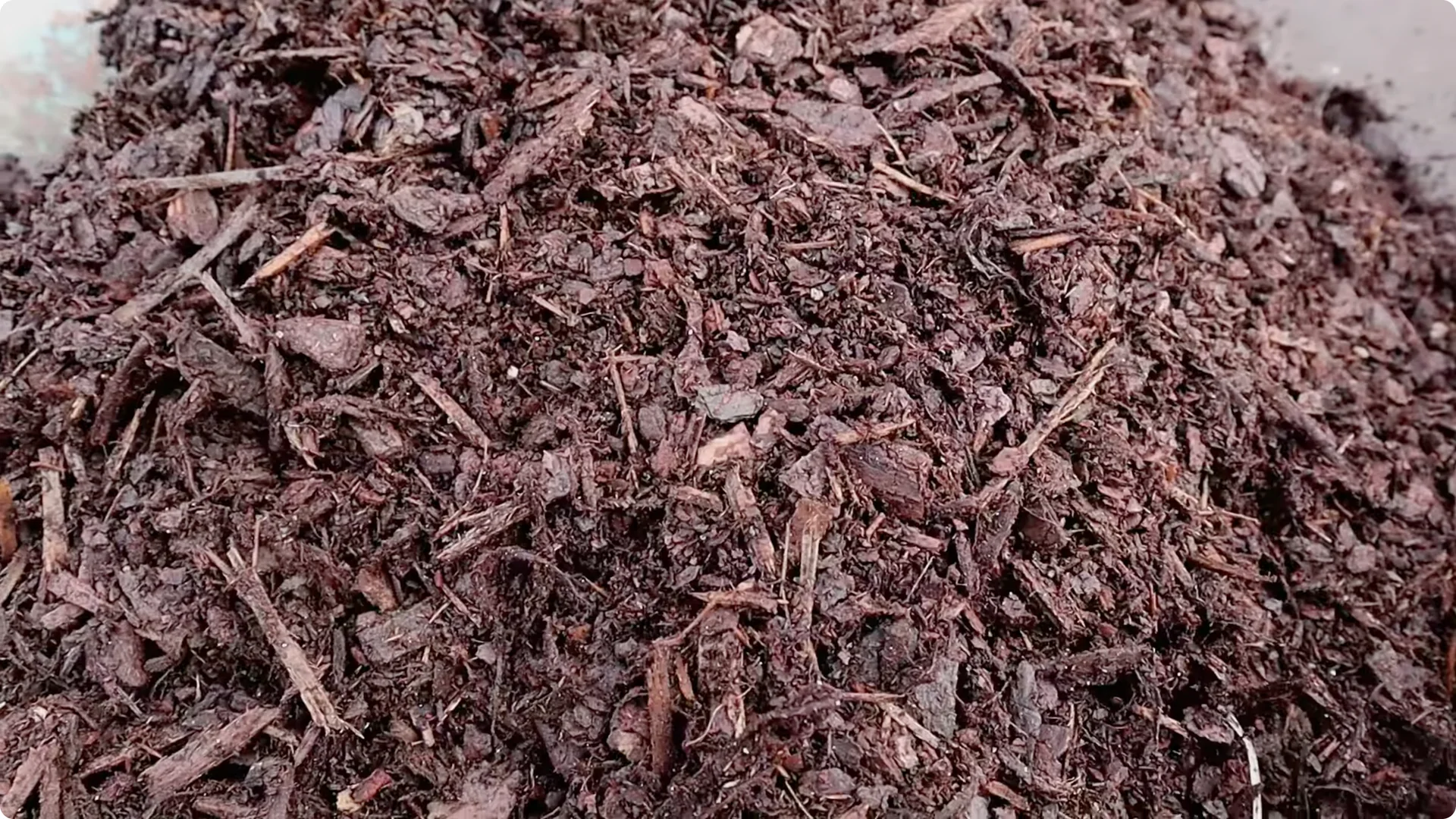
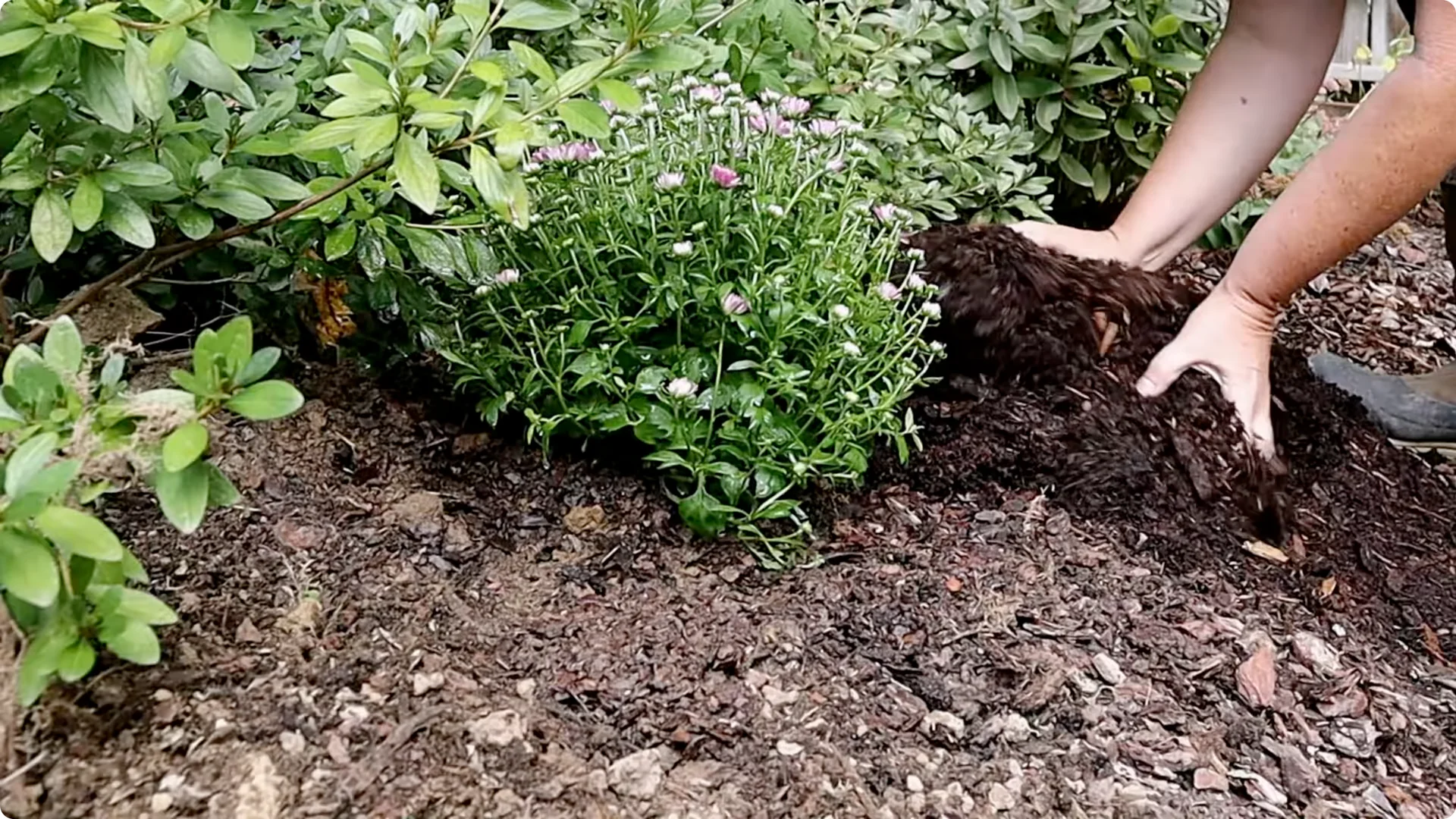
Pull the mulch away once the weather warms in the spring. With these steps, you can increase the chances of making it through the cold weather. Expect lovely blooms again next year with consistent care.
8. Fall Chrysanthemum Care: Companions and Displays
Mums can add color to gardens or containers on their own, but they also pair nicely with other fall bloomers and foliage accents. Try these ideas for a fall display that is anything but ordinary. Blend textures, colors, and forms for balance.
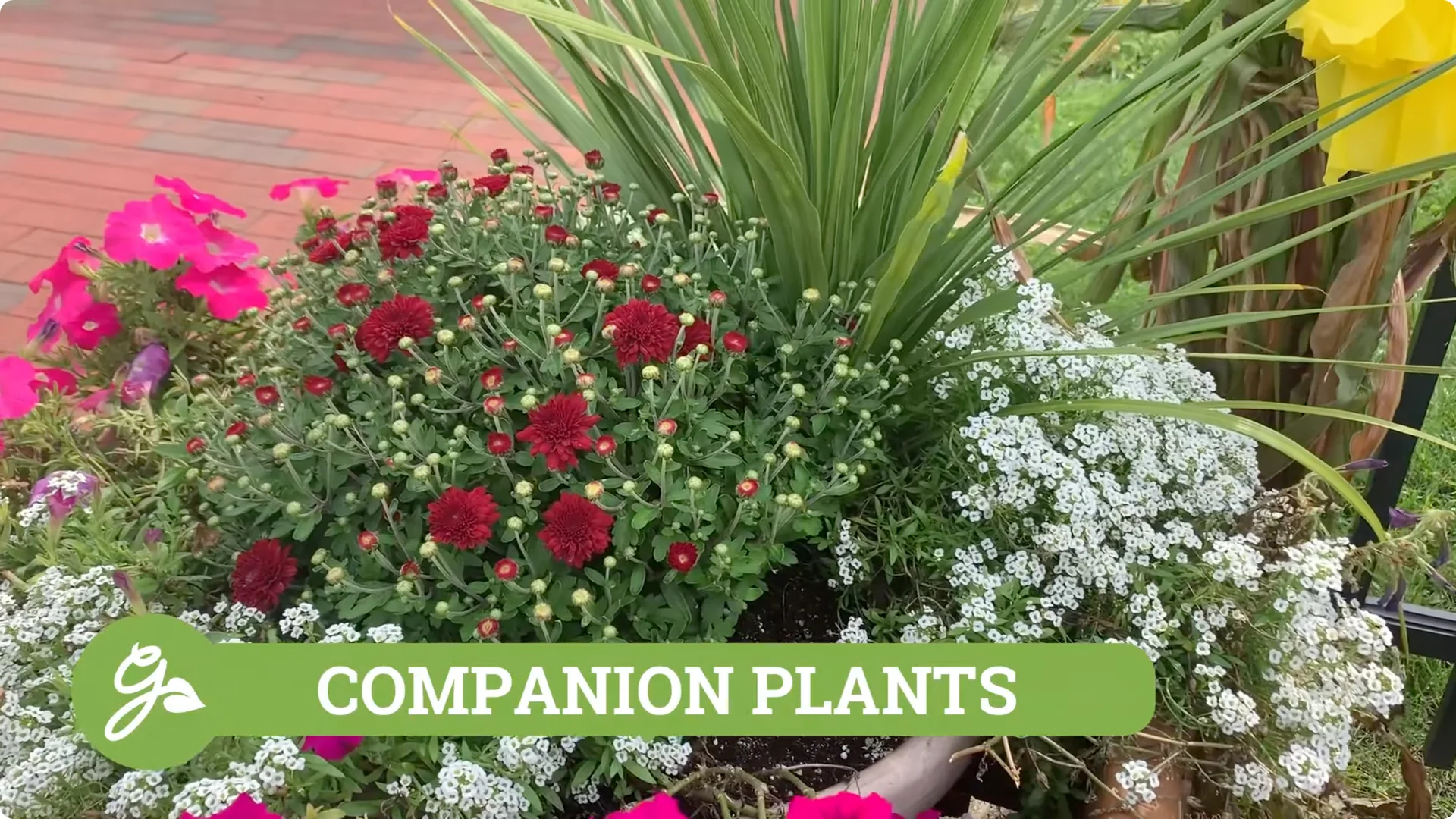
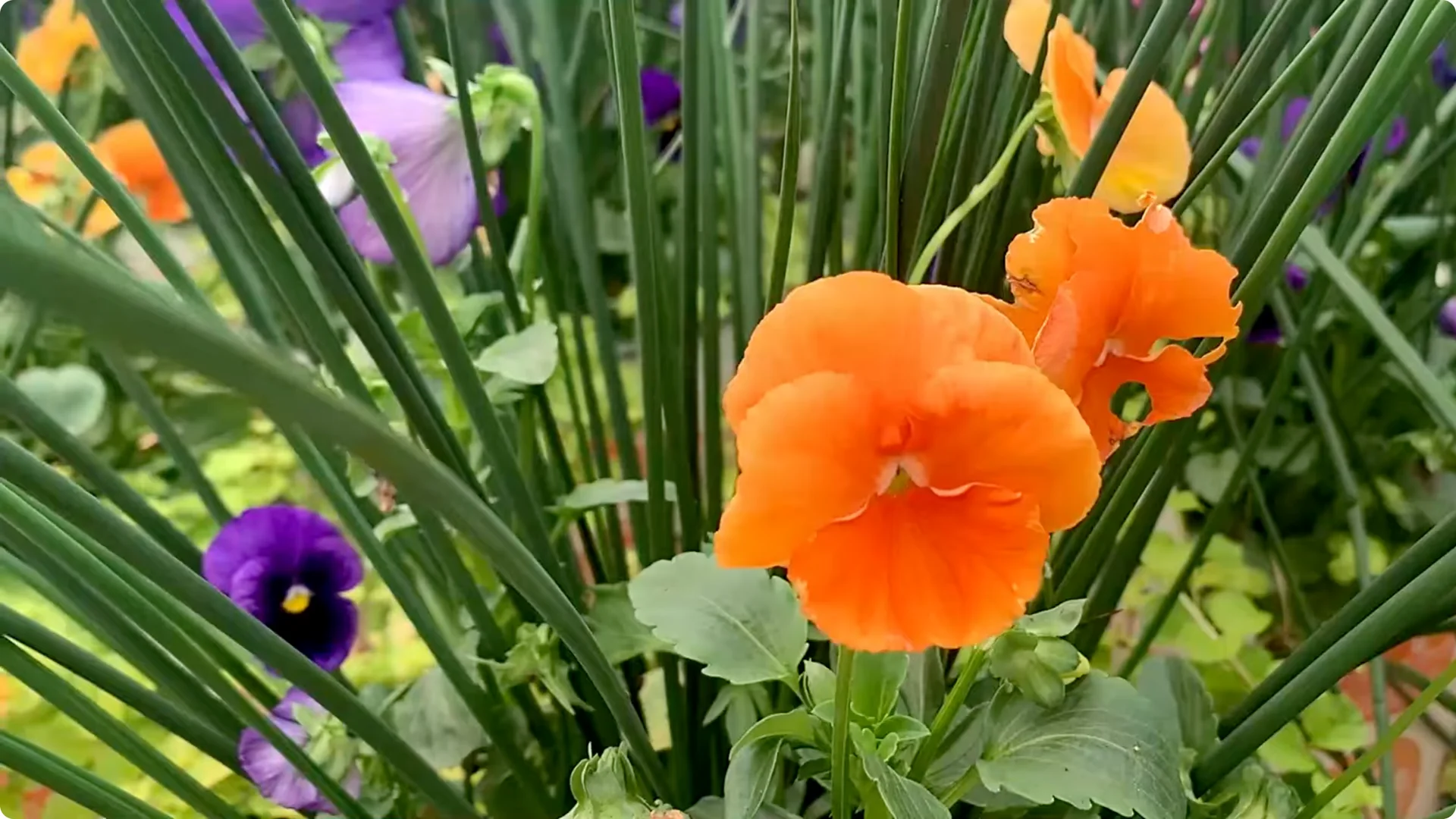
Grasses and Pansies
Ornamental grasses can add whimsy, movement, and texture along with your colorful mums. Smaller sized grasses are perfect for patio pots. Pansies are cool season annuals that will continue to bloom into winter, even after multiple frosts and freezes.
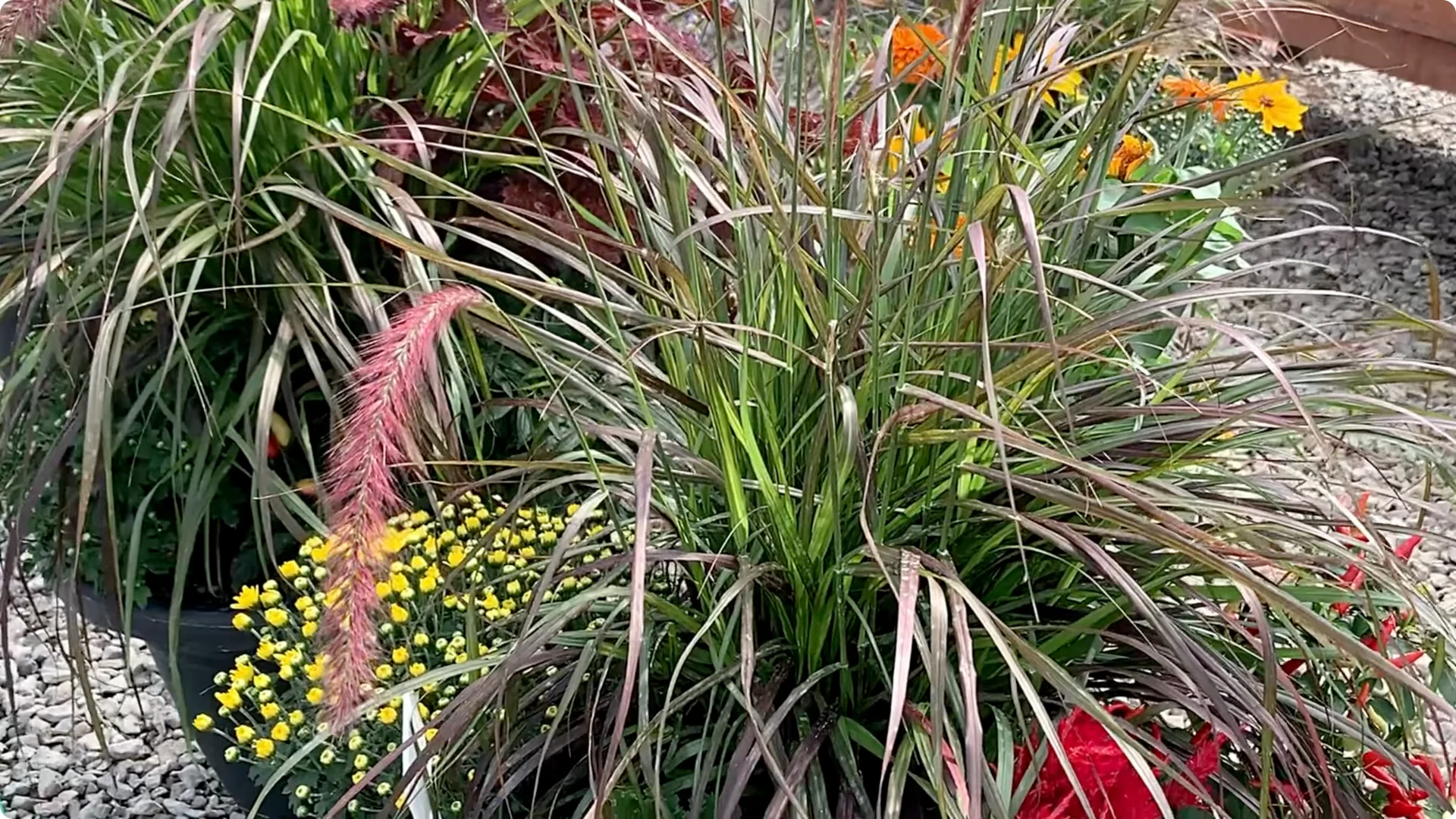
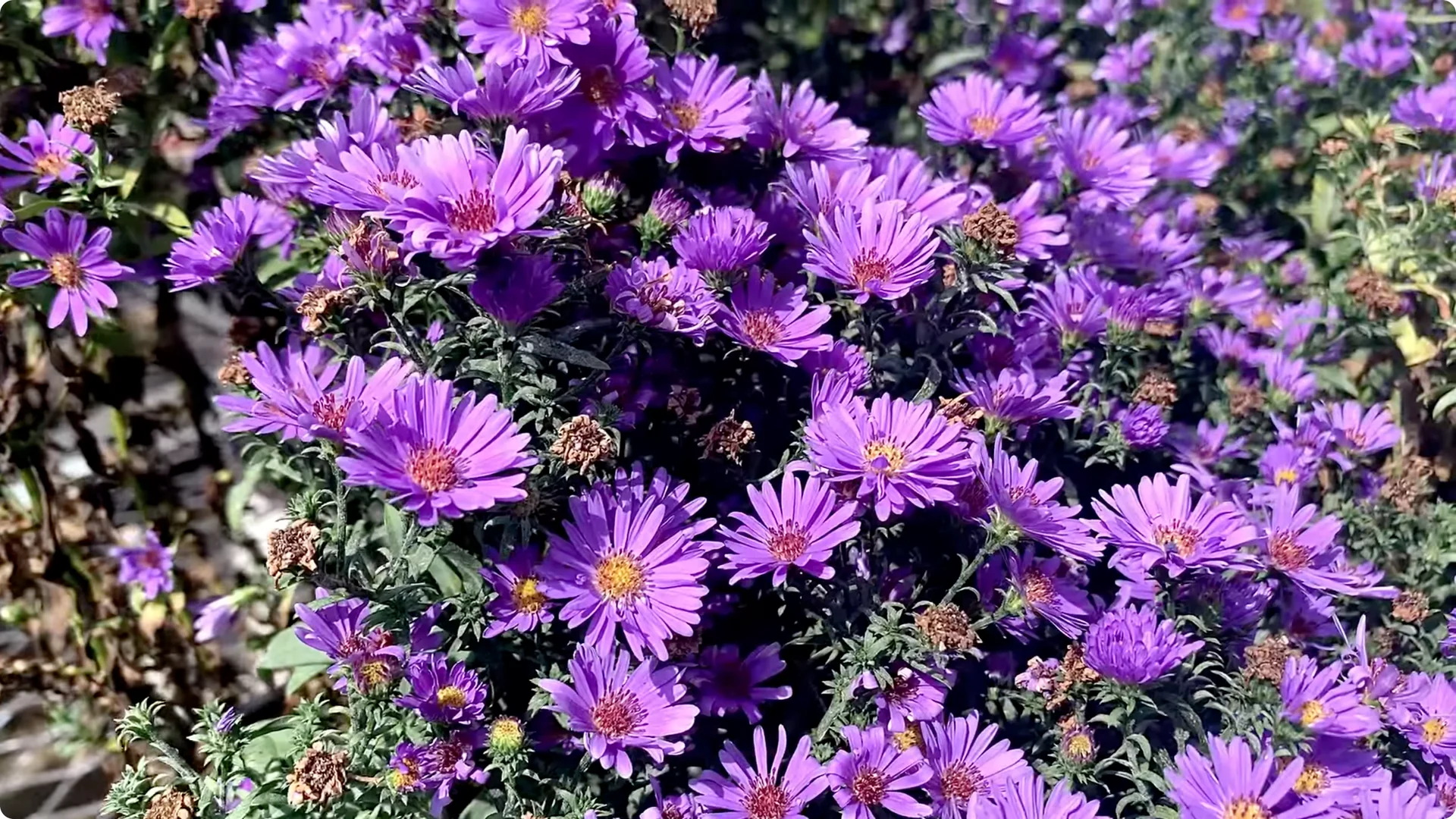
Peppers and Asters
Add a spicy flare with ornamental peppers in a wide range of bright colors that include reds, orange, yellows, and purples. Asters are also a great pairing with fall mums. They bloom late and prefer the same growing conditions, adding a perfect late season plant to attract pollinators to your garden.

Cabbage, Kale, and Coral Bells
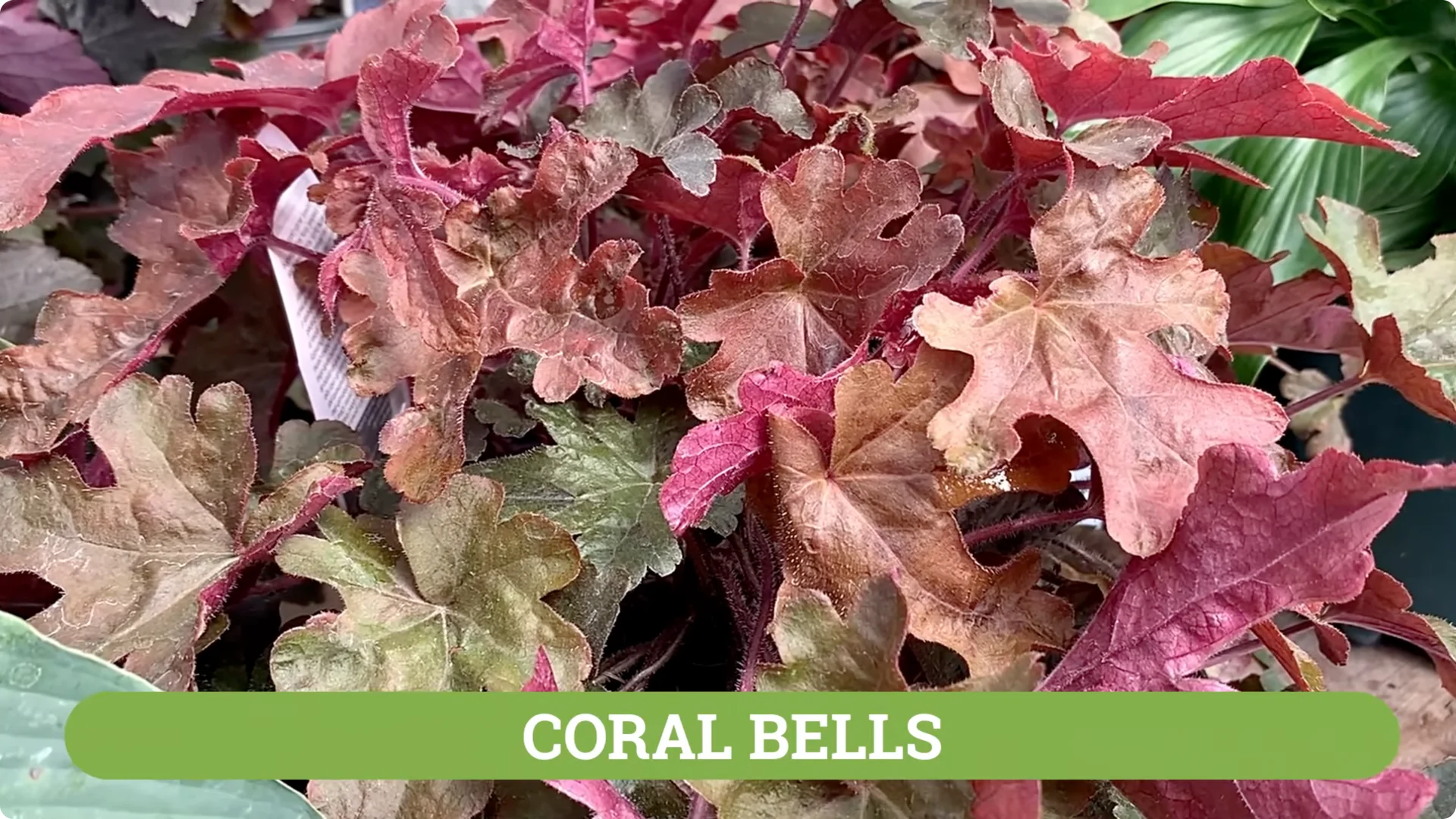
While not edible, ornamental cabbage and kale offer foliage contrast with ruffled leaves and crisp blue-green colors. They perform best in cooler weather, with color intensifying as the season progresses. For additional contrast, perennial coral bells offer a wide range of color and variation.
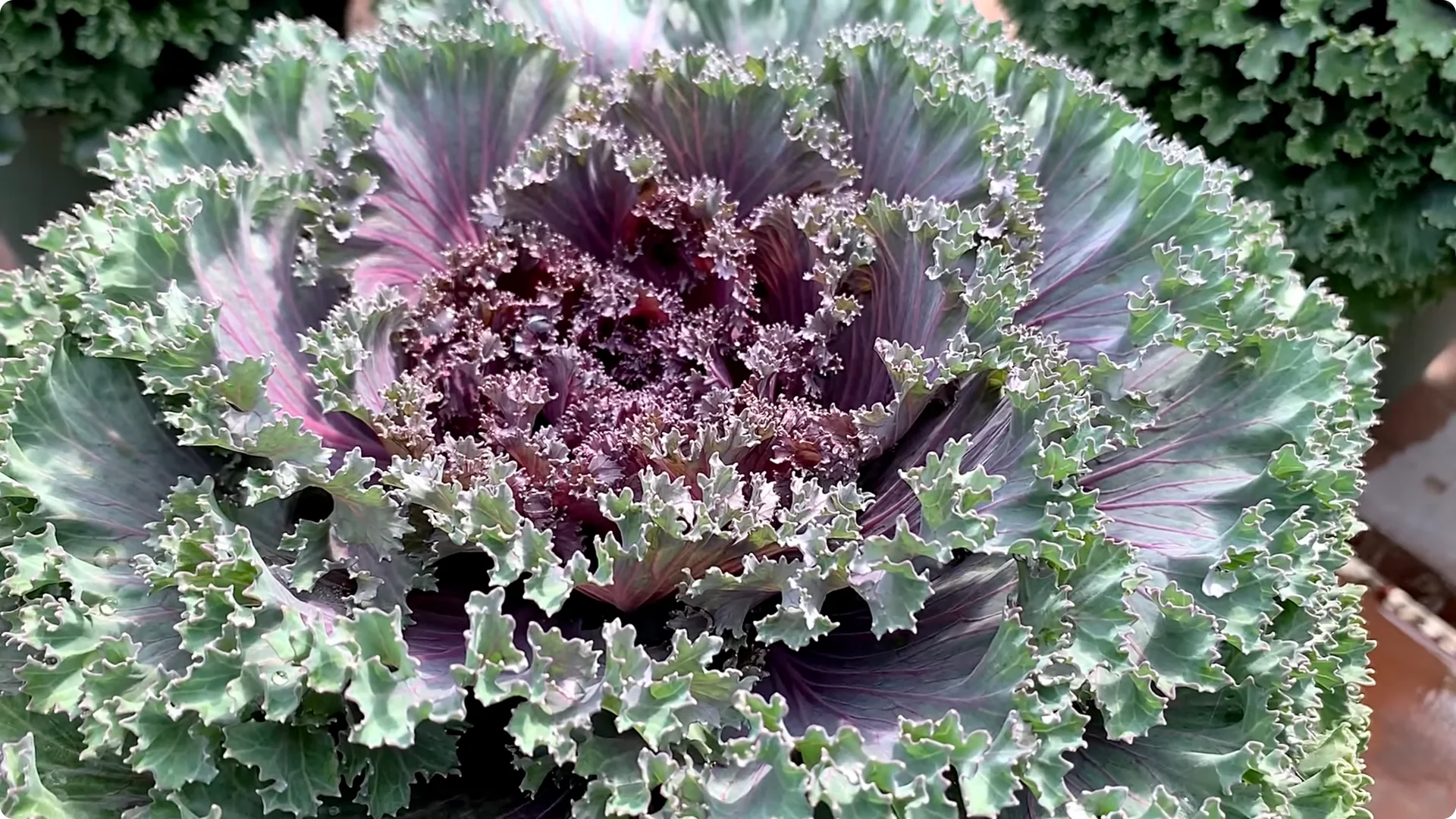

They can add that perfect amount of fall color and texture in the garden or in containers. Mix leaf shapes to echo or contrast mum flowers. Repeat colors across pots for cohesion.
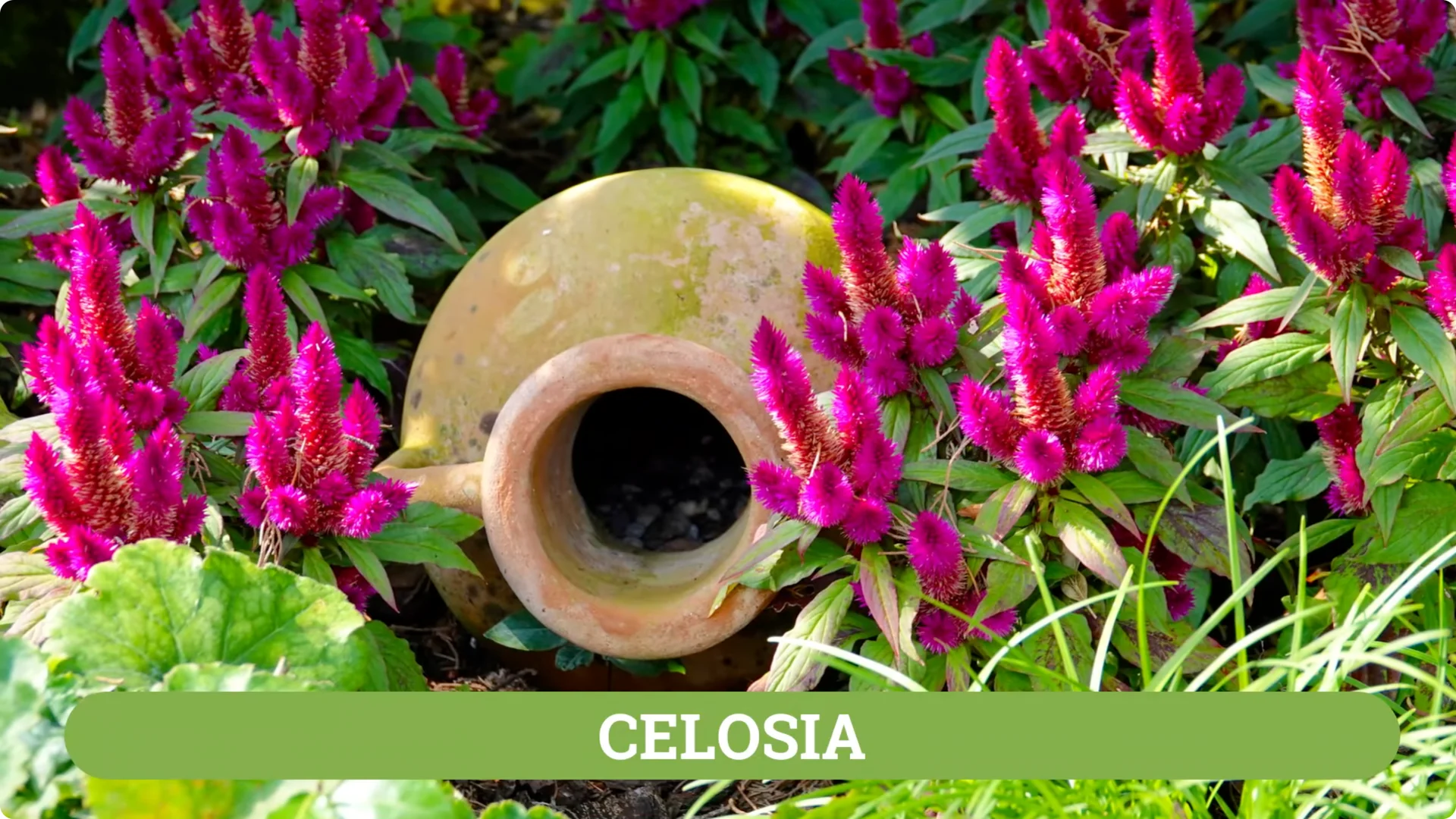
Celosia, Pumpkins, and Gourds
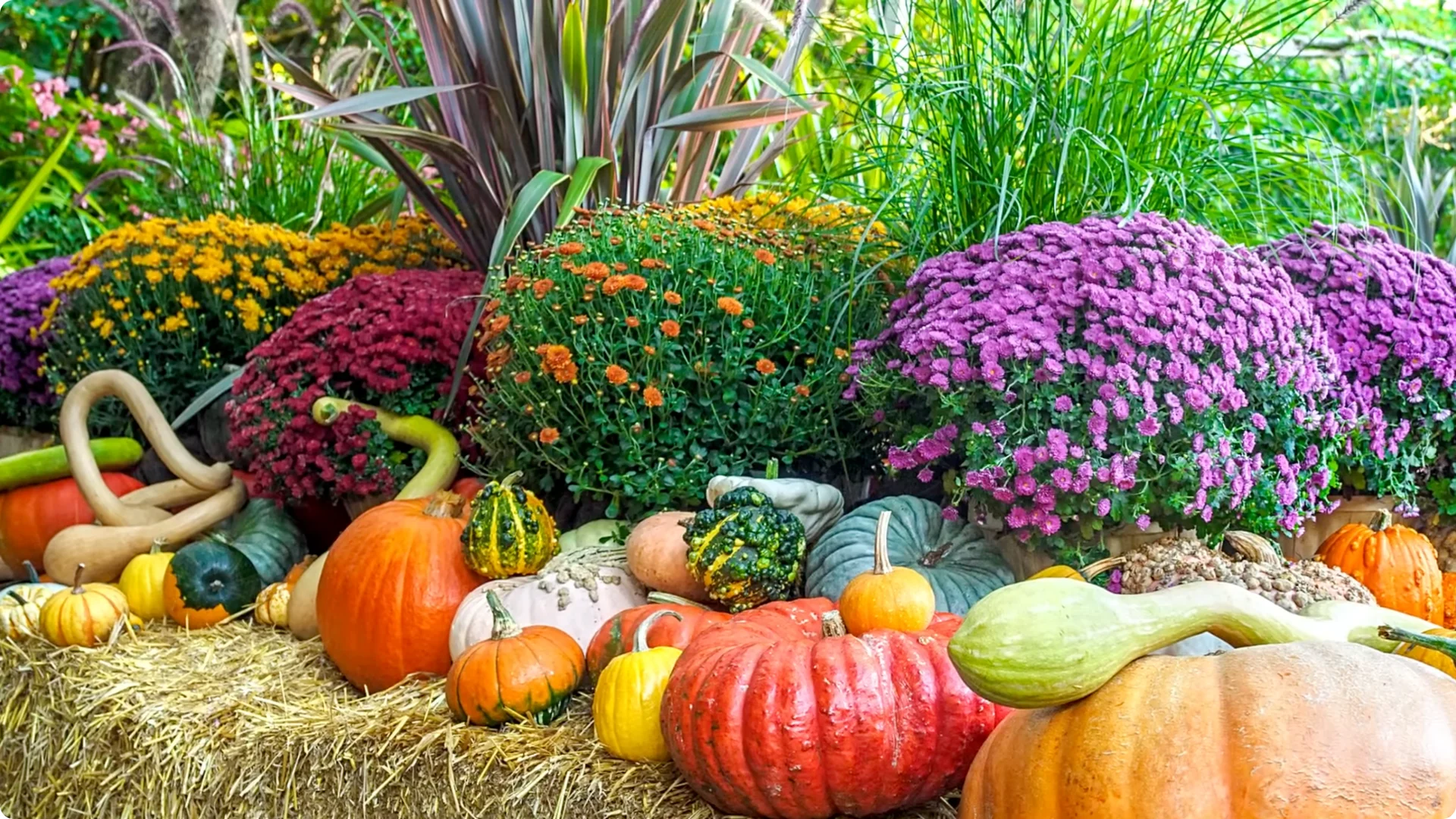
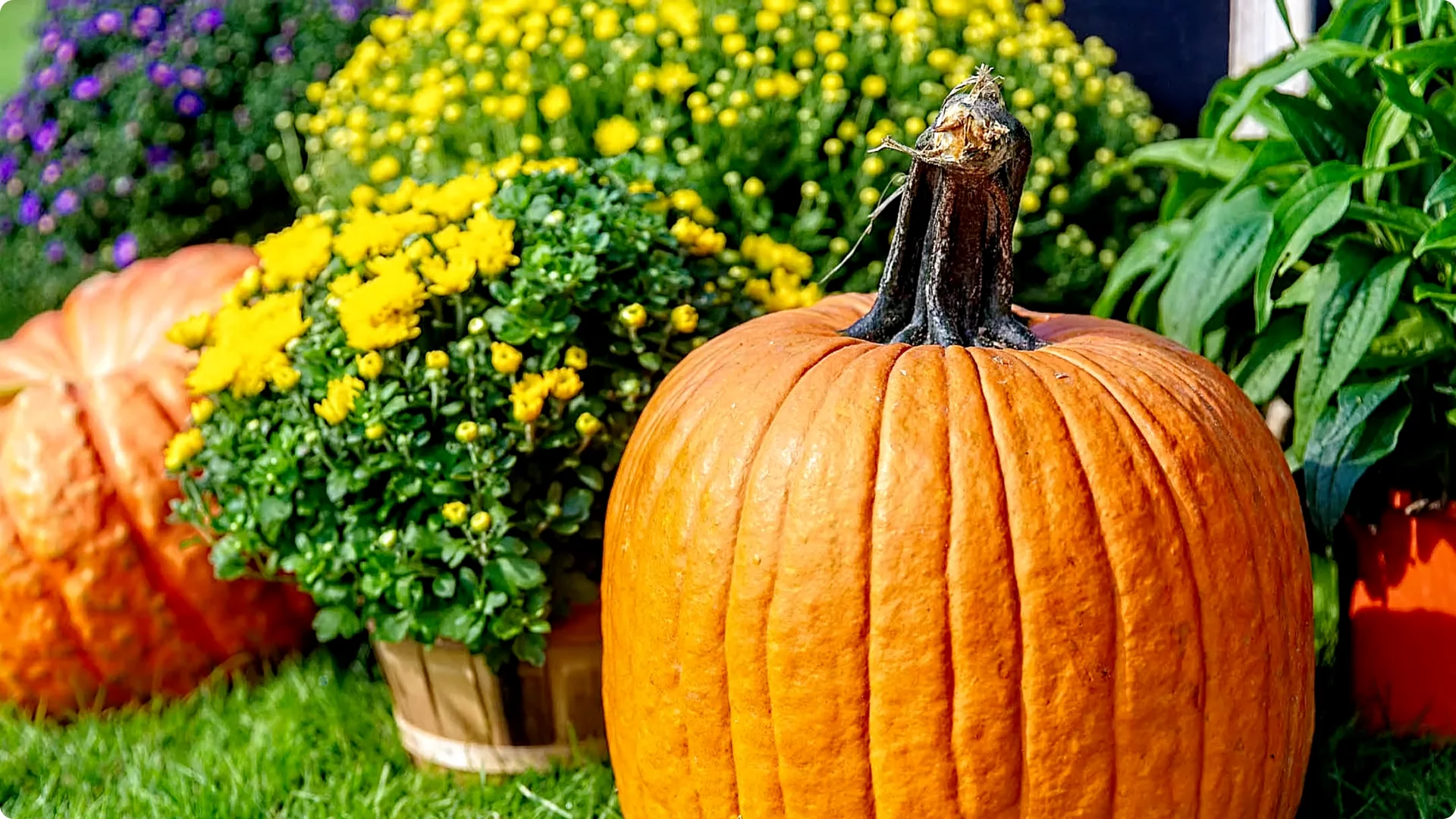
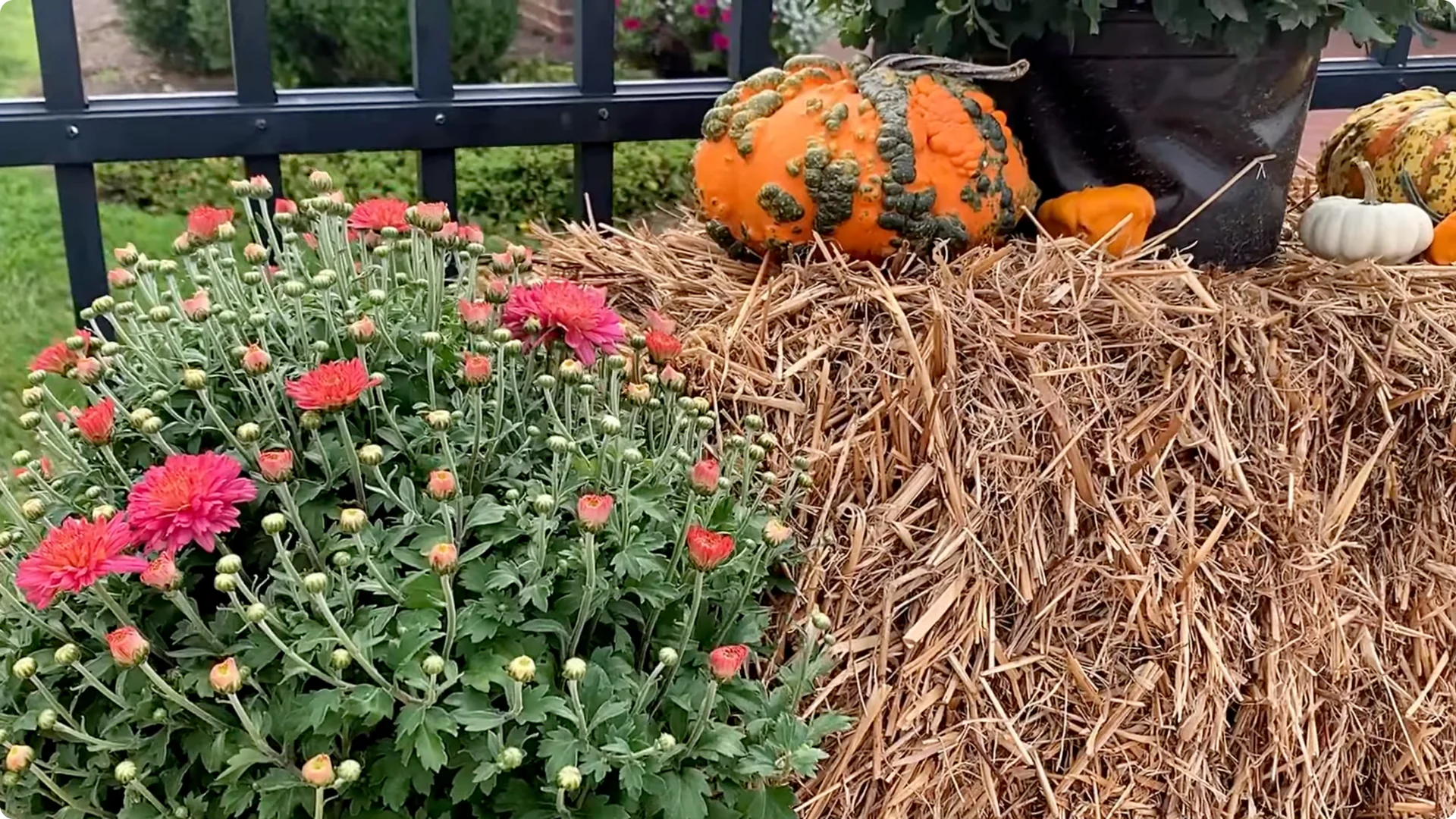
Celosia can provide a long-lasting upright accent to patio pots with fluffy-looking flowers that tolerate cooler temperatures. Pumpkins and gourds can be added to round out your fall displays. Stack them alongside the mums or atop a straw bale and tuck mini pumpkins and gourds into the front of planters to fill space.
Final Thoughts on Fall Chrysanthemum Care
Plant early, choose hardy types, and give mums sun and well-drained soil. Repot container mums, feed in spring and early summer, and practice pinching to keep plants full and bloom-ready. Leave fall foliage, mulch after hard frosts, and pull it back in spring to help mums return with vibrant color.