
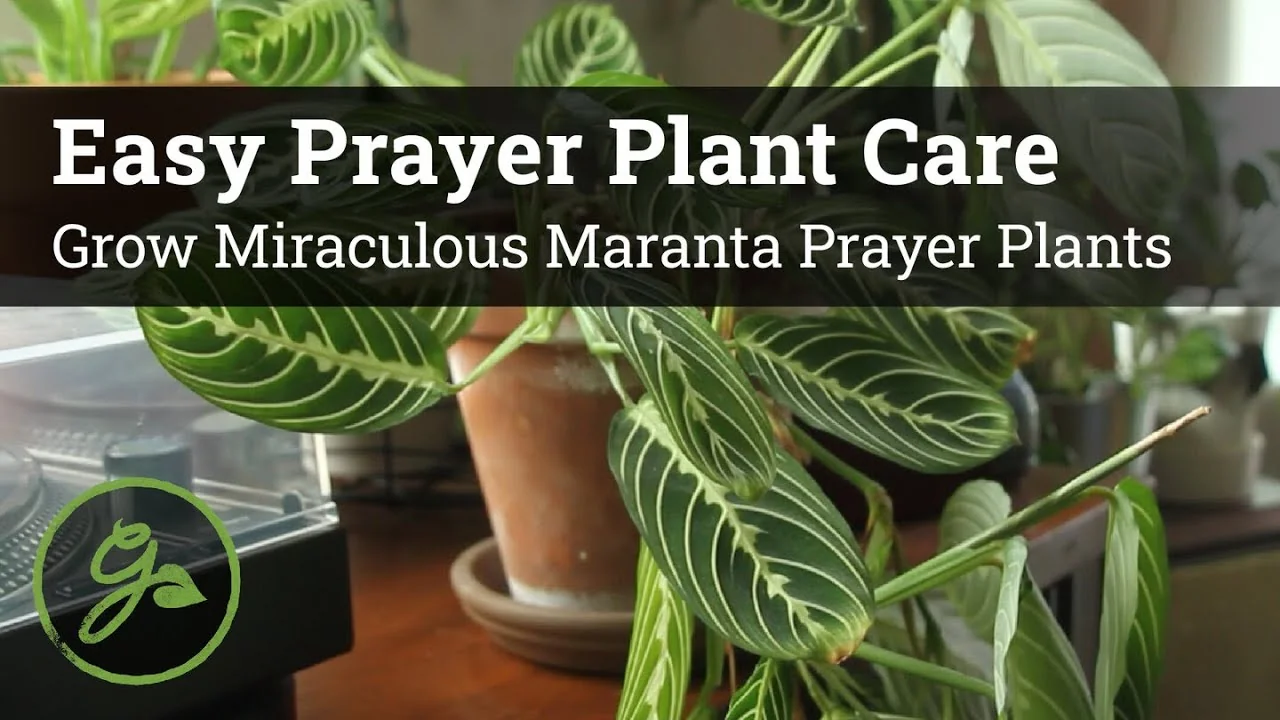
Prayer plants are great additions to any indoor garden. They have decorative foliage that looks beautiful trailing out of pots and once you know what they need to grow, they are easy to care for. I’m going to teach you how to grow miraculous prayer plants.
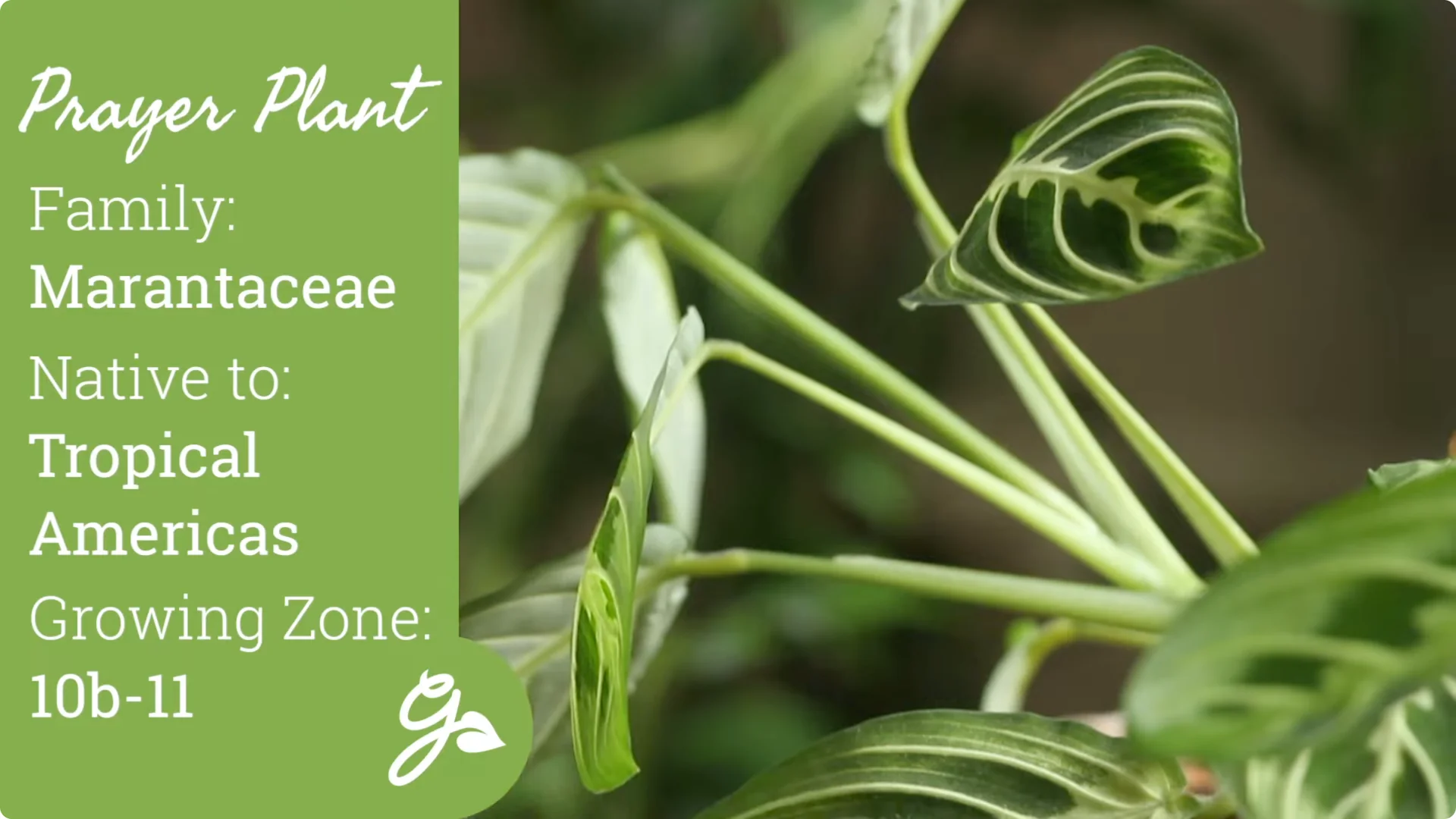
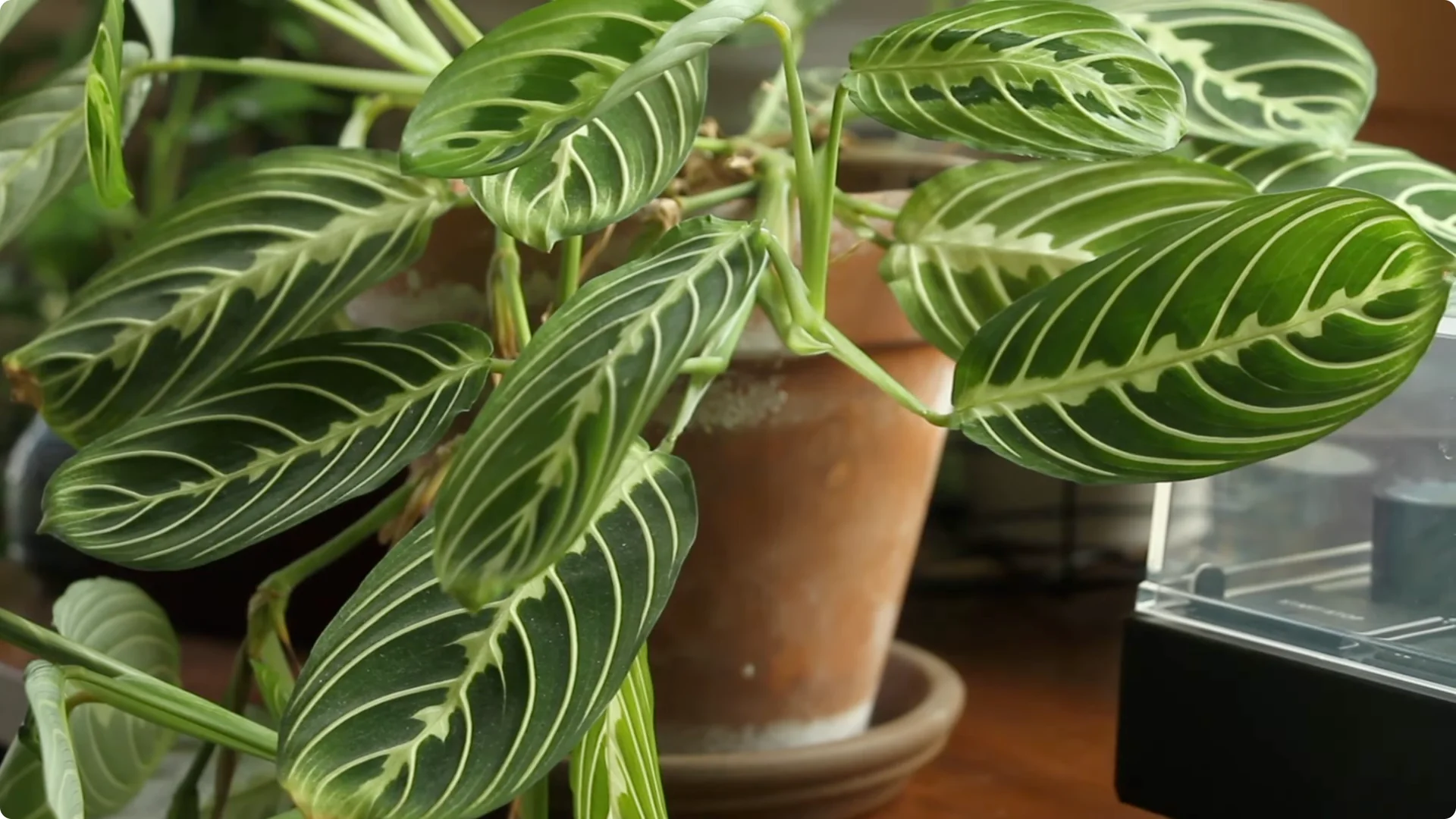
Native to tropical parts of the Americas, the prayer plant grows in the understory of rainforests and is a member of the family Marantaceae. There are 40-50 known species of Maranta, but only two varieties make up most of the plants you find in stores: the red-veined prayer plant and the rabbit’s foot prayer plant. A common look-alike is Calathea, which is also sometimes confusingly called a prayer plant.
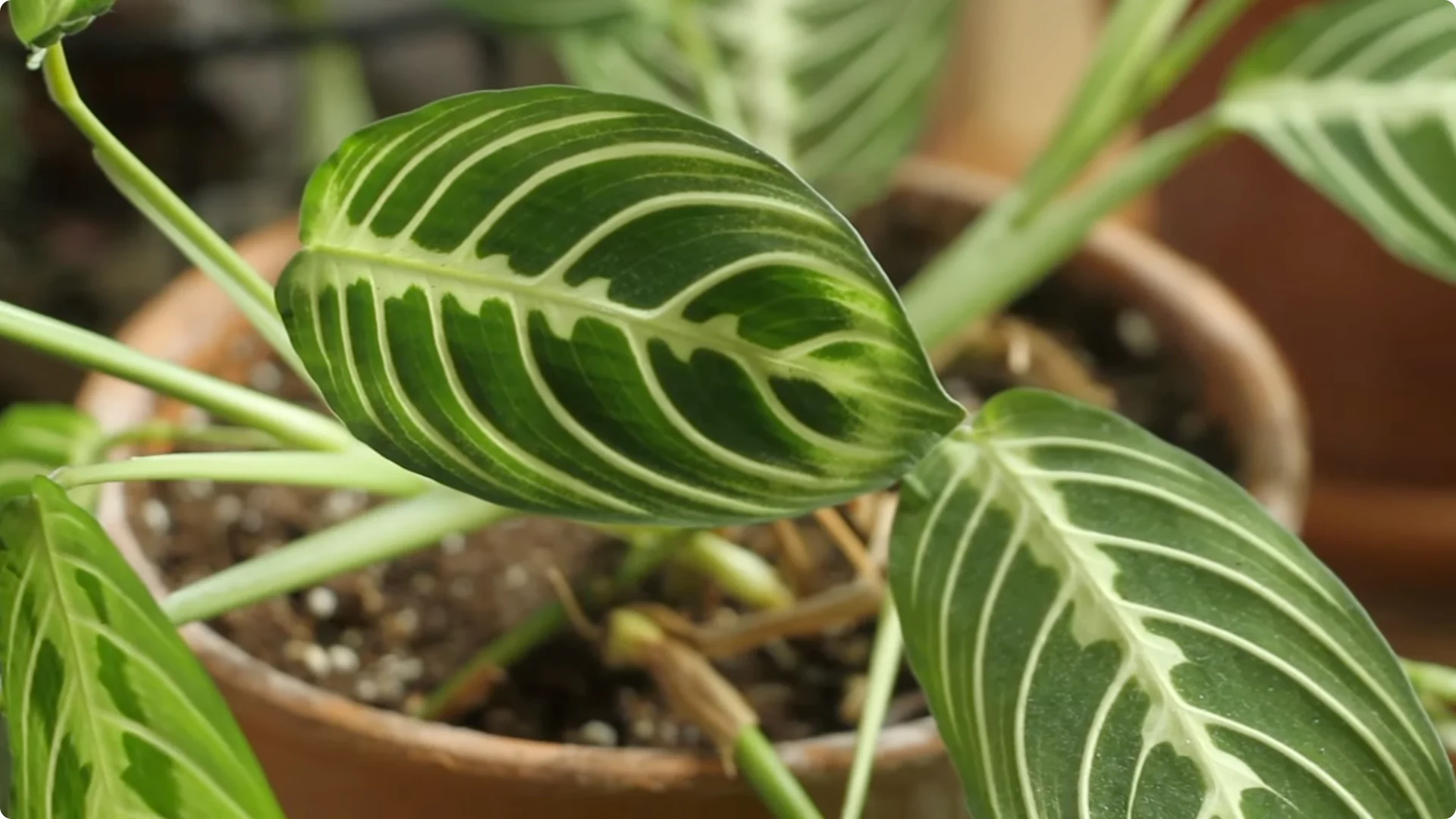
The two species are related, but they’re not the same. While they have similar looking leaves with a painted appearance, Maranta is a vining plant and Calathea is shrubbier and grows upright.
1. Maranta Prayer Plant Care Basics
Origins and identity
Maranta prayer plants grow in rainforest understories, which explains their preference for softer light and higher humidity. Knowing this background helps you match their needs indoors.
Light and temperature
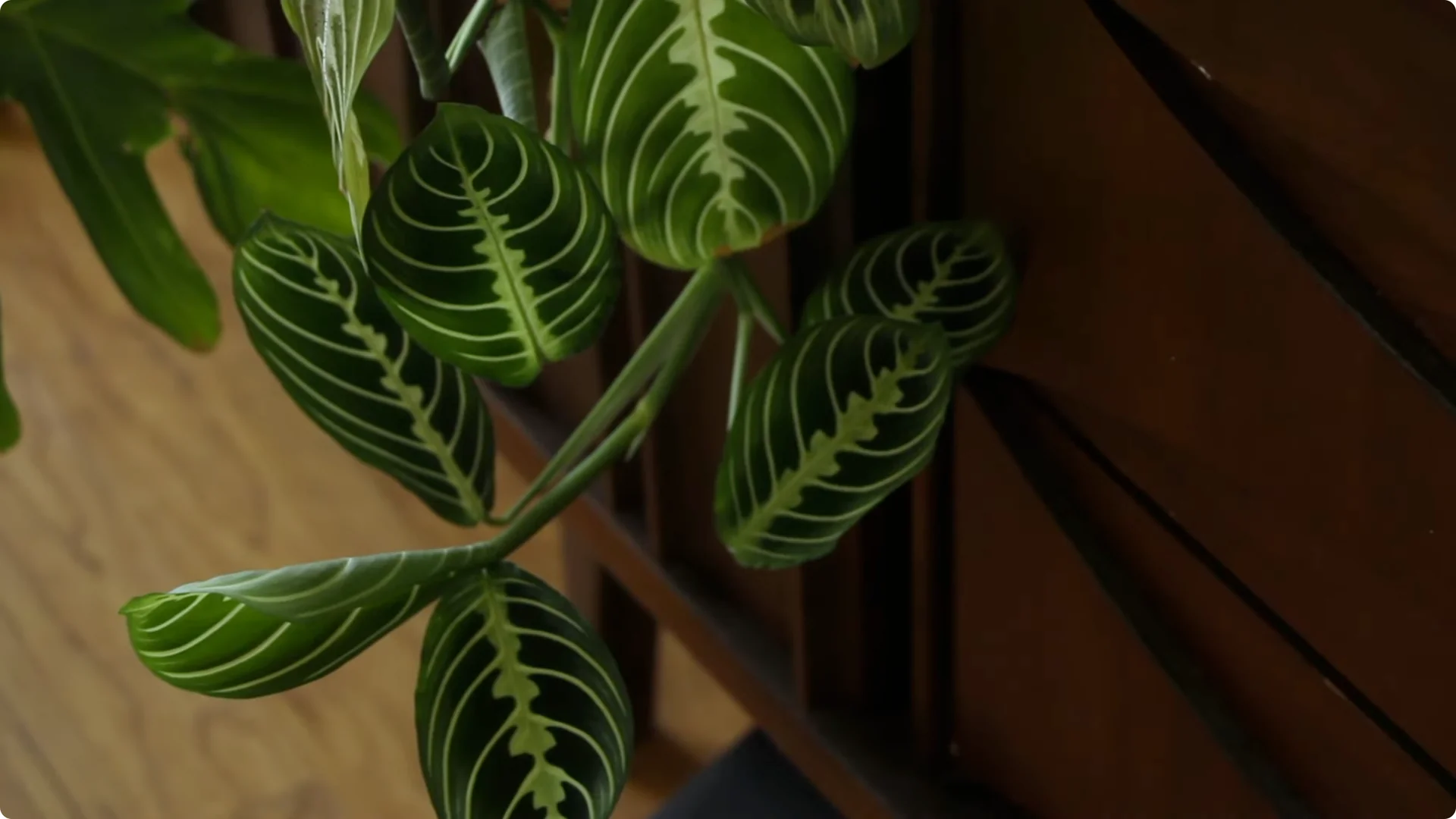
Maranta prayer plants do best in bright, indirect sunlight, but they can tolerate low light conditions as well. Keep temperatures between 60 and 80 degrees Fahrenheit and make sure plants have well-drained soil and high humidity.
Humidity and moisture
You can raise the humidity in an area by grouping plants together. Or you can set the pot on a shallow dish of pebbles and water. Make sure not to let prayer plants sit directly in water.
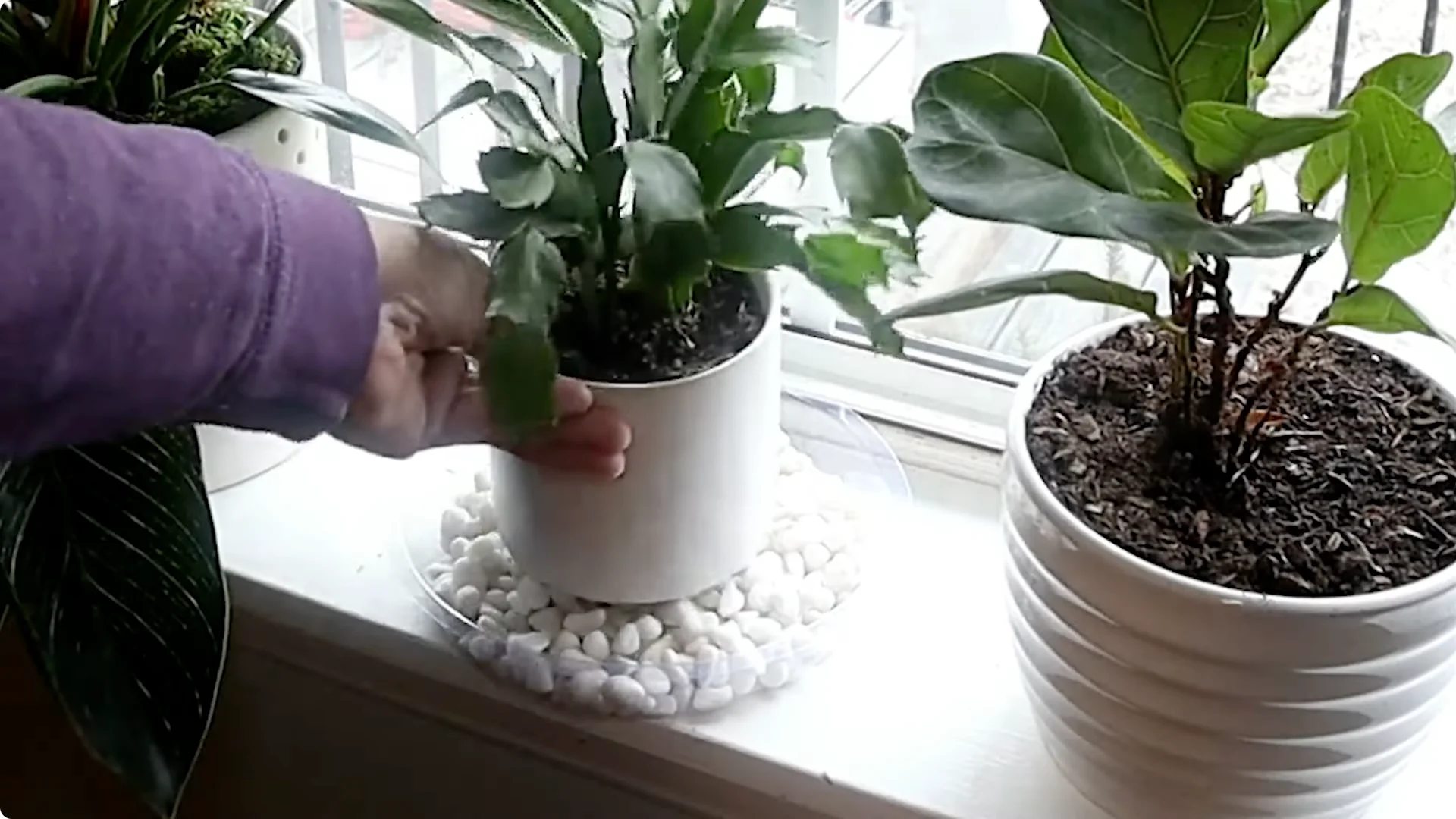
Keep their soil moist but not soggy and, during winter dormancy, cut back on watering. Feed prayer plants with an all-purpose fertilizer once every two weeks from spring through fall.
Read More: plants that grow in water
2. Maranta Prayer Plant Care – Repotting and Propagation
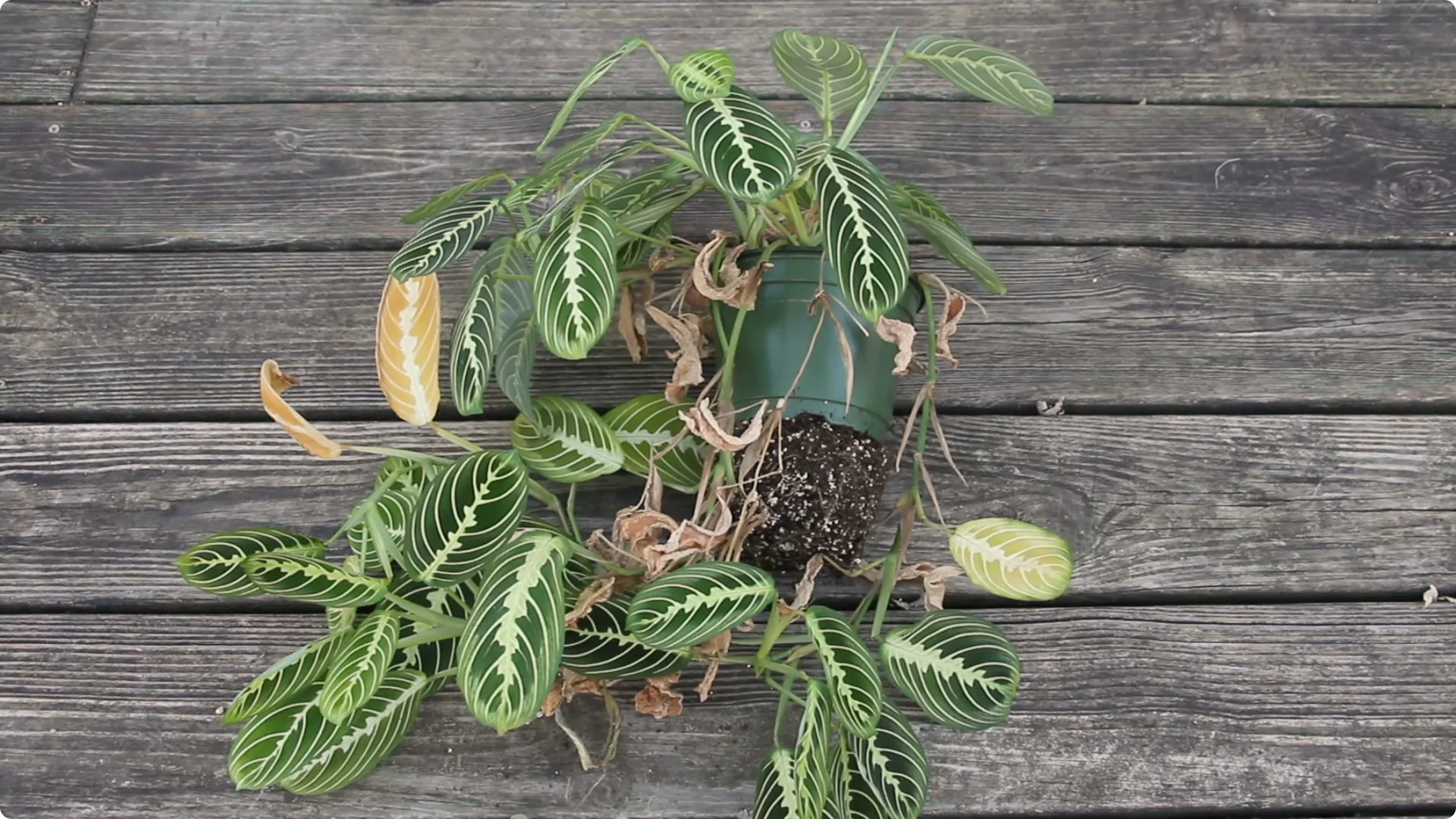
When to repot and what you need
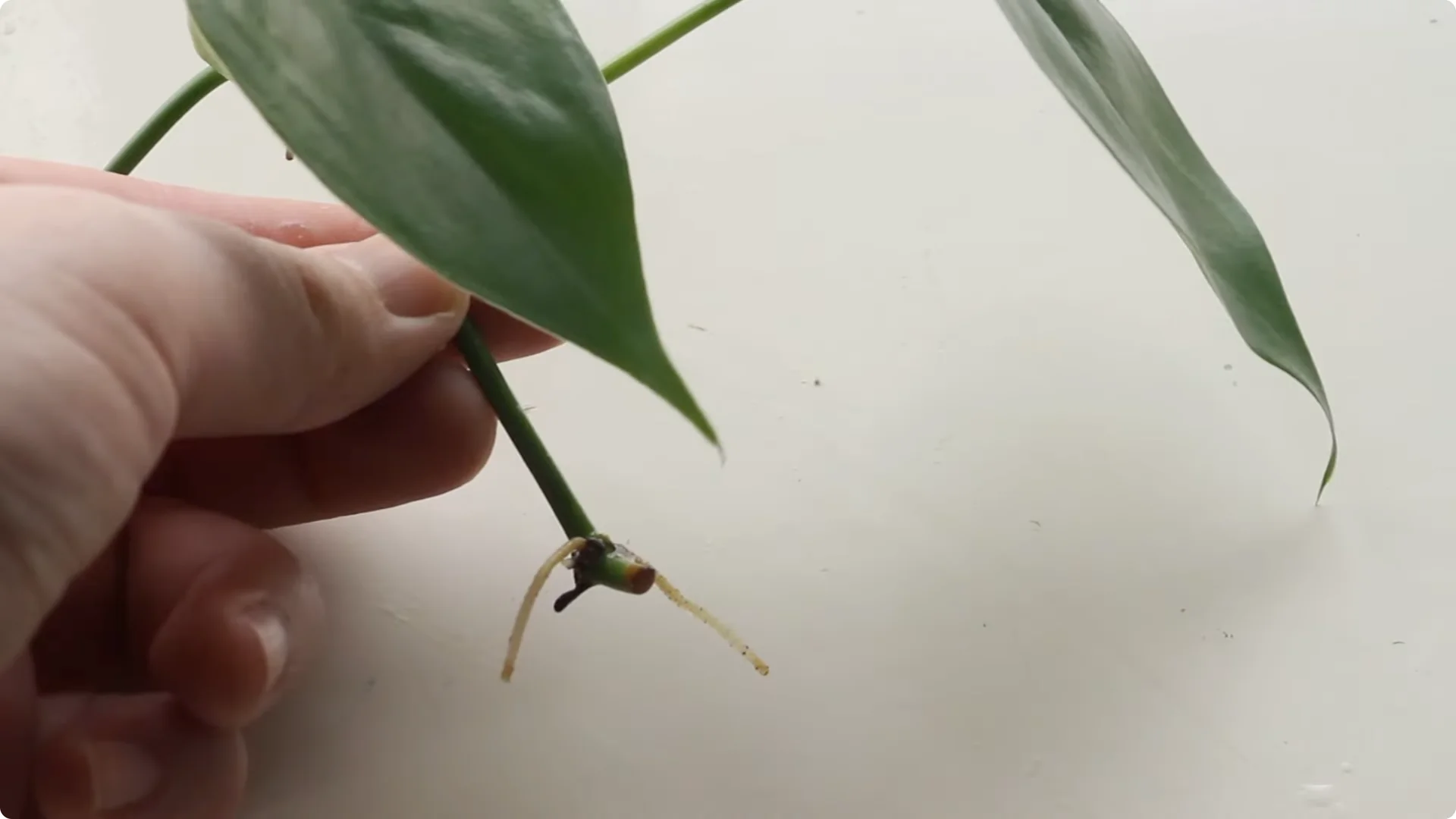
Repot prayer plants in early spring. This is also a great time to propagate by cuttings or division. You will need a new pot that’s an inch or two larger in diameter than the current one, a good potting soil mix or one created specifically for houseplants, pruners, and your prayer plant.
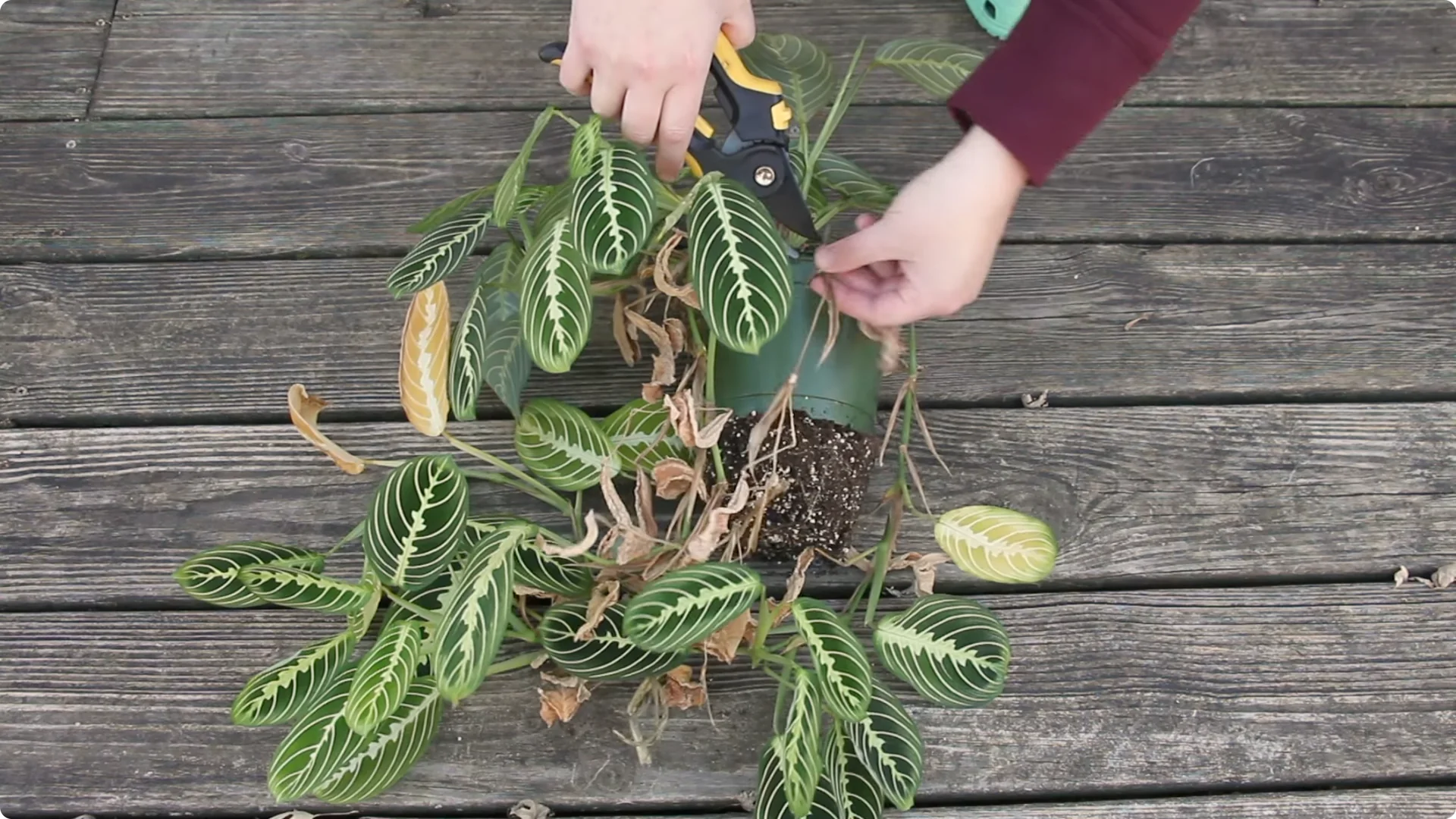
Prep the plant
Start by cleaning up your plant, cutting off any dead, yellow, or diseased leaves. This plant has been in this small pot for much too long.
It was sitting inside a larger decorative pot with a bit of soil in the bottom so you can see the roots have continued to grow through the holes in the small pot and into the soil in the decorative outer container, forming a second root ball. We need to knock off some of this soil and untangle these roots before we can replant.
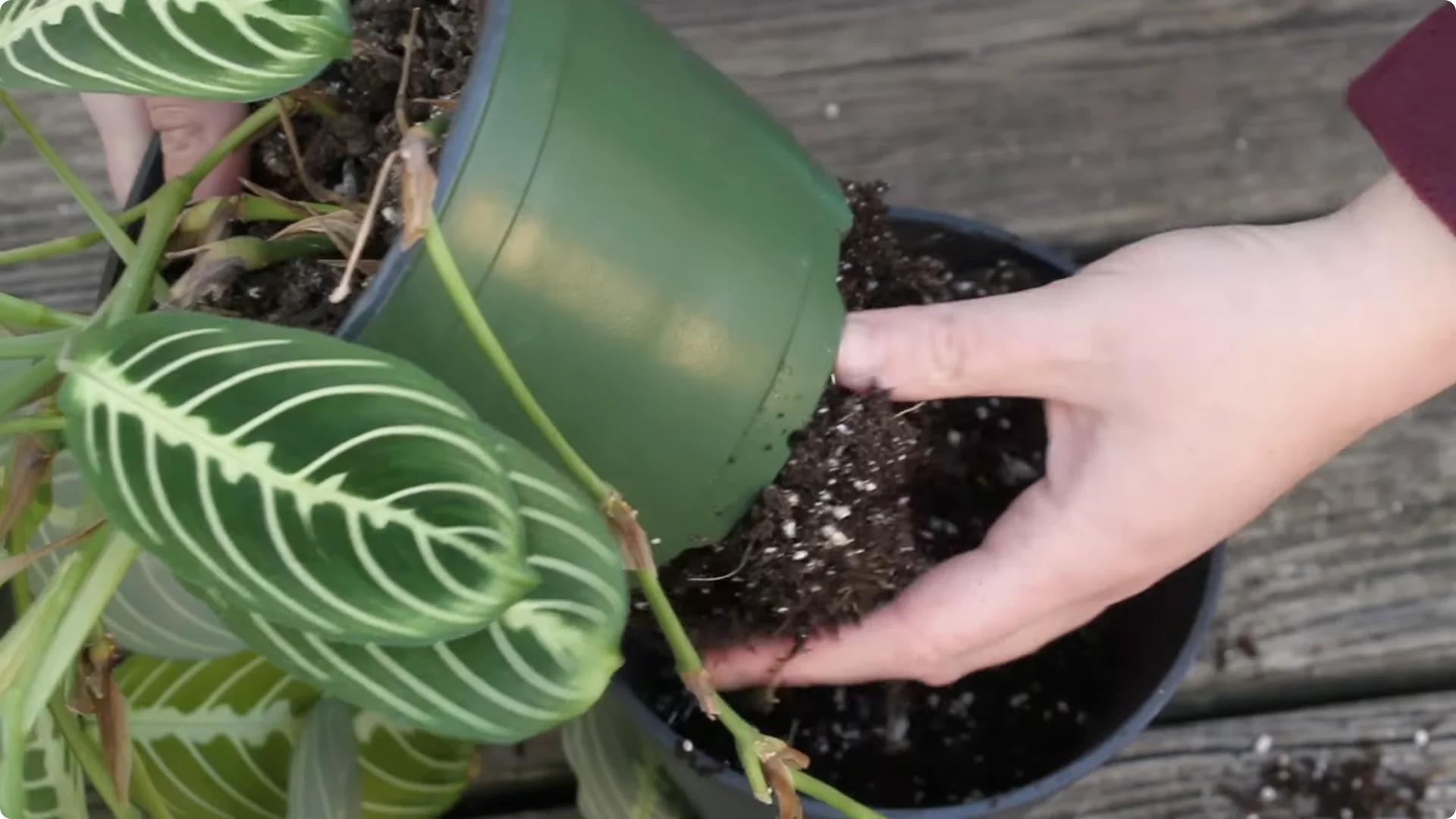
Freeing rootbound roots
Loosen and untangle any roots that have been circling the pot. This prayer plant has become quite rootbound being trapped in this little container.
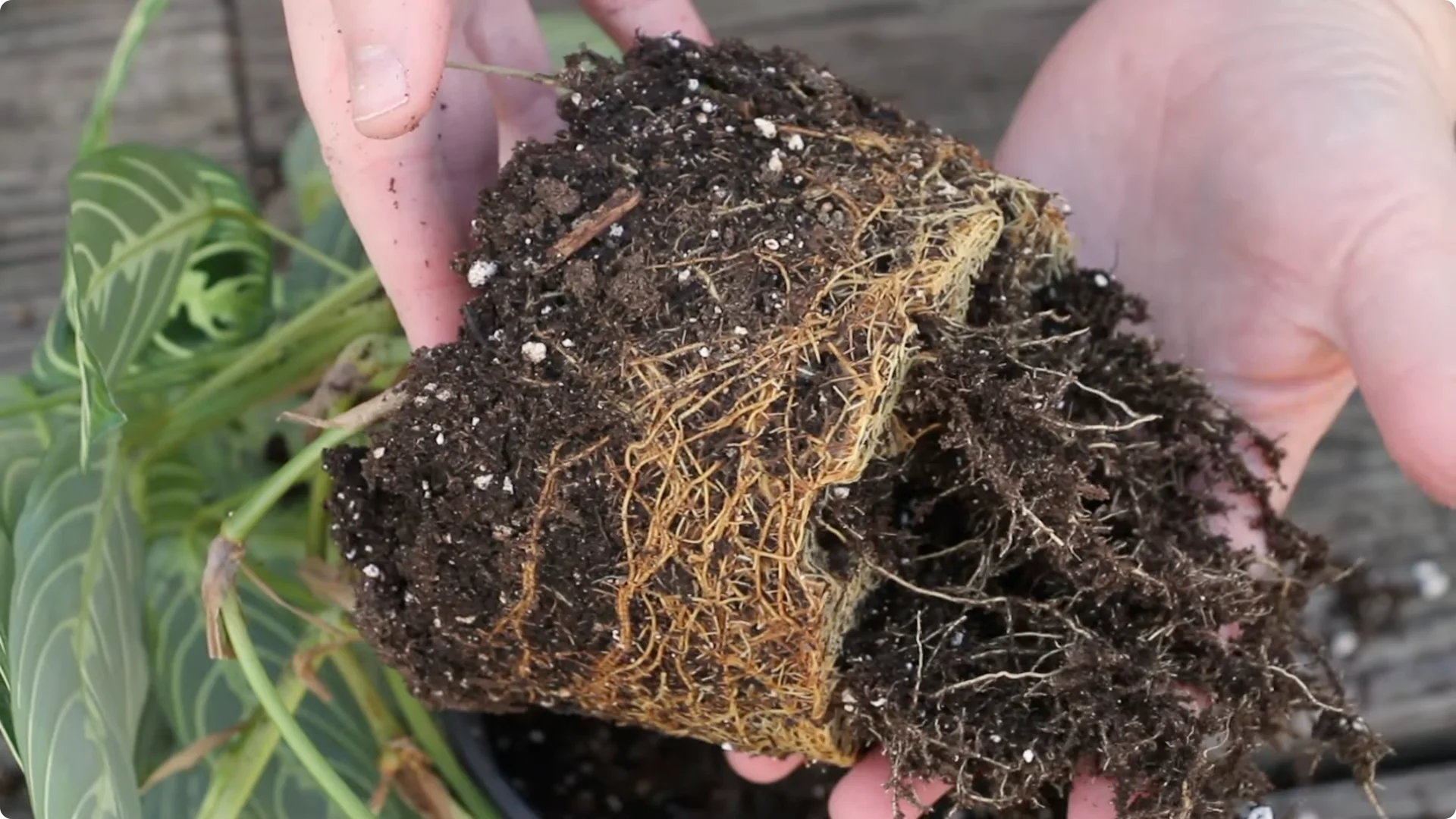
If you skip this step, the roots will keep circling in this pattern, even when it’s in a bigger container. You need to gently free the roots so they can grow and fill the new, larger pot. This will keep your prayer plant growing bigger and better.
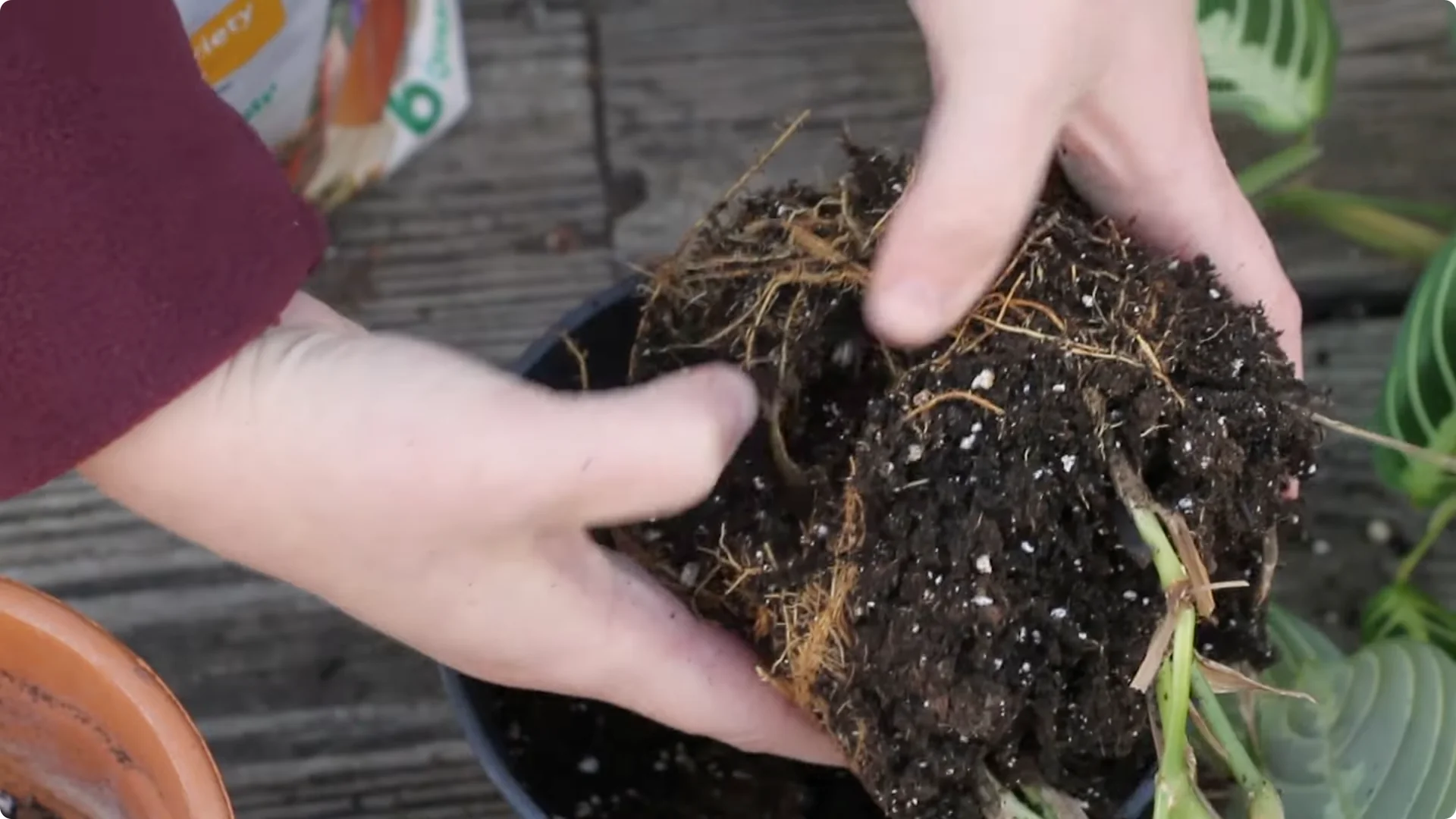
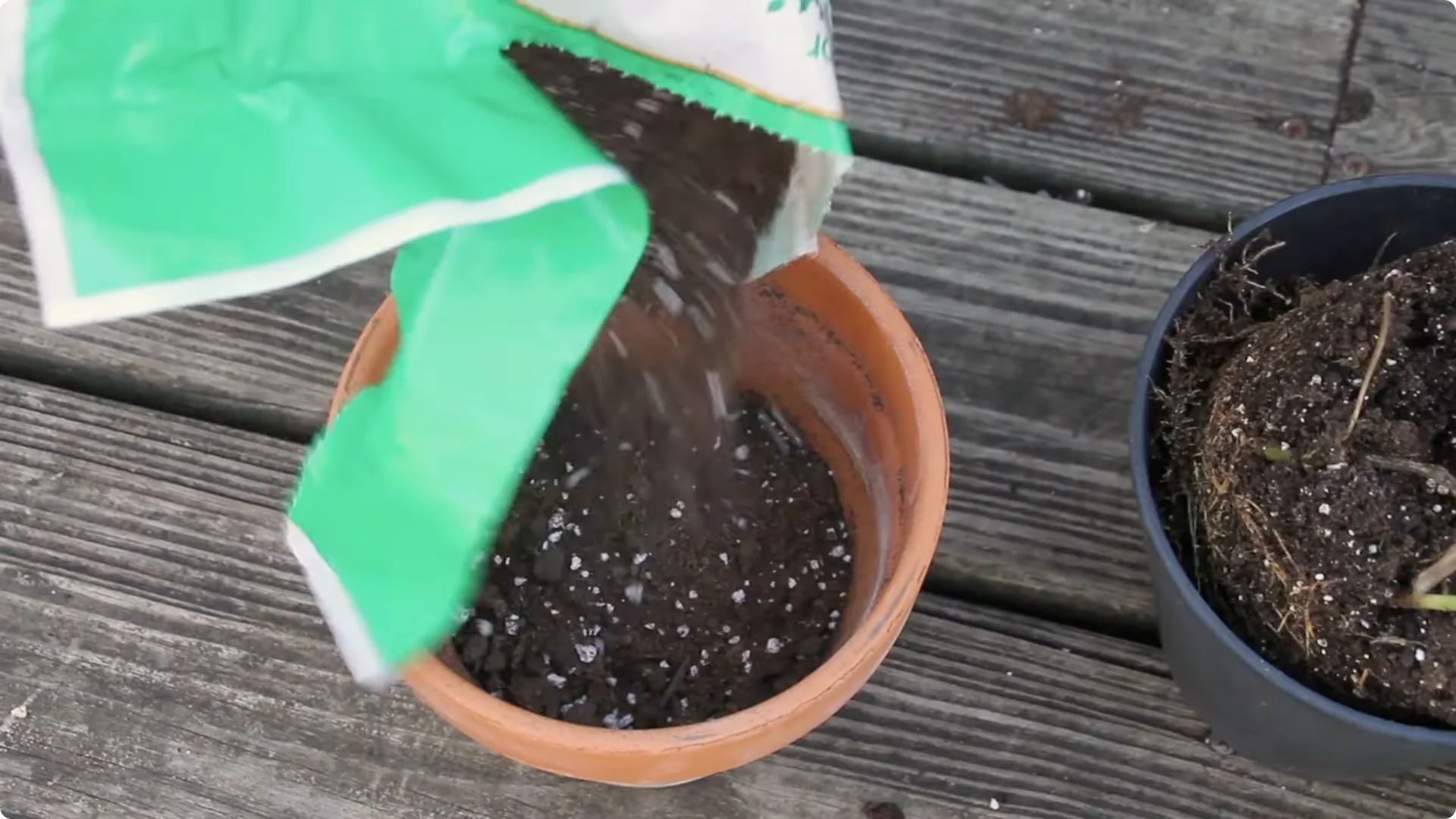
Potting up
Once you are finished freeing the roots, fill your new pot with potting mix. Make sure to leave space for all the roots.
Then place your prayer plant into its new home and add more soil, filling up to about one inch from the rim of the pot. Gently pat down soil to make sure you fill in all the large air pockets. The last step is to give your rehomed plant a good drink.
Read More: rose roots fast
3. Maranta Prayer Plant Care – Troubleshooting
Pests to watch
Maybe your prayer plant is in its new container, but it’s still struggling. This could be due to a variety of pests or diseases.
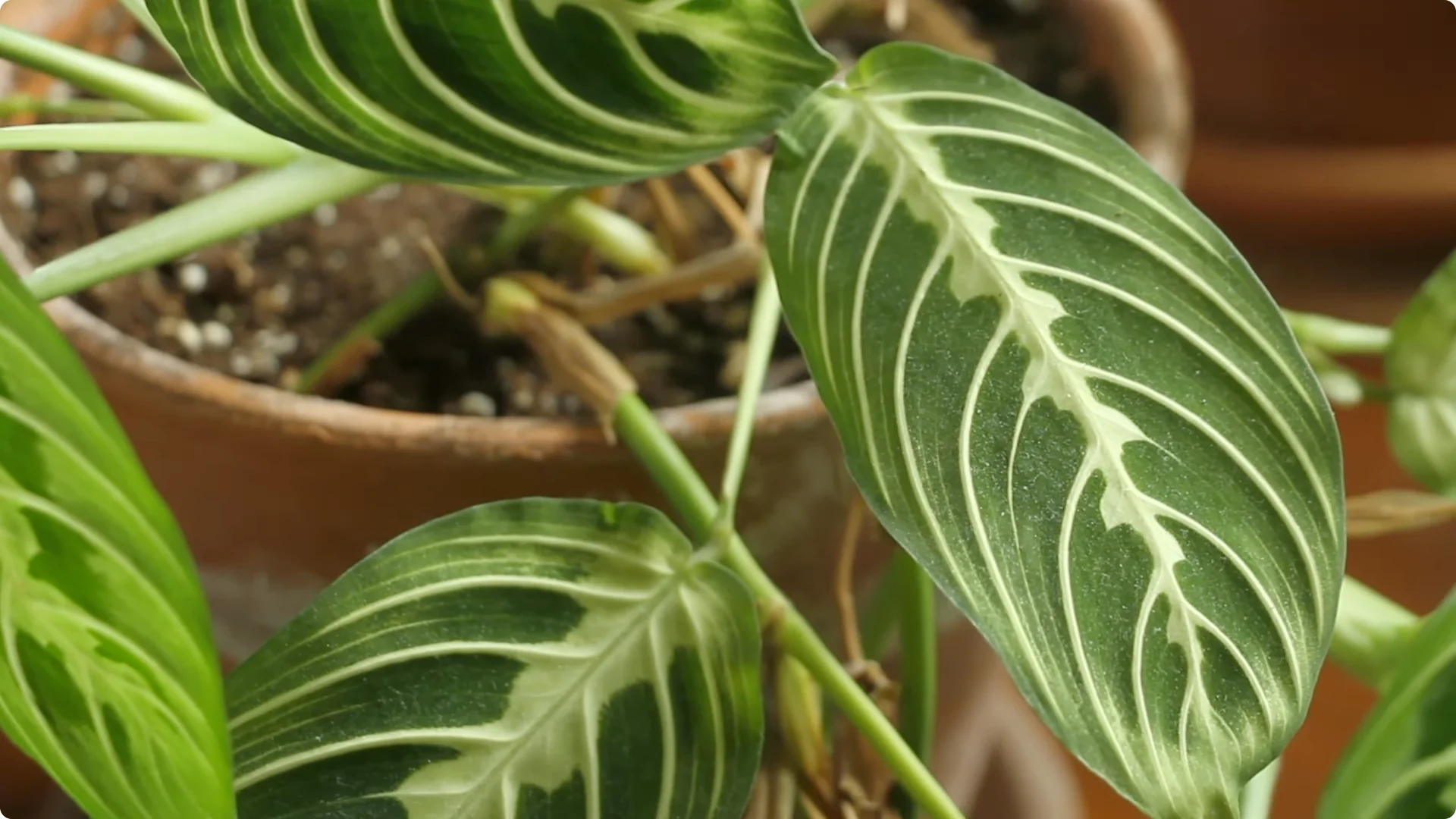
Prayer plants are prone to certain pests including spider mites, mealybugs, and aphids. Horticultural soaps and neem oil are natural ways to get pests to buzz off. But the best control method is always prevention.
Inspect new plants or plants that have been outside before adding them to your collection. This keeps pests from spreading to other plants.
Disease signs and stress
Watering time is another great opportunity to watch out for other problems and diseases. Look for yellow or brown leaves and trim them off as needed.
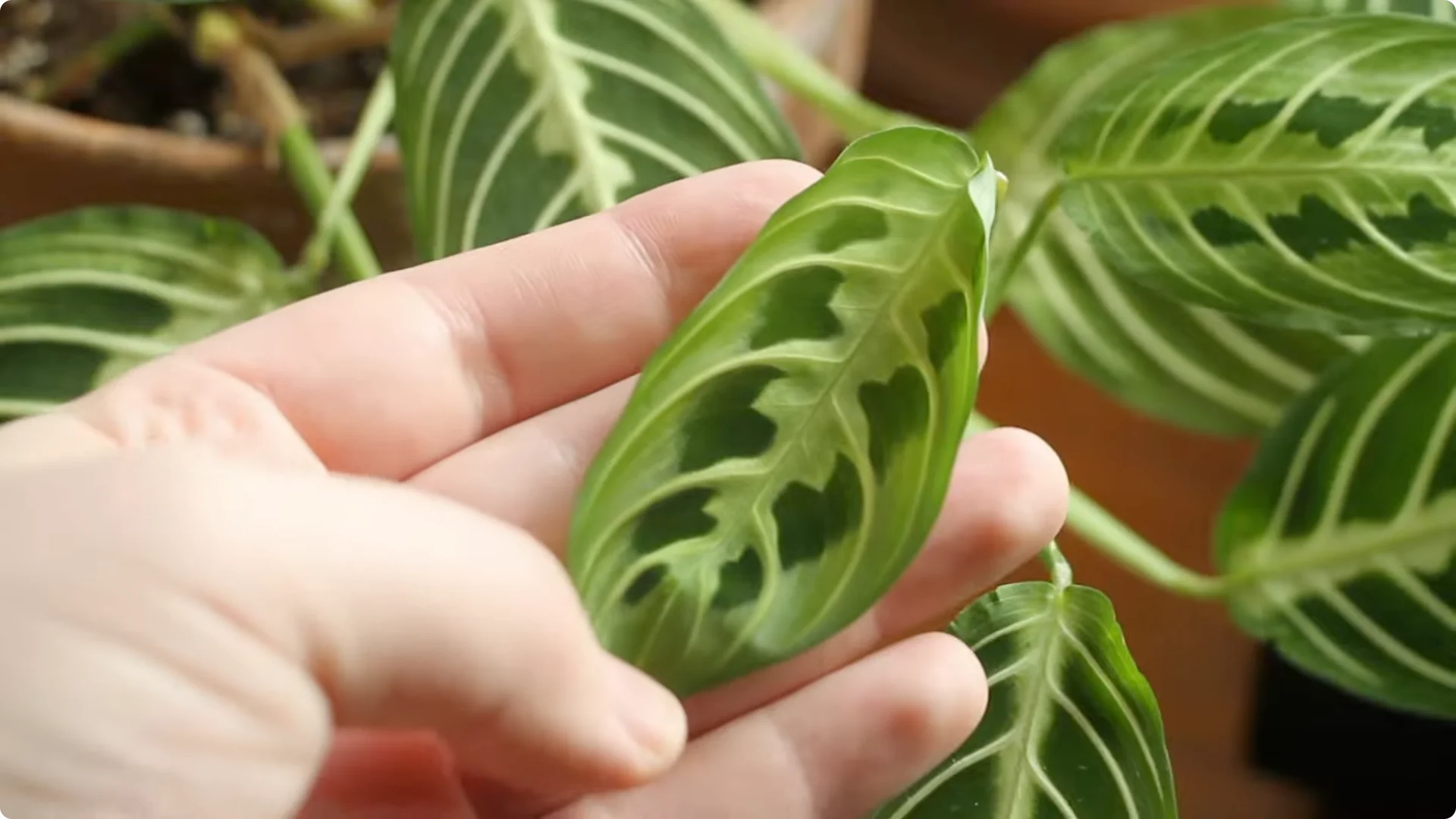
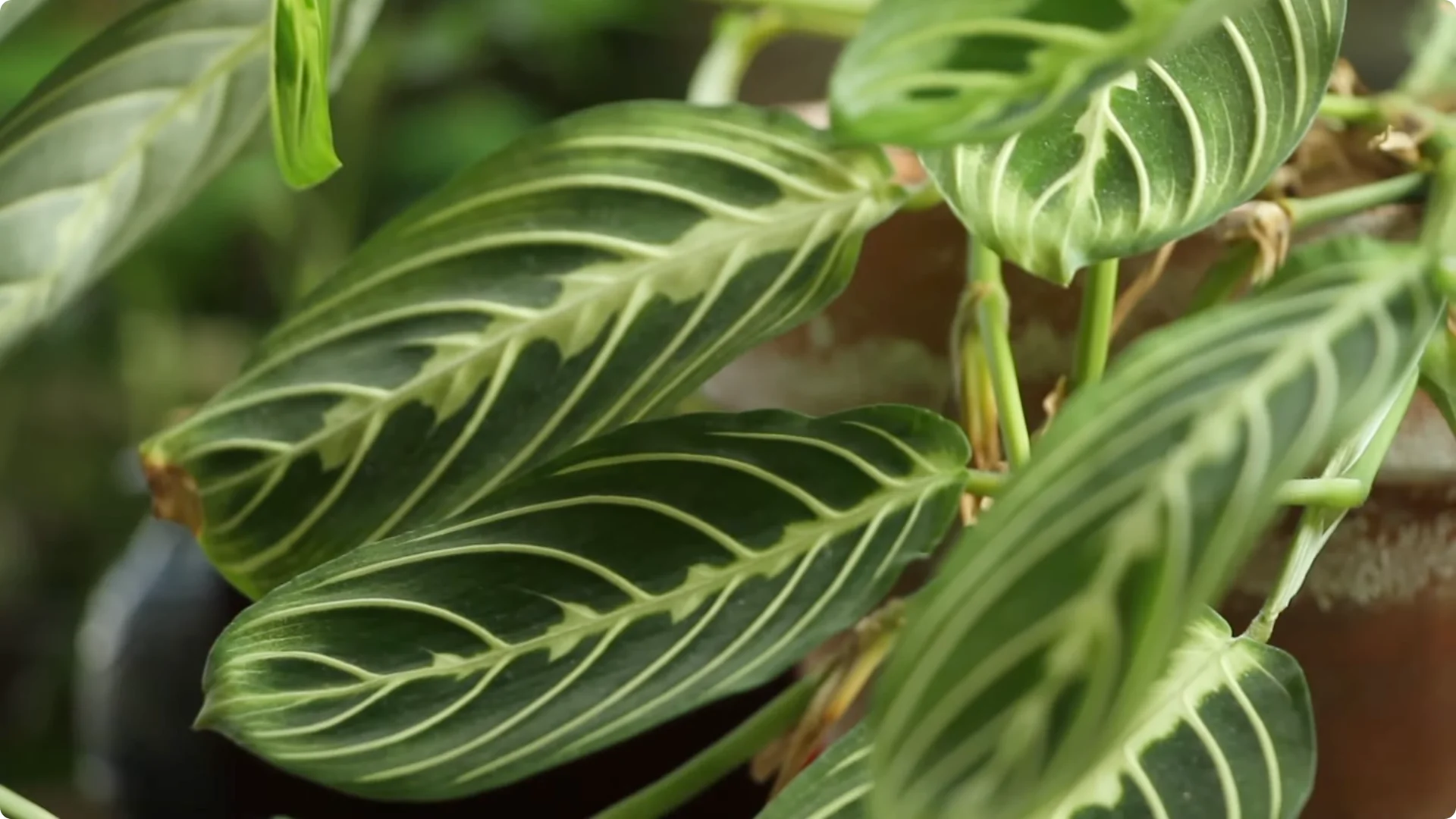
Common causes of dying leaves are chlorosis, cucumber mosaic virus, fungal disease, and environmental stress. The best way to deal with these diseases is to create an ideal growing environment for your prayer plant. That means bright, indirect light and medium to high humidity.
Water quality tips
Another good practice for all houseplants is to use filtered water or let tap water sit out for a day before using it to give plants a drink. This lets some of the salt and minerals evaporate so they don’t build up in the soil.
Read More: orange rose roots
Final thoughts
With a little care, prayer plants can thrive in your home, adding a unique display of foliage to any room. Keep light soft, humidity up, soil evenly moist, and roots refreshed with timely repotting. Stay observant, react early, and your Maranta will reward you with vibrant, moving leaves.