

If you want healthy, bushy growth from dormant Calathea or prayer plants, here are the exact steps I follow to convert winter dormant or stunted plants into lush growth. That includes pruning, watering adjustments, proper light, and nutrients. Follow them in spring for the best results.
Calatheas are winter dormant. As soon as temperature drops below 60 F and humidity drops below 50%, prayer plants start to show brown leaves, crispy leaf edges, and stunted growth. After dormancy they need a fresh start in spring to grow back bushier and fuller.
To rejuvenate multiple new shoots in prayer plants, I use four steps.
1. Calathea Spring Rejuvenation: Pruning

After winter dormancy, most Calatheas look dried with brown leaves. Sometimes you will notice new shoots, or nothing at all. Calatheas grow from underground rhizomes that conserve energy during winter, so the plant rarely develops shoots.
In spring, for a fresh start, prune the vegetative portions and remove dried brown leaves to encourage multiple new shoots. Simply prune the leaves from the base. Sometimes people cut back the entire vegetative growth, which is called hard pruning.
I like to leave the younger leaves to let the plant manufacture food through the leaves. Pruning is not the only factor to influence bushy growth on Calatheas. After pruning we must fulfill the plant’s requirements to grow them back successfully.
2. Calathea Spring Rejuvenation: Watering

After pruning there is a high chance of root rot due to overwatering, because the plant is barely left with one or two leaves and uses less water. Generally Calatheas need watering when 60% of the soil feels nearly dry. After pruning, water only when about 70% of the soil feels dry to reduce the chances of overwatering.
For example, water the plant after pruning and check the soil after 2 days. If the upper 2 to 3 inches of soil feel dry, consider watering thoroughly. Gradually increase the watering frequency as soon as the plant develops multiple shoots.
If overwatering trips you up, review common mistakes growers make with ZZ plants and apply the same caution here. Careless watering habits tend to repeat across houseplants. Calatheas reward consistency.
3. Calathea Spring Rejuvenation: Light
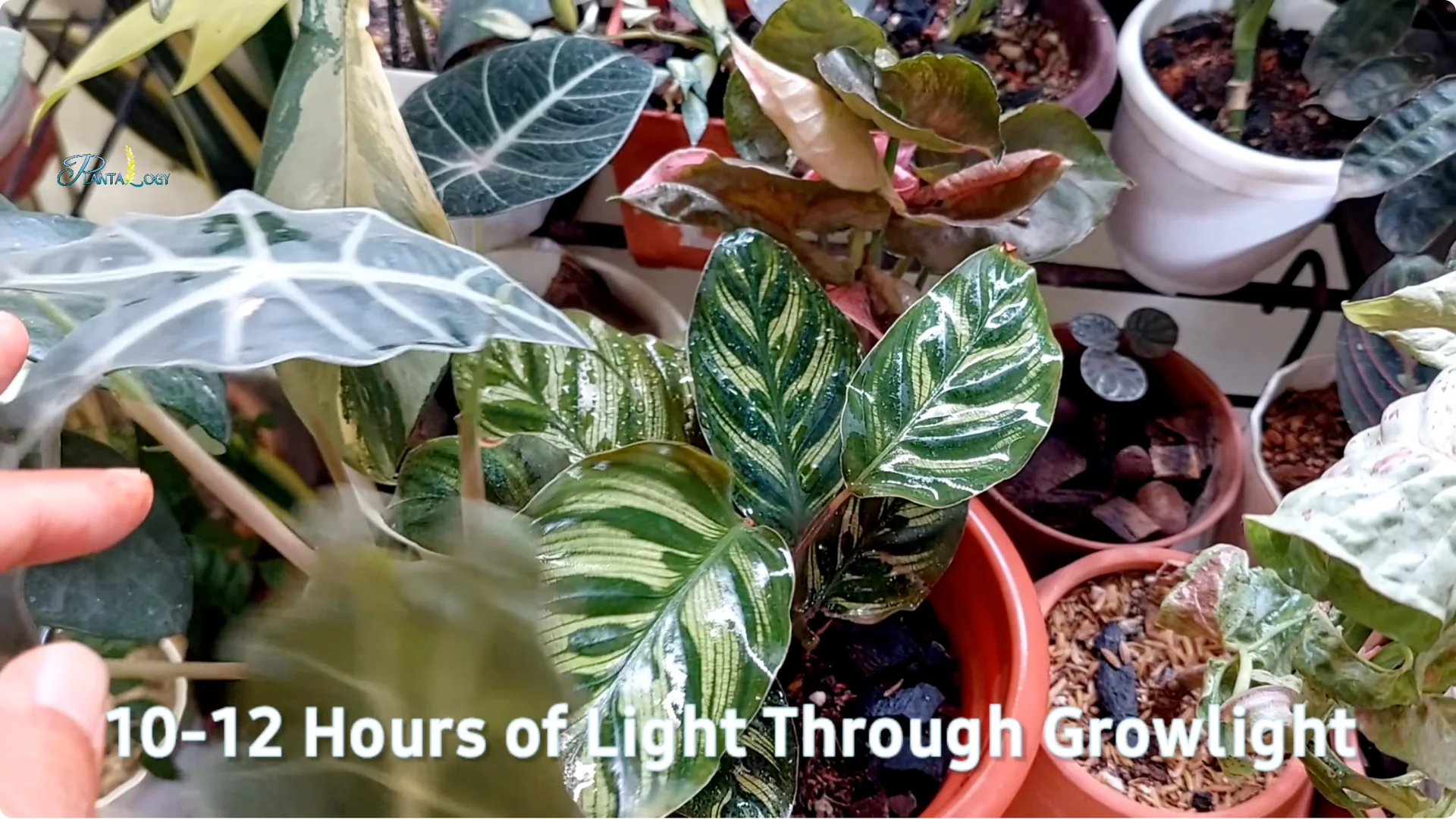
You may prune the plant and balance soil moisture but not provide enough light because Calatheas are known as low light indoor plants. After pruning, prayer plants need at least 4 hours of bright indirect light like what filters through tree canopies. That light fuels new shoots.
I grow Calatheas under grow lights and ensure 10 to 12 hours of light exposure by placing the light 16 m above the plant.
For other tropical houseplants, similar light routines help recovery and growth, as with practical tips for growing anthurium indoors.
4. Calathea Spring Rejuvenation: Nutrients

To encourage new growth, provide a balanced NPK-containing fertilizer. As an organic source of NPK, use a handful of vermicompost, leaf compost which is high in nitrogen, and cow manure. A 10-10-10 granular water-soluble NPK fertilizer is also applicable.
I like to use well-rotted leaf compost once a month that always works best for my prayer plants. I followed all four steps, and this peacockii arrived with multiple shoots within 10 days. Old leaves were pruned, it was fertilized well, light exposure was ensured, and soil moisture was checked before watering.
Calathea Spring Rejuvenation: Brown Edges
Brown crispy leaf edges are one of the major problems with Calathea plants. Review causes of brown tips in spider plants and apply the same lessons to reduce stress and crisping. Keep conditions stable as new growth emerges.
Final Thoughts on Calathea Spring Rejuvenation
Prune last year’s growth, manage watering to avoid overwatering, provide sufficient bright indirect light, and add balanced nutrients. These four steps give prayer plants a fresh spring start and encourage multiple new shoots. Stay consistent as new growth fills out.