
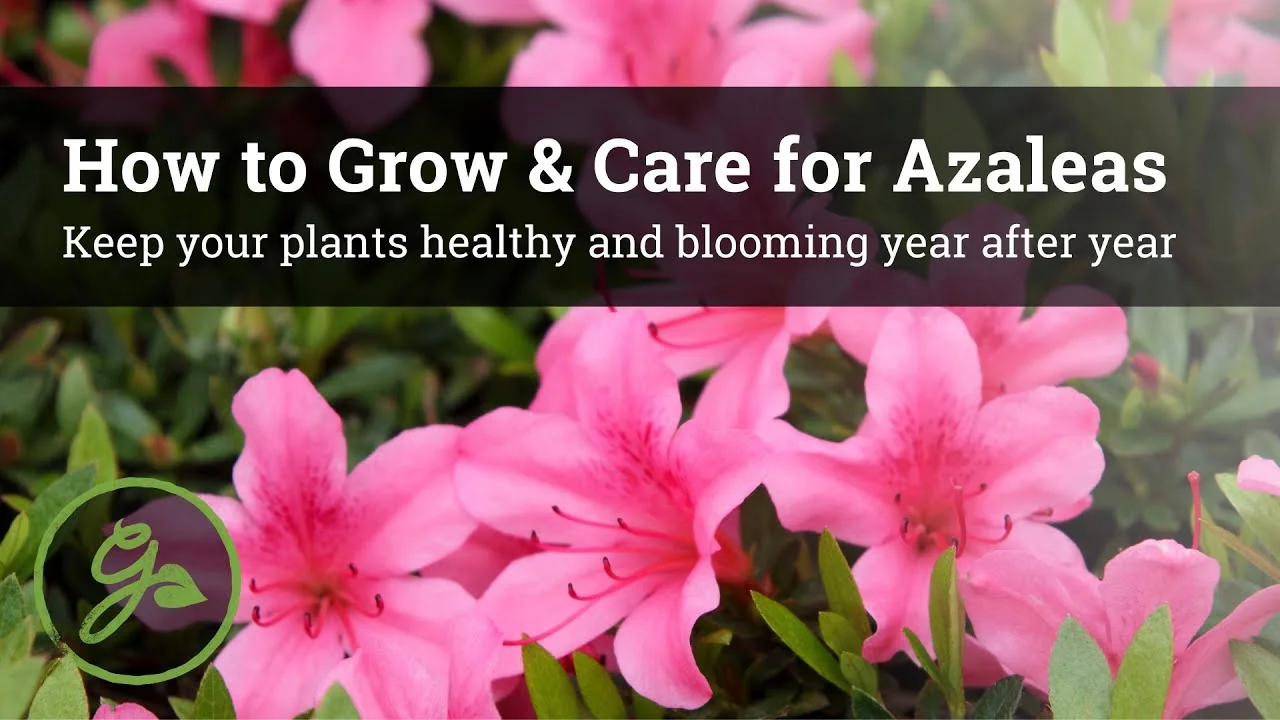
One of the most popular garden shrubs is the azalea. They can be grown in nearly any garden from the North to the South, adding vibrant color in the spring. They come in so many different colors and forms that it is hard to find one that does not fit your needs.
While growing and caring for these shrubs is relatively easy, there are some things to consider when adding them to the garden. I am going to share my top tips to grow and care for azaleas to keep them healthy and full of blooms year after year.
1. Choosing the right plant – Azalea Care and Cultivation
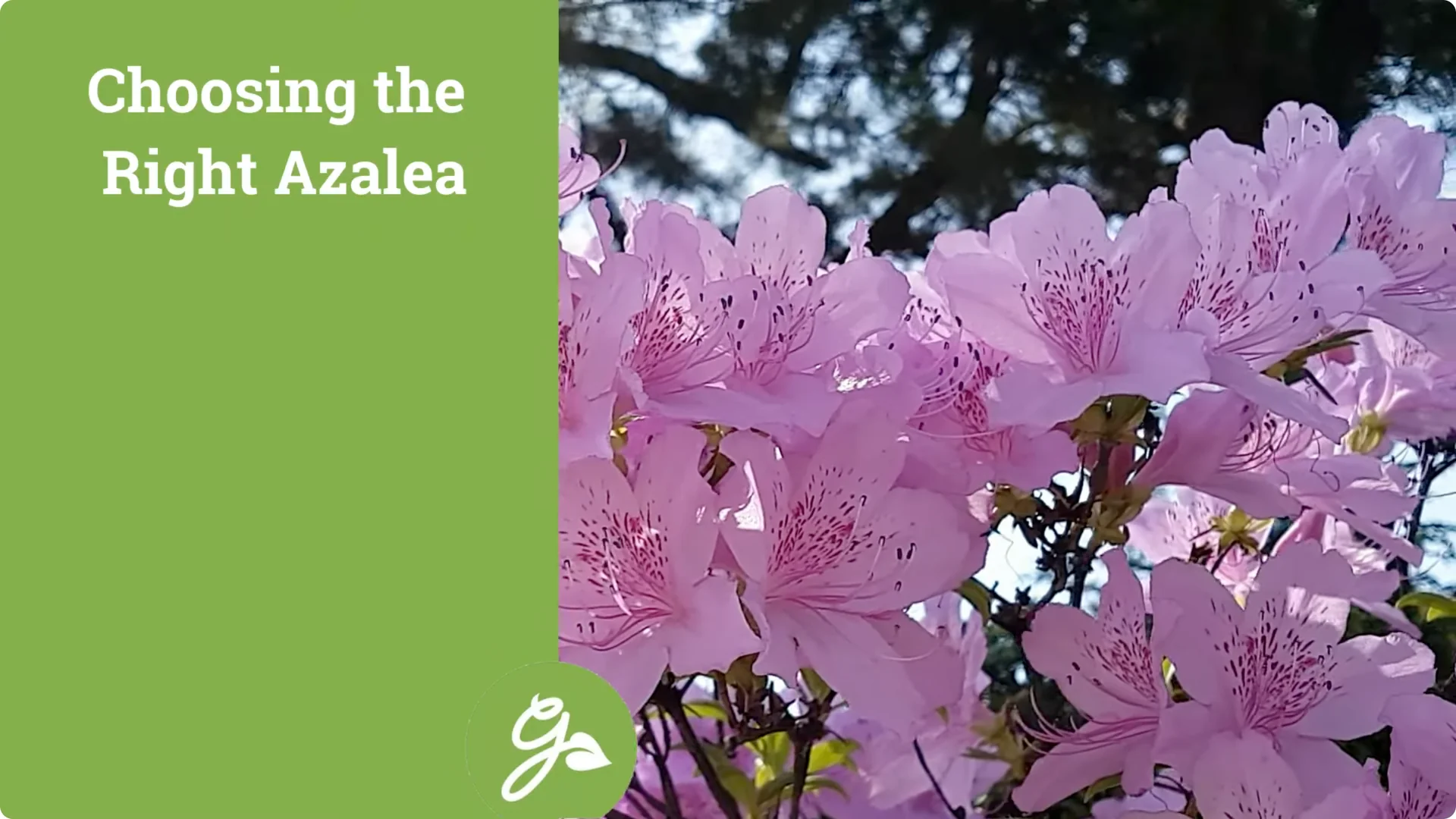
The first step is to choose the right azalea for your garden. Select a shrub that is hardy for your growing zone. Your local garden center or county extension agent can help with zone information and tips on kinds that will thrive in your region.
Types – Azalea Care and Cultivation
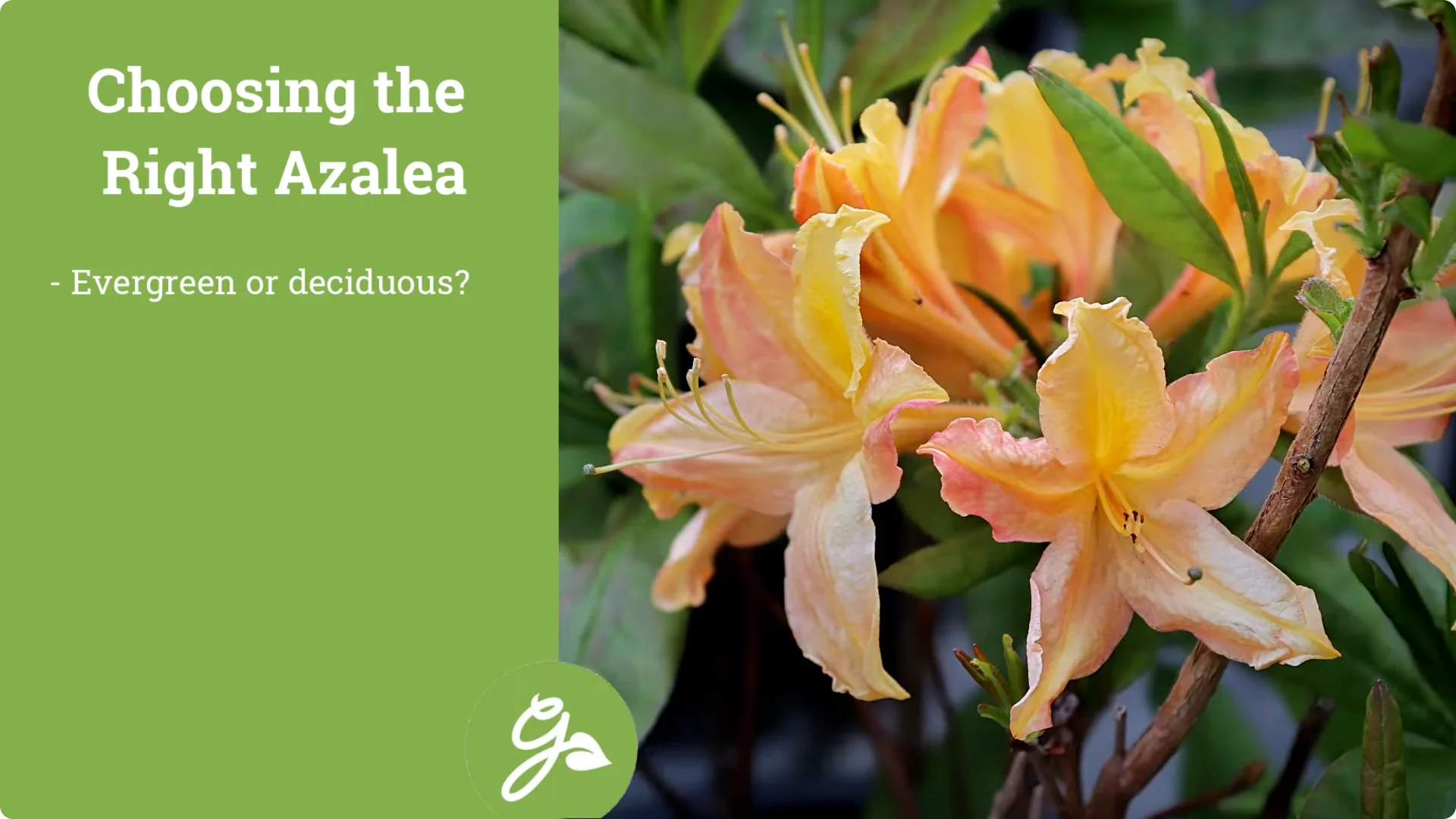
Are you looking for an evergreen azalea that will retain its leaves all year long, or a deciduous type with a larger bloom but with the compromise of loss of leaves in the fall? As far as mature size, some native types can reach 10 to 20 feet or higher, but many smaller options are available. Many types usually stay within the 4-6 foot tall range.
Color and timing – Azalea Care and Cultivation
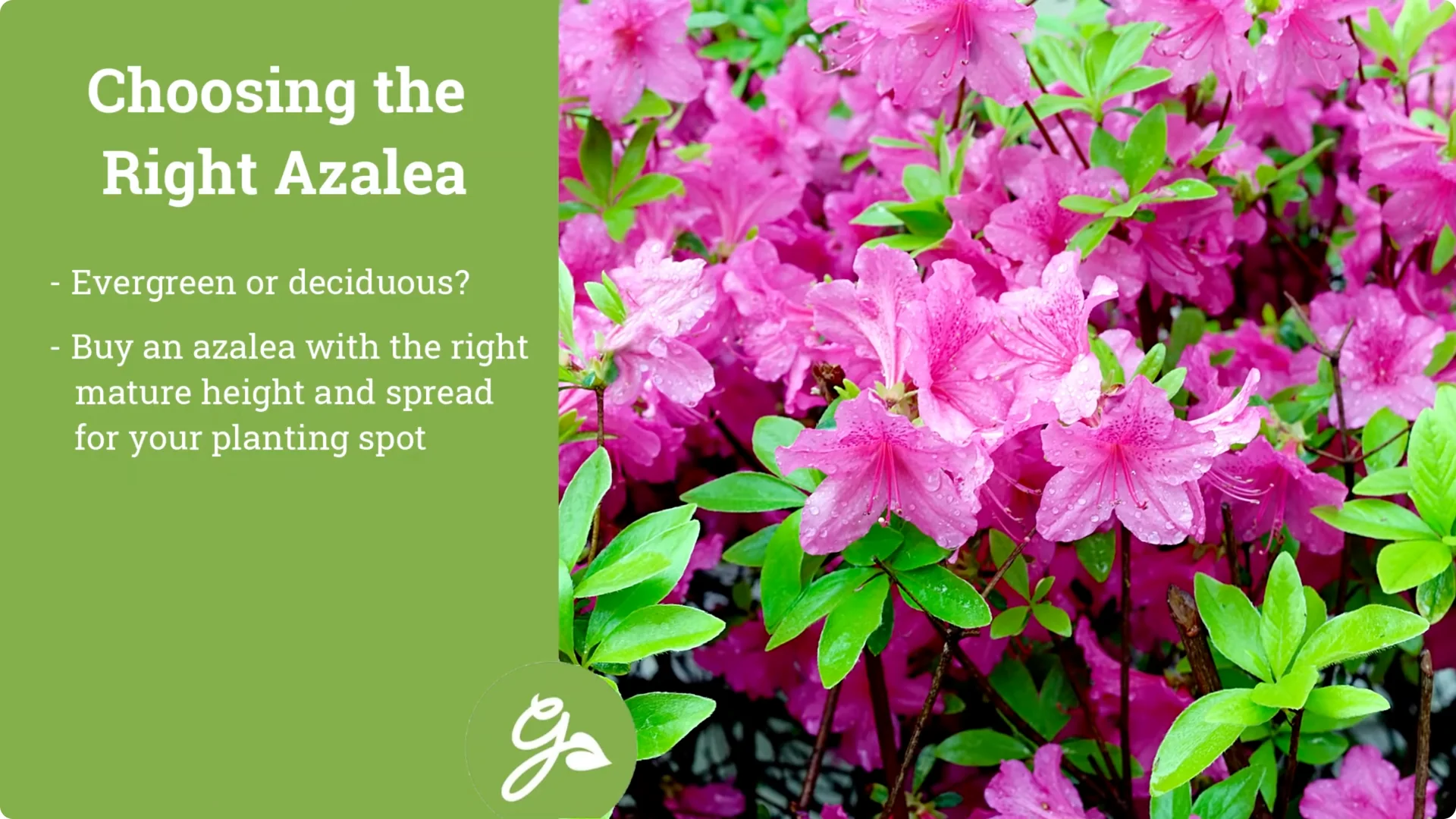
It is time to choose the flower color and bloom time. Azaleas offer a wide array of flower shades from pastel to vibrant hues. Buy azaleas when in bloom so you know exactly what the flowers will look like.
Their flower time varies anywhere from mid-February to early June depending on your region. Some newer varieties are known to bloom in the spring and then re-bloom again in the fall. You can extend the flower show by staggering bloom times within the garden.
Read More: unique roses
2. Planting site and soil – Azalea Care and Cultivation
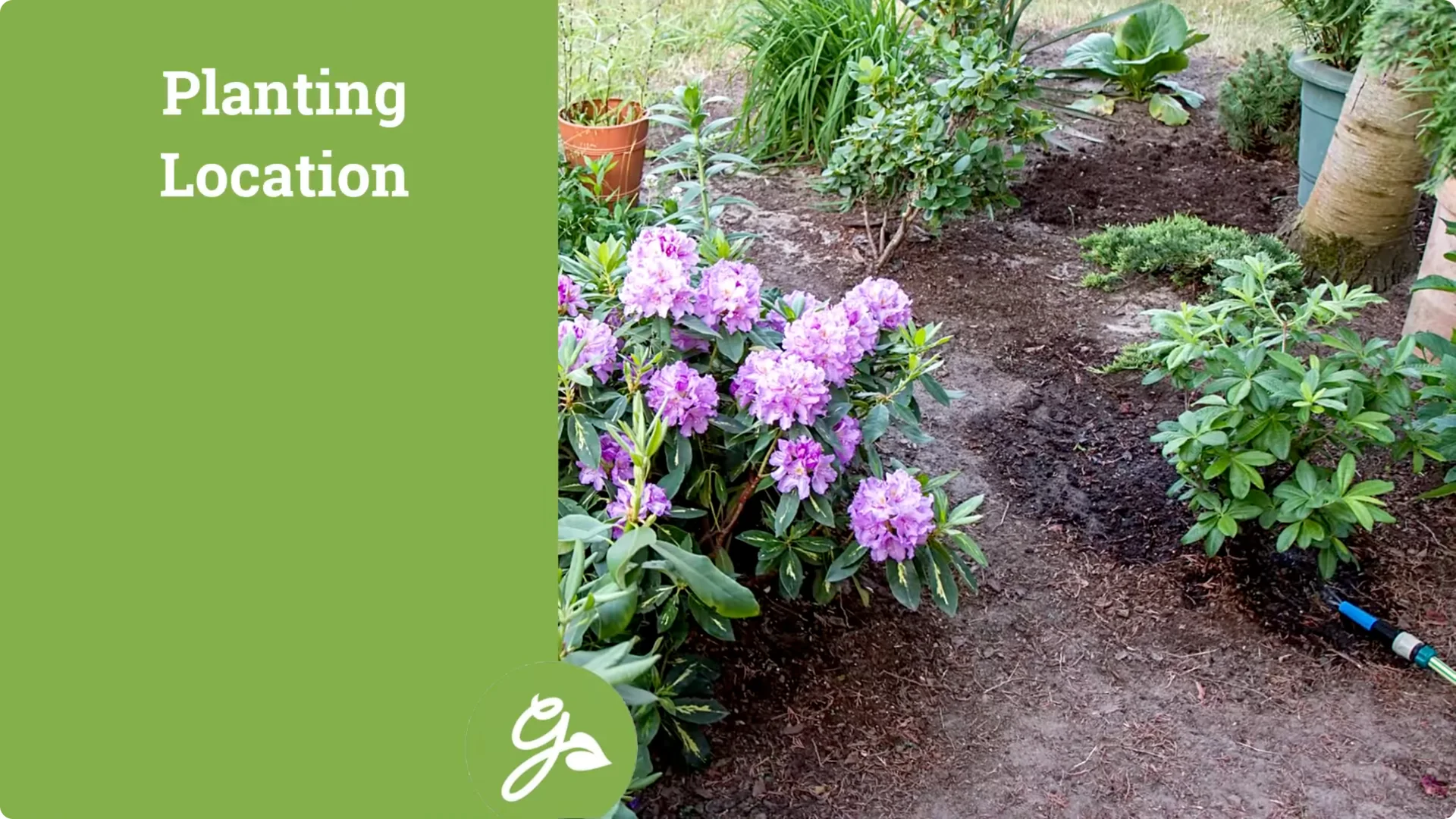
Soil and light – Azalea Care and Cultivation
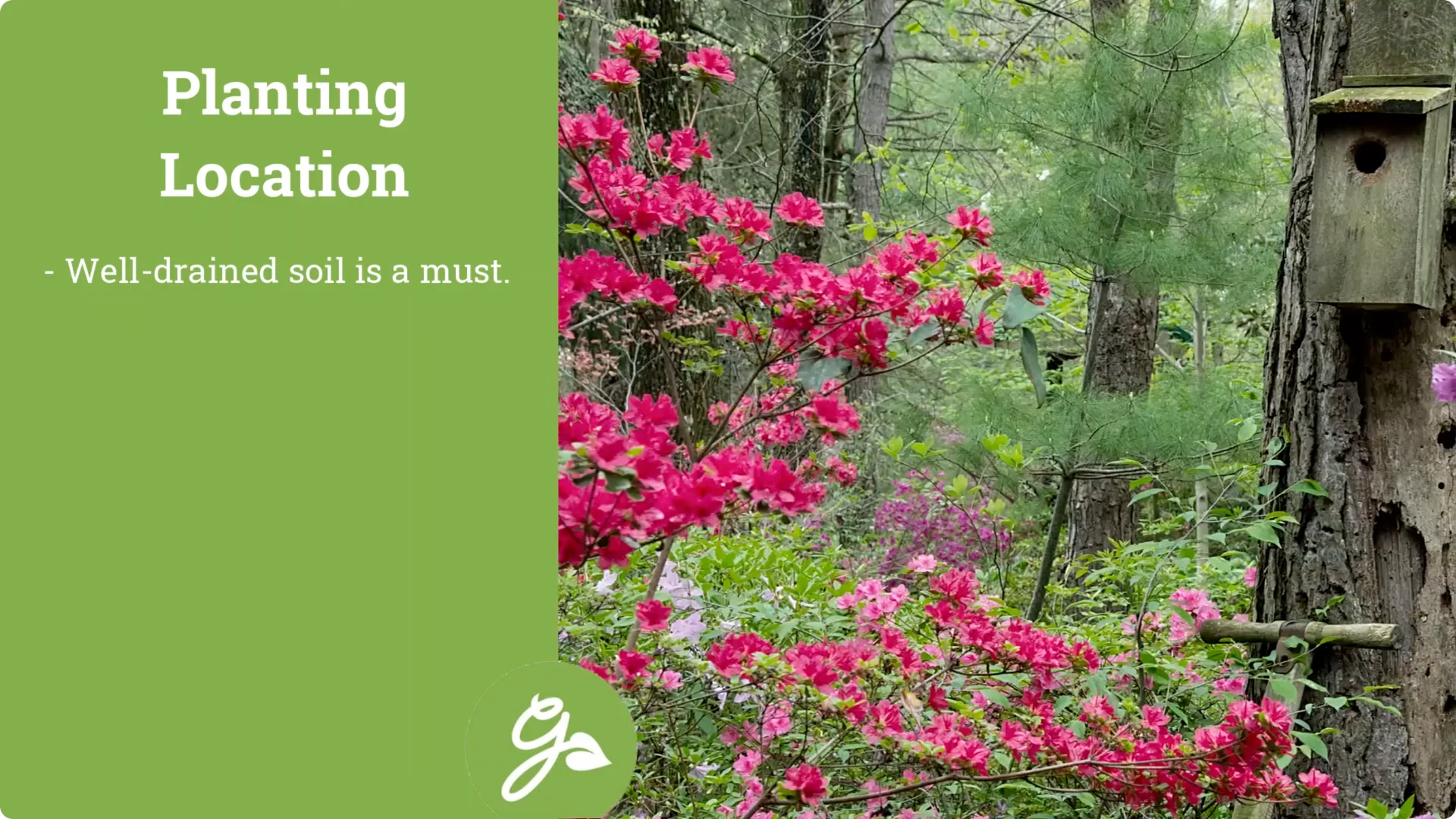
The most important part to successfully growing azaleas is to choose the right planting spot. Azaleas have a shallow root system and require well-drained soil. They will not tolerate a wet root system.
Plant in a slightly shaded spot including protection from hot afternoon sun. Too much shade may result in poor bloom production and weak growth.
Planting steps – Azalea Care and Cultivation
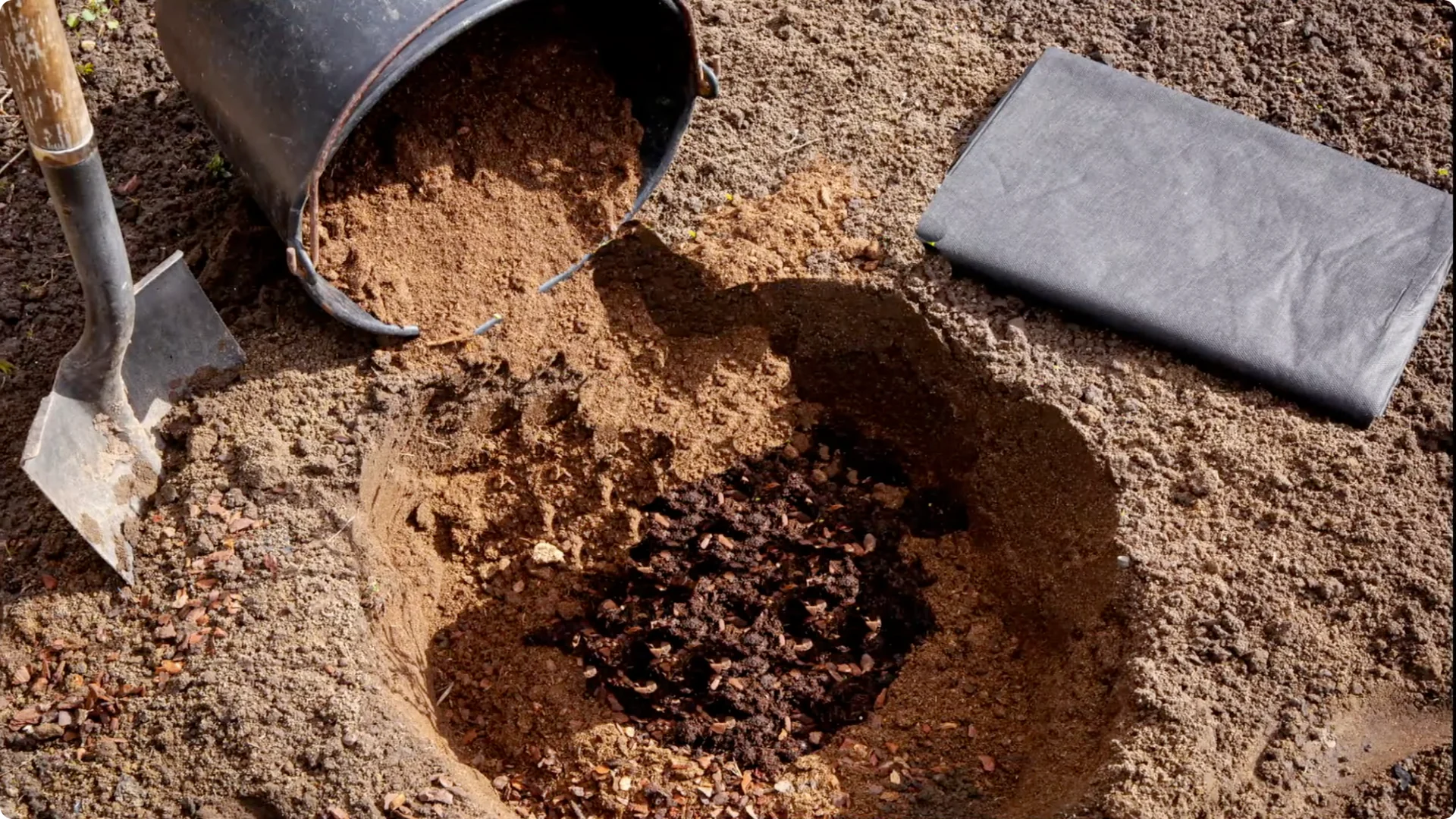
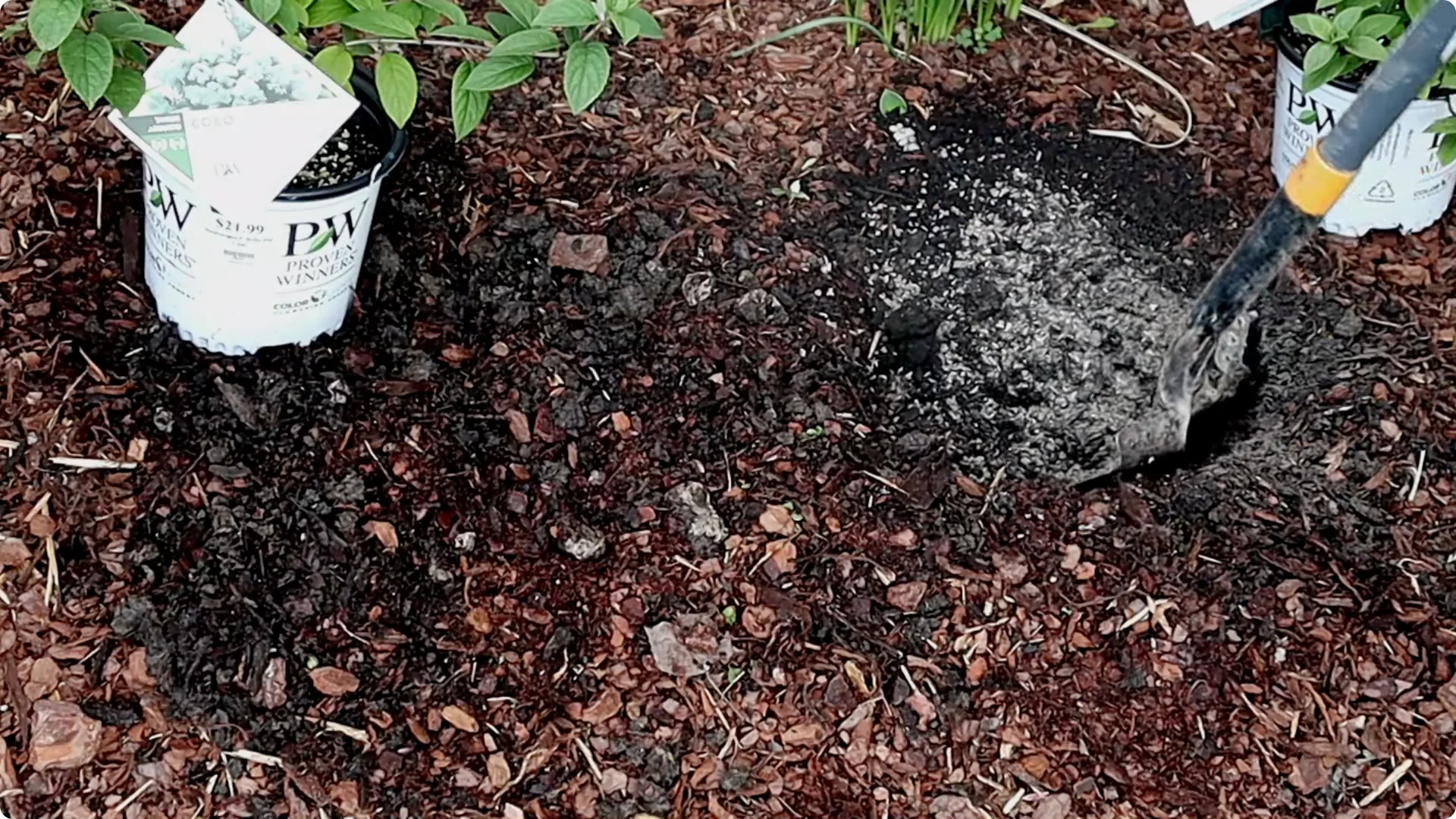
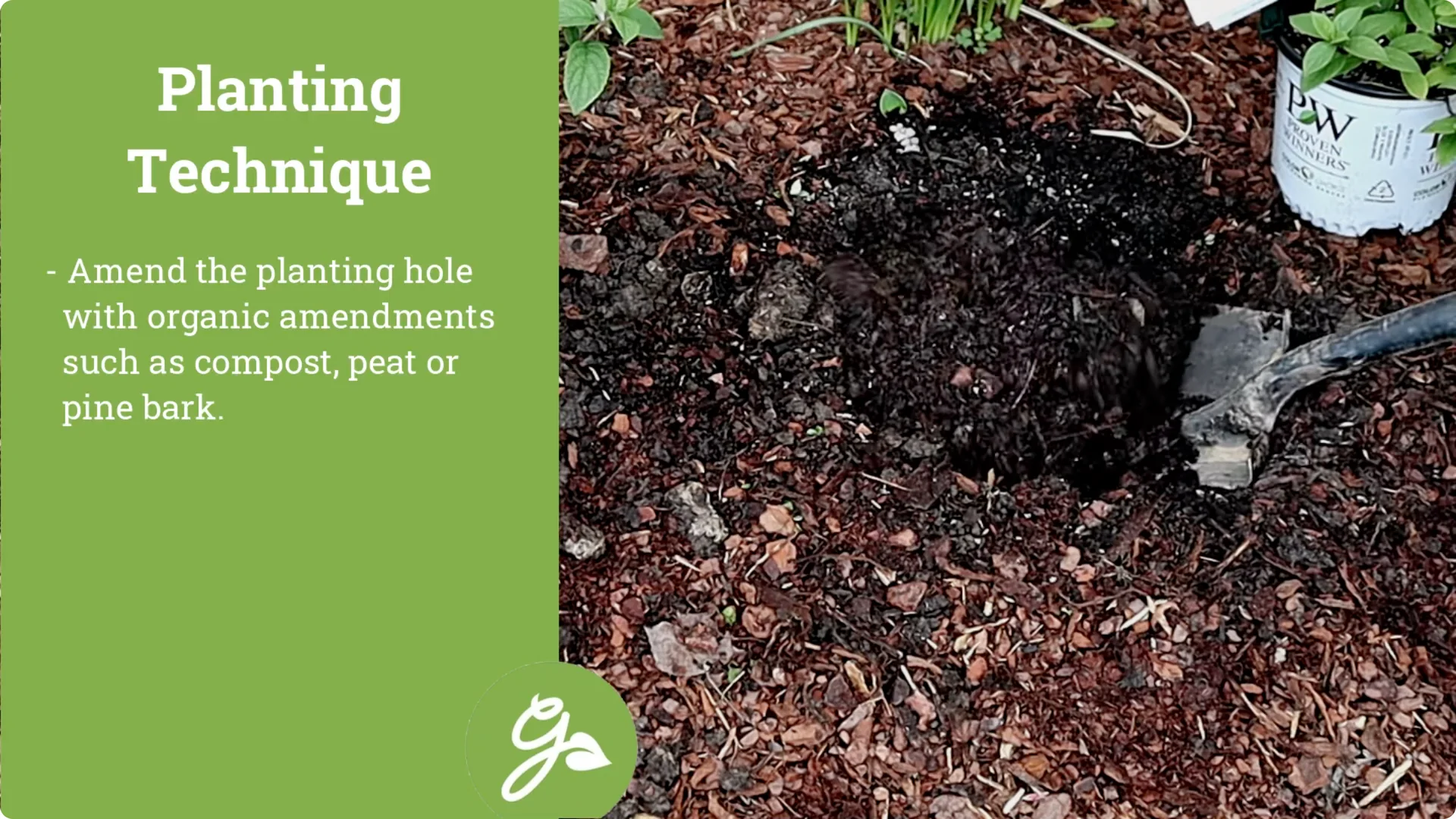
Step 1: Amend the planting hole properly. Organic amendments such as compost, peat moss or pine bark help improve drainage, increase nutrient retention and lower the soil’s pH.
Step 2: Dig the hole roughly 6 inches deeper and 12 inches wider than the root ball. This allows the root system enough room to establish into the soil.
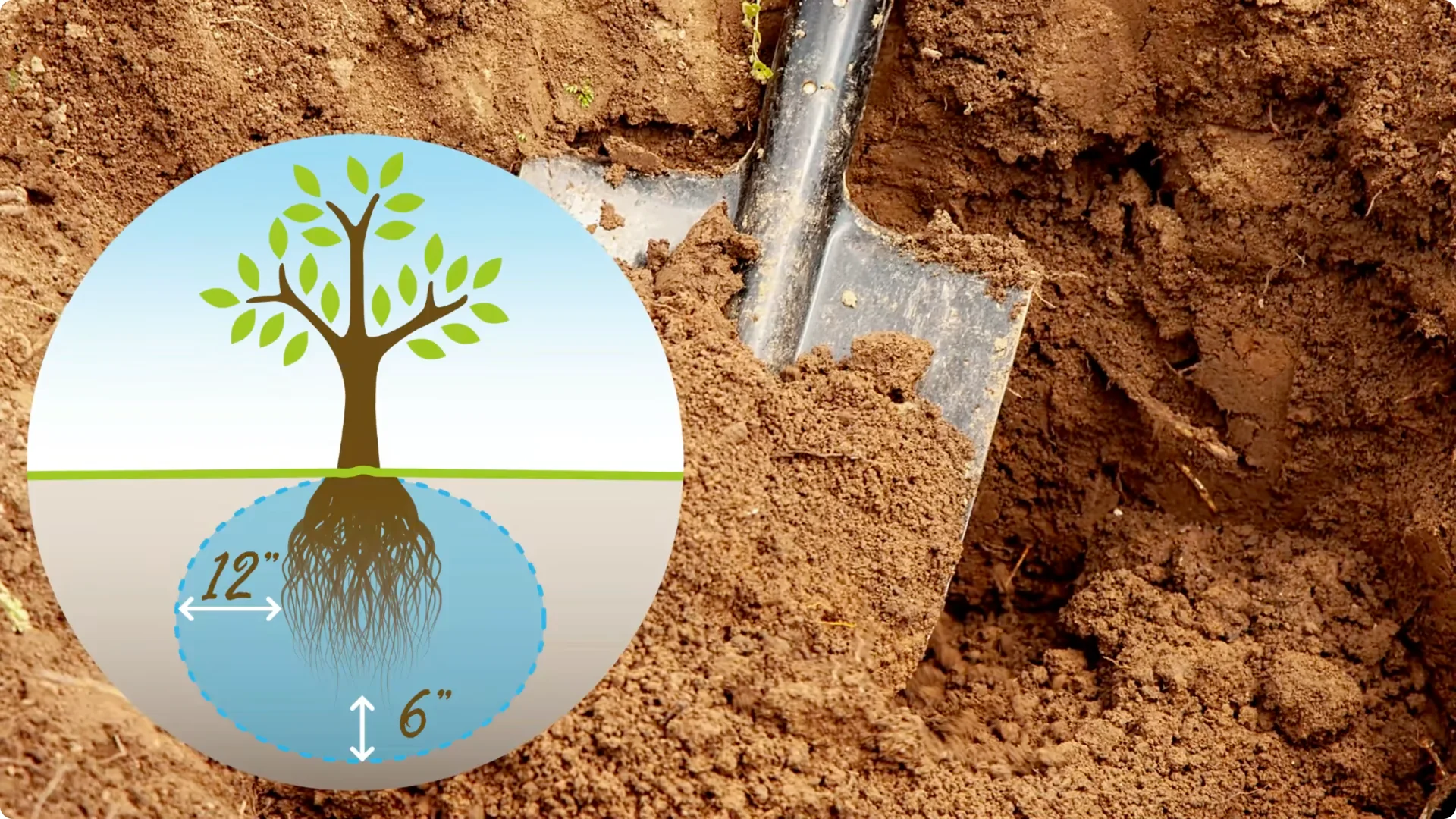
Step 3: Incorporate the amendments into the backfill soil, not exceeding one-third of the total volume. Set the shrub, backfill, and water thoroughly.
Transplant timing – Azalea Care and Cultivation
For an already established shrub, the best time to transplant an azalea depends on your climate. In colder regions it is best to transplant in the spring before new growth has begun. In hot climates the best time would be late summer or early fall.
Read More: rose roots
3. Mulch and moisture – Azalea Care and Cultivation
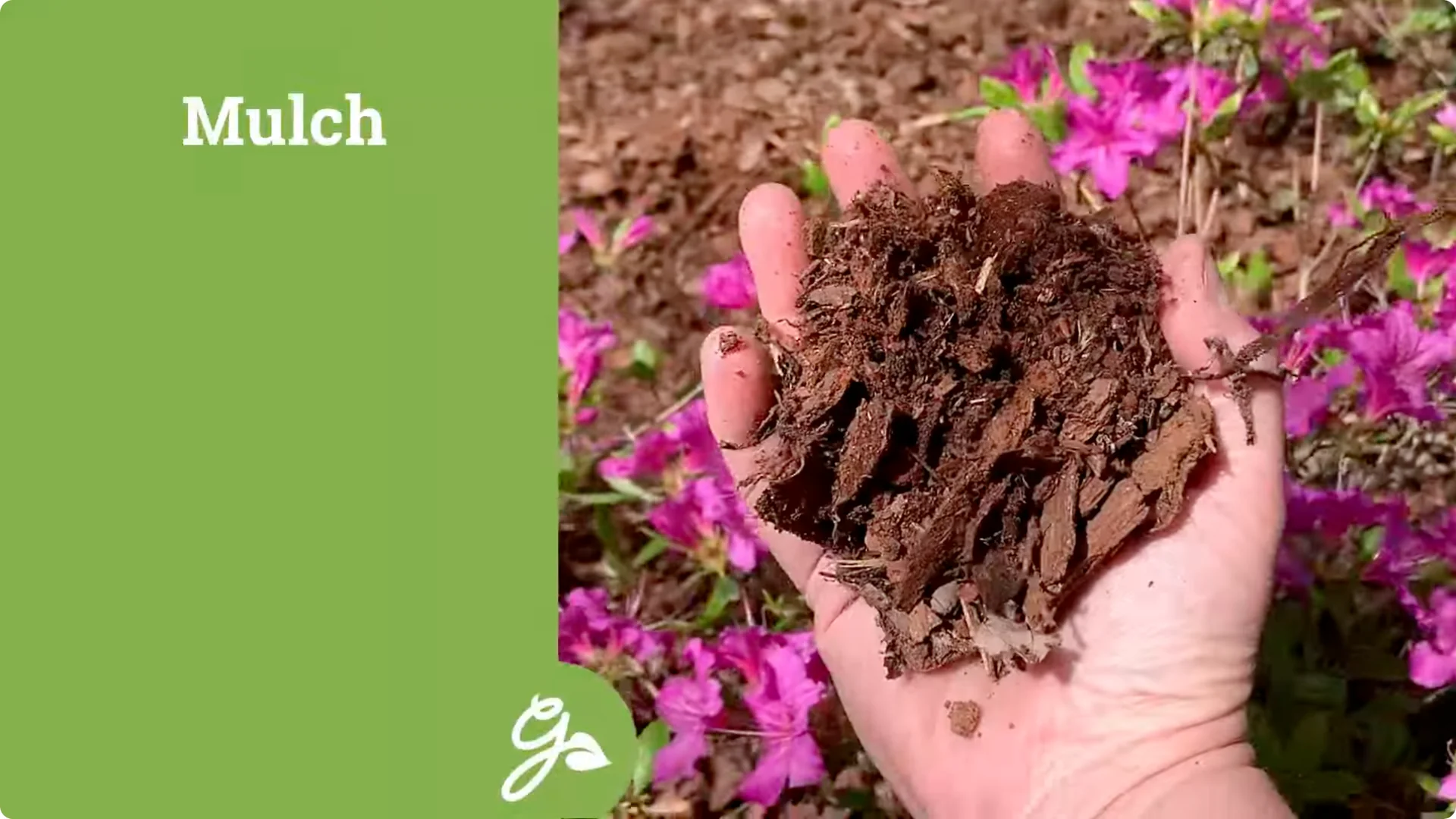
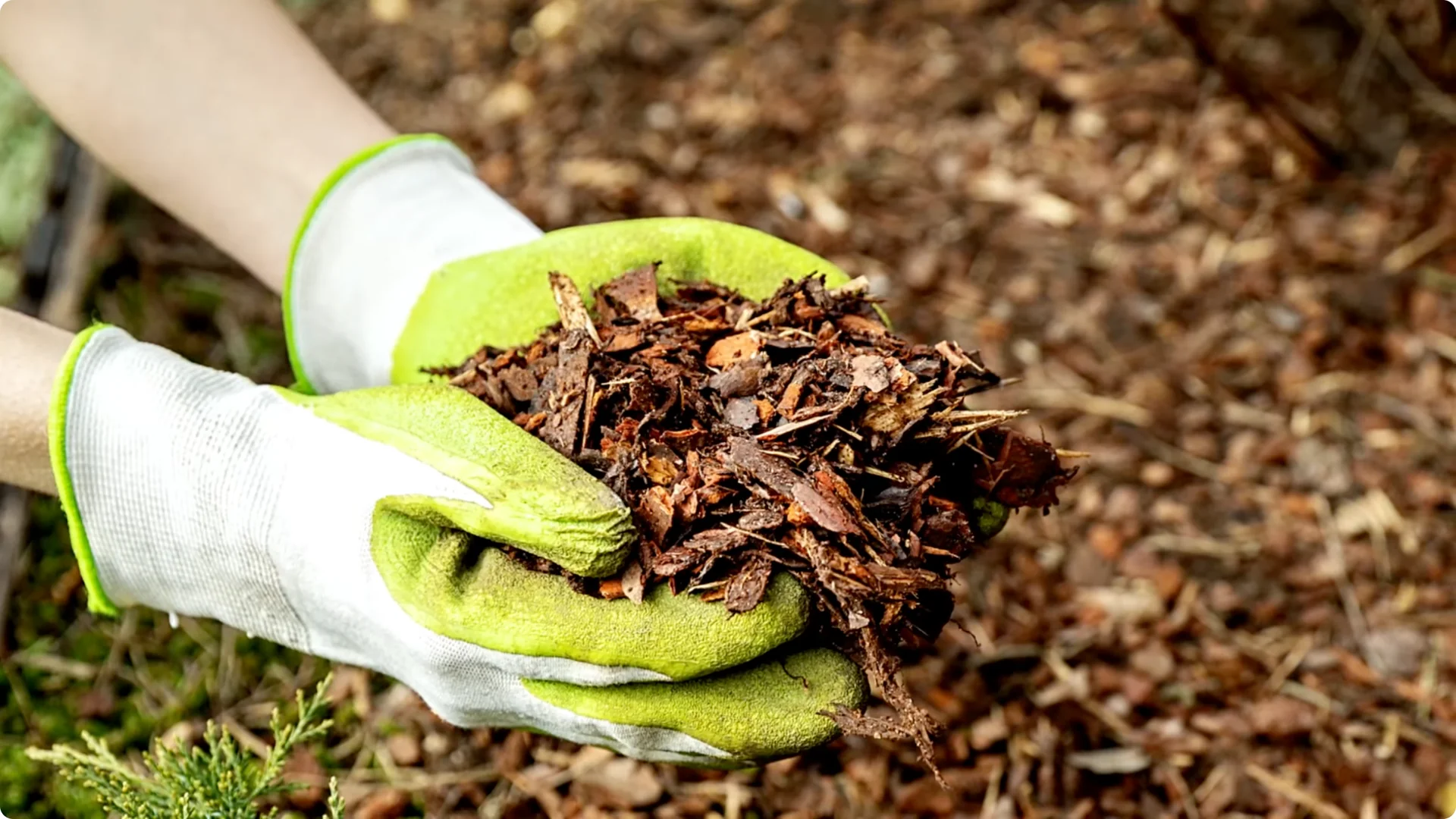
The next step is to apply a layer of mulch. Mulch will retain moisture and keep weeds at bay. Organic mulches such as pine bark, pine needles and dried chopped oak leaves will also help condition and add acidity to the soil.
When applying mulch, keep it away from the main trunk and stems of the plant. Maintain an even layer over the root zone.
4. Feeding – Azalea Care and Cultivation
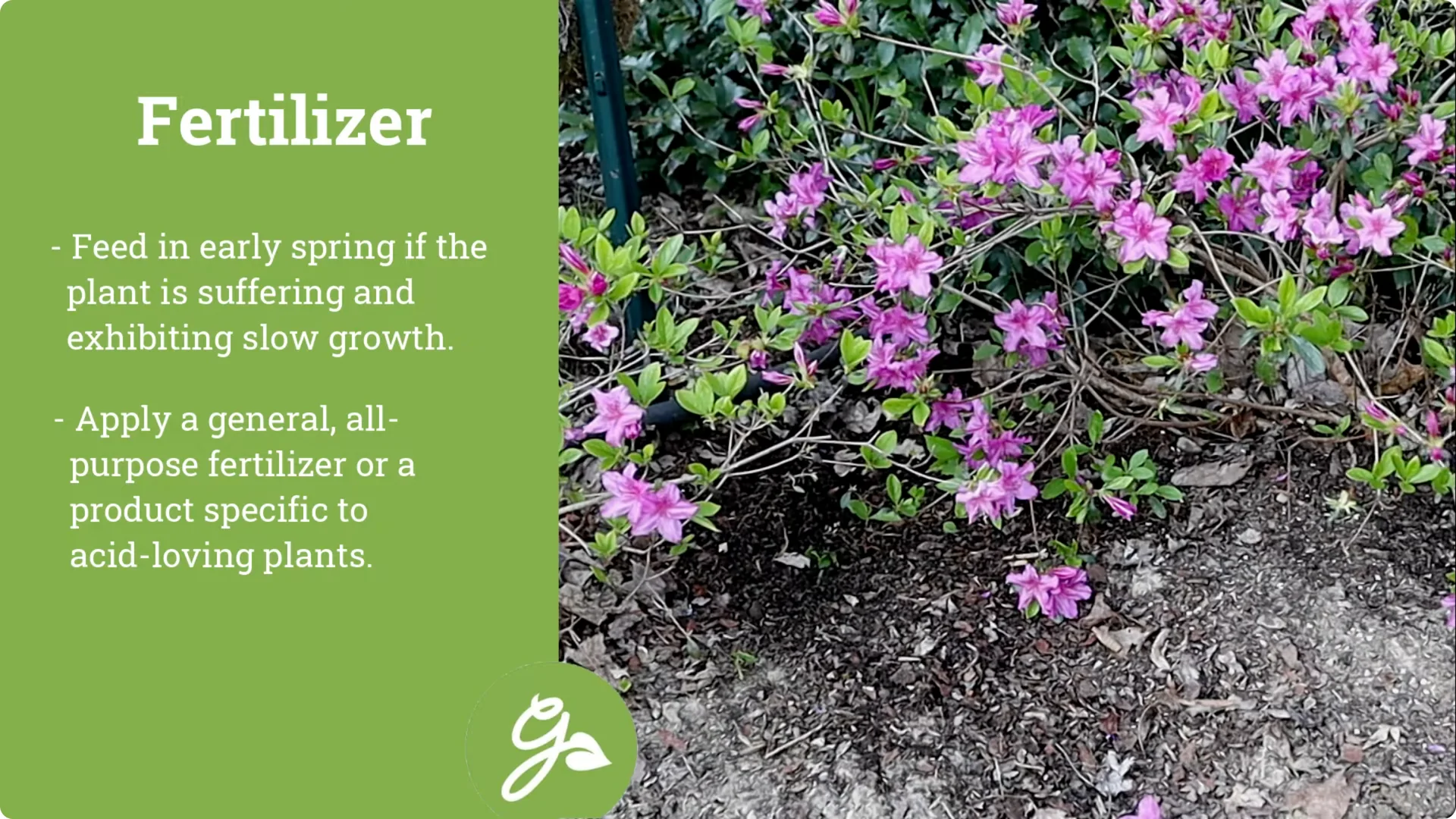
Azaleas are typically not hungry plants, so it is not necessary to create a fertilizer schedule. An application of fertilizer once the plants begin growth in the spring can be beneficial, especially if growth is slow or the plant is suffering. A general balanced fertilizer is recommended, or a product specific to acid-loving plants.
Apply the product along the drip line of the shrub, as the roots can extend from the trunk to the branch tips and beyond. Water in well after application. Specialty products may be needed if your plant shows signs of a nutrient deficiency.
Read More: Bloomflowerblog.Com
5. Pruning – Azalea Care and Cultivation
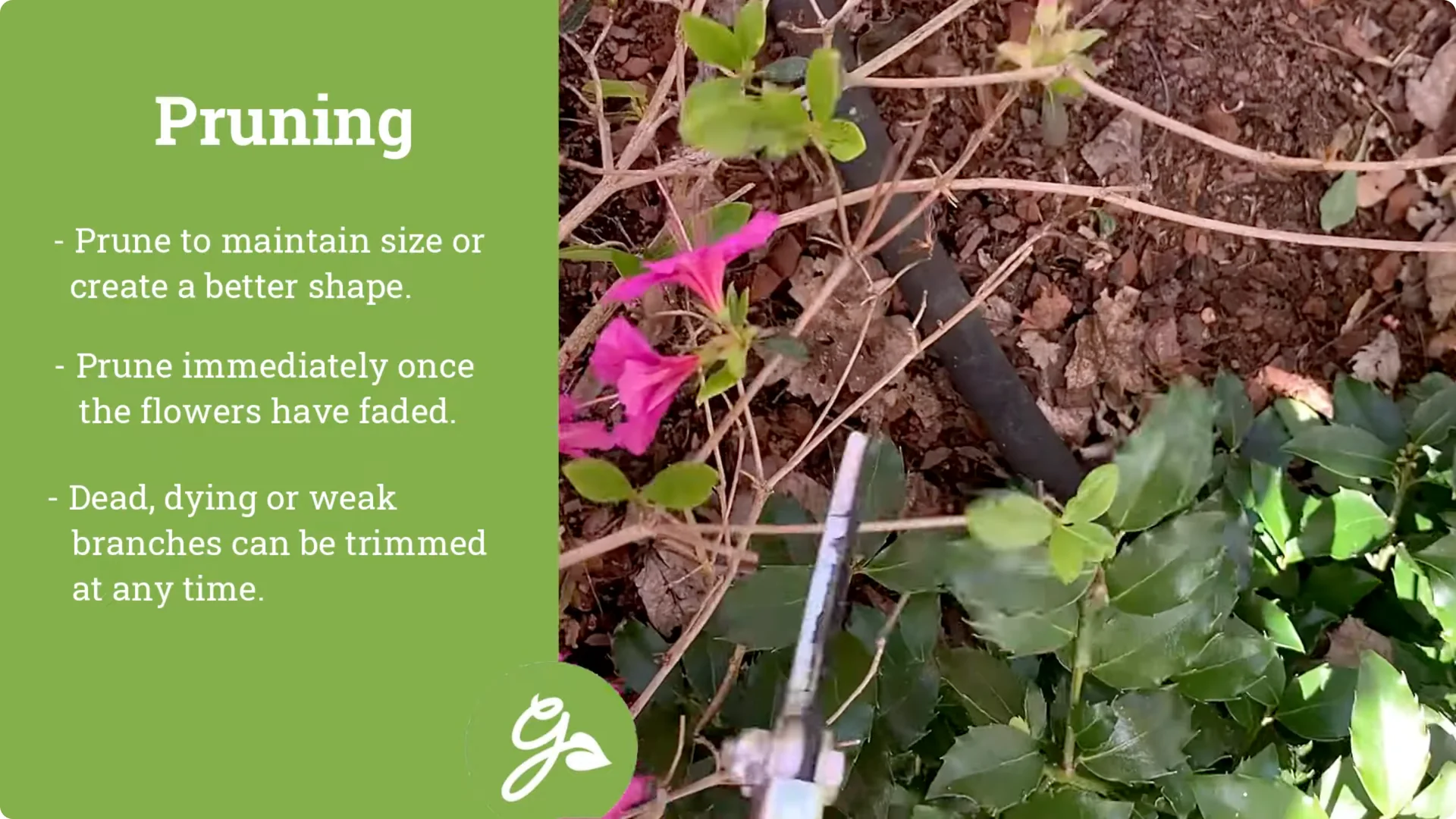
While pruning azaleas is never necessary, you may want to maintain size, create a better shape, or rejuvenate the plant. The best time to prune is just as the flowers are fading. Cutting the plant at any other time of the year will cut off the buds for the next season of flowers.
Even waiting just a few weeks from the time the blooms fade can be risky. Dead, dying or weak branches can be cut out at any time. Use sharp pruning shears to cut individual branches, leaving a natural open look to the plant.
6. Winter prep – Azalea Care and Cultivation
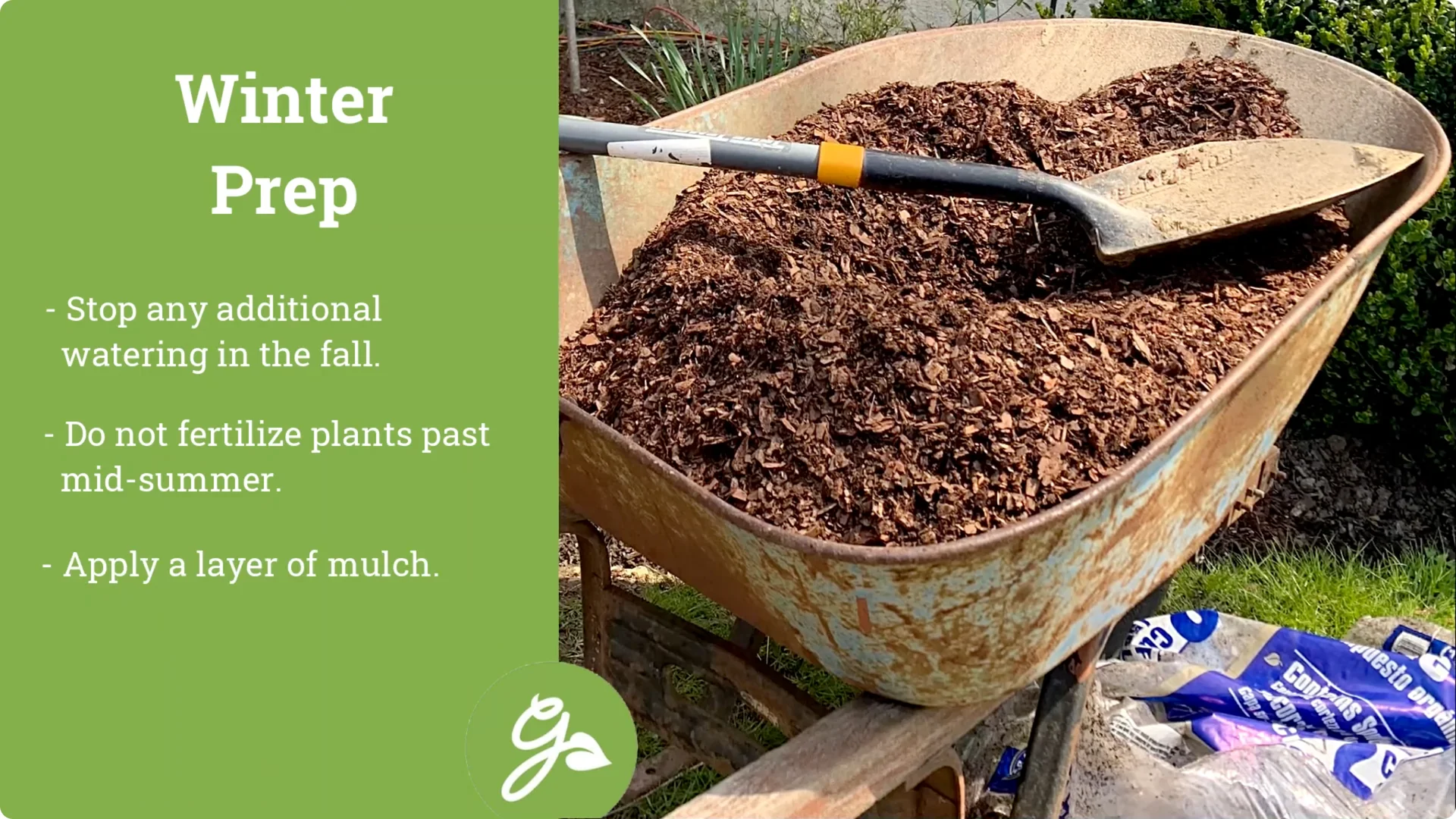
In the North or the South, there are a few precautions to prepare azaleas for the winter months. Slow down and eventually stop any additional irrigation in the fall. Never fertilize after mid-summer, as new growth may become susceptible to cold damage.
A layer of mulch around the plant will also help to prepare for the first freeze. These methods help shrubs toughen up before winter arrives.
7. Pests and problems – Azalea Care and Cultivation
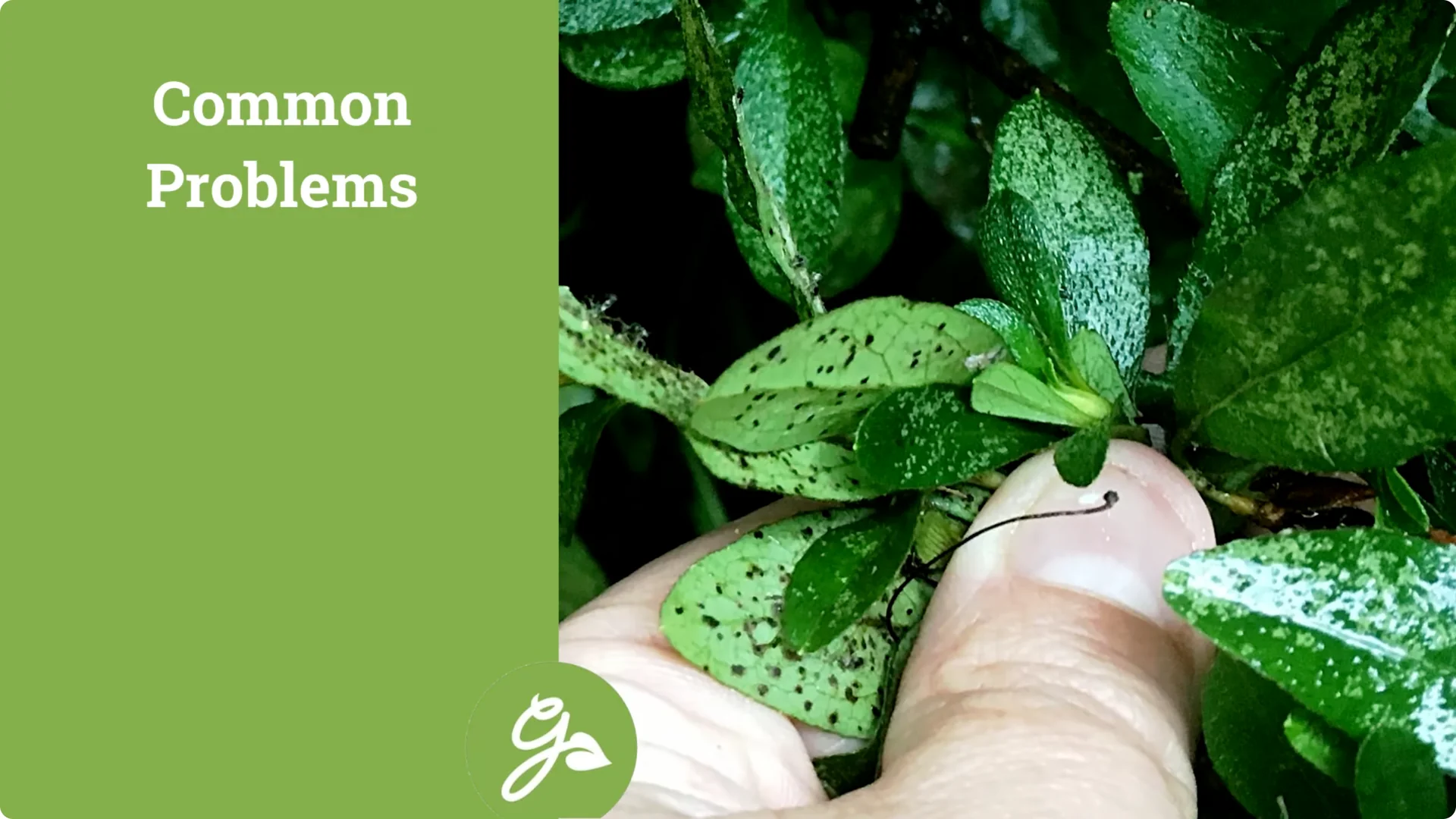
While azaleas are seldom bothered by pests and disease, a few common problems sometimes affect these flowering plants. Issues include scale, lace bugs, root rot and mineral deficiencies. Azaleas with nutrient deficiencies may have yellowing leaves that drop, dead branch tips, and stunted growth.
The addition of specialty nutrient products such as iron may be needed to fix a deficiency. If a pest is present and an insecticide is needed, apply when the plant is not in bloom to avoid directly harming pollinators. This goes for all pesticides, even those listed as organic.
Final thoughts – Azalea Care and Cultivation
Keeping azaleas healthy throughout the growing season with proper planting techniques and general care will ensure an abundance of beautiful blooms for many years. Choose the right plant, give it the right spot, and time your pruning and feeding. Enjoy the color show each spring, and protect your shrubs so they thrive.