
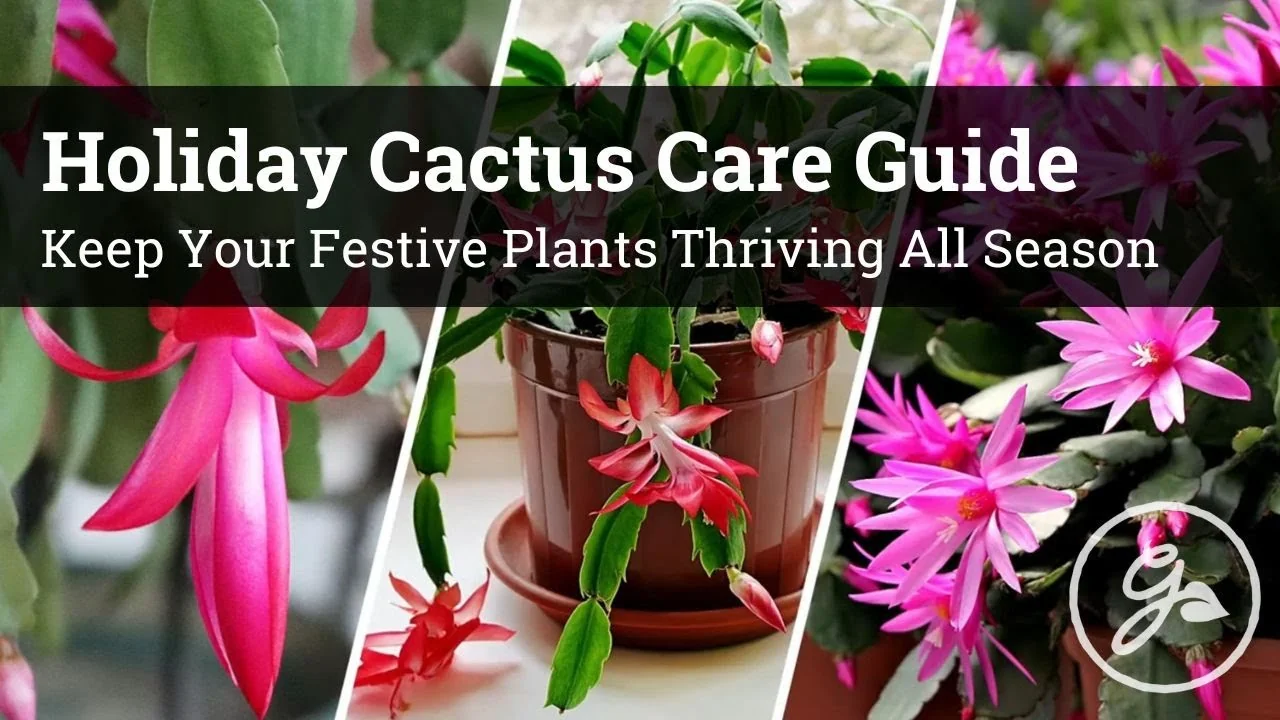
Christmas Cactus is a popular, winter-flowering houseplant that makes a great addition to any indoor setting. Even though it is easy to care for, it does have some special needs. With the right tips and gardening know-how, you will be on your way to growing a healthy and happy holiday plant.
The Christmas cactus, Thanksgiving cactus and Easter cactus look deceptively similar but they are actually different plants. They are named after the time of year they normally bloom. For example the Easter cactus blooms in the spring while the others typically bloom during the later part of the year.
The Christmas cactus has rounded scalloped leaves unlike the Thanksgiving cactus which has pointy leaf tips.
The Easter cactus also has more rounded scalloped edges, plus small bristles.
In most growing zones, they are not considered hardy and will need to be kept as a houseplant year round or brought indoors during the colder months.
For a deeper guide on seasonal care and timing, see more Christmas cactus care tips.
1. Holiday Cactus Care Basics
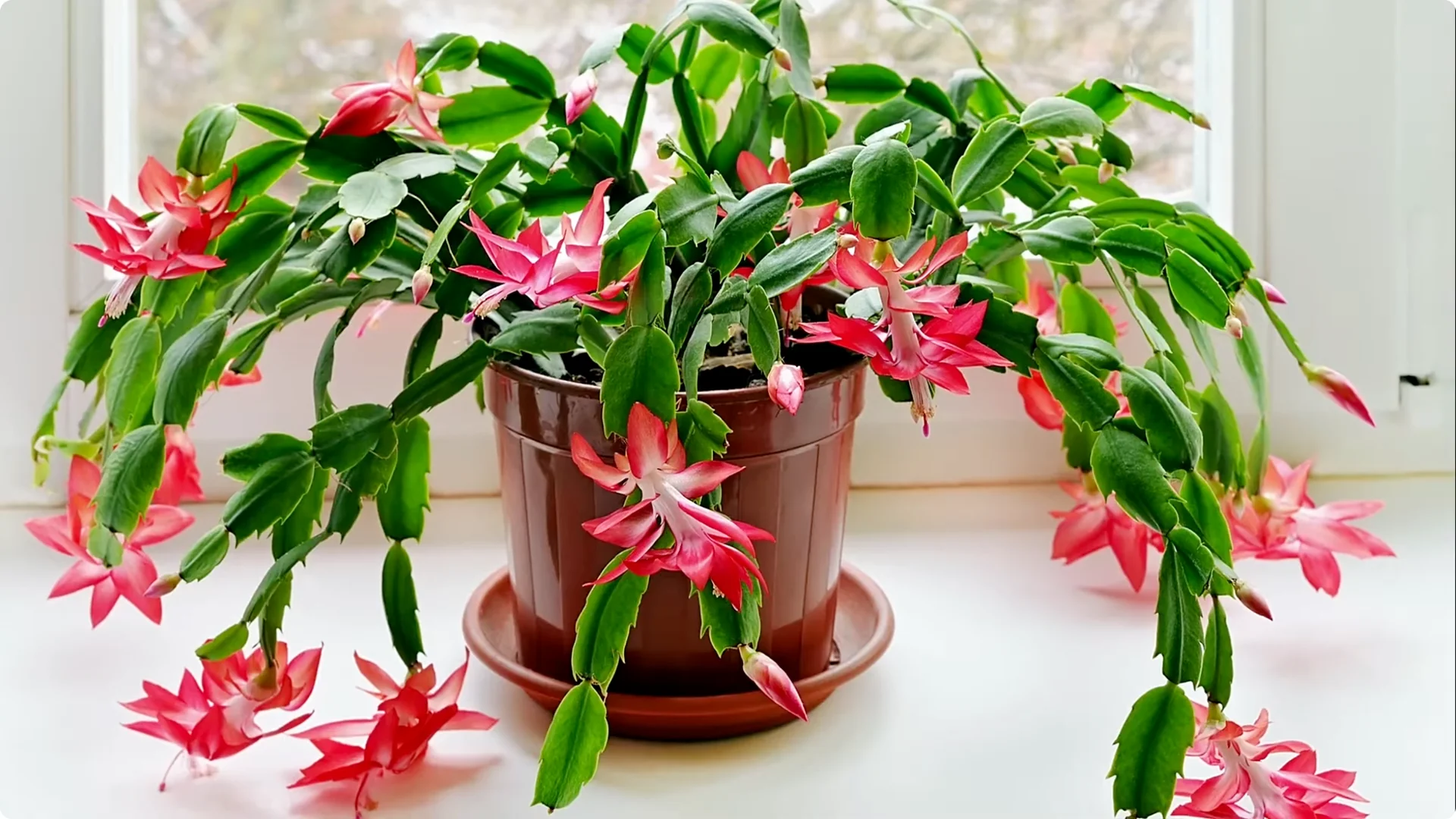
Holiday Cactus Care: Light and Placement
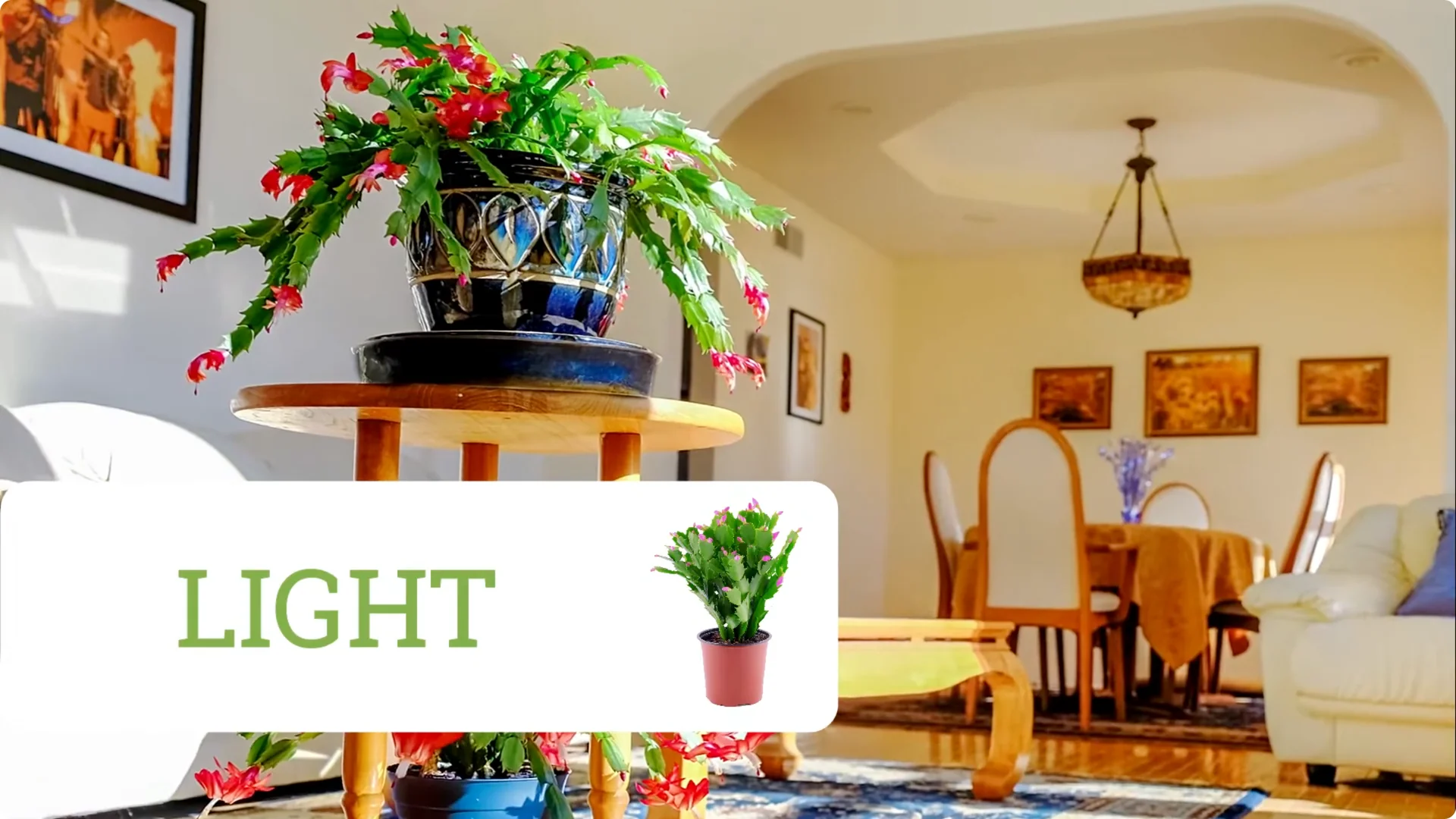
The best spot for this type of plant has bright indirect light.
The Christmas cactus will adapt to low light, but the plant will produce more blooms if exposed to brighter light.
However, too much direct sunlight can burn its leaves.
They prefer temperatures that most humans prefer, around 60-70 degrees Fahrenheit, making them an ideal houseplant.
Keeping them away from drafty doors, blowing heaters and fireplaces will help maintain their preferred climate.
Holiday Cactus Care: Water and Humidity
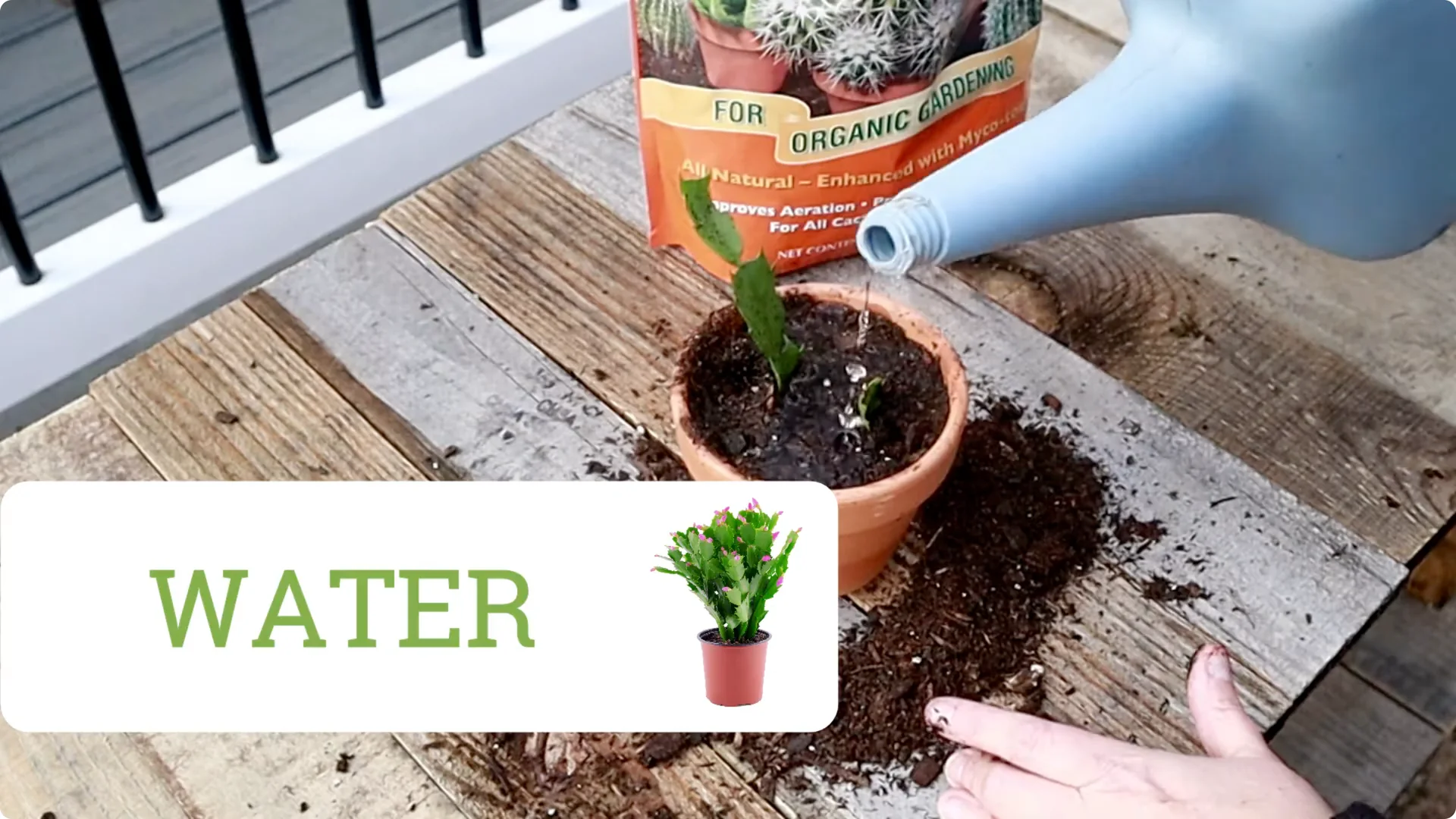
How often you water this plant depends on where you have it, the time of the year and the size of pot.
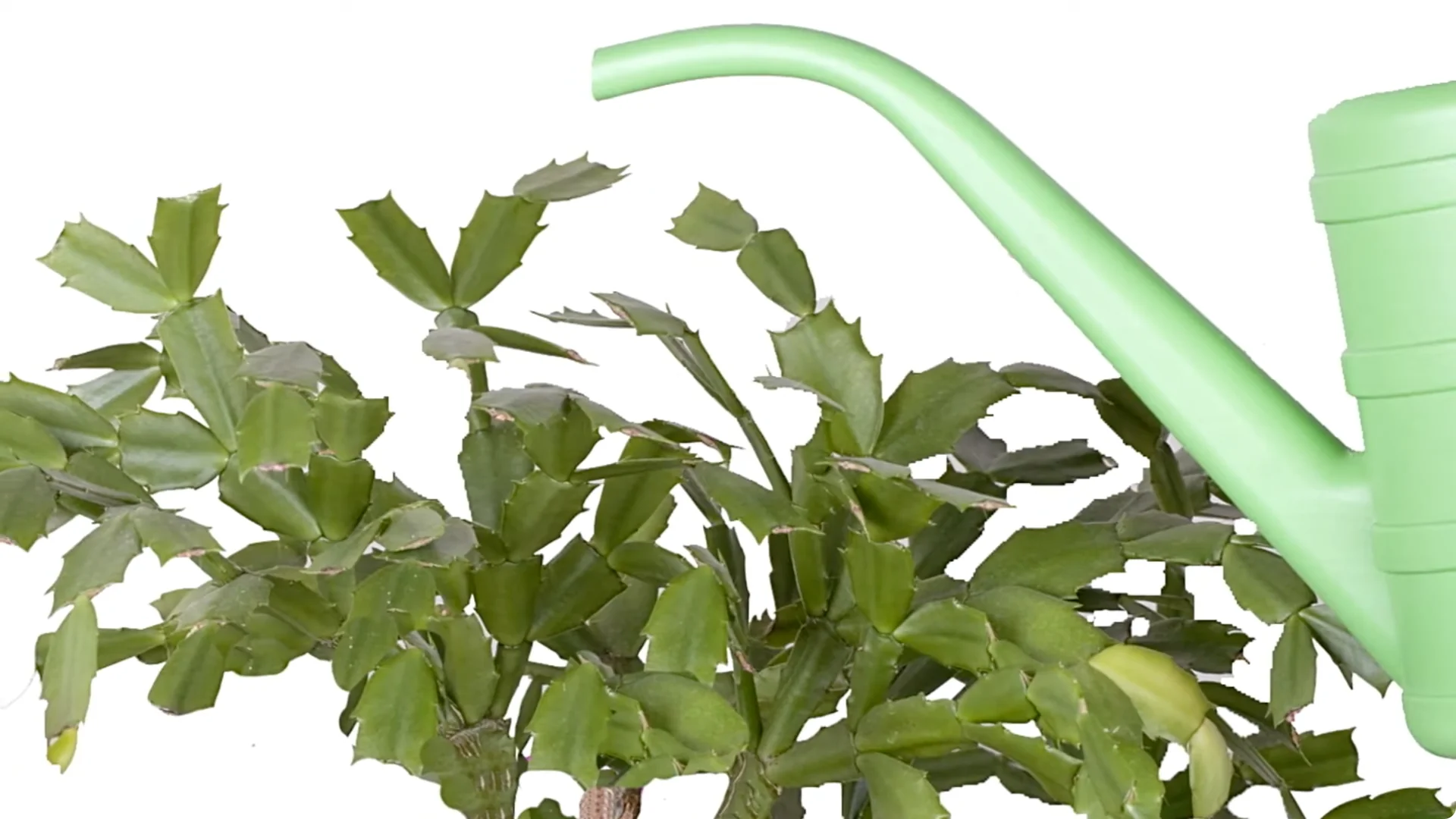
Typically they need water every 1 to 3 weeks, but check the plant once per week. Allow the soil to dry between waterings but never dry out completely.
If any extra water sits in its saucer, be sure to pour it out as this plant does not like wet feet. These plants also like it humid. If your air is not naturally humid, create false humidity.
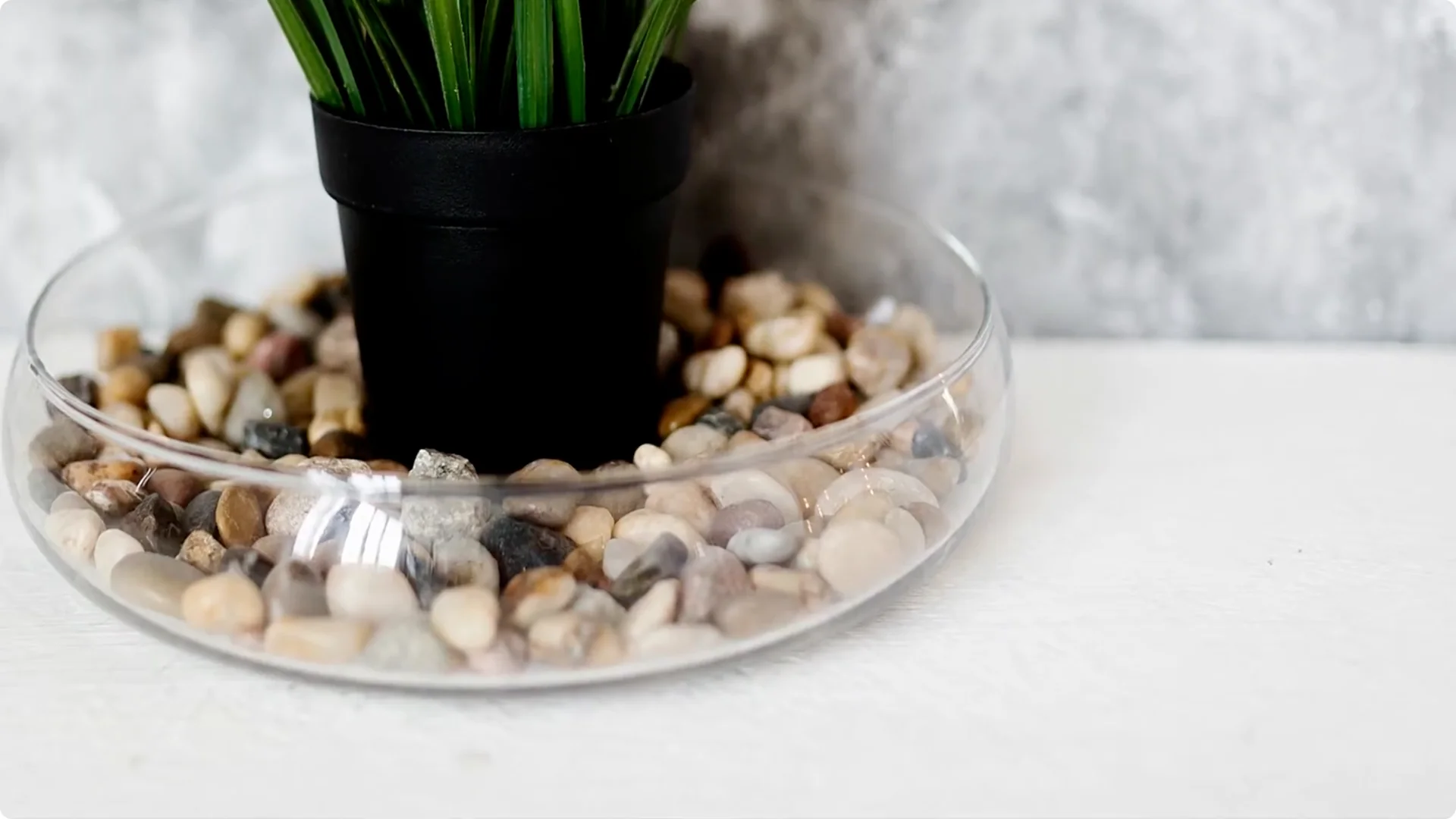
A simple solution to low humidity is to place a tray of pebbles filled with water underneath the plant and its pot.
The water will evaporate, moisten the air and create humidity for the plant.
Read More: Essential Tips Thriving Spring Hydrangeas
2. Holiday Cactus Care for Flowers
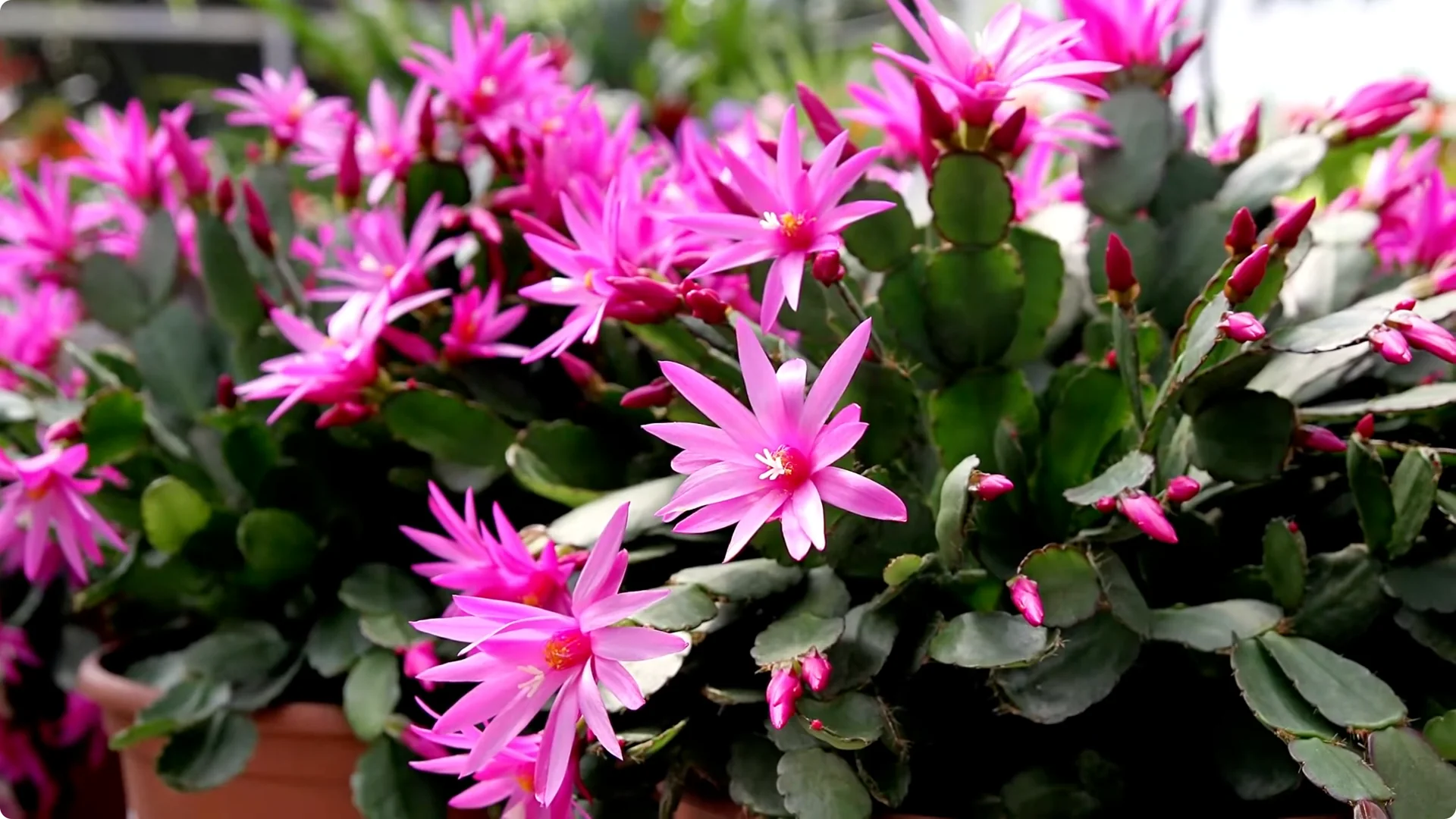
Many plant parents have good luck with these plants as they will bloom once or even twice per year with little to no effort.
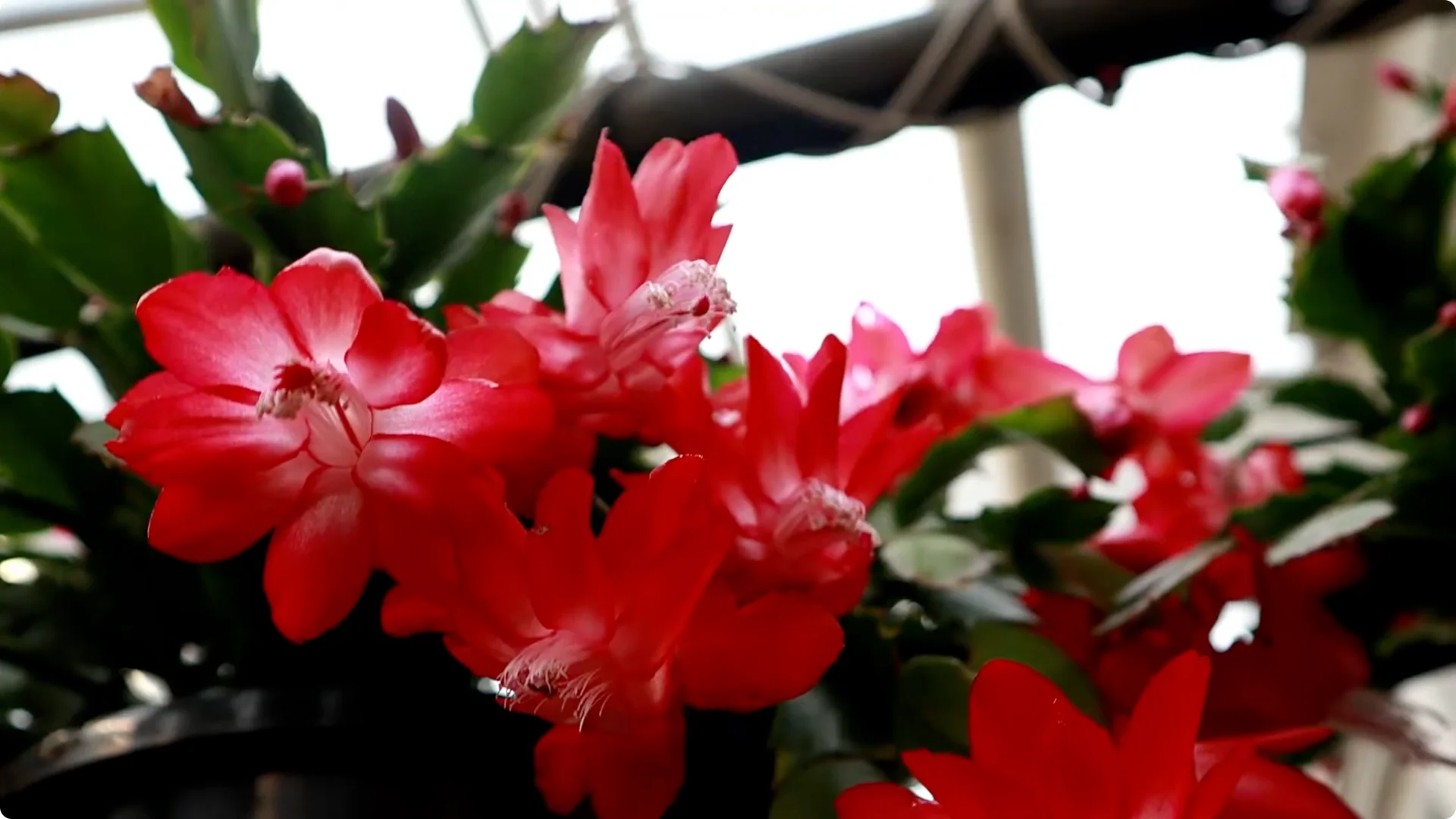
However, to ensure blooming at the right time, there are a few extra steps you can take.
Holiday Cactus Care: Dormancy Timing
Once the plant has ceased all flowering, or about 6-8 weeks before you want the plant to re-bloom, you should allow the plant to begin its dormancy cycle.
First, cut back on watering and reduce both light and temperature.
The plant should receive 12-14 hours of darkness per day with an average temperature of only 50-55 degrees Fahrenheit.
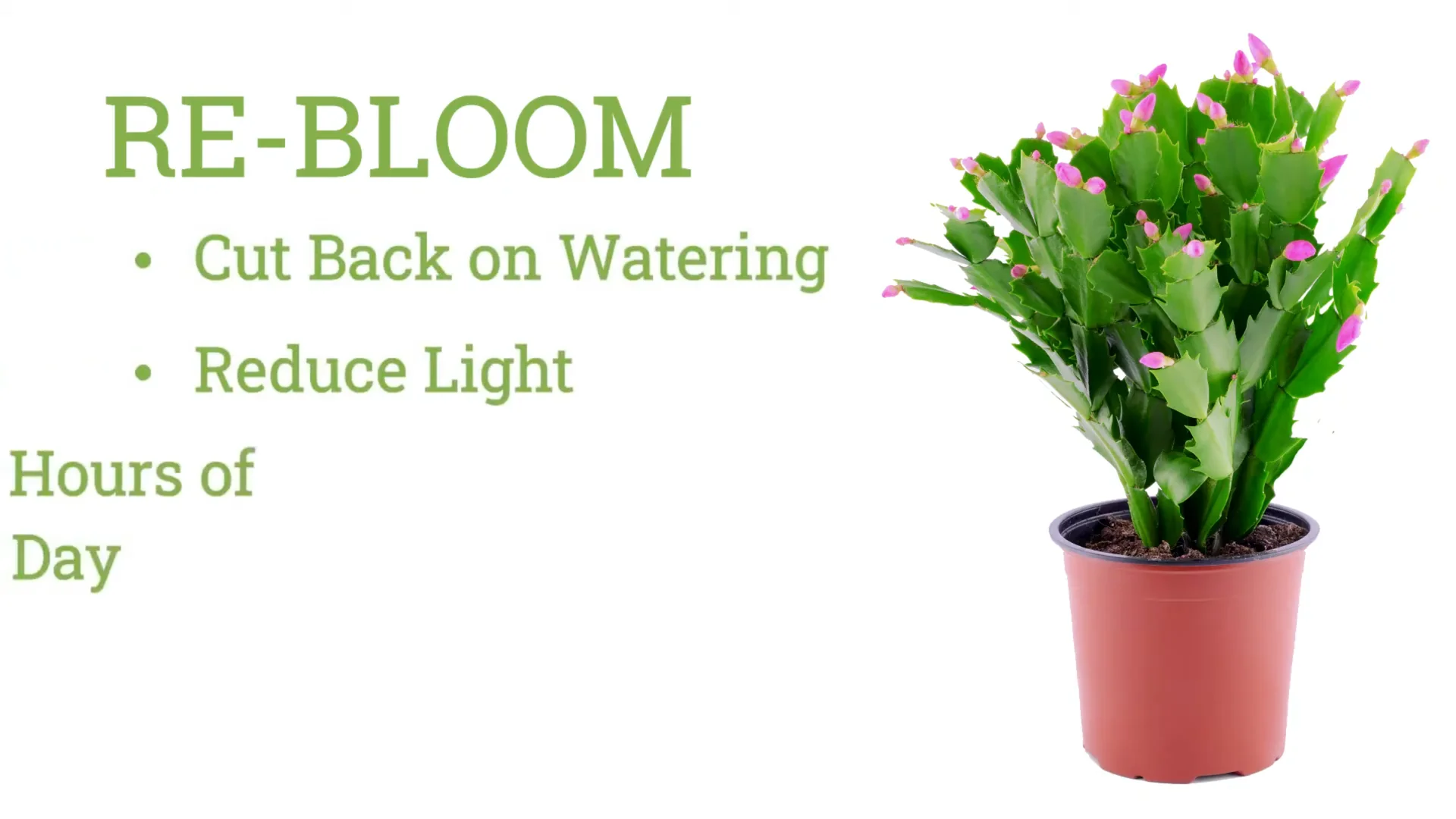
The remaining 10-12 hours of the day the plant can stay in a well lit area with temps averaging 60-70 degrees Fahrenheit.
Once the flower buds appear, slowly acclimate it back to its original location and resume normal care.
3. Holiday Cactus Care: Repotting and Fertilizing
This type of plant is happiest when its roots are slightly crowded, so repotting should be infrequent.
If, after a few years, your plant needs a new container, be sure to use a porous, lightweight, well-drained cactus potting mix in a pot with a drainage hole.
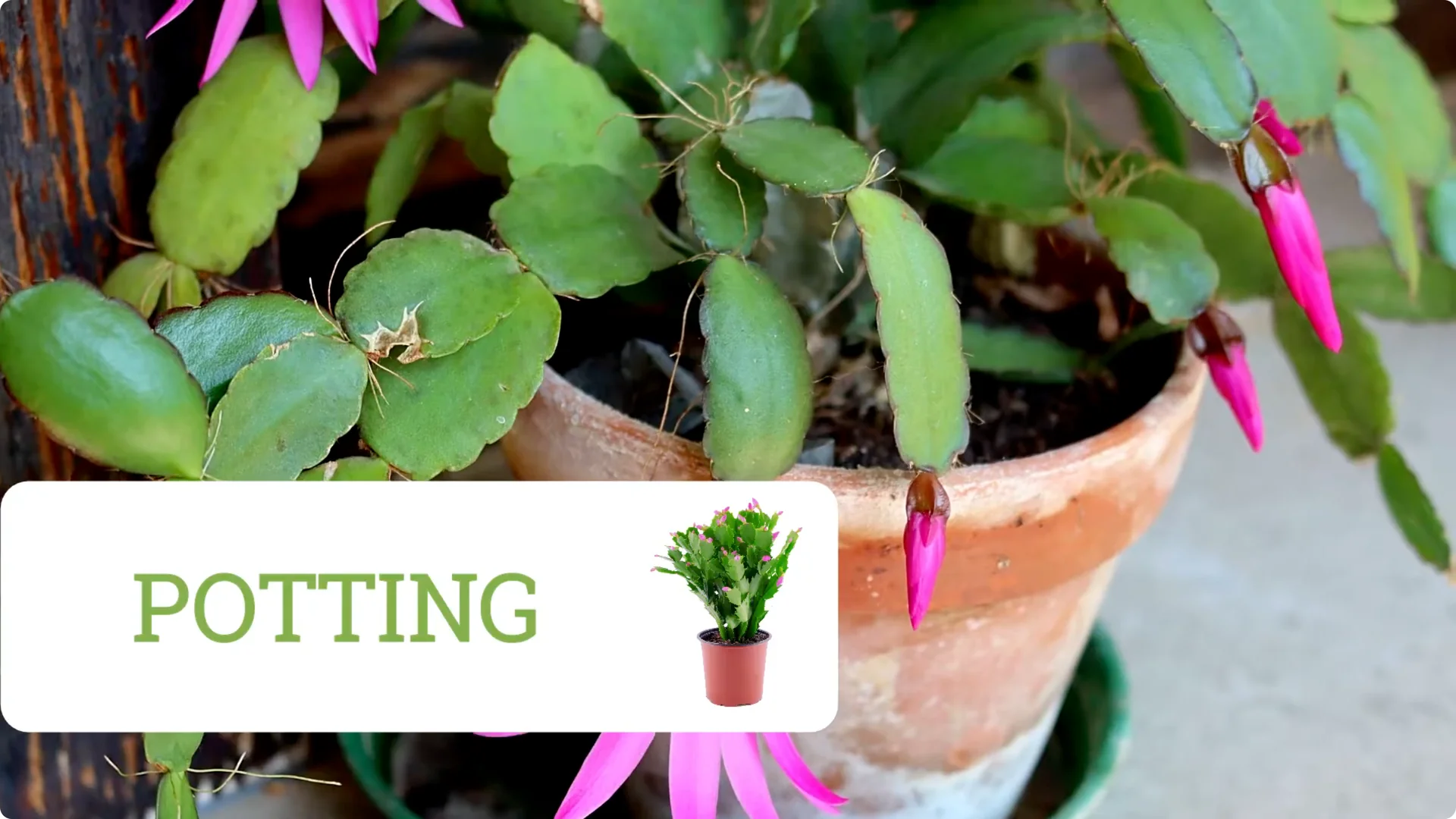
The plants can be repotted after they are done blooming and the flowers have faded, usually late winter or early spring. Do not repot a Christmas cactus during an active blooming cycle.
The Christmas cactus does not need or want frequent fertilization, but a dose once a month during the non-blooming season can be helpful.
You can start fertilizing once you see new growth appear in the spring. Do not fertilize before or during the bloom cycle.
A mild solution of a general houseplant fertilizer or a specific formula for cactus and succulents is recommended.
4. Holiday Cactus Care: Pruning and Propagation
Prune the plant back annually if needed. If the plant has a nice shape then let it be, but if the plant is unruly or lanky, you can cut between 2 leaf segments or cut the entire plant back by one third.
Holiday Cactus Care: Propagation Steps
You can easily propagate them by taking a short Y-shaped segment.
Let it sit out for a few days to heal, then bury it one quarter its length into cactus mix.
Keep the cuttings slightly moist and in just 2 weeks, you will have new roots.
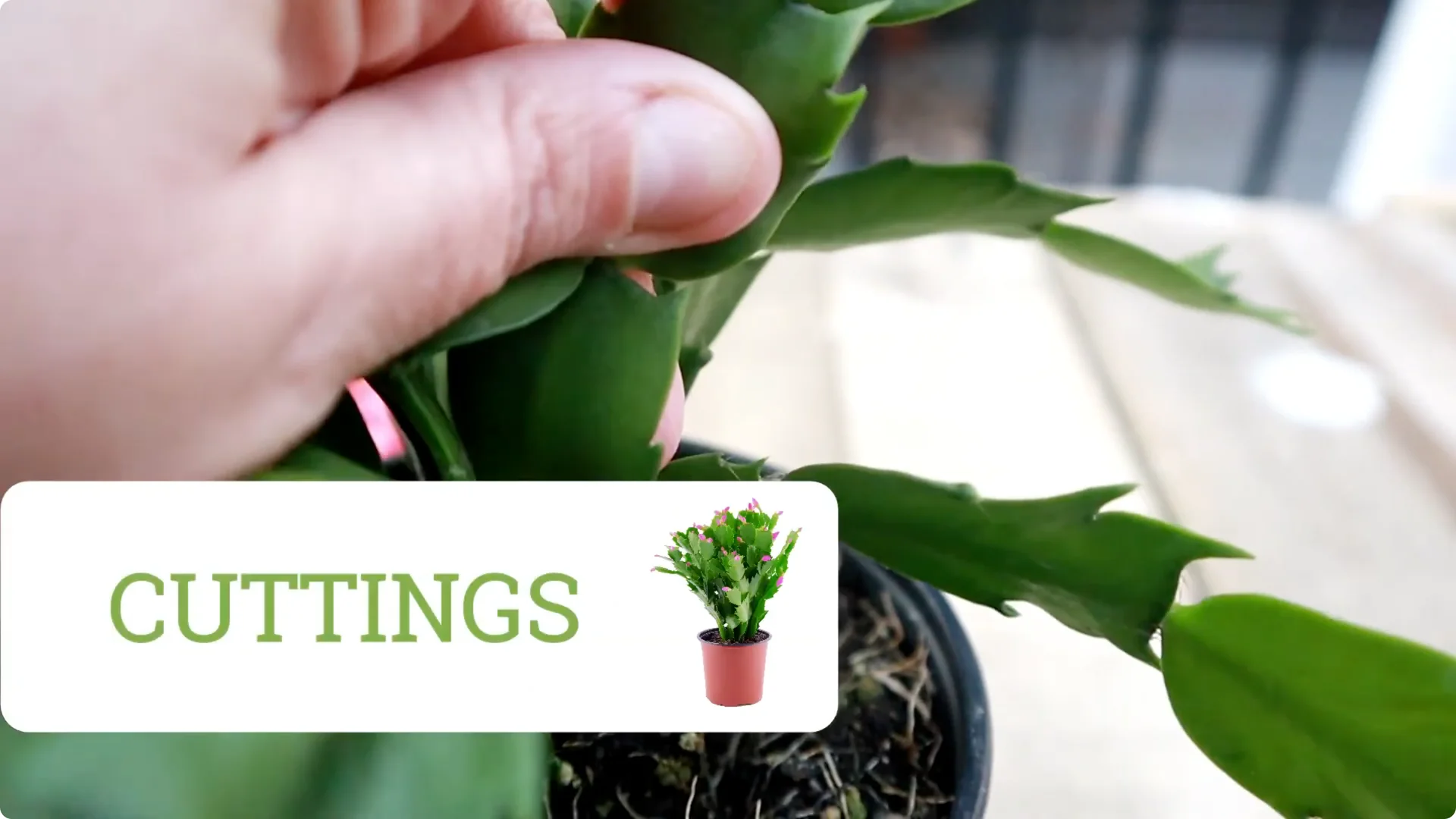
At this point you can transfer the plant to its own container to share with friends or keep for yourself.
Read More: Grow Care Prayer Plants
5. Holiday Cactus Care: Troubleshooting
Since this type of cactus is not prone to disease or insects, water stress is its main enemy. Over watering can cause root and stem rot.
If you notice the foliage shrivel up or if the plant goes limp, you may have given it a bit too much love.
You can avoid all of this by allowing the plant to dry out slightly between waterings. Outside of root rot, bud drop is the most common problem.
These sensitive plants prefer a controlled environment and when one factor changes, such as temperature, humidity or light, the plant will stop all production of those glorious flowers.
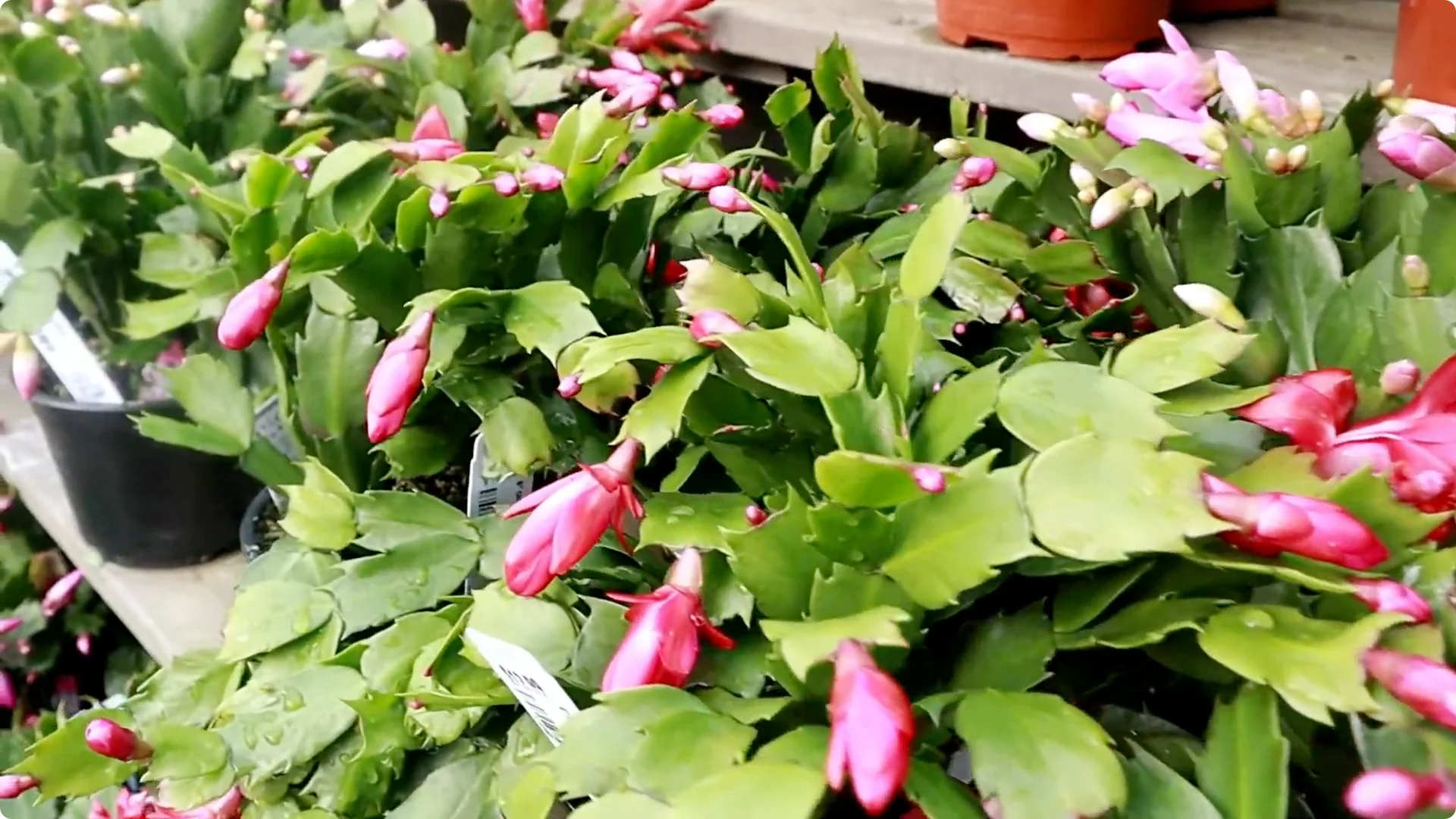
To prevent bud drop be sure to keep the plant climate controlled. If you notice your cactus taking on a reddish hue, it may be getting too much direct sunlight or not enough water.
Once you know how to care for Christmas cactus, it is an easy plant to manage, and when given proper care and placed in a suitable location, the Christmas cactus may even surprise you with additional blooms throughout the year.
Final Thoughts
Give your holiday cactus bright indirect light, consistent indoor temperatures and careful watering. Provide a brief dormancy to schedule blooms, repot sparingly and feed lightly in the growing season. With steady conditions and a light touch, this classic houseplant rewards you with reliable color and occasional encore shows.