
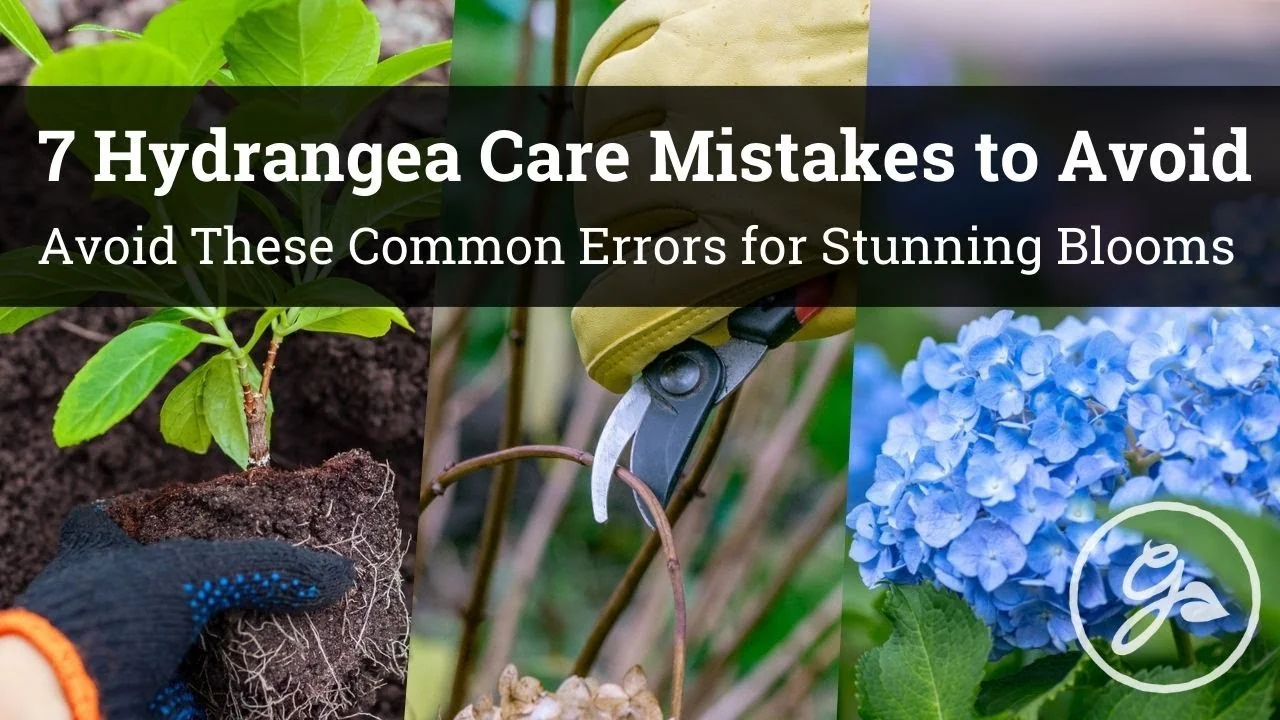
Hydrangeas are the stars of the summer garden, but common care mistakes can stunt their growth and lead to poor flowering. Here are the top 7 hydrangea care mistakes that you may be making, which can result in unhealthy shrubs and disappointing blooms. These tips will help ensure your hydrangeas stay healthy and vibrant.
Get your hydrangeas blooming their best.
1. Hydrangea Care Mistakes: Soil and Drainage
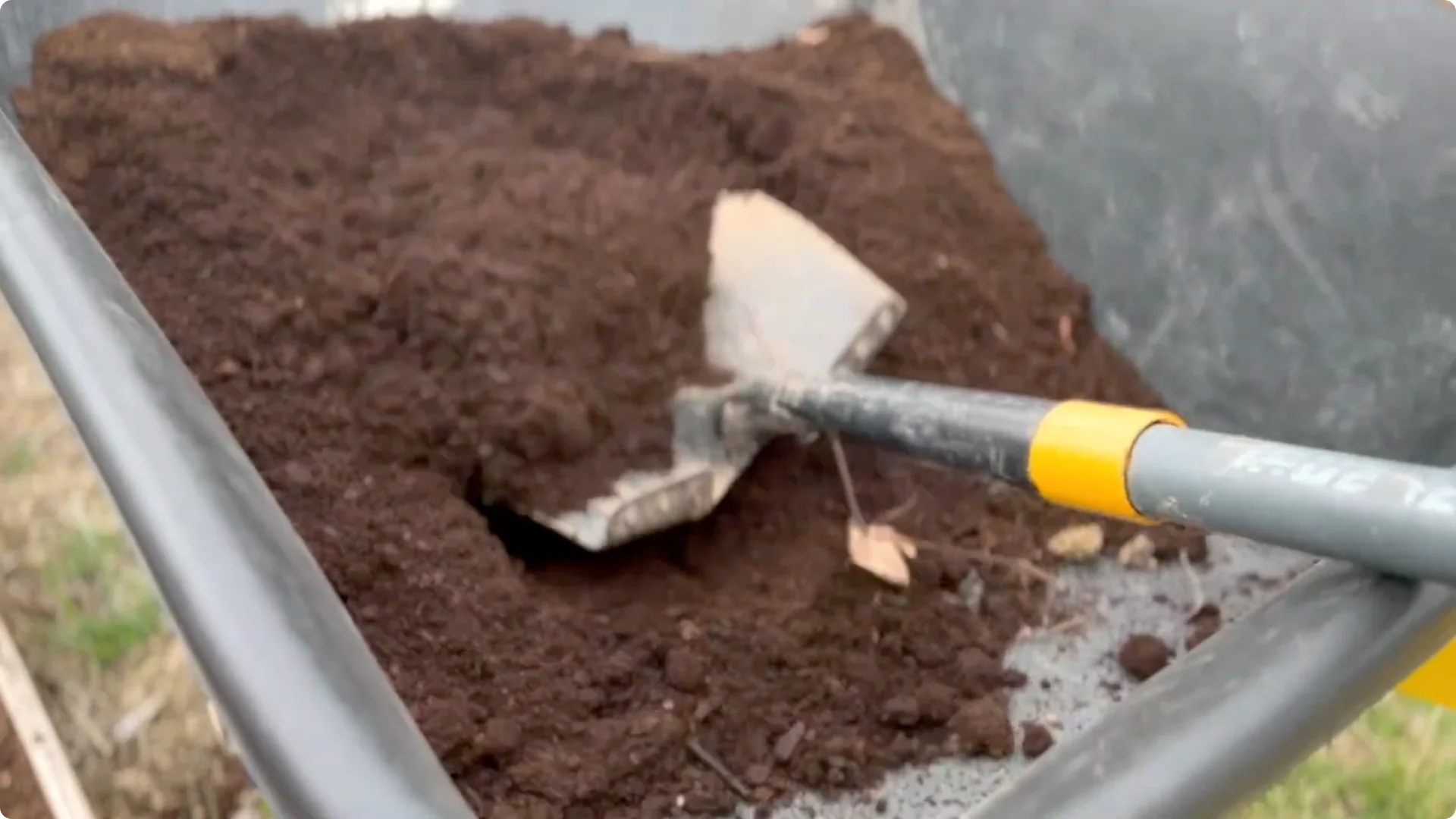
Planting hydrangeas in the right type of soil is essential for their growth and vibrant bloom. They thrive in soil that is rich in organic matter and moist but well-draining. Hydrangeas may struggle in soil that remains too wet or too dry.
They should not be planted in rocky soil that drains too quickly, leaving the roots dry. Achieving the right soil balance is crucial because it prevents root rot while ensuring the plants get enough water to sustain their lush foliage and beautiful blooms. If your soil needs improvement, amend it with organic matter such as compost.
This will enhance the texture and nutrient content, creating a more hospitable environment for your hydrangeas.
2. Hydrangea Care Mistakes: pH and Bloom Color
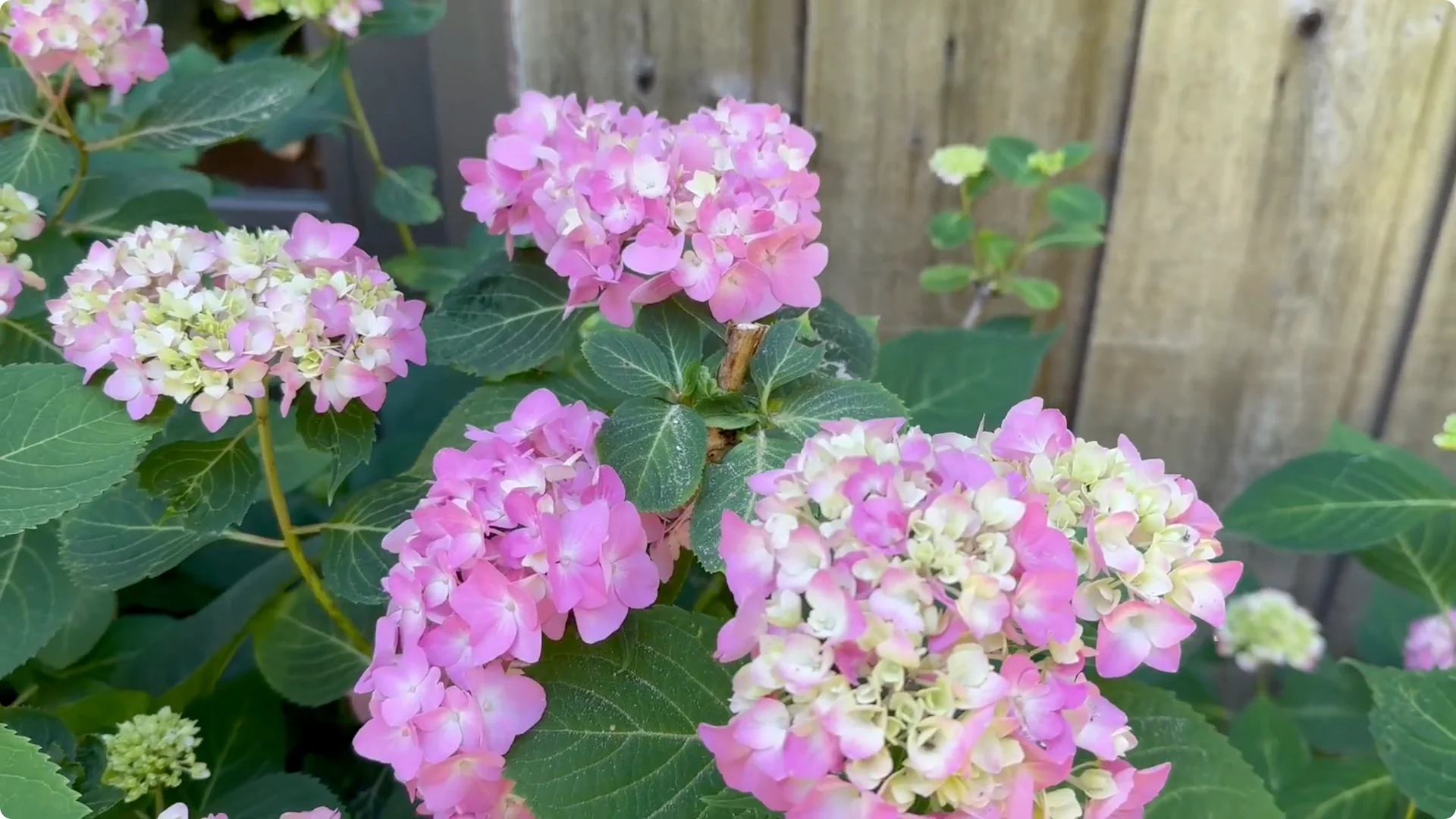
Even if you planted a blue-flowering hydrangea shrub, it may not bloom blue the following year. The soil’s pH significantly impacts the flower color of hydrangeas, particularly those in the mophead family. If the soil is more alkaline, hydrangeas will naturally bloom in shades of pink.
To achieve the coveted blue hue, the soil must be more acidic. If your hydrangeas are not the blue color you desire, you can adjust the soil pH by adding aluminum sulfate or soil acidifiers. A neutral soil may result in a mix of pink and blue blooms.
To help hydrangeas achieve the blue color you’re aiming for, apply these soil amendments annually in early spring. For more plant care pitfalls to avoid, see common mistakes that kill Monstera.
3. Hydrangea Care Mistakes: Light Mismatch

Selecting the right kind of hydrangea for your garden’s light levels is crucial to ensure a healthy plant. Bigleaf varieties, like mophead and lacecap, thrive in morning sun with afternoon shade or dappled light. Oakleaf hydrangeas thrive in partial shade but can also tolerate dense shade or slightly sunnier spots.
Panicle varieties, like the well-known Limelight, prefer abundant light and bloom beautifully in full sun, while mophead types need gentler exposure. Consider your USDA hardiness zone as well. Plants that require shade in hotter regions may flourish with full sun in cooler climates.
By matching the hydrangea type to your garden’s light conditions, you can help your plants reach their full potential.
4. Hydrangea Care Mistakes: Inconsistent Watering
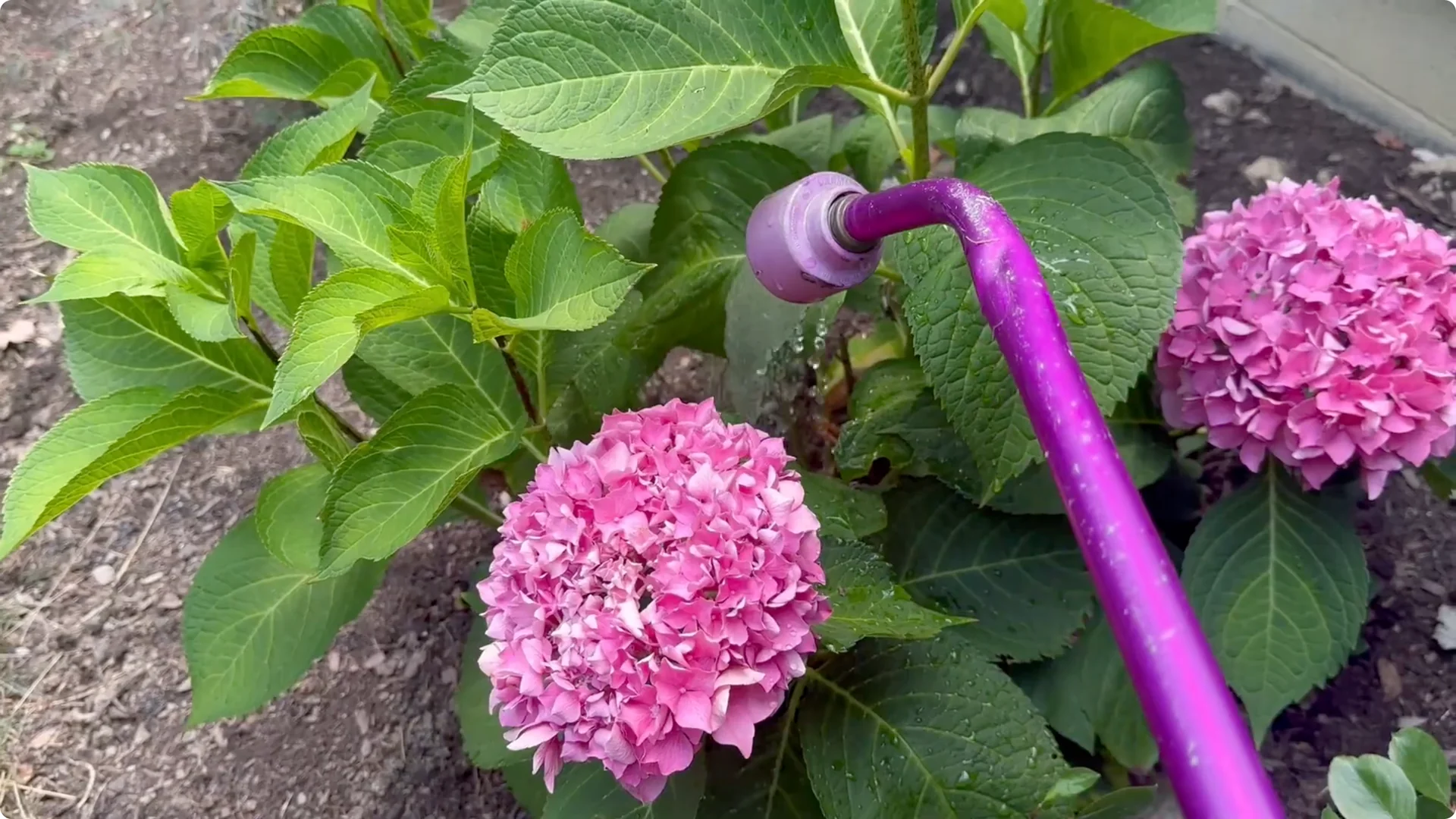
Hydrangeas need plenty of water to thrive, as their name reflects their dependency on moisture. The term hydrangea is derived from the Greek words hydro, meaning water, highlighting their water-loving nature. It’s a common misconception that hydrangeas are drought-tolerant.
They require regular, consistent watering to flourish. The frequency of watering depends on factors such as species, soil type, the plant’s exposure to sun or shade, and your local climate. Generally, hydrangeas need about 1 inch of water per week, either from rainfall or irrigation.
Drier soils will need more frequent watering, while moisture-retentive soils will require less. It is common for hydrangeas to wilt in hot, dry weather. A deep watering near the root system will help perk up the plant.
5. Hydrangea Care Mistakes: Over-Fertilizing
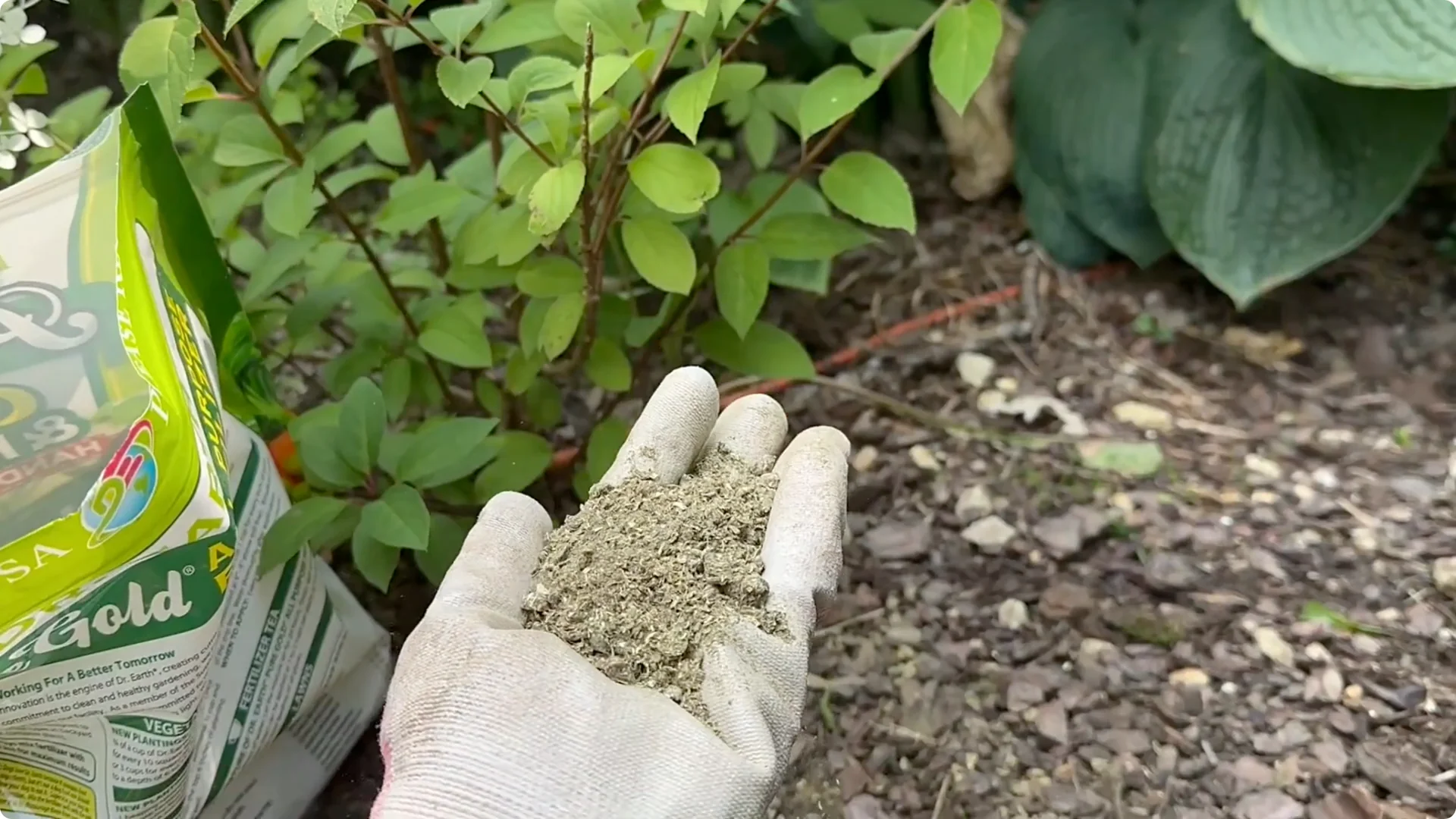
More fertilizer would equal more flowers, right? Not necessarily. Over-fertilizing hydrangeas can be detrimental to their health, leading to excessive foliage growth at the expense of blooms and potentially causing fertilizer burn.
A single application in the spring is usually sufficient to provide the necessary nutrients. Mophead and lacecap hydrangeas are acid lovers, so apply a fertilizer for acid-loving plants to help maintain optimal soil pH. A general, all-purpose fertilizer is a great choice for panicle and oakleaf types.
Follow the manufacturer’s instructions to add the right amount of fertilizer. For indoor bloom guidance beyond hydrangeas, see tips for indoor Anthurium blooms.
6. Hydrangea Care Mistakes: Pruning the Wrong Way
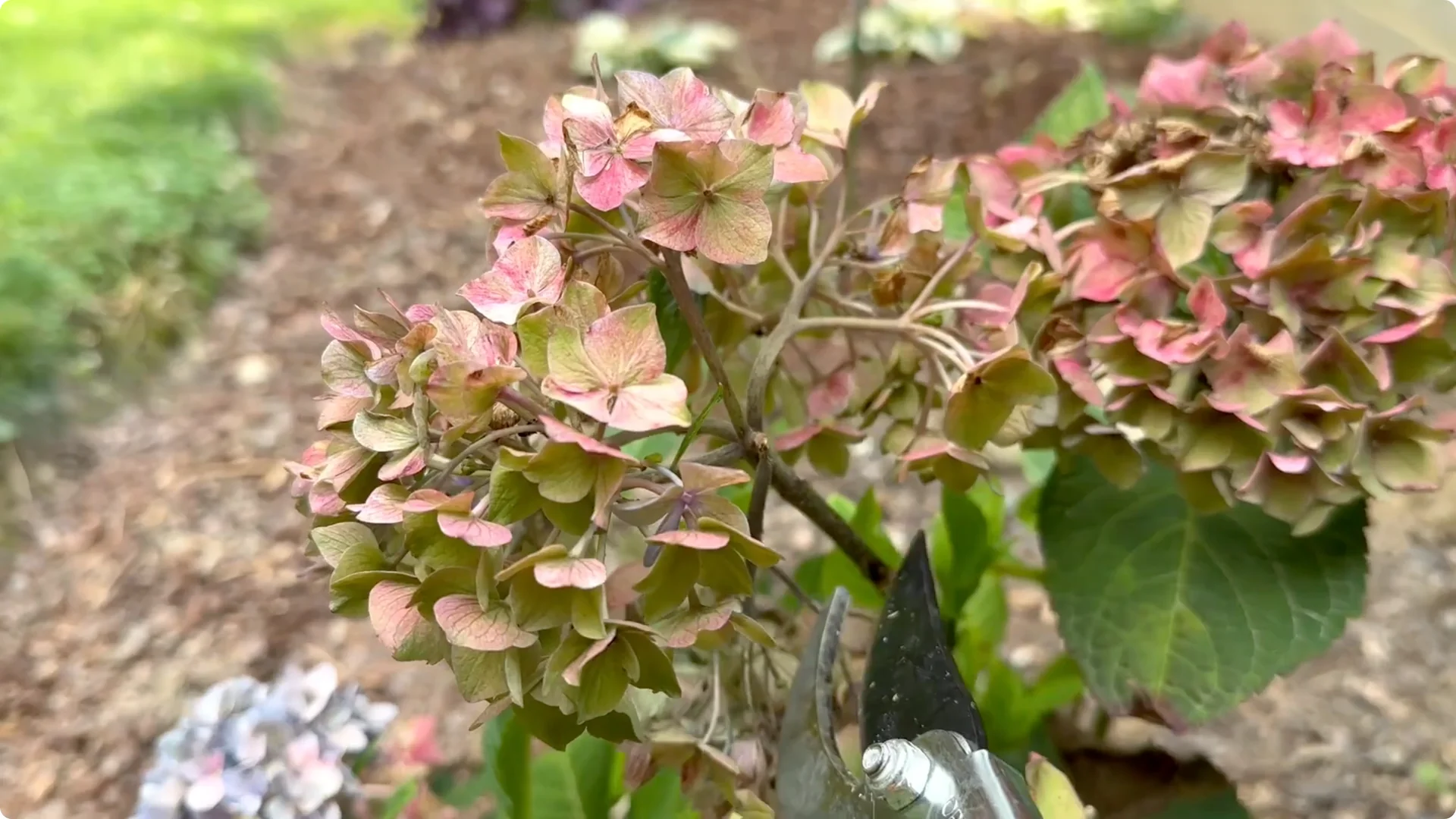
Contrary to popular belief, hydrangeas do not need to be pruned very much. Excessive cutting can hinder their blooming potential. Many hydrangea varieties bloom on old wood, meaning they produce flowers on stems that were established the previous year.
Heavy pruning can remove these stems, leading to fewer blooms or even a lack of flowers altogether. Focus on light maintenance, such as removing dead or damaged wood and shaping the plant as needed. Hydrangeas that bloom on new wood, such as smooth and panicle types, benefit from more extensive pruning.
This approach encourages vigorous growth and results in more abundant blooms.
7. Hydrangea Care Mistakes: Poor Site Selection and Planting
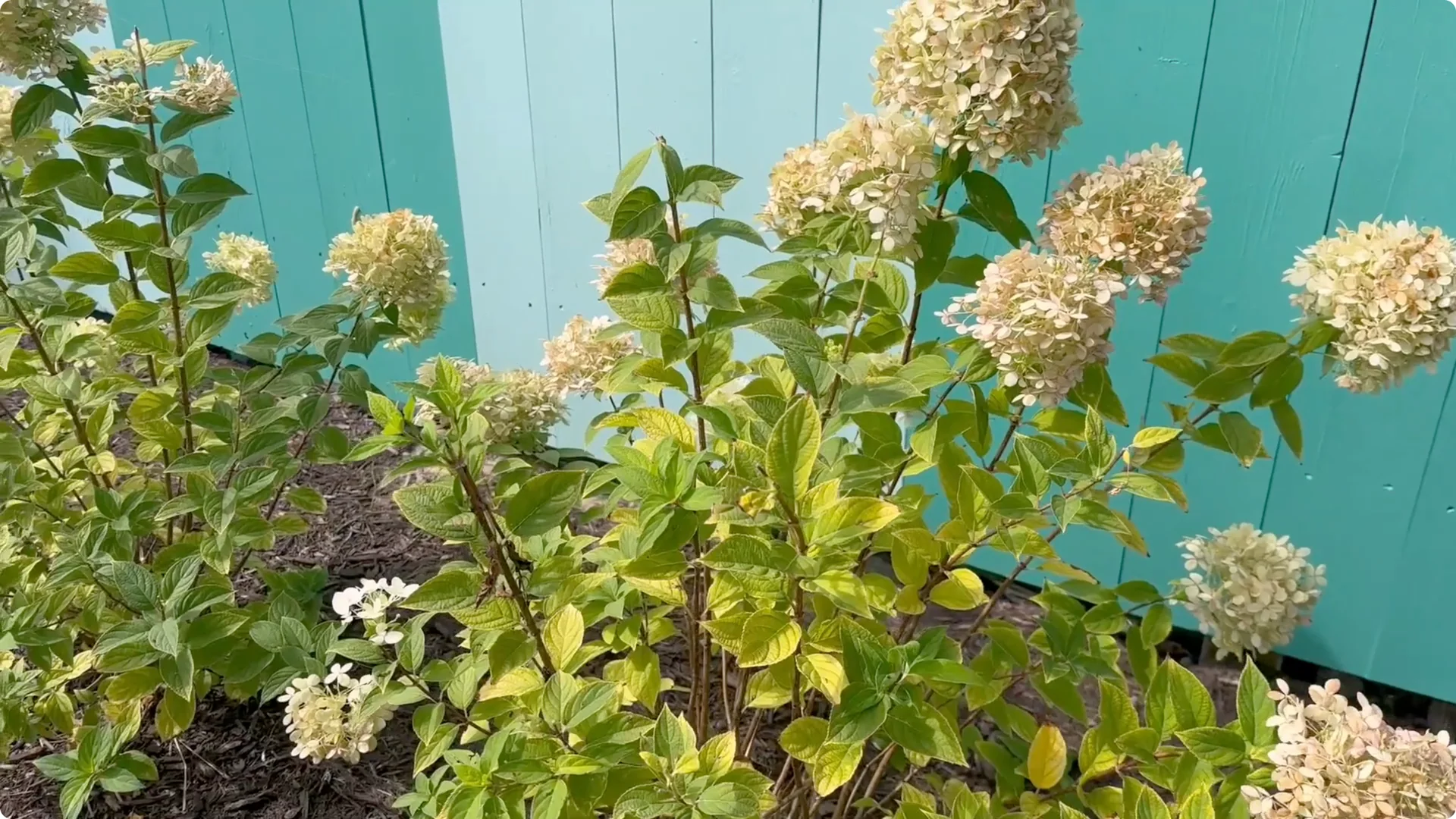
The right light levels are important, and it is crucial to ensure there is enough space for the shrub to reach its mature size. This prevents competition for nutrients and light. Pay close attention to the mature size indicated on the plant tag to avoid overcrowding.
Avoid planting hydrangeas under trees where they may compete for essential nutrients and moisture. Tree roots can sap these vital resources and stress the shrub.
Planting steps
1) Dig a hole twice as wide and deep as the root ball. This gives roots room to expand and establish.
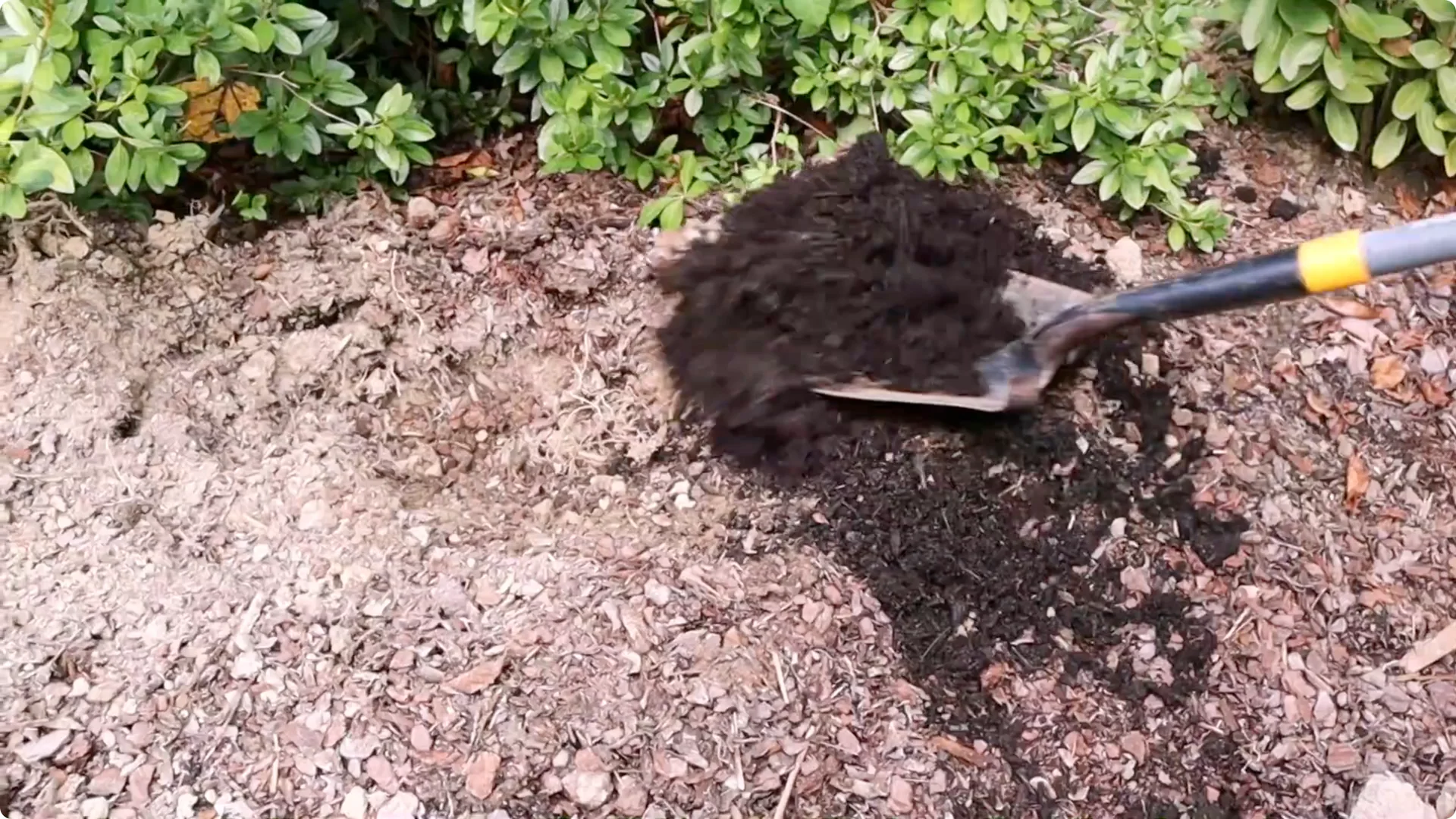
2) Amend the backfill with compost to add organic matter to the soil. This improves both texture and fertility.
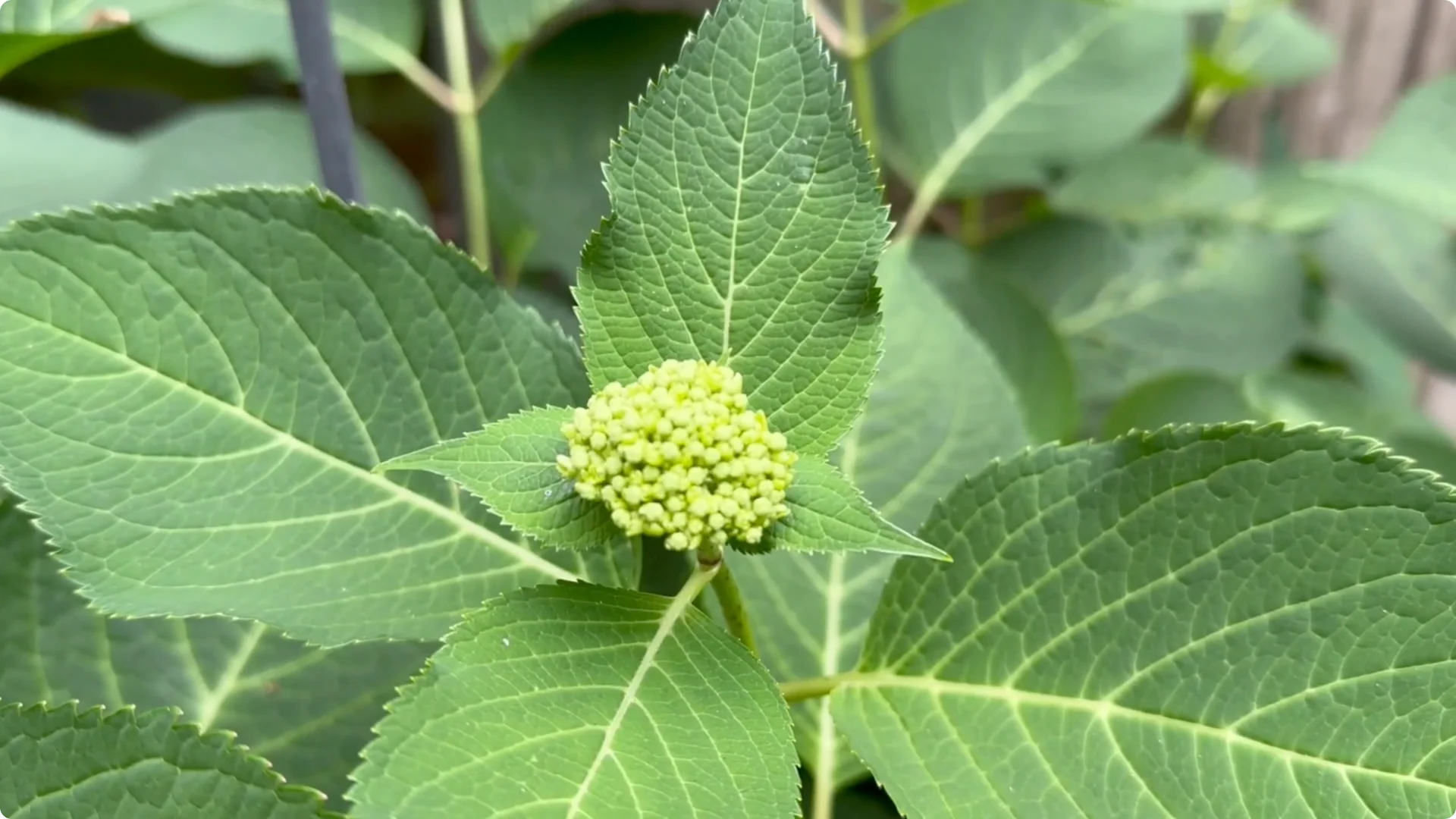
3) Set the plant at the same level as it was in its nursery pot. Planting too deep can suffocate roots.
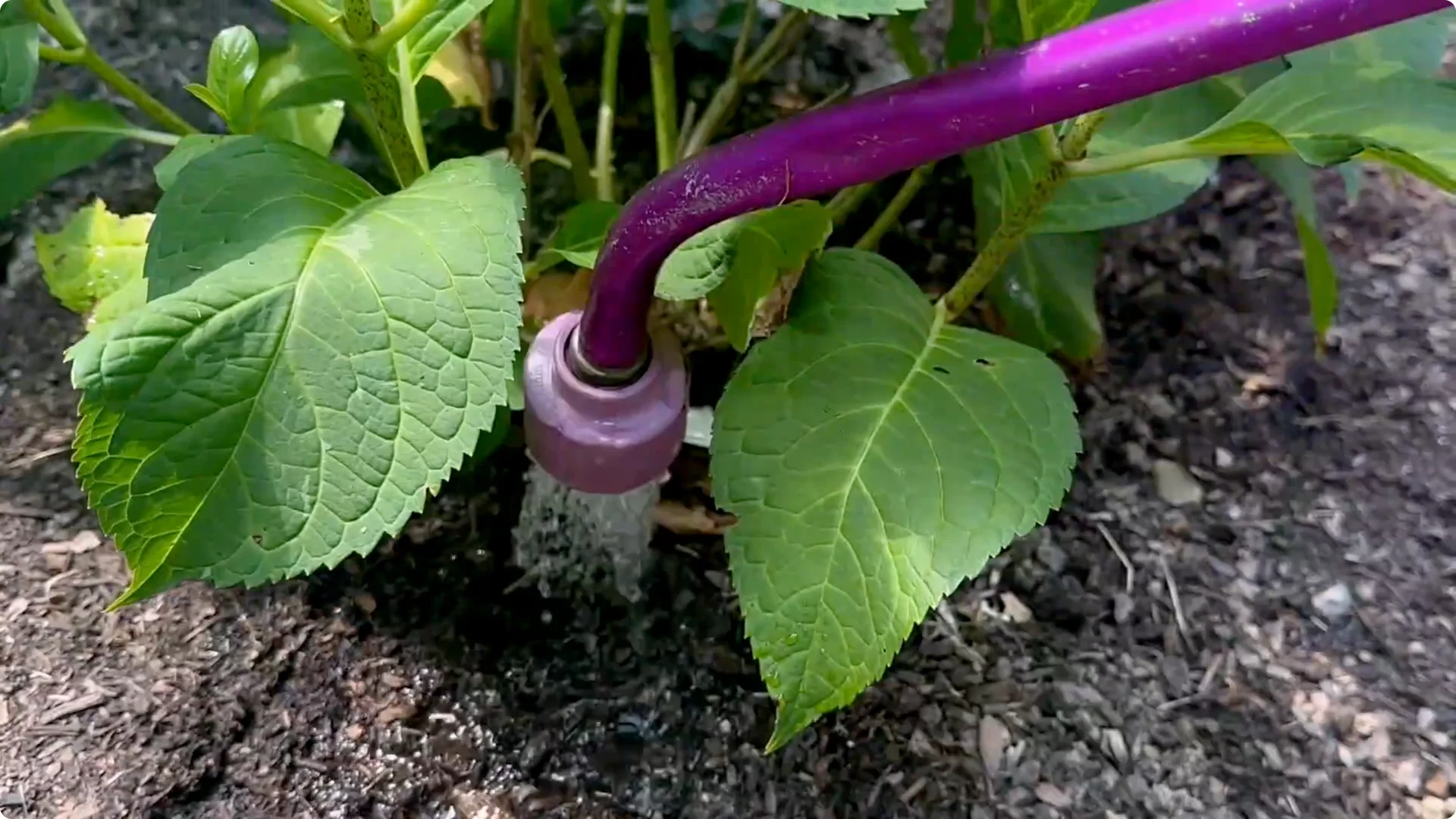
4) Water well, very well. Keep the root zone evenly moist as the plant establishes.
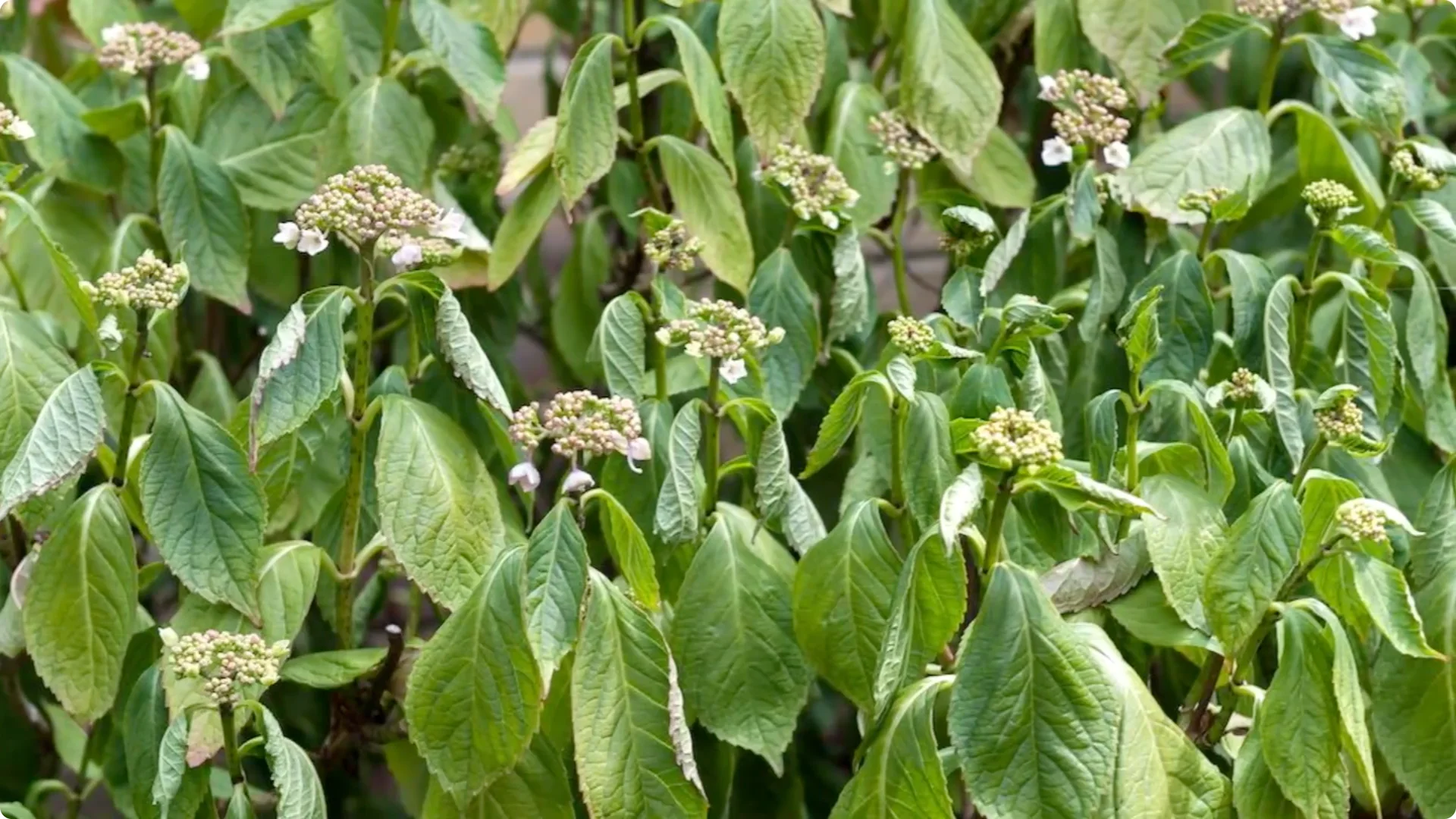
Hydrangea Care Mistakes: Final Thoughts
Match soil, light, and water to your hydrangea type, and be conservative with fertilizer and pruning. Plant with space to grow, set the crown at the right depth, and water deeply during heat. For more seasonal houseplant know-how, check out holiday cactus care tips.