Jade plants are beautiful succulents, and these are my top seven care tips that will not only keep you from killing one but will help you get it to thrive, with details you didn’t know you needed to know.
These tips will save you a ton of time, money, and heartache.
1. Choosing the Best Jade Plant at the Store
Choosing the best jade plant at the store involves careful inspection to ensure you select a healthy specimen that will thrive in your care.
Start by examining the overall appearance of the plant.
Look for jade plants with vibrant green leaves that are firm and plump, letting us know that they are well hydrated and healthy.
Avoid plants with yellowing, wrinkled, or dropping leaves, as these could be signs of poor health or improper care. The leaves should also be free from blemishes, spots, or any signs of pests or disease.
To check, get your hands a little dirty and look over the tops of the leaves and especially the bottom.
Check condition
If you spot a little red around the edges of the leaves, this can be caused by high temperature, underwatering, nutrient imbalance, or most of the time it’s from excessive sunlight. Some people like this red edging and some don’t, but it’s usually harmless, and if you follow the steps here, it’ll usually revert back to its natural color.
When you’re done inspecting the leaves, check the plant’s stems and branches. They should be sturdy and upright, not thin and leggy, which could indicate that the plant has been struggling to receive enough light.
Gently wiggle the plant to make sure that it’s securely rooted in its pot. A loose plant might have root issues. Also look for fungus gnats flying out of the pot while you’re moving it around, and make sure you don’t see any leaves that are barely hanging on and drop to the ground, all of which are red flags.
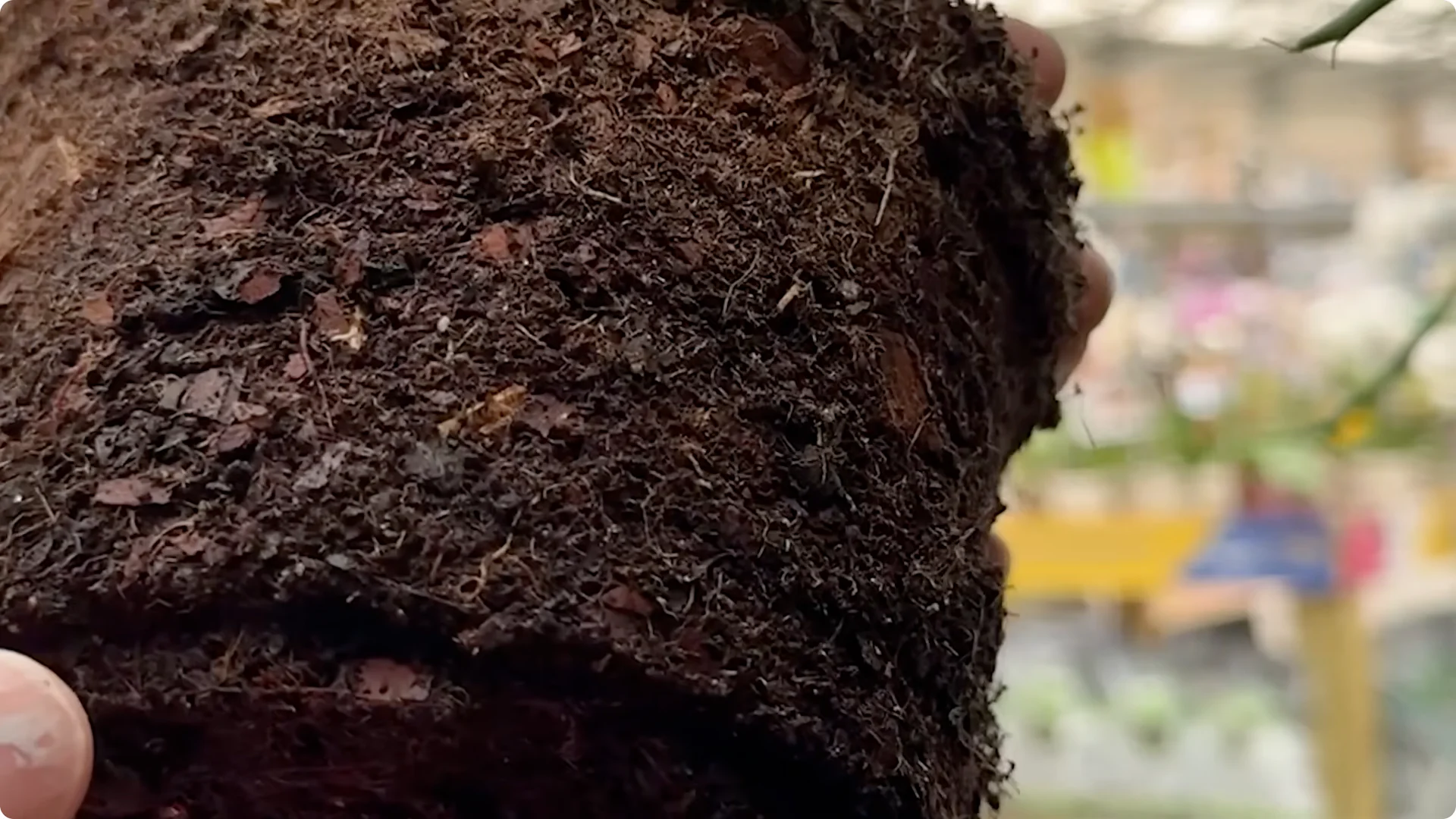
Inspect the soil for signs of overwatering or poor drainage, such as soggy soil or mold growth, and get your hands dirty.
This is a non-negotiable: it’s essential that you look at the roots by gently lifting the plant from its pot to examine the root system.
Healthy roots on a jade plant should be thin, fibrous roots that are white or light tan and should not be circling the pot excessively or appear mushy and dark, which are signs of root rot.
2. Give Adequate Light, Temperature, and Humidity
The most important thing to consider at home is providing them with adequate lighting. They love it. These succulents thrive best in bright indirect sunlight, which really gets them growing.
I say growing, but not like a monster or anything. They grow, if all is good, about 2 to 4 inches in a year. I know, not much.
A south-facing window typically can provide the perfect lighting conditions as long as it doesn’t receive the harsh intensity of midday rays that can cause leaf scorching.
On the other hand, if you don’t give your jade plant enough light, it’ll let you know by putting out leggy growth where the plant stretches towards the light source, resulting in elongated stems and smaller, less plump leaves.
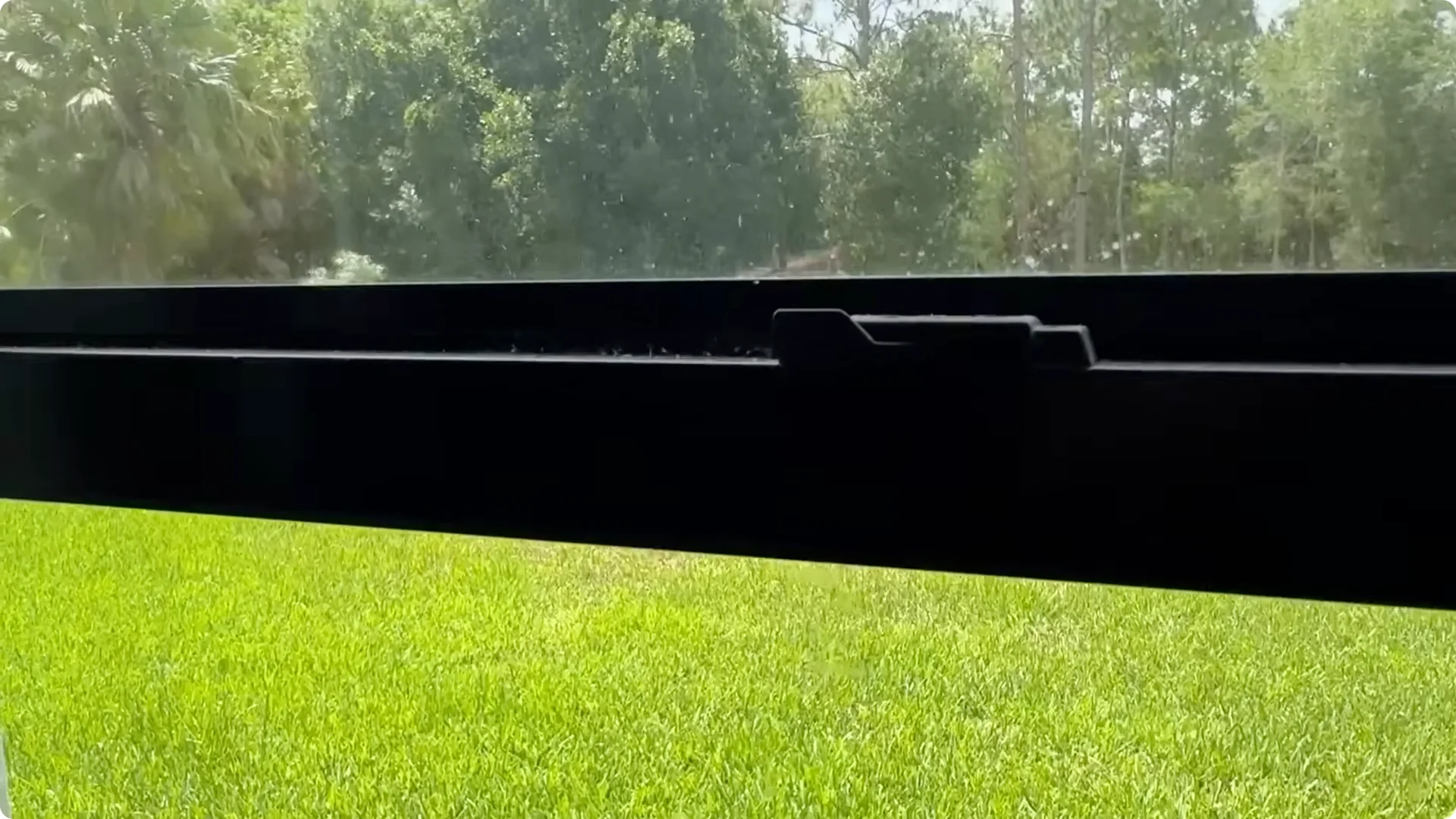
If the spot where you put your plant doesn’t provide sufficient natural light, especially during the shorter days of winter, using artificial grow lights can help supplement the light needed for optimal growth.
Keep temperatures in a range between 65 and 75 F (18 to 24 C), and protect them from extreme temperature fluctuations to prevent stressing or even damaging your jade plant.

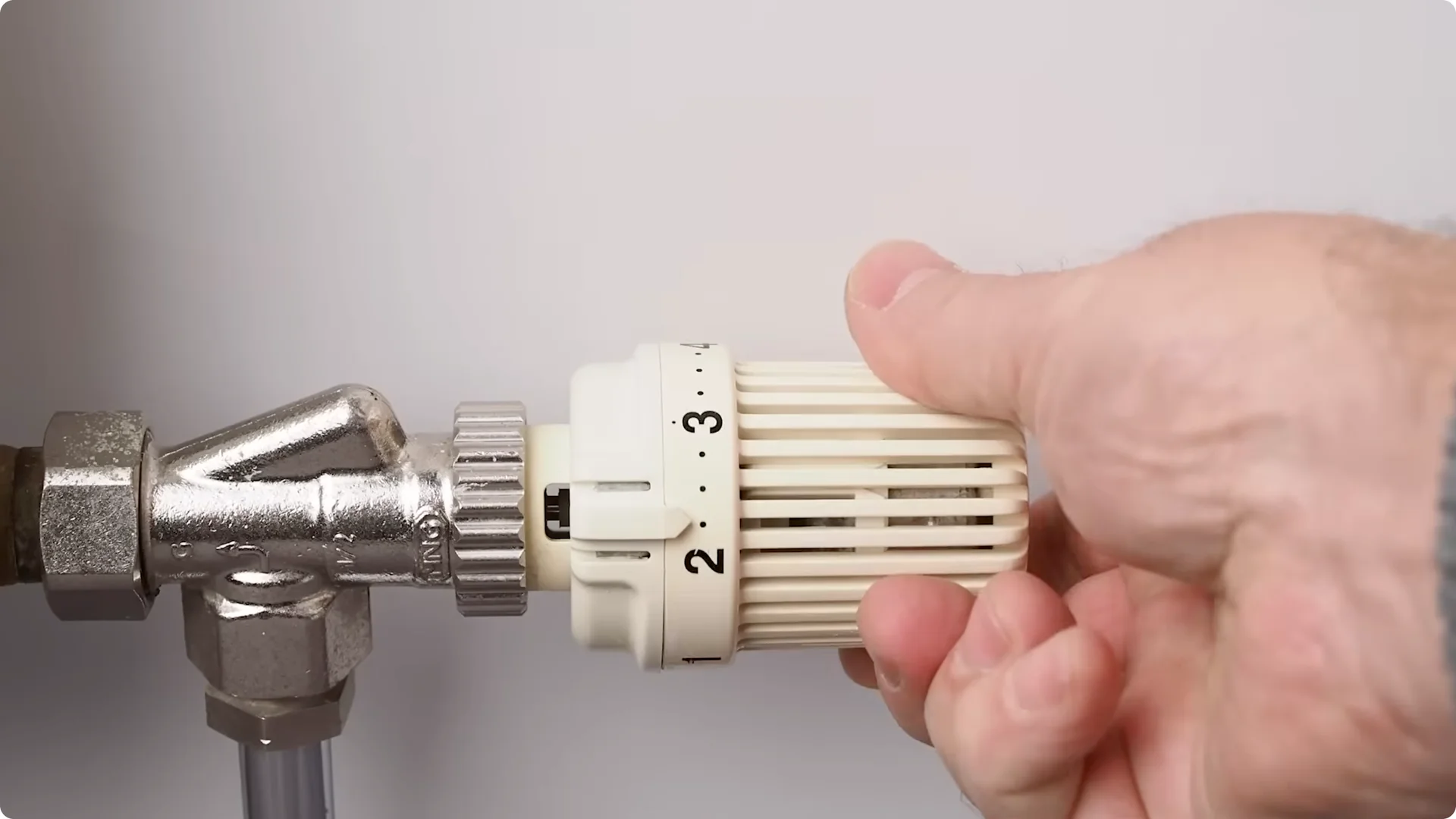
In regards to humidity, the normal levels in your home should be just right, with the exception of extremely dry conditions like those created by indoor heating systems during winter, which can cause the plant to lose moisture quicker than normal.
3. Water Only When the Soil Is Bone Dry (My Totum Method)
Knowing when and how to water is probably the most important part of taking care of your jade plant, and it’s the number one reason most new owners end up killing them.
Jade plants are native to the arid climate of South Africa and have evolved to store water in their thick leaves and stems, making them highly susceptible to root rot if they’re kept too wet.
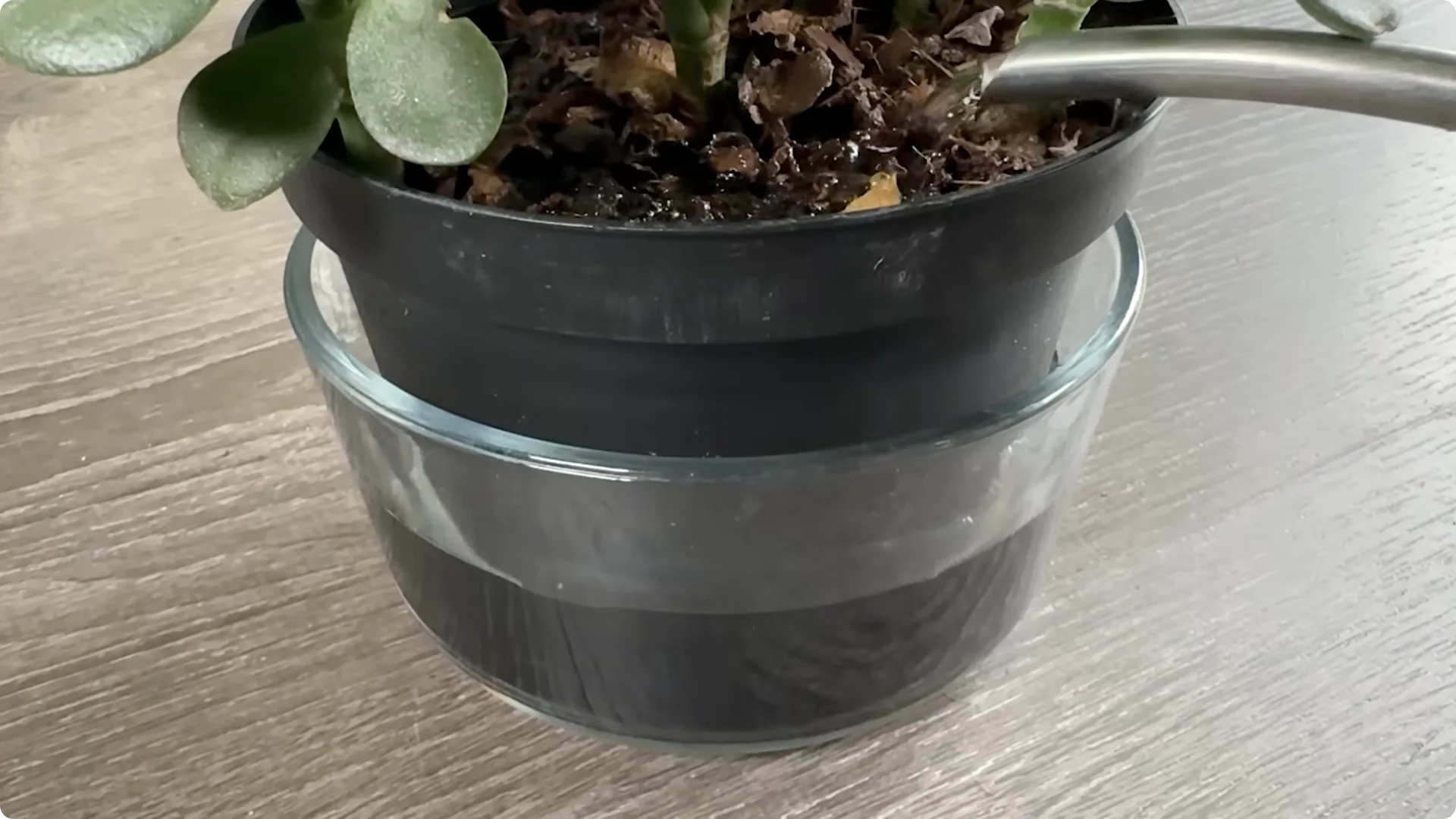
Before you water them, make sure the soil is bone dry.
Look at the leaf. Check and see if it bends or folds. Is it thin and maybe even lost its luster? If it does or it has, then it’s time to water.
While you build this skill to identify if the plant needs water by looking at the leaves, you can also use a moisture meter or a wooden dowel to make sure the soil is completely dry.
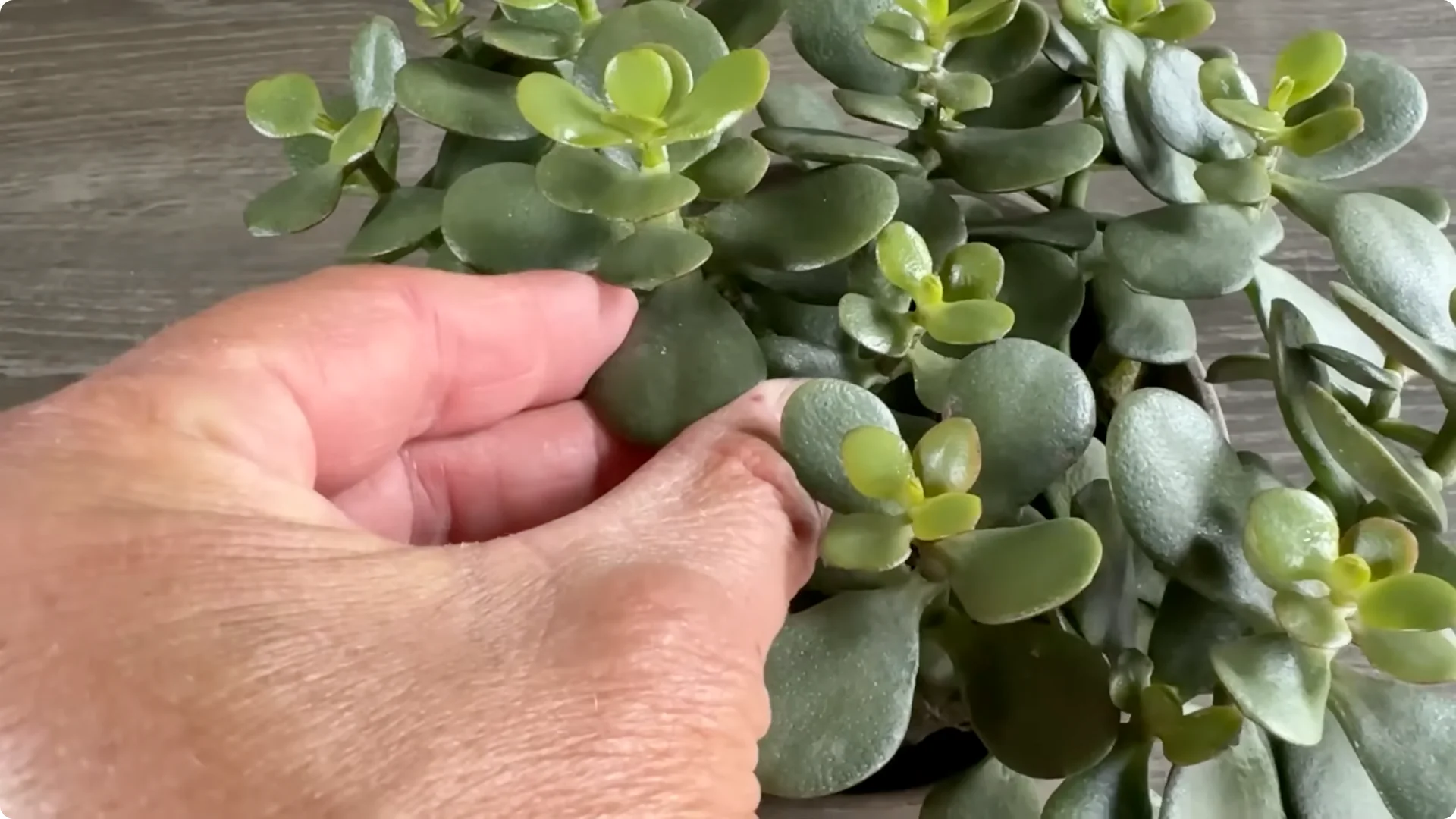
When watering, always make sure the water thoroughly saturates the soil, allowing excess water to drain out of the pot’s drainage holes. The method I personally use to water them is called Totum. Yeah, I made it up.
To perform this method, take a catch tray or bowl and place your plant in the bowl. Instead of pouring the water in the bowl like bottom watering, water the plant from the top like top watering — you get it, Totum.
Continue to pour water until you have a nice puddle in the bowl and let the plant sit in the water for about 10 minutes before taking it out of the bowl and letting the excess water drain through the drainage holes.
The benefit to this method is that you get to fully saturate the soil from top to bottom.
Sometimes when you just top water or just bottom water, it can be difficult to saturate the soil, especially since jade plants should be watered when the soil has completely dried out, and drying out completely tends to make the soil hydrophobic, which in this case basically means the soil repels the water.
4. Fertilize Sparingly During Active Growth
These succulents do not require frequent fertilization, but providing them with the right nutrients at the right times can really help them take off.
The best time to fertilize jade plants is during their active growing season, which typically spans from early spring to late summer. During this period, feed them every 4 to 6 weeks with a balanced water-soluble fertilizer diluted to half the strength.
A fertilizer with an equal ratio of nitrogen, phosphorus, and potassium, such as a 10-10-10 or 20-20-20 formula with additional micronutrients, works great for jade plants.
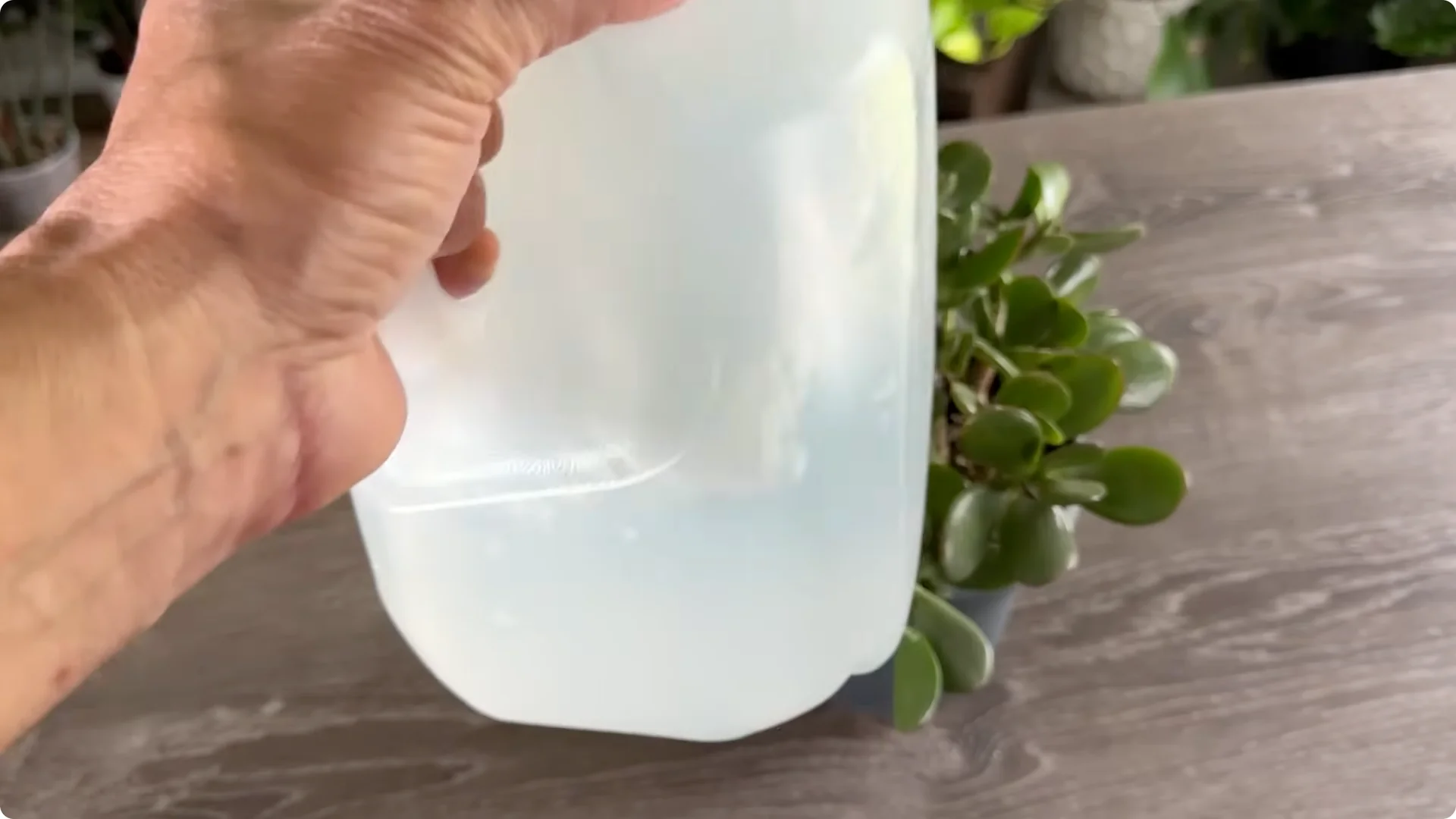
It’s really important to avoid overfertilizing them, which can lead to salt buildup in the soil that can cause root burn and damage the plant. Signs of overfertilization include yellowing leaves, stunted growth, or black roots.
To prevent this, always follow the manufacturer’s instructions and err on the side of caution by using a diluted solution.
5. Prune for Branching, Shape, and Strength
Don’t be scared — you can do it, and it’s good for your jade plant too. Repeat after me: I can do it. I can do it.
Pruning your jade plant is essential to promote branching, bushier growth, thicker stems, remove any dead or unhealthy parts of the plant, and let you give it some shape instead of letting it grow upright, which isn’t as appealing.
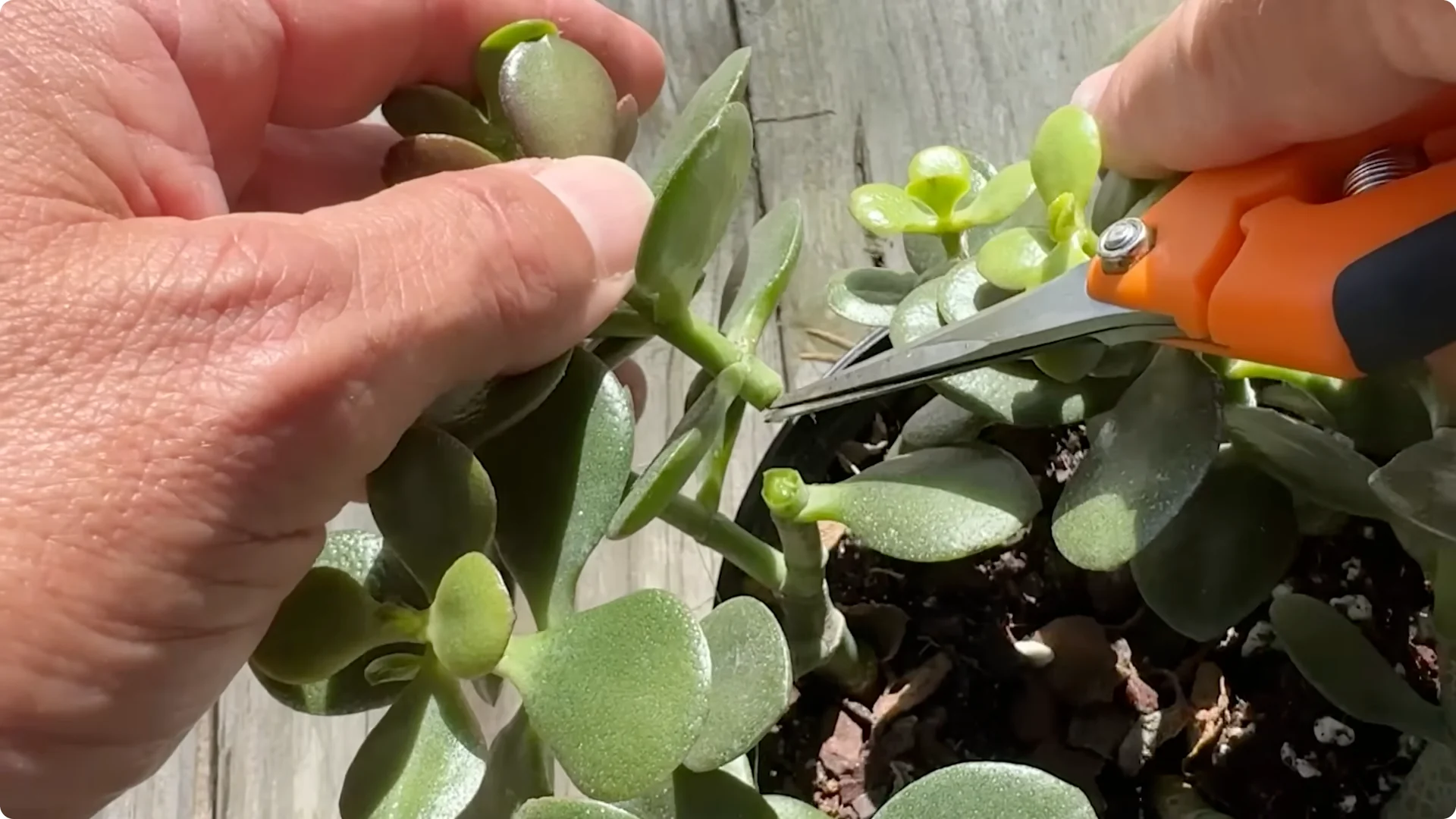
The best time to prune them is during the spring or early summer when they are actively growing.
Using clean, sharp scissors or pruning shears, trim back leggy or overgrown stems to the length you want by making cuts on a stem just above a leaf node to encourage new growth.
From the node nearest to that cut, you will usually get two new breaks and branches growing from there.
6. Repot Every 2 to 3 Years With the Right Pot and Mix
Repotting is another crucial aspect of jade plant care and is typically needed every 2 to 3 years or when the plant becomes rootbound.
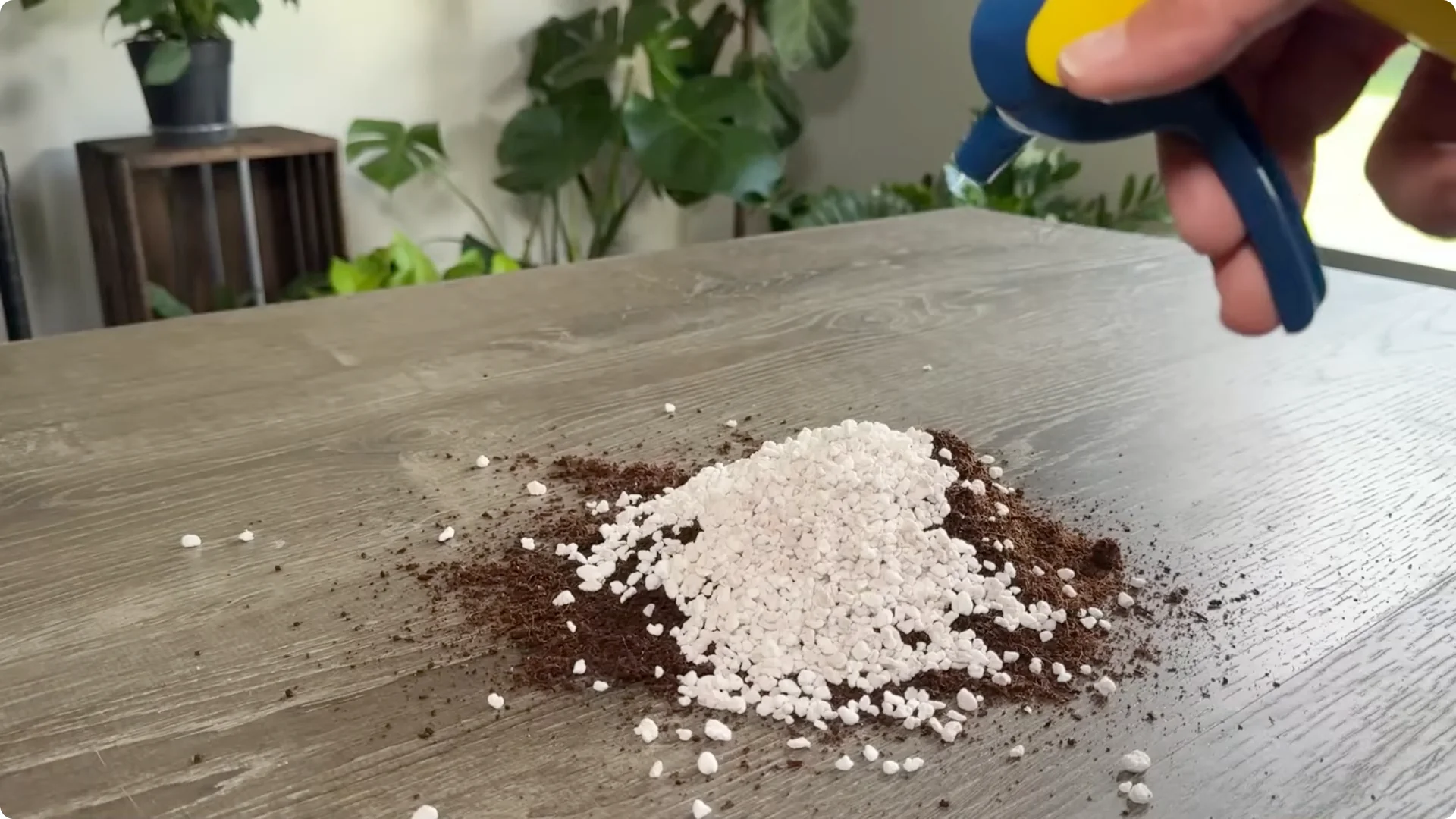
Signs that your jade plant needs repotting include roots growing out of the drainage holes, soil that dries out really quickly, or stunted growth.
Just like pruning, the best time to repot is in early spring just as the active growing season begins.
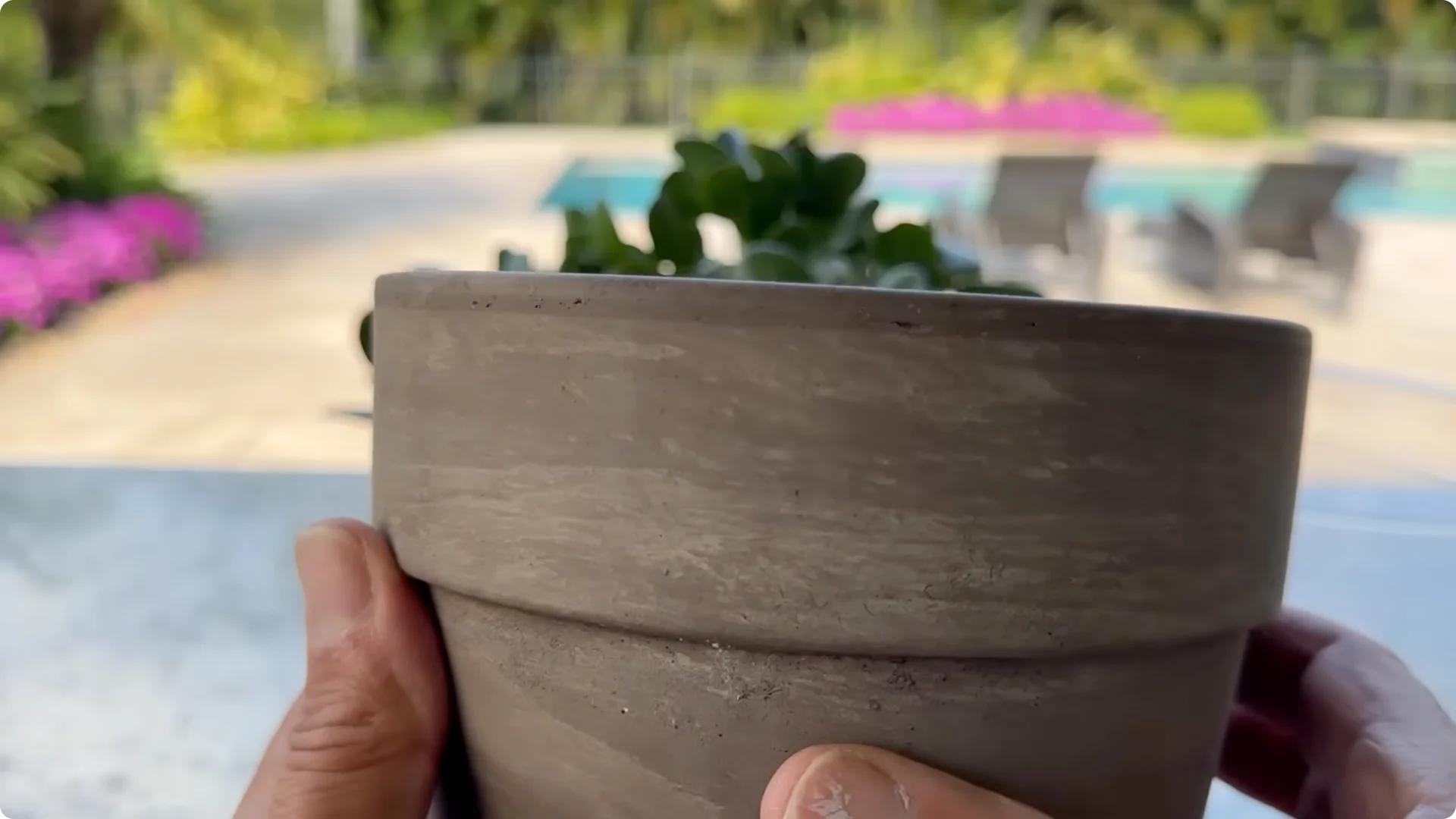
Selecting a pot with drainage holes is the first step to ensuring proper water management, and pots made from breathable materials like terracotta or clay are ideal but not necessary because they allow excess moisture to evaporate, reducing the risk of water logging.
In regards to soil, always use a well-draining soil mix to prevent root rot, which is a common issue when the soil retains too much moisture.
A commercial succulent or cactus mix is usually good enough for jade plants, as these mixes are designed to mimic the arid, well-draining conditions of their natural habitat.
These soils usually contain a blend of organic matter to hold on to water and nutrients and inorganic materials like perlite or pumice that improve the aeration and drainage of the soil.
If you want to make your own soil mix, a great recipe would be combining regular potting soil with an equal part of perlite and a little coarse sand.
This mix will make sure the soil doesn’t compact around the roots and will allow water to flow through easily. Also, when you do repot, choose a pot that’s only slightly larger than the current one to prevent excessive moisture retention in the soil.
7. Watch for Pests and Fix Common Issues Fast
For the most part, jade plants are relatively hardy, but they can still encounter several common problems that can affect their health and appearance, and you need to know what they are and how to take care of them.
The first are pests, particularly mealybugs and spider mites. Mealybugs appear as small white cottony clusters on the leaves and stems, while spider mites leave fine webbing and tiny discolored spots.
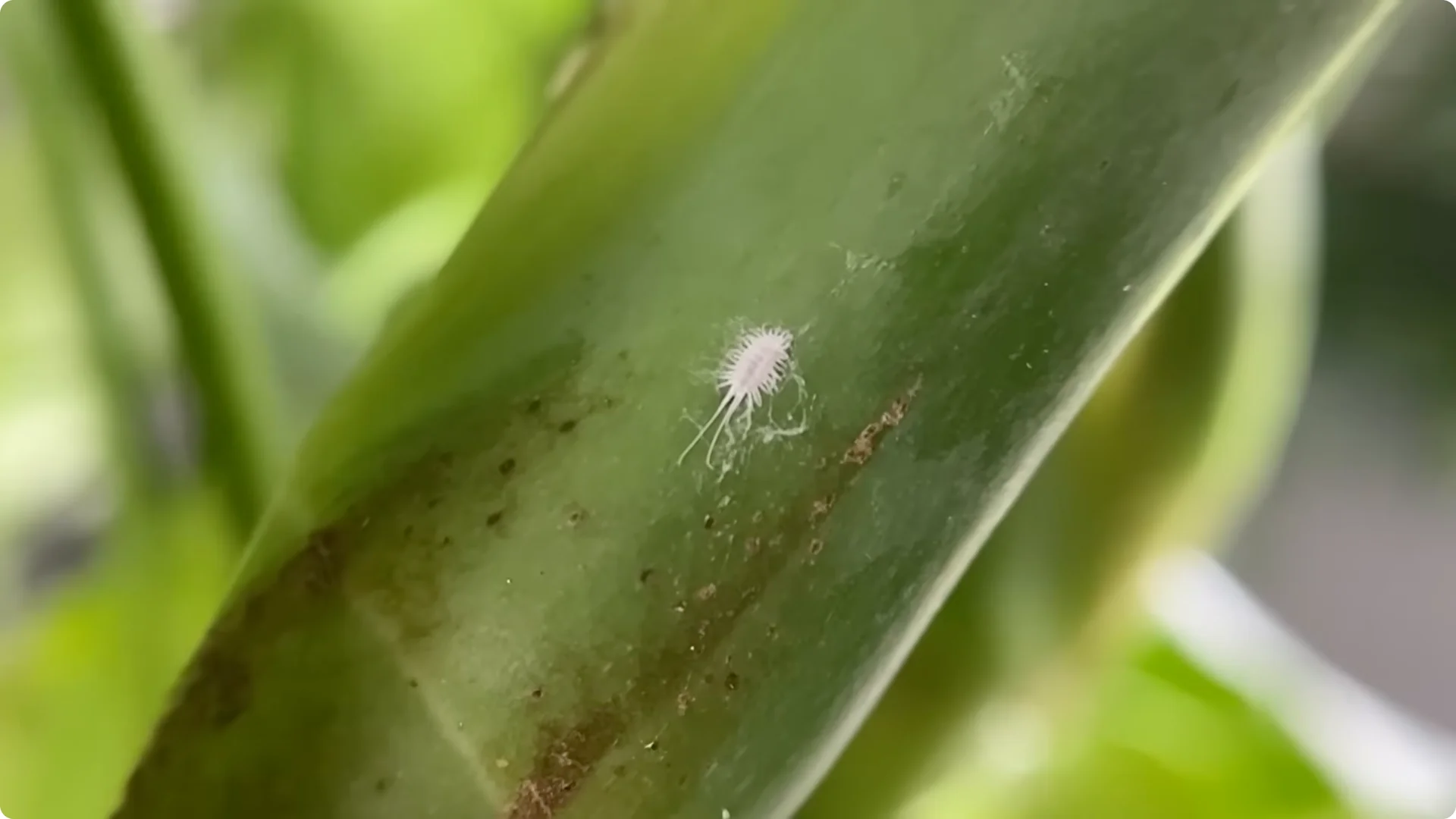
To combat these pests, dip the plant in a solution of water and Castile soap or spray the same solution all around the plant, making sure you get the stems and underside of the leaves.
Let it dry, and if you have mealybugs, to kill those that are still around, take a cotton swab dipped in alcohol and wipe the areas where they’re most visible, which is usually where the leaf meets the stem. You may have to do this every few days to slowly get rid of the entire population.
It really depends on how bad the infestation was to begin with. This is why regularly inspecting your plants every couple of weeks will help you catch these infestations before they get out of hand.
If you start to see white spots on leaves appear, it can be caused by powdery mildew or pests, but most of the time it’s due to watering or fertilization practices.
Either you’re watering with water that has high levels of minerals in it, and or you could be applying too much fertilizer, increasing the levels of minerals in your soil.
Either way, the quick fix is to start using distilled, filtered, or rainwater, correcting your fertilization practices, and leaching the soil to remove excess salts. Once that’s complete, your jade plant is on track to grow big and healthy.
Final Thoughts
Jade plants are forgiving, but they reward careful selection, bright indirect light, true dry-downs before watering, light feeding at the right time, confident pruning, smart repotting, and quick action on pests. Follow these seven tips and enjoy a healthy, shapely jade that steadily grows year after year.