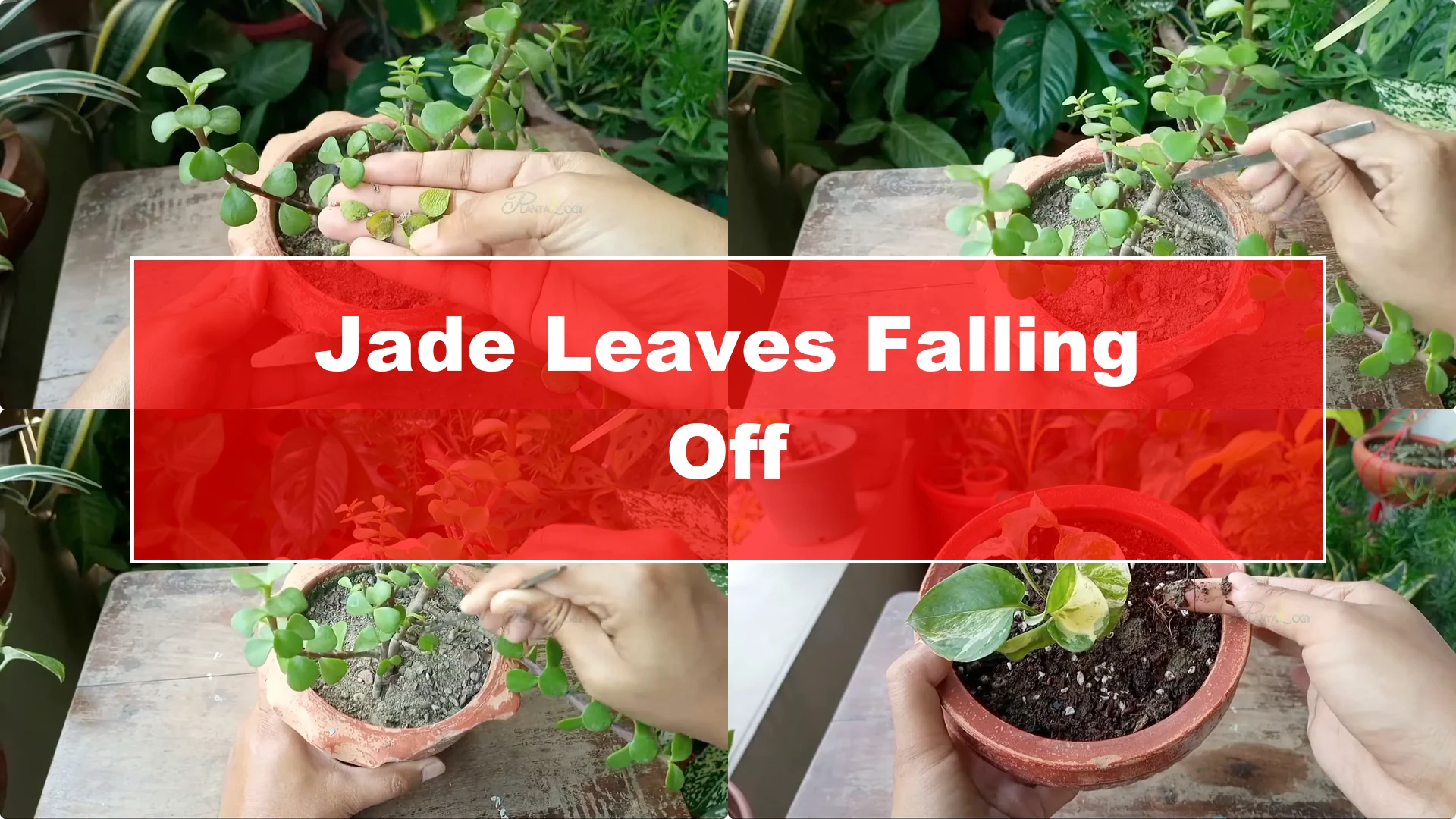
Portulacaria afra or elephant bush, commonly known as the miniature jade plant, is a popular and easy growing succulent. Beginner gardeners love to have this plant. If you are growing it, you might face a common problem: the falling of leaves.
This plant is quite easy to grow, but slight uneven care causes the dropping of leaves. I am going to highlight some reasons responsible for the leaf drop problem. It will help you understand what is going wrong and how to deal with this.
1. Elephant Bush Leaf Drop Causes: Light and Environment
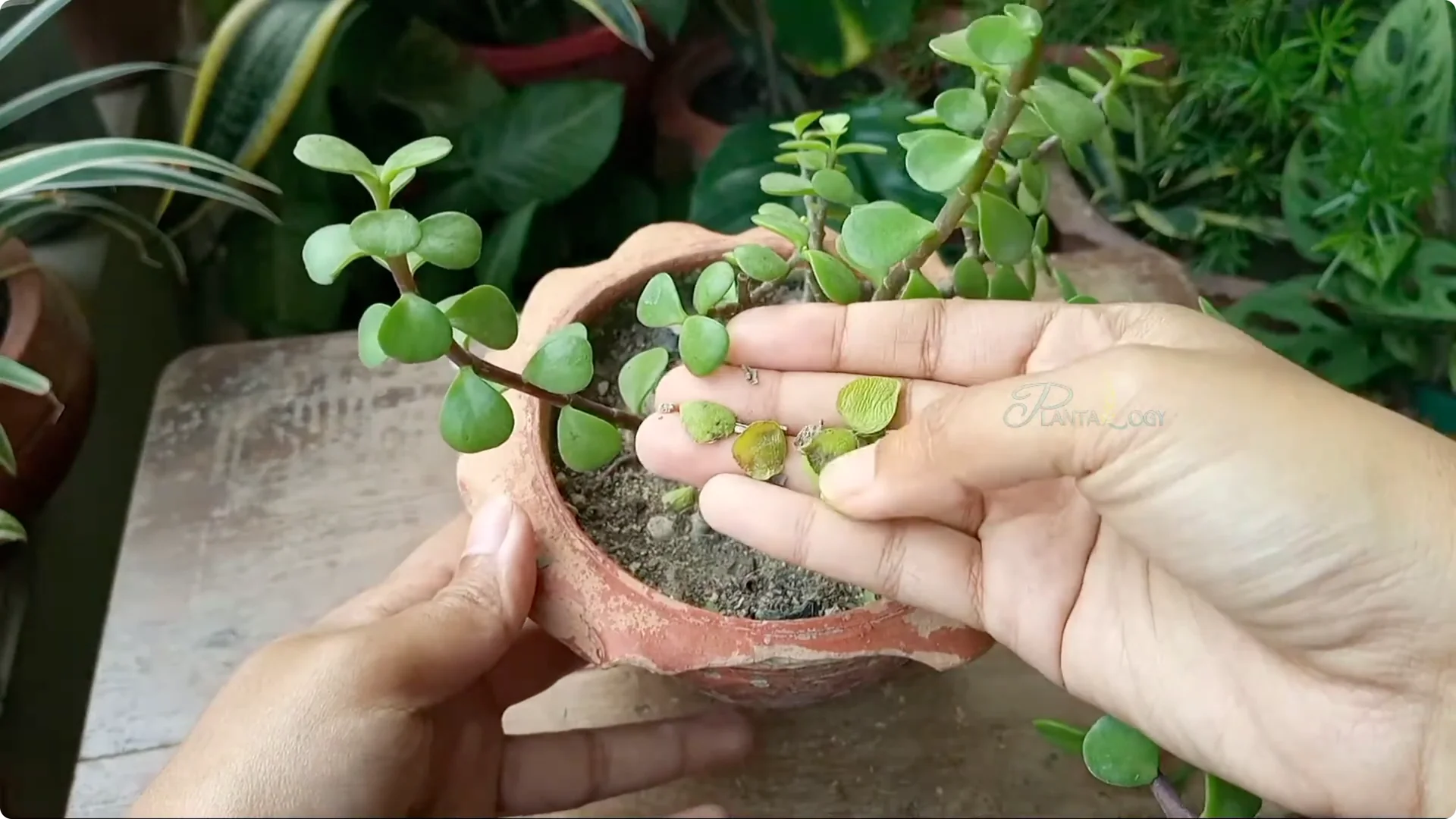
This plant is sensitive to the sudden change in the surrounding environment. It was outdoors under part sun, and I moved it indoors to repot, but I could not repot immediately. It was left in a bright area where it did not receive proper sunlight.
After three days I found that the lower leaves were turning yellow and falling off. This plant requires at least 4-5 hours of direct sun a day. Lack of sunlight is a reason that shows leaf drop.
If you are growing this plant indoors, keep it as bright an area as you can. Shifting the plant from one place to another also drops their leaves. Keep the location stable once the plant is happy.
For help tackling indoor leaf drop on another houseplant, see rubber plant leaf drop care.
2. Elephant Bush Leaf Drop Causes: Watering Mistakes
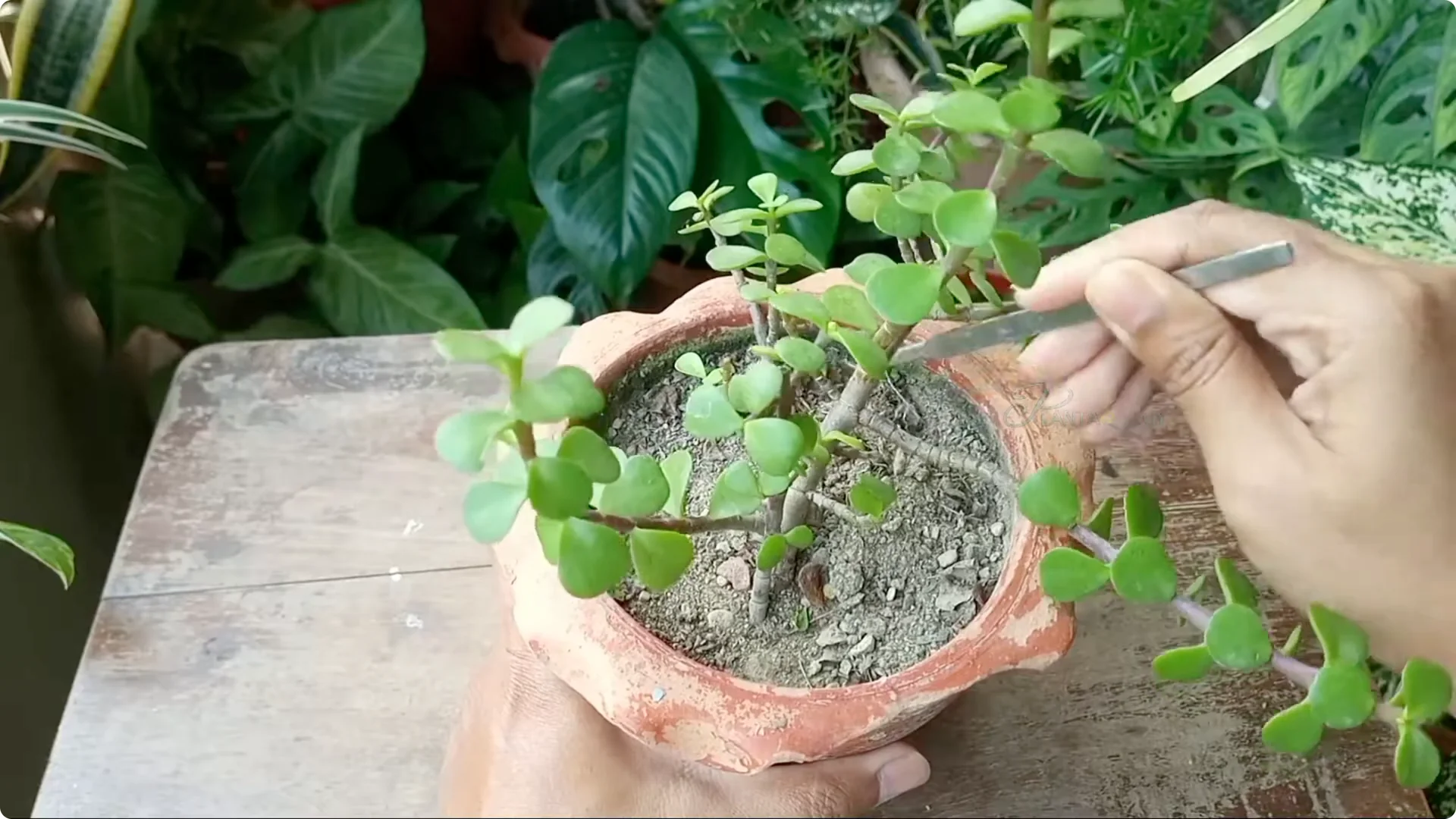
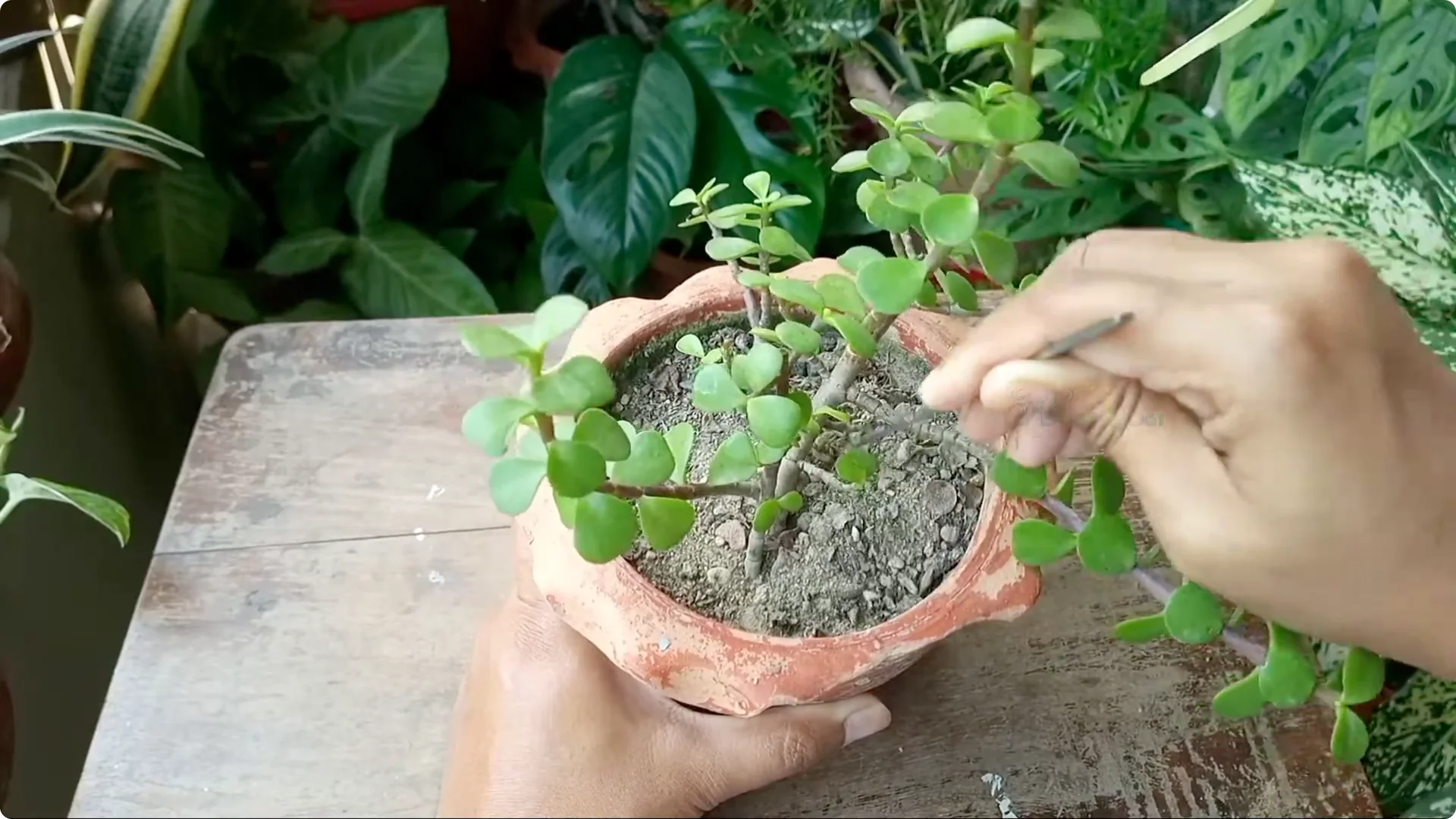
Uneven watering can cause the leaf drop problem. Both overwatering and underwatering can show leaf drop on this elephant bush. It is a little bit tricky to understand which one is causing the issue.
If the plant got overwatered, the soil will look wet and soggy. The leaf edges will turn brown or black first and then will fall off. In the case of underwatering, the leaves will shrink, look wrinkly, and the lower leaves will turn yellow first and then will fall off.
Quick check
Step 1 – Check the soil
Touch the top 1-2 inches of soil. If it feels wet and heavy, hold watering and improve airflow.
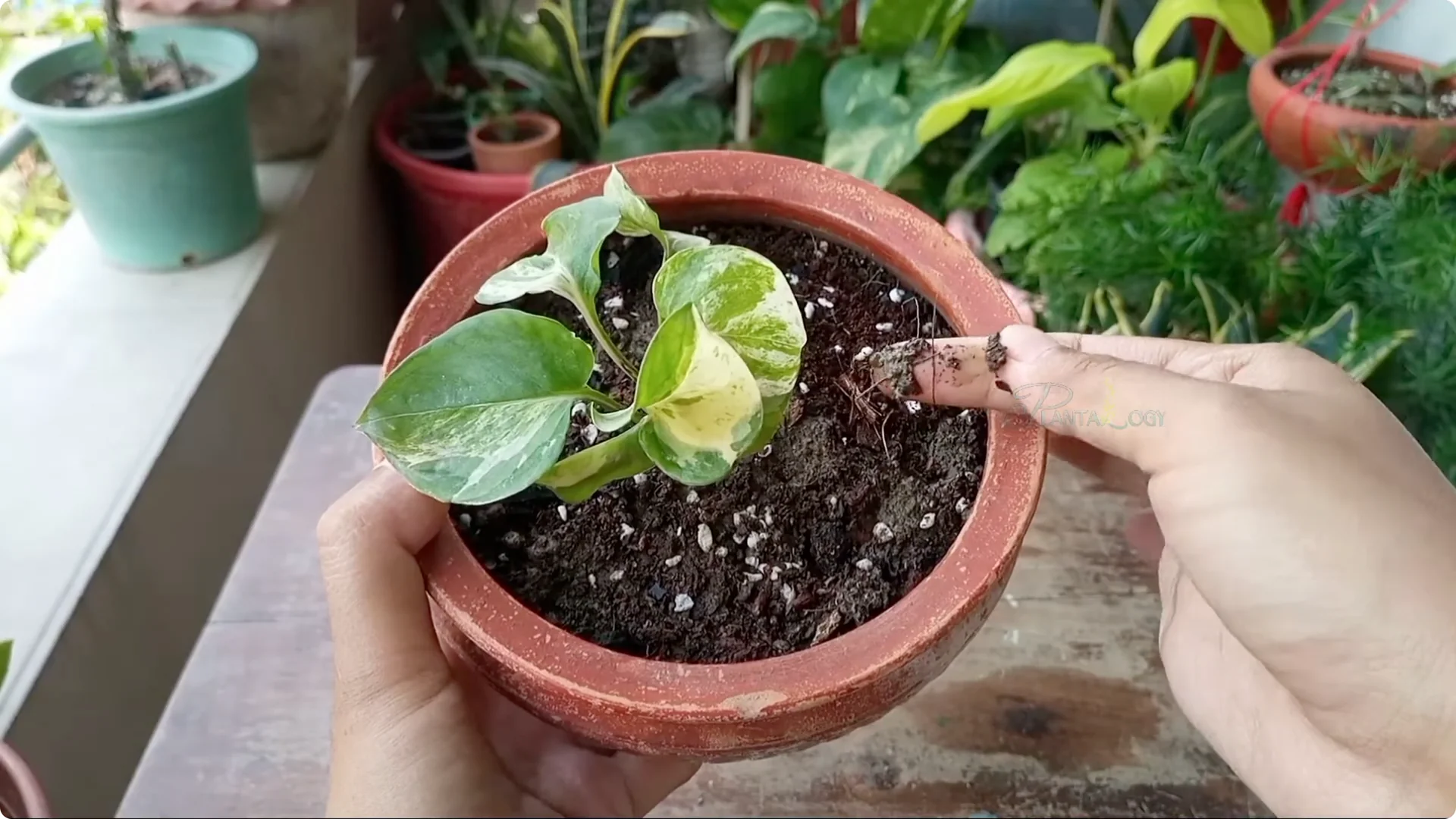
Step 2 – Read the leaves
Crisp edges with soggy soil point to overwatering. Wrinkly leaves with dry soil point to underwatering.

Step 3 – Adjust watering
Water deeply only when the soil is dry. Let excess water drain fully and keep the pot out of standing water.
For more context from a similar succulent, see aloe vera care tips.
3. Elephant Bush Leaf Drop Causes: Soil Problems
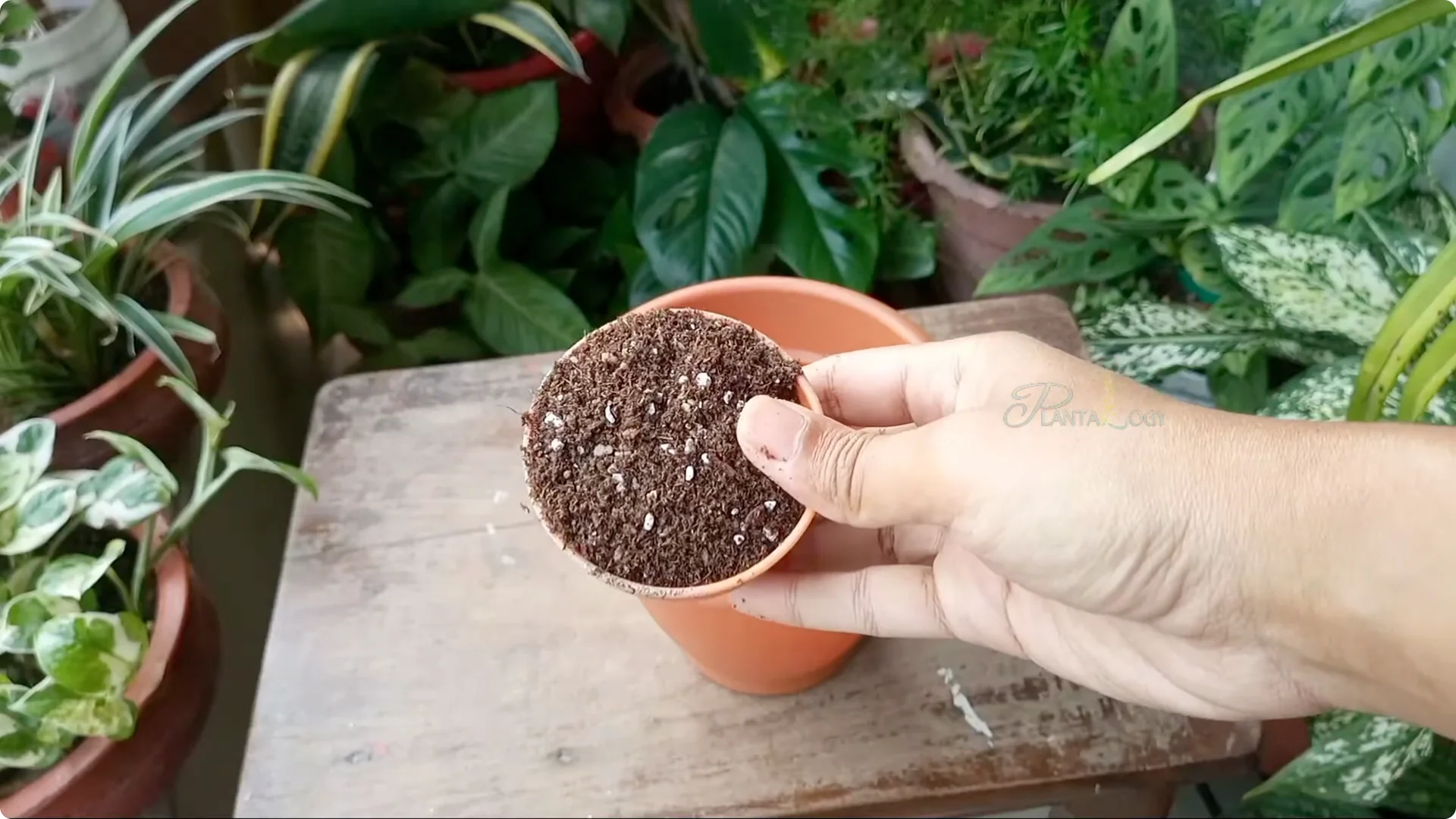
Another reason is soil type. Portulacaria afra is a type of succulent, which means it holds water in its body to survive in extreme environmental conditions. Their roots are fine and do not like to have moisture.
They prefer very well draining soil, and a cactus potting mix is ideal for this plant. You can also use any commercial cactus and succulent potting mix. Avoid heavy, water-retentive soils that stay wet for long periods.
4. Elephant Bush Leaf Drop Causes: Pests
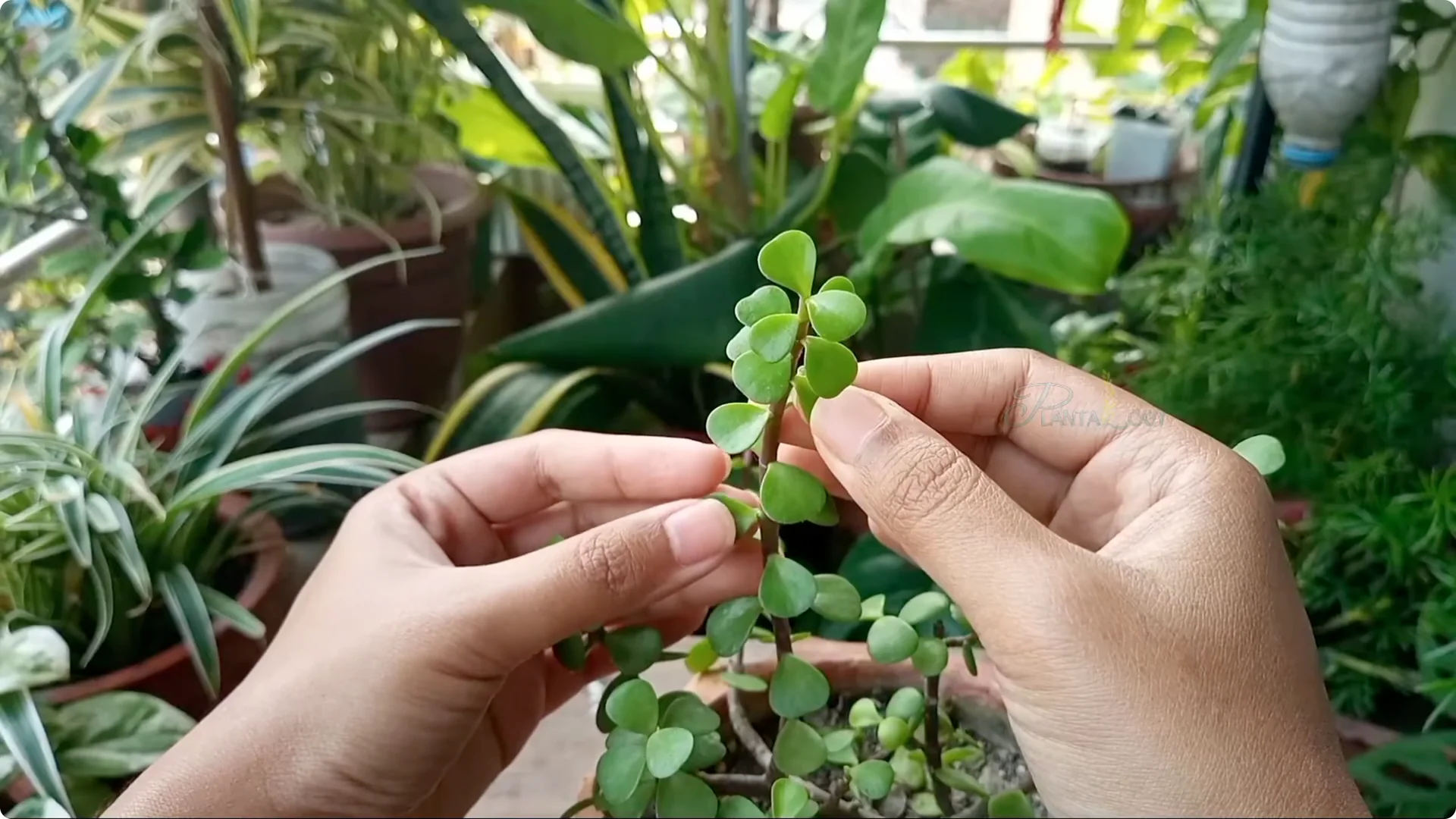
Pest infestation turns the plant leaves yellow and they fall off. Mealybugs, spider mites, and scales are commonly seen on elephant bush. Inspect stems and leaf undersides and act quickly if you spot pests.
5. Miniature Jade vs Original Jade
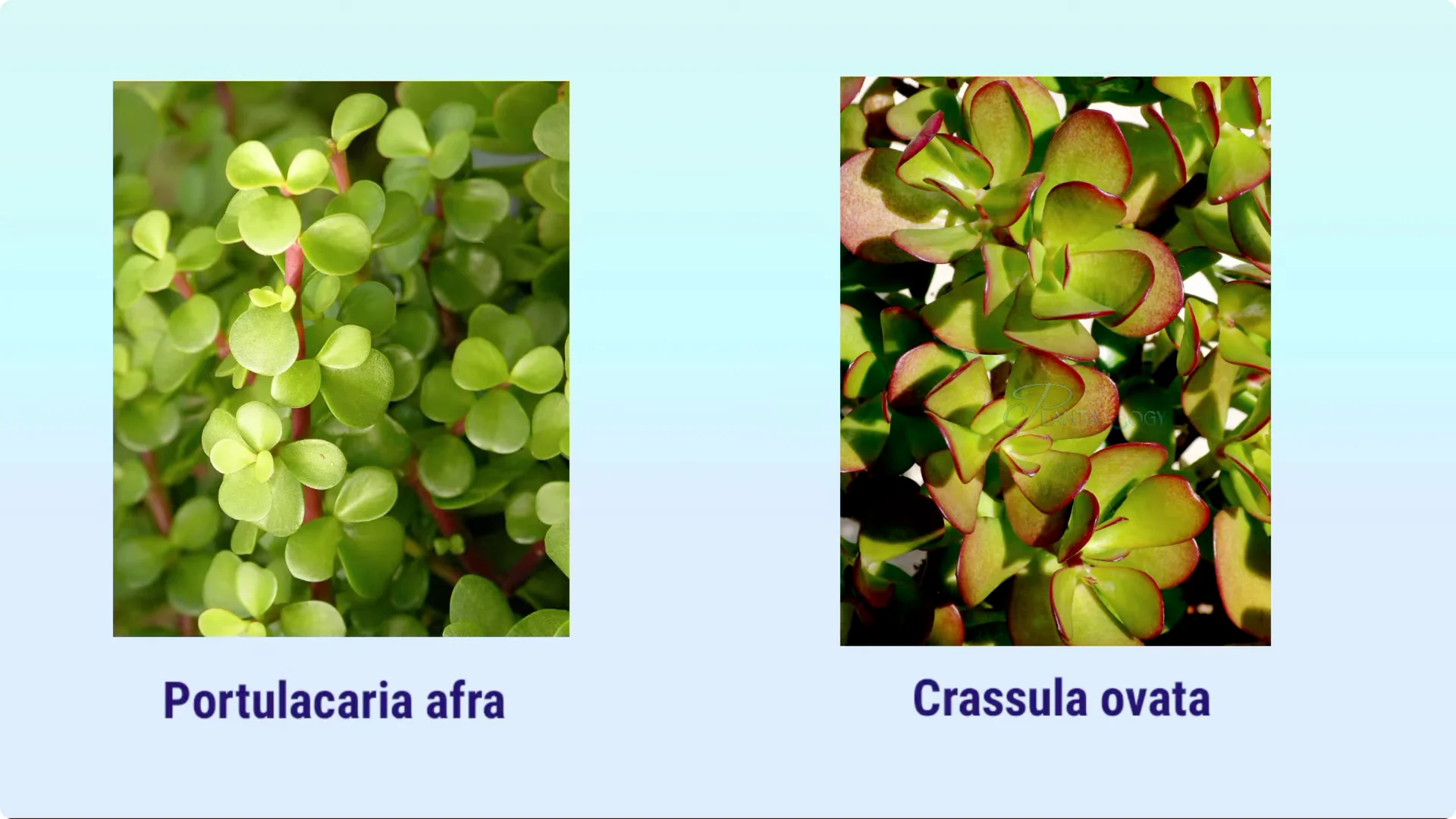
Sometimes we confuse this plant with another jade plant, which is Crassula ovata, but that is a different variety and Crassula ovata is the original jade plant. Portulacaria afra has quite a similar leaf as the original jade plant. That is why broadly this plant is known as the miniature jade plant.
If you are working with true jade, see these jade plant care tips for proper care.
Final thoughts
Elephant bush drops leaves from sudden environmental changes, poor light, uneven watering, unsuitable soil, or pest infestations. Keep light strong, the location steady, the soil fast draining, and your watering consistent. Read the leaves and soil, adjust care, and the plant will bounce back.