

Money tree care is simple once you know what to look for and what to do. You’ll know exactly how to get it to thrive. I share everything I do as a consultant to professional growers to care for my money trees. The last two tips will not only help them to thrive but also make sure you never kill your money tree.
1. Choose the Right Plant at the Garden Center
I start where it makes sense – at the garden center where you’ll go to purchase your money plant. The first thing I look for to pick out that perfect money tree is to make sure you like the overall shape of the plant.
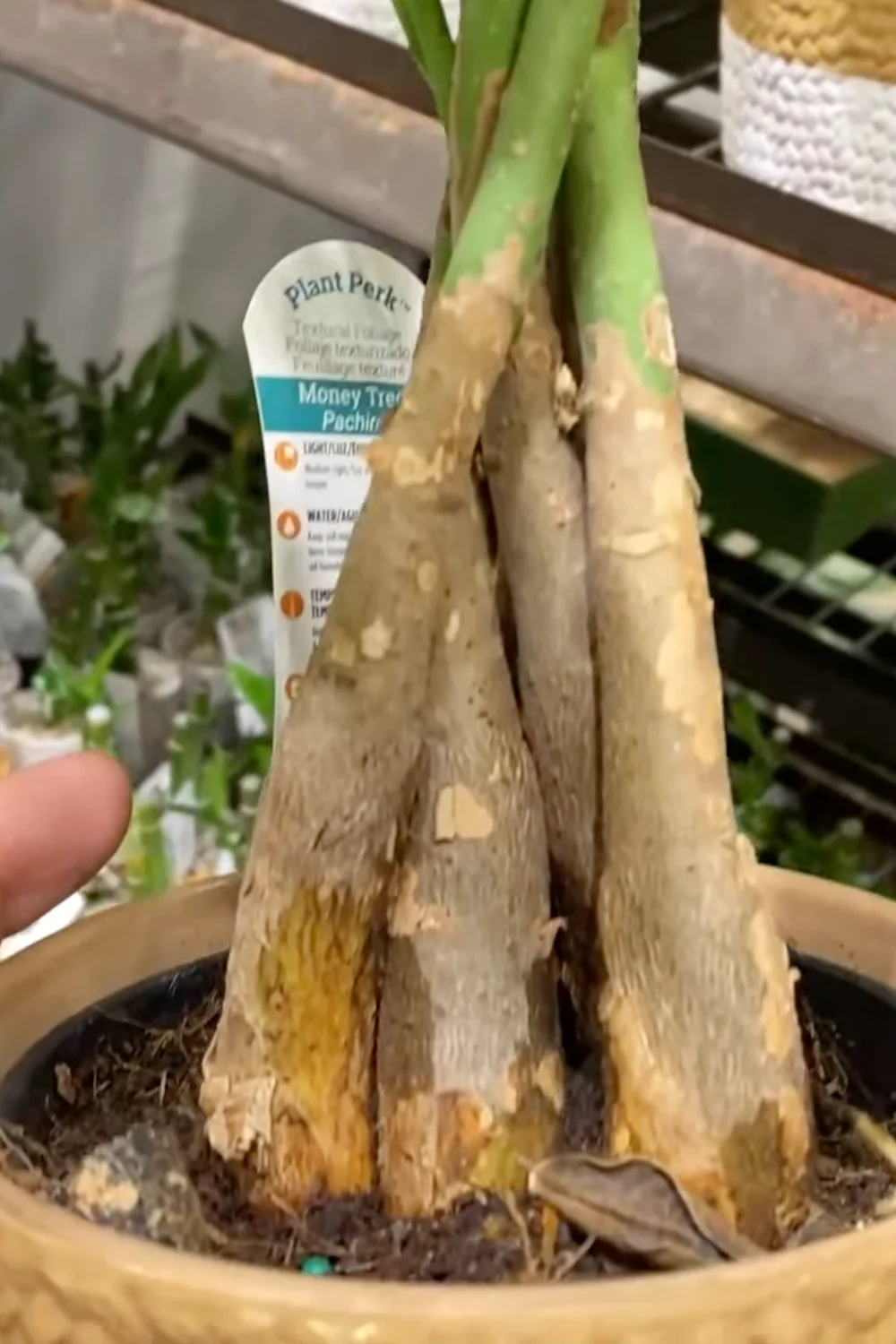
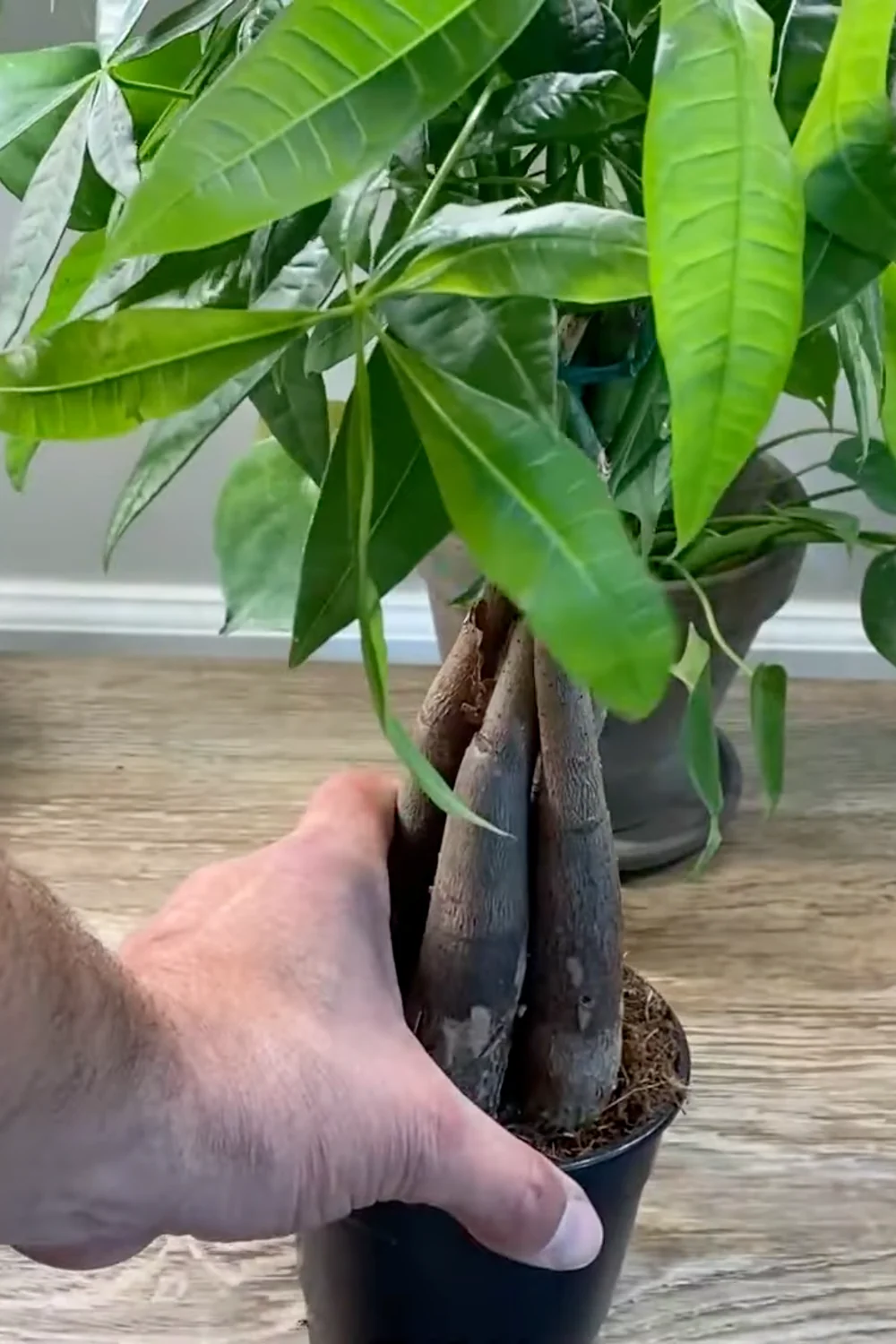
If it’s braided like most of them are, make sure that the braid is uniform, not leaning to one side or the other, and that each plant in the pot is more or less the same thickness.
A pot that has a couple thin plants and a few larger ones may end up with the larger cutting choking out the smaller ones in the long run, and then you just end up with less plants per pot.
I don’t know, maybe it won’t have all its powers to give you all its good luck.
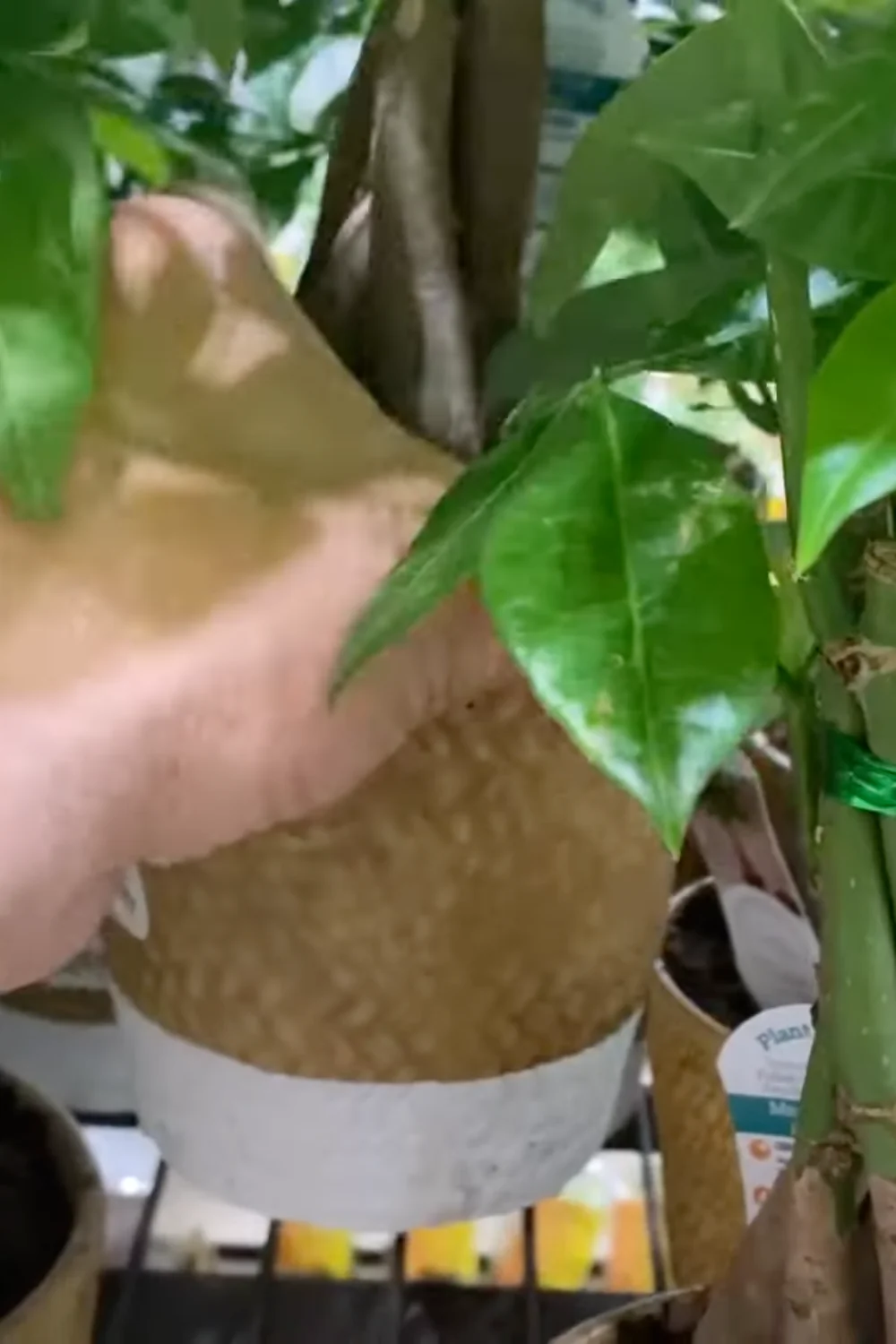
Remember, money trees aren’t like other plants where if it’s a little lopsided you can prune and train them as you like.
You can shape the head of the plant, but not the trunks – the individual plants. In case you didn’t know, these braids are man-made and are created by taking, in most cases, five small plants, placing them in a pot, and braiding them. Take your time and look for the right one.
2. Inspect Leaves, Pests, Roots, and Soil Like a Pro
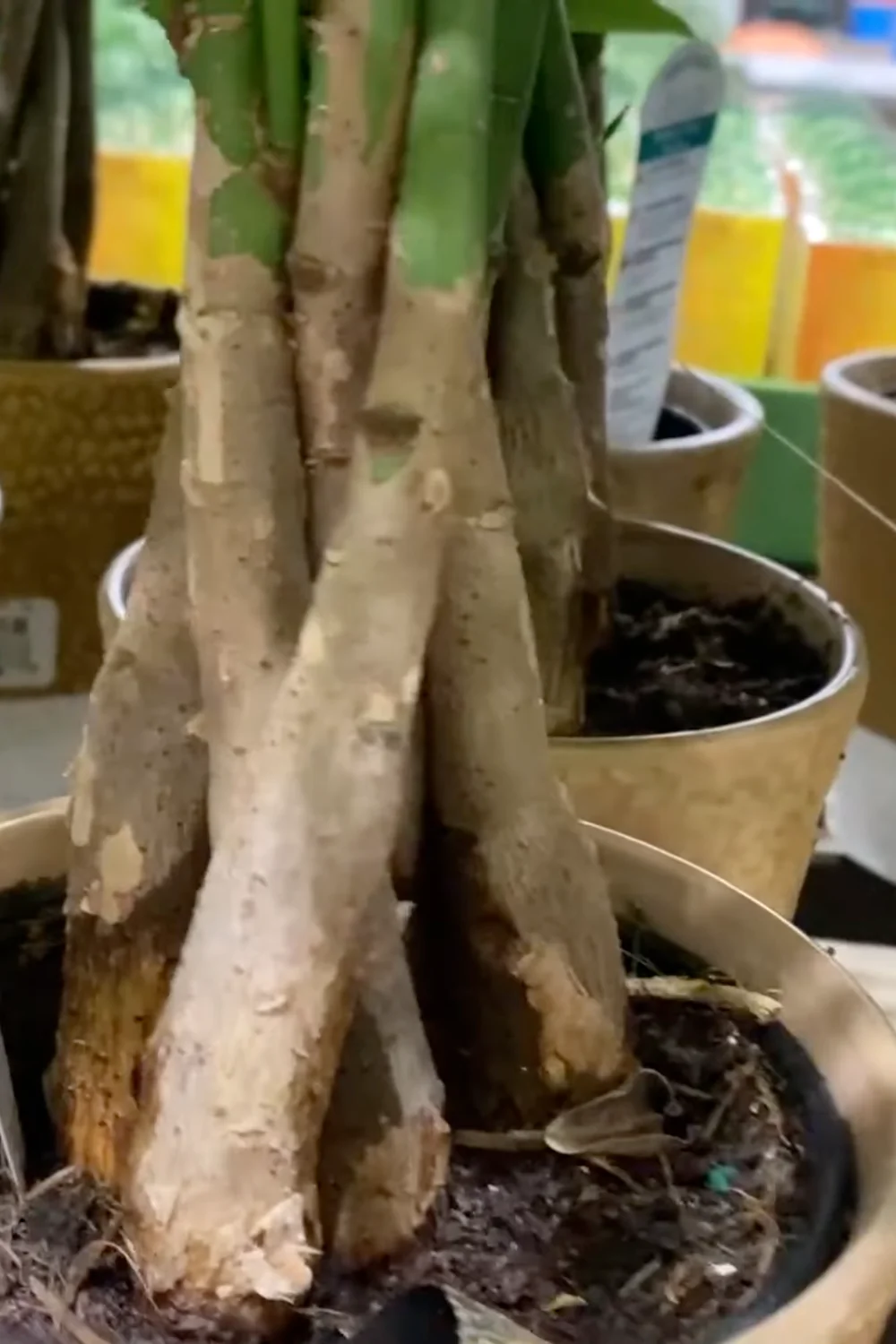
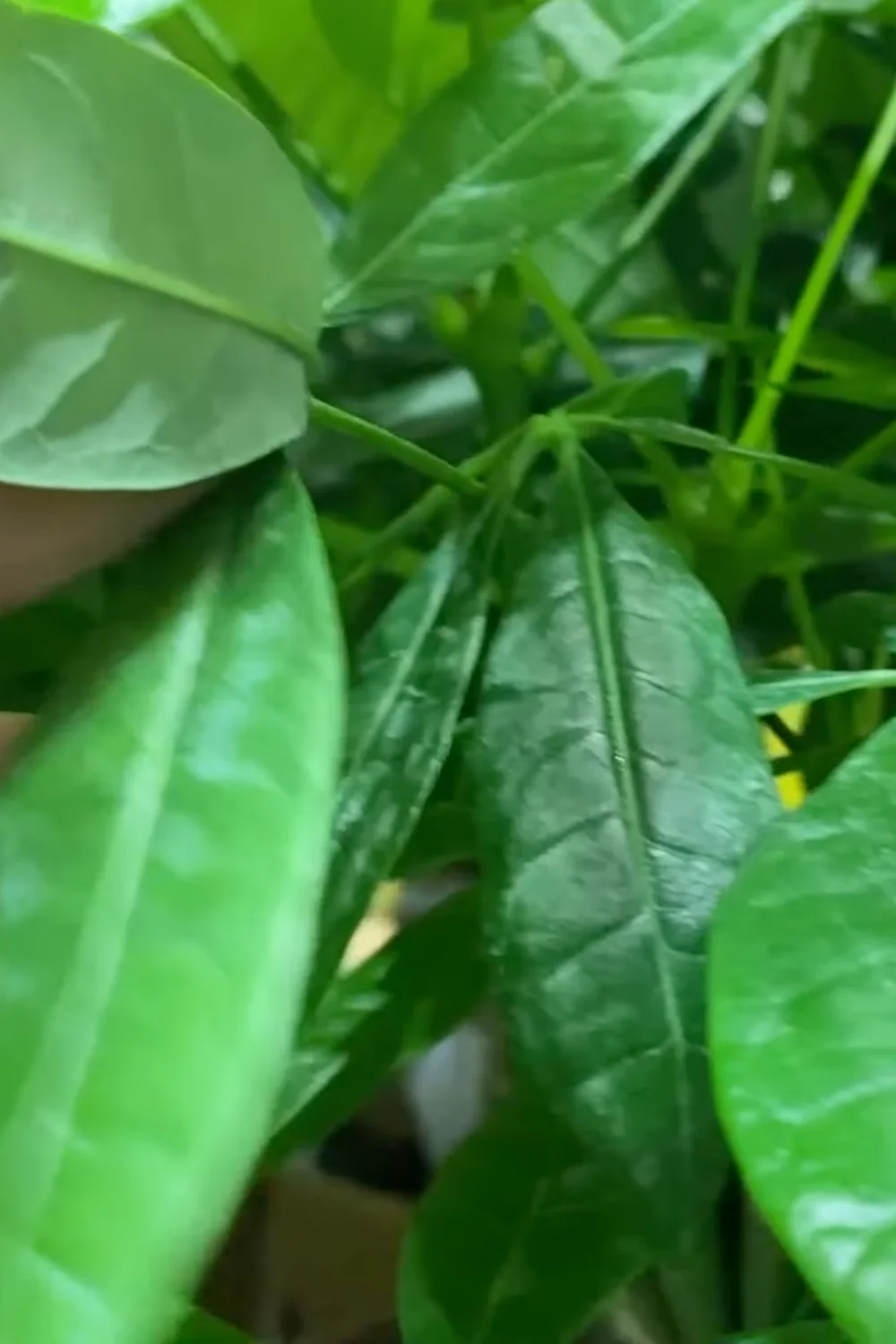
Once you find the one you like, inspect the leaves and look out for yellow or brown leaves – not just one or two, but several – which could be a sign the plant has issues with water, lighting, or is even rootbound. Avoid black or brown blemishes on the leaves, which may be a sign of disease.
As long as you’re there digging through the leaves, get even closer and look for pests on top of the leaves and the stems, but especially on the underside of the leaves, which is where most pests prefer to hide.
If you really want to inspect like a pro, remove the pot. The roots tell us as much, if not more, about the health of the plant.
Avoid a plant that has mushy brown or black roots that may have a bad smell to them.
Look closely at the soil.
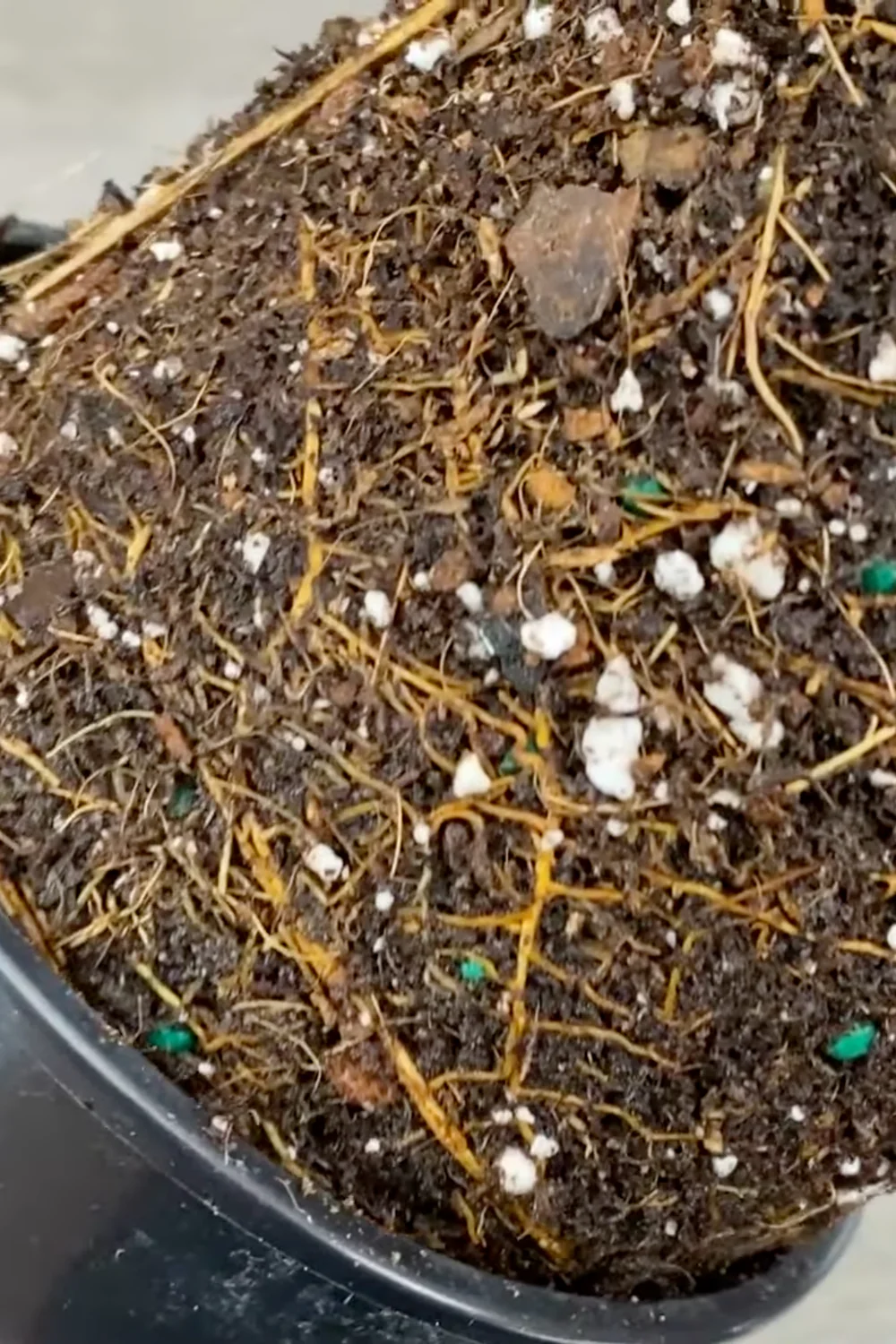
With the money tree we want a well-draining soil mix, so make sure the soil is not compact.
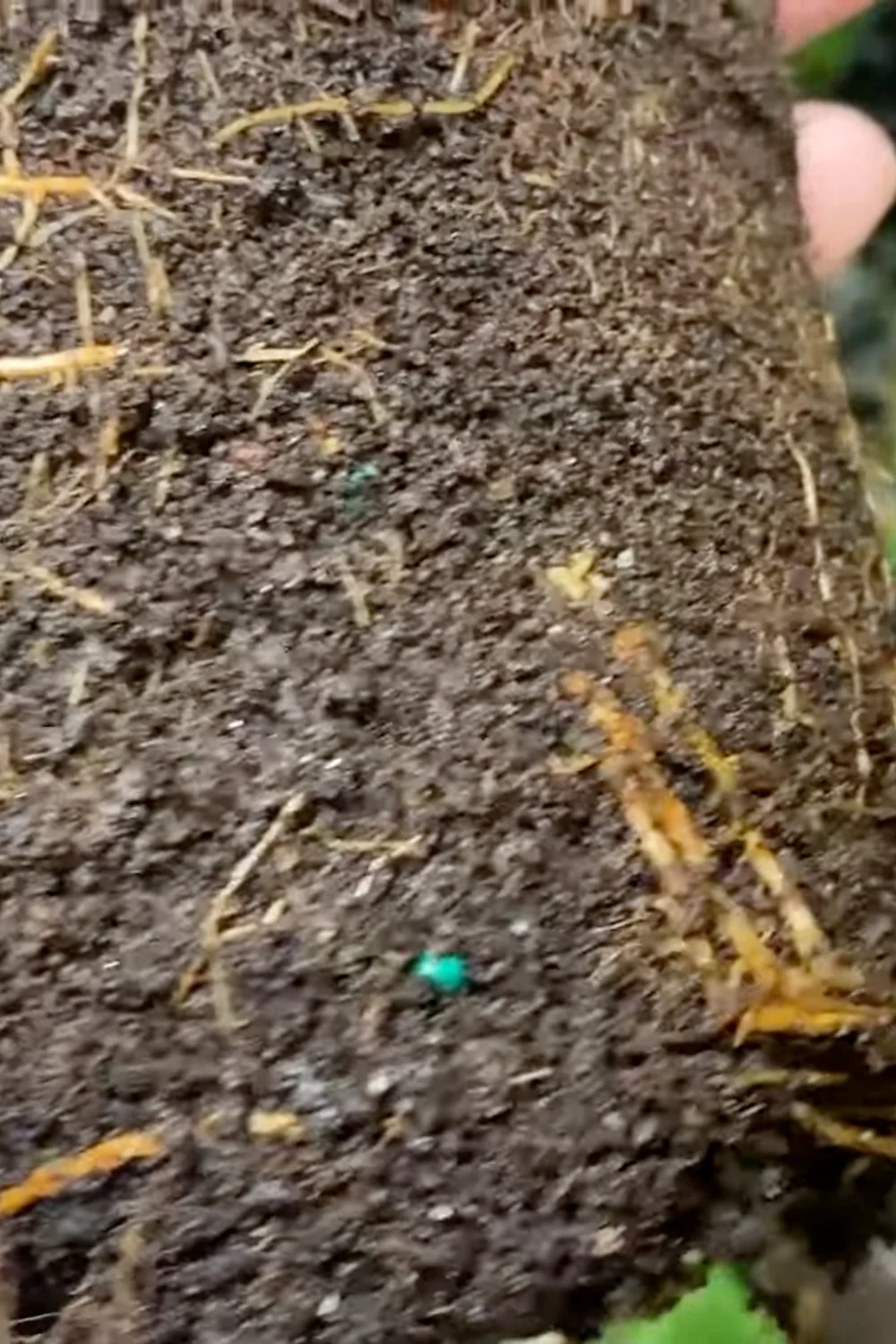
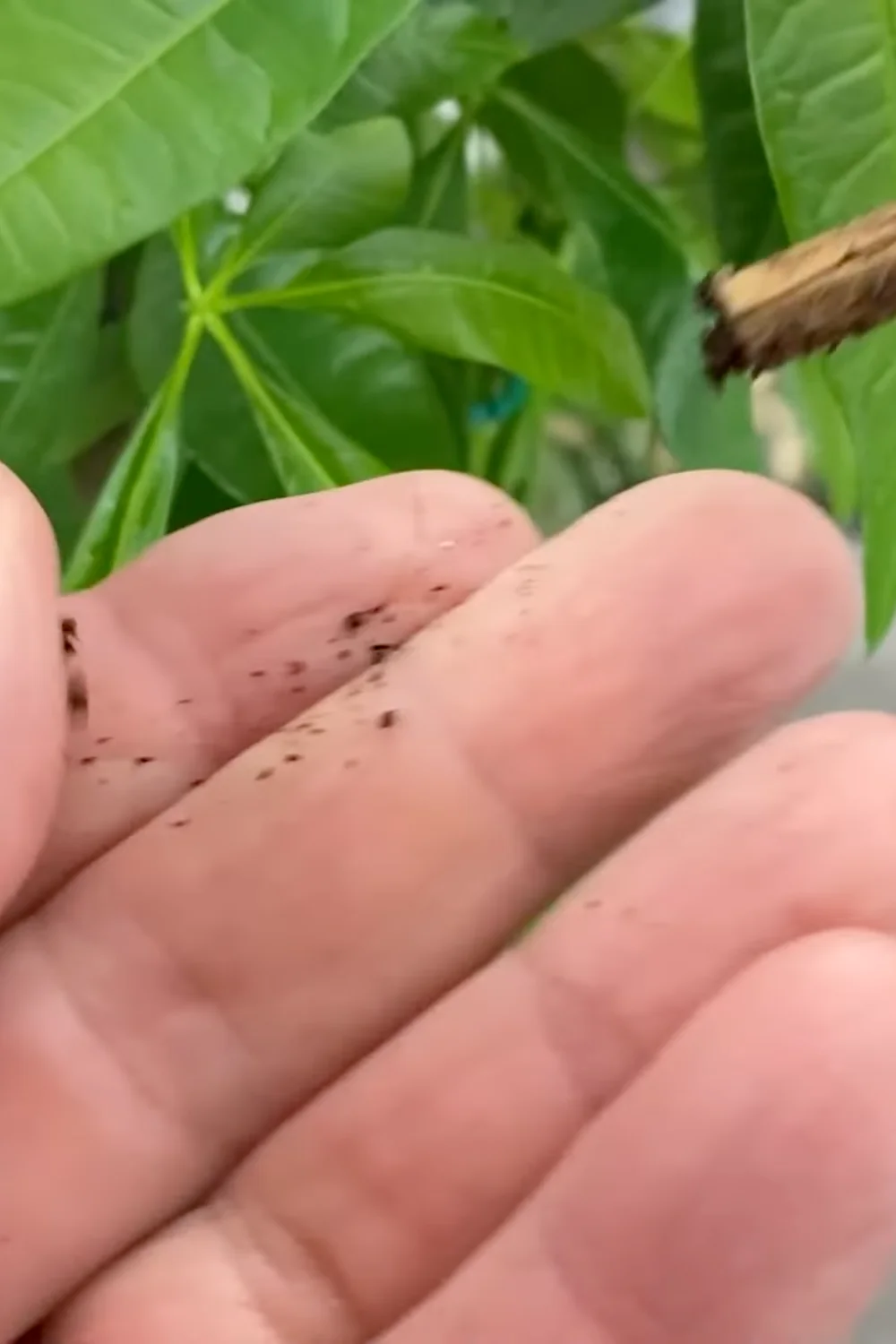
It doesn’t hurt to gently shake the plant and see if you spot any fungus gnats flying around. We definitely don’t want to bring those home.
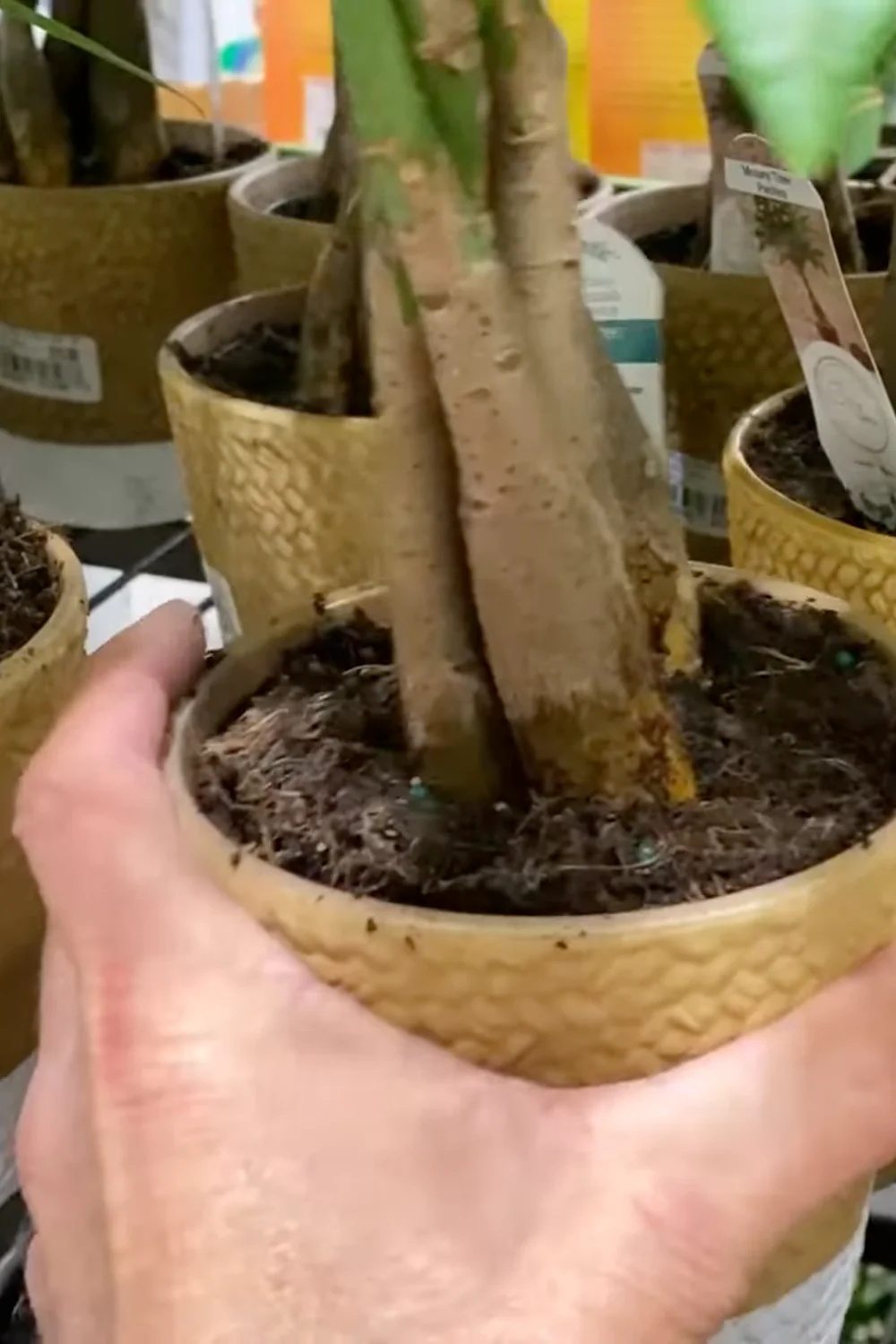
3. Quarantine Before Introducing It to Your Collection
You found the perfect money tree. Place it in quarantine away from your other houseplants for at least the first 3 weeks.
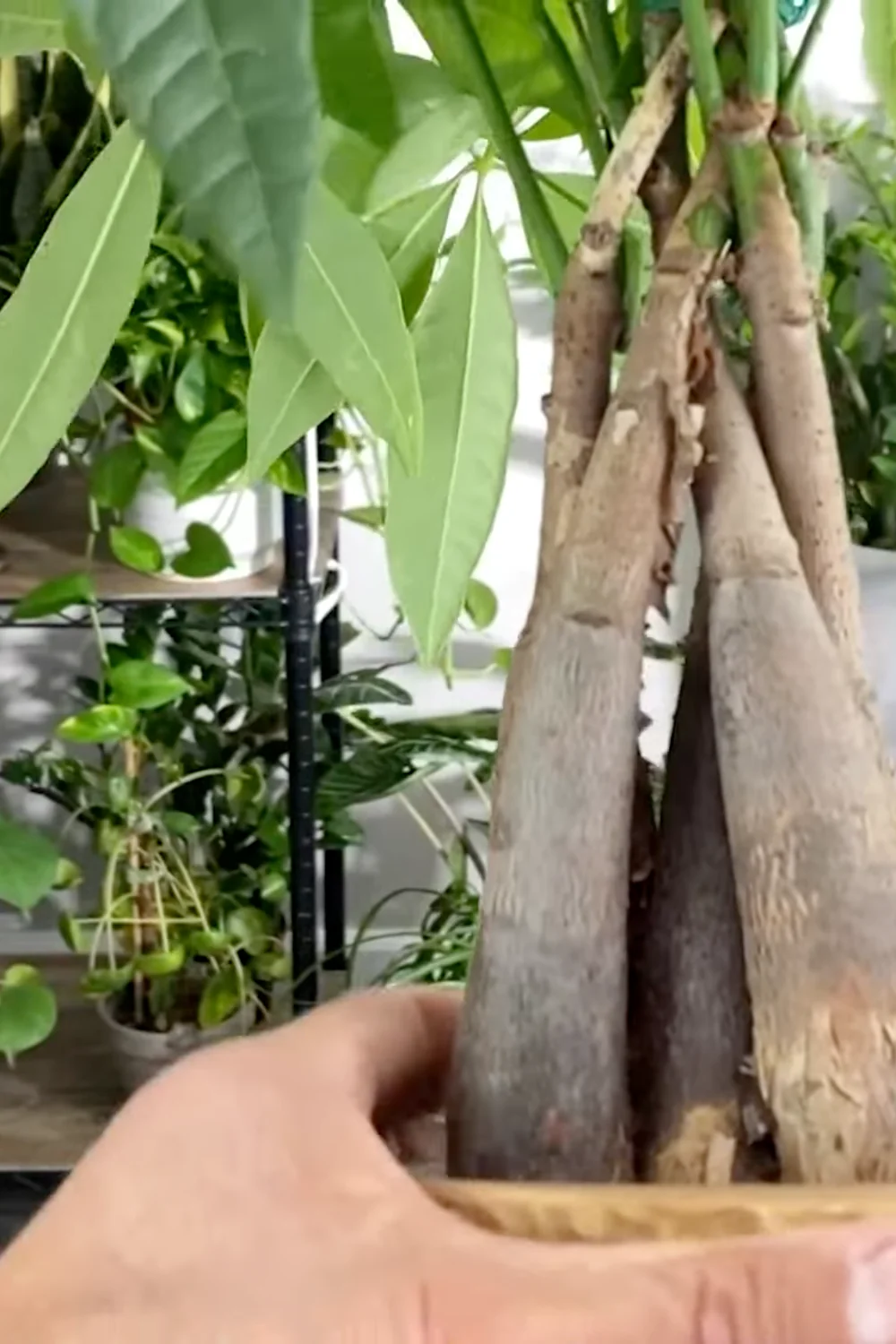
4. Give It Bright Indirect Light or Use Grow Lights
Look for an area with the perfect lighting – bright indirect light. If it’s a window, the perfect scenario would be that it can see the blue sky but the sun doesn’t hit it directly, which can lead to scorching of the leaves.
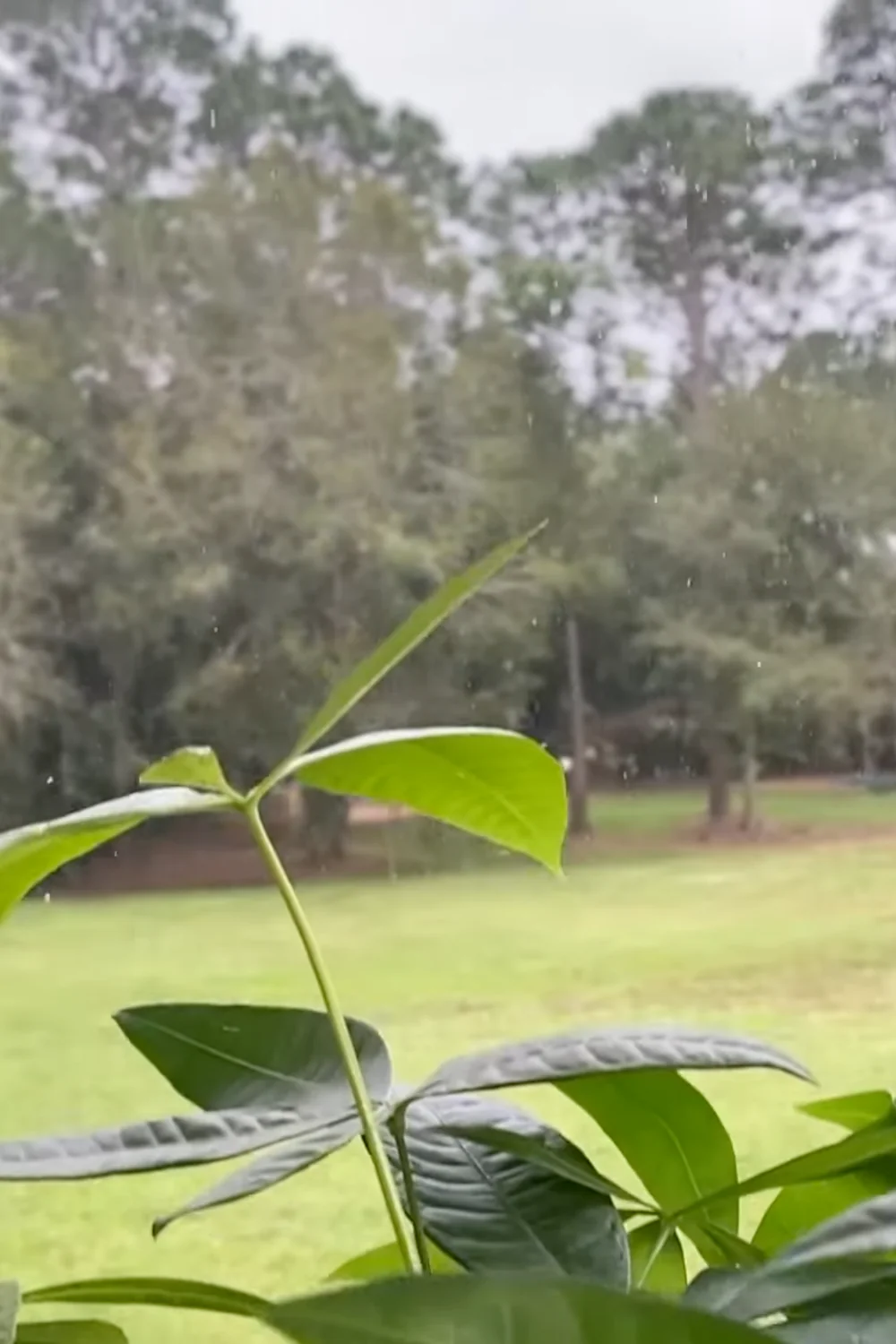
If you don’t have that window, don’t worry.
You can still benefit from all the good luck that this plant will summon upon you and place it almost anywhere in your home as long as you set it under grow lights, which nowadays are very affordable. It’s actually how I grow mine.
5. Keep Temperatures Comfortable and Boost Humidity
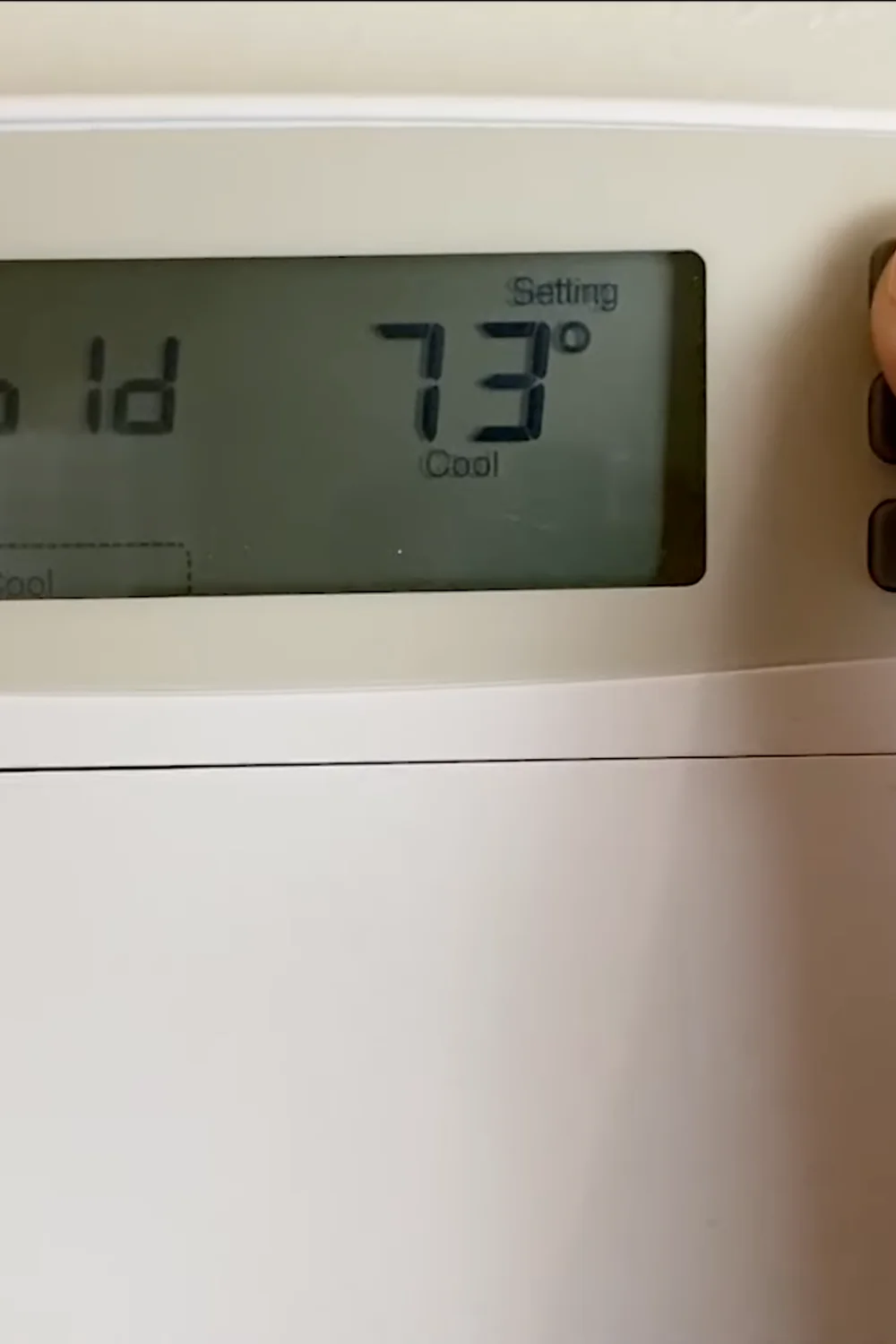
They have a wide temperature range to be comfortable in, from about 50 to 90 degrees, but to keep it happiest I try to keep it from 65 to 85 degrees.
They’re native to tropical Central and South America and typically grow in marshy wetlands where there’s plenty of moisture and humidity, so trying to recreate this environment will help them to thrive.
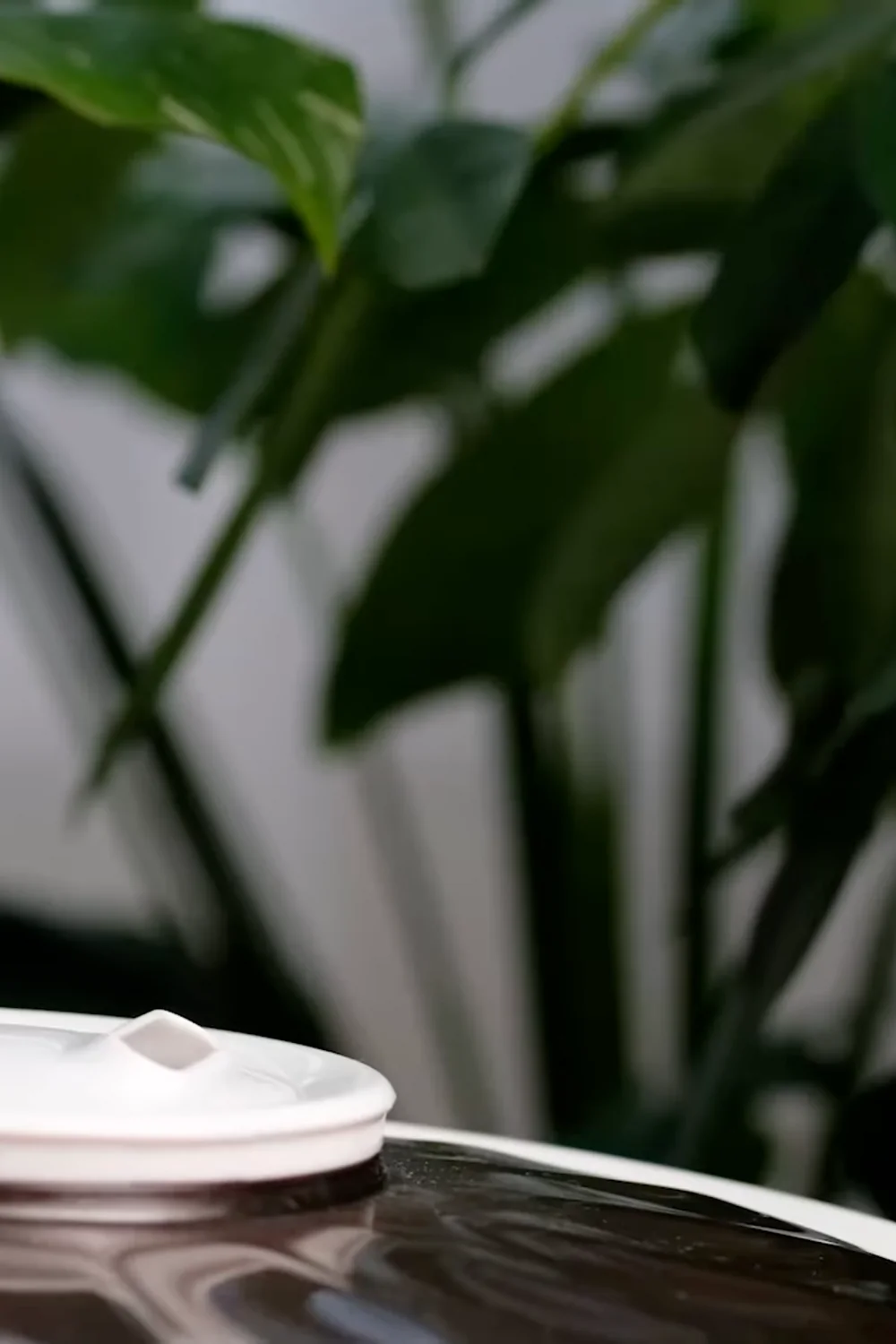
If you need to increase the level of humidity, try grouping those plants that like a higher humidity or invest in a humidifier for those plants that need it.
6. Clean the Leaves at Least Once a Month
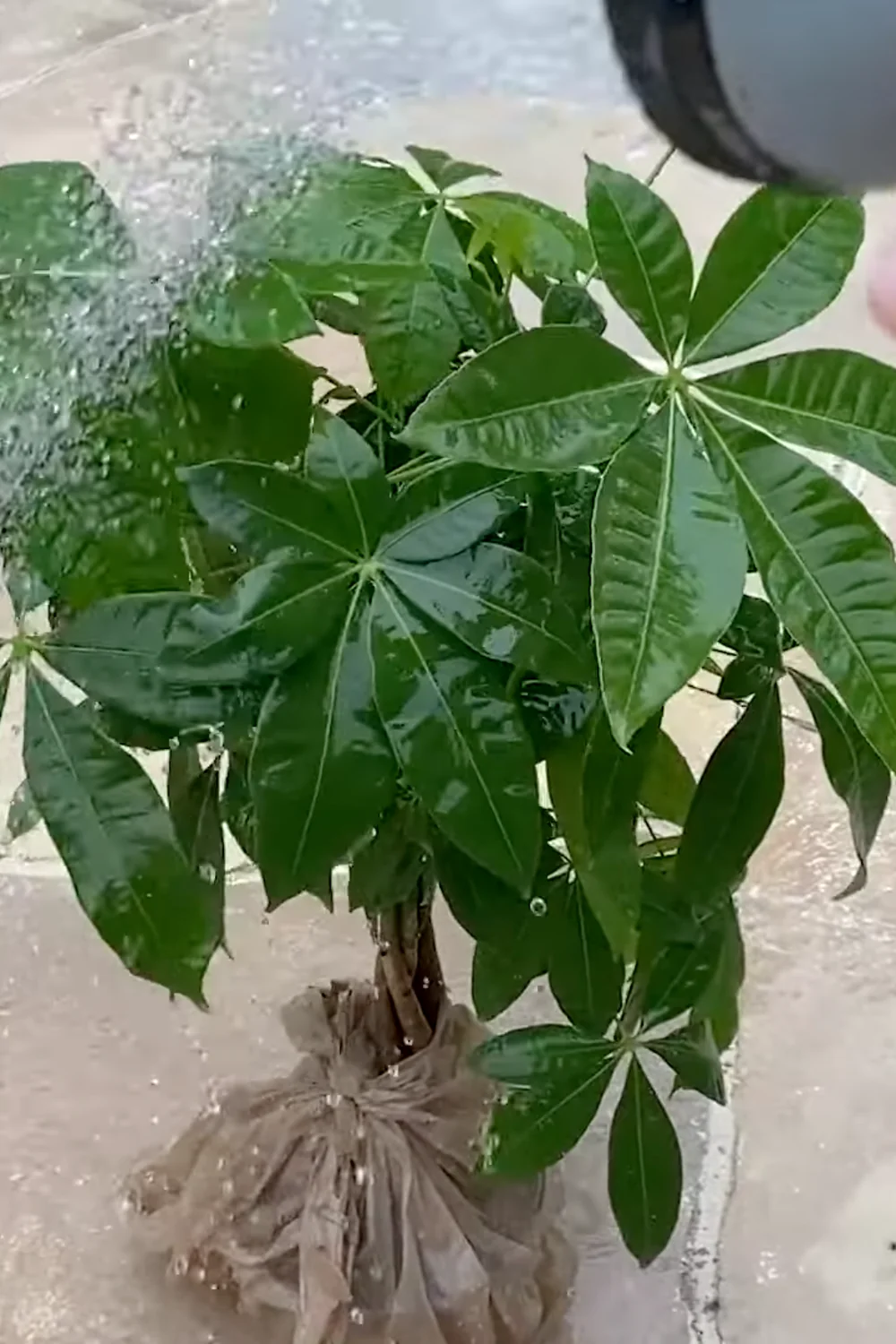
If you really want your money tree to thrive, clean the leaves at least once a month. Keeping them clean does three crucial things:
To clean your money tree, there are two simple ways:
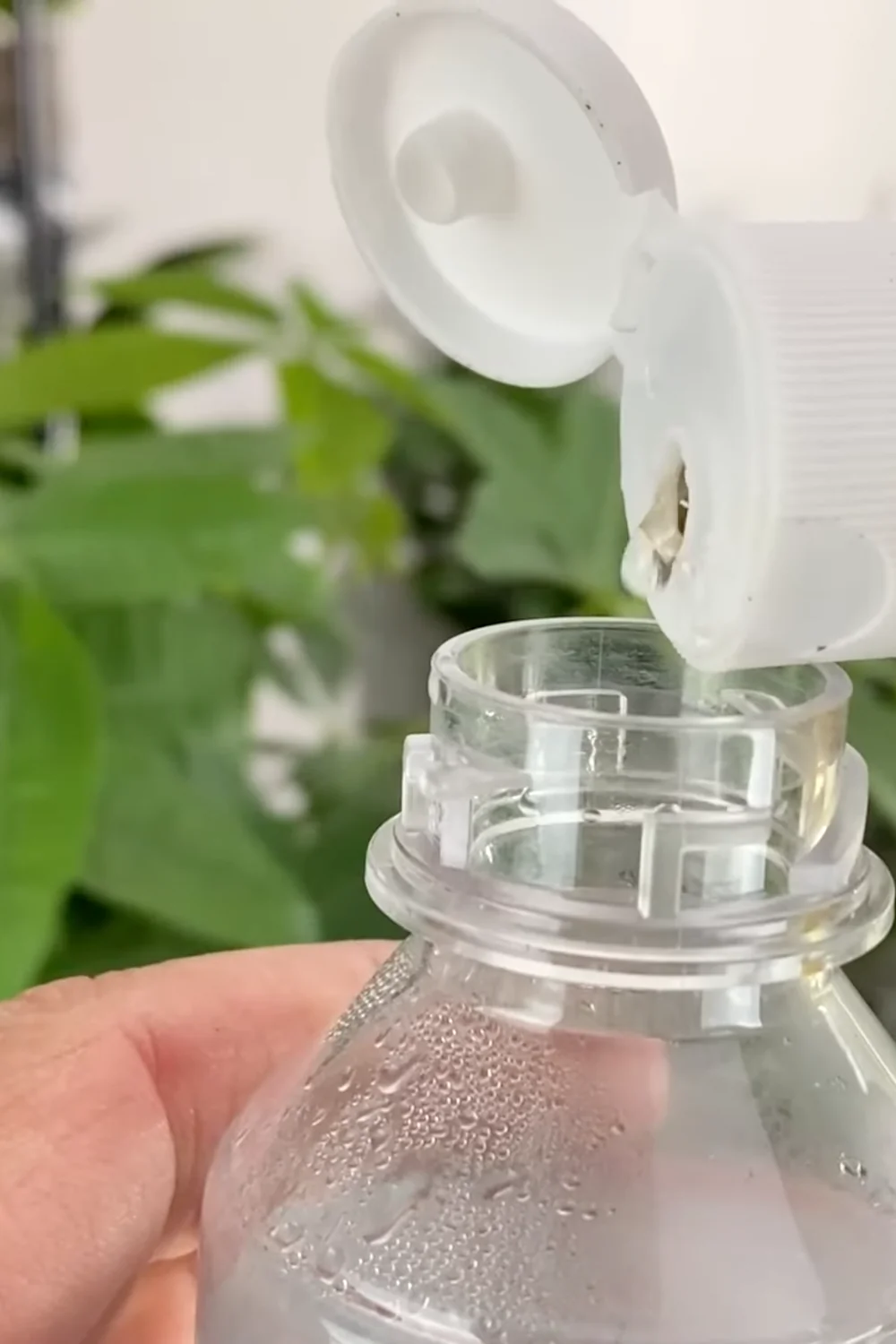
7. Feed During the Growing Season the Right Way
During their active growing season – typically in spring and summer – aim to fertilize once a month at half rate. Keep it simple and use a general houseplant fertilizer.
Look for one with nitrogen, phosphorus, potassium, and micronutrients. This will provide a well-rounded fertilization program for your money tree, ensuring that its nutritional needs are met and preventing any deficiencies.
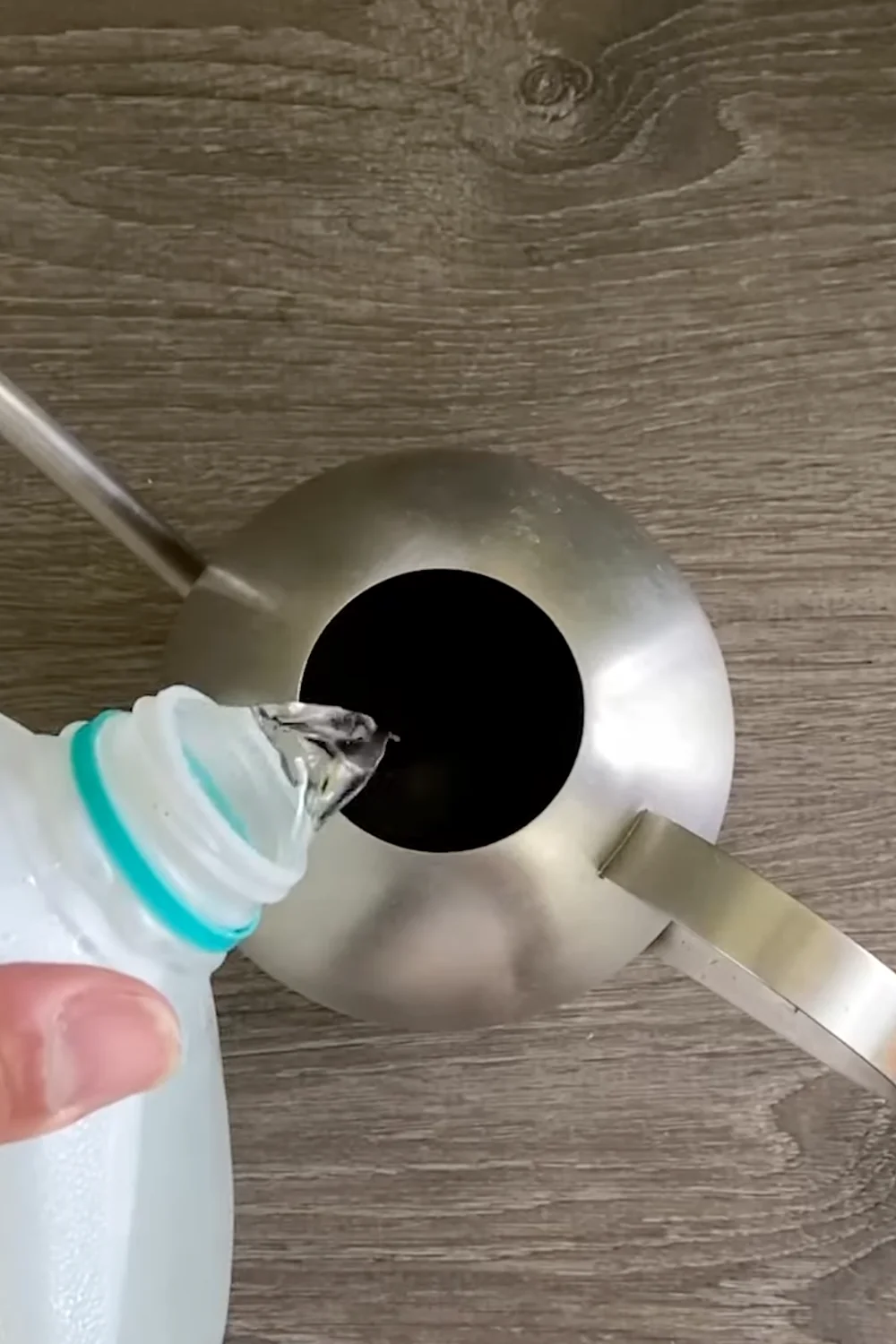
To mix the fertilizer, start by diluting it in water – liquid or water soluble – according to the manufacturer’s instructions. Stir or shake it up and apply it over the top of the soil after you water your plant.
By fertilizing after watering, you ensure that all the soil is moist and that there aren’t any dry pockets or channels of soil in the pot, reducing the possibility of burning the roots with a higher concentration of fertilizer.
8. Prune Runners to Shape the Head
As your money tree thrives, the trunks will continue to grow and create the beautiful base of the plant.
As the leaves grow, occasionally trim a runner by cutting it with sanitized pruners inside the head of the plant. From here you’ll eventually see a break and the head will continue to fill out.
9. Water Deeply but Infrequently
The number one reason most plant parents end up killing their money tree is because they overwater them – and by overwatering I mean watering too frequently, not too much. There’s a big difference.
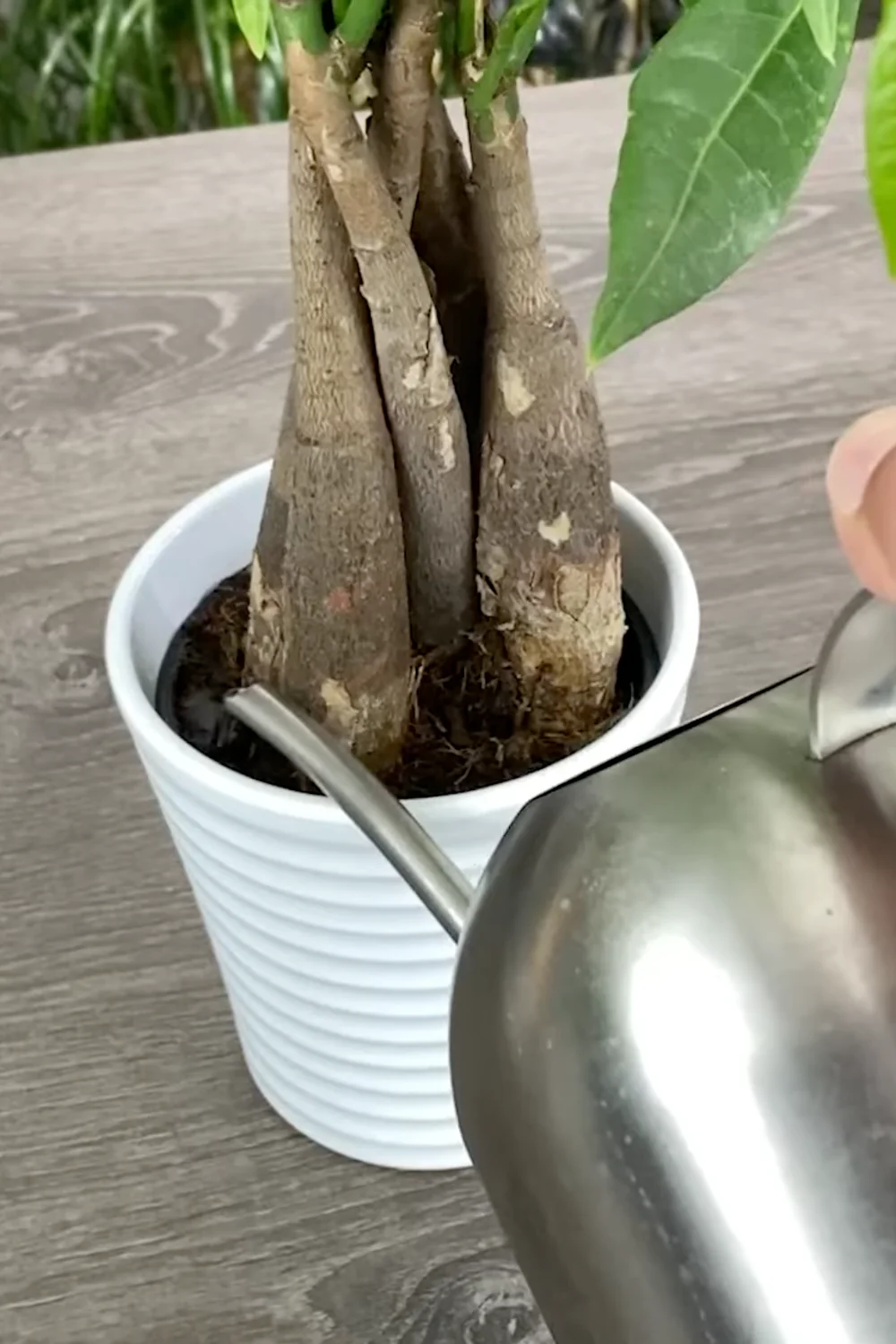
When it comes time to water your money tree, you can add as much water as you like. Actually, the more the better, because it helps eliminate any dry pockets in the soil. We need to let them dry out completely before watering again.
The art is giving them a lot of water, but only when they need it, therefore reducing the frequency in which you water.
The best way to monitor your plant is to get a wooden skewer or a moisture meter and stick it in the soil all the way down to the bottom.
Only water when the skewer comes up completely dry or when the meter reads zero.
10. Repot Thoughtfully With the Right Mix and Pot Size
As your plant grows it’ll need to be repotted. Your money tree likes to be snug in the pot, so you won’t have to repot as often as some other houseplants – maybe every 2 to 3 years if the environment’s right – or when you notice it’s getting rootbound, the soil’s compact, you see root rot, or any other issues.
When the time comes, start by watering your plant a couple of days before you actually repot to give it the best chance to handle the change from one environment to another.
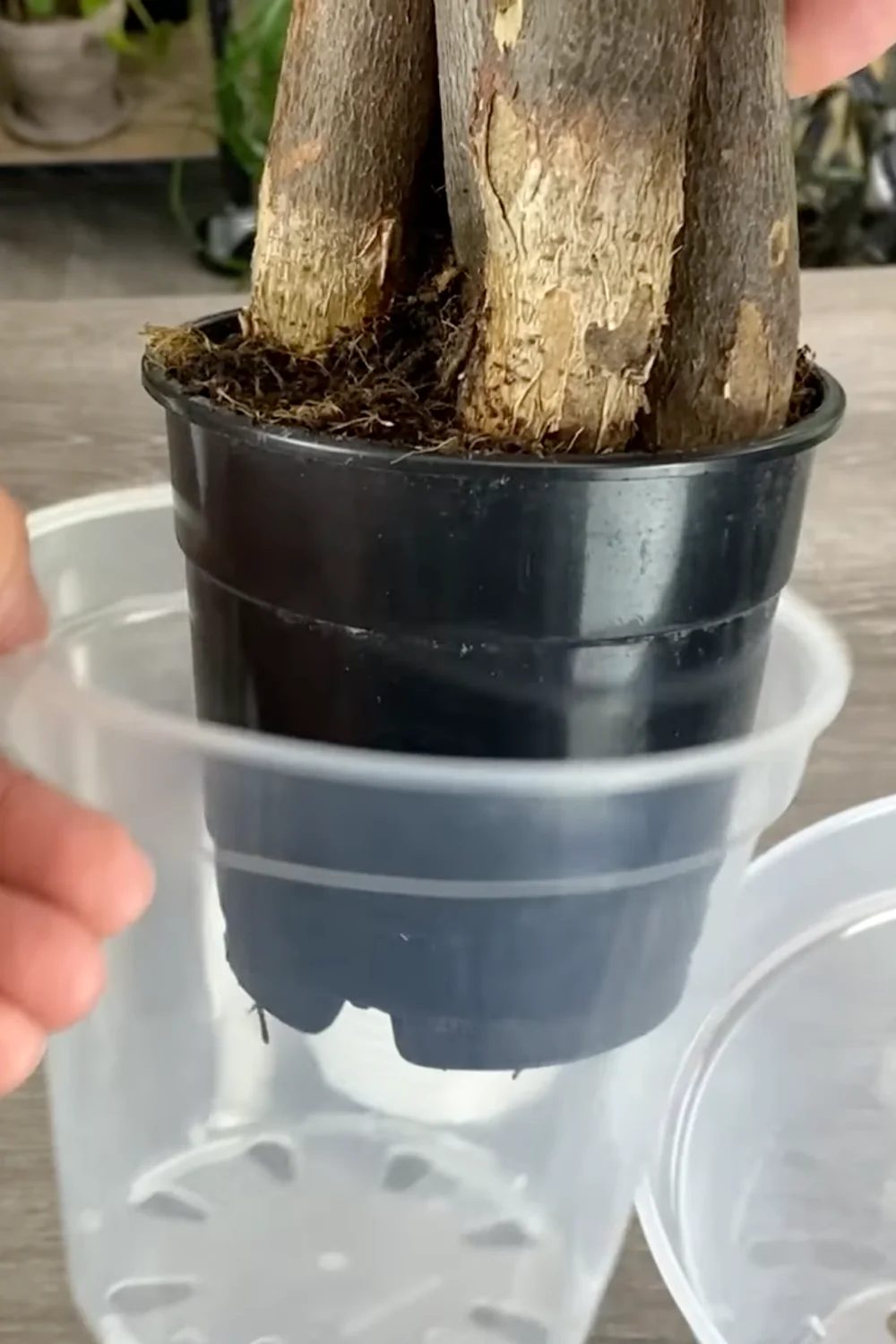
Choose a pot that’s 1 to 2 inches larger in diameter than the existing pot for smaller plants. For larger plants, just go the next size up.
If you repot into a container that’s too large, you’ll also need a lot of soil to fill that pot. All this extra soil will remain moist longer since there aren’t enough roots to absorb the extra water.
This will eventually lead to root rot, which will then kill your money tree.
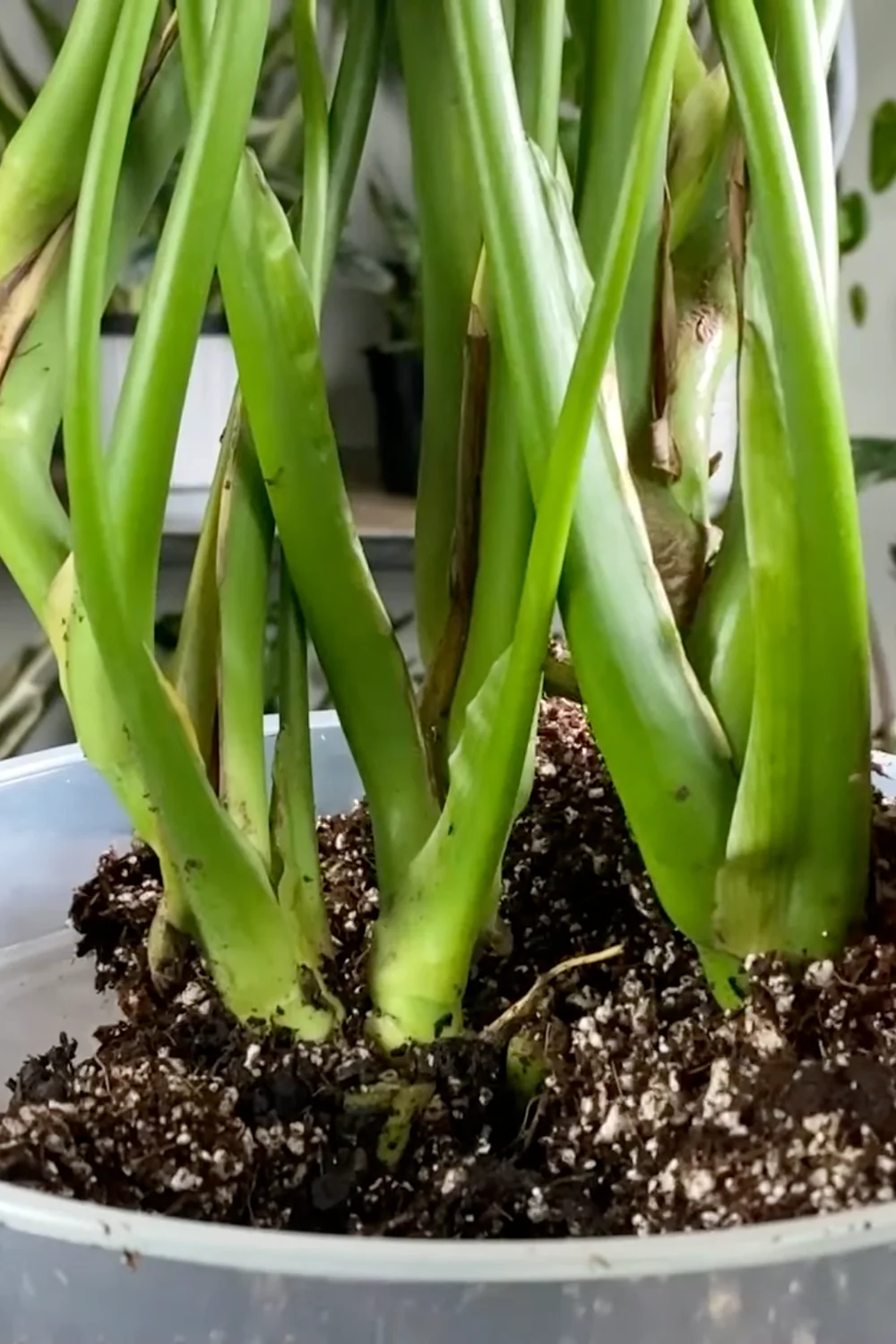
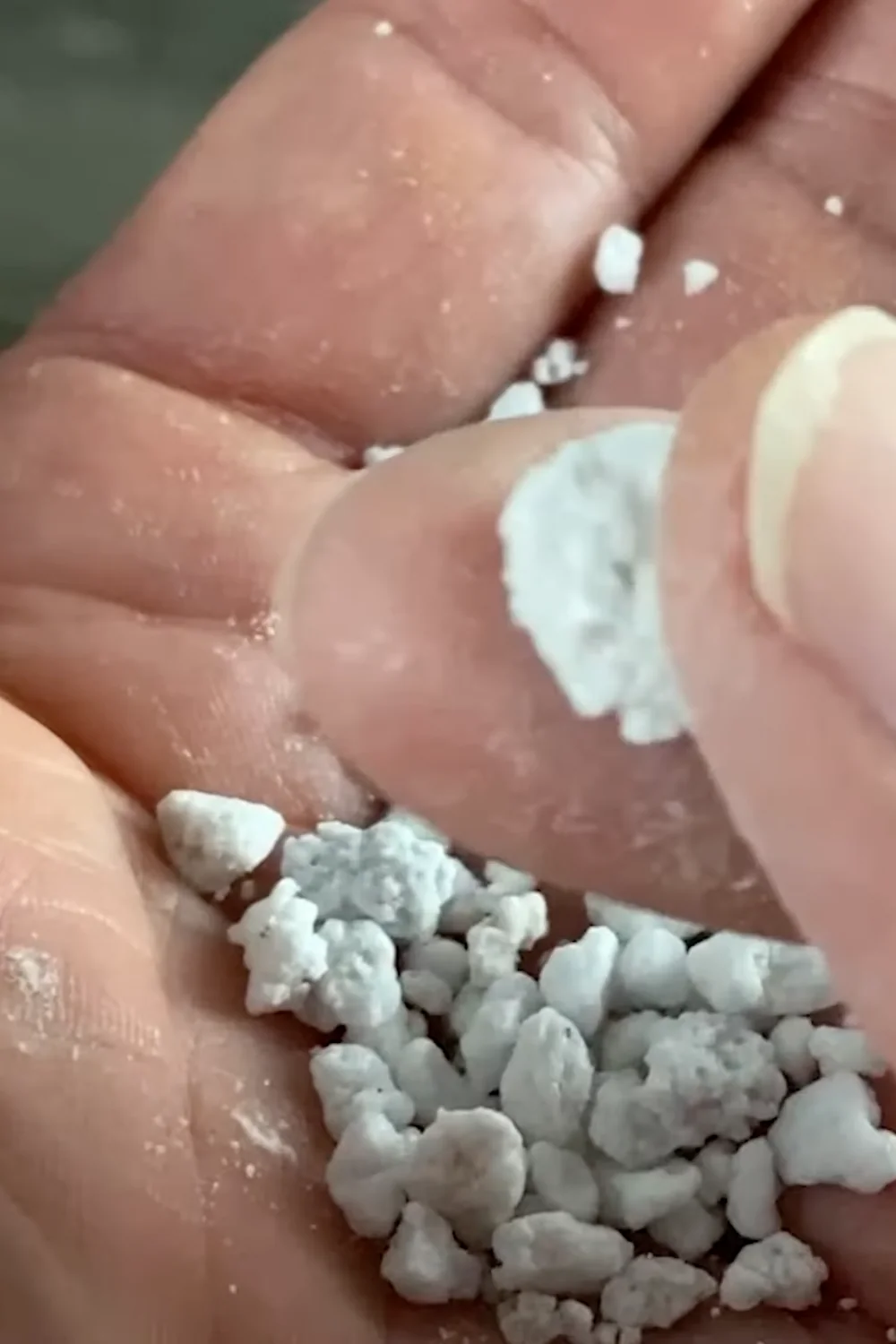
For soil, purchase a good mix or make your own. I like to add coir and or peat to hold on to water, and pine bark, perlite, and sand to provide proper drainage.
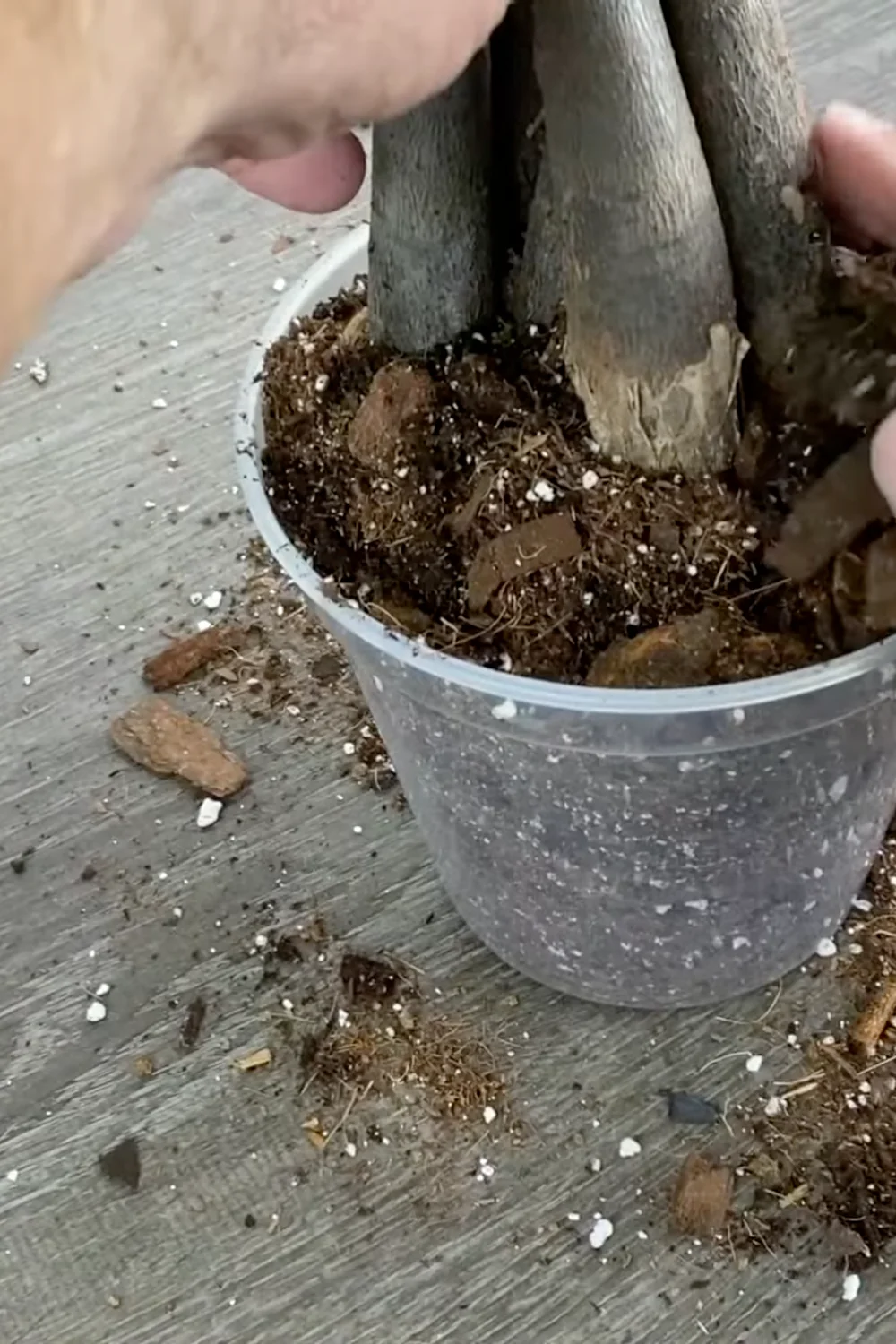
Put a small amount of soil in the bottom of the new pot – enough so that the top of the root ball is just below the top of the new pot.
Continue to add soil all around, making sure that the plant is centered in the pot, and slightly compact the soil just enough to keep the plant in place.
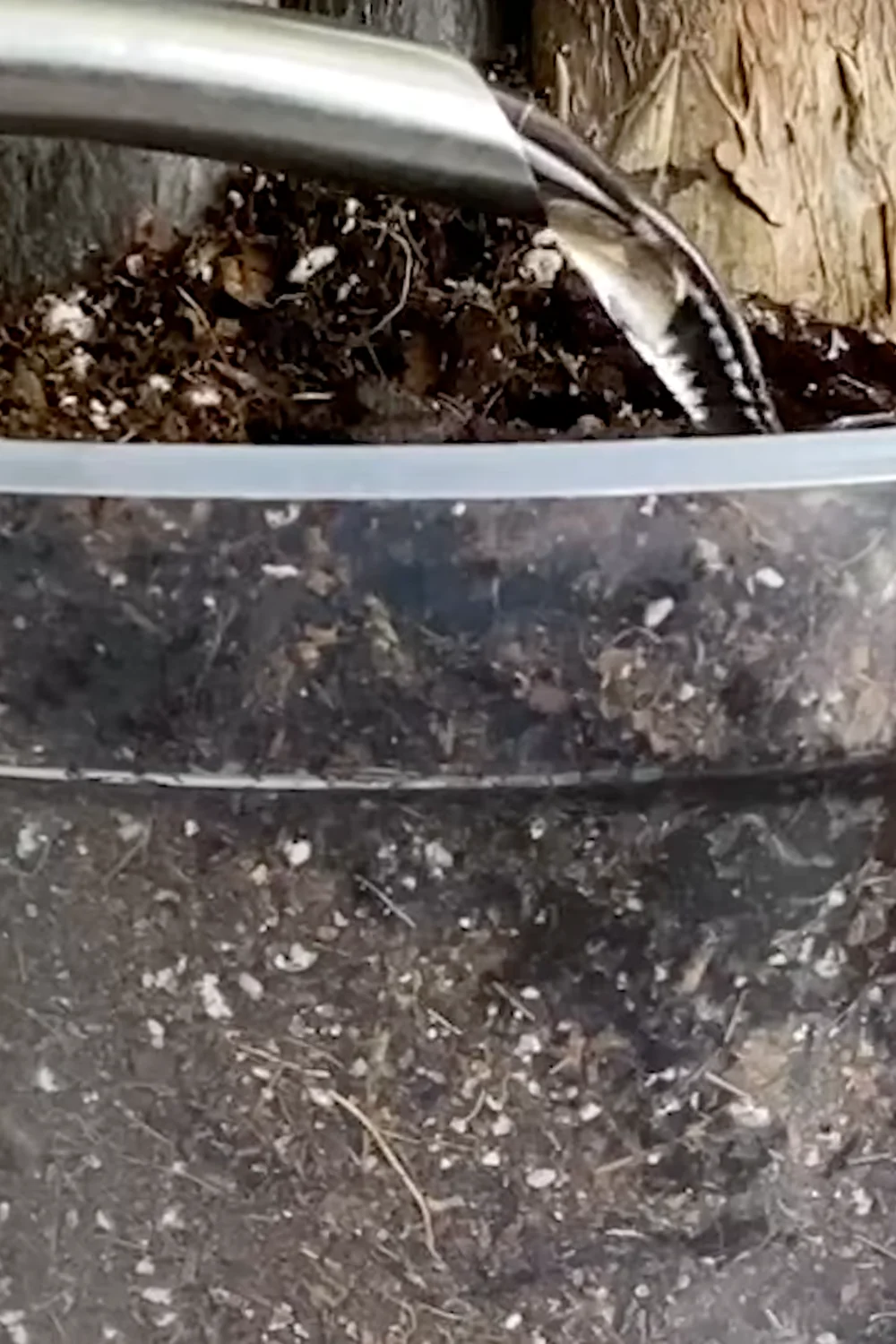
From here I like to water my money tree if the mix is dry.
This gives it its first watering, and then I treat it like I do all my other money trees – water when the soil is 100 percent dry.
Final Thoughts
Pick a strong plant, give it bright indirect light, comfortable temperatures, and higher humidity, keep the leaves clean, feed lightly in the growing season, prune runners to shape, water deeply but infrequently, and repot on a sensible schedule with a well-draining mix. Follow these and you’ll keep your money tree thriving – and you won’t kill it.