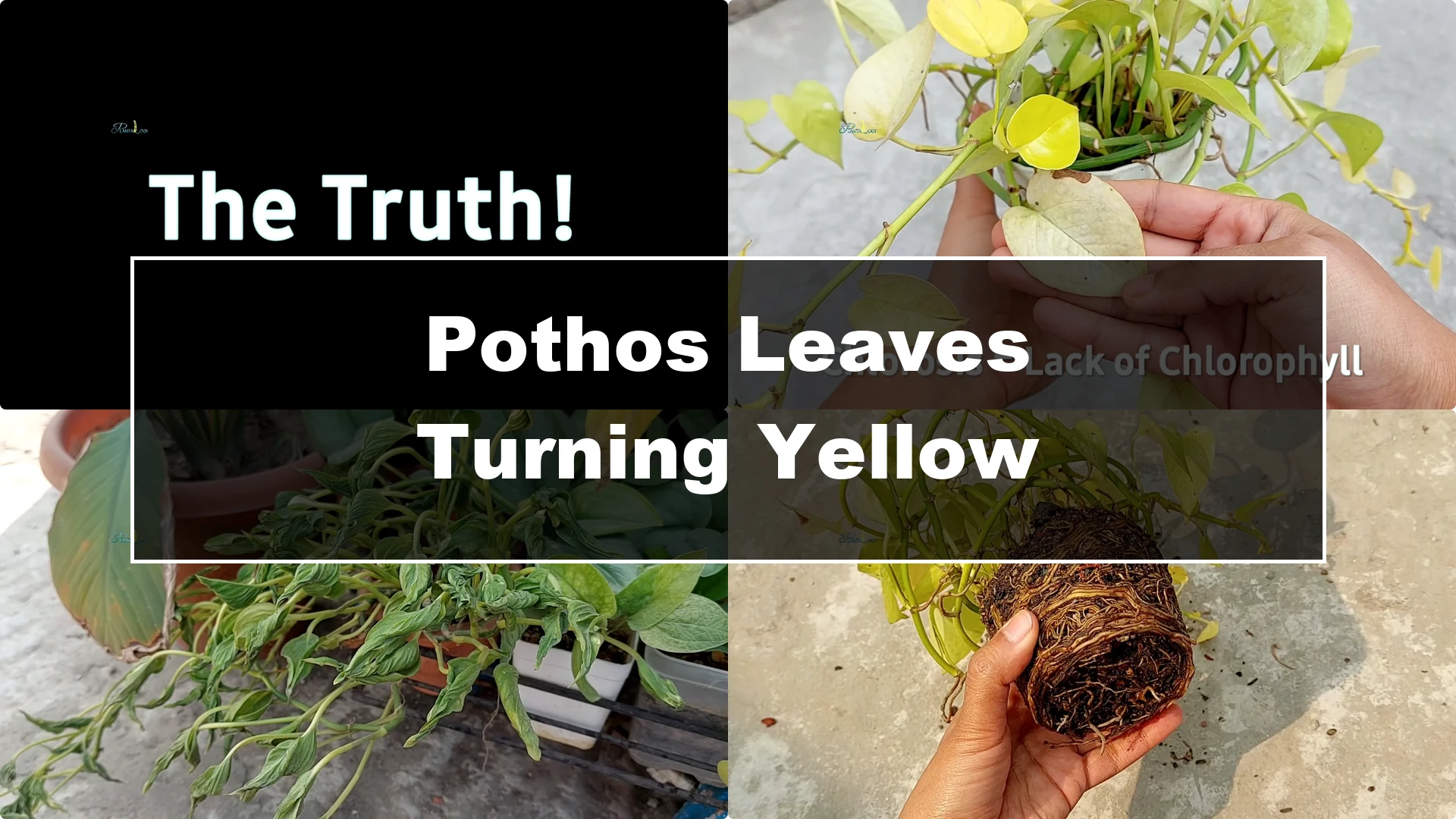
You noticed your beautiful pothos turning yellow and you are not sure what’s going wrong. Yellow leaves are one of the most common distress signals from pothos plants. I’m sharing the six major culprits that could be silently killing your plant, and by the end, you will know exactly how to diagnose and fix the problem.
I am Nishad Subva. I’m a plant expert and researcher. Pay attention to the subtle signs your houseplant is giving you so you can act early.
1. Pothos Leaf Yellowing Causes – Overwatering

The number one culprit behind yellow pothos leaves is overwatering. When your pothos roots sit in waterlogged soil, they cannot access the oxygen they need. Without oxygen, the roots begin to suffocate and decay, creating the perfect environment for harmful microorganisms to take over.
These pathogens cause root rot. The first symptom you will see above the soil is yellow leaves appearing all over your pothos. Address it quickly to prevent widespread decline.
The leaves will look clean yellow with water soaked brown spots scattered across multiple leaves. Underwatered plants also show yellow leaves but they look dehydrated and crispy. Although an underwatered pothos can be fixed with proper watering, overwatered pothos struggle to recover.
If you’re seeing multiple yellow leaves even after you have watered correctly, check your soil moisture. It will tell you what’s really going on. Act as soon as you confirm prolonged soggy soil.
How to spot it
Check your soil moisture. Examine leaf surfaces for water soaked brown spots across multiple leaves. Inspect the roots if the problem persists to catch rot early.
Read More: Mistakes That Are Killing Your Monstera
2. Pothos Leaf Yellowing Causes – Nitrogen Deficiency
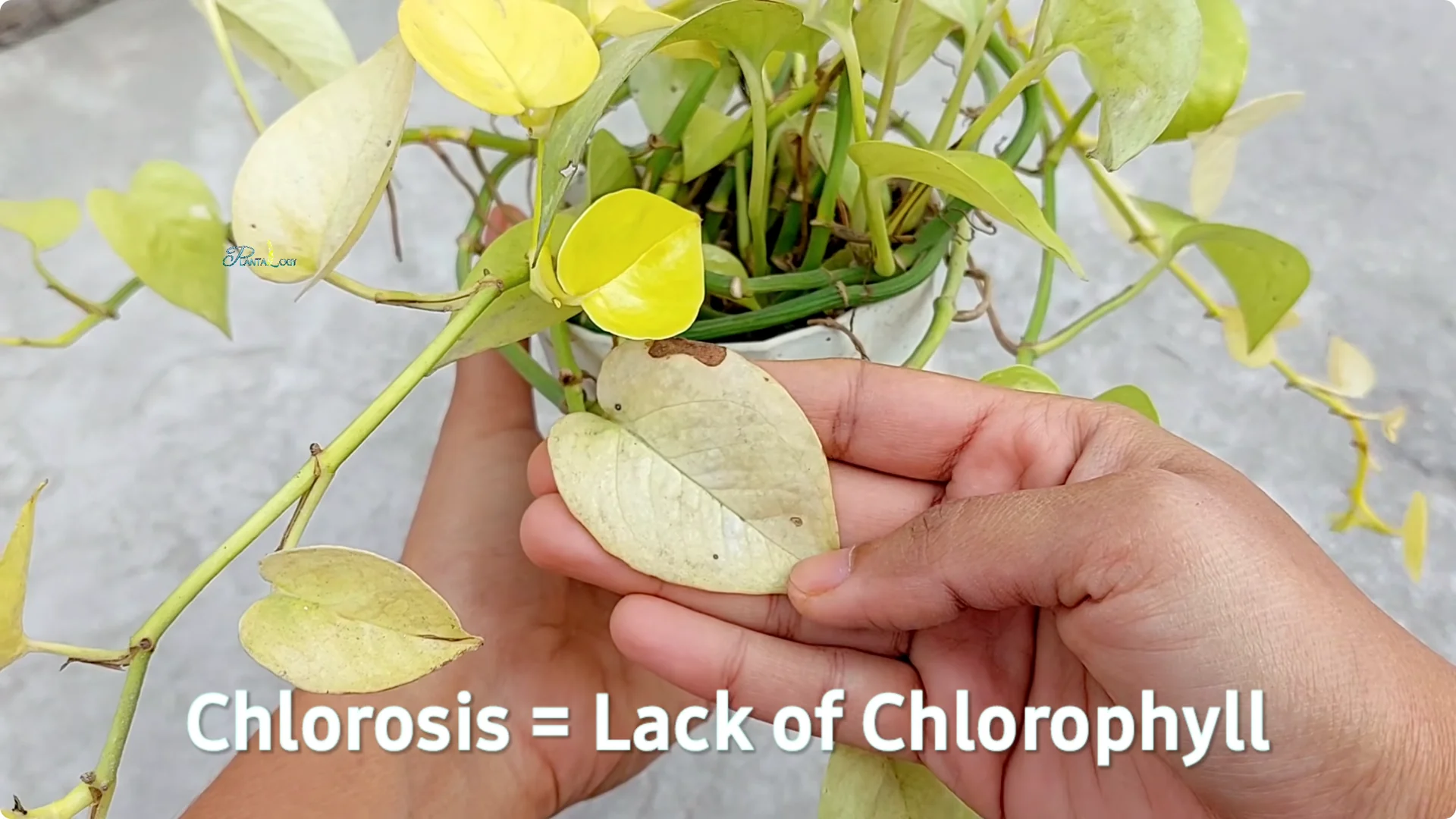
The second major cause of yellow leaves is nitrogen deficiency. Nitrogen is the building block of chlorophyll, the green pigment in your leaves. Without enough nitrogen, your plant cannot produce chlorophyll properly.
This typically happens when you are using low quality soil or depleted soil. What to look for? The younger leaves will develop a condition called chlorosis where the leaves appear faded green or pale yellow and this discoloration gets distributed throughout the plant.
Unlike overwatering, nitrogen deficient leaves don’t have brown spots, they’re just uniformly pale. The fix is simple. Add a nitrogen-rich balanced fertilizer to your care routine and your pothos will bounce back with proper nutrition.
3. Pothos Leaf Yellowing Causes – Poor Light Exposure
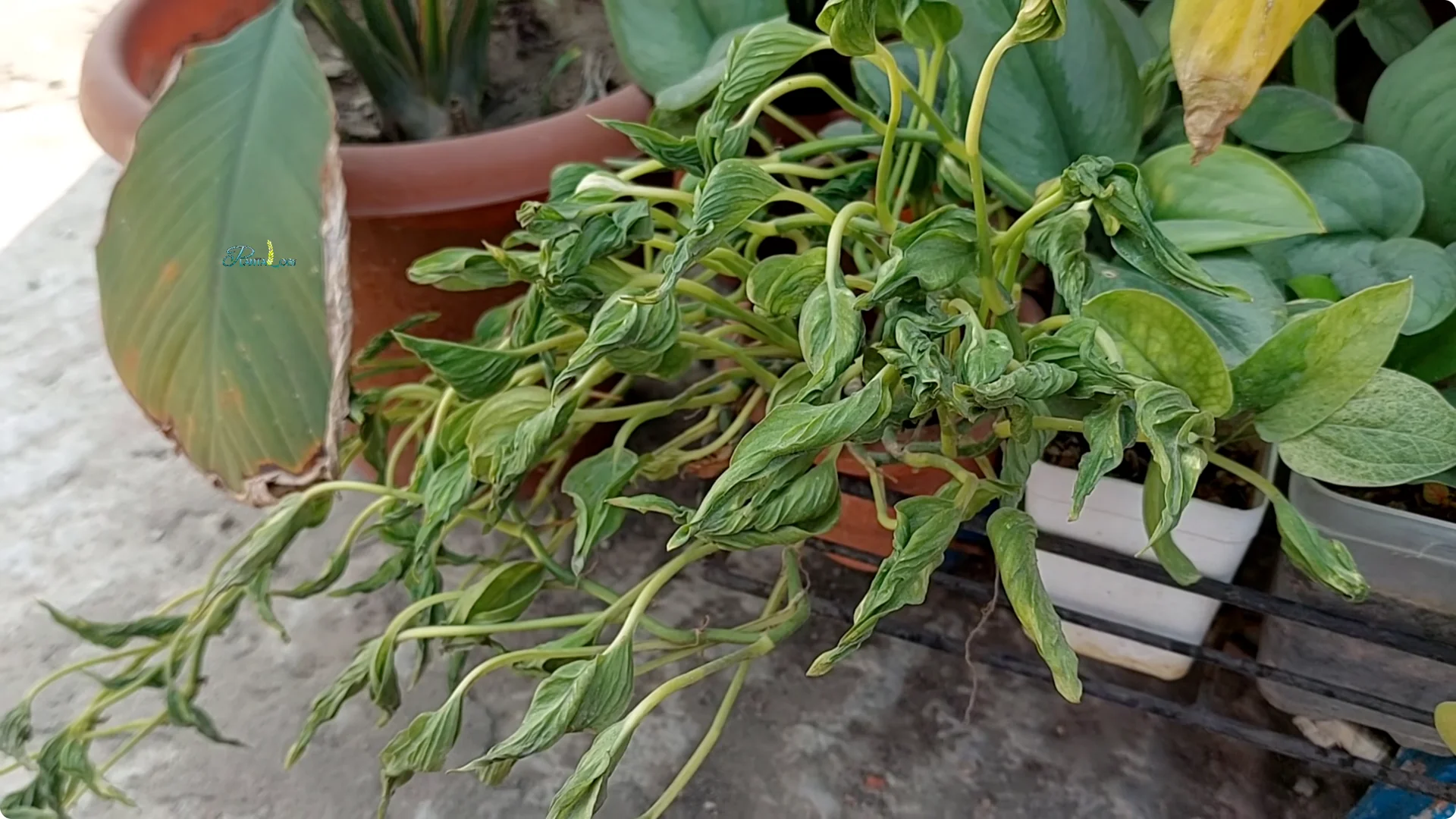
Pothos need at least 3 to 4 hours of bright indirect light daily. Less than that, your plant may survive, but it won’t thrive. In low light, the plant produces pale green or yellow leaves because it’s struggling to photosynthesize.
If you have variegated species like Marble Queen or Golden pothos, they will lose their beautiful variegation due to low light. You will also notice leggy and stretched growth. Light is the throttle for healthy color and compact growth.
Light targets
Here is the sweet spot. Give your pothos 4 hours of bright indirect light daily. They also do great with 1 to 2 hours of gentle morning direct sunlight followed by bright light for the rest of the day.
Read More: Bloomflowerblog.Com
4. Pothos Leaf Yellowing Causes – Being Rootbound
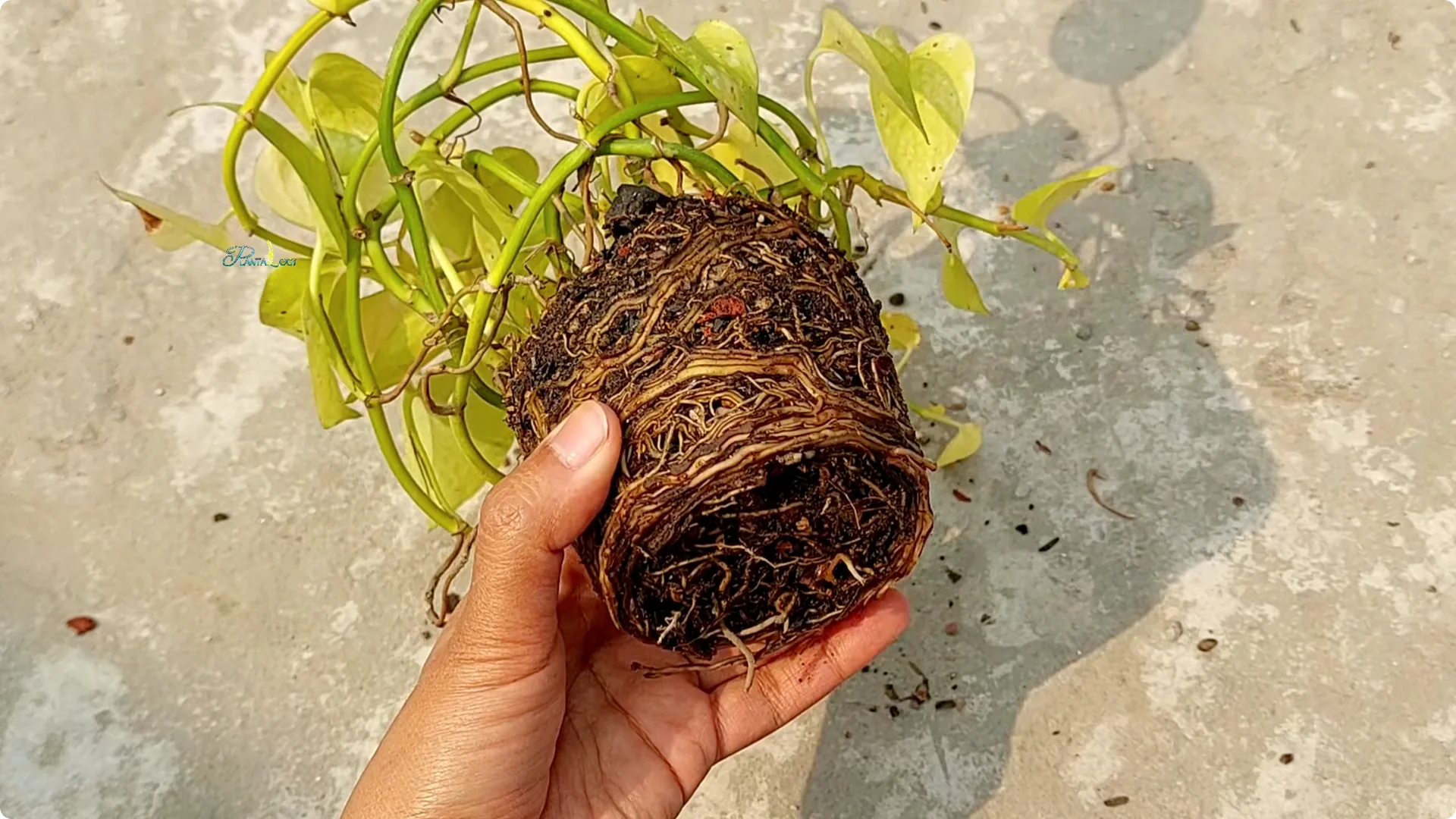
An extremely rootbound pothos will also turn yellow, and this is often overlooked by plant parents. Pothos have fast growing aerial roots. If you have kept your plant in a small 4 or 5 inch pot for more than a year, it’s likely become severely rootbound.
The roots of a rootbound pothos will fill every inch of soil, leaving no room for the plant to absorb water and nutrients properly. This leads to symptoms of both underwatering and nutrient deficiency. As a symptom, the older leaves will turn yellow and fall off.
What to do
You can fix this by pruning half of the roots once a year. Or simply repot your pothos into a larger container. Give the roots room and recovery begins.
5. Pothos Leaf Yellowing Causes – Cold Stress
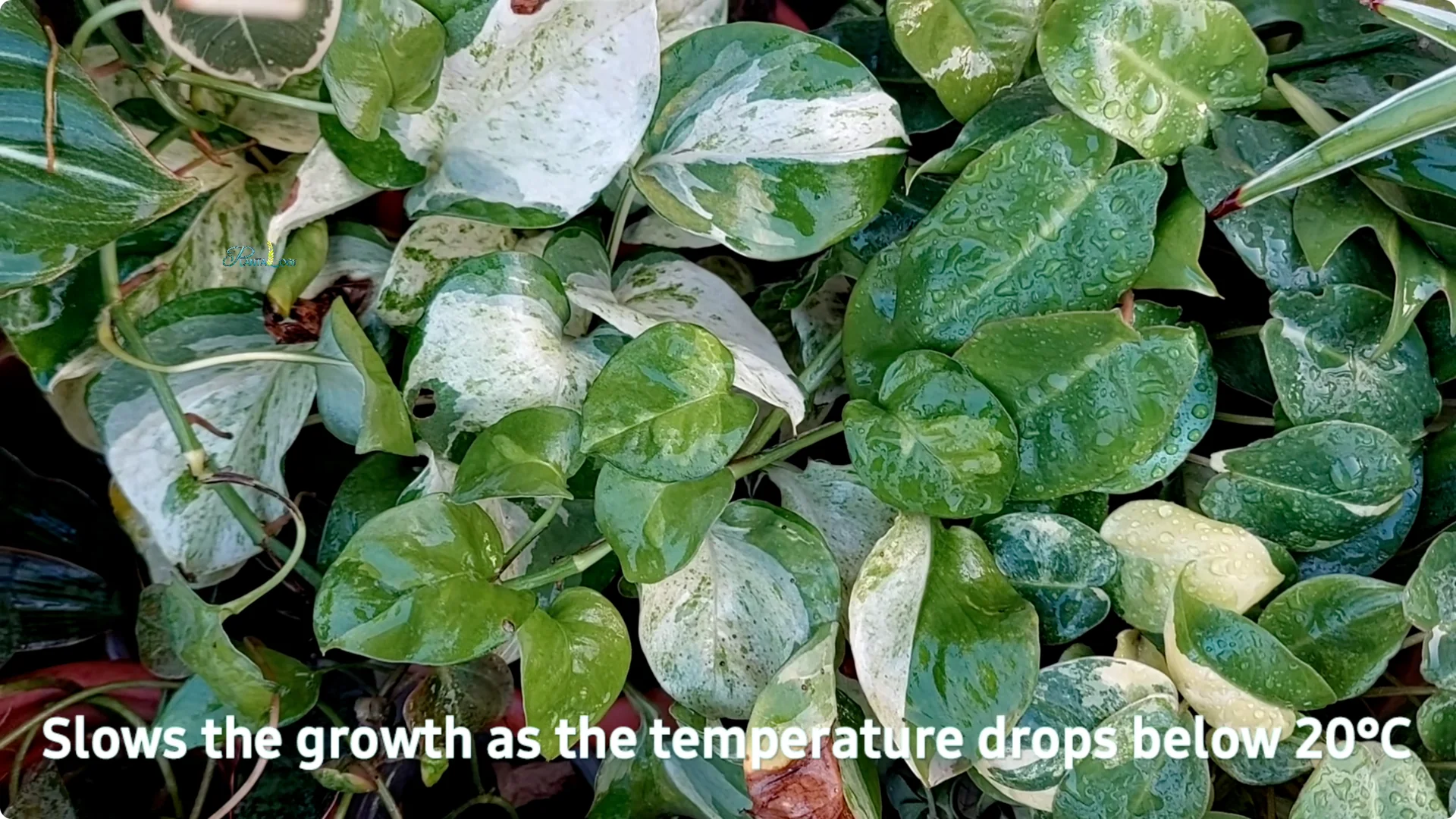
Pothos are summer growing tropical plants from warm climates. They naturally slow down when temperatures drop below 20°C or 68°F. In winter, the combination of low temperature and low humidity stresses your plant, causing yellow leaves, dry leaves, and sometimes complete leaf drop.
Winter also makes your pothos susceptible to pest infestations. Stressed, dormant plants get easily infested, which further contributes to yellowing. Prevention is easier than treatment during the cold months.
Winter care targets
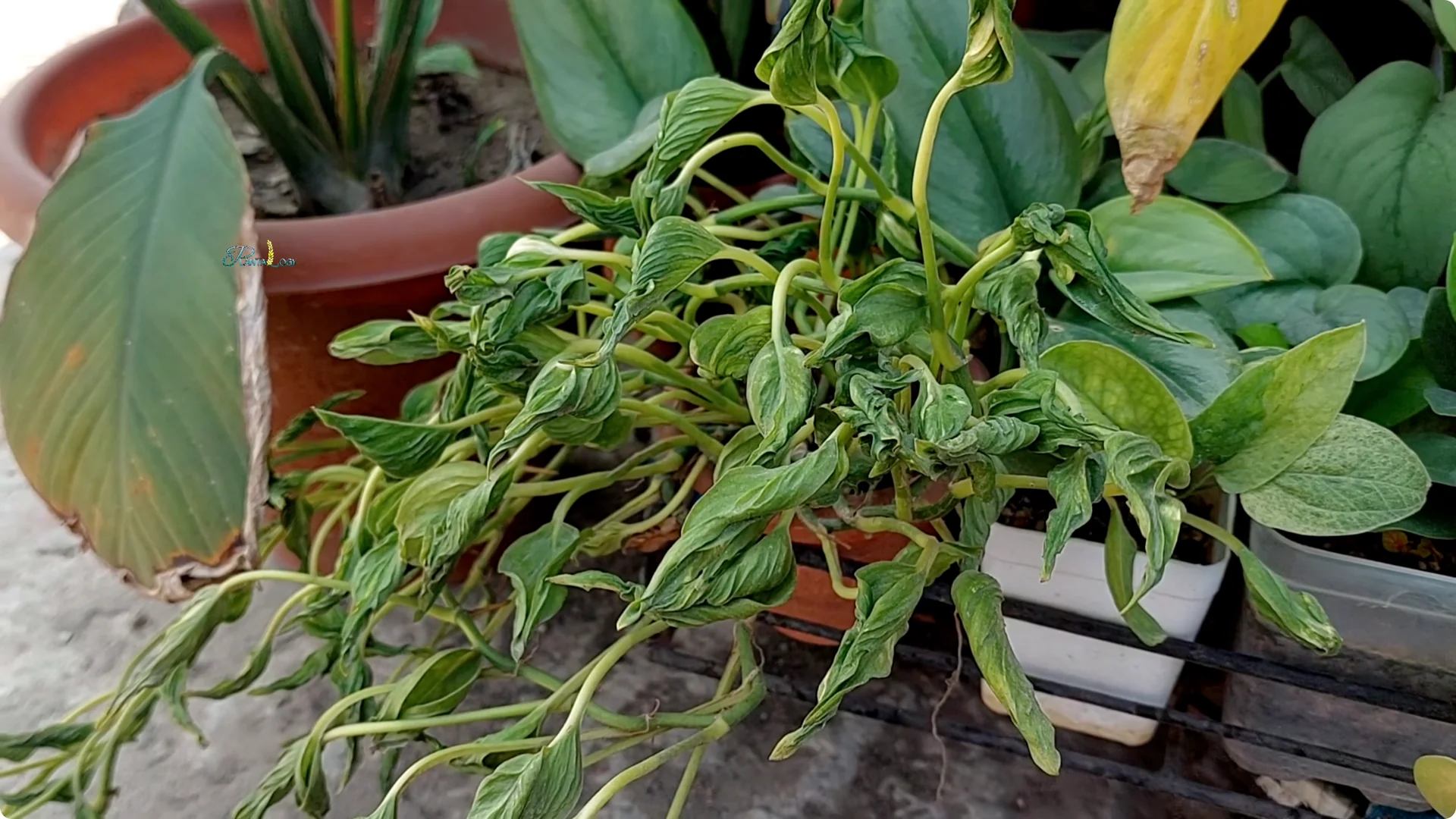
Keep your pothos away from cold drafts and windows in winter. Maintain temperatures between 25 to 32°C for optimal growth. Stable warmth and humidity support resilient foliage.
6. Pothos Leaf Yellowing Causes – Fertilizer Salt Buildup
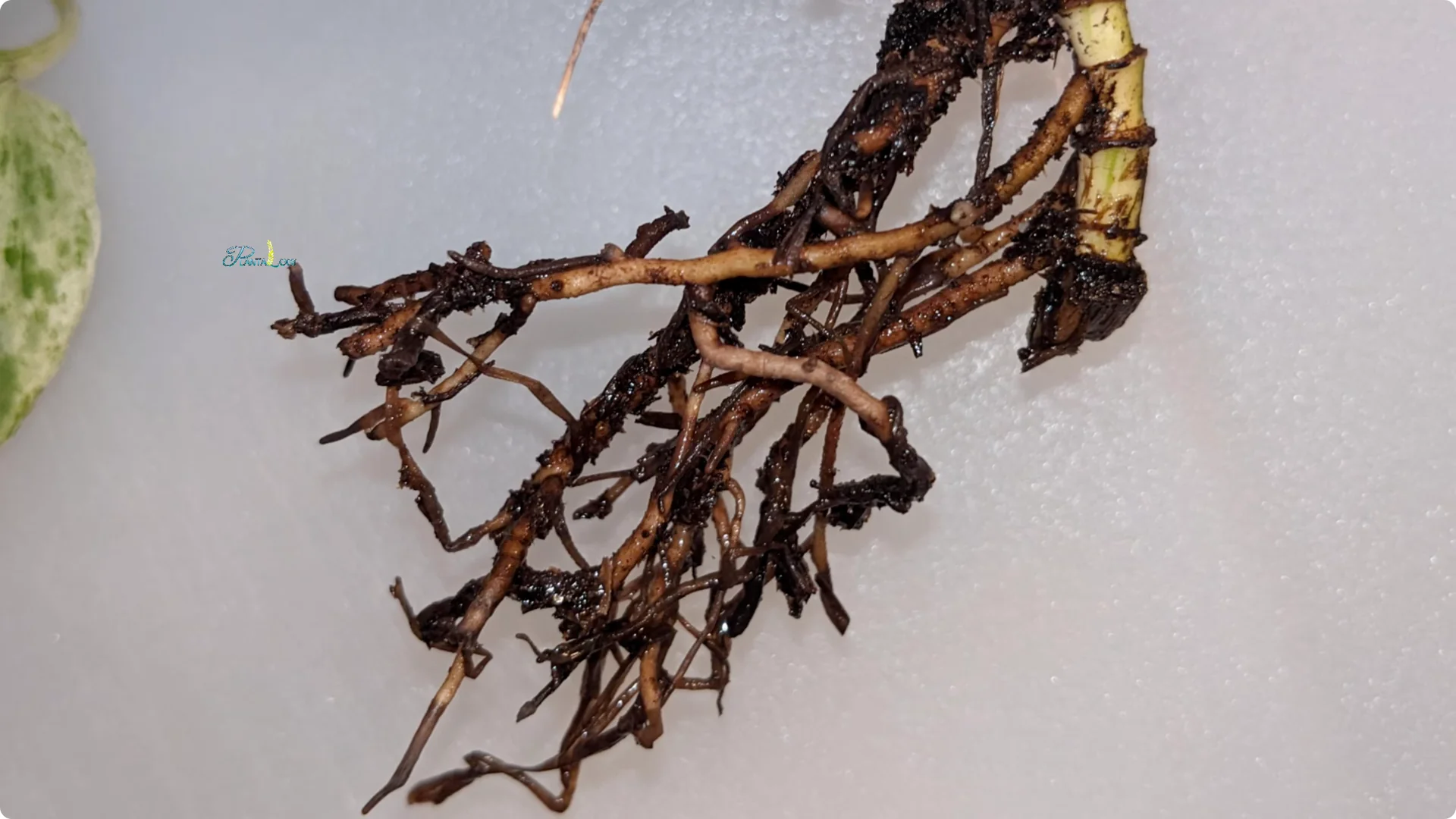
Pothos aren’t heavy feeders. Fertilizing just two or three times a year is sufficient for healthy growth. Overfertilizing causes salt buildup in the soil.
These concentrated salts can burn the plant roots, preventing them from absorbing water and nutrients properly. The result is pale yellow leaves all over the plant. Dial back the feed to protect the roots.
Simple routine
Reduce fertilization frequency. Flush your soil with plain water every few months to remove excess salt buildup. Keep the medium clean and the plant will respond.
Final Thoughts
These are the six major reasons your pothos develops yellow leaves – overwatering, nitrogen deficiency, poor light exposure, being rootbound, cold stress, and fertilizer salt buildup. To diagnose your specific issue, check your soil moisture and examine your soil structure. Inspect the plant’s leaves closely, and don’t forget to check those roots.