
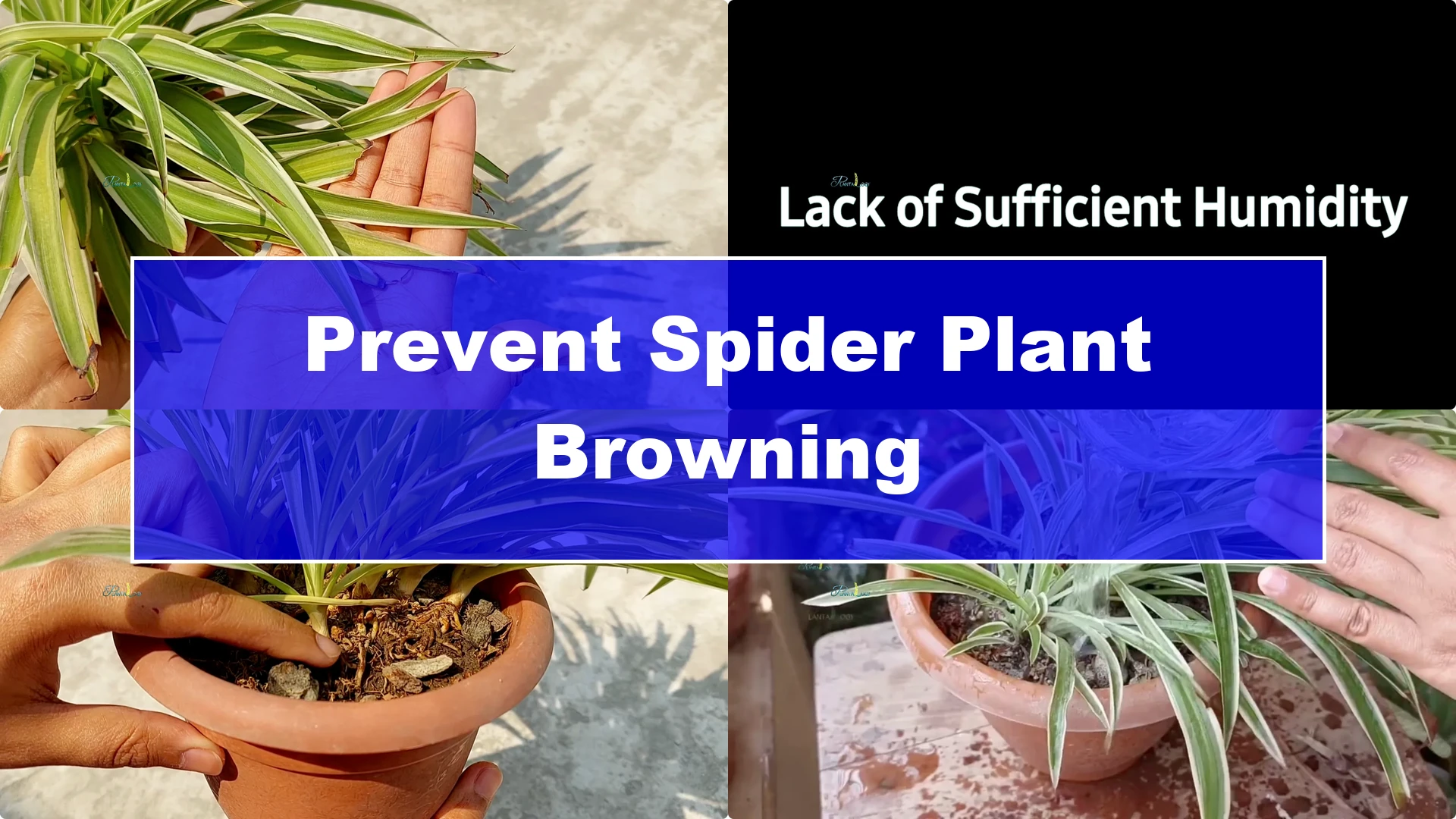
Is your spider plant covered in brown crispy tips after a long winter? I’m going to explain the real reasons why your spider plant develops those brown tips during winter and how to fix them properly so your plant can thrive all summer long.
I am Nishad Suba. I’m a plant expert and researcher.
1. Causes of Winter Spider Plant Brown Tips
Low humidity
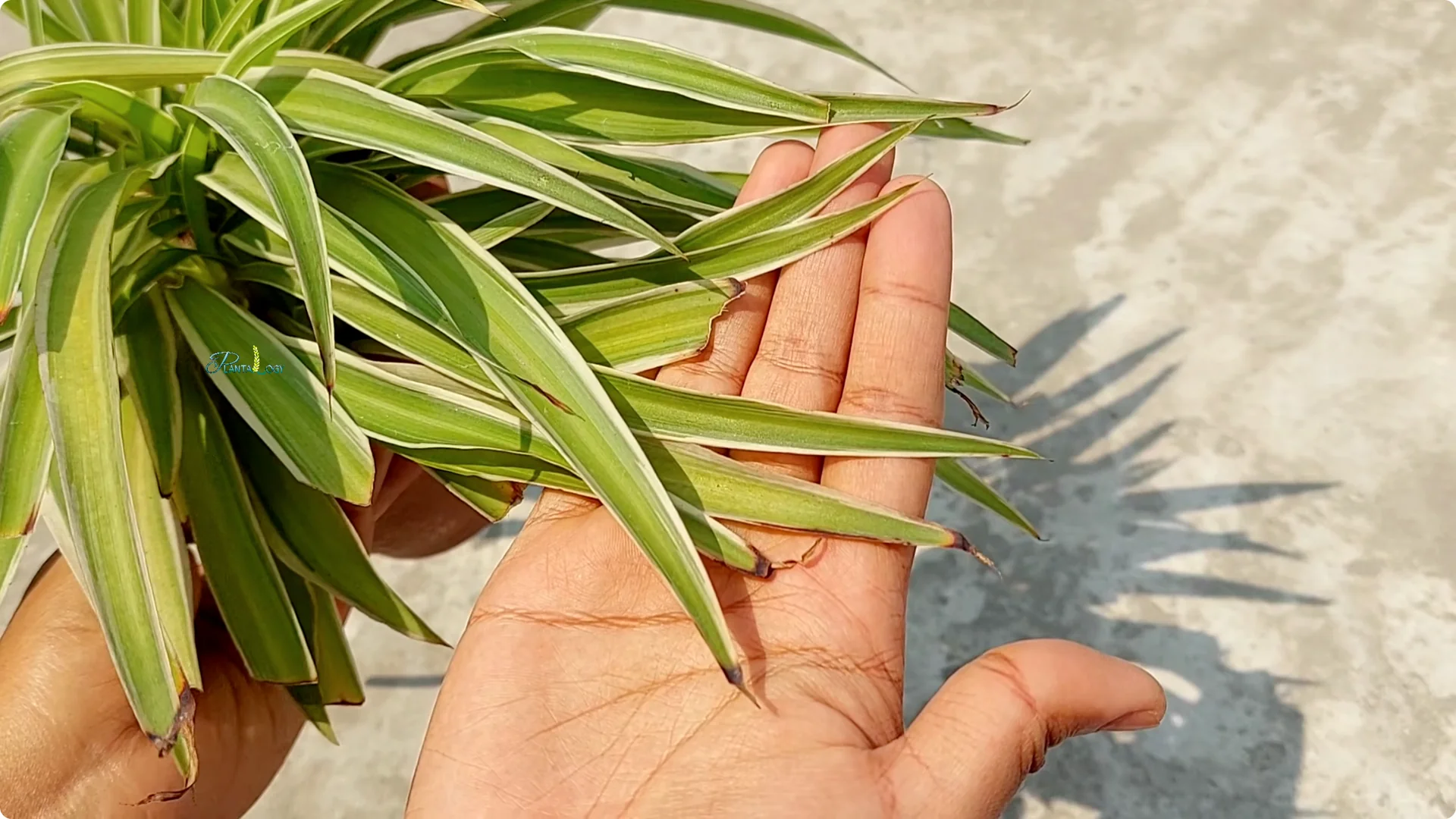
The number one reason spider plants develop brown tips during winter is low humidity. Winter air, especially indoors with heaters running, is very dry. Spider plants naturally prefer humidity levels between 50 and 60%.

When humidity drops, the tips lose moisture, dry out fast, and that causes tissue necrosis, which is the death of plant tissue. That’s why you see those brown crispy ends. If winter dryness affects your other houseplants, see these holiday cactus care tips.
Salt buildup in the soil
The second major cause is salt buildup. During winter, we typically water our plants less because they’re not growing as actively. Less water means salts from tap water and fertilizer don’t get flushed out.
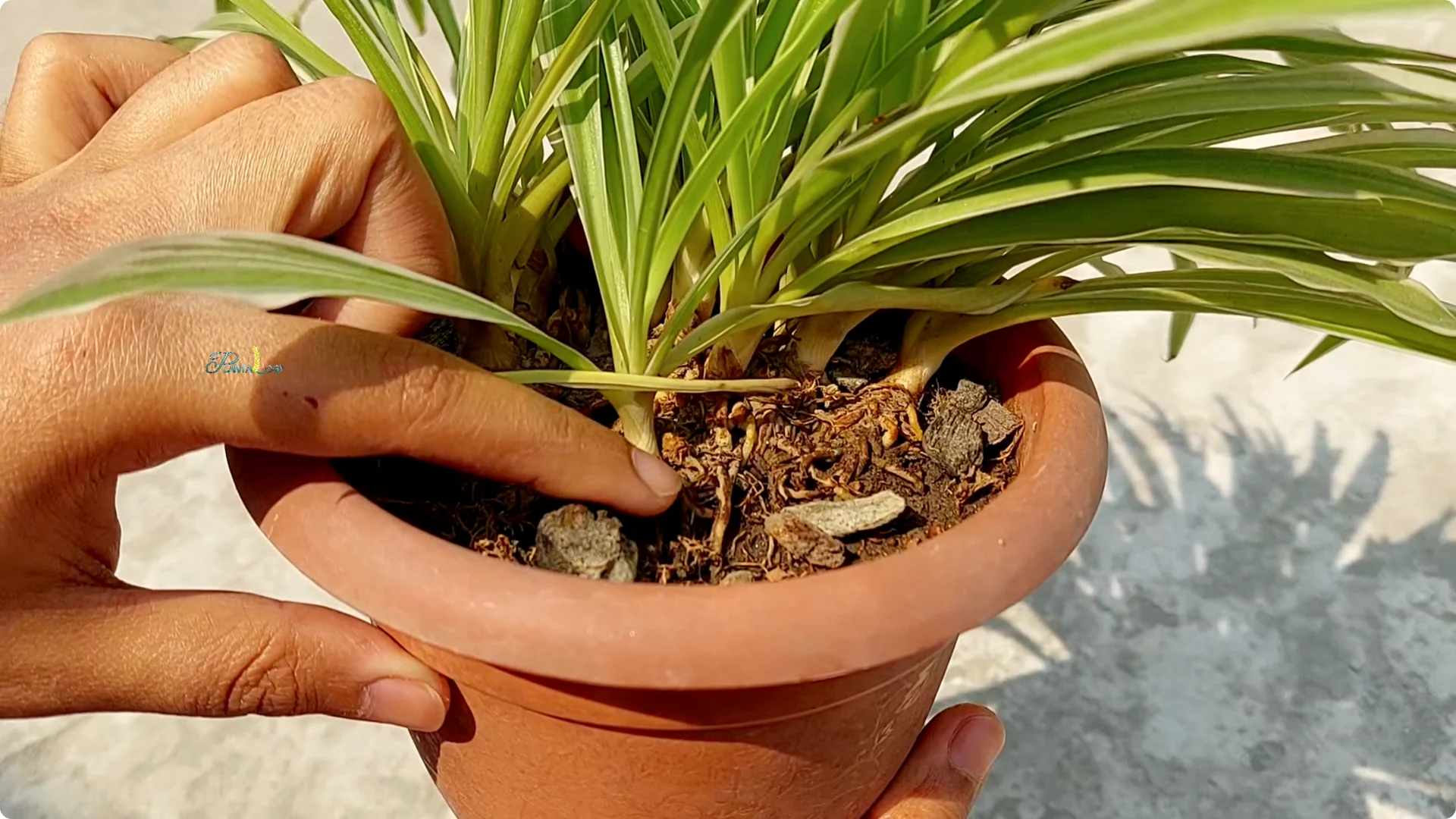
They accumulate in soil over time. Spider plants are particularly sensitive to fluoride in tap water. When these salts build up, they damage the root tips.
Damaged roots cannot absorb water properly, and that leads to brown tips on the leaves. This is very common after a long, dry winter. Flushing helps, which I’ll explain below.
Inconsistent watering
Both overwatering and underwatering can cause brown tips, and sometimes they show similar symptoms. Overwatering in winter slows down root growth and can lead to root rot. Underwatering simply dries out the leaf edges.
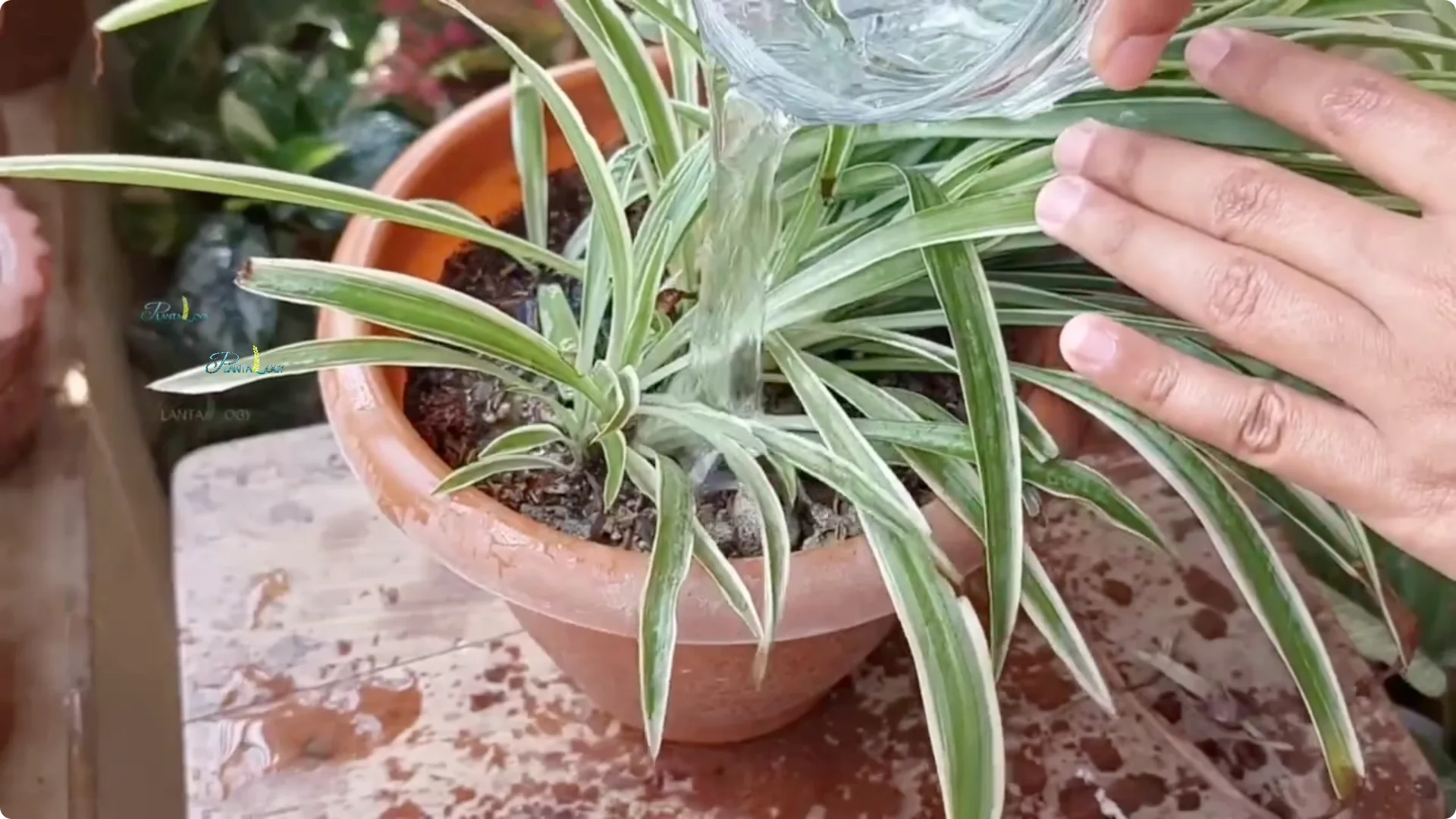
The tricky part is that both problems can look the same on the surface. By checking the soil moisture, you can decide what action to take. Aim for evenly moist, not soggy or bone-dry.
Cold draft stress
Cold drafts are often overlooked. Spider plants don’t like temperatures below 10 to 12° C, which is about 50 to 55° F. If the temperature is not maintained during winter or the plant is not protected from cold drafts or air conditioner fans, that cold shock weakens the leaf tissue and contributes to browning.
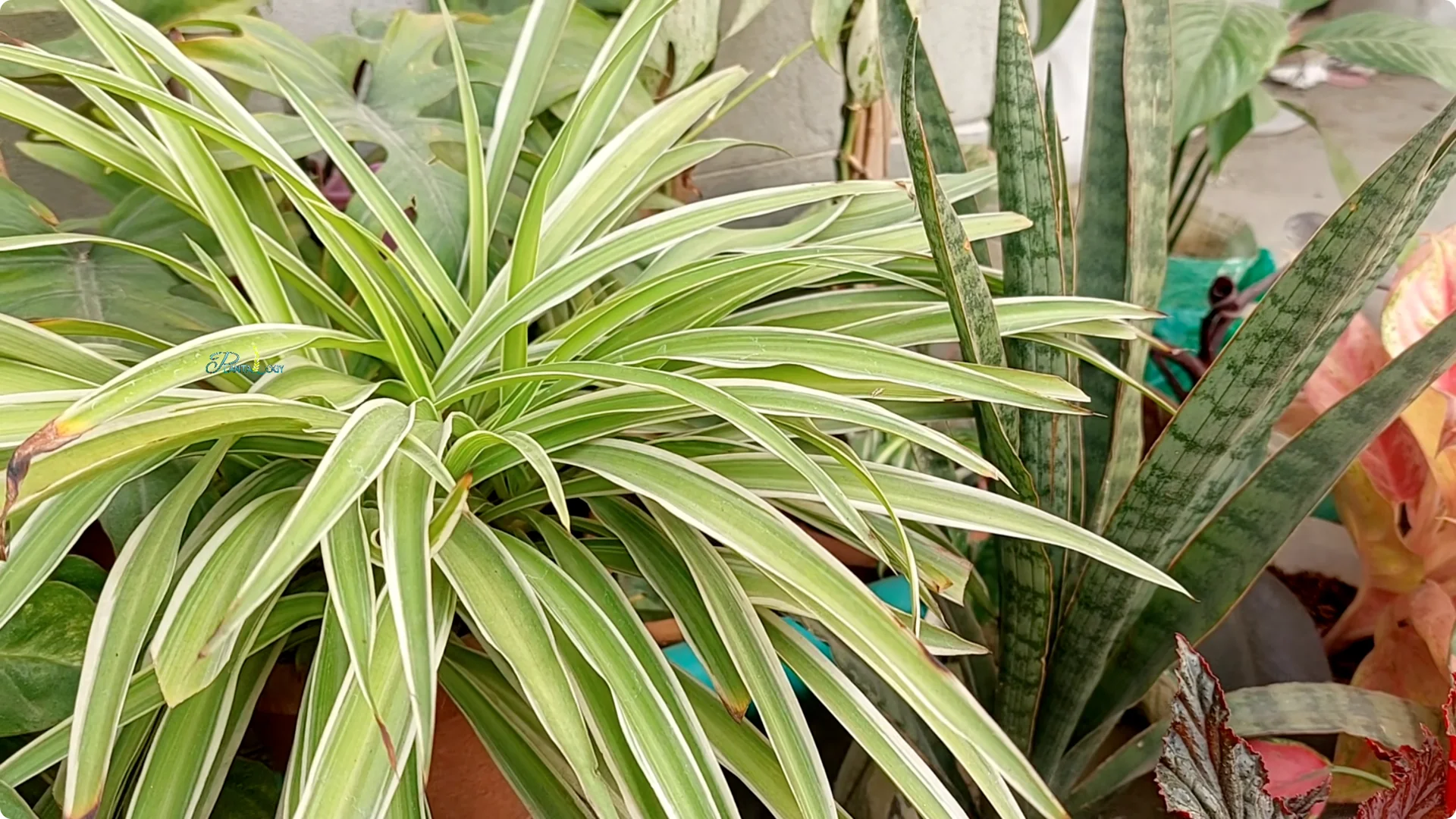
2. Trimming Winter Spider Plant Brown Tips
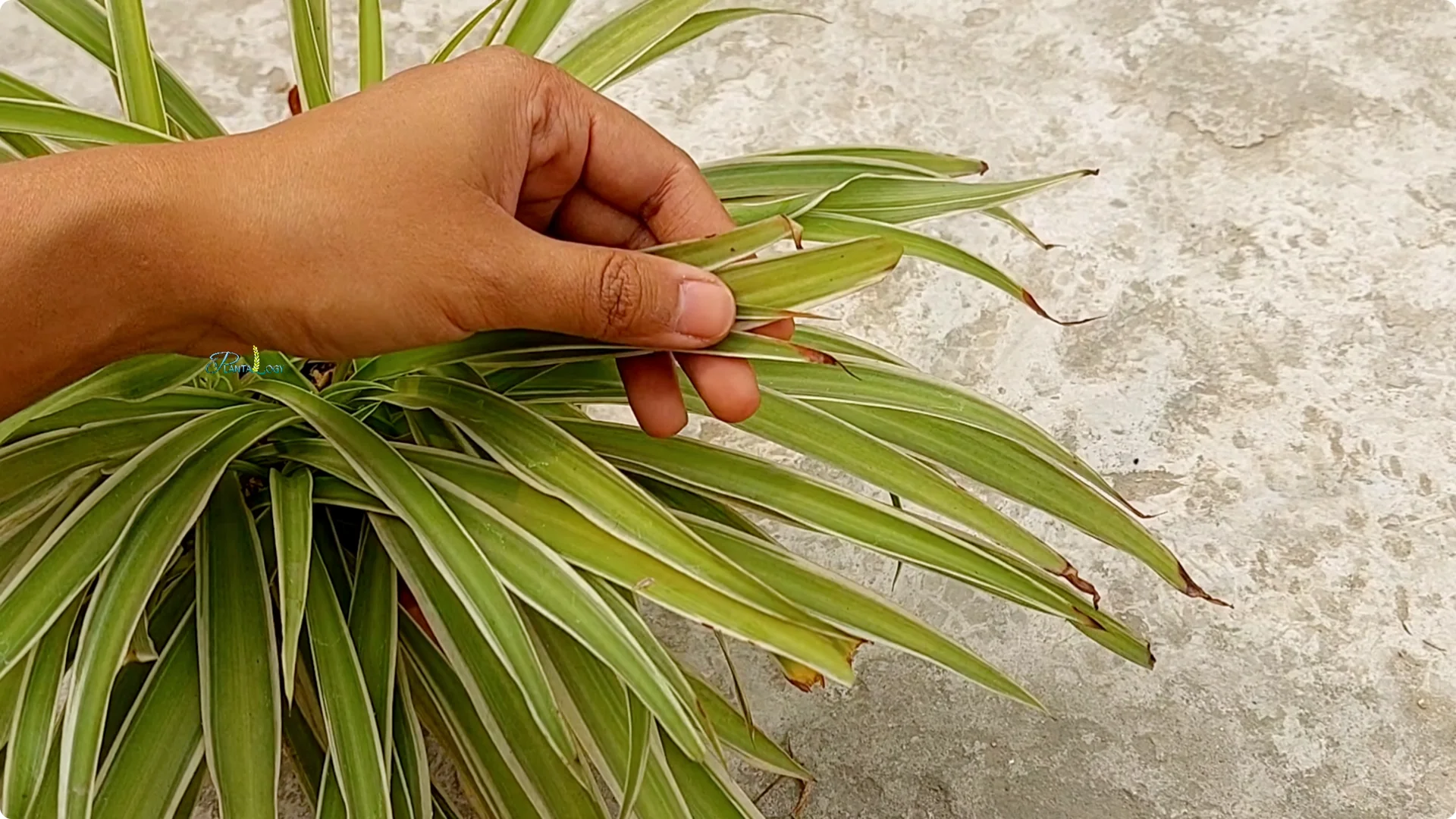
Yes, you can cut the brown tips, but do it correctly. Trim only the brown part. Don’t cut into the healthy green tissue.
Follow the natural shape of the leaf using clean, sterile scissors to prevent infection. But here is the key. Trimming the brown tips won’t fix the underlying problem.
It only makes your plant look better for a few weeks. If you don’t address the real causes, those tips will just turn brown again. For outdoor shrubs, these hydrangea pruning tips are a helpful seasonal reference.
3. Spring Recovery Plan for Winter Spider Plant Brown Tips

Step 1: Flush the soil
Take your plant to the sink or shower and water it thoroughly. Let the water run through the soil for a minute or two. Allow it to drain completely.
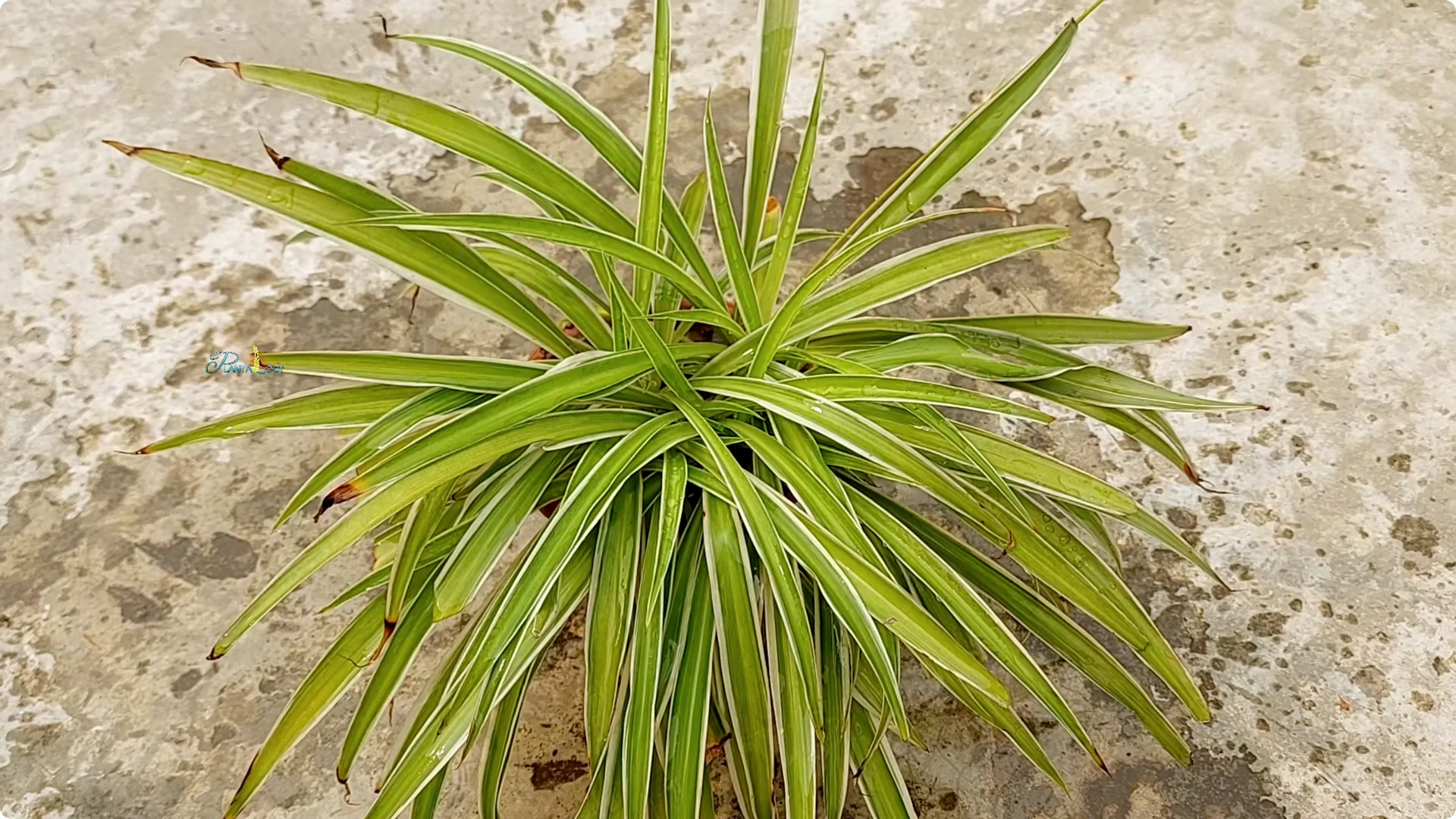
This flushes out accumulated salts and minerals from winter. It’s one of the fastest ways to reset the soil. Make sure the pot has proper drainage.
Step 2: Resume balanced watering
Start watering your spider plant when the top inch of soil feels dry. Water deeply each time, but don’t let the plant sit in water. Check the soil moisture before watering to prevent overwatering.
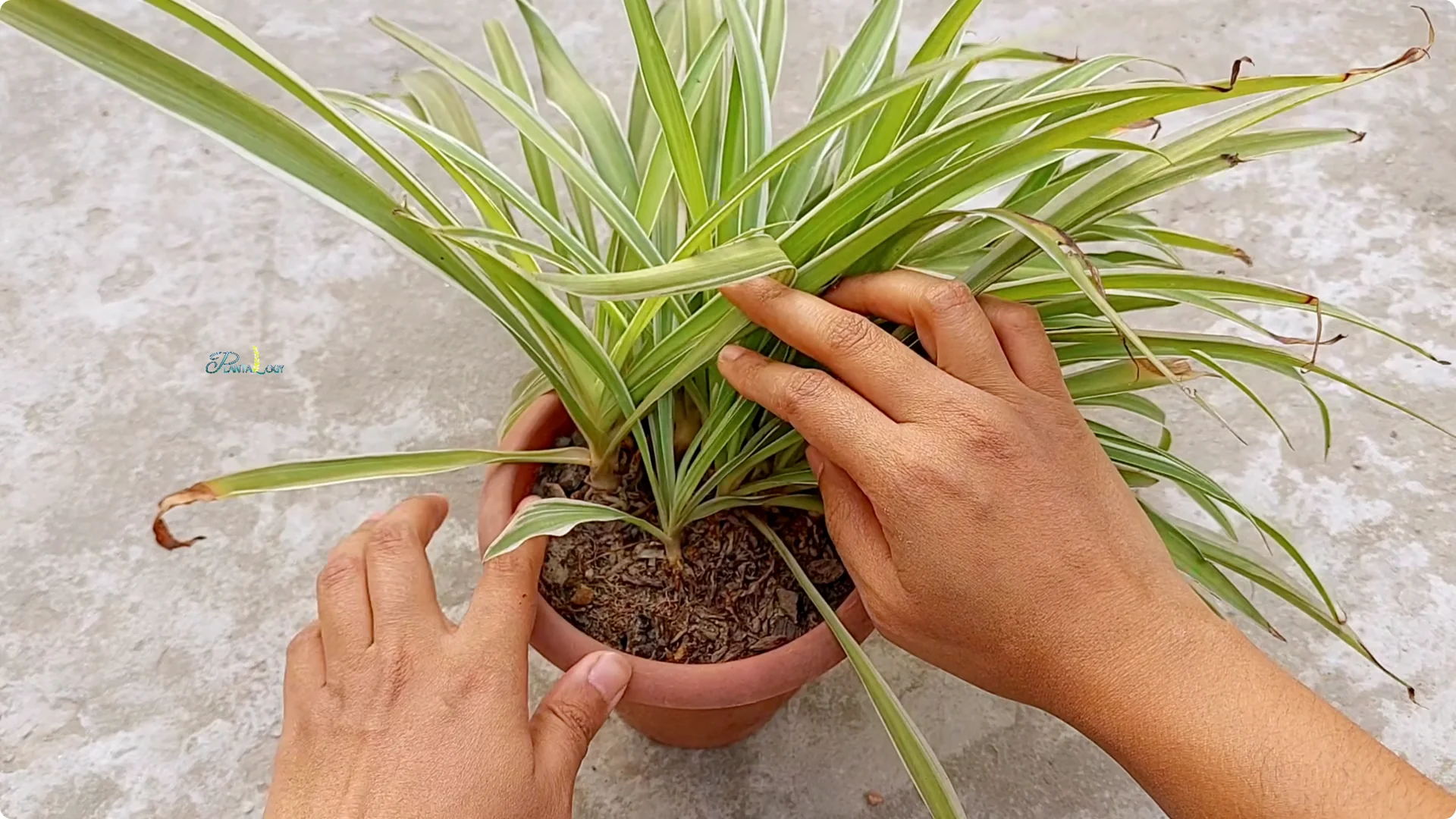
Step 3: Increase humidity
This is crucial. Move the plant to a warm, humid place, run a humidifier near the plant, or group it with other plants. These simple steps can make a huge difference.

Step 4: Start light feeding
As spring arrives, your plant is ready to grow again. Start feeding it with a balanced fertilizer at half strength. A common option is NPK 12-12-12 at about 1/4 teaspoon in a liter of water, poured into the soil.
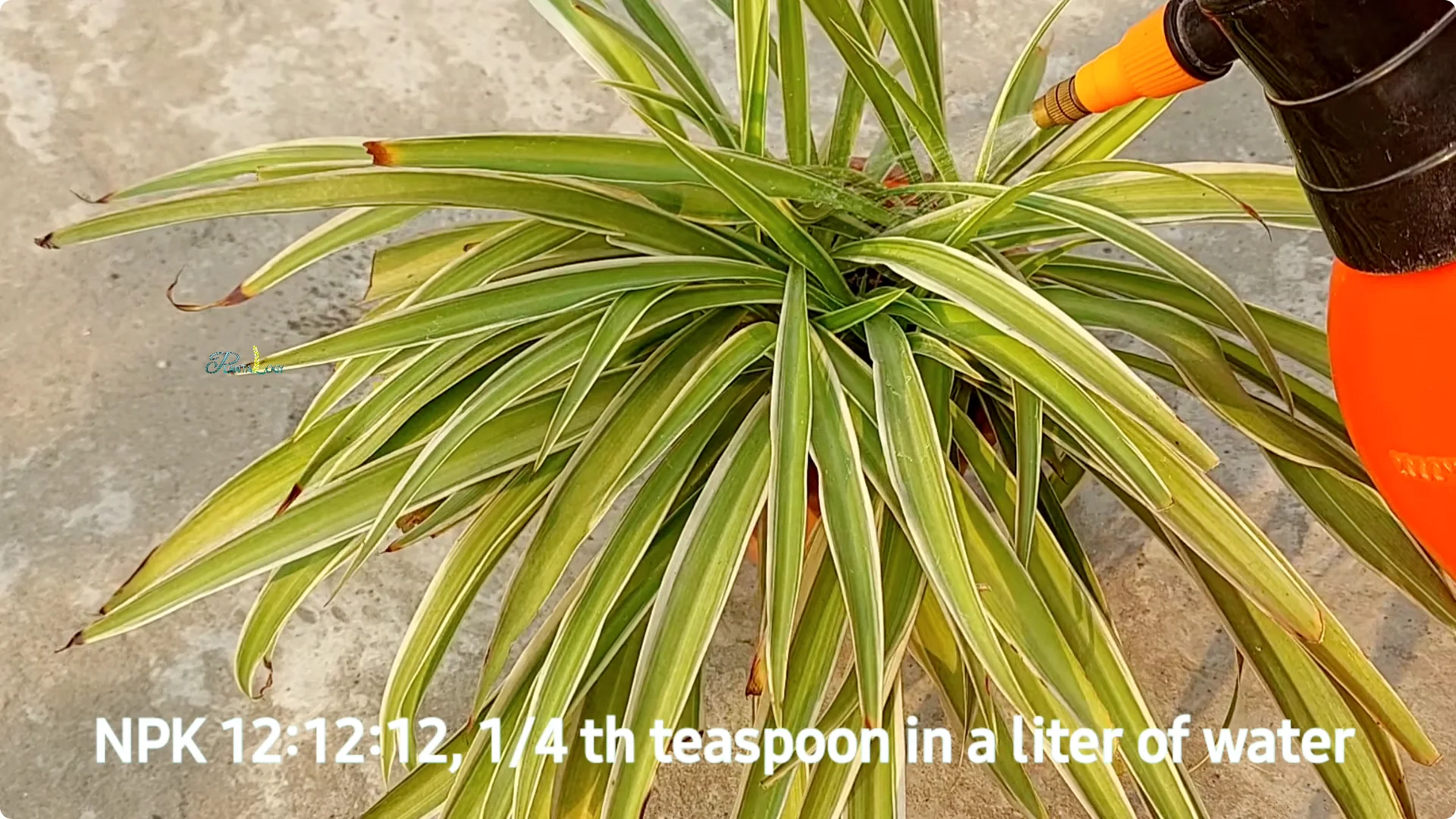
But don’t overdo it. Too much fertilizer creates more salt buildup. Feed lightly and space out applications.
Step 5: Move to bright indirect light
Find a spot with bright indirect light. Avoid direct sunlight, which can scorch the leaves. A few feet back from a bright window is usually perfect.
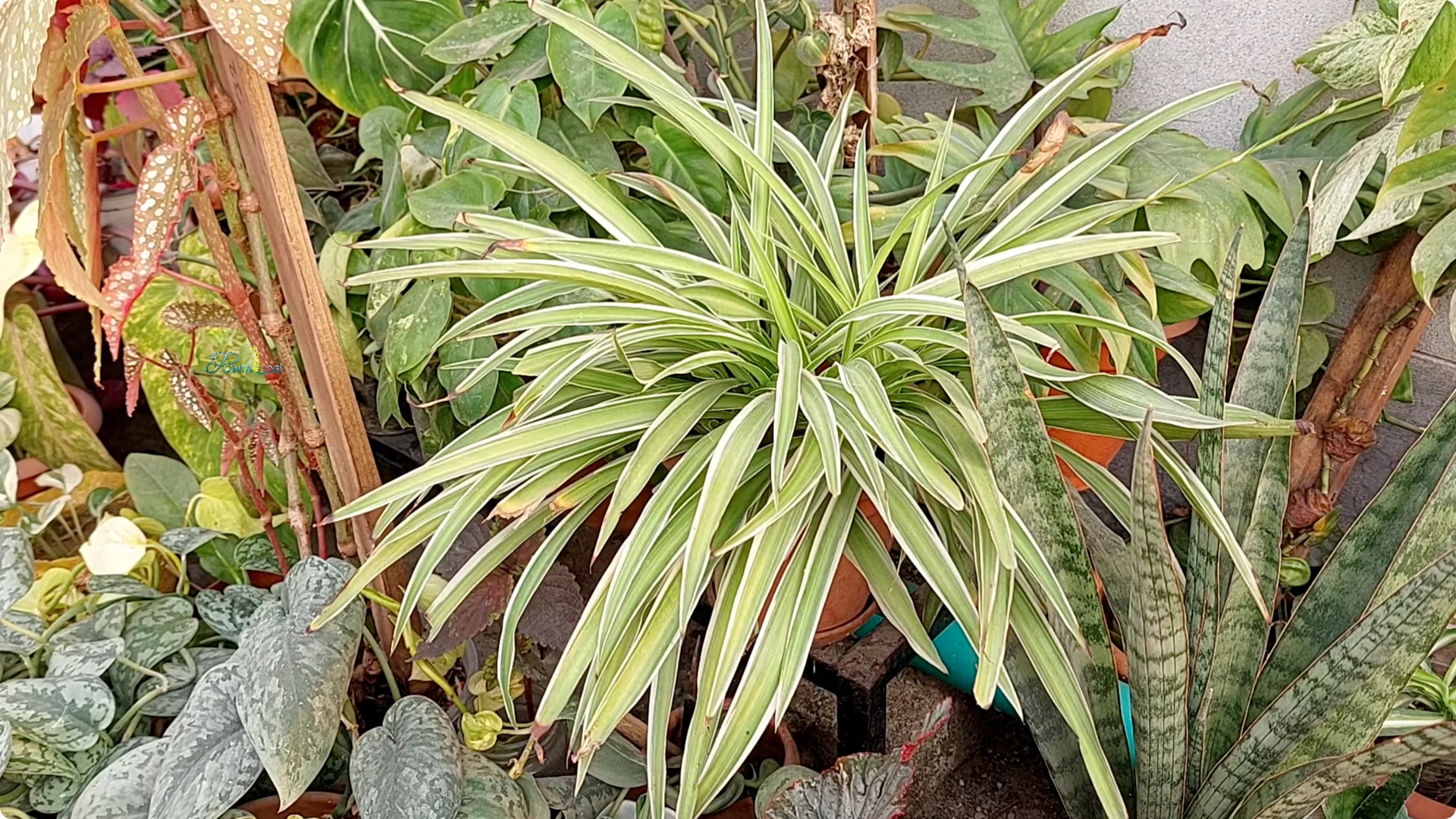
Within 3 to 4 weeks of following this plan, you should start seeing fresh green growth emerging from the center of your plant. That’s when you’ll know your spider plant is back on track. Planning ahead for seasonal care outdoors, see how to prune hydrangeas in fall.
Final Thoughts
Brown tips on spider plants in winter usually come down to dry air, salt buildup, inconsistent watering, or cold drafts. Trim for appearance, but fix the root causes to prevent a repeat. Flush the soil, water on a schedule, raise humidity, feed lightly, and give bright indirect light for a strong spring recovery.