The most common problem we often face with Dracaena is brown, yellow, dry, crispy leaves or leaf tips. I am going to highlight these disorders and share how you can take proper care of any variety of Dracaena.
Snake plant, once known as Sansevieria, is now also a genus of Dracaena. I am only going to talk about the original Dracaena or dragon plants.
All these yellow, brown, or dry crispy leaves or leaf tips are related to watering. There are some other reasons that can be responsible for chlorosis and necrosis. Most of the time Dracaenas show browning or yellowing leaves or leaf tips due to uneven watering.
1. Dracaena Leaf Tip Browning – Watering
Dracaena is susceptible to overwatering or too much moisture around the root zone. It is quite sensitive to mineral contamination too, but moisture stress is the first place to look. The roots are quite thick, which means they can store water for a longer period.
Too much moisture around the rhizosphere drives root rot where bacteria and fungus take place. As a symptom, the plant shows necrosis or browning of the leaf tips. If you touch that brown part, it will feel soft because the excess water sucked up by the roots accumulates at the end of the leaf.
On the other hand, an underwatered Dracaena develops brown tips that are crispy and dry in texture. Maintain an even watering schedule to prevent both extremes. The frequency of watering will vary with your environment, pot type, plant age, and other factors.
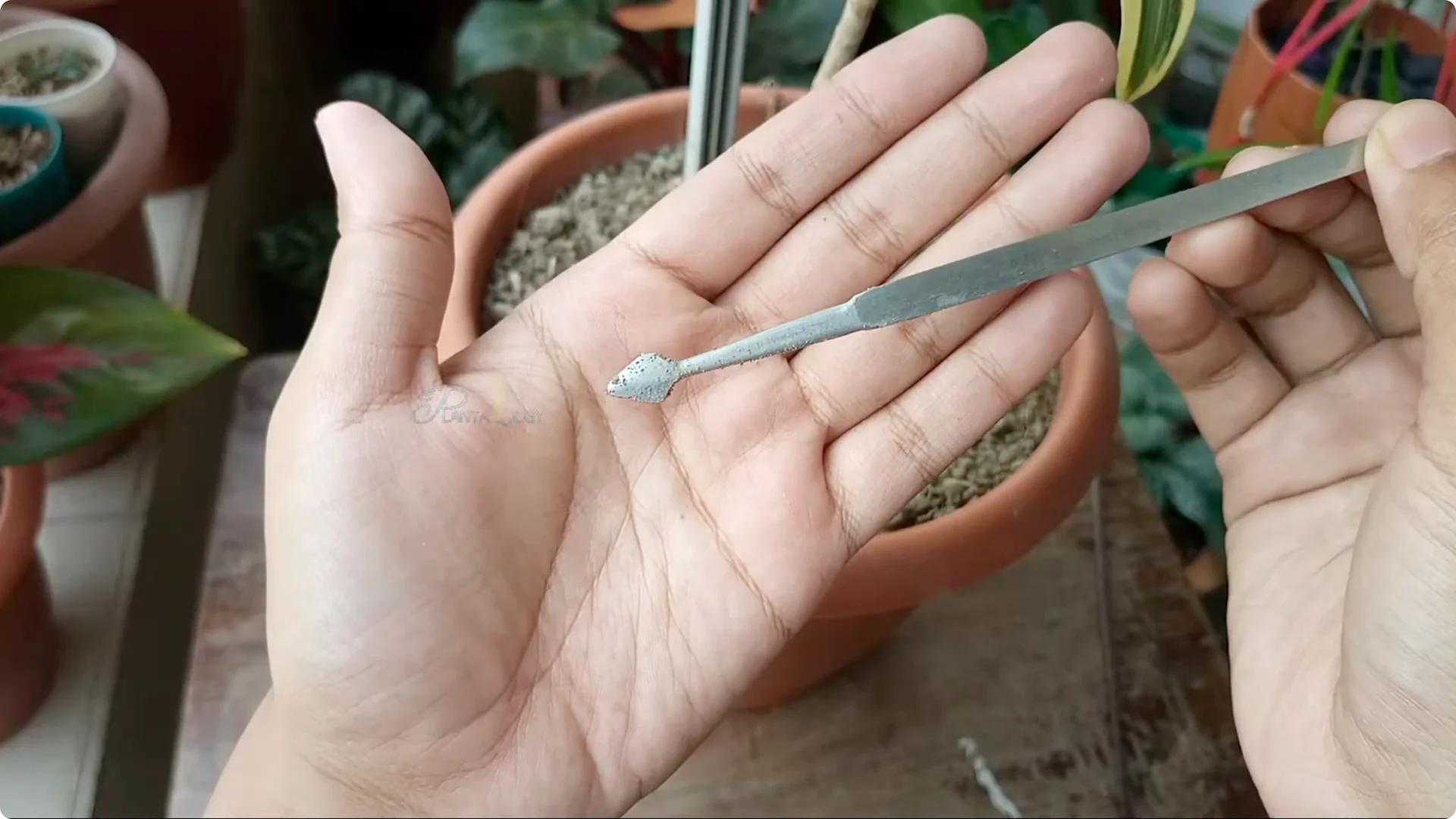
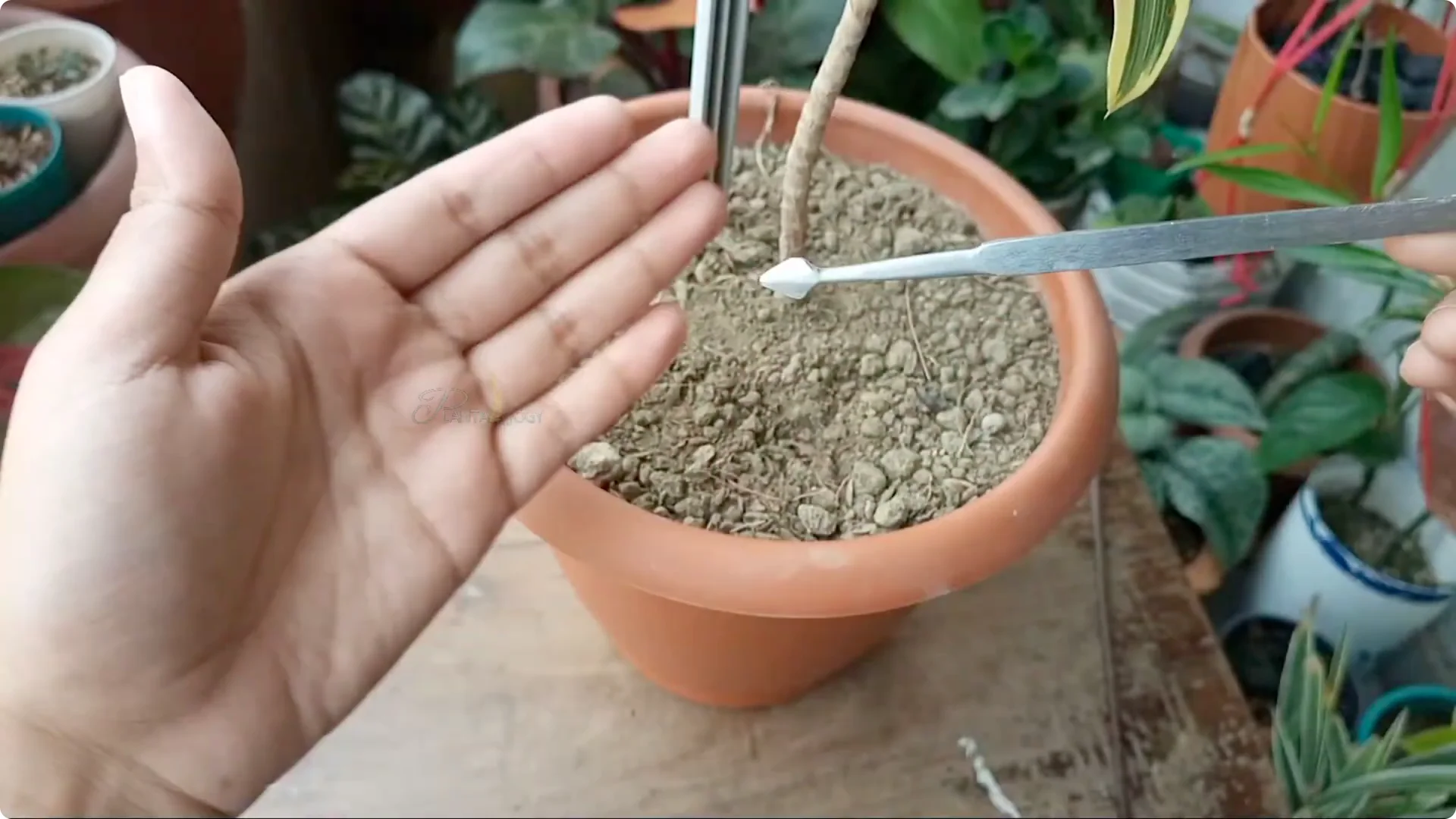
Most varieties of Dracaena do not require lots of water. When the upper two to three inches of the soil feel dry, water the plant thoroughly. Use a well-draining mix so excess water moves out quickly.
Overwatering vs. underwatering signs
Soft, mushy brown tips indicate moisture excess and potential root issues. Crispy, dry tips point to underwatering and low moisture in the root zone. Adjust your schedule based on what the leaves are telling you.
Even watering schedule
Aim to let the top layer dry before you water again. Dracaena likes moisture in moderation, stored in its thick roots, but not a soggy pot. Consistency prevents tip burn from both drought stress and waterlogged roots.
Soil moisture check – step by step
For a similar issue on another houseplant, see how to prevent brown leaf tips on spider plants.
2. Dracaena Leaf Tip Browning – Minerals
Dracaena is sensitive to mineral contamination. It develops brown leaf tips or leaf edges with yellow linings if it uptakes harsh minerals and salts. This usually happens slowly and shows up at the ends of the leaves.
Mineral contamination in the soil can happen two ways. One is using low quality soil, maybe collected from a contaminated site or industrial area. The other is using harsh mineral and salts containing water, usually tap water.
If the plant uptakes harsh minerals and salts for a longer period, they accumulate at the end of the leaves. That causes browning edges or browning leaf tips with yellow linings. Try to use filtered water, rainwater, or distilled water if your tap water contains harsh minerals and salts.
Collect soil from a garden center or a good agricultural field. Avoid unknown or contaminated sources. This simple switch prevents a lot of edge browning.
Salt buildup issues show up on other aroids too, so see brown tips on anthurium for more water quality cues.
3. Light and Color
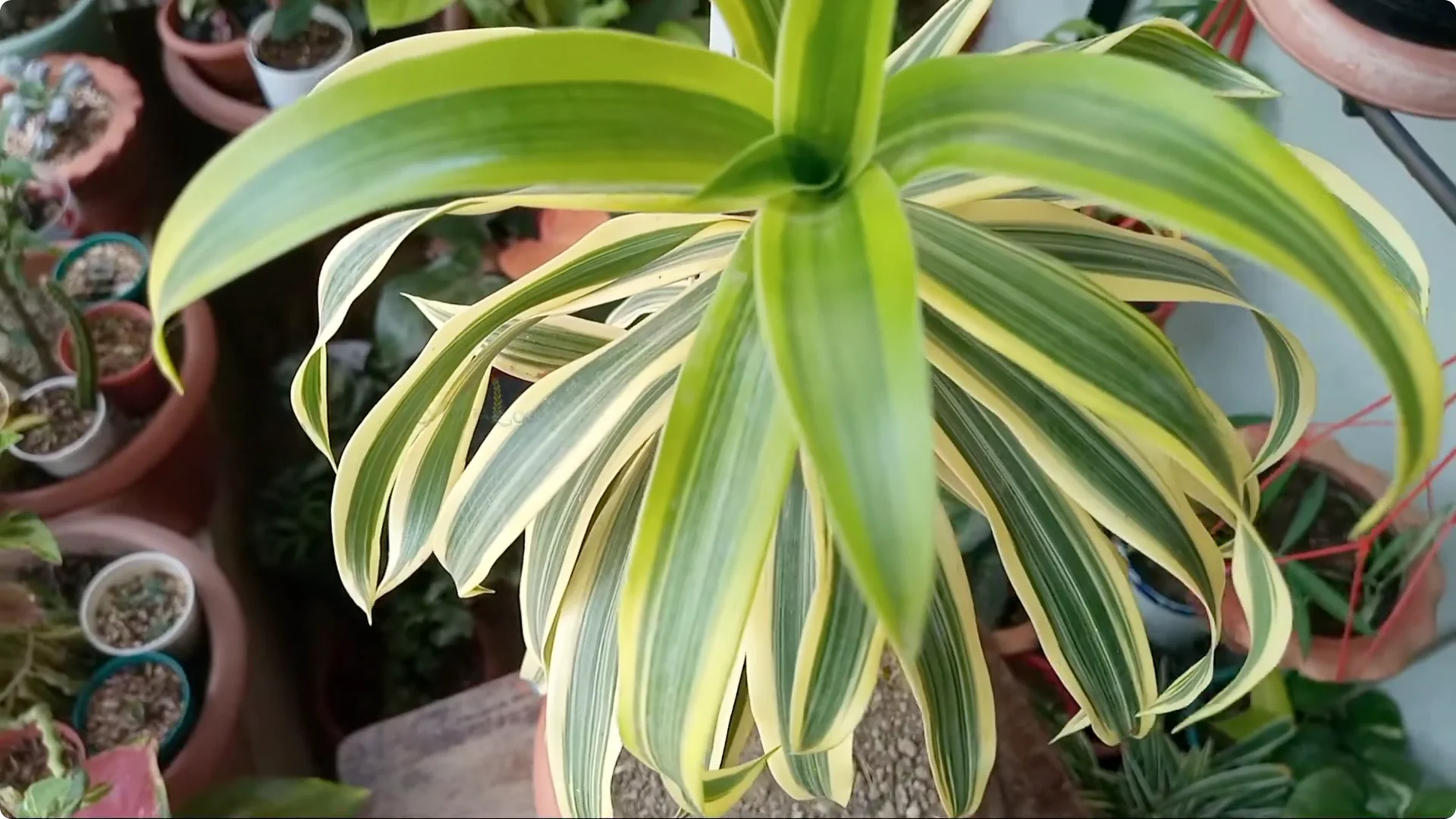
Dracaenas do well under bright light conditions. Keep your plants in the brightest place in your garden or home that avoids scorching. Direct sun exposure can fade the color of the leaves and can develop burning spots.
Dracaena plants are available in standard green form and variegated form. The greener one can be grown in a bit shaded place. The variegated ones require more light to keep their color.
4. Potting Mix and Drainage
Add extra gritty substrates when making potting mix for Dracaena plants. As I said earlier, this plant has a thick root system that can store water. Use a well-draining potting mix that drains out excess water immediately after watering.
The basic recipe is to add 30 to 40 percent gritty substrates such as perlite, sand, or pumice. This keeps air around the roots and reduces the risk of rot. It also helps you maintain an even watering rhythm.
5. Feeding
Dracaenas are not heavy feeders. Adding compost once a month will be sufficient for them. Use a nitrogen-rich fertilizer to improve their overall growth.
Feed lightly during active growth and hold back in low light or cool seasons. Overfeeding can also stress the tips. Slow and steady works best for this plant.
6. Humidity and Lower Leaves
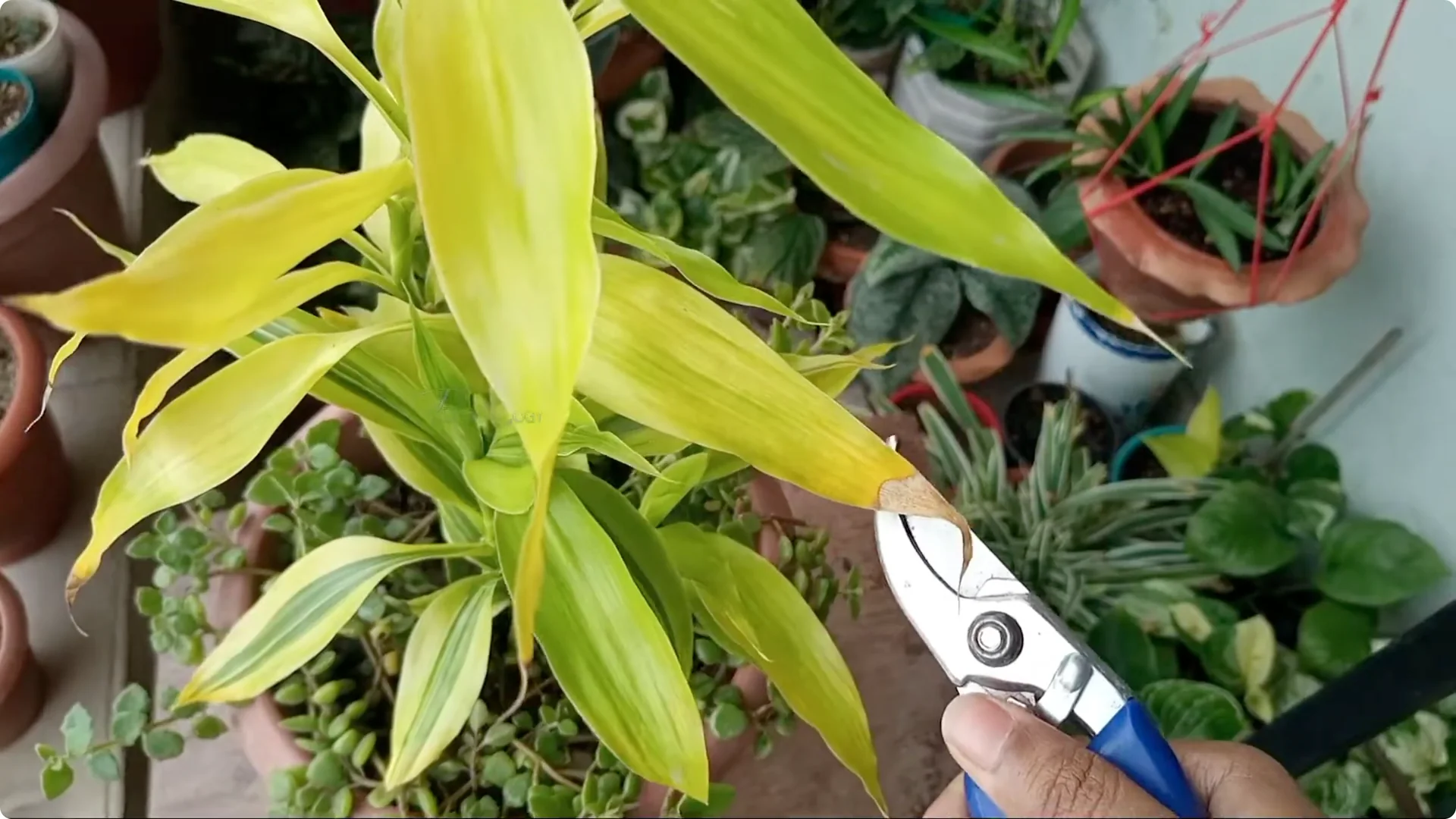
Another common problem is drying off the lower leaves. This problem is related to humidity. Most Dracaenas come from the tropical climate of Africa and South Asia, so they prefer between 50 to 70 percent humidity in the air to thrive.
Very dry air causes dry and crispy bottom leaves. Keep them in a humid place or near other plants. You can spray water twice a day, but it does not work that much.
Use pebble trays or humidifiers if your area has very dry air. Aim for consistent room humidity rather than quick misting. This keeps the foliage supple and reduces tip browning.
Dry indoor air is often worse in cold months, so see how to prevent brown tips on spider plants in winter for seasonal humidity tips.
7. Pests and Neem Oil
Mealybugs, aphids, and spider mites are some common pests often noticed on Dracaenas. You can use neem oil to manage them. Inspect leaf undersides and new growth, and repeat treatments as needed.
Keep the plant clean and improve airflow to deter infestations. Healthy watering and nutrition also make the plant less attractive to pests. Remove heavily infested leaves to stop spread.
Final Thoughts
Dracaenas are quite easy to take care of once you balance water, minerals, and light. If you are looking for a plant for low light conditions or to decorate your interior, this would be the right choice. Keep an even watering schedule, use clean water and a gritty mix, and tip browning will be minimal.