
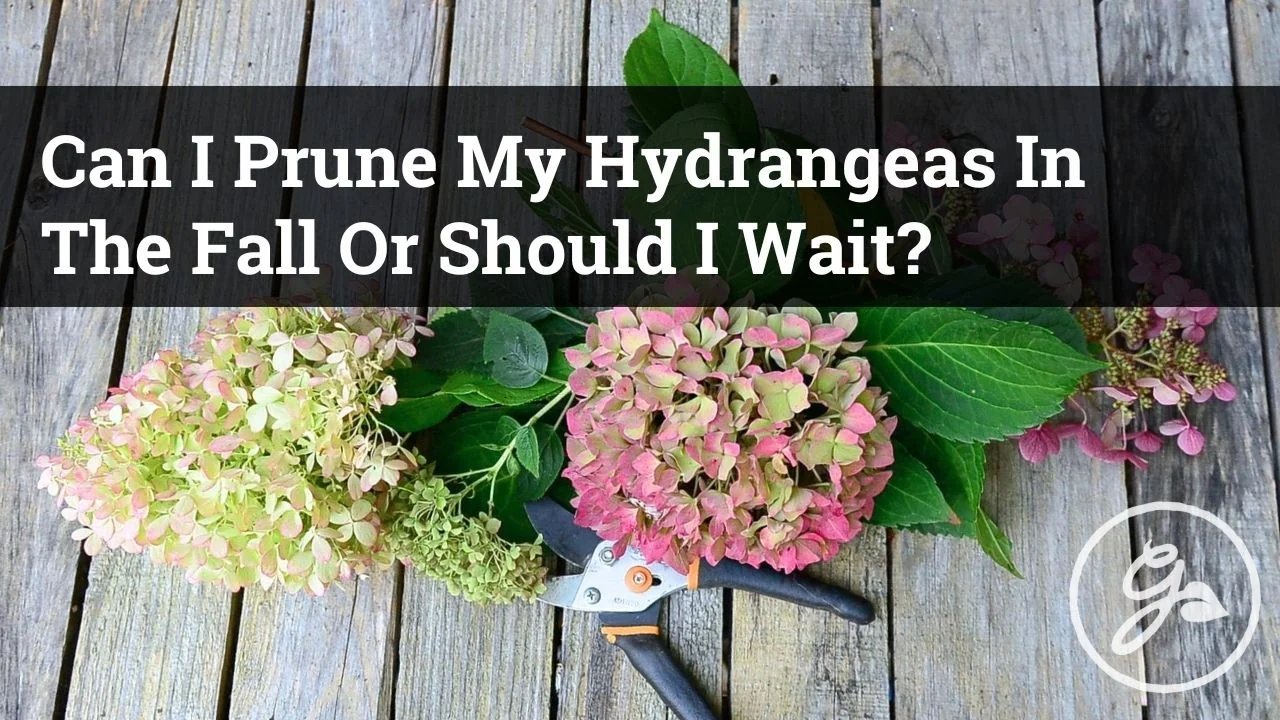
A common question many gardeners ask in the fall is whether they should prune their hydrangeas now or wait until spring. The answer can vary based on what type of hydrangea you’re growing. With our research and years of experience, we’re here to take the guesswork out of fall pruning.
Some types bloom on old wood, which means they formed their flower buds the prior season.
Some species grow on new wood only, which means they form their flower buds on the current season’s growth. Some newer introductions combine both traits, blooming on both old wood and new wood.
If you cut back a stem in the fall that contains the flower buds for the next season, you have sacrificed next year’s flowers.
This is why it is so important to identify what type of hydrangea you have before you reach for those pruners. No matter what time of year, you can always keep your plant tidy by removing any dead, damaged, or crossing stems.
1. Fall Hydrangea Pruning Basics
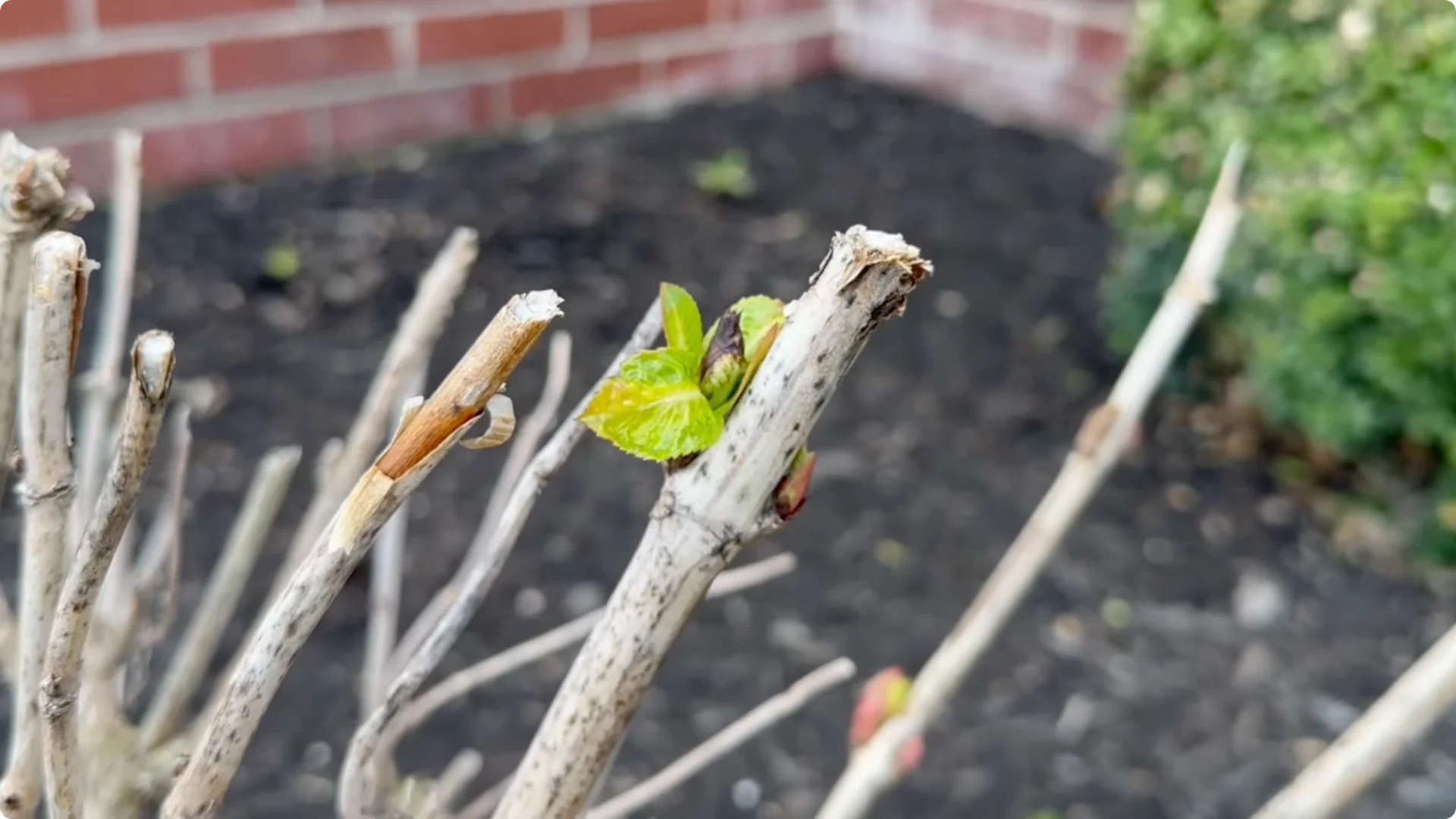
Old wood vs. new wood
Old-wood bloomers set buds the previous year and must be pruned right after flowering. New-wood bloomers set buds on current growth and are usually pruned in early spring.
Reblooming types may produce on both.
Before you cut
Step 1: Identify your hydrangea type. If you are unsure, avoid major cuts in fall.
Step 2: Check for visible buds on stems in mid to late fall if your plant is an old-wood type. Leave those stems intact.
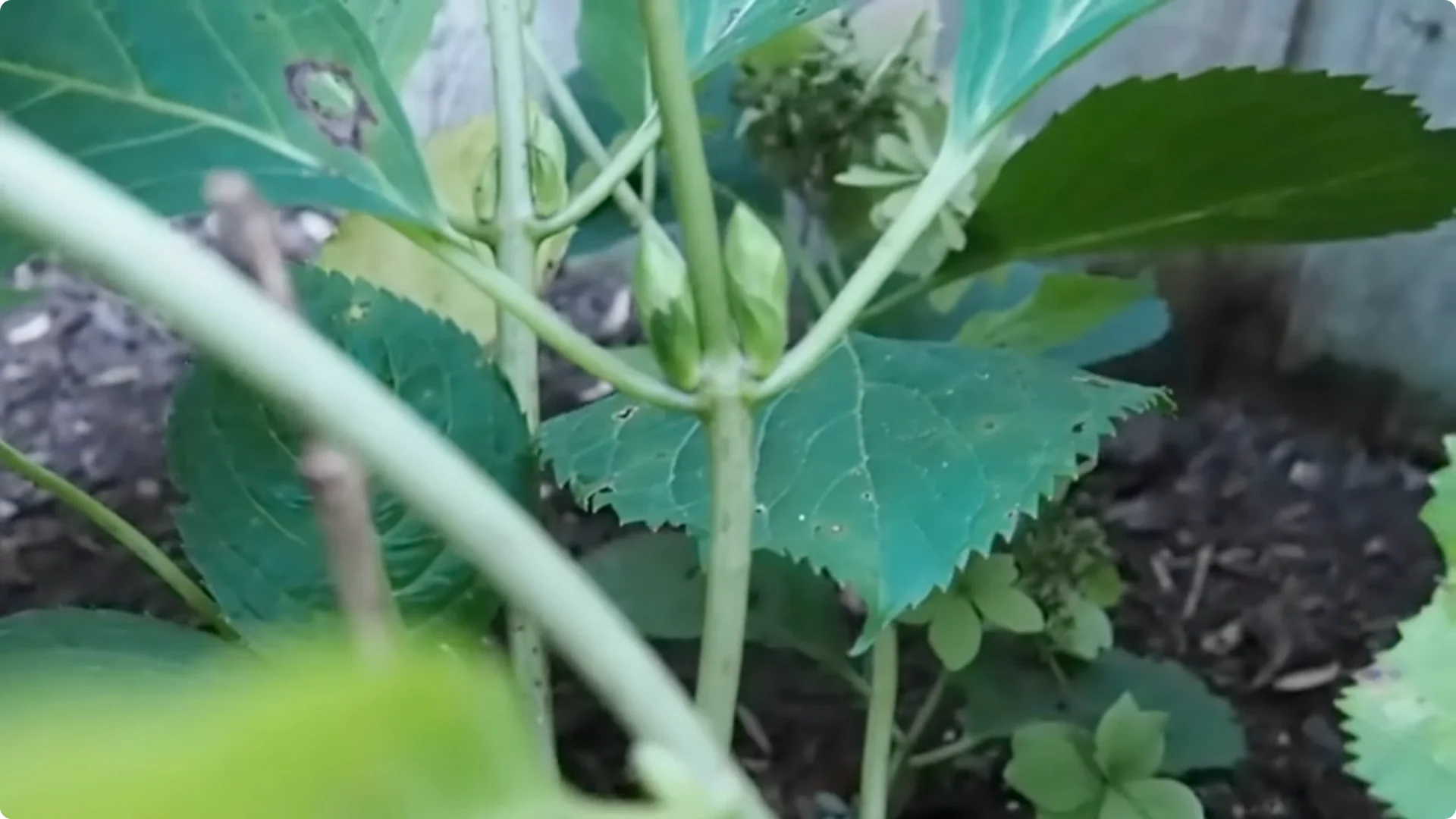
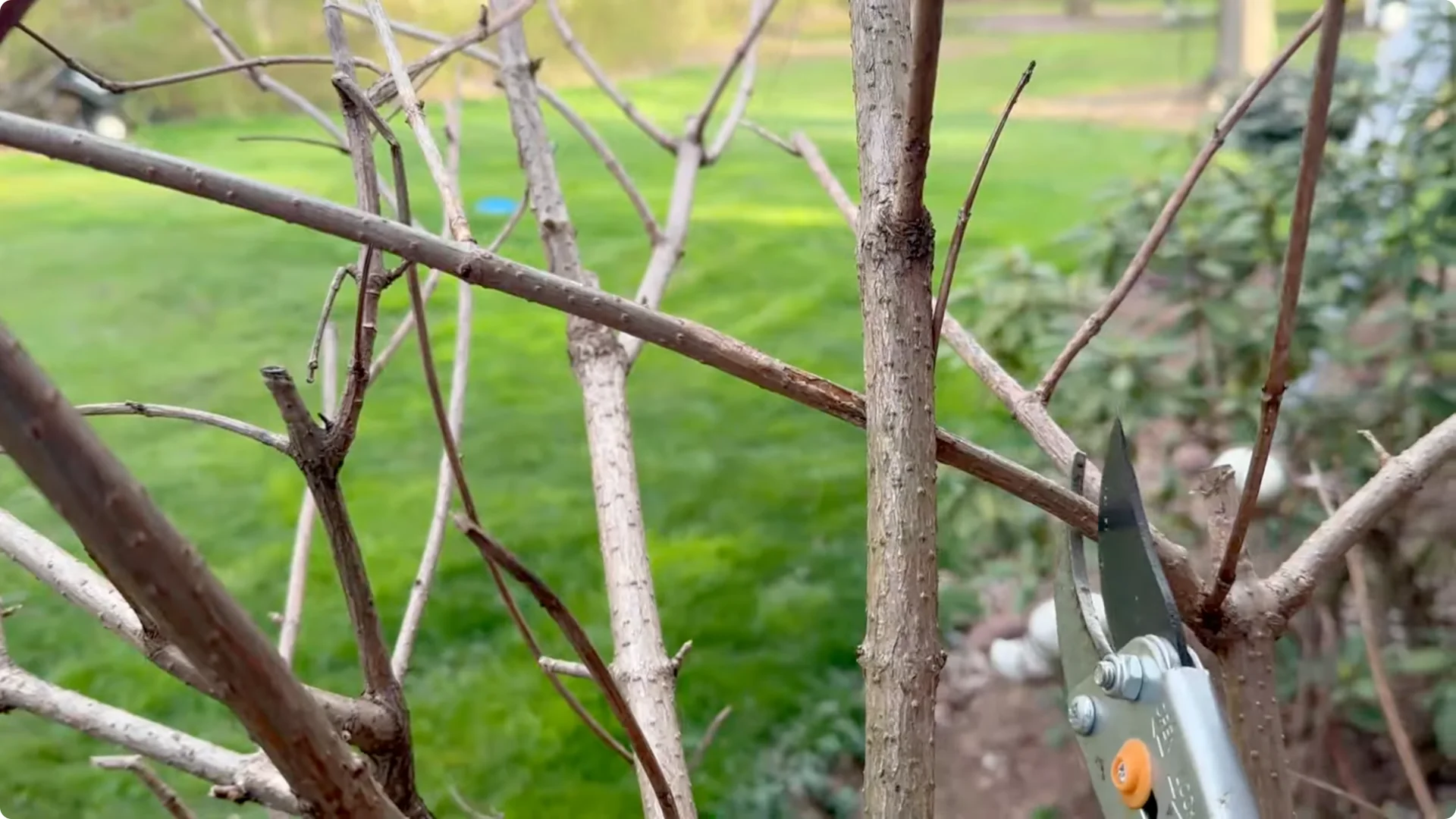
Step 3: In fall, limit work to cleaning out dead, damaged, or crossing wood. Save shaping and size control for the correct window by type.
For preparing next season’s display, see these helpful spring care tips for hydrangeas.
2. Panicle Hydrangeas – Fall Hydrangea Pruning
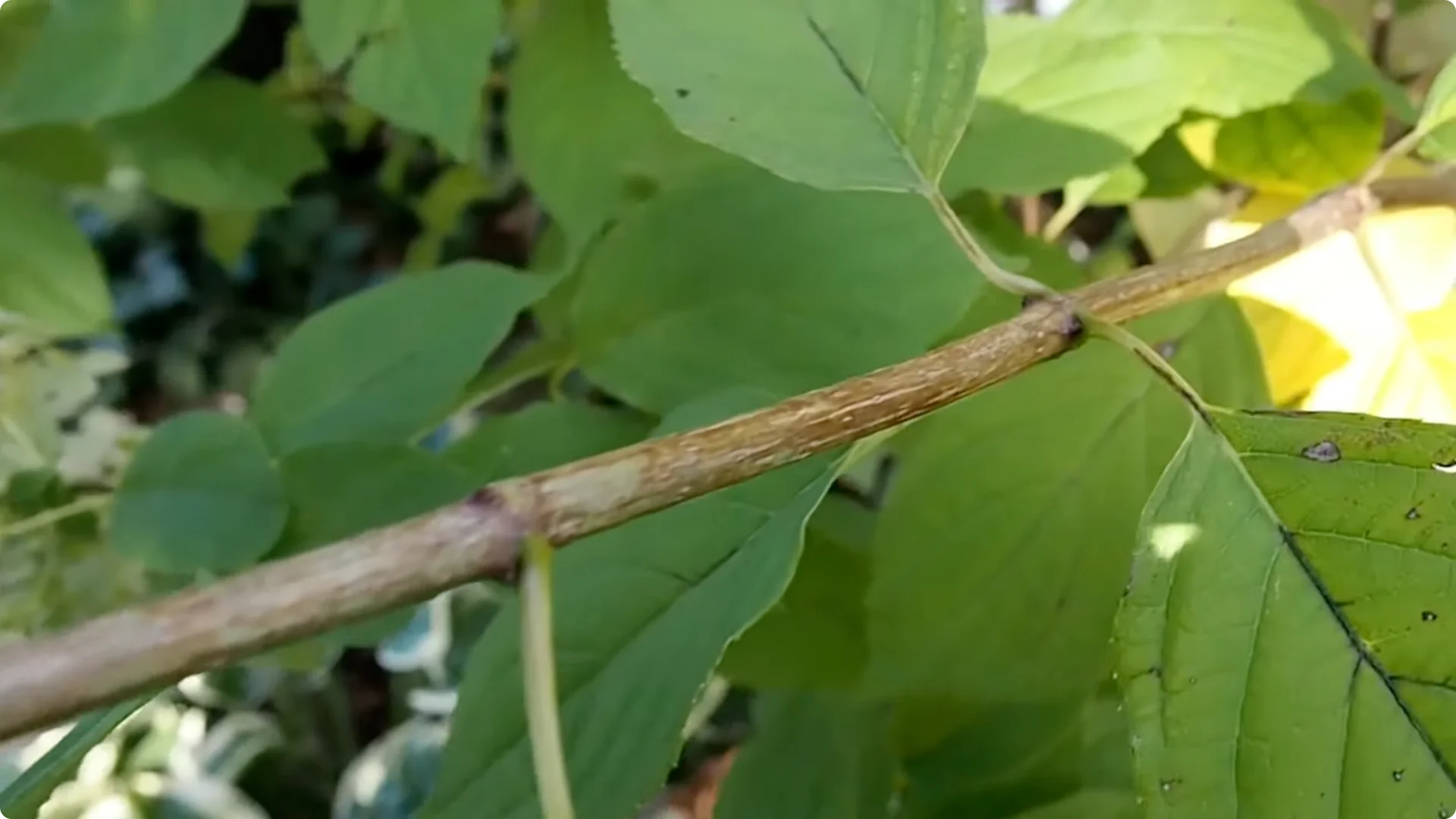
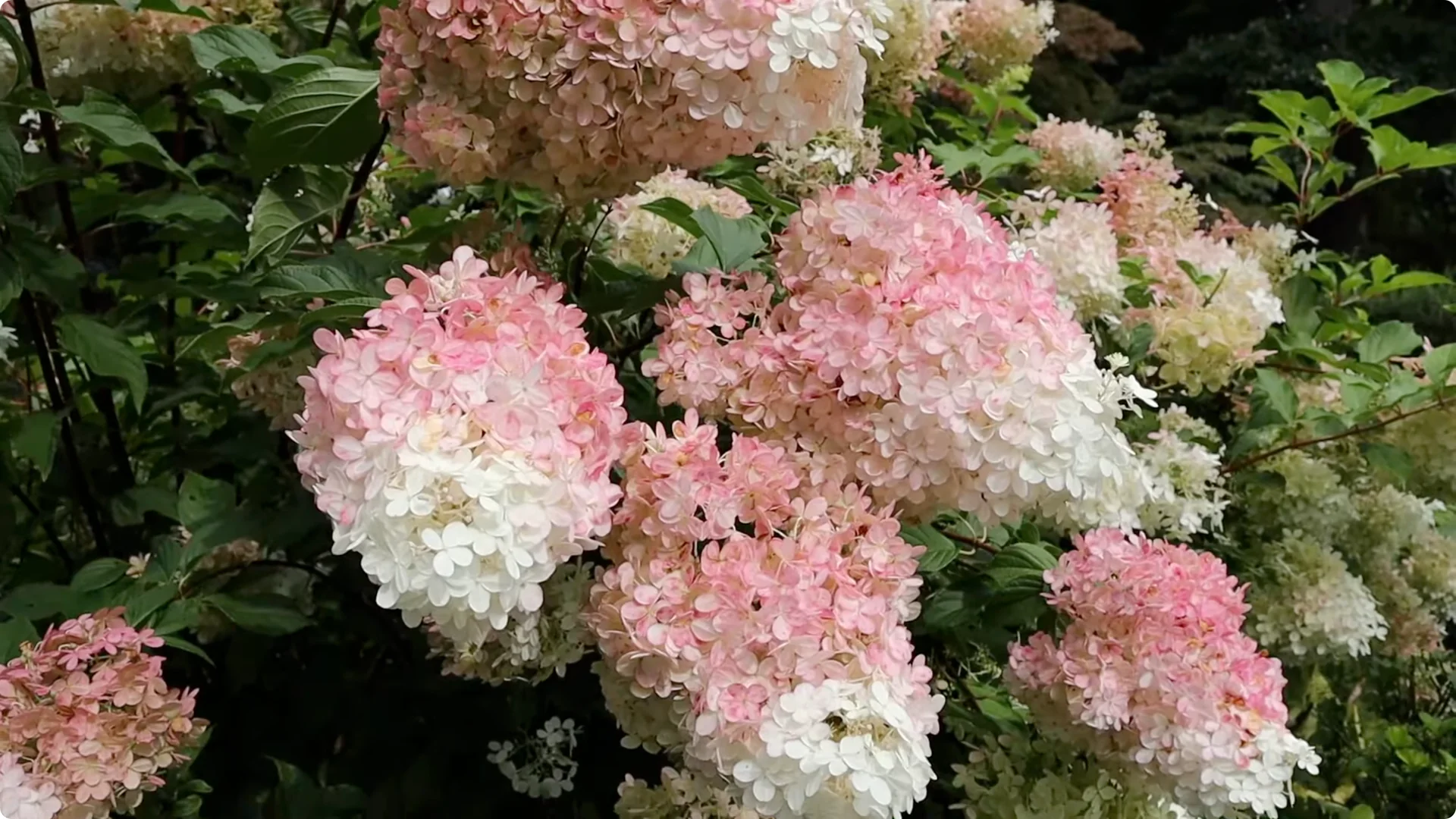
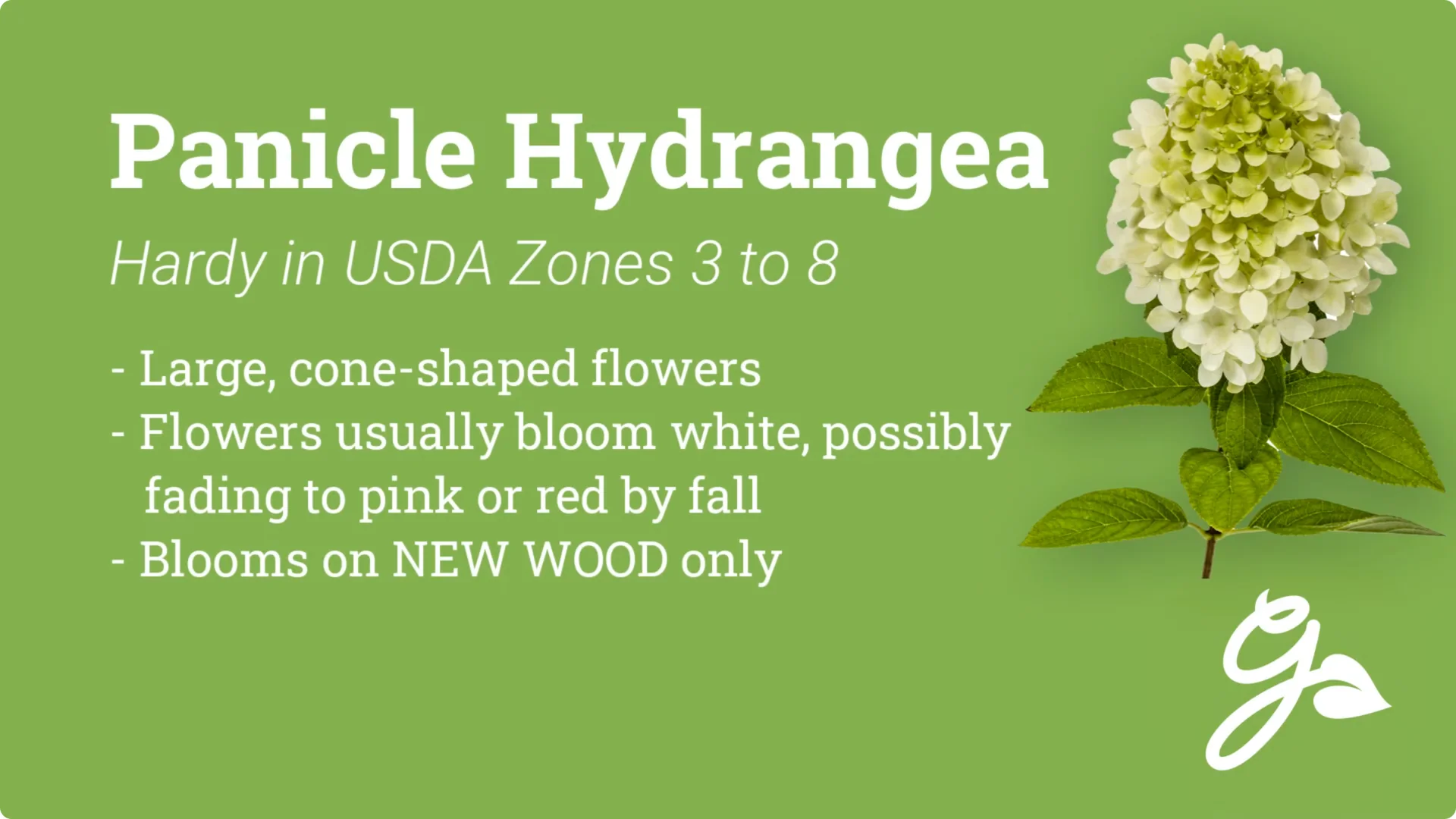
Panicle hydrangeas, sometimes referred to as PG hydrangeas or Hydrangea paniculata, bloom on new wood only. This group can technically be pruned in fall or very early spring. We highly recommend waiting until the spring.
In mid October there are no buds present for the next season, as they will not be produced until the next spring. The dried flowerheads also create really nice winter interest. Tree hydrangeas, which are grafted panicle hydrangeas, follow the same rules.
These plants could also be pruned in late fall after the plant has gone dormant if you prefer a tidier look to the garden. Keep cuts moderate and focus on maintaining a balanced framework. Avoid cutting down to the ground.
3. Smooth Hydrangeas – Fall Hydrangea Pruning
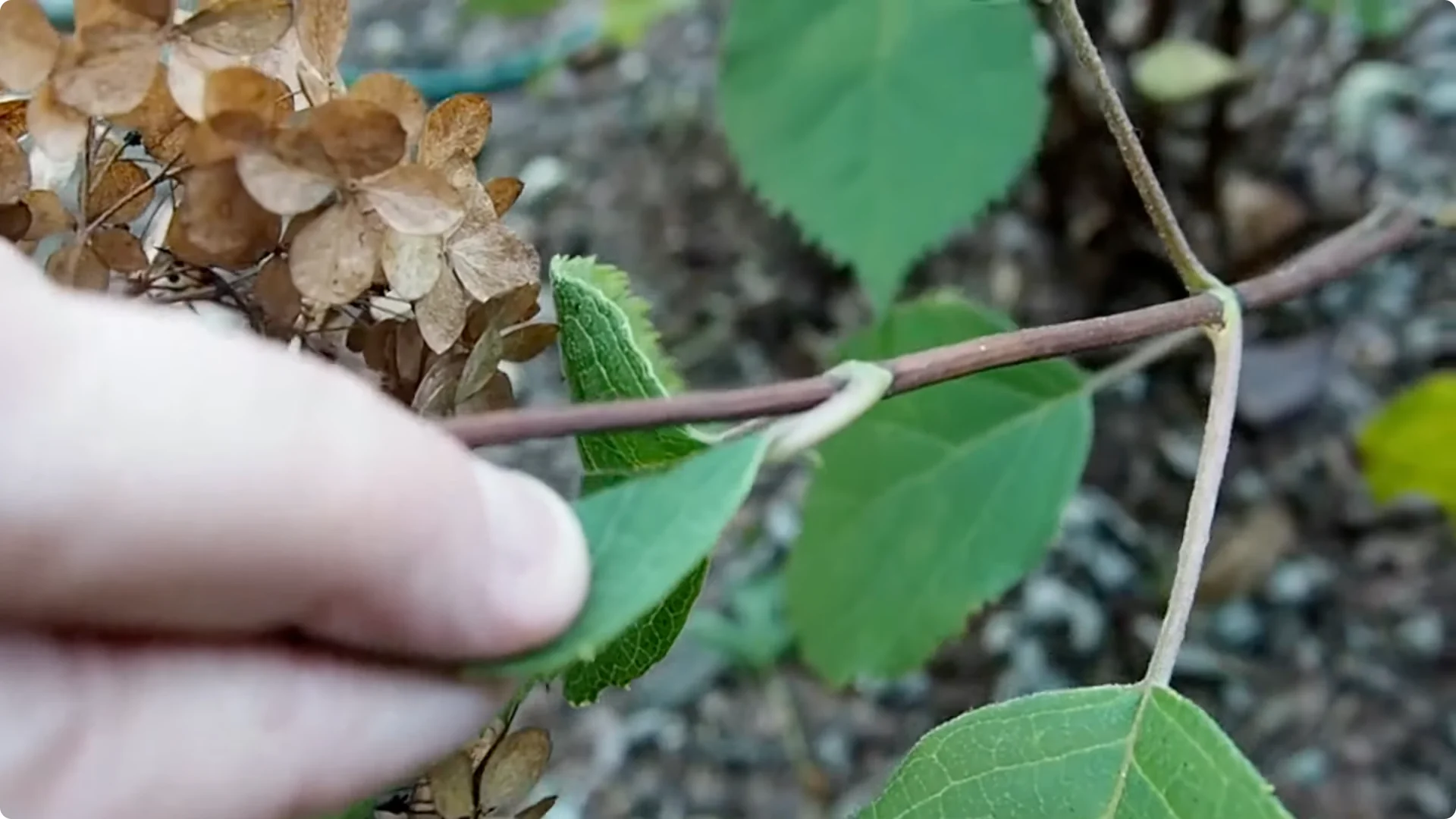
Hydrangea arborescens, commonly referred to as smooth hydrangea or Annabelle types, are very easy to care for. We suggest pruning early in the spring and not the fall, as this group also blooms on new wood only. In fall there are no buds present for next season, as they are not produced until spring.
For a simple approach, wait until late winter to early spring, then remove dead wood and shape to your preferred size. Keep a sturdy framework to support large flowerheads. Avoid severe fall cuts.
4. Oakleaf Hydrangeas – Fall Hydrangea Pruning
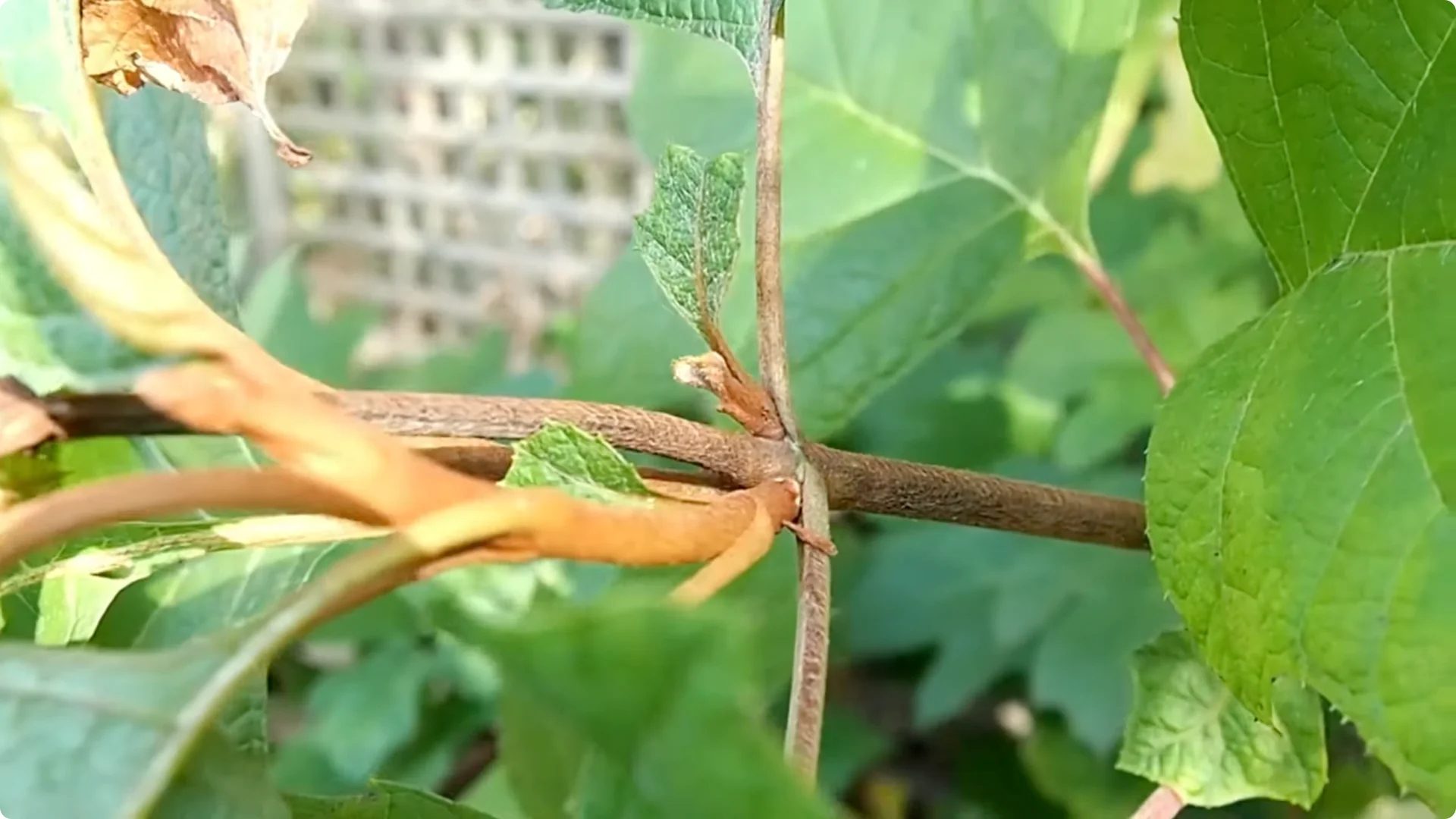
The oakleaf types, known as Hydrangea quercifolia, have leaves that resemble oak tree leaves. Oakleaf types bloom on old wood, which means they need to be pruned right as the flowers fade and no later. You can prune at that time to control overall size, but it is never necessary to prune this type.
The buds are intact and ready for the next year by mid October. Leave those budded stems in place through winter. Focus on light thinning only after bloom if needed.
If you like pairing hydrangeas with flowering companions, see these tips for growing clematis vines for a beautiful seasonal combination.
5. Mophead and Lacecap Hydrangeas – Fall Hydrangea Pruning
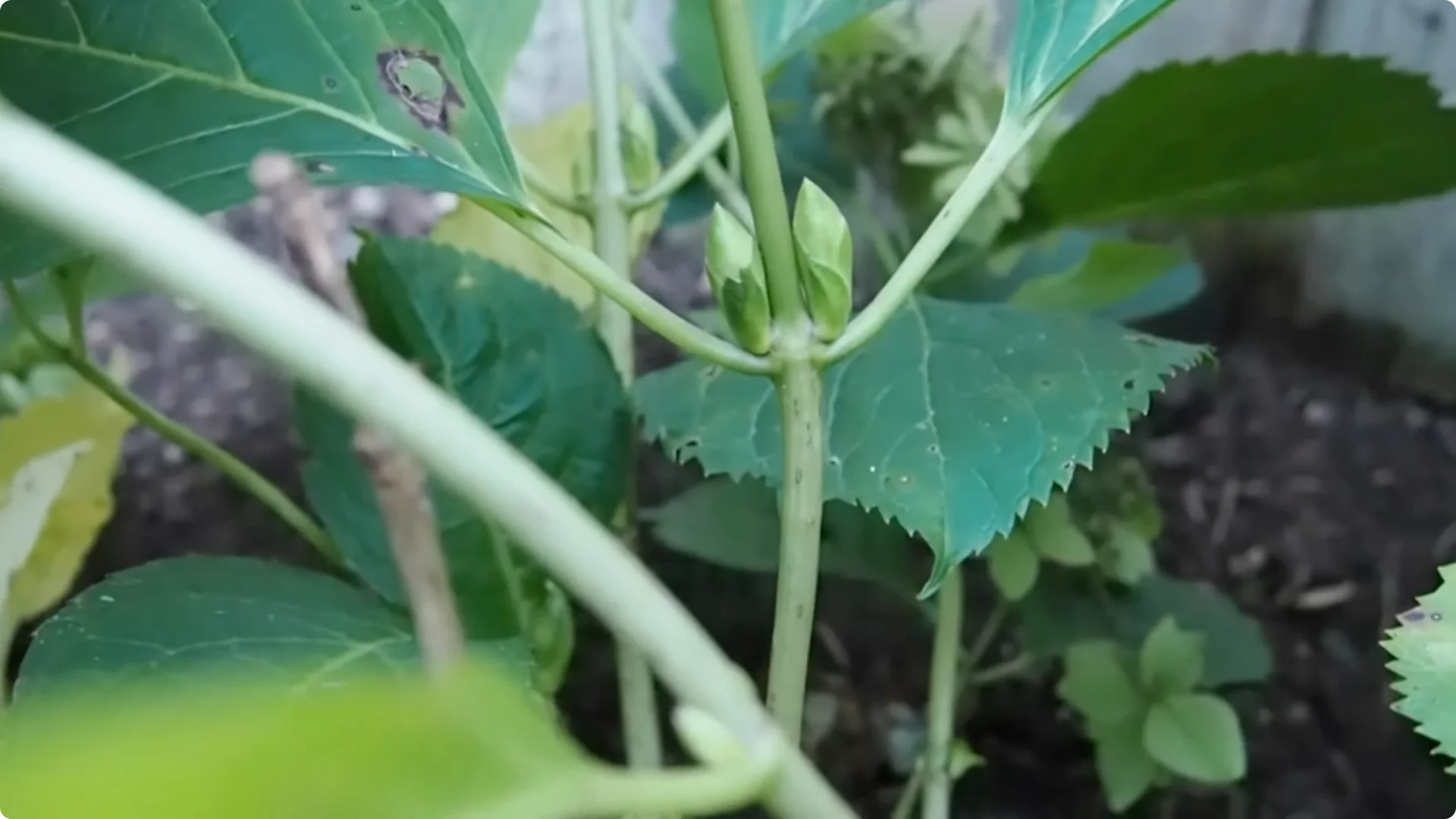
The mophead series, Hydrangea macrophylla, also referred to as bigleaf types or lacecaps, includes members of Hydrangea serrata. This is by far the most difficult group to give blanket advice for. Most bloom on old wood, but some newer introductions bloom on both old wood and new wood.
These newer introductions are very valuable, as many homeowners in colder climates would often lose their overwintered buds to a late spring frost or freeze. By mid October, many bigleaf plants have already produced buds for the next season. Since most varieties bloom on old wood, you should only prune just after the plumes start to fade.
We recommend avoiding pruning this type except to remove any completely dead branches in the spring once the plant starts to leaf out. You will notice the difference between a viable branch and one that will no longer be used by the plant. Branches that should be removed will be very woody, possibly hollow, and lighter in color.
Instead of frequent or drastic pruning, focus on light maintenance for this group. Remove dead or damaged wood and shape the plant as needed. Keep cuts minimal if you want to preserve blooms.
If you are tending indoor blooms during the colder months, Read More: Orchid Care Tips Thrive.
Final Thoughts
Knowing your hydrangea type is the key to deciding when and how to prune. New-wood groups like panicle and smooth hydrangeas are best pruned in early spring, while old-wood groups like oakleaf and most bigleaf types should be left alone in fall. When in doubt, do light cleanup only and save major cuts for the right season to protect next year’s flowers.