

Roses are a symbol of beauty and memory. I propagate roses from cuttings using only natural organic materials, no chemicals, no fuss, just patience and love for the garden. This gentle method is simple and effective.
1. Natural Rose Cutting Propagation: Prepare Cuttings
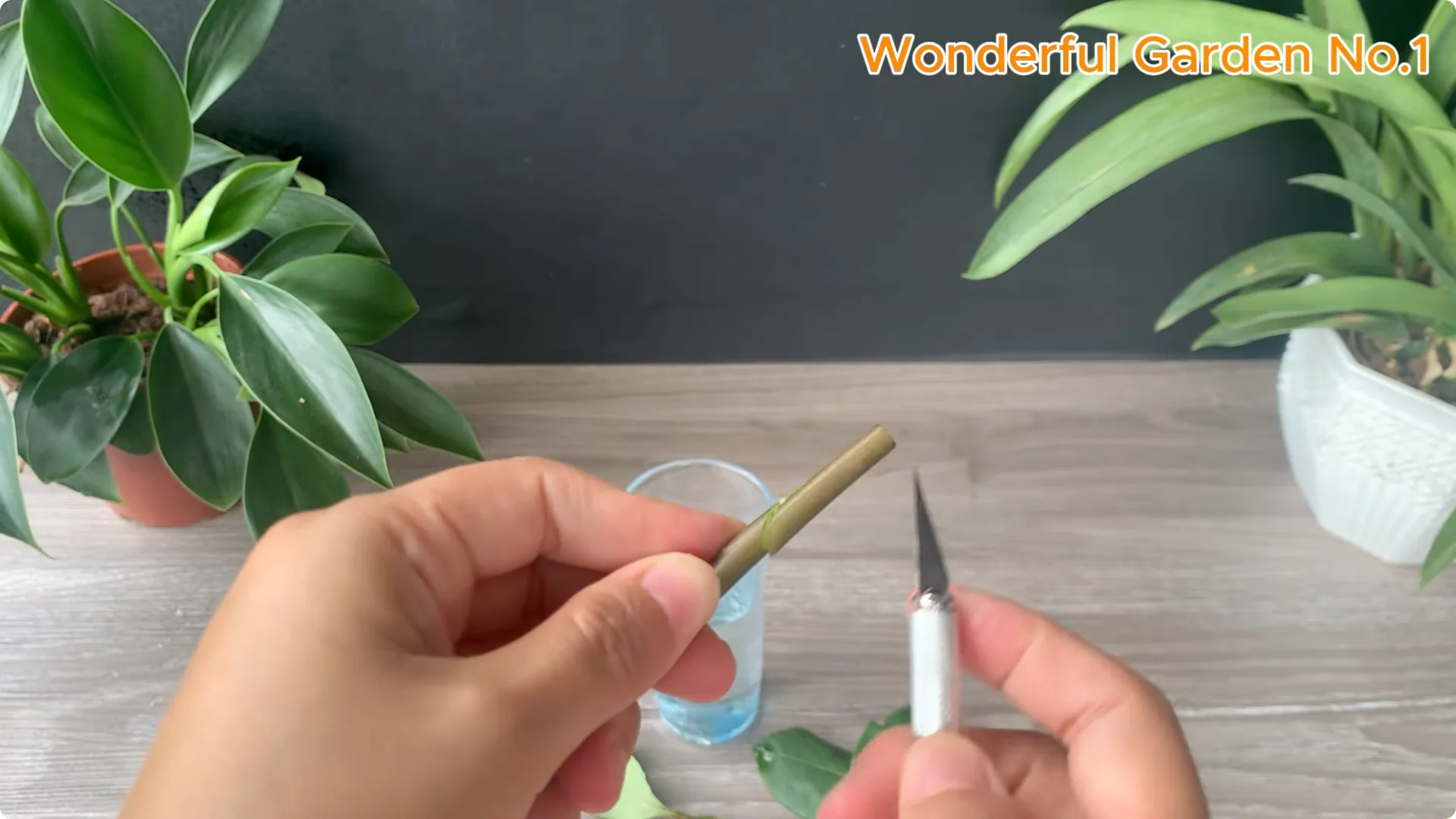
Choose a healthy rose cutting whose stem has just begun to transition into the light lignification stage. This is when the cutting is at its healthiest and ready to root. Cut a section about 15 to 20 cm long with three to five leaf buds.
Gently remove the remaining flowers and lower leaves, helping the plant focus all its energy on root formation. Finally cut the root diagonally to increase the contact area with the substrate, creating favorable conditions for root development later. Use a simple but very effective trick by sticking the cuttings into a fresh aloe branch.
Aloe vera has antibacterial properties, retains moisture well, and contains many natural enzymes that help stimulate rapid root growth. It protects the base of the plant from rot and fungal infections. This prepares the cutting for a clean start.
For a different rooting boost that uses a potato as a moisture reservoir, see this potato rooting method.
2. Natural Rose Cutting Propagation: Mix Natural Root Stimulant
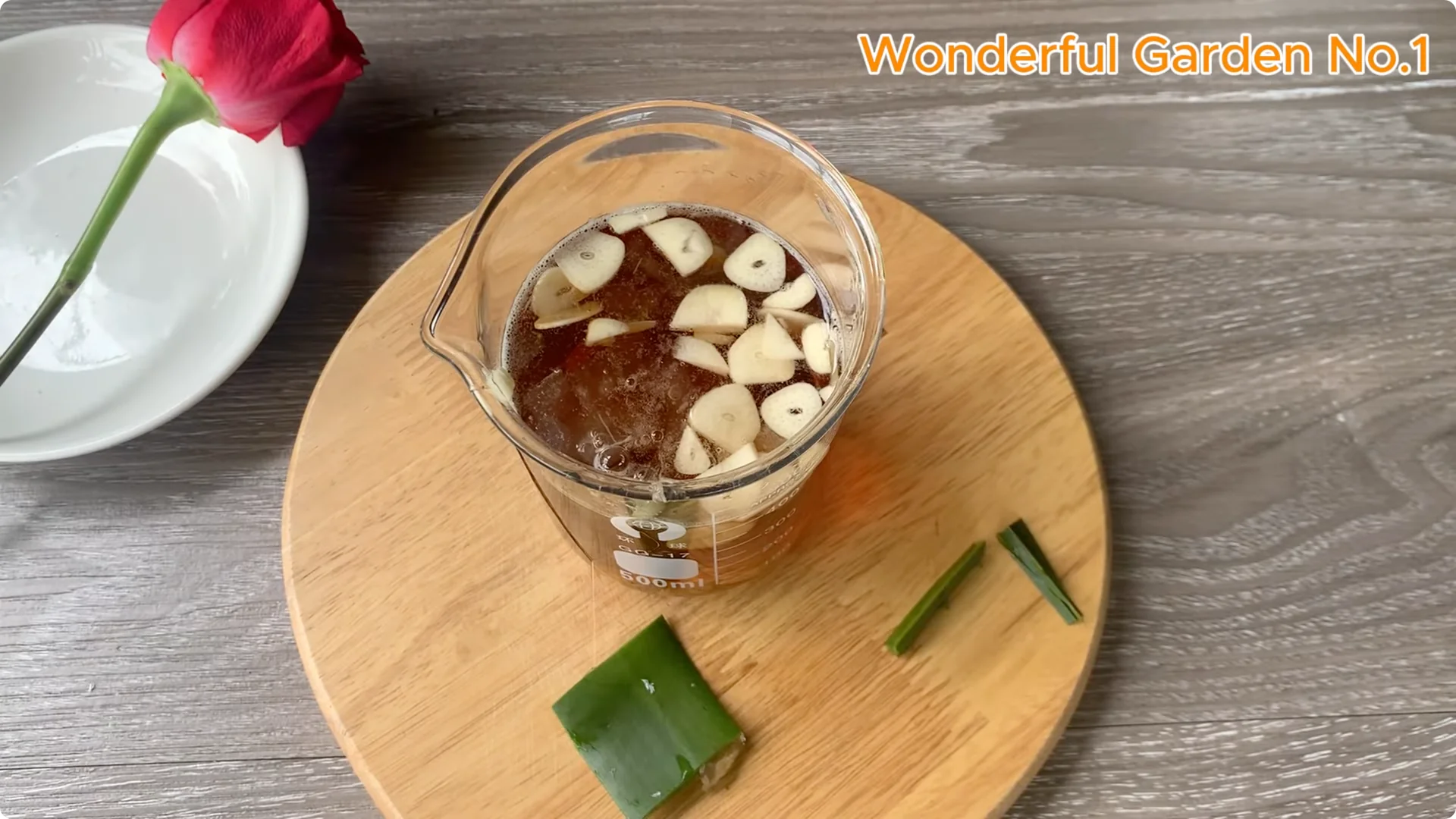
Mix an all natural rooting solution from familiar ingredients: garlic, aloe vera gel, and a little Coca Cola. Use 100 milliliters of Coca Cola and pour it out for about 10 minutes to let the gas evaporate. This helps reduce strong acidity while retaining sugar and mild organic acids that are beneficial for plant roots.
Take 3 cloves of garlic, peel and chop. Garlic will fight bacteria and stimulate root cell growth. Put the garlic in a cup, then pour in the Coca Cola.
Add 300 milliliters of clean water and a spoonful of fresh aloe vera gel. This will help dehydrate and add beneficial enzymes. Stir the mixture well.
Place the base of the rose stem into the cup of solution. Leave the stem in the solution for 3 to 6 hours before planting. This will give the roots a healthy all natural start.
If you want to compare with rapid rooting tricks, explore these practical overnight rooting techniques.
3. Natural Rose Cutting Propagation: Prepare the Growing Environment
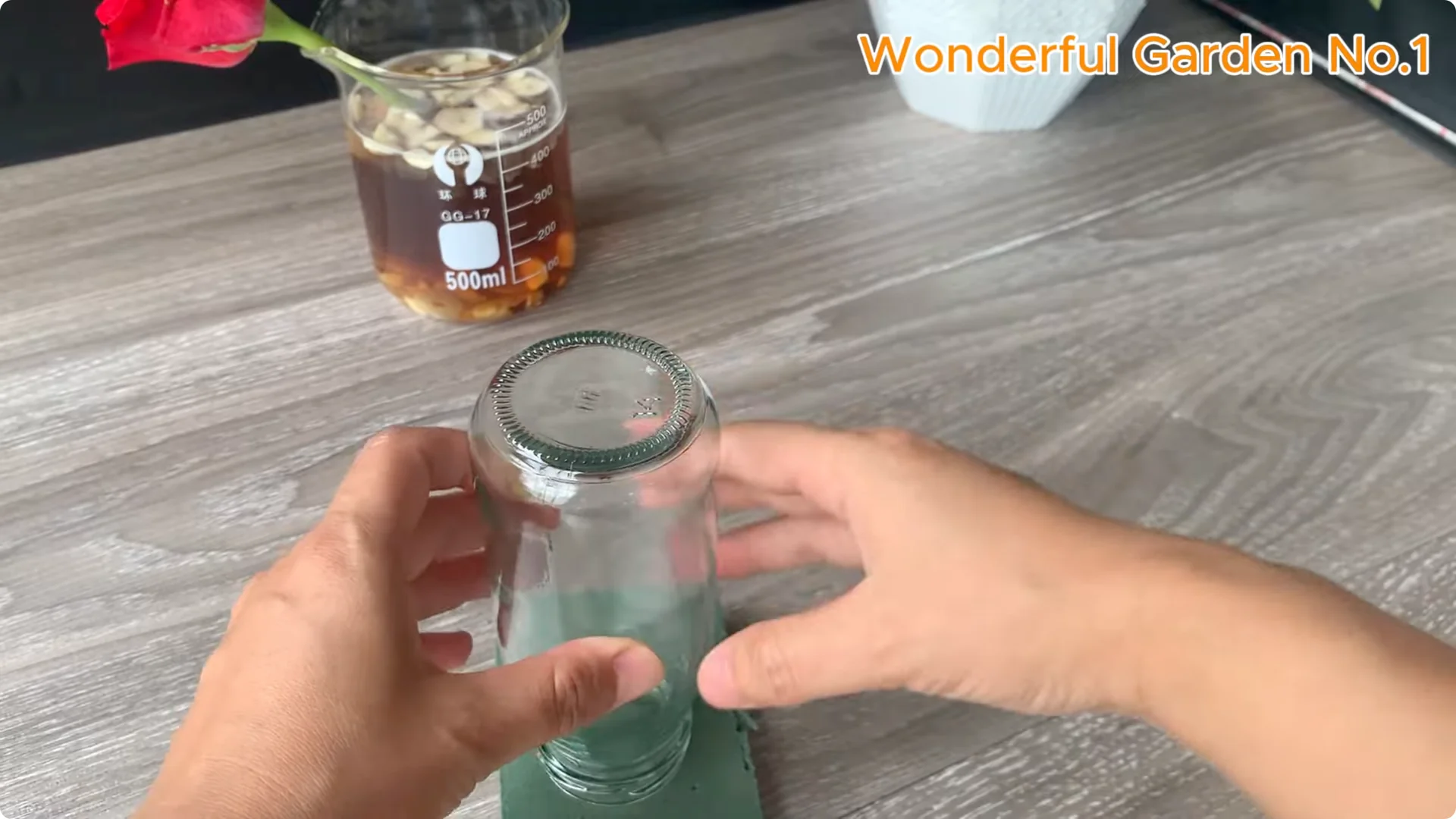
I prepare the cuttings medium using a simple, clean, and effective hydroponic method. I use a clear glass jar to easily observe the rooting process and a piece of soft sea flower as a lid. It helps keep the cutting in place while also allowing the stem to breathe.
Filter and activate solution
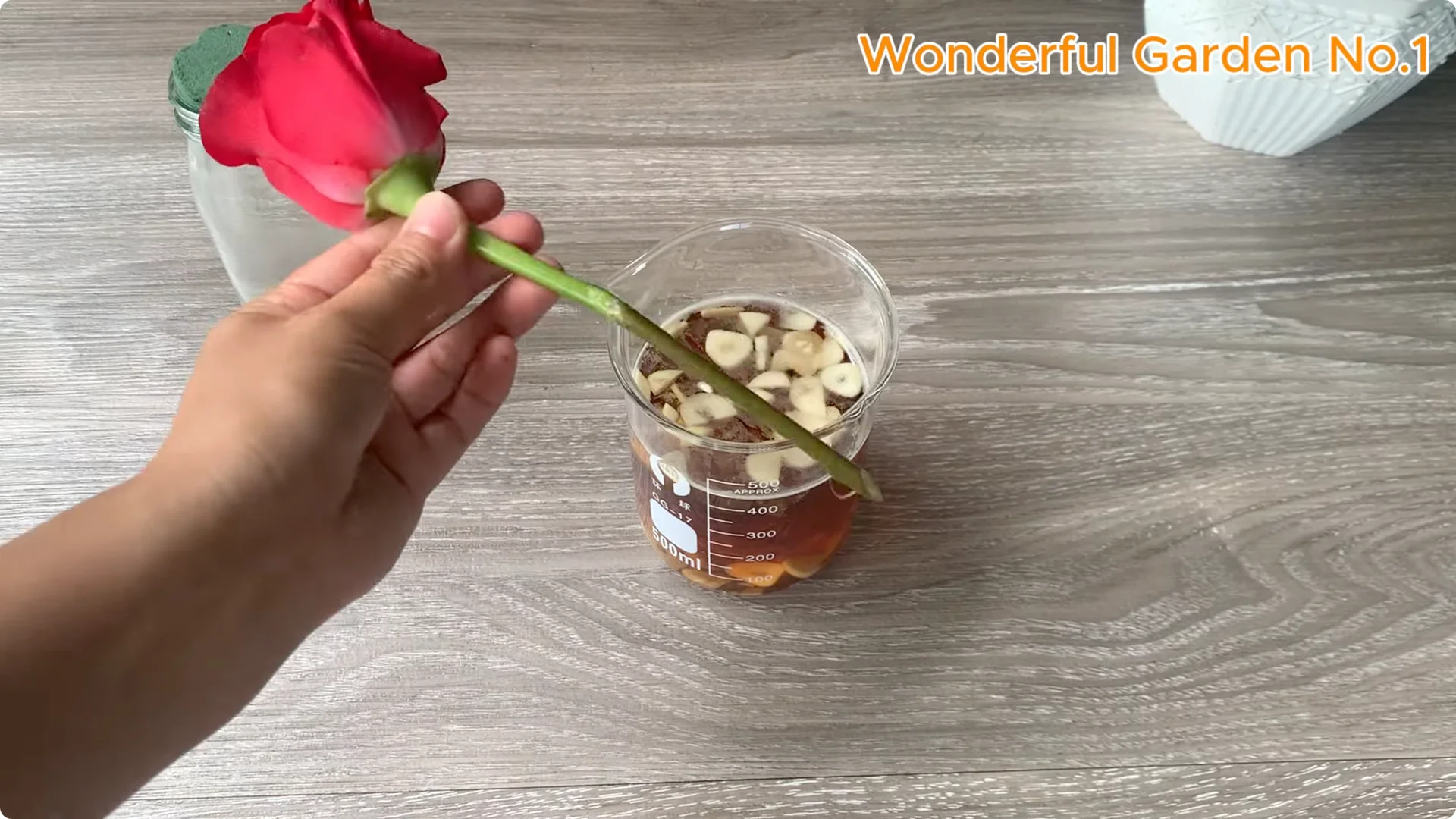
Filter the mixture to remove residue using a sieve or cheesecloth. Strain carefully to retain the clear water. This is the activated natural rooting hormone solution.
Pour the rooting solution you just made into a glass jar. Use soft plastic wire or small clips to secure the branch to prevent it from shifting. Then place the rose stem over the sponge so that the base is submerged in the solution and the leaf nodes are facing outwards.
Mini greenhouse setup
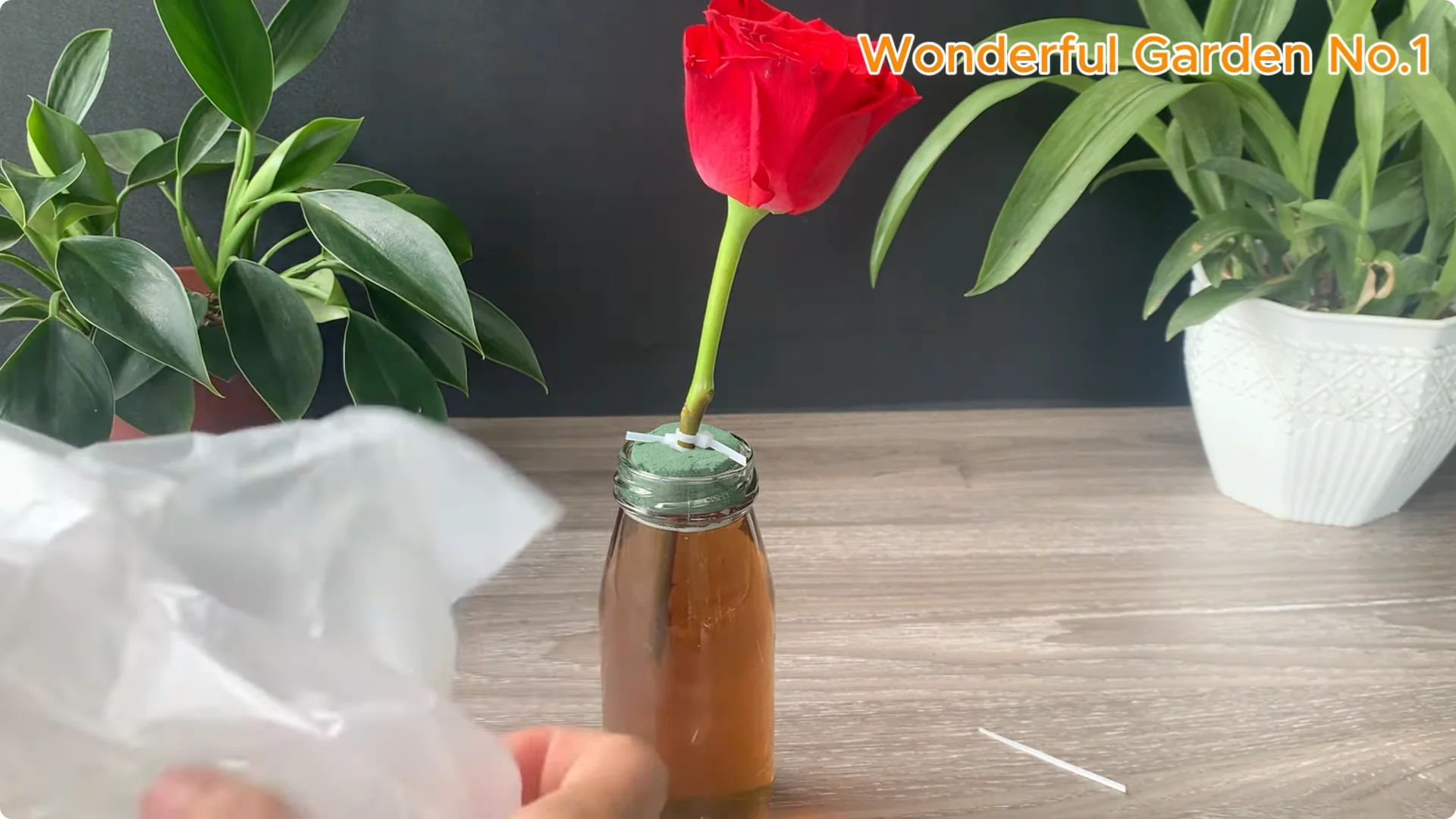
Use a transparent plastic bag to cover the mouth of the jar and use tape to wrap the mouth tightly. This creates a mini greenhouse effect, keeping humidity stable. It helps roots form quickly and young shoots grow healthily.
Place the jar in a place with soft light away from direct sunlight. Cover the plastic bag tightly for five to seven days to maintain humidity. Then open the bag for a few minutes each day to let the plant gradually adapt.
For an ambitious rooting experiment that reports dramatic results, check out this intensive overnight rooting method.
Check rooting progress
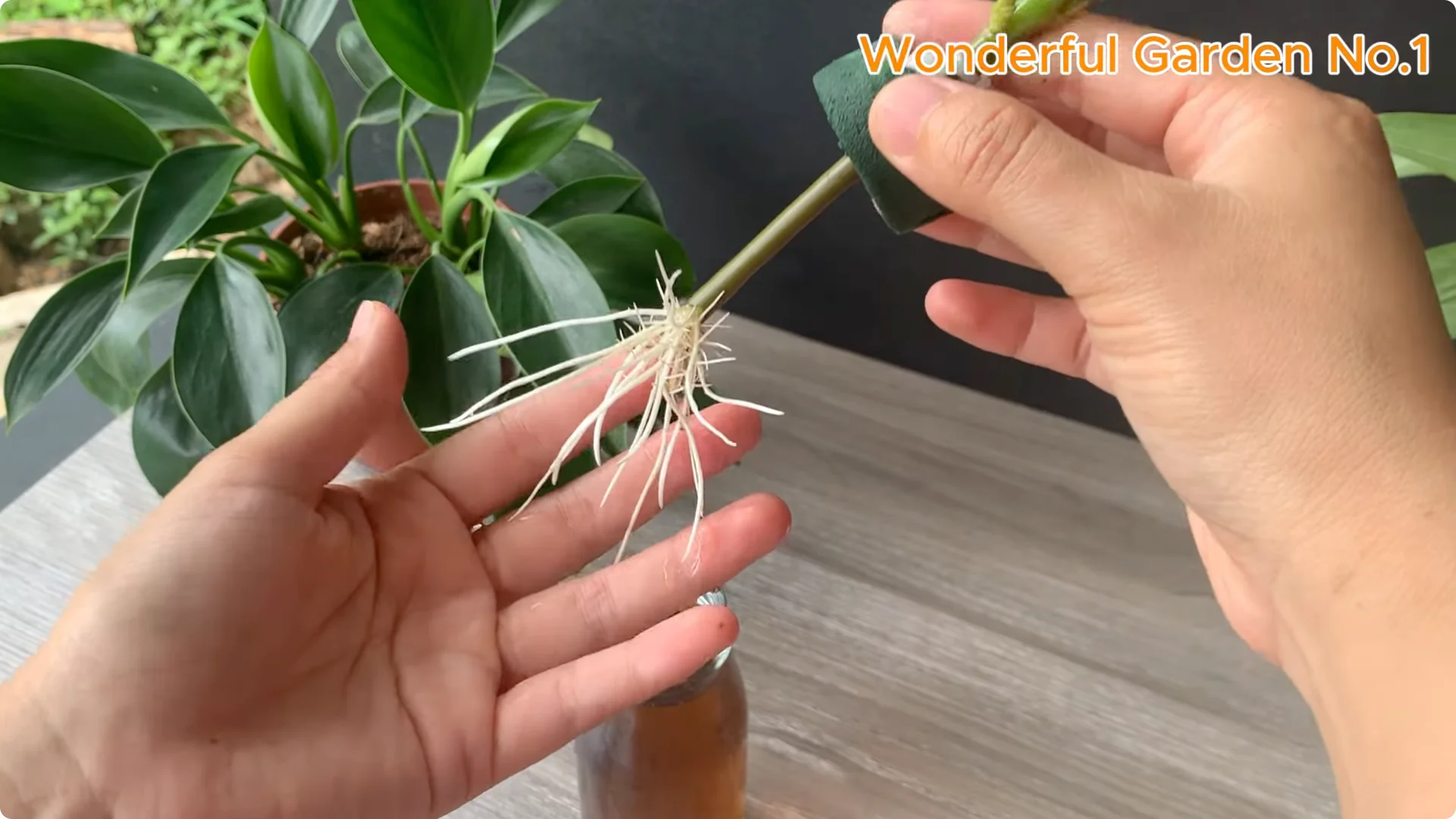
After 10 to 15 days, it is time to see the results. On the upper leaf nodes, a few small green shoots will appear. These are the first buds and the clearest evidence that new life is forming.
You will see thin white roots begin to emerge, indicating that the cutting has successfully taken root. This moment always makes gardeners happy. From a cut flower, a new rose plant is now gradually growing entirely thanks to natural methods and patient care.
Transplant to soil
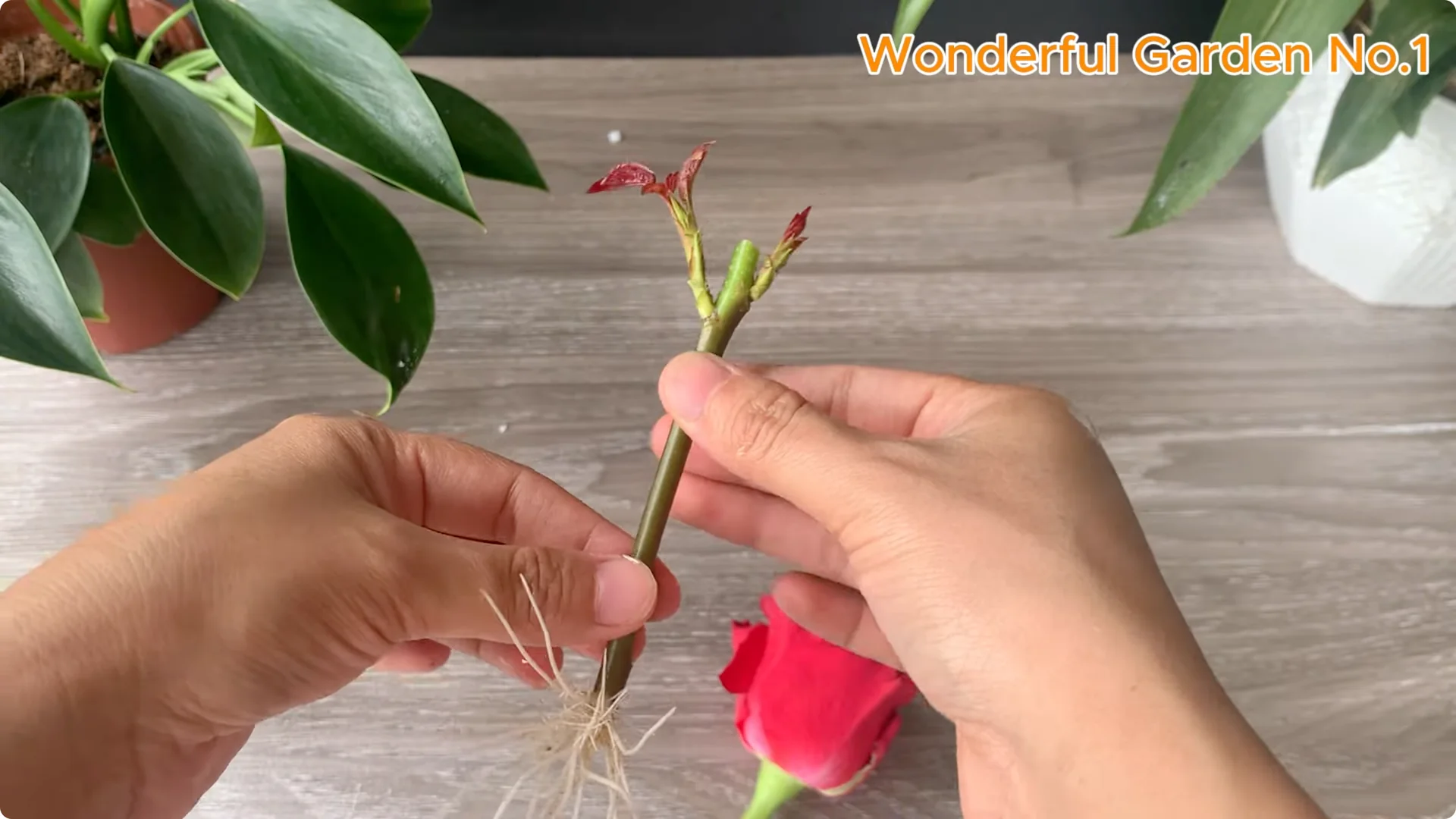
When the roots are about 2 to 3 cm long and the shoots begin to grow, transfer the branch to a small pot. This lets the plant gradually get used to the soil environment. Use loose, well drained soil.
You can add a little organic fertilizer or burnt rice husk to increase ventilation. Gently place the rose branch in the middle of the pot. Fill the soil so that it covers the roots, avoiding filling too deep to the leaf buds.
Natural protection with turmeric
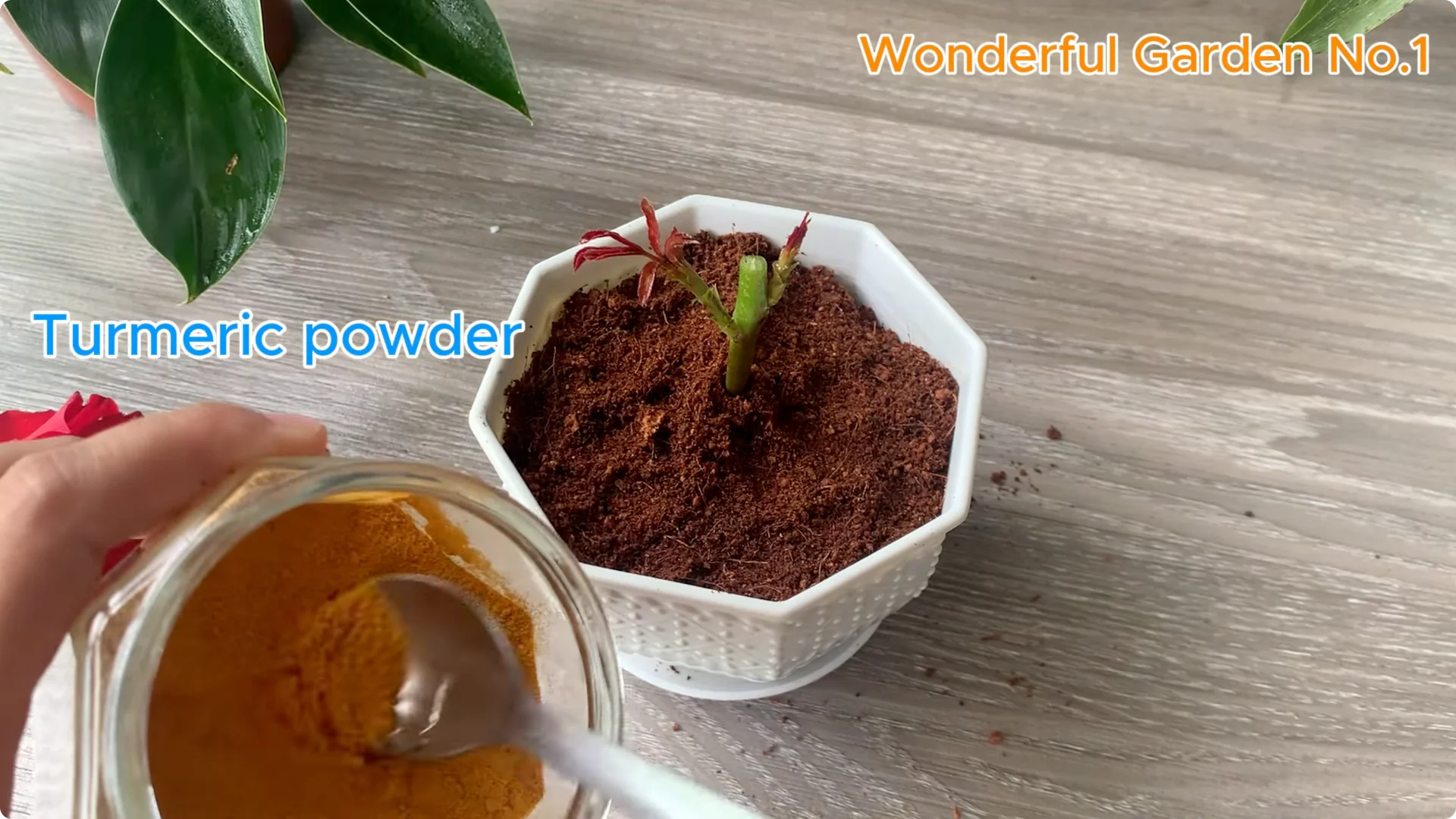
You can take a little turmeric powder and rub it gently on the cut. Turmeric powder has natural antibacterial properties which help prevent fungal and bacterial invasion. It aids in tissue healing.
From a seemingly withered flower branch, we have awakened a new vitality. These are natural, simple, and loving ingredients at work. The process is calm and rewarding.
Final Thoughts
Natural rose cutting propagation asks for clean materials, gentle handling, and steady humidity. Aloe, garlic, and a mild cola soak support rooting while protecting the fresh cut. With patience, roots appear, shoots follow, and a new rose settles happily into soil.