
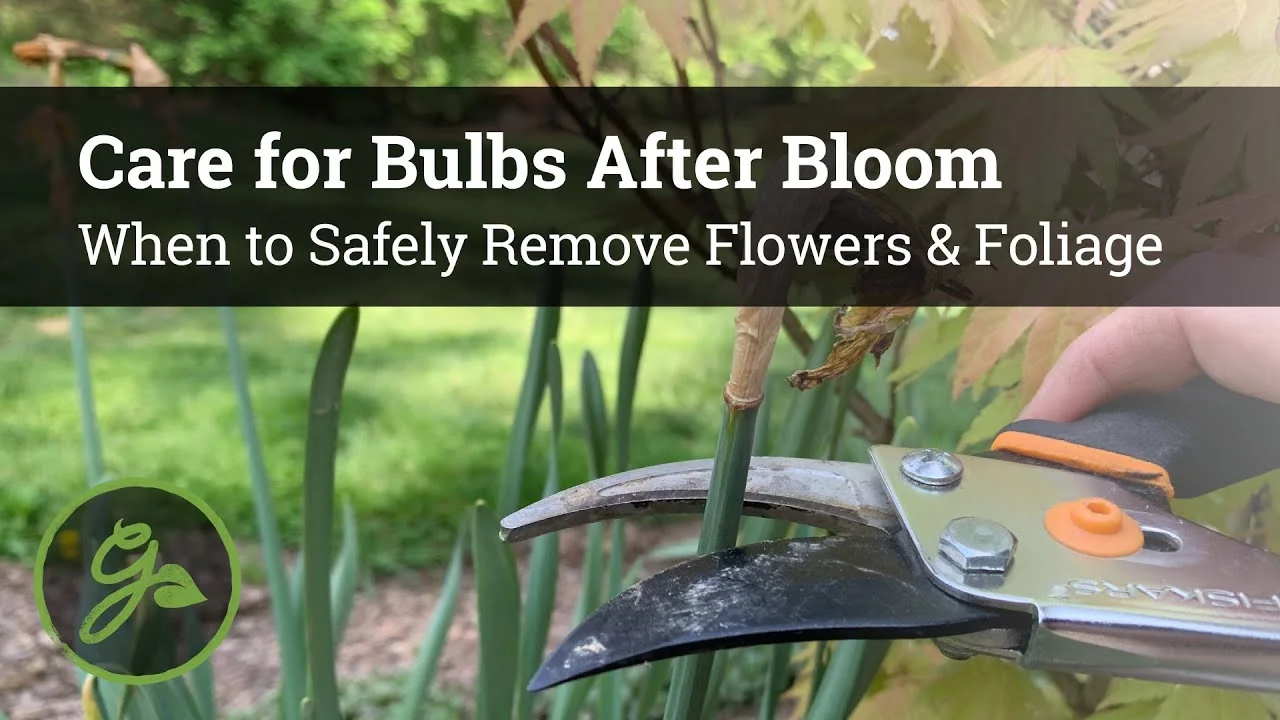
Spring displays of bulbs are one of the earliest signs of the upcoming growing season. From crocuses to daffodils then to tulips and alliums, this show can last for most of the spring months. As spring becomes summer and the temperatures begin to rise, the flowers fade and all you are left with are clumps of unattractive leaves.
What is a gardener to do? I am going to answer one of the most asked questions – what can you do with the leaves of spring flowering bulbs after they have bloomed? For seasonal tips and plant pairings, see our gardening hub.
1. Post-Bloom Bulb Care basics
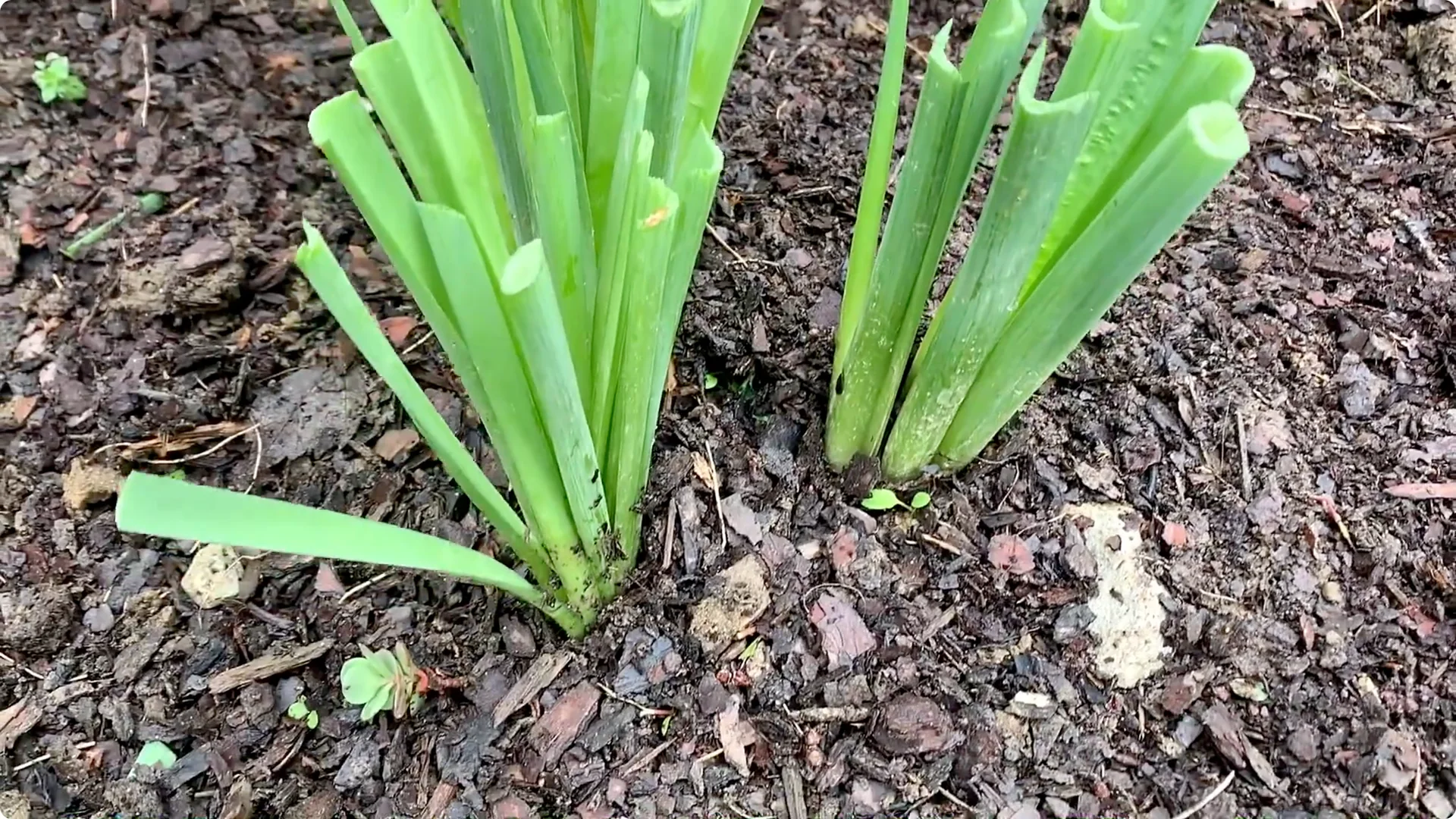
While the foliage of some plants can remain upright and green for the next few weeks to months, some bulb plants decline quickly. This includes daffodils. The foliage usually flops to the ground in an unsightly fashion quickly after the blooms have faded, and it is very tempting to chop the leaves at the ground, but if you want the bulbs to bloom again next year you have to resist this urge.
Deadhead spent flowers
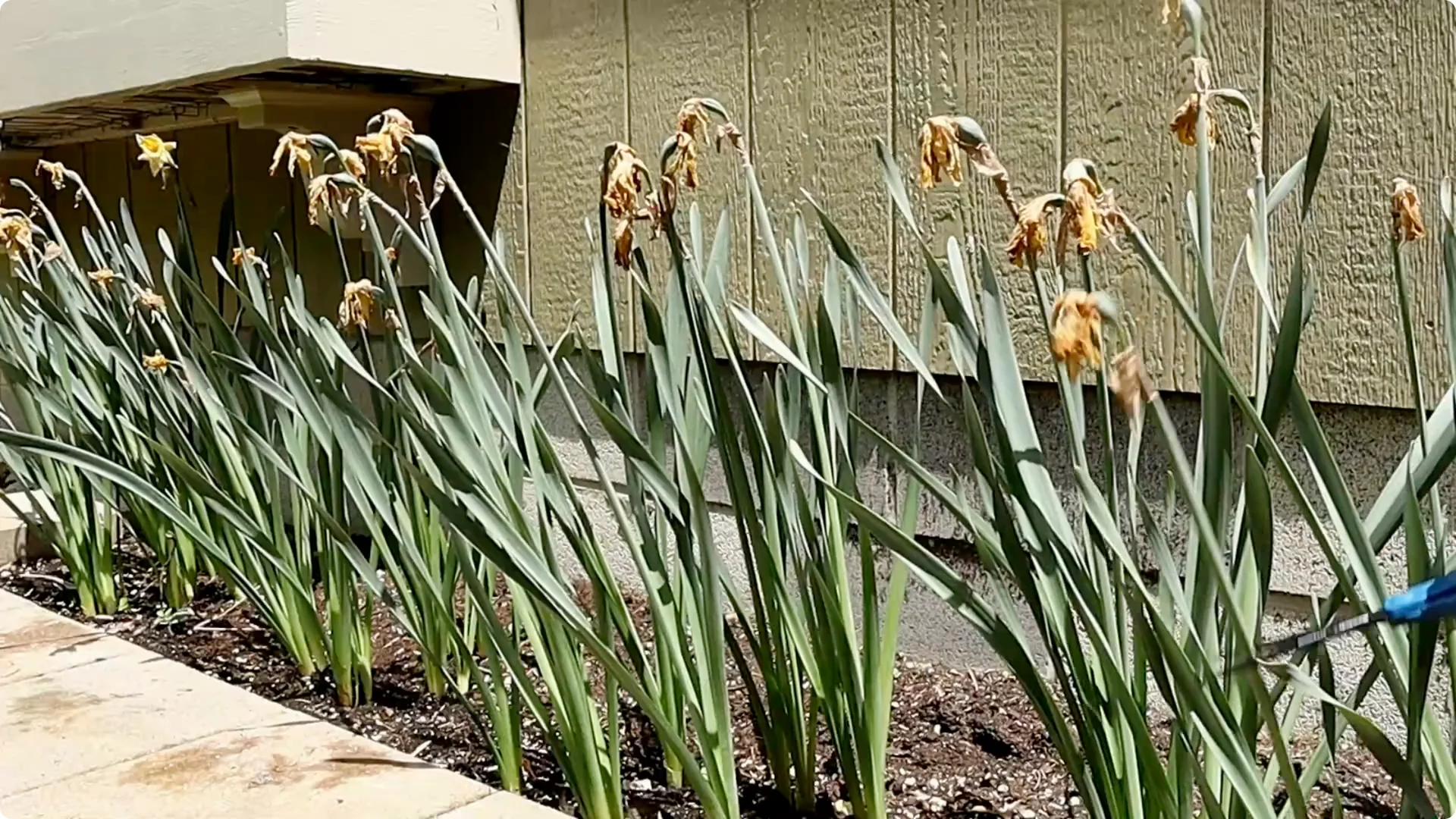
The first thing you can do to tidy up the plant is to deadhead the spent flowers. It is highly recommended to remove the blooms as soon as they fade. Otherwise, the bulbs will exert too much energy to create seeds.
Removing the seed pod will allow the bulb to focus its energy into producing a flower for the next spring. Once the flowers have faded, you can cut the bloom stalk off at the base of the plant or just below the flower. One particular bulb that should be deadheaded is the grape hyacinth.
The plant does not need seeds and setting these seeds depletes its energy. Be sure to deadhead these plants right after bloom. Faded tulip blooms should also be snipped as soon as possible.
If the tulip is not deadheaded and produces seeds it will have less energy to form a flower for the next season.
Leave foliage to feed bulbs
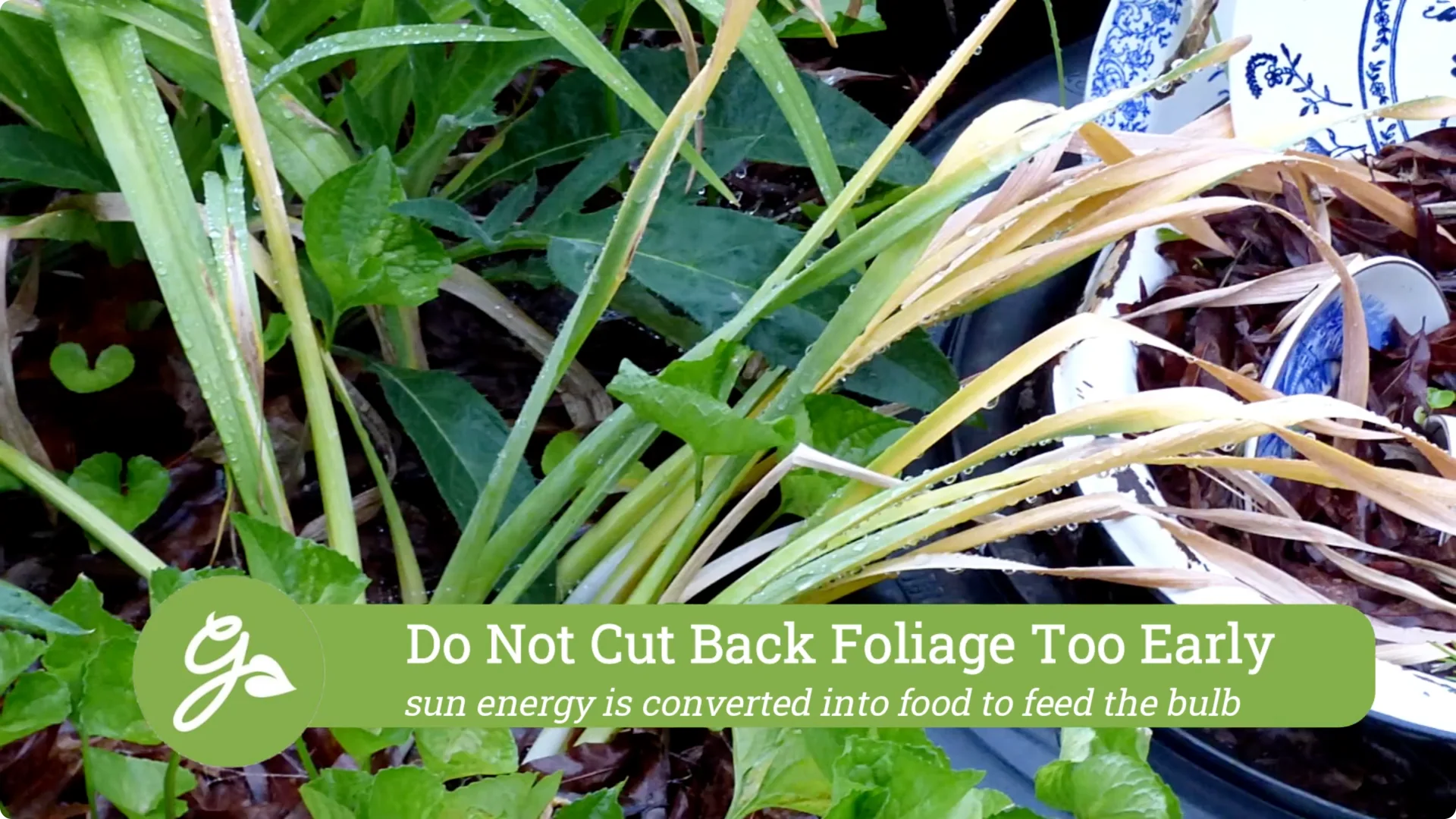
You may be tempted to remove the leaves of these early spring bloomers, but the foliage does have a role to play. The leaves absorb sunlight and through photosynthesis the energy is converted into food to feed the bulb for next year’s bloom. If the plant cannot gather enough energy, the flowers and foliage for next season may be negatively affected.
It is best to leave the foliage in place until it turns yellow and dies back naturally. This may take up to six weeks.
Tidy methods – a controversial note
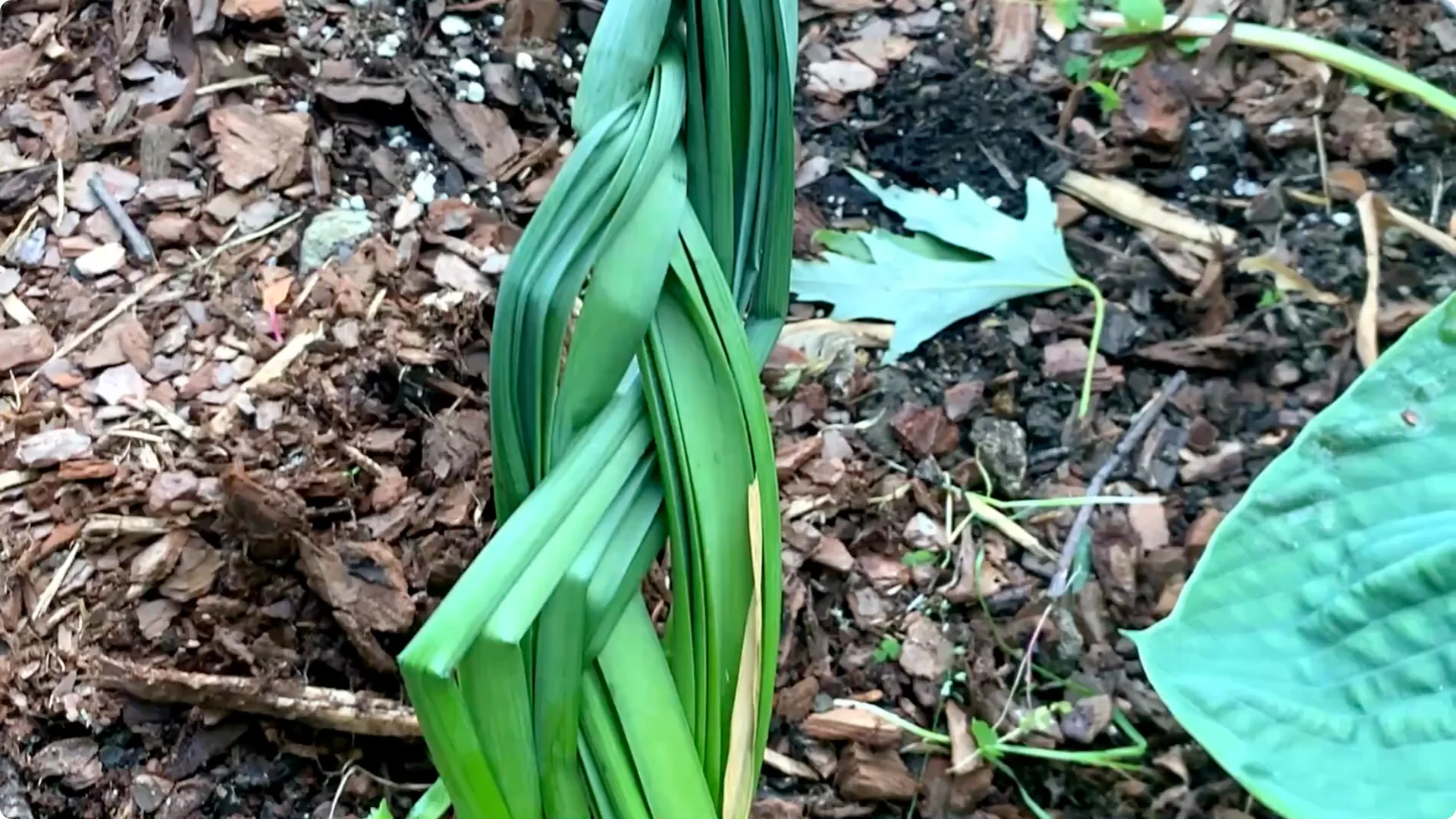
You may have seen some gardeners tie up the foliage with a rubber band, bend over the foliage, braid them or tuck the foliage under nearby plants. While this advice is controversial, many experienced gardeners have had luck with these methods. Personally, I have had good luck cutting my daffodils back by half after bloom.
While we are not advising these methods, it is worth a test in your own garden. Basically, if the leaves are cut or bundled, they will not be exposed to enough sunlight, thus reducing photosynthesis and possible bloom potential for the next year.
Camouflage with companions
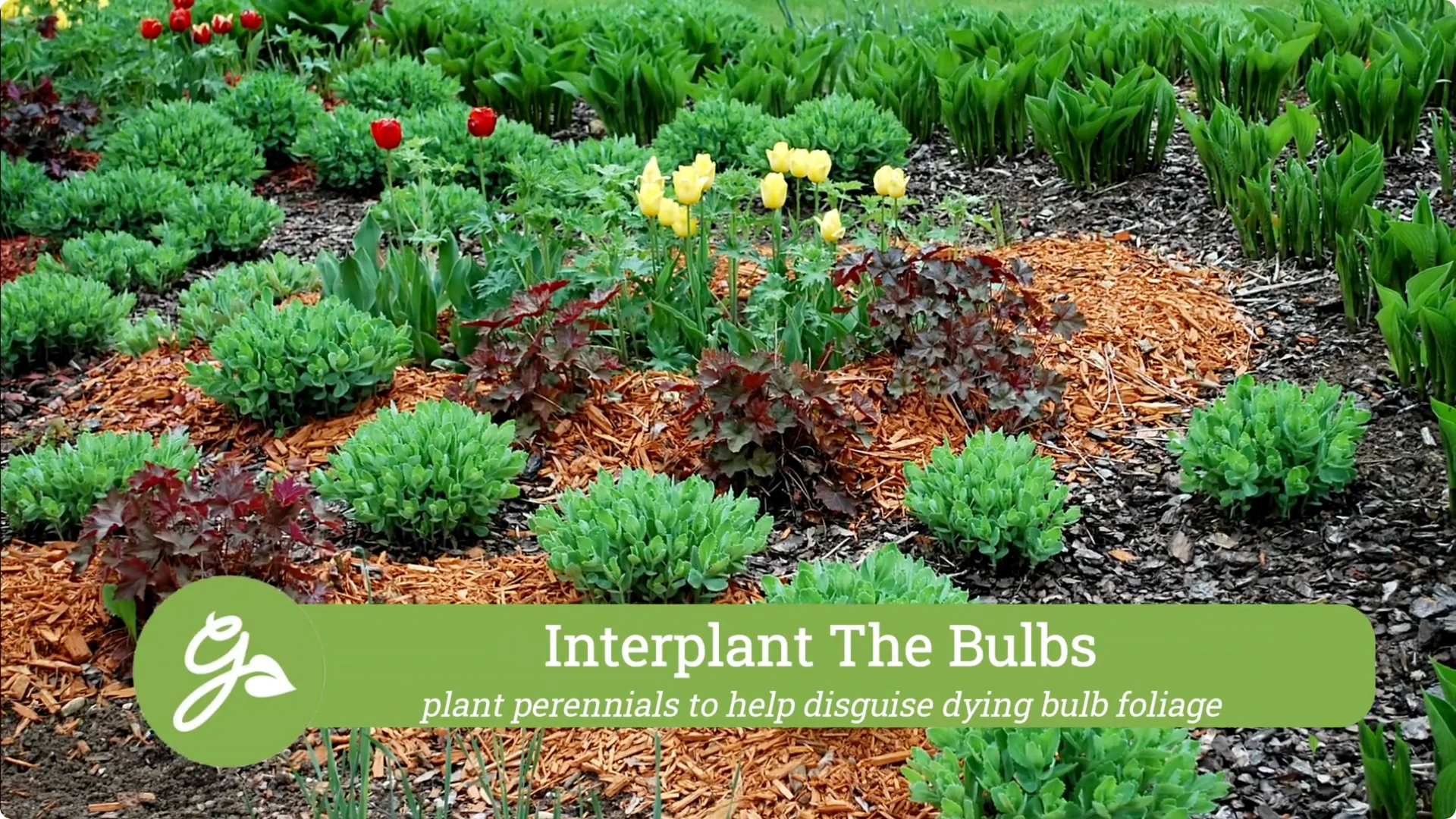
An alternate option to covering up unsightly bulb foliage is to camouflage the leaves. A bit of strategic planting is all you need. Interplant your bulbs with perennial plants that grow leafy foliage quickly after the bulbs have bloomed.
The taller, thicker foliage of these plants will quickly disguise the drab leftovers. Good candidates to help disguise dying bulb foliage are garden peonies, daylilies, salvia, lupines, hosta and coral bells, plus sedum and ornamental grasses. For peony growing tips, see how to grow peonies.
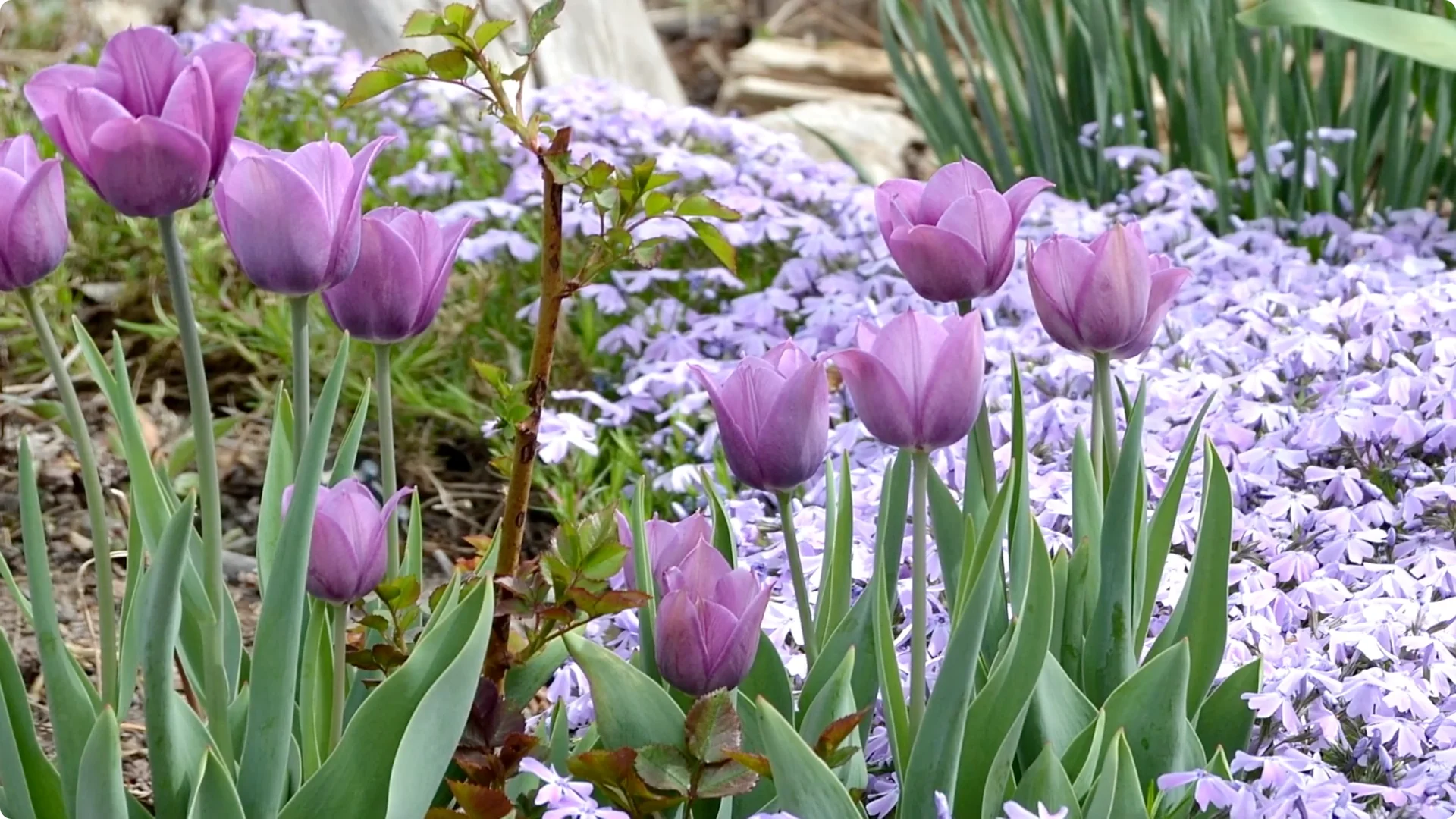
Some plants that are short but early to bloom would be creeping phlox, dianthus and candytuft. This will draw your eye to the fresh flowers and away from the dull bulb foliage.
Read More: Holiday Cactus Care Tips
2. Post-Bloom Bulb Care – dividing and transplanting
While dividing your bulb plants is never necessary, sometimes it is helpful. For example, if you notice the flowers on your daffodils getting smaller and smaller as the years go by, you can divide the bulbs to rejuvenate the plant.
Divide at the right time
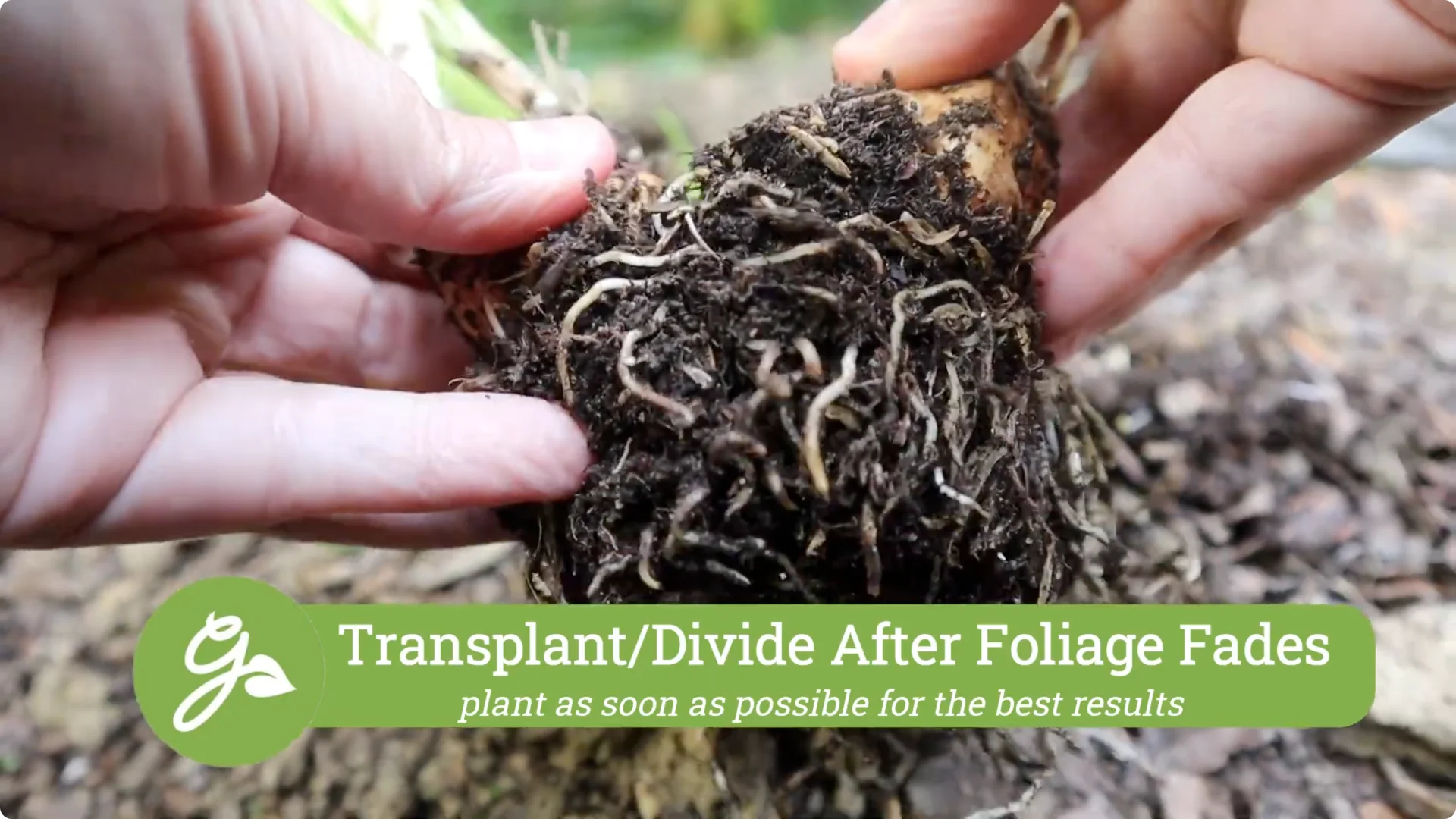
Divide as the foliage begins to die, but is still visible, so you can see exactly where to dig. Once you have lifted the clump, pull apart the bulbs that separate easily. Do not force any bulbs apart.
The bulbs can be planted in clumps or separately depending on your space.
Transplant with care
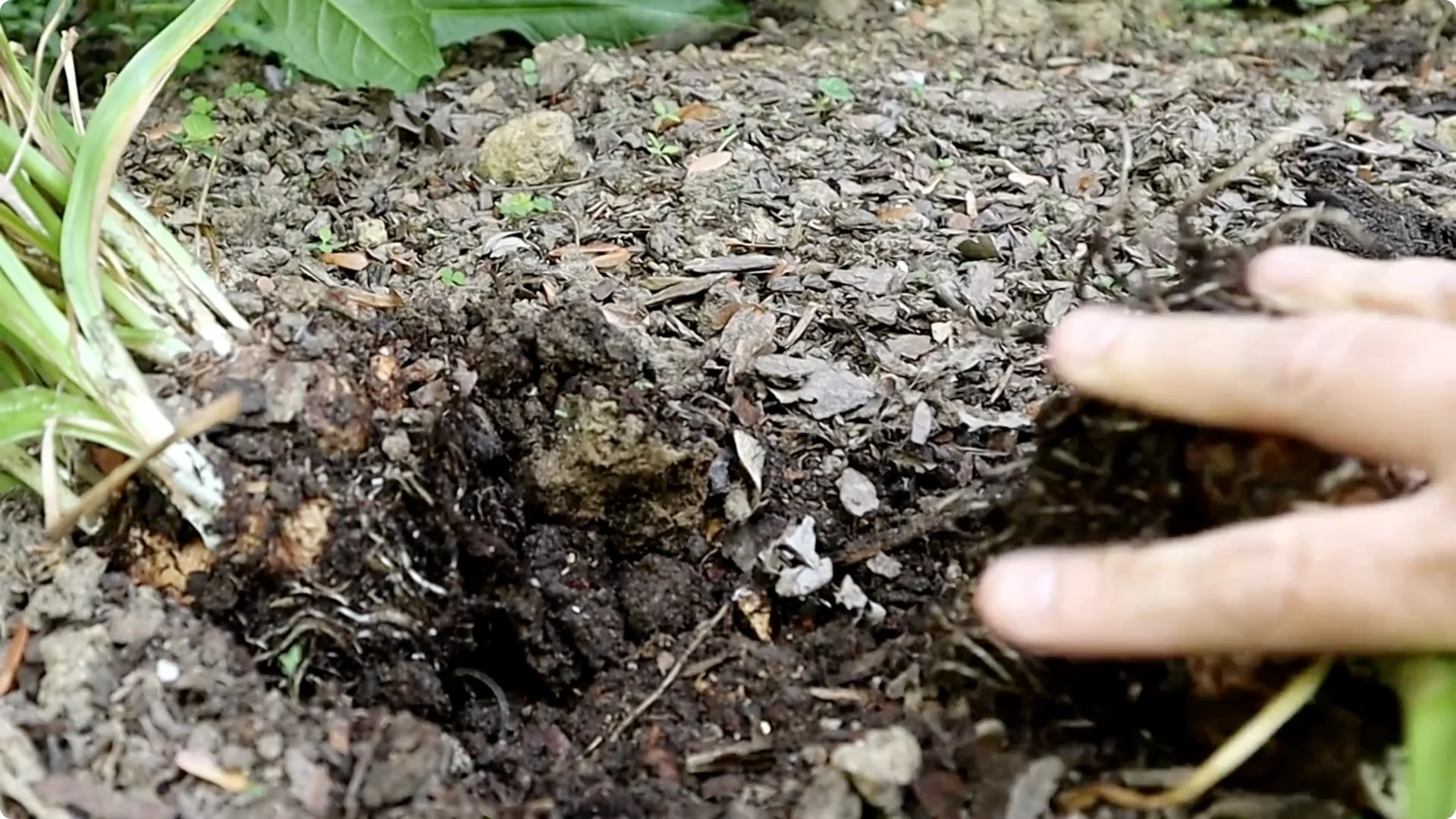
If you just need to transplant your bulbs to a new location, you can do that as well once the flowers have faded. Dig around the clump of bulbs, then scoop up the entire clump gently. Do not cut into the bulbs.
Plant them as soon as possible for the best results. If the leaves are still green, leave them to continue gathering energy from the sun.
Final thoughts
Even the most impatient of gardeners have solutions to tidy up their garden after the spring show has ended. Just keep in mind that even the plain green floppy foliage still has a purpose and a vital role to play in the plant’s bloom cycle. Happy gardening!