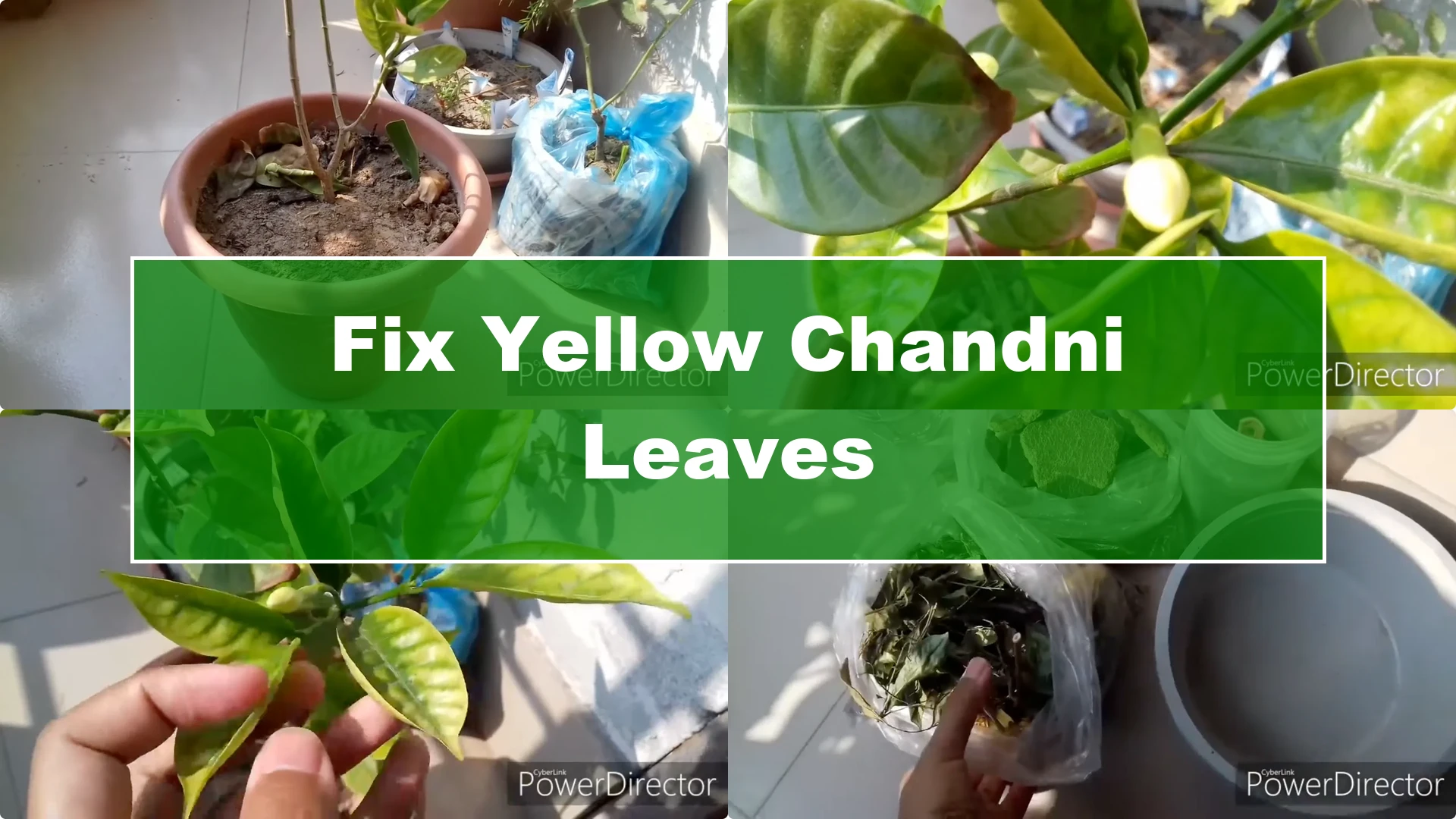
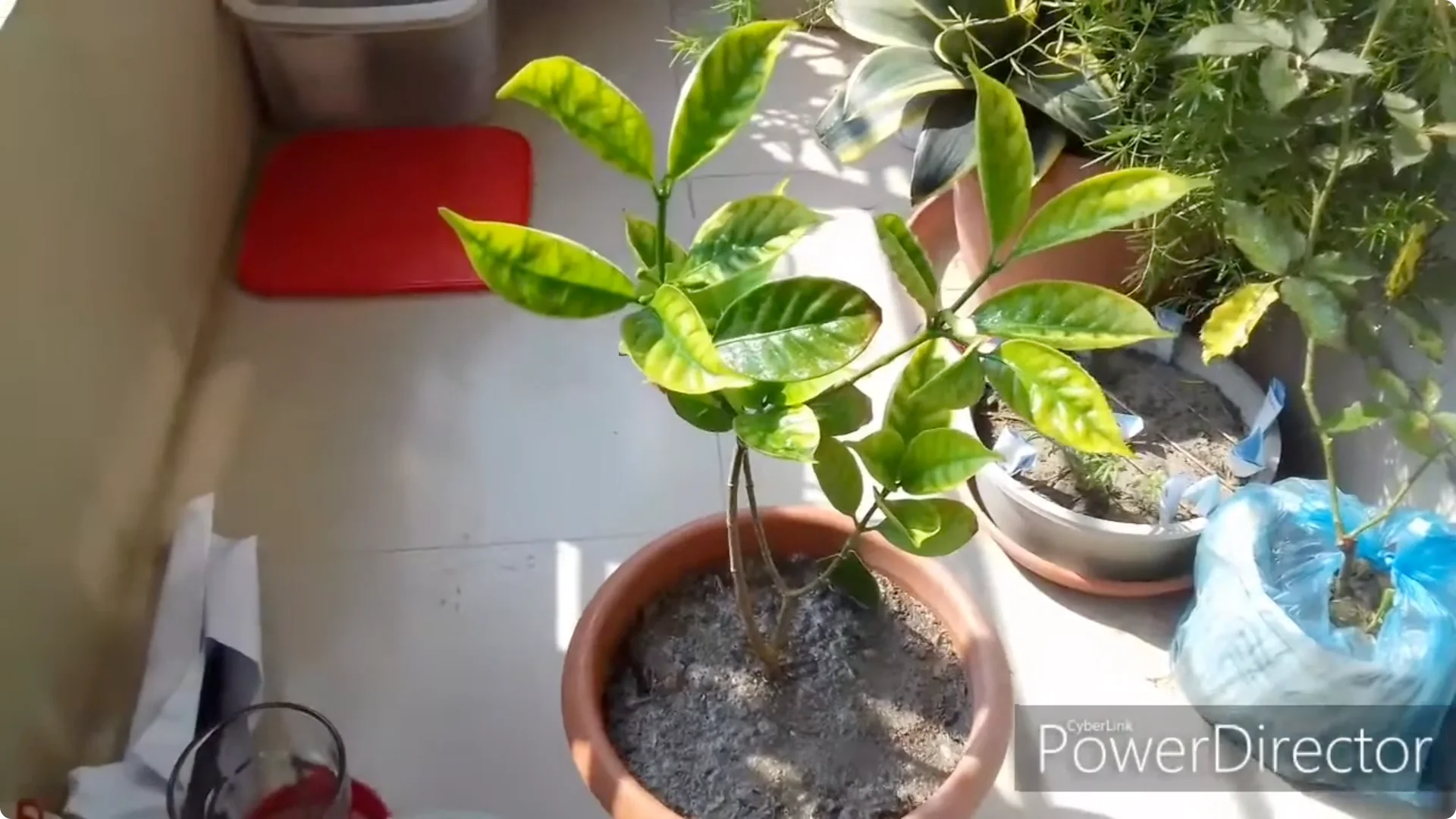
I am growing a chandni plant, or crepe jasmine, and the main problem I faced was yellowing leaves. I am sharing how I recover this problem and get the green back.
I grew this plant from a small cutting about 8 months ago. It is easy to grow from cuttings, and the flowers are white and double with a sweet evening smell.
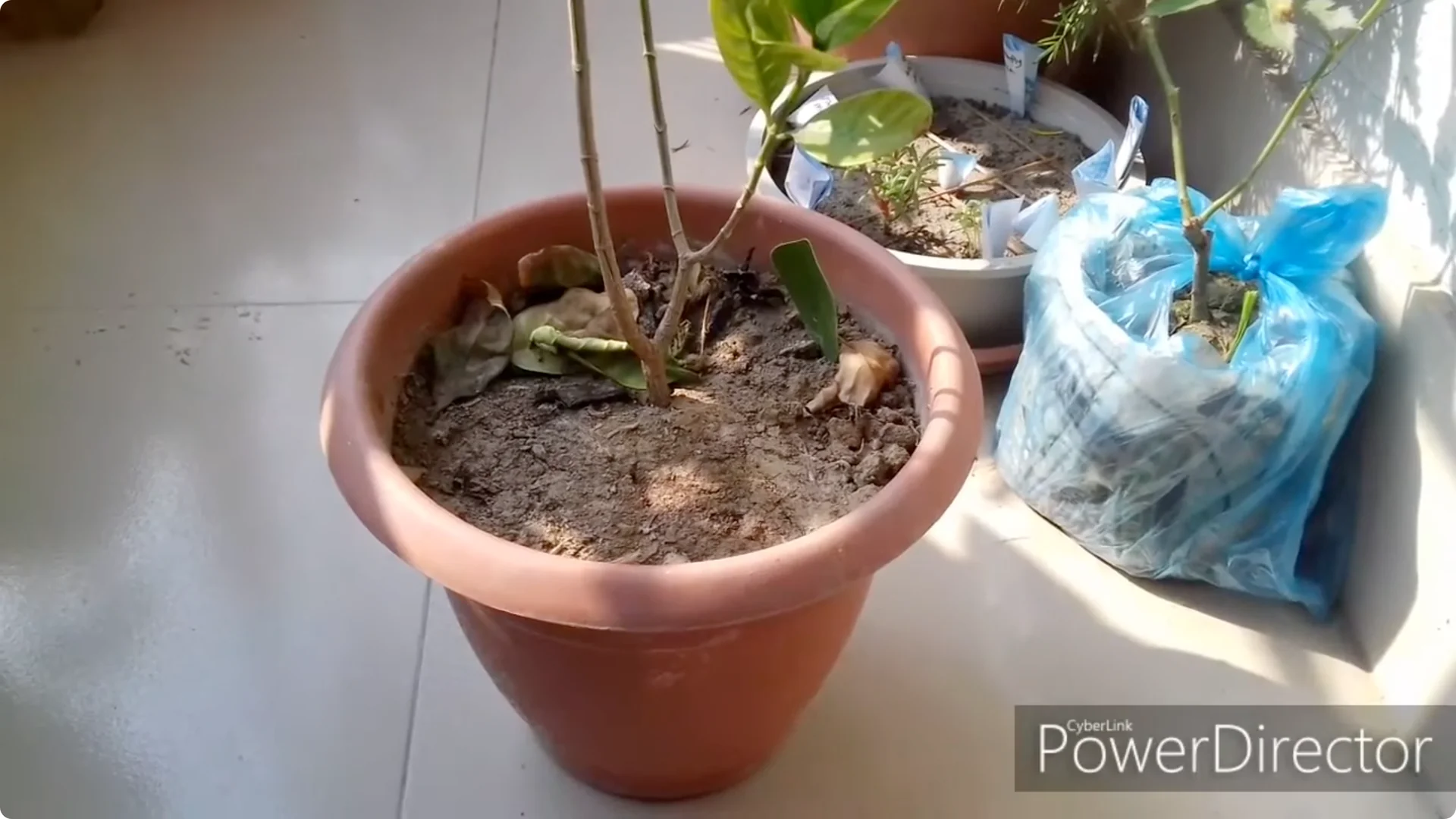
I use an 8 inch plastic pot with 40 percent sand, 40 percent soil, and 20 percent organic compost. The plant gets about 4 to 5 hours of morning sunlight only.
Crepe Jasmine Chlorosis Remedy
1. Setup and sun
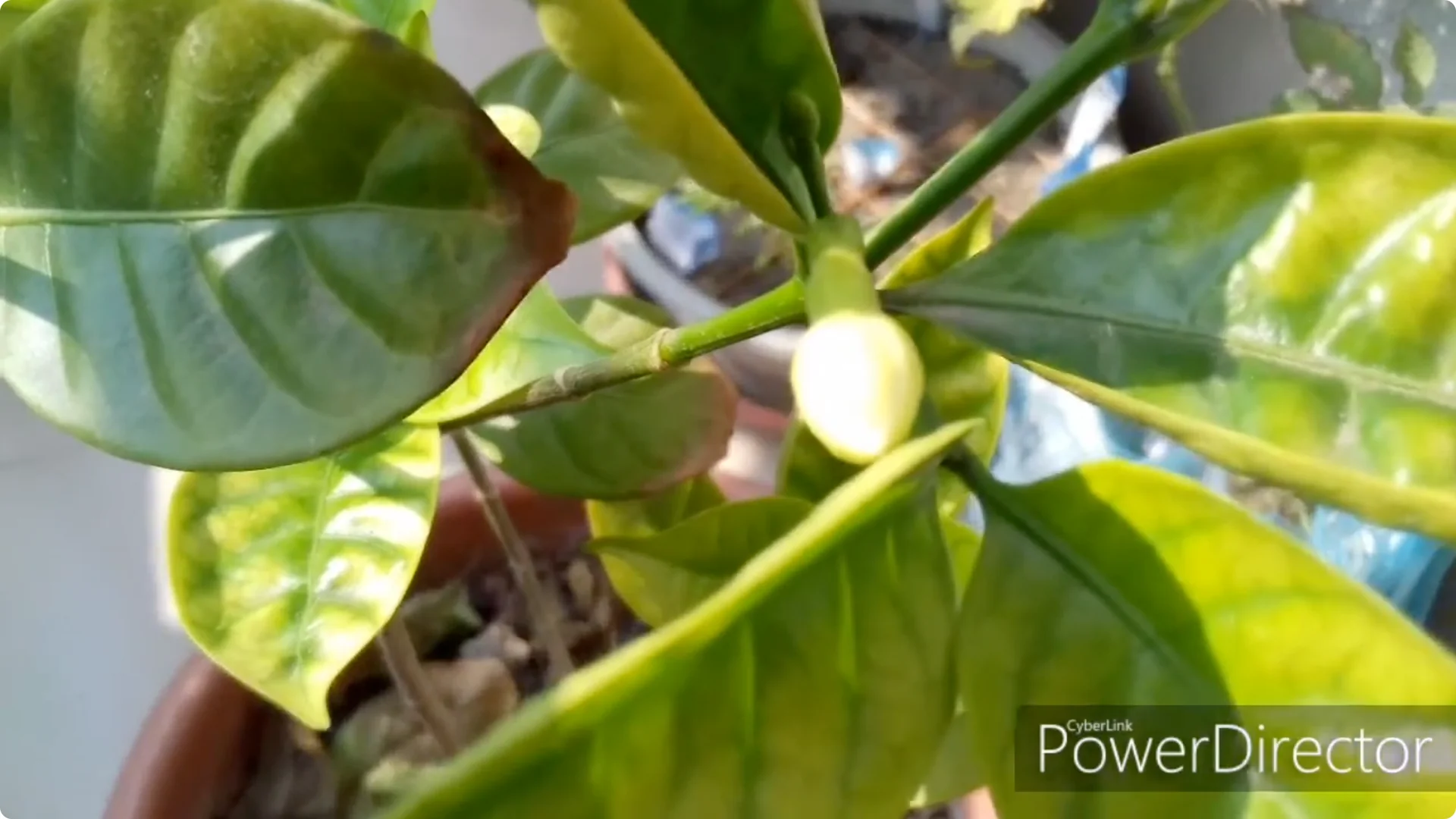
Growing crepe jasmine is a little bit tricky. It prefers acidic soil with lots of fertilizer. If the soil pH turns slightly alkaline, the leaves turn yellow like this.
For a focused guide on chandni leaf yellowing, see how to restore yellow leaves on chandni.
2. Soil pH basics
Soil pH is the measurement of the alkalinity and acidity of soil. On the pH scale, 7 is neutral, below 7 is acidic, and above 7 is alkaline. Soil nutrient availability mostly depends on soil pH.
In acidic pH, iron, zinc, manganese, and nitrogen become available for the plant. Crepe jasmine likes this acidic condition for steady growth and dark green foliage.
3. Nutrient lockout
In my case, I used lots of inorganic or chemical fertilizers like urea, TSP, and muriate of potash. Chemical fertilizers contain salts and they turn soil alkaline. In alkaline soil, nitrogen, iron, zinc, and manganese become unavailable and the plant shows chlorosis.
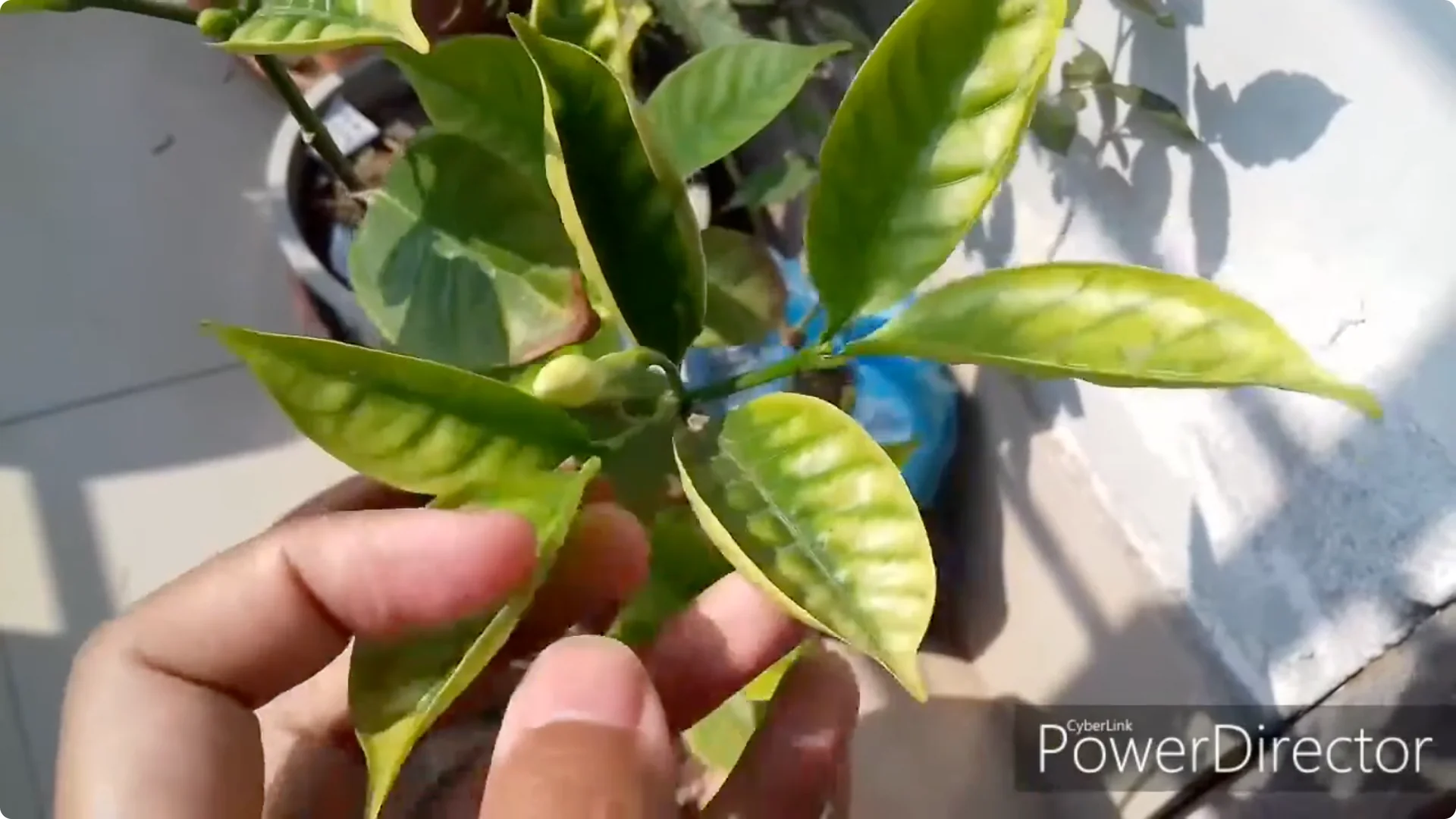
In this situation, organic fertilizer is best to recover the problem. It helps turn the pH back to slightly acidic and frees up those locked nutrients.
4. Organic fix
Through decomposition, organic fertilizers release humic acid and fulvic acid. These are acidic in nature and help shift the soil pH acidic again.
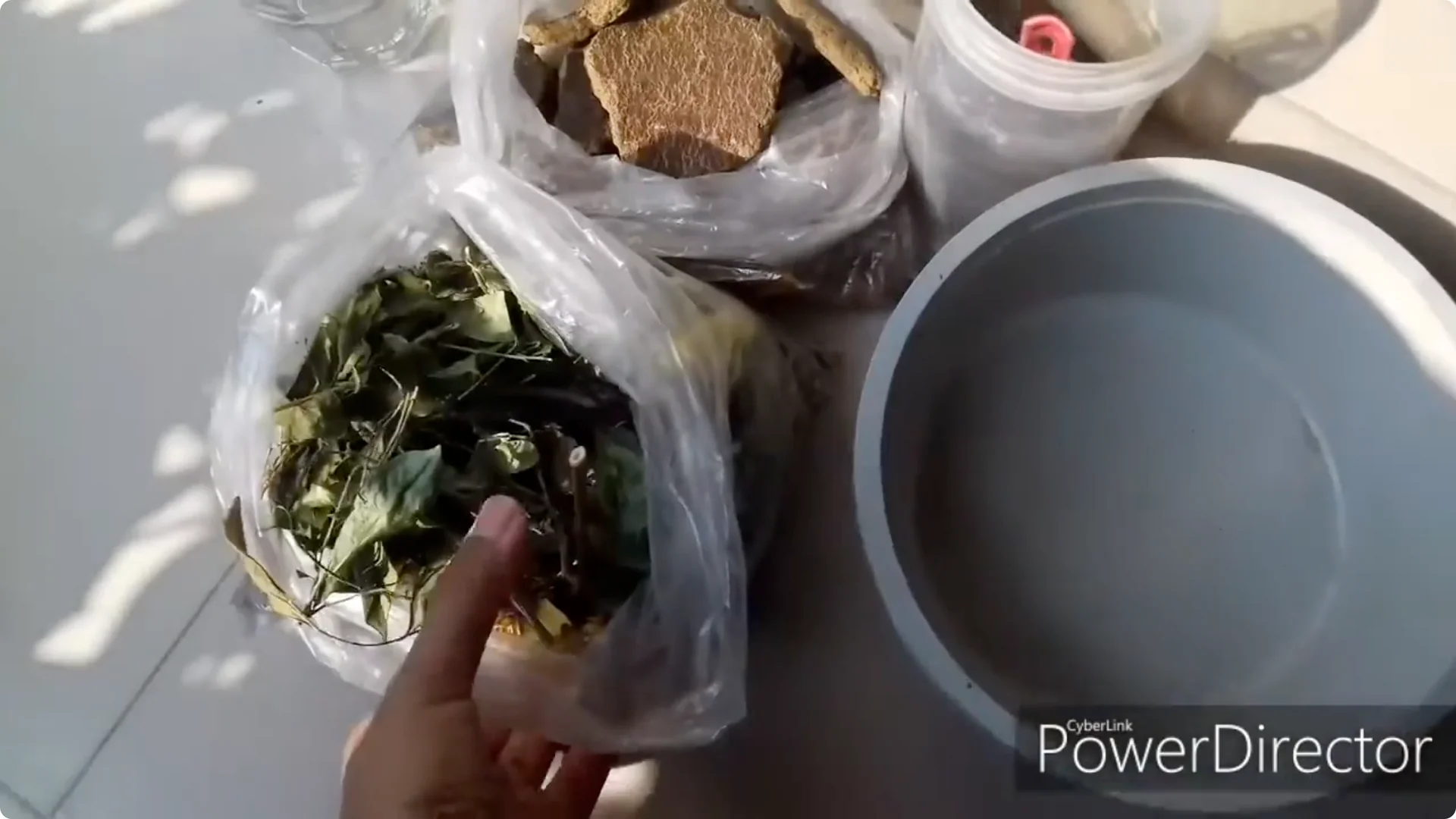
I am using sun-dried leaves, mustard cake powder, and compost. You can also use cow manure, vermicompost, bone meal, seaweed fertilizer, and banana peel.
5. Step-by-step application
Mix equal parts of compost, dried leaves, and mustard cake powder. The leaves should be fully dry, crispy, and free of moisture. Break the mustard cake into small fragments for even mixing.
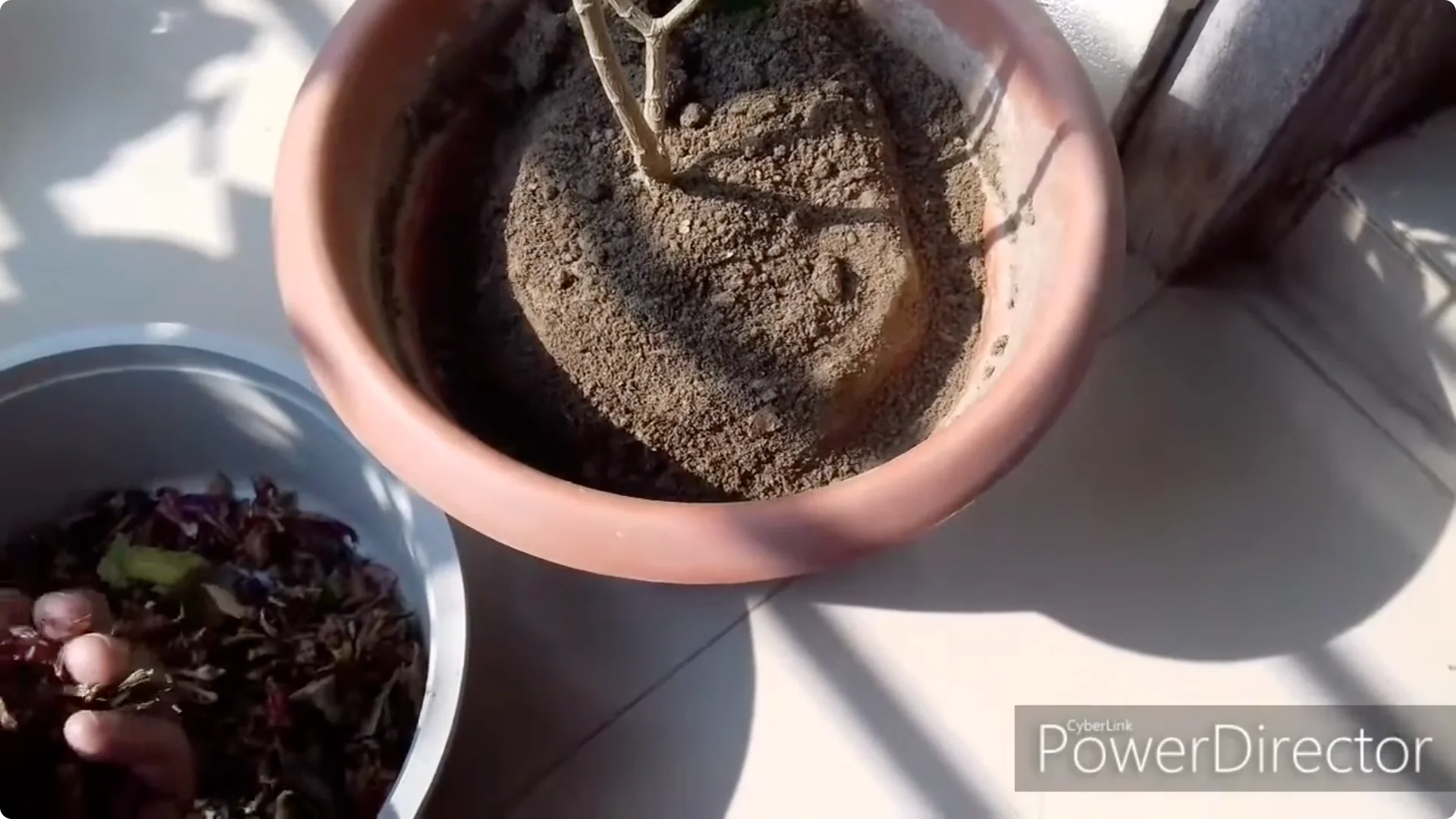
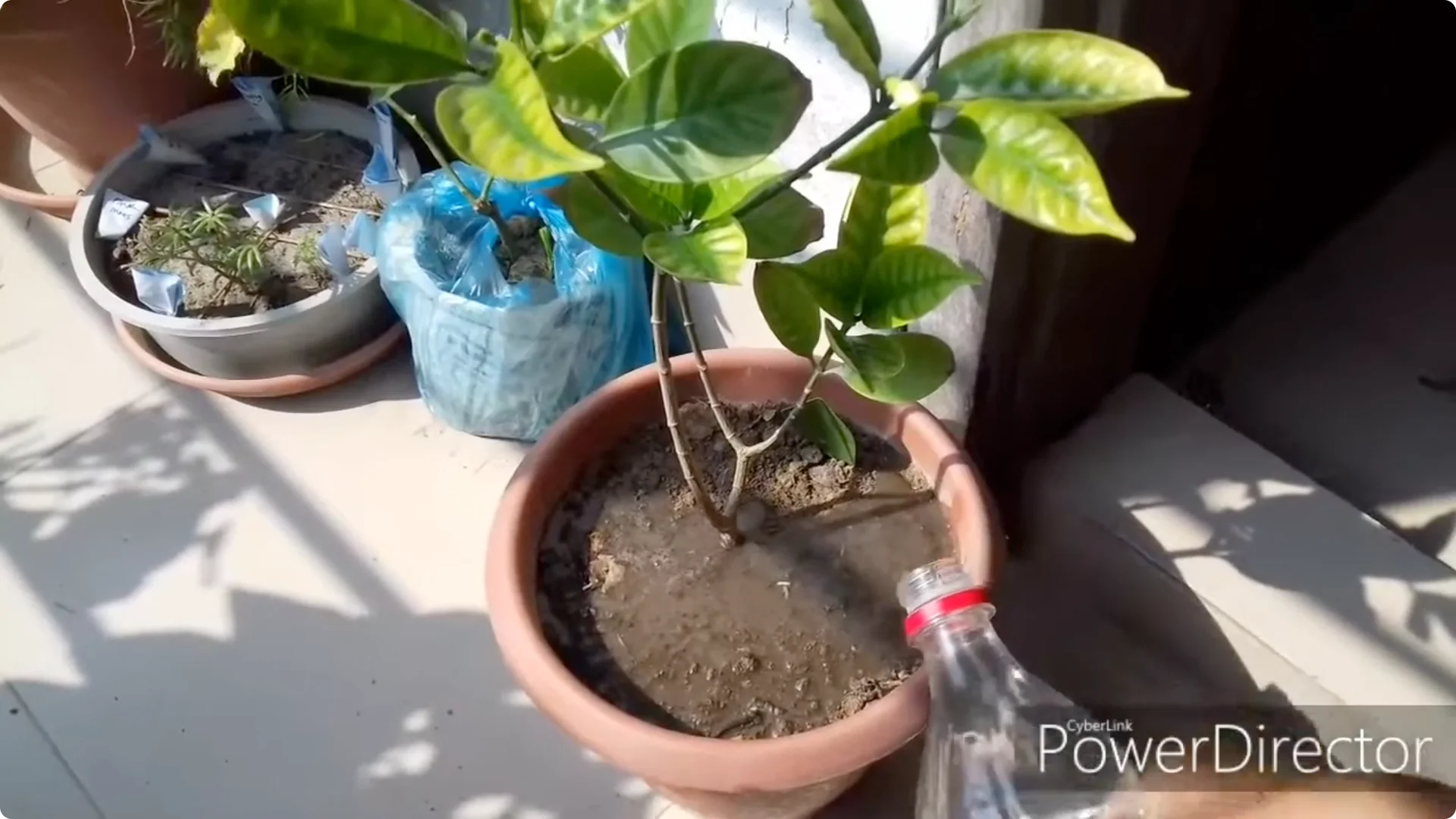
Remove some soil around the plant’s root zone gently. Apply the organic mixture around the plant, keeping it away from directly touching the stem. Cover with the removed soil and water thoroughly.
Organic fertilizers are cool in nature and increase microorganism activity in soil. Using plenty of organic material does not harm the plant.
6. Other causes
Insects or pests like mealybugs, spider mites, and scale can also turn leaves yellow. Warmer weather and sudden environmental change can trigger similar symptoms. First identify the actual cause, then take action.
If you have similar yellowing on another houseplant, see this guide on ZZ plant leaves turning yellow.
7. Recovery timeline
The solution with organics will take a little bit of time to show results. New growth will green up first, and old leaves may not fully recover. Keep the soil slightly acidic, feed regularly with organics, and maintain morning sun.
For other foliage issues, you may find this helpful on snake plant leaves turning brown and drooping.
Final Thoughts
Crepe jasmine stays happiest in acidic soil with steady organic feeding. Shift away from heavy salts, refresh the topsoil with an organic mix, and water thoroughly. Watch for pests and weather stress, and let time and organics do the healing.