
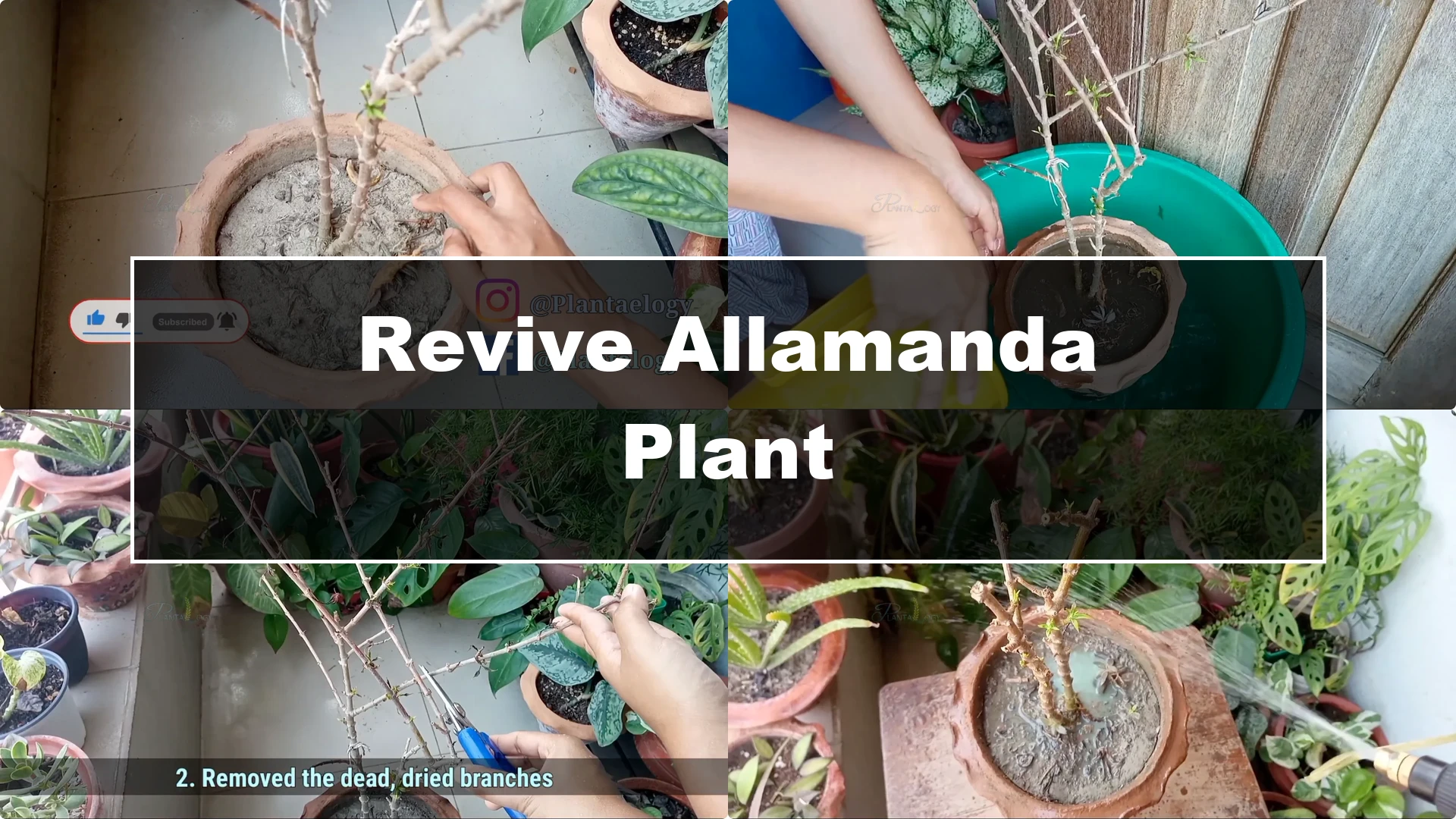
I am Nishad. I am going to share how you can save a dying or struggling plant by following some easy steps. I found the Allamanda plant on the roof of my neighbor’s house about three weeks back; it was struggling, dehydrated, and the leaves were shrinked.
I rescued the plant from dying, improved its growth, and prepared the plant for the summer flowering. By following these care tips, you will be able to save other dying or struggling plants too.
Allamanda Plant Revival – 1. Assess the problem
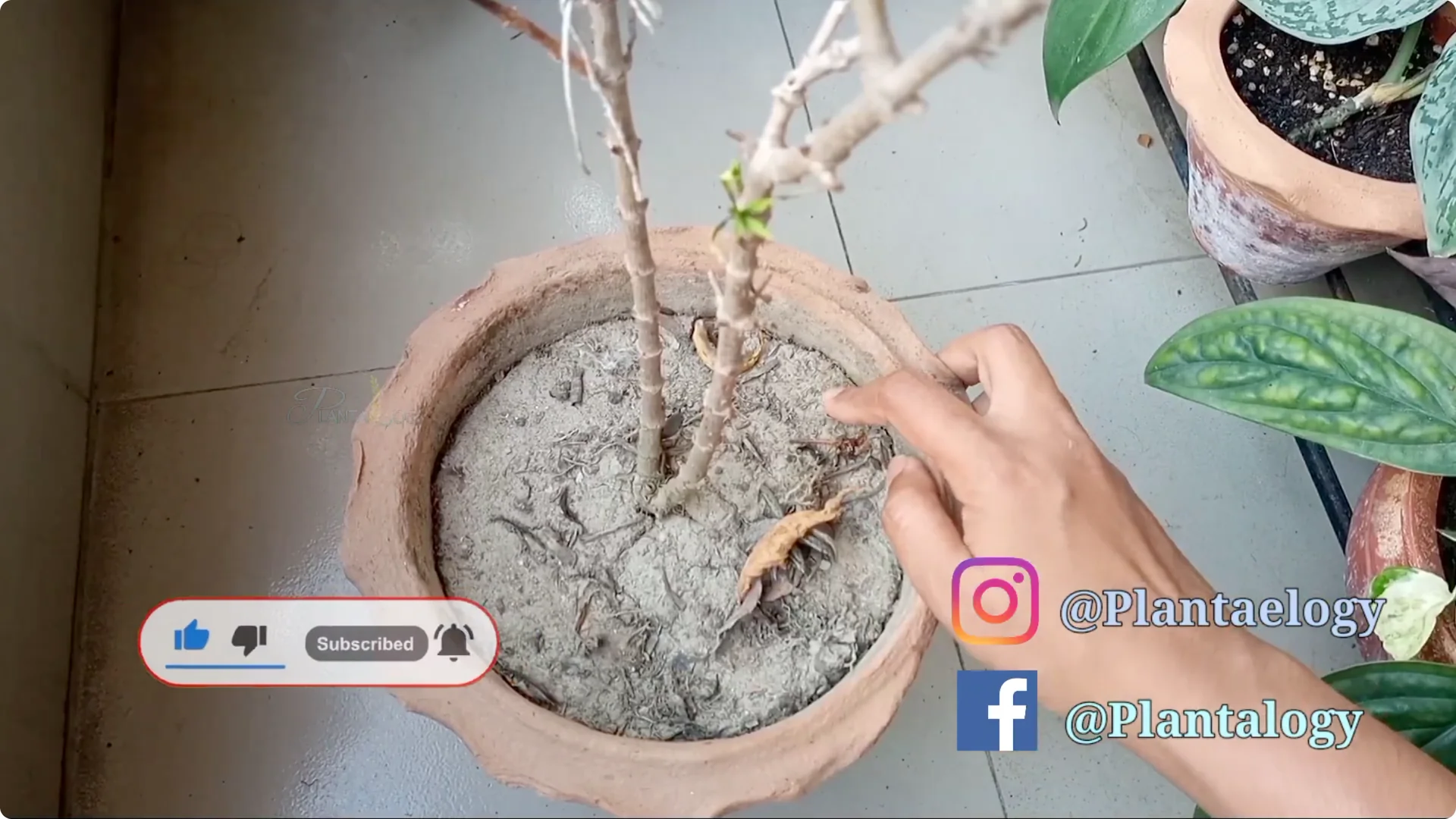
This was the situation of the plant when I brought it home. The plant actually struggled for water; the shrinked, wilted leaves and the dried soil were signs of dehydration. The stems also had wrinkles due to the lack of water, but I scratched a stem and found it green, which means the plant is still alive.
Read More: Dracaena leaves turning yellow tips
Allamanda Plant Revival – 2. Rehydrate deeply
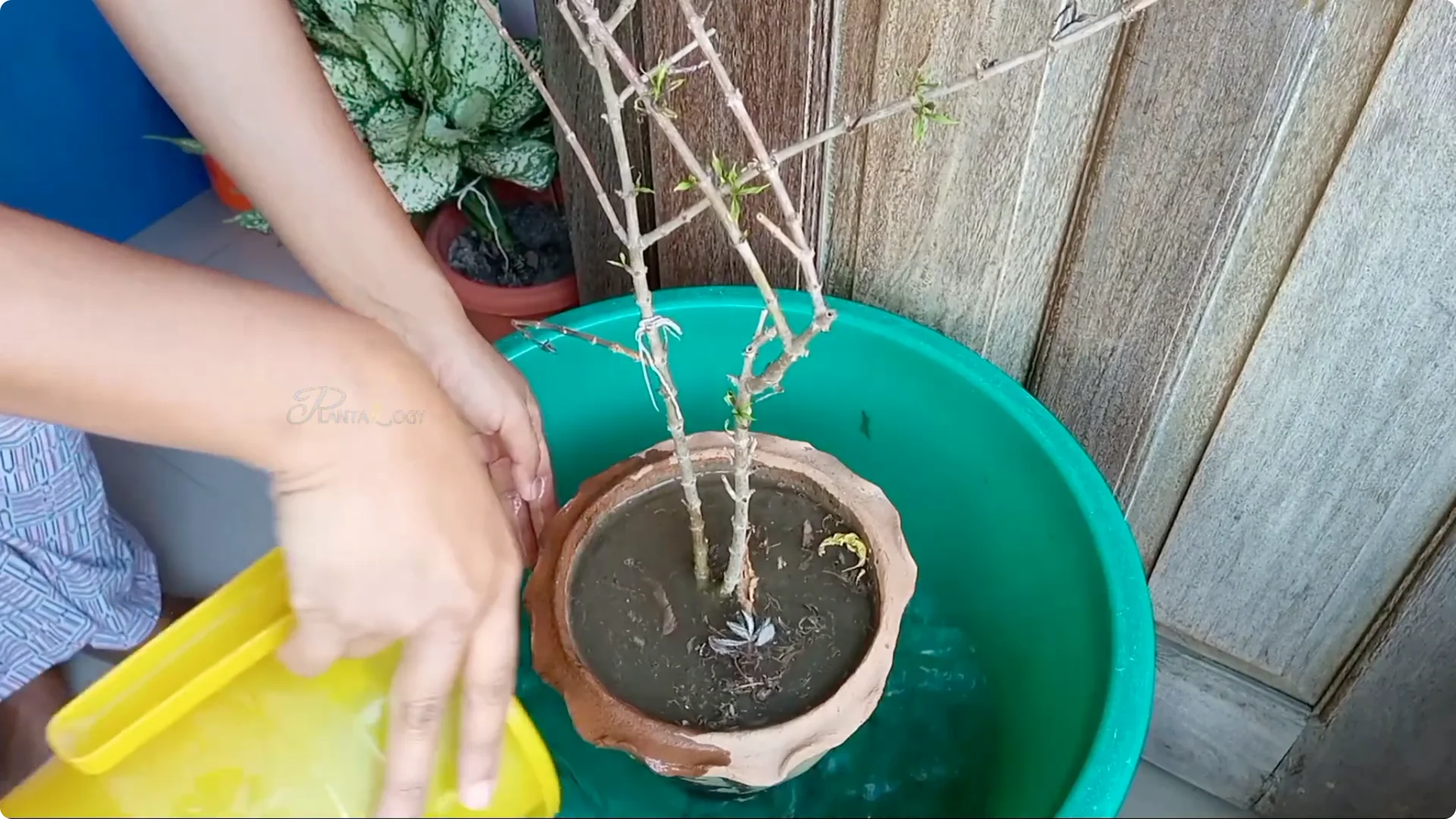
I put the plant into a bowl and watered the plant thoroughly. I also added water to the bowl so the plant could uptake water from the bottom, allowing the soil to get saturated properly. Then I left the plant in the bowl of water until I saw the leaves becoming hydrated.
After a couple of days the leaves got hydrated. The leaves were looking green and plump.
Allamanda Plant Revival – 3. Prune dead growth
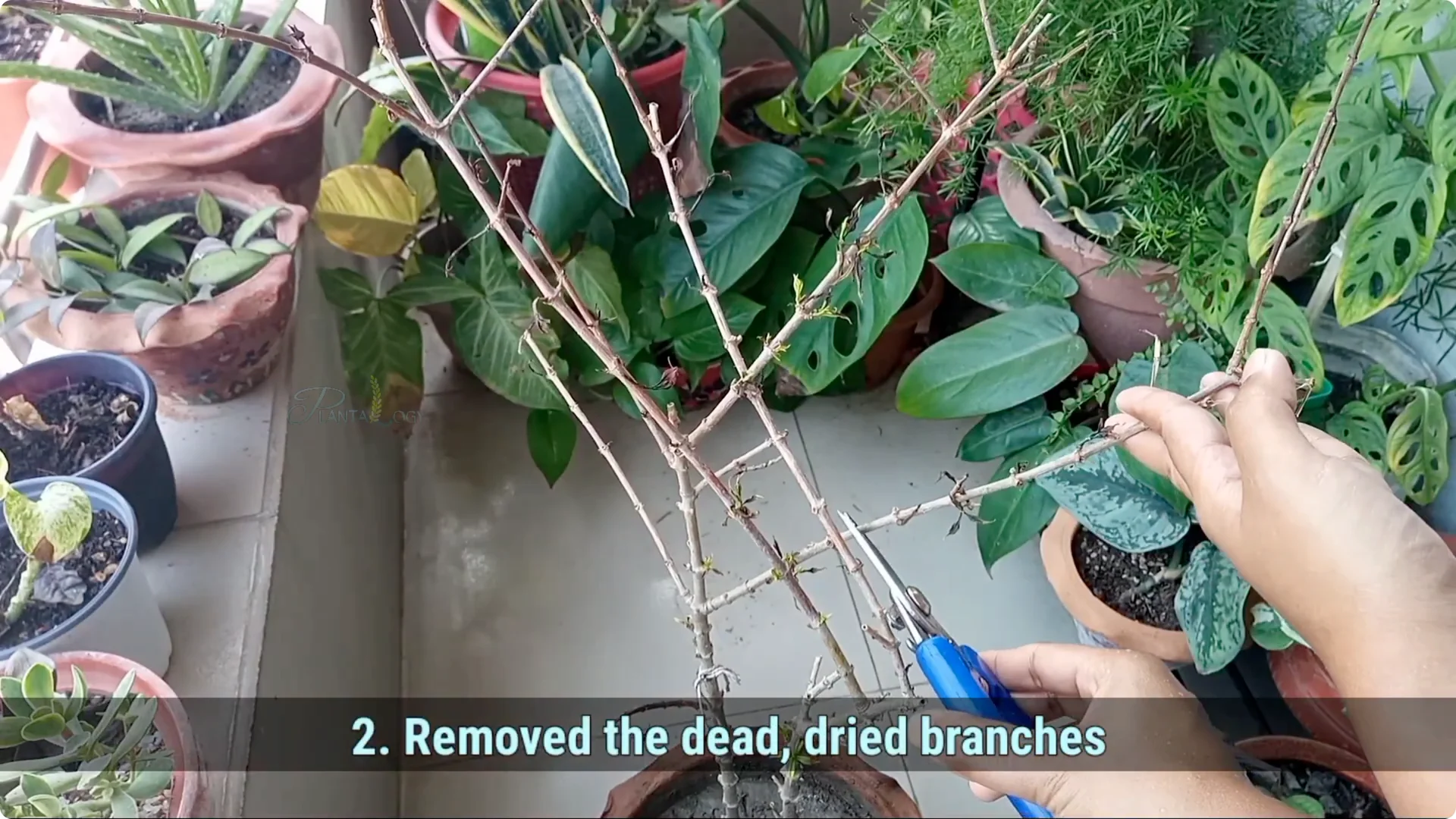
I took the plant out of the bowl. The plant had lots of dead branches, so with a pruner I removed all the dead, dried portions from each stem. I made clean cuts above the healthy green nodes.
After pruning I waited until the plant pushed new growth. If I repot the plant immediately after pruning, then the plant will be stressed out where the plant is already under stress.
Allamanda Plant Revival – 4. Prevent disease with fungicide
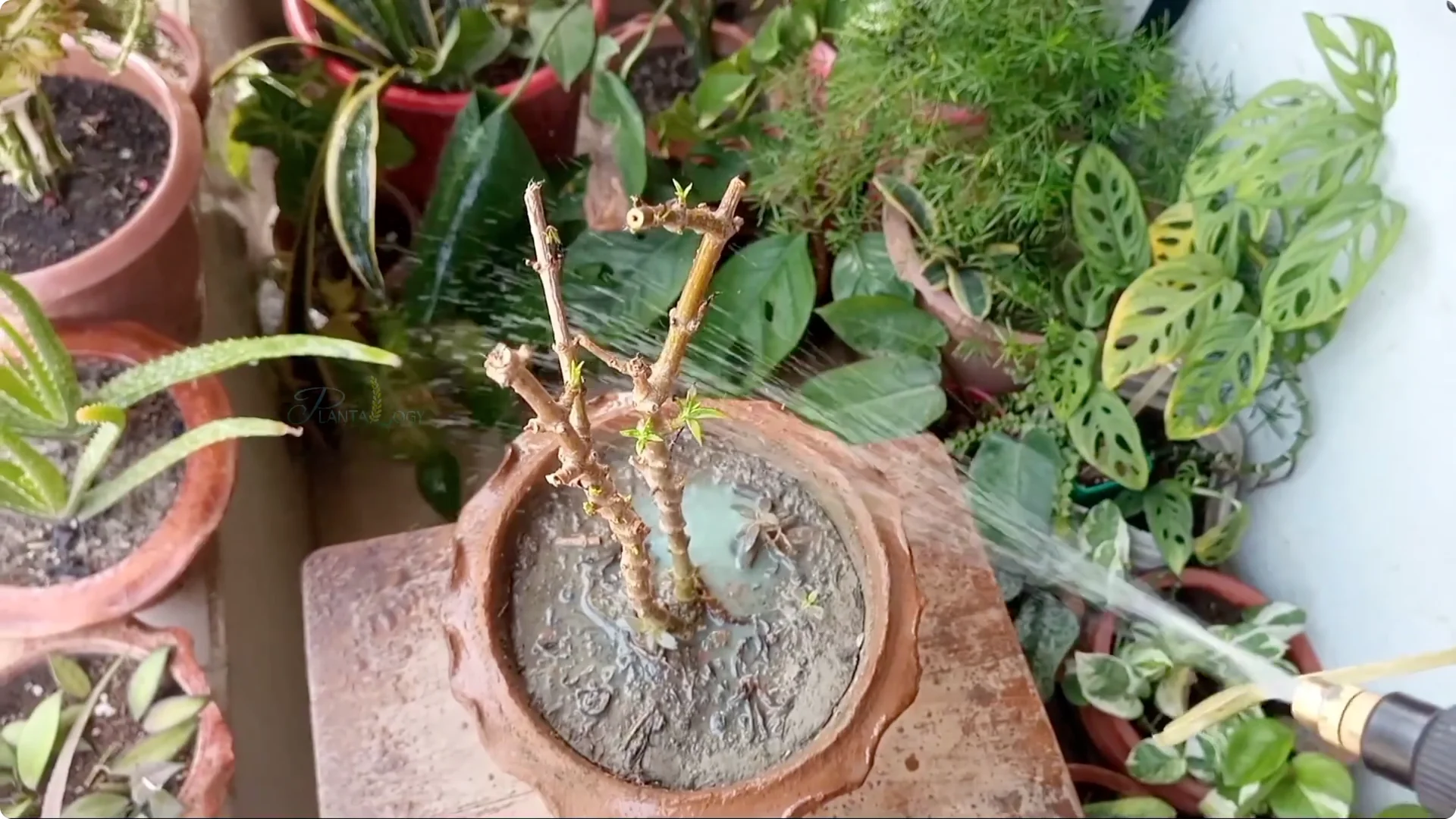
After another couple of days I sprayed diluted fungicide solution. I added half teaspoon of fungicide powder into liters of water and sprayed it all over the plant and in the soil also.
I continued to spray diluted fungicide solution – half teaspoon fungicide into liters of water – all over the plant once every couple of days.
Read More: Aloe Vera indoor care tips
Allamanda Plant Revival – 5. Repot after recovery
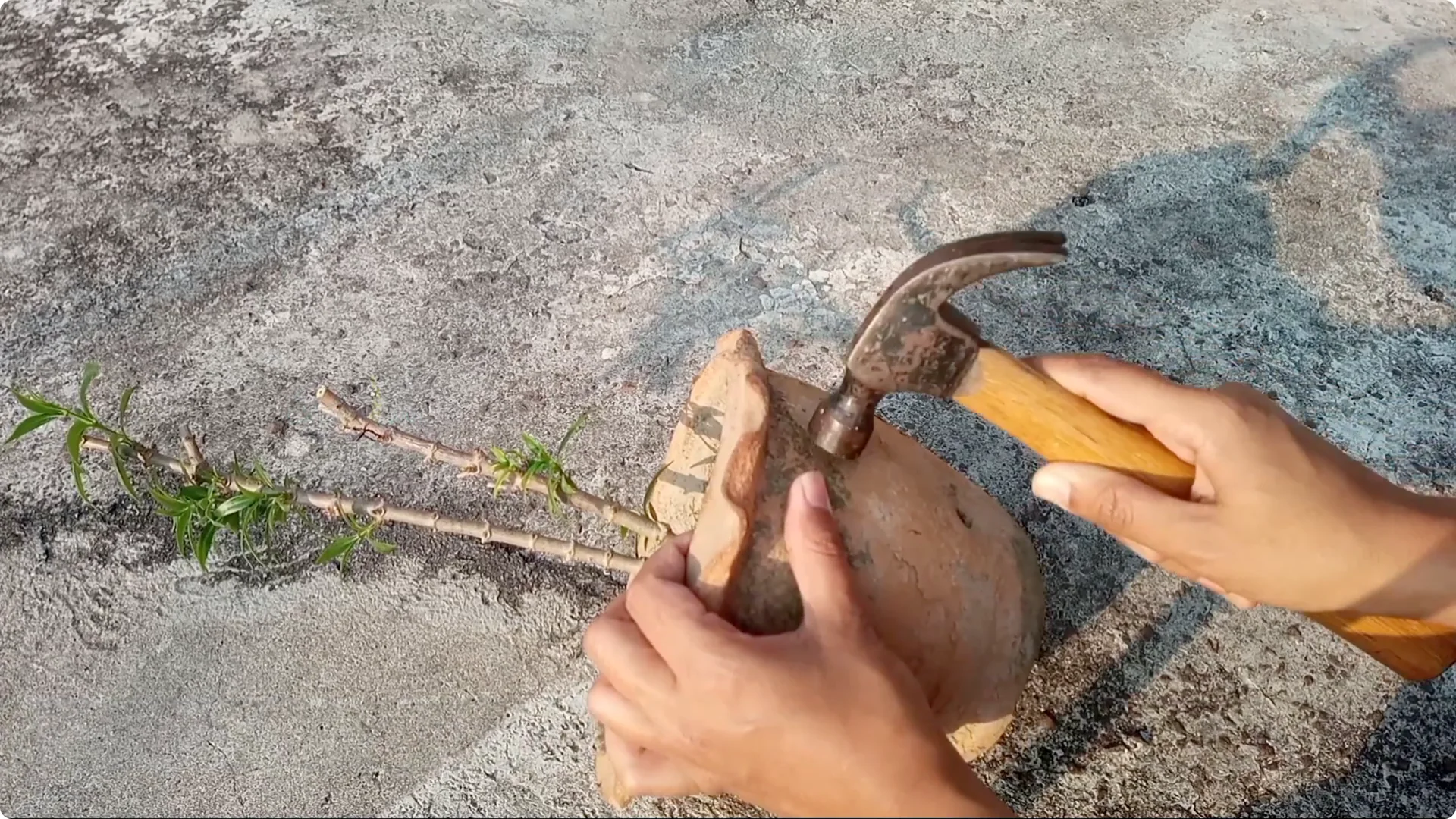
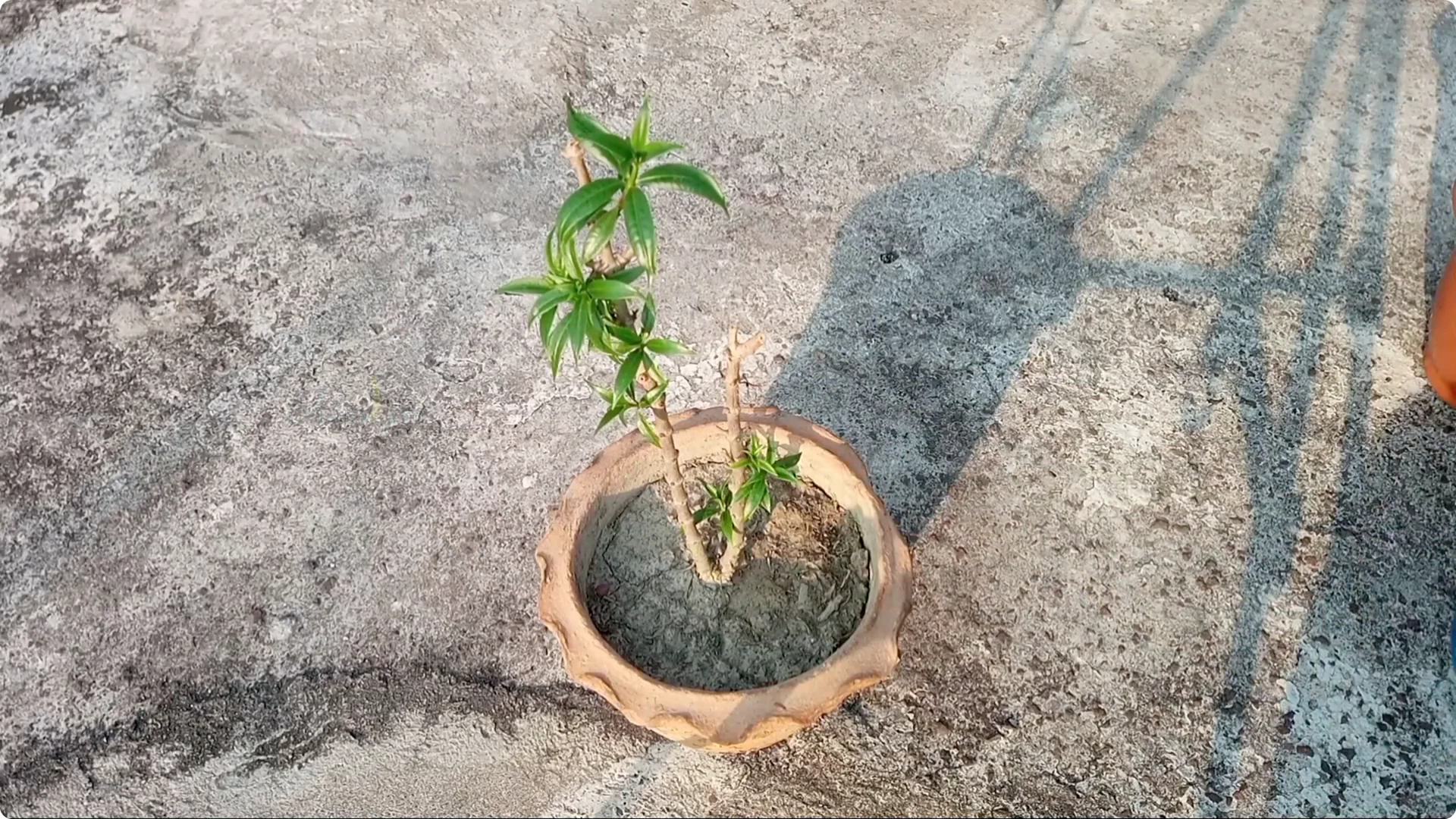
Timing the repot
After two weeks the plant had grown so much, with plenty of leaves and several new growths. I was very happy with the result. Now if I repot the plant it will be able to endure the repotting shock.
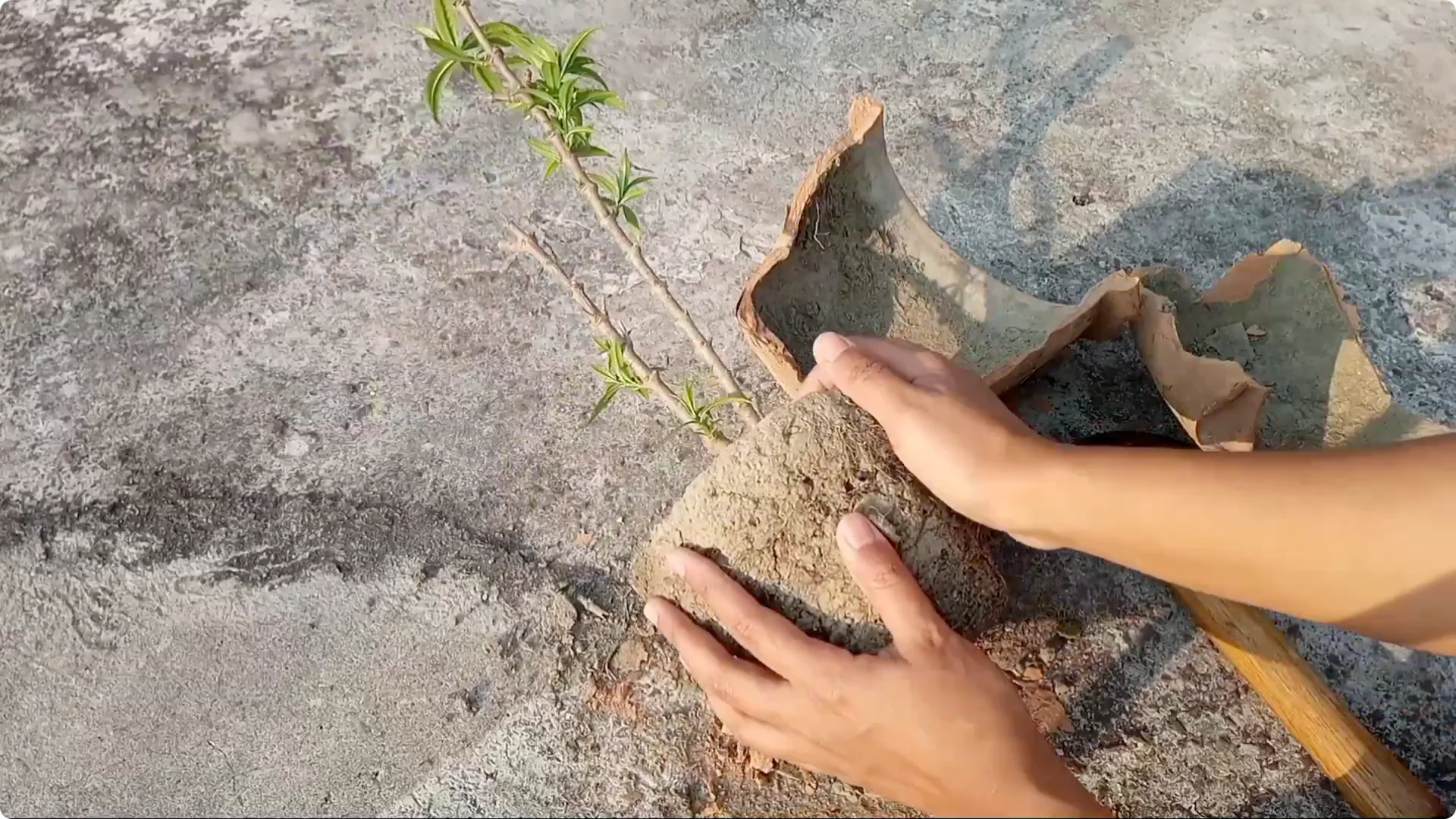
Unpotting and root work
I tried to remove the plant without breaking the pot, but I broke the pot. I found the plant root bound, so I removed most of the roots and soil. I tried to remove most of the soil with minimum root damage.
Pot size and setup
The structure of the old soil was destroyed, looking white and compact. I repotted the plant into an 8 inches pot, but 10 or 12 inches pots are ideal for such tropical flowering plants. I put some soil at the bottom and filled up near half of the pot, then gently put the plant into the pot.
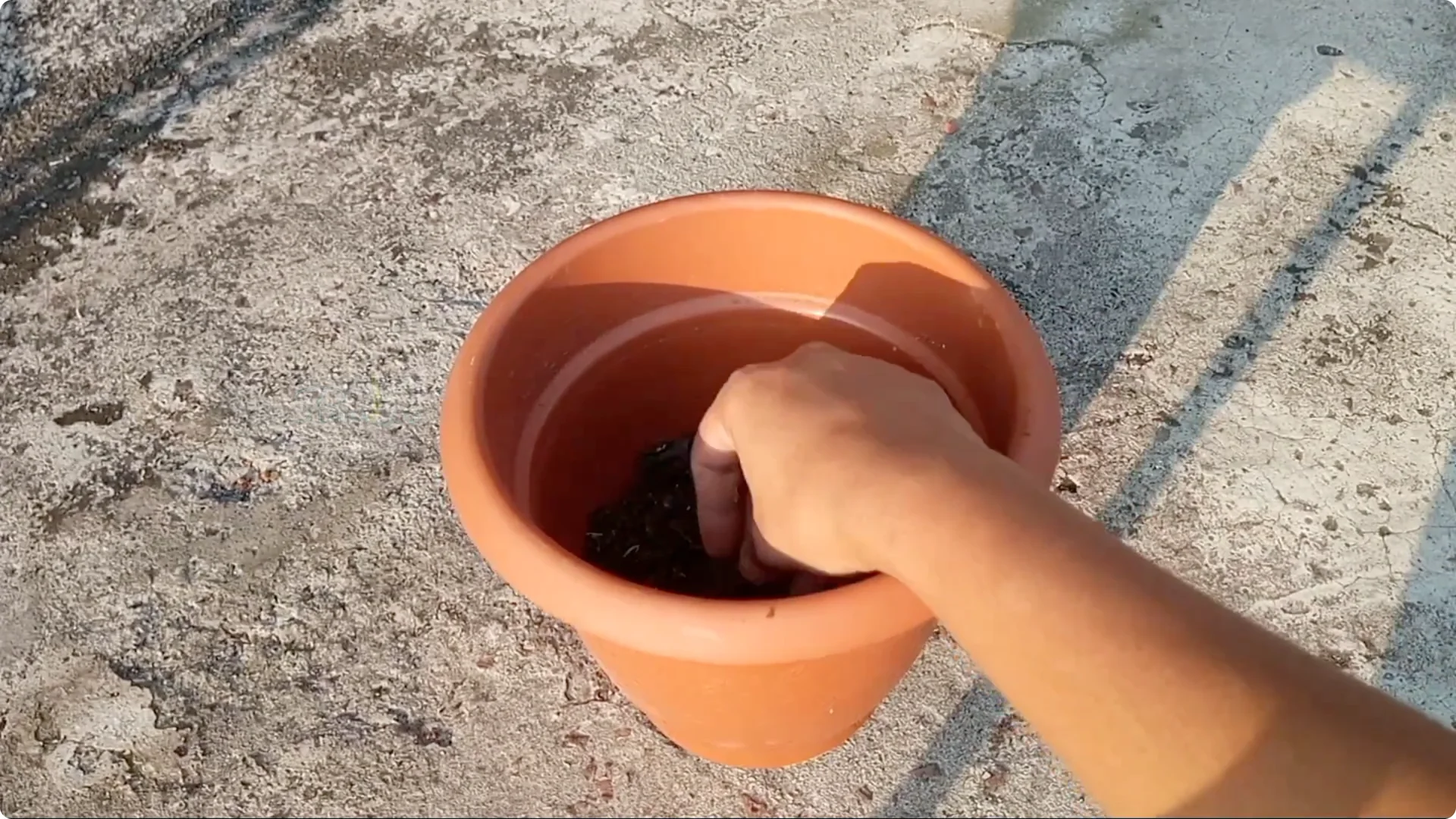
Light and watering after repotting
I filled up the empty spaces with the potting mix and then watered thoroughly. After repotting I kept the plant in a bright place where it would get some direct sun a day for about four to five days. Then I gradually shifted the plant to its desired place and watered thoroughly when a few inches of the surface soil felt dry.
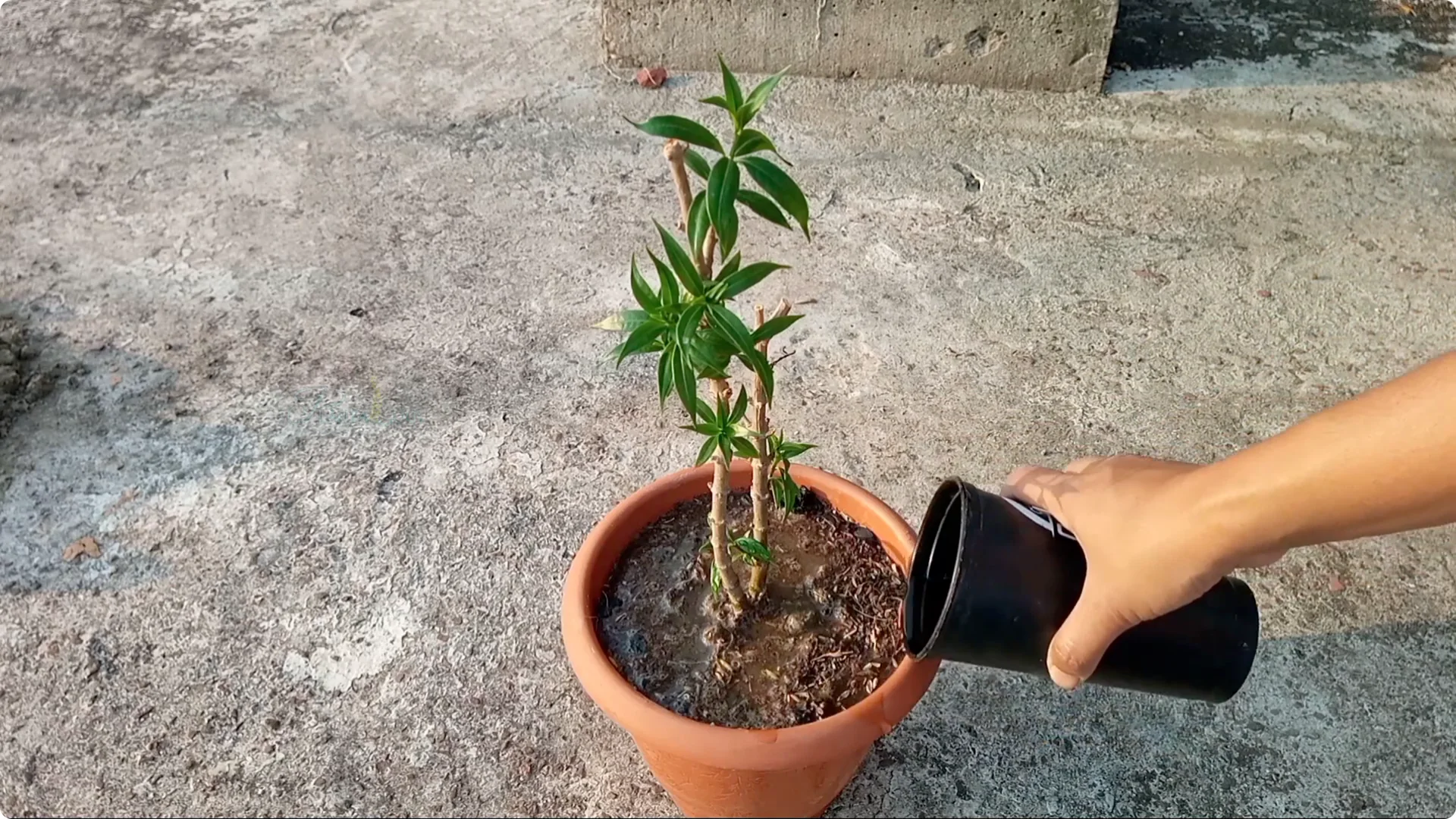
Allamanda Plant Revival – 6. Potting mix that works
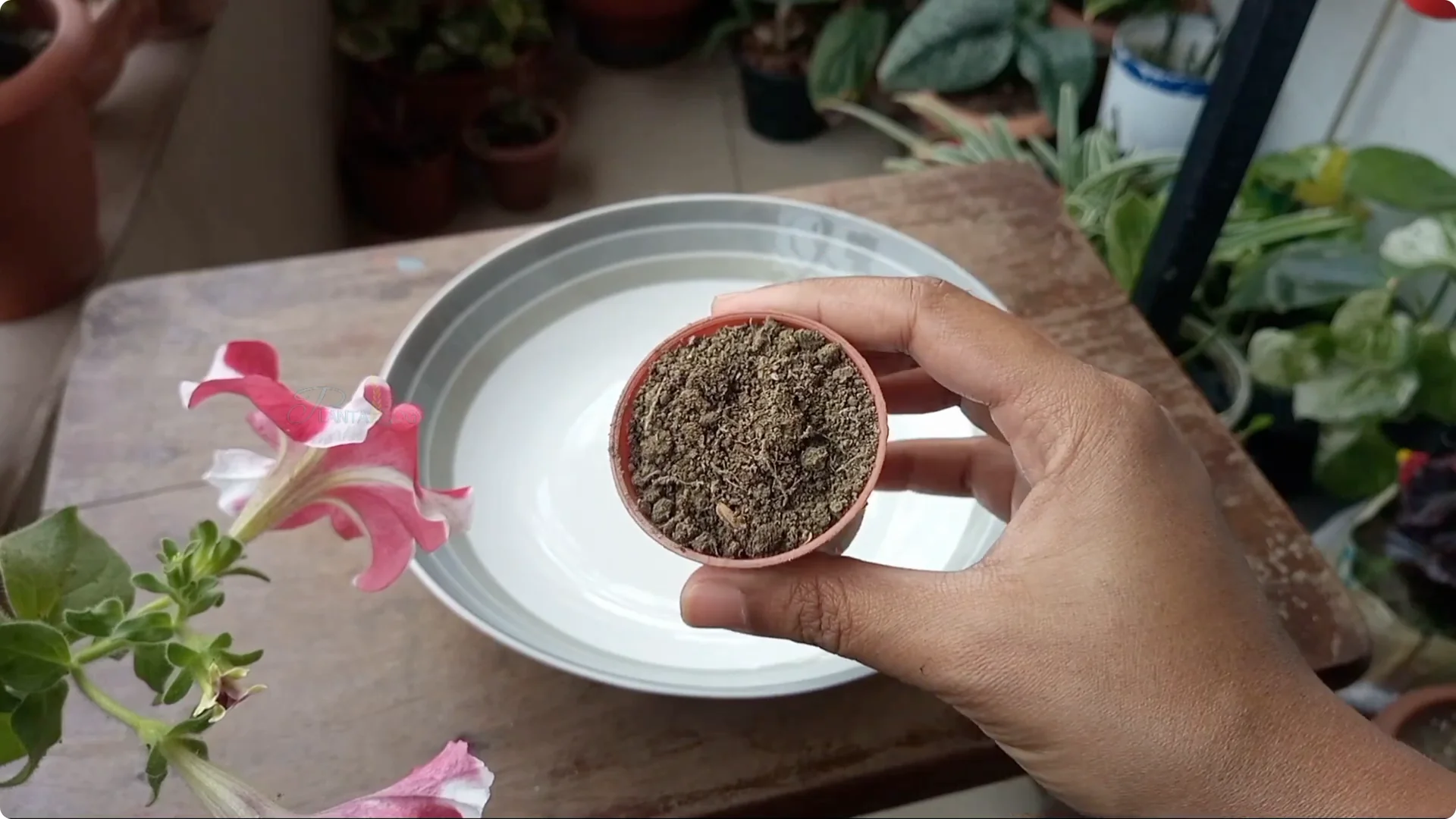
As a potting mix I mixed up 1 part garden soil or loam soil, 1 part compost, half part rice husk, half part cocopeat, and half part charcoal. The rice husk keeps the soil fluffy and airy, and when it starts to decompose it adds amino acid to the soil.
If your garden soil is hard or clay textural then you can add half part sand to increase the porosity of the soil.
Read More: Aloe Vera plant care tips
Allamanda Plant Revival – Final thoughts
These simple steps saved a dehydrated Allamanda and prepared it for summer flowering. Rehydrate deeply, prune dead growth, prevent disease, wait for recovery, repot correctly, and use a breathable mix. Follow the same approach to rescue other dying or struggling plants.