
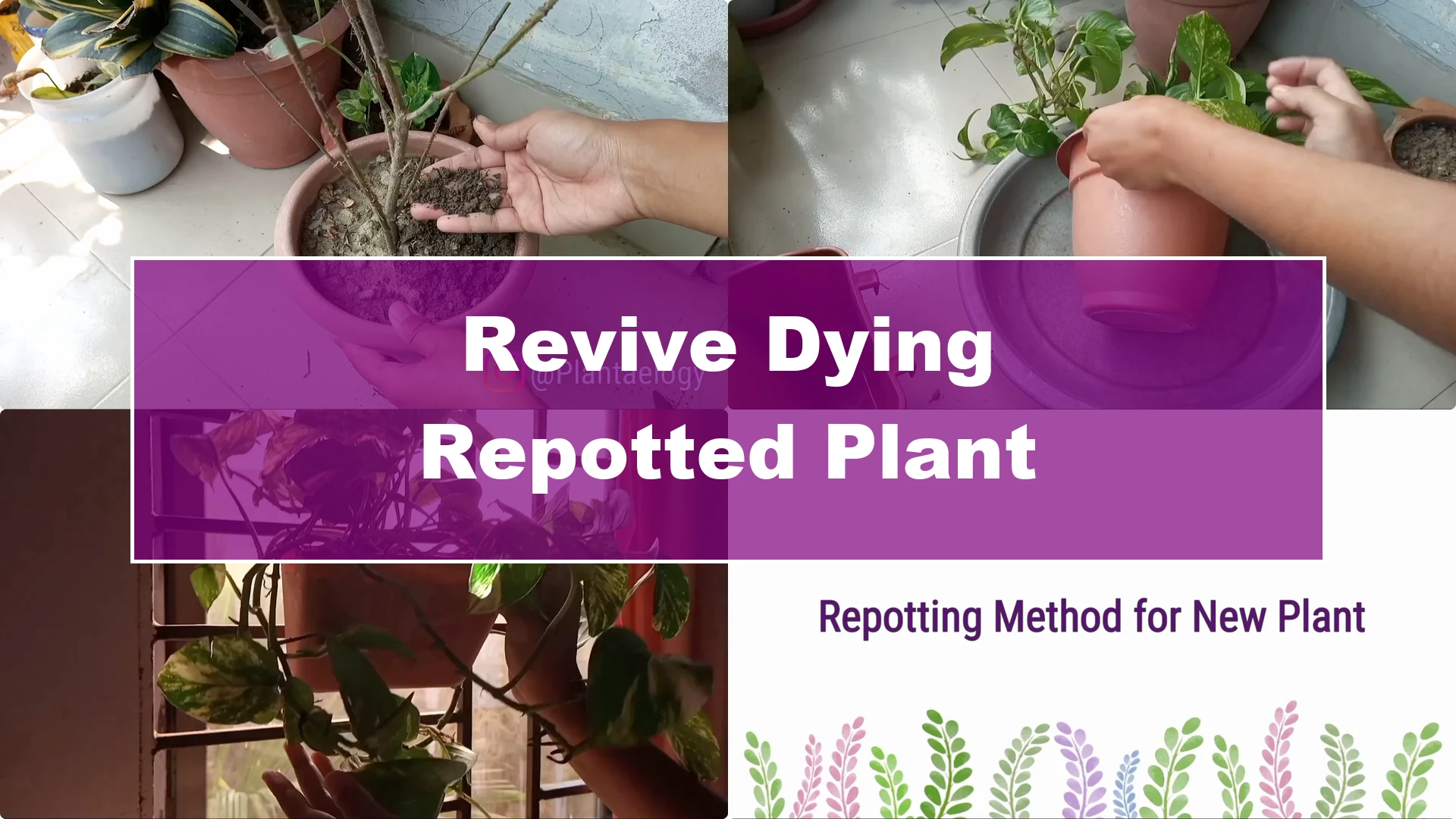
Repotting can shock a plant, and roots can even withdraw in too much water. Plants need proper care after planting to recover and settle. Be careful and slow at every stage to save the plant after repotting.
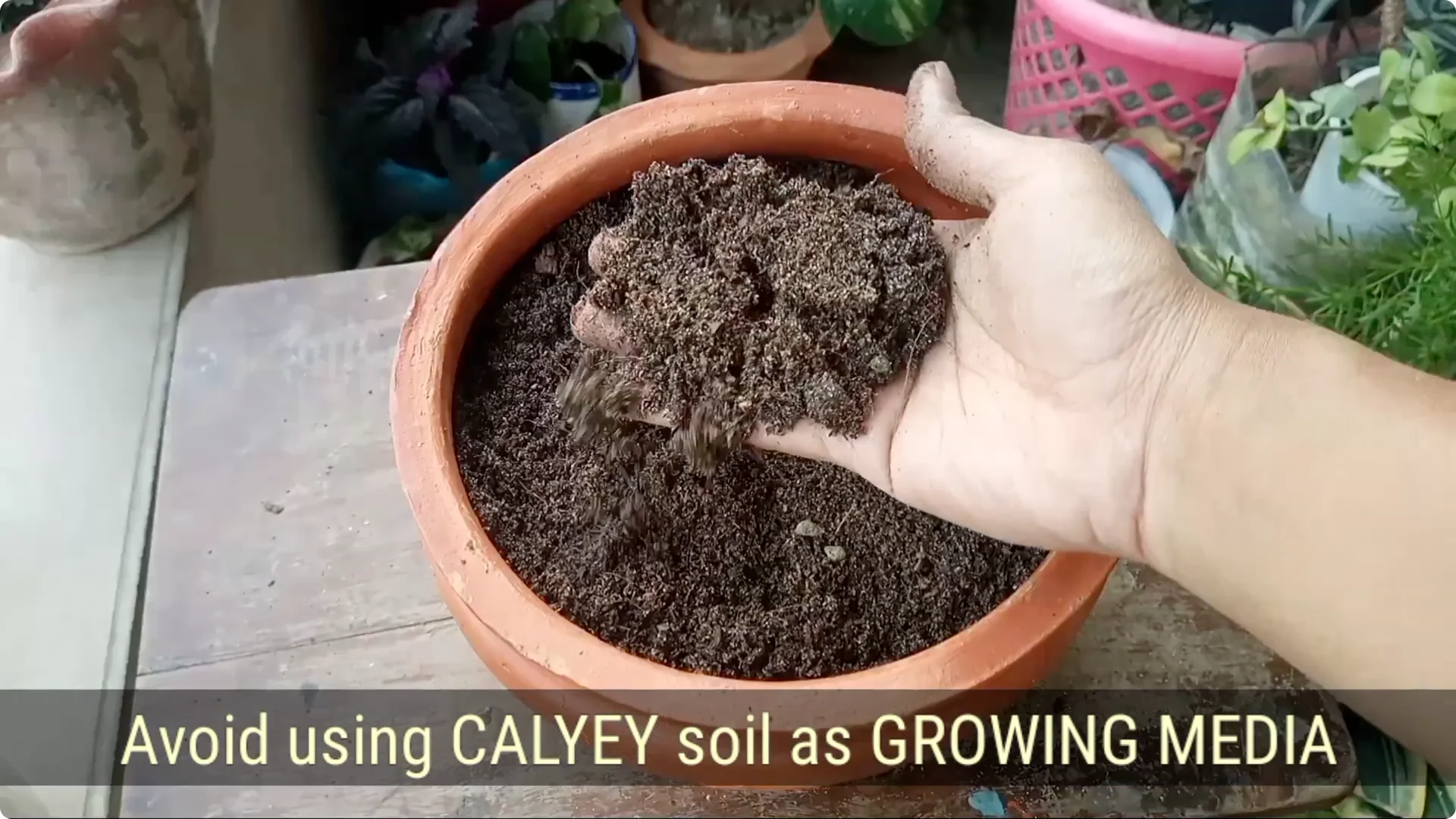
Use good quality potting mix that suits the plant. Avoid clay soil as growing media because it can create an anoxic situation and cause root rot. Small containers are fine at first and help the root ball stay stable.
1. Saving Plants After Repotting: Timing
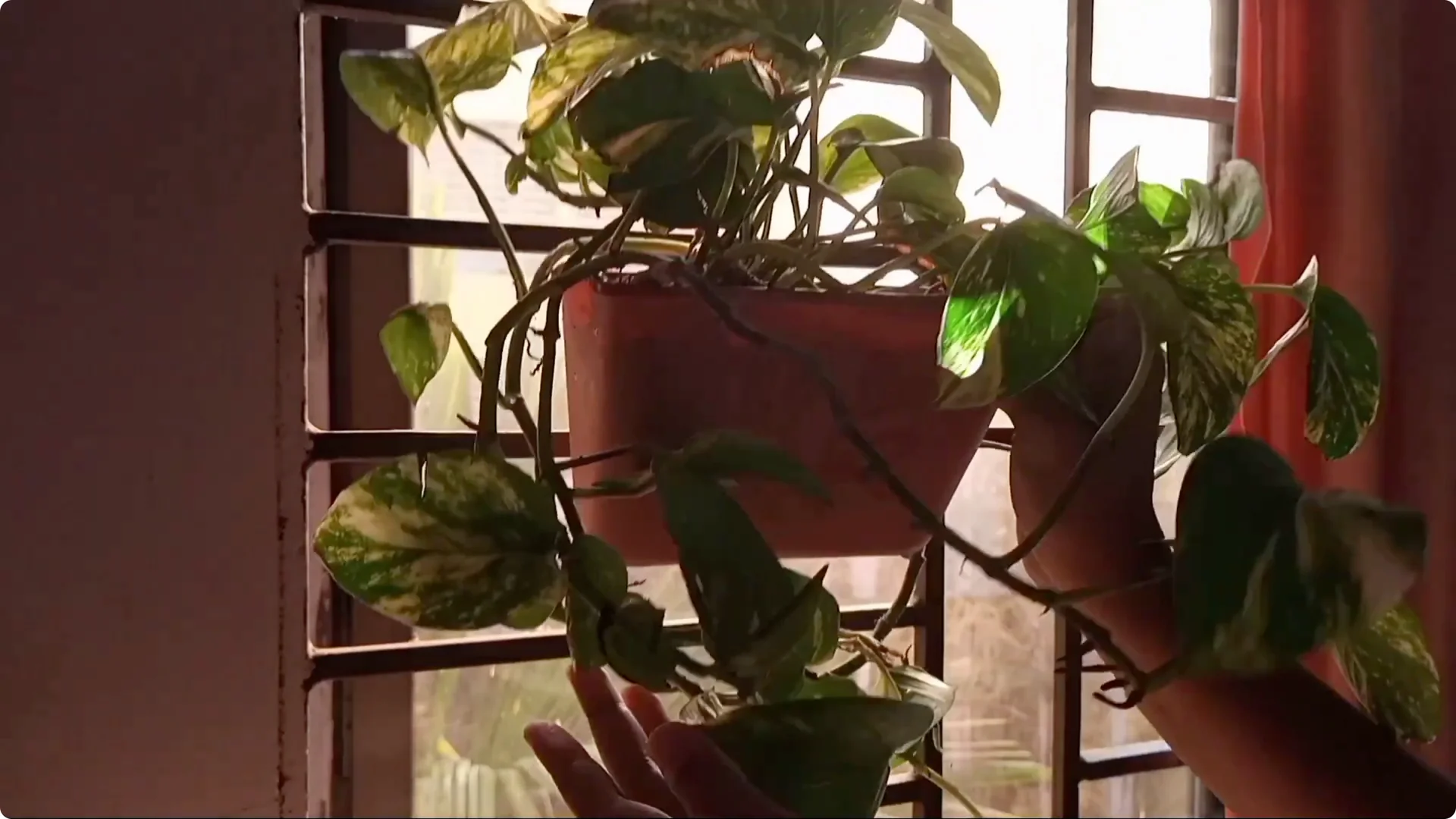
Transplant a newly purchased plant immediately if the existing media is bad or waterlogged. This helps you see the reaction to the new environment and stops further damage. Prefer spring or autumn for repotting.
Some special cases need faster action. If the plant has broken growth or the roots are damaged, repot carefully without delay. Do not keep shifting the plant from one place to another.
Read More: Common Mistakes Avoiding Dying Plant
2. Saving Plants After Repotting: Pot and Mix
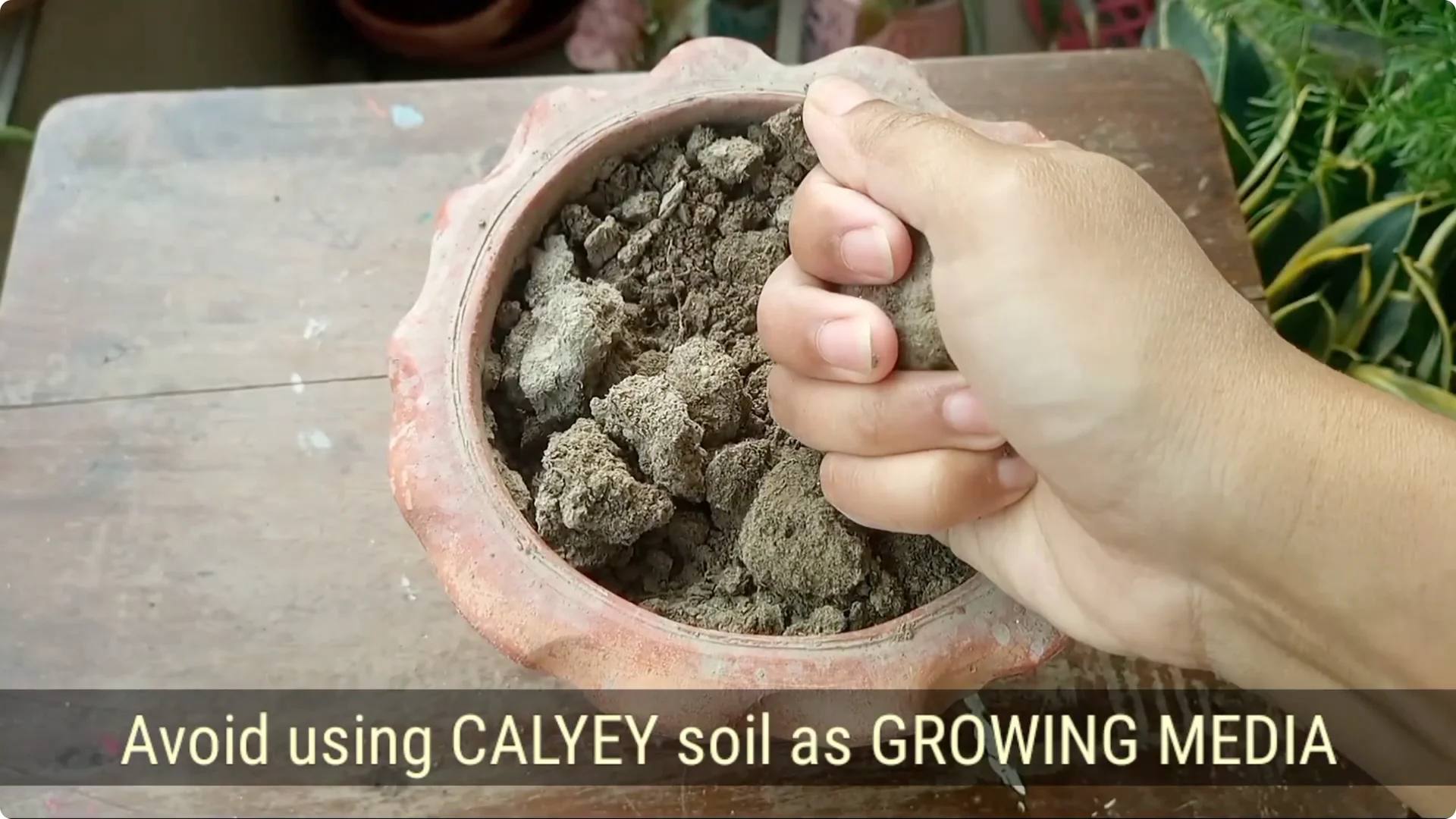
Choose a container that is not oversized. A small or slightly bigger pot than the root ball keeps moisture balanced. Always keep the level right and do not bury the crown too deep.
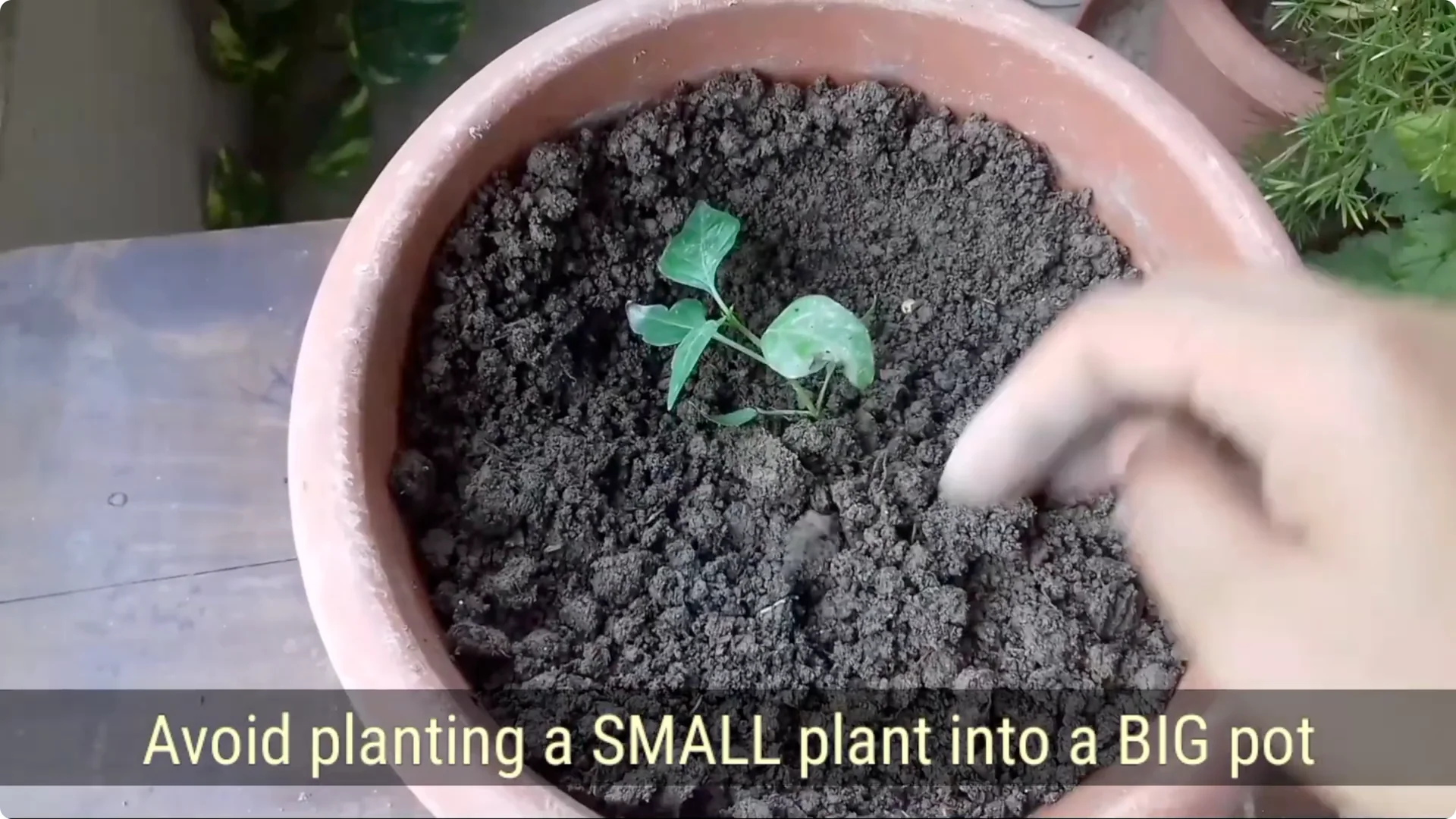
Avoid using clay soil as growing media. It can hold too much water and restrict air, which raises the risk of rot. A well-aerated mix helps the roots breathe and settle.
3. Saving Plants After Repotting: Method
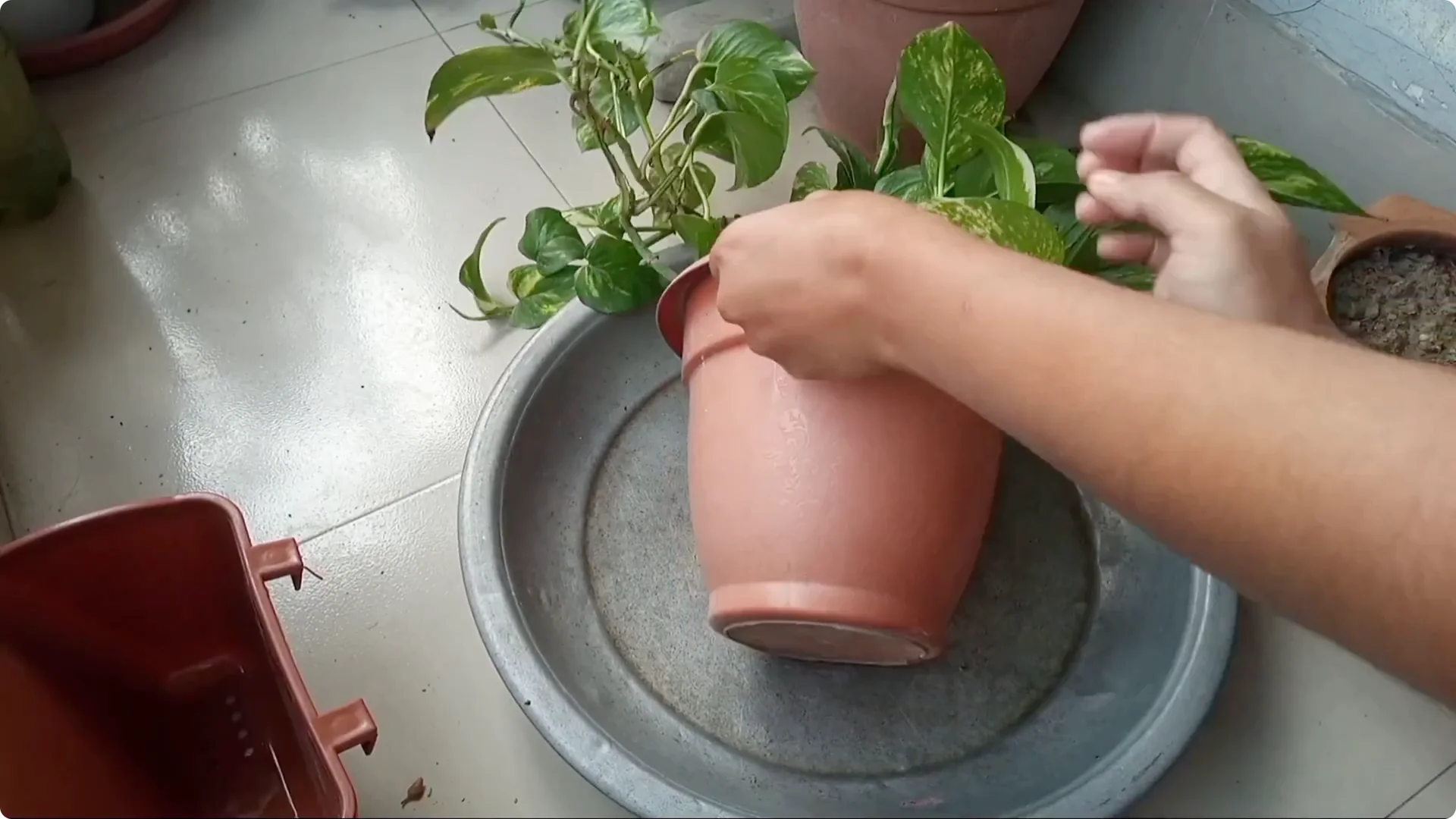
Transferring the plant from one media to another is the most crucial moment. Be very careful and slow while handling the root ball. Gentle movements prevent extra stress.
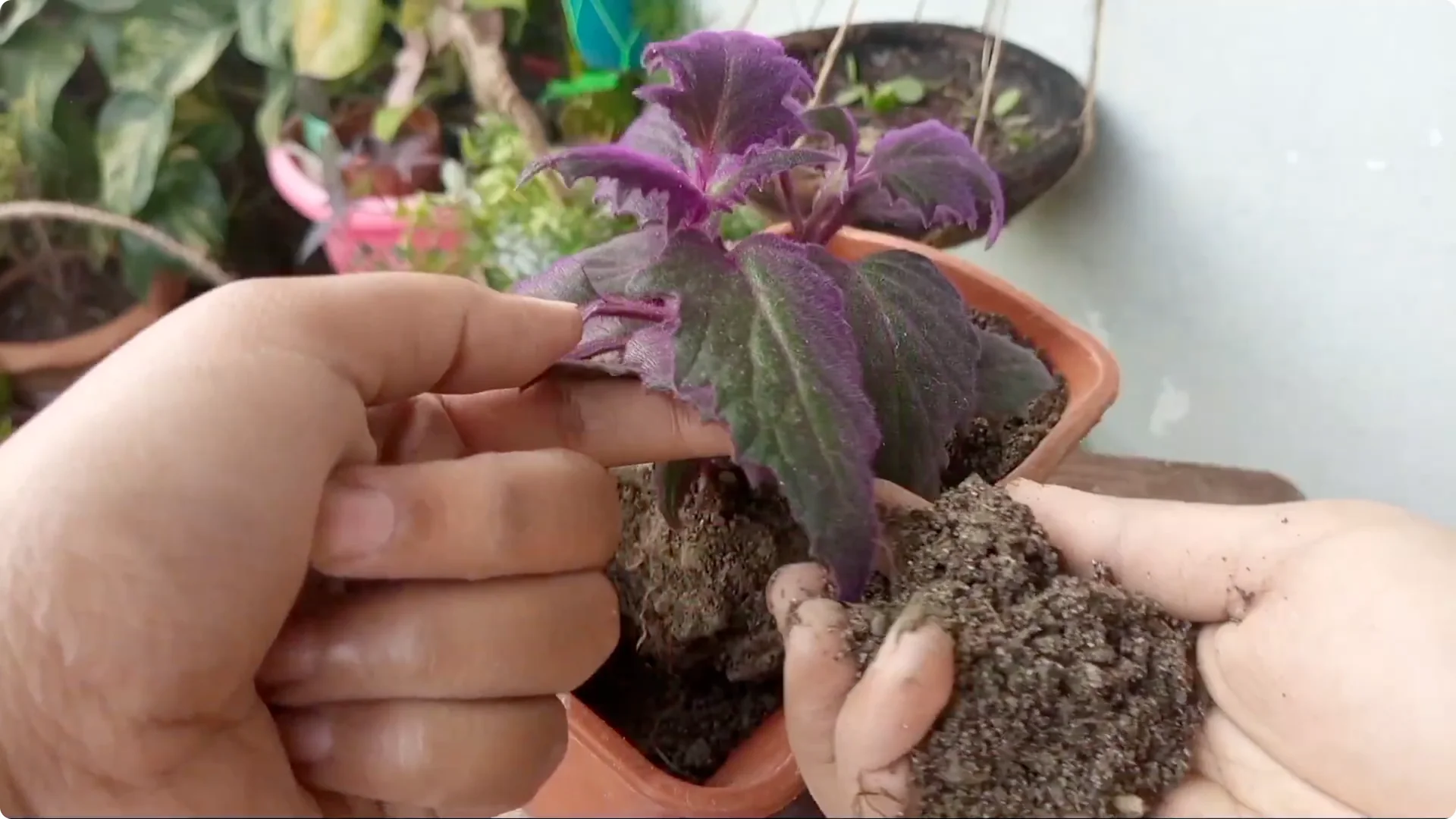
Step-by-step
Remove the plant from the old pot and take off the old media from the roots. Do not tear healthy roots while cleaning the base.
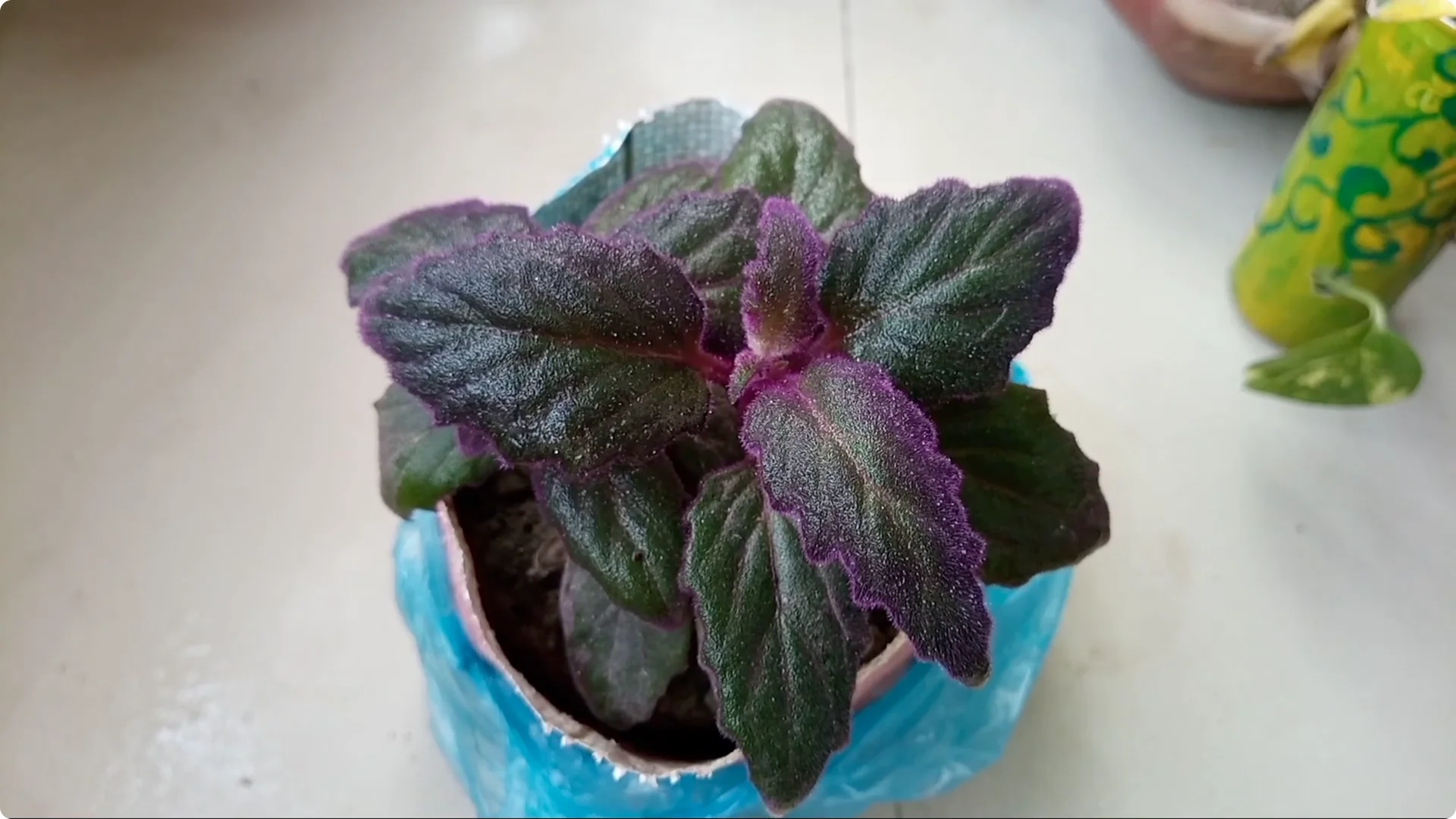
Fill half the pot with fresh mix. Gently place the plant in the center and keep it upright.
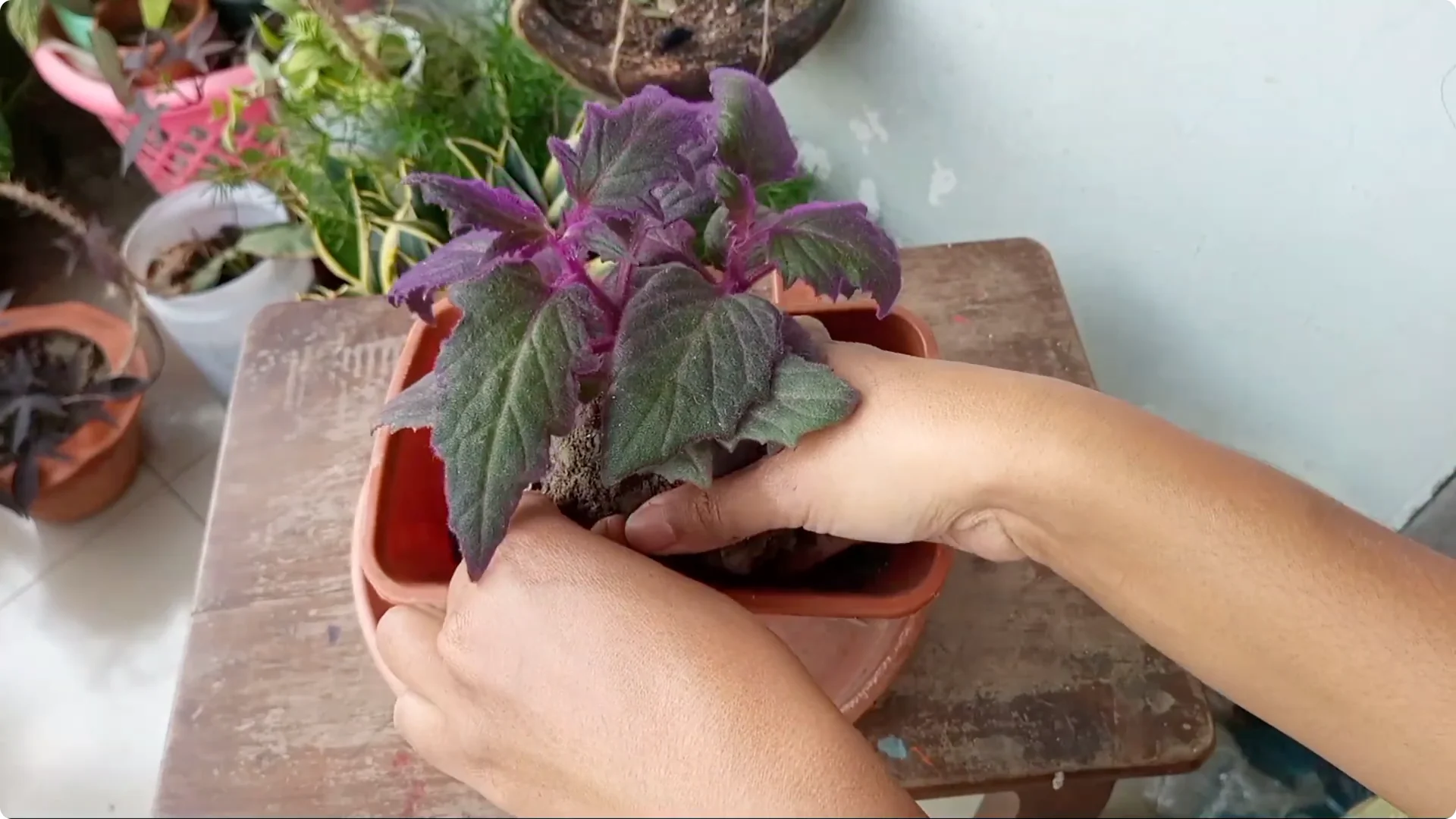
Fill around the roots and firm lightly. Tap the pot to settle the mix and remove air pockets.
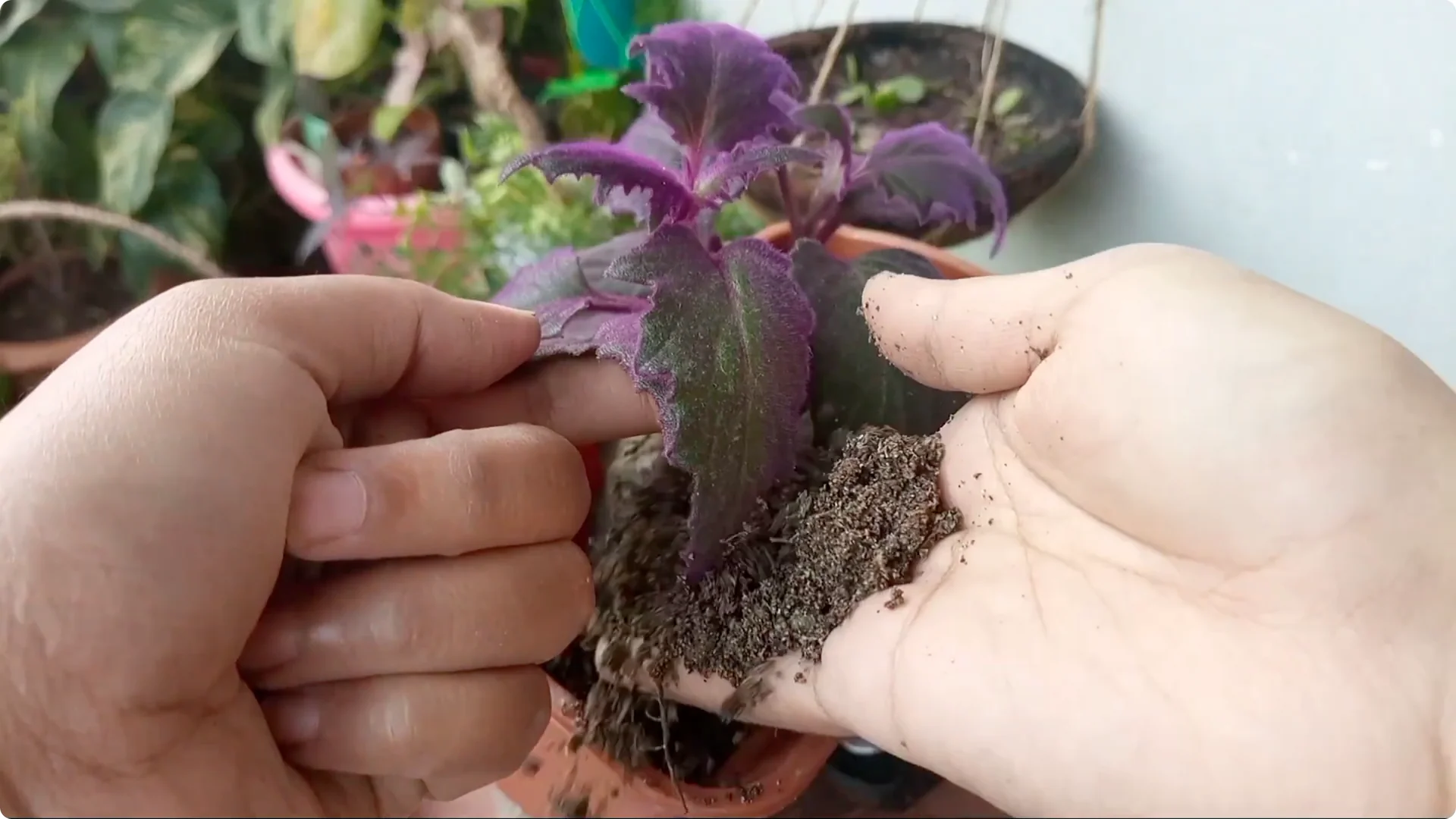
Keep the final soil level even with the previous level. Do not compress the mix too hard.
Read More: Revive Dying Snake Plant Indoors
4. Saving Plants After Repotting: First Watering
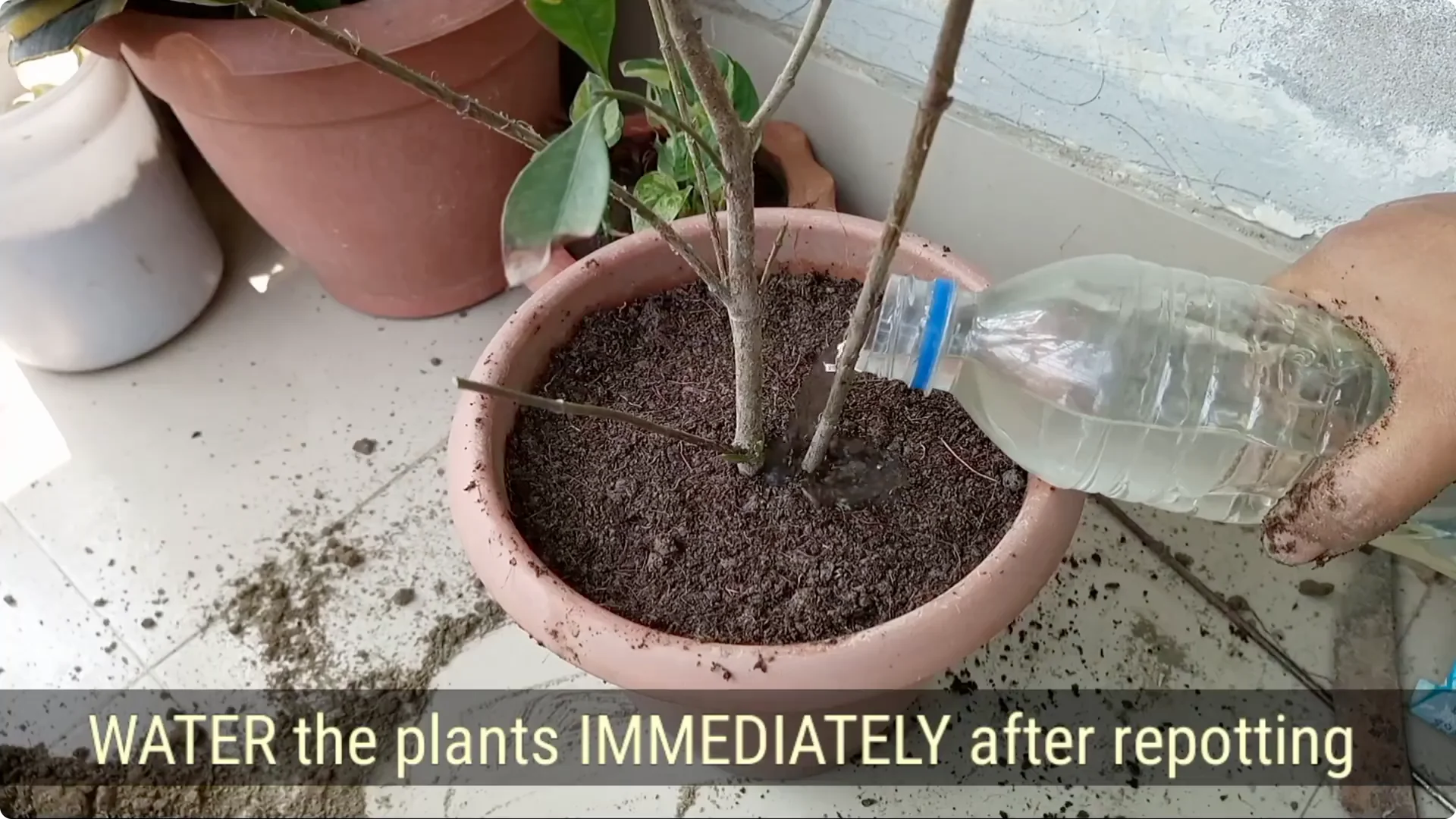
Water the plant immediately after repotting. Pour slowly so the mix absorbs evenly and air gaps close. Gently tap the sides to help the mix take water.
Do not drown the roots. Too much water can make roots withdraw and stall new growth. Let excess moisture drain and then allow the mix to breathe.
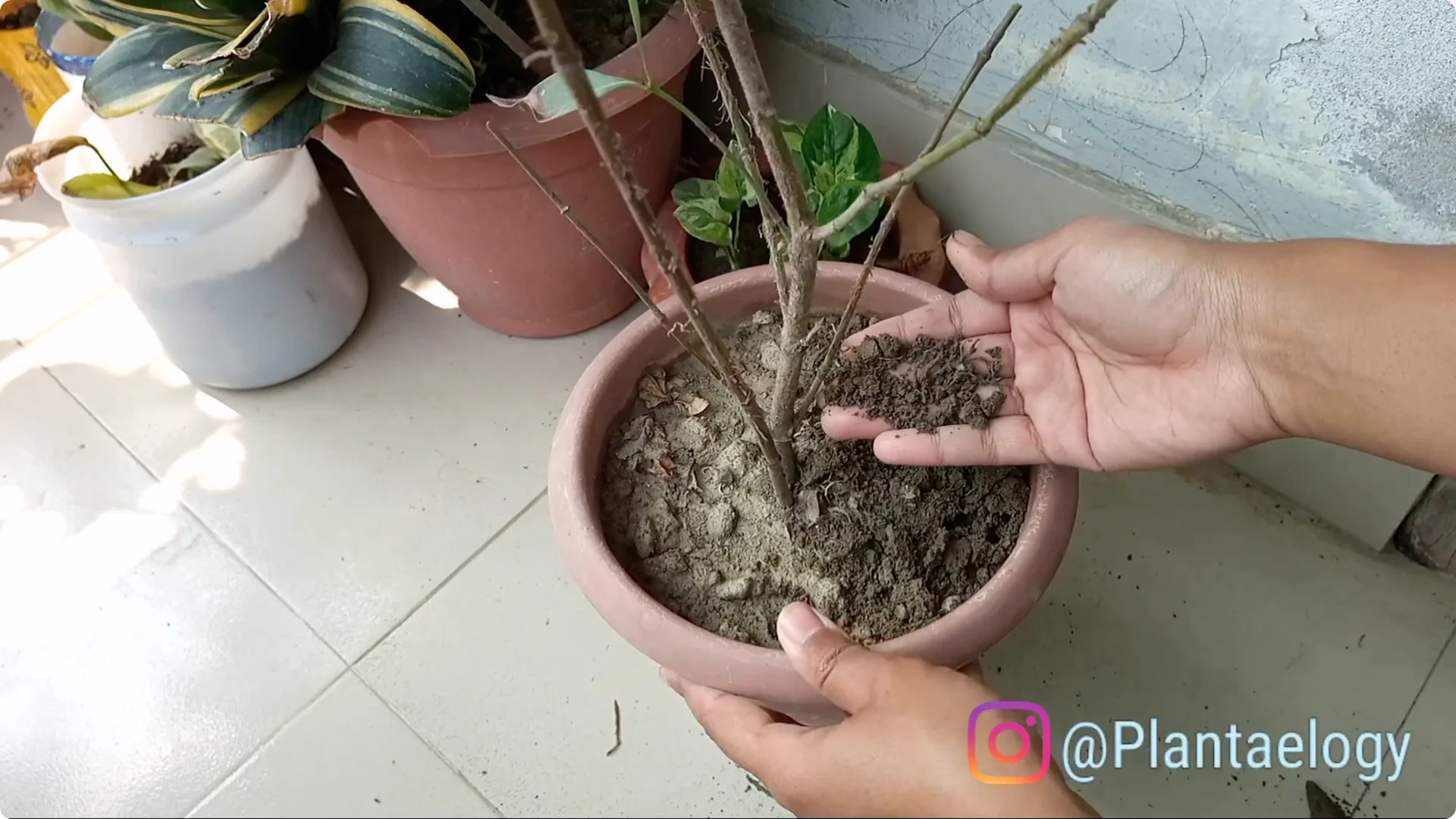
5. Saving Plants After Repotting: Aftercare
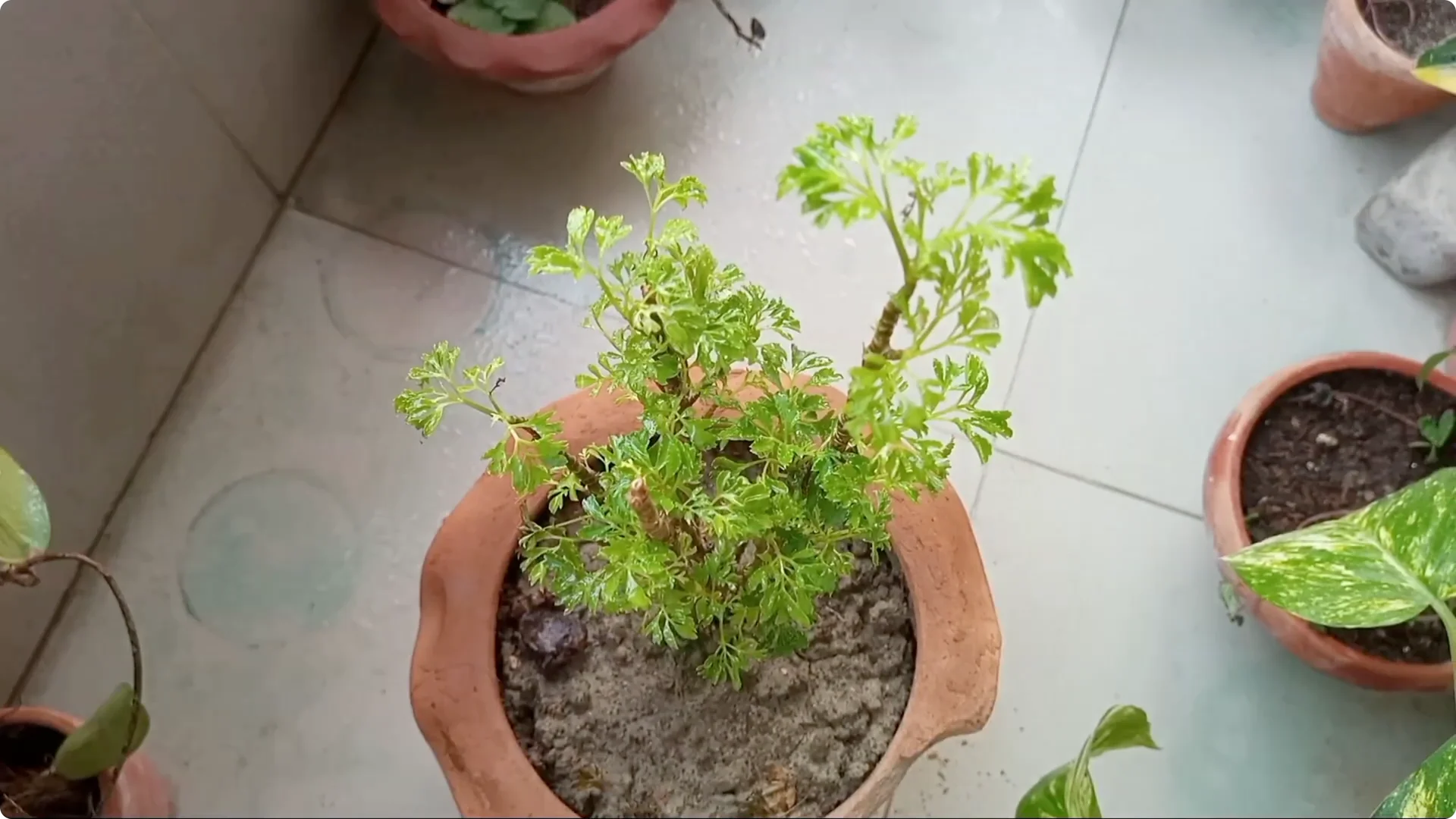
The plant may slow its uptake for a while after moving. Keep it steady and avoid frequent shifting or shaking. Give it a calm spot and consistent care.
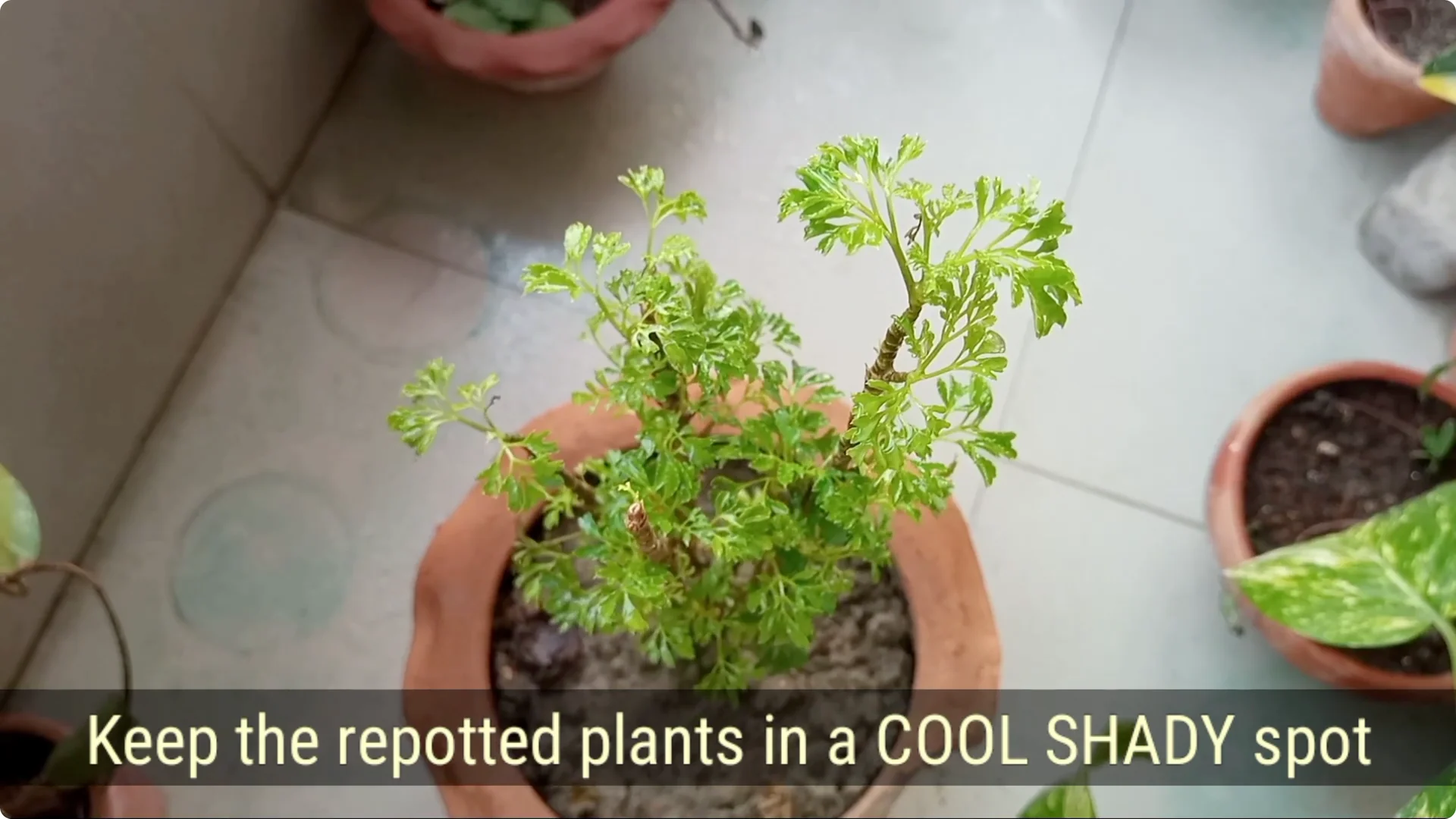
Watch for signs of stress and adjust watering based on the mix and pot size. Special cases like damaged roots need extra attention and light hands while handling. Patience helps the plant anchor and push new growth.
Read More: Revive Dying Ficus Plant 4 Days
Final Thoughts
Repot with the right timing, a suitable pot, and a breathable mix. Work slowly, keep the soil level correct, tap to settle, and water right after. Avoid clay soil, avoid overwatering, and avoid unnecessary movement to save plants after repotting.