
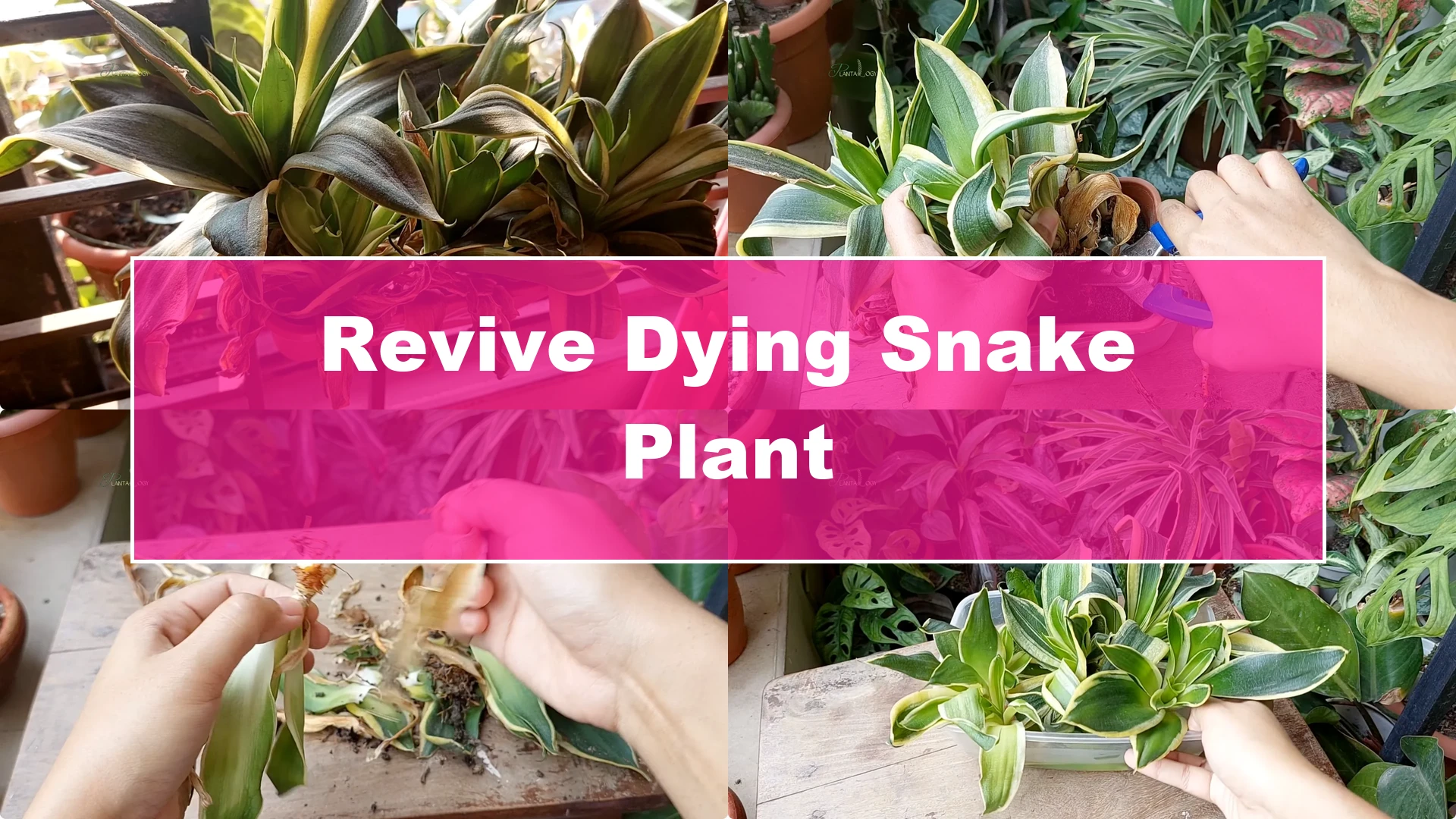
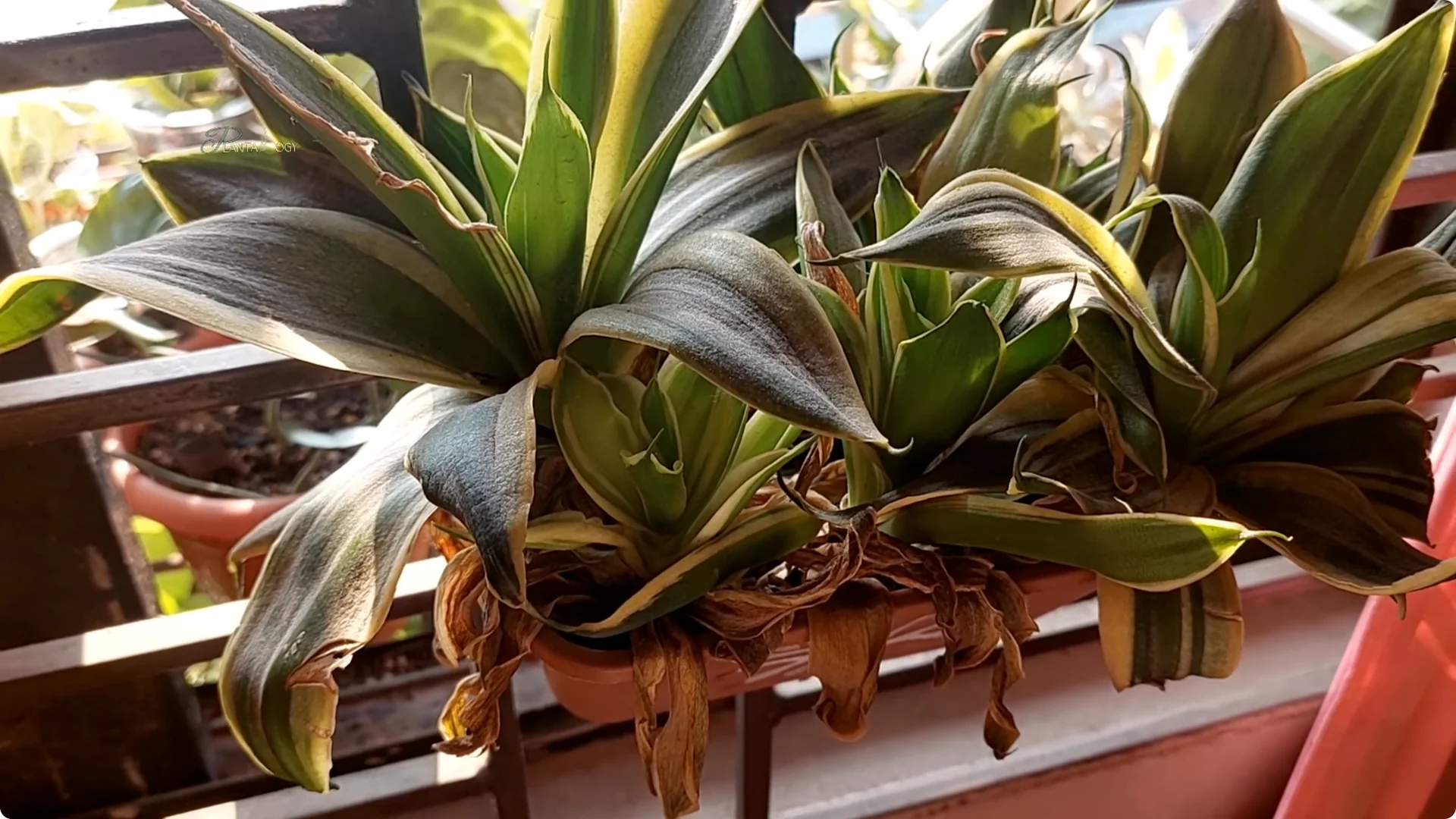
These snake plants were not watered for the last three and ten months. The plants are still alive, but the leaves are shrunk, wrinkled, and have lots of brown dry leaves. Around 70 to 80 percent of the roots are damaged due to extreme underwatering.
Even after this, I will show how all these plants can be rescued and end up with healthy large snake plants. I have also provided some special care tips that helped me revive these dying plants fast.
1. Reviving Underwatered Snake Plants – Assessment
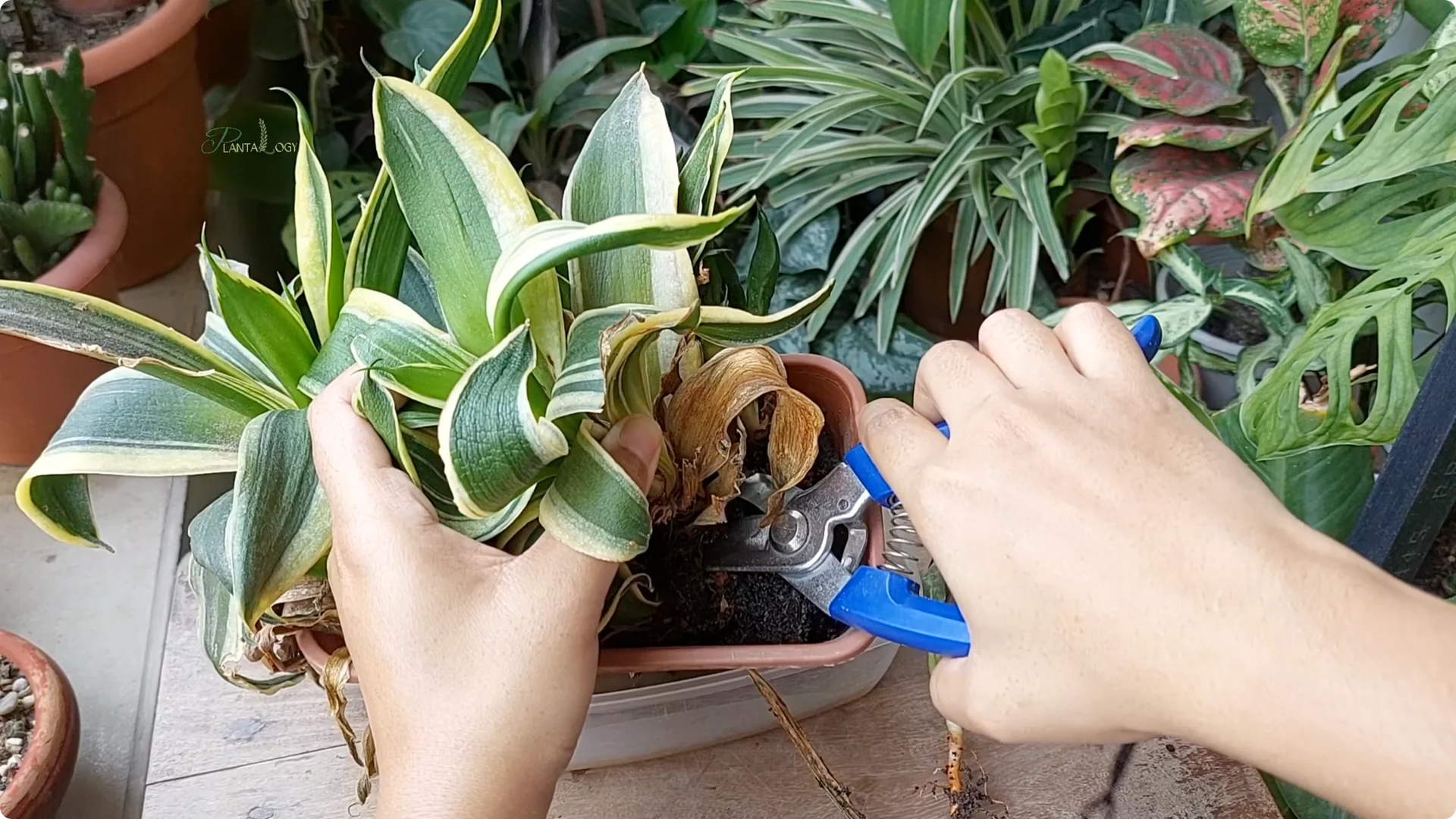
Since the plants are underwatered, you might say thoroughly watering will revive them. In such extreme cases, instant watering derives root rot rather than hydrating the plants, because most roots are dried out and unable to absorb moisture.
It is better to cut out each plant. Each of these snake plants has aerial roots, so there is a second chance of growing them back. The base of every single plant is firm and has enough potential to grow back.
Read More: Snake Plant Leaves Brown Drooping
2. Reviving Underwatered Snake Plants – Step-by-Step Rescue
Cut and prepare the plants
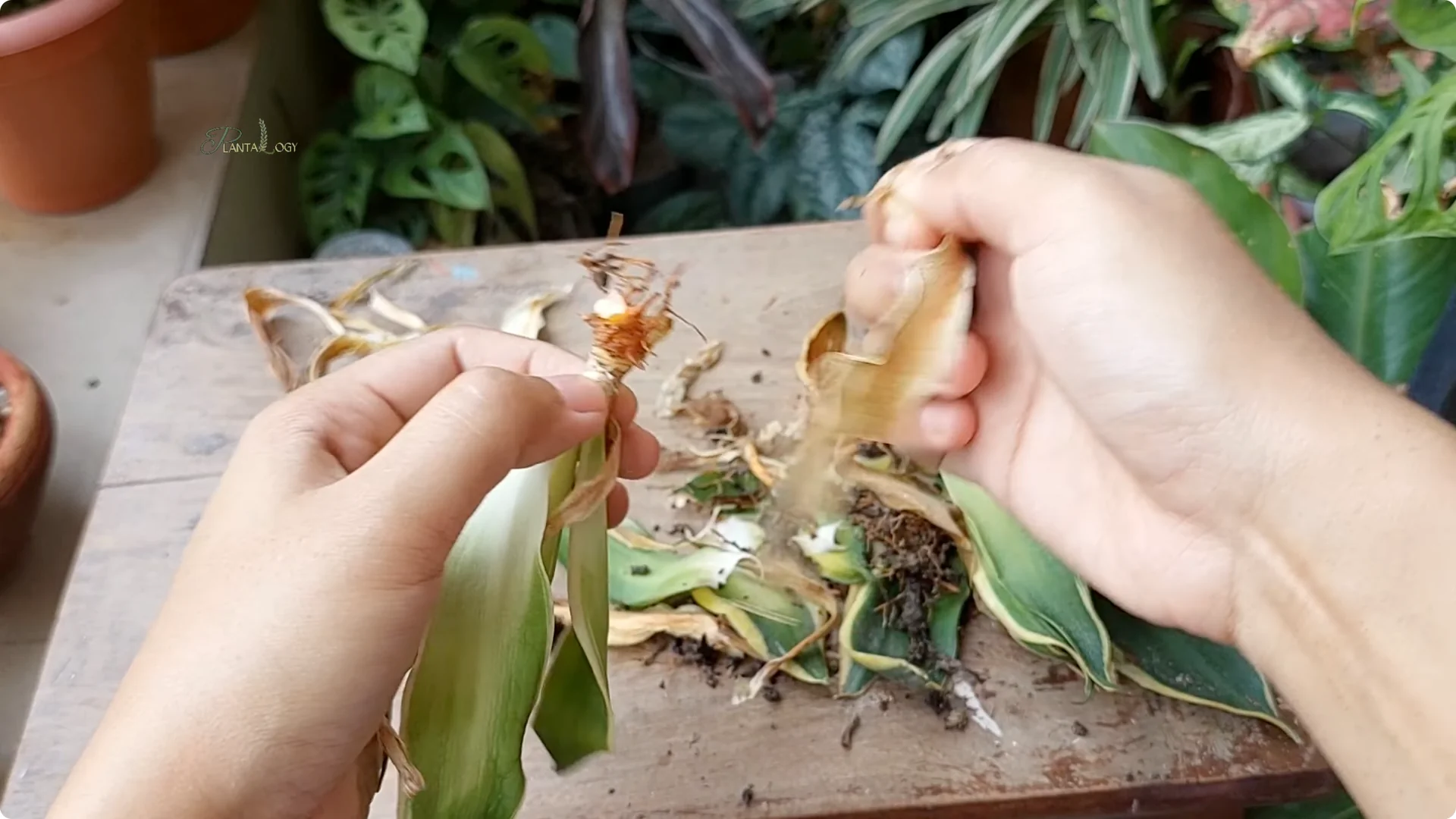
Take out the plants and remove the lower dry and sad looking leaves. Remove the dry roots to stop any rot from spreading. Keep only firm, healthy tissue that can regrow.
Rehydrate overnight
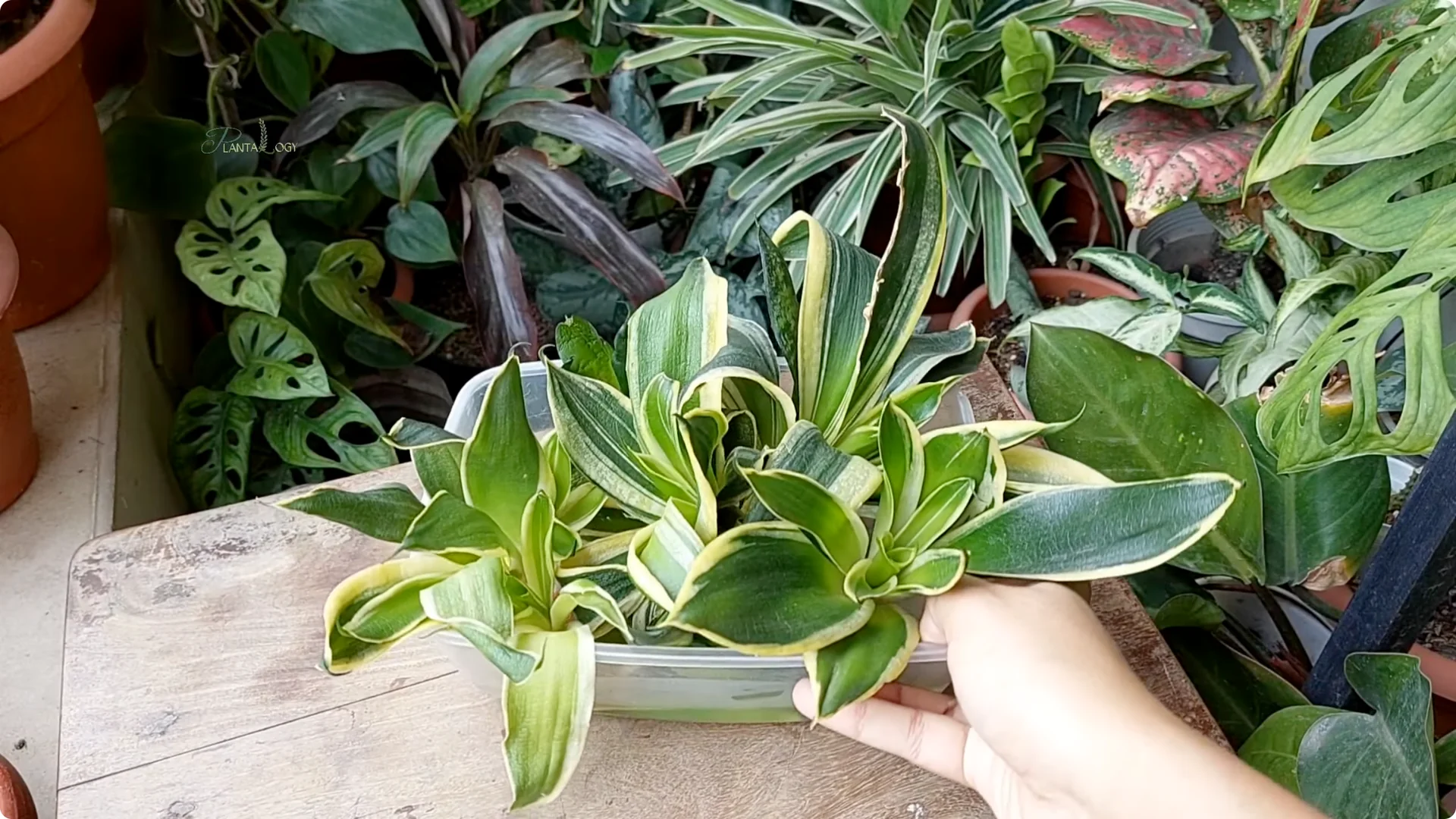
Put the prepared plants in water to soak overnight and become hydrated. After 24 hours, the plants soak enough water and the leaves bounce back a bit. This pre-hydration helps prevent shock.
Choose rooting method
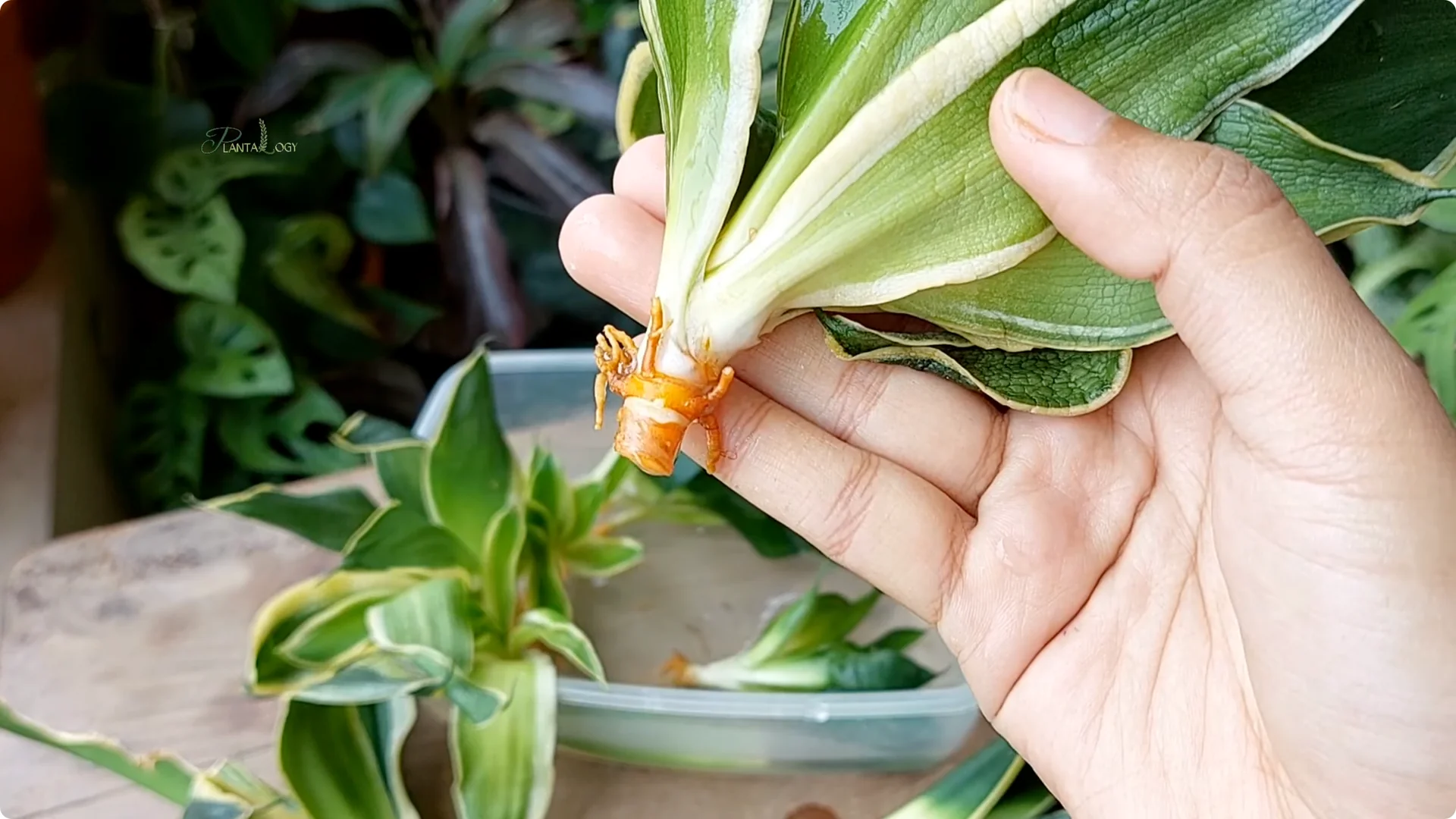
You can leave these cuttings in water for a week to root them in water if you want to. I like to repot in soil because ultimately we have to plant them in soil for proper growth. Both options can work, but I prefer soil.
3. Reviving Underwatered Snake Plants – Potting and Soil
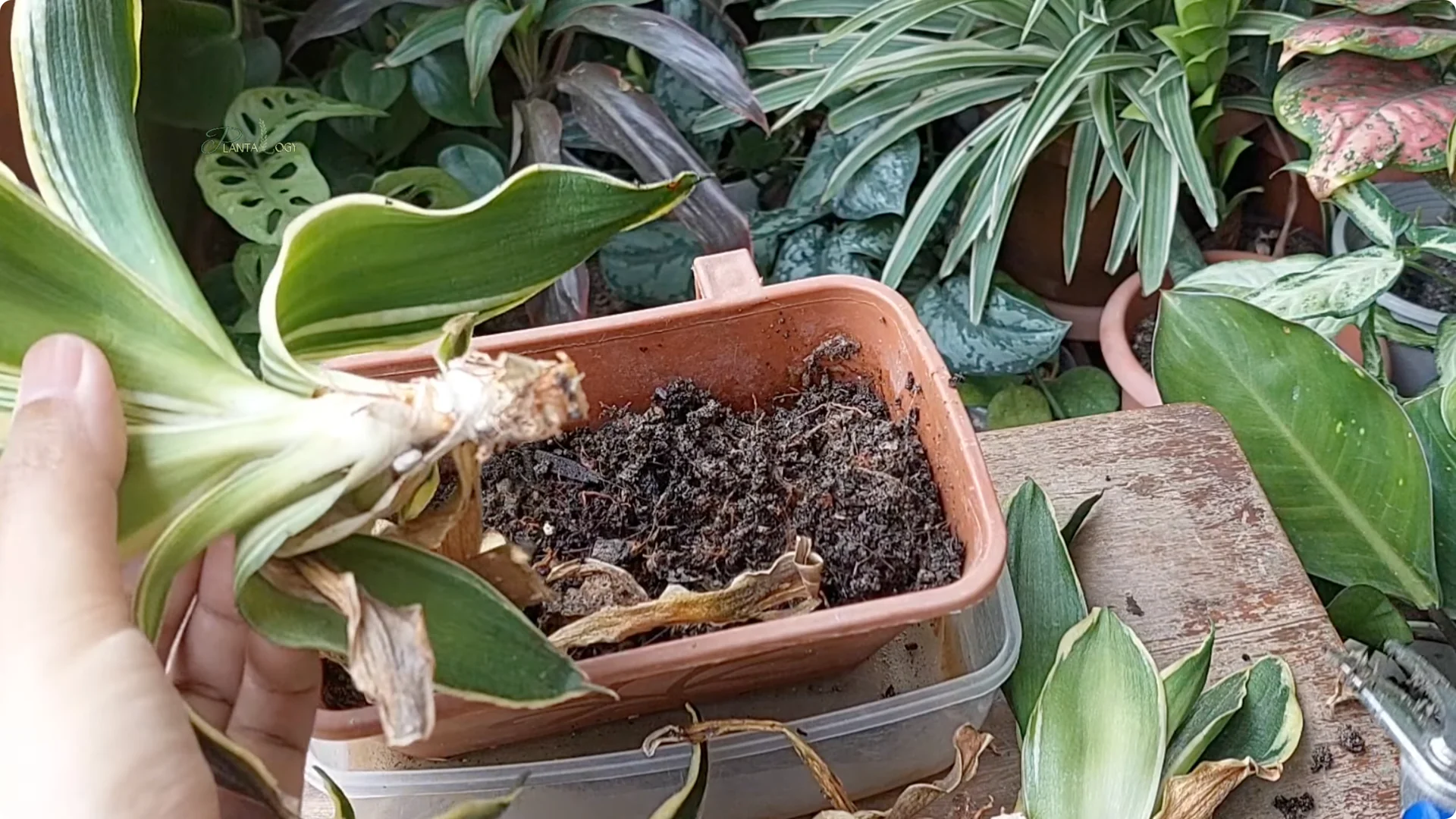
Snake plants prefer well draining arable soil because they form rhizomes, and rhizomes are susceptible to overwatering. The previous soil was inappropriate, so I am using a DIY indoor plant soil mix. Aim for fast drainage with moderate organic matter.
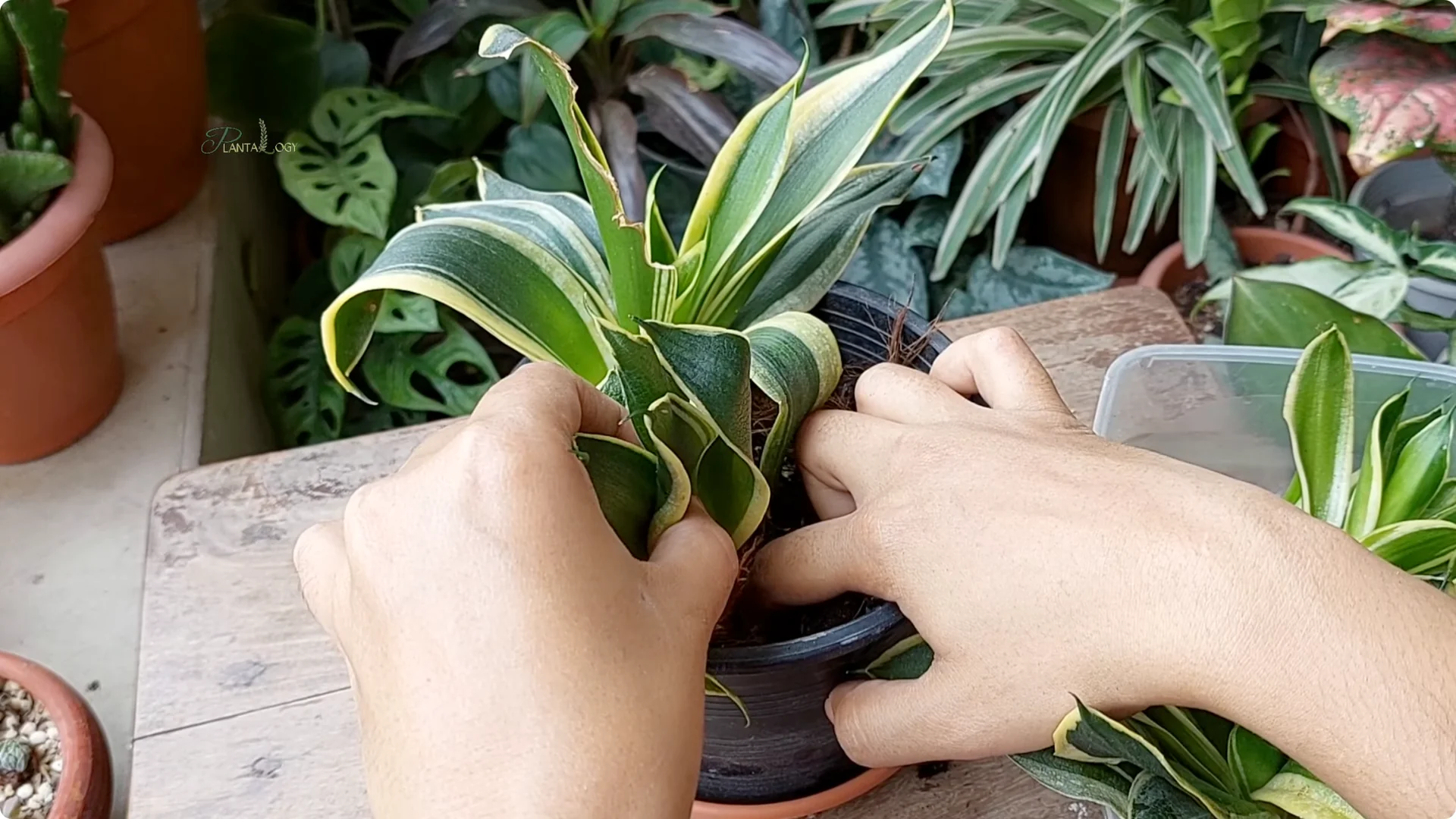
Now only insert the base of the snake plant. Keep the crown above the soil to prevent base rot. After repotting, lightly moisten the soil.
Read More: Spider Plant Care Mistakes Indoors
4. Reviving Underwatered Snake Plants – Aftercare
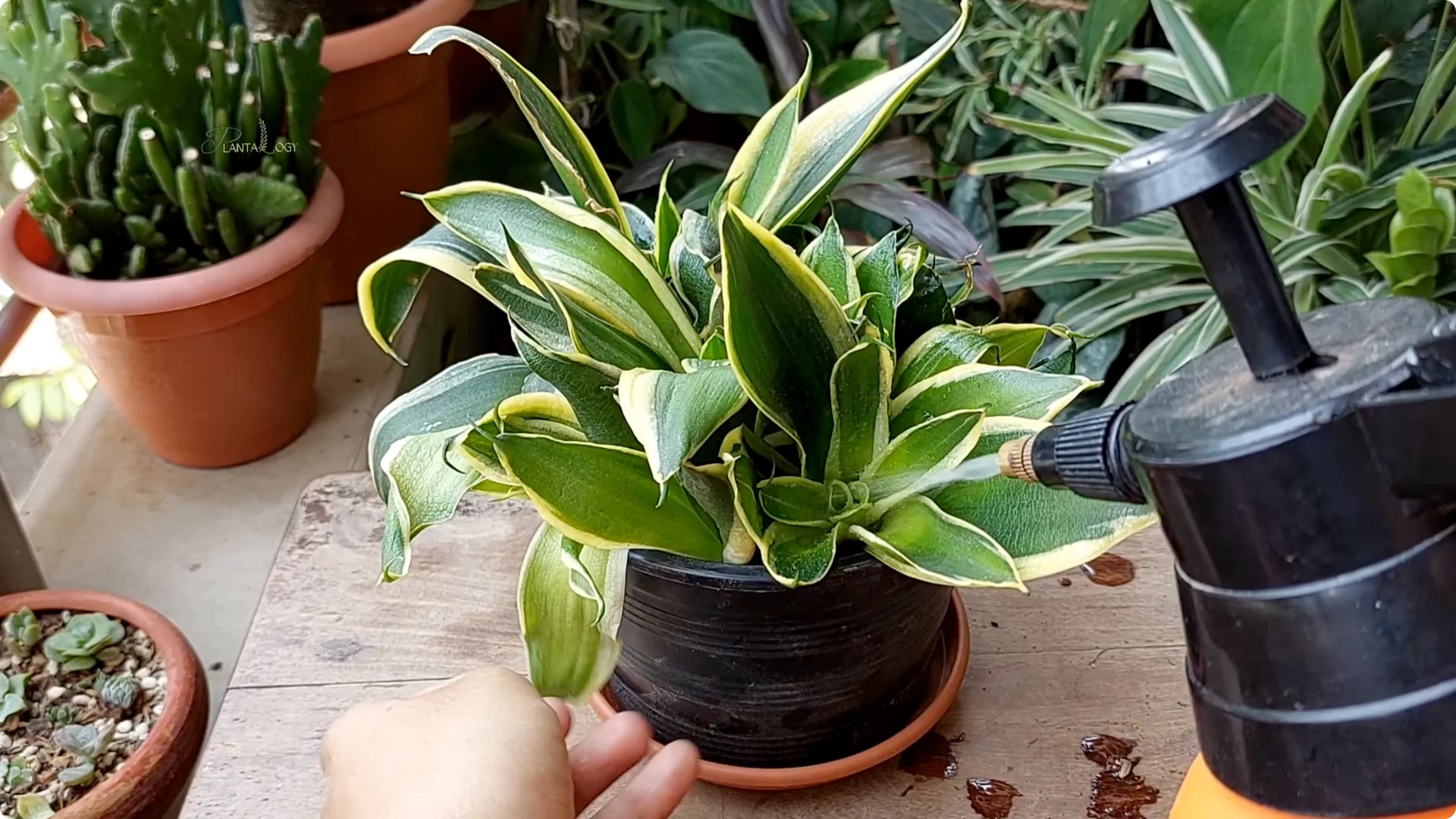
Watering and moisture
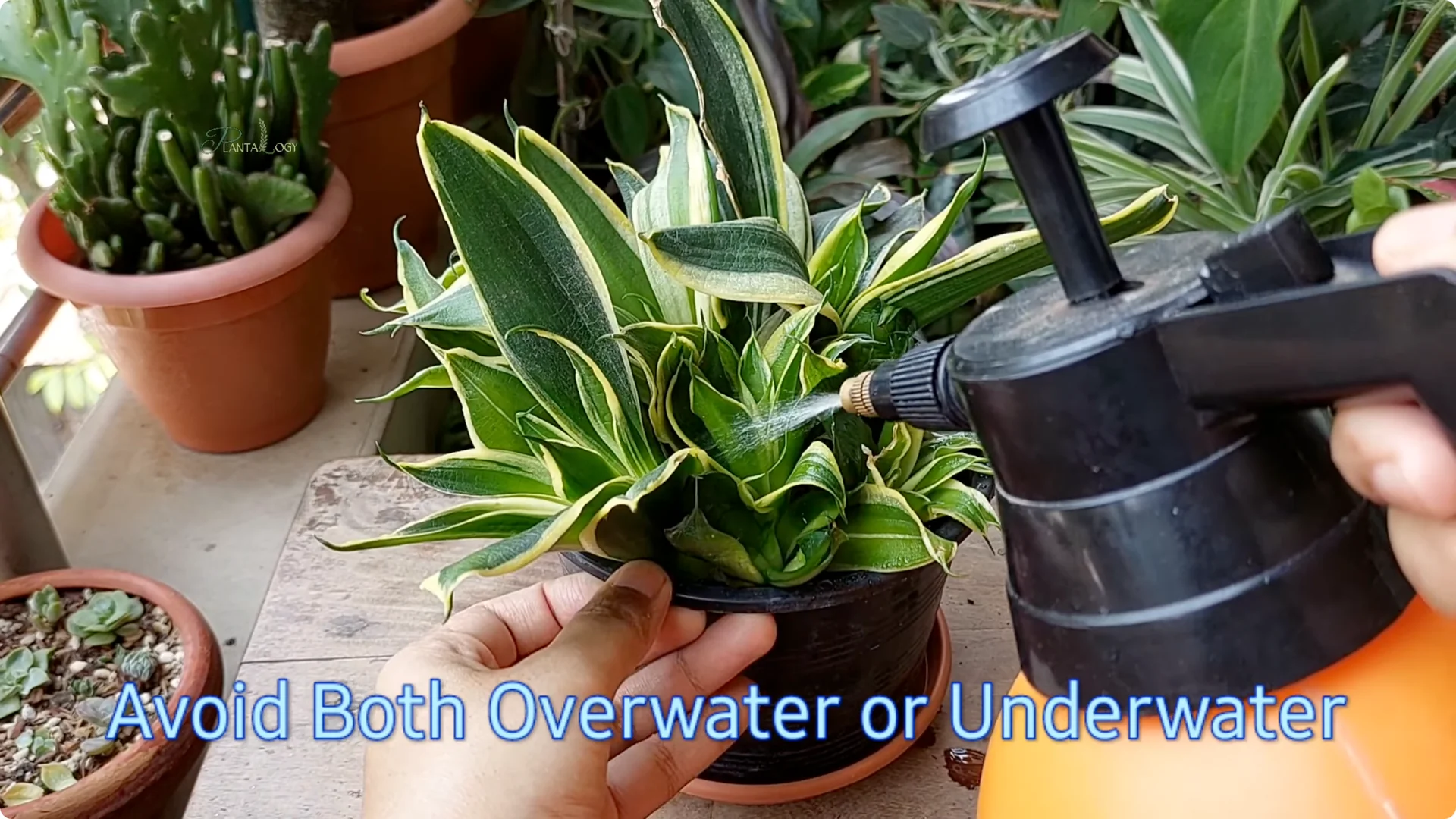
Since the plants are not rooted in the new soil, do not overwater the soil. Do not water more frequently because it can derive root rot. At the same time, do not let the soil run out of moisture, and maintain a light moisture level.
Light placement
Keep such snake plants in a spot where the plants will receive whole day bright indirect light. Snake plants, cuttings or transplanted plants, like to stay in a bright place. This helps them bounce back fast.

Fertilizer pause
Avoid using fertilizers until all the cuttings have well developed roots. The potting mix already contains a good amount of compost, which is enough to nourish the roots. Feed only after you see active growth.

Read More: Grow Lush Calathea Plant Indoors
Final Thoughts on Reviving Underwatered Snake Plants
Extreme underwatering shrinks leaves and dries roots, but firm bases with aerial roots can recover. Rehydrate, plant in well draining soil, keep crowns above the mix, and maintain light moisture. Provide bright indirect light and hold fertilizer until strong roots develop.