
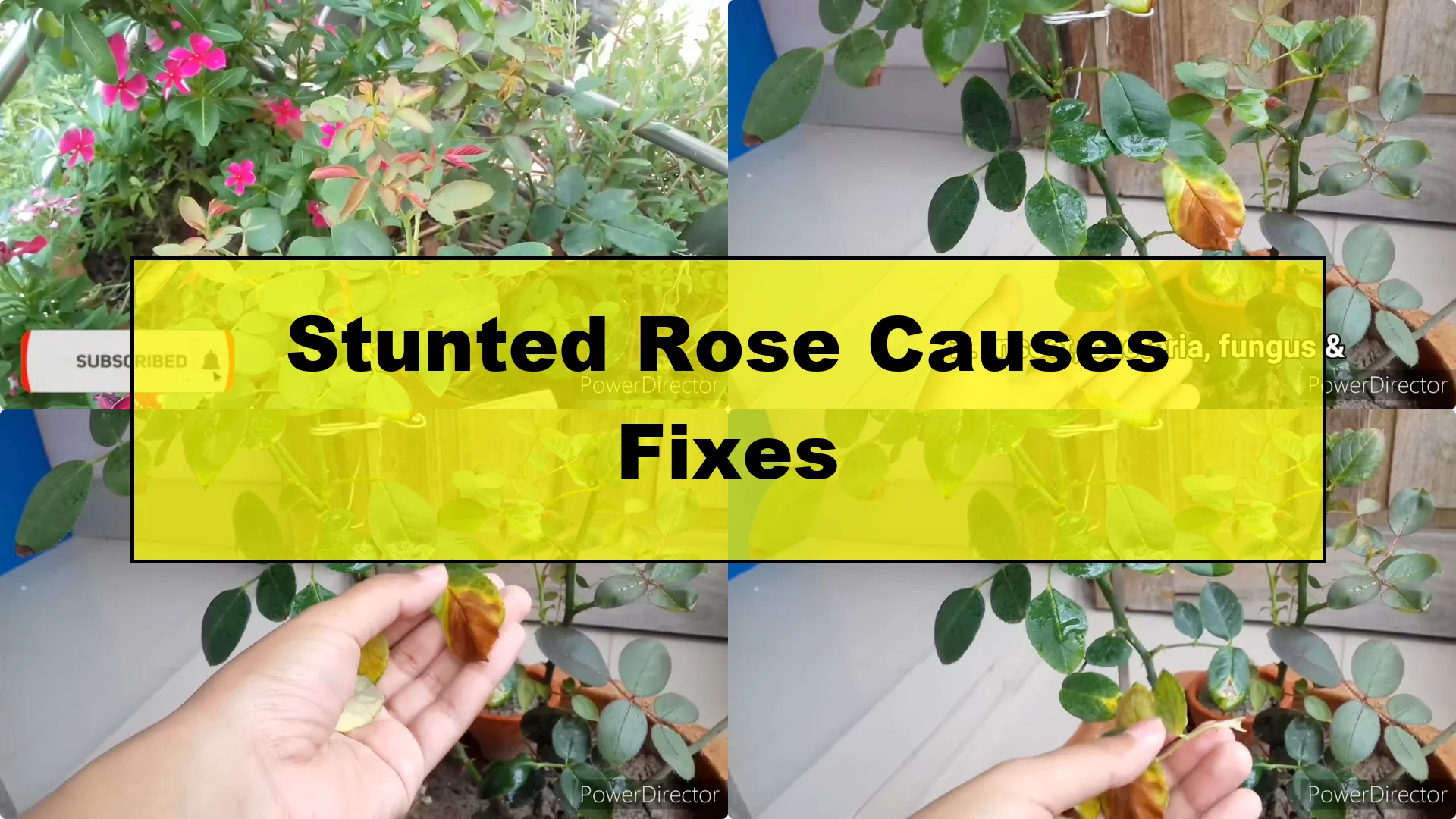
If your rose plant is not green, becomes stunted, and looks unhealthy, here are the solutions. I am Nisha, and I am going to share the reasons responsible for stunted and unhealthy growth of rose plants and the cures. There are several reasons, but six are major.
I am going to discuss those reasons with the cures. Follow them with patience and you will get a good result. If your plant is not diseased, recovery is very possible.
1. Environmental conditions – Rose Stunting Causes and Solutions
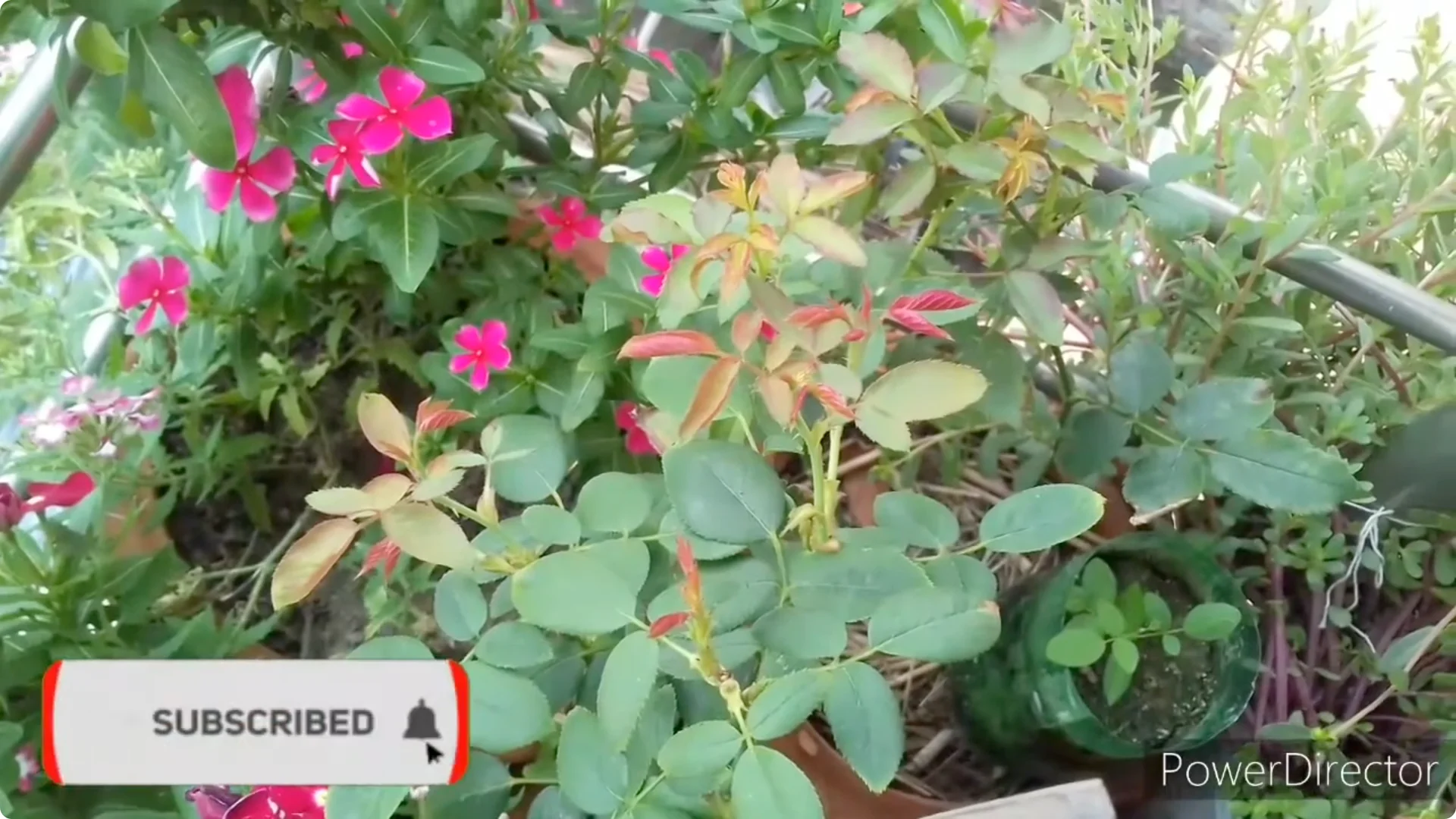
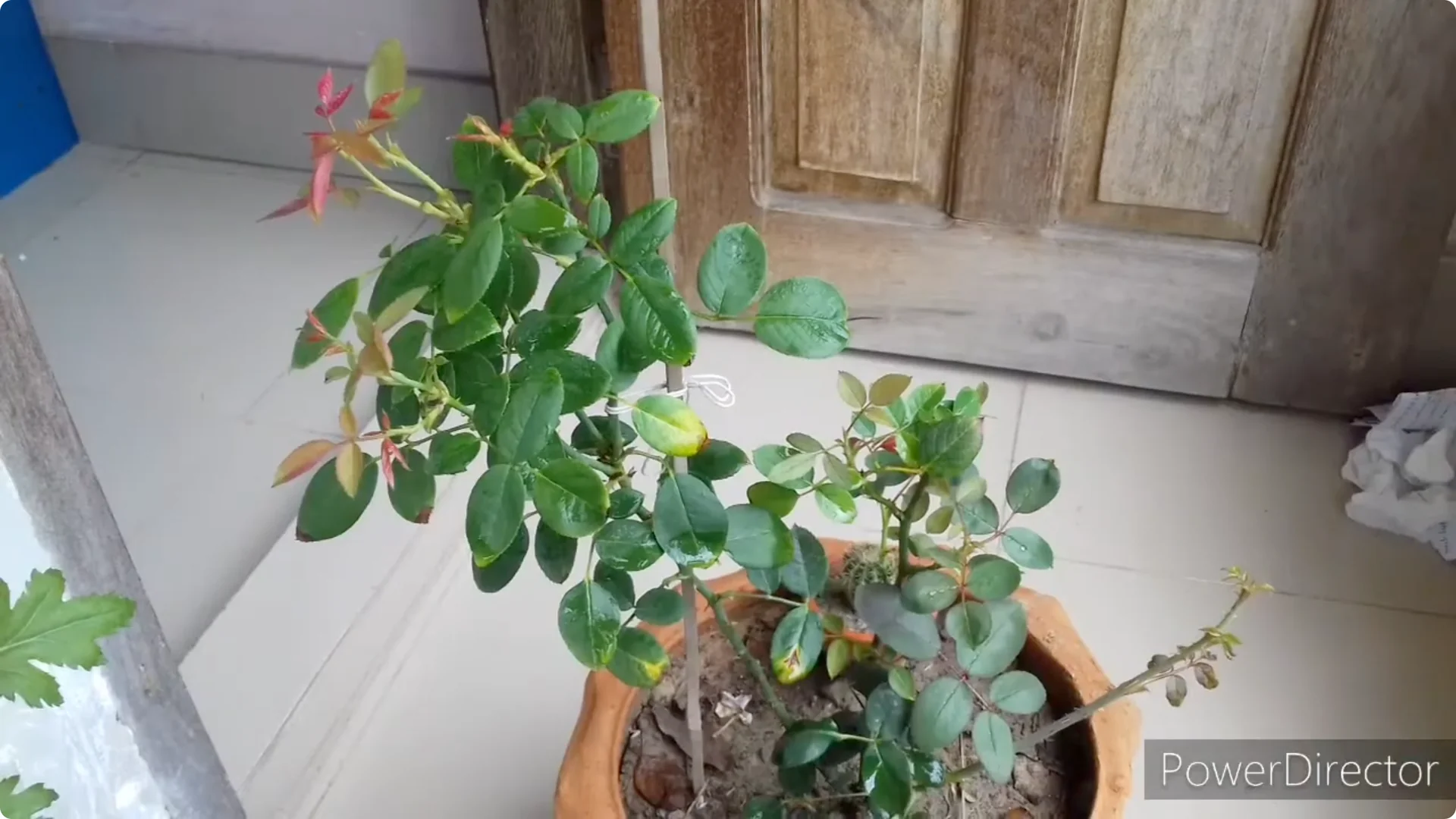
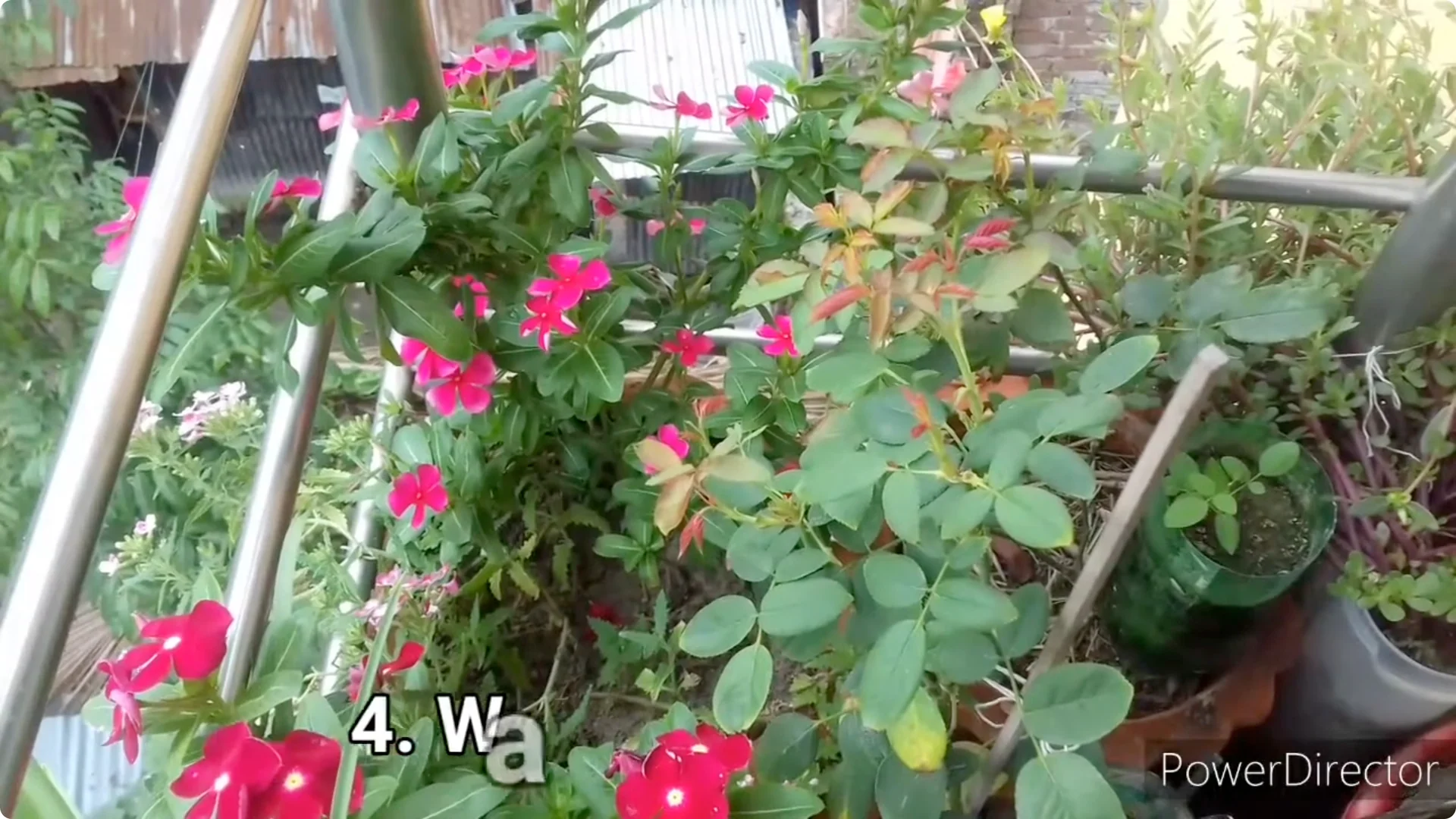
In most cases a rose plant becomes stunted and unhealthy because of environmental conditions. I live in Bangladesh in a tropical to subtropical region. In my country this plant produces lots of good quality flowers in the winter season.
This plant performs good in summer but not as good as winter. After winter, the sudden changes of temperature make the plant a little bit stressed and it becomes unhealthy. It is a normal phase.
In this case we have to be patient because after producing lots of flowers in the winter this plant needs rest. This plant needs time to rejuvenate. Sometimes we lose patience and start to give lots of food and water.
This extreme care can make the plant more stressed, and sometimes we lose the plant. Honestly, good results can come not only from summer fertilizer but also from the weather. It has been raining for a week.
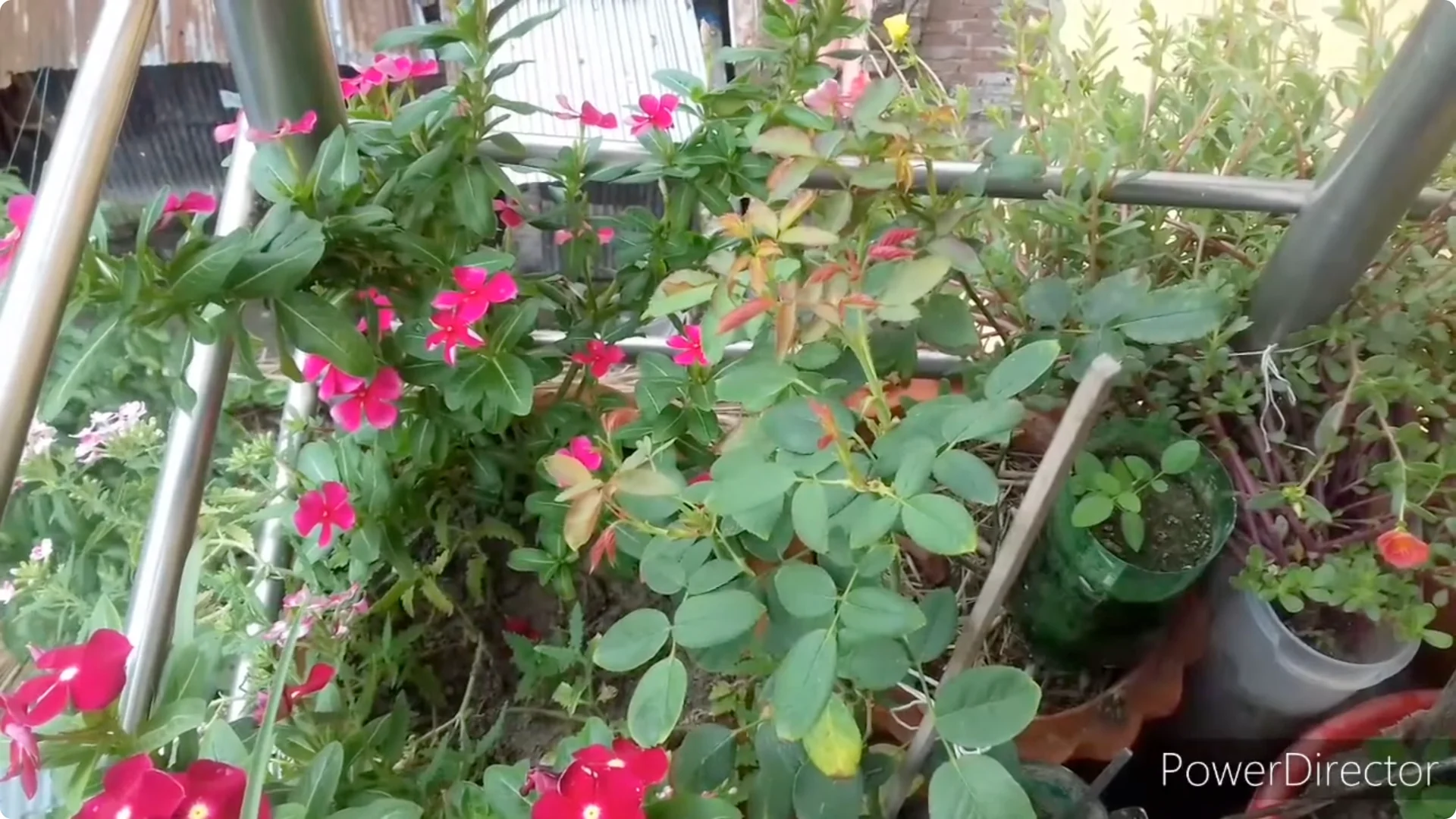
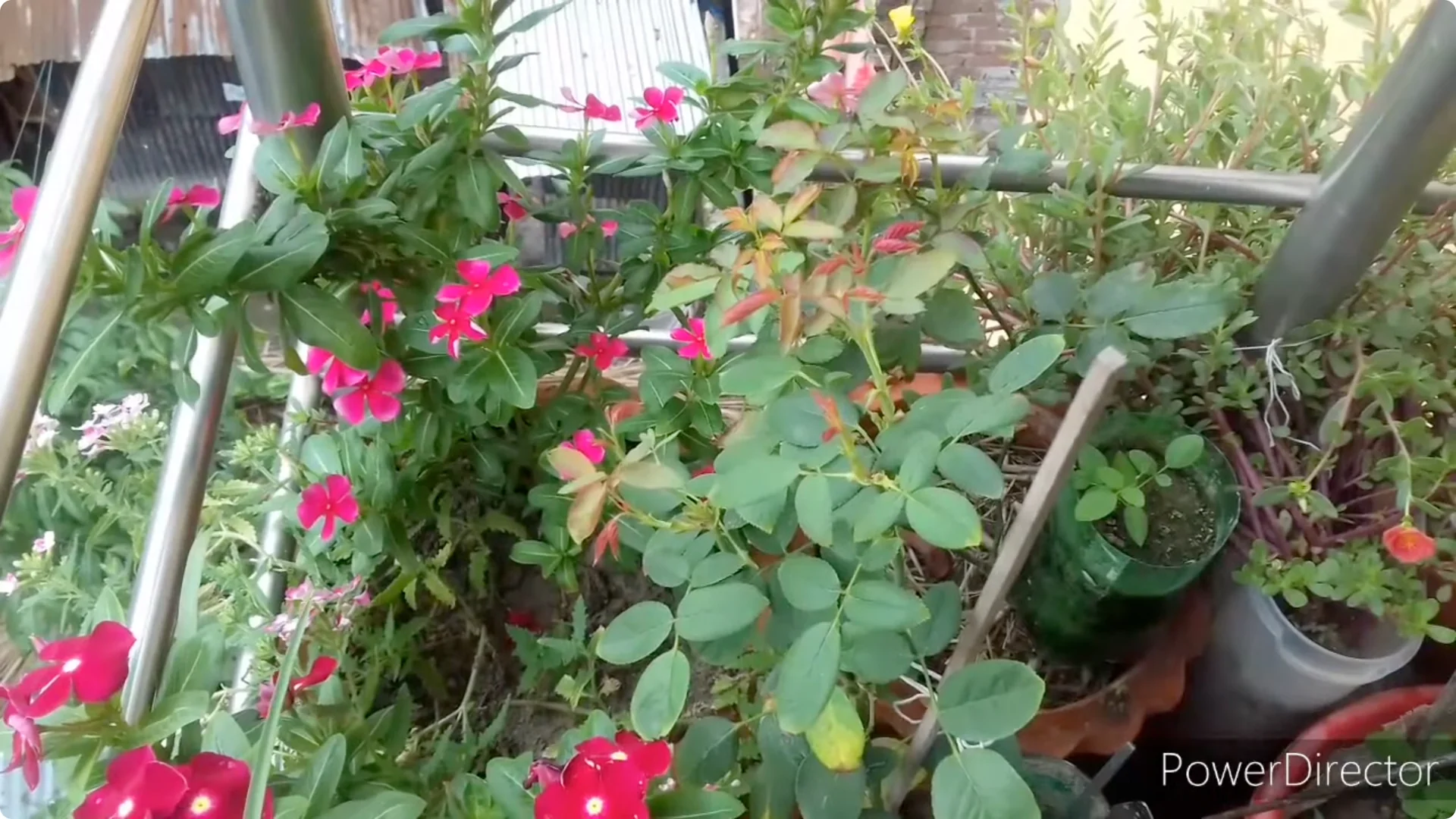
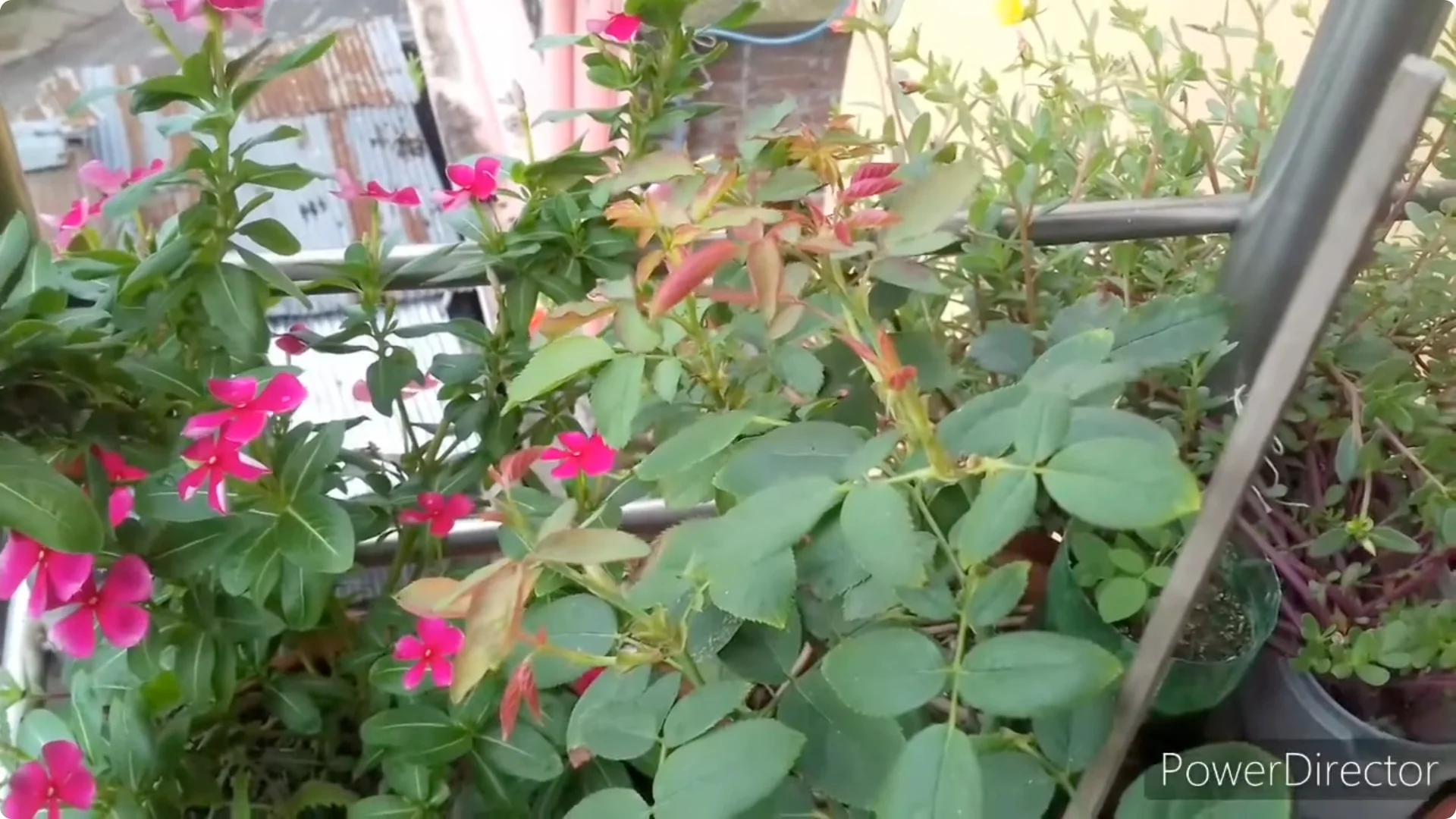
Rainwater contains nitrogen and sulfur and also provides moisture and coolness around the plant. Both rainwater and summer fertilizer together turned the plant healthy and beautiful. If your area does not get any rain, do not panic.
The plant needs time for adaptation. Follow the summer care guideline, and if your plant is not diseased then with time you will definitely get a good result. For broader tropical care habits, see these anthurium care tips.
2. Insects, bacteria, fungi, and viruses – Rose Stunting Causes and Solutions
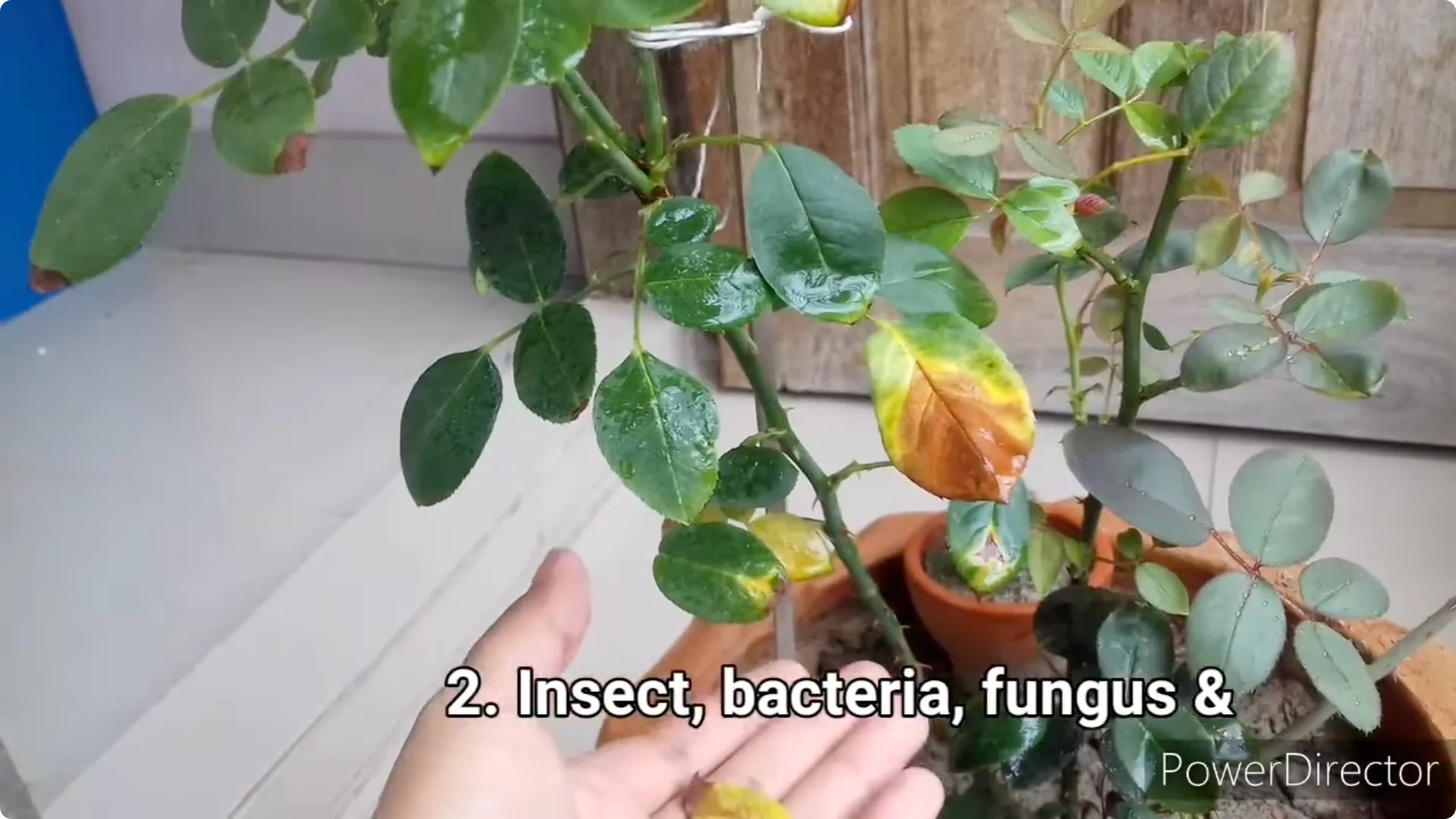
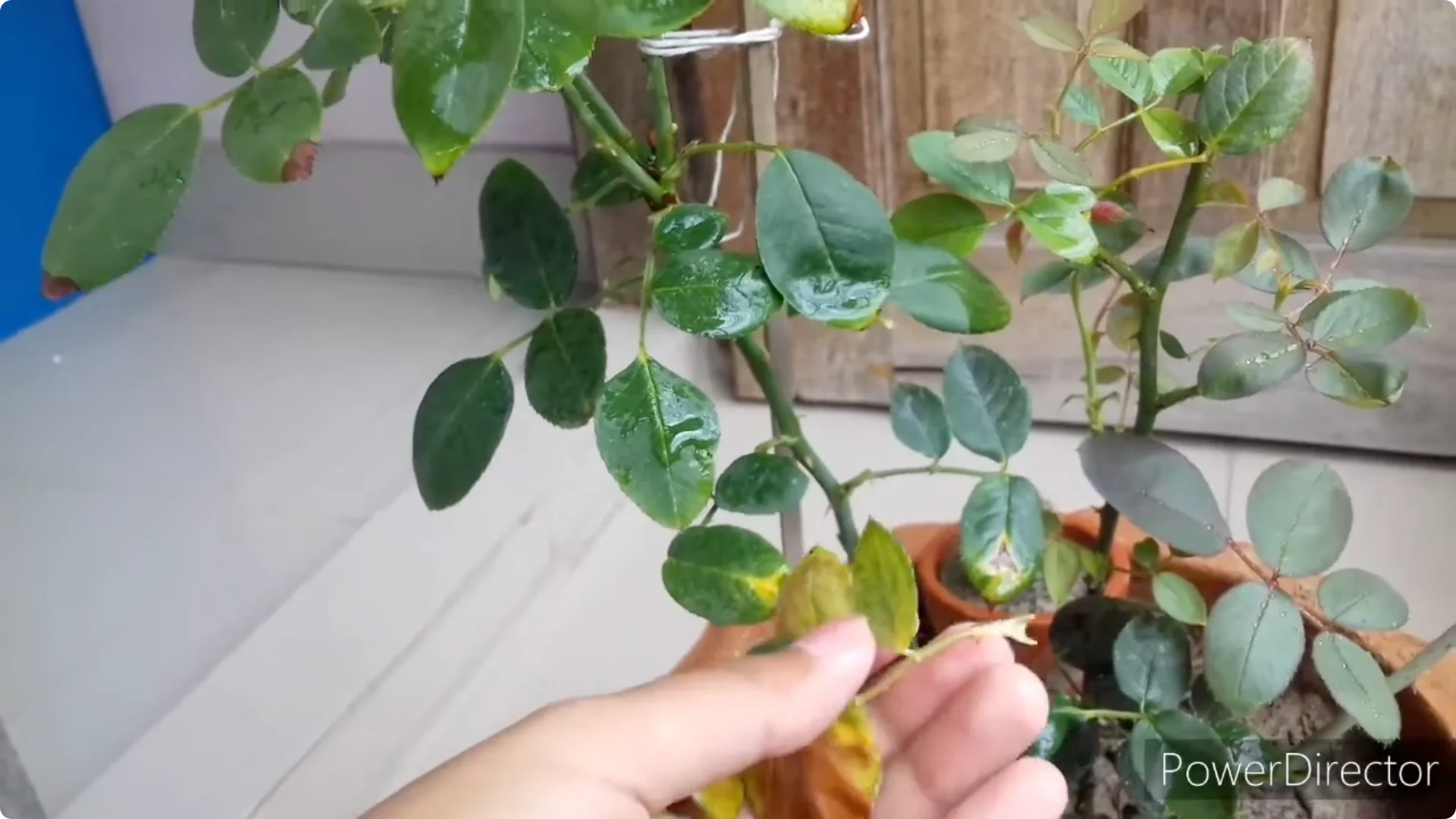
Except improved varieties, other rose plants are fairly sensitive to insects, bacteria, fungi, and viruses. A diseased plant always shows stunted growth and becomes unhealthy. In summer insects, bacteria, and viruses become active and distribute their infestation.
If your plant is diseased then based on infection use insecticide, fungicide, and bactericide. After using these, keep the plant in a cool area. Place the plant in an area where it will get about three to four hours of sunlight for recovery.
Recovery will take about 15 days to two months sometimes. Be consistent with care during this period. Do not overwater or overfeed while the plant recovers.
Quick steps
3. Nutrient deficiency – Rose Stunting Causes and Solutions
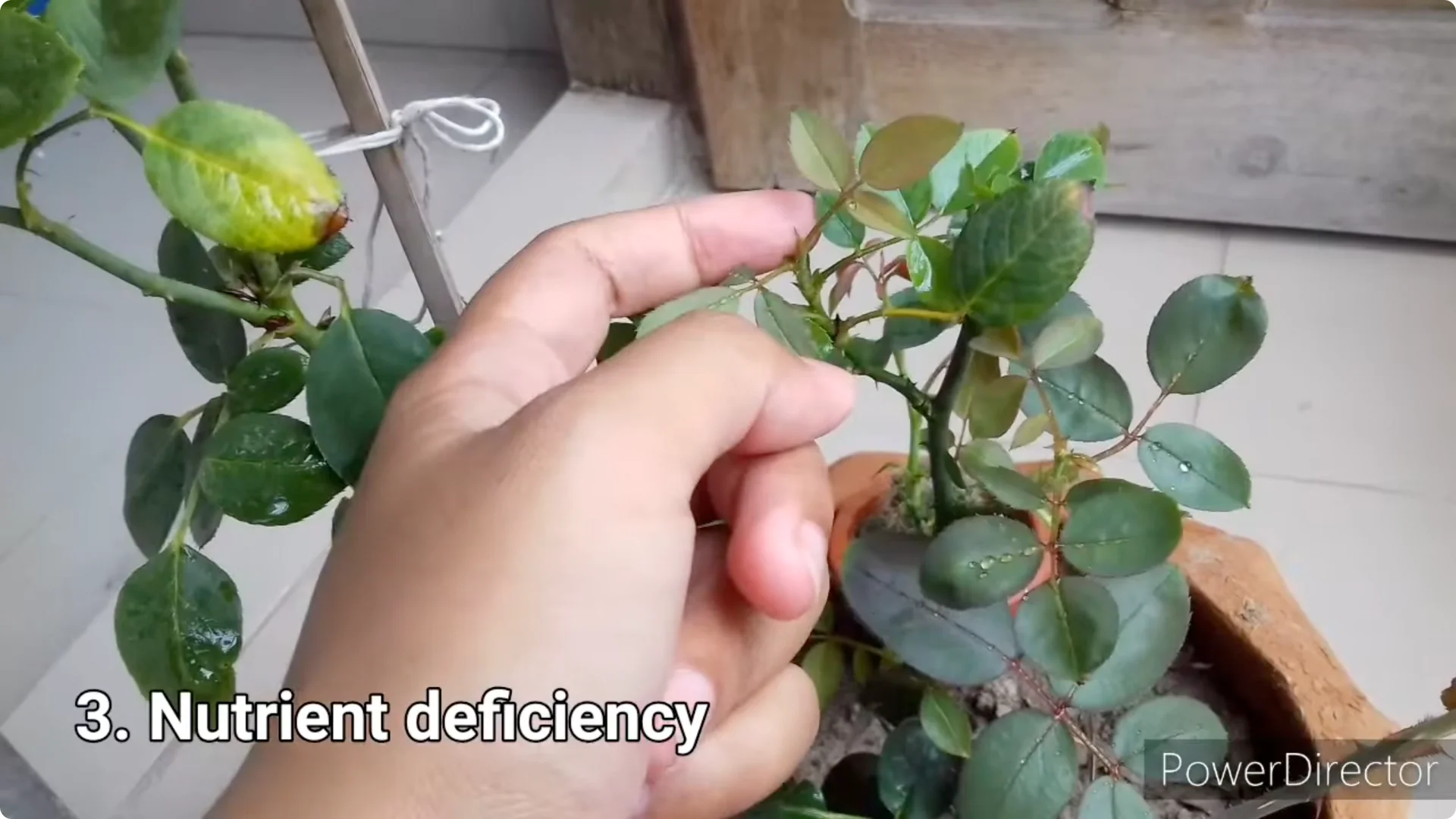
Nutrient deficits are also responsible for slow growth of rose plants. Roses are heavy feeder plants. Every month they need something or other foods.
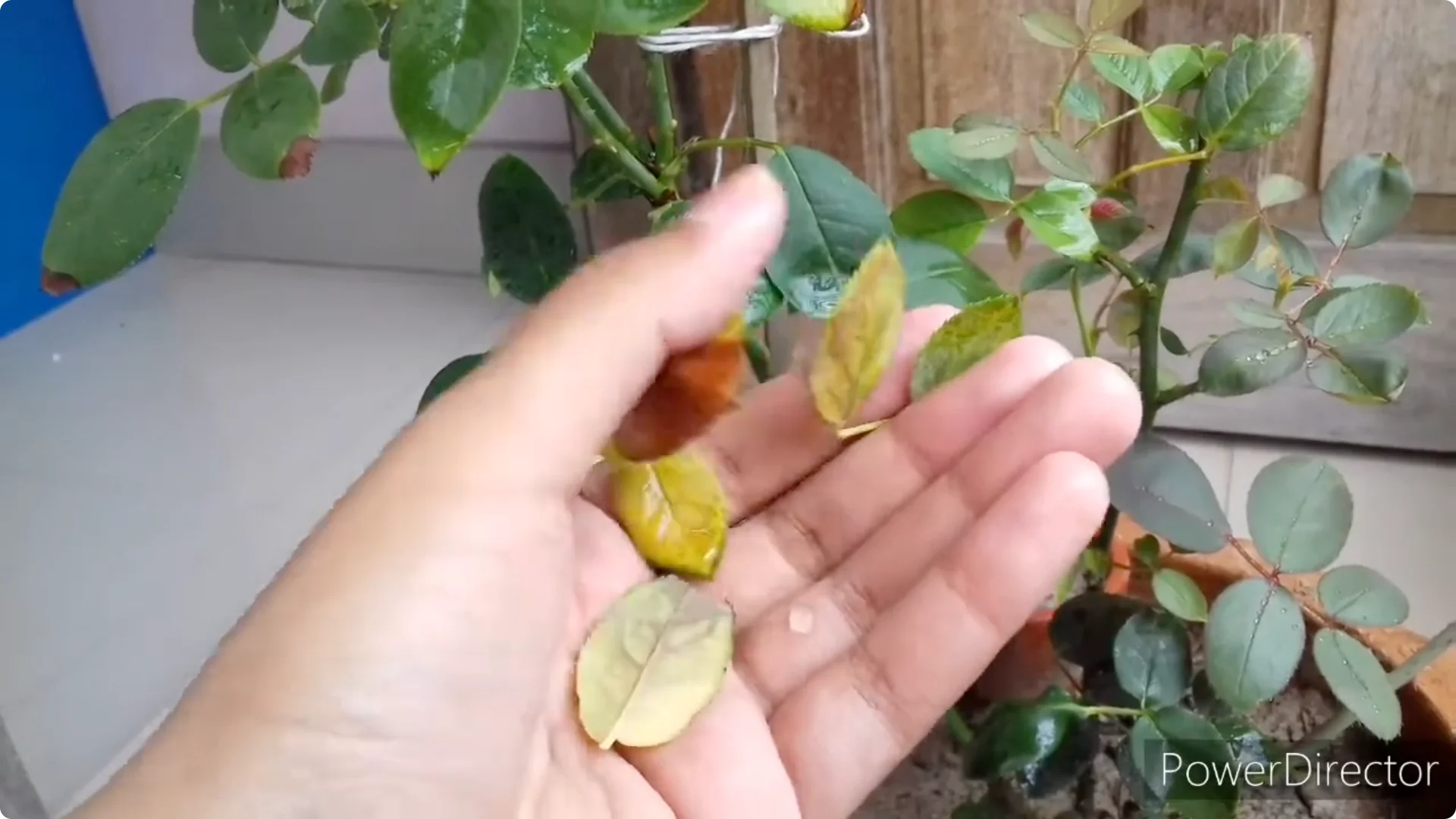
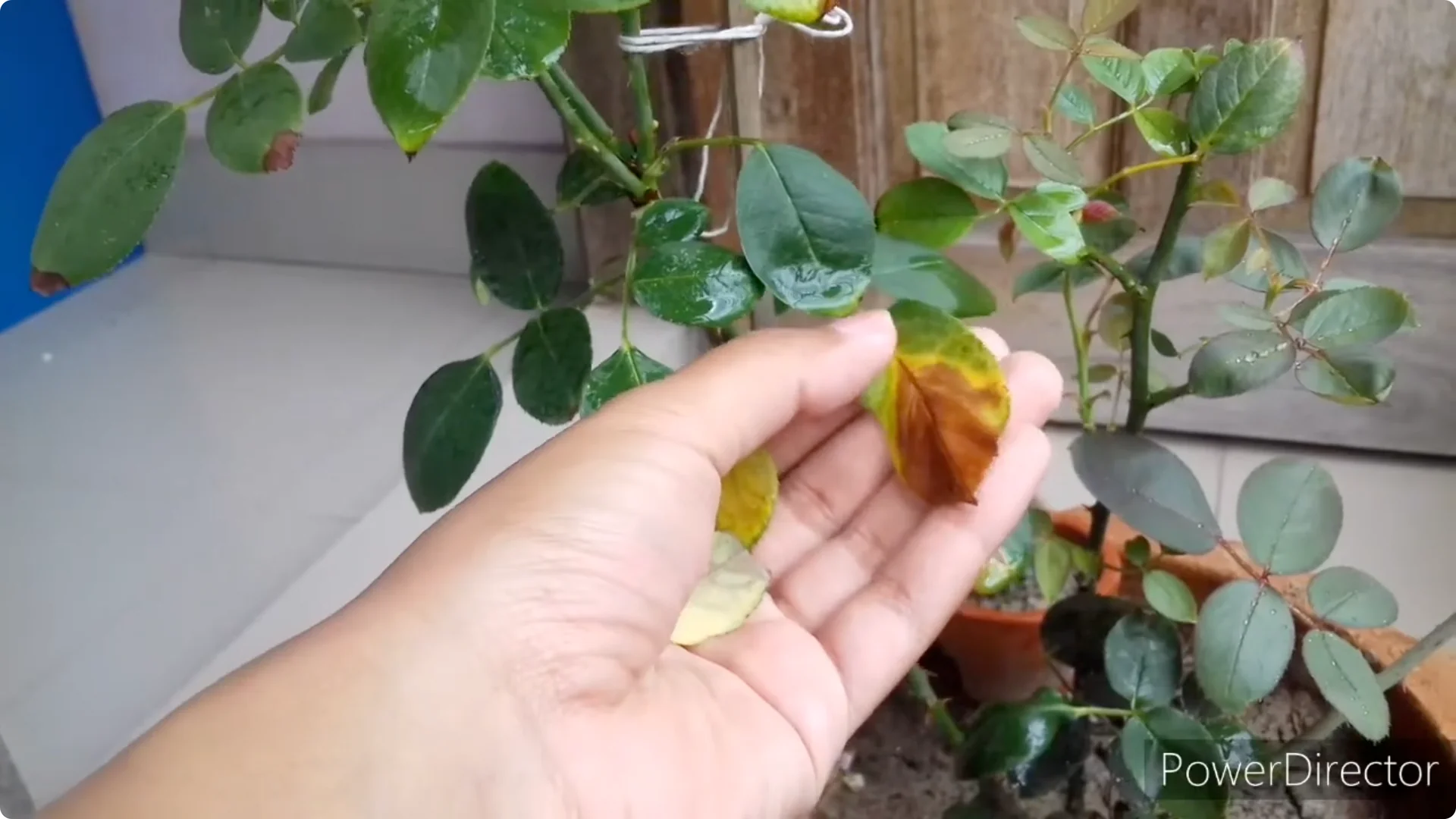
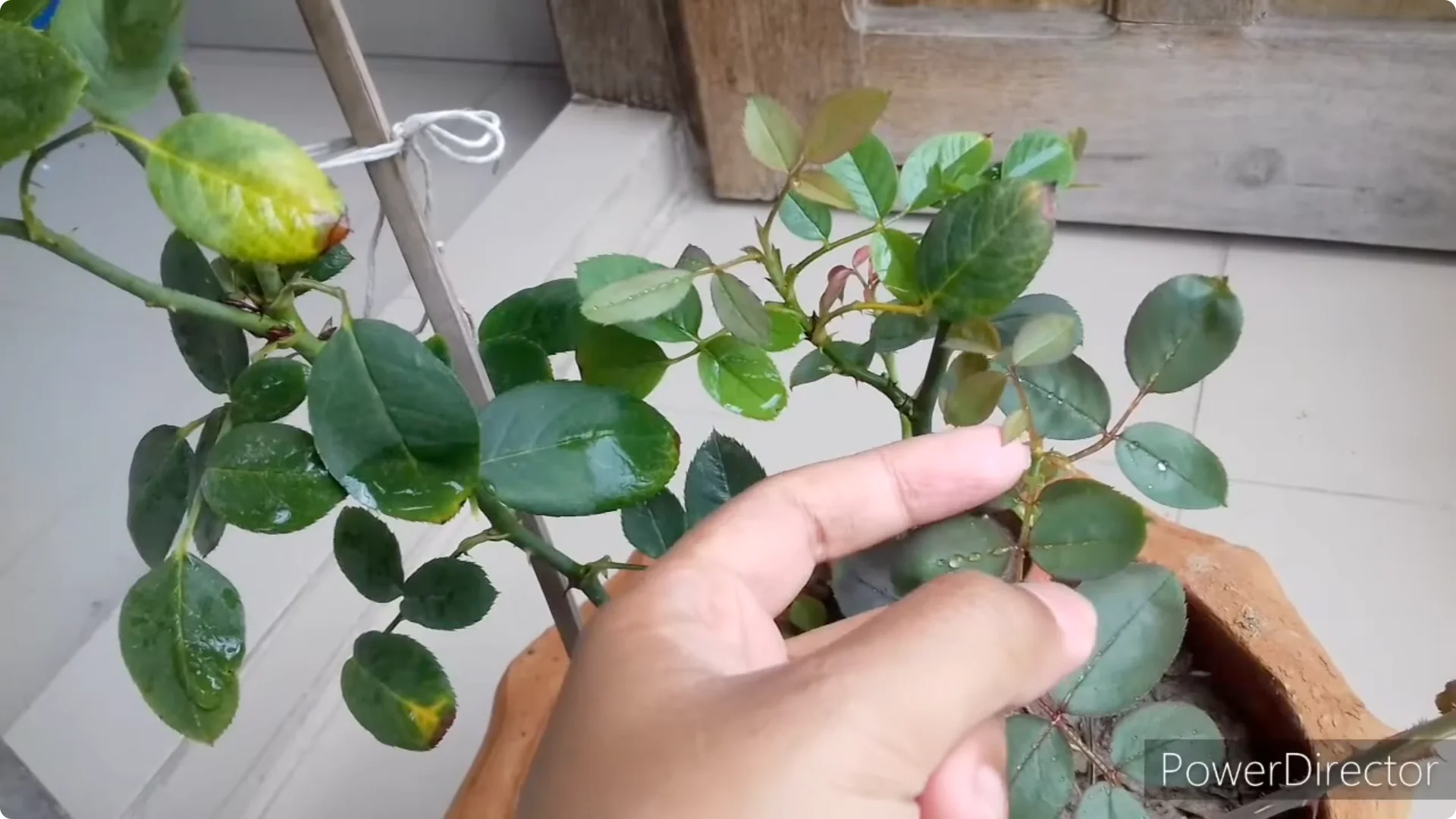
If plants suffer from nutrient deficiencies the symptoms will be visible in the leaves at first. In case of nitrogen deficiency mature leaves will turn lighter green to yellow. In case of phosphorus deficiency leaves will develop a dark red to purple hue.
In case of potassium deficiency leaves edges will develop necrosis or burning. Of them, nitrogen deficiency mostly shows stunted and unhealthy growth of roses. If you are not supplying food properly, like you gave food about two months ago and then did not, your plant can suffer from nutrient deficiency and become stunted.
In this case fertilize the plant using nitrogen rich fertilizer. The weather is hot, so try to use organic nitrogen based fertilizers. For help on similar yellowing, see how to restore yellow leaves on Chandni.
How to respond
4. Watering – Rose Stunting Causes and Solutions

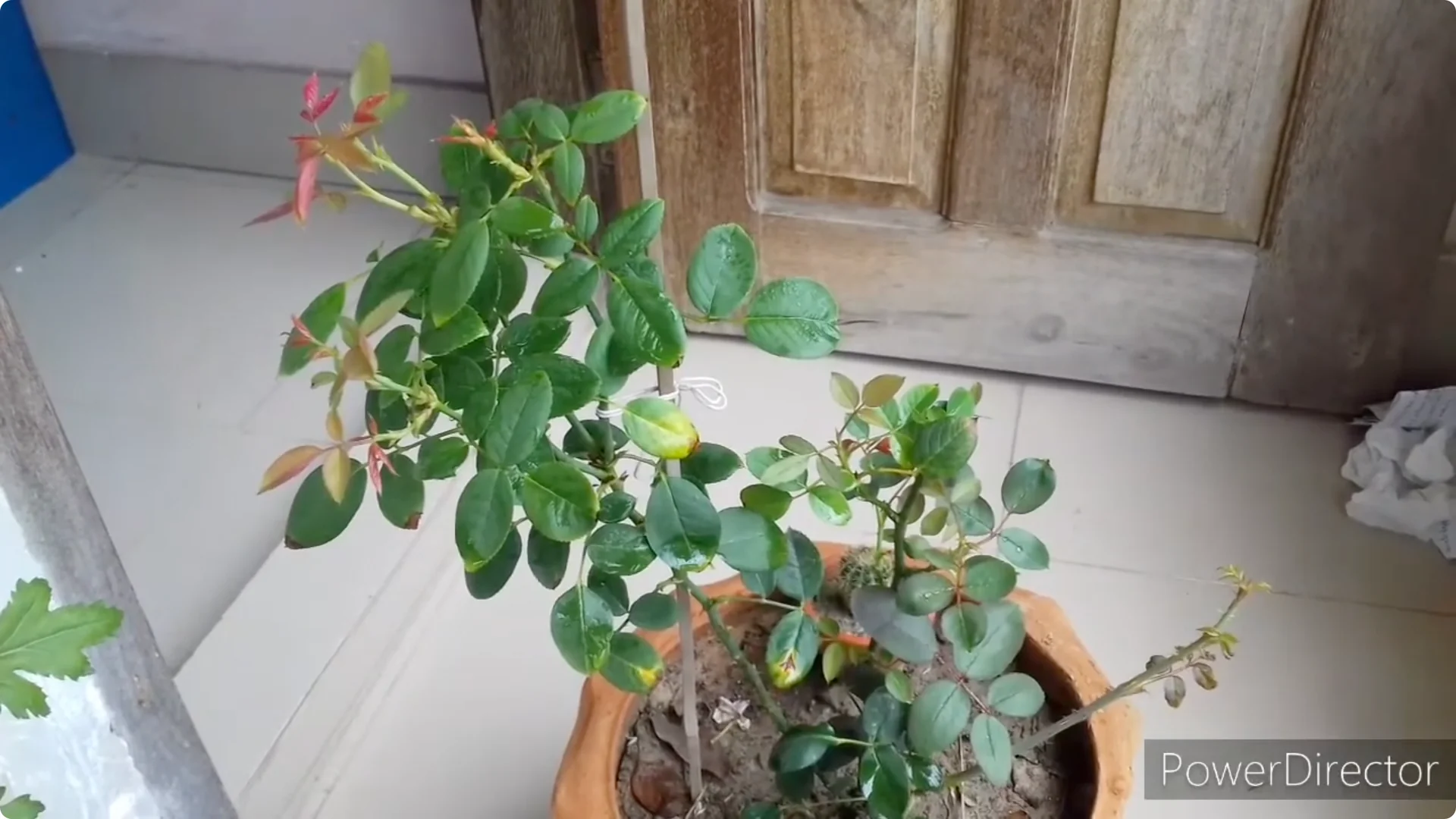
Less watering or overwatering affects the growth of rose plants. Check the soil moisture every other day. Maintain a constant moisture level in the soil in the summer season.
Plants need lots of water in summer, but this does not mean that you will overwater. Before watering, check soil moisture at first. Proper watering keeps the plant’s roots cool and makes the nutrients available.
If you overwater your plant it causes rotting of roots and roots will start to die back. Overwatering drives fungal and bacterial infestation. Always try to avoid overwatering, and on the other hand try to avoid less watering.
If you notice tip burn issues from moisture or salt stress on other houseplants, see the causes of brown pothos leaf tips. Apply the same discipline of checking moisture before watering. Keep watering balanced and consistent.
Watering steps
5. Overuse of inputs – Rose Stunting Causes and Solutions
Over fertilization and overuse of pesticide also turn the plant unhealthy. If you observe that your plant got lots of fertilizer or you have spread lots of pesticides, then the solution is showering. Showering will help to wash out pesticide and fertilizer from soil.
Or you can transplant your plant into a new soil medium. Choose a fresh medium and avoid feeding for a short period after transplanting. Let the plant settle before resuming normal care.
Reset steps
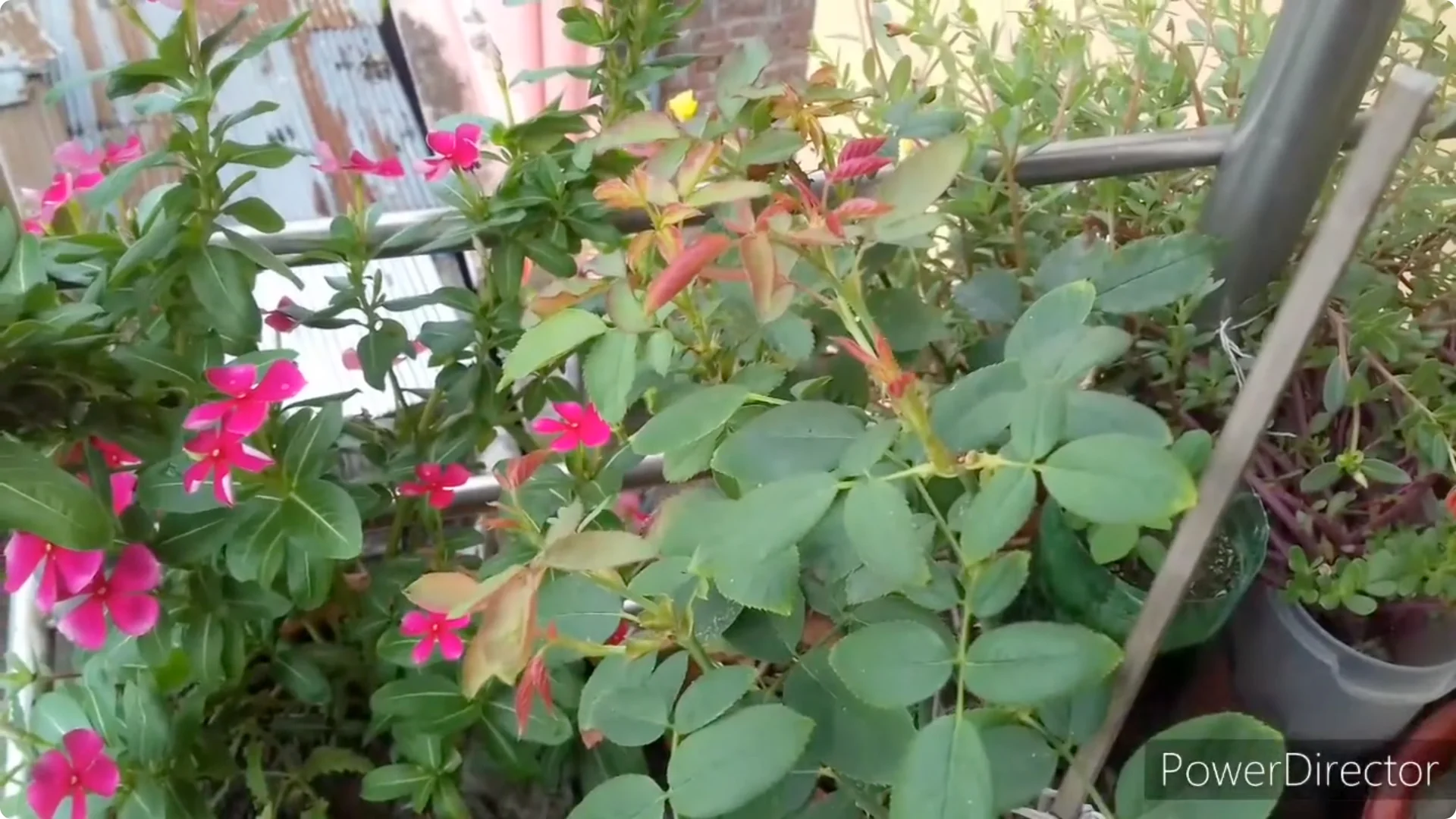
6. Soil pH – Rose Stunting Causes and Solutions
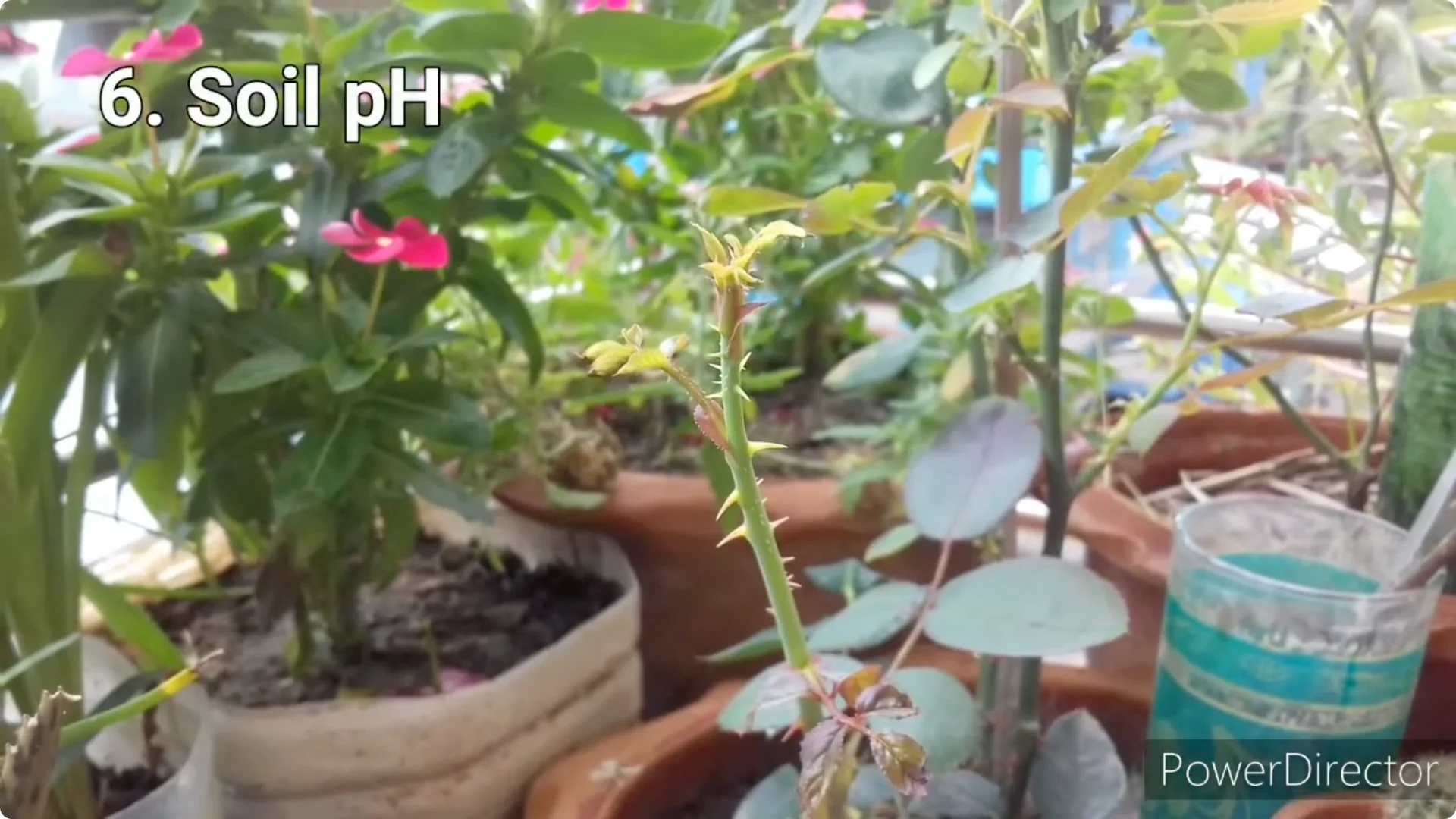
Soil pH can also be responsible for unhealthy and stunted growth. pH 6.5 to 7.5 is suitable for rose plants. Too much alkalinity forms salts in soil.
Too much acidity burns the roots and kills beneficial microbes. These things can be responsible for stunted growth. Keep the pH in the suitable range to support nutrient uptake.
Final thoughts
Environmental stress, pests and diseases, nutrient gaps, watering mistakes, overuse of inputs, and soil pH are the major reasons for rose stunting. Address the specific cause, keep care steady, and allow time for recovery. With patience and proper management, a stunted rose can return to healthy, beautiful growth.