
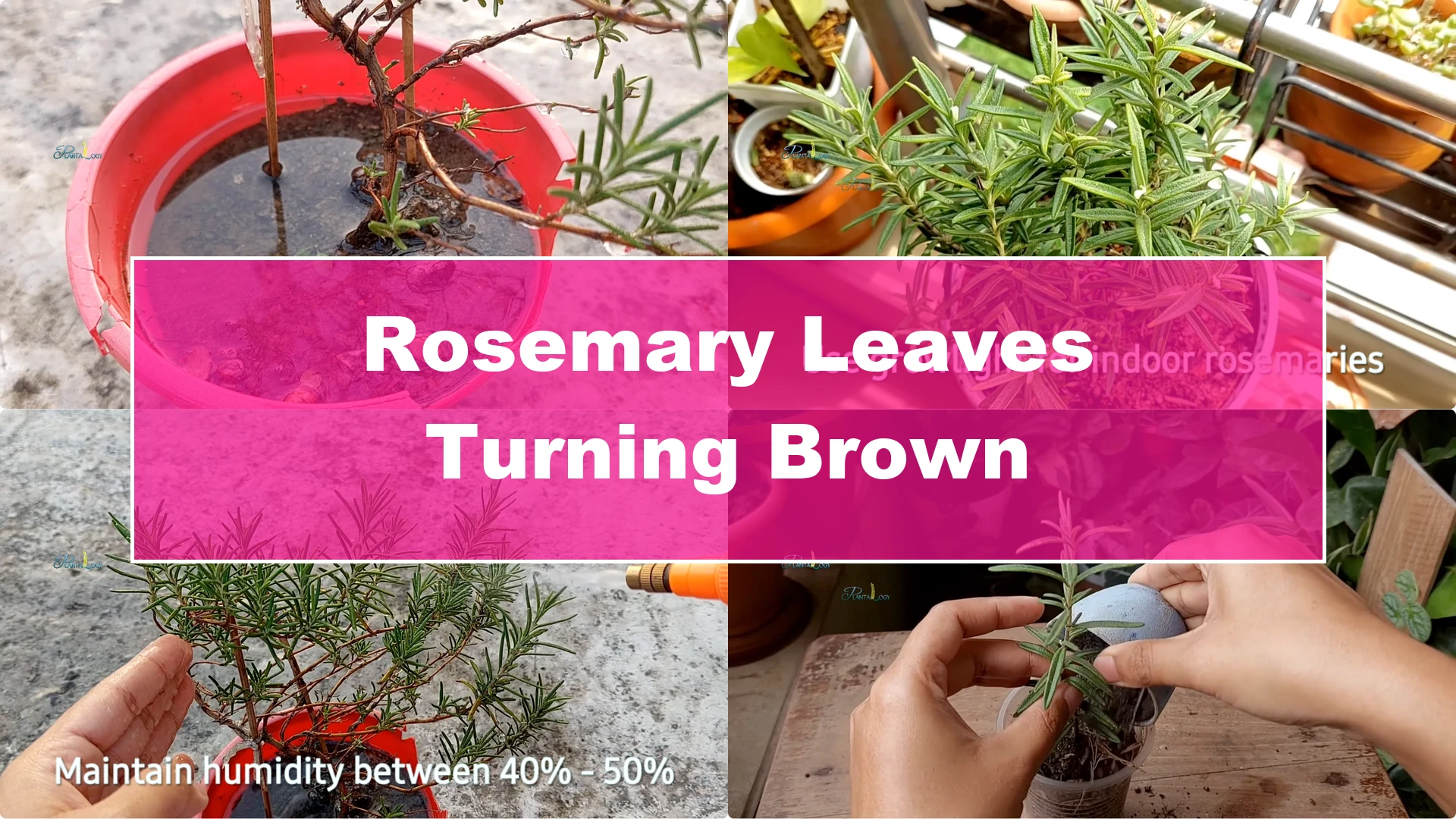
Have you noticed your rosemary plant developing brown tips and losing leaves? This is one of the most common problems rosemary growers face. I will share six proven reasons why this happens and exactly how you can fix each one based on real experience from rosemary cultivation.
1. Rosemary Leaf Browning From Overwatering
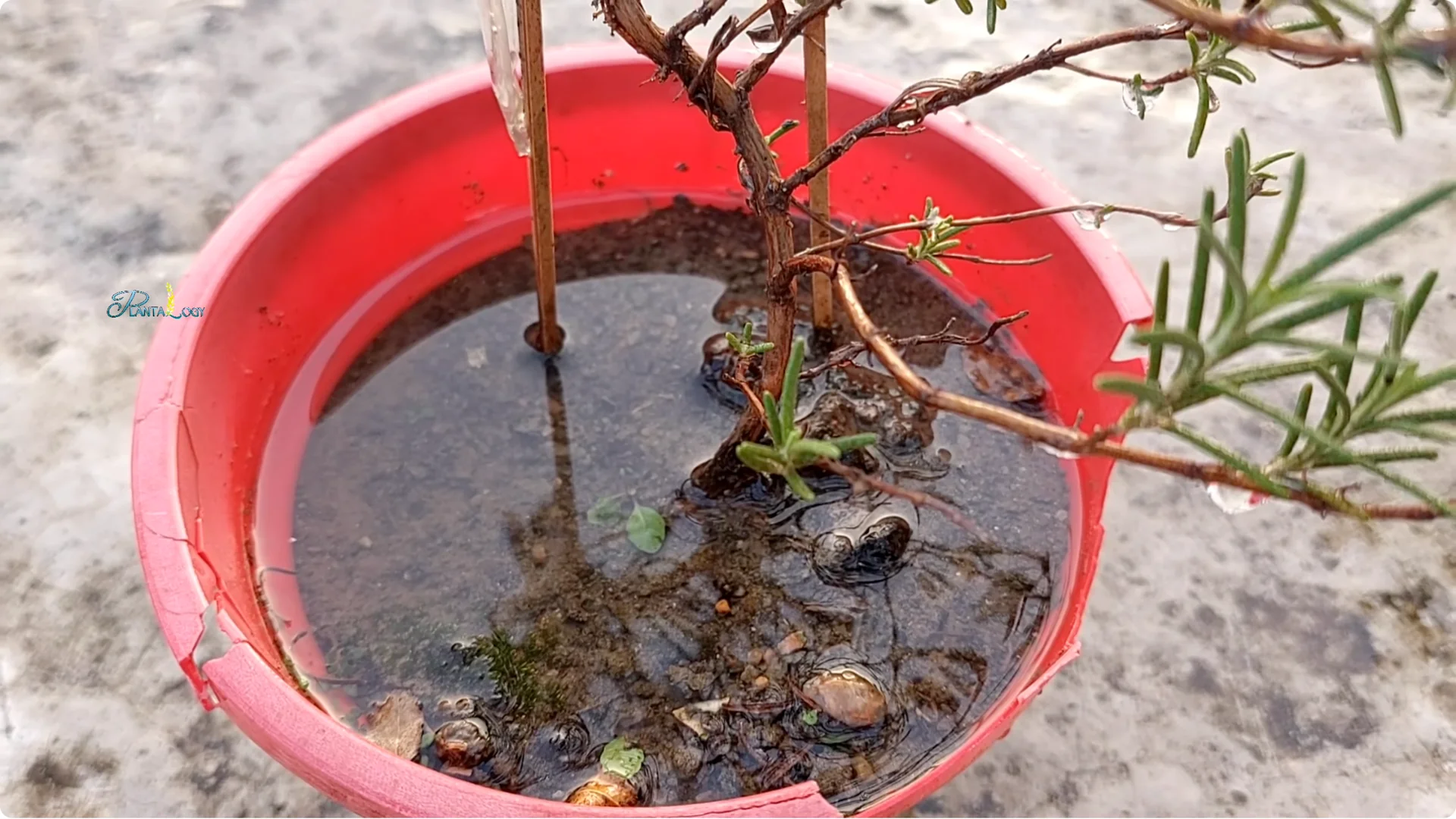
The number one reason rosemary leaves turn brown and fall off is overwatering. Rosemary comes from the rocky hillsides of the Mediterranean where the roots get plenty of air and dry quickly after rain. When your potting soil stays wet for too long, the roots suffocate and root rot sets in, often from fungi like Phytophthora or Pythium.
Use a fast draining mix. Water only when the top 2 inches of soil are completely dry. This simple change prevents rot and restores healthy growth.
2. Rosemary Leaf Browning From Low Light
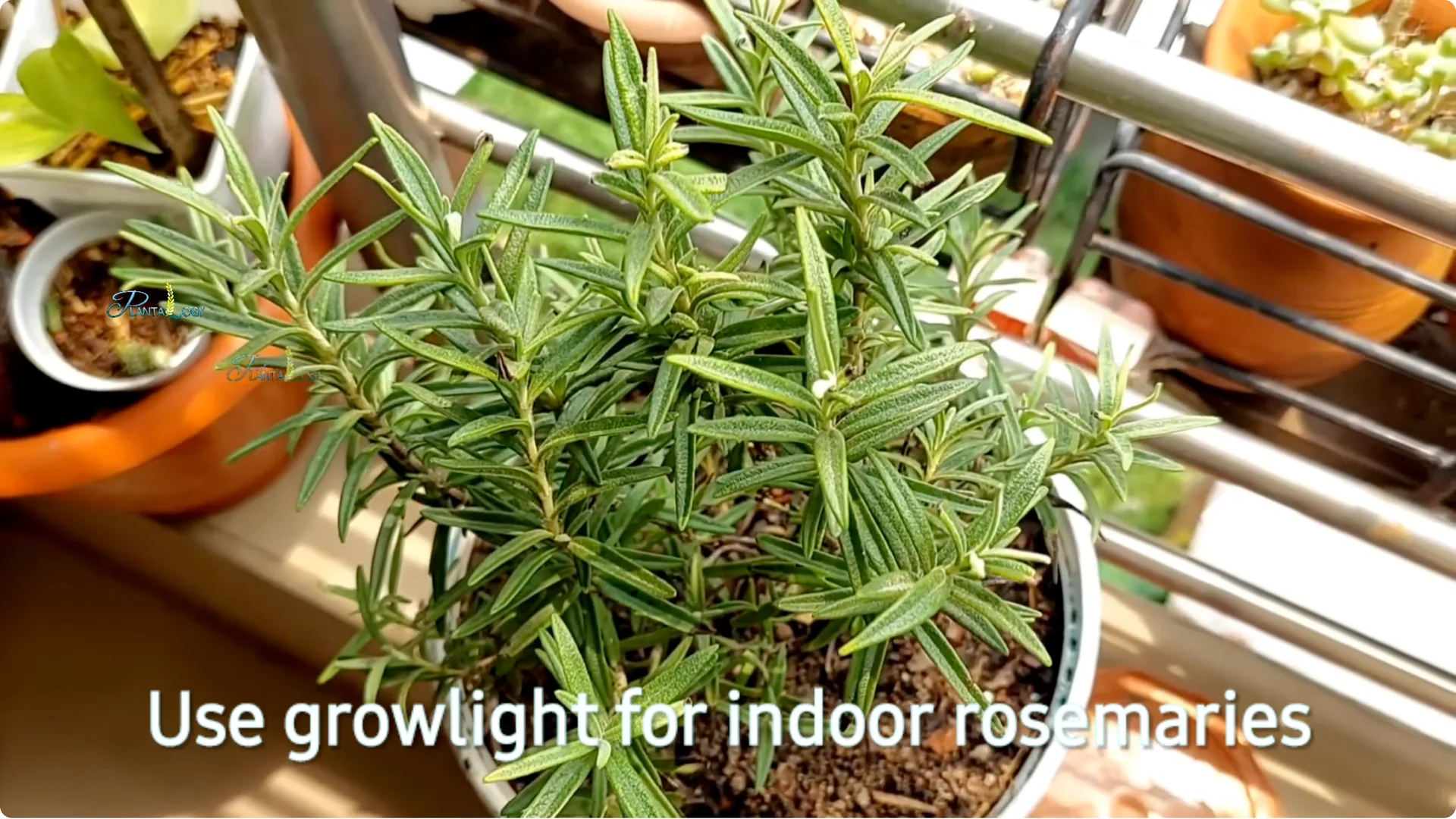
Rosemary needs a good amount of sunlight. If it is not getting at least 4 to 5 hours of direct sunlight, the plant cannot photosynthesize enough energy. Old leaves die off fast, turning brown at the tips before dropping.
Keep your rosemary where it will receive at least 4 hours of direct sunlight. If you are growing it indoors, use a full spectrum grow light for at least 12 hours a day. Strong light keeps foliage dense, green, and resilient.
Read More: Orchid Care Tips Thrive
3. Rosemary Leaf Browning From Dry Air

Sometimes brown tips appear even when watering is perfect, and that is because of dry air. Heaters or hot sun near walls can dry out the leaf edges faster than the roots can replace moisture. This leads to leaf tip burn, a form of dehydration stress.
Maintain humidity around 40 to 50 percent and keep your rosemary away from heat sources. Good air movement helps the plant cool itself naturally. Aim for steady, gentle airflow rather than stagnant pockets of hot, dry air.
Read More: Holiday Cactus Care Tips
4. Rosemary Leaf Browning From Excess Fertilizer and pH Issues
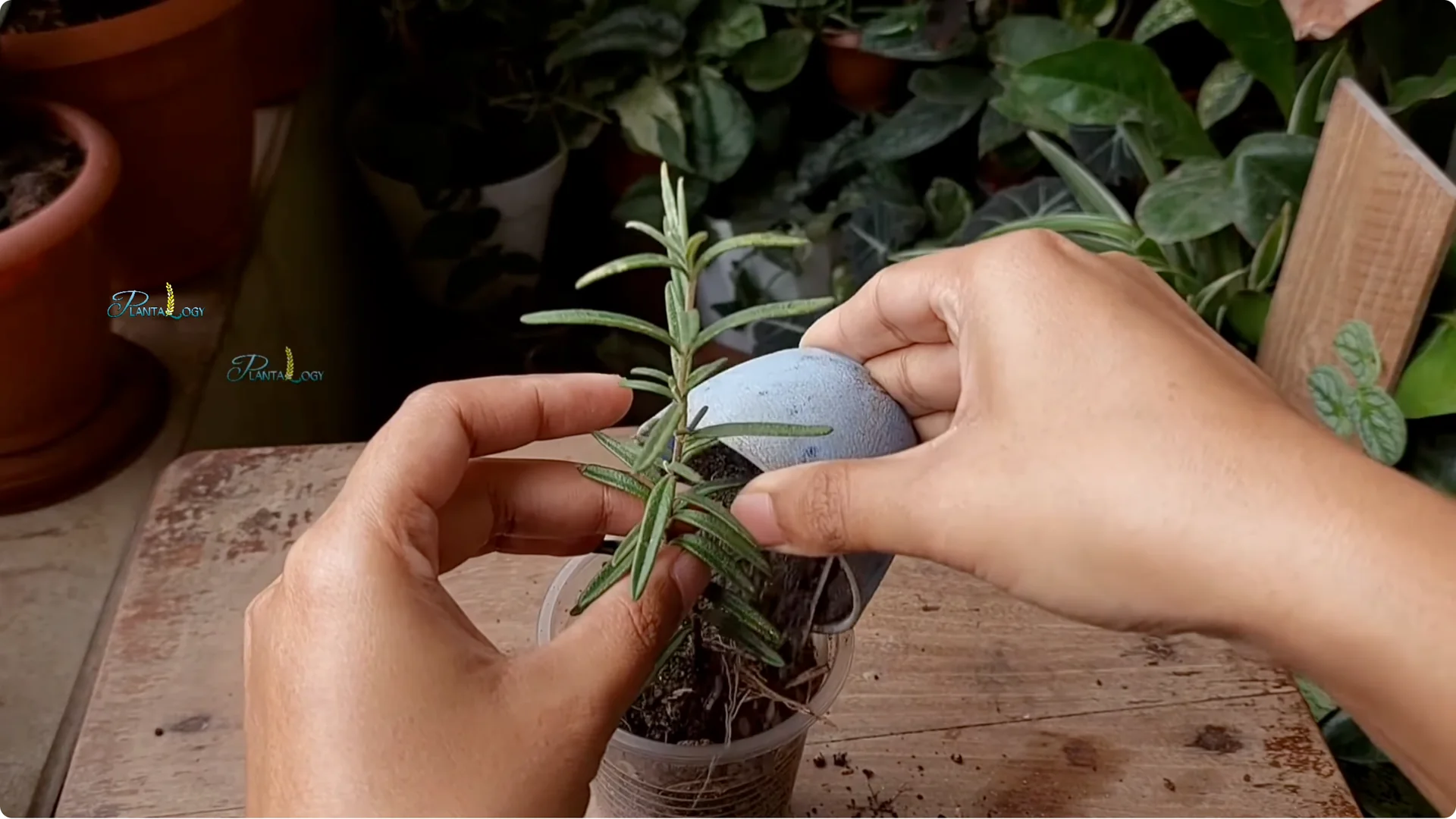
Rosemary does not need heavy feeding. Too much fertilizer creates salt buildup in the soil, pulling water out of the roots. You will see brown, burned leaf tips.
Feed lightly every six to eight weeks using diluted organic fertilizers like fish emulsion or compost tea. Flush the soil with clean water every few weeks to leach out excess salts. Rosemary also prefers a slightly alkaline soil pH between 6.5 to 7.5.
If it is too acidic, add a pinch of garden lime. Or start using slightly alkaline soil amendments like bone meal or oyster meal. Gentle feeding plus pH balance prevents nutrient stress and tip burn.
5. Rosemary Leaf Browning From Poor Airflow and Disease
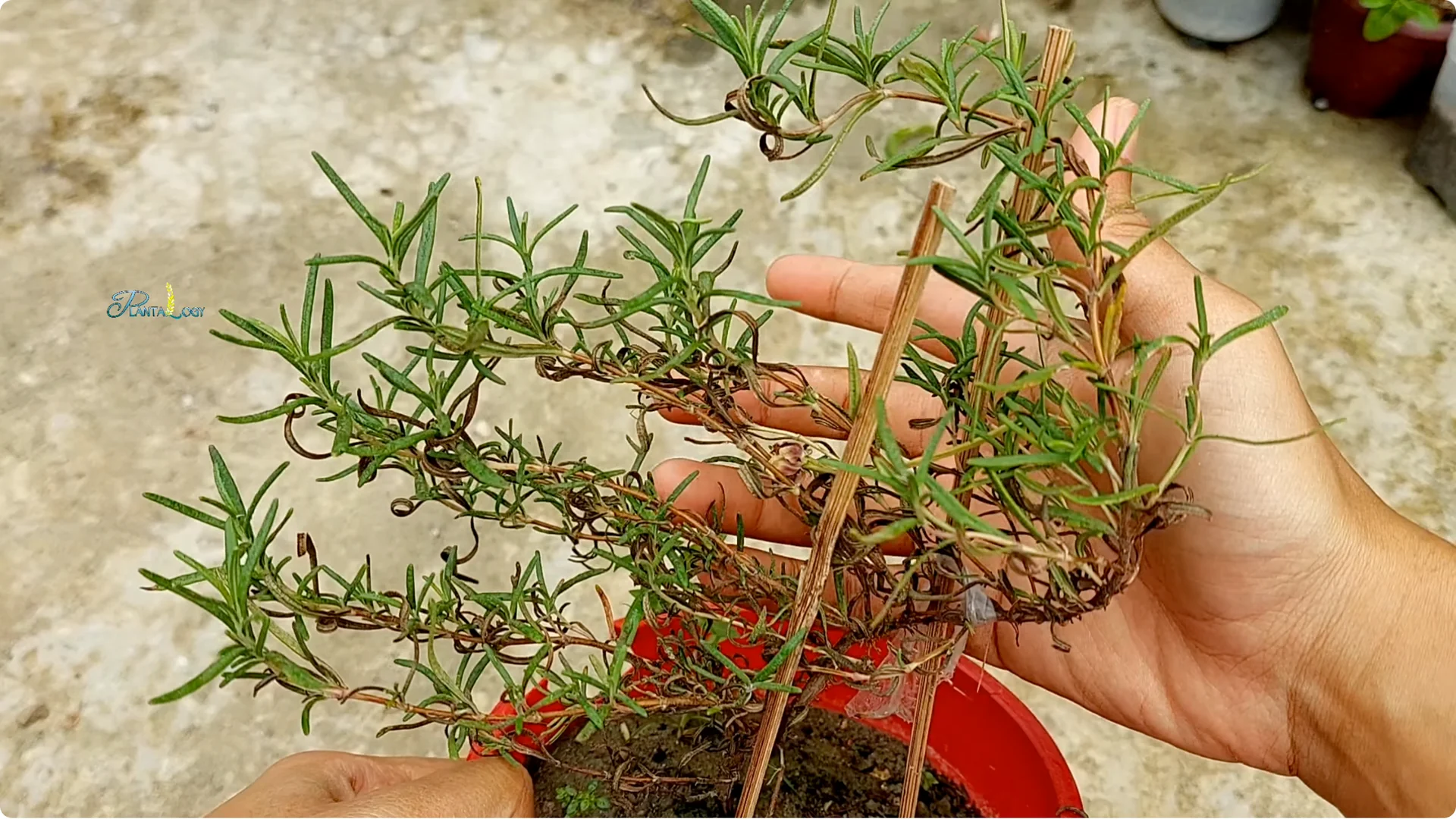
When your rosemary sits in stagnant air, humidity stays trapped between the leaves. That is when fungi like powdery mildew appear, blocking the leaves’ breathing pores and causing brown spots or yellowing. Fungal pressure increases quickly in crowded, shaded canopies.
Prune crowded stems to improve airflow. Spray with a neem oil solution once a week. This keeps your rosemary’s foliage clean, green, and disease-free.
Read More: Anthurium Care Tips Indoor Blooms
6. Rosemary Leaf Browning From Sudden Changes
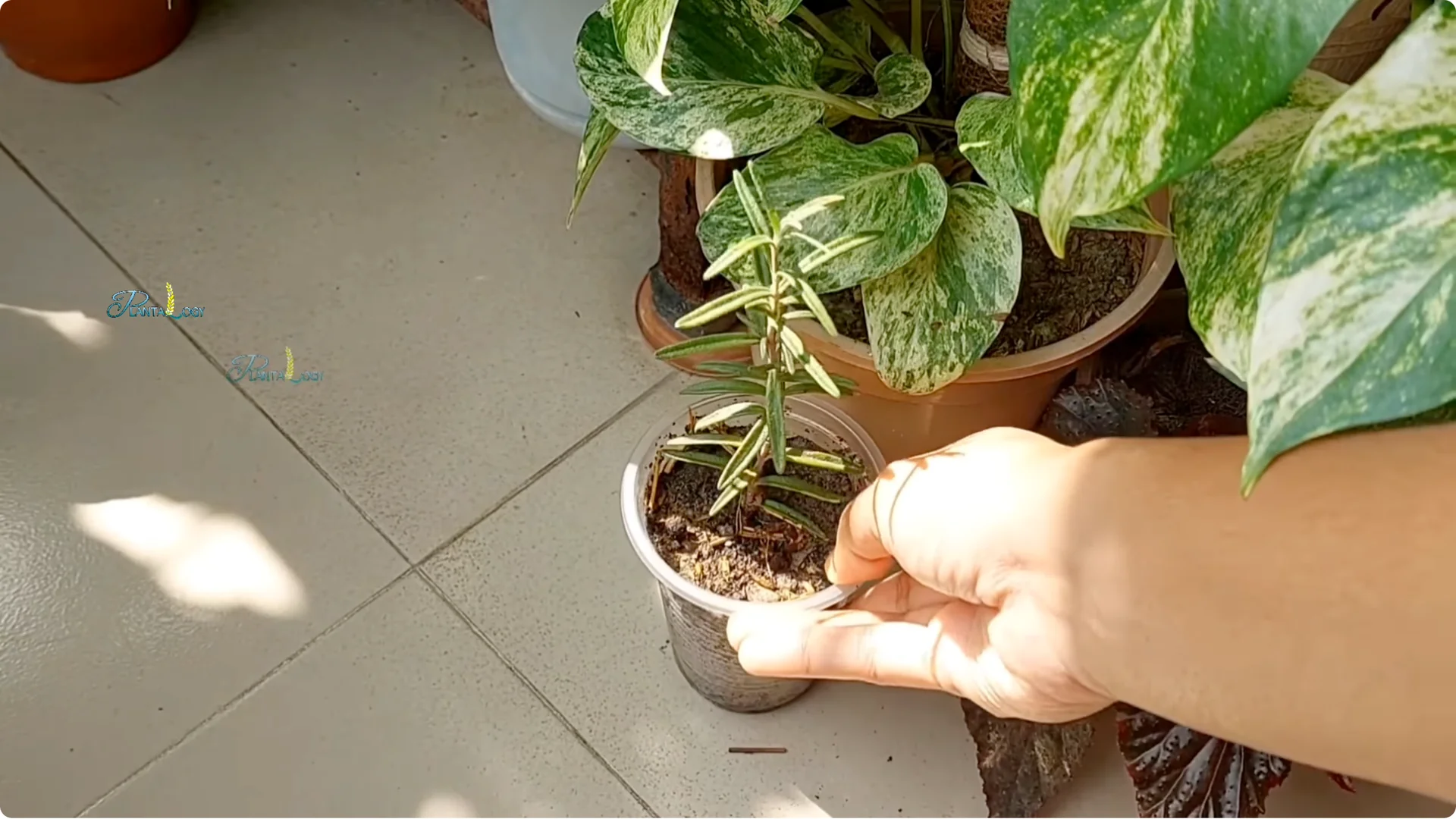
Rosemary hates sudden changes. Moving it from outdoor sunlight to a dim indoor corner or exposing it to cold drafts can shock the plant, leading to browning and leaf drop. Sudden shifts in light and temperature disrupt its rhythm.
When you move rosemary indoors or outdoors, do it gradually over a week. Try to keep the temperature between 15 to 27° C. Gentle acclimation prevents shock.
Subtropical Tips for Rosemary Leaf Browning
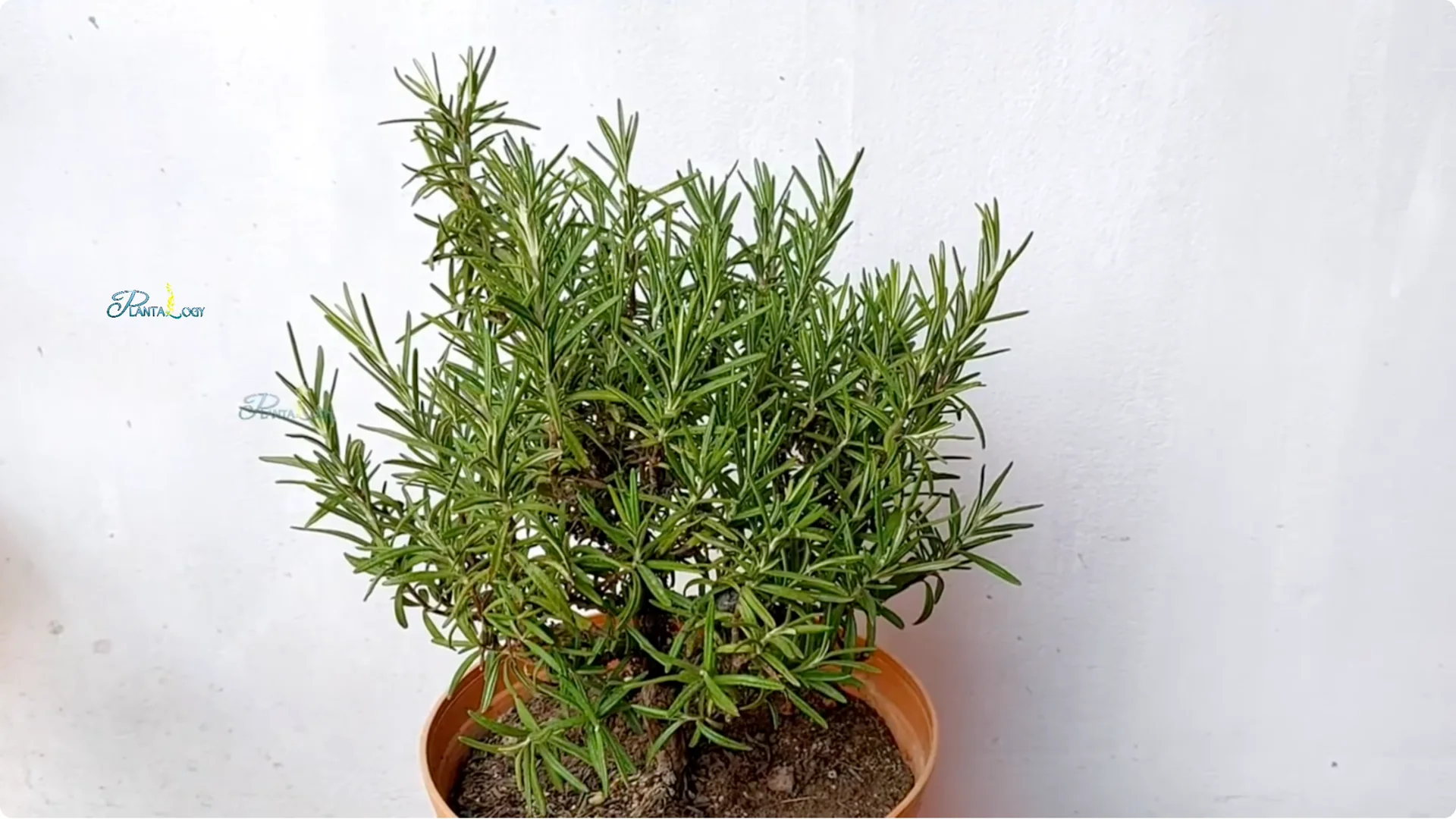
I belong to a subtropical zone. In summers I move the plant to a partly shaded place to protect it from the afternoon scorching sun. This prevents heat stress and crisping leaf edges.
If you are also from a subtropical zone, buy a rosemary plant in fall or winter. Early fall provides the perfect temperature to add rosemary and acclimate it to the garden environment. Protect it in midsummer when temperatures increase above 37° C.
Final Thoughts
Rosemary leaf browning usually traces back to water, light, air, nutrients, or sudden change. Fix overwatering, give strong light, stabilize humidity and airflow, feed lightly with the right pH, and acclimate slowly. With these simple adjustments, rosemary stays lush, aromatic, and resilient.