
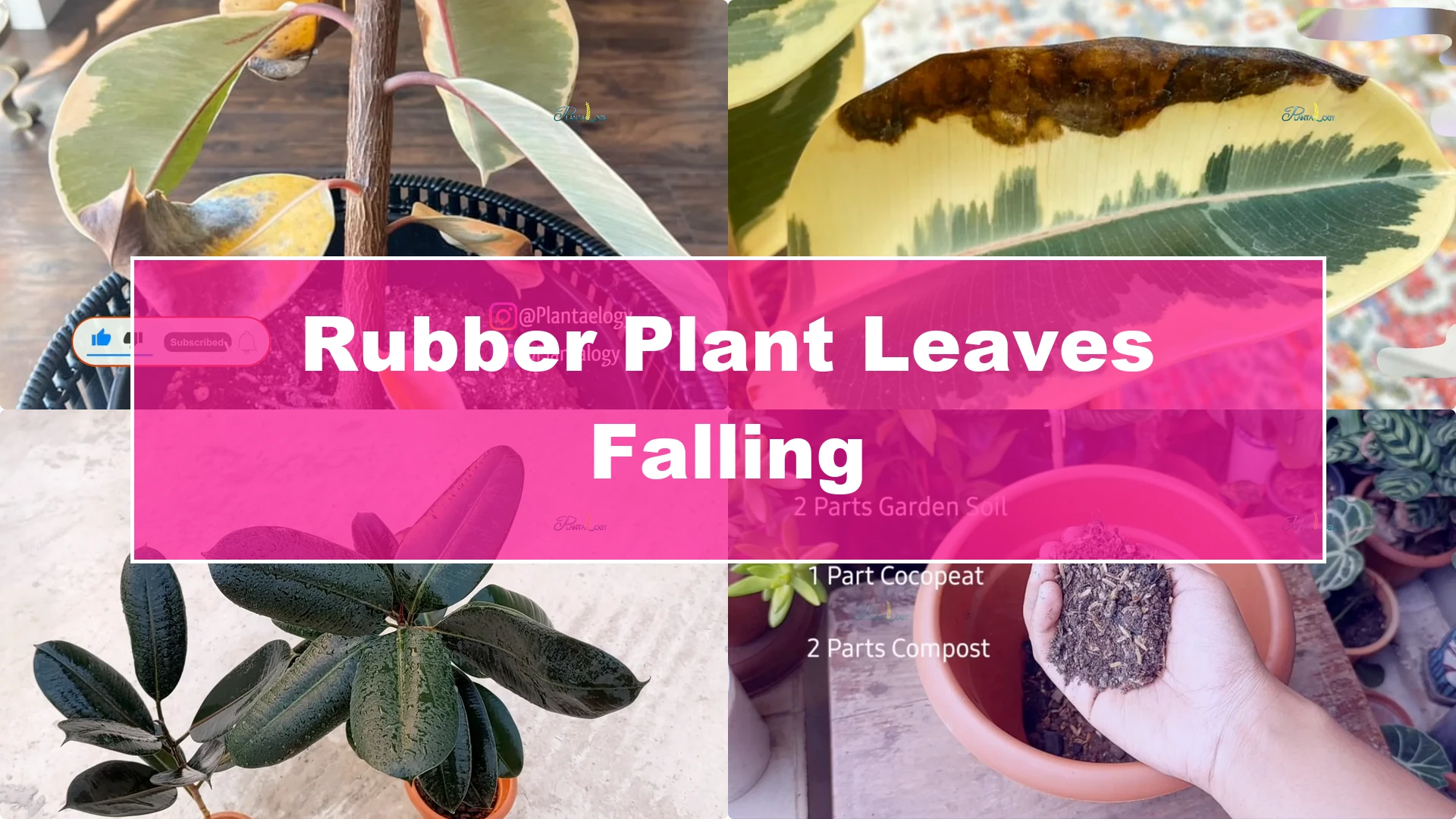
Rapid leaf drop is a significant problem with rubber plants or Ficus elastica. Sometimes the leaves turn yellow and fall off and sometimes the leaf edges turn brown and then follow. I will explain the major reasons responsible for both types of leaf drop and provide the solution.
Rubber Plant Leaf Drop Troubleshooting: Yellow Leaves Then Drop
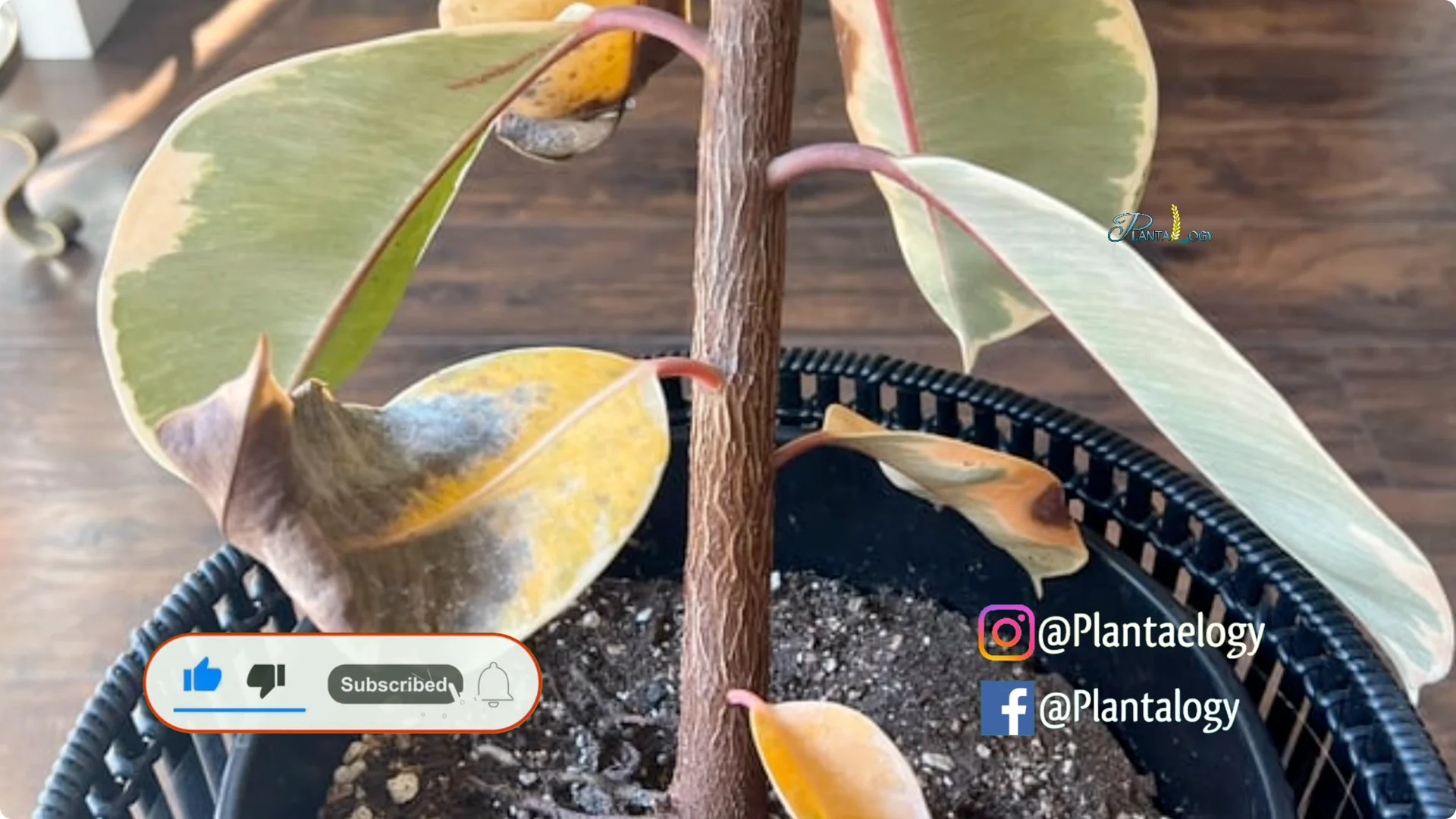
The falling of the older leaves is a natural process that replaces older leaves with new sets of leaves. But a drastic change of leaf color into yellow and falling off mostly indicates insufficient light exposure.
Rubber plants generally require 4 hours of bright indirect light or 1 or 2 hours of direct sunlight. Less than that reduces the photosynthesis rate. As a result, the lower sets of leaves rapidly turn yellow and finally fall off.
This excessive leaf drop turns the plant leggy and weak. Not only insufficient light exposure but also underwatering reduces the water pressure in leaves, turning them yellow and causing them to fall off.
Furthermore, stunted growth due to winter dormancy or any repotting stress shows leaf drop issues. Correcting these basics usually stops the yellowing and drop. Keep the plant stable and consistent to support new growth.
Read More: Rosemary Leaves Turning Brown Care Tips
Rubber Plant Leaf Drop Troubleshooting: Brown Edges Then Drop
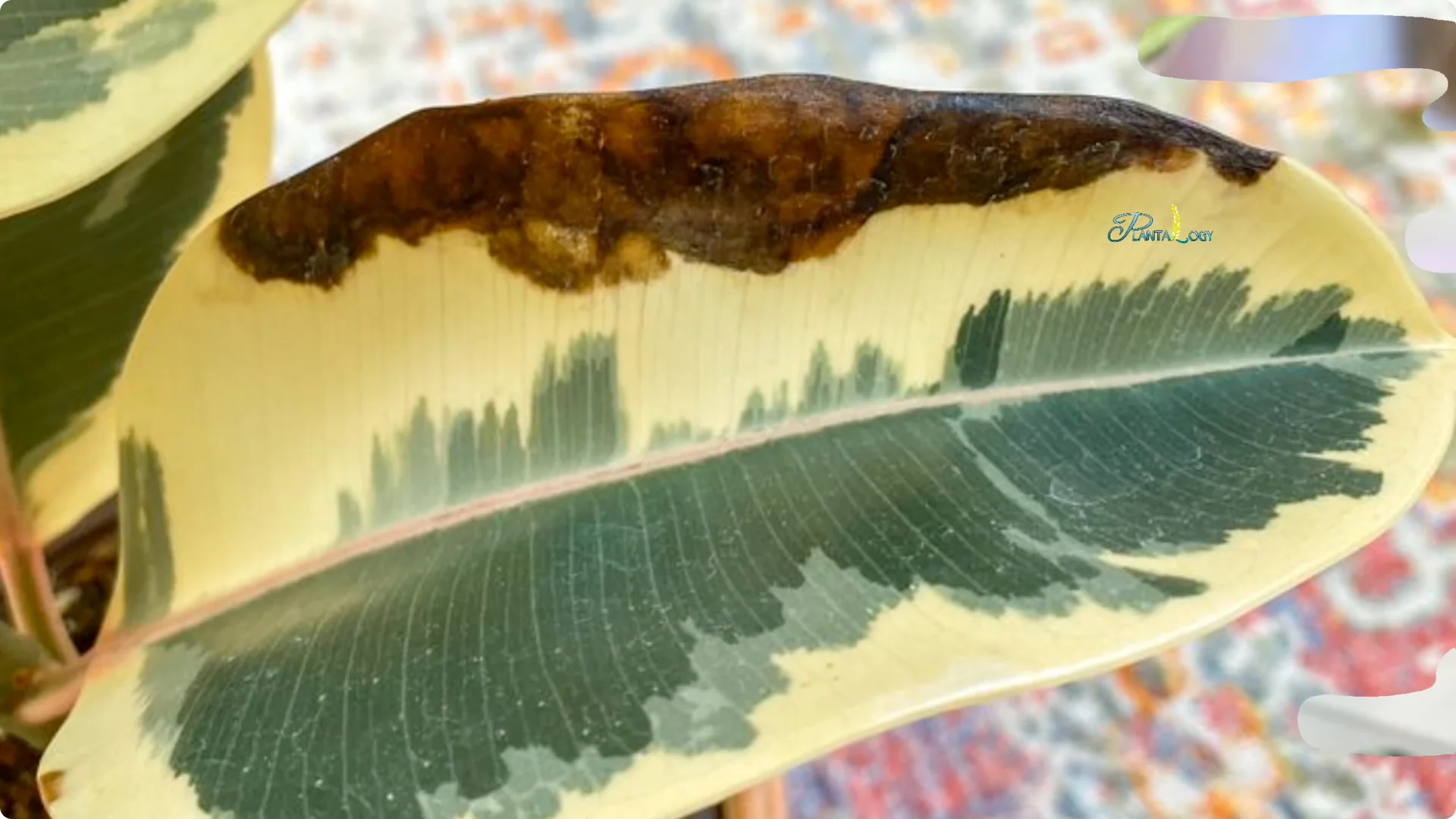
Such a type of leaf drop occurs if the plant has root rot. Rubber plants have thick leaves and roots that store water. Long-term soggy or saturated soil conditions block these roots from uptaking oxygen and rot the roots by fungal infestation.
As a symptom, the leaves show brown edges and then fall off. Using partly decomposed organic fertilizers holds excessive moisture in the soil and attracts harmful microbes that also cause root infection and drive leaf drop issues.
Often underwatering in summer also can show such types of leaf drop. Moreover, low humidity below 30 percent and extreme heat and cold reduce the leaf moisture and cause drastic leaf drop.
Another reason that can cause brown leaf edges is the extreme deficiency of potassium. If not treated early, the plant will drop all the leaves over time. Address root health, moisture, and nutrition to stop the decline.
Rubber Plant Leaf Drop Troubleshooting: Fixes and Prevention
1. Maintain the soil moisture
Both overwatering and underwatering cause leaf drop. Adjusting the soil moisture is very important to avoid all the water related problems.
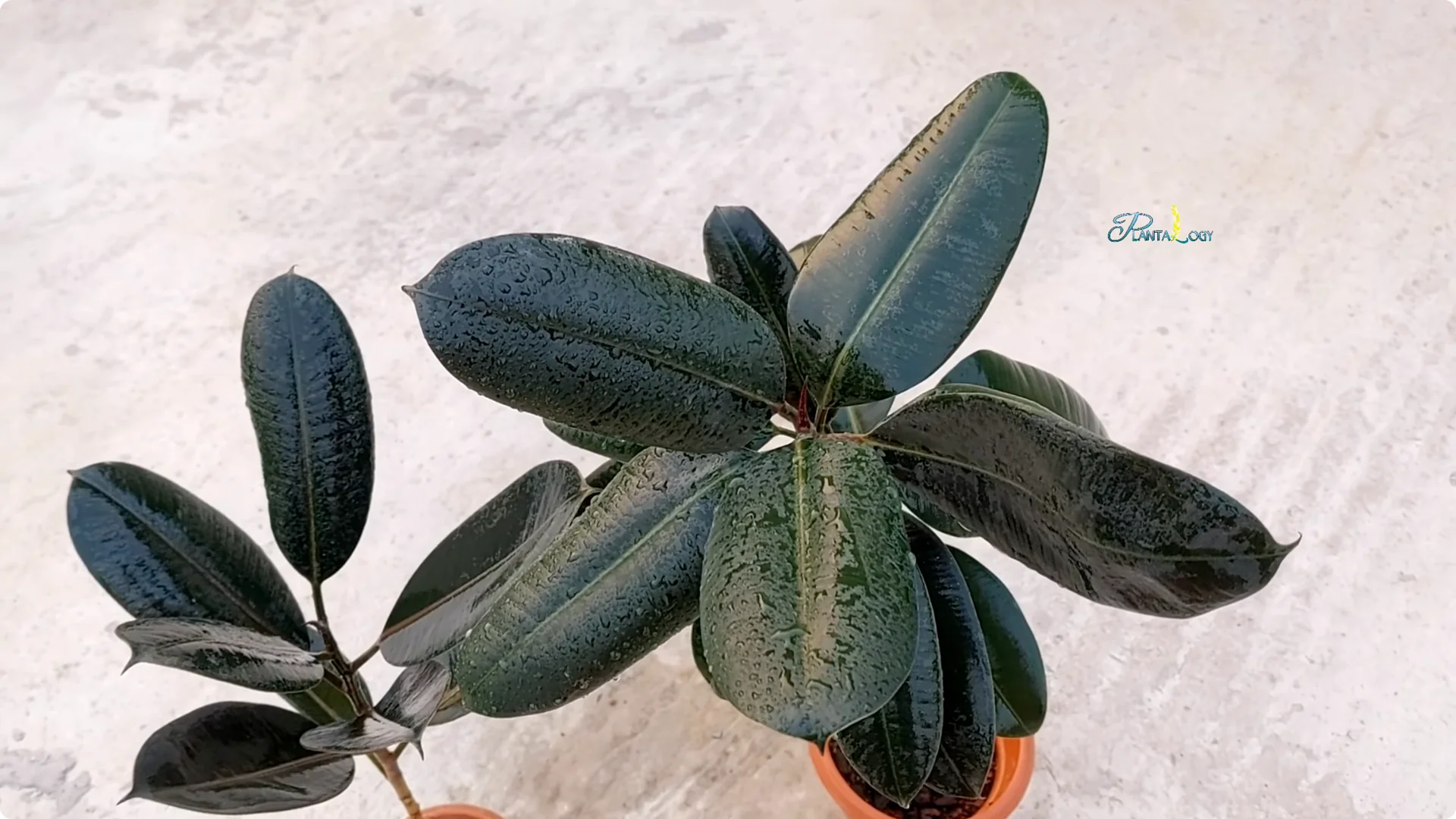
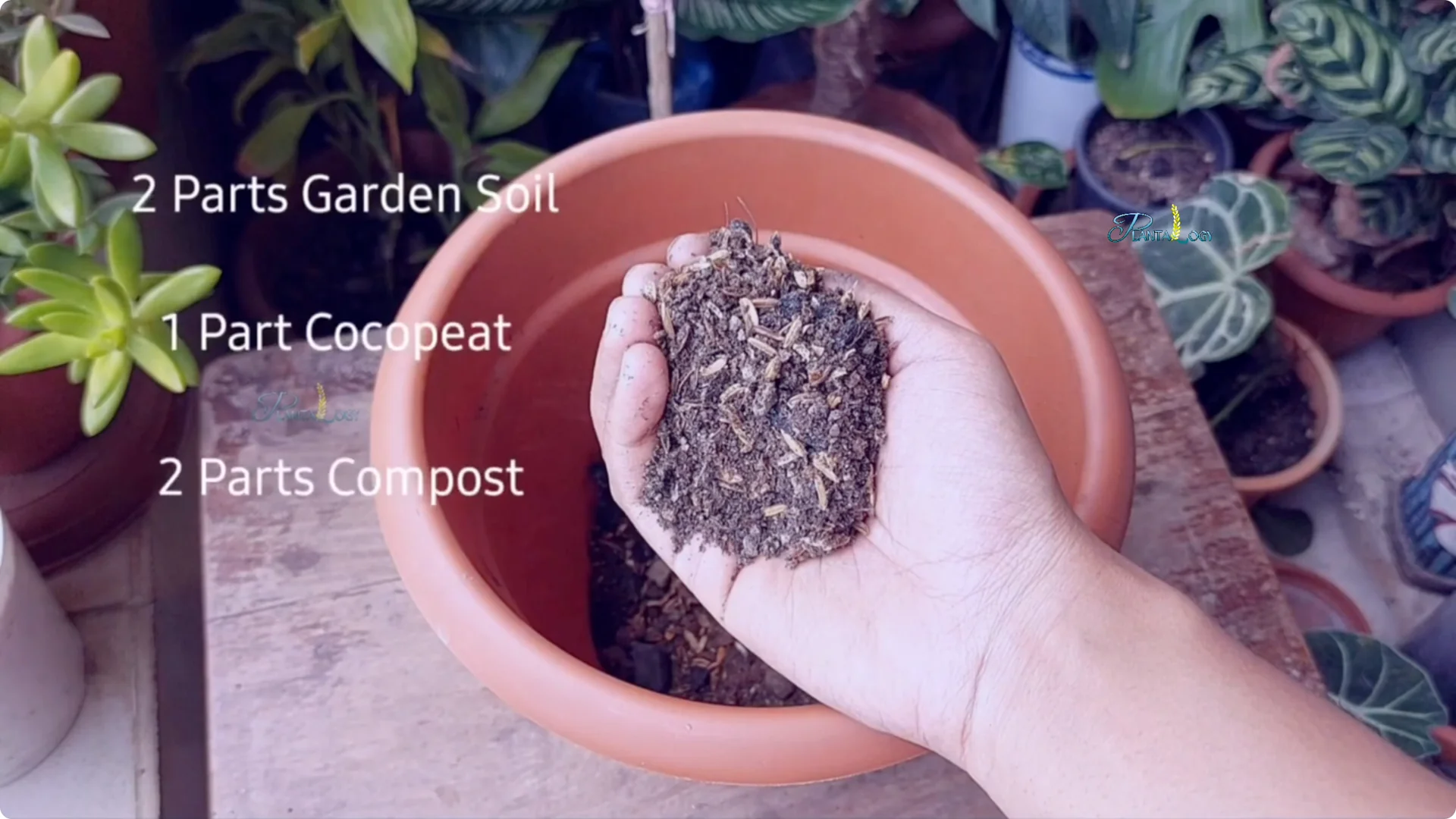
To maintain the soil moisture, first provide good potting soil. Use well draining, porous and water retentive soil for the rubber plants. I prepared the soil for my rubber plants by adding two parts garden soil, one part coco peat, two parts well-rotten compost, one part rice hull, and one part charcoal.
All together create a breathable soil that does not compact over time. It drains out excess water and holds sufficient moisture. This balance keeps roots healthy and active.
After potting soil, the watering should be in control. Water the plant when 70 percent soil feels nearly dry. Also, the leaves will feel soft and wilted when the plant needs water.
Check the upper 2 to 3 inches of the soil moisture before watering. If it feels nearly dry or dried out, water the plant thoroughly. Let excess water drain fully.
2. Proper light exposure

Rubber plants thrive with at least 4 or 5 hours of bright indirect light. They can do well in an east-facing window or several feet from a south-facing or west-facing window.
They can tolerate soft morning 1 or 2 hours of sunlight, but should be kept out of harsh direct afternoon sunlight, which can burn the leaves, especially the variegated rubber plant leaves. Proper light exposure will compact the plant’s growth and recover the yellow leaves problem.
Also, sufficient light reduces the chances of overwatering. I grow rubber plants under grow lights that receive 12 hours of 500 ft candle light a day and have compact upright growth. Stable light keeps growth steady and dense.
Read More: Easy Tips Grow Care Anthurium Plant
3. Adjust humidity and protect from extreme temperature
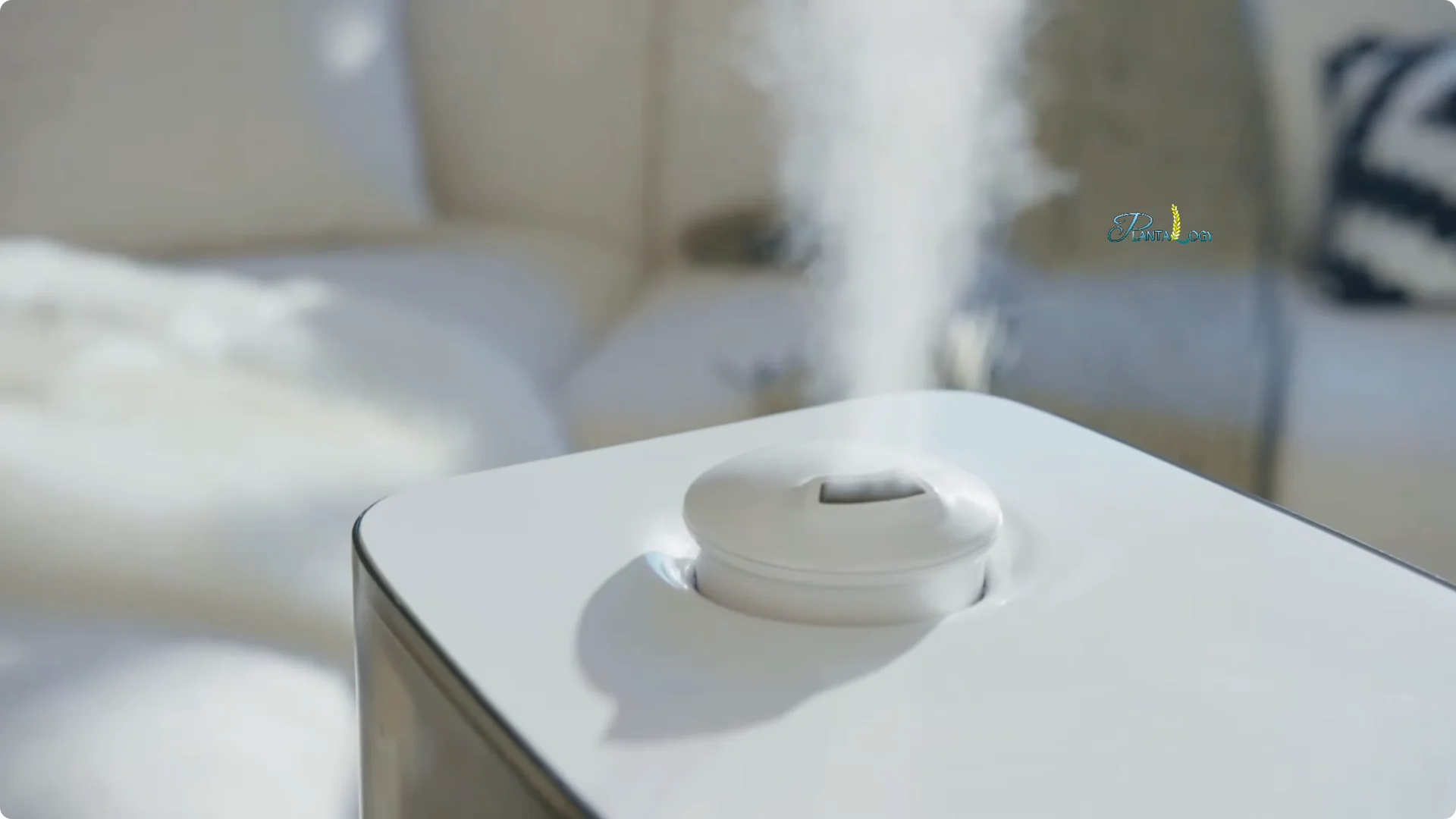
Rubber plants grow well with moderate to warm temperatures around 65 F to 85 F with moderate humidity between 40 and 50 percent. If your space is very dry, consider running a humidifier near the plant or group it with other houseplants to create a humid microclimate.
Like other types of Ficus, these plants are vulnerable to cold drafts. Keep them away from cold windows or exterior doors in winter. Avoid sudden temperature swings.
4. Pest management
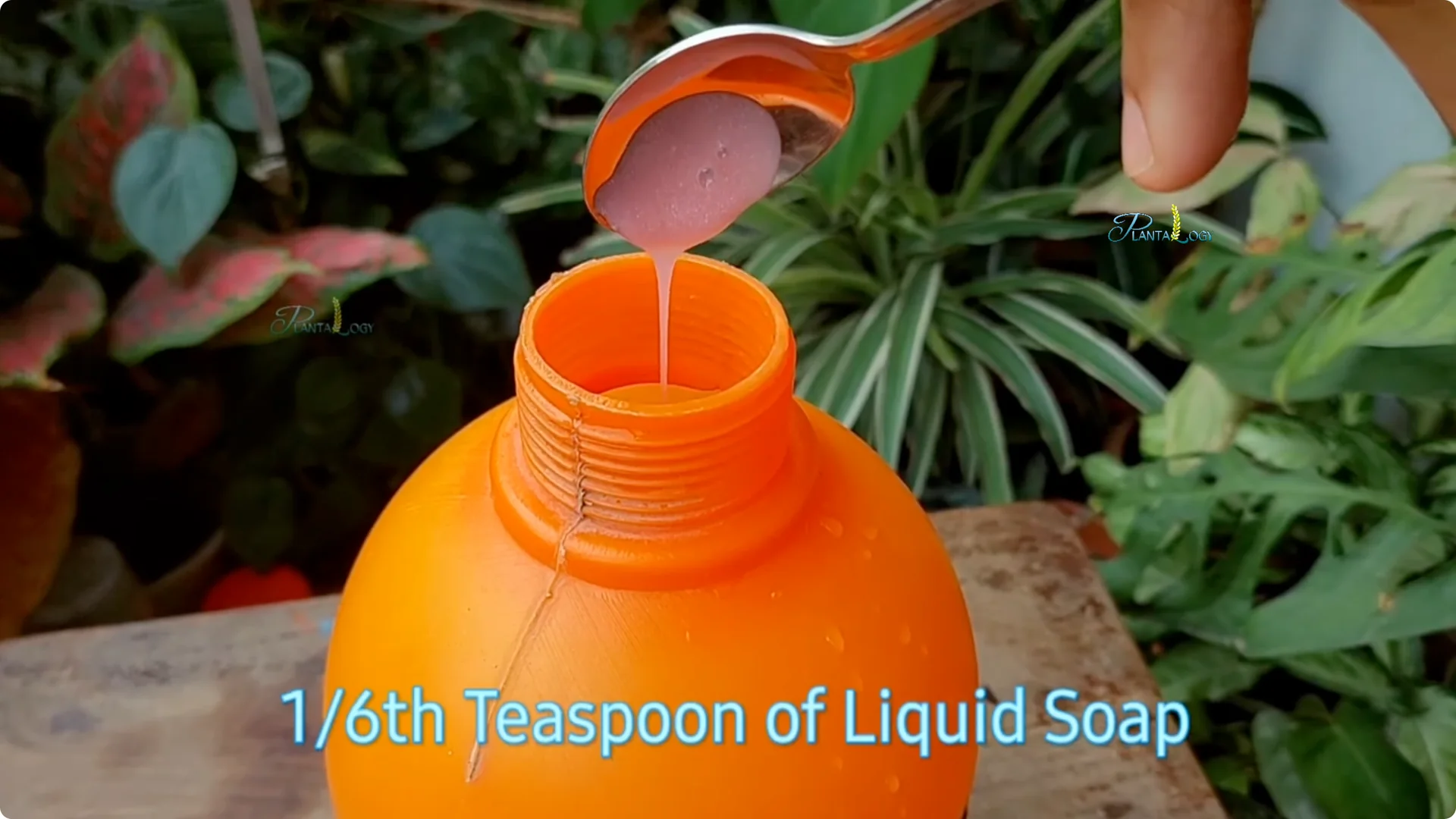
Mealybugs, mites, scales, and aphids are a few common bugs whose infestation turns the leaves yellow or adds brown edges around the infested area. You can consider using a neem oil solution or insecticidal soap solution once a month to prevent pest infestation.
For the infested plant, spray pesticide once a week or once every 2 days based on the infestation intensity. Also, cleaning the leaves with a DIY leaf shining solution prevents pest infestation.
5. Fertilization to improve growth
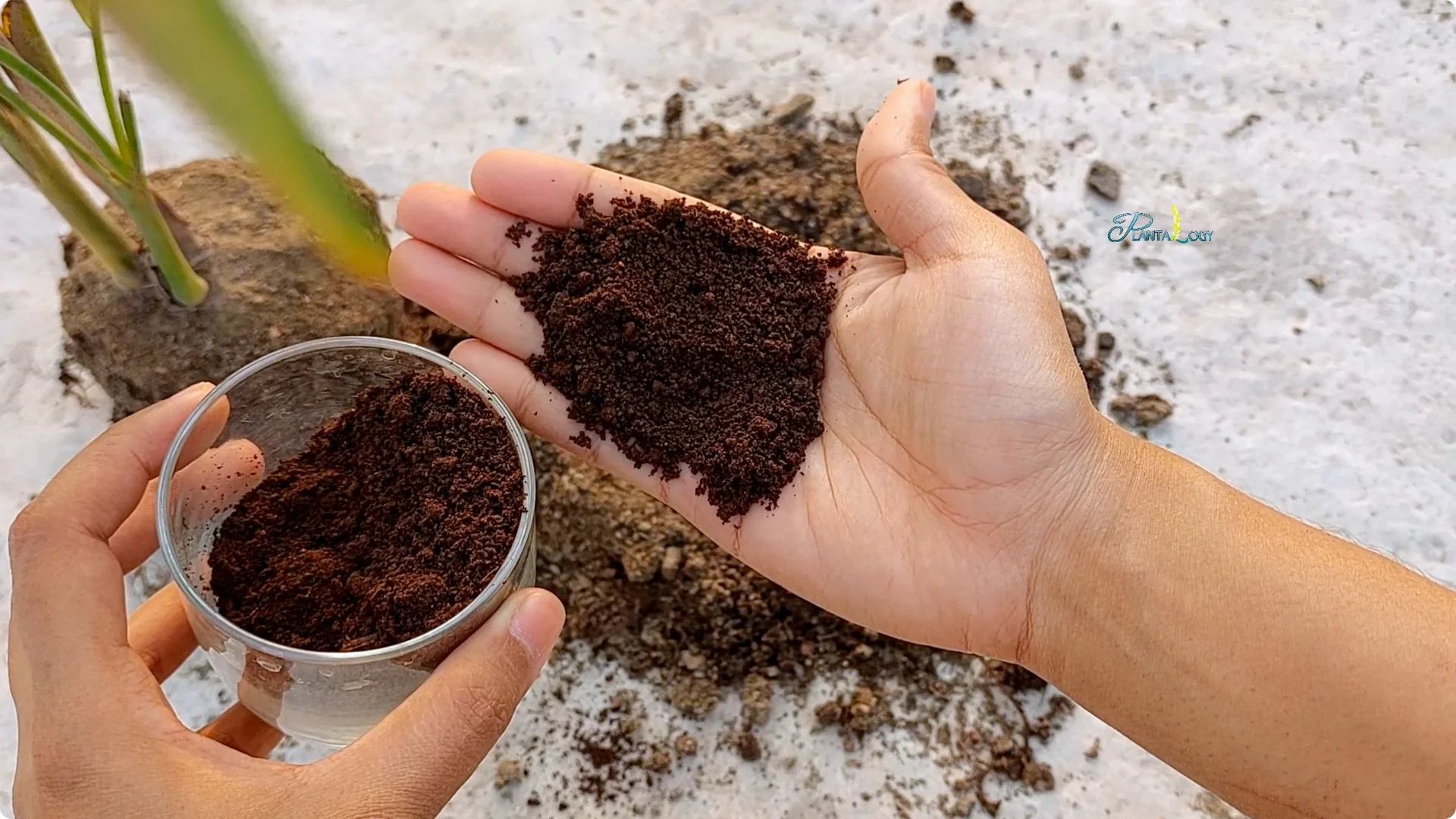
Use well-rotten compost or any organic fertilizer to avoid fungal infestation, root rot issues, and any nutrient deficiency. Also, you can use balanced liquid houseplant fertilizer diluted to half strength every 2 weeks throughout the growing season, which is summer.
Start fertilizing your plant when you see the first new growth in spring. I generally use a handful of vermicompost once a month. This keeps growth active and leaves healthy.
Read More: Aloe Vera Care Tips Indoor Plant
Final Thoughts on Rubber Plant Leaf Drop Troubleshooting
Yellowing and dropping often point to low light and inconsistent watering. Brown edges and drop usually signal root rot, low humidity, temperature stress, or severe potassium deficiency.
Match the plant’s needs for soil, water, light, humidity, temperature, pest control, and feeding. With these adjustments, rubber plants regain compact growth and hold their leaves.