
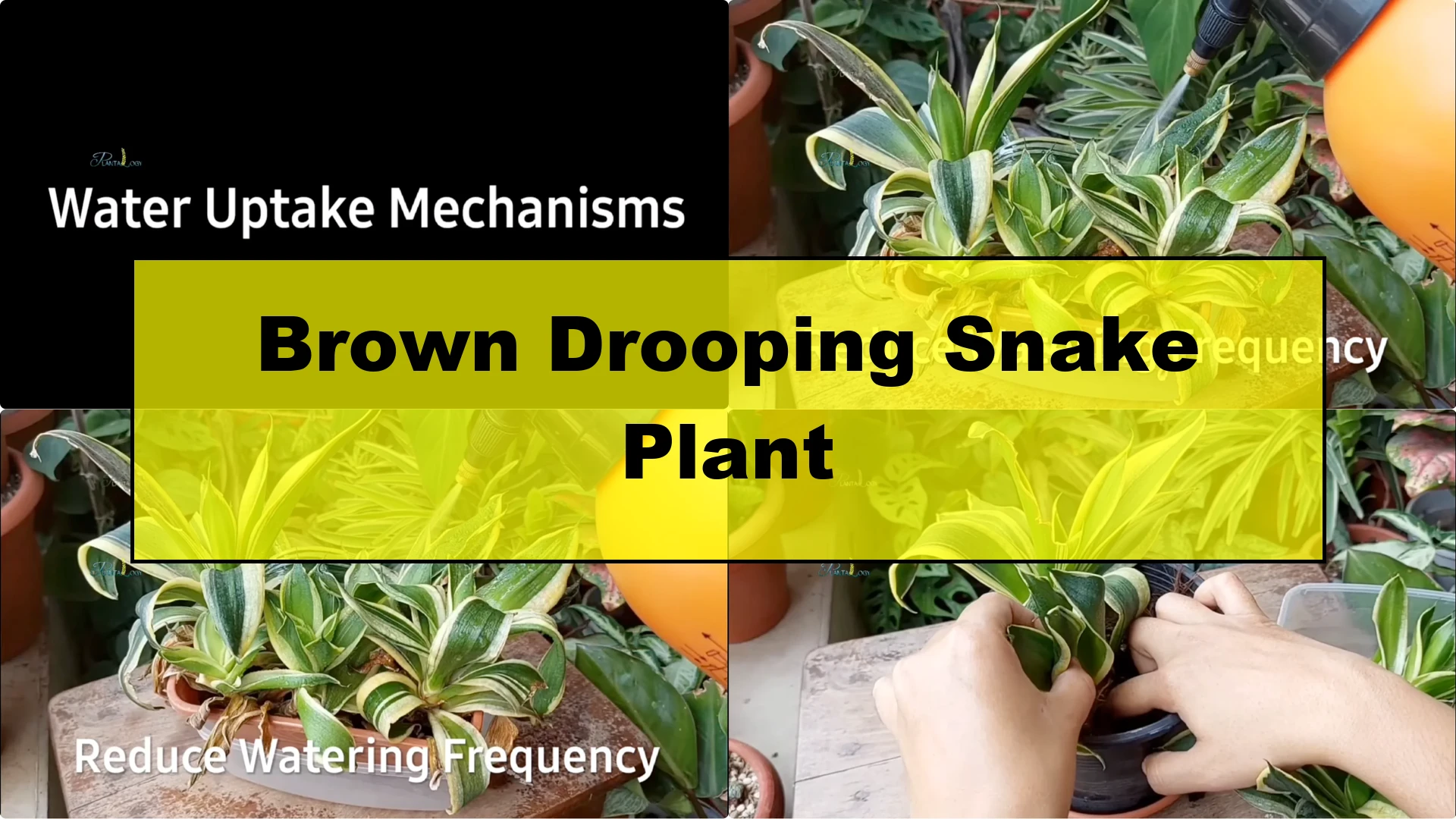
Is your snake plant looking more like a floppy banana than the upright sword it’s supposed to be? You are not alone. Thousands of plant parents are asking the same question.
Why is my practically indestructible snake plant falling over? I am breaking down the two scientifically proven reasons your snake plant flops. It is not what most people think.
1. Snake Plant Drooping Causes: Chronic Overwatering and Root Rot
Snake plants are succulents. They store water inside those thick, gorgeous leaves and in underground rhizomes. Their entire root system evolved in the dry savannas of West Africa, meaning they are built for drought.
When you overwater, the soil stays soggy. Healthy soil has tiny air pockets between soil particles. Plant roots need oxygen from these pockets to breathe.
When water floods those air pockets for too long, that leads to root hypoxia, which means the roots are suffocating from lack of oxygen. Without oxygen, anaerobic bacteria and fungi take over and attack the oxygen starved roots, causing them to rot into a black, mushy mess. Once the roots rot, they lose their structural integrity.
They cannot anchor the plant anymore. Rotted roots cannot transport water upward through the xylem tissue. No water transport means the leaves become heavy, mushy, and start bending outward until they completely collapse.
If your snake plant is flopping and the base feels soft and squishy, you are dealing with classic root rot caused by chronic overwatering. The solution is simple. Cut back on water immediately and repot in fresh, well-draining soil if needed.
How to fix chronic overwatering
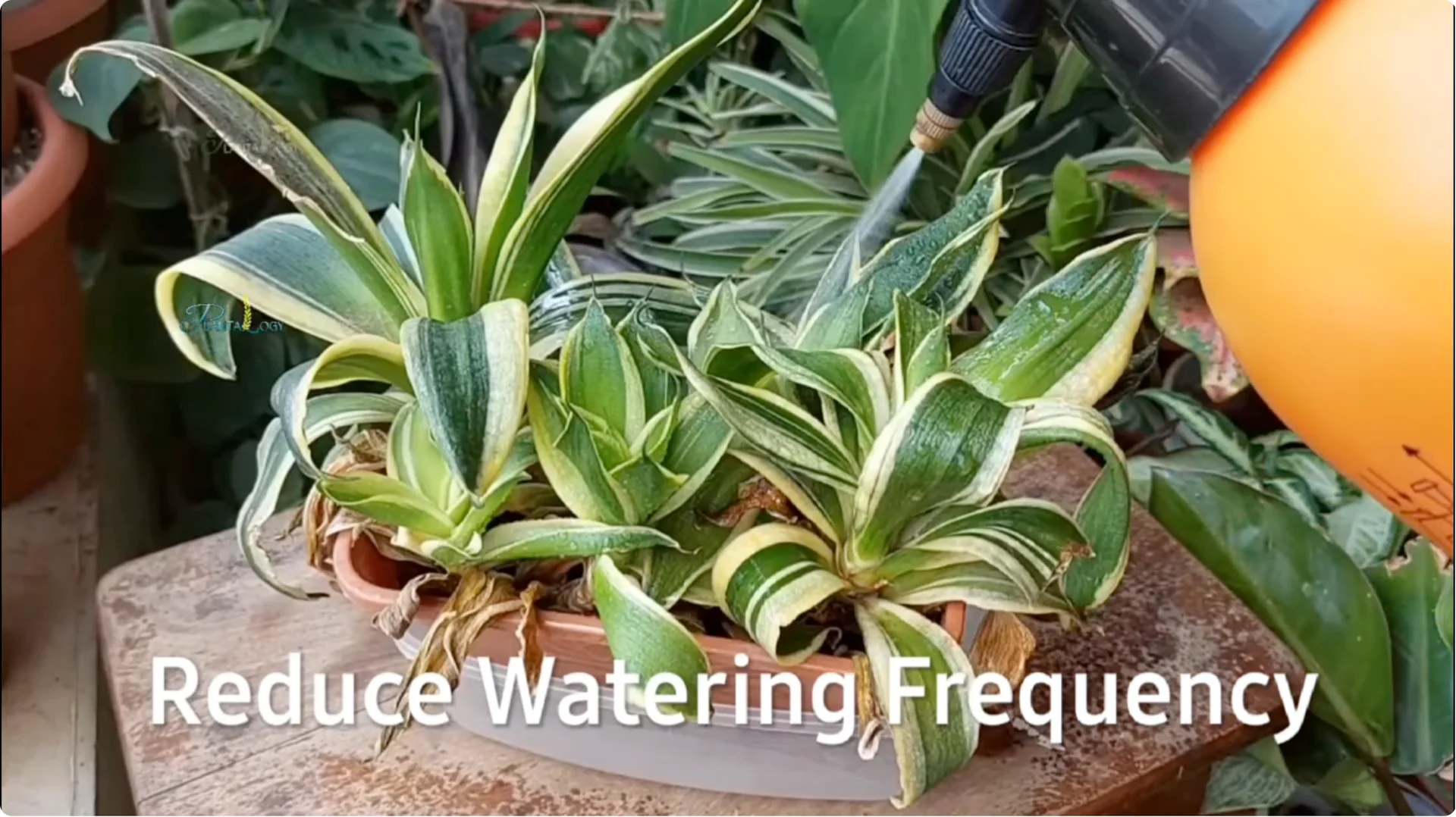
Cut back on water immediately. Unpot the plant and repot the roots in fresh, well-draining soil if needed. Let the soil dry out completely before watering again.
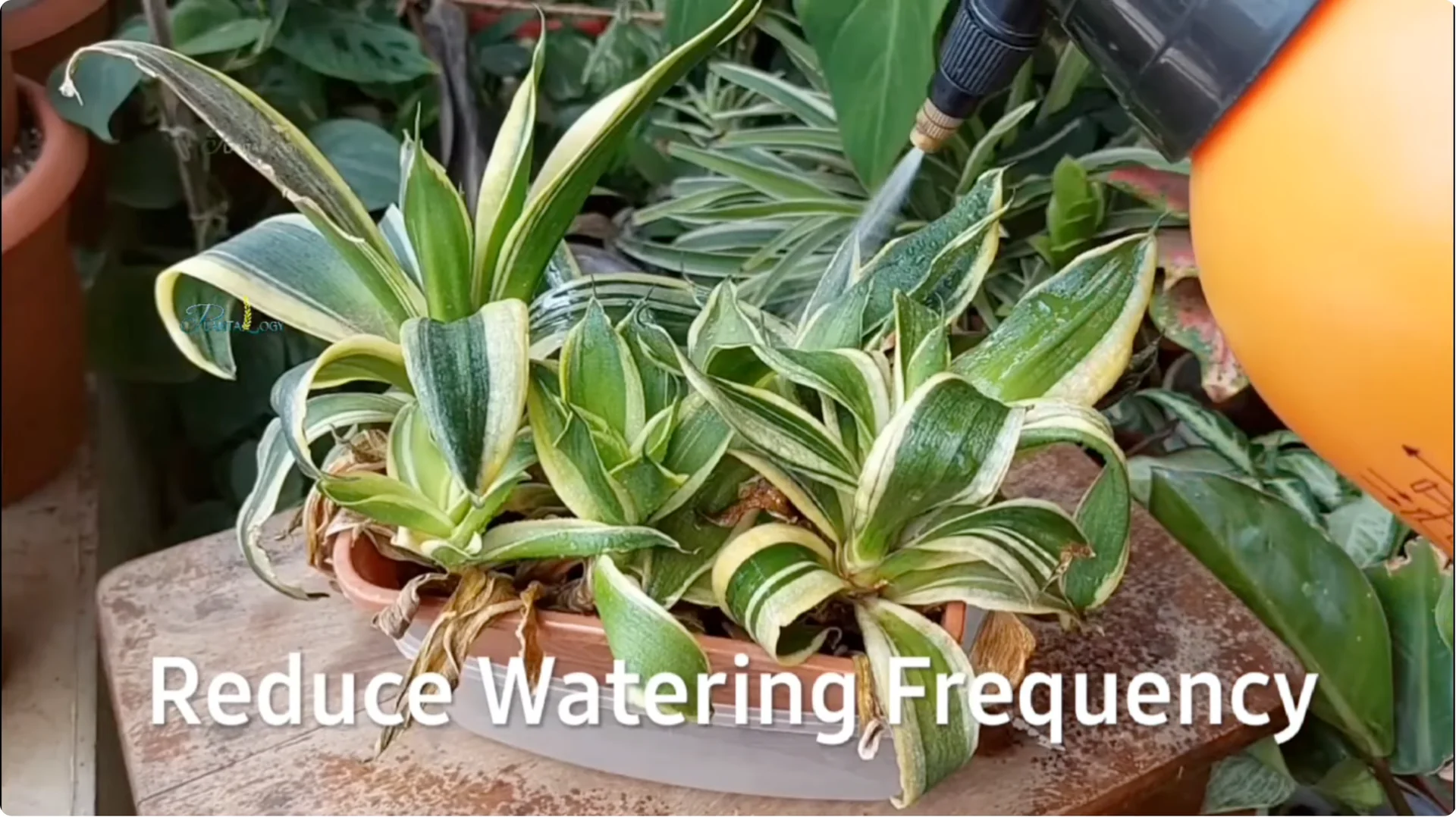
For more context on symptoms, see the signs your snake plant is giving you.
2. Snake Plant Drooping Causes: Insufficient Light and Etiolation
Snake plants are famous for tolerating low light and they can survive in dim conditions. Here is the catch. They do not maintain proper cell structure in darkness.
When a snake plant does not get enough light, it produces more of a plant hormone called auxin. Auxin is the plant’s growth signal, and in low light, it tells the leaves to stretch and reach for the light. Since the plant cannot receive enough photons for proper photosynthesis, it cannot produce strong cell walls.
The leaves grow longer, thinner, and weaker. These weak etiolated leaves cannot support their own weight, so they naturally bend or flop over. If new leaves look narrow, pale green or yellowish and bend easily, it indicates the plant needs more light.
How to fix insufficient light
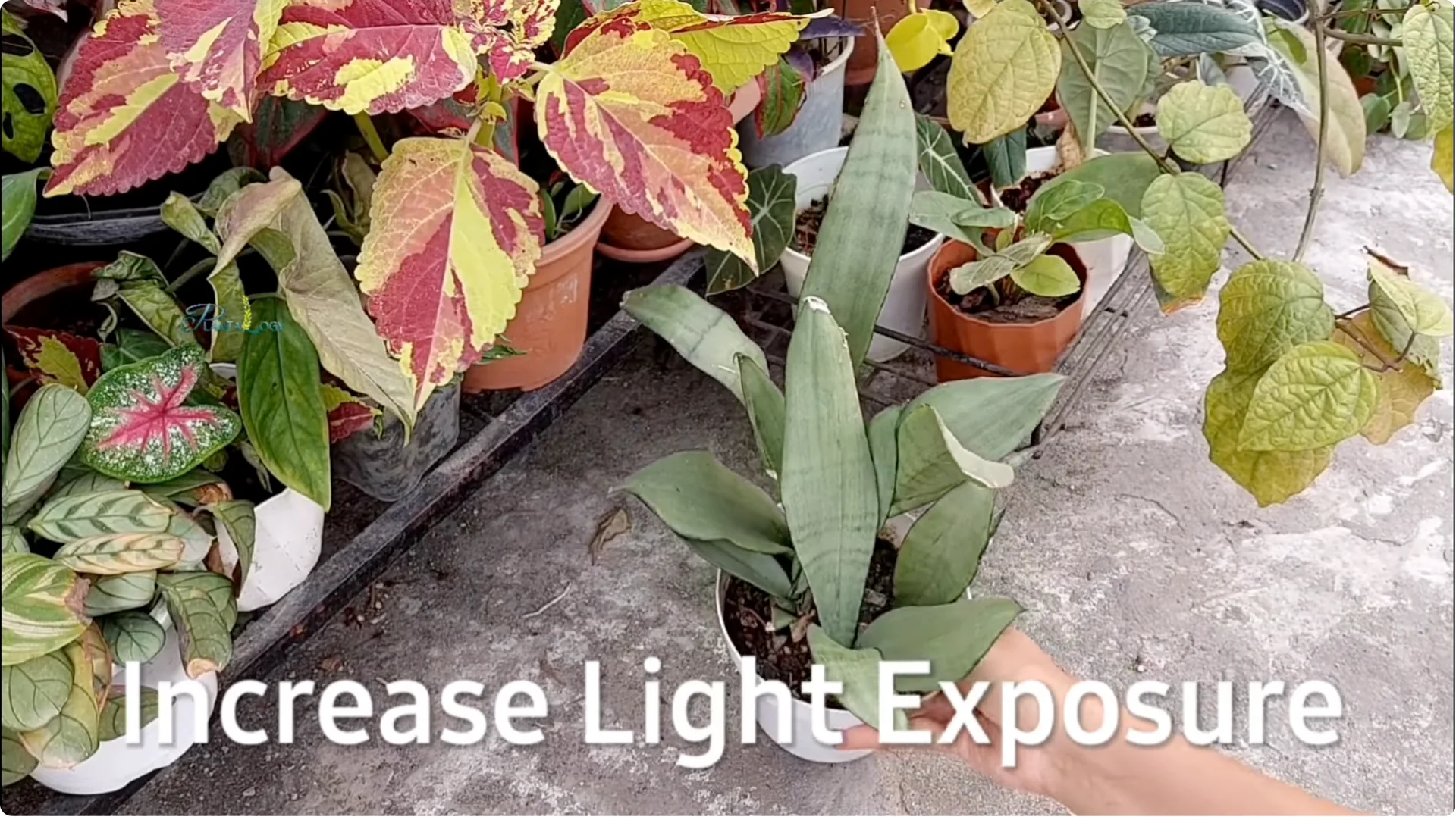
Move your snake plant to bright, indirect light.
Position it near an east or south-facing window, but not in direct harsh sunlight that can burn the leaves.
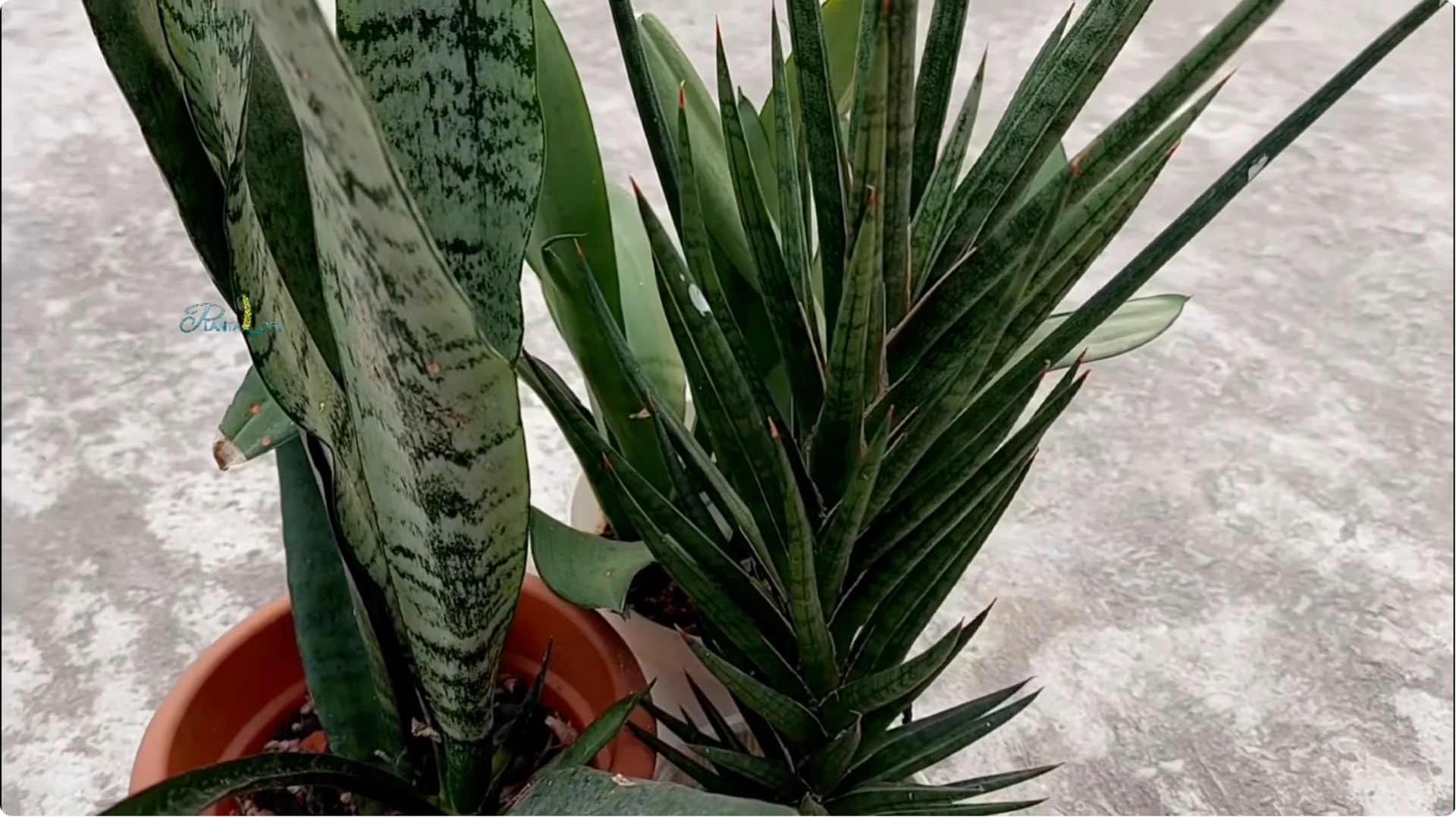
Ideally, give it 4 to 5 hours of indirect light daily to maintain strong, upright growth.
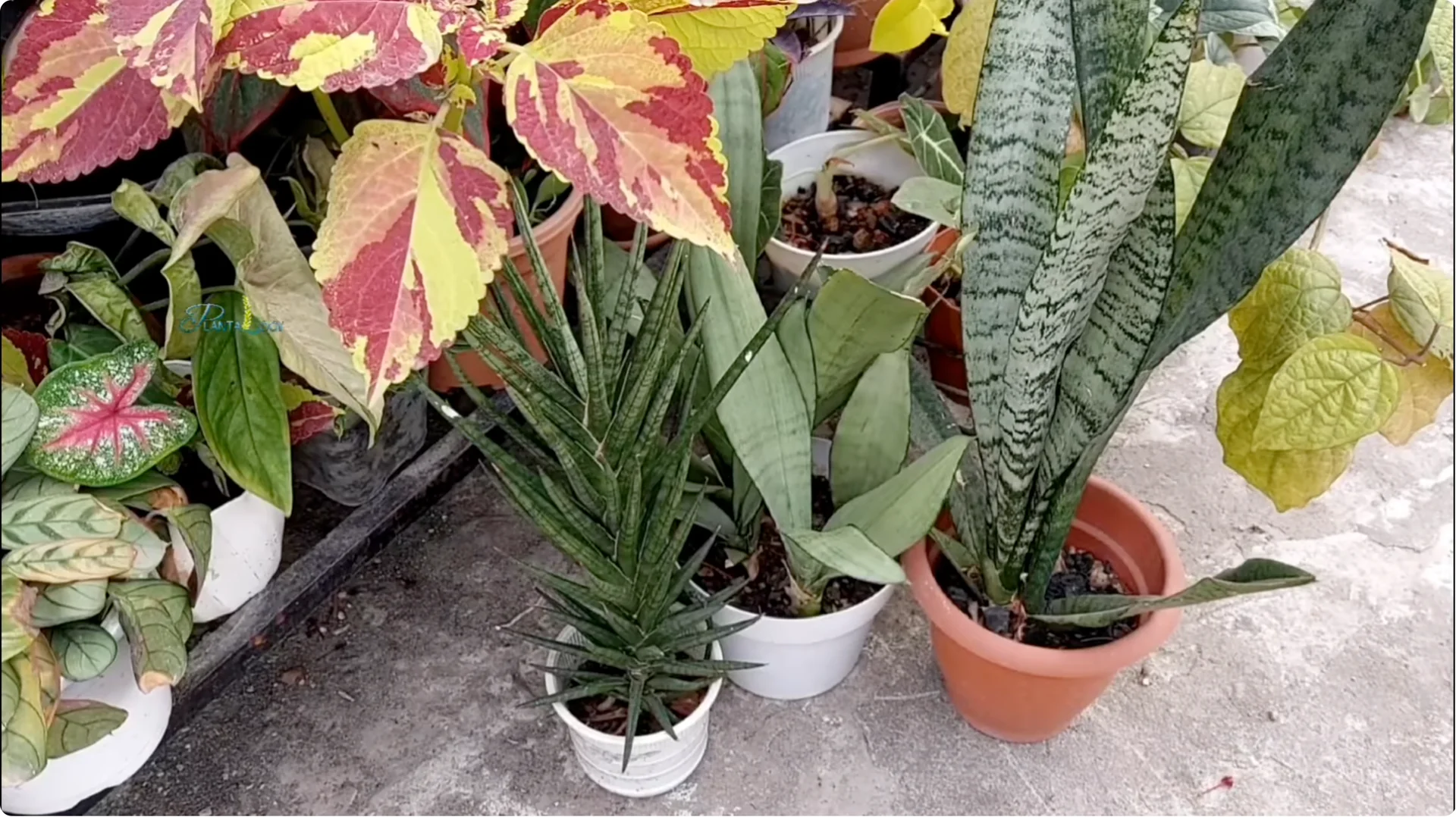
For broader care guidance, check these snake plant care tips.
Read More: How To Propagate Snake Plants
Final Thoughts on Snake Plant Drooping Causes
Fix these two factors and your snake plant will bounce back stronger. Let the soil dry out completely before watering and give your plant the bright, indirect light it deserves. That is the path back to firm, upright growth.