

What if your snake plants could whisper to you what’s wrong with them?
Well, they can. Here are the issues that plague snake plants, how they give you signs, and most importantly what you can do to make sure your snake plants stay healthy and return to the thriving houseplant they once were if they’re struggling right now.
1. Snake Plant Troubleshooting: Yellow or Browning Leaves
You might see yellow or browning leaves on your snake plant because these symptoms can indicate underlying issues.
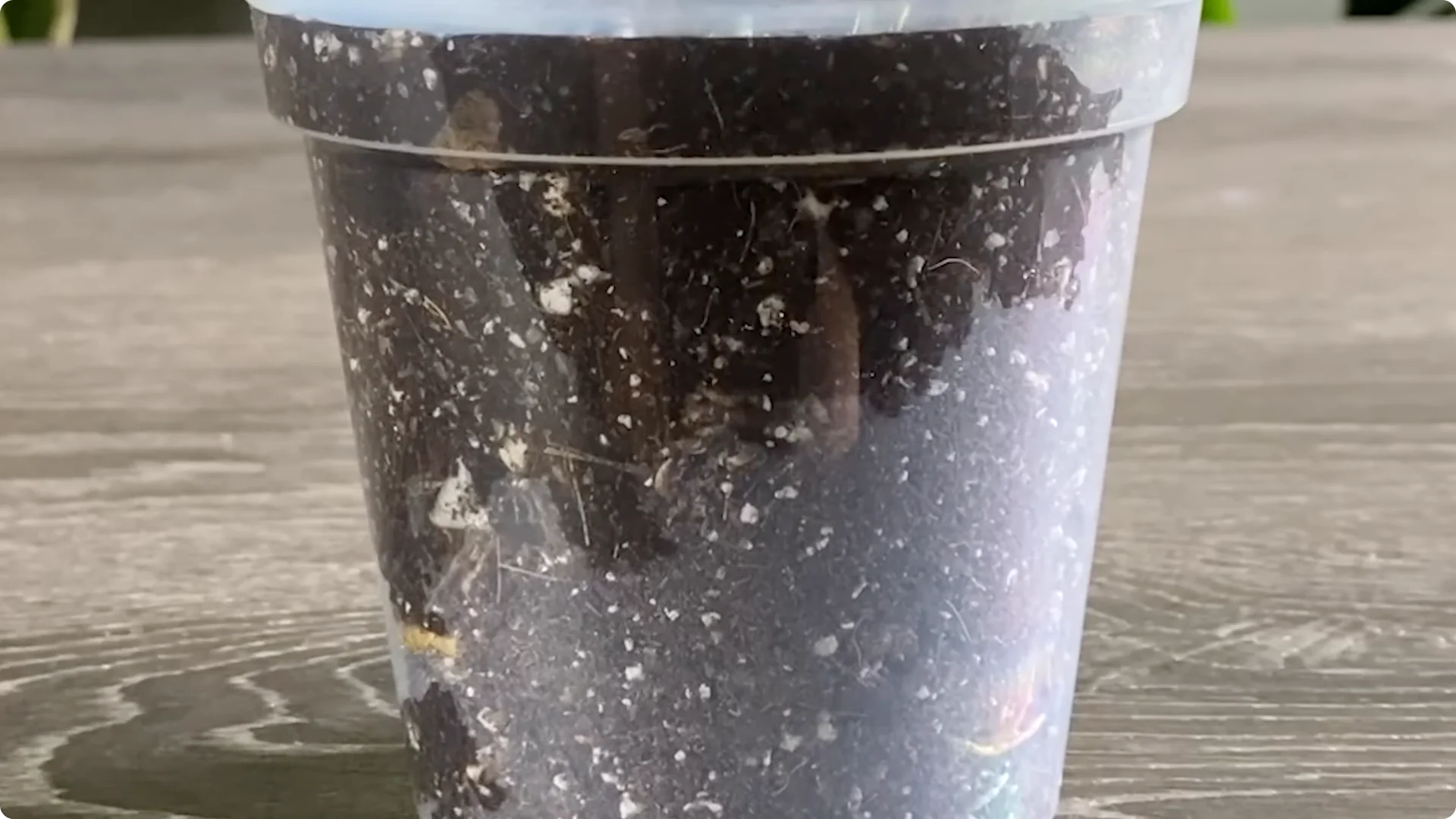
If you see an older leaf changing color, it might not be a problem. It could just be a leaf that’s run its course and is making room for new ones.
If you see younger leaves or a lot of older leaves yellowing or browning, the plant is giving us a sign. The primary causes typically revolve around moisture and light.
Moisture Mistakes
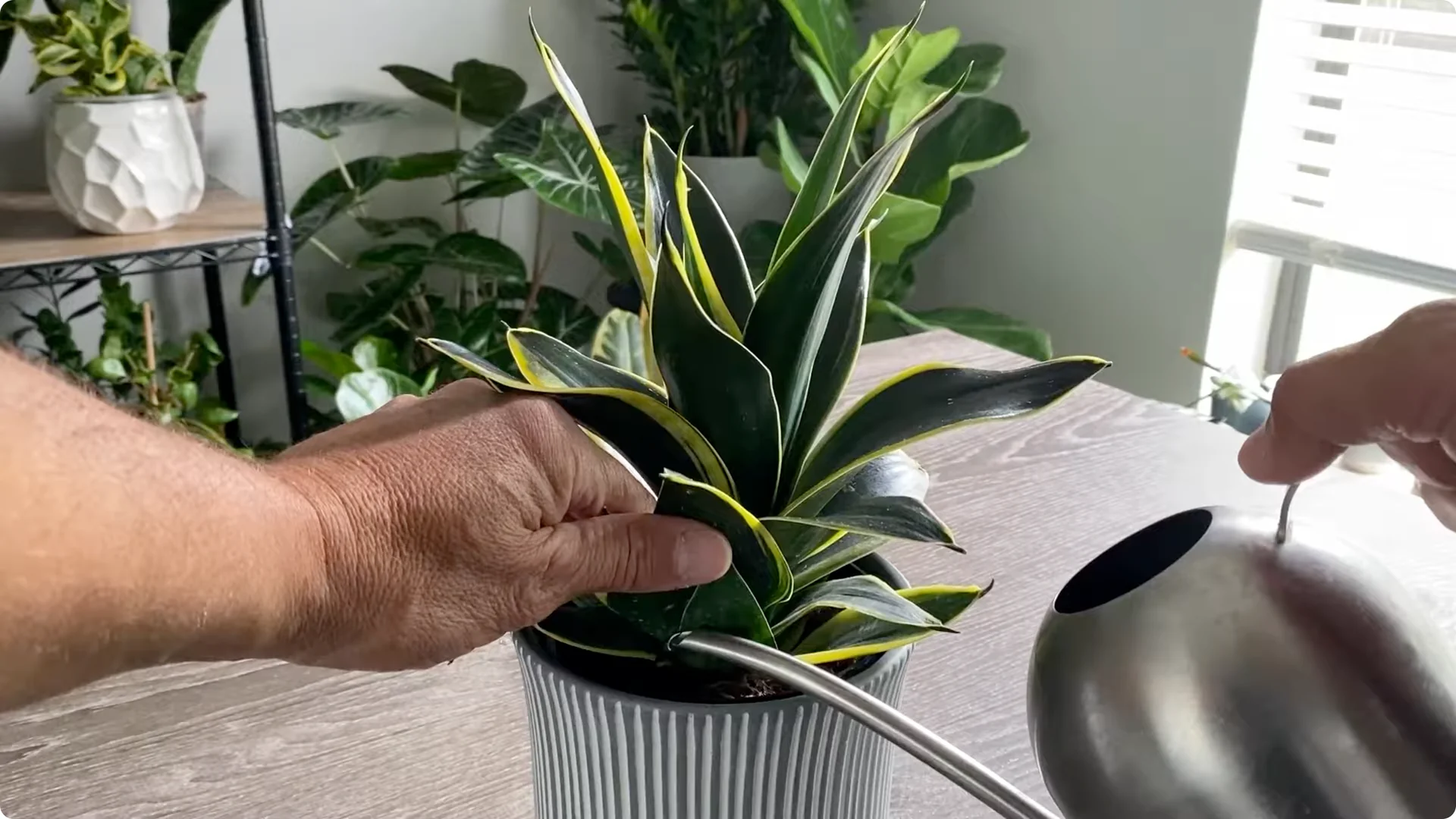
What I do to water my snake plants is wait until the soil is completely dry, and even then sometimes I wait a week longer before watering. This helps keep the right balance of moisture in the soil.
Light Levels
Snake plants are adaptable to lower lighting conditions, but they do better in higher lighting.
If you notice leaves turning yellow or browning and suspect a lighting issue, slowly acclimate them to higher light by either moving them closer to the source or supplementing with grow lights.
2. Snake Plant Troubleshooting: Soft, Mushy Leaves
Softer, mushy leaves are a symptom you should act on quickly. This often indicates overwatering or root rot, which can threaten the overall health and vitality of your snake plant.
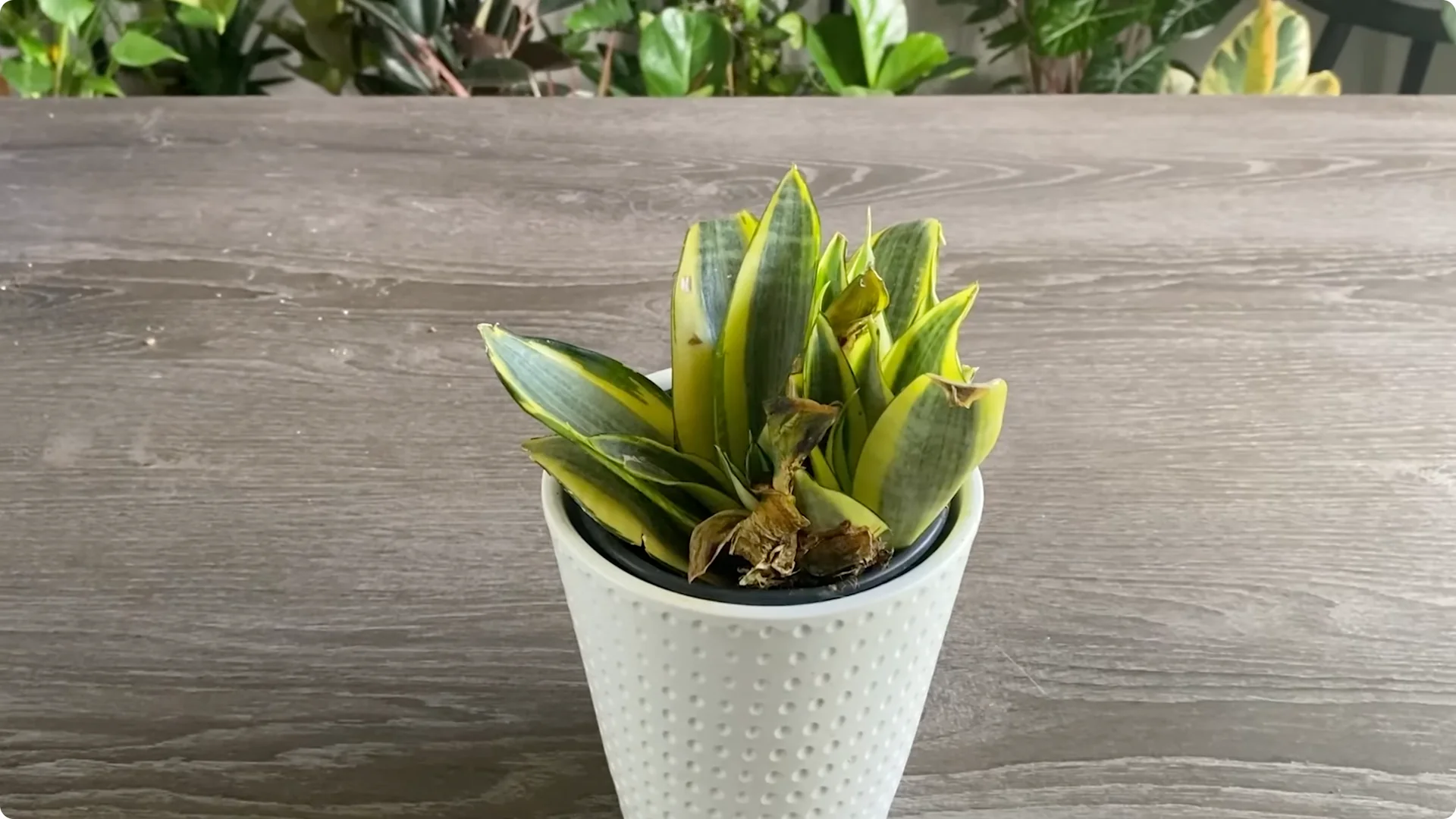
When the soil is consistently too moist, the roots can suffocate due to lack of oxygen or the plant may get a fungal infection that leads to root rot.
As the roots deteriorate, they can no longer efficiently supply nutrients and water to the leaves, causing them to become soft and mushy.
How to Fix Root Rot
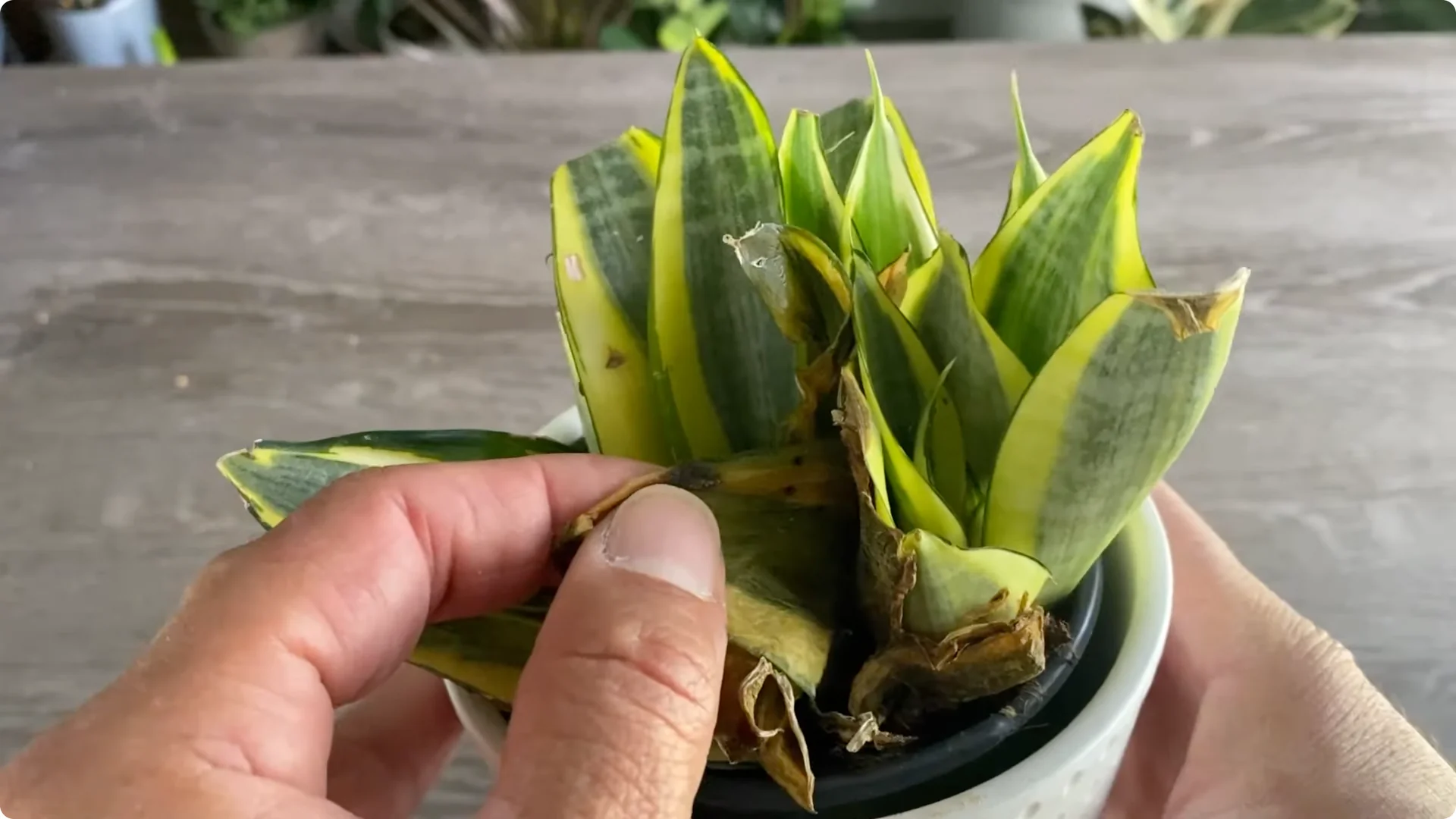
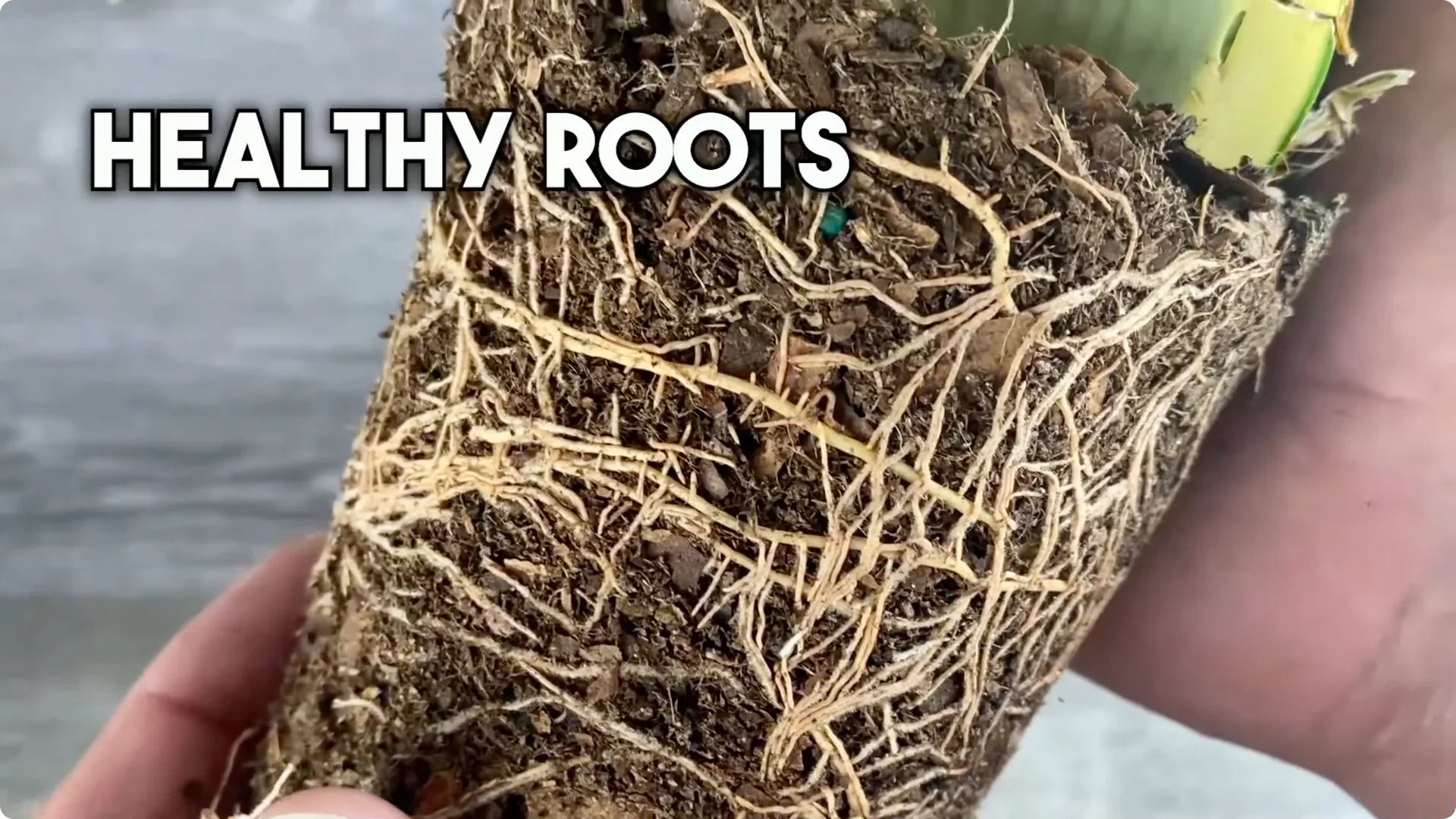
1. Gently remove the plant from its pot and examine the roots.
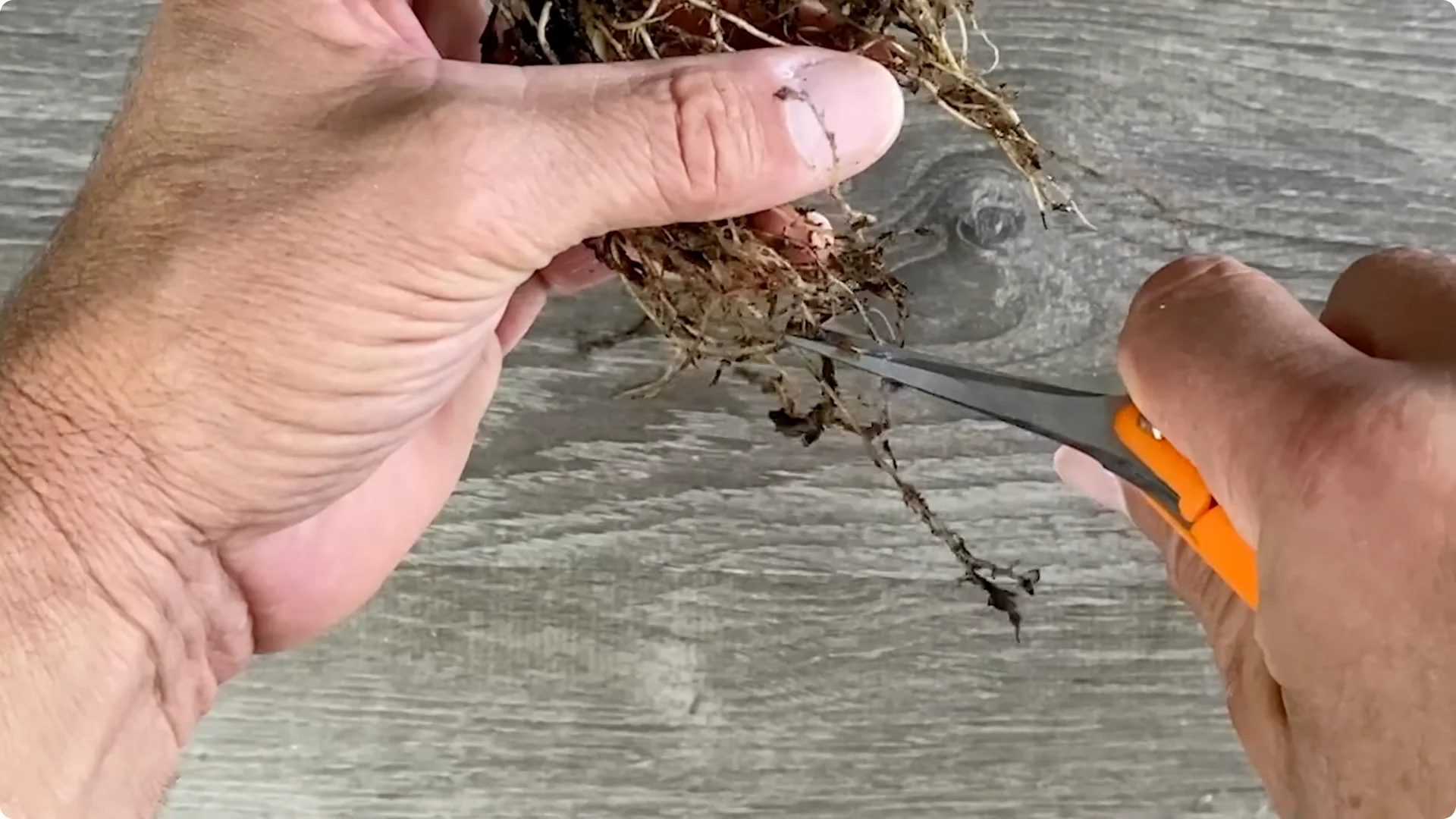
2. If you find brown, mushy, foul-smelling roots, it’s a clear sign of root rot.
3. Remove the soil and trim away the affected roots.
4. Spray the remaining healthy roots with hydrogen peroxide.
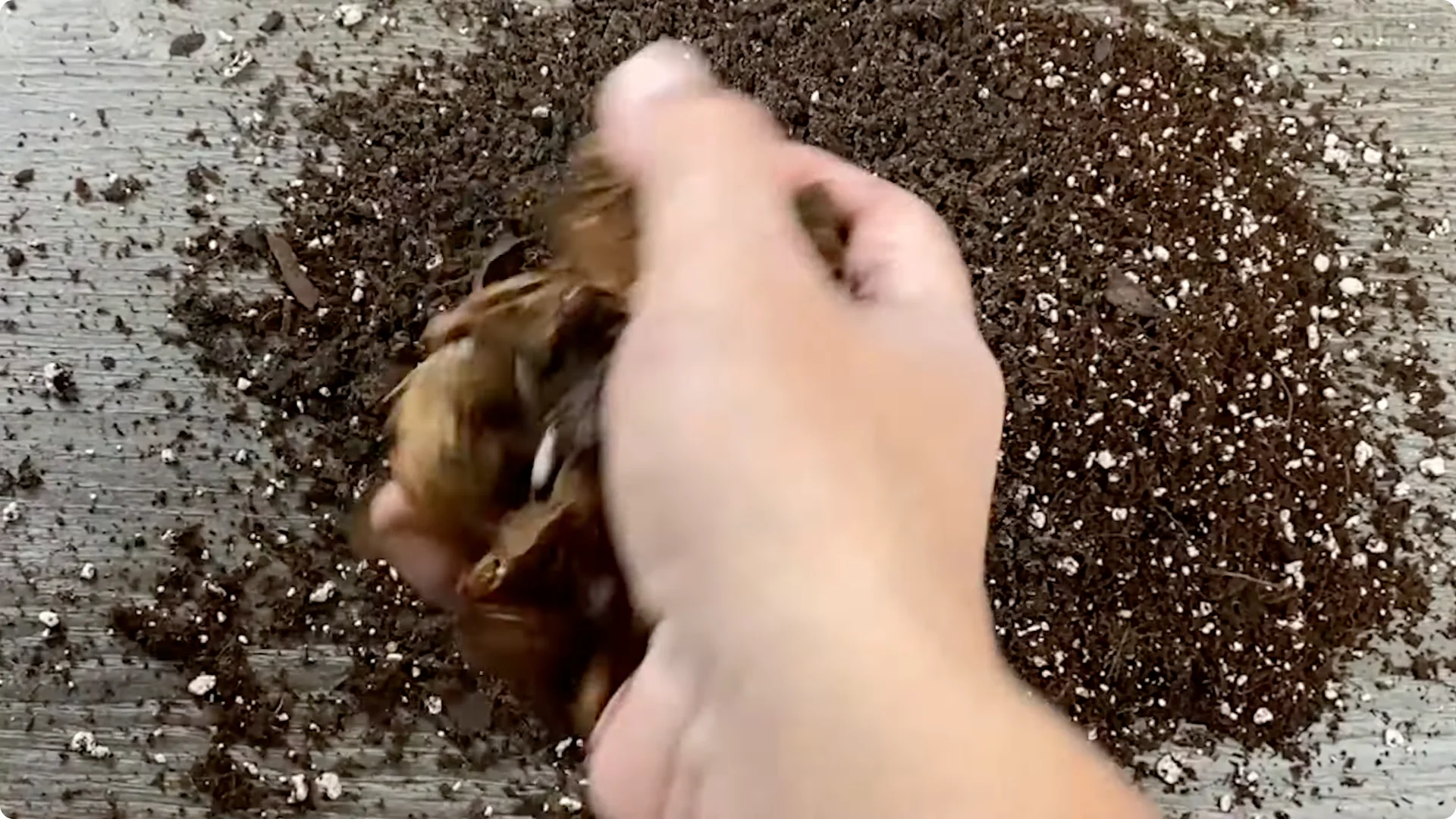
5. Repot into fresh, well-draining soil in a clean pot with drainage holes.
6. Adjust your watering habits so the soil fully dries between waterings.
Mushy leaves can also come from round blemishes caused by disease. If you see them when purchasing a plant, avoid the plant altogether.
3. Snake Plant Troubleshooting: Wrinkled or Shrinking Leaves
Wrinkled or shrinking leaves usually mean the plant is not receiving enough water to maintain its tough, turgid shape.
If you notice wrinkling or shrinking, it’s likely thirsty. By adjusting your watering schedule and making sure you water thoroughly when all the soil in the pot is 100 percent dry, your plant will usually bounce back. If it’s only slightly wrinkled, those leaves will recover.
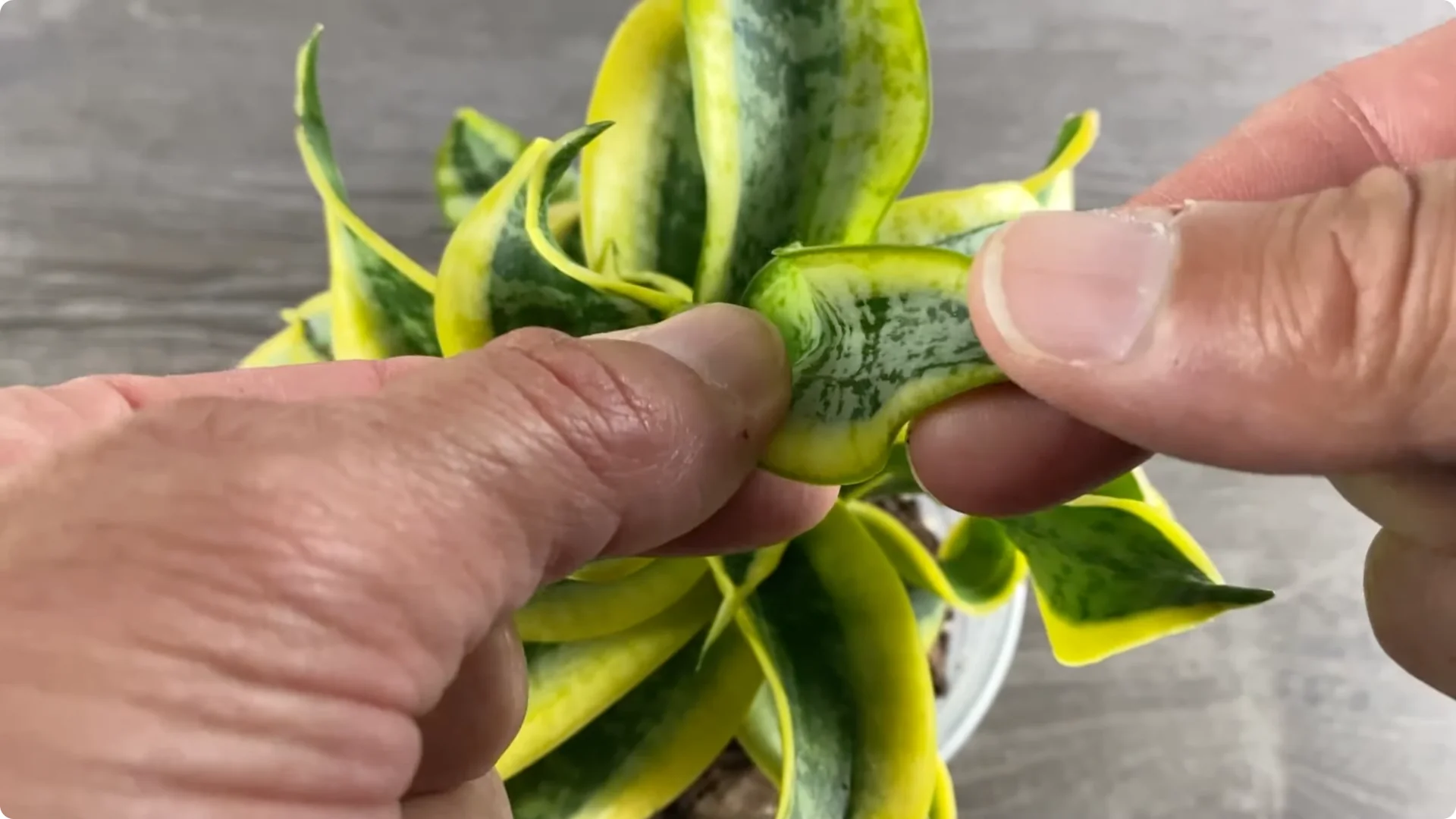
You might also see wrinkled or shrinking leaves if your plant is rootbound. Check the root health by popping the plant out of the pot.
As long as the roots are not circling, you’re okay. If they are, repot with fresh, well-draining soil into a slightly larger pot, and break up the root ball a bit before you do.
4. Snake Plant Troubleshooting: Drooping or Bending Leaves
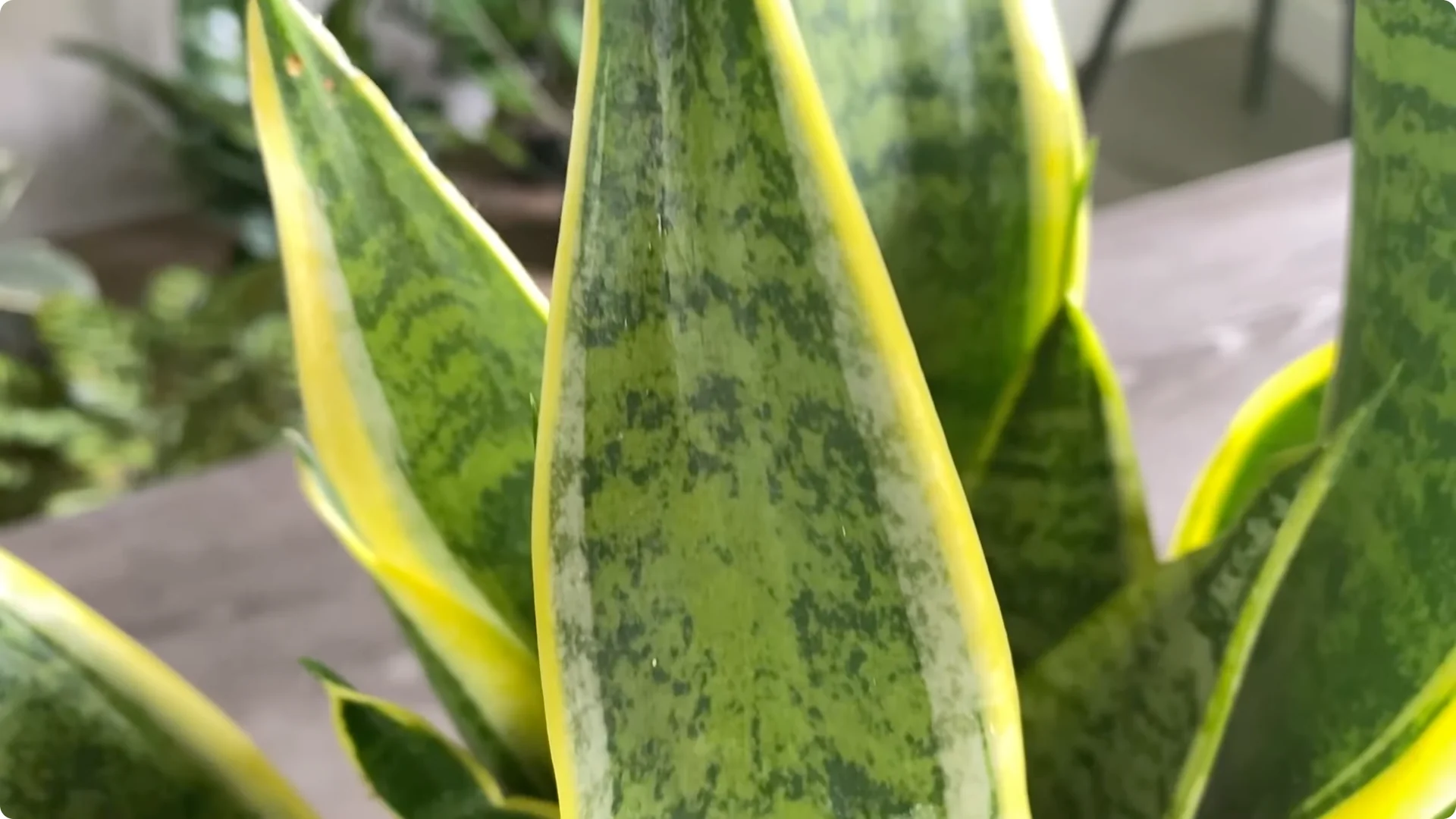
Snake plants are known for their tall, sturdy, upright leaves. When these begin to droop or bend, the plant is telling us something. In most cases it’s one of two things.
Overwatering
Overwatering is the most common reason leaves droop. The thick, firm leaves of a snake plant allow them to hold a lot of water, which helps them endure periods of neglect.
Excess water can lead to root rot, damaging the roots and resulting in bending leaves.
Insufficient Light
Leaves may grow thinner than usual and stretch out.
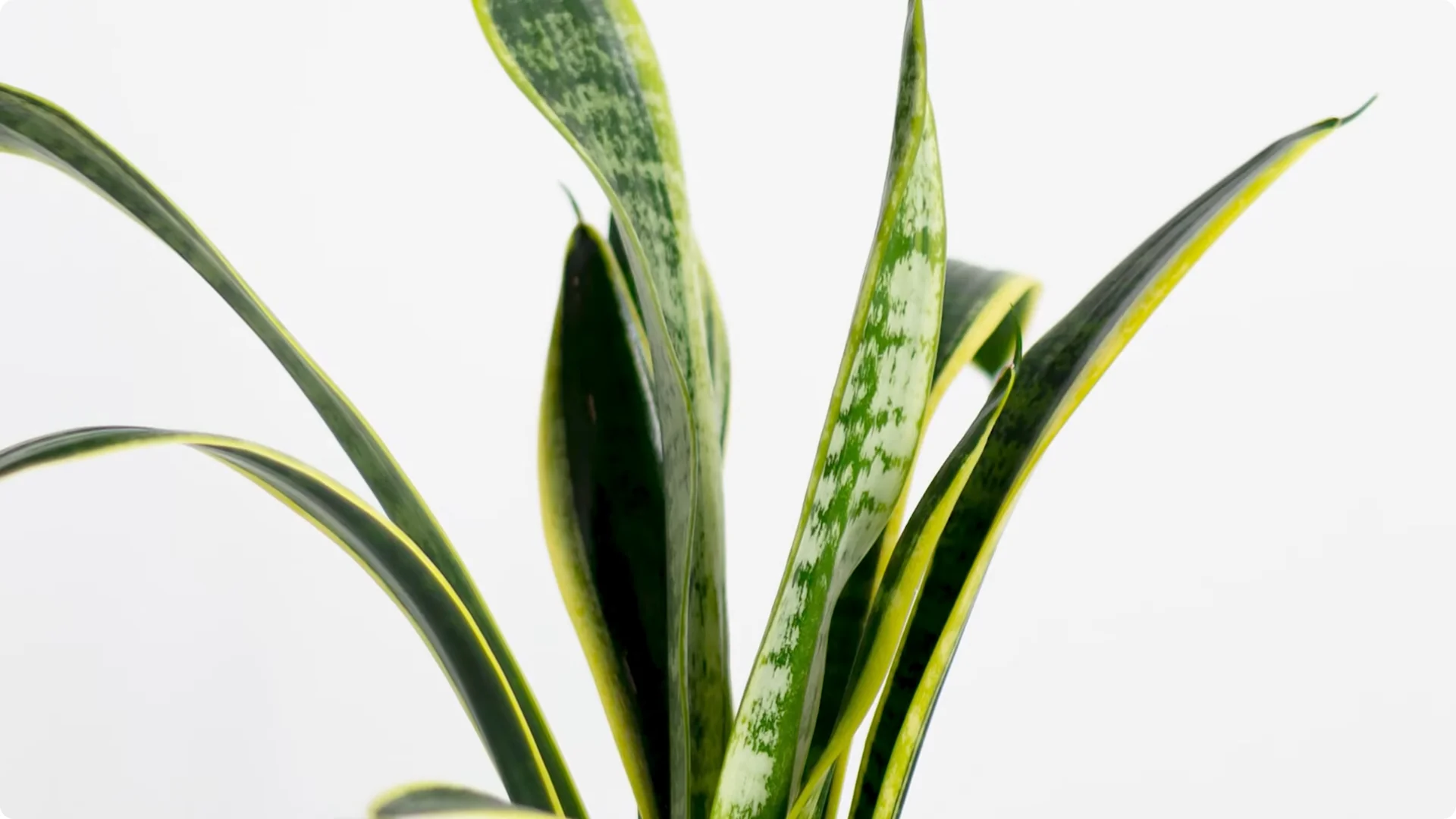
This is the plant’s way of letting you know it’s light-stressed. Slowly increase the amount of light it receives.
5. Snake Plant Troubleshooting: Leaf Splitting and Cracking
Leaf cracking can occur for several reasons, including low humidity, high humidity, over fertilization, exposure to excessive sunlight, and sudden temperature fluctuations.
It’s a lot to take in and figure out which factor is causing the cracks, but the best approach is to see which environmental factor is out of line and make the necessary changes.
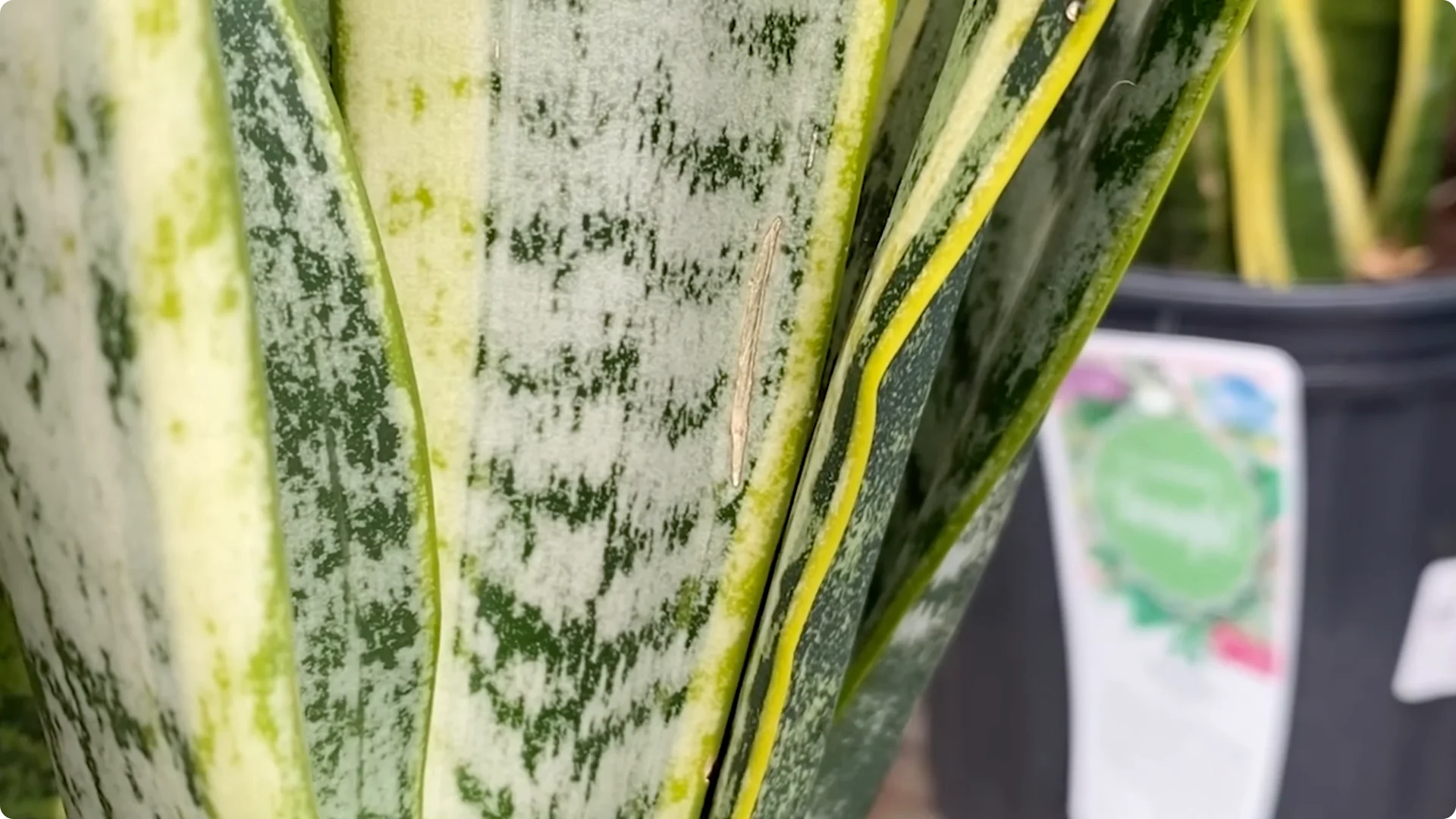
A lot of times it’s just physical injury from getting knocked around during transit at the store or a pet consistently knocking it over.
In some cases, there’s not much we can do but live with them and enjoy them as they are.
If the cracks are caused by care or environment, adjust your routine based on what you think is causing them.
6. Snake Plant Troubleshooting: Stunted Growth
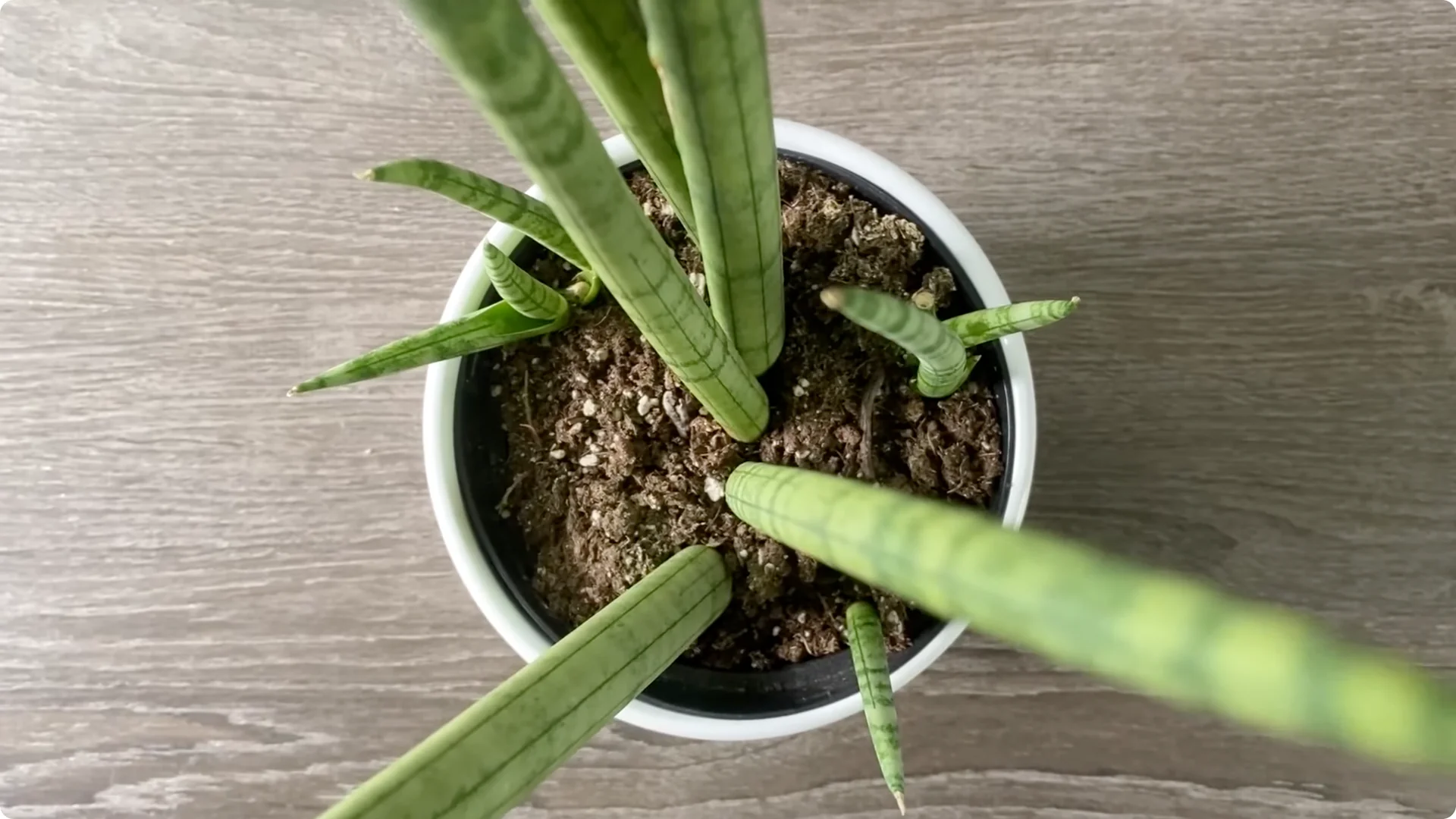
Sometimes a plant may be growing along and after a few months you notice you’re not seeing any new leaves and growth has just stopped. A couple of things may be happening.
Rootbound Plants
One of the most common reasons for stunted growth is being rootbound. Over time, a snake plant can become rootbound in its pot, maybe about every 2 years. This restricts the plant’s ability to take in water and nutrients, which in turn slows growth.
Light and Water Issues
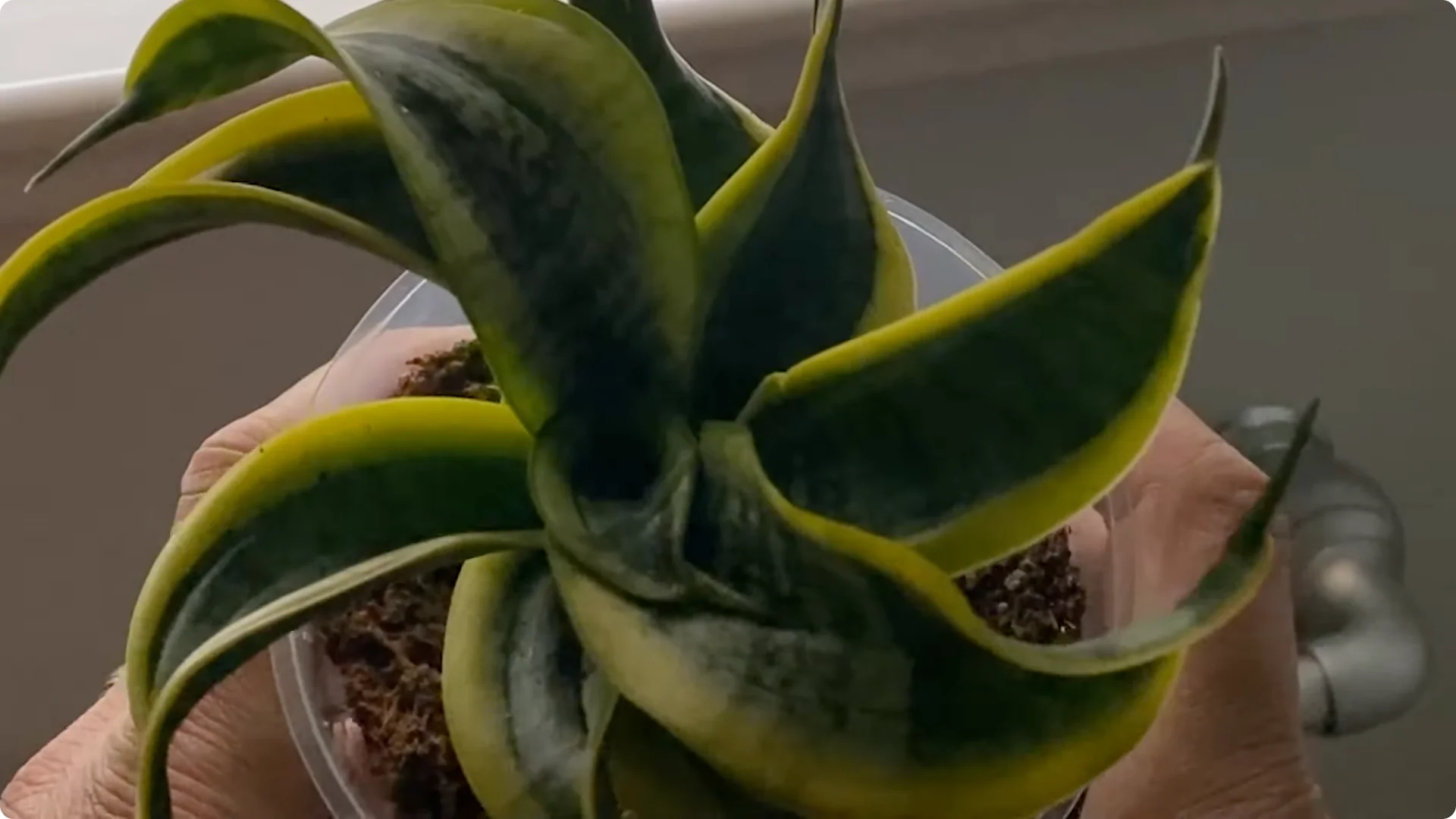
Insufficient lighting can stretch out your snake plant, but it can also stunt growth. Consistent overwatering can lead to root rot and slow the plant down significantly.
7. Snake Plant Troubleshooting: Brown Leaf Tips
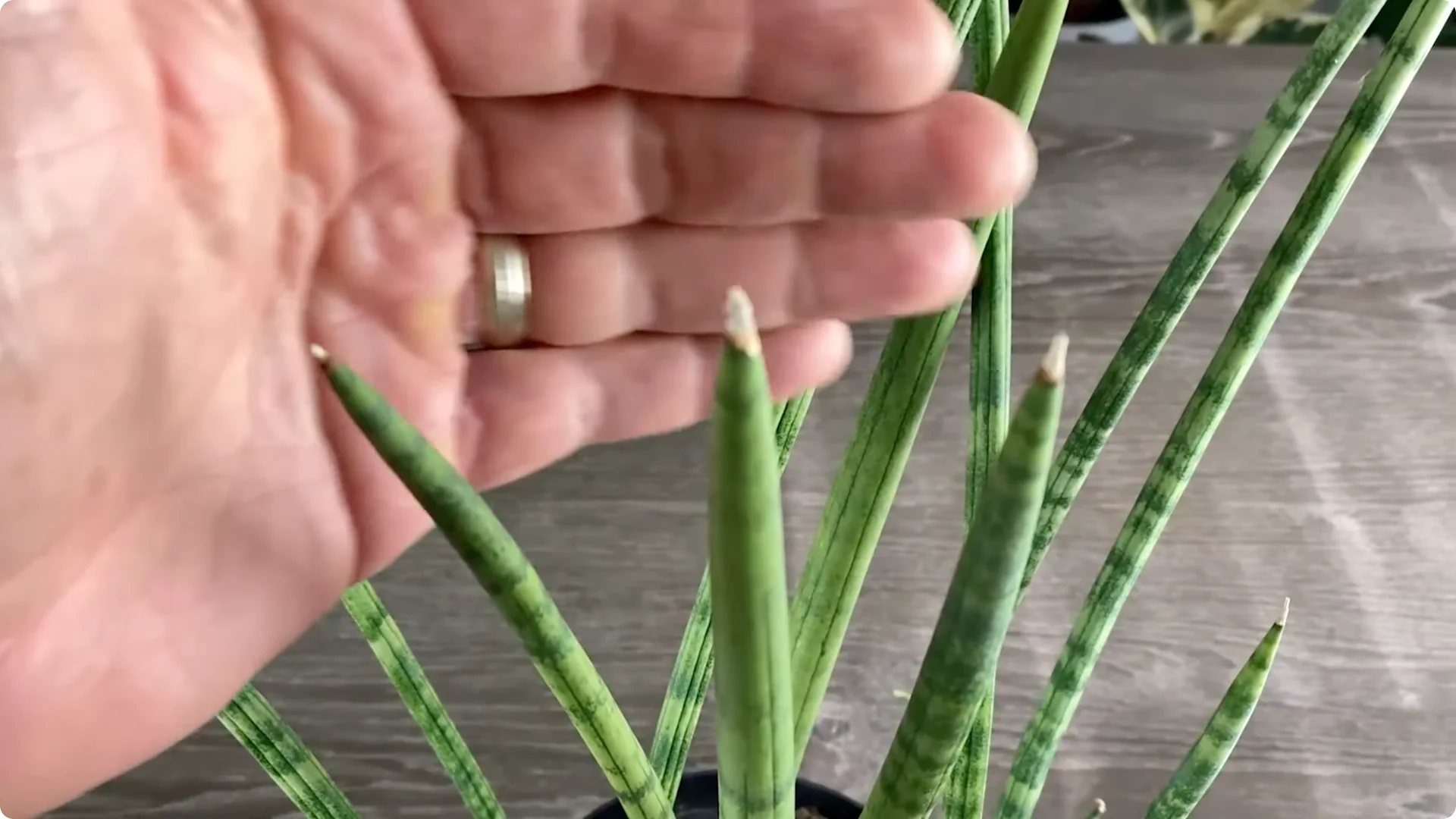
Brown leaf tips usually come from two main issues.
Over Fertilization
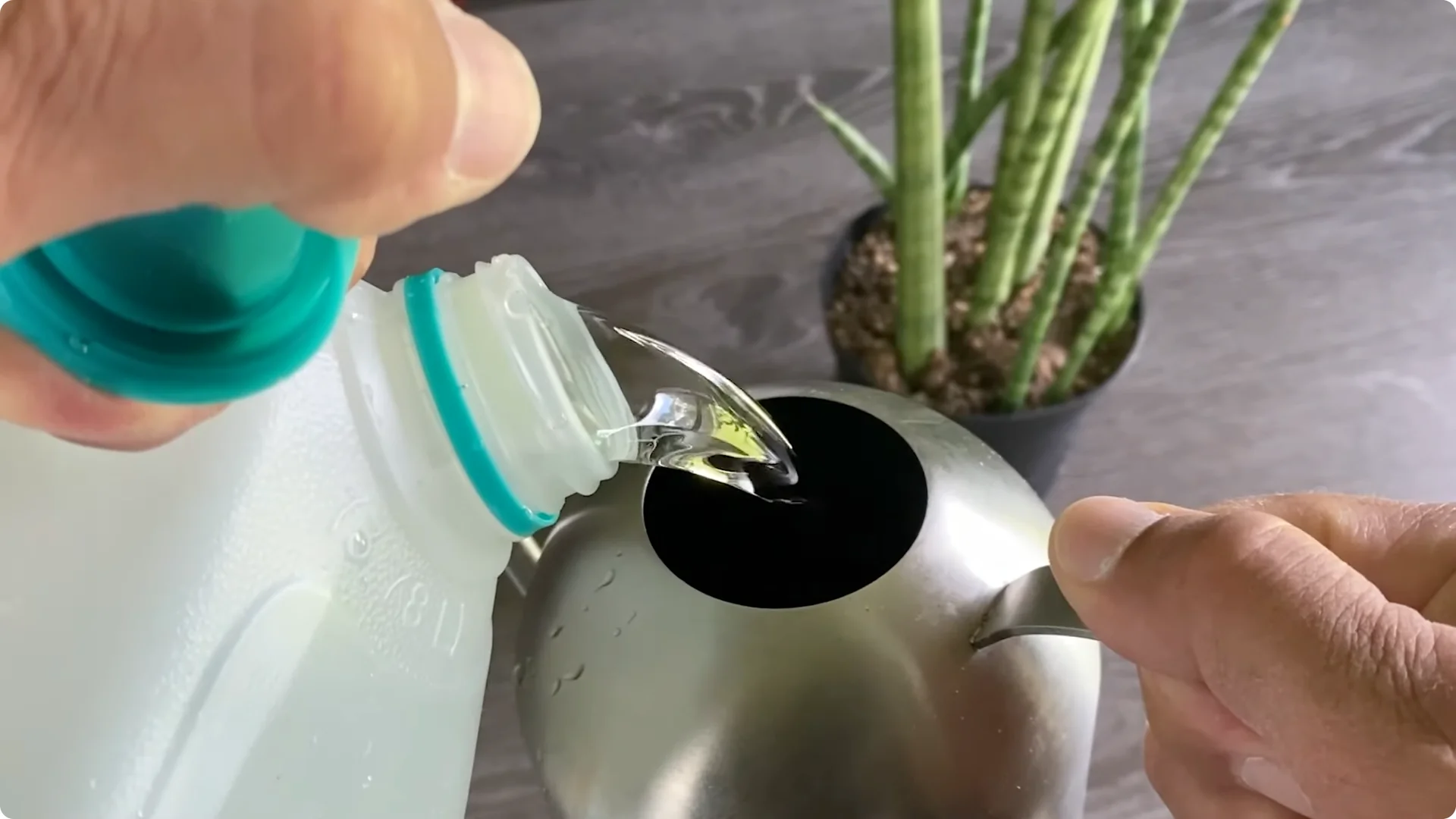
Make sure you’re following a fertilization schedule and not overfeeding. I fertilize my snake plants every other watering, which is usually about every 2 months.
Salt and Mineral Buildup
Brown tips can also result from the accumulation of salts in the soil due to excessive fertilizer or using tap water.
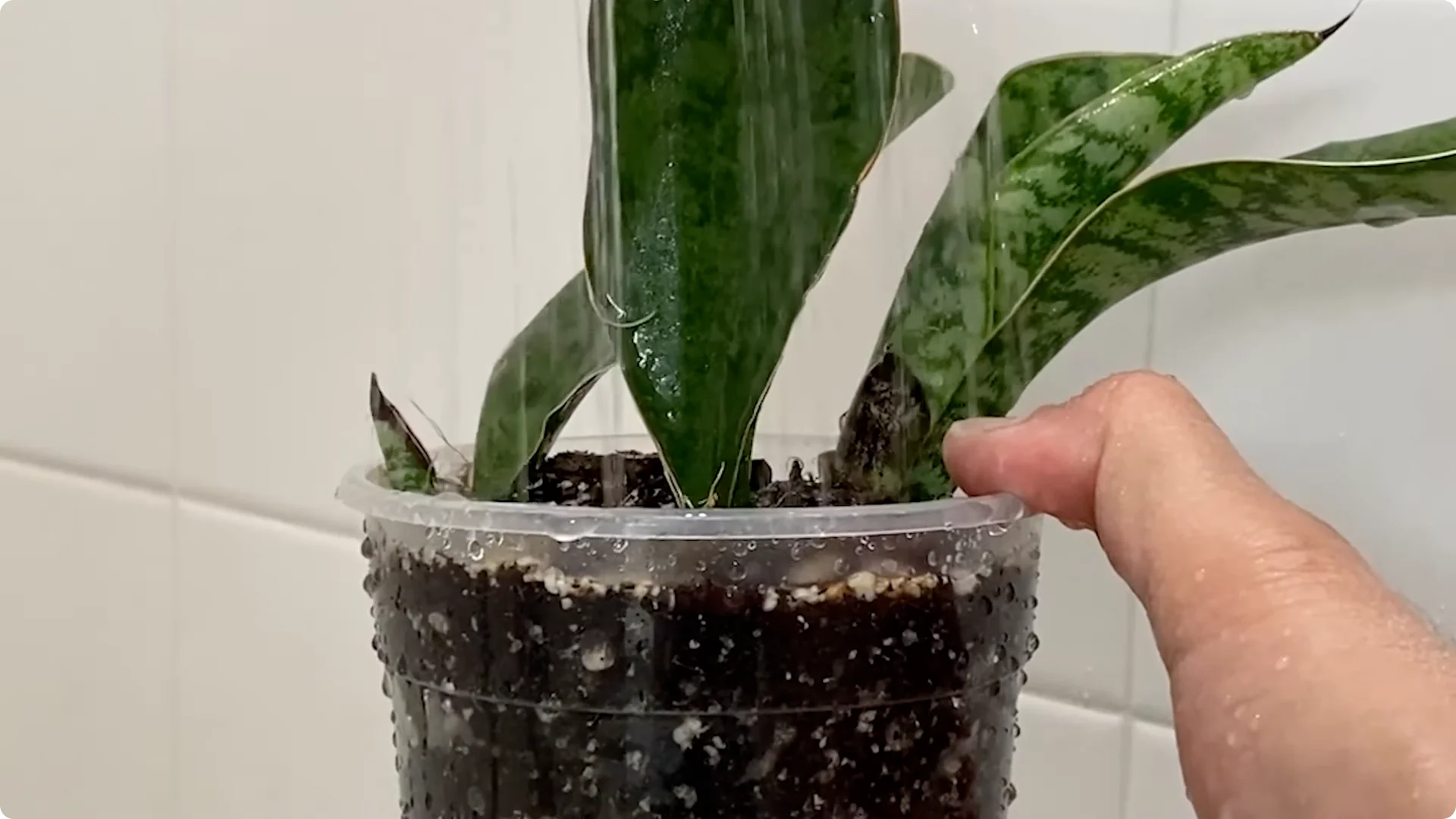
8. Snake Plant Troubleshooting: Pests and Insects
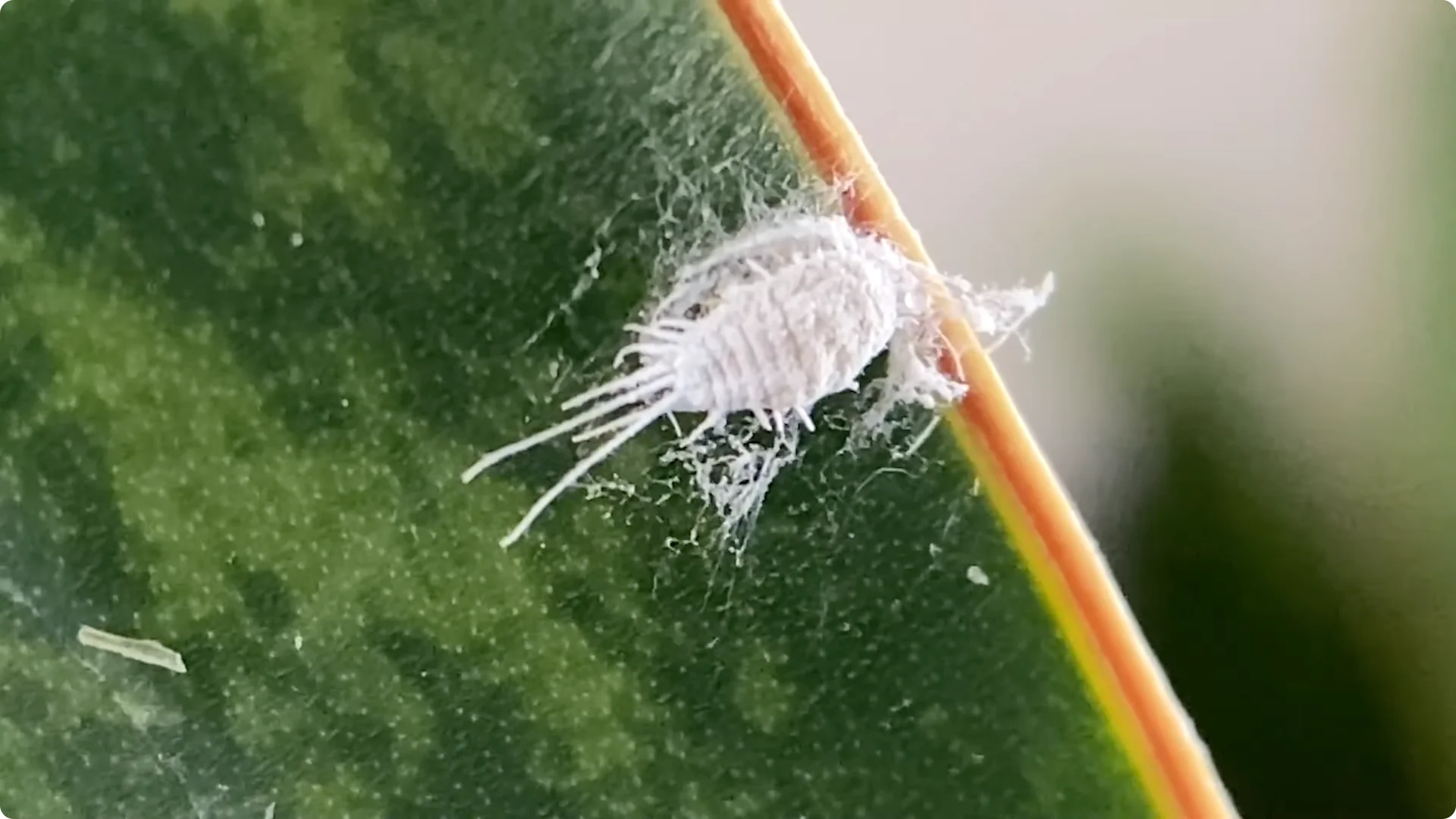
Pest or insect infestations can be a real pain. Even though snake plants are generally hardy and resistant to most pests, they’re not entirely immune.
Common pests include mealybugs, spider mites, aphids, and scale.
Proactive Care and Treatment
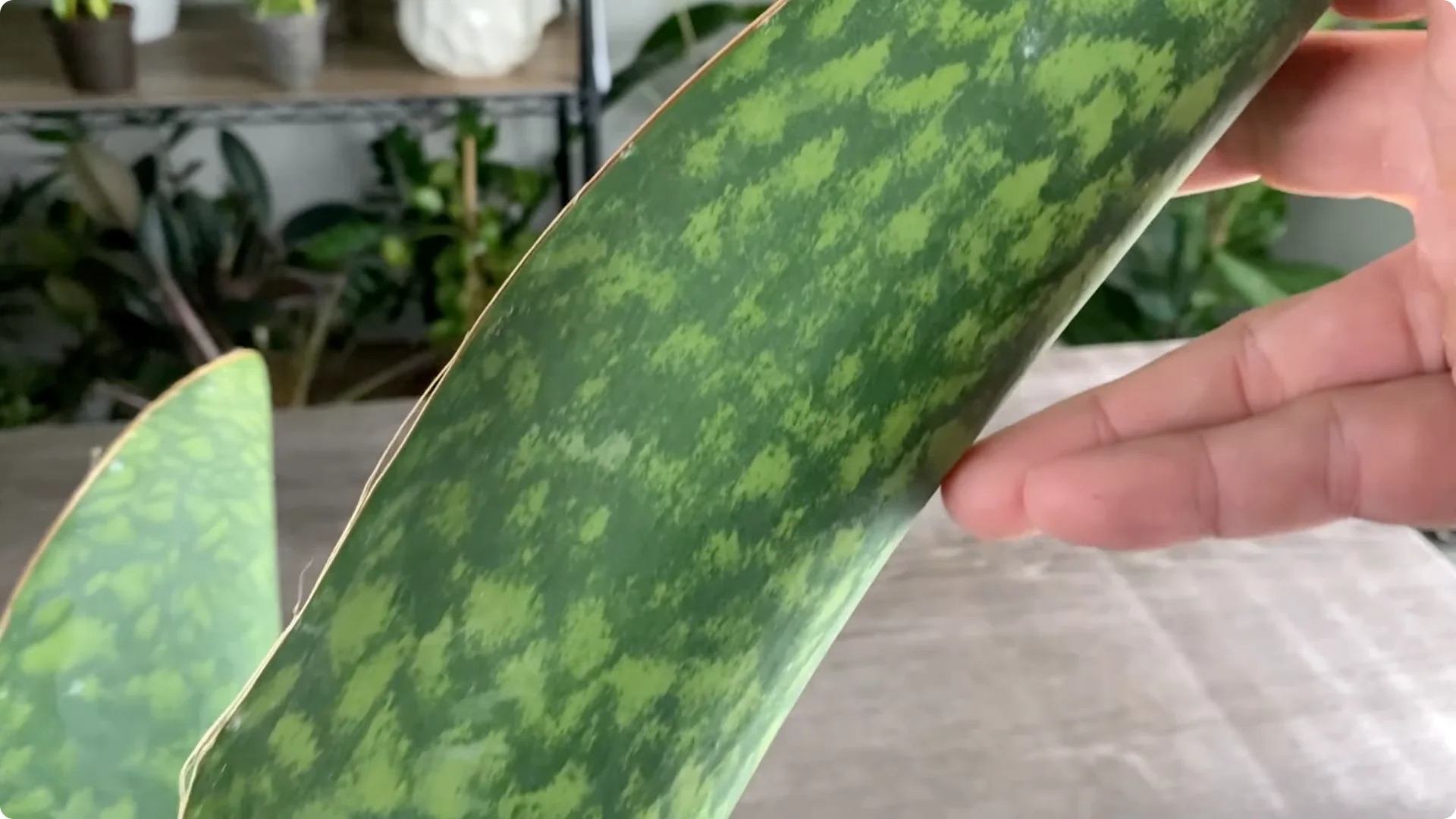
9. Snake Plant Troubleshooting: Propagation Problems
Snake plants are generally easy to care for, but when it comes to propagation they can be a little finicky.
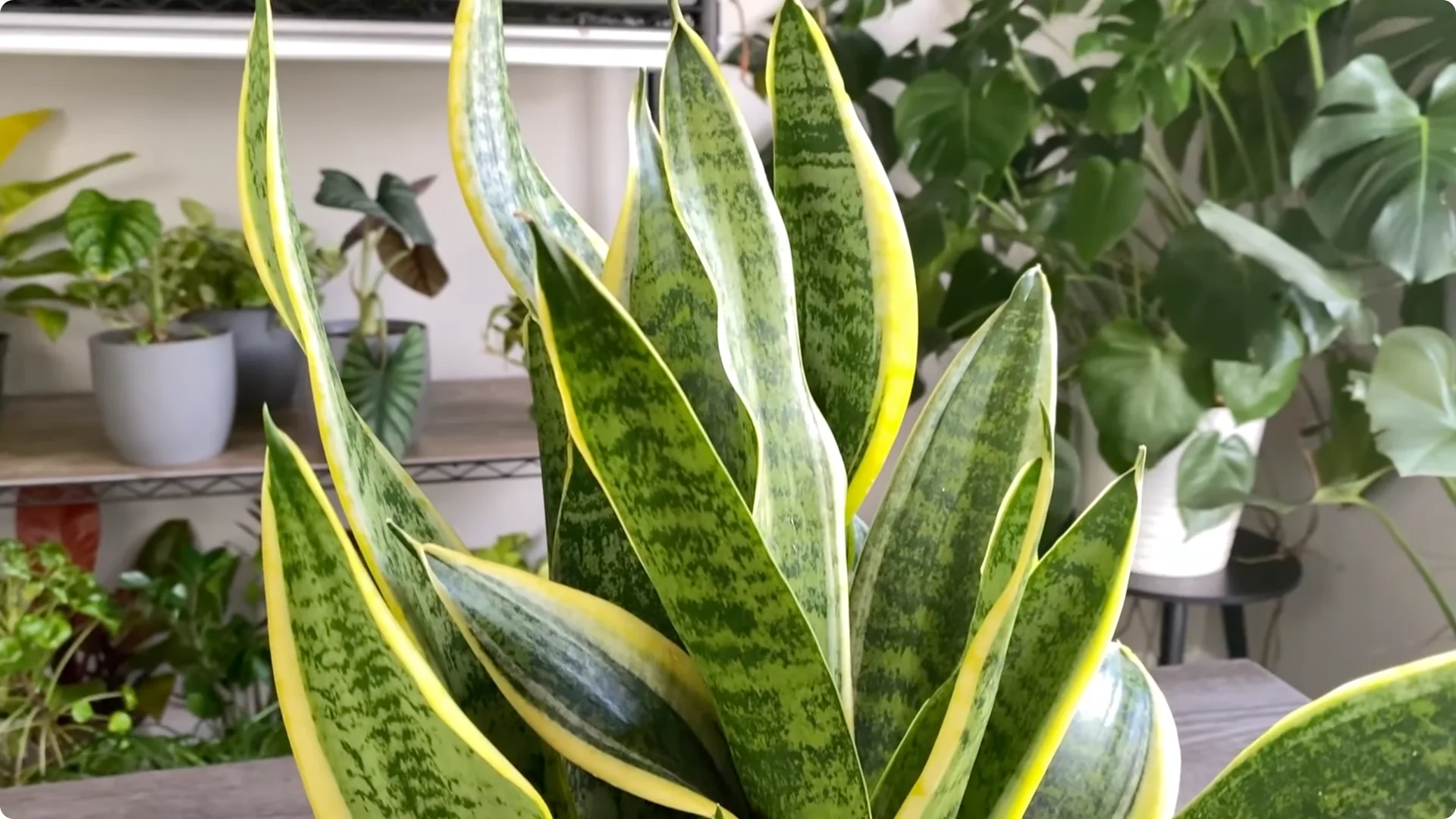
Understanding the reasons behind slow or unsuccessful propagation will help you get better results.
Choose the Right Leaf
One common cause of slow or no propagation is using unhealthy or immature leaf cuttings.
Look for leaves that are healthy and mature but not too old.
Manage Moisture Before and After
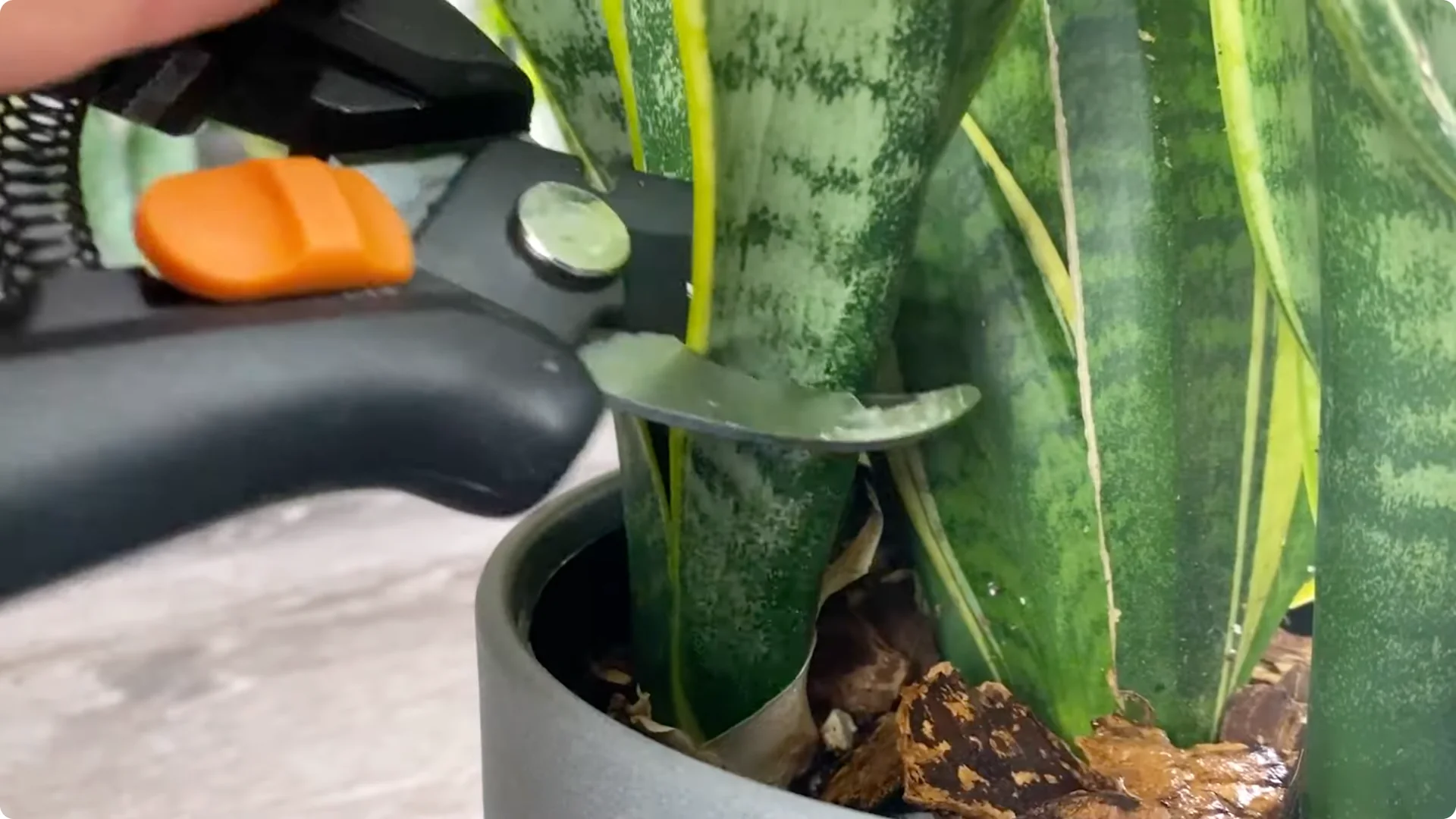
A couple of days before I propagate my snake plants, I thoroughly water the plant so the leaves are well hydrated going into propagation. After they’re cut:
Final Thoughts
Snake plants communicate through clear symptoms. Most problems come down to moisture management, light levels, root health, and occasional pests. Let the soil dry completely before watering, give them brighter light for stronger growth, watch for rootbound signs every couple of years, and keep an eye out for pests during routine watering. With a few timely adjustments, your snake plant will bounce back and keep growing.