
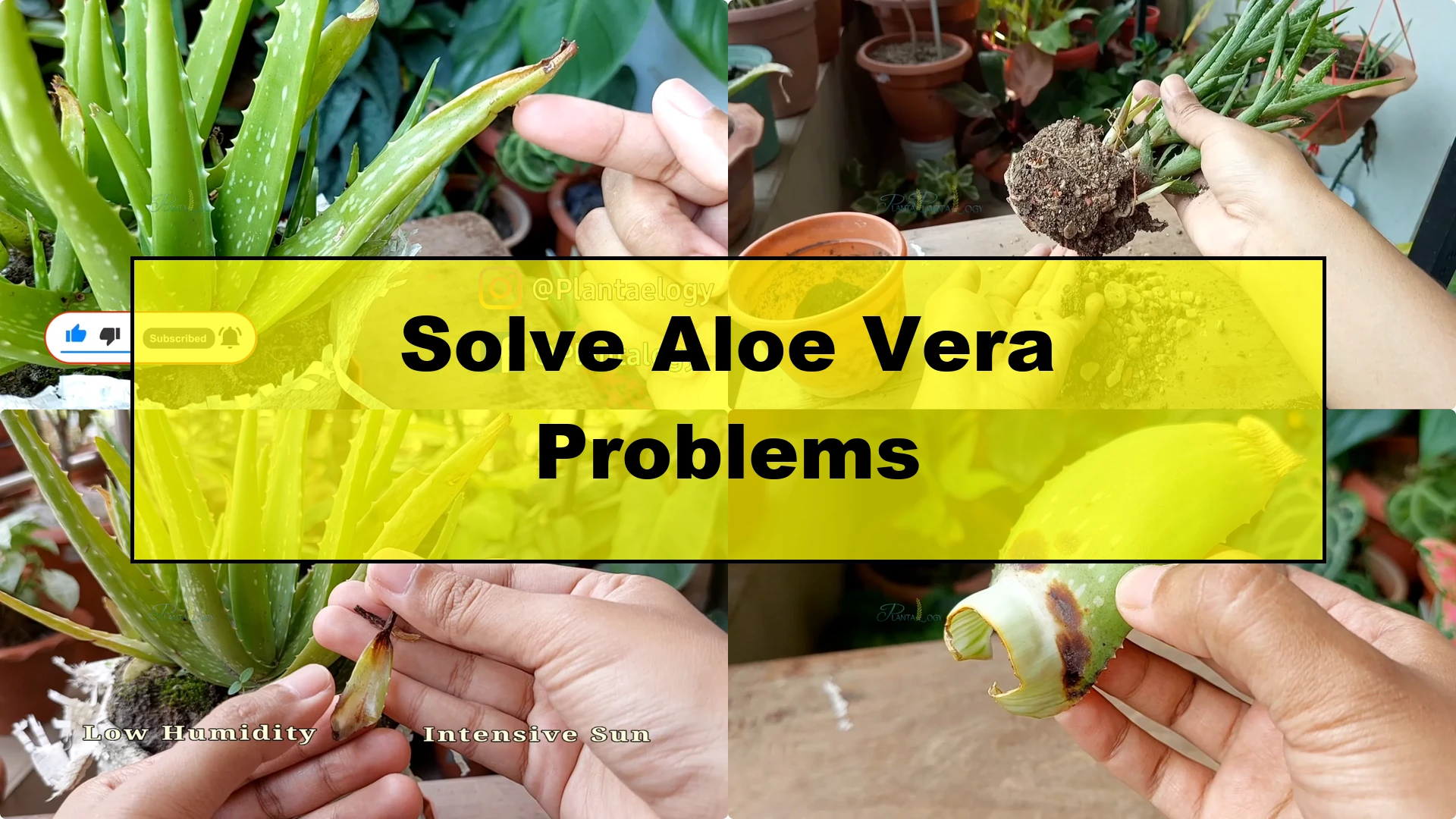
Two major factors can turn aloe leaves yellow.
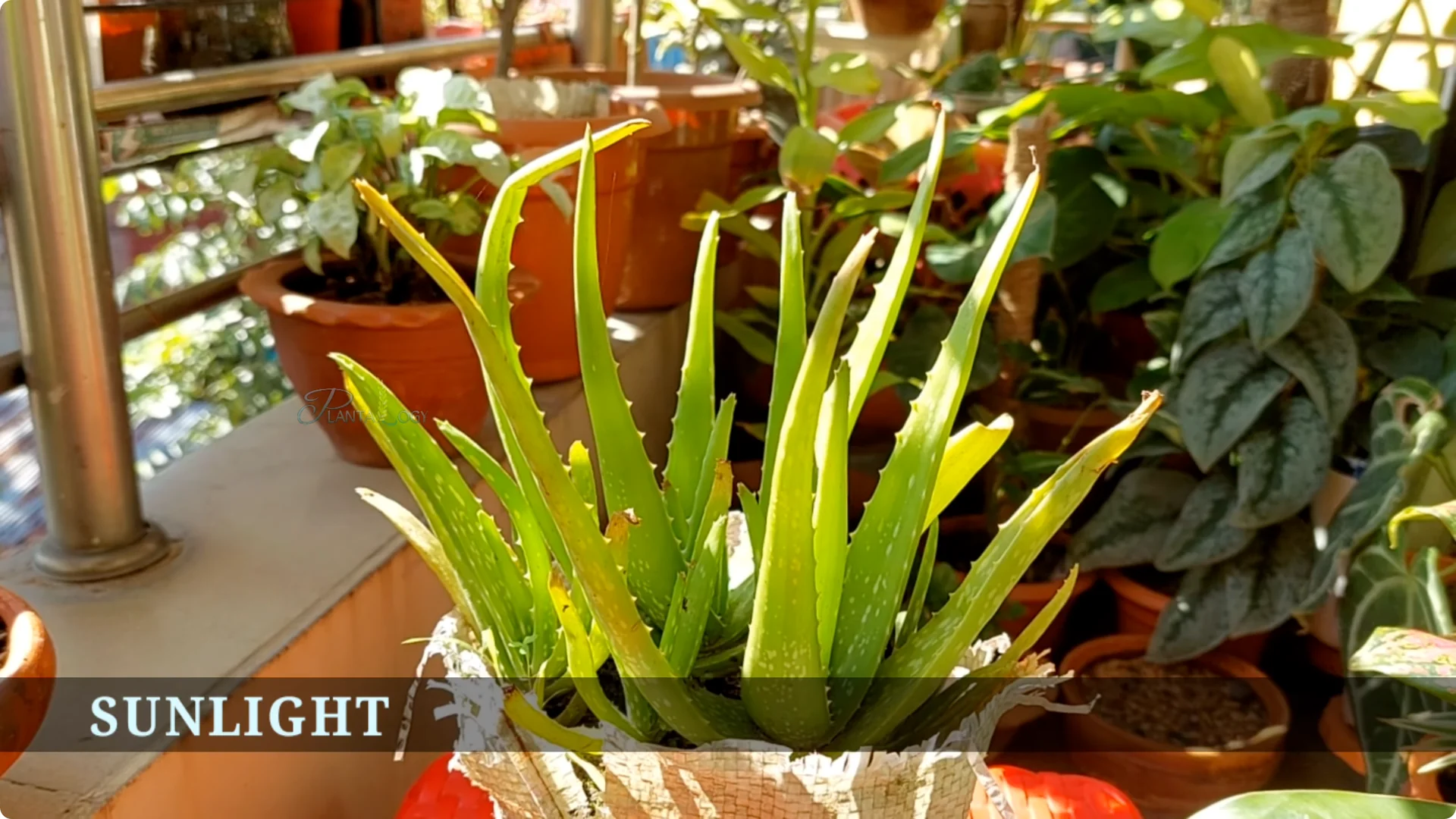
In the case of sunburn, a yellow or brownish yellow tinge on the leaves will first appear on the upper part and spread toward the base of the leaf. It is actually known as sun stress. Some aloe varieties look gorgeous with sun stress, but edible aloe plants become toxic if they get sunburned.
1. Aloe Vera Troubleshooting: Yellow or Brownish Leaves
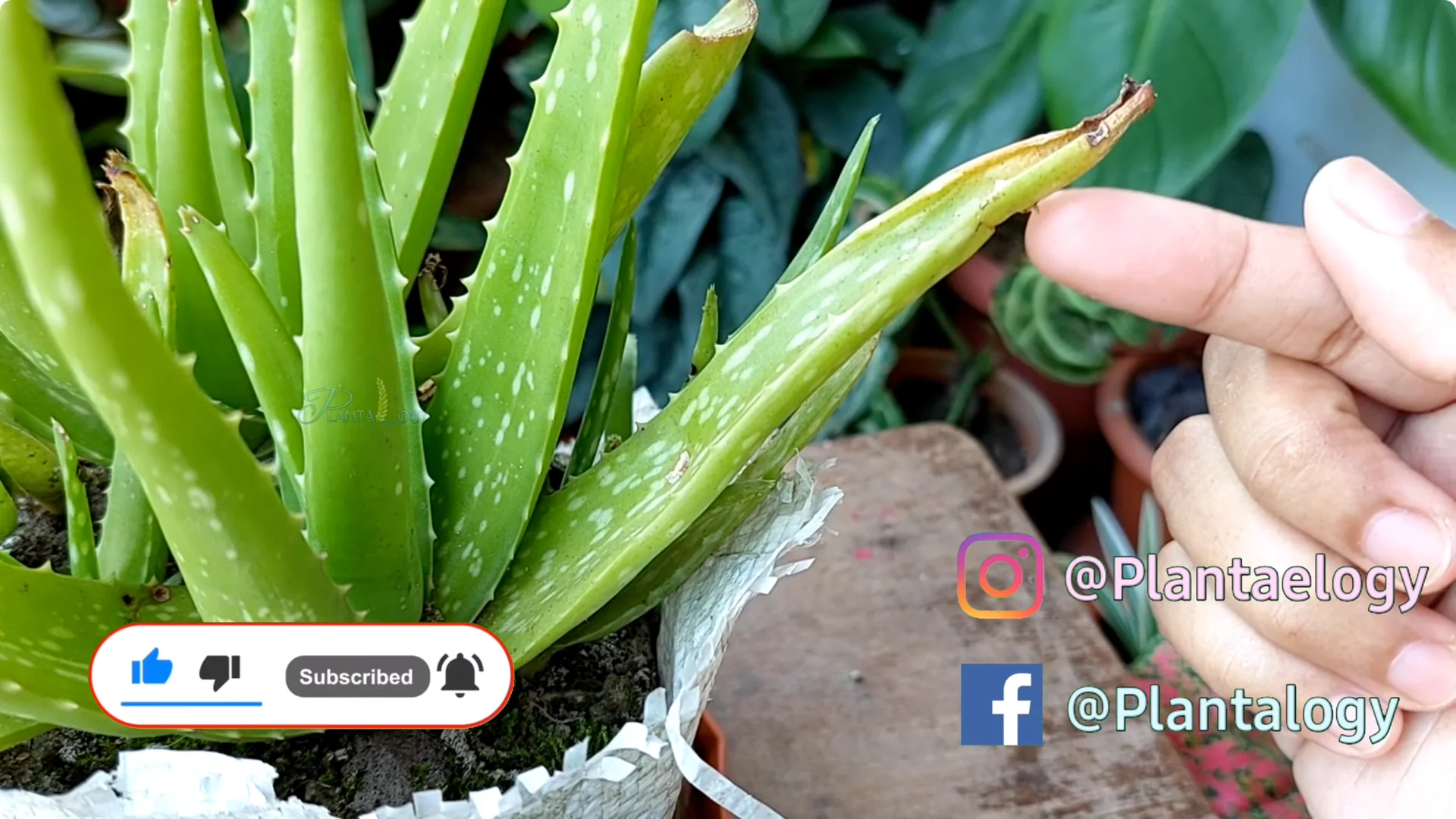
Under overwatering, the leaf will look more brown rather than yellow. The leaves will start to show brown areas from the base, and the discoloration spreads. The leaves also become soft and mushy.
For a broader care checklist, see this detailed aloe care guide.
2. Aloe Vera Troubleshooting: Shriveled or Thin Leaves
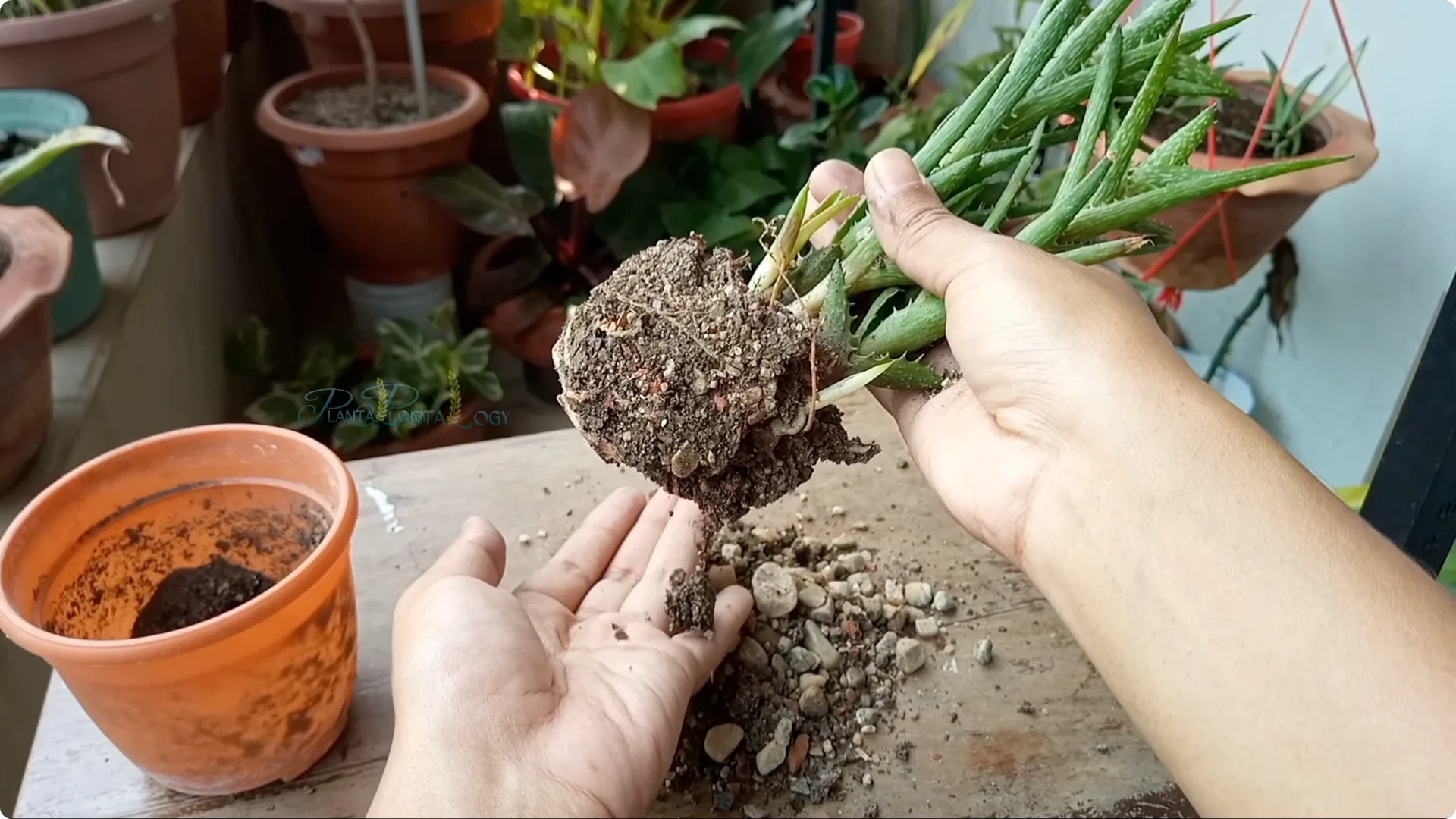
The shriveled and thin leaf problem is related to uneven watering and using the wrong soil. If you forget to water the plant for too long, the plant will utilize moisture from its leaves and shrivel up.
On the other hand, if the plant is grown in hard soil or very loose soil that barely holds moisture, the plant will develop thin leaves.
3. Aloe Vera Troubleshooting: Browning Leaf Tips
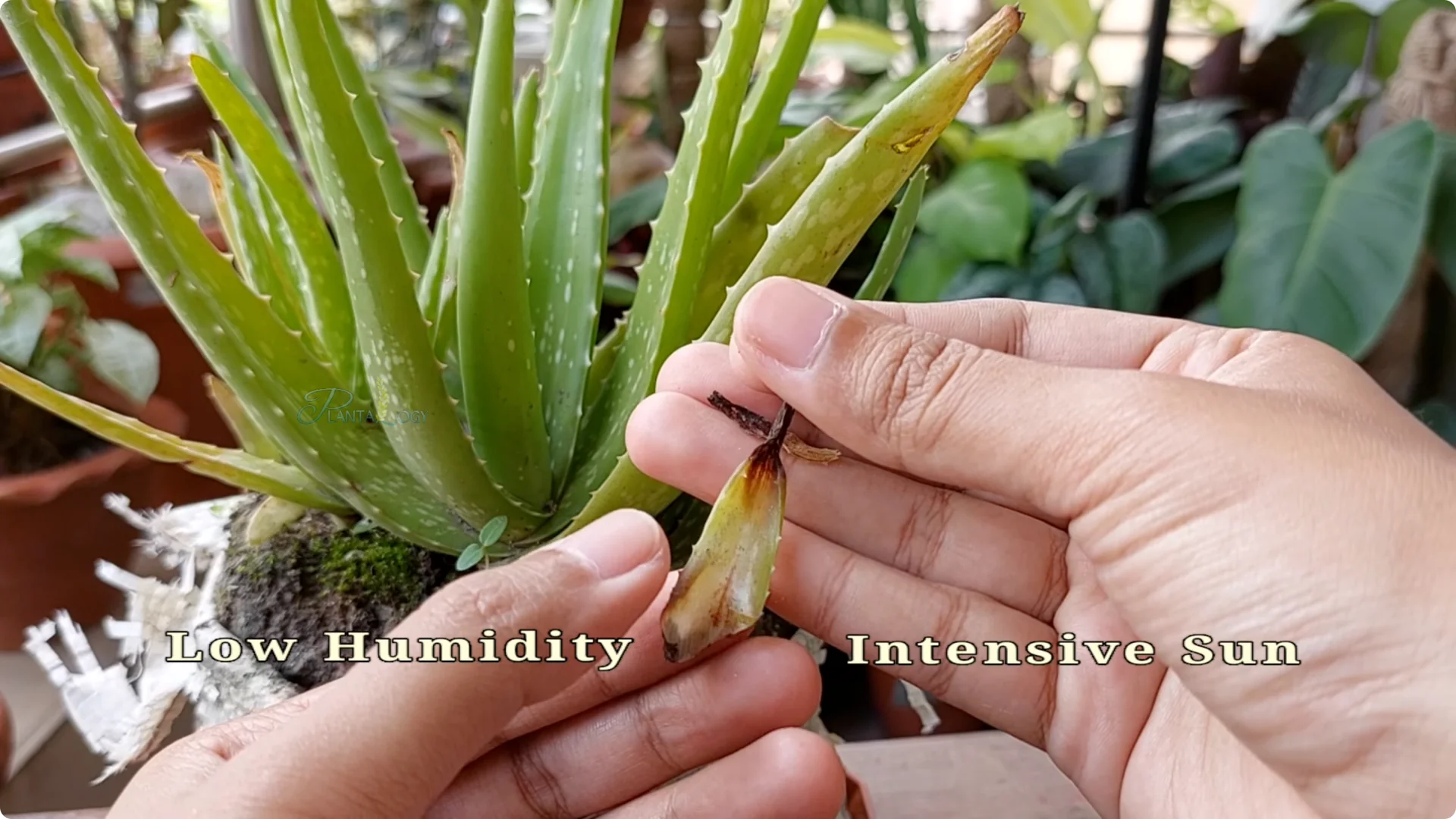
Aloe plants are generally tropical succulents, which means they require humid conditions. Low humidity and intense sun exposure at the same time turn the tips of the leaves brown. Such tip browning can also be a sign of mineral contamination.
If you see similar tip browning on other houseplants, here is help on troubleshooting brown leaf tips on areca palm.
4. Aloe Vera Troubleshooting: Black Spots
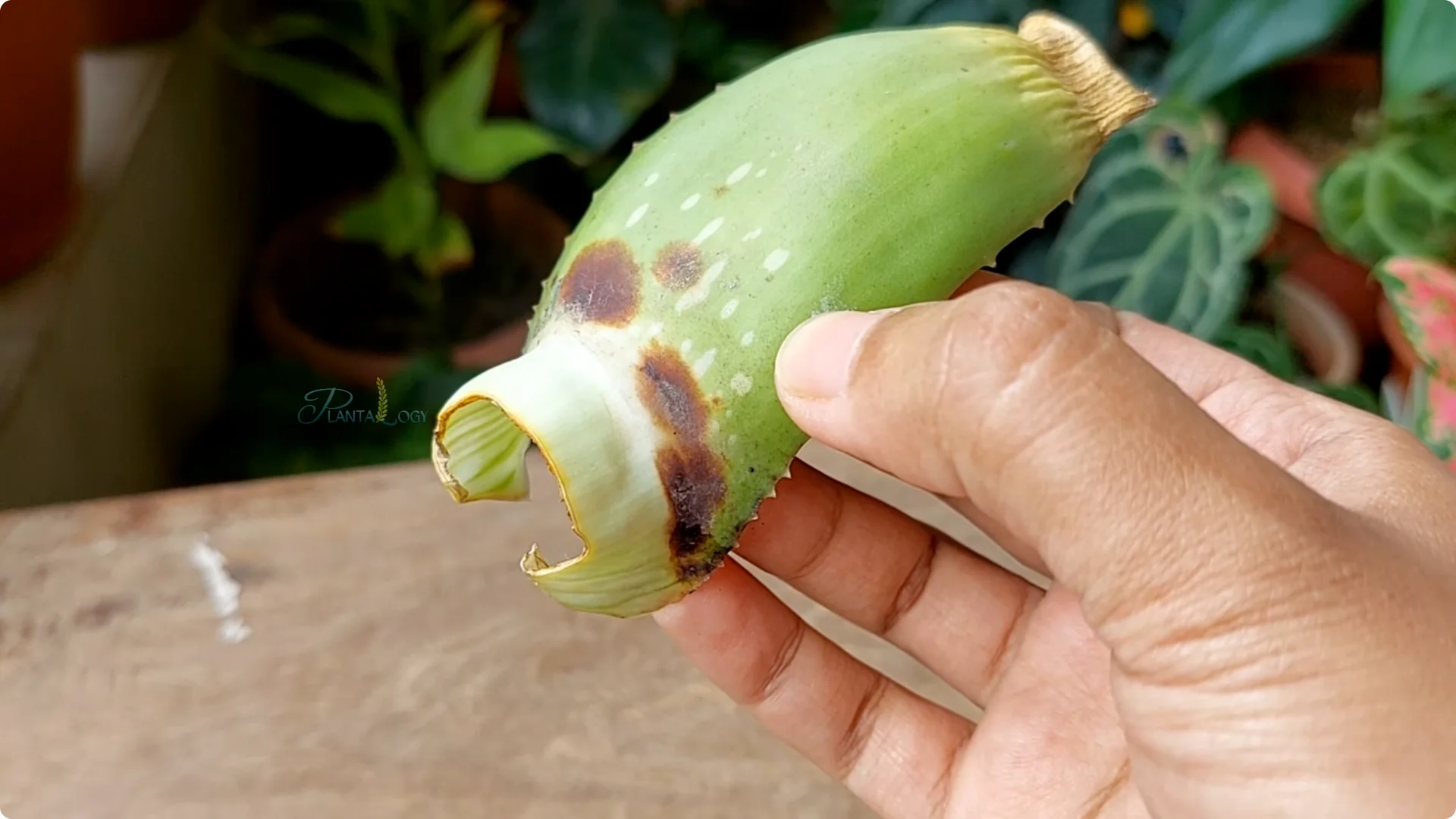
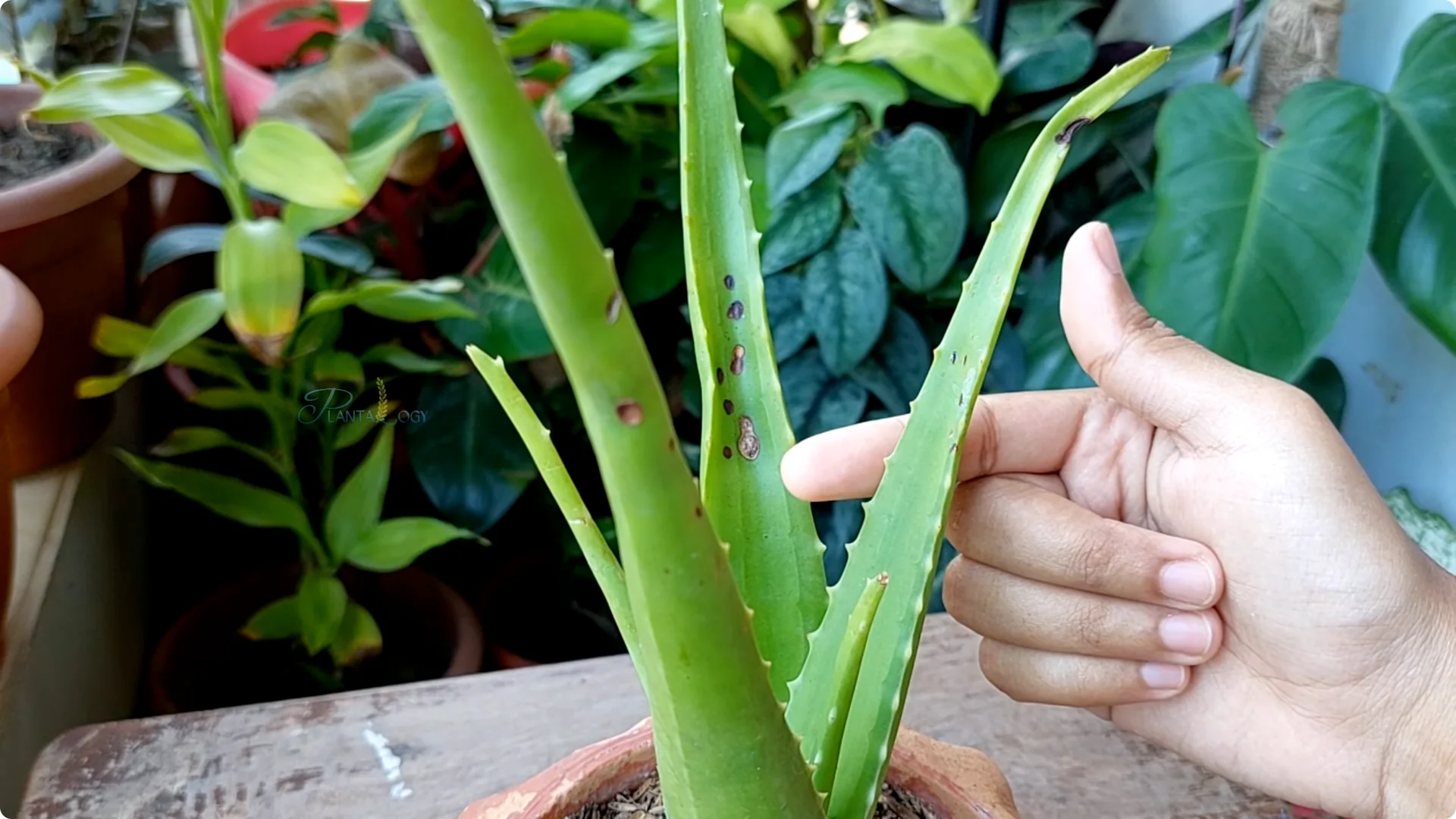
Black spots can develop due to fungal infestation, where the leaves will show black areas along with spots around the plant base and on the leaves. Very high humidity, low air circulation, and overwatering attract fungus and cause such infestation.
Another reason is low humidity. It is a tropical plant, and dry climate, especially during winter, develops such clean black spots on the leaves. Another possible reason is nutrient deficiency – people claim that calcium deficiency can develop black spots in aloe plant leaves.
From my experience, only proper care can recover all such aloe problems. For example, a sick aloe plant converted into a healthy plant only by proper care.
5. Aloe Vera Troubleshooting: Growing Tips That Prevent Problems
Tip 1 – Sun and Placement
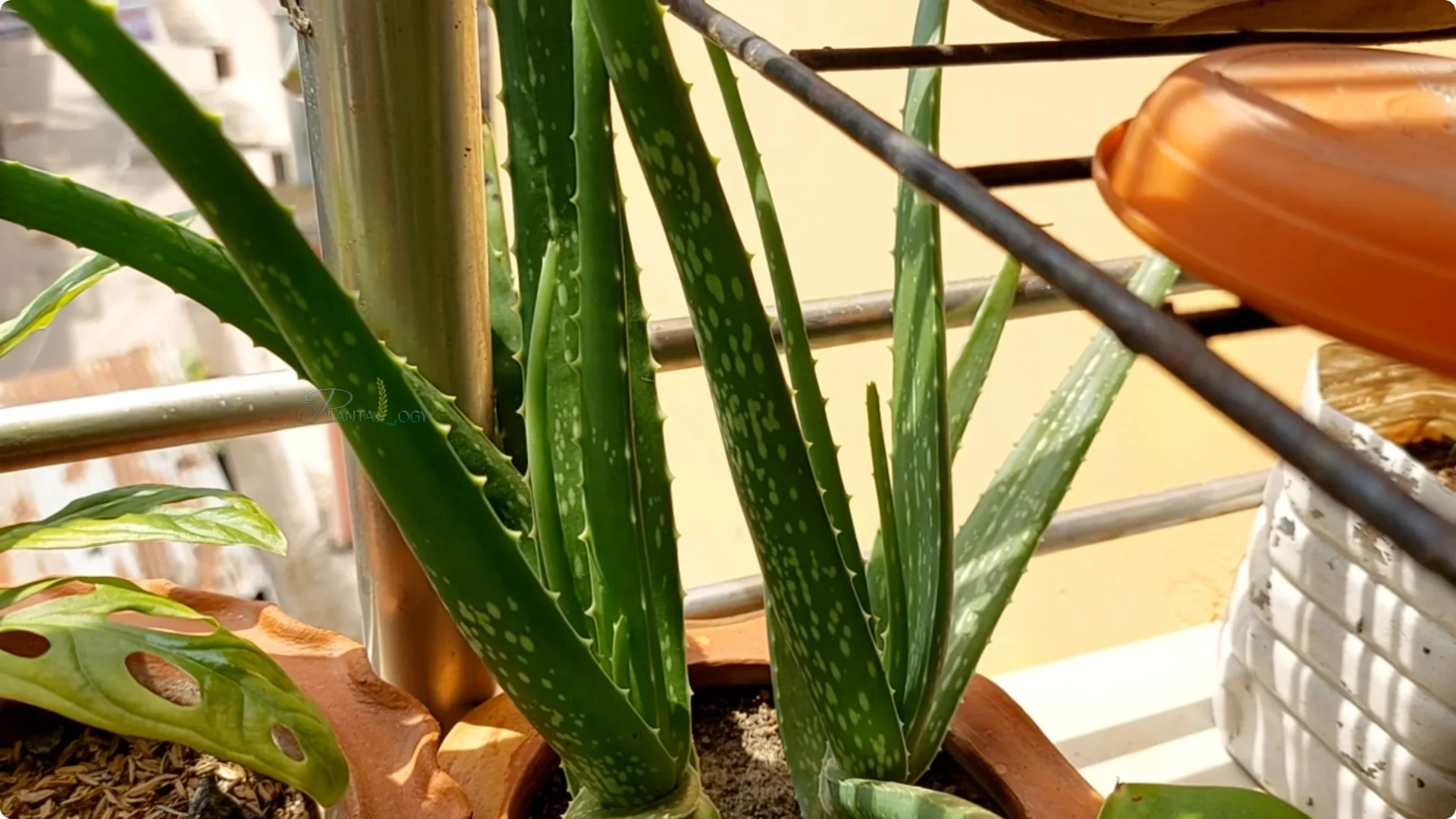
Aloe vera plants do well and stay green with three to four hours of direct morning sun. If your plants receive afternoon sun, two to three hours of exposure will be sufficient. If the plant is turning yellow with three to four hours of sun, move the plant to a location that is protected but gets bright indirect sunlight.
Outdoors do well in temperatures between 55 to 80 degrees Fahrenheit. For indoor aloes, the brightest area behind an east-facing window is the perfect place. For room-by-room placement ideas, see these indoor aloe care tips.
Sun Adjustment – steps
1. Give 3 to 4 hours of morning sun or 2 to 3 hours of gentle afternoon sun.
2. Watch for yellowing near the leaf tops as a sign of sun stress.
3. Shift to bright indirect light if yellowing appears.
Tip 2 – Soil That Holds Some Moisture
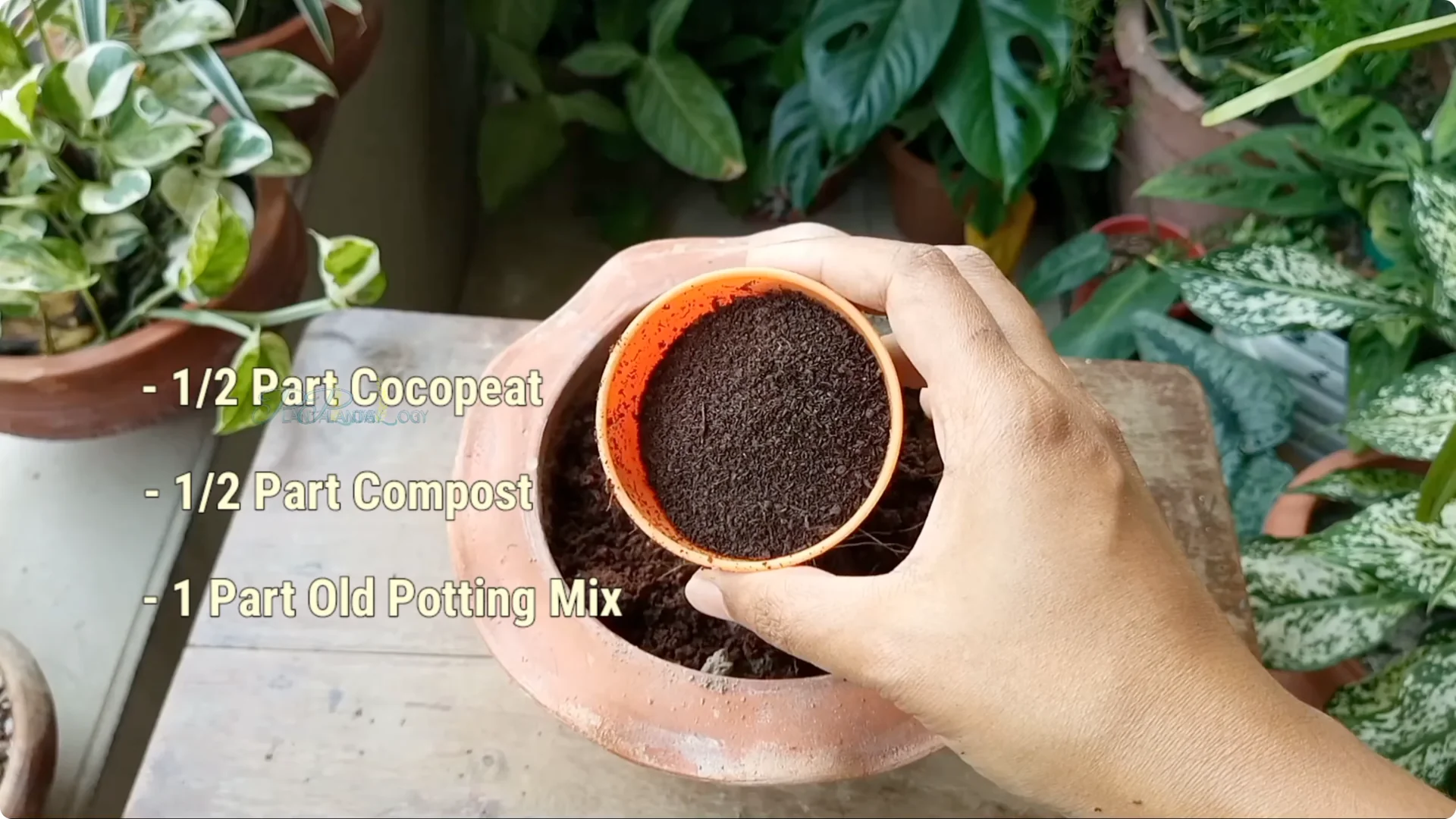
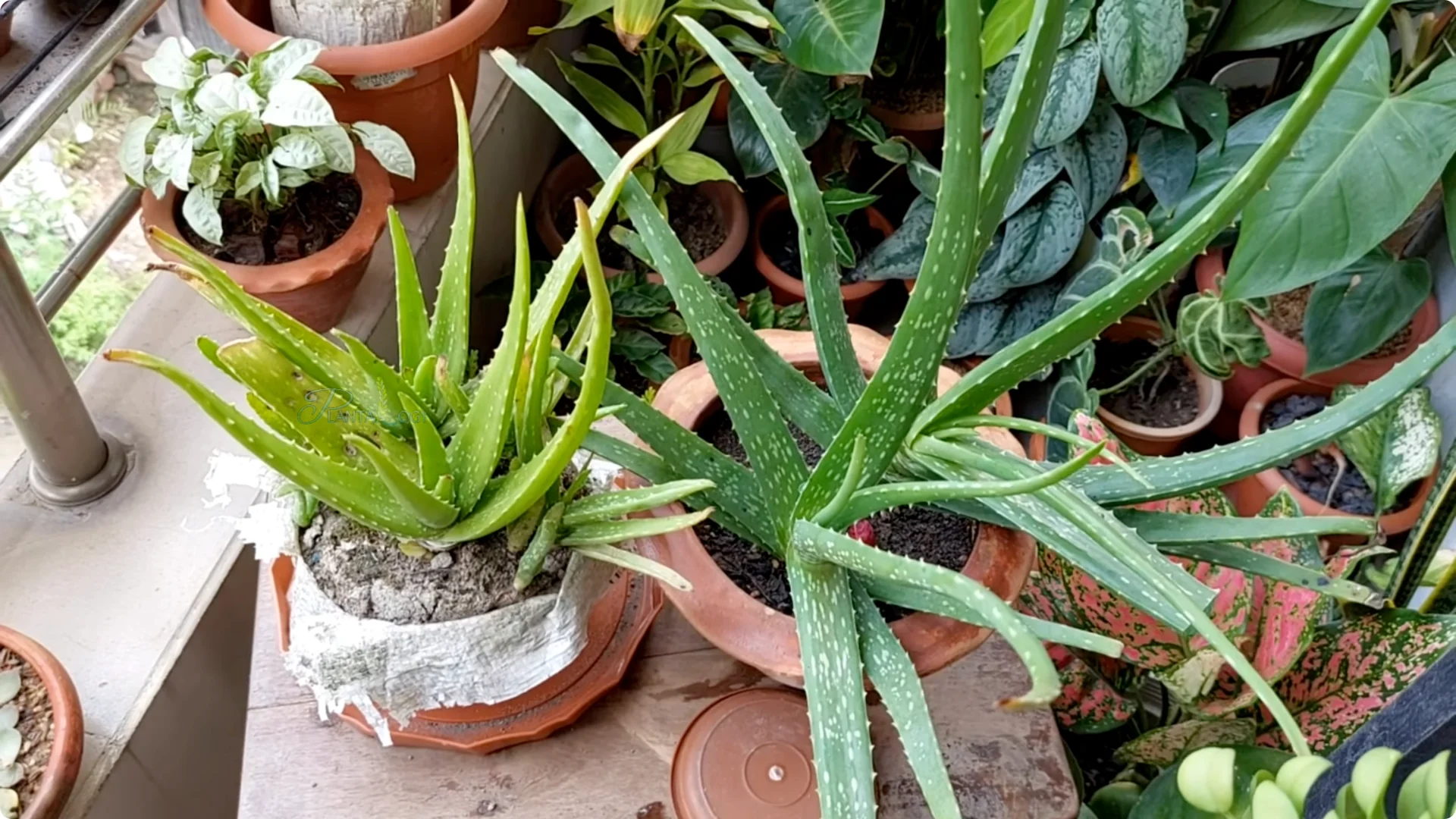
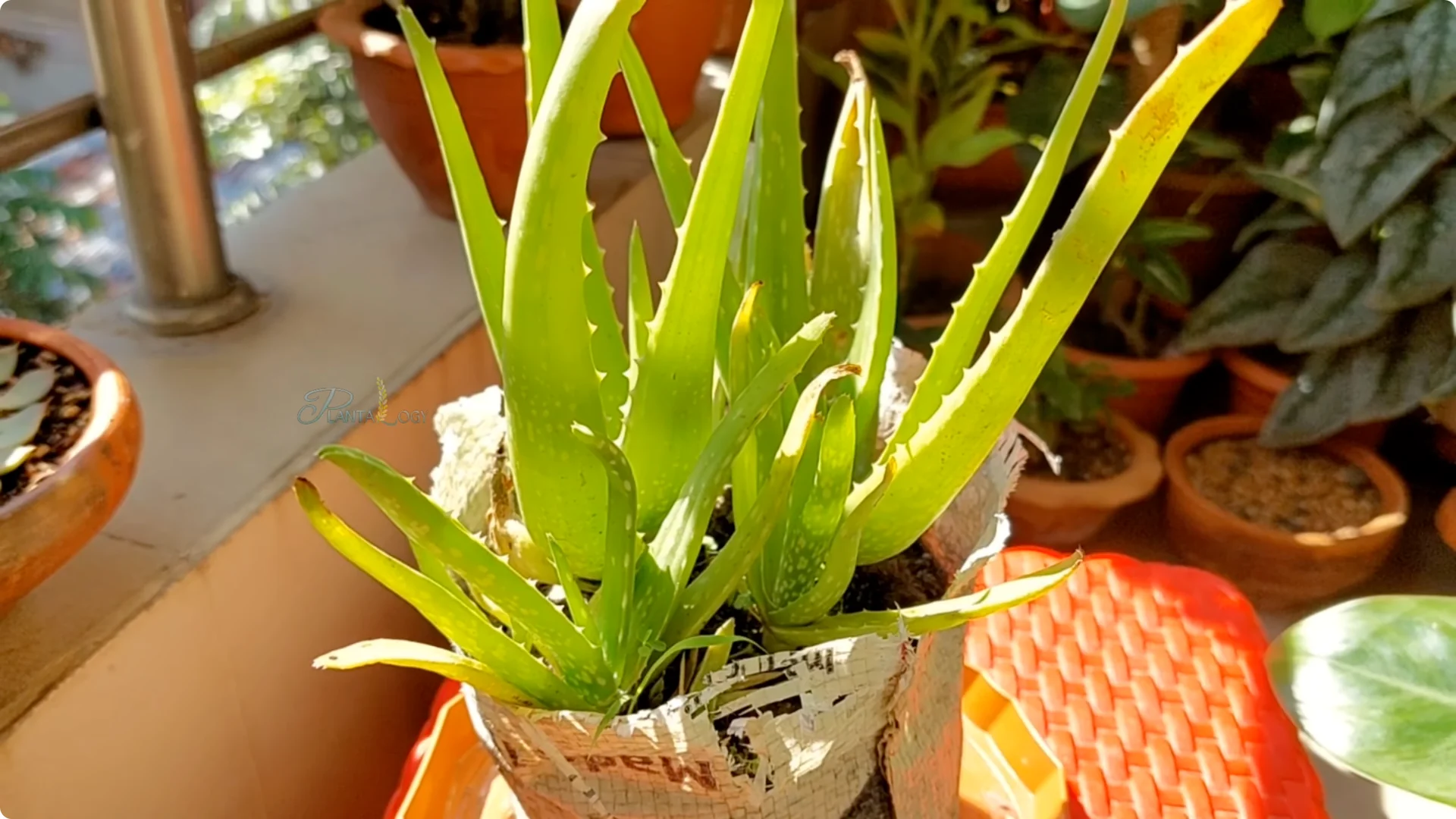
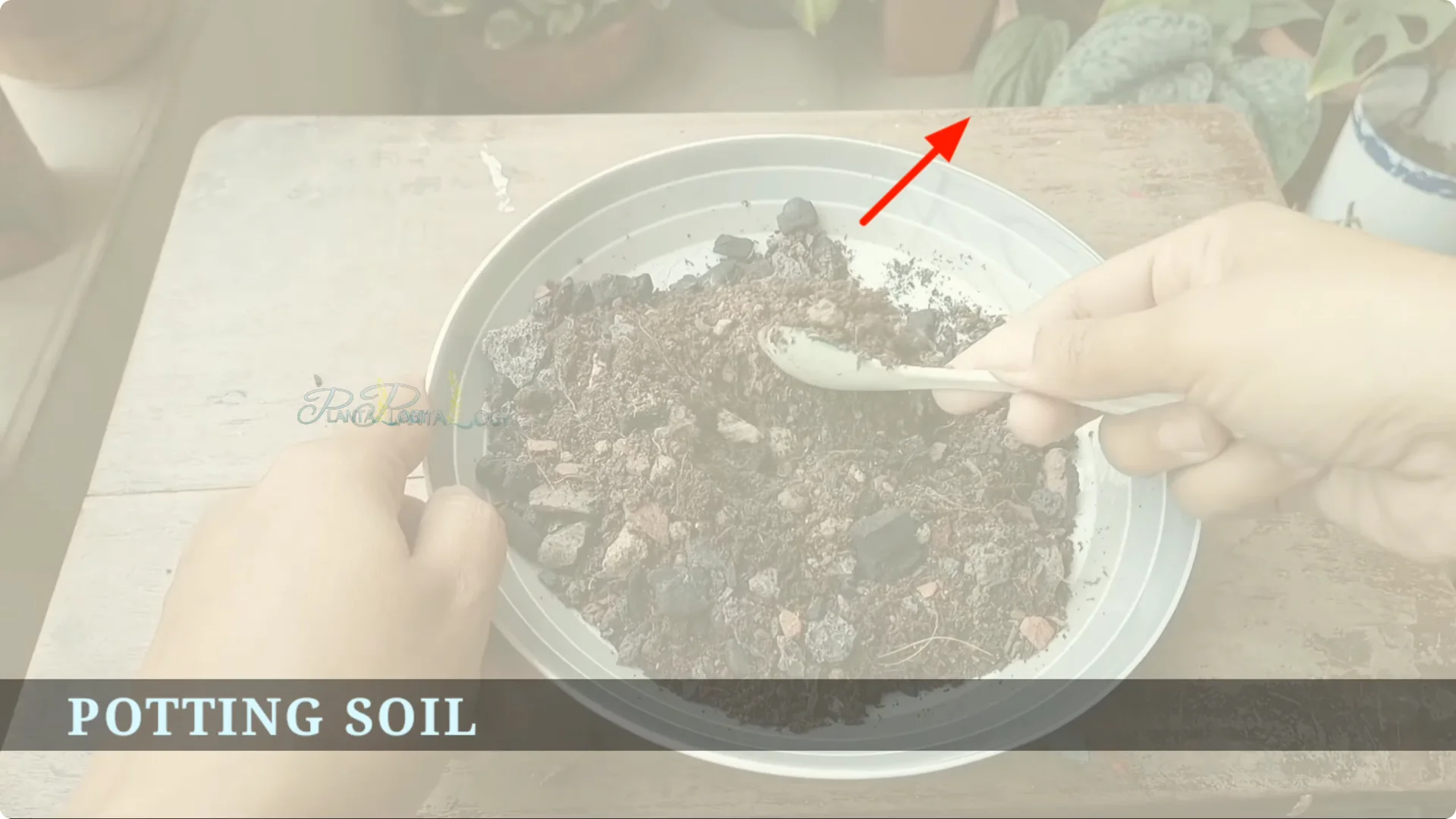
Aloe plants require quite a bit of moisture-containing soil compared to other succulents. You can add a half part of cocopeat to the succulent soil that you are going to use. Using the right soil will improve your plant’s health by 70 percent.
Soil Mix – steps
1. Take 1 part succulent or cactus mix.
2. Add 0.5 part cocopeat for gentle moisture retention.
3. Mix well and ensure fast drainage through the pot holes.
Tip 3 – Watering Routine
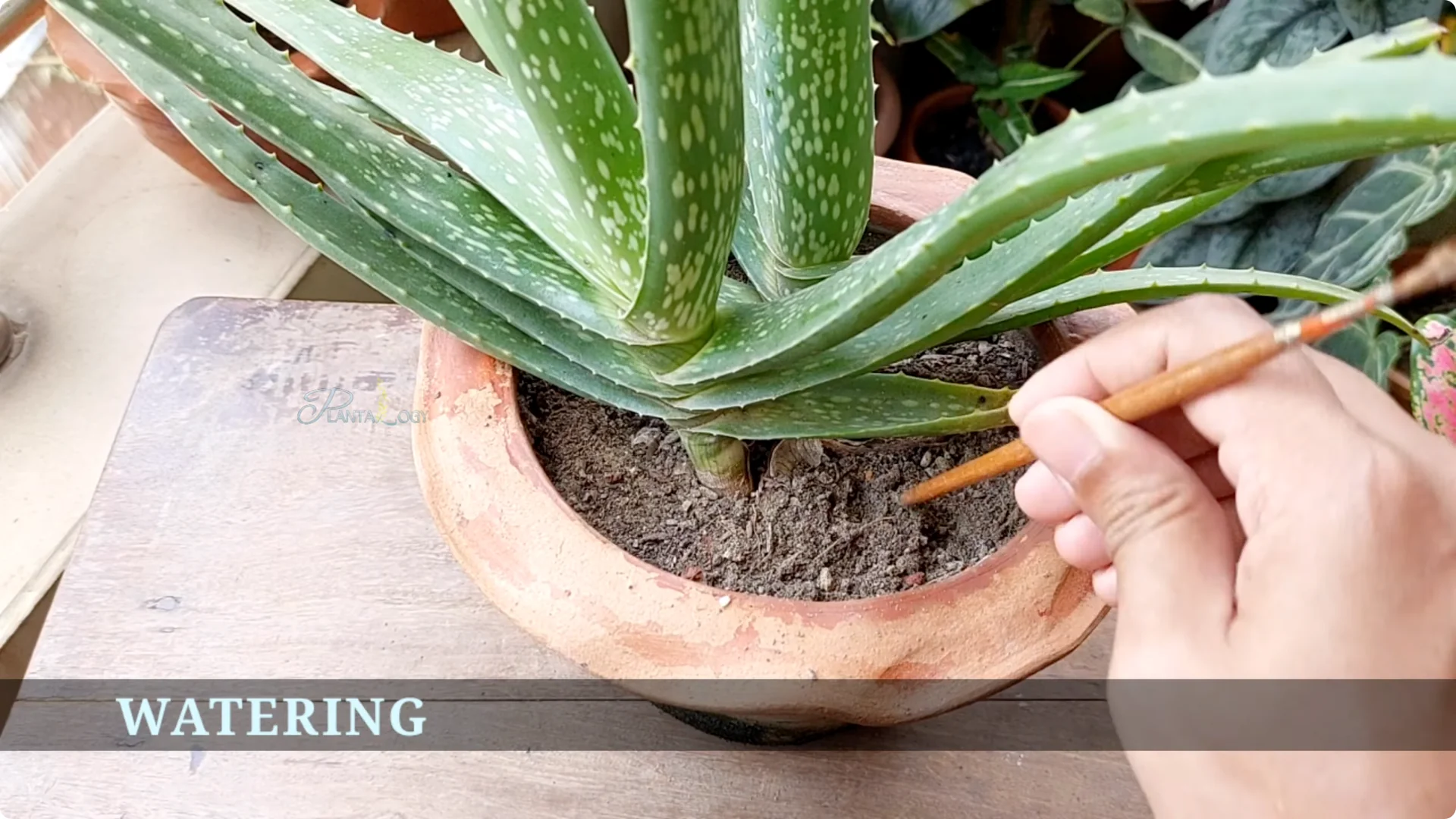
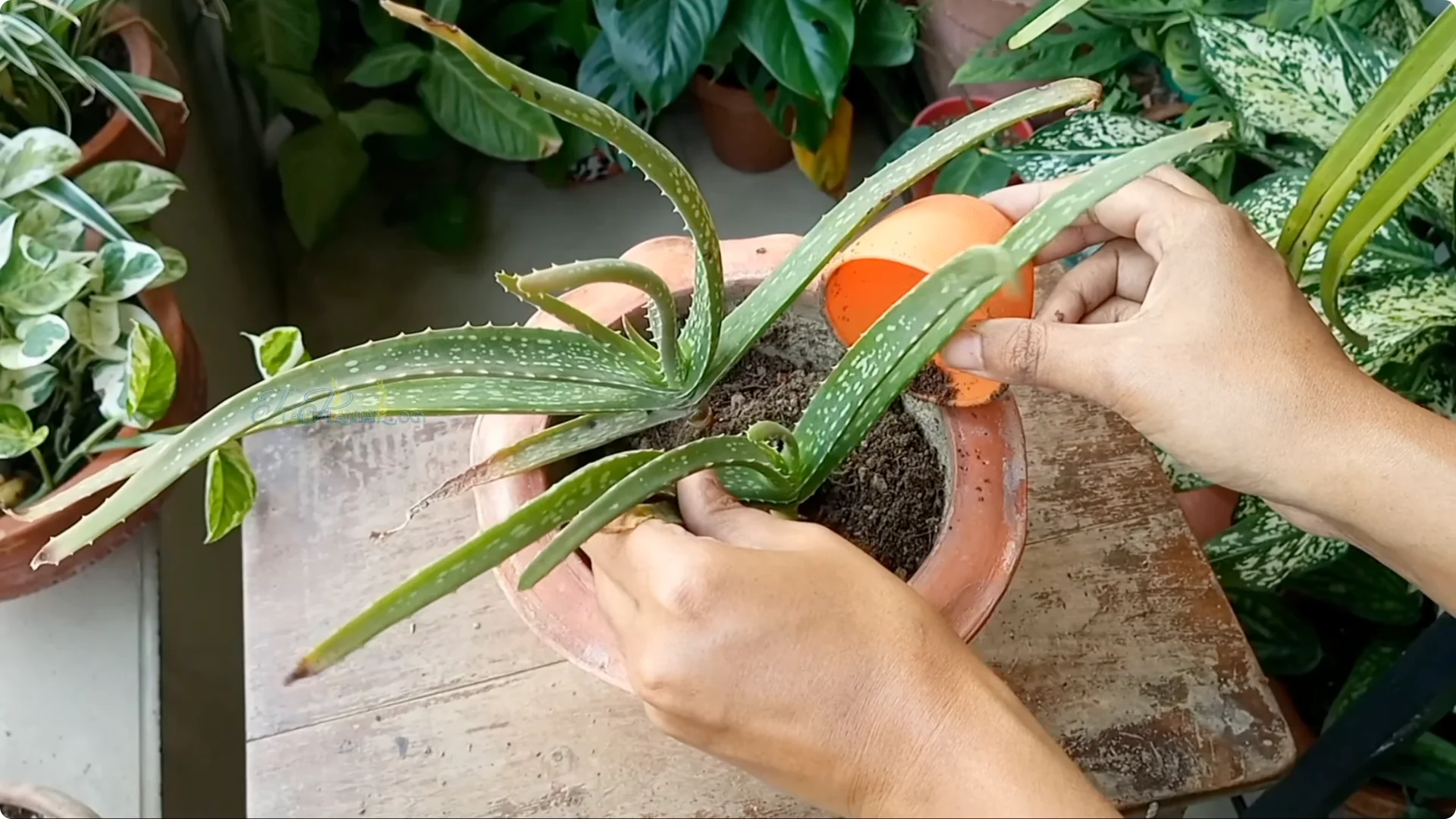
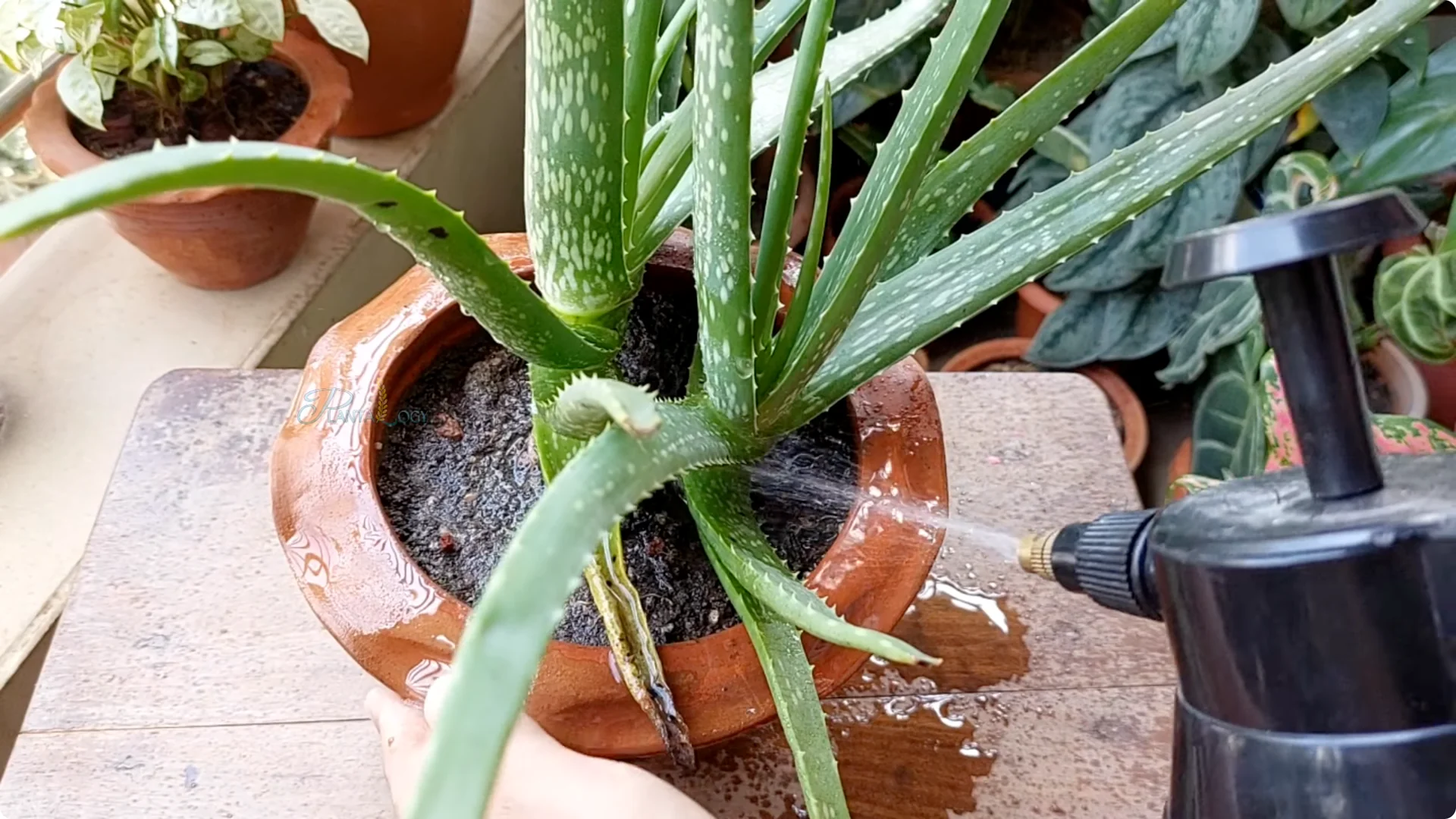
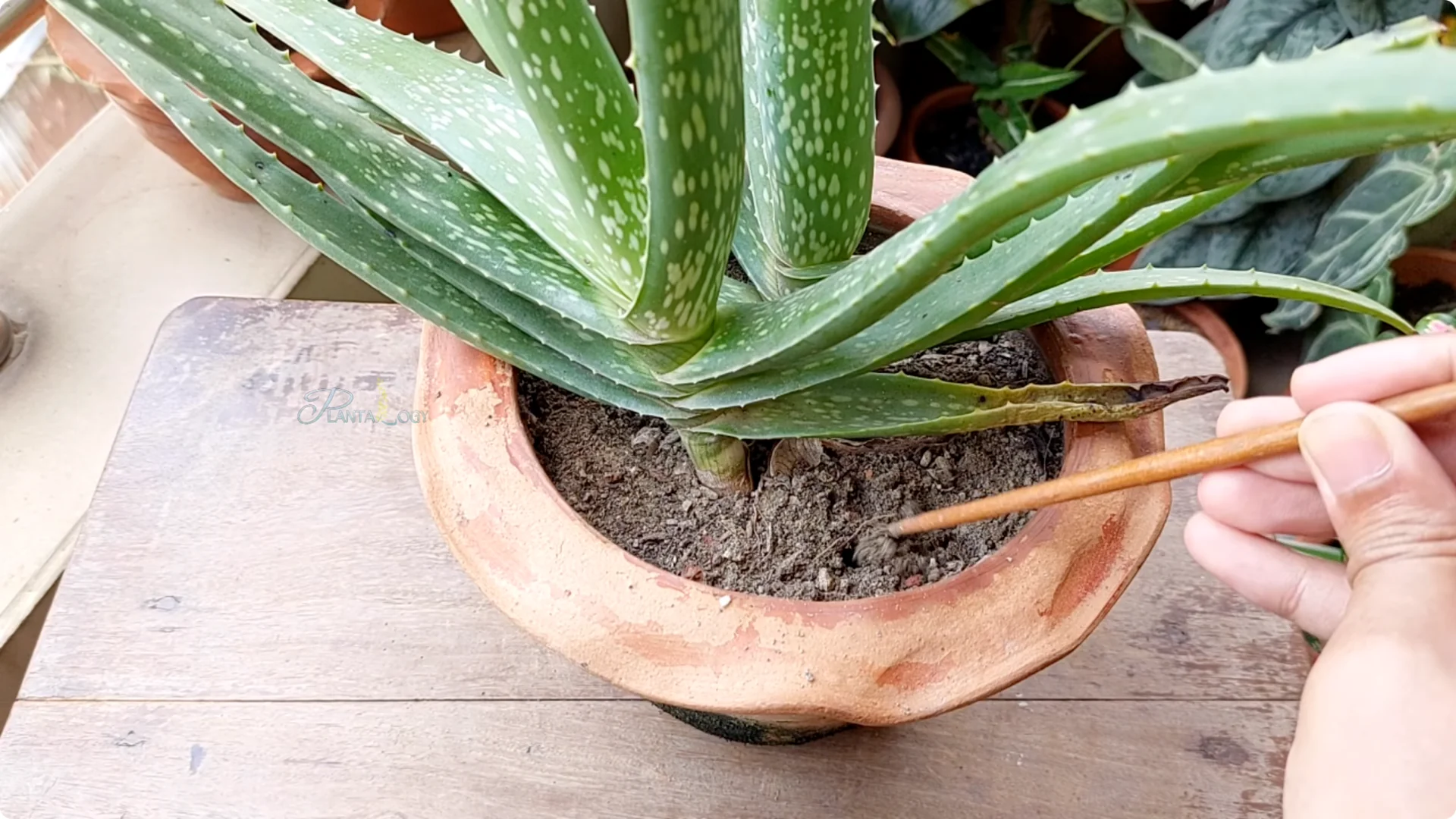
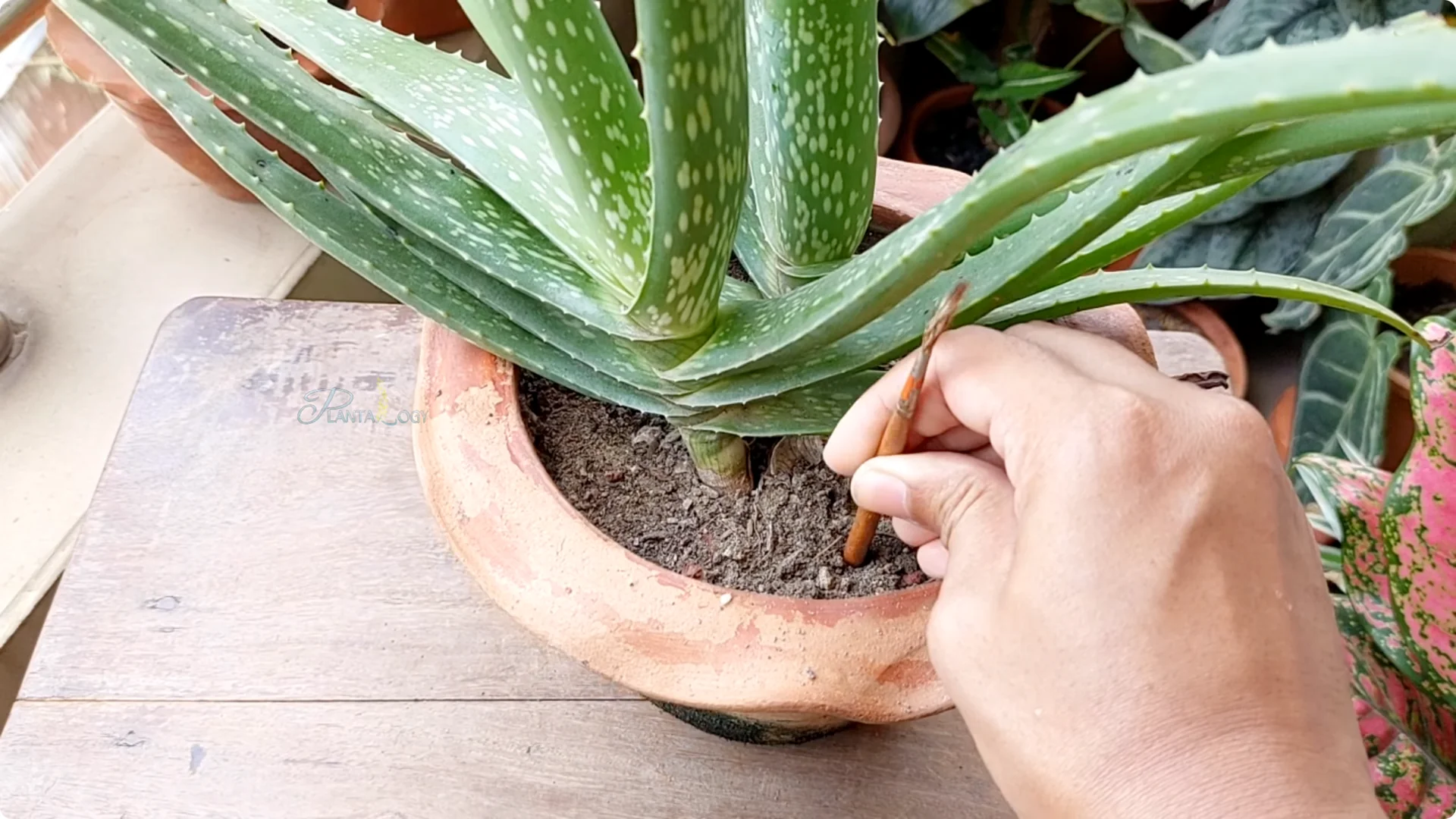
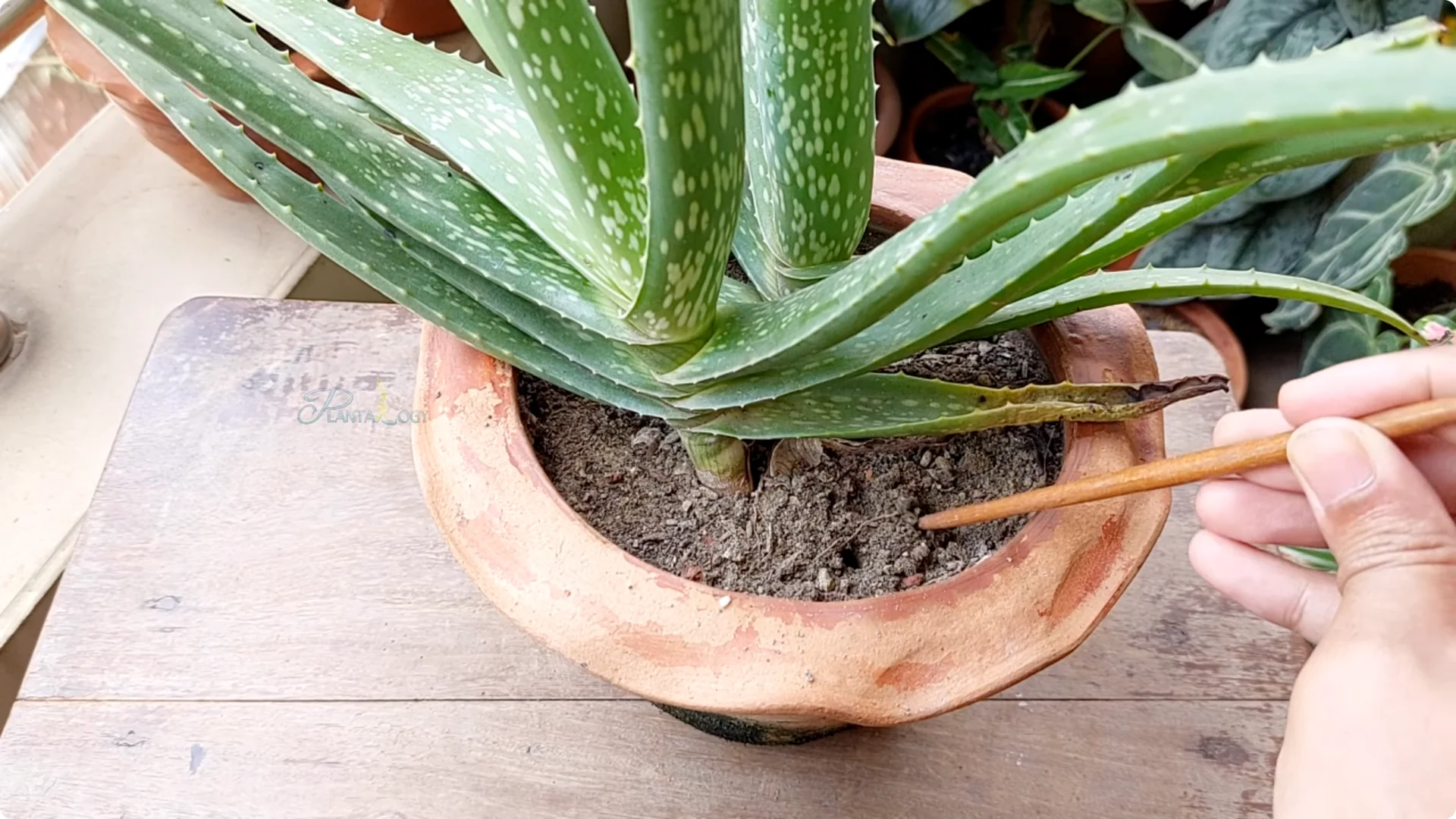
Water aloes only when the soil is dry to the touch. Insert a stick into the soil and pull it out after a few seconds to observe the moisture level. If the soil is dry, it is the perfect time to water the plant.
During winter, reduce the amount of water because the plant goes into dormancy. Maintain an even watering schedule, which will thicken up the leaves and prevent dehydration due to sunburn.
Moisture Test – steps
1. Insert a wooden stick or chopstick into the root zone.
2. Check for damp soil marks on the stick.
3. Water thoroughly only if the stick comes out dry.
Tip 4 – Fungal Prevention
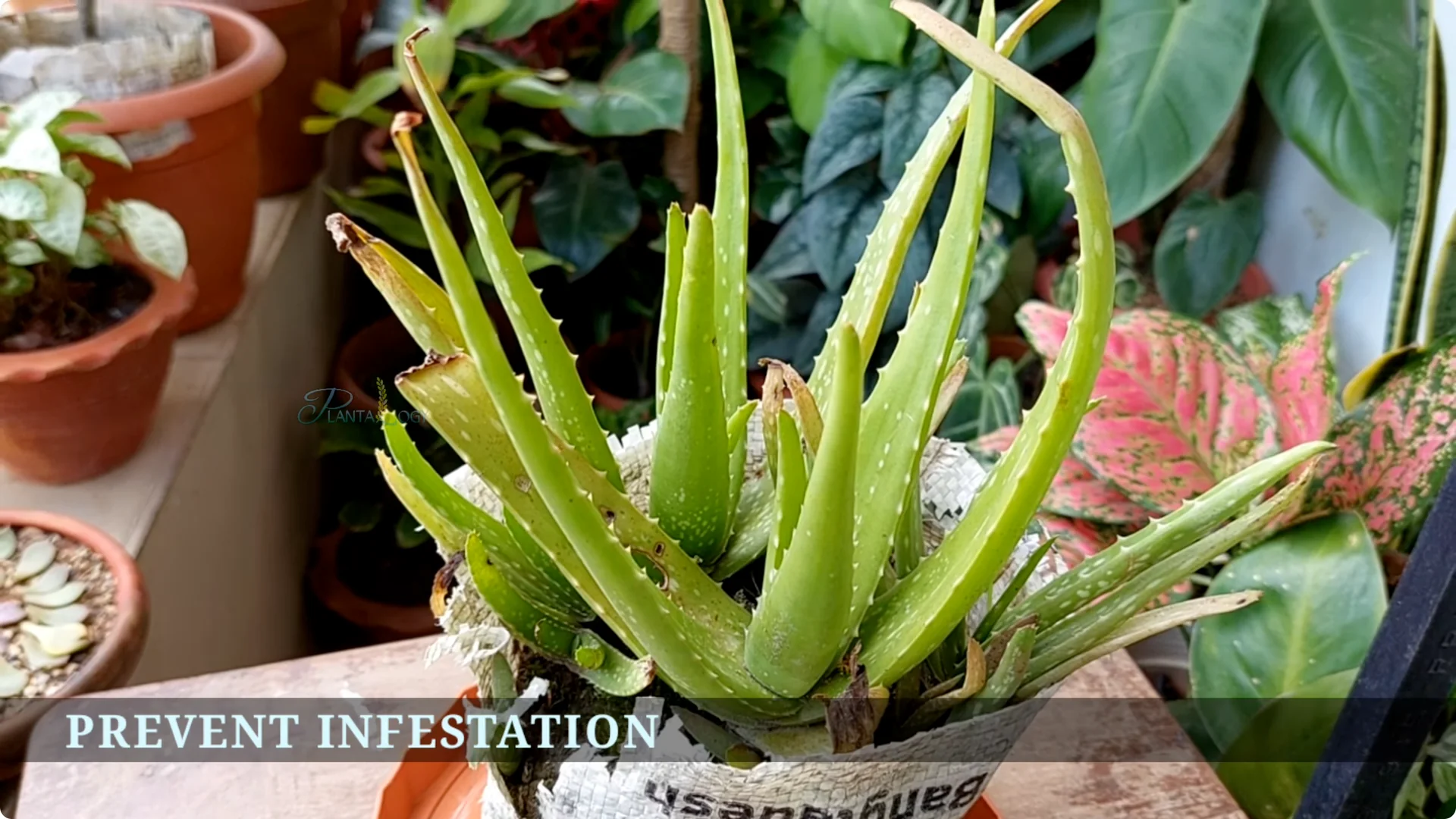
Many factors influence fungus to spread the infestation. It is better to keep the plant in a bright but cool area with good air movement. You can use fungicide once a month, but I avoid using pesticides on an edible and medicinal plant like aloe vera.
Fungus Control – steps
1. Improve airflow and reduce crowding around the plant.
2. Let soil dry properly between waterings.
3. Spot-treat with a gentle fungicide only if needed.
Tip 5 – Pot Choosing
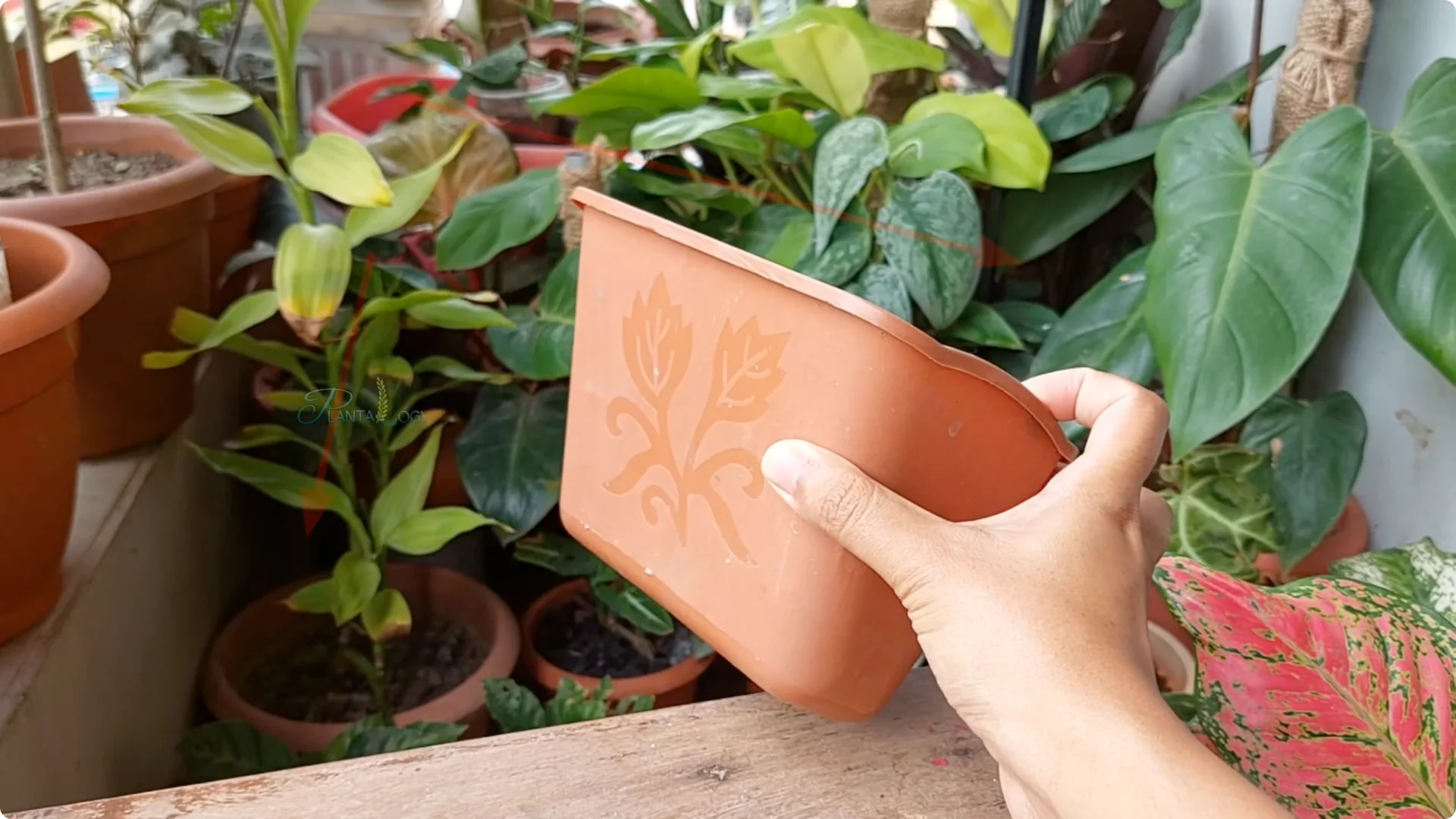
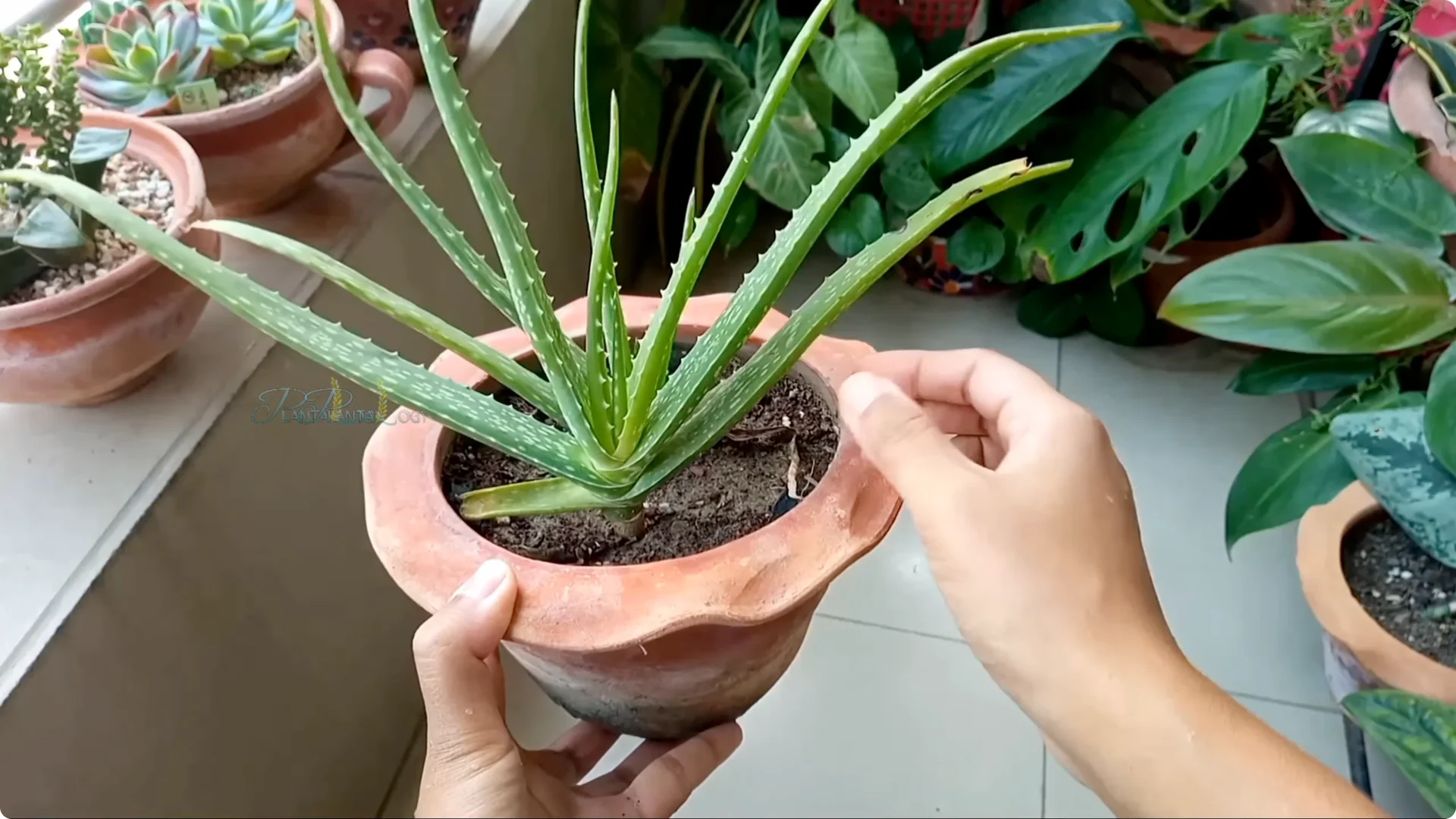
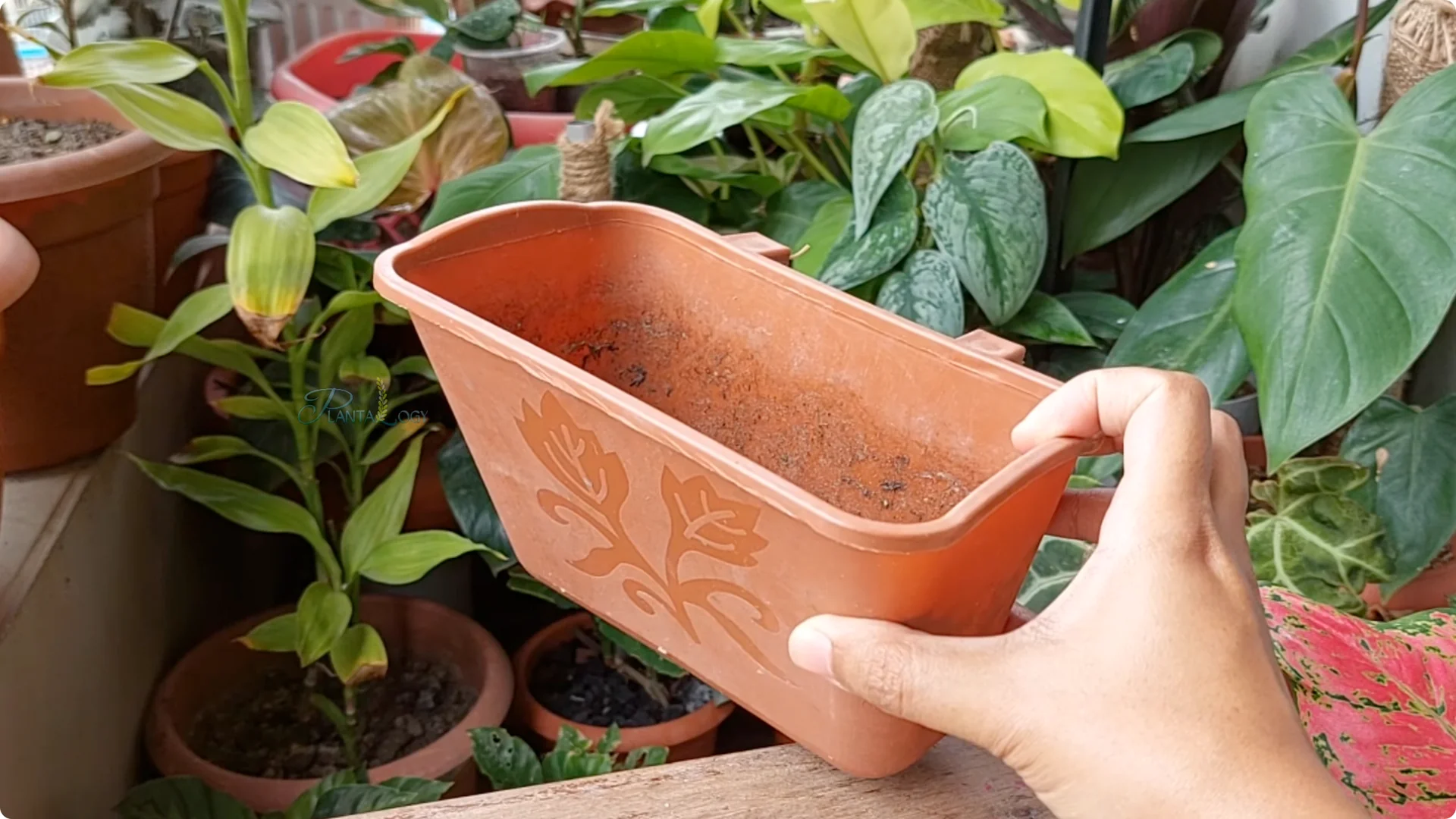
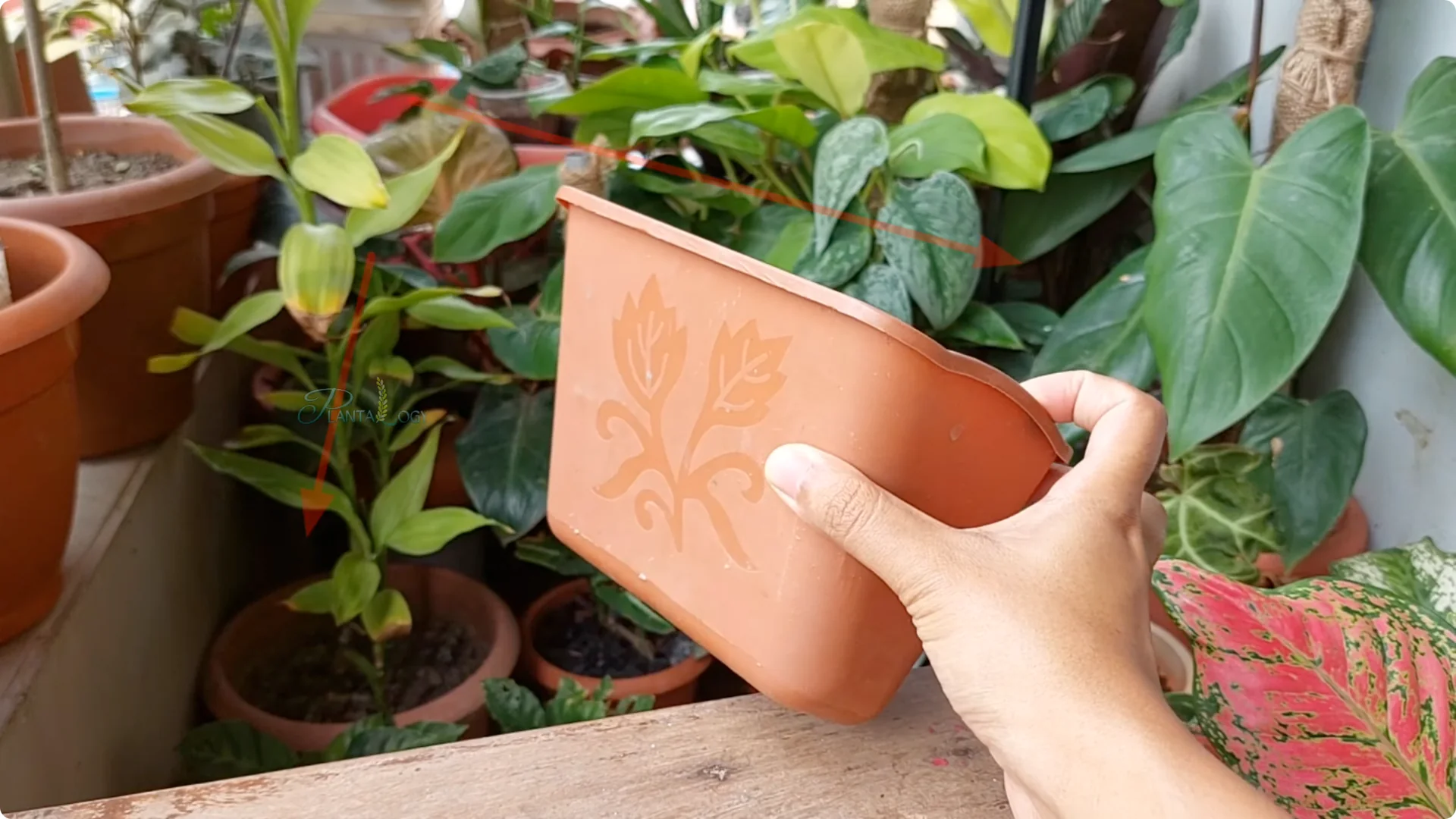
Pot choice affects the growth of an aloe plant. Grow in a shallow but wide container, like a pot that is 5 inches deep and 8 inches wide. Aloe plants like to stay compact, and it also minimizes overwatering problems.
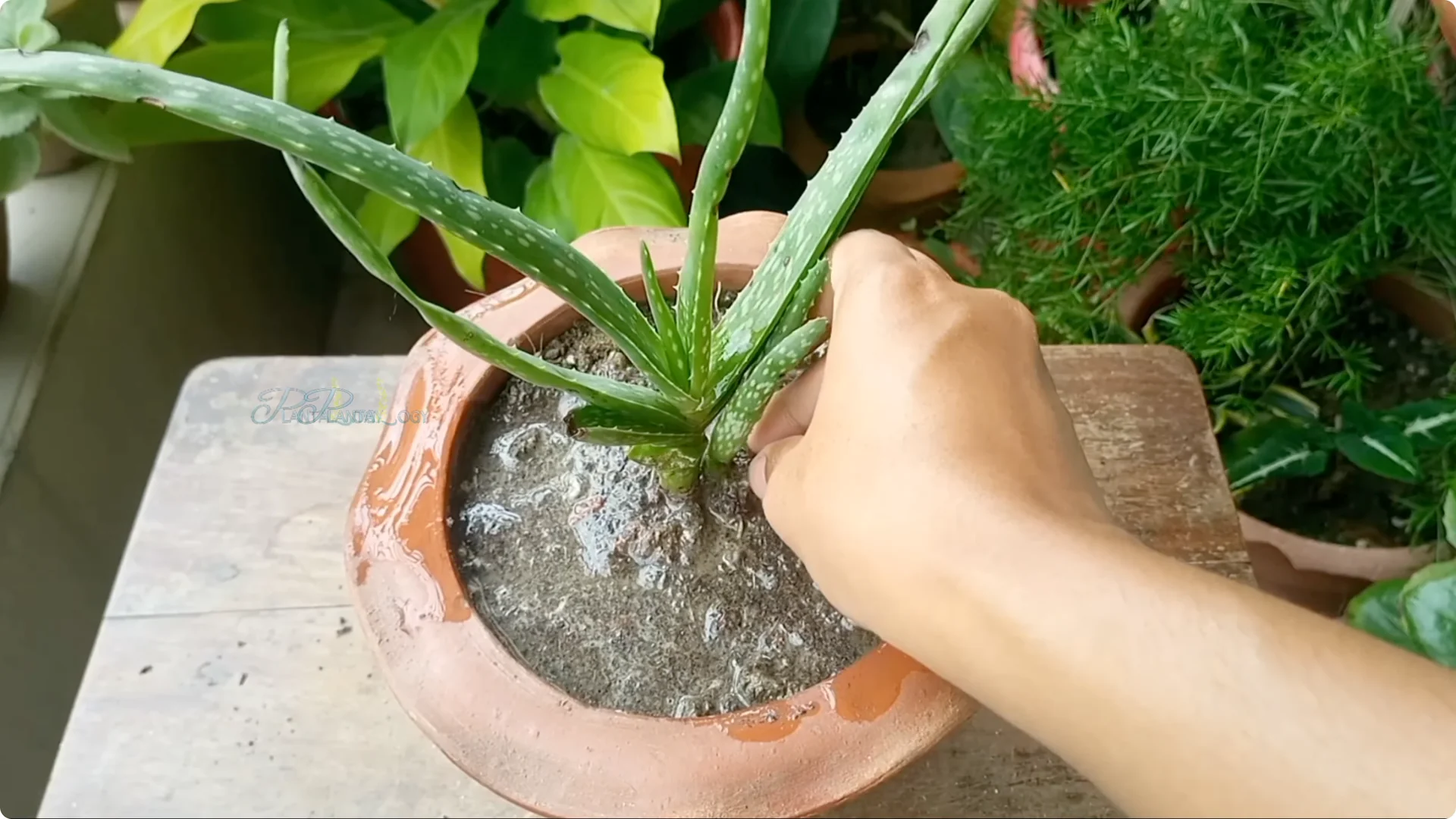
Most importantly, compact situations encourage the plant to produce more offsets. I skipped fertilization because I rarely use fertilizer on this plant, and from my experience it will do great if you can maintain an even watering schedule. I live in USDA zone 12, where temperatures fluctuate between 79 to 105 degrees Fahrenheit, and even in this dry and hot area my aloe is doing fine.
Pot Selection – steps
1. Choose a shallow pot with generous width and large drain holes.
2. Aim for snug root space to keep growth compact.
3. Repot only when the plant outgrows the width or offsets crowd the surface.
Final Thoughts
Sun stress, watering mistakes, soil issues, humidity extremes, and fungus explain most aloe leaf problems. Match light to your plant’s tolerance, keep soil slightly moisture-holding yet fast-draining, and water only when dry. With steady care, even a sick aloe can bounce back.