

This is a succulent, and I’ll share the top seven care tips that will not only keep you from killing this resilient plant but also teach you how to make it thrive, plus a few details you didn’t even know you needed until now.
These tips will save you time, money, and most importantly your plant’s life, because we both know you’re a little too attached to let that thing die.
1. Choosing Your Succulent
Kick things off at the garden center – also known as plant heaven – and no, it’s not because it’s a graveyard for all the plants I’ve accidentally killed, but because it’s where we find pure joy and every aisle is calling our name.
As tempting as it is to grab the first one that catches our eye, picking the perfect succulent takes a bit more strategy, and we always start by checking the leaves.
Healthy succulents should have plump, firm, and fleshy leaves, not shriveled, soft, or droopy ones. If the leaves are thick and vibrant, that’s a keeper, but if they’re dry, sad looking, or basically giving off signs of I haven’t had a good day since who knows when, it’s a sign that the plant’s been stressed or neglected, so just walk away.
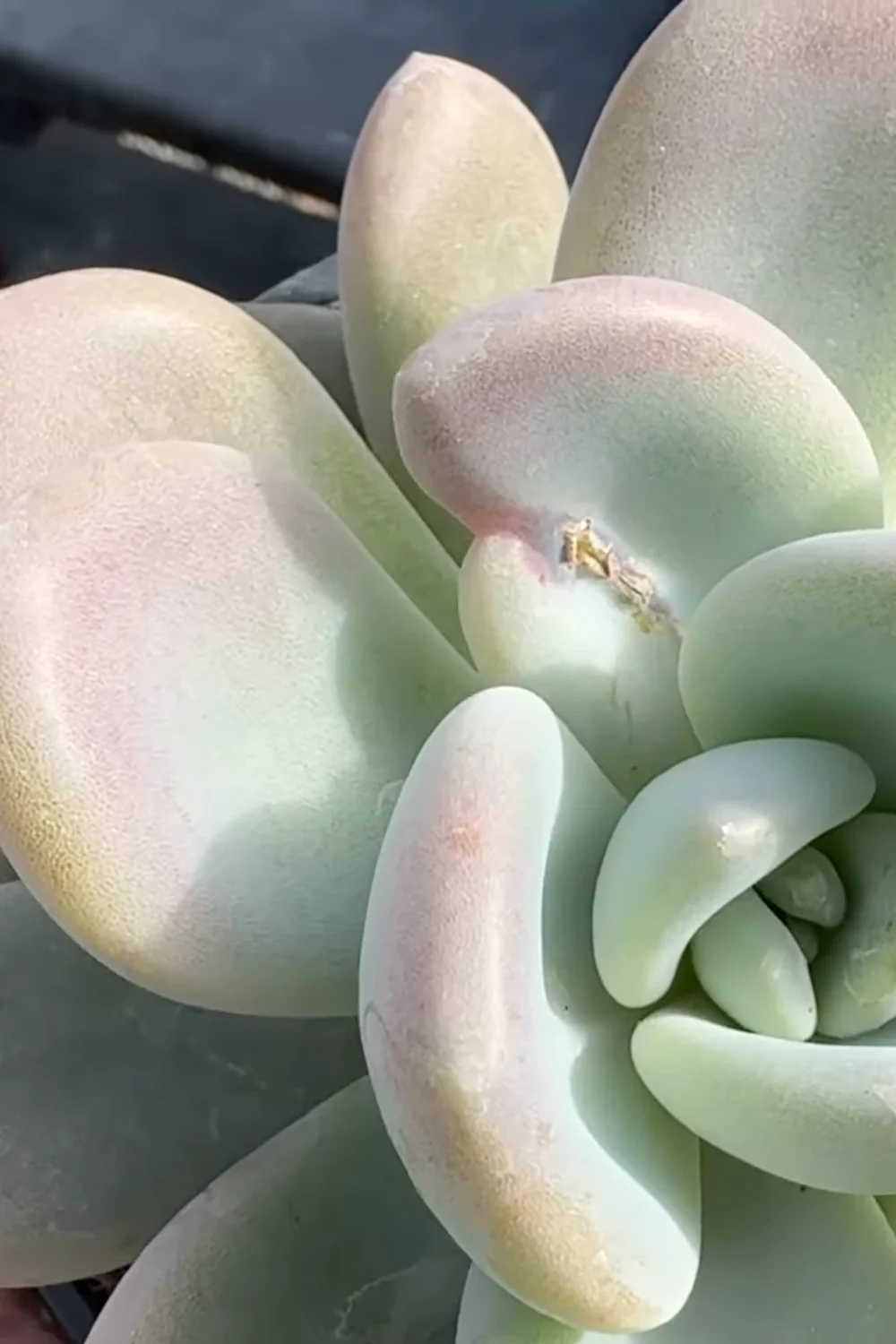
Next, let’s talk color. Succulents are famous for their stunning hues, so their leaves should look bright and bold.
If you notice a little red on the edges, that’s totally normal, and most of the time this is caused by the plant receiving too much light, which some of us like the look of – me included.
But if you see yellowing, browning, or black spots, that’s a no-go. It could mean rot or disease, so it’s best to stay away.
Also, don’t forget the stems.
They should be sturdy and compact, not long, leggy, or floppy. Leggy stems tell us the plant hasn’t been getting enough light, and while you might be able to rescue it if you’re up for the challenge and it’s at a discounted price, I wouldn’t mess with it. Strong, compact growth is always a better choice.
Here’s a pro tip: gently wiggle the succulent out of its pot. Be very gentle – you don’t want to damage the plant or make a mess. If the soil is soggy or moldy, put it back – it’s a recipe for root rot. The soil should be dry and loose, which means it’s well-draining. Also pay attention to the roots. With most varieties, healthy roots are white or light tan and not mushy or dark.
2. Give Them the Right Light, Temperature, and Humidity
We’ve brought home the perfect succulent – or should I say succulents, I know, I couldn’t help myself – so let’s make sure they thrive.
The key to keeping succulents happy is getting their lighting just right. These sun-loving plants are built for bright, indirect light, so a sunny spot like a south-facing window works best.
But don’t overdo it, because too much intense direct sunlight, especially during the midday, can leave their leaves sunburned with brown or white scars, and they don’t bounce back from that easily.
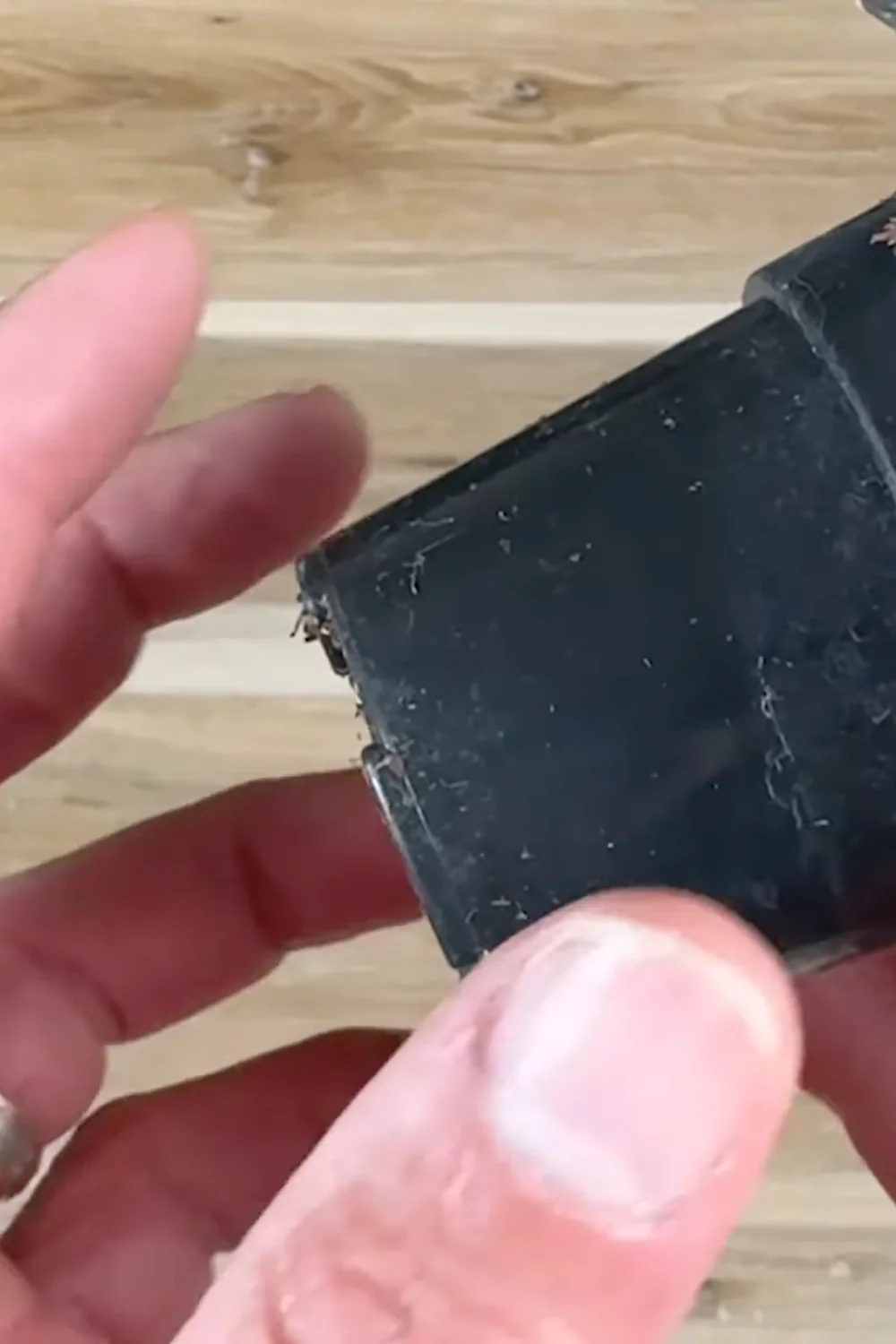
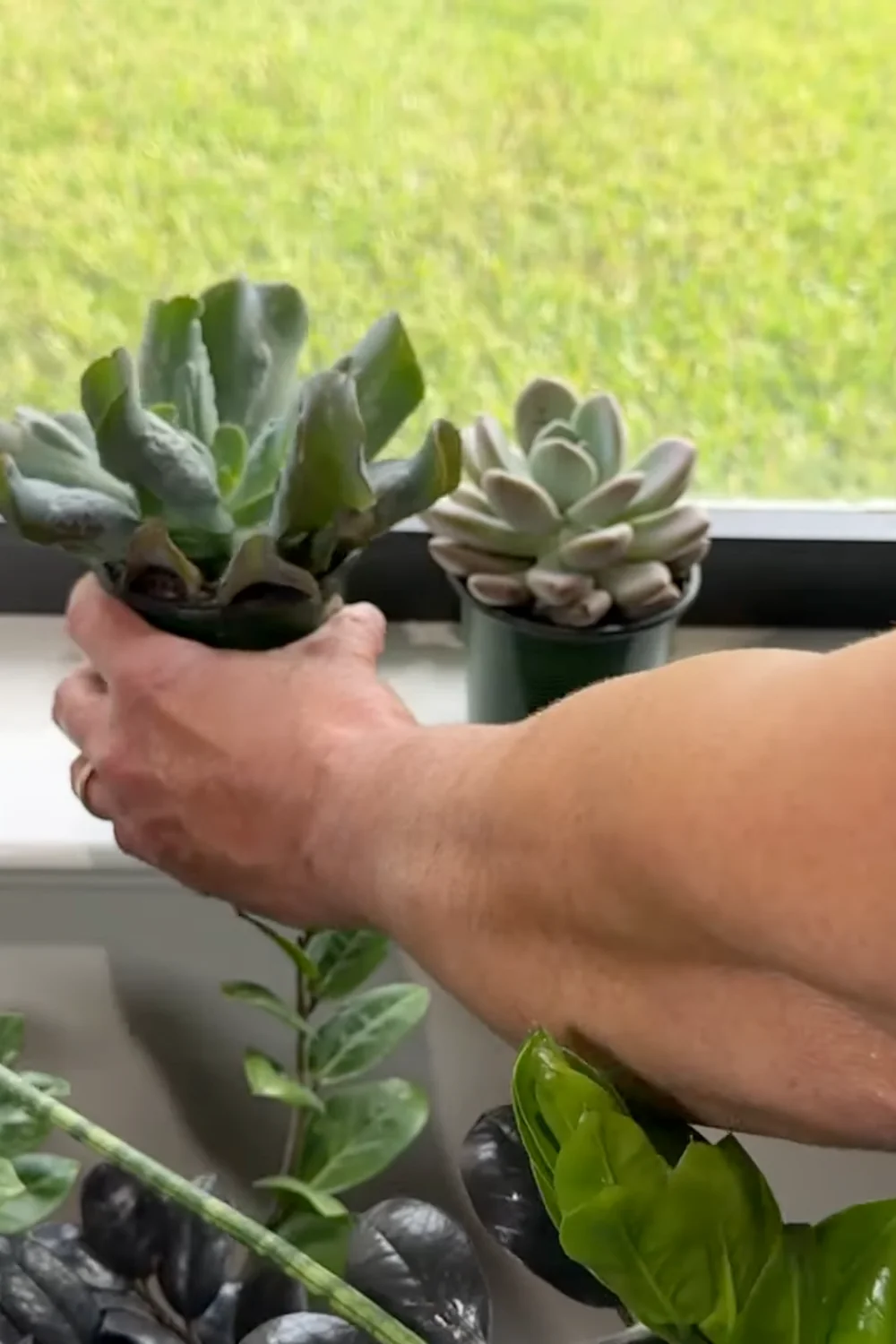
On the flip side, if your succulent isn’t getting enough light, you’ll start to see it stretch towards the nearest light source, a process called etiolation, which leaves you with long, leggy stems and spaced out leaves – which nobody wants.
While it won’t usually kill your plant, it’ll definitely lose that compact, tidy look. If natural light is scarce, then supplementing with grow lights is a great fix, and actually how I grow mine most of the time.
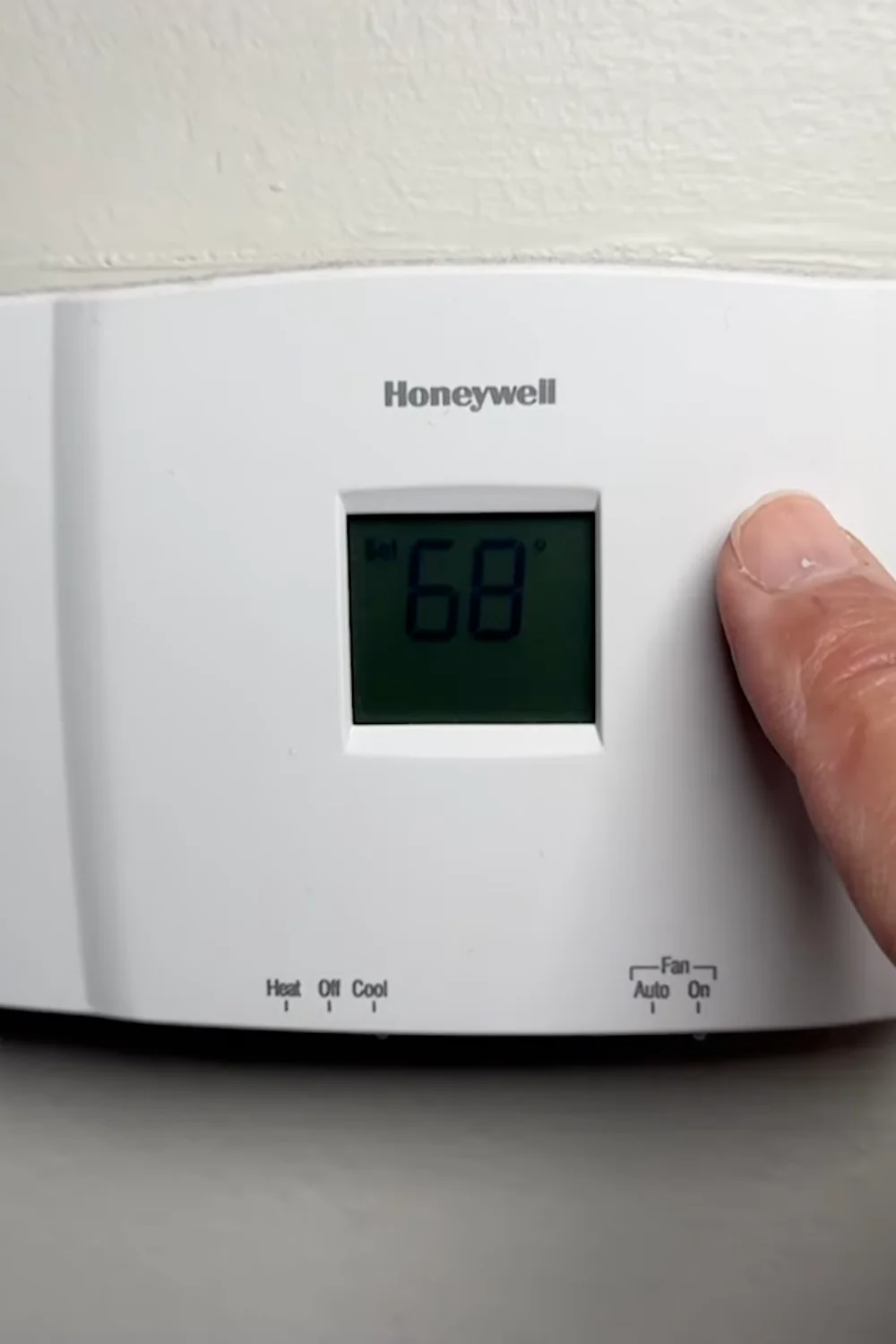
In regards to temperature, succulents thrive between 60 and 85 degrees F, so keep them away from cold drafts, freezing temperatures, or sudden swings that can stress them out.
As far as humidity, they prefer dry air, so your home’s average indoor humidity should work just fine.
Keep in mind that succulents can handle low humidity much better than high humidity. Too much moisture in the air can lead to trouble like root rot, fungal infections, or fungus gnats.
3. Watering Without Wrecking Them
Watering is the trickiest part of succulent care. This is where most succulent owners go wrong, usually with the best of intentions but catastrophic results. Remember, succulents are desert natives – basically the camels of the Plant World.
They’re built to store water in their thick leaves and stems, so drowning them in daily hydration is a fast track to root rot, and root rot is a polite way of saying congrats, you’ve killed another plant.
Before you grab that watering can, do a quick soil check. The soil should be bone dry, not just on the surface but all the way down.
A wooden skewer or dowel works great to test this, but you can also check the leaves – if they’re soft, wrinkled, or starting to lose their shine, that’s a cue to water. When you do water, go all in. Saturate the soil completely and let the excess water drain out of the pot.
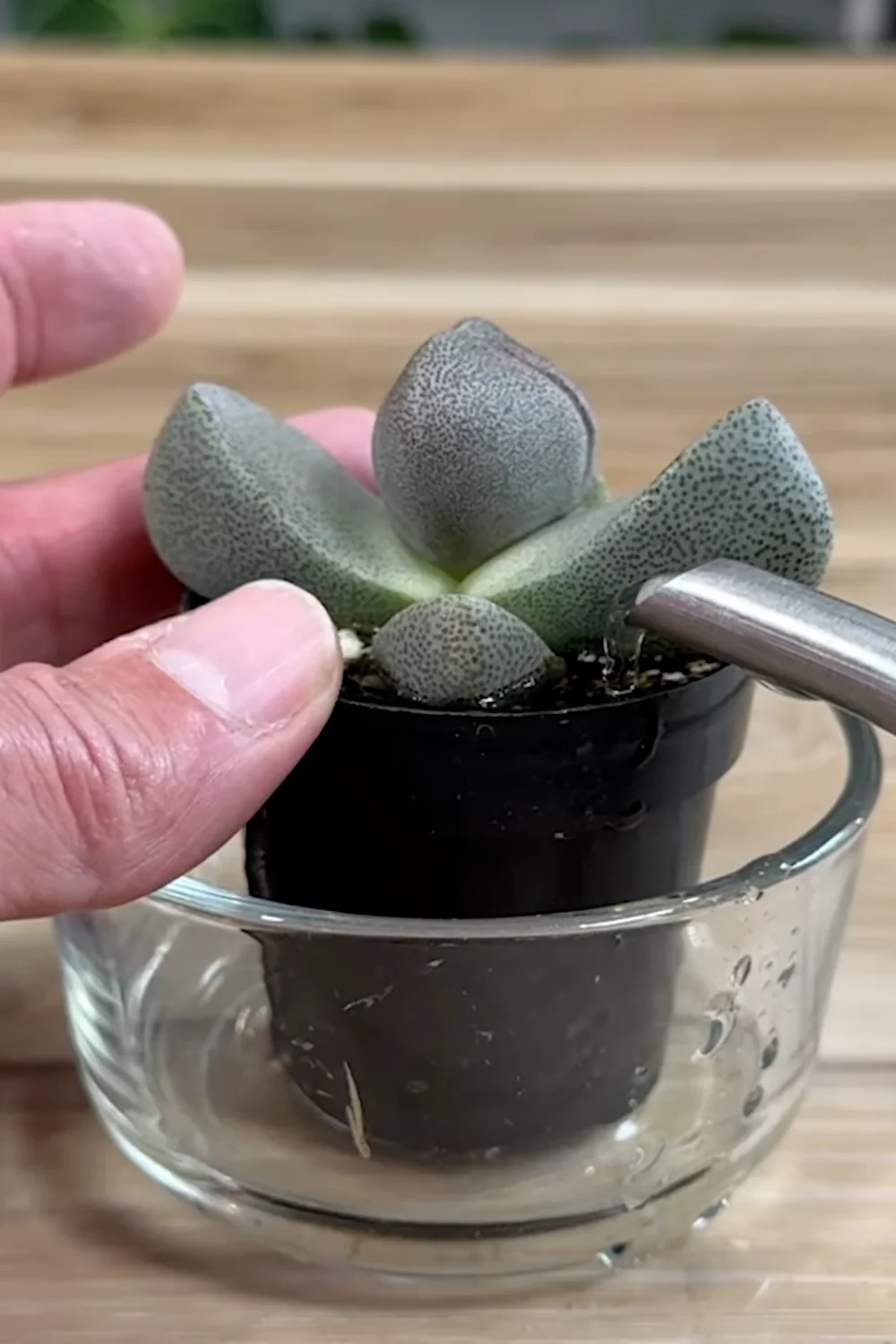
Here’s my favorite watering hack – it’s what I call totom watering, a mix of top and bottom watering.
Place your succulent in a bowl or tray, then water the plant from the top, letting water run through the soil into the bowl below, trying to keep the leaves dry.
Let the pot sit in the water for about 10 minutes so the soil can soak up moisture from both directions, and finally remove the pot and let the excess water drain completely.
Why bother doing it this way?
When your succulent soil gets super dry, it can become hydrophobic, meaning water runs straight through without actually hydrating the roots.
This method makes sure your succulent gets a proper, even drink from top to bottom instead of letting your plant sit there sipping on the air and wondering what it did to deserve such neglect.
4. Fertilizing Your Succulents
While these tough little plants don’t need a buffet of nutrients, the right fertilizer can help them stay vibrant and grow stronger.
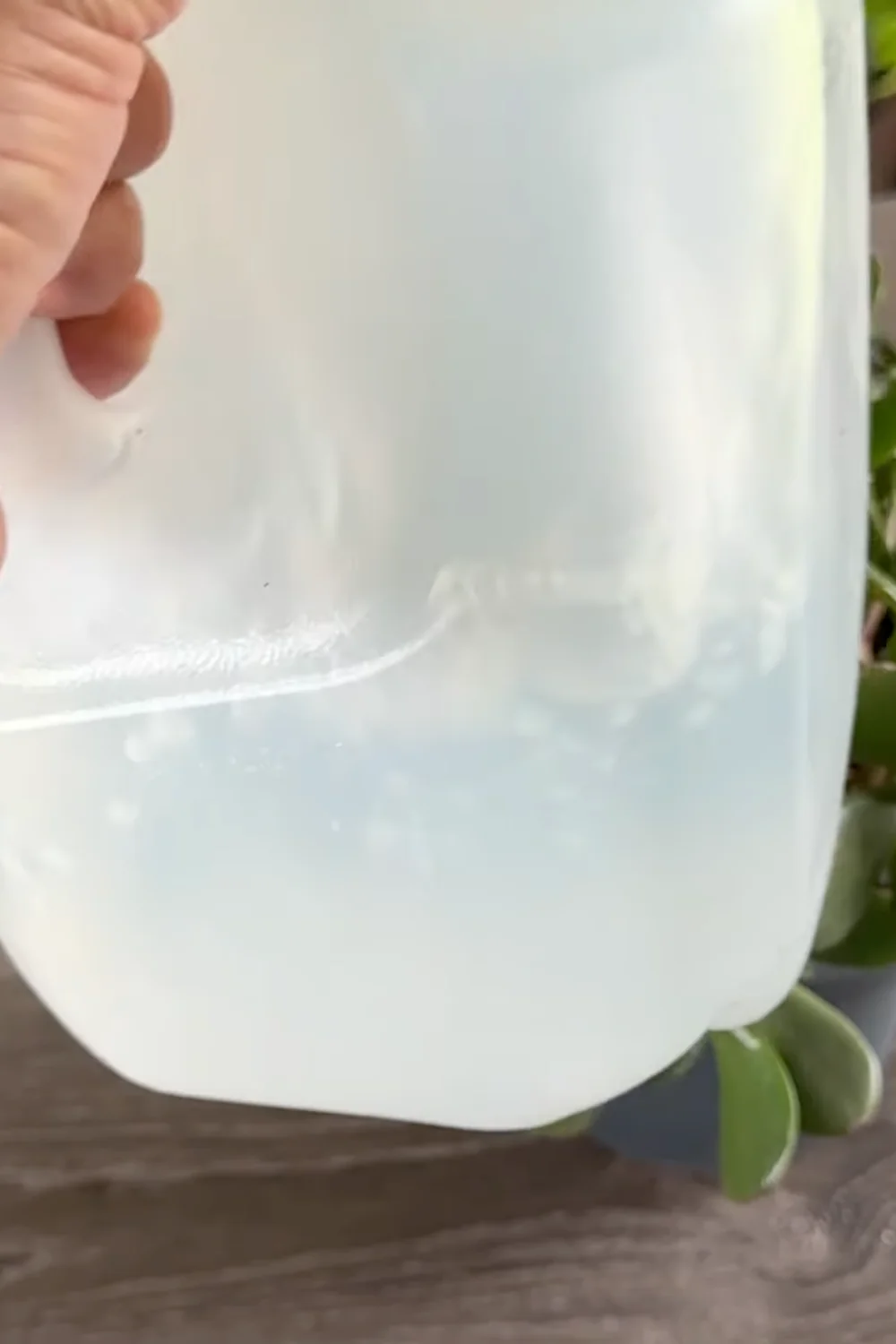
Succulents aren’t big eaters, so keep it light with a balanced, water-soluble fertilizer diluted to half the strength.
A fertilizer with a low or balanced NPK ratio like 10-10-10 or 5-10-10 works best. Too much nitrogen – the first number – can cause your succulent to grow fast and leggy, which might sound exciting, but it actually weakens the plant.
Timing is crucial. Succulents do most of their growing in spring and summer, so that’s your fertilizing window.
Once a month during the growing season is plenty, and in the fall and winter, when your plant is dormant, skip the fertilizer. It doesn’t need the extra nutrients and could end up stressing it out.
5. Pruning For Health and Shape
Succulents aren’t high maintenance when it comes to pruning, but a quick trim here and there keeps them healthy, prevents rot, and shapes them into compact, showstopping beauties – which is great, because if I wanted a plant that looked like it just rolled out of bed, I’d stick to ferns.
The first reason you should prune your succulents is to remove dead or damaged leaves. Look for brown, shriveled, or mushy leaves and gently remove them.
You can pull them off with your fingers or use clean, sharp scissors or shears.
Clearing out the dead material not only freshens up your plant but also keeps rot from spreading to the healthy parts.
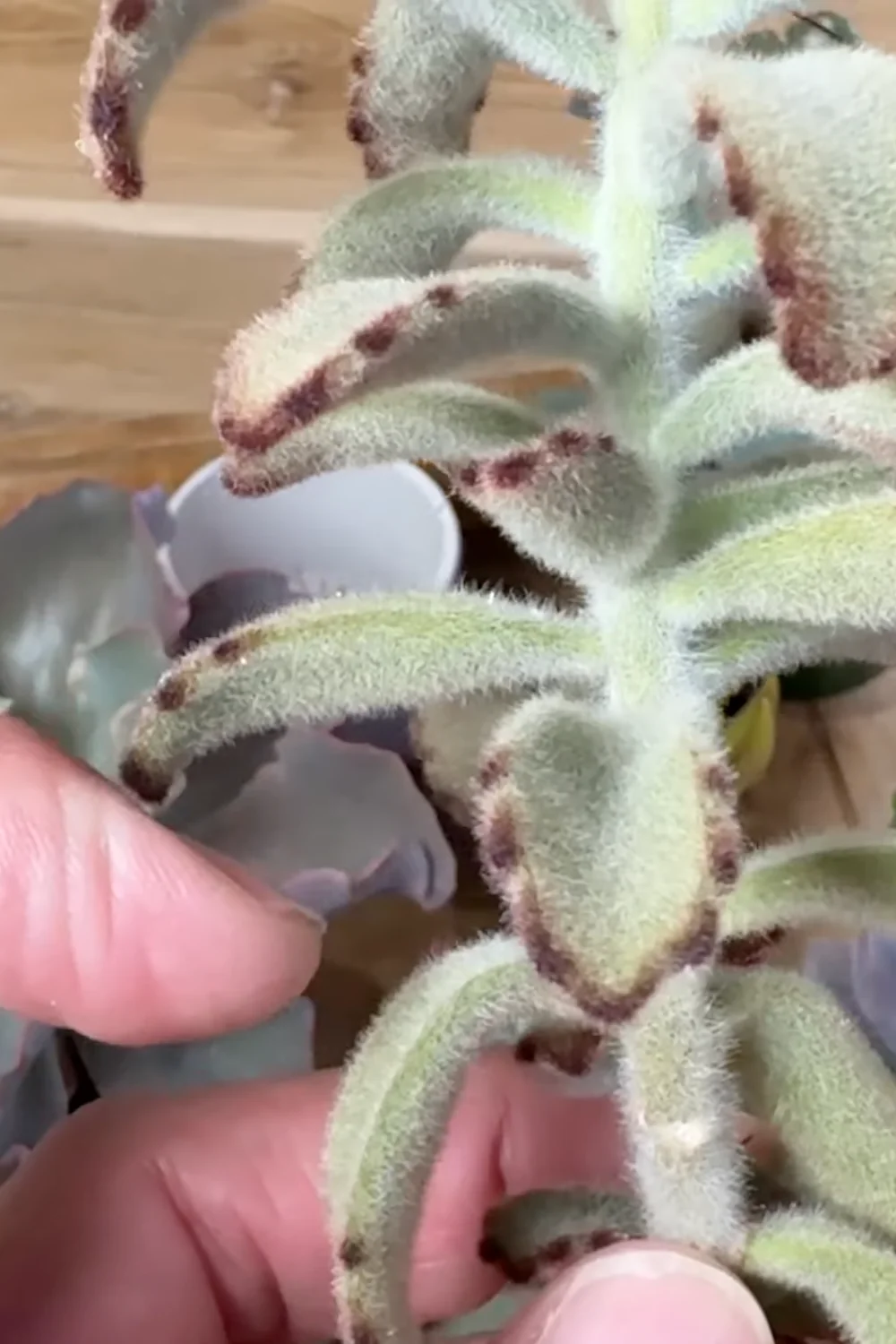
If your succulent is stretching out and looking leggy, it’s time for a haircut. Trim the top part of the plant just above a leaf node – which is where the leaves meet the stem. Doing it this way will encourage new growth below the cut and help your plant bounce back with a fuller, bushier shape.
6. Repotting When Needed
Occasionally you’ll need to repot your succulents to keep them healthy, happy, and thriving. While succulents don’t need to be repotted often, giving them fresh soil and a bit more room when they’ve outgrown their pot makes a world of difference.
How do you know it’s time to repot?
If your succulent is root bound – in other words, the roots are circling tightly around the pot – it’s growing slower than usual, or the soil looks compact, it may need to be repotted.
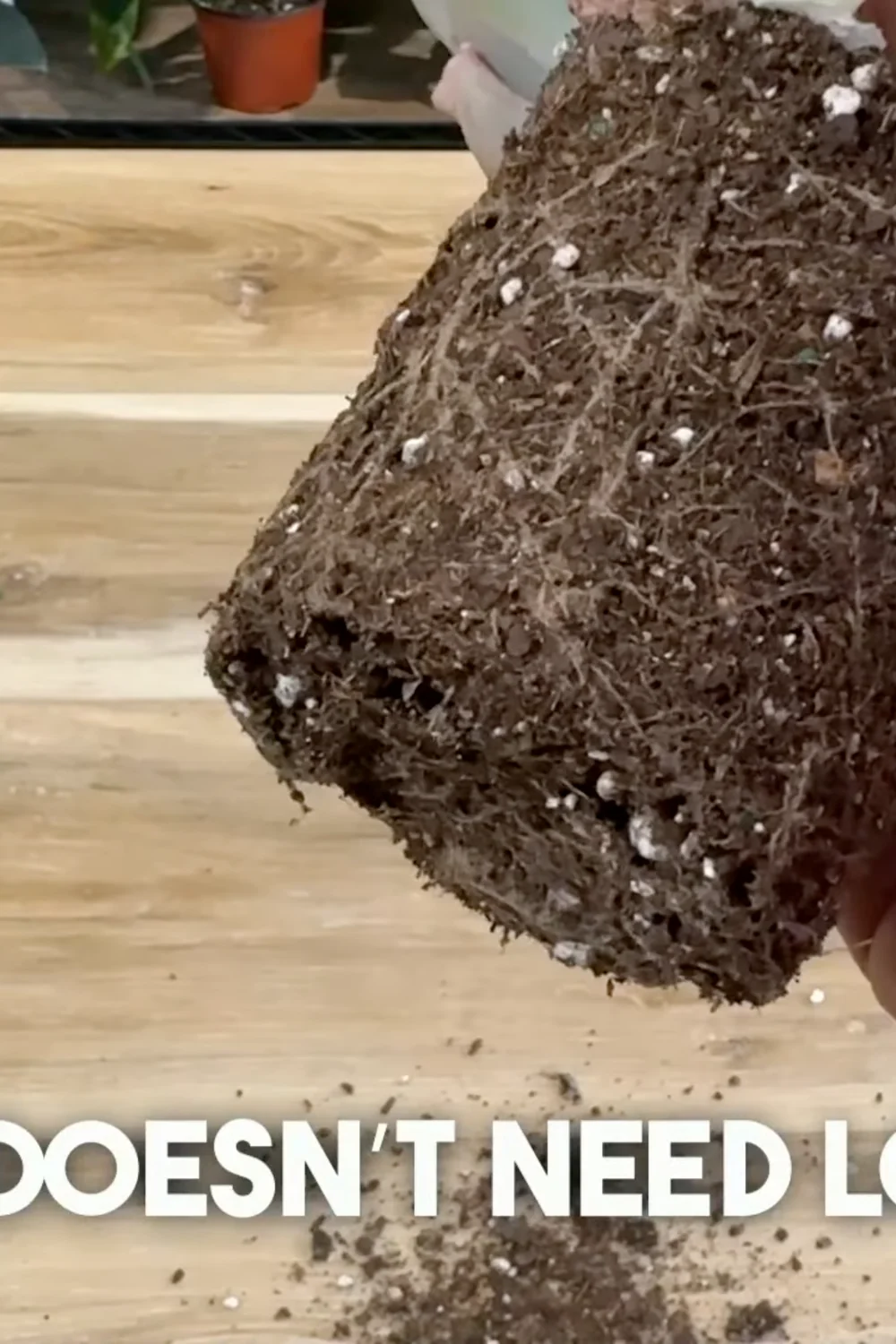
Choose a new pot that has drainage holes and is about 1 to 2 inches larger in diameter than the existing pot. Succulents like a cozy fit, and a pot that’s too big can lead to soggy soil and eventually root rot.
To repot, gently remove your plant from its current pot, loosen the soil around the roots, and inspect them for any rot or damage. If you do see anything unhealthy, snip it off with clean, sharp scissors. Then take some cactus or succulent mix.
Add just enough soil to the pot so the top of the existing root ball will sit just below the surface of the new pot. Finally, fill in around your succulent with the soil.
After repotting, resist the urge to water right away and let your succulent hang out for a few days so its roots can heal.
Repotting during the growing season – spring or early summer – is ideal, as your plant will be more ready to adjust and thrive.
7. Pest Control You Can Actually Do
Succulents are tough little plants, but even they run into trouble. If you got your watering under control, congratulations, you’re officially the plant parent of the year, but don’t get too comfortable, because pests like aphids, spider mites, and fungus gnats are basically nature’s way of saying nice plant you got there, it’d be a shame if something happened to it.
Aphids are tiny sap-sucking pests that love to gang up on new growth and the underside of leaves and leave behind sticky residue better known as honeydew that attracts even more problems like ants and mold.
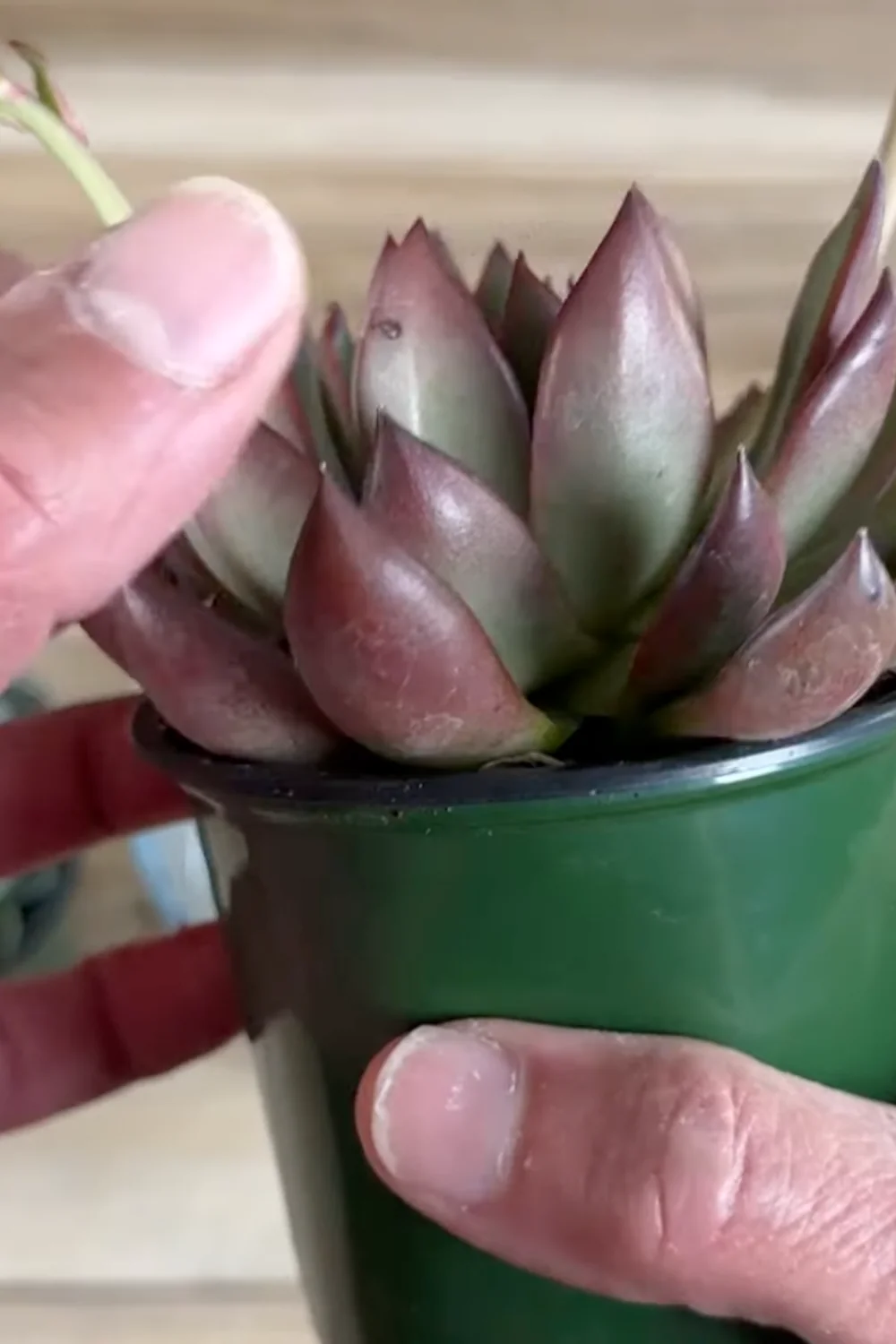
Then there are spider mites, the tiny terrors. They’re almost invisible to the naked eye, but you’ll know they’re there if you spot fine web-like threads draped over your plant or you see tiny white spots on the leaves.
To get rid of both of them, start by rinsing the leaves under running water to get as many as you can off the plant, while trying to get as little water as possible in the soil.
Then spray them down with insecticidal soap, which usually does the trick for aphids, but for spider mites you’ll need to be a little more aggressive and go an extra step and make an application of neem oil, or you can fill a spray bottle with isopropyl alcohol – rubbing alcohol – and thoroughly mist the plant, paying special attention to the undersides of the leaves.
If you do decide to go with alcohol, make sure you avoid direct sunlight while they’re being treated.
The last pests we may need to deal with are fungus gnats. They’re not as common with succulents because you should run them on the dry side, but if for some reason you do spot them, then start by changing your watering practices and only water when the soil is 100 percent dry.
You’ve been overwatering, and this quick, easy tip will definitely help you get started on the right path.
Final Thoughts
Pick a healthy plant, give it bright light and dry air, let the soil dry out before deep watering, feed lightly during the growing season, prune to keep it tidy, repot when the roots ask for room, and stay ahead of pests. Do that, and your succulent will not just survive – it will thrive.