
I invite you to return to old values where hands, patience, and love of nature can create miracles. We will learn how to propagate roses using organic methods. No chemicals, no machines, just what is natural and environmentally friendly.
One rose, one beginning. Let me multiply that beauty naturally and lovingly. We start with something simple – a rose branch and a little love.
1. Natural Rose Cutting Propagation – branch
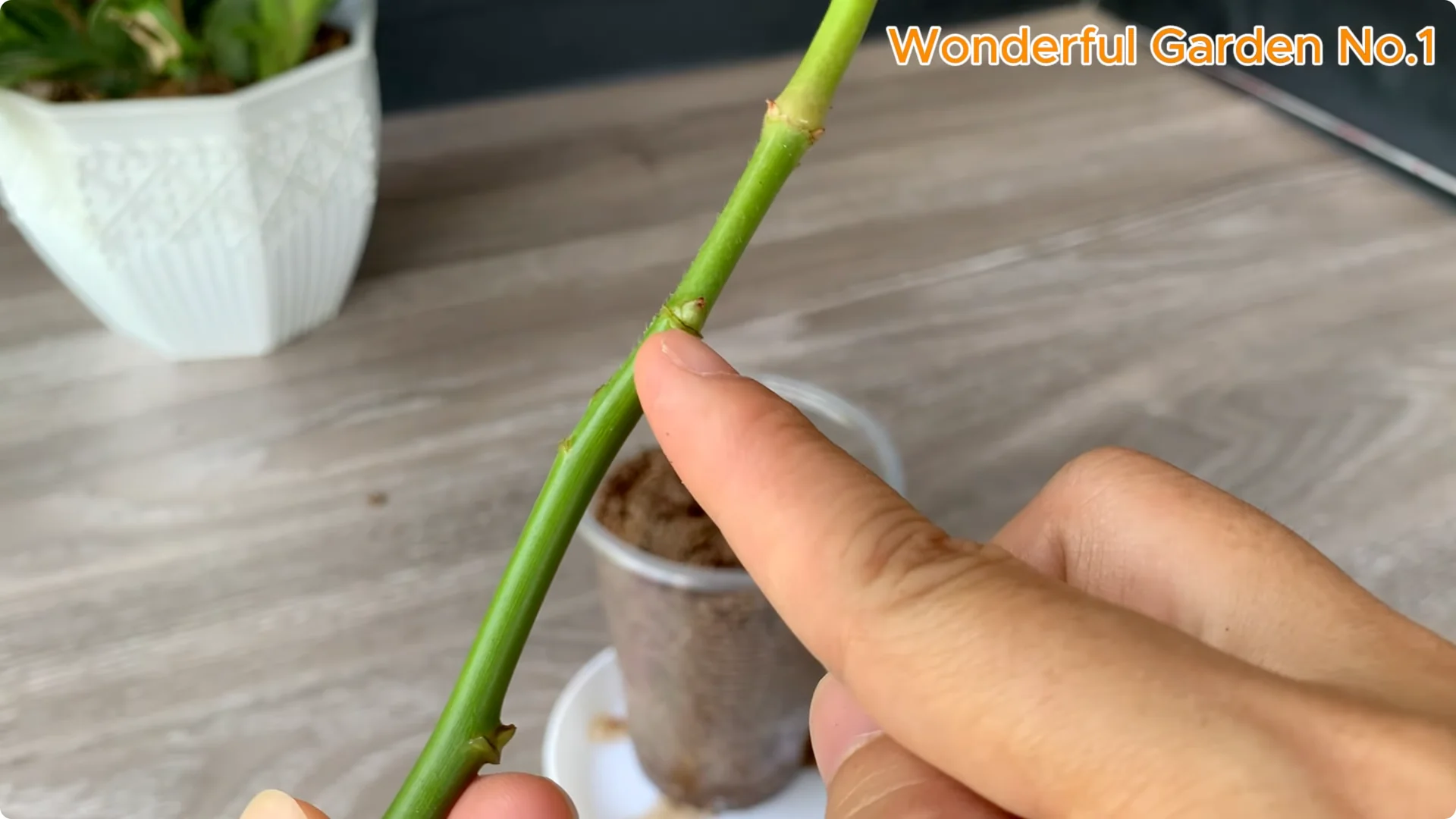
Choose a branch that is neither too young nor too old. The ideal length is 15 to 20 cm, the diameter of a chopstick, with at least two to three dormant buds. Cut off all leaves at the base to avoid dehydration and limit mold.
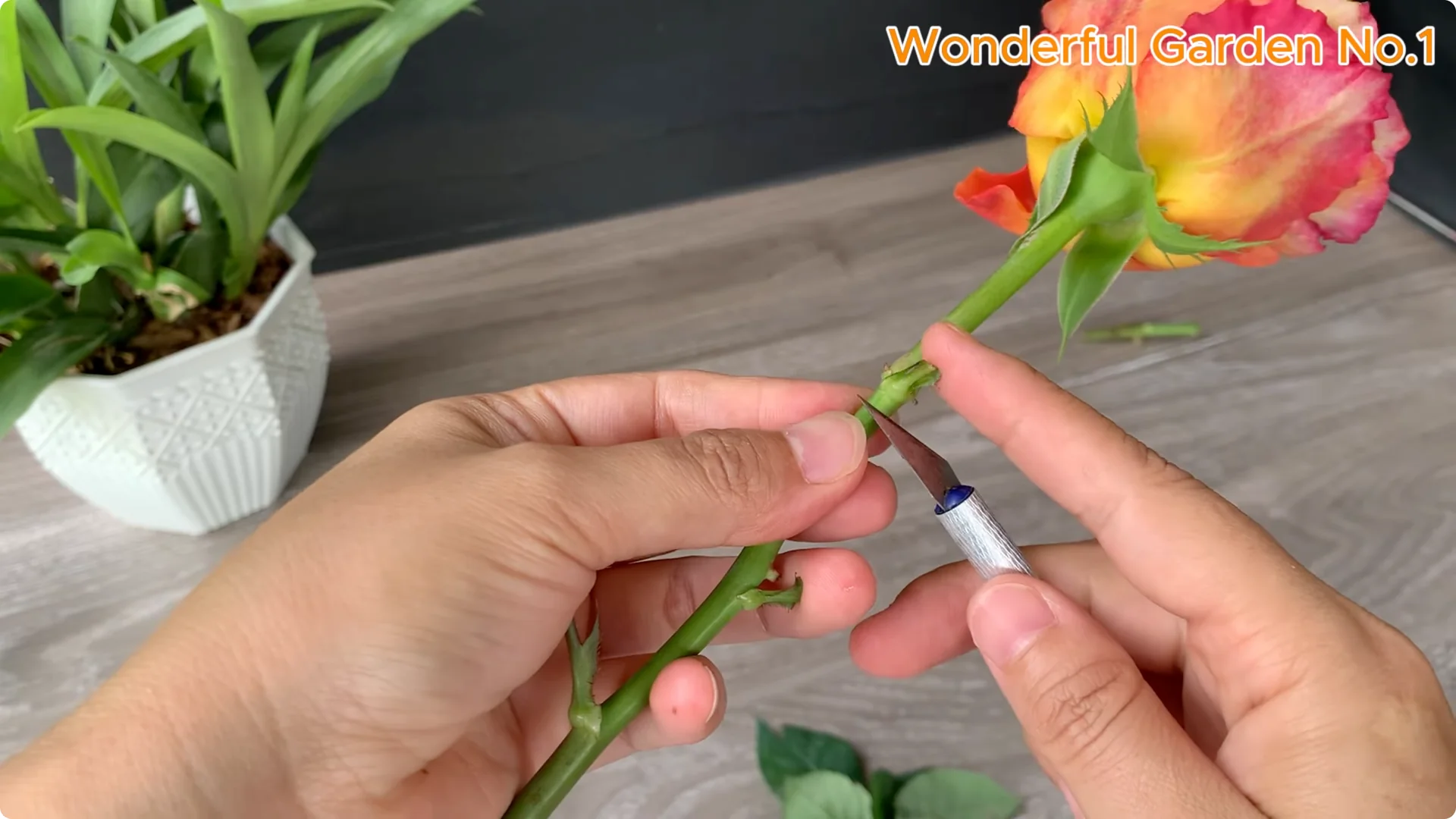
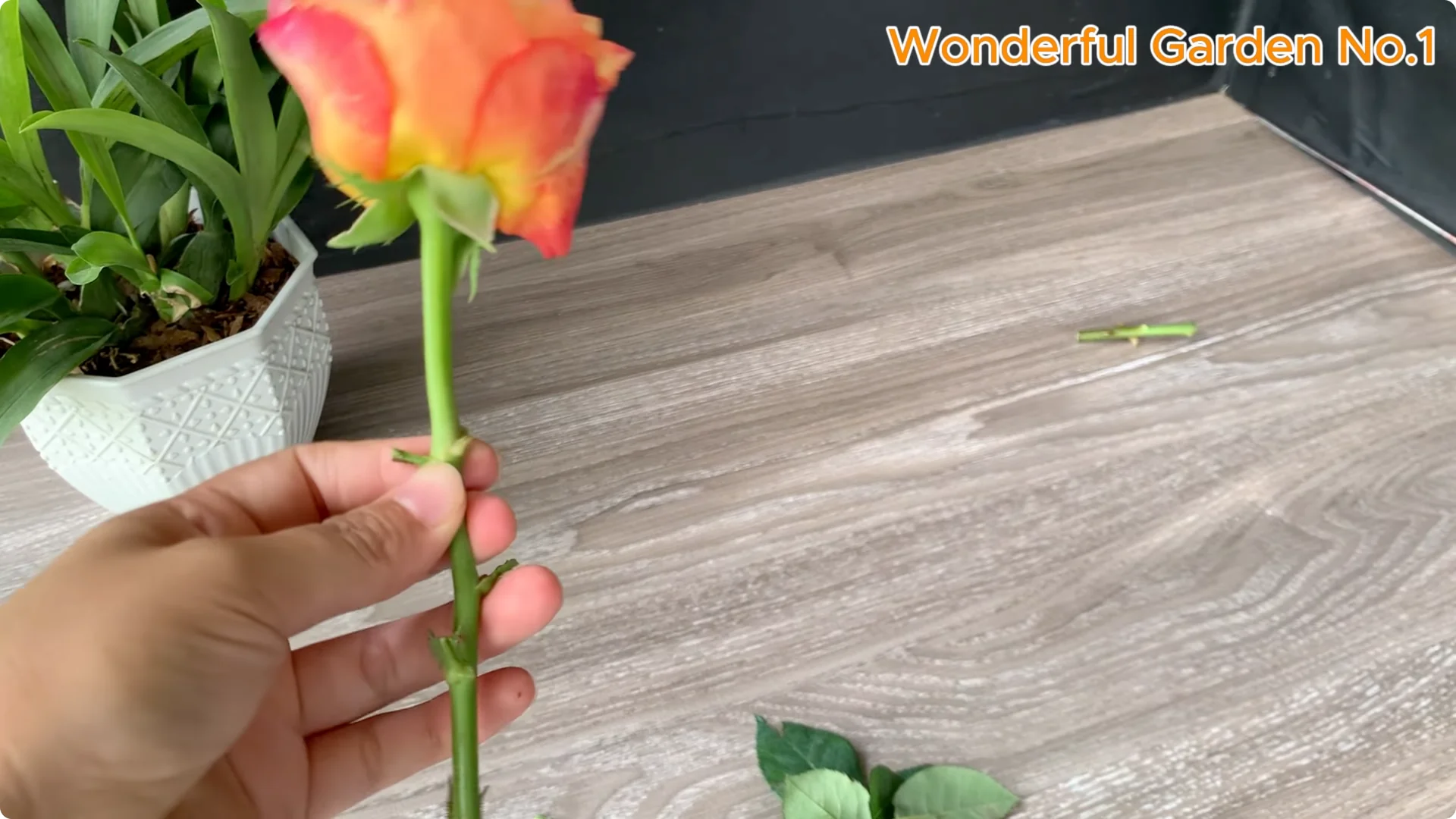
Gently remove the remaining leaves without damaging the bud where new growth will begin. Cut the base at a 45 degree angle so the branch can easily absorb moisture and quickly root. Rub a fresh clove of garlic on the fresh cut to help protect it from bacteria and fungus.
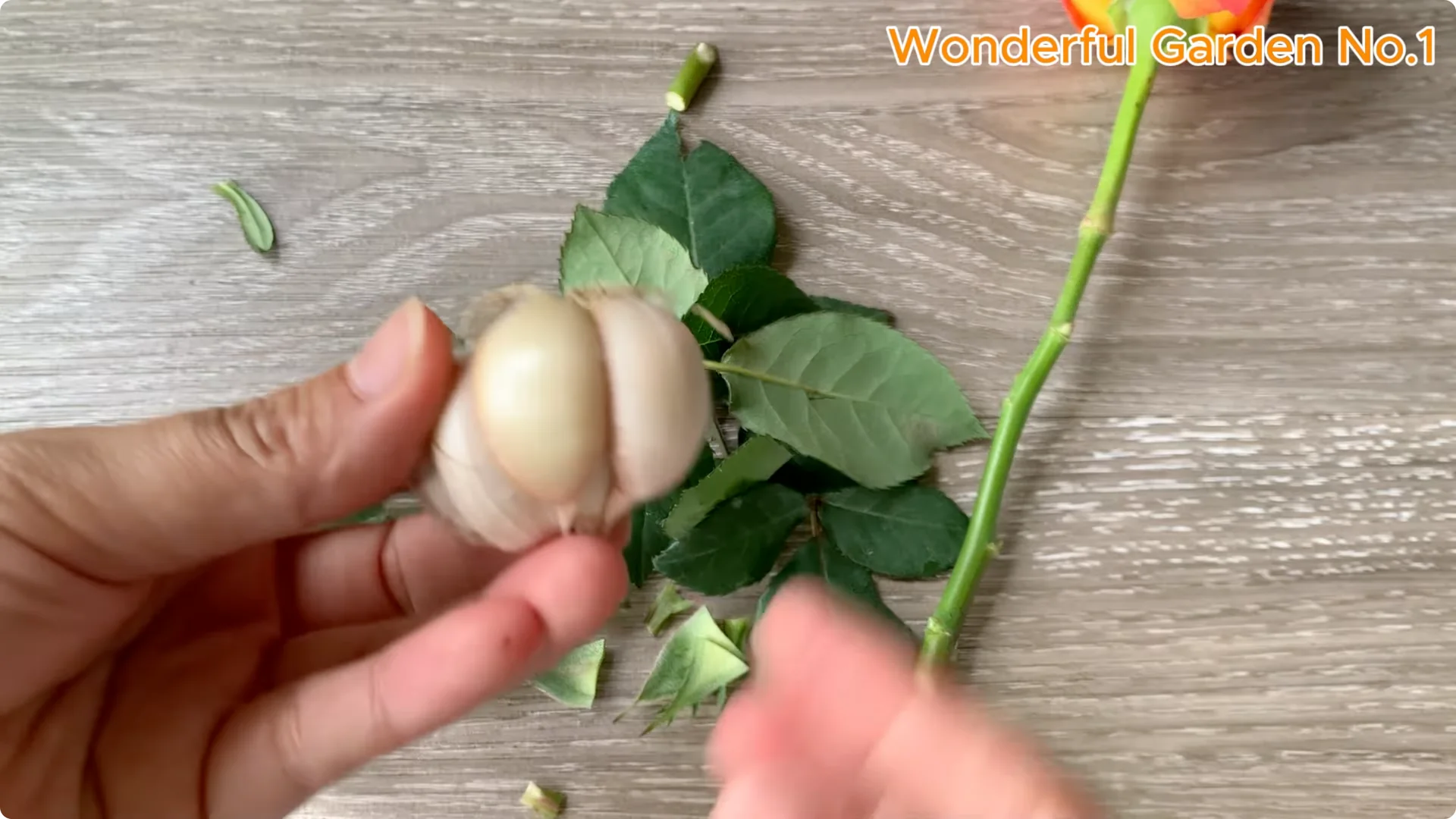
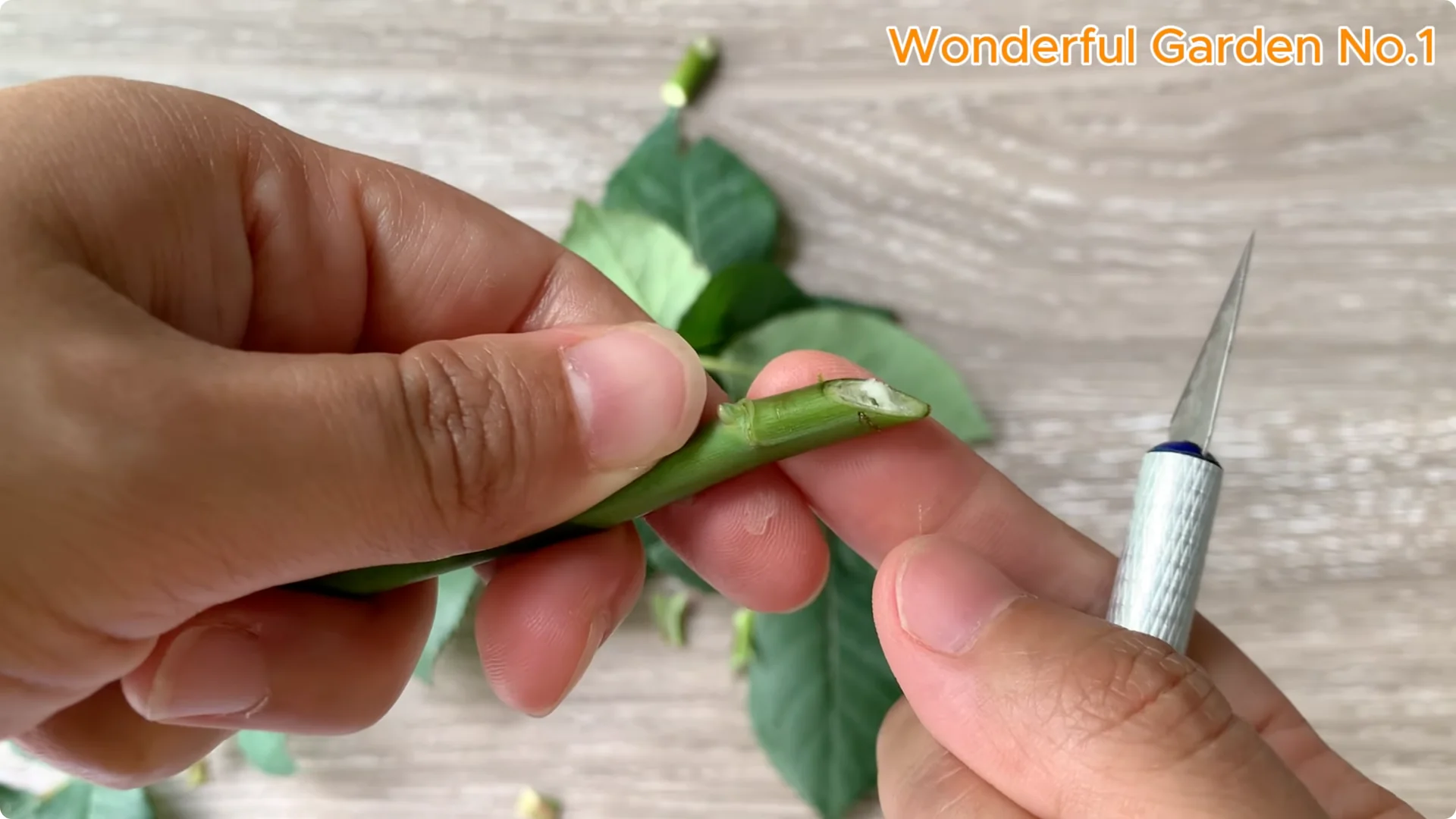
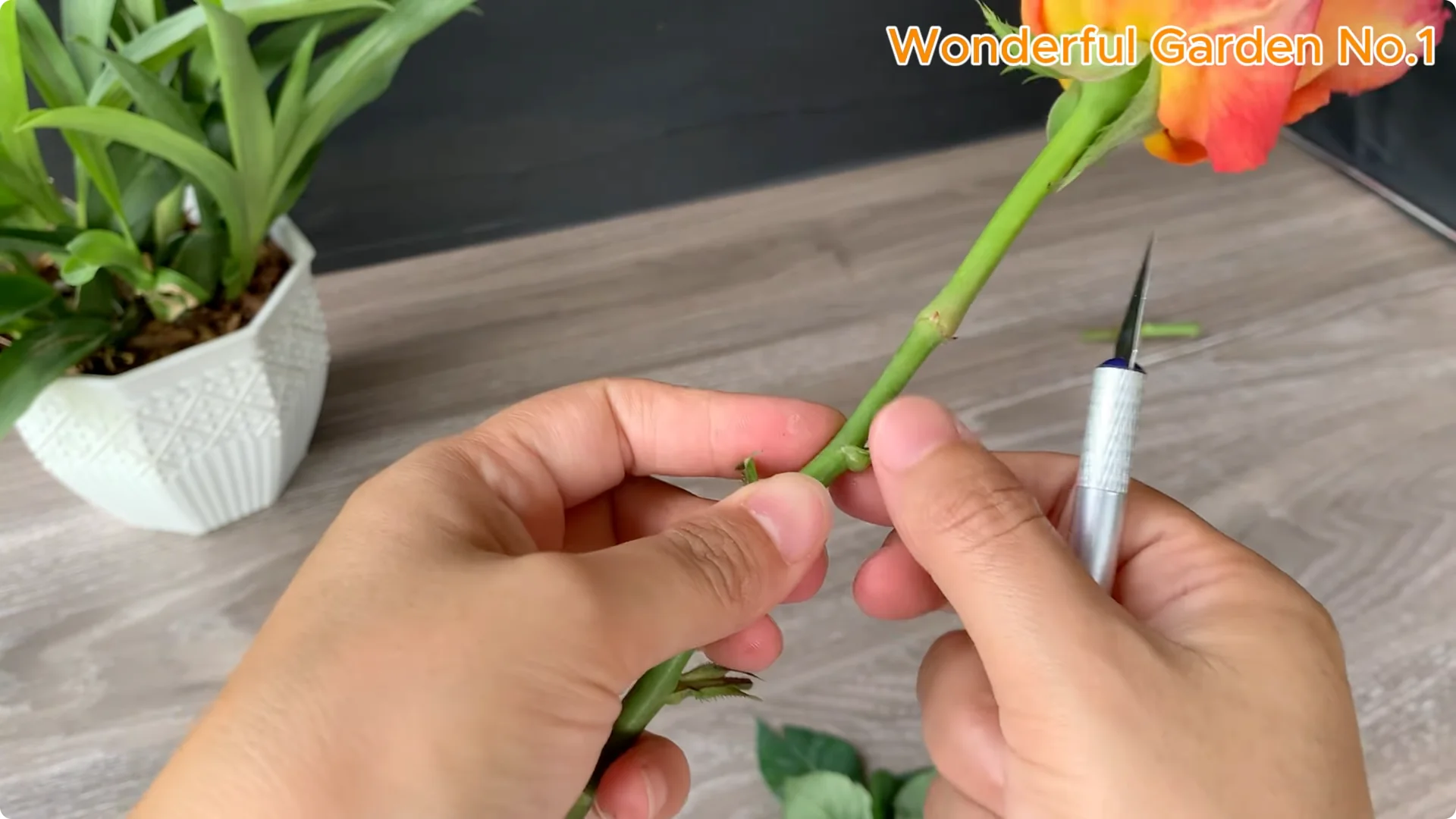
You can apply a little turmeric powder to the cut to naturally disinfect and help cuts heal. Handle the cutting with care and keep it clean. This careful start sets the tone for strong rooting.
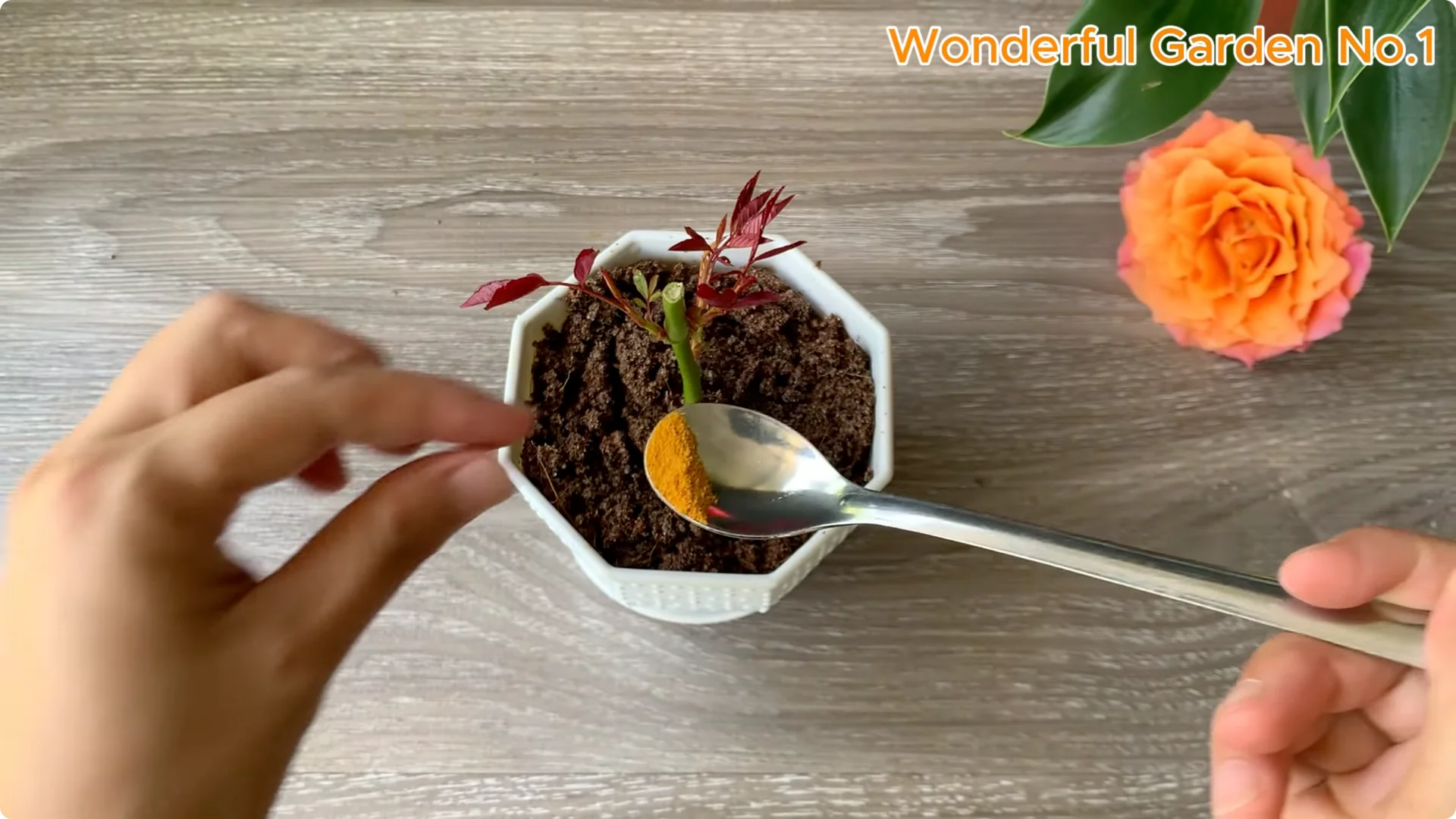
For an accelerated approach, see 100 roots.
2. Natural Rose Cutting Propagation – solution
We will mix a natural rooting stimulant solution using simple kitchen ingredients. Each part strengthens the cutting’s health and encourages roots. Keep everything clean to avoid contamination.
Rice base
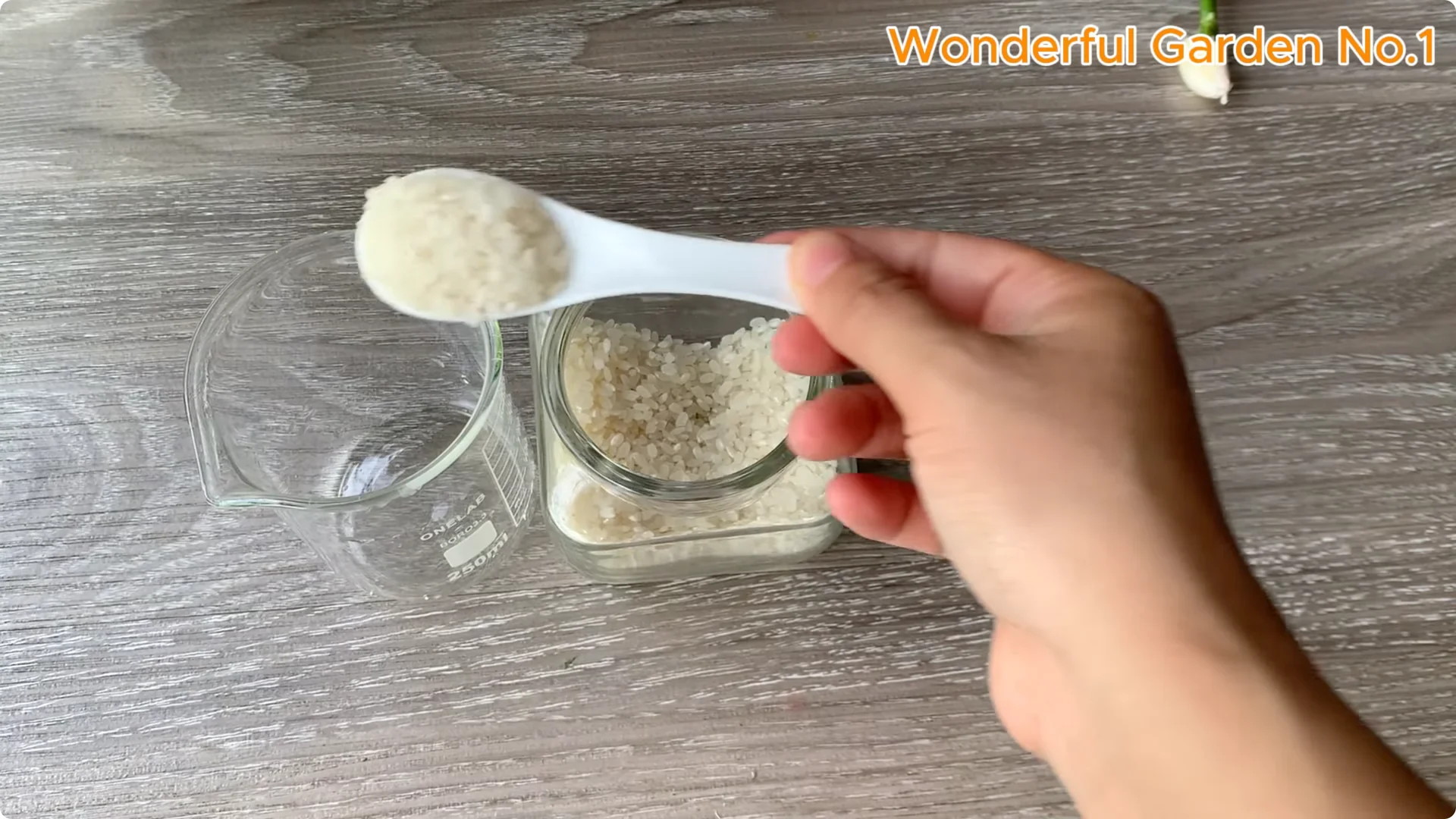
Take three spoons of rice and soak in 200 milliliters of clean water. Leave this for a few minutes so nutrients slowly dissolve into the water. This becomes a gentle nutritional foundation to help cuttings take root and grow.
Onion support
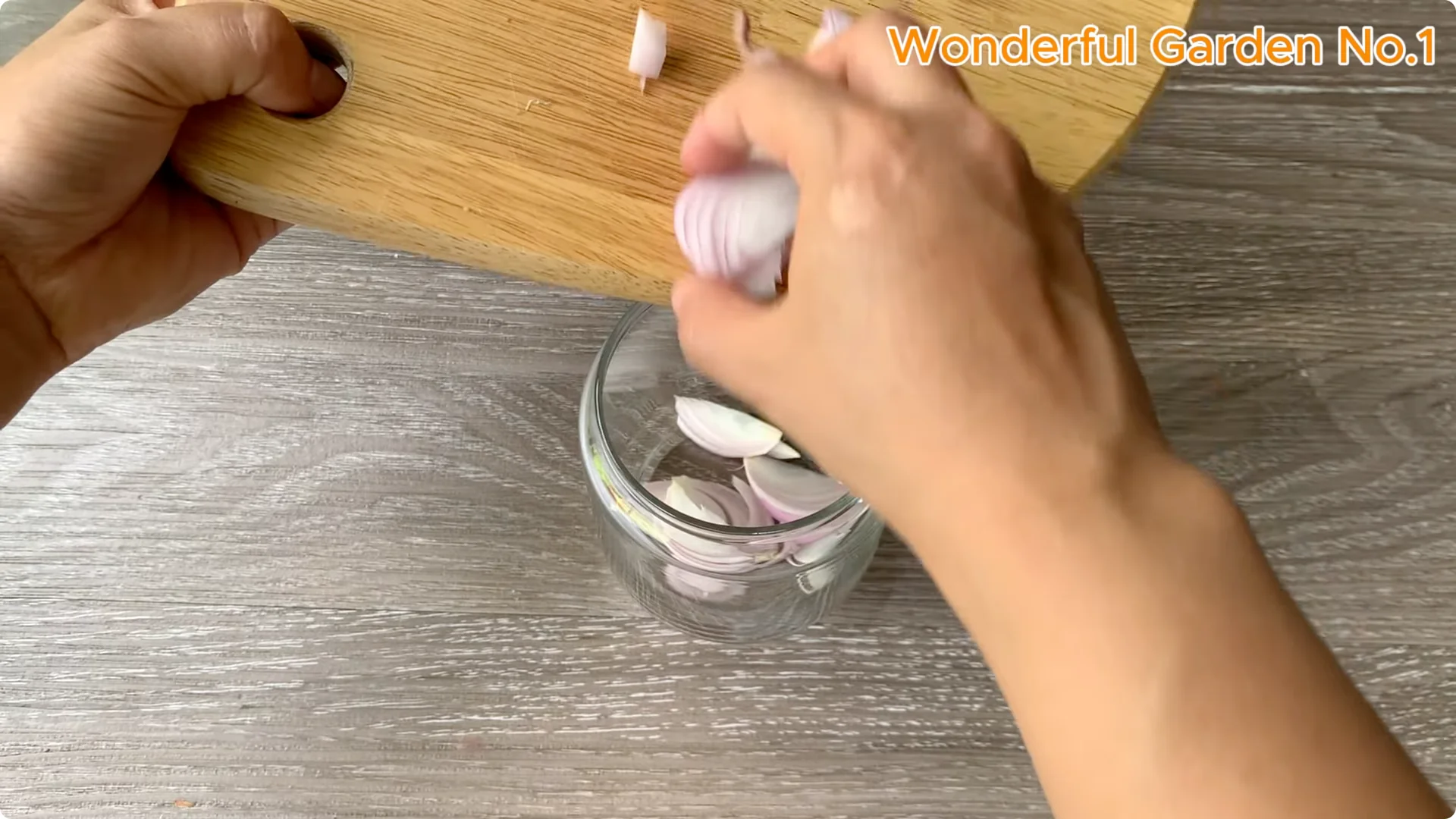
Use purple onion peel or shallots, crushed or sliced. Soak them in 300 milliliters of warm water at about 40 – 50 degrees Celsius for one to two hours, preferably in a clean glass cup. This releases natural antibacterial substances that protect the cuttings and stimulate more effective rooting.
For a different trick, try the potato method.
Aloe boost
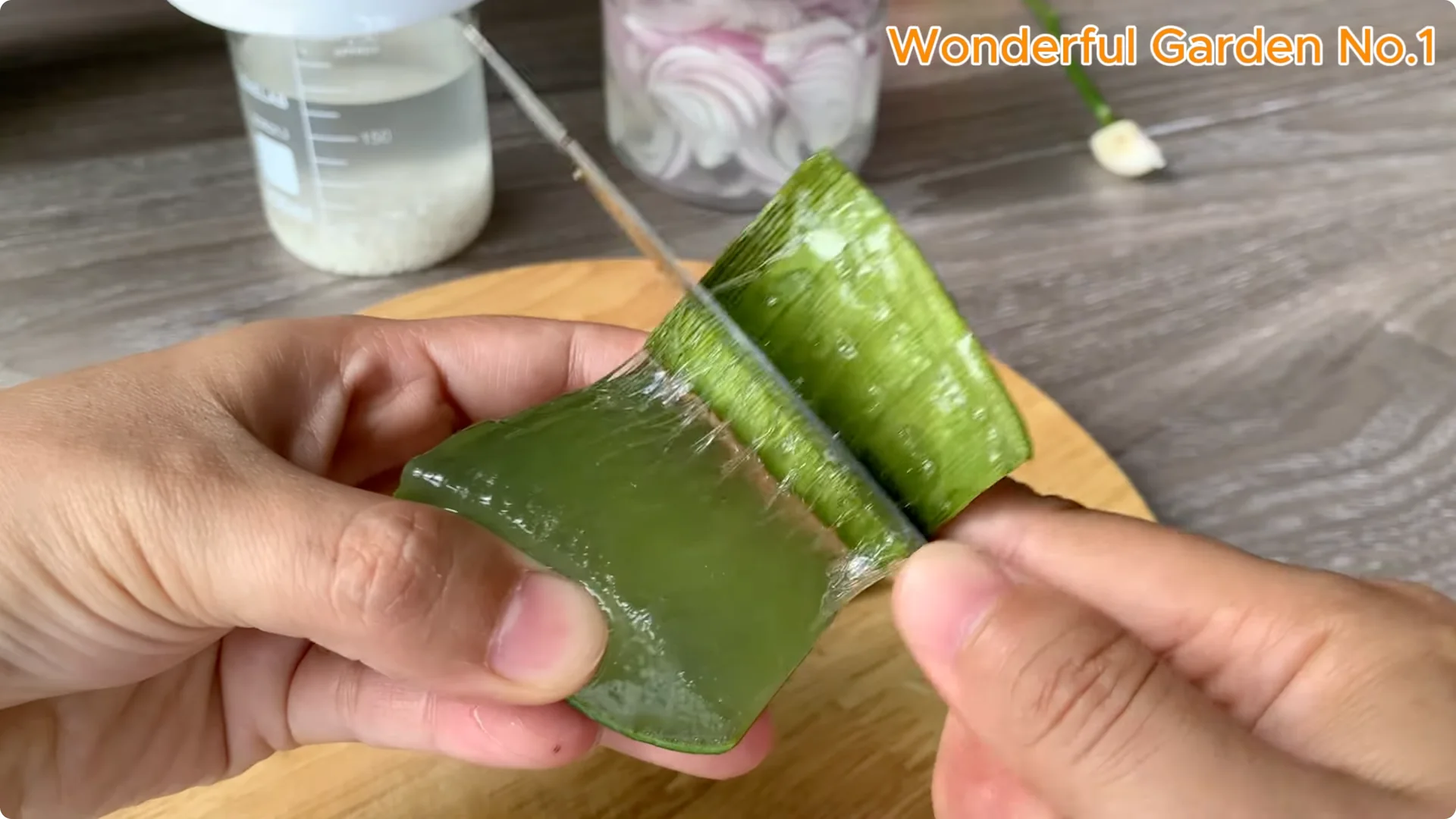
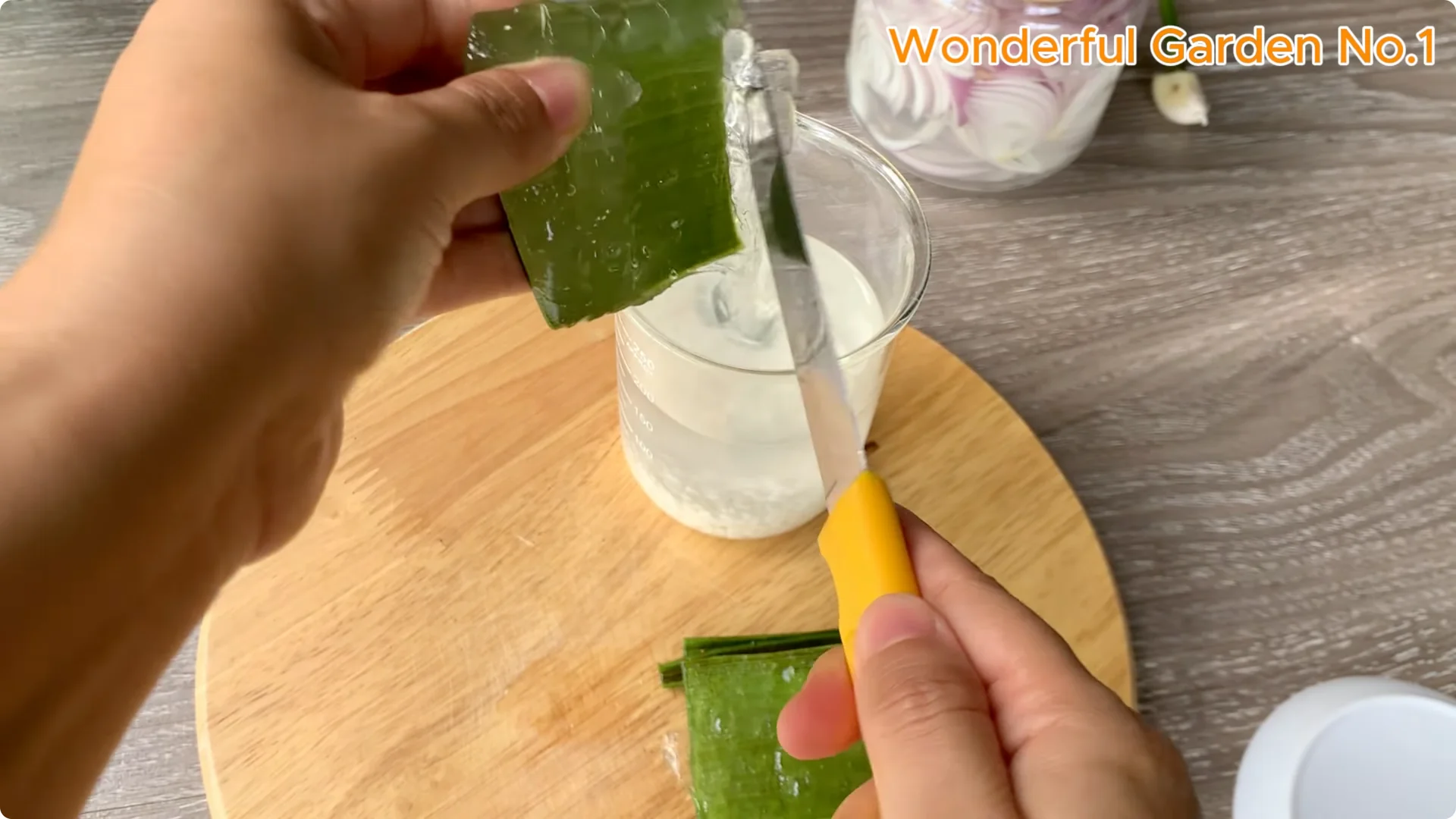
Cut one aloe vera branch 5 to 7 cm. Peel off the green outer layer and take out the clear gel inside. Aloe vera gel contains natural vitamins and minerals that keep cuttings healthy, stimulate root growth, and protect plants from harmful agents.
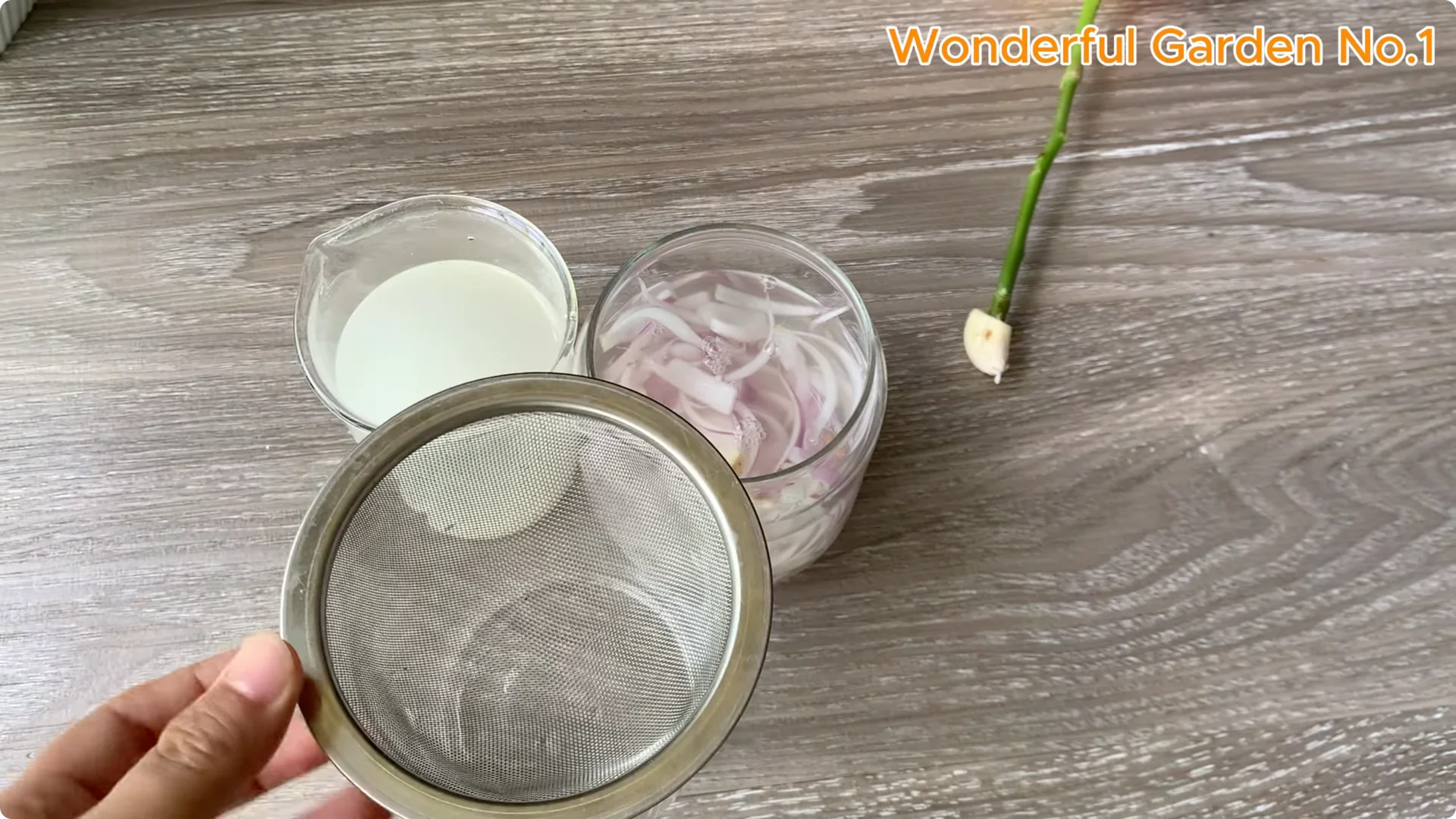
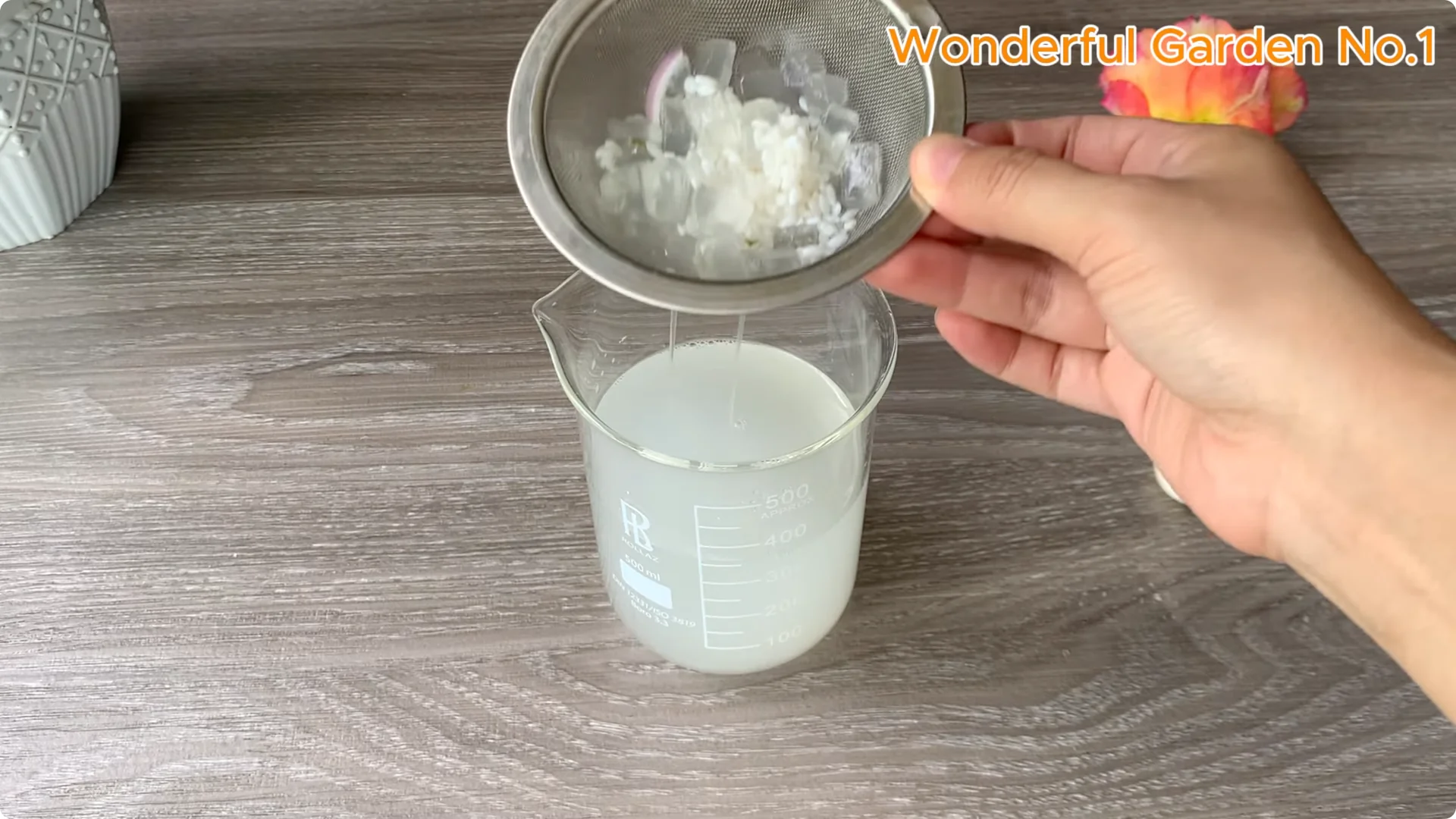
Add the aloe vera gel to the previously soaked rice cup, then stir gently to mix the nutrients together. After soaking, filter out the residue and keep only the clear water. This is the complete natural rooting solution.
3. Natural Rose Cutting Propagation – soak and plant
Soak the rose branches in the solution for about 10 minutes. This helps nutrients penetrate deep into the branches. It stimulates faster and healthier root growth.
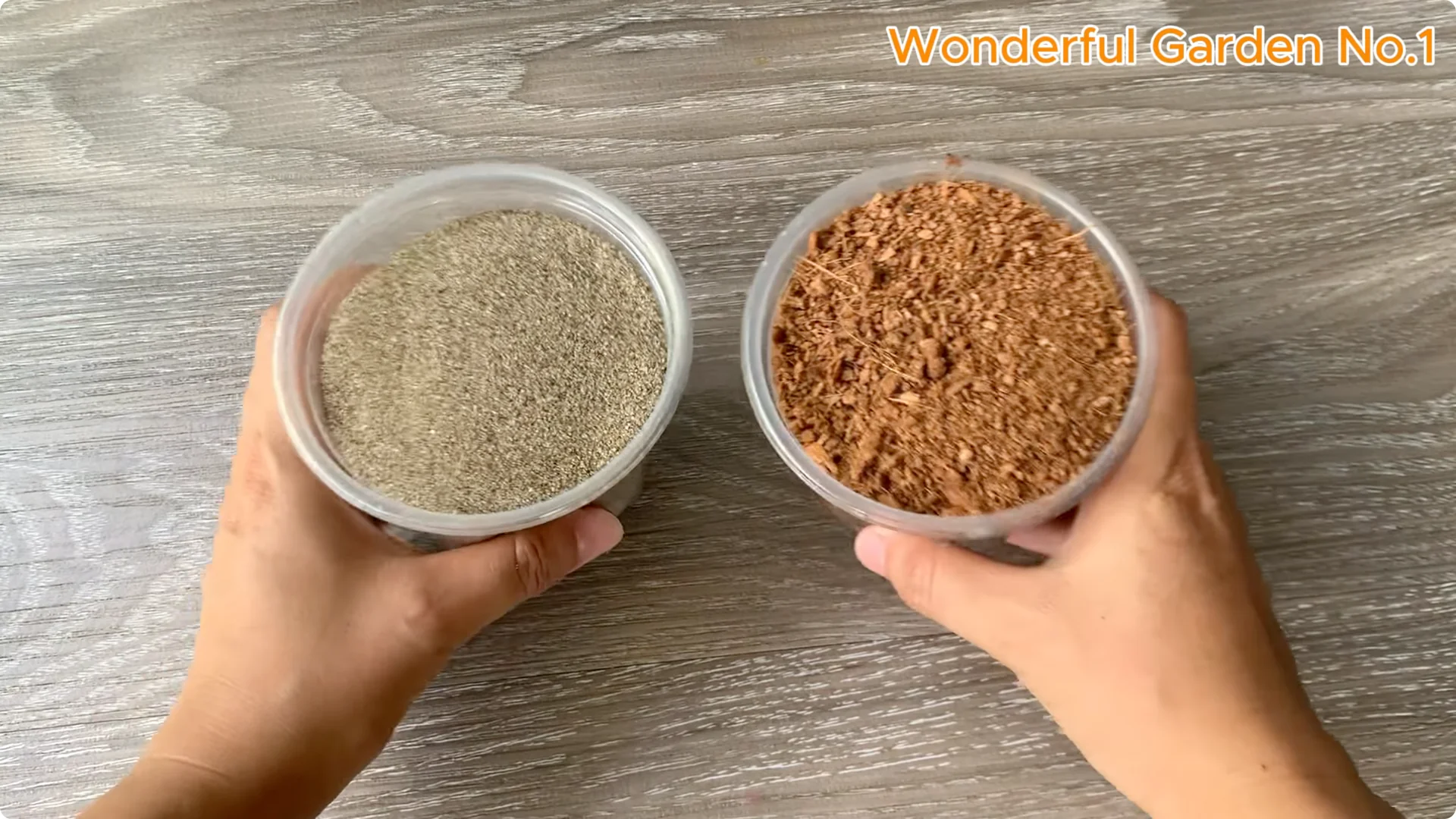
Prepare a substrate of clean sand and treated coconut fibre mixed in a 1 to 1 ratio. This combination retains moisture well yet drains quickly. It creates an ideal environment for rose branches to root and grow.
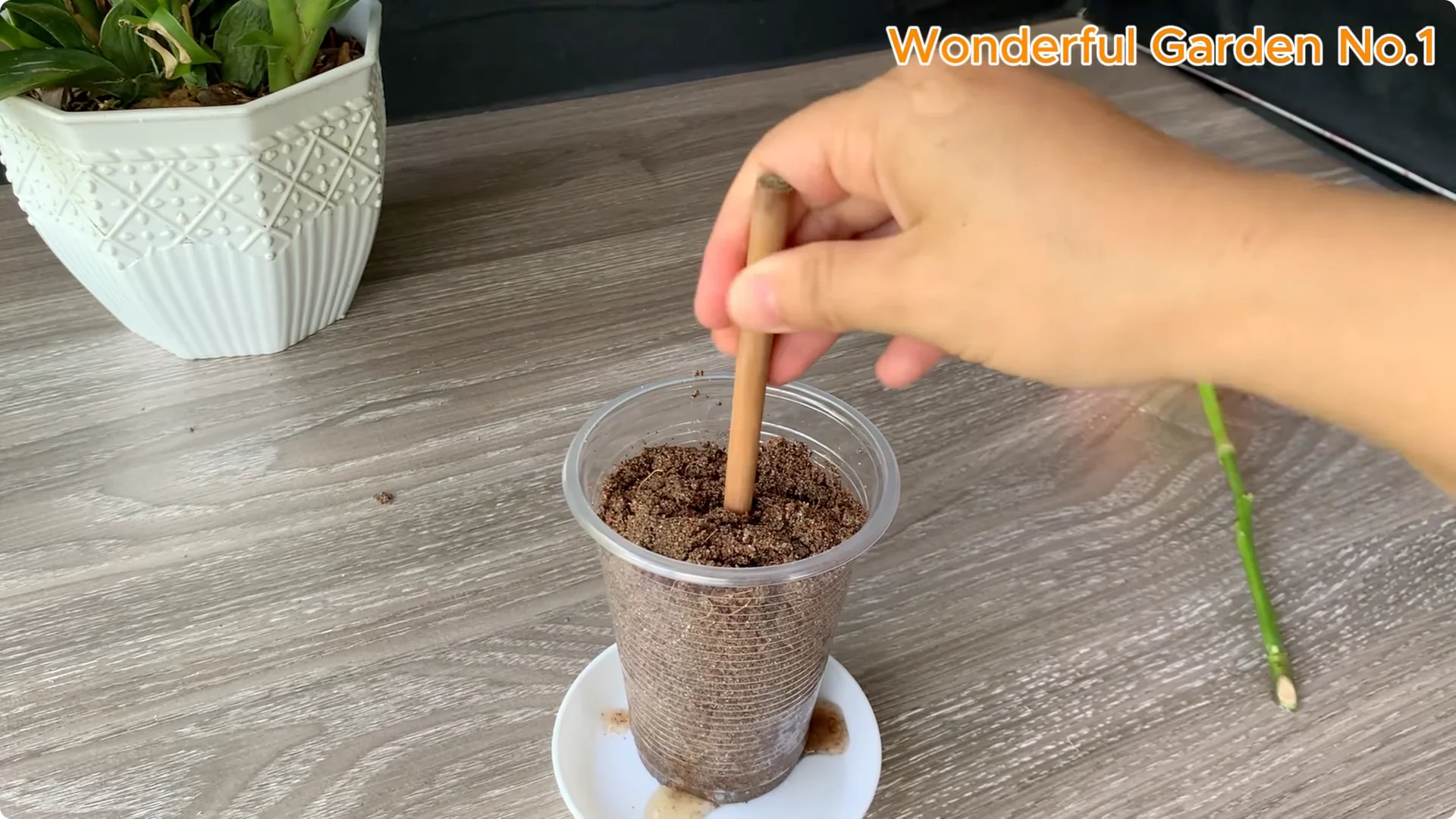
Moisten the growing medium with the rooting solution you just mixed. Put the medium into a clean plastic cup. Use a small wooden stick to make a hole in the middle so the stem won’t be damaged.
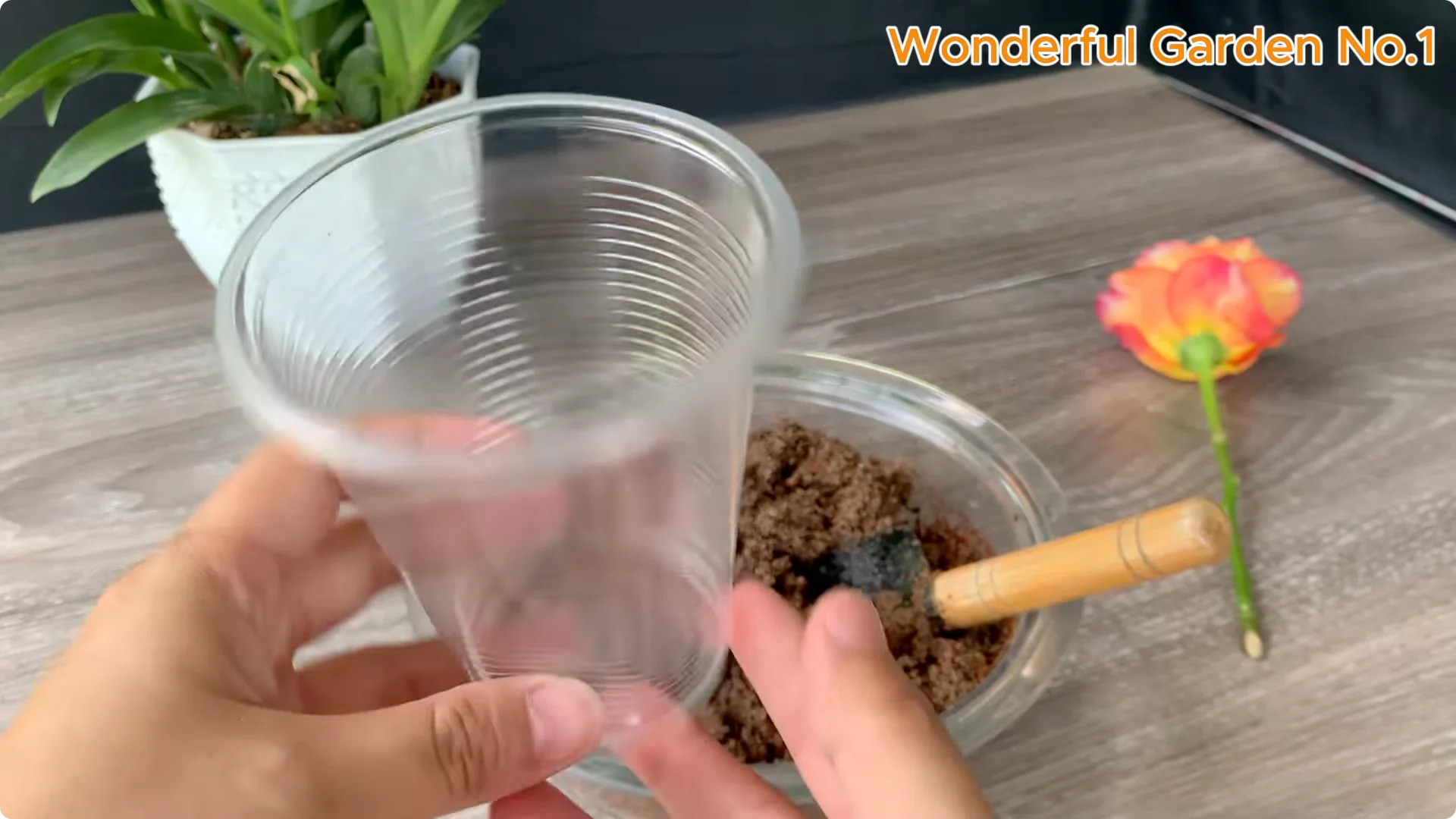
Gently insert the rose stem into the medium, keeping the dormant buds on the outside. From these buds, new shoots will begin to grow. Handle the stem softly to keep the cut intact.
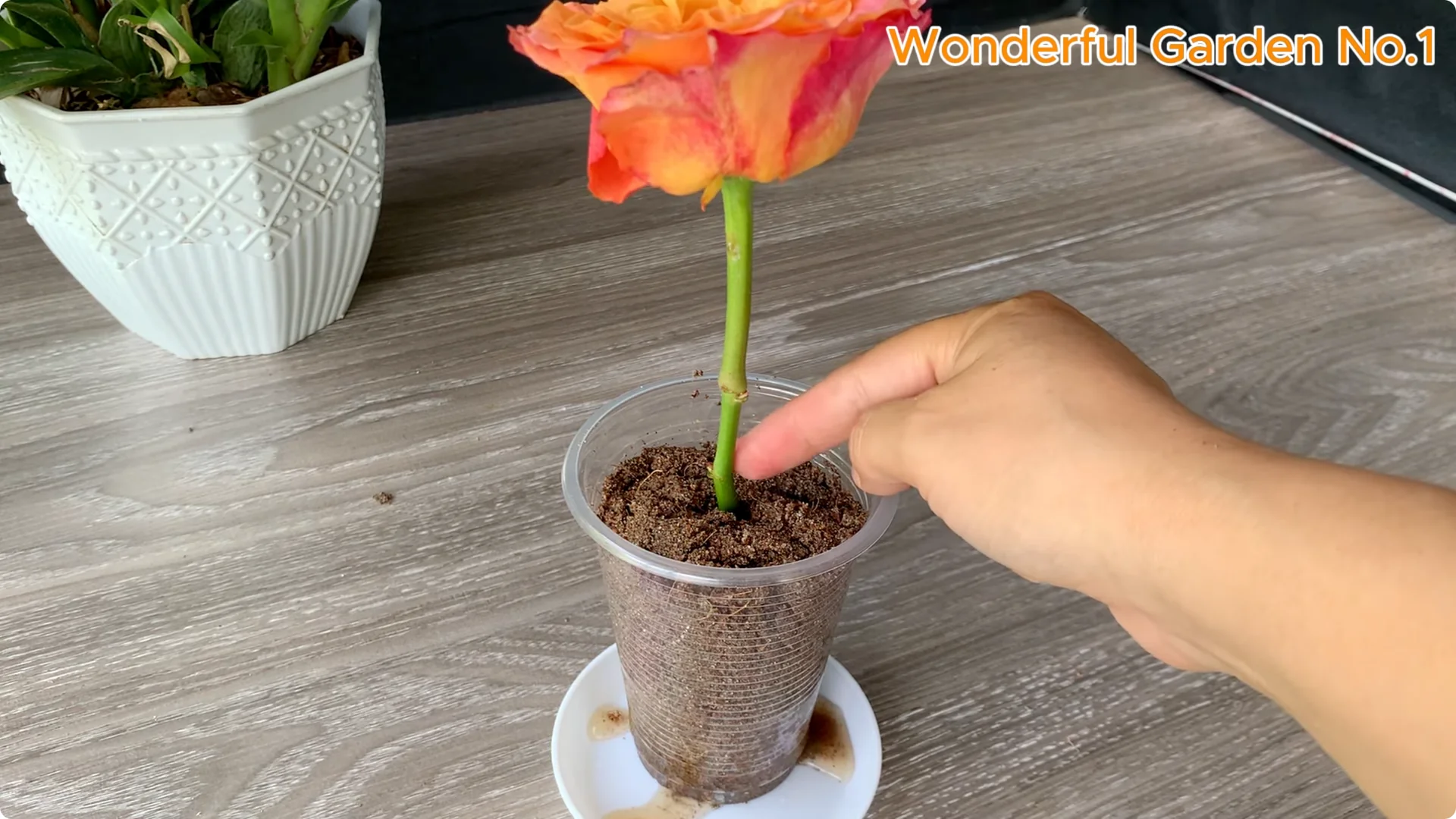
Invert a larger plastic cup on top to create a mini greenhouse. This helps retain humidity and stabilize temperature. Place the cup in a cool area with soft light and away from direct sunlight.
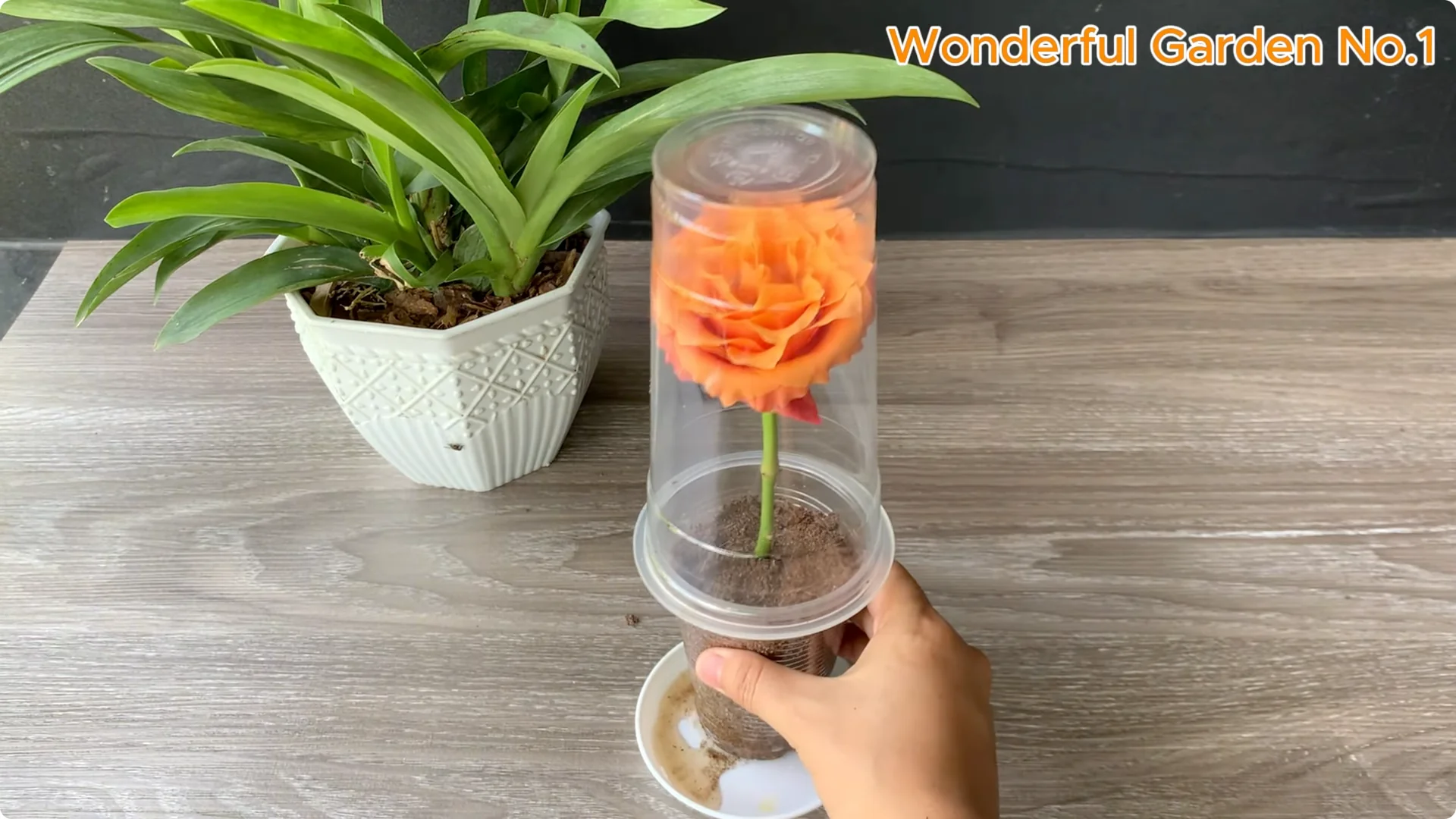
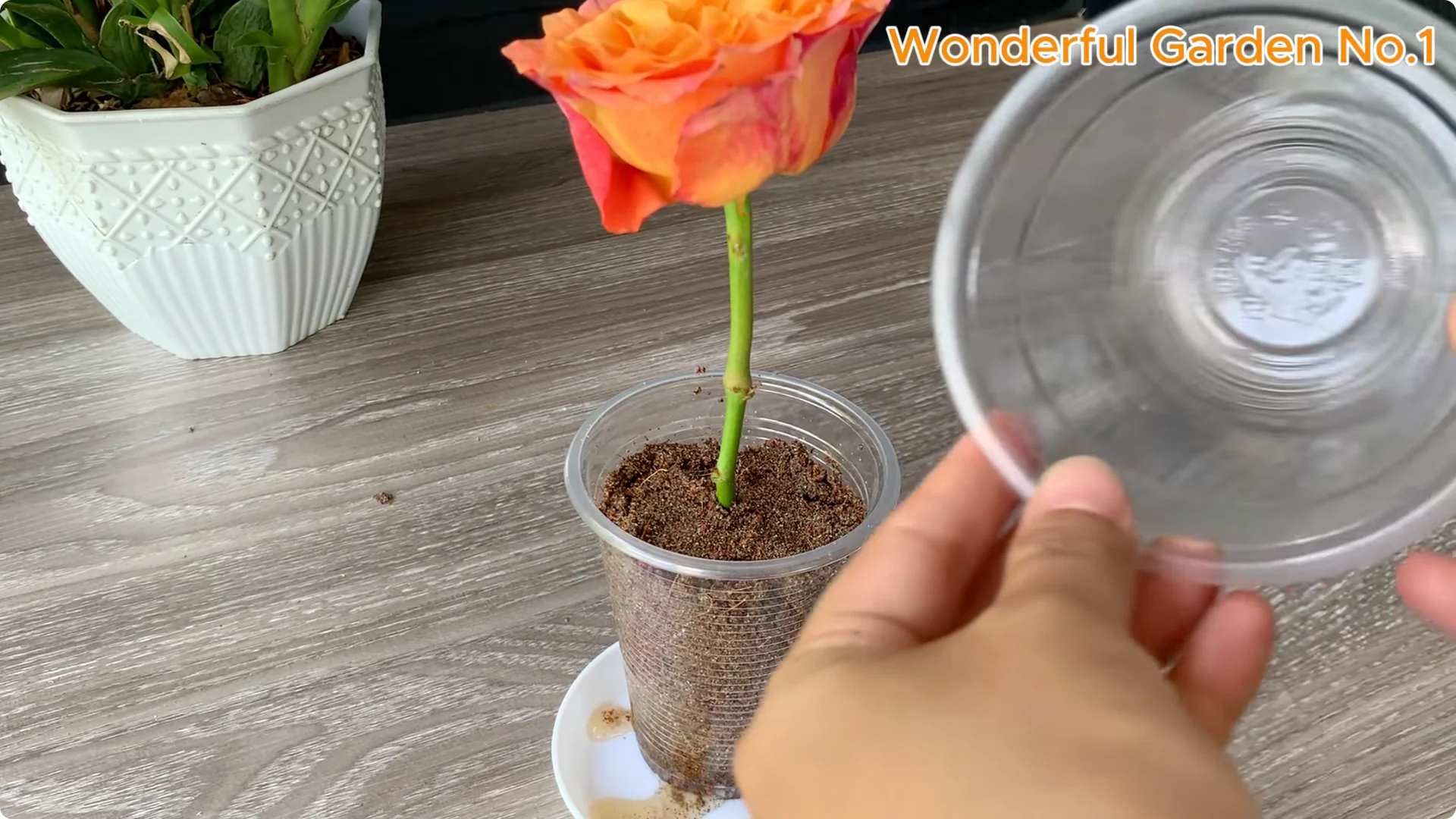
Keep it just moist for the first few days. Do not water too much. Observe and adjust lightly as needed.
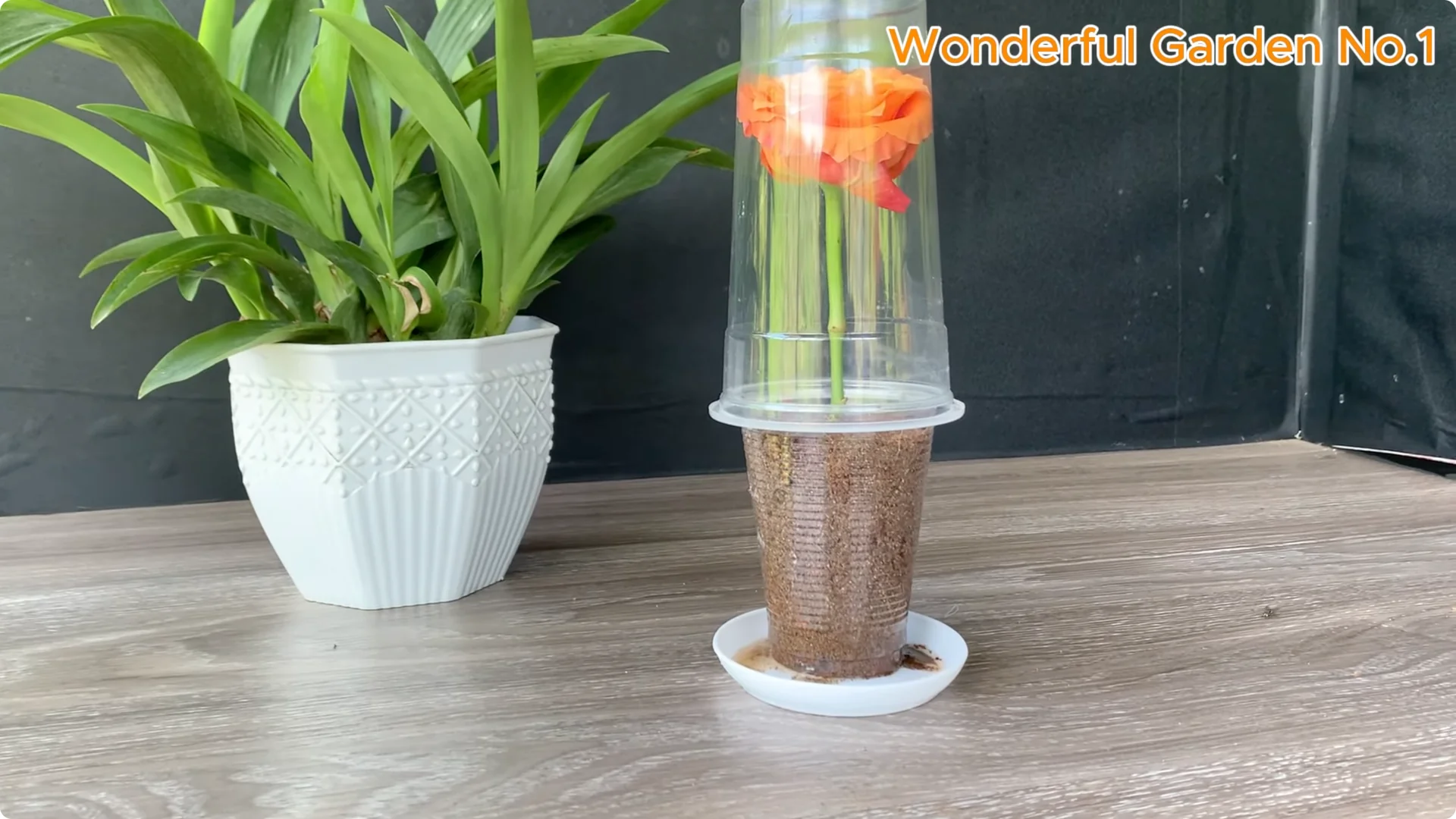
And if you want a tiny booster, check one spoon.
4. Natural Rose Cutting Propagation – signs of growth
After about two to three weeks, if the branch is still fresh and leaves are not wilted, it has likely started to root. Patience is your best tool at this stage. Keep the environment gentle and consistent.
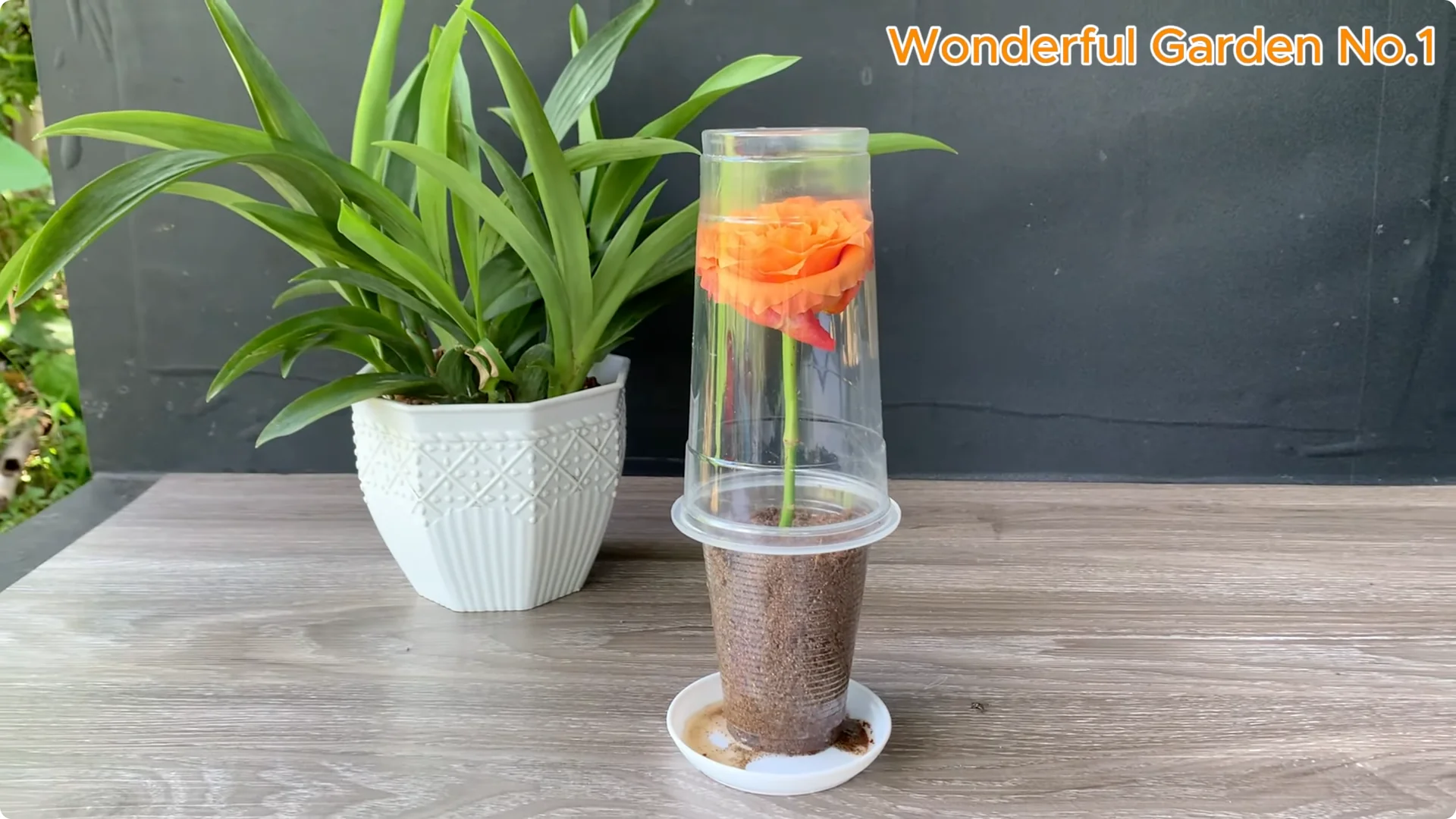
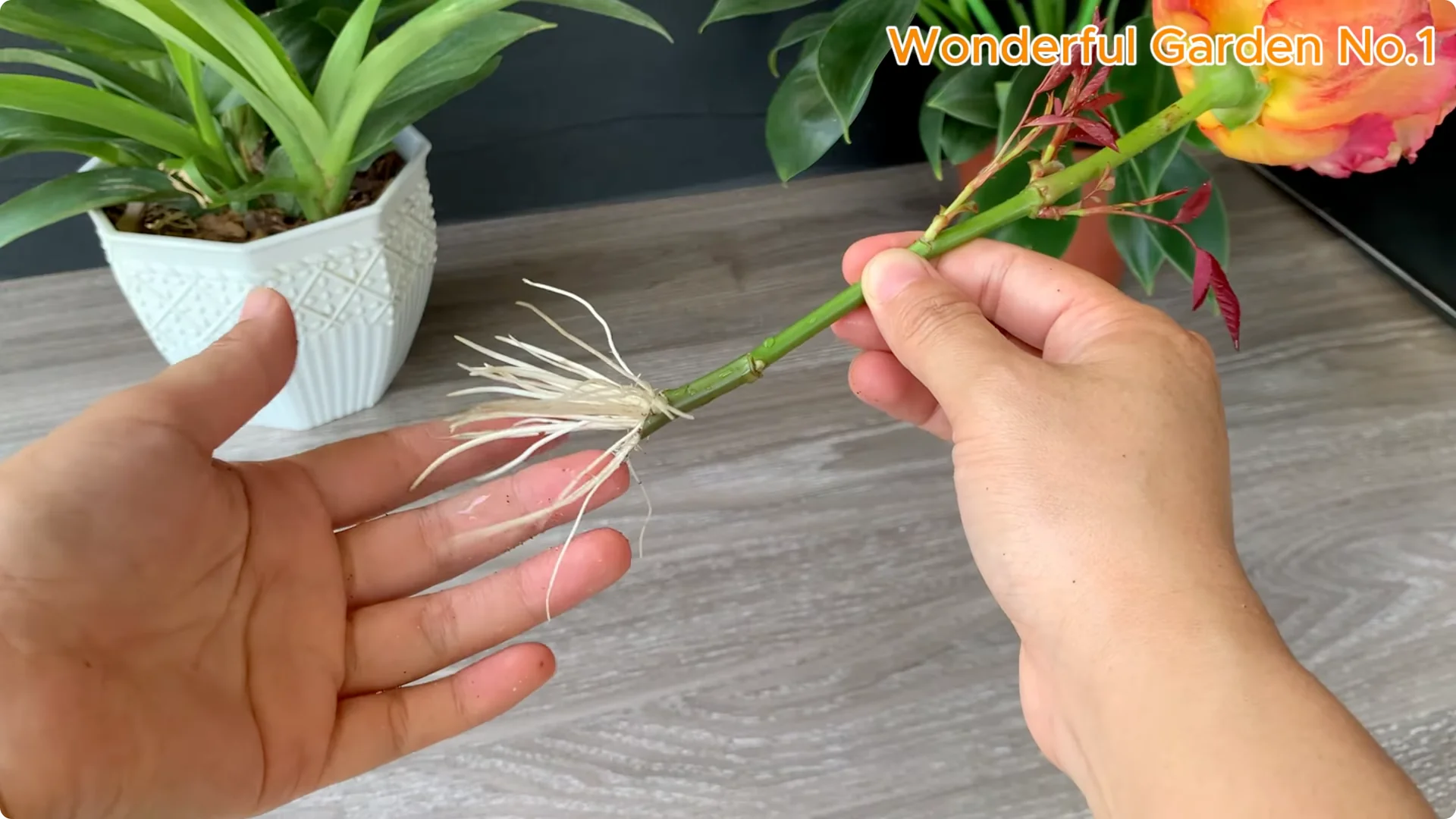
After about three to four weeks, small buds may emerge from the dormant buds. Beneath the substrate, slender white roots quietly stretch out into the sand and coconut fibre. It is a silent but magical process.
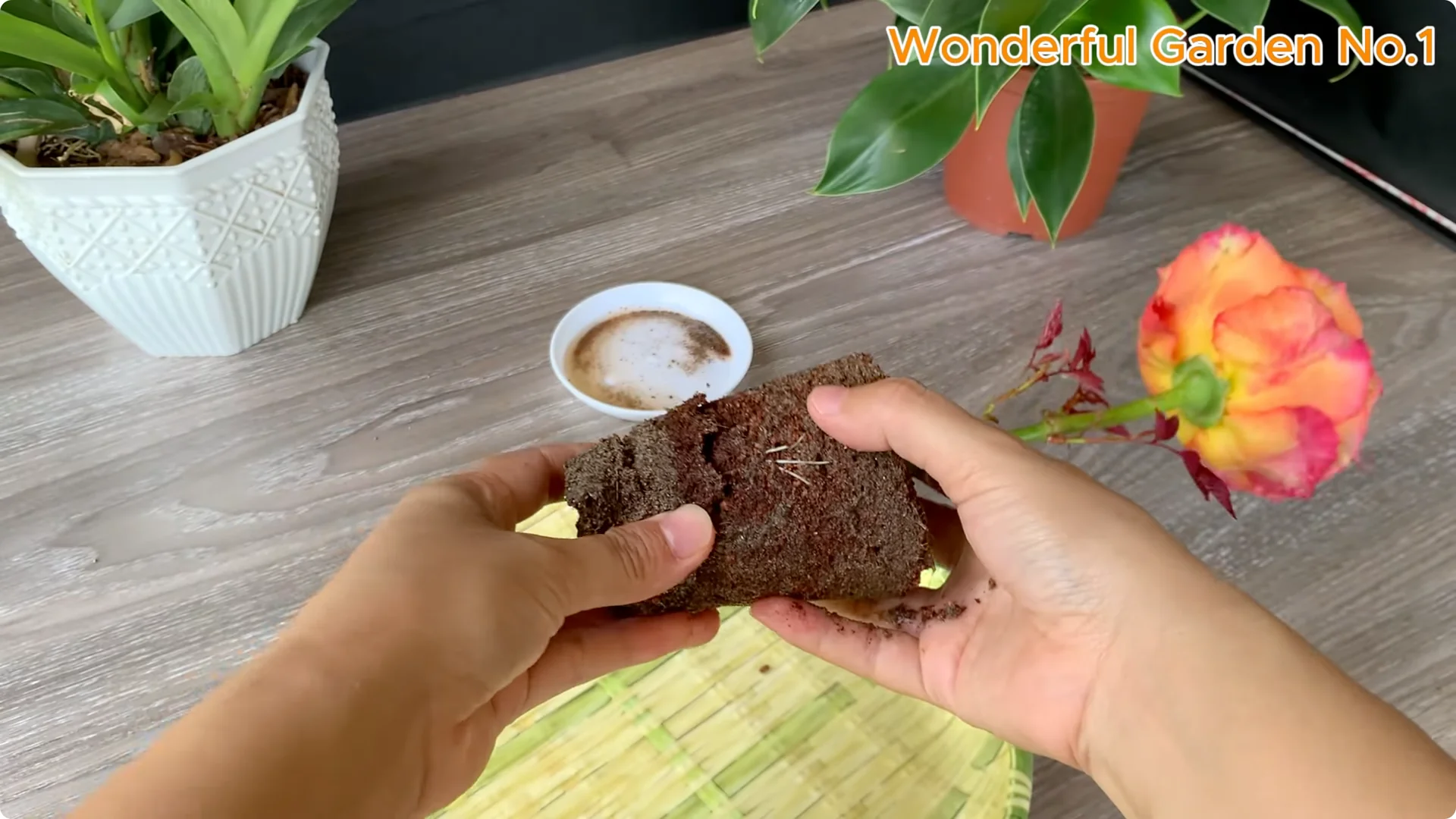
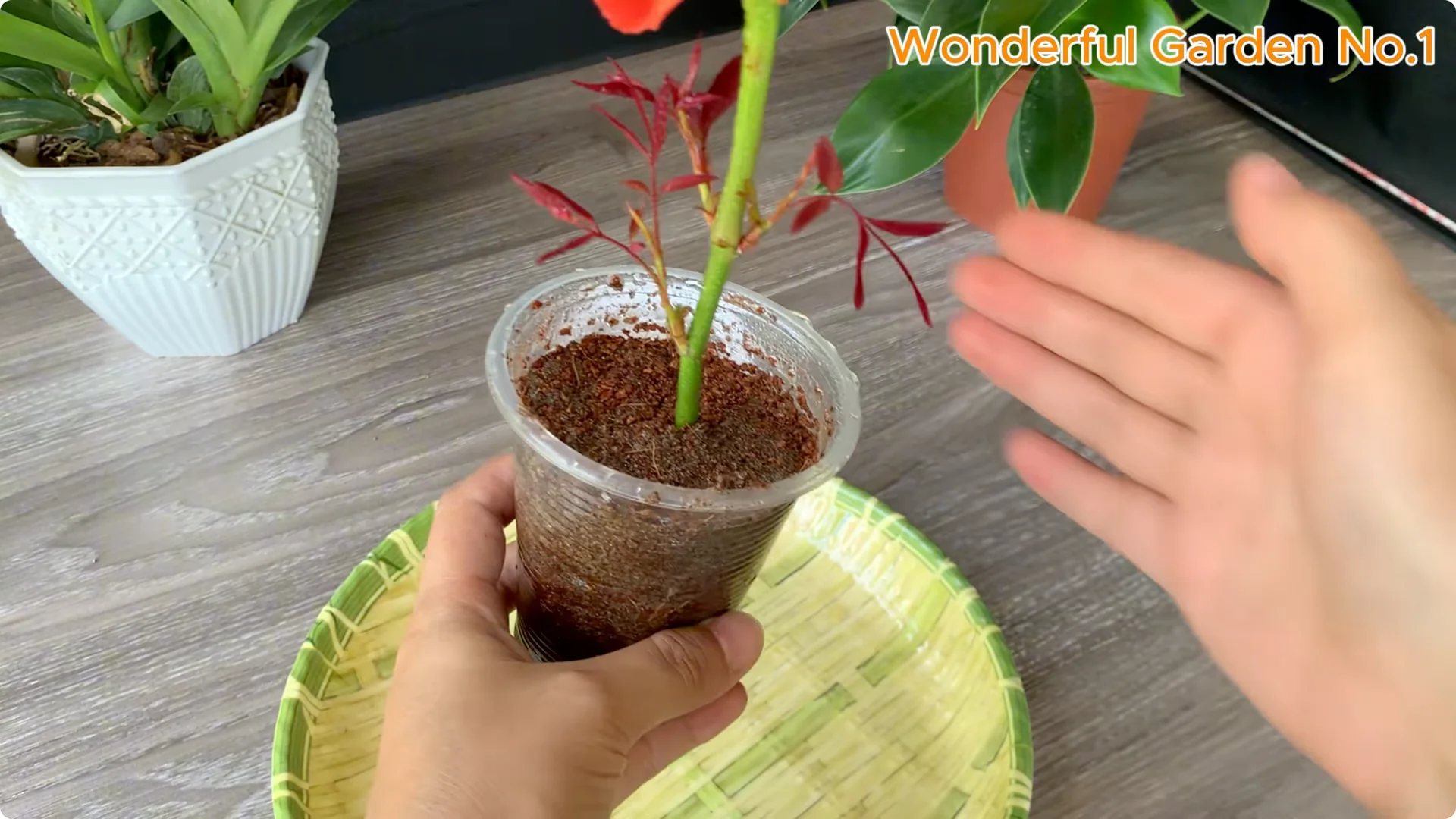
With enough light and moisture, young shoots gradually develop into young branches. Over time they will bloom into the first flowers you cared for with your own hands and patient heart. Let this simple practice remind you that nature responds beautifully to love and care.
Final Thoughts
From a small rose branch, we have sown a new life with the simplest things. A little patience, a little love, and a little ingenuity from nature can create beauty in your garden. Propagating roses naturally keeps the process pure, gentle, and deeply rewarding.