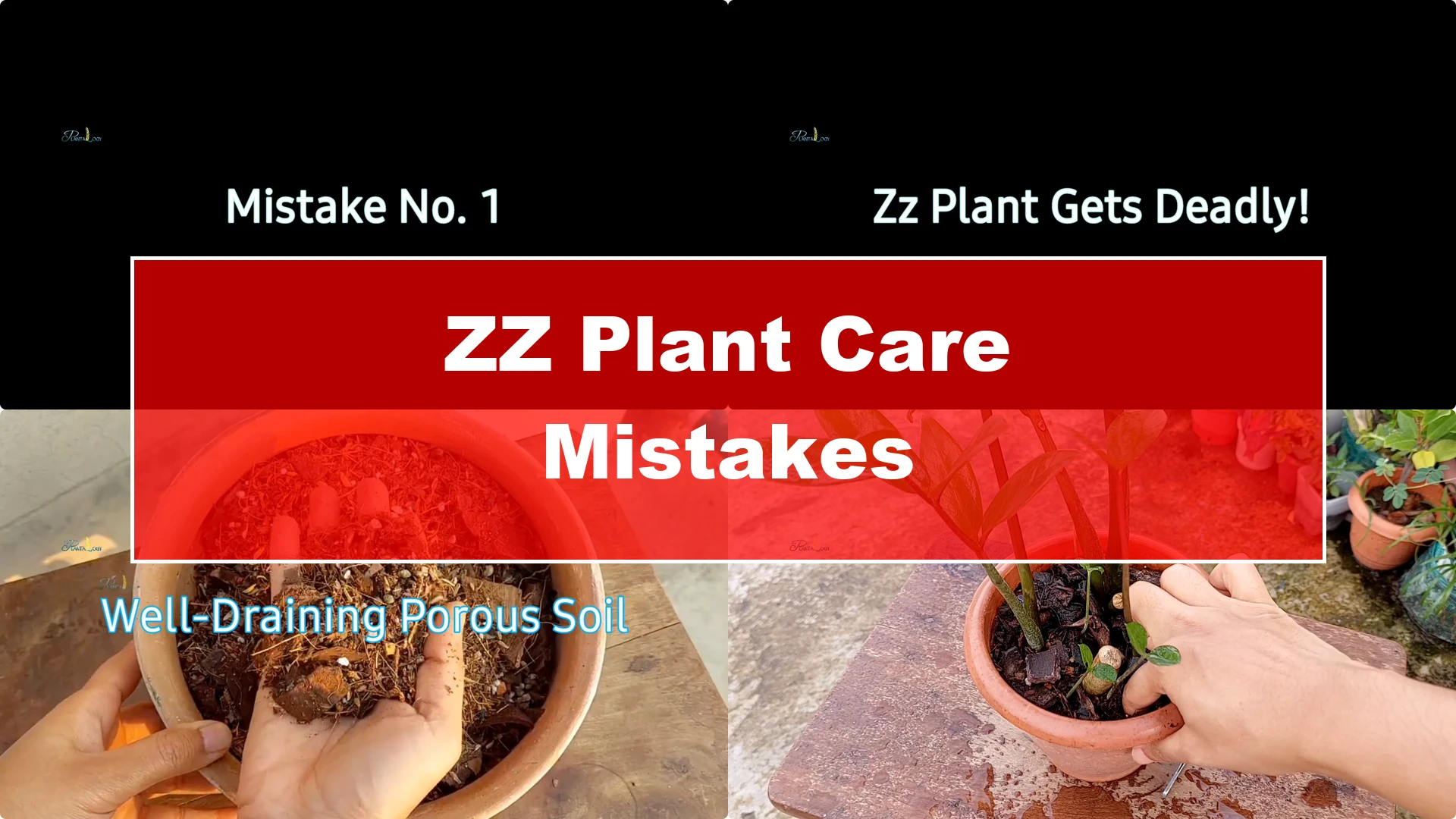
Are you slowly killing your beloved ZZ plant without even knowing it?
If your gorgeous, king-like ZZ plant is losing its shine, turning yellow, or just not thriving like it used to, you are probably making one of two deadly mistakes most plant parents make.
Here are the exact mistakes that sabotage your ZZ plant’s health and how to fix them before it’s too late.
Stop making these mistakes and watch your ZZ plant transform back into that stunning architectural beauty you fell in love with.
For a broader foundation beyond watering, see care basics for ZZ plants.
ZZ Plant Watering Mistakes
1. Overwatering is the biggest killer
Overwatering your ZZ plant is the biggest killer. ZZ plants grow from thick underground structures called rhizomes that act like water storage tanks. Even their stems and leaves store water efficiently, like having built-in water bottles.
Here is where it gets deadly. Frequent watering or heavy, peaty soil that holds moisture for weeks causes those rhizomes to rot. Once rhizomes rot, growth declines rapidly, and you cannot water them like your spider plants, philodendrons, or calatheas.
Why it happens
Rhizomes and fleshy stems are designed to store and ration moisture. Treating a ZZ plant like a regular thirsty houseplant overwhelms those storage tissues. The result is slow decline that looks mysterious until you check the roots.
Warning signs
You will notice yellow, mushy leaves and black or brown spots on the stems. There can be an unpleasant smell from the soil as well. Stems may start falling off easily.
When you unpot the plant, you will find soft, mushy rhizomes. Healthy rhizomes are firm and pale. Mushy rhizomes signal rot that needs immediate correction.
Fix it: soil mix
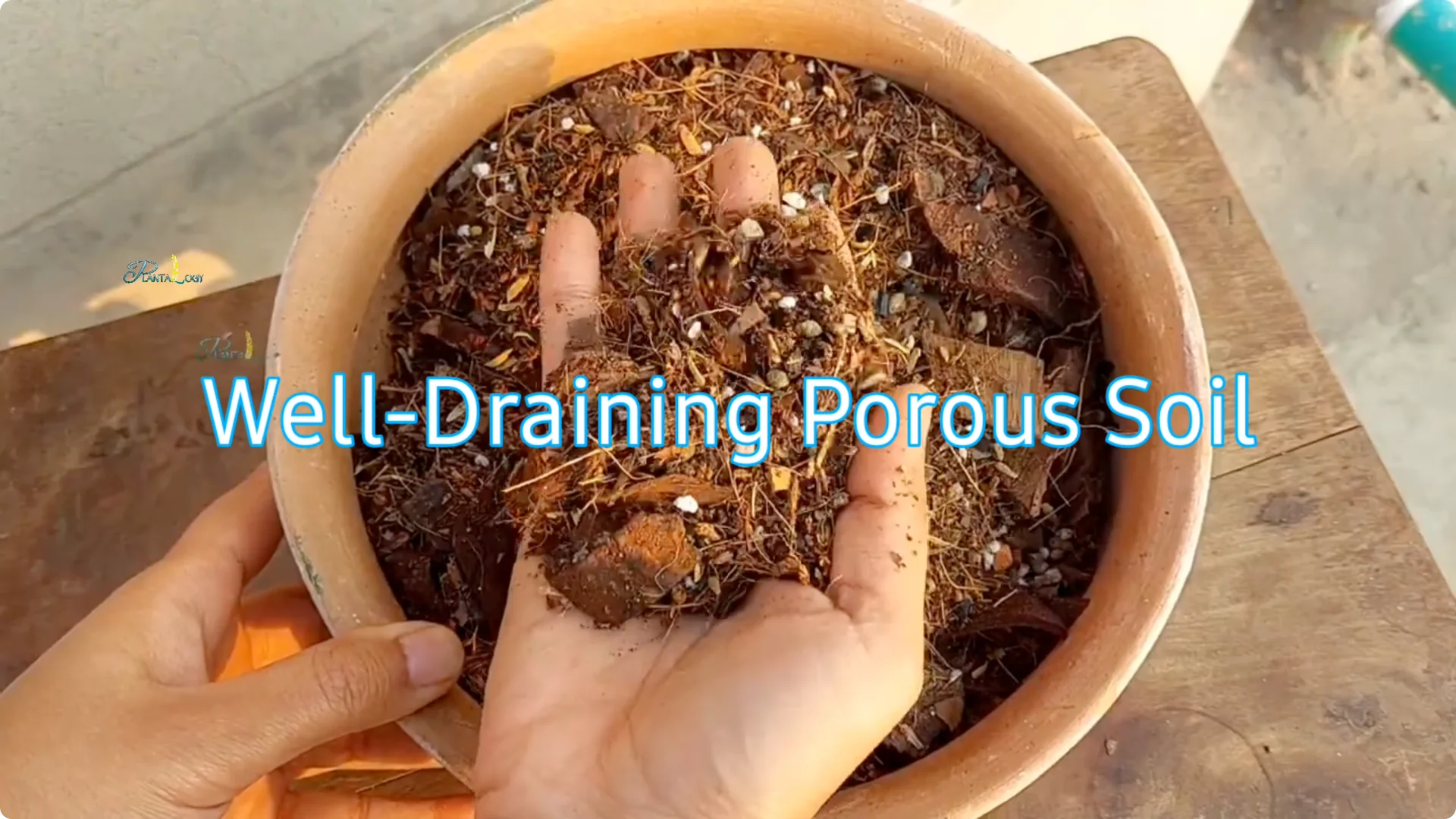
Use well-draining, less peaty soil. Choose a porous, well-structured soil mix that promotes healthy root development. The right soil mix literally determines whether your ZZ plant thrives or dies.
Fix it: moisture check
Always check soil moisture before watering. Push your finger 2 to 3 inches into the soil. Only water when about 80 percent of the soil feels completely dry.
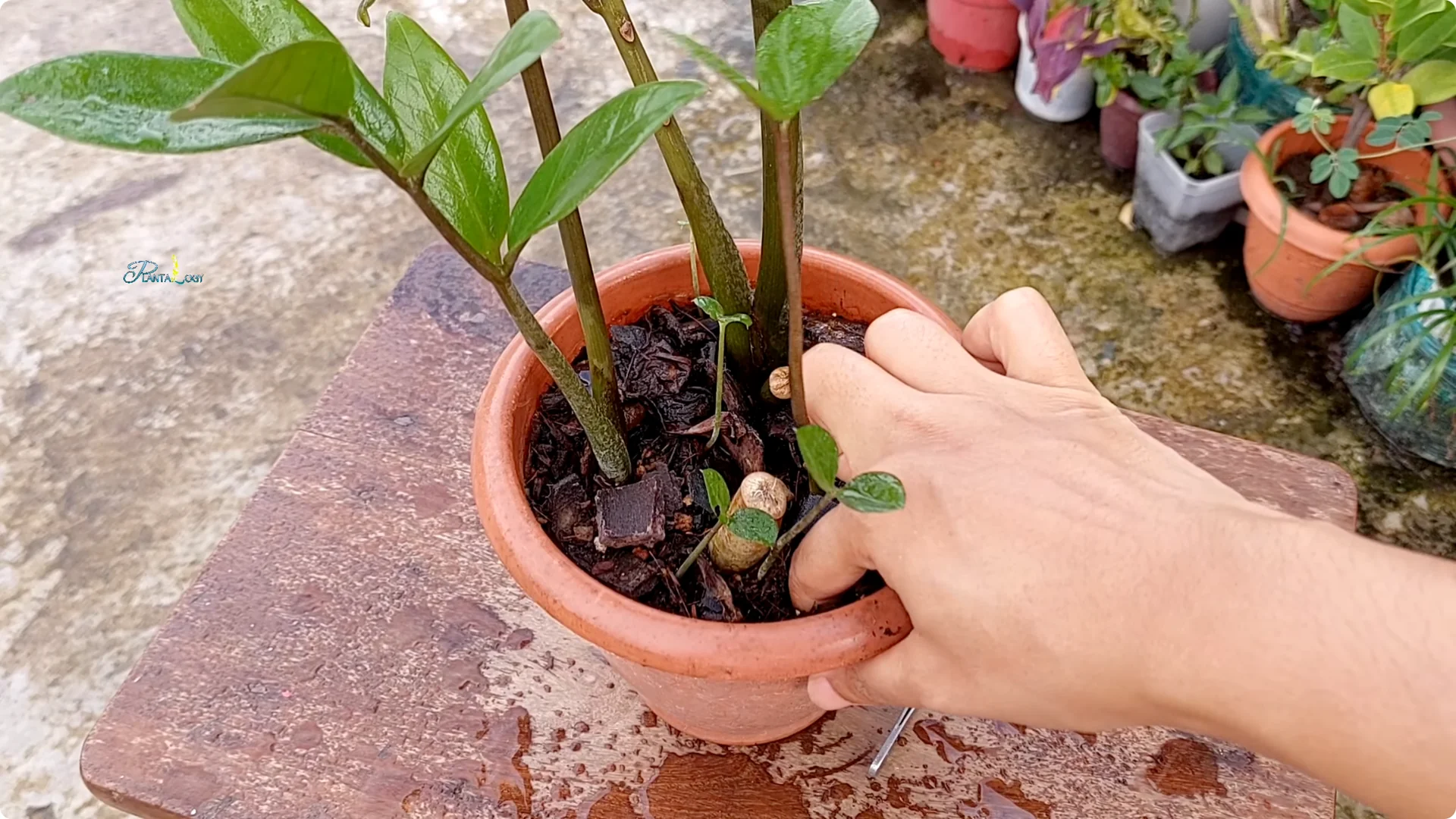
You can also use a wooden stick, but be gentle to avoid poking those rhizomes. Since ZZ plants store water efficiently, they can thrive without watering for up to 15 days during growing seasons. Water thoroughly when you do water, then leave it alone.
Read More: Snake Plant Care Tips
2. Repotting too frequently stalls growth
Repotting your ZZ plant too frequently might surprise you as a problem. While repotting encourages new growth in many plants, frequent repotting in ZZ plants actually stunts growth rather than encouraging it. Here is the secret: ZZ plants prefer to be rootbound.
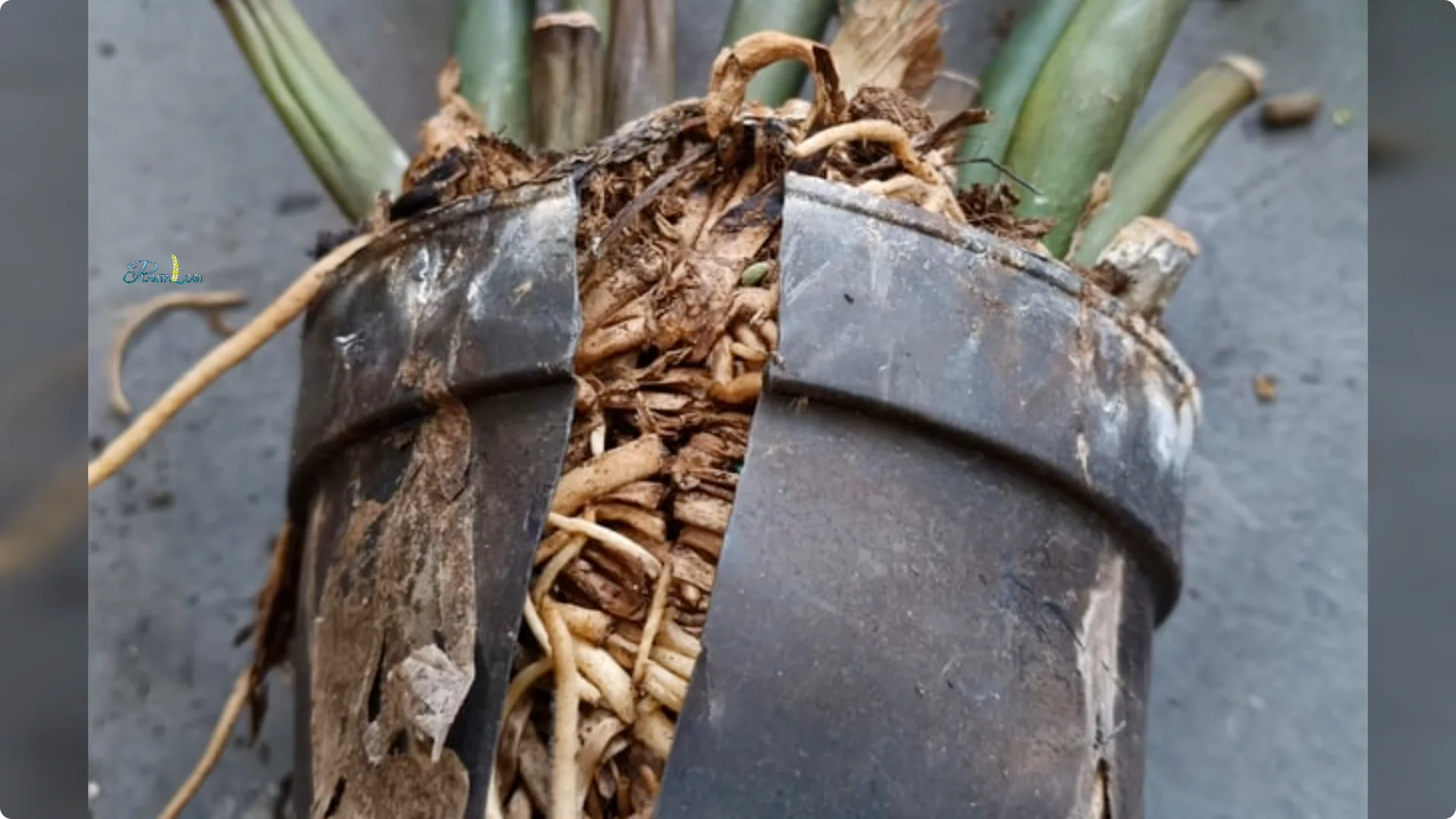
This constraint encourages multiple new shoots to emerge from the base, giving you the full, lush appearance you want. Only repot your ZZ plant when it is absolutely necessary.
That means it is extremely rootbound or the pot is literally cracking from powerful rhizome formation.
When you do repot, increase the pot size gradually, just 1 to 2 inches larger in diameter. Keep the same well-draining approach to soil so those rhizomes stay healthy. Patience here pays off with thicker clumps and more shoots.
Read More: Jade Plant Care Tips
Final thoughts
The two mistakes slowly killing ZZ plants are overwatering due to misunderstanding their water storage capabilities and repotting too frequently when they actually prefer being rootbound. Adjust your soil, spacing, and timing, and your plant will reward you with strong growth and glossy, architectural leaves. Keep it simple, keep it dry most of the time, and repot only when the pot is truly packed.