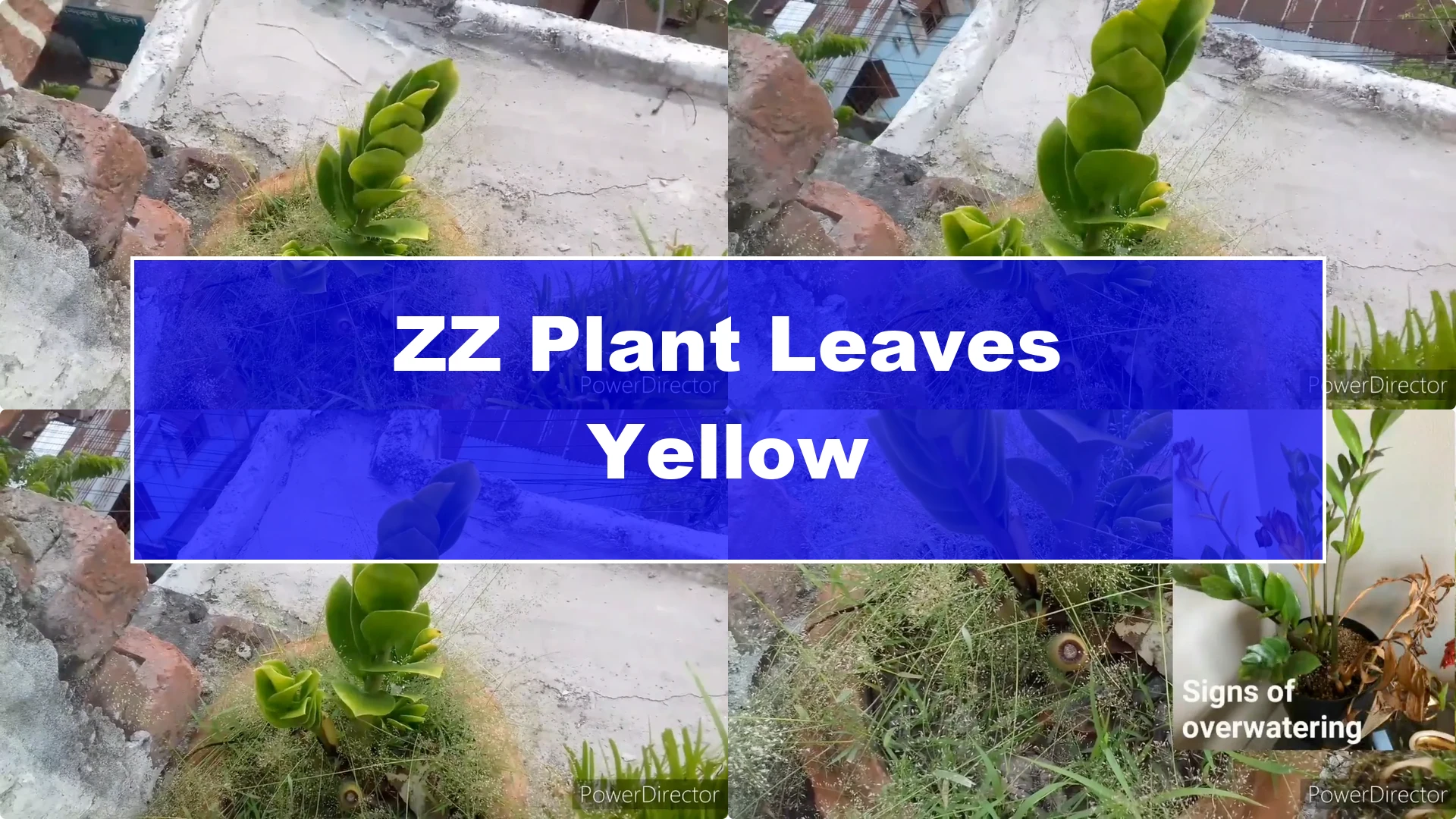
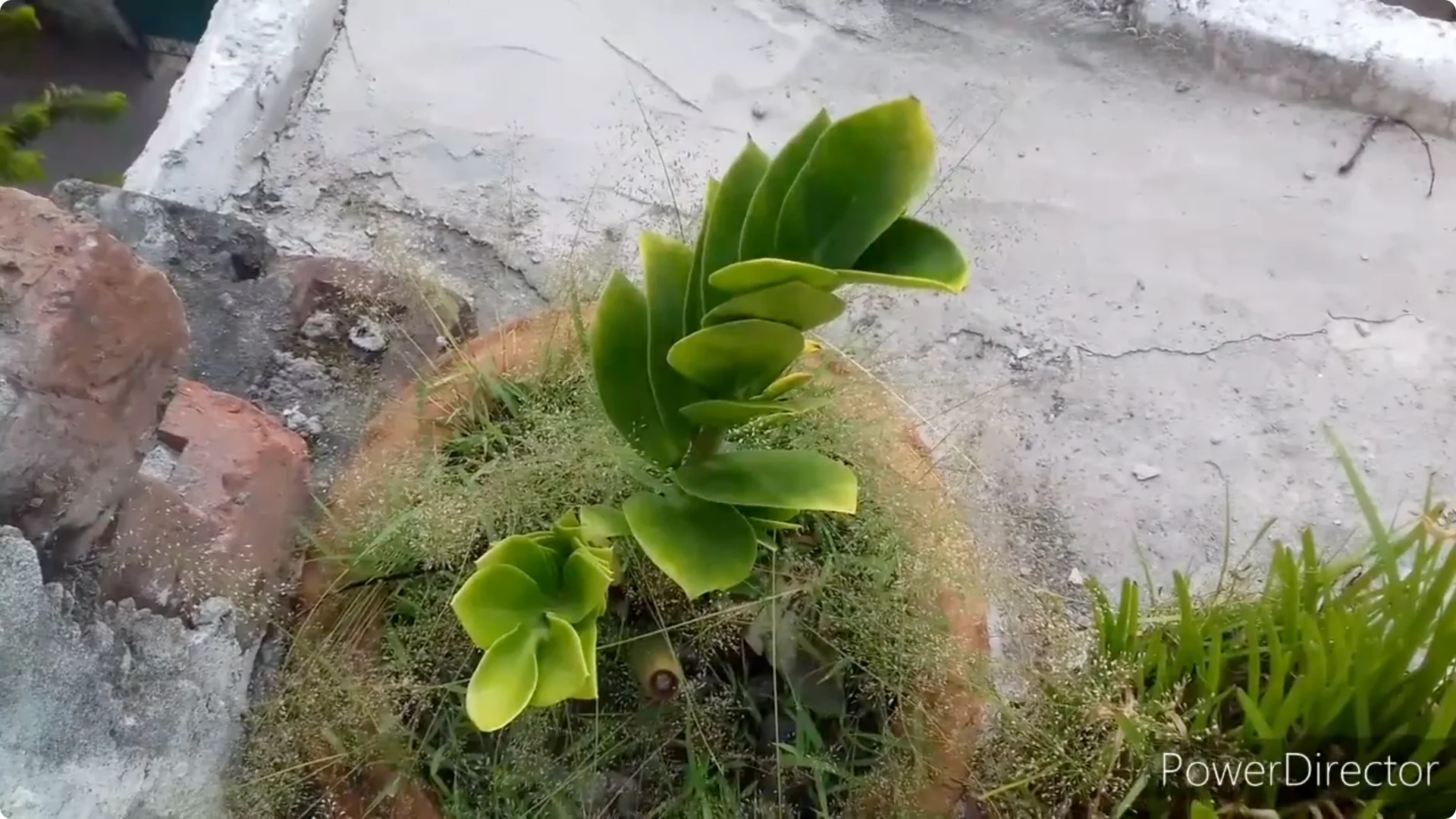
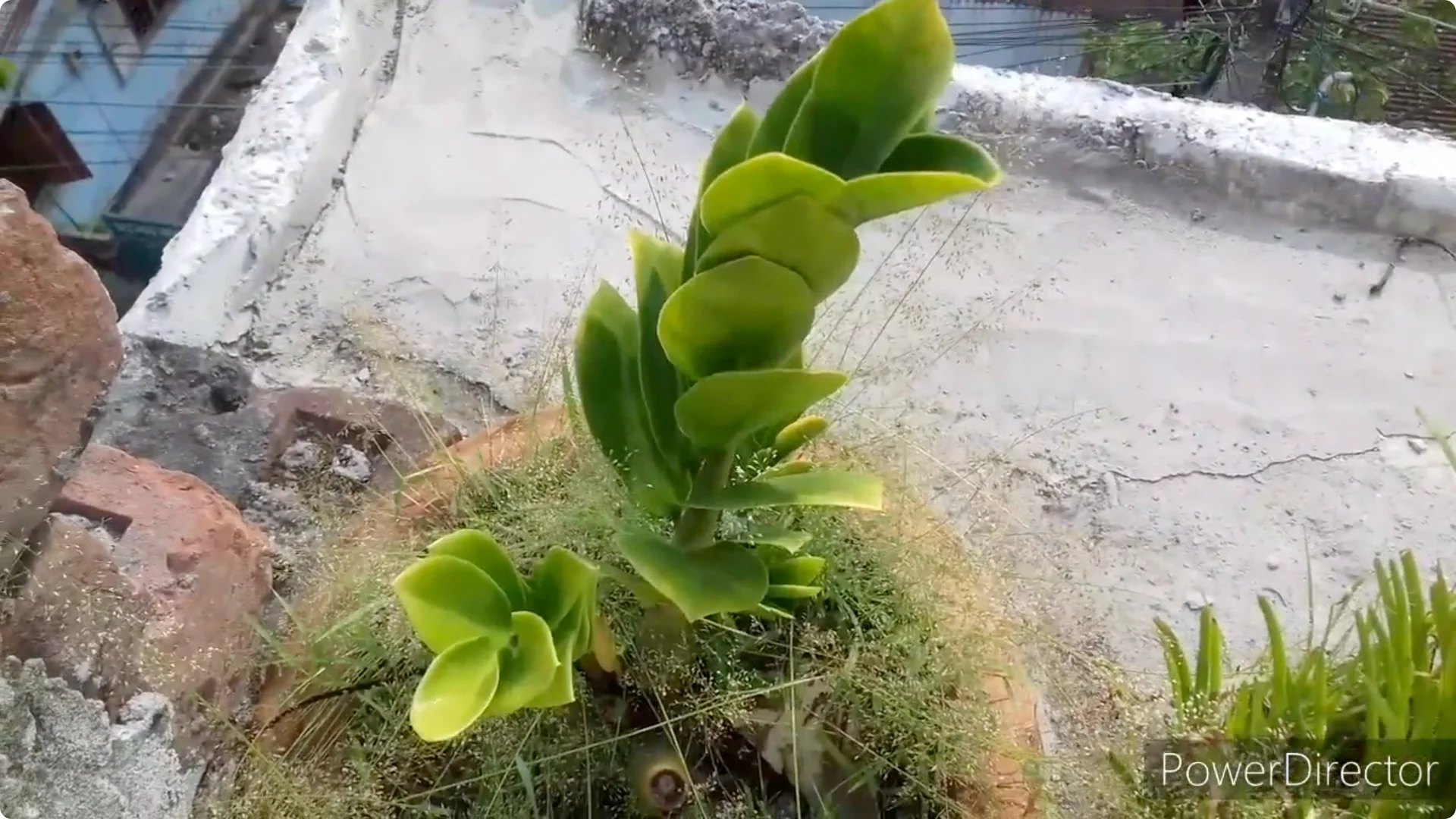
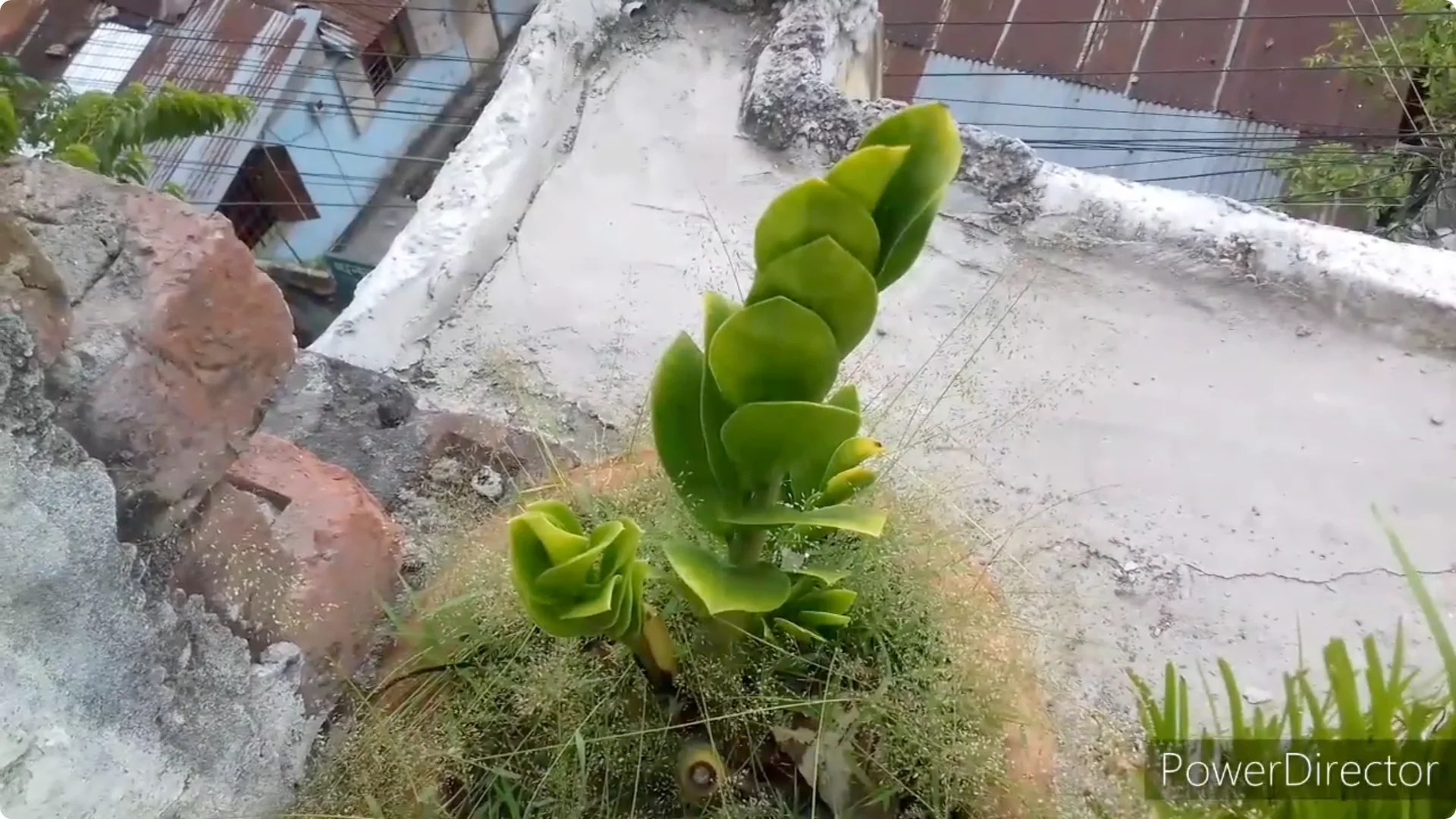
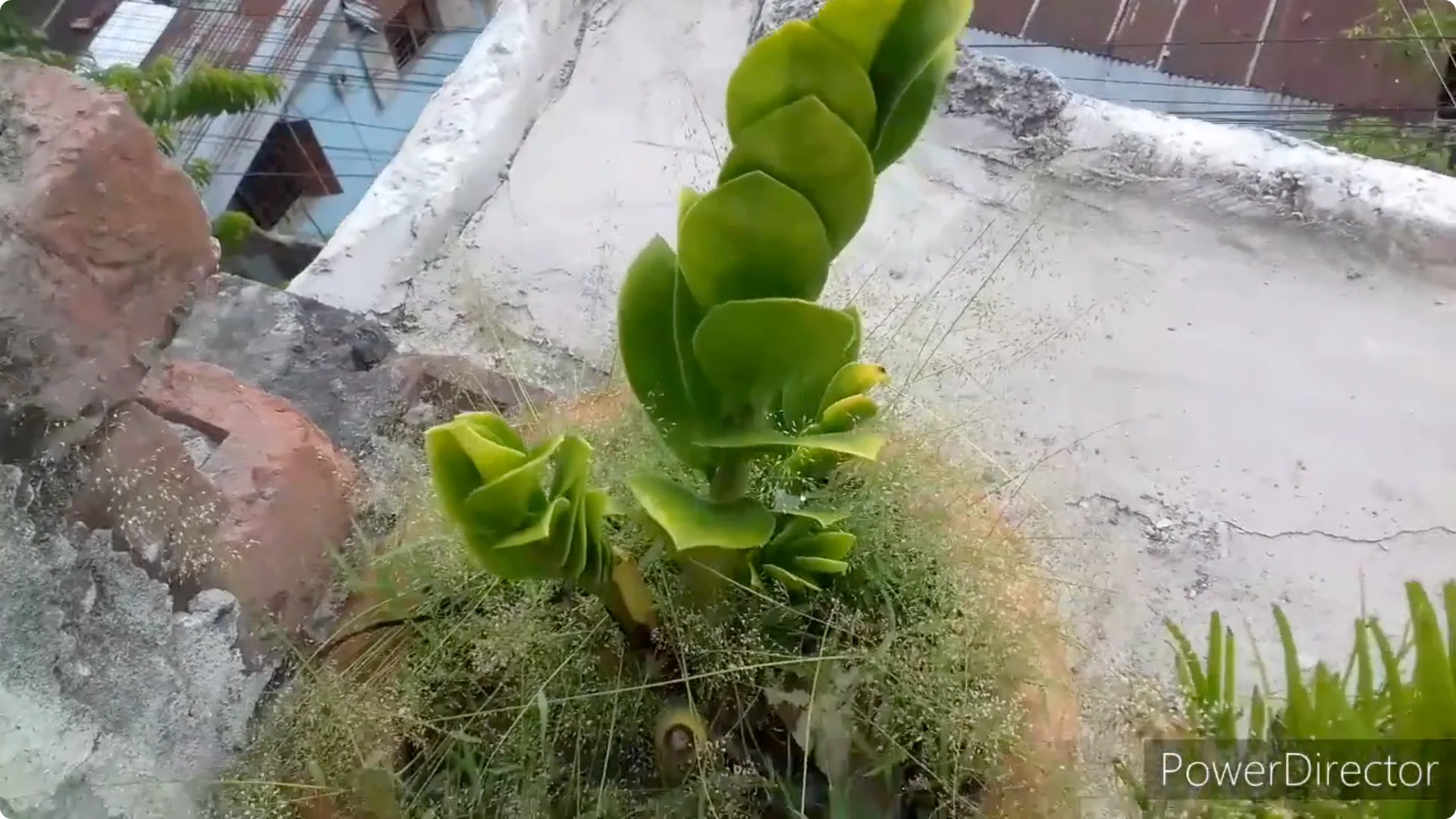
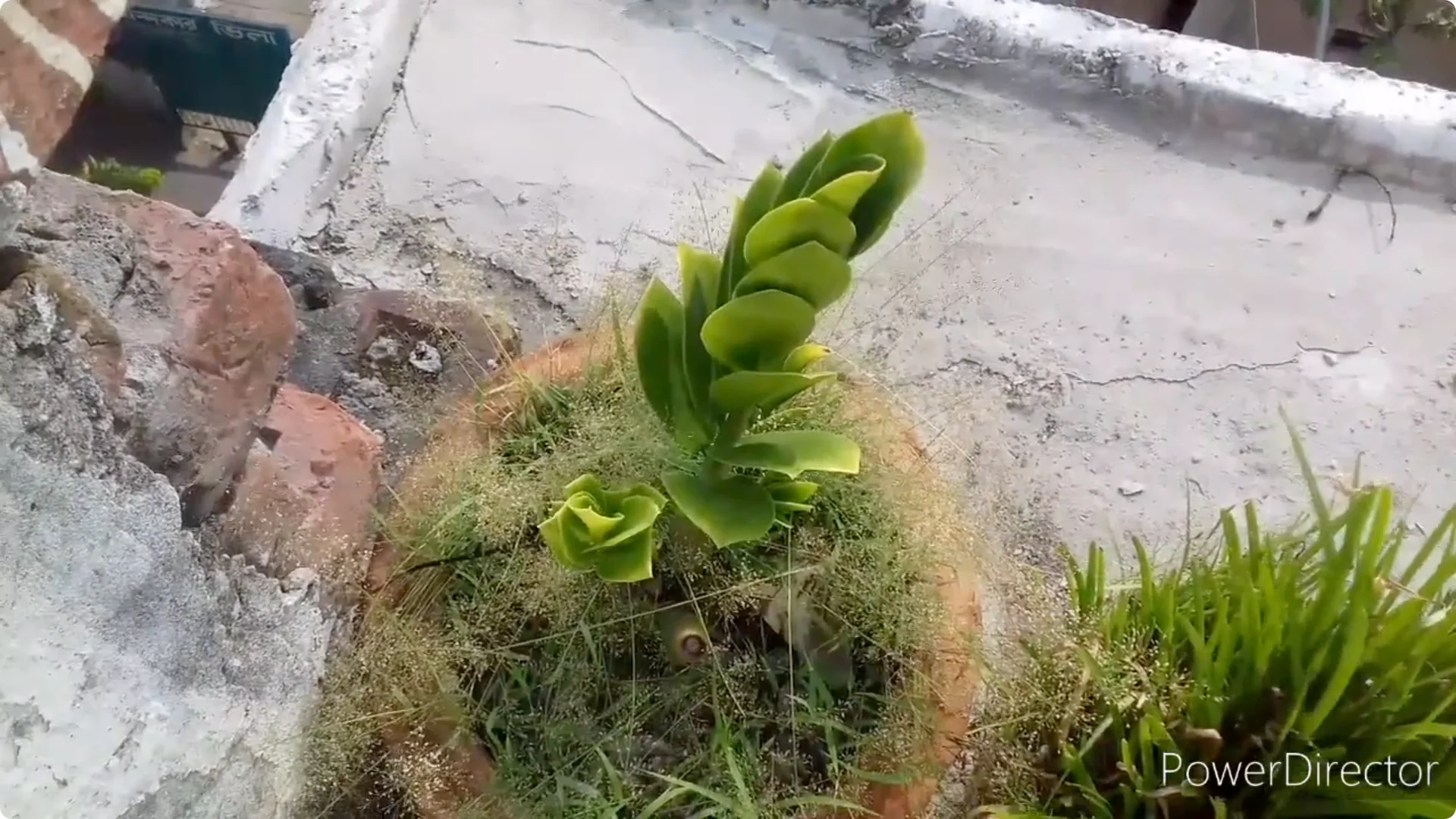
Yellow leaves on a ZZ plant are a signal to investigate what is making it unhappy. The usual reasons come down to watering mistakes, light stress, temperature swings, or fertilizer issues. Fix the cause and the yellowing will reduce.
1. ZZ Plant Yellow Leaves – Main Causes
Overwatering
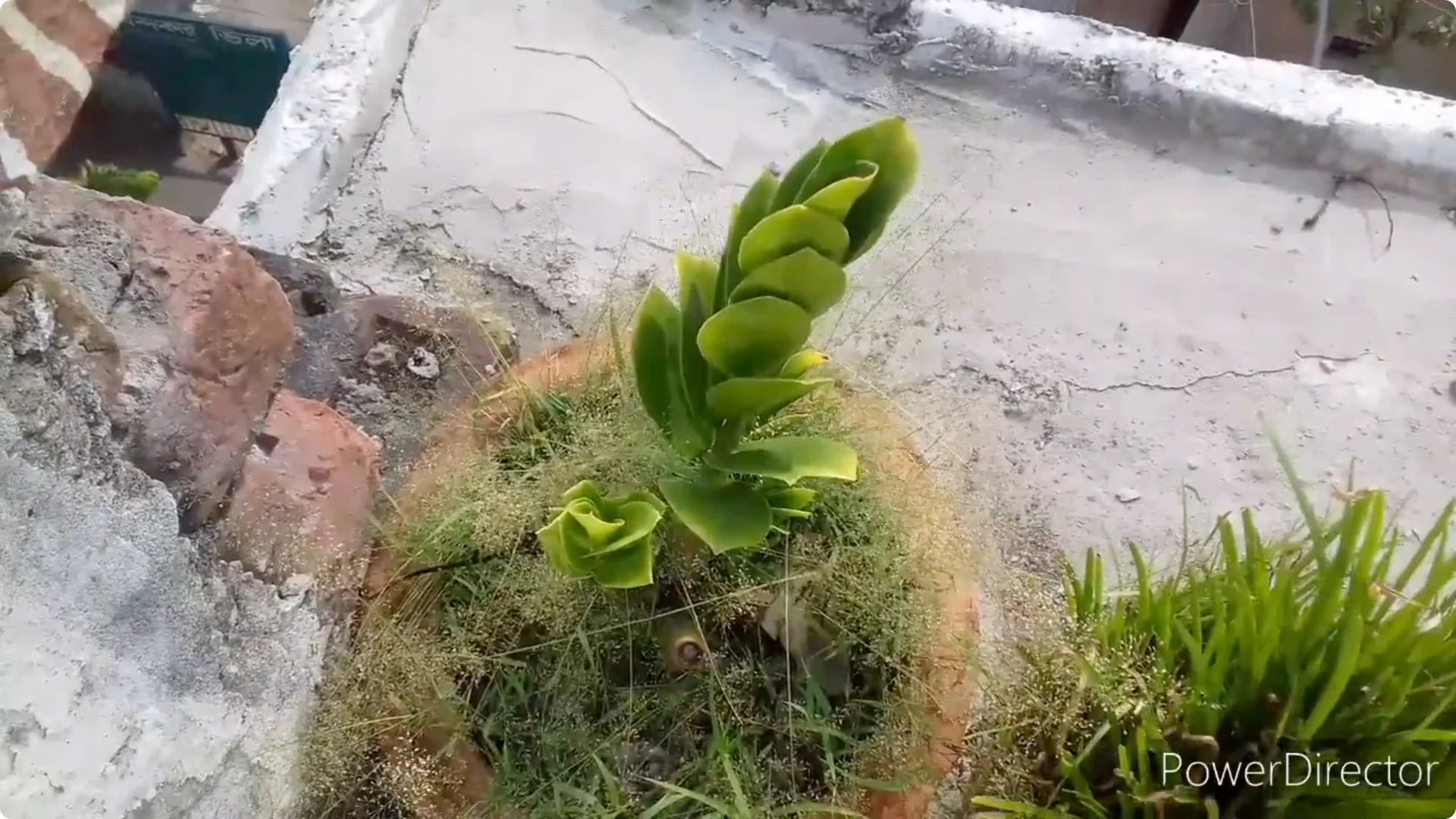
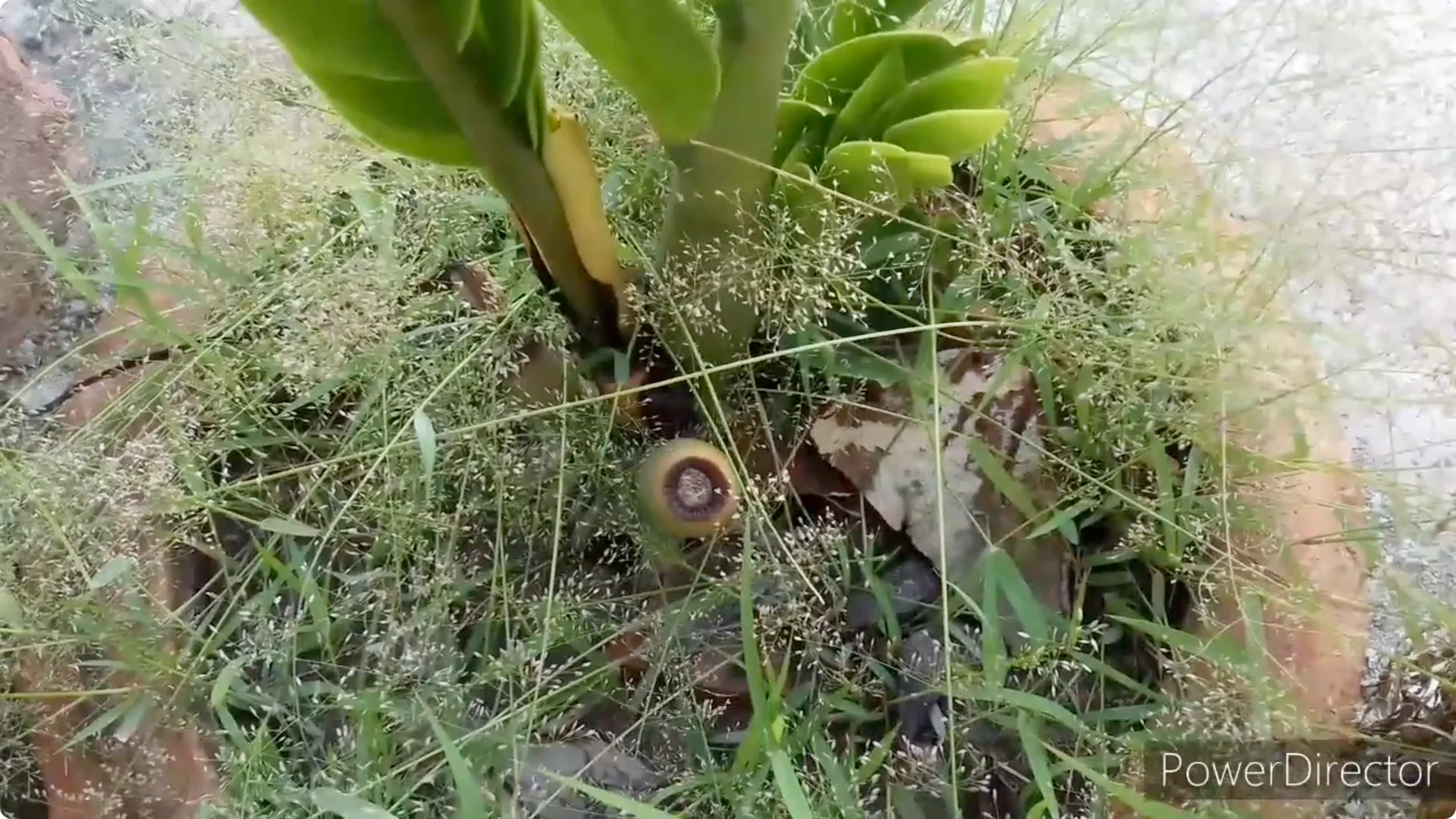
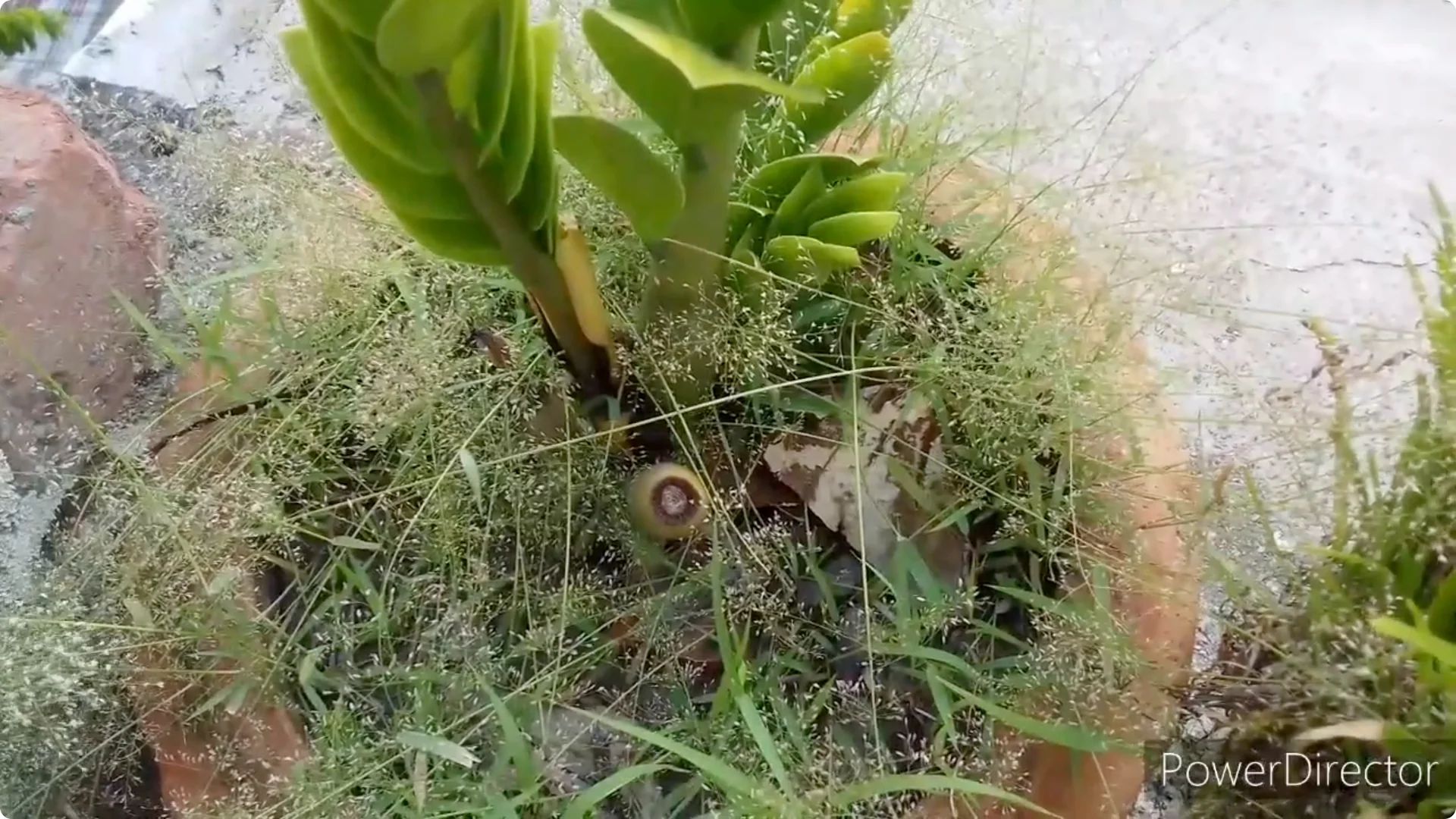
Overwatering is the most common reason for yellow leaves on a ZZ plant. When roots sit in excess water for an extended period, they cannot function, and leaves turn yellow due to lack of water and nutrition reaching essential areas. Keep soil in a well-draining medium and avoid keeping the potting mix soggy.
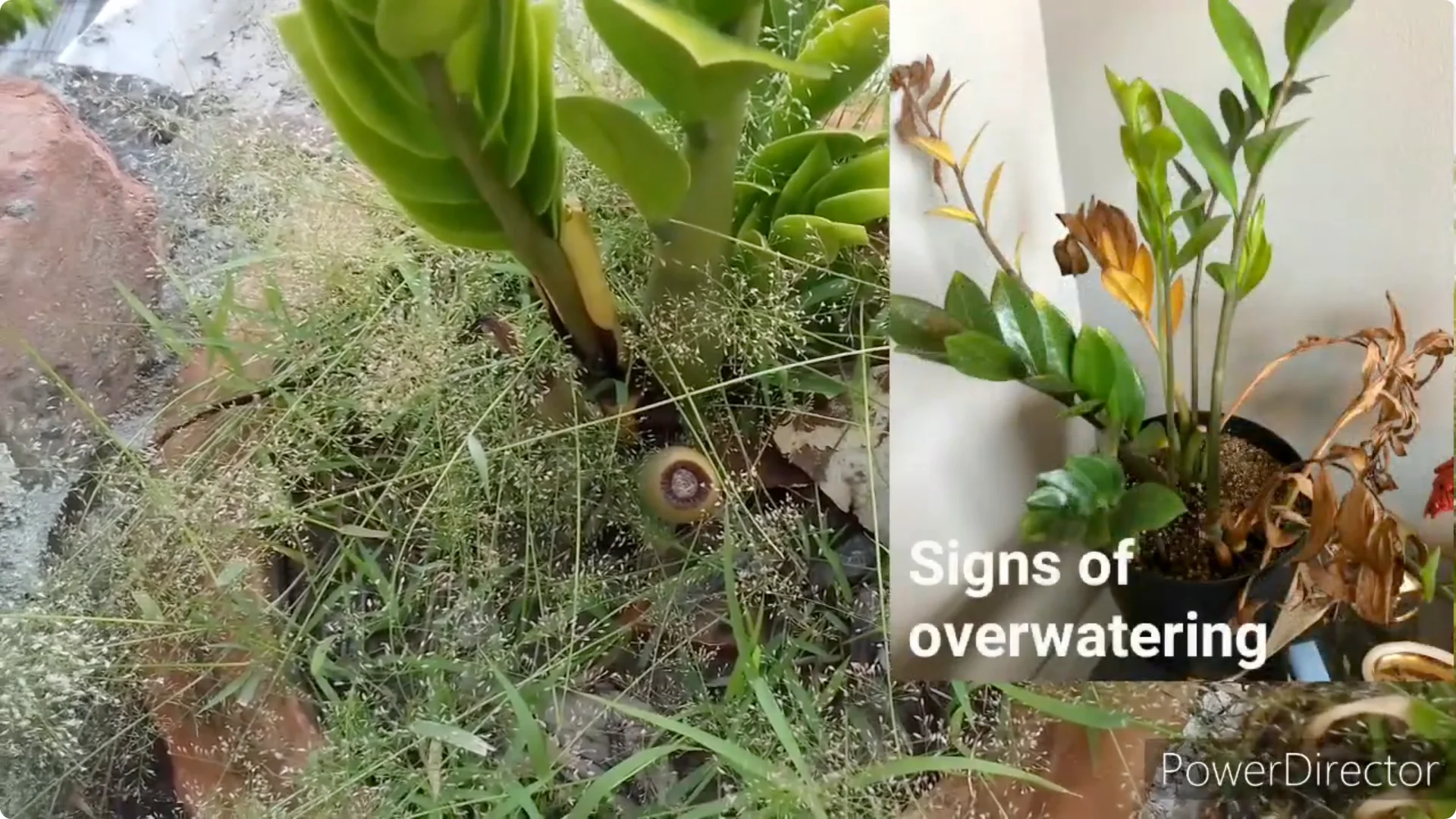
Step-by-step – Treat root rot
1. Gently remove the plant from the pot and check the roots closely.
2. Trim off the most affected, mushy, or blackened roots with clean scissors.
3. Dust the healthy cut ends with an antifungal powder.
4. Repot into a fresh, well-draining mix and a pot with drainage holes.
5. Keep the soil fairly dry at first and let it dry completely before watering again.
6. Resume watering carefully to prevent the problem from returning.
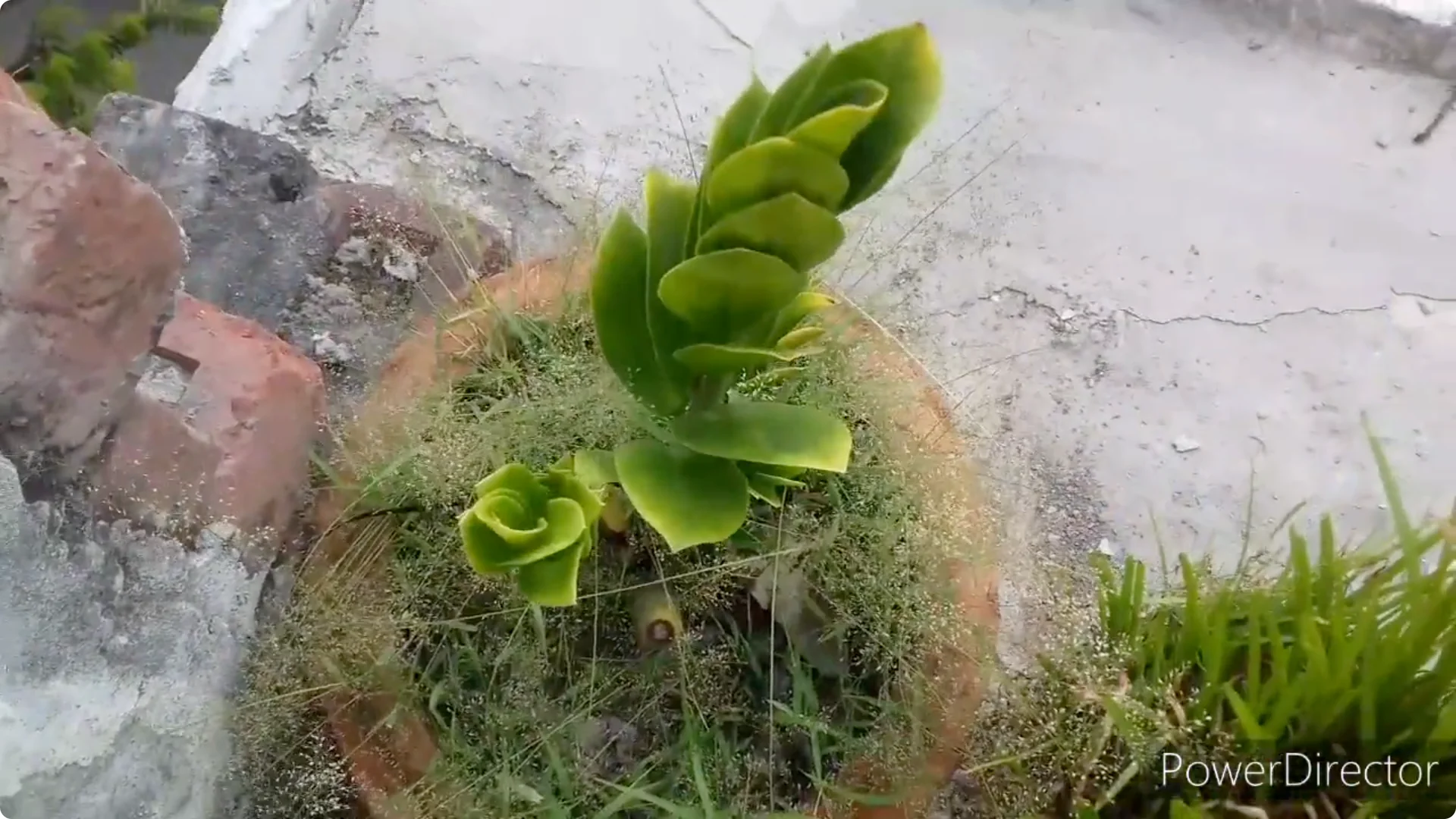
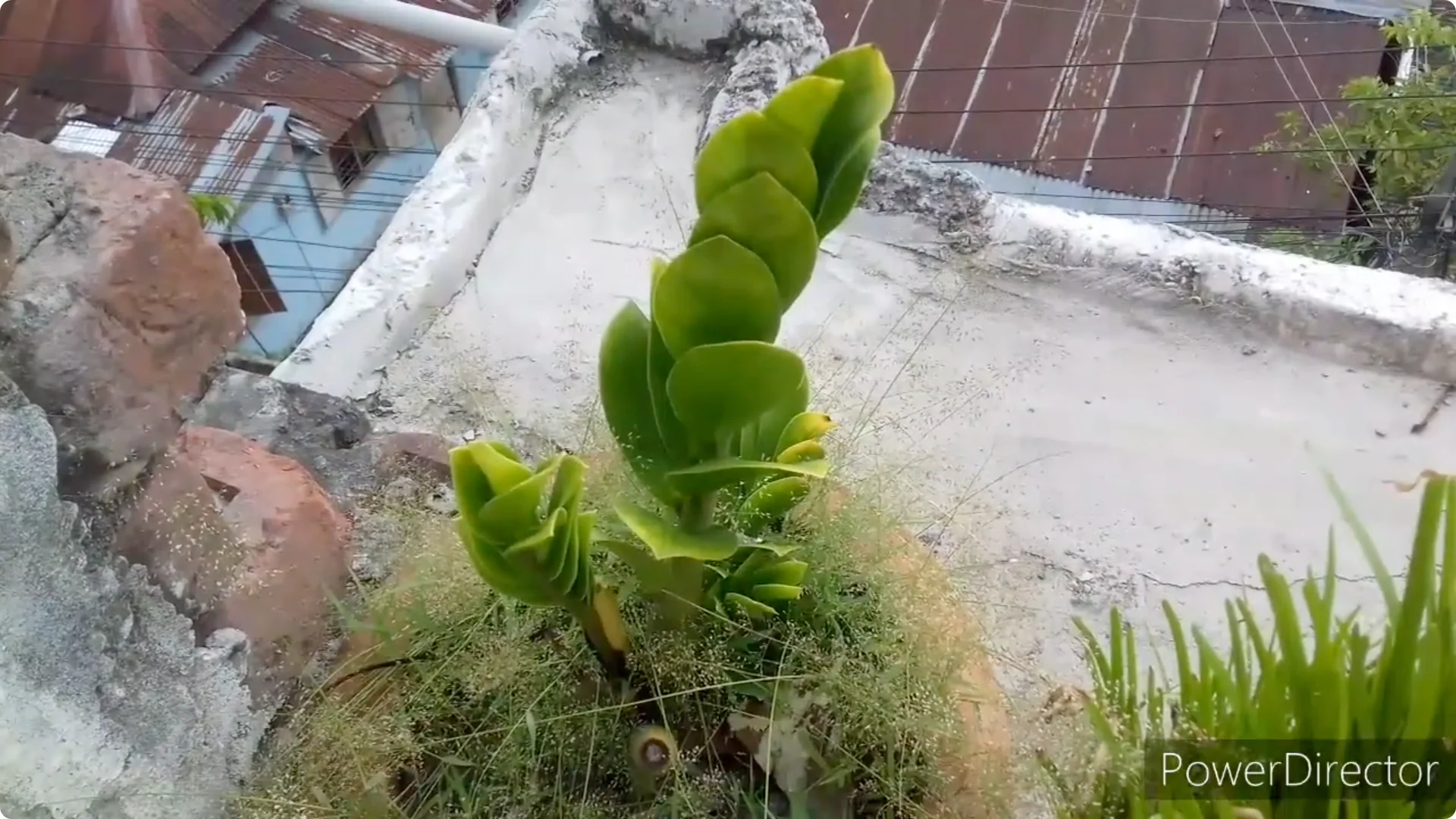
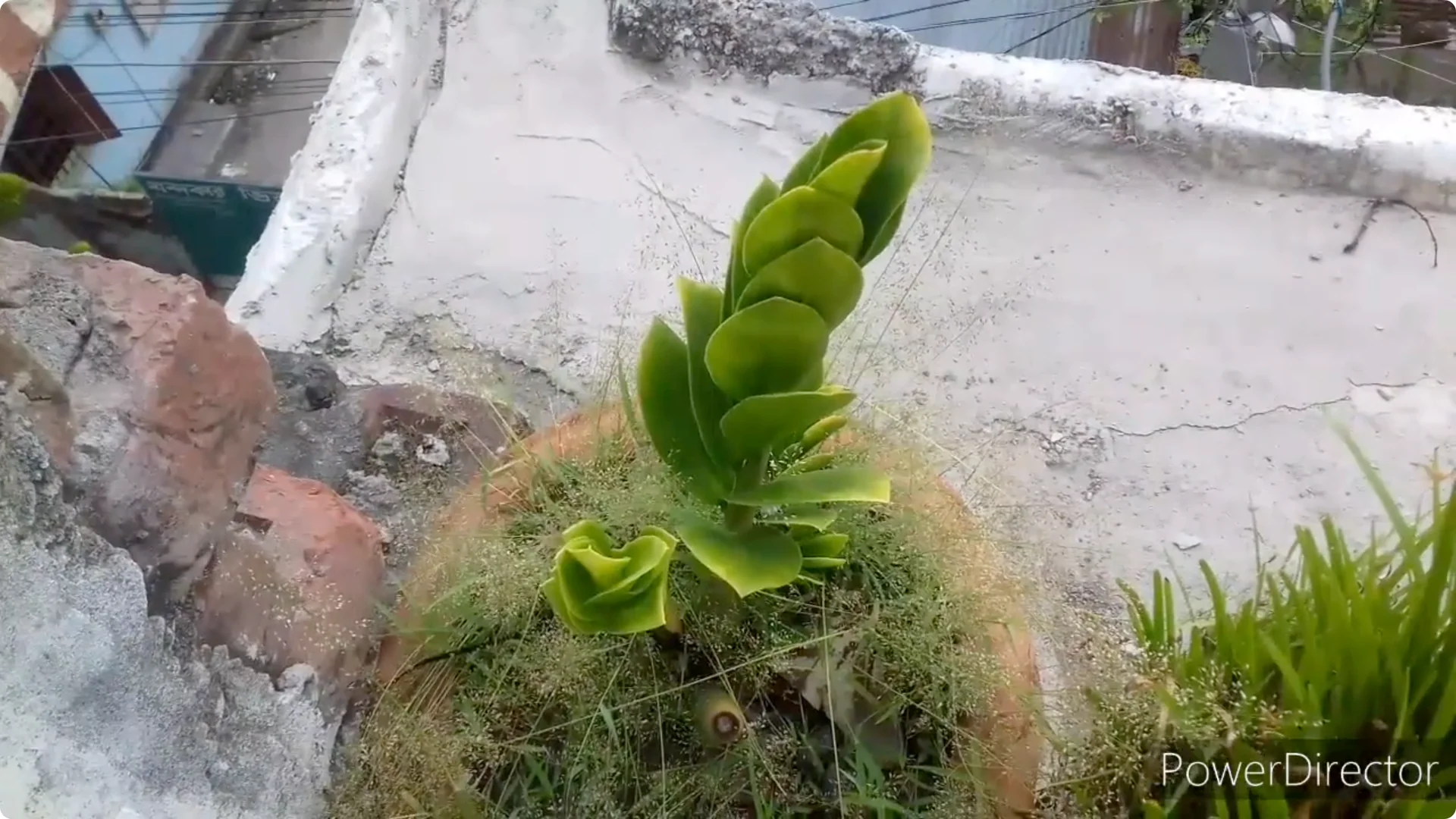
Underwatering
Prolonged dry soil also leads to yellowing on a ZZ plant. Adjust your watering schedule and start slowly so you do not shock the plant with a sudden drench. Do not submerge the plant or flood the soil after a long dry spell.
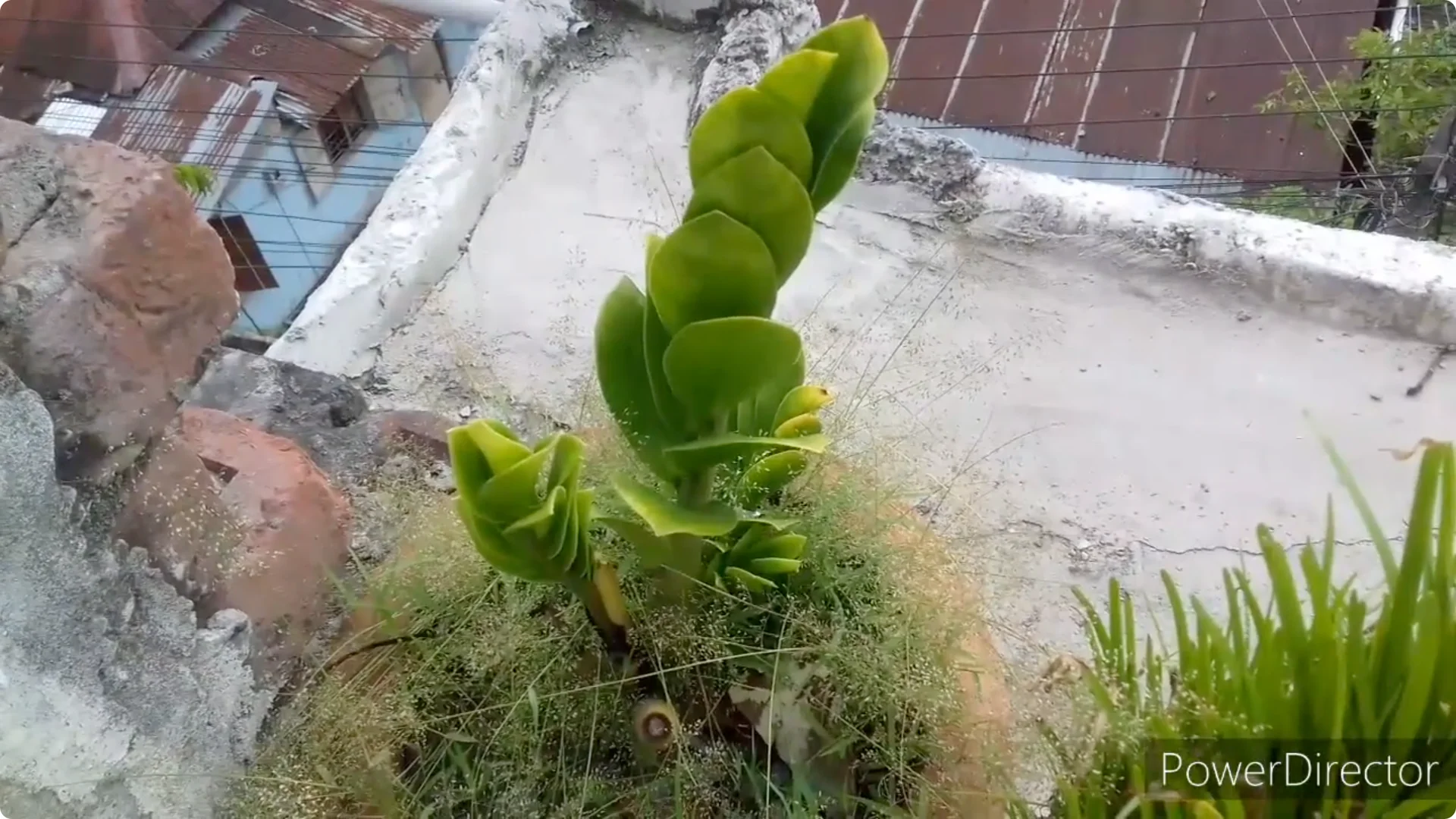
Light issues
Too much direct sun can scorch leaf tissue and cause yellow patches. Shift the plant to bright shade or bright, indirect light to stop further damage. Avoid hot windows where intense afternoon sun hits the foliage.
For a similar breakdown on yellowing leaves, see reasons pothos leaves turn yellow.
Fertilizer issues
Excess fertilizer or salty water can burn roots and trigger yellowing. I remove excess fertilizer by flushing the soil thoroughly to wash out built-up salts. After flushing, let the mix drain well and return the plant to its spot in bright, indirect light.
Temperature stress
ZZ plants can tolerate a range of indoor conditions, but extremes of temperature cause stress and yellowing. Avoid high heat with lots of direct sun and keep the plant away from cold drafts. Aim for stable room temperatures with good ventilation.
2. ZZ Plant Yellow Leaves – Watering Guide
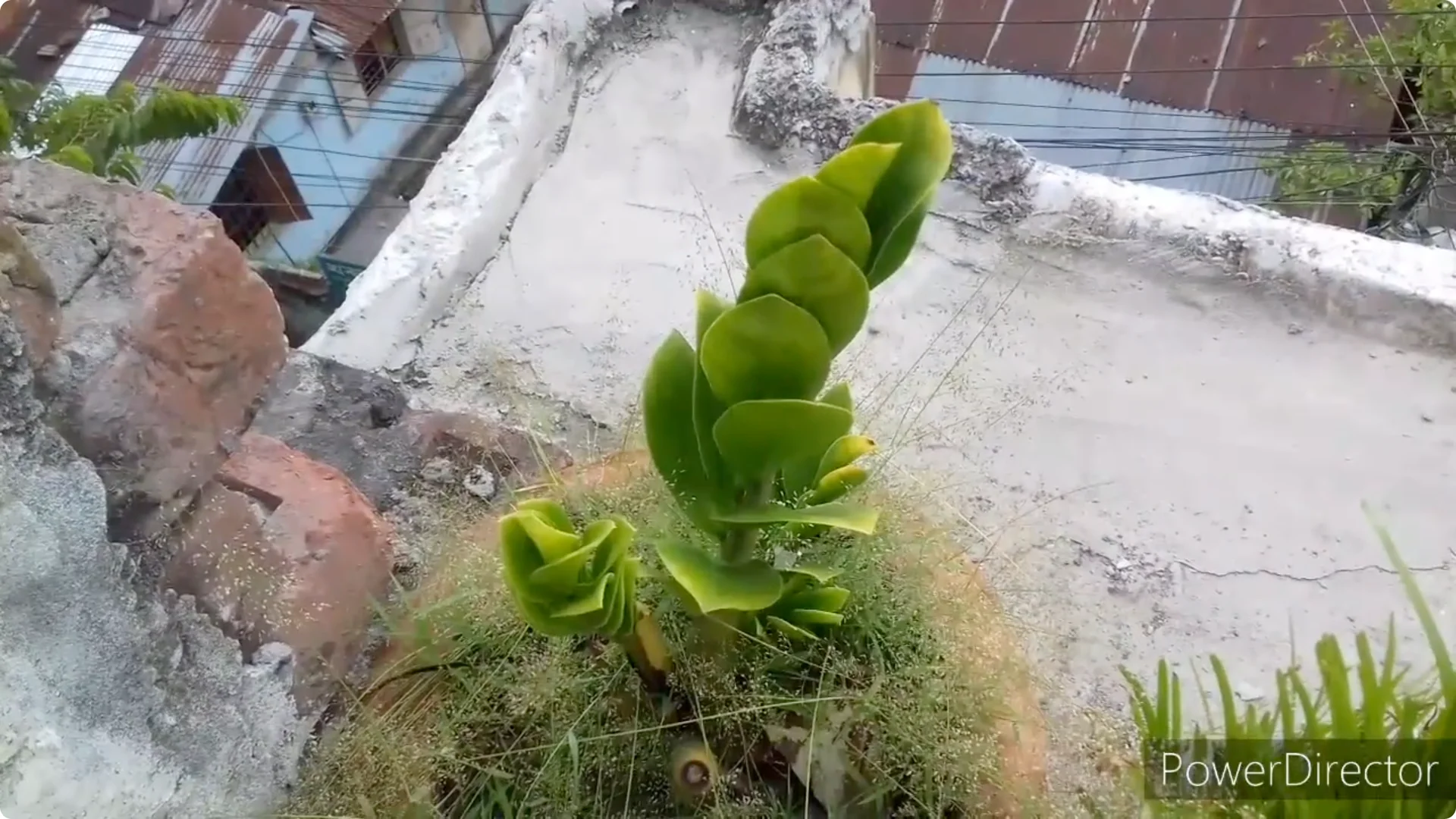
Water needs depend on temperature, humidity, sunlight, and ventilation. Check before watering and let the soil dry out between waterings. In warm months, many growers water about once a week, but the soil check comes first.
Feel the top inches of the mix and wait until it is dry before you water again. When you water, soak evenly and let excess drain out fully. Do not allow water to collect in the saucer.
For another plant with similar symptoms, see care tips for yellowing dracaena.
3. ZZ Plant Yellow Leaves – Light and Temperature Tips
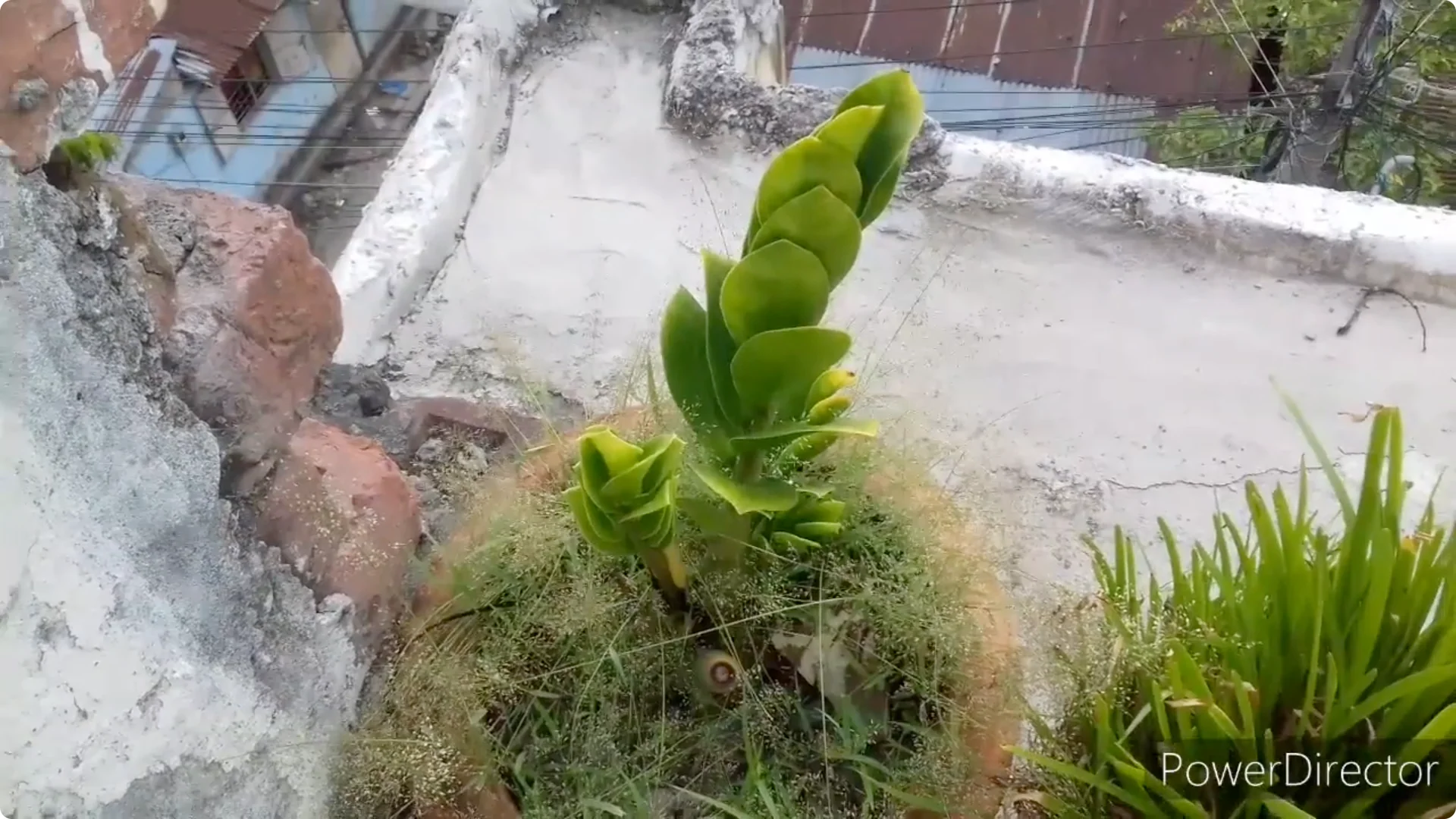
Place the plant in bright, indirect light for steady growth and healthy green leaves. If the plant received too much sun, move it to a bright shade and monitor new growth. Keep it away from hot, sun-baked spots and very cold areas.
Stable indoor temperatures reduce stress that leads to yellowing. Good airflow helps the potting mix dry at a steady pace. Avoid sudden swings in heat or cold.
4. ZZ Plant Yellow Leaves – Fertilizer Guidance
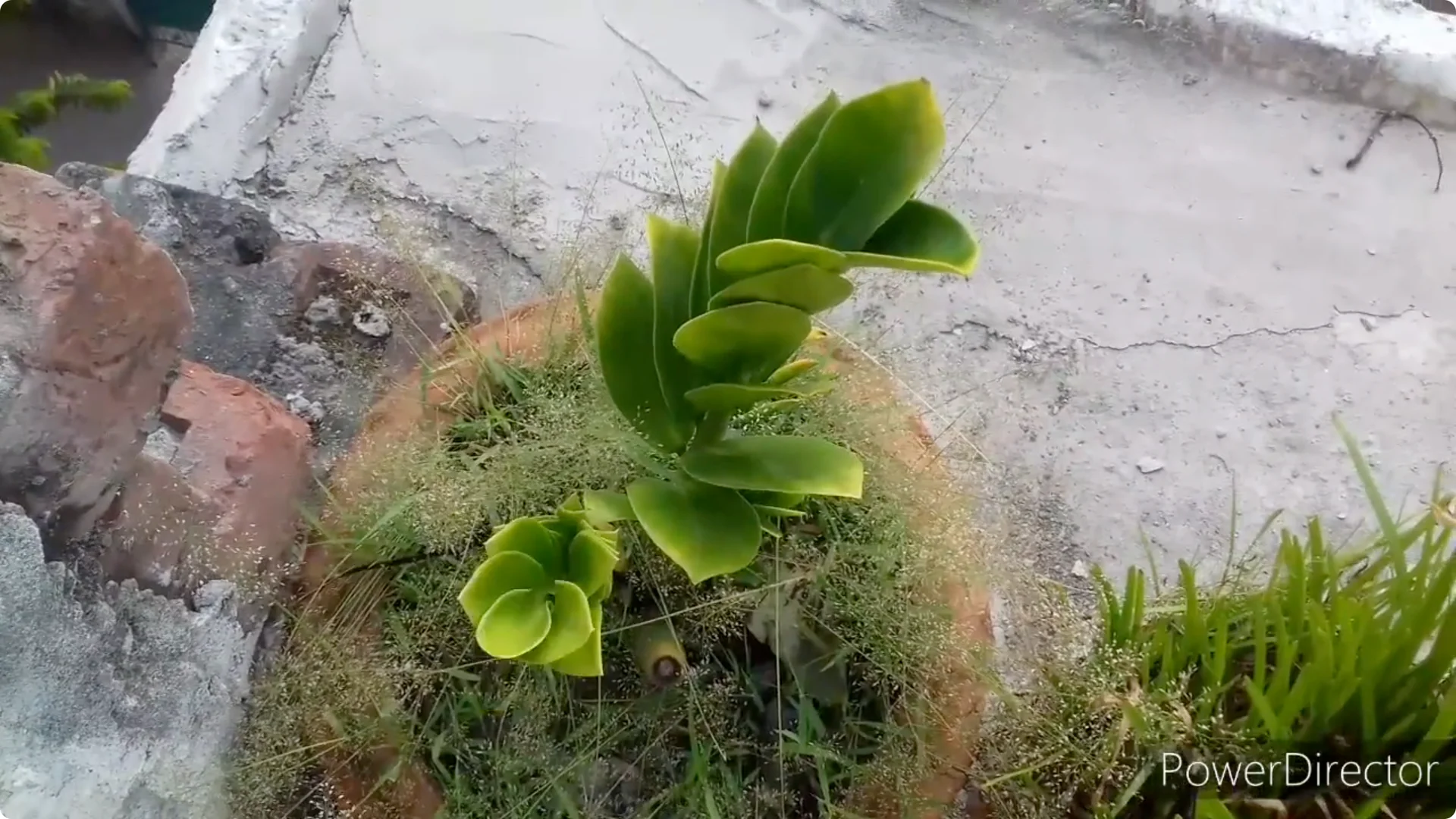
ZZ plants do not require lots of fertilizer for better growth. Use a water-soluble fertilizer at a light dose and feed sparingly during the growing season. A nitrogen-rich fertilizer can support tender new leaves, but avoid overfeeding.
If you see signs of overfertilizing, flush the soil with clean water to remove excess salts. Let the pot drain thoroughly and reduce the feeding frequency. Keep the focus on a balanced, gentle routine.
If you are fixing yellowing on other houseplants, see how to restore yellow leaves on a Chandni plant.
Final Thoughts
Yellow leaves on a ZZ plant usually trace back to watering errors, excess sun, fertilizer build-up, or temperature stress. Check roots, adjust light, flush salts, and reset a careful watering schedule. With steady care in bright, indirect light and a well-draining mix, new growth will look healthy again.