
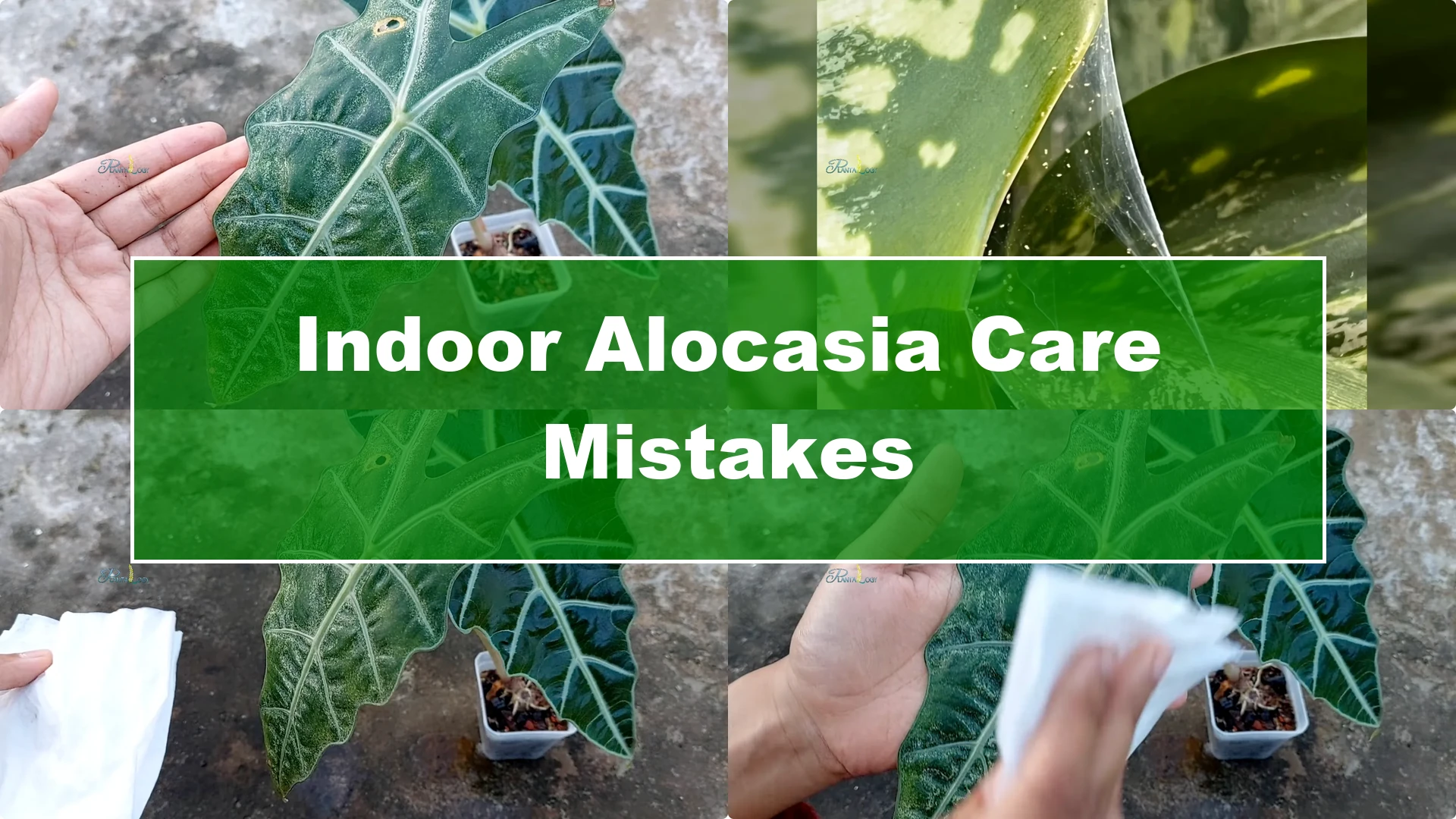
Are your beautiful alocasia leaves turning yellow and dropping one by one? Is your plant sitting there doing absolutely nothing for months? You are not alone.
These three problems drive plant parents crazy, but there is good news. Here are the exact solutions that will bring your elephant ear plant or alocasia back to life. You will discover the root causes and proven fixes for the three most frustrating issues.
1. Alocasia Problems and Solutions: Yellow Spots and Fading Leaves
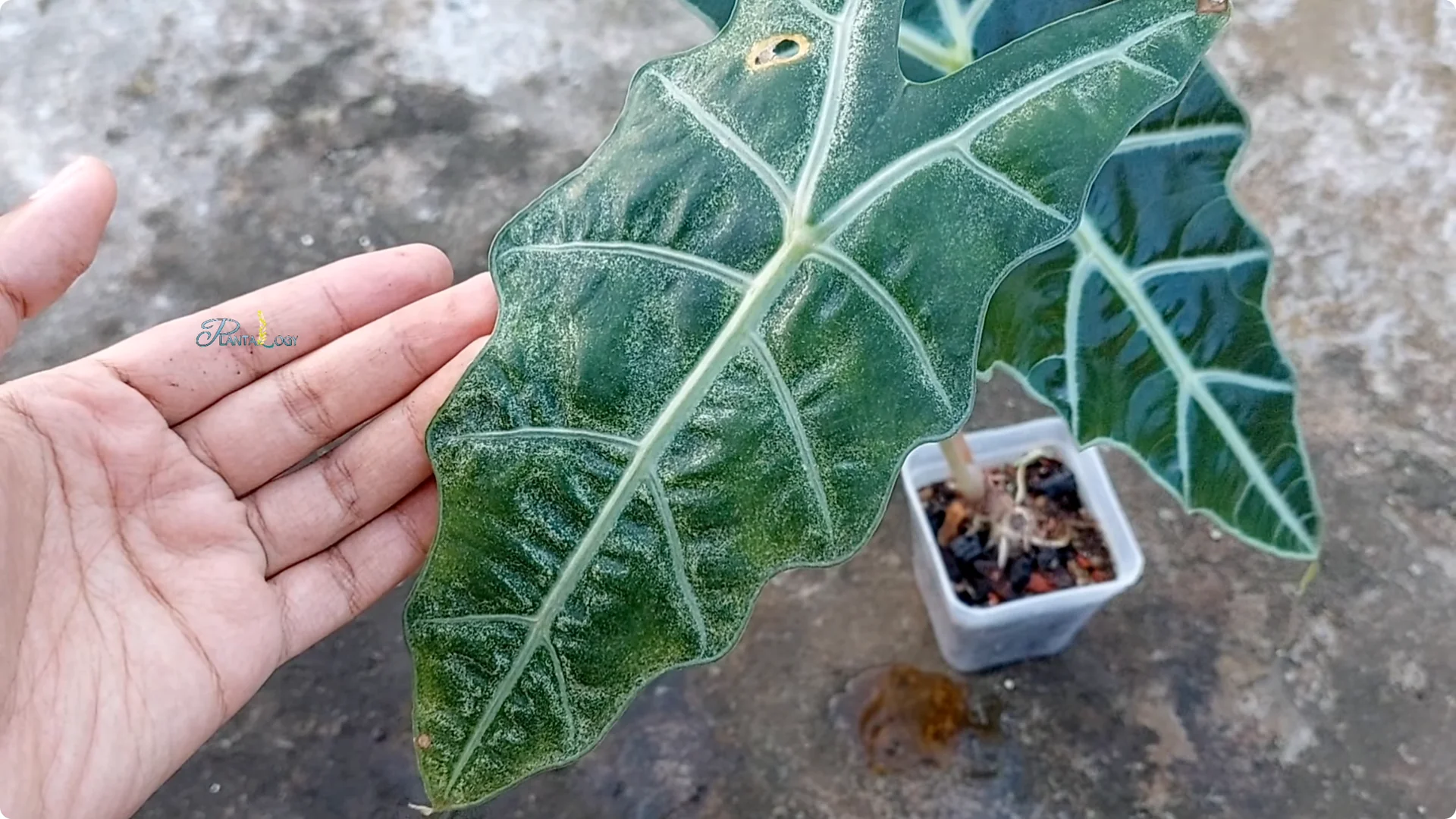
What is happening
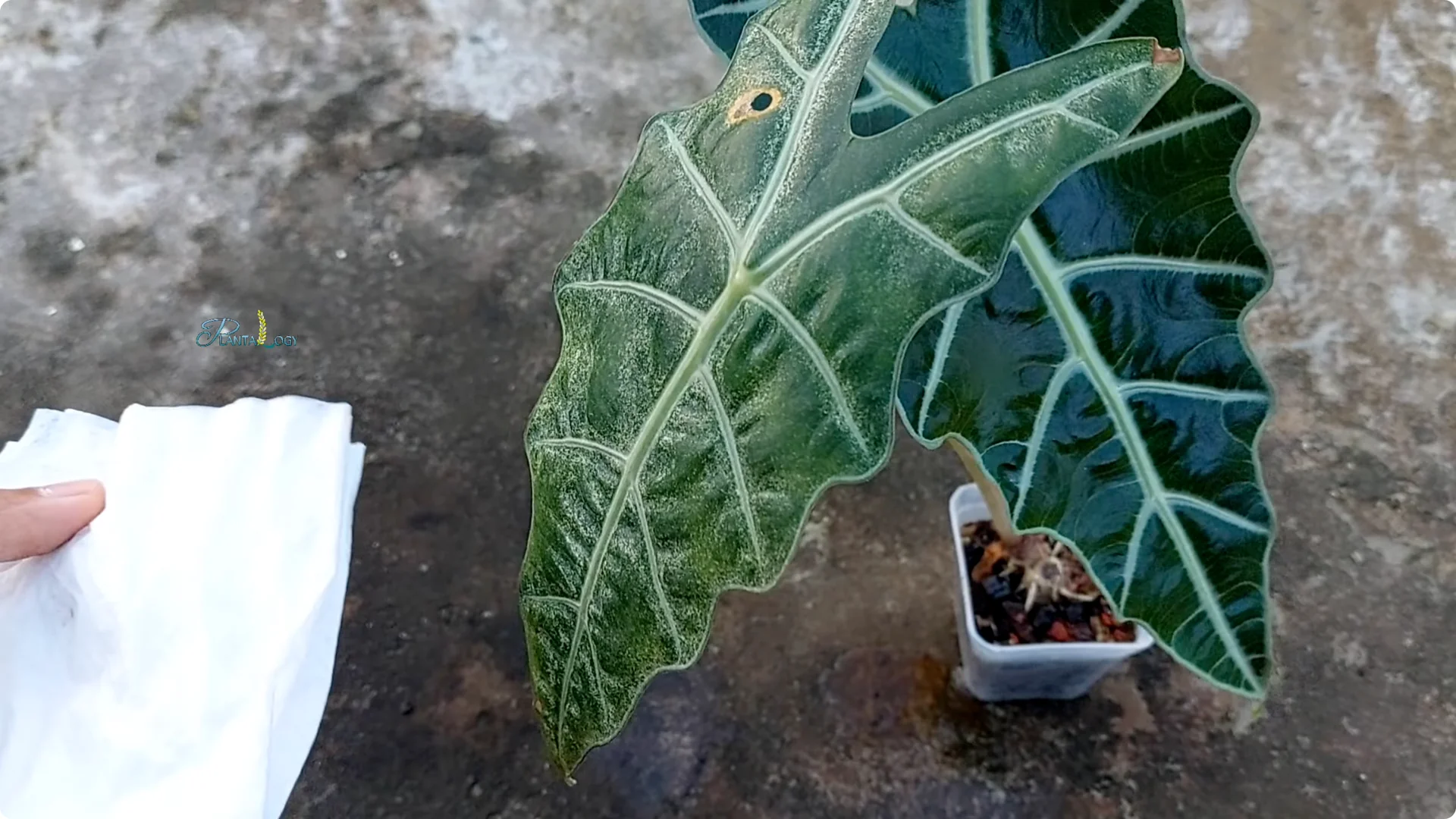
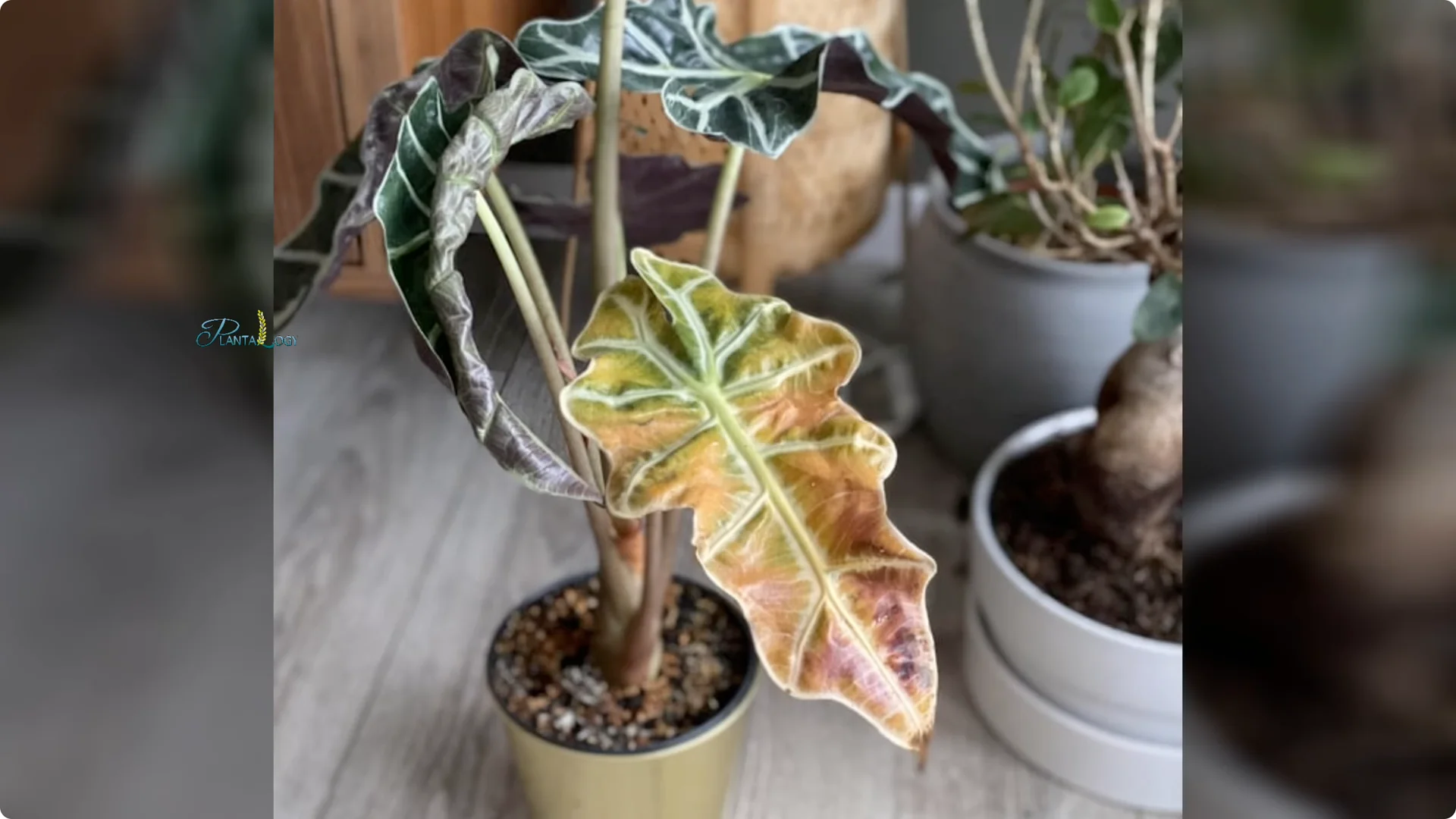
The main culprit here is usually spider mites, tiny bugs you can barely see with your naked eye. These microscopic pests literally suck the life out of your alocasia leaves from underneath, creating yellow speckles and that dull, lifeless look. You will notice fine webbing under the leaves.
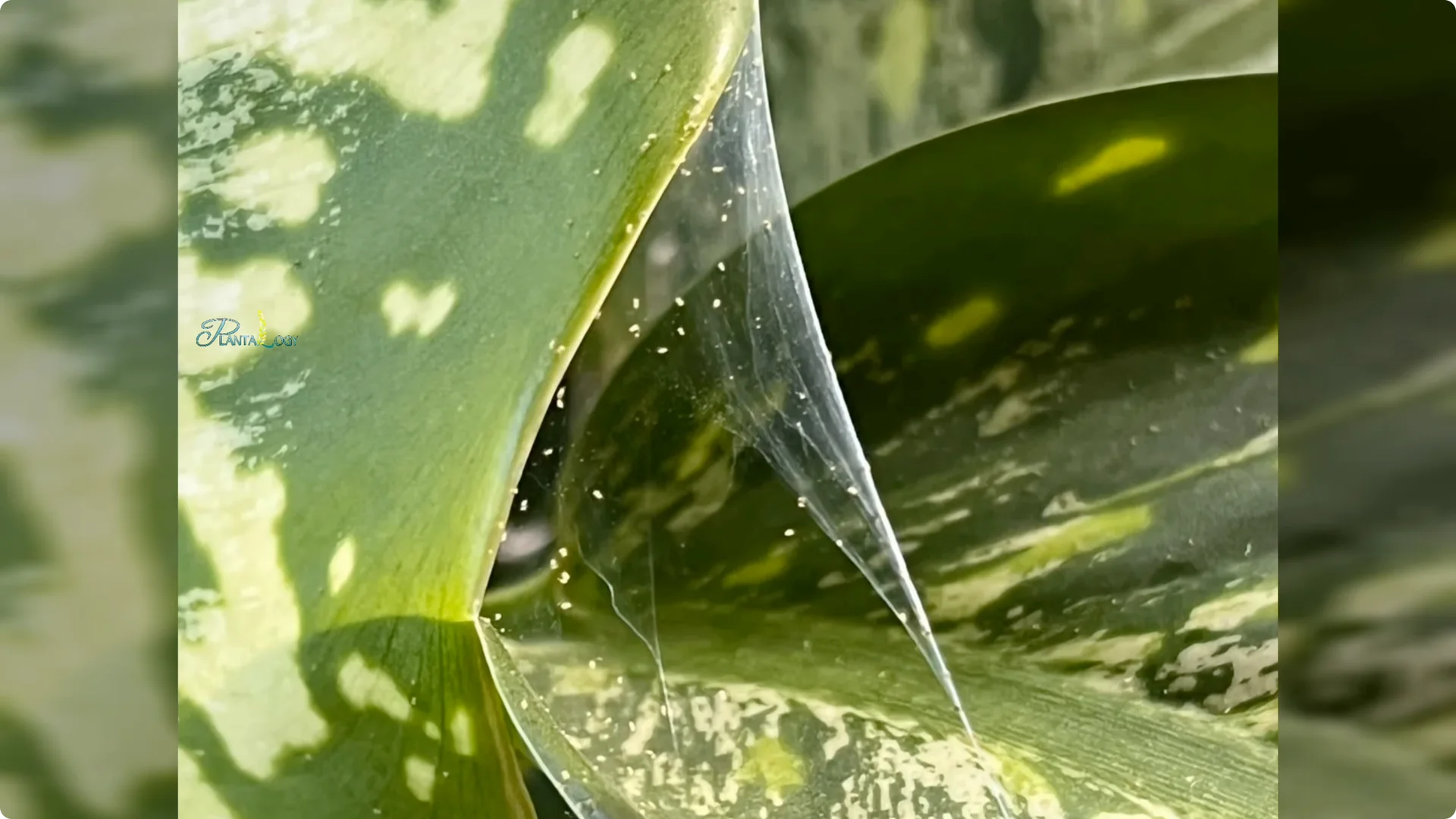
The leaves will turn yellow or brown with speckled patches. Ultimately, the leaves will look faded or dusty.
Step-by-step fix
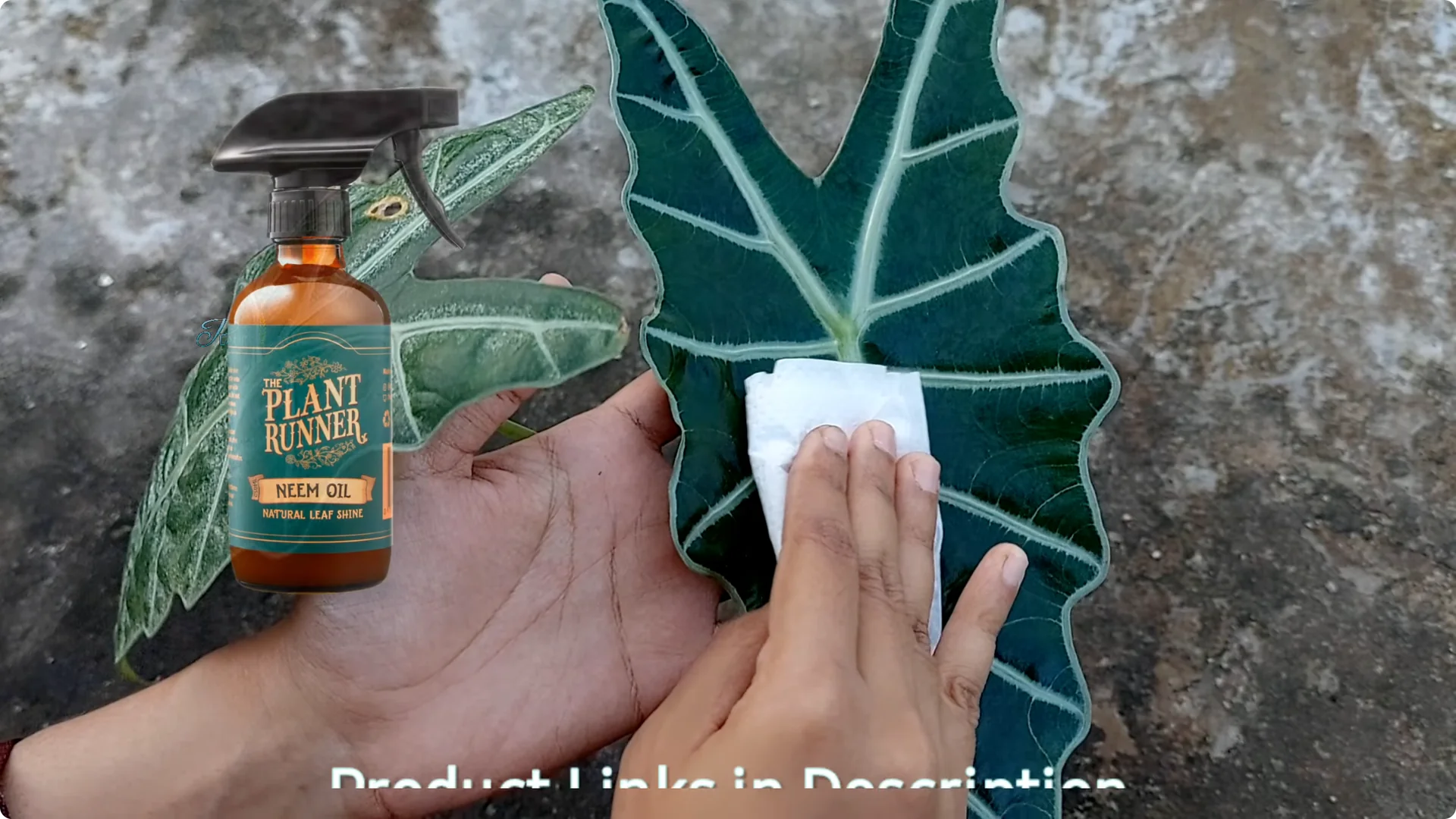
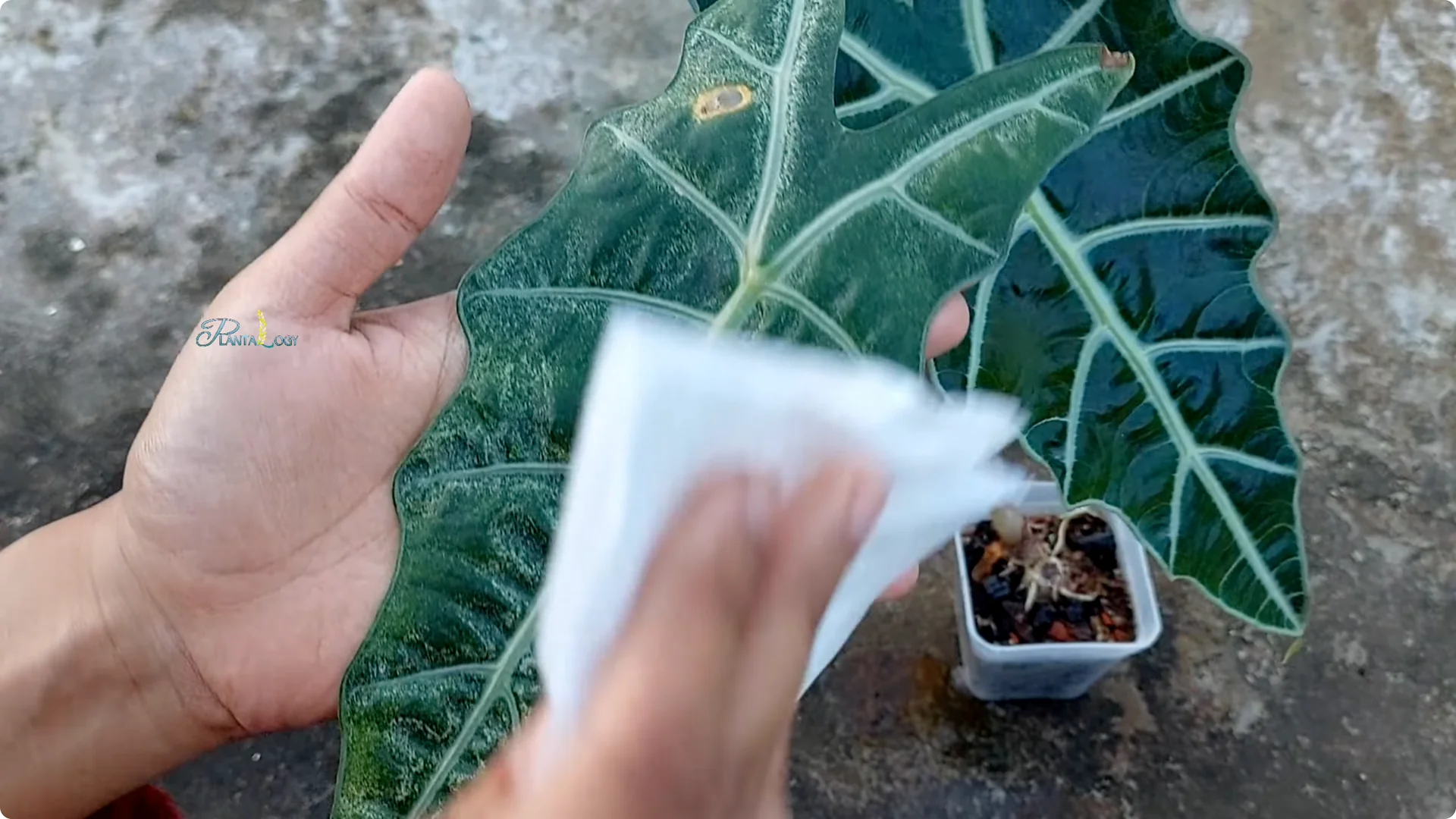
First, grab a damp cloth and gently wipe every leaf top and bottom. For stubborn infestations, mix one teaspoon of mild soap in a liter of water and wipe again. Next, get some neem oil or oil spray and apply it every 5 to 7 days until those mites are history.
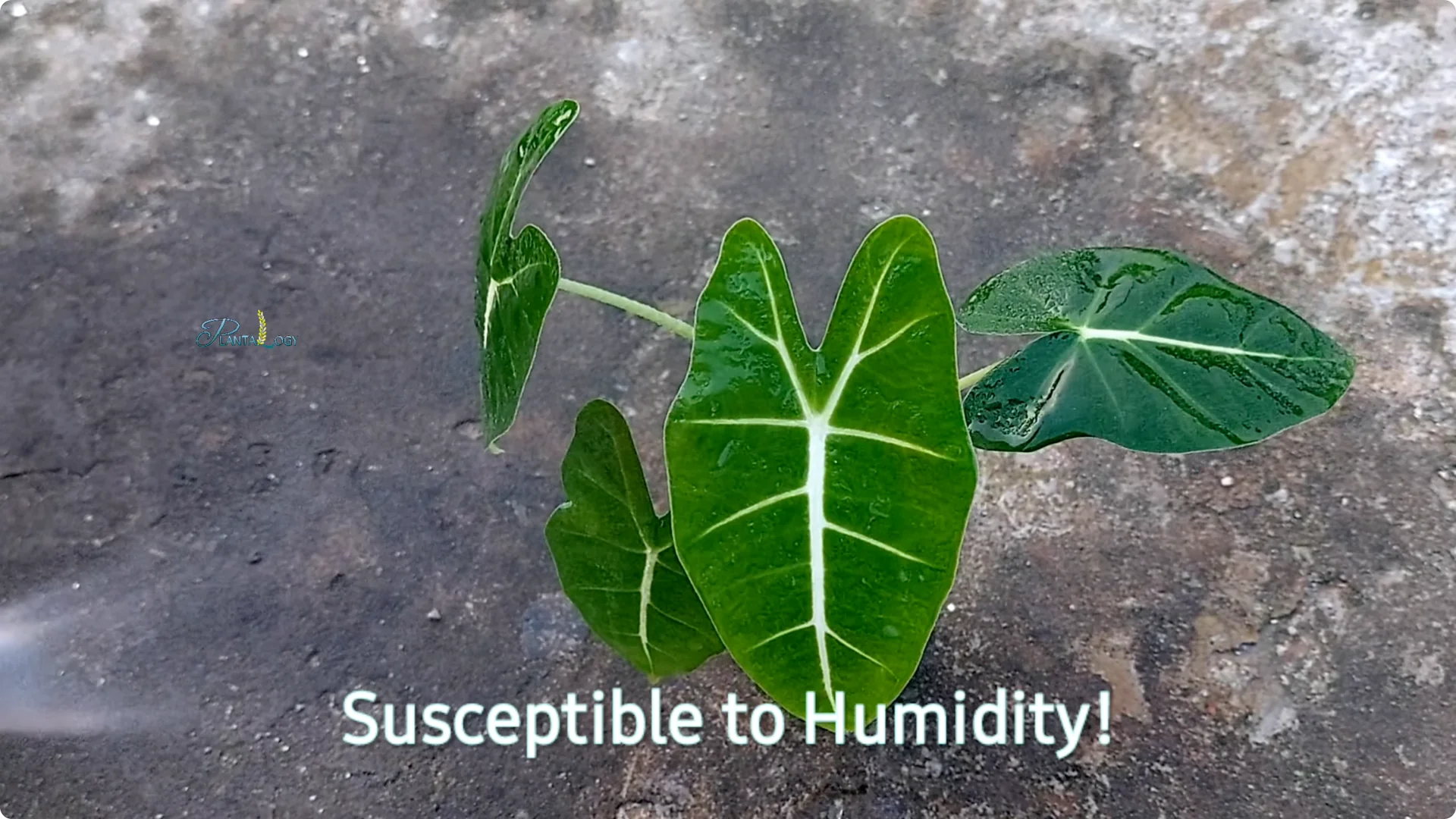
Spider mites hate humidity. Keep your plant’s humidity above 60 percent and they will pack their bags and leave. If leaves are severely damaged, do not be afraid to prune them off.
For more on preventing stress in foliage plants, see common Monstera care mistakes that lead to similar problems.
2. Alocasia Problems and Solutions: Growth Standstill
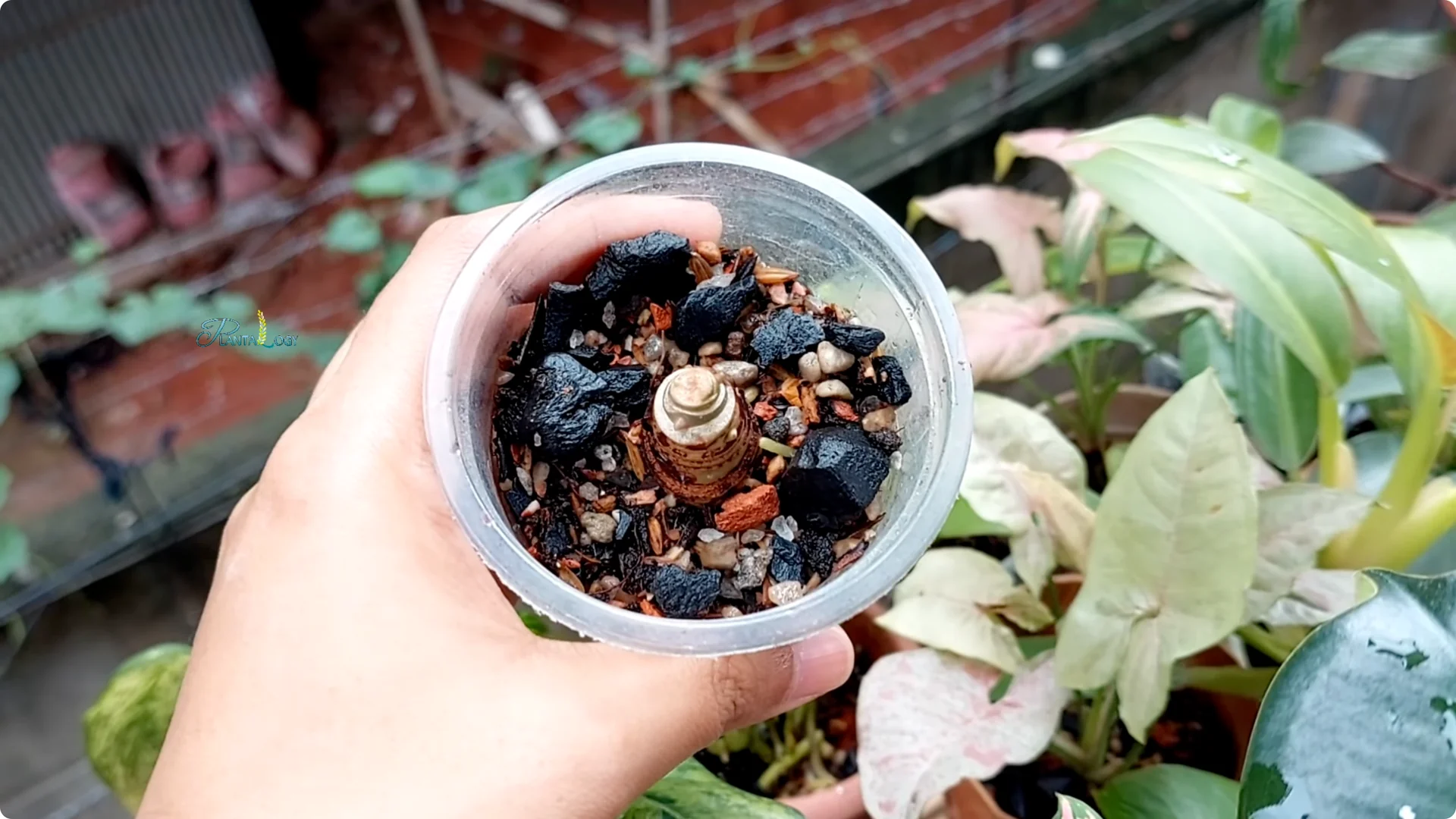
Check the season
First, check the season. Alocasias naturally slow down or completely stop growing during winter months. It is called dormancy and it is totally normal, so do not panic if your plant takes a winter break.
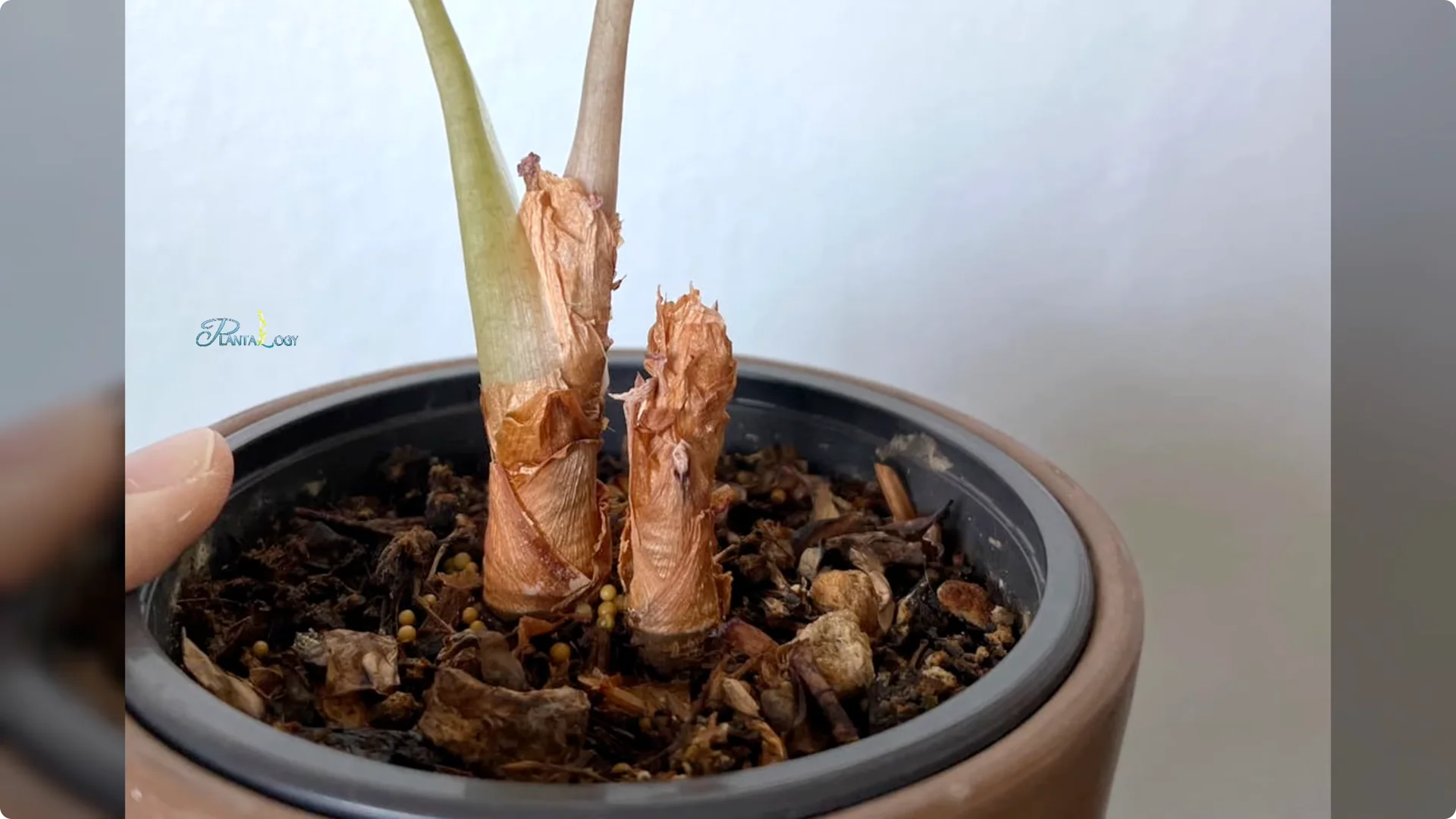
Fix for growing season
If it is growing season, the number one cause of standstill growth is watering issues. Too much water suffocates the roots, preventing nutrient uptake, and too little water leaves your plant too stressed to produce new growth. Check your soil moisture by sticking your finger 1 to 3 inches deep.
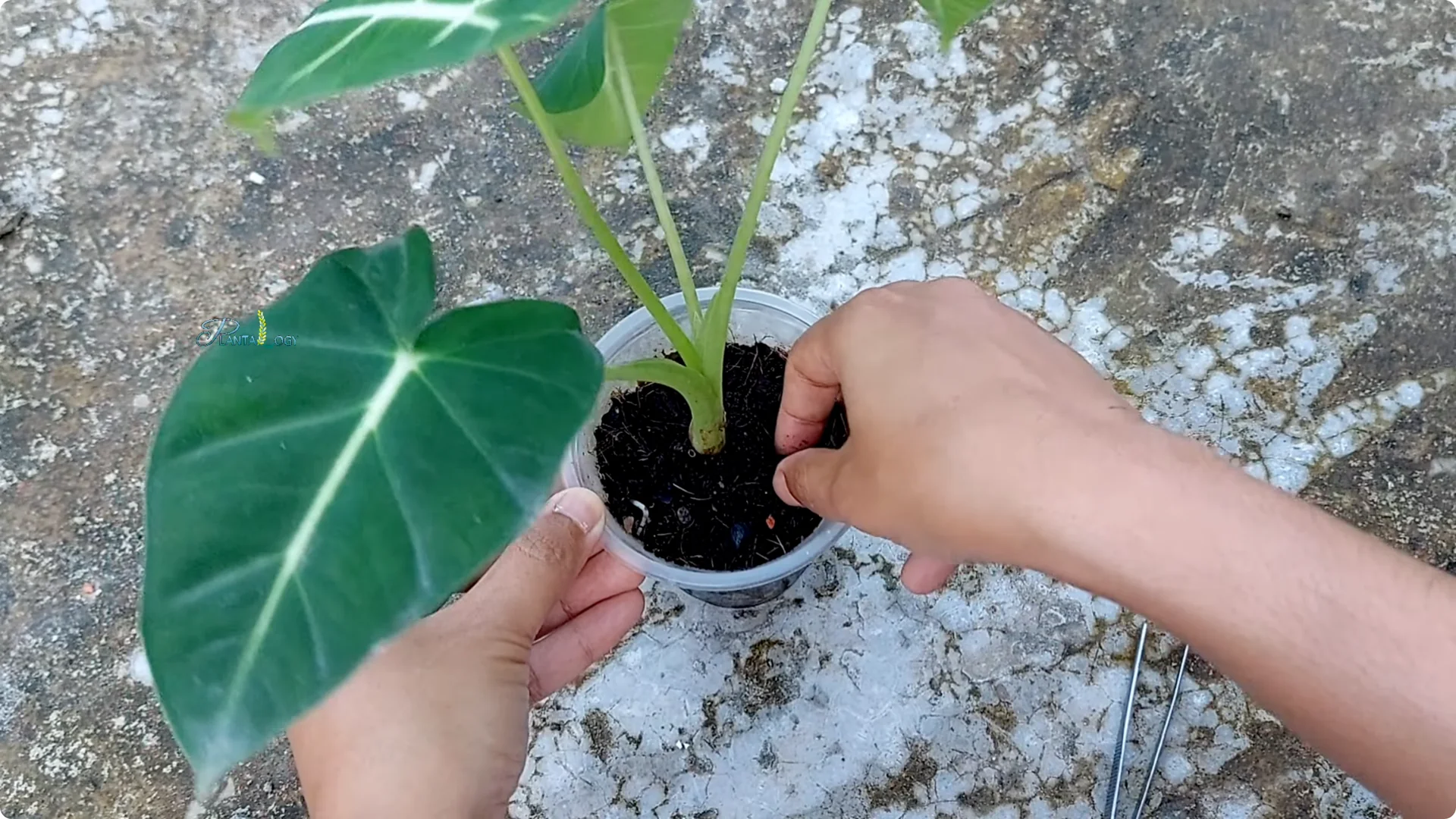
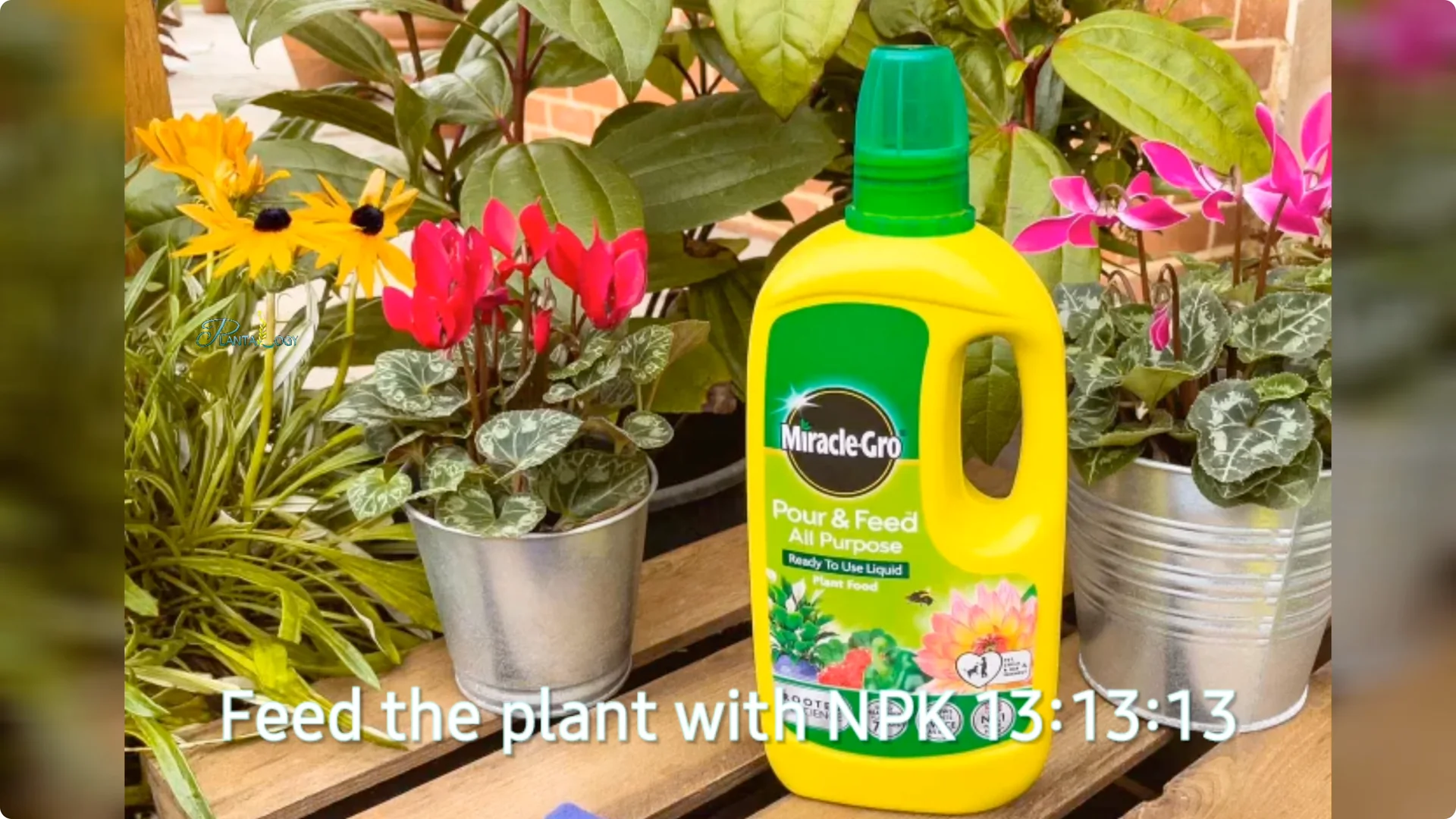
The soil should feel slightly moist, never soggy or bone dry. Make sure your plant gets bright indirect light and temperatures between 68 to 82 F during the growing season. Feed it with a balanced liquid fertilizer every 2 to 4 weeks.
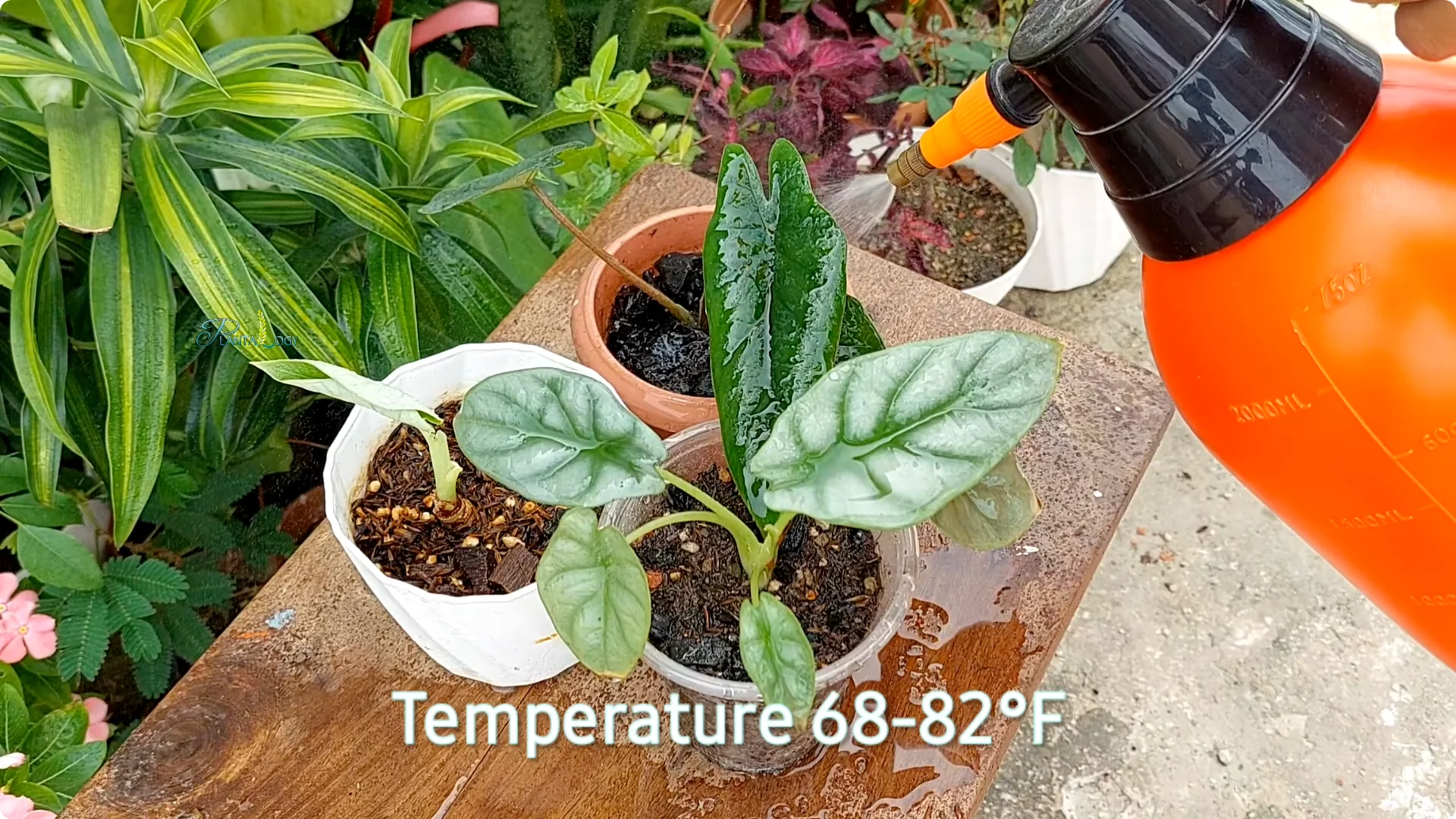
Sometimes you just need to be patient. Alocasias can take weeks to recover from any stress before pushing out new growth. To get better at reading plant cues, learn the signals your snake plant is giving you.
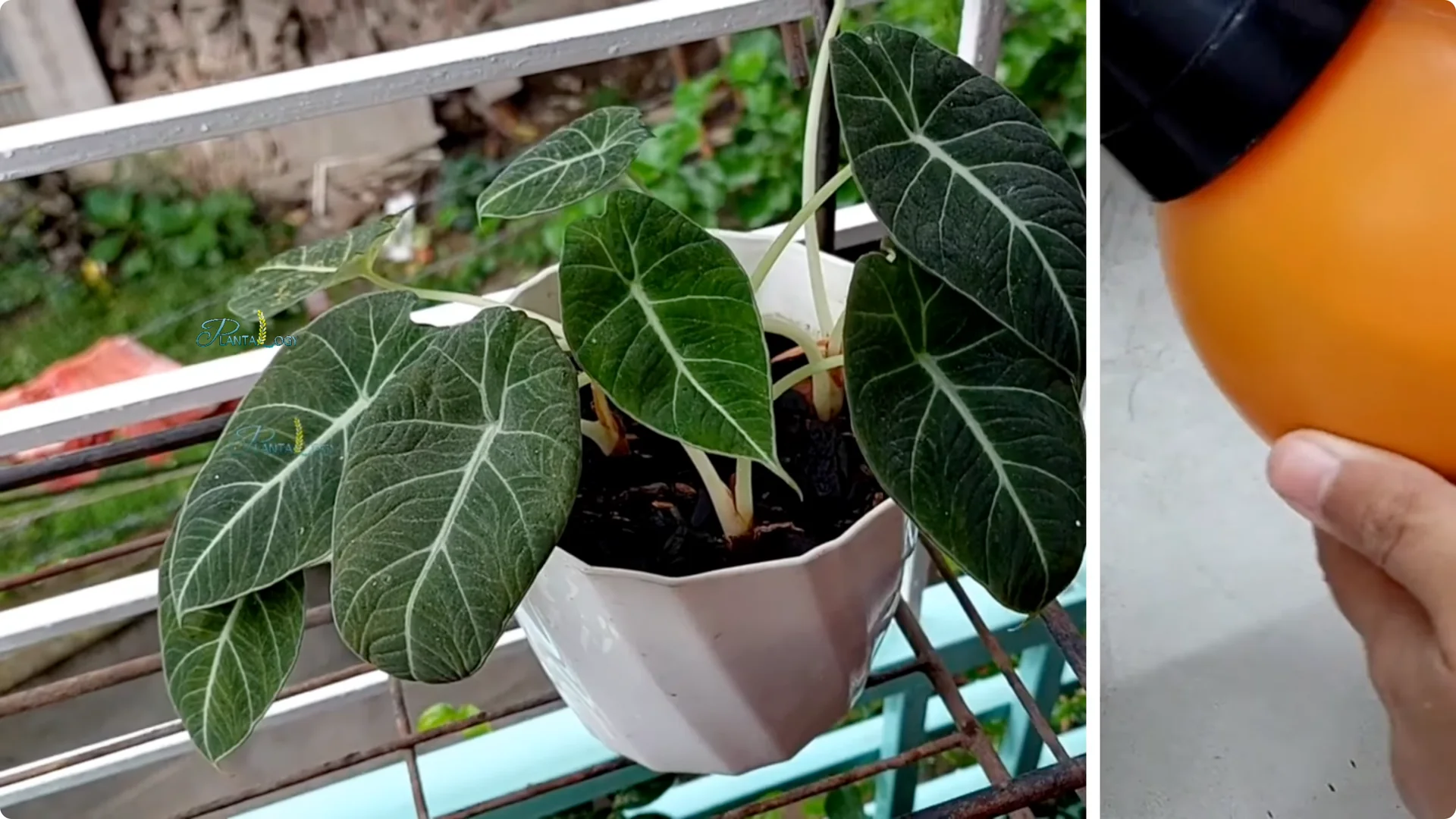
3. Alocasia Problems and Solutions: Leaf Drop
What it means
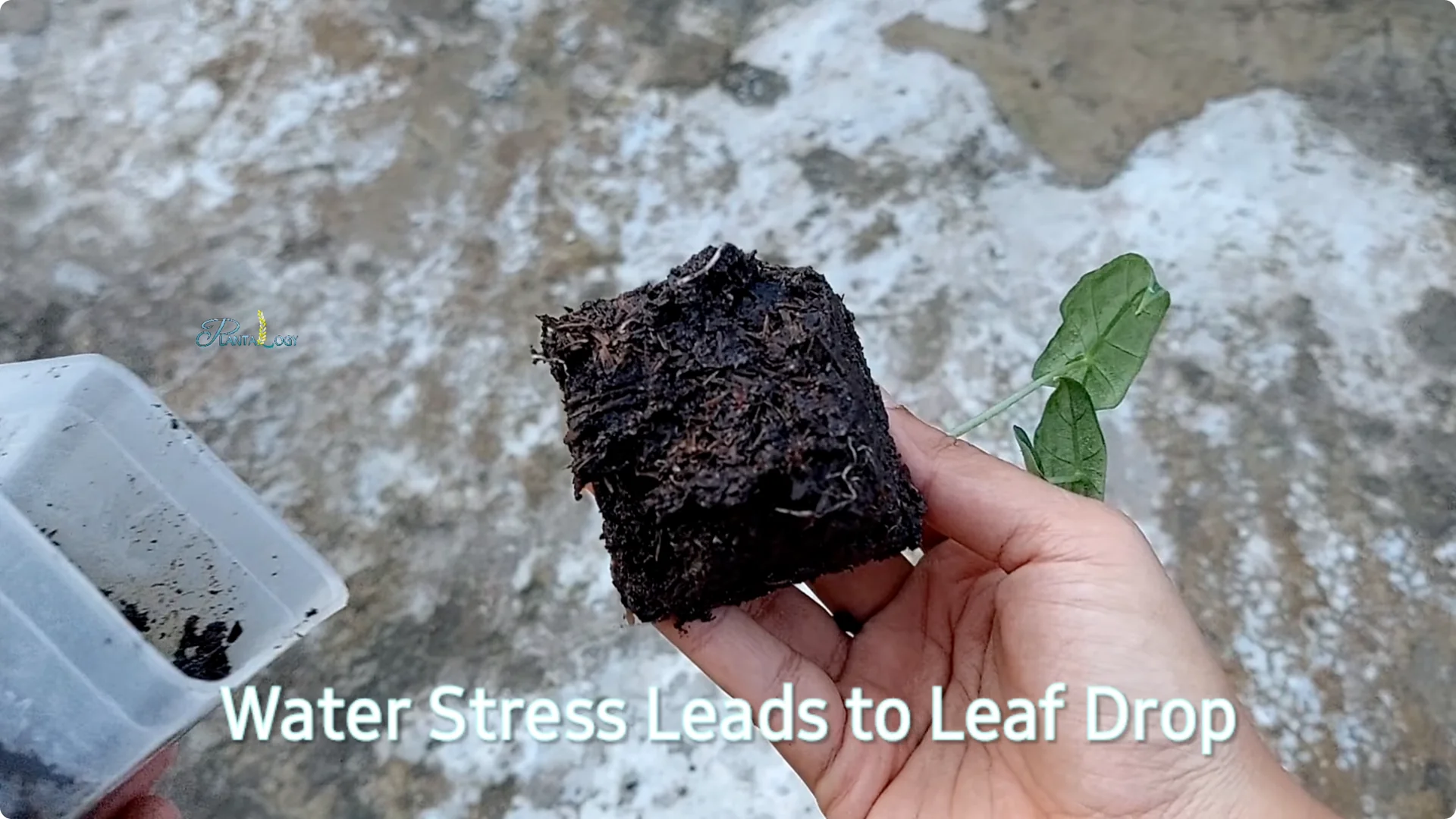
Leaf drop usually comes down to water stress, either too much or too little. Overwatering causes root rot and the plant cannot support its foliage anymore. Underwatering forces the plant to sacrifice older leaves to survive.
Check the roots
Pull your plant out of the pot and examine the roots immediately. Healthy roots should be white and firm. If you see brown, mushy, smelly roots, that is rot and you need to act fast.
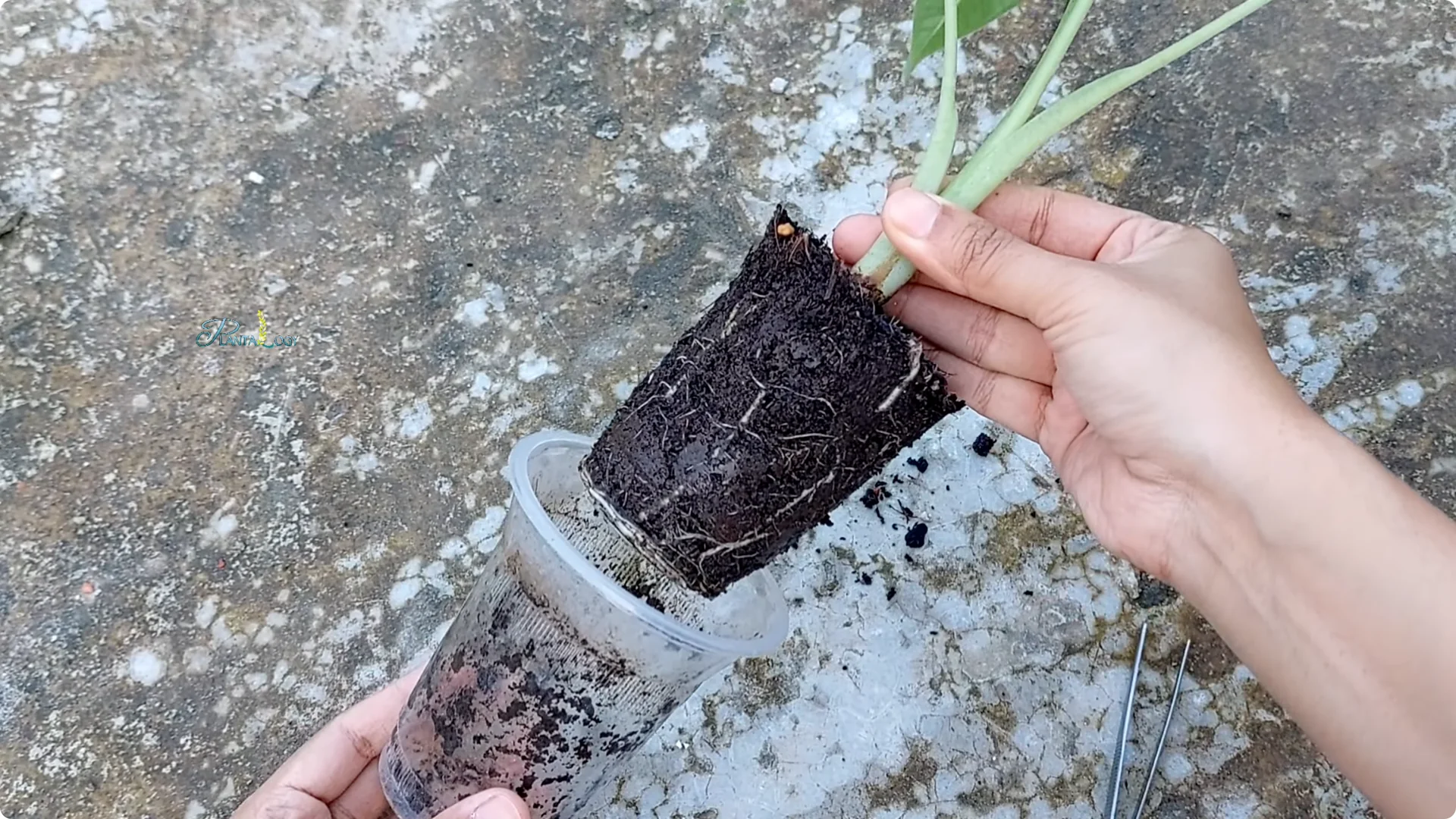
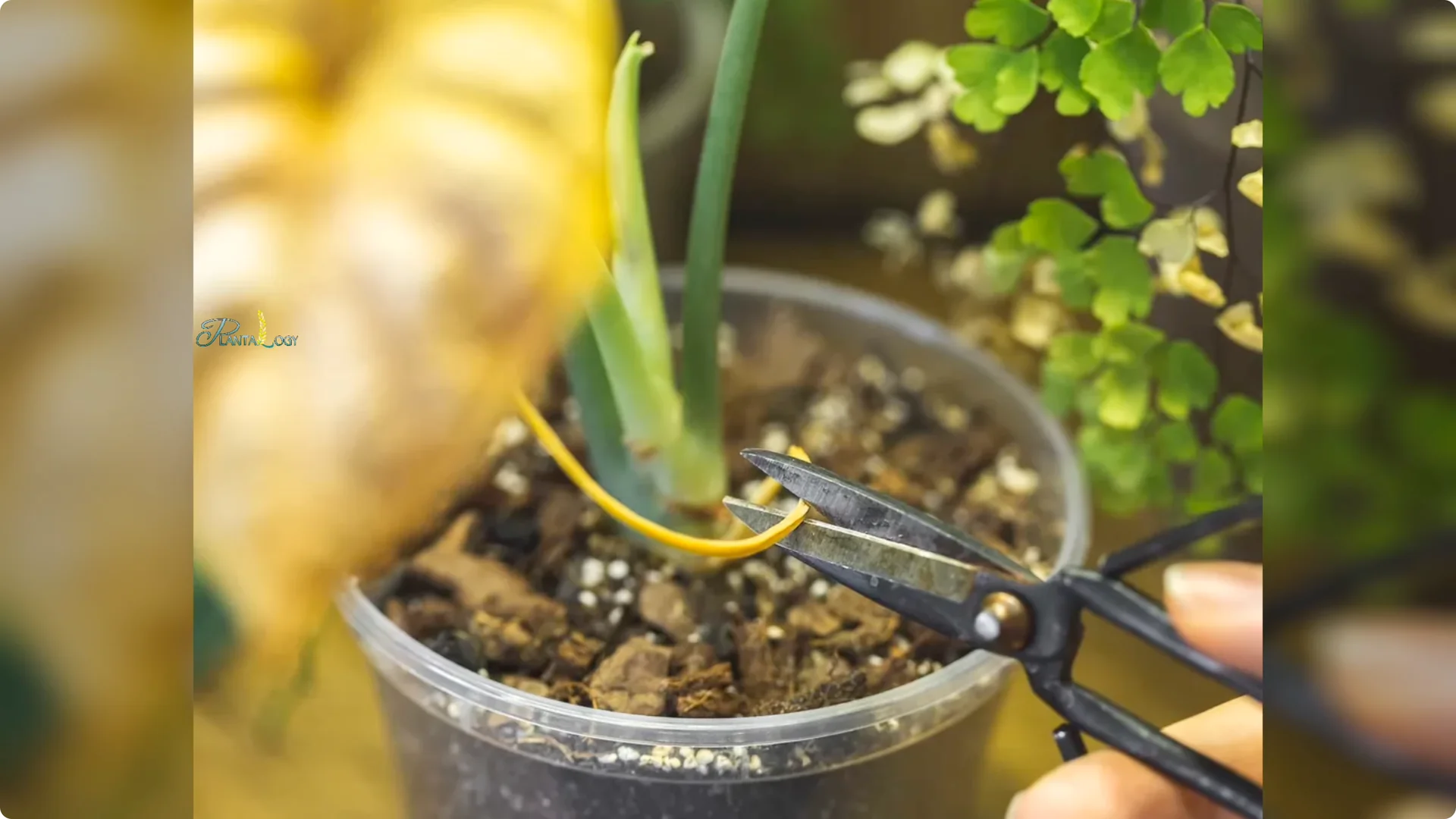
Trim away any rotten roots with clean scissors. Repot it in fresh, well-draining soil. Work quickly and keep tools clean.
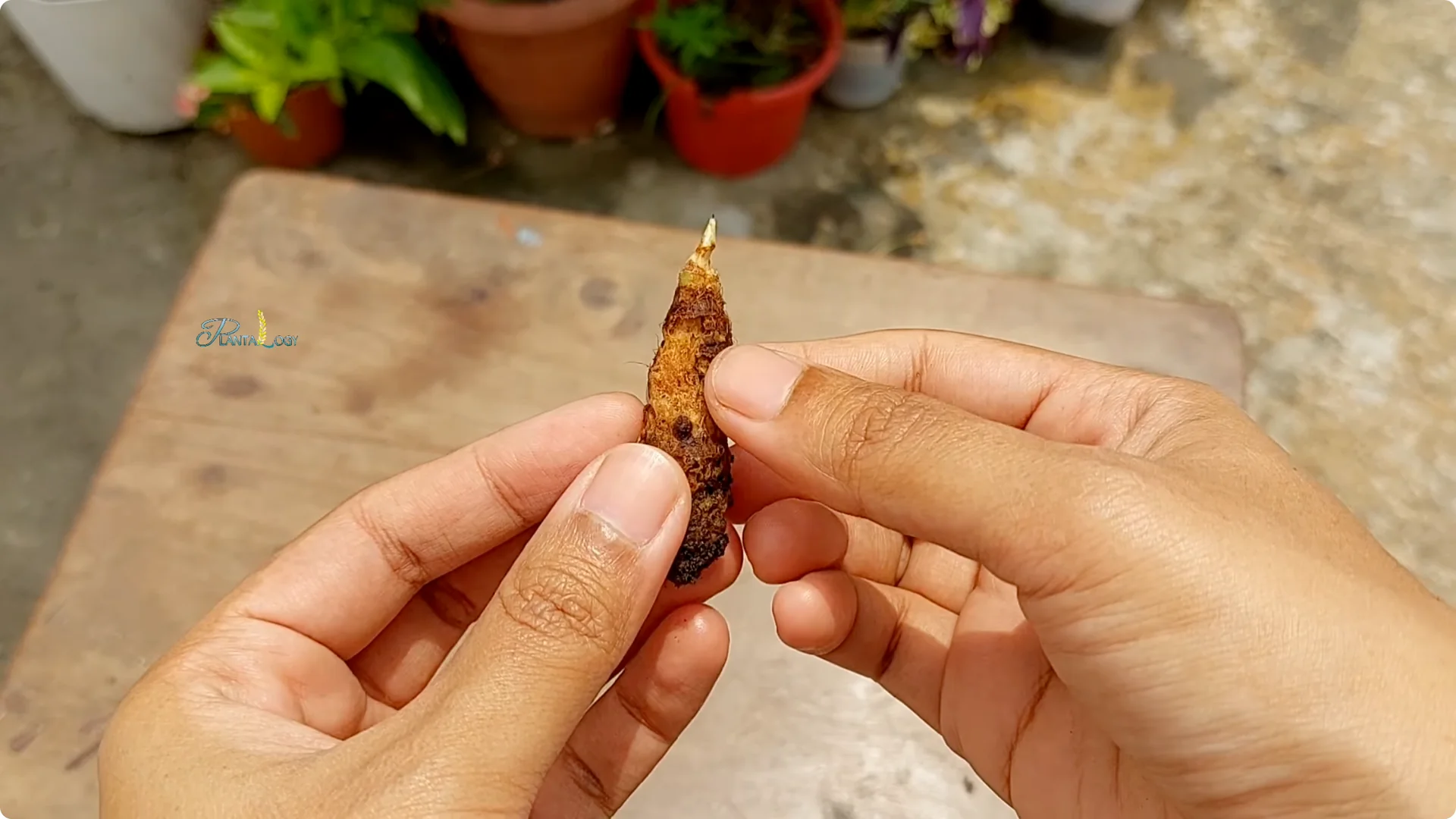
Repot and mix
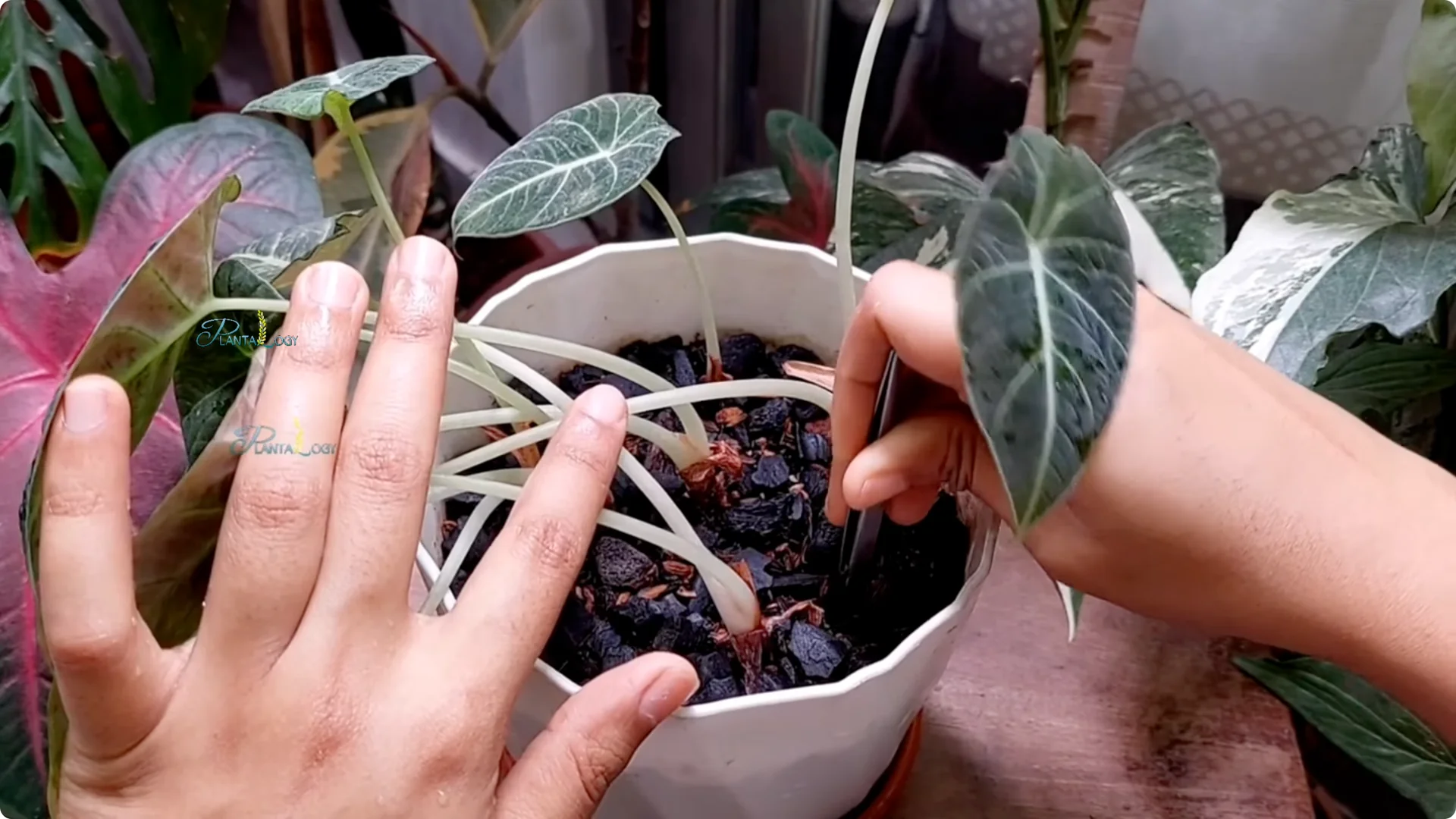
Prepare a potting mix with one part regular potting soil, one part perlite, and one part orchid bark for perfect drainage. Choose a pot with drainage holes. Keep the crown at the same depth and water lightly to settle the mix.
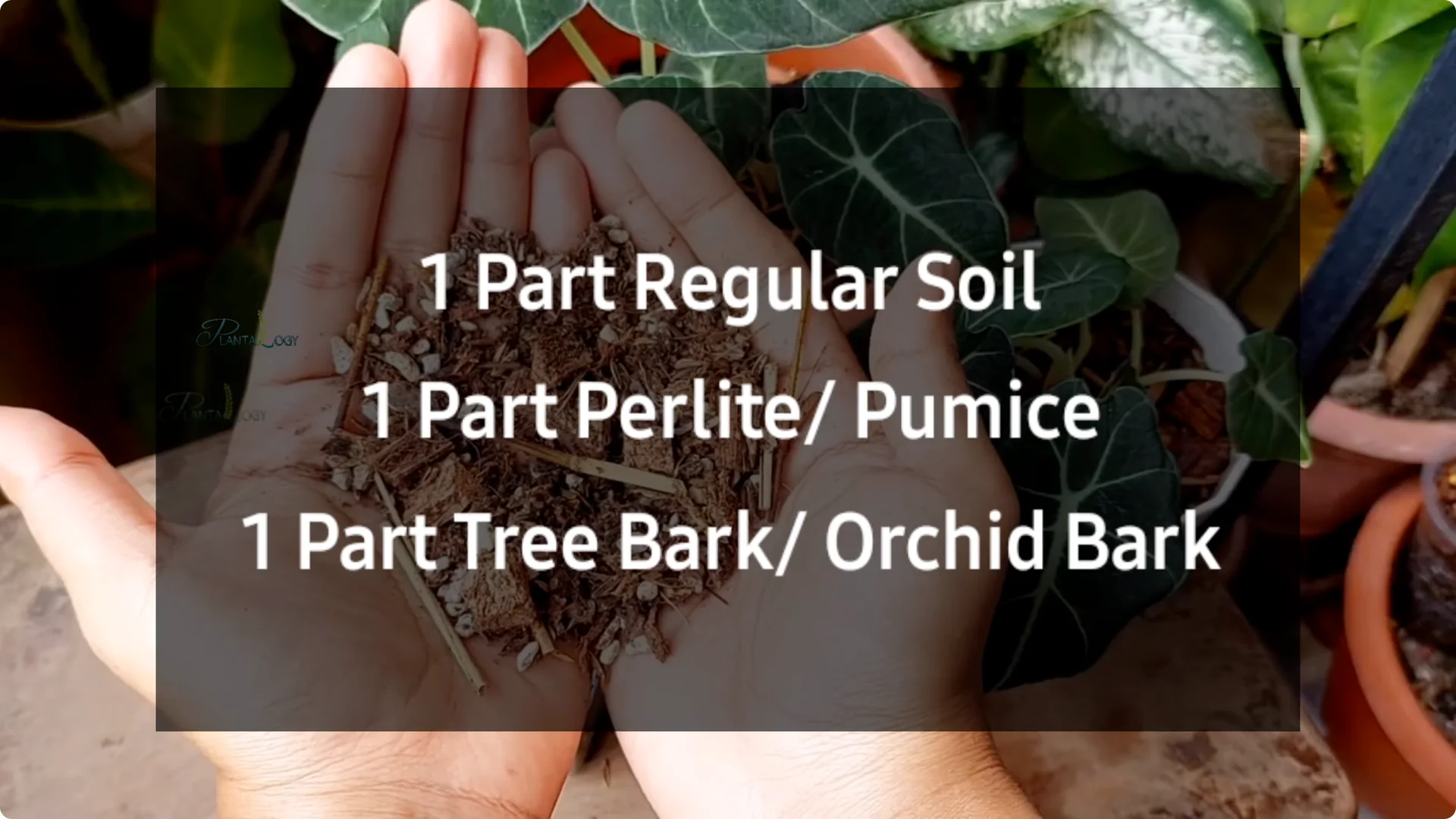
Reset watering
Reset your watering schedule and water only when the top 1 to 2 inches of soil feel dry to the touch. Alocasias naturally shed older leaves when producing new ones, so losing one leaf occasionally is normal. It is only a problem when multiple leaves drop quickly.
If you want a low-risk option for areas prone to overwatering, explore easy-care choices like indoor plants that grow in water.
Final Thoughts on Alocasia Problems and Solutions
Spider mites cause discoloration and a dusty, speckled look, so clean, treat, and raise humidity. Growth standstill often points to watering, light, temperature, feeding, or simple patience. Leaf drop usually signals water stress, so check roots, refresh the mix, and adjust your watering rhythm.