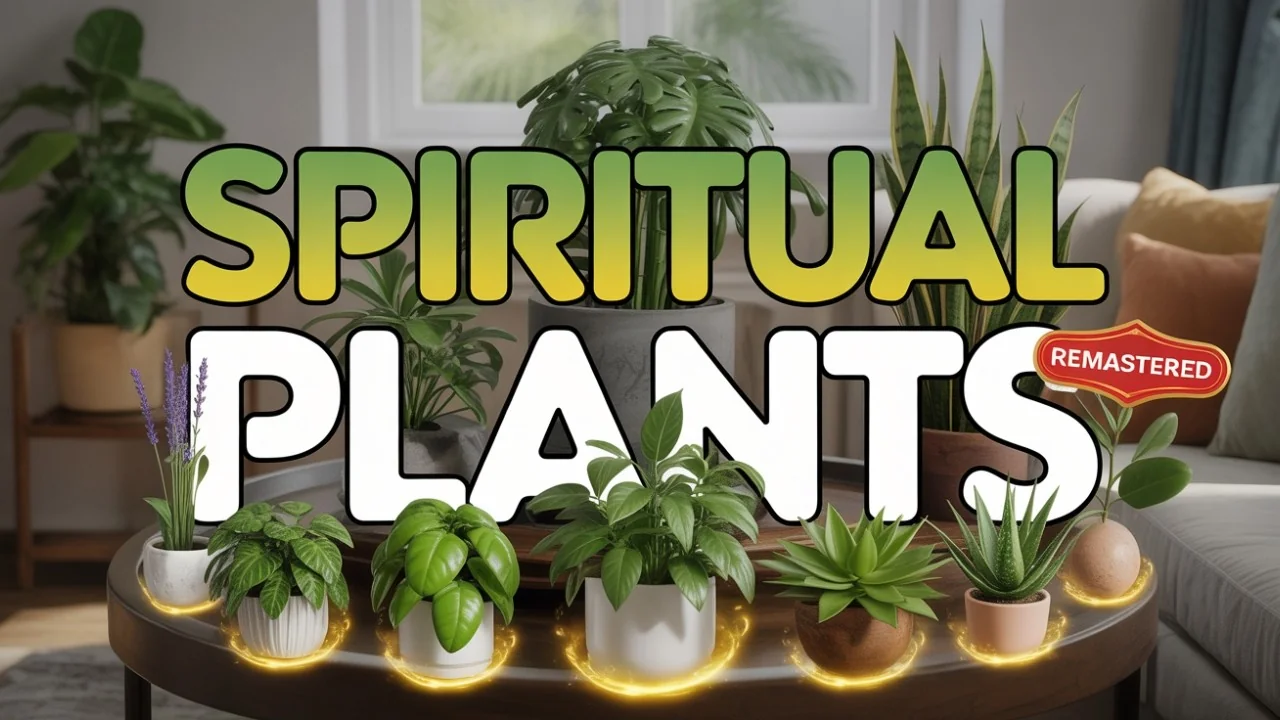
I recently shared my top 10 spiritual plants, and your response blew me away. Your feedback, support, and honest comments inspired me to bring you a fresh guide packed with updated tips you can actually use at home. Science shows indoor plants can lower stress by boosting positive emotion, which means where and how you grow them really matters.
This edition gives you clearer guidance on each plant, precise placement tips, and a straightforward path to shifting your home’s energy. Most guides stop at naming what is good without showing you how to make it work in your space. Knowing a plant’s name is not enough if you cannot see its true form or place it correctly.
After the original reached hundreds of thousands of views, your comments made it clear what was missing. This update adds three bonus plants you requested most and placement guidance that removes guesswork. Recent research found that healthy indoor plants, when placed correctly, can reduce stress and improve overall well-being, so getting these details right matters.
Follow simple Bagua based guidelines aligned from your front door rather than strict compass readings. You will know if a plant thrives best in the east, southeast, bedroom, or another specific zone for full benefit. With those upgrades in mind, here are the plants that attract peace, harmony, and vibrant energy into your home.
Why Feng Shui Indoor Plants Matter
Most of a plant’s potential stays untapped if it is placed randomly without purpose. Placement directs how energy moves, and in Feng Shui, this is everything. Healthy growth supports the flow of positive energy, so care and location both count.
The Bagua is usually aligned to your home’s entrance. Use it to map key zones like family health in the east and wealth in the southeast. Matching species to the right Bagua area turns casual decor into a coordinated energy system.
1. Basil
Basil is often thought of as a kitchen staple for pasta, sauces, and fresh salads, but in many cultural traditions, it holds a deeper role. In Hindu practice, holy basil known as Tulsi is planted near homes as a sacred presence believed to bless the household and invite prosperity. This is different from the common sweet basil you might cook with, though both varieties are valued.
Traditionally, basil is believed to attract prosperity, purify stagnant energy, and offer a gentle layer of protection. One viewer shared they keep two pots, one for cooking and one for spiritual practice, so it meets both needs. For best results, give basil bright sunlight, regular watering, and a spot on a sunny kitchen windowsill or by your front door.
It is close enough for daily use while sitting in the flow of incoming energy. When placed with intention, basil becomes more than a plant. It is a steady influence that paves the way for a calmer space.
2. Lavender
Lavender’s soft purple blooms and distinct scent act like a quiet reset for the atmosphere in a room. Aromatherapy studies link its fragrance to lower stress and better sleep, making it ideal for creating a restful environment. Too often it is placed in busy hallways or unused corners where the scent fades into the background.
For Feng Shui, it works best in spaces where rest and relaxation are the goal, like the bedroom or a reading nook, not in high traffic zones. Lavender indoors needs bright light, good airflow, and well draining soil. A sunny windowsill helps the warmth release more of its natural oils, filling the space with a steady fragrance that softens tense moods.
Used this way, it creates a zone that supports calmer sleep and clearer focus. It also sets the stage for a plant known less for scent and more for strong symbolic presence. That plant is lucky bamboo.
3. Lucky Bamboo
Lucky bamboo is a popular starting point for exploring Feng Shui. It is low maintenance, clean in appearance, and carries deep traditional symbolism. In Feng Shui, lucky bamboo represents good fortune, health, and harmony.
The number of stalks matters. Three for happiness, five for health, and eight or nine often used for wealth. Ignoring these details leaves its energy unfocused.
It grows well in indirect light and can be rooted in water with pebbles or planted in soil. If growing in a vase, use filtered or distilled water and change it weekly to keep stalks healthy. For health energy, place it in the east area of your home, which links to the wood element and family health on the Bagua map.
A quick win you can try today. Set up a simple three stalk arrangement in a small vase and place it on an east facing shelf. For more ideas on water rooted setups, explore indoor plants that grow in water.
4. Jade Plant
The jade plant is long seen as a sign of prosperity in Feng Shui. Its rounded fleshy leaves resemble small coins, which is why it is linked to attracting wealth and steady financial growth. That symbolism works best when the plant is kept in the right place.
According to Bagua tradition, the southeast area of your home is considered the wealth corner. A sunny windowsill in this area is ideal since jade thrives on bright light for several hours a day along with well draining soil. Water only when the top of the soil has dried because the leaves store water and overwatering is a common cause of decline.
Healthy growth supports the flow of positive energy. Place jade in the southeast wealth area to reinforce abundance. With proper light, soil, and location, it shifts from decoration to a daily reminder of dependable growth.
5. Snake Plant
The snake plant, also called mother in law’s tongue, stands upright with pointed leaves that can signal both protection and caution in Feng Shui. That structure can work like a shield to block unwelcome energy. But if positioned poorly, it can feel harsh or uninviting.
Studies list snake plant for removing pollutants like formaldehyde and benzene. It tolerates low light but thrives in bright indirect sunlight. In Feng Shui, set it near an entry or in a spot where you want a protective screen.
Avoid placing it directly next to seating where its sharp silhouette could feel aggressive. It has low water needs and benefits from good drainage. Positioned thoughtfully, it improves the air you breathe and the sense of security in a room.
6. Peace Lily
The peace lily may seem simple and elegant, but it works on several levels you do not notice right away. Its white blooms and deep green leaves help tone down the background noise of a busy space. In Feng Shui, it is valued for harmonizing active rooms so they feel calmer and more balanced.
Peace lilies are commonly noted for removing indoor toxins like benzene and formaldehyde. Place it in social spaces like the living room to gently lower the energy where people gather or in a workspace to counter stress buildup. It likes bright indirect light and consistently slightly moist soil.
Water regularly to keep it healthy without letting it sit soggy. Combining its air purifying benefits with peaceful symbolism gives it a dual role. It becomes both a visual anchor and an invisible mood adjuster.
7. Rosemary
Rosemary might be best known as a kitchen herb, but it is also traditionally used to mark and protect thresholds. In older practices, growing a rosemary bush by the entrance was believed to purify and safeguard the space. Because it is so often limited to the kitchen, many miss its role in setting clear energetic boundaries.
Its strong clean scent is associated with mental clarity and alertness. Anyone arriving is met with a fresh fragrance and a subtle sense of focus. For healthy growth and to support its Feng Shui effect, place rosemary in full sun in a terracotta pot with well draining soil.
Water only when the top soil is dry. Choose a hearty variety suited for containers. Avoid planting it directly inside small or dark entryways where it will not thrive.
If you want to test it, place a rosemary plant beside your front door for two weeks and note how the space feels. Adjust light and watering if needed. Keep it vigorous for the strongest effect.
8. Aloe Vera
Aloe vera is best known for the soothing gel inside its leaves. In Feng Shui, it is traditionally believed to help protect and purify a home’s energy. Its thick upright leaves are said to capture and filter unwanted influences, keeping the atmosphere clearer.
Some experts suggest placing aloe within a few feet of screens or electronics to help reduce electrostatic exposure. Aloe works best where there is movement and interaction such as a living room, home office, or other common area. It is also recognized for improving indoor air by absorbing certain pollutants.
For healthy growth, give aloe bright indirect sunlight. Use fast draining soil and water only when the soil is fully dry. Try positioning one near your desk and notice the before and after feel over a few days.
9. Spider Plant
The spider plant is often overlooked until you see what it can do. It is light, adaptable, and works quietly in the background. Beyond decor, it is noted on air purifying lists and can remove VOCs in enclosed rooms while adding oxygen.
Its arching leaves and trailing baby plants make it easy to hang in a basket or place high on a shelf. Elevating it helps the air cleaning effect reach more of the room. Hang it or put it on a high shelf in kitchens to balance cooking odors or in children’s rooms to help keep the air light and clean.
Spider plants tolerate indirect light and need only moderate watering. They grow quickly and their offshoots are simple to propagate in water. As a quick challenge, root one of the spider babies and start a new plant for another part of your home.
Read More: Grow Areca Palm Plants Fast
10. Pothos
Pothos is one of the easiest indoor plants to keep healthy, thriving in spaces where others struggle. It is useful in corners or shelves that feel dull or lifeless, with quick growing vines that add movement and fresh green energy. Golden pothos is toxic to cats and dogs, so keep it out of reach if you have pets.
If vines are left unchecked, they can tangle and create heavy shapes that Feng Shui sees as blocking rather than circulating energy. Trim and guide the growth to keep the shape free and flowing. Pothos is also tied to prosperity symbolism, with trailing leaves that resemble a soft downward flow of abundance.
It thrives in medium to bright indirect light but tolerates lower light. Watering weekly is usually enough. Position it in the southeast wealth area according to the Bagua map or let it trail near a sunny spot without blocking pathways.
As a quick fix, trim once a month to prevent tangles. Keep sight lines open for smooth energy flow. Healthy, directed growth strengthens its effect.
11. Money Tree
Money tree is tied to prosperity and steady financial growth. In Feng Shui, it is often placed in the southeast wealth zone to hold that intention. It thrives in bright filtered light and needs infrequent watering.
Let the soil dry slightly between waterings to keep it healthy. Rotate the pot for even growth. Keep leaves clean so light can do its work.
12. White Sage
White sage is valued for strong purification qualities. It has been traditionally used in Native communities and is now facing overharvesting pressure. It is important to source sustainably.
Grow your own or use alternatives to avoid cultural harm. A live sage plant near an entry point can refresh the space daily even without burning. Keep it in bright light with well draining soil.
13. Hyssop
Hyssop has a long history of use for spiritual cleansing with references in biblical texts. It is also known for antioxidant properties. Place it in a quiet meditative space or on a sunny windowsill in a reflective area.
This encourages calm focus and an uplifting scent. Water when the top inch of soil is dry. Prune lightly to keep a compact shape.
Placement Essentials for Feng Shui Indoor Plants
Feng Shui uses placement as the driver for how energy moves through a home. Where you position each plant directly shapes its effect. The Bagua is normally aligned to your front door, so follow the home’s entrance when locating east or southeast.
For prosperity, place a jade plant in the southeast wealth area. Its coin shaped leaves reinforce abundance and steady growth. For restful balance, keep lavender in the bedroom where its scent encourages calm.
A peace lily belongs in the living room to smooth social energy. Position rosemary by the front door to mark and protect the threshold. Lucky bamboo fits in the east sector, linking to health and vitality.
Do not overcrowd, since too many plants can create an imbalance. Choose healthy plants and place them intentionally for a clear result. If growth stalls, explore troubleshooting tips when your houseplants are not growing.
Plant health matters. Studies show thriving plants produce the positive effect, while sick or declining plants can create the opposite. This is how you begin shaping a home that works with its energy at every level.
Final Thoughts
Feng Shui indoor plants can attract peace, harmony, and vibrant energy when you pair the right species with the right spot. Focus on simple care, clear Bagua placement, and intentional pruning to keep energy circulating. A few well chosen plants, placed with purpose, can transform a room into a calmer, more supportive space.