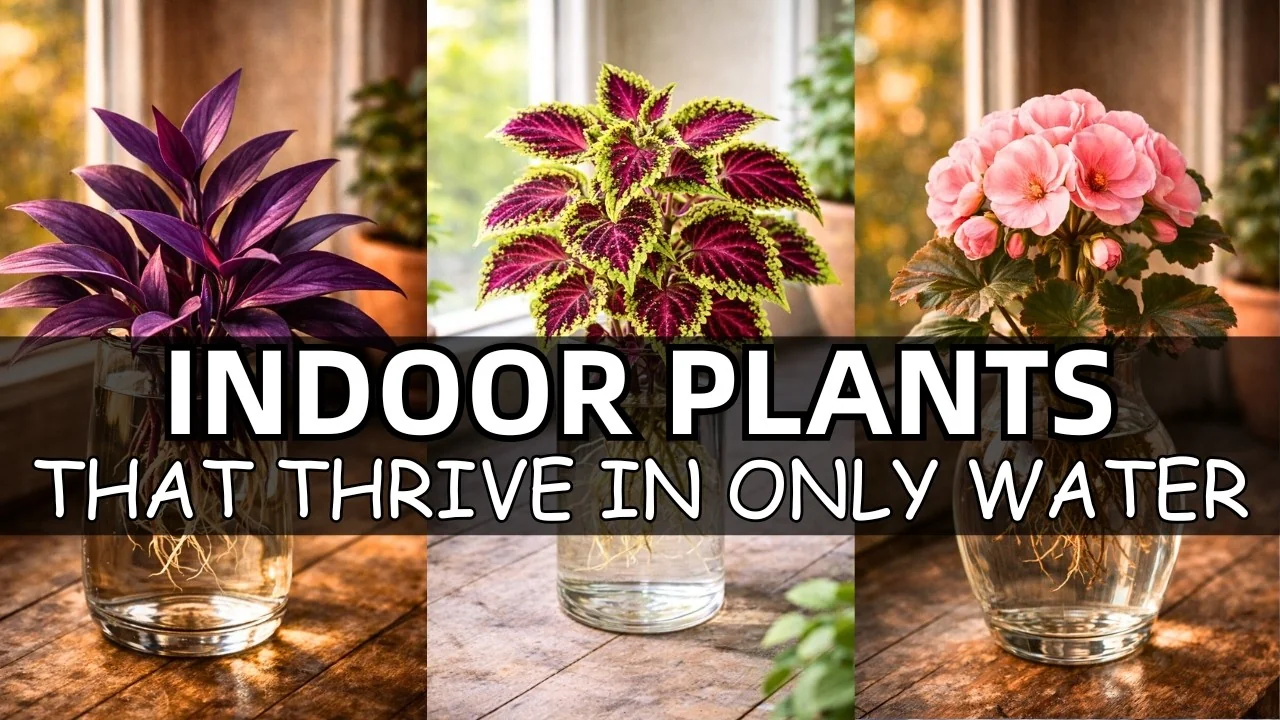
Some of the most beautiful, thriving house plants you could possibly grow do not need a single grain of soil. Plants can live for months, even years, in nothing but water. Our grandparents grew them on window sills in old glass jars that decorated homes before fancy potting mixes even existed.
Most people do not know this, but while we are all spending money on soil, fertilizer, and complicated care routines, there are plants that will happily grow in a glass of water on your kitchen counter. Plants with actual science backing them up. Plants that are actually easier to care for without soil.
I am going to show you 20 of them that will change the way you think about indoor gardening. These are ranked from impressive to absolutely incredible. Here is how to grow them step by step and keep them thriving for years.
Read More: Amazing Indoor Plants That Grow In Water 4
20 Water-Only Houseplants
1. Pothos the indestructible water grower
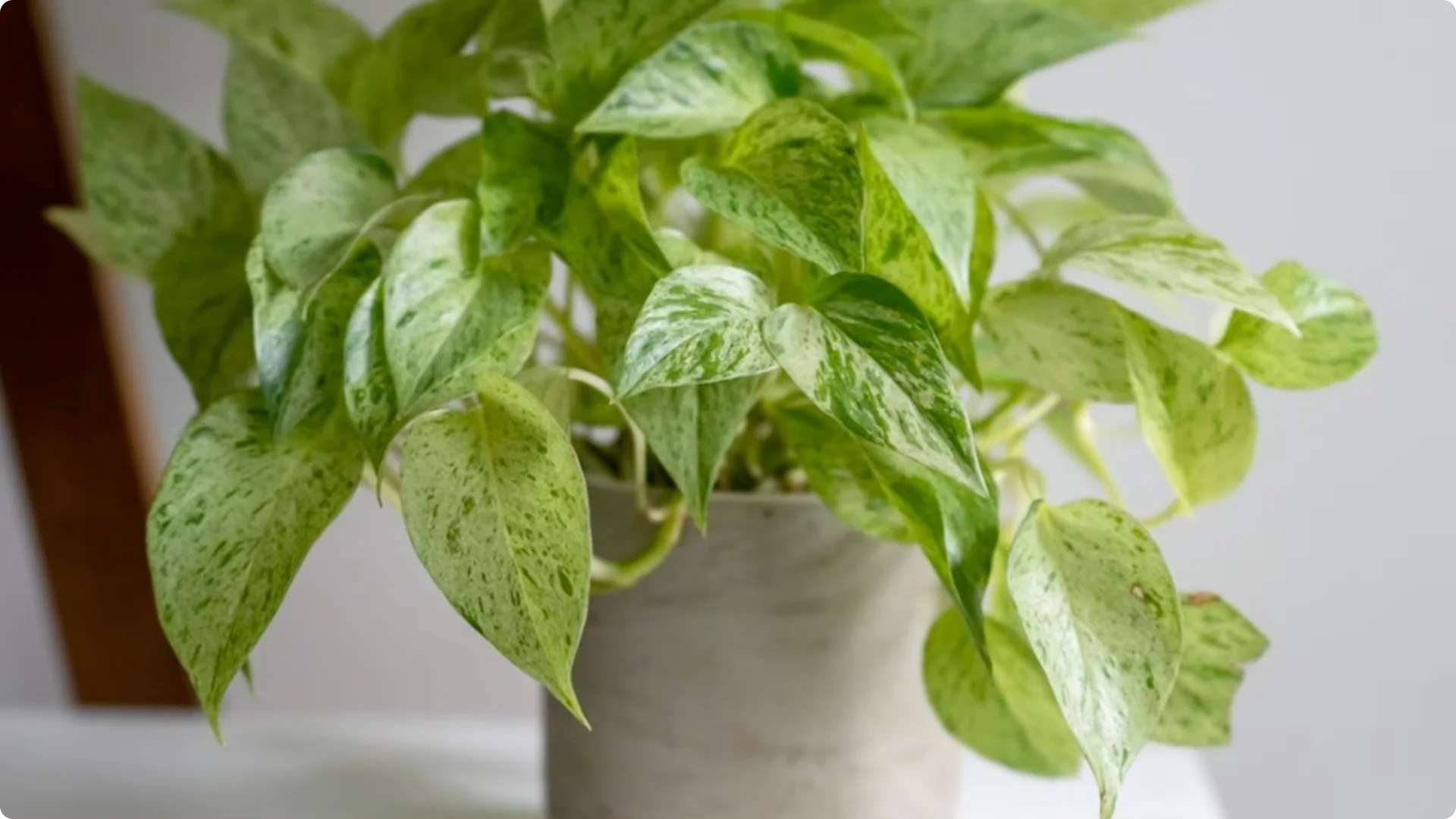
Also called devil’s ivy, this trailing vine has one of the most reliable reputations in water culture. College students have been growing pothos in water for decades, often forgetting about them for weeks at a time, and these plants just keep thriving. They called it devil’s ivy because it seems nearly impossible to kill even with neglect.
Epipremnum orium grows enthusiastically in almost any light condition, producing long cascading vines with heart shaped leaves that can be solid green, variegated with white, or splashed with golden yellow. What makes this plant special is how powerfully it adapts to water culture. Take a cutting with a few leaves and at least one node, place it in a glass of water, and within a week you will see roots forming.
Within a month, you will have a root system so robust it looks like an underwater forest. Pothos develops specialized water roots that are different from soil roots, perfectly adapted to absorbing oxygen and nutrients directly from water. Studies on hydroponic growing confirm pothos actually thrives in water culture, sometimes growing even more vigorously than in soil.
Start with a simple cutting in a jar of tap water. Change the water every week or two to keep it fresh and oxygenated. That is it, no soil to water, no drainage to worry about, no mess.
The reason pothos in water got forgotten by mainstream gardening is simple. Nurseries cannot sell you soil, fertilizer, and fancy pots if you are just using a glass jar. Think of it as the gateway plant to water culture that has been showing people how easy this can be all along.
2. Lucky bamboo the water living impostor
Lucky bamboo might be the ultimate water culture plant, and here is the twist. It is not actually bamboo at all. This plant with segmented stalks and tufts of leaves has been grown in water in Asian homes and businesses for centuries for its symbolic meaning of good fortune and prosperity.
Dracaena sanderiana produces those distinctive bamboo like stalks so perfectly suited to water that you will almost never see it grown in soil. Garden centers sell lucky bamboo in decorative containers filled with water and pebbles, and that is exactly how it wants to live. The pebbles hold the stalks upright.
Lucky bamboo has evolved to grow along river banks in its native habitat, places where its roots are constantly submerged. It is not adapting to water culture, it is already designed for it. The stalks can live for years in the same container of water, producing new leaves continuously and even growing taller over time.
Maintain it by keeping the water level consistent, covering the roots and about an inch of the stalks. Change the water every two to three weeks to prevent algae and keep it fresh. Use filtered or distilled water if your tap water is heavily chlorinated.
3. Philodendron the heart shaped water lover
Heartleaf philodendrons are where water culture gets beautifully simple. These classic house plants with glossy heart shaped leaves have been growing in water on kitchen window sills since your great grandmother’s time. They root faster and grow more reliably in water than almost any other tropical plant.
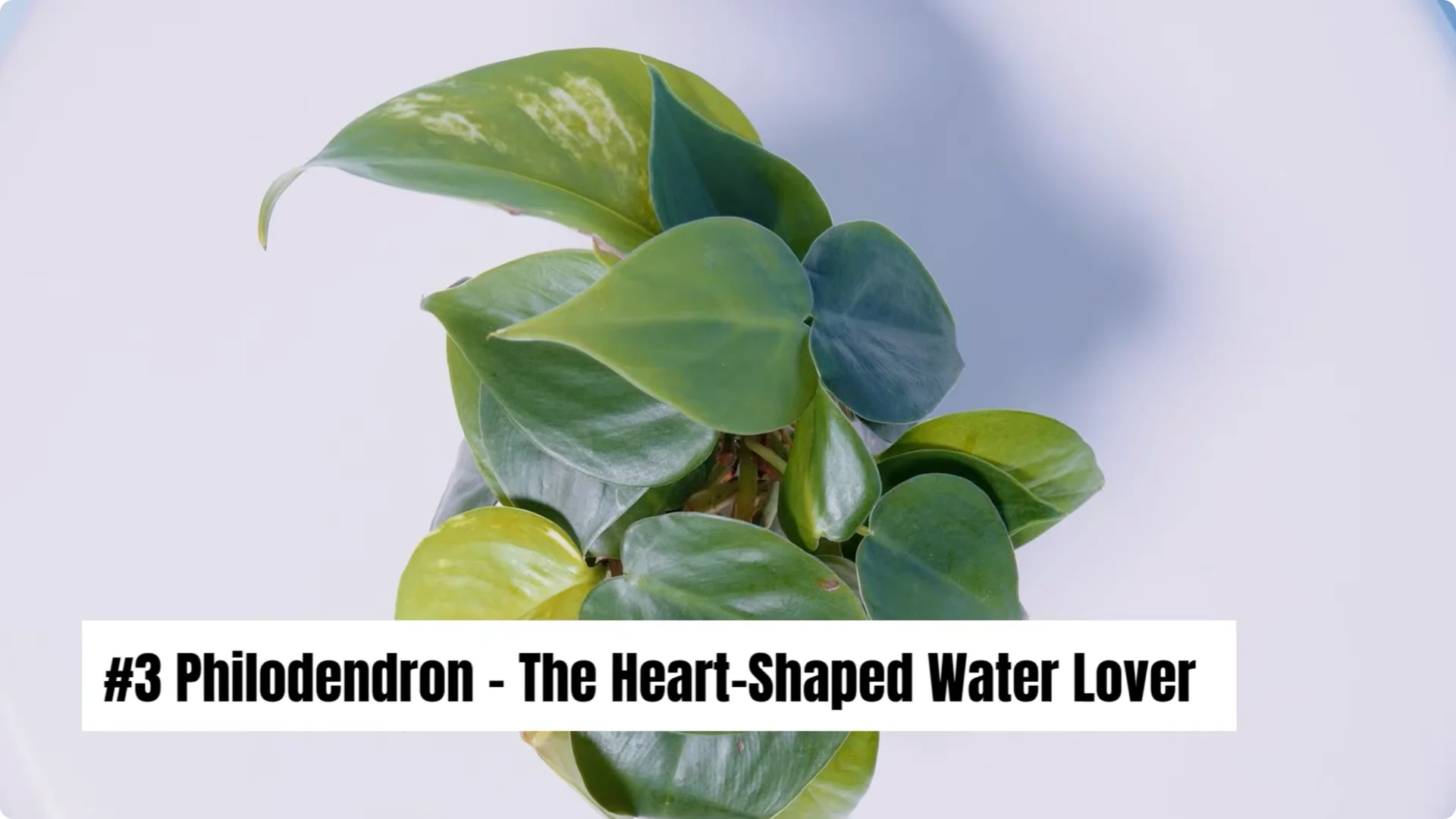
Philodendron hederaceum produces trailing vines covered in those distinctive heart shaped leaves that range from deep green to bronze to variegated patterns. Take a cutting with a few leaves and a node, place it in water, and within days you will see root nubs forming. Within two weeks you will have a developing root system and within a month new leaves will be unfurling.
Modern research on hydroponic growing confirms philodendrons develop robust water root systems that can sustain the plant indefinitely. These are permanent, functional roots perfectly adapted to aquatic life. Use a clear glass container so you can monitor root health and water quality.
Change the water weekly to keep it oxygenated and free of algae. Place in bright indirect light, and the plant will grow continuously, producing vine after vine of glossy leaves. Think of it as the plant that literally shows you its roots growing day by day.
4. Spider plant the instant water grower
Spider plants have a built in feature that makes them perfect for water culture. They produce baby plants called plantlets that come with their own tiny root systems already started. These babies are designed by nature to drop into water and start growing immediately.
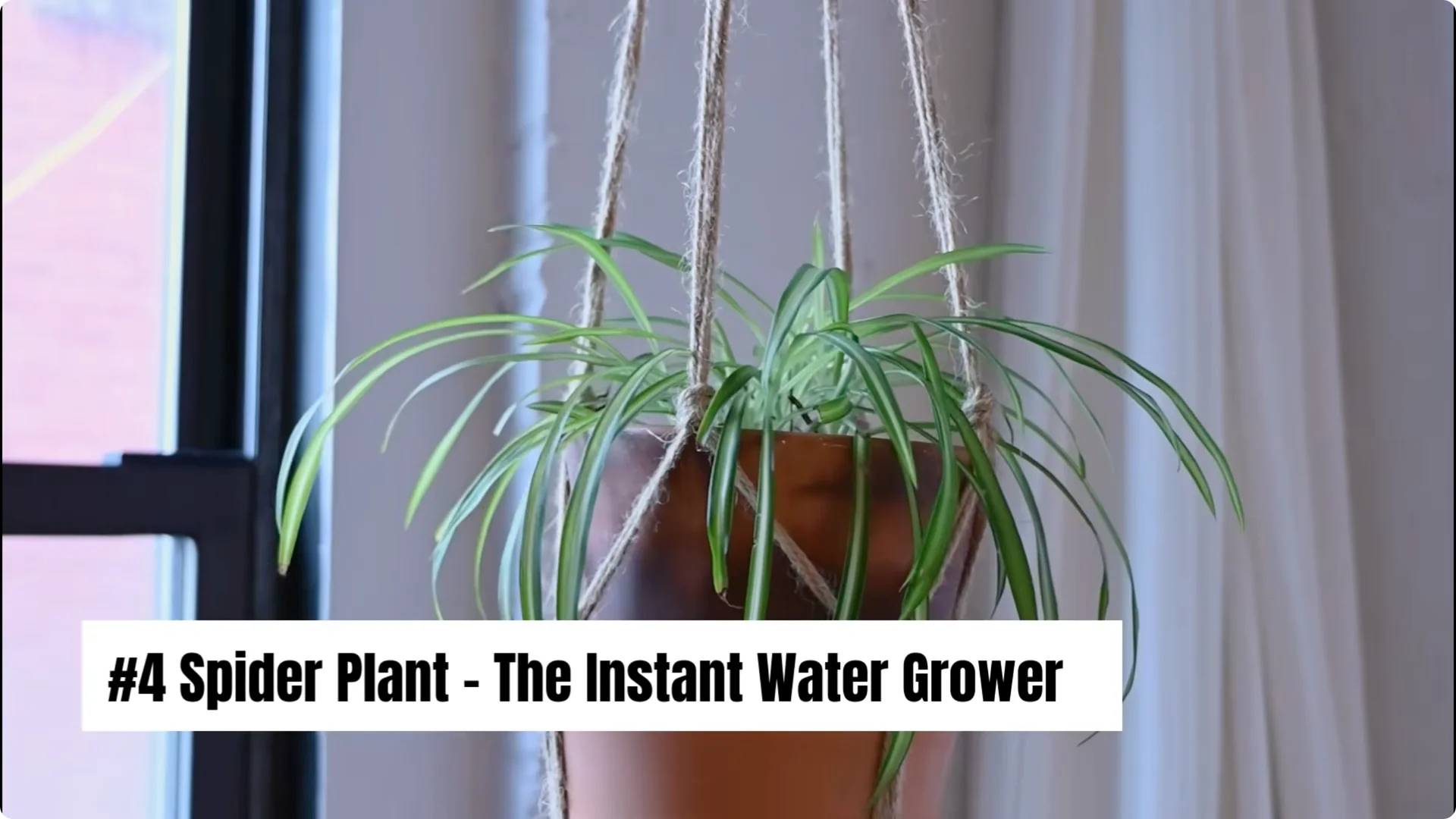
Chlorophytum comosum produces long arching leaves striped with white or cream and sends out long stems with clusters of tiny white flowers that develop into plantlets. Each plantlet dangles like an ornament waiting to be snipped off and placed in water. The results are almost instant.
Take a plantlet with even the tiniest root nubs visible. Place it in a small glass of water and within a week those roots will have tripled in length. The plantlet establishes so quickly that you can see visible growth every single day.
You can grow spider plantlets indefinitely in water. Change the water weekly, provide bright indirect light, and watch them develop into full size plants that will eventually produce their own babies. It is like having a plant that does all the propagation work for you.
5. Peace lily the elegant water adapter
Peace lilies represent the next level of water culture. These elegant plants with glossy leaves and distinctive white blooms have been favorites for decades, and they can live long term in water. The key is patience during the transition period while the plant develops specialized water roots to replace its soil roots.
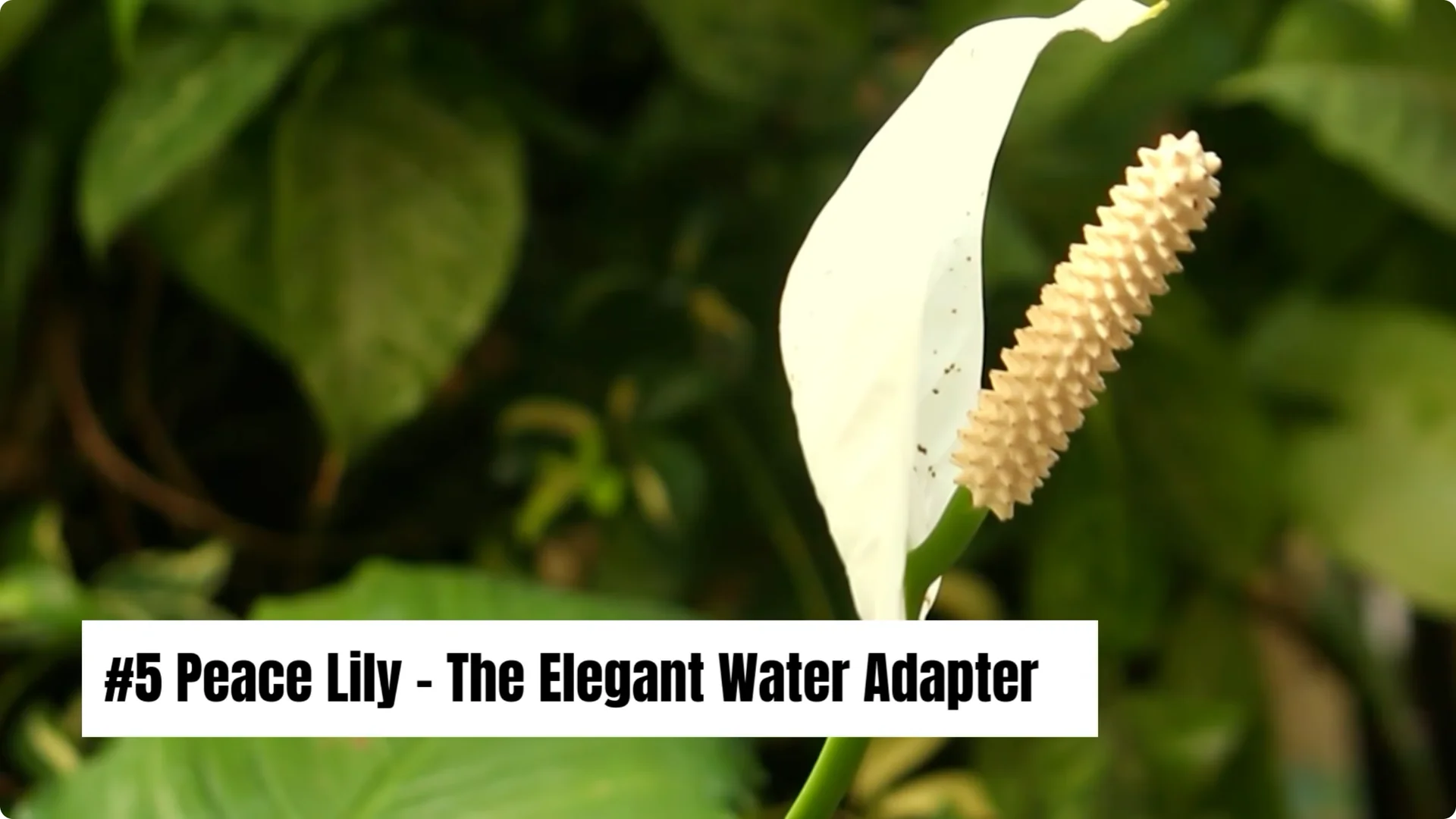
Those white flowers are actually modified leaves called spathes, and the plant will continue producing them in water culture once it is established. Experience with hydroponic growing shows that peace lilies can thrive for years without soil if their water is changed regularly and they receive adequate light. The transition process requires care.
First, gently wash all soil from the roots. Then place in water, changing it every few days initially to keep it clean as old root material breaks down. Within a few weeks, new water roots develop and the plant begins to thrive.
Once established, maintenance is simple. Change water weekly, keep the roots submerged but do not submerge the crown, and provide bright indirect light. The plant will grow continuously, producing new leaves and occasional blooms.
6. Chinese evergreen the colorful water survivor
Chinese evergreens are where water culture gets visually stunning. These plants produce leaves painted with patterns of silver, pink, red, and cream that look like abstract art. They adapt remarkably well to water culture.
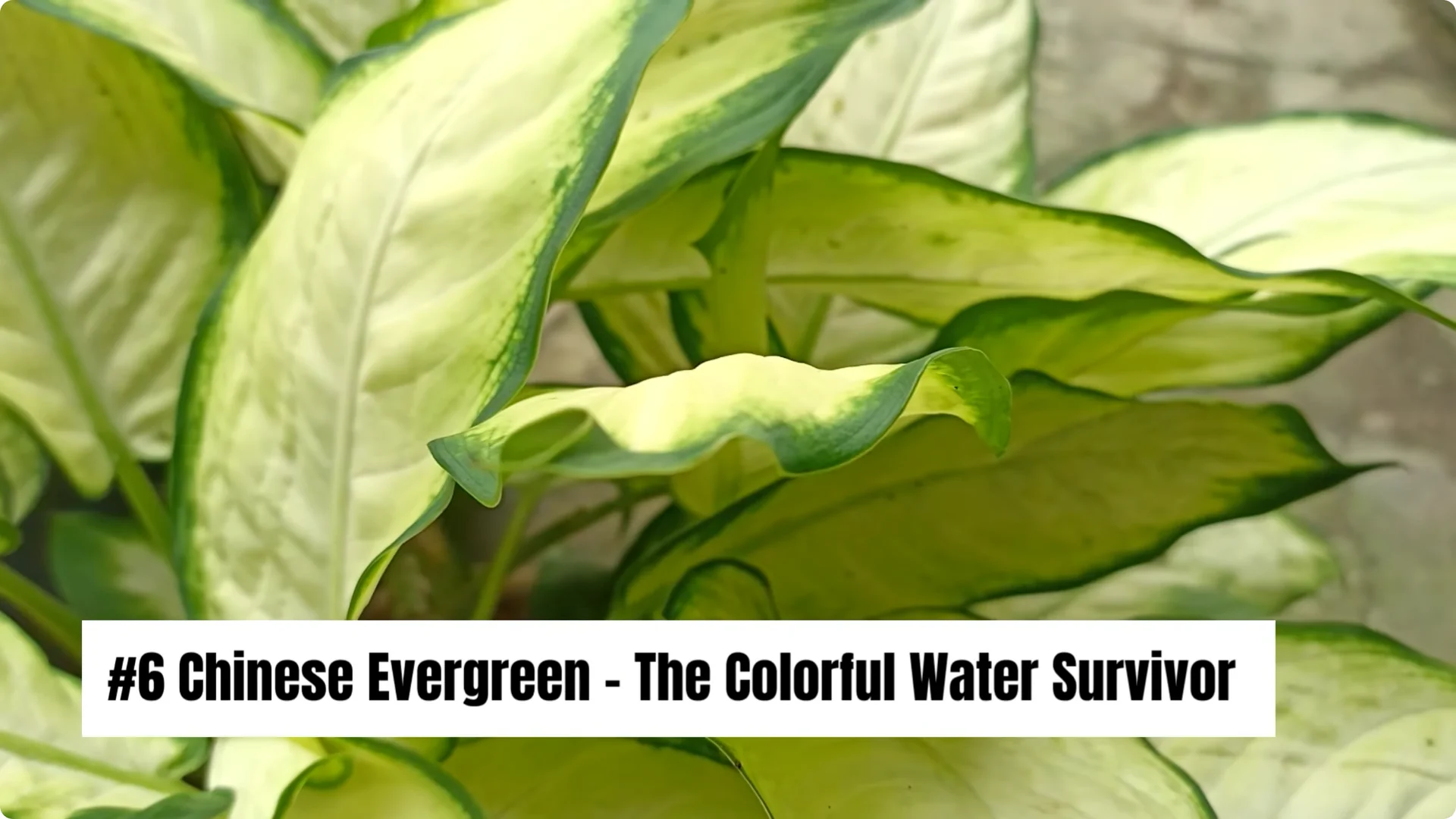
Aglaonema species have been popular since Victorian times, prized for their tolerance of low light and neglect. That same toughness makes them adaptable to water growing, developing robust water root systems that sustain even large specimens. Those colorful leaves maintain their patterns and vibrancy in water culture.
Color can even intensify when the plant receives adequate light. You can transition a Chinese evergreen from soil or start with cuttings. Stem cuttings with several leaves root reliably in water within two to three weeks.
Once established, the plant grows steadily, unfurling new leaves with distinctive patterns every few weeks. Change water weekly, provide indirect light, and watch for algae growth in the water. The plant will continue growing for years and may produce clusters of small flowers.
7. English ivy the classic trailing beauty
English ivy brings old world charm to water culture. This plant has been growing in water on cottage window sills for centuries, trailing gracefully down from glass bottles and creating living curtains of green. It roots so quickly in water that you can watch the transformation happen.
Hedera helix produces characteristic lobed leaves on trailing stems that will climb or cascade. Ivy cuttings root faster and more reliably in water than in soil. Ivy naturally grows in moist, shaded environments where aerial roots cling to tree bark and stone walls.
Those same roots adapt perfectly to water culture, developing into robust white root systems that can sustain vigorous growth. Take cuttings in spring or summer with several leaves and at least two nodes. Place in water and within a week you will see root nubs forming.
Within two weeks you will have functional roots. Within a month, new growth will be visible and the plant continues growing indefinitely. Change the water weekly to keep it fresh and provide bright indirect light for best growth.
8. Coleus the vibrant water star
Coleus explodes with color in water culture. These plants produce leaves that look hand painted in combinations of red, pink, purple, yellow, and green. They thrive indoors in water almost indefinitely.
Coleus species root with astonishing speed in water. Take a cutting from a parent plant, remove the lower leaves, place the stem in water, and within three to five days you will see roots emerging. Within two weeks, you will have a substantial root system and vigorous growth.
Color intensity often improves in water culture when the plant gets adequate light. Create stunning displays by growing multiple coleus varieties together in clear containers. Start from small cuttings and have a full, bushy display within two months.
Change the water twice weekly because these fast growing plants consume nutrients quickly and can cloud water. Provide bright indirect light for the most intense leaf color. Pinch back growing tips to encourage bushiness.
9. Begonia the unexpected water success
Begonias surprise people. These plants with dramatic foliage and delicate flowers seem too fancy to grow in plain water, yet cane begonias in particular adapt beautifully and can thrive for years. The stems naturally develop nodes where roots want to form.
That makes them ideal candidates for water propagation that becomes permanent. Begonias grow as epiphytes in native habitats, clinging to branches and absorbing moisture from humid air. That adaptation to consistent moisture without saturated roots translates perfectly to water culture.
Take a stem cutting with several leaves. Remove the bottom leaves and place in water, and within a week roots begin forming. Within three weeks, you have a functional root system.
Use clean water changed twice weekly, bright indirect light, and a container that supports the stems as they grow tall. Some begonias reach two feet tall in water culture. They produce cascades of leaves and flowers with regular care.
10. Arrowhead plant the fast growing transformer
Arrowhead plants grow so quickly in water that you can measure the progress weekly. New leaves unfurl and vines extend with remarkable speed. They are among the easiest plants to transition from soil to water.
Syngonium podophyllum produces arrow shaped leaves that can be solid green, variegated with white or pink, or painted in multiple colors. Young plants grow upright, then begin trailing as they mature, and the growth rate in water often exceeds soil. They produce aerial roots along their stems naturally.
Place a cutting in water and those aerial roots expand and become the primary roots. Take cuttings with several leaves and nodes, place in water, and within one week you will see visible root growth. Within two weeks you will have substantial roots, and within a month new leaves will be unfurling.
Maintenance is simple with weekly water changes, bright indirect light, and occasional pruning. The plant will climb if given support or trail if allowed to cascade. It feels like watching time lapse in real time.
Read More: Grow Areca Palm Plants Fast
11. Silver inch plant the lightning fast rooter
This plant has one of the most dramatic and satisfying propagation stories in water culture. It roots so fast you can literally watch it happen, with roots visible within 48 hours and a full root system within a week. Tradescantia zebrina produces trailing stems covered in leaves striped with silver and purple.
The deep purple undersides create stunning contrast, and the plant can grow an inch in a day under good conditions. It produces visible root nubs at every node along its stems. When you place a cutting in water, you are watching existing root structures activate and expand.
Within 24 to 48 hours, those tiny nubs become functioning roots. Take cuttings with at least three leaves, remove the bottom leaves, and place in water. Check back in two days and you will see obvious root growth.
Maintenance requires regular water changes every three to five days because these fast growers can cloud water quickly. Provide bright indirect light for the most intense coloring. The purple pigments deepen when the plant gets adequate light.
12. Monstera the statement water plant
Monstera, those massive leafed plants that everyone recognizes, can live long term in water. We are not talking about small cuttings. We are talking about substantial plants with those characteristic split leaves.
Monstera deliciosa produces iconic perforated leaves that can span two feet across on mature plants. The plant develops thick aerial roots naturally, which is what makes it so surprisingly well suited to water culture. Those aerial roots transform into powerful water roots.
Take a cutting that includes at least one leaf and one aerial root. Place it in a large container of water, because these substantial plants need substantial containers. Within weeks, the existing aerial root adapts to water and new water roots develop from nodes along the stem.
Add liquid fertilizer to the water every two weeks because plants this large need more than plain water. Change the water weekly and top off as needed between changes. The plant will continue producing new leaves, and with enough light and nutrients, new leaves will develop the characteristic splits and holes.
13. Dieffenbachia the bold water adapter
Dieffenbachia produces some of the boldest foliage patterns of any house plant. Large leaves painted with creamy white patterns and spots look tropical and dramatic, and stems cut from mature plants adapt beautifully to water culture. Thick stemmed plants naturally drop lower leaves as they age, leaving bare stems below the leaf clusters.
Those bare stems are perfect for water culture. Cut them into sections with several nodes, place in water, and they develop both roots below and new shoots above. You can take what looks like a dead stick and within two weeks it will have roots and new shoots.
Within a month, you will have a developing plant with new leaves unfurling. Dieffenbachia prefers consistent moisture and suffers from wet dry cycles in pots. In water where moisture is constant, the plants thrive with fewer issues.
Start with stem sections four to six inches long. Place in water with at least one node submerged and change water weekly. Provide bright indirect light and enjoy spectacular patterned leaves.
14. Dracaena the patient water dweller
Dracaena represents the slow and steady approach to water culture. These plants with spiky foliage and architectural form do not grow fast, but they survive long term in water with remarkable stability. We are talking about years of healthy growth in nothing but clean water.
Dracaena marginata and related species produce distinctive spiky leaves on woody stems. The plants develop slowly but steadily, adding new leaves at the crown while older leaves gradually yellow and drop. In water culture, this process continues naturally.
They are adapted to environments with inconsistent rainfall, so they are extremely efficient with water and nutrients. In a water setup, they take what they need slowly and steadily without demanding constant feeding. Start from stem cuttings or transition small potted plants and expect a slow, stable establishment.
Use distilled or filtered water because Dracaena species are sensitive to fluoride in tap water, which can cause leaf tip browning. Change water every two weeks and provide moderate light. Think of it as the plant that proves water culture can support long term stable growth.
15. Prayer plant the humidity loving water dweller
Prayer plants bring movement to water culture. Leaves actually fold up at night like praying hands, then open again in morning, and they adapt beautifully to growing in water. They love humidity, which water culture naturally provides.
Maranta leuconeura produces leaves painted with red or white veins on green backgrounds. The leaves track light during the day and fold upward at night in a behavior called nyctinasty, and this movement continues in water culture. Take cuttings with at least two leaves and several nodes.
Place in water in a location with bright filtered light, never direct sun. Within two weeks roots develop and within a month new growth appears. Maintenance involves weekly water changes and careful light, as too much burns the leaves and too little fades colors.
For a deeper care walkthrough, see this practical primer on growing and caring for prayer plants. The plant will grow steadily, producing new leaves with painted patterns and continuing its daily movement ritual. It feels like having a plant with its own personality.
16. Swiss cheese vine the compact Monstera alternative
Swiss cheese vine brings Monstera style perforated leaves to a more manageable package. This plant produces smaller leaves with characteristic holes and splits while staying more compact than its famous relative. It absolutely thrives in water.
Monstera adansonii produces leaves six to eight inches long with natural perforations that create the Swiss cheese appearance. The plant trails or climbs depending on how you train it and it roots quickly in water. Take cuttings with two or three leaves and at least one node.
Place in water and within a week roots begin forming. Within three weeks substantial root systems develop. Leaves continue developing their perforations and new vines extend steadily.
With regular fertilizing added to the water, the plant thrives indefinitely. Change water weekly and add diluted liquid fertilizer every other change. Provide bright indirect light for best growth and leaf fenestration.
17. Purple heart the instant success plant
Purple heart produces stems and leaves in deep rich purple. When you place cuttings in water, you can see roots emerging within 24 hours. Tradescantia pallida produces thick stems covered in lance shaped purple leaves.
Every node along those stems wants to produce roots. When you cut a stem and place it in water, those nodes activate immediately, with visible root growth within one to two days. Within a week, you have a fully rooted plant growing vigorously.
The purple color intensifies in good light, creating leaves that look almost black purple in certain conditions. The plant grows quickly, trailing or cascading as you prefer. Multiple cuttings in one container create a full dramatic display.
Maintenance is minimal. Change water weekly, provide bright light for the deepest purple color, and pinch back growing tips to encourage bushiness. The plant grows year round without dormancy.
18. Mint the edible water grower
Mint brings something unique to water culture. You can eat it and keep a continuous supply growing on your kitchen counter year round. This kitchen friendly herb grows faster and more vigorously in water than almost anywhere else.
Mentha species root with remarkable speed in water. Take cuttings from established plants, remove the lower leaves, place in water, and within days you will have roots. Within two weeks, you will have enough new growth to start harvesting.
Mint grows so vigorously that you can harvest leaves regularly without harming the plant. Cut what you need for tea, cooking, or cocktails, and the plant responds by producing even more growth. It is a self replenishing herb garden in a glass jar.
Change water twice weekly because mint grows fast and consumes nutrients quickly. Provide bright light near a sunny window. Harvest regularly to encourage bushiness and keep flavor fresh.
19. Basil the kitchen window staple
Basil completes the edible water culture duo with mint. This essential cooking herb grows beautifully in water, providing fresh leaves for months from simple cuttings. Because you can see the roots, you know exactly when the plant needs fresh water.
Ocimum basilicum roots quickly from stem cuttings. Take cuttings from the top four to six inches of stems, remove lower leaves, and place in water. Within a week roots begin forming and within two weeks you have functioning root systems with active growth.
Basil belongs near where you cook so you can grab leaves as needed. Growing in water on the kitchen counter or window sill puts fresh basil exactly where you need it. Each time you harvest from the top, the plant branches and becomes bushier.
Change water every three to four days because basil leaves contain oils that can cloud water. Provide the brightest light available for strong flavor. Add diluted liquid fertilizer weekly to maintain vigorous growth.
20. Sweet potato vine the simple kitchen magic
Sweet potato vine is the plant that literally anyone can grow. Start with something you probably have in your kitchen right now and it will produce gorgeous trailing vines that can fill an entire window in plain water. Take a sweet potato from your pantry.
An organic one works best because conventional ones are often treated with sprout inhibitors. Place it in a jar or container of water with the pointy end down and about half the potato submerged. Within a week you will see roots emerging from the bottom.
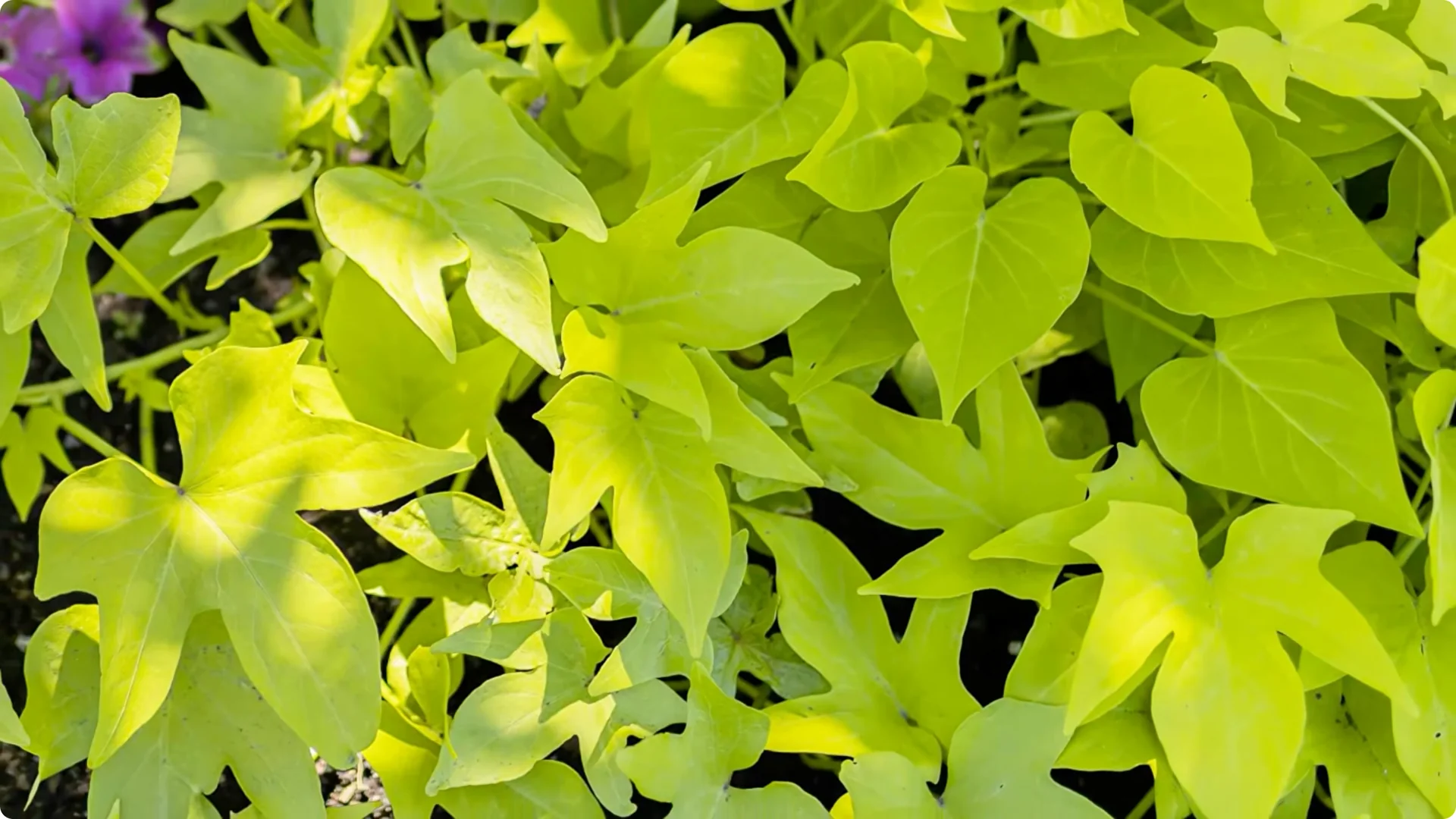
Within two weeks, sprouts begin appearing from the top. Within a month, you will have trailing vines with heart shaped leaves growing down from your container, and within two months those vines can be several feet long. Sweet potatoes are storage organs packed with energy, designed to produce new plants.
When you put one in water, you are activating natural processes that are ready to go. The potato does not need nutrients or fertilizer initially because it has everything stored already. As the vines grow, they produce leaves that can be solid green, purple, or variegated depending on the variety.
Some produce ornamental foliage that rivals anything you would buy at a garden center. The vines will keep growing for months, eventually exhausting the potato, while providing a spectacular display along the way. No special equipment needed, no expensive plants, no complicated care, just a potato, water, light, and patience.
Read More: Amazing Indoor Plants That Grow In Water 4
Final thoughts on Water-Only Houseplants
Water culture is simple, clean, and surprisingly powerful. Many classic house plants even prefer consistent moisture and develop permanent water roots that keep them thriving. Start with easy stars like pothos, spider plant, or mint, and build toward showpieces like monstera and Swiss cheese vine.
Change water regularly, give bright indirect light, and watch roots for health. Add diluted fertilizer for heavy feeders and fast growers as needed. The result is living art in glass that grows with almost no mess.