

I want to share a very simple yet incredibly effective secret for lush blooming that my grandmother passed down to me. If you want your plants to be healthy, vibrant green, and bloom so abundantly that the blossoms completely hide the leaves, this recipe is for you. I’ll use pelargoniums as an example, but this method is a true elixir of life for absolutely all indoor flowers.
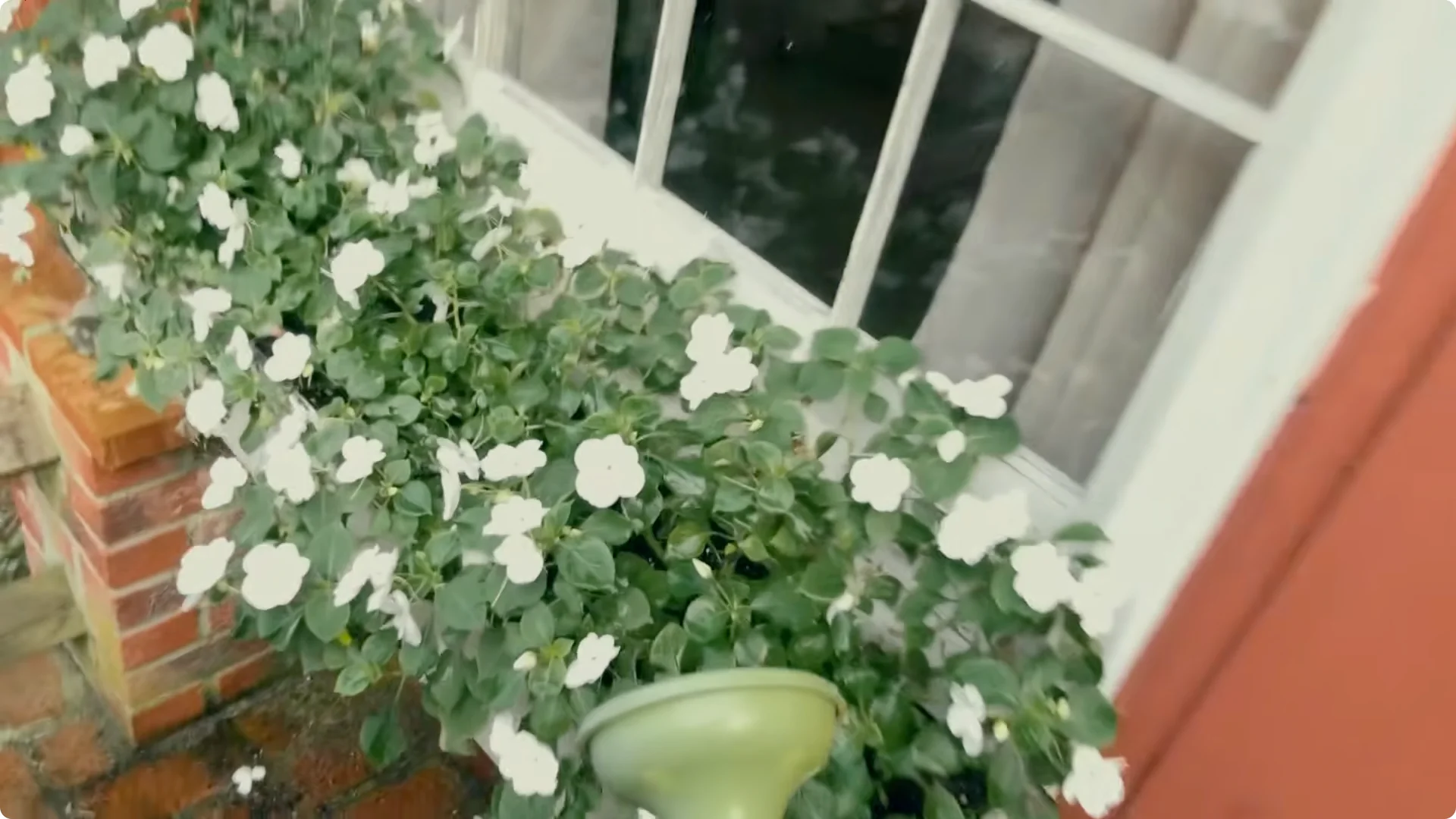
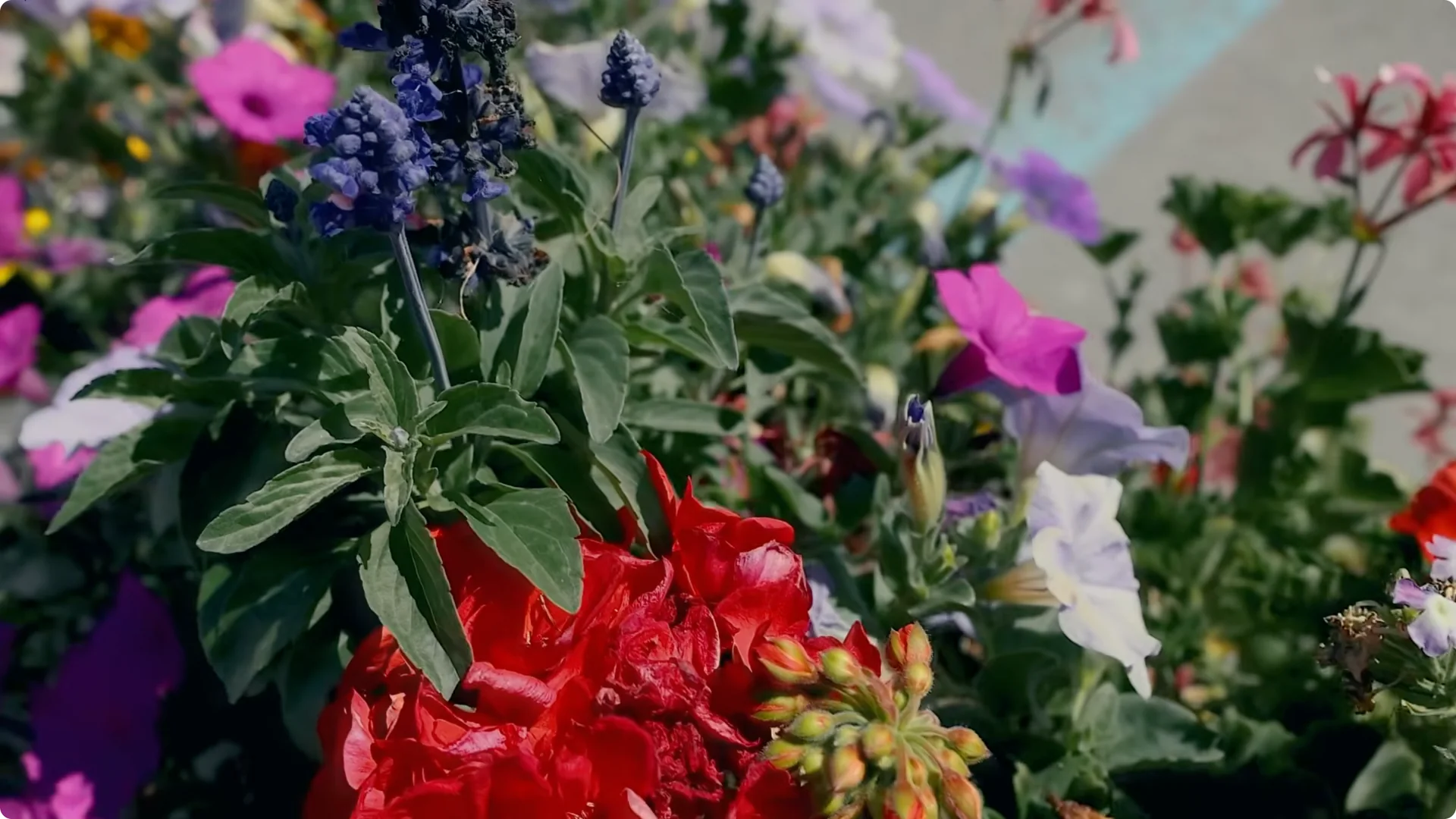
This secret came from my childhood in Ohio. My grandmother, Mrs. Gail, lived on an old farmhouse estate, and her porch was always lined with pots of geraniums. These flowers didn’t just grow, they exploded with clusters of bright red and pink blossoms.
Neighbors often asked her how much money she spent on fertilizers, and she would just chuckle, adjusting her glasses. She never bought expensive chemicals and flashy bottles. She knew the most valuable things for plants are already waiting in the kitchen cupboard.
1. Starch Fertilization for Houseplants

Grandma always called the geranium a lady with an appetite. To keep it constantly producing new buds and lush greenery, it needs energy. Not aggressive chemicals that force a plant to give everything at once and then fade, but a gentle natural boost.
Why starch works
She would take a regular small spoon and a jar of ordinary potato or corn starch. You might wonder what’s so special about it, but grandma explained it simply. Starch is concentrated life.
It hides polysaccharides and amino acids that act as a gentle growth stimulant. It makes the leaves not just green, but a deep, rich emerald color, as if they’ve just been washed by a morning rain. But starch on its own is only half the battle.
Add a drop of sunshine
Grandma always added a drop of sunshine to it, a spoonful of natural honey. In Ohio, we had fresh harvest in June, and by winter it often crystallized into a thick mass. If your honey has hardened, soften it in warm palms and let it loosen up.
From the heat of your hands, the honey becomes fluid and releases its power into the water much faster. She believed honey was the best antibiotic and vitamin complex for roots. If honey wasn’t on hand, she used regular sugar, because the main thing is to give the plant glucose.
Step by step
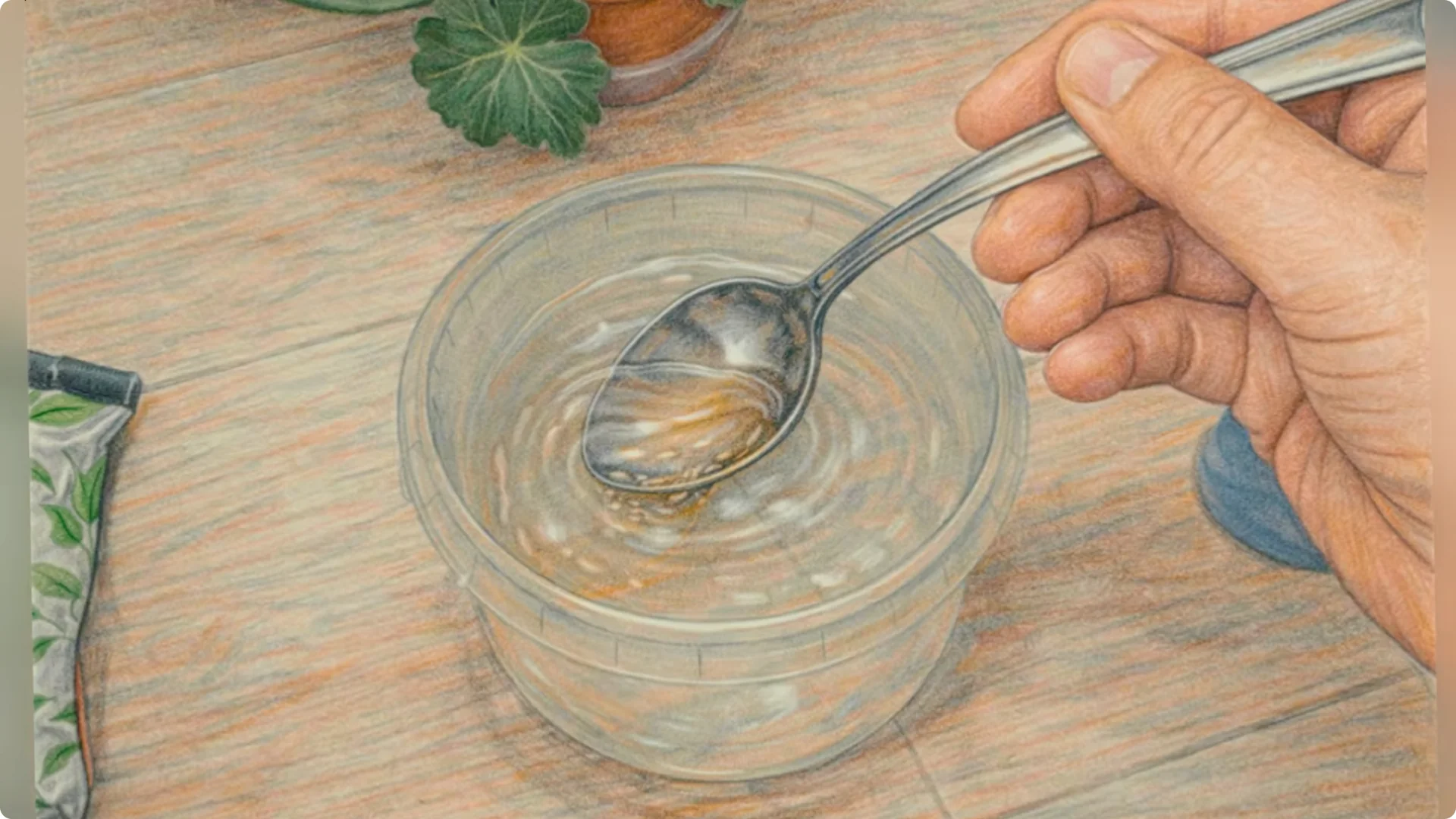
1. Warm a quart of water to about 95 F, the temperature you’d use to bathe a baby.
2. Add a spoonful of starch and a spoonful of honey.
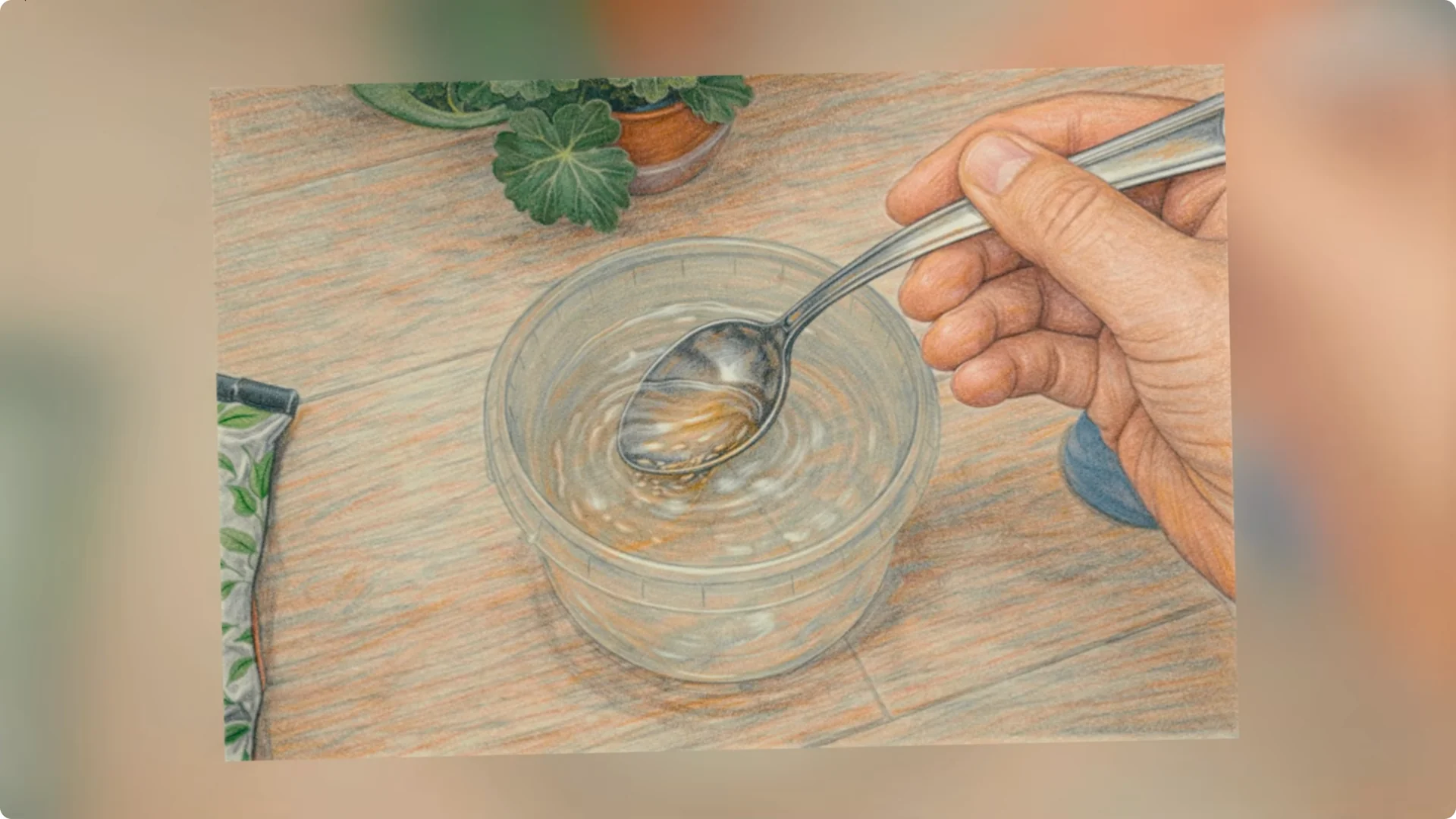
3. Mix slowly until smooth, and let the solution sit a few minutes.
She watered her plants with this solution once every two weeks. If a particular geranium looked especially sad with yellowing leaf edges, she switched to a weekly schedule. Always let the soil dry out between waterings.
A sick plant is like a person with a cold. It needs warmth and moderation, not a swamp beneath its feet. If overwatering trips you up, see ZZ plant care mistakes for patterns to avoid across houseplants.
2. Starch Fertilization for Houseplants protection
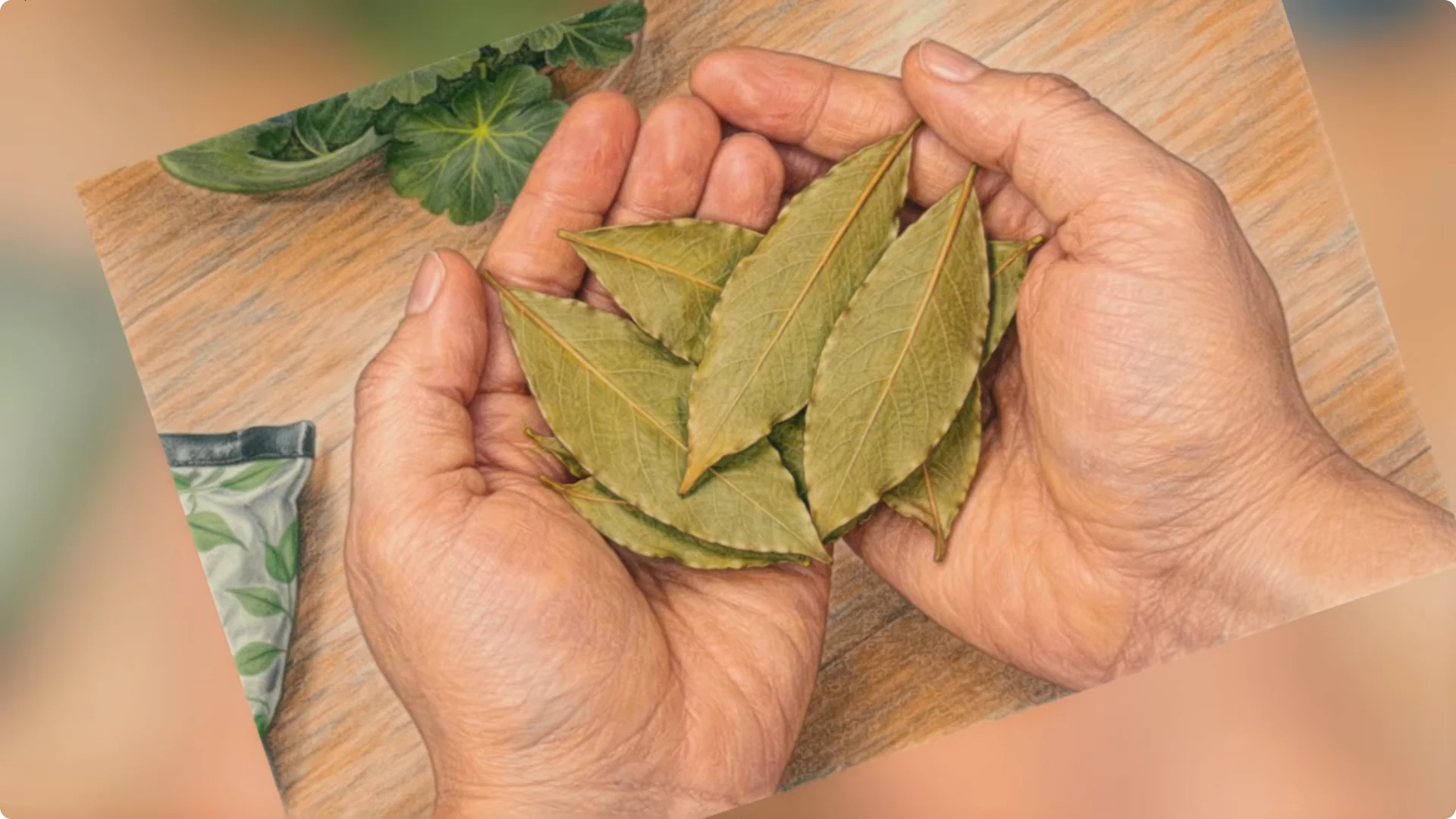
While the first recipe was about nutrition, the second is about protection and health. My grandmother was convinced a plant should not only be fed but also protected from invisible enemies in the soil and the air. Her second secret weapon was a common bay leaf.
Bay leaf infusion
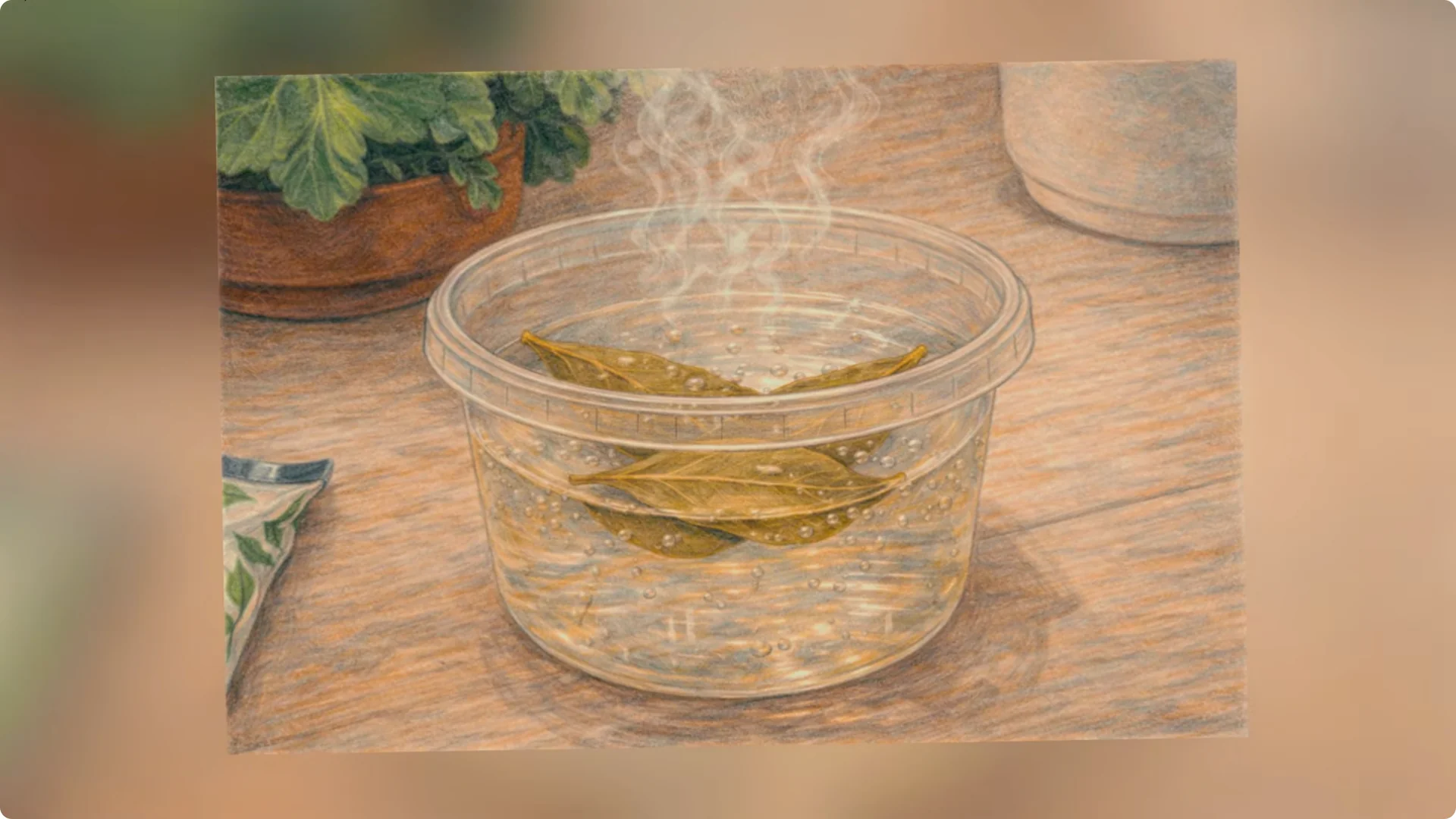
Bay leaf is the very same one we add to soup for aroma. It is a treasure trove of essential oils, vitamins, and most importantly, silica. Grandma would take two or three leaves, steep them in a cup of boiling water, and let it sit for about half an hour.
It was important to wait until the water cooled down enough to comfortably dip a finger in. During this time, the bay leaf released its characteristic scent and those substances that pests cannot stand. The infusion became a gentle shield for roots and leaves.
Add cinnamon
As the bay infusion cooled, she added half a teaspoon of regular ground cinnamon. Cinnamon is a powerful natural antiseptic. It doesn’t just help the plant look fresh, it sweeps harmful microflora out of the pot.
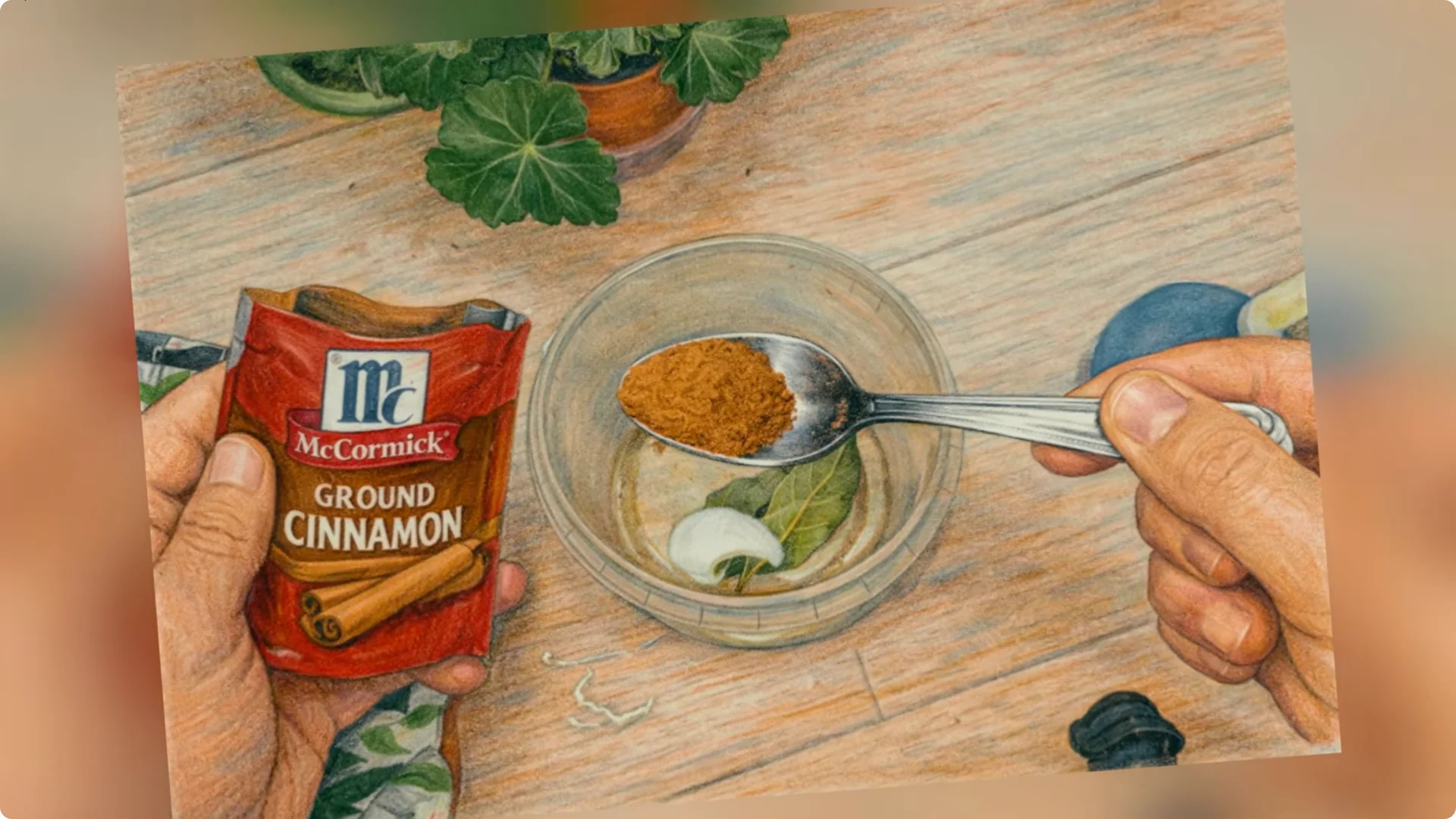
Once the infusion was ready, she diluted those aromatic 7 oz with clean water to a full quart. She didn’t just water the roots with this, she also misted the leaves. If pesky gnats or fungus gnats showed up, the cinnamon and bay leaf combo handled them better than any spray.
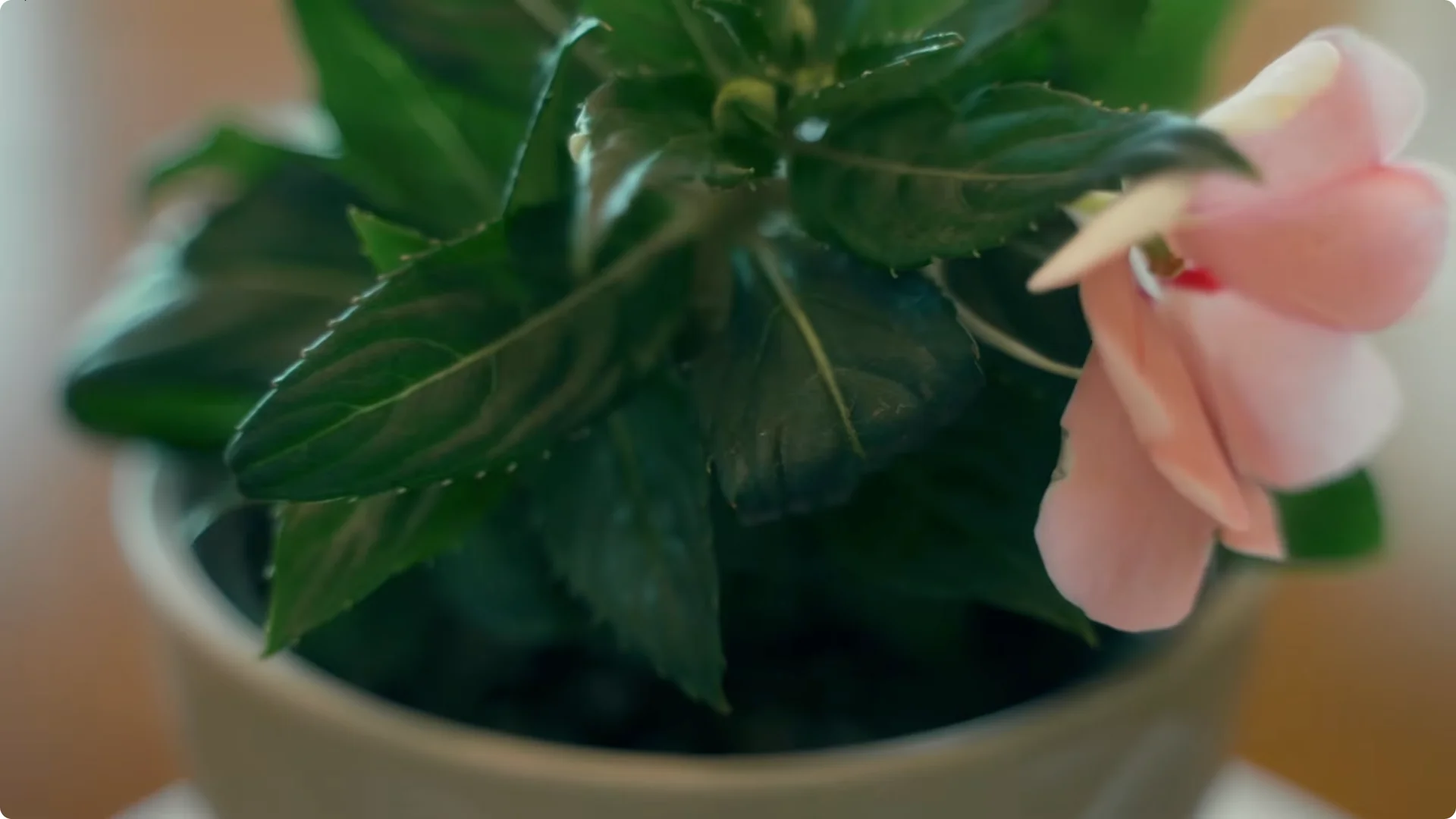
She used to say that even worm larvae in the soil couldn’t stand the neighborhood. After a shower like that, the geraniums would practically straighten their shoulders. Leaves turned glossy and gnats disappeared after the second application.
Read More: Aloe vera care tips
3. Starch Fertilization for Houseplants during bloom

I often hear, why did my geranium drop all its flowers even though everything was done by the book. Grandma Gail knew the answer. She taught me to watch a plant like a living being.
When a pelargonium starts to bloom, it pours almost all of its strength into the process, at least 70 percent. This is its moment in the spotlight, its triumph. At this point, it becomes extremely sensitive to moisture.
While a geranium might normally forgive a bit of dry soil, that is a no-go during flowering. Water a little but often. The soil should always stay slightly damp, like an Ohio morning mist.
During this period, she was especially diligent with her homemade boosters. Blooming is a marathon and the plant needs energy bars in the form of starch and honey water. Don’t let it run on empty.
You’ve probably noticed bottom leaves often turn yellow when the bush is in full bloom. That means the plant is pulling the last resources from the old leaves to feed the flowers. Don’t let that happen, give nourishment from the outside.
For targeted tips on turning yellow foliage green again, see how to restore yellow leaves. Keep the feeding gentle and consistent. The plant will thank you with richer color and steadier bud formation.
4. Starch Fertilization for Houseplants in practice
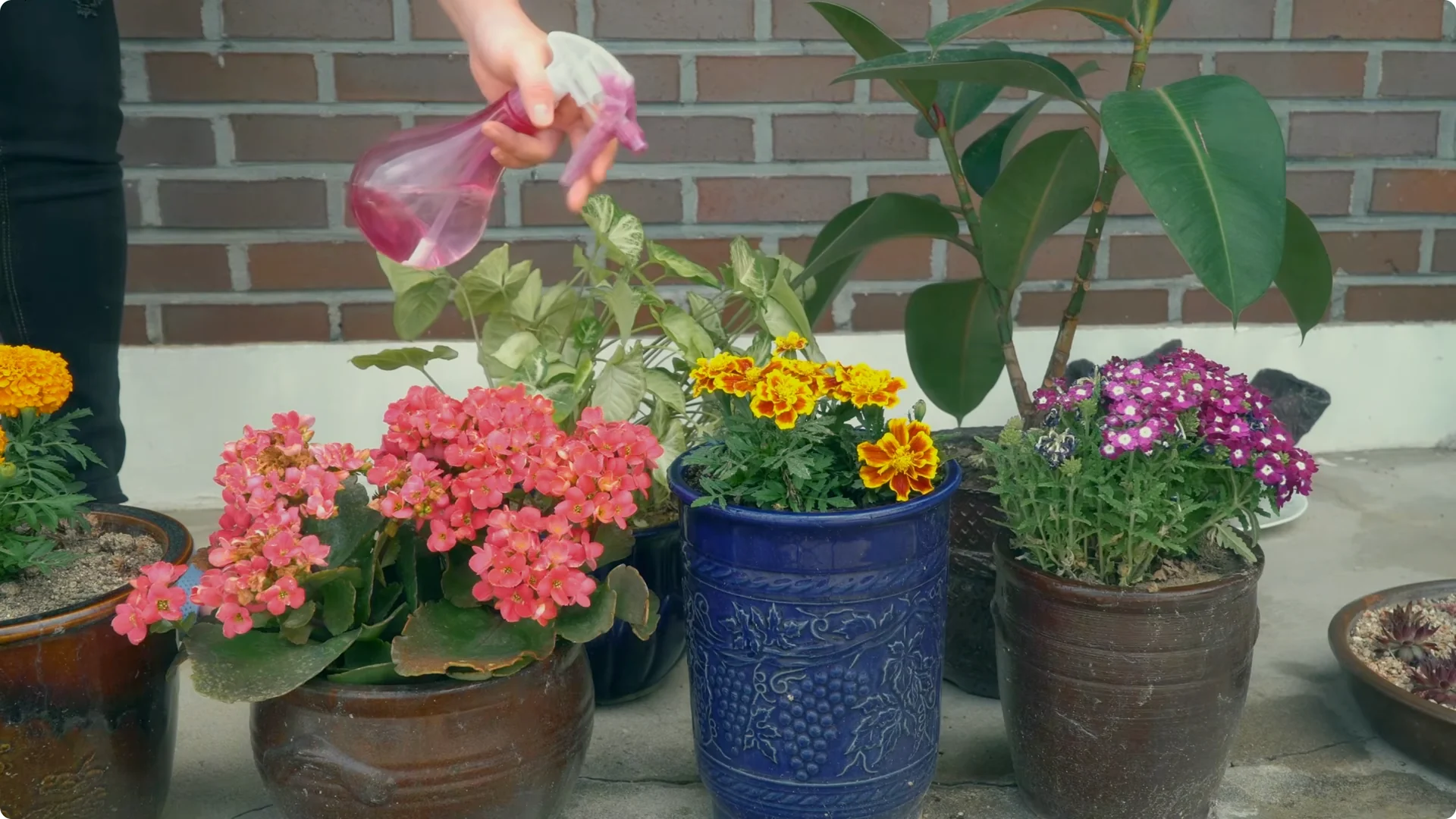
These two simple remedies, starch with honey for strength and bay leaf with cinnamon for health, are more than recipes. They are a way to connect with your green companions. When you prepare the infusion, smell the cinnamon and test the water temperature with your finger.
You are pouring in your care, and plants, believe me, feel that better than any chemicals. Start small and set aside one evening every two weeks. Brew some bay leaves and open that jar of honey.
Watch how your pelargoniums transform in a month. You’ll see them grow stronger, the foliage deepen in color, and the blooming become so abundant you won’t even see the leaves. If gnats on the windowsill get restless after the first cinnamon watering, don’t worry, that means the remedy is working.
Final thoughts
Today, in a high tech world, I often think we overcomplicate things. My grandmother from Ohio wasn’t a research botanist, but she felt the rhythm of nature. Her geraniums didn’t just grow, they lived and breathed, proving beauty doesn’t have to cost a fortune.
Give these gentle formulas a try and watch your plants respond. Care given with patience becomes visible in every leaf and flower. For more indoor care patterns that translate across different species, see ZZ plant care mistakes and keep refining your routine.