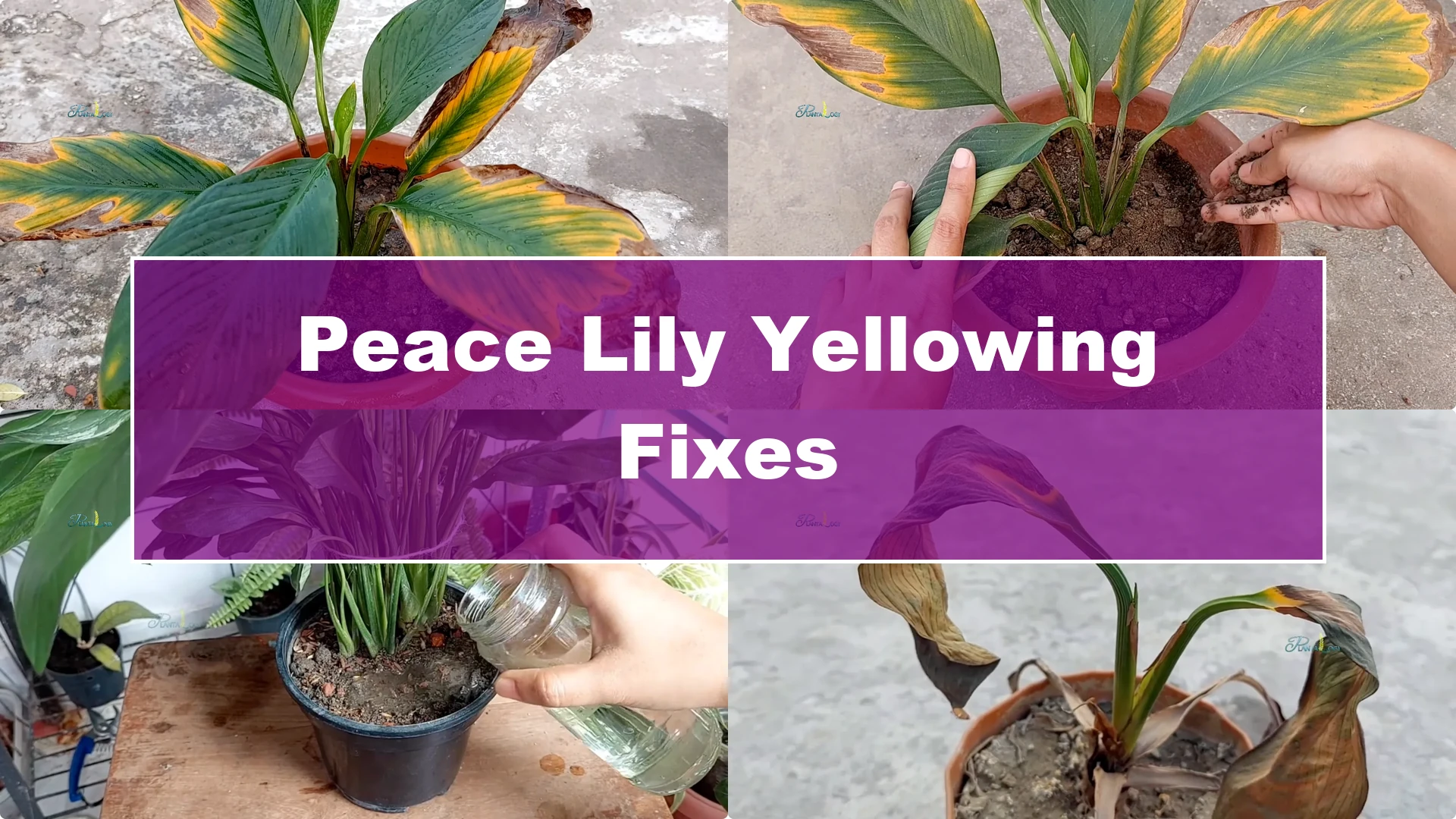
Your peace lily has yellow leaves and brown crispy edges, and you have no idea how to stop it. I am about to share the four expert level care tips that professional indoor plant cultivators use to keep peace lilies vibrant, green, healthy, and problem free.
If you want to finally say goodbye to yellow leaves from your peace lily, keep reading for proper information.
1. Peace Lily Yellowing Prevention – Watering
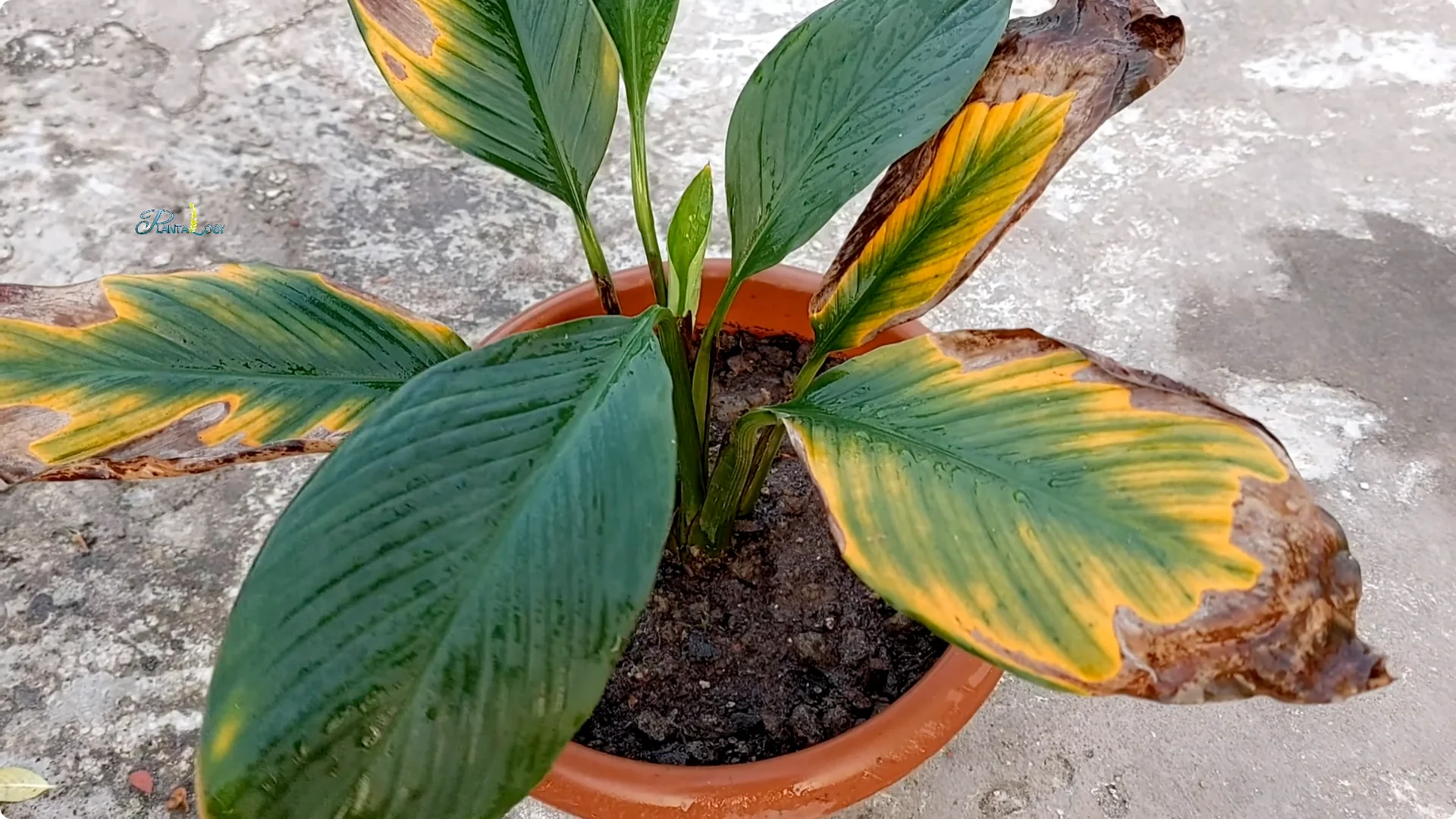
The absolute number one culprit is the watering. The most common reason for yellow leaves is actually underwatering. I unfortunately let this one dry out a bit and you can see the result.
Peace lilies need an even moisture level in their soil. The rule of thumb: water as soon as the top 60% of the soil feels dry. This usually means you should check the top 1 to 2 inches of the soil layer before watering.
Step-by-step: moisture check
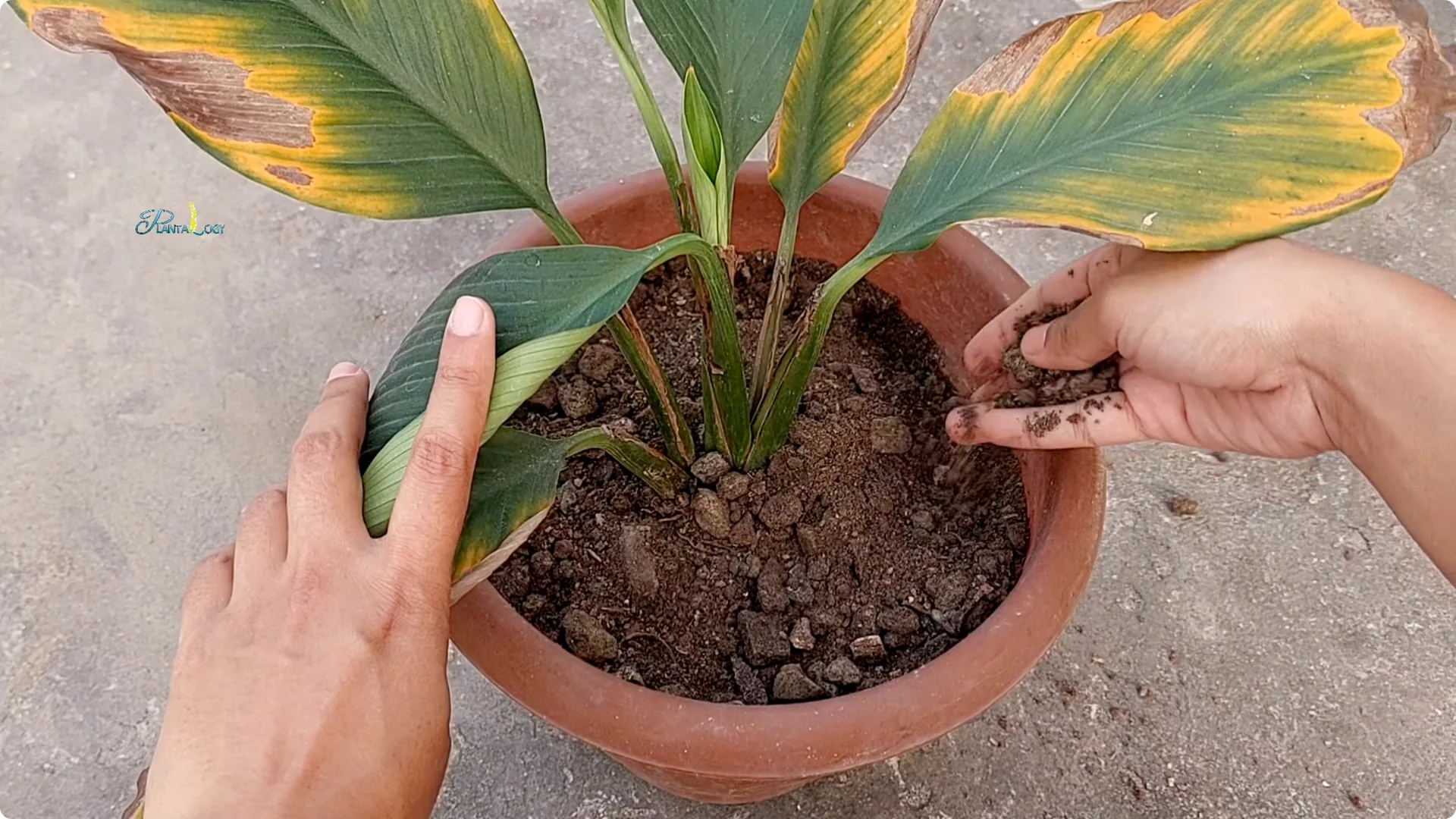
Press your finger into the top layer to gauge dryness. If 1 to 2 inches are dry, water thoroughly until excess drains. Maintain that constant gentle moisture for healthy roots and lush growth.
Water quality matters
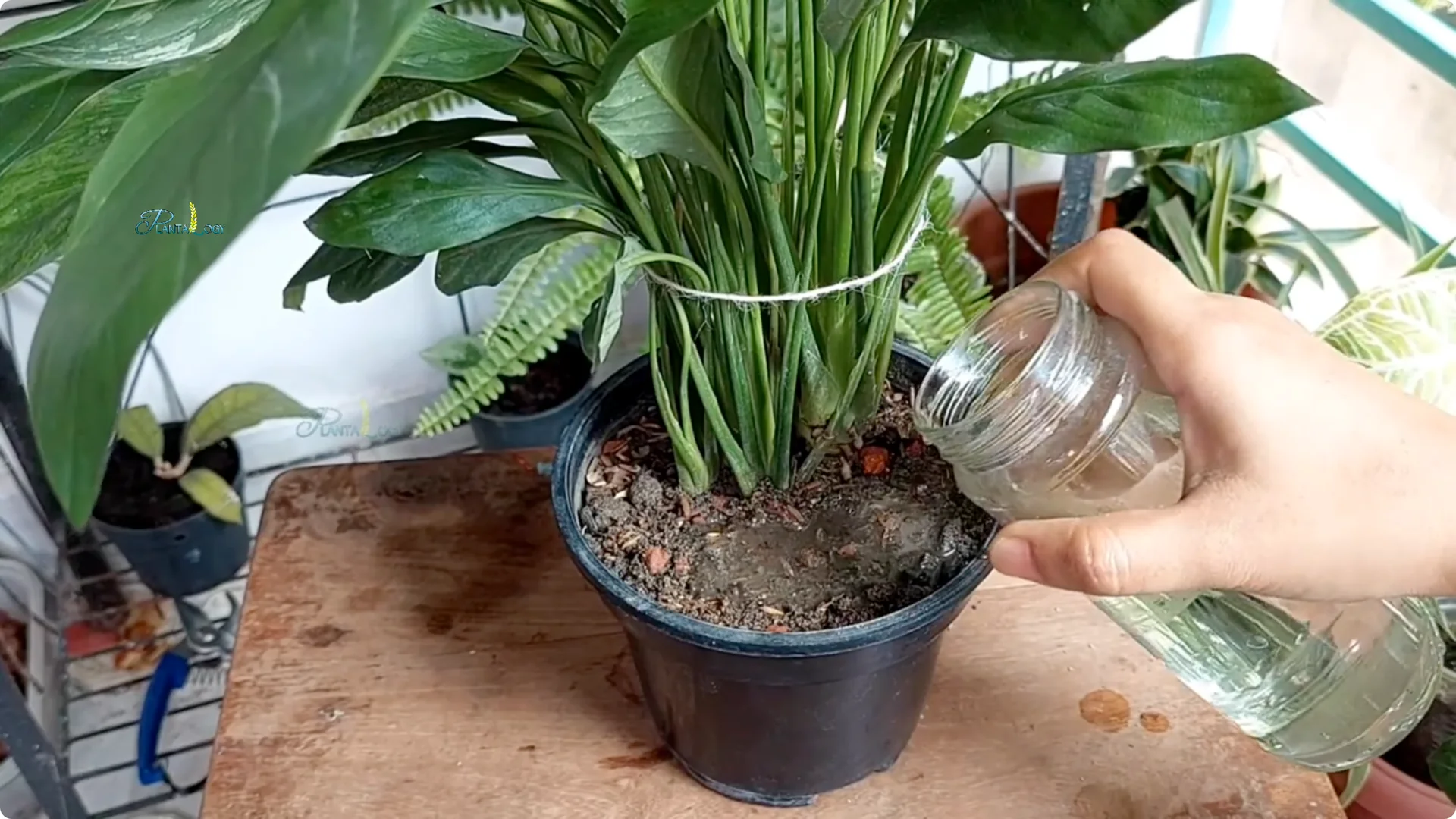
Here is a pro tip for you. Try to use filtered or dechlorinated water because peace lilies are incredibly sensitive to the chemicals and salts often found in regular tap water.
Avoid overwatering
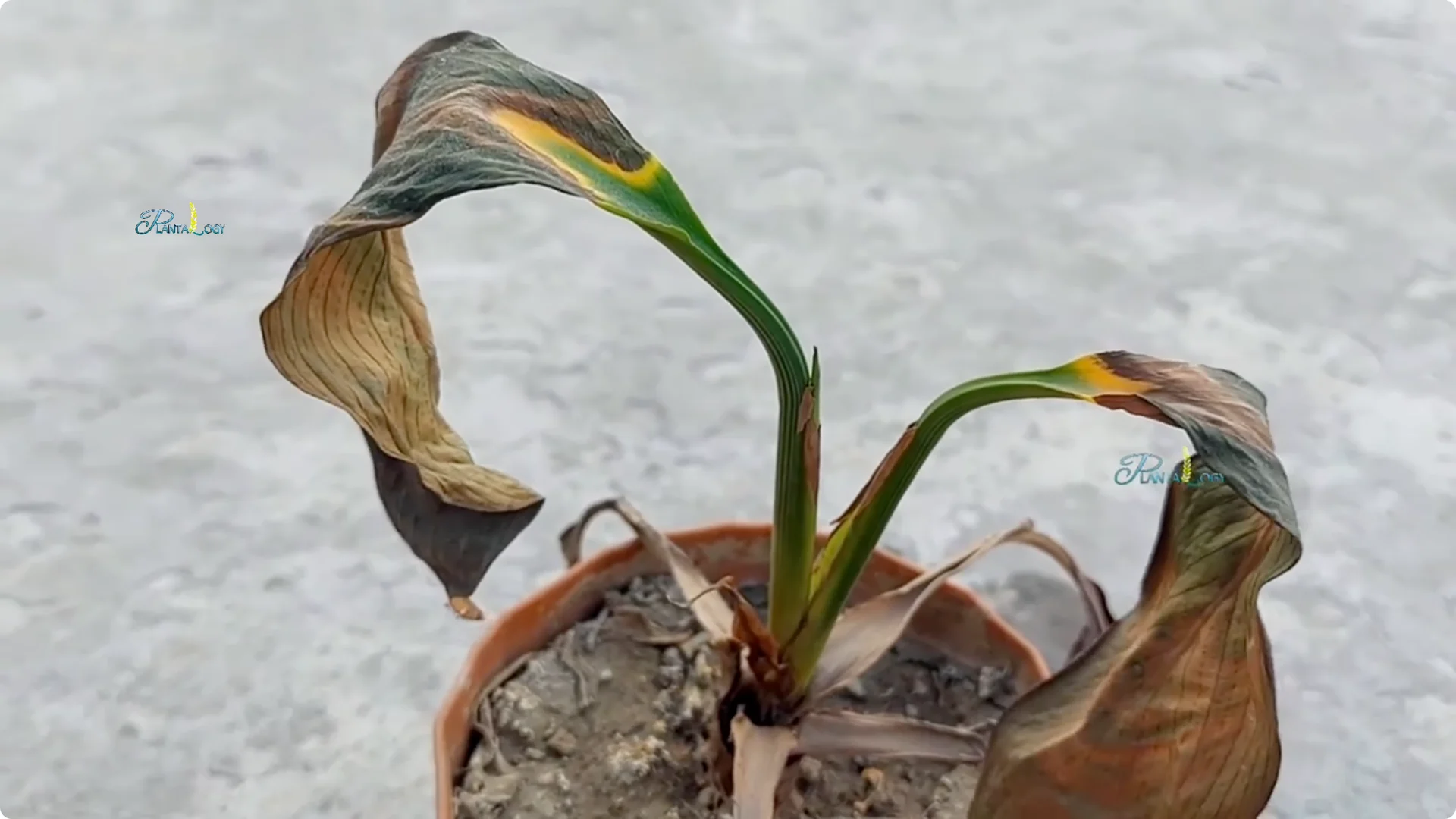
On the other hand, overwatering leads to root rot, which also turns leaves yellow. You will also see those distinct water soaked brown leaf tips all over the plant.
2. Peace Lily Yellowing Prevention – Lighting
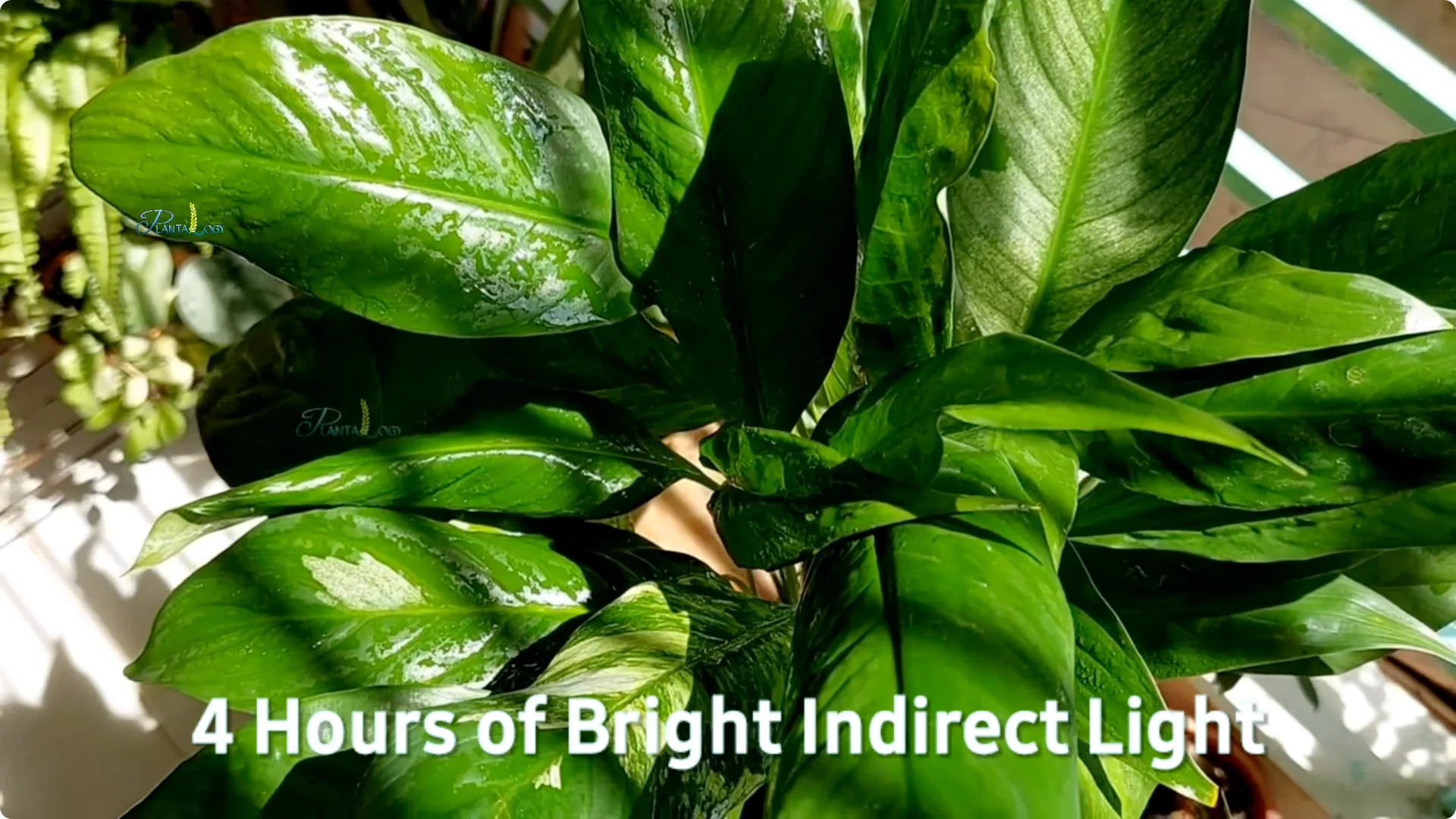
While peace lilies are famous for tolerating shade, they still absolutely demand a good block of bright indirect light to truly thrive and emphasize healthy deep green growth. Too little light exposure, generally less than 200 foot-candles, makes them weak and pale.
Conversely, direct harsh sunlight will aggressively burn the leaves, leading to those ugly yellow or brown crispy edges. Your best bet is a spot near an east or north facing window or bright constant indirect light exposure for about 3 to 4 hours daily.
If your room is naturally dark, consider using a simple grow light for 8 to 10 hours a day to keep your plant vibrant.
Read More: Bloomflowerblog.Com
3. Peace Lily Yellowing Prevention – Soil Mix
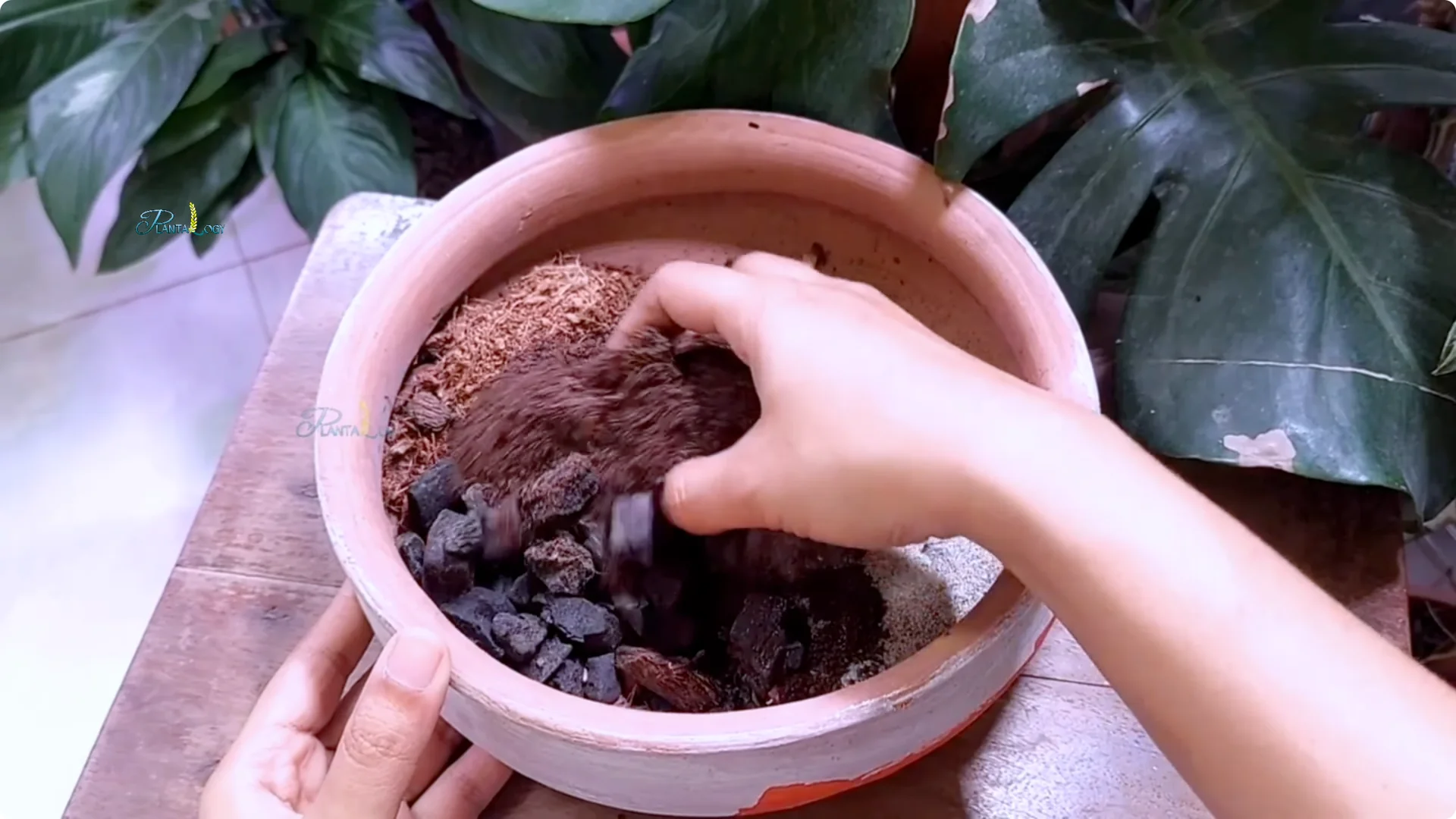
Our third expert tip focuses on what the roots are living in, the soil mix. Another primary reason peace lilies turn yellow is poor compacted soil.
Your ideal mix needs to be slightly water retentive. That helps maintain the even moisture we talked about, but simultaneously well draining to flush out excess water and prevent the soggy situation.
Here is the pro formula. Use a loose well-draining mix that contains roughly 40% coco peat or peat moss, 30% perlite, 20% compost, and 10% pine bark.
If you are using a pre-batched potting mix, simply add an extra cup of coco peat or peat moss to adjust the water retention.
Read More: indoor plants that grow in water
4. Peace Lily Yellowing Prevention – Humidity and Temperature
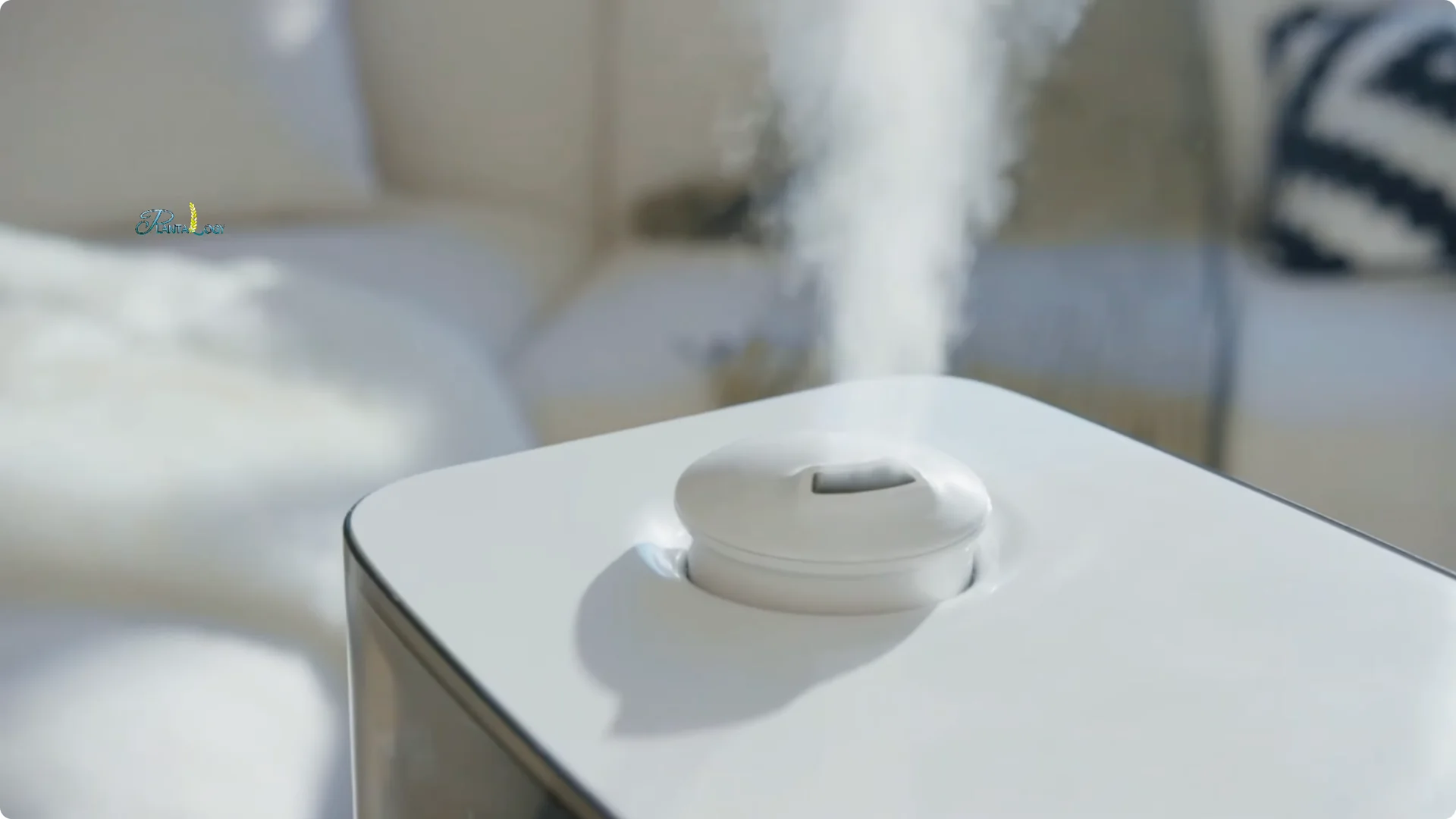
Finally, let’s talk about the environment, humidity, and temperature. Peace lilies are tropical plants. The preferred temperatures are between 18 and 28 C, and their ideal humidity is above 50%.
You will often see the leaves start to yellow, especially during dry seasons or if your home’s humidity drops below their requirement. Low humidity makes the plant struggle to breathe and stay hydrated.
You should seriously consider using a small humidifier or at least a tray. Most importantly, during winter or dry seasons, protect your plant by keeping it indoors and away from cold drafts or dry air vents.
Read More: holiday cactus care tips
Final Thoughts on Peace Lily Yellowing Prevention
To quickly summarize the peace lily yellow leaves prevention formula, remember these four pillars. Proper watering, bright indirect light, an ideal soil mix, and a warm humid environment.
Follow these four expert tips, and I promise you, your peace lily will stay lush, glossy, and full of life for years to come.