
Today, we’ll explore a very gentle yet highly effective method of propagating rose cuttings. Cinnamon is warming and rich in natural antibacterial and antifungal compounds, helping to kill harmful microorganisms often found at the cut ends of cuttings. This method helps rose cuttings root quickly, develop strong shoots, and minimizes root rot in the early stages.
This approach is especially suitable for those who enjoy safe, low-risk gardening. With patience, meticulousness, and a little understanding of nature, you can create healthy new rose plants from your favorite cutting. Every sprouting bud and every developing white root celebrates the connection between humans and plants.
1. Why Rose Propagation with Cinnamon works
Cinnamon contains natural antibacterial and antifungal compounds that protect the cut tissue. It stimulates the branch’s self-defense capabilities and prepares favorable conditions for root growth. The process is gentle on plant tissue and avoids harsh chemicals.
For an extra nudge on timing, see a simple spoon method to speed up cuttings.
2. Prepare the cinnamon solution
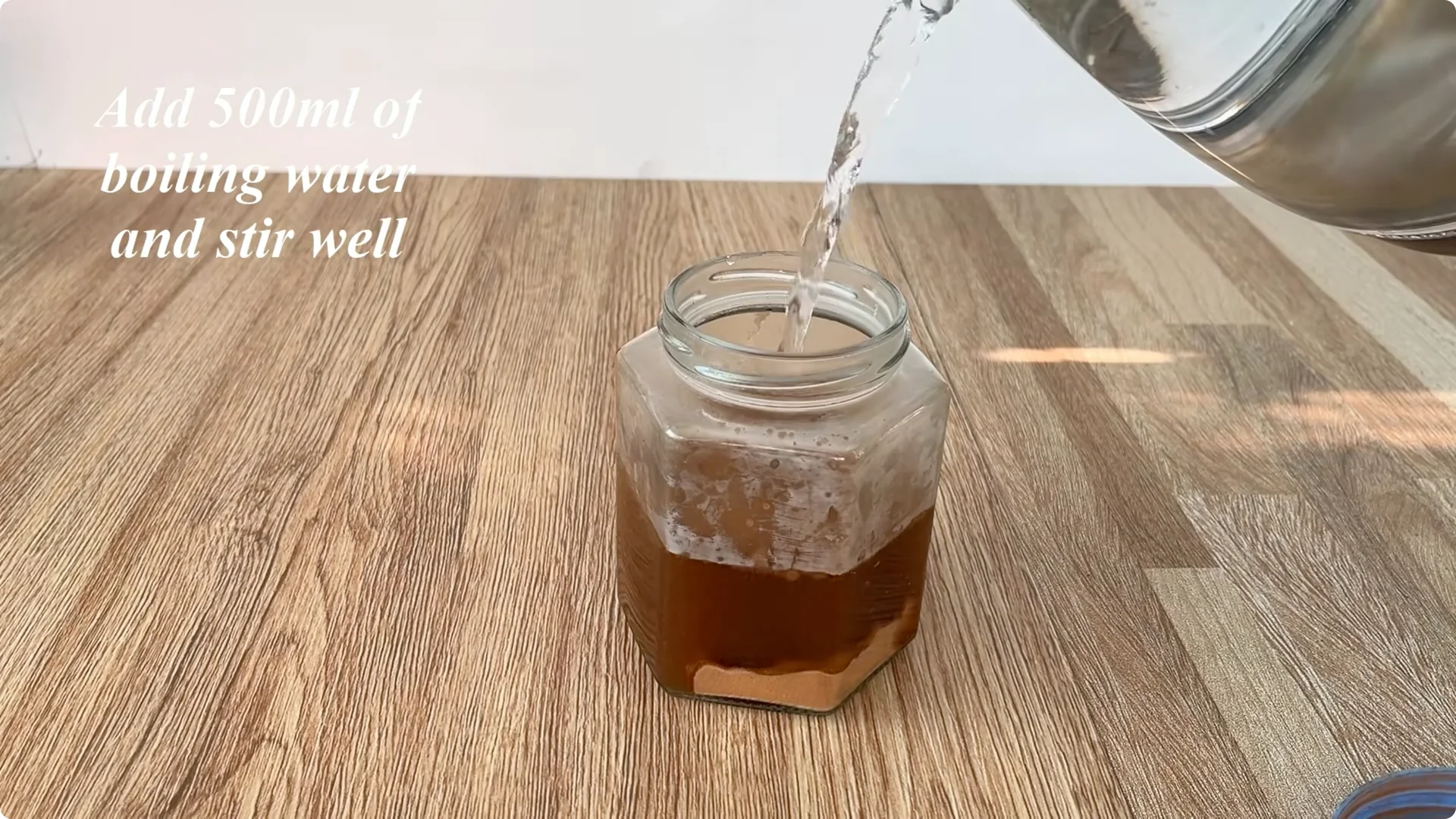
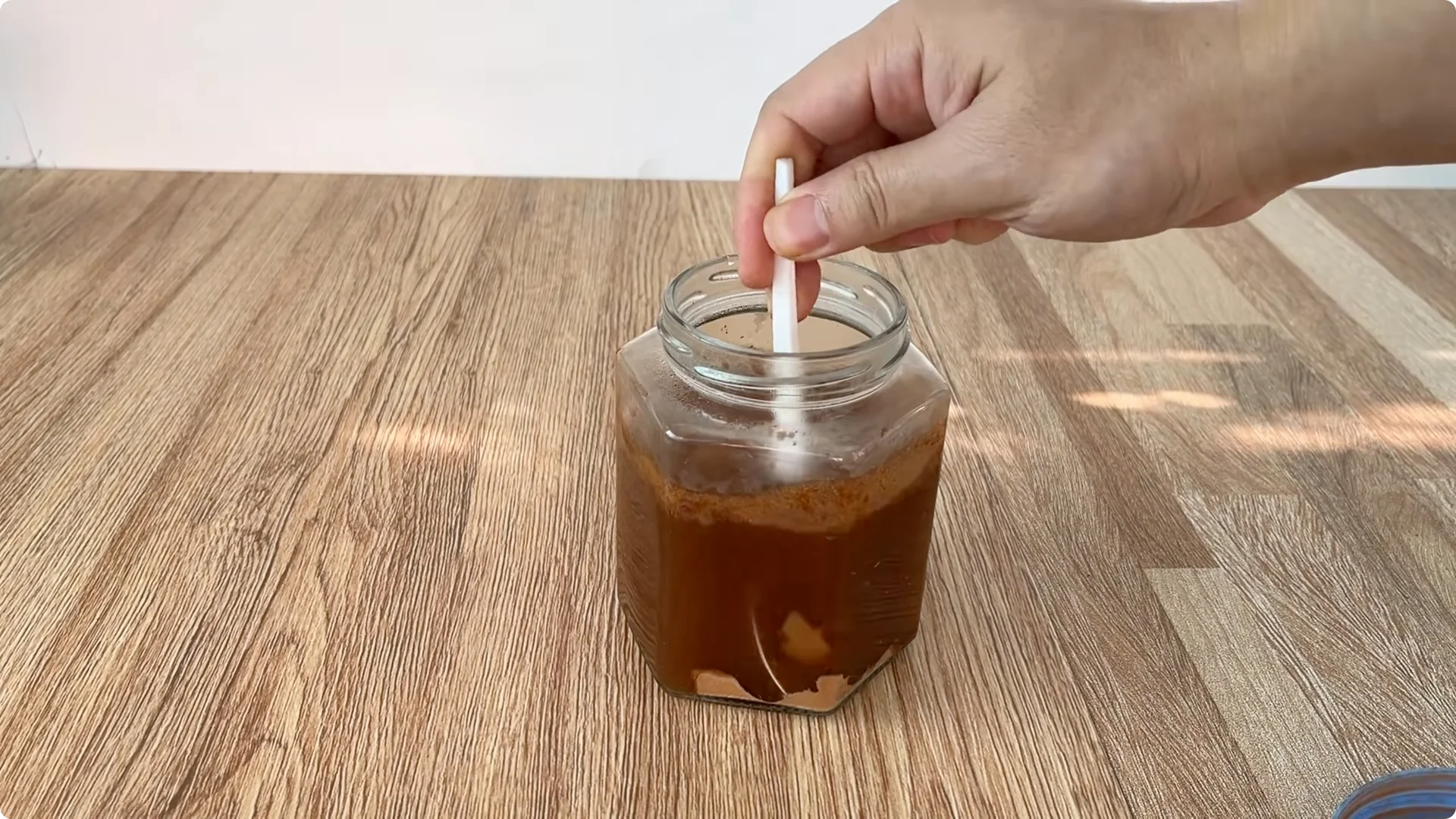
Take 1 teaspoon of pure cinnamon powder and put it into a clean glass jar. Add about 500 ml of boiling water and stir well to dissolve the cinnamon powder and release its essence. After stirring, seal the jar tightly and let the solution cool completely.
This cooling process makes the solution safe for the plant tissue. It also helps stabilize the active ingredients in the cinnamon. Once cooled, filter out the residue, keeping only the clear cinnamon liquid.
3. Select and prepare the stem
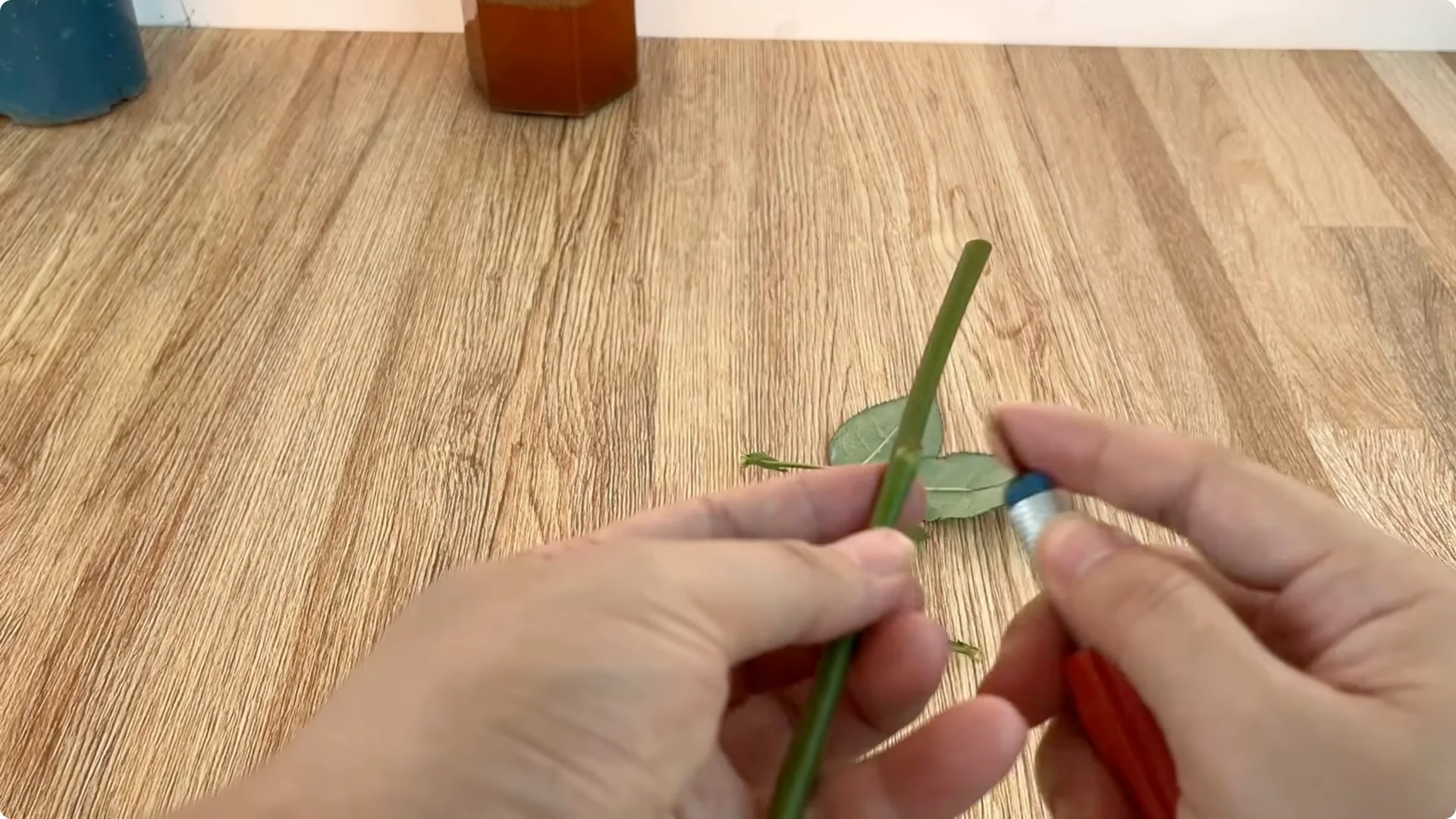
Choose a healthy rose stem, free from pests, diseases, black fungus, or damage. Ideally, pick one that is of moderate age. Stems that are too young tend to wilt easily, while those that are too old are slow to root.
After selecting a suitable stem, remove all leaves and thorns to reduce water loss and prevent injury to your hands. Trim the stem, leaving it about 15 cm long. This length allows the stem to concentrate nutrients on forming new roots instead of nourishing the trunk and leaves.
4. Disinfect and soak in the cinnamon solution
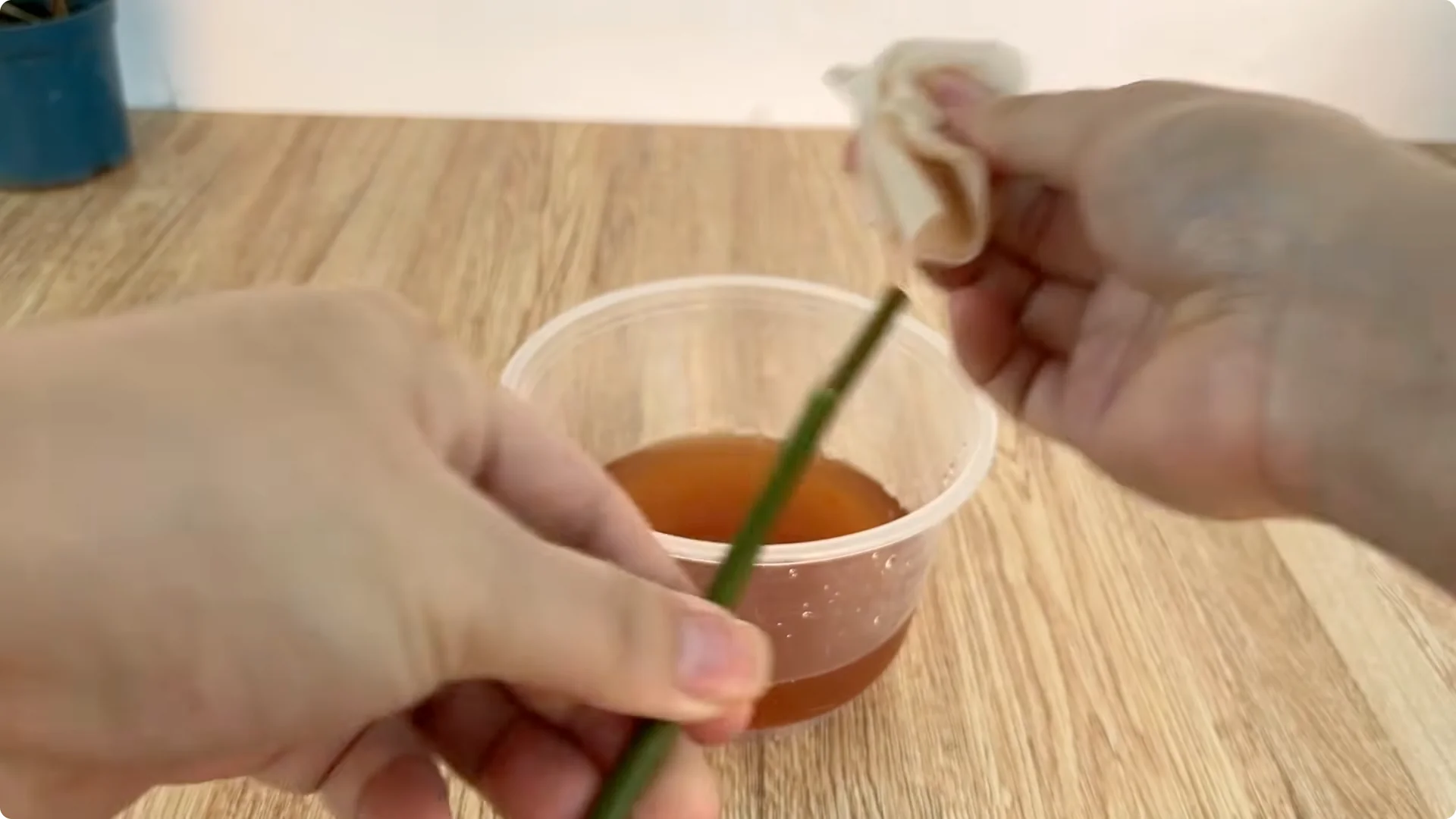
Dip a soft, clean cloth into the cinnamon solution and gently wipe the entire rose stem, paying special attention to the base and cut. This step disinfects the surface of the stem, reducing the risk of fungal and bacterial infection. Then, gently immerse the rose stem directly in the cinnamon solution for about 30 minutes.
During this time, the active ingredients from the cinnamon will penetrate deep into the root tissue. They stimulate the branch’s self-defense capabilities. They also set favorable conditions for root growth.
If you like boosting soak-based methods, explore soaking approaches for fast rooting and blooming.
5. Prepare the potato solution
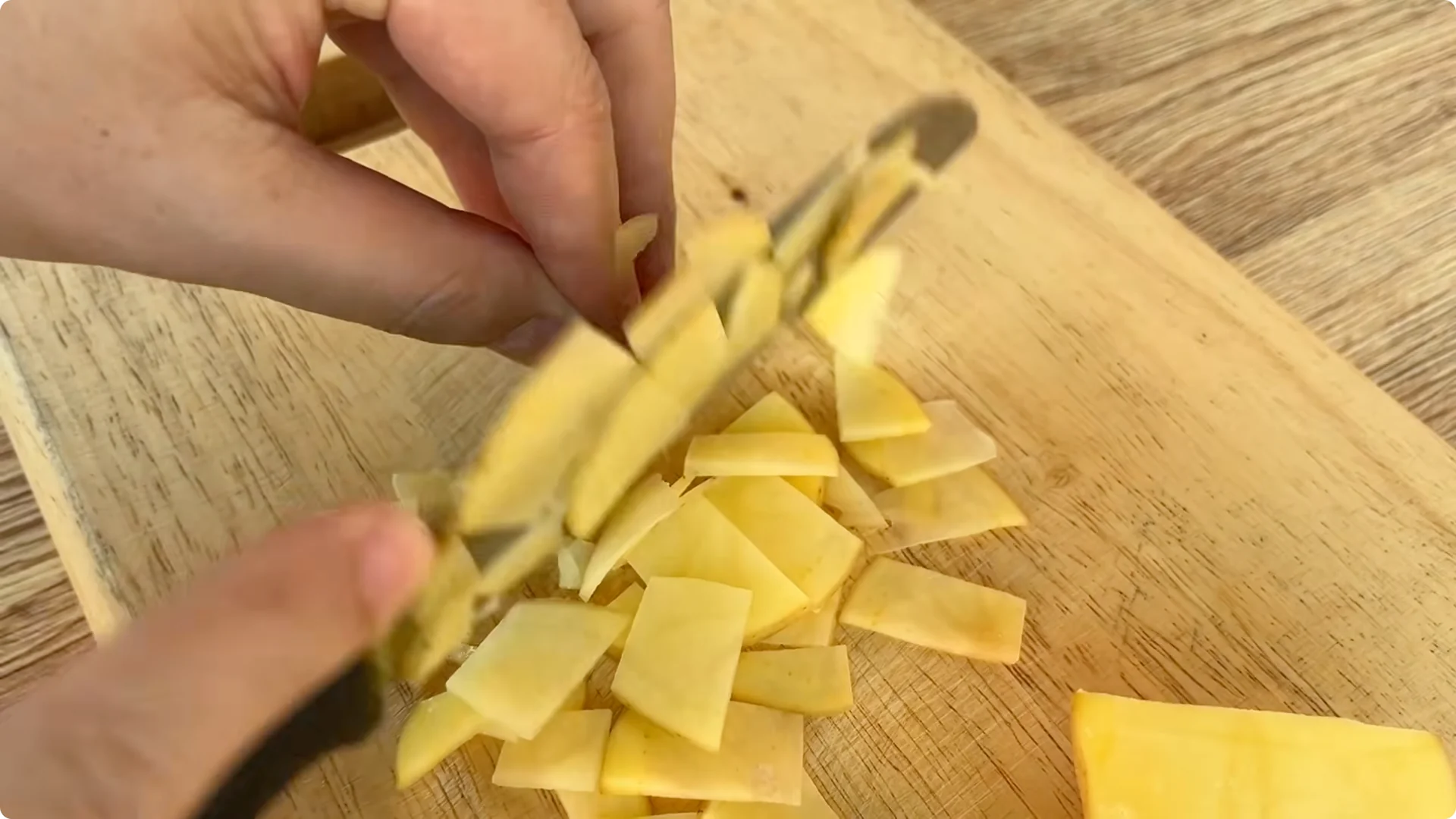
Take a piece of potato weighing about 30 grams, wash it thoroughly to remove soil and impurities, then chop it into small pieces and put it in a clean plastic cup. Potatoes contain a lot of starch, vitamins, and easily soluble minerals. When soaked in water, they create an energy-rich solution that helps nourish young roots in their early stages of formation.
Add about 500 ml of warm water to the cup, stir well, and let it sit for about 30 minutes. After the soaking time is complete, remove the rose branch from the cinnamon solution and let it drain gently. Next, filter out the potato pulp and collect the clear potato solution.
6. Combine for Rose Propagation with Cinnamon
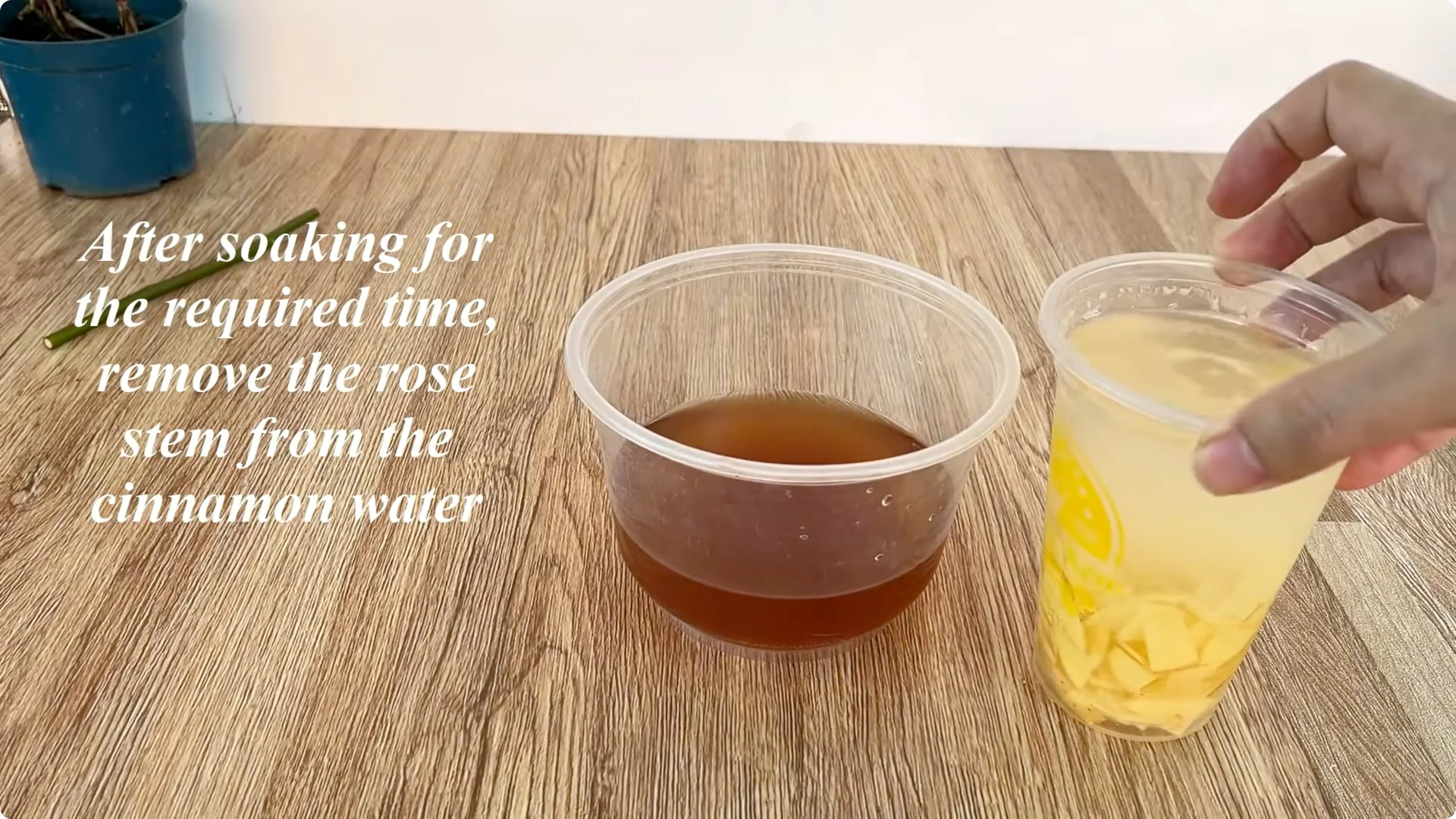
Mix the clear potato solution with the cinnamon solution prepared earlier. This combination offers the powerful antibacterial properties of cinnamon and the gentle nourishment from potatoes. It is ideal for rose cuttings during the rooting stage.
For more tips that help speed up rooting, see methods to speed up rooting rose branches.
7. Prepare the rooting medium
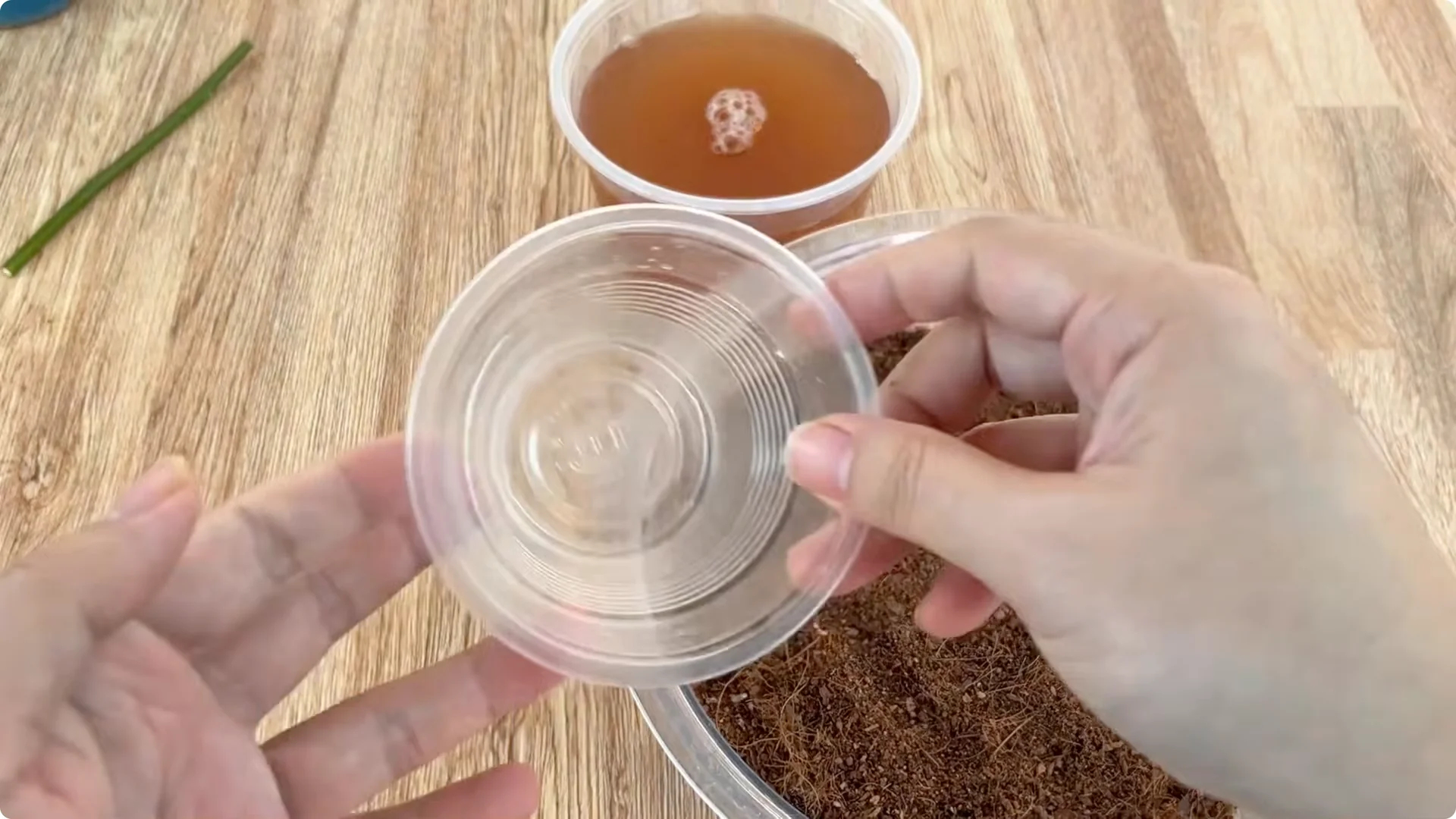
Prepare a clean plastic cup and fill it with treated coconut fiber. The coconut fiber needs to be cleaned of tannins and pathogens before use to ensure the safety of the young roots. Pour the cinnamon-potato solution into the coconut fiber cup enough to achieve the appropriate moisture level, not too dry, but not waterlogged either.
Use your finger to create a small hole in the center of the coconut fiber cup. Gently place the rose cutting into the hole, pressing lightly around it to secure the cutting. Work carefully to keep the stem upright and stable.
8. Create a stable humid environment
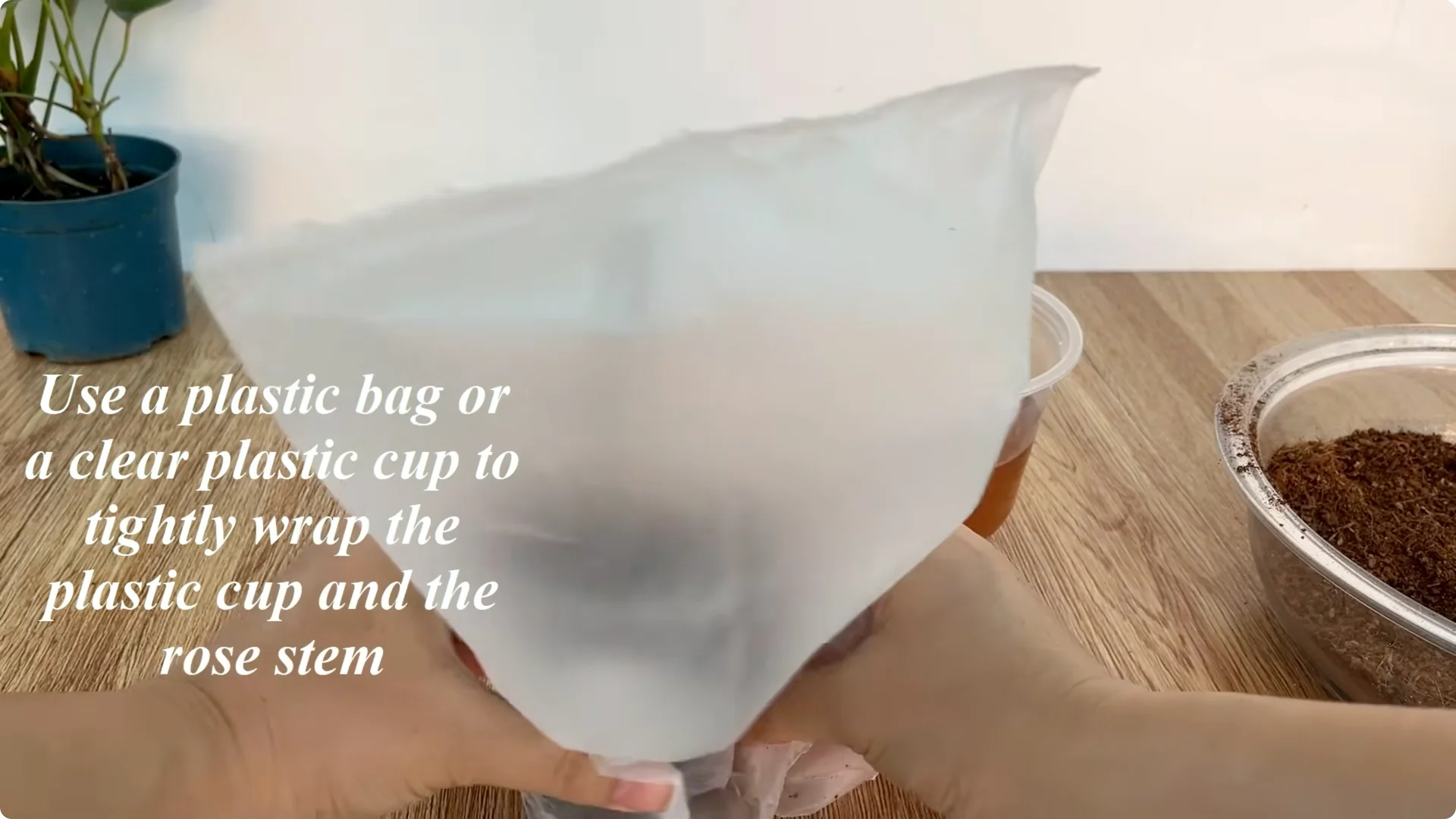
Cover the cup and the rose cutting with a plastic bag or clear plastic container to create a stable humid environment. Place the cup in a cool, airy place, avoiding strong winds and direct sunlight. Only soft, diffused light is needed for the cutting to survive and grow.
9. Results with Rose Propagation with Cinnamon
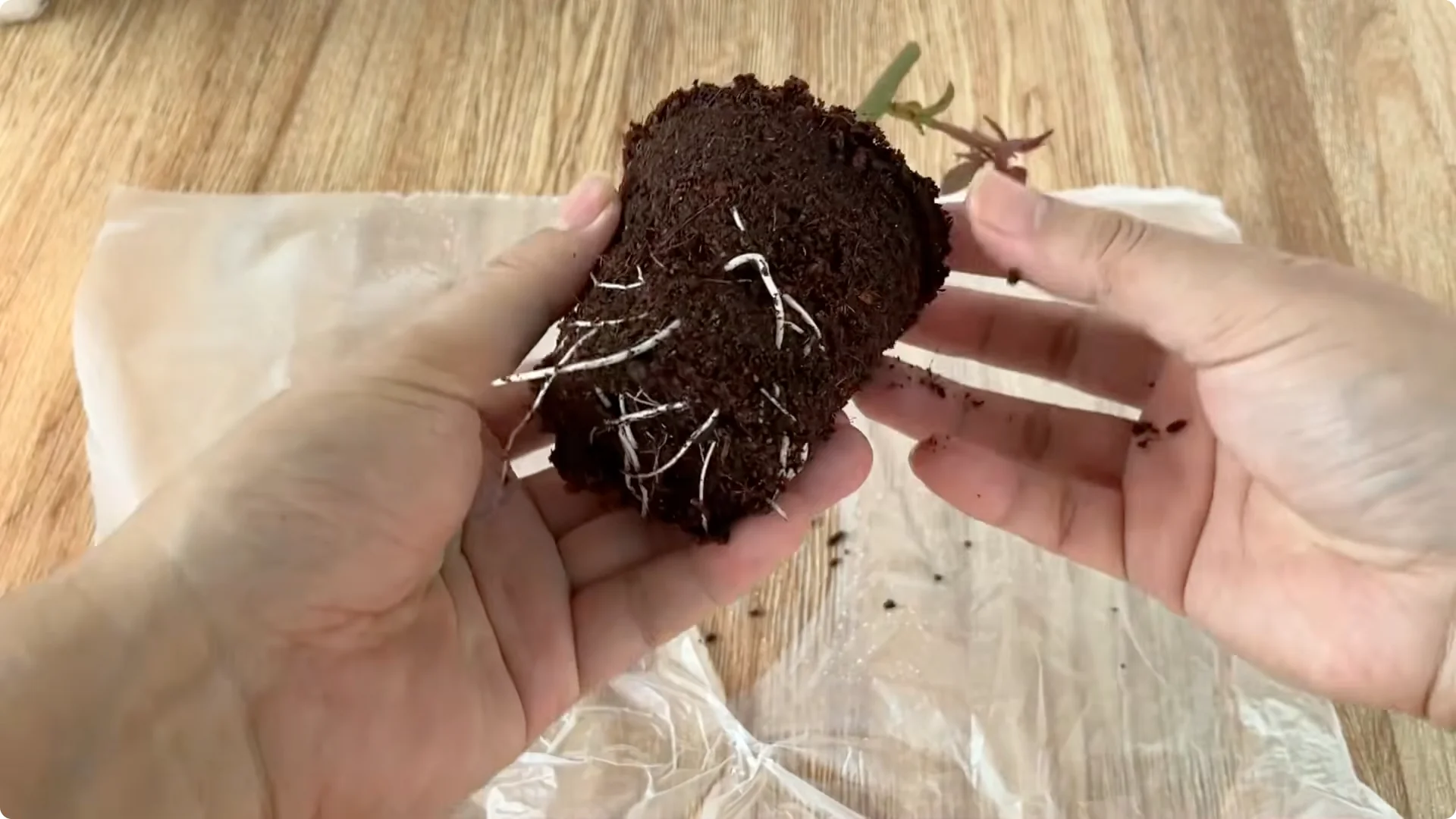
After about 10 days of proper care, you will notice a significant change. The rose cutting will begin to sprout fresh, plump green shoots, showing strong vitality. At the base, many new, white, plump roots will have formed and spread evenly in the coconut fiber substrate.
10. Transplanting to support strong growth
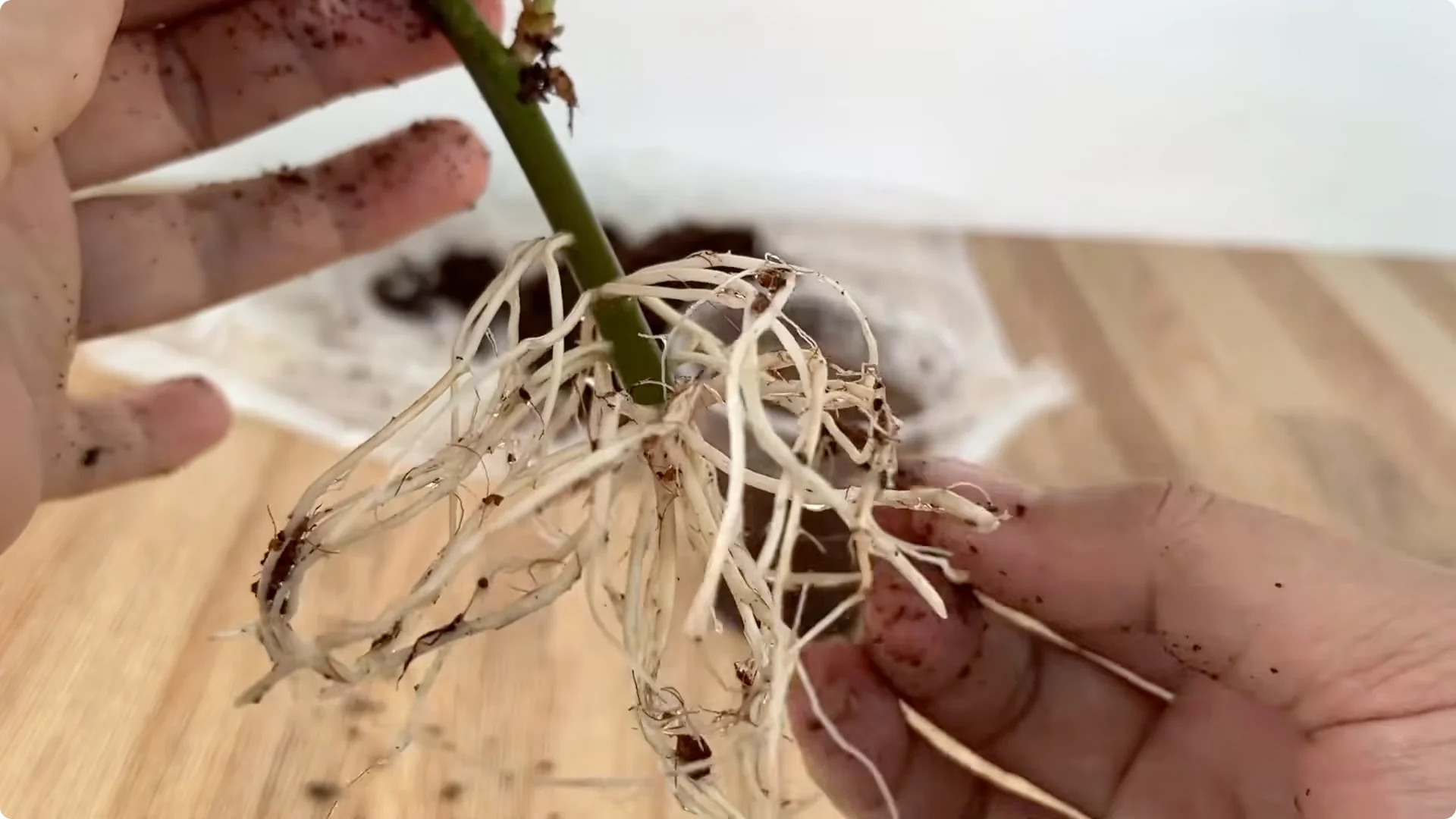
This is the ideal time to transfer the rose cutting to a larger pot. Choose a pot with good drainage and use clean river sand as the initial substrate. This allows the young roots to continue developing steadily.
Final Thoughts
Propagating rose cuttings using cinnamon powder and potatoes shows that effective solutions can come from familiar ingredients. No need for complicated methods or harsh chemicals. With care and patience, you can root cuttings successfully and grow strong new plants.
For additional inspiration on quick rooting tweaks, check out this spoon trick for faster rooting.