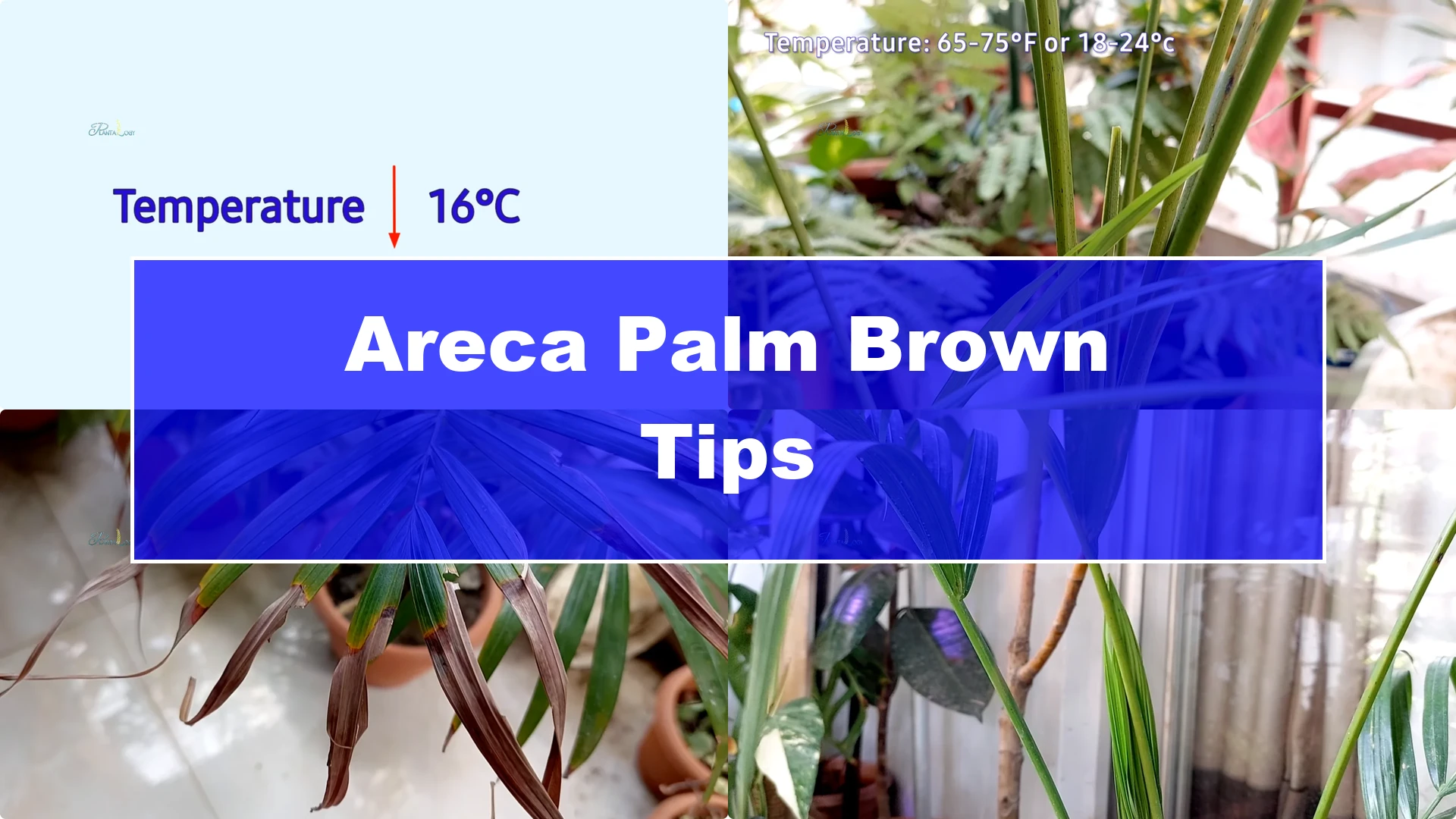
Brown, dry leaf tips in areca palm do not always mean the plant is sick or has severe issues like overwatering, underwatering, or pests. Many times it is a normal response to seasonal conditions and air moisture.
I receive a lot of questions where the areca palm is growing fine, but some leaves turn brown or yellow. The plant gets bright indirect light, is watered properly, has no pest issues, and is fertilized well, yet the tips still discolor. If you are seeing yellowing too, see guidance for yellow areca palm leaves indoors.
1. Areca Palm Leaf Tip Browning in Cold Months
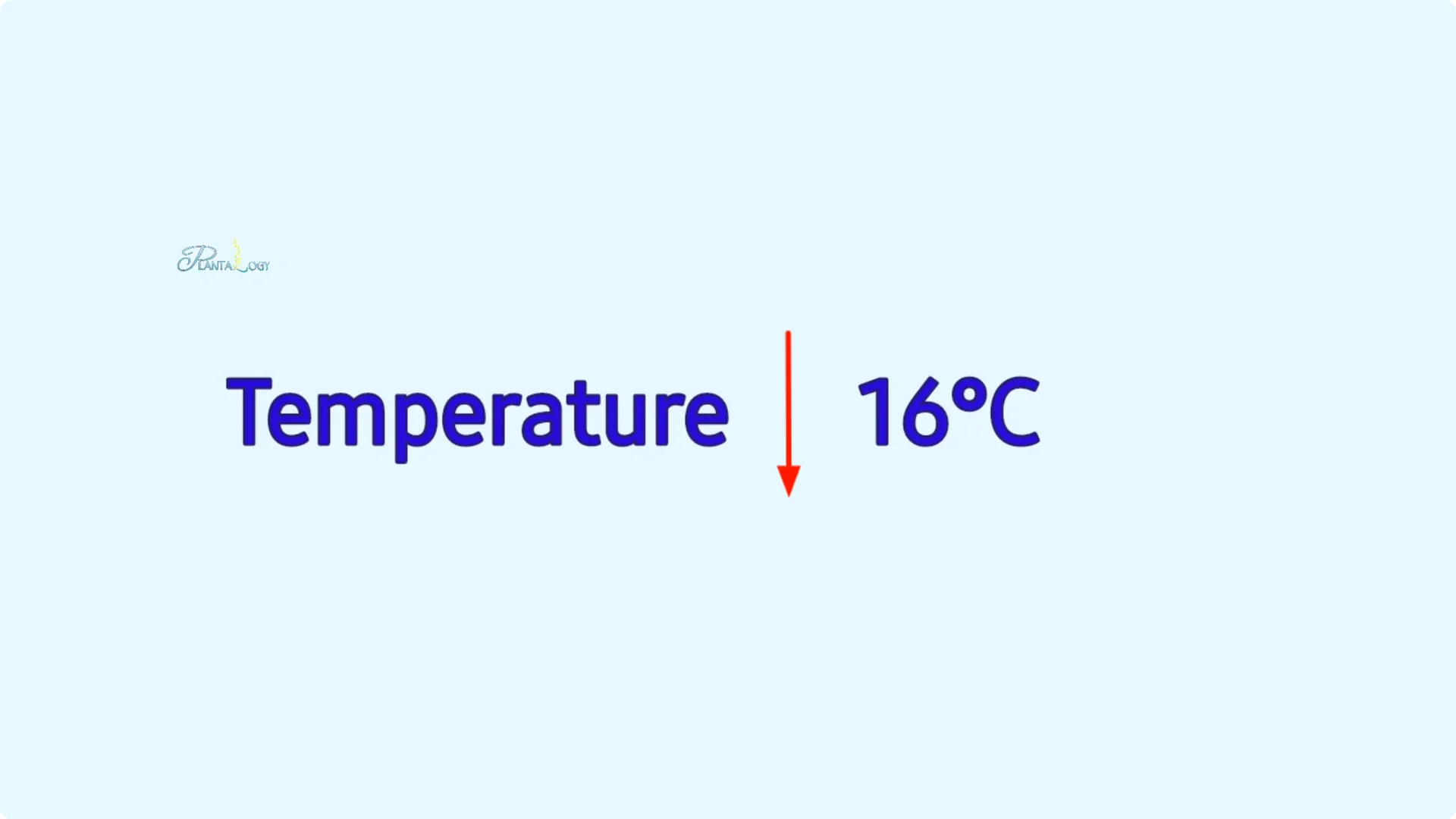
It is common to notice this in late winter and early spring. In winter, the temperature can drop below 16 C, and in some areas below 10 C, which lowers indoor humidity.
The ideal temperature for areca palm is 65-75 F (18-24 C), and the ideal surrounding humidity is 50-60 percent. Low temperature drops the humidity, reduces leaf moisture, and shows necrosis or brown tips.
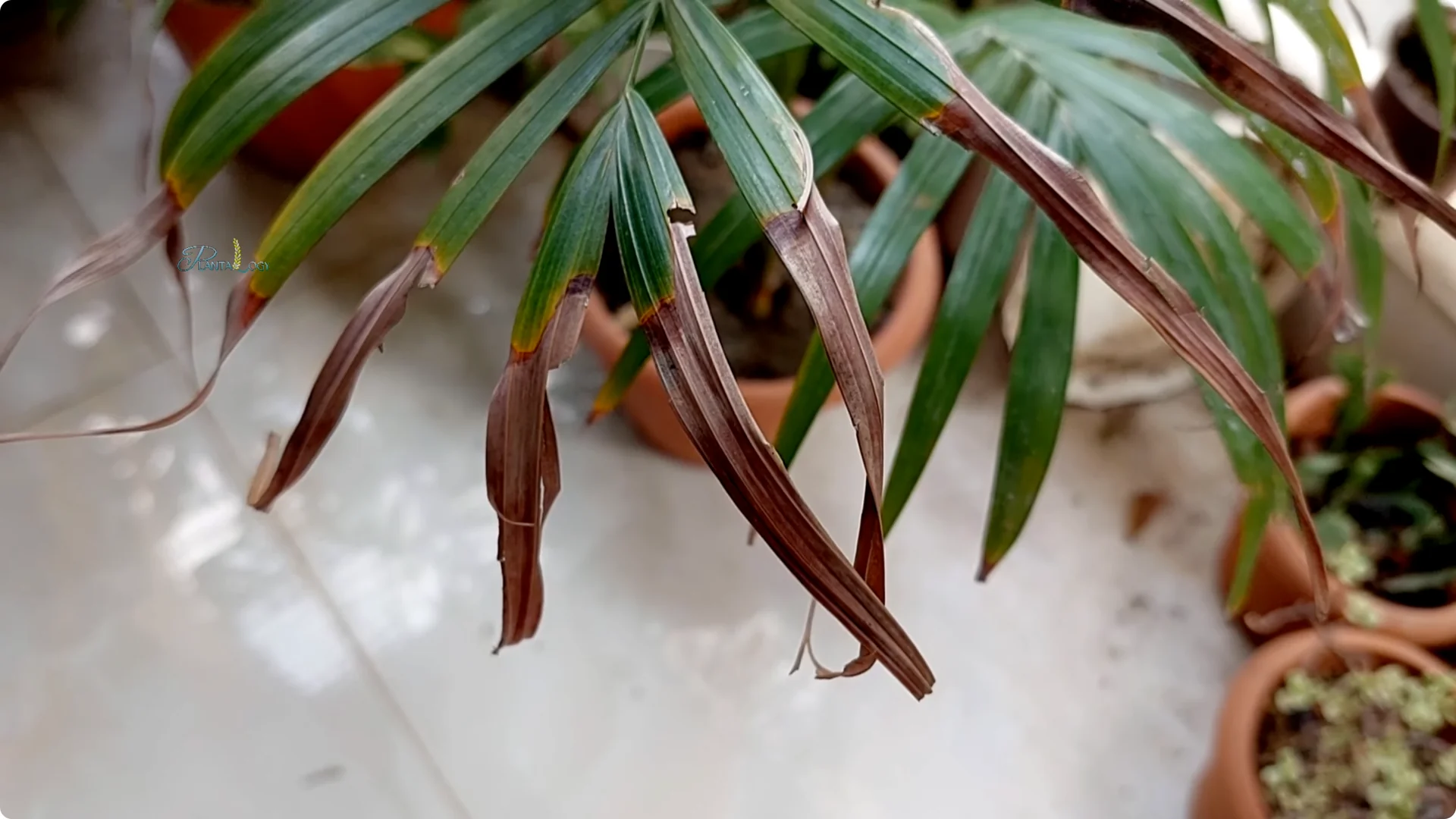
This Browning first appears on the lower sets of leaves or older leaves. It reflects insufficient humidity and low temperature during the cold months.
2. Areca Palm Leaf Tip Browning and New Growth
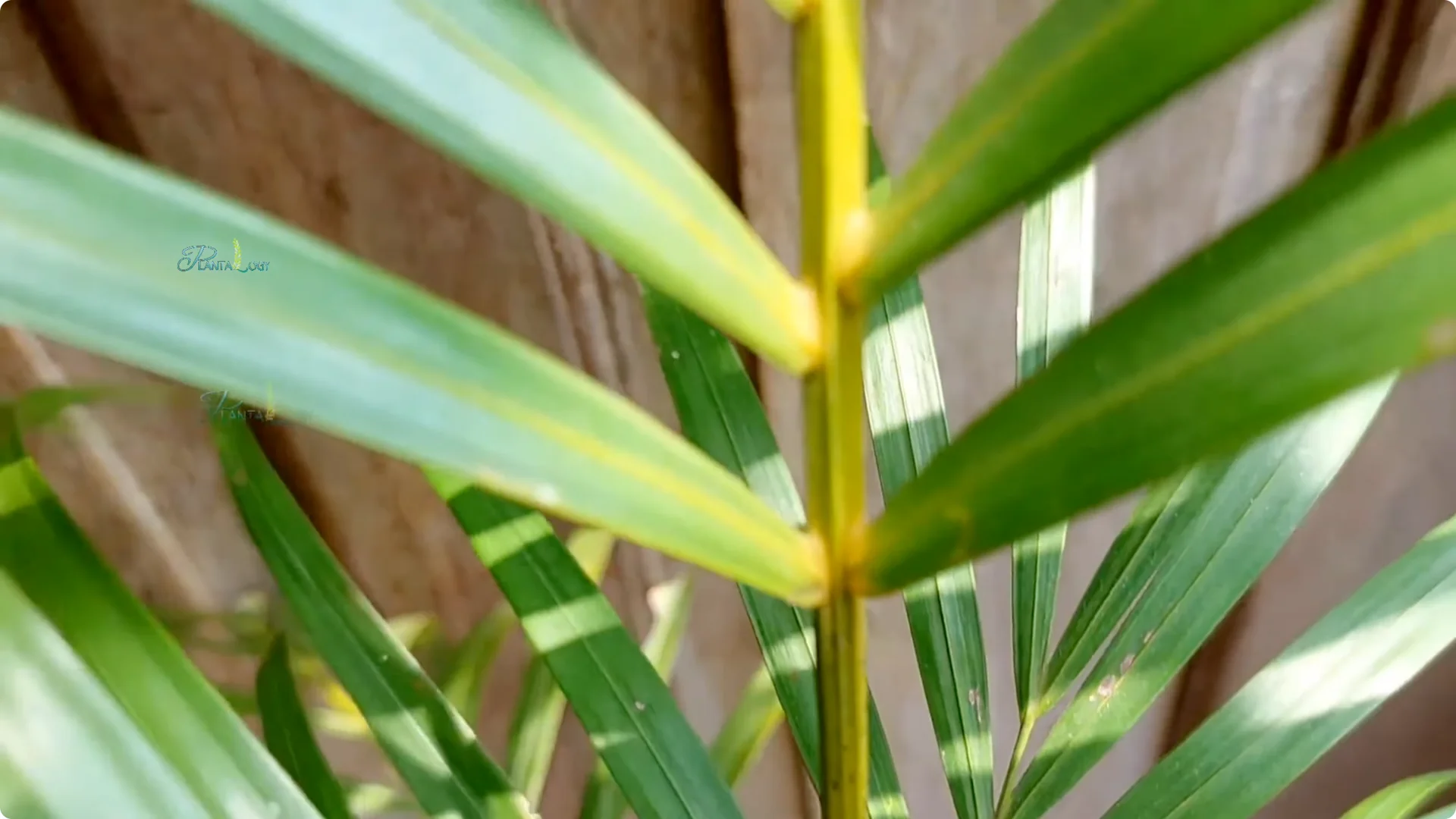
This plant becomes dormant in winter and hardly produces new shoots. As weather warms up, it will start to grow again.
At that point, notice whether the plant is producing new shoots and whether the shoots are as healthy and green as the existing leaves. A healthy areca palm will grow back and produce multiple healthy shoots from the base as the weather warms.
If you are refreshing spring routines across your collection, these spring hydrangea care ideas pair well with seasonal checks for humidity and temperature.
3. Areca Palm Leaf Tip Browning Under Good Conditions
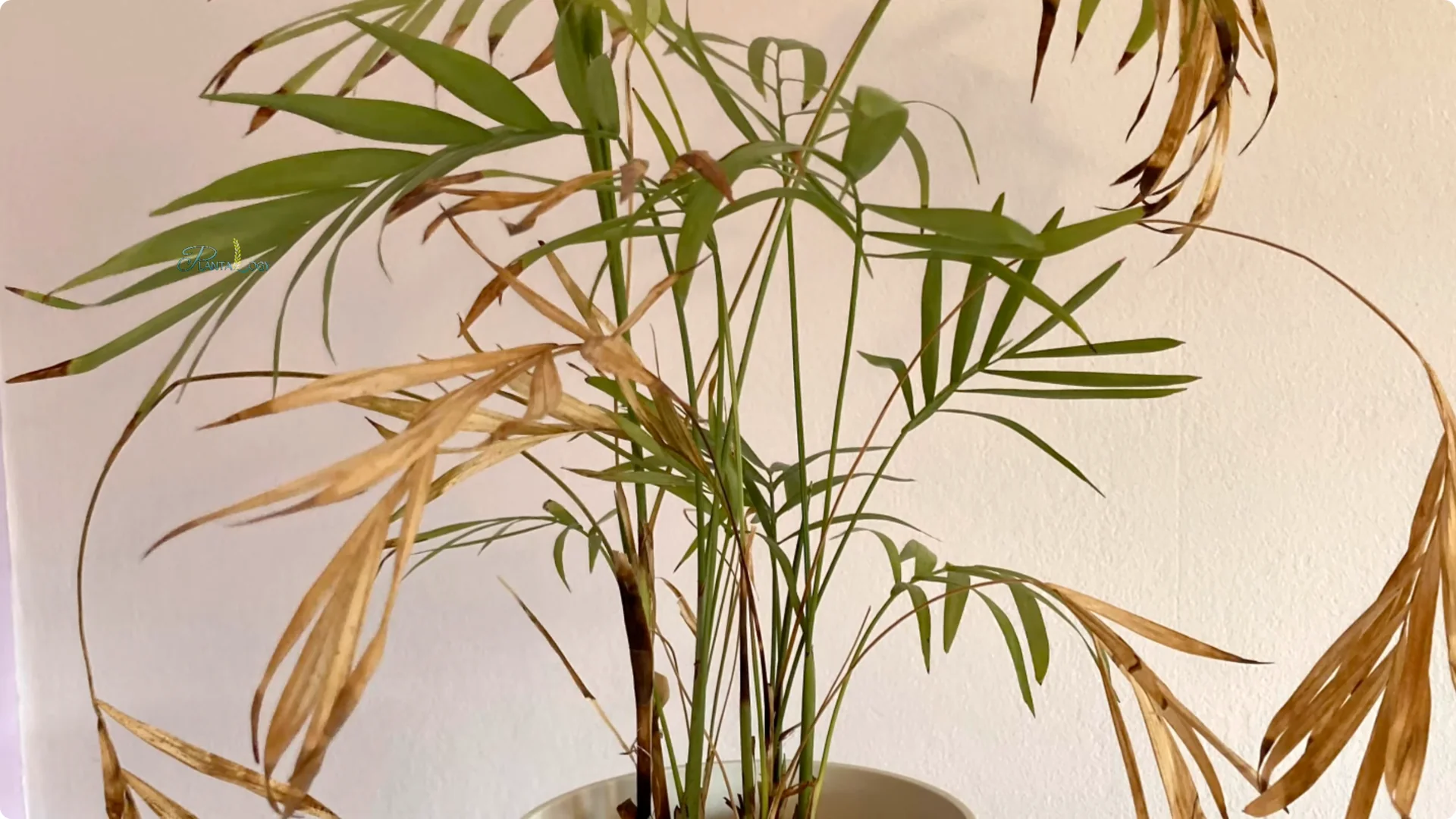
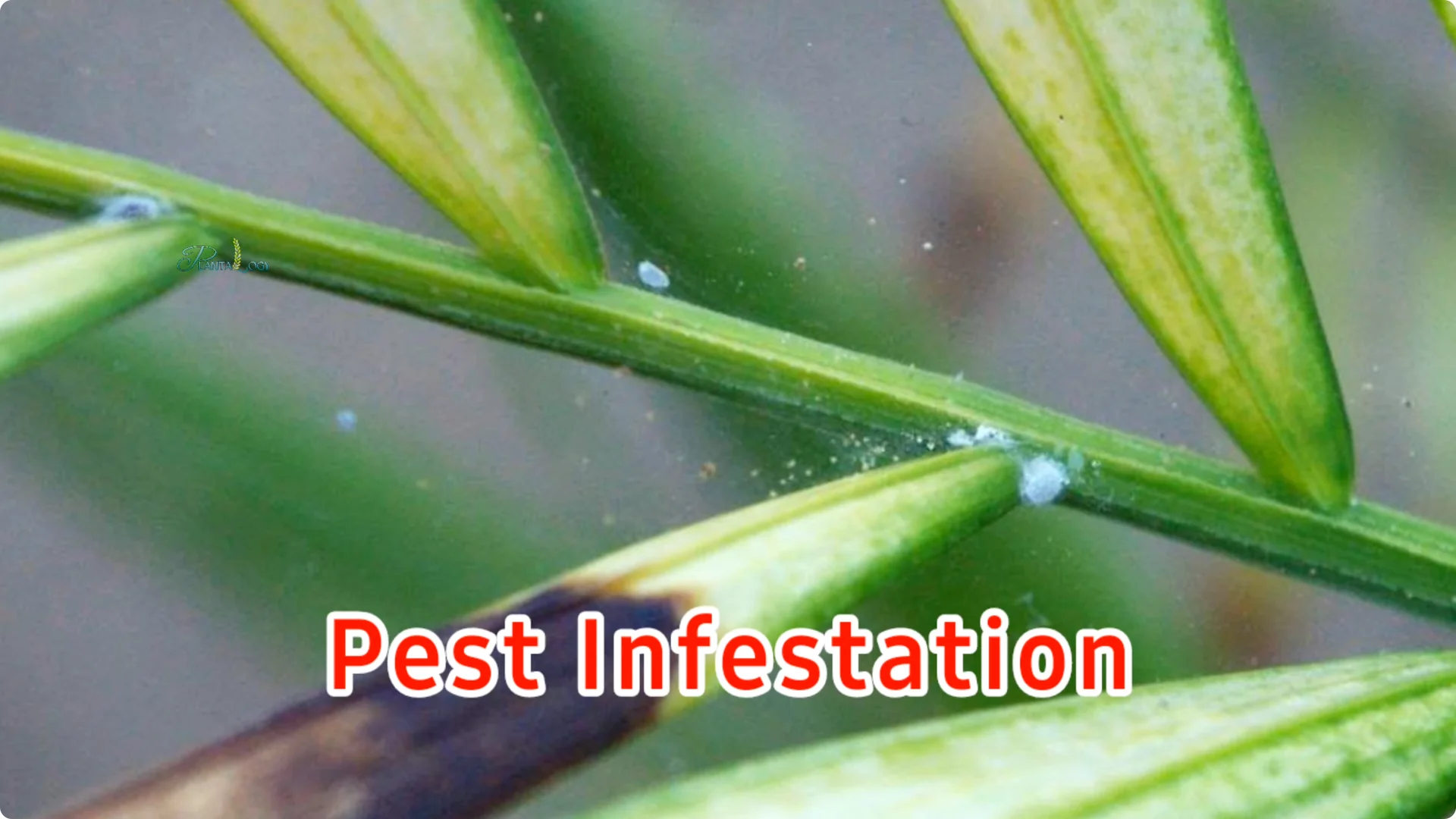
If newer leaves are also turning brown or yellow along with older leaves and showing severe discoloration, even with appropriate humidity and temperature, check thoroughly. At that point, it can be due to overwatering, underwatering, or pests.
Step-by-step check
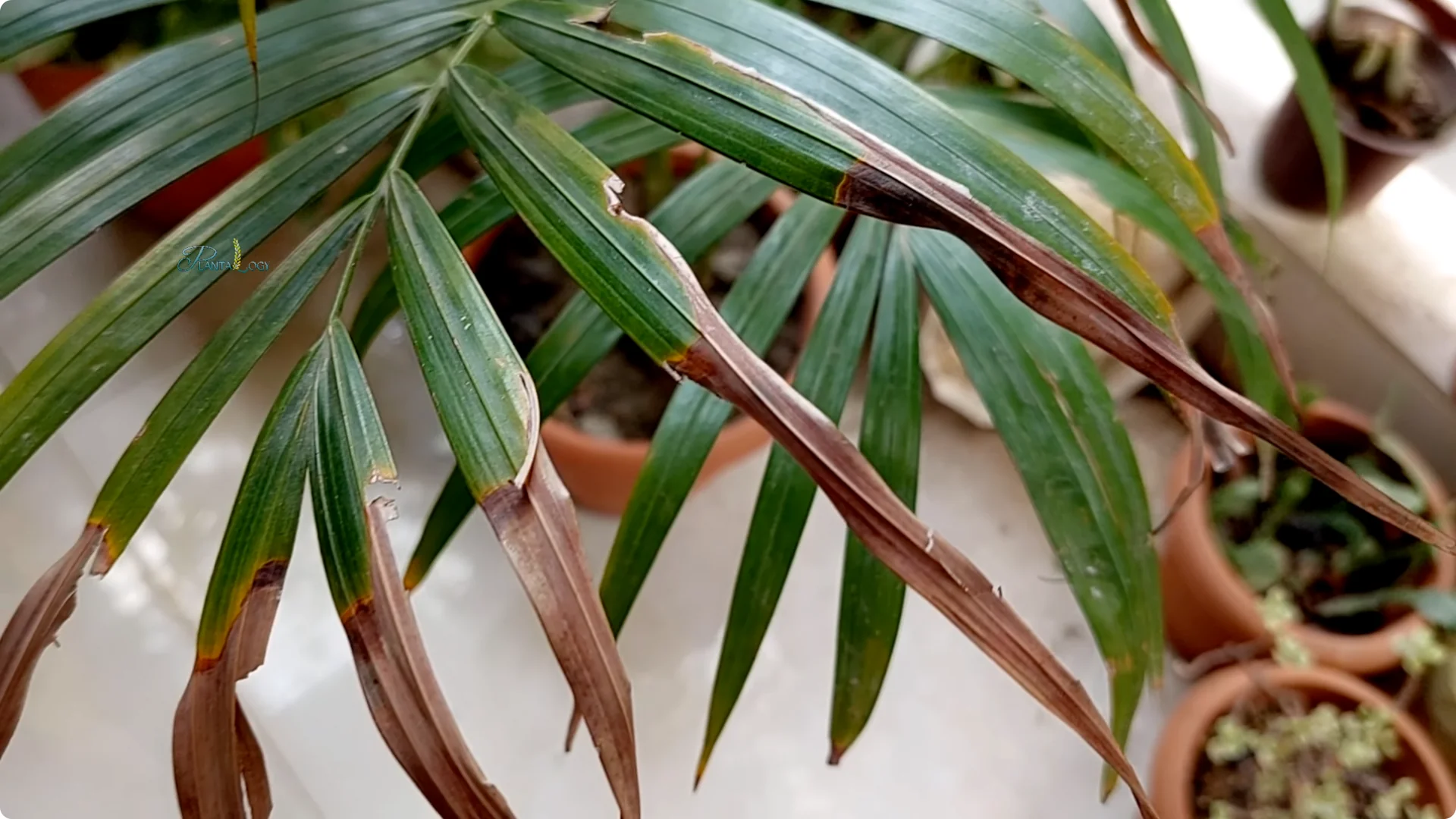
1) Confirm your room stays within 65-75 F (18-24 C) with 50-60 percent humidity. Stabilize these basics first.
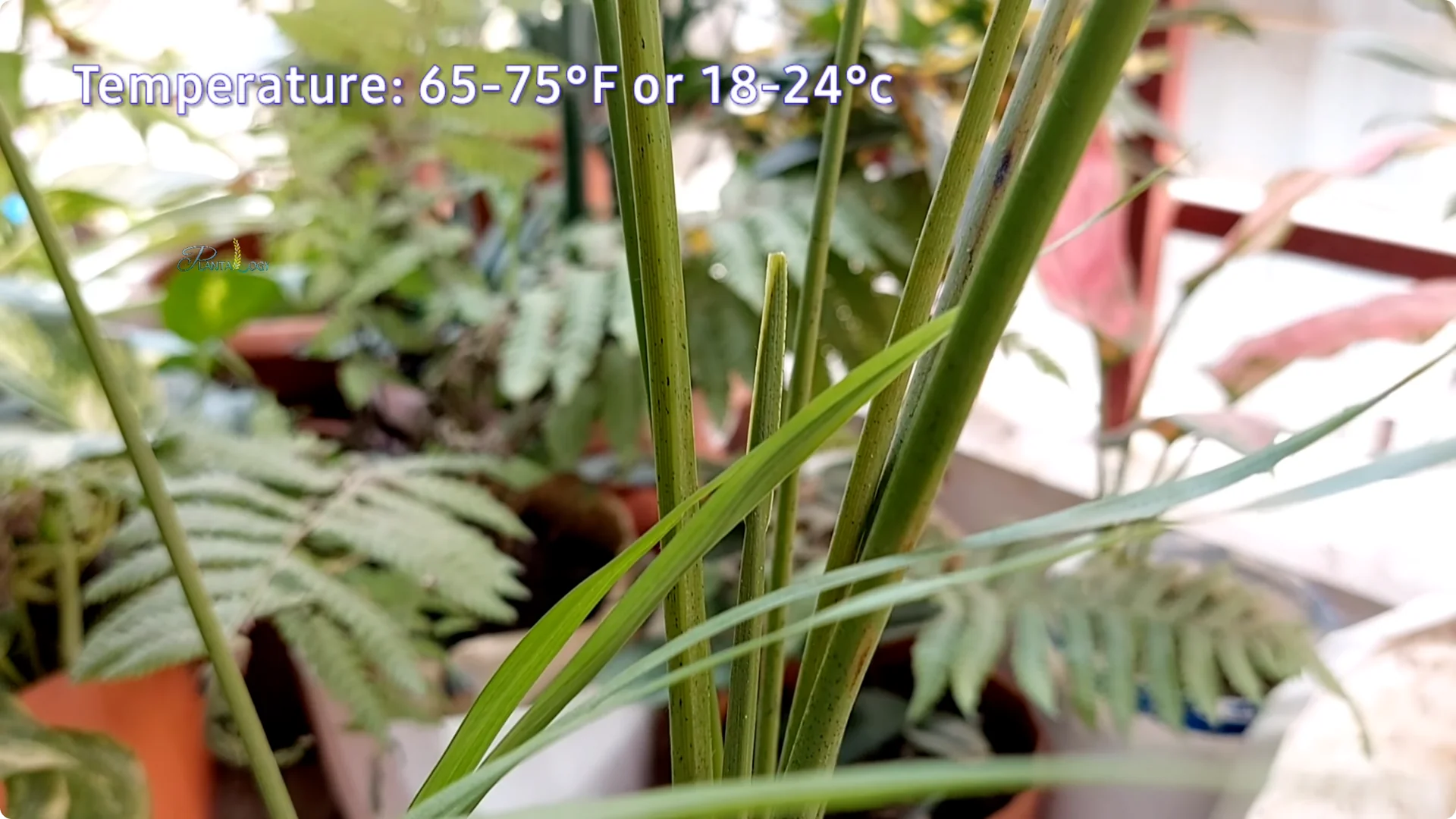
2) Note where browning starts. Lower and older fronds first usually point to winter humidity drop.
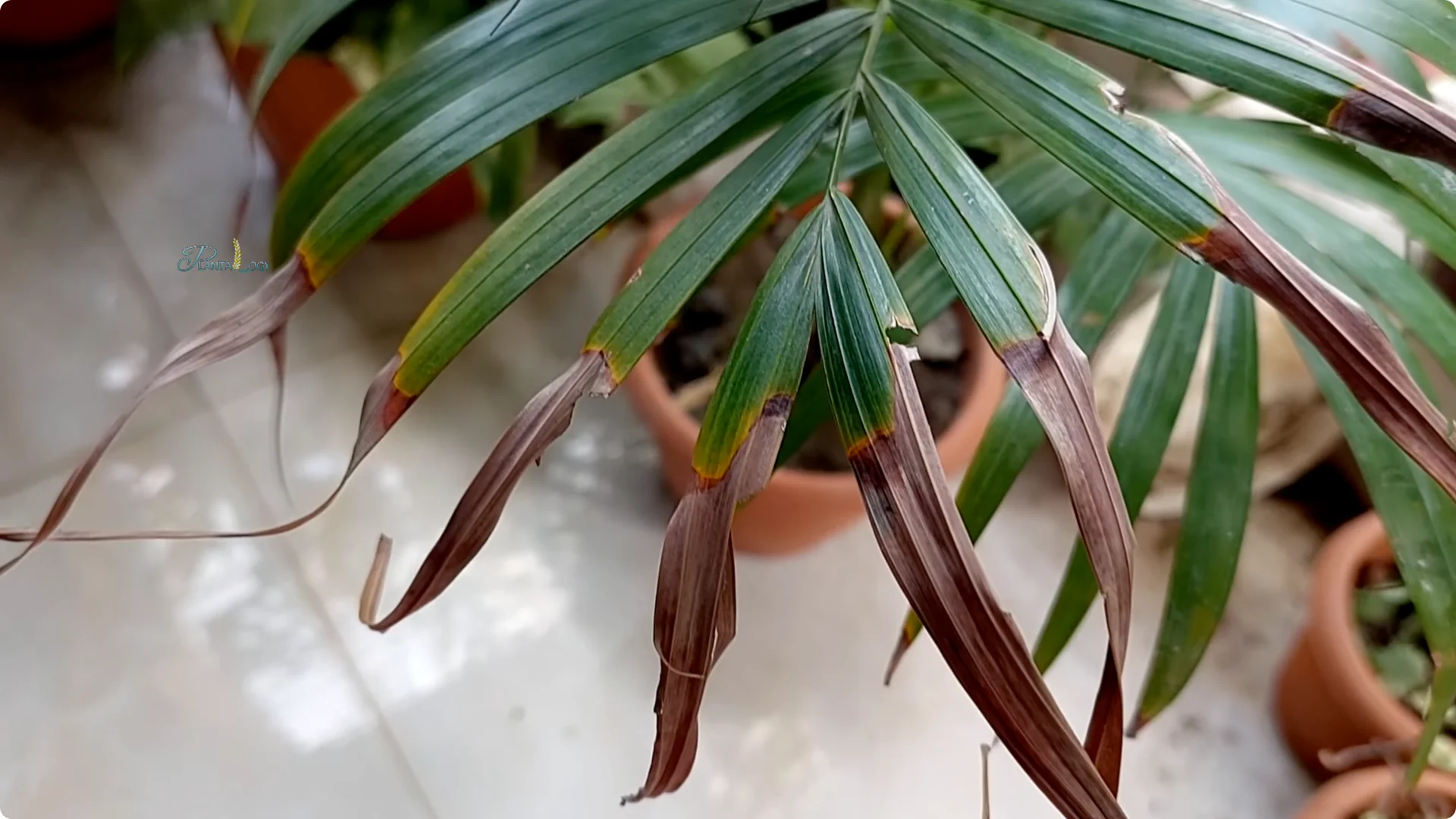
3) Inspect new shoots. Healthy, green new growth indicates recovery as conditions improve.
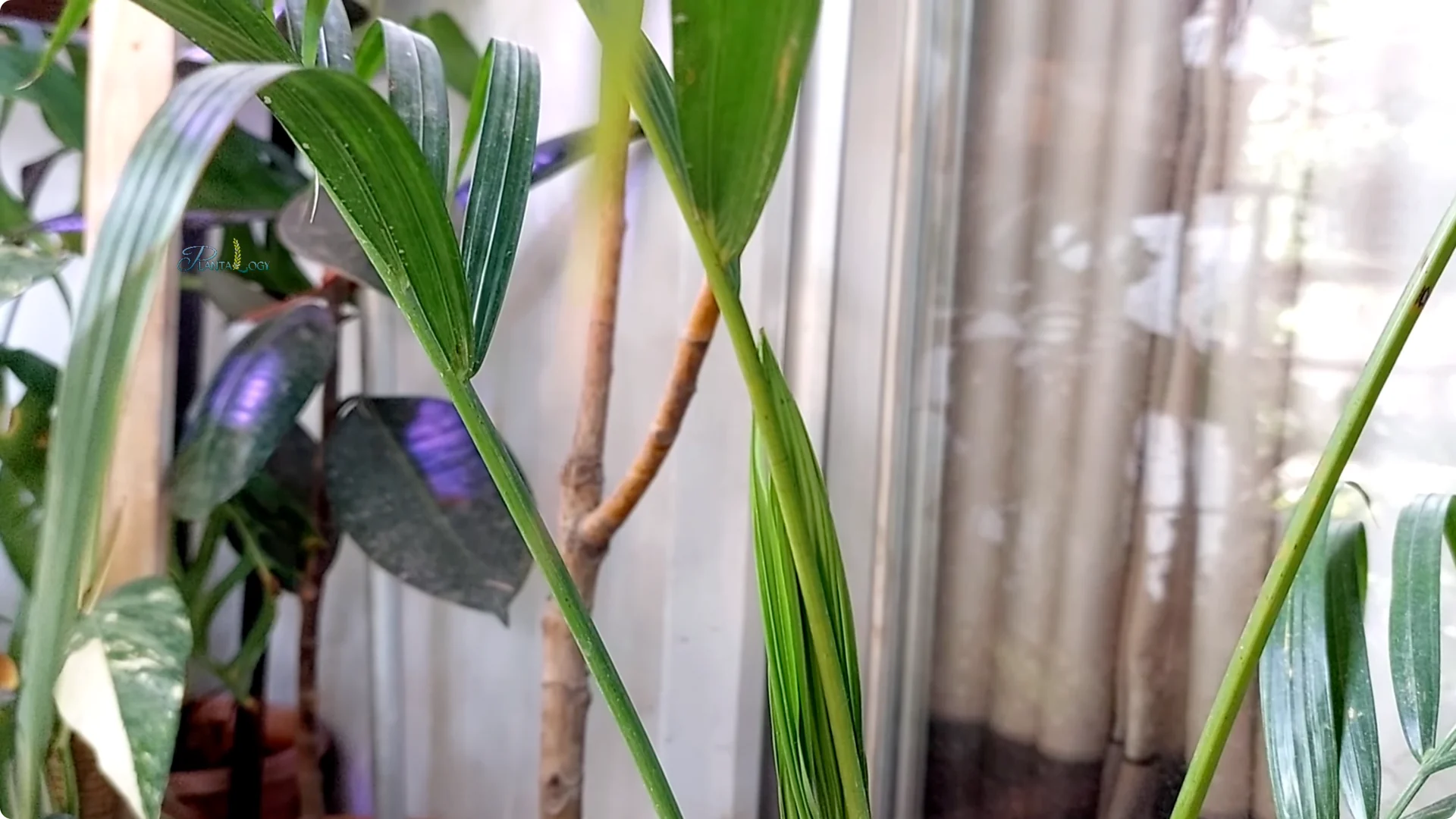
4) Review watering. Keep soil evenly moist, and avoid soggy or bone-dry extremes.
5) Inspect for pests carefully. Look along frond bases and undersides for any activity.
6) Evaluate your water source for harsh minerals such as fluoride. If minerals are high, switch to a gentler source as noted below.
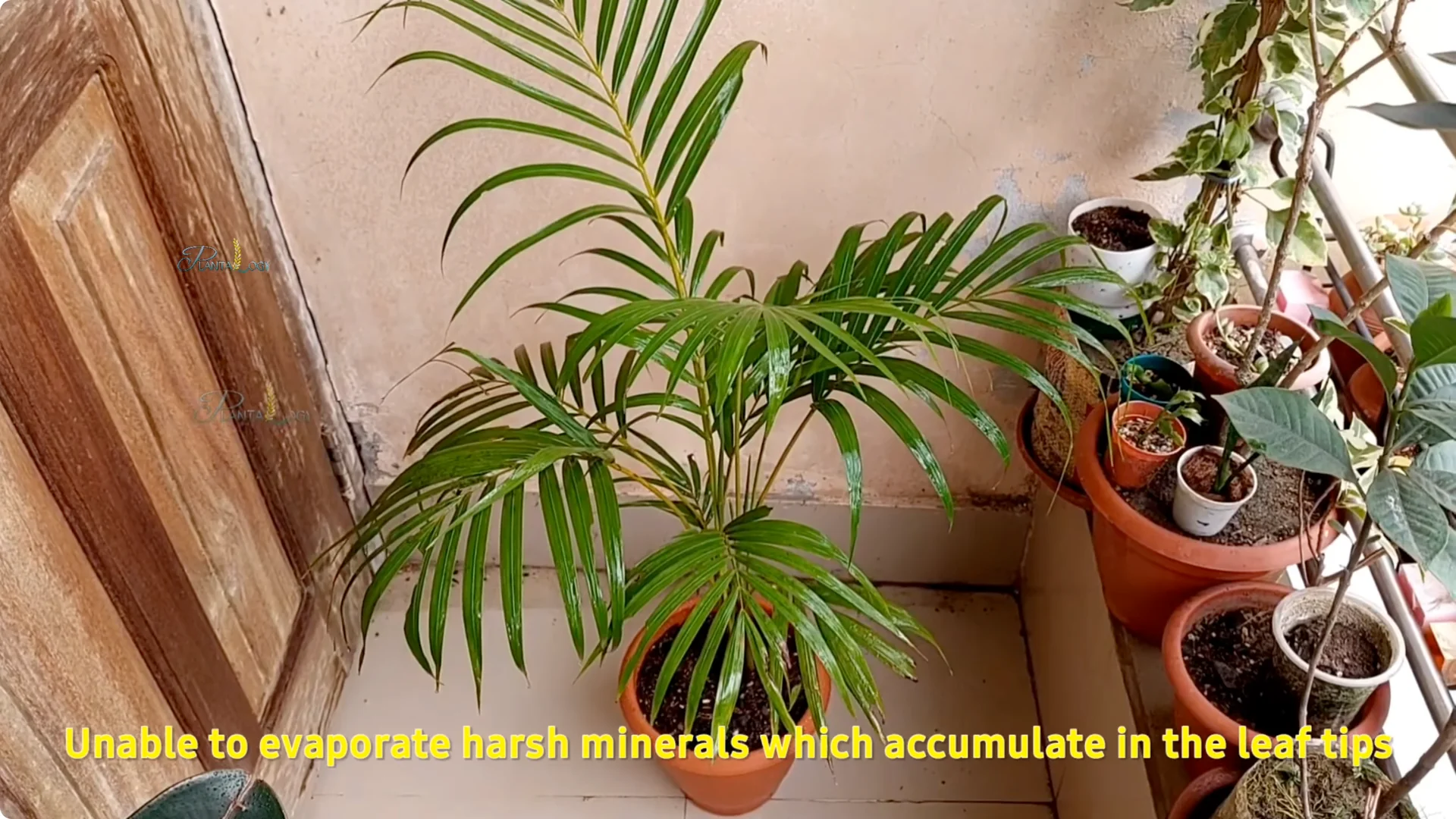
4. Areca Palm Leaf Tip Browning from Water Quality
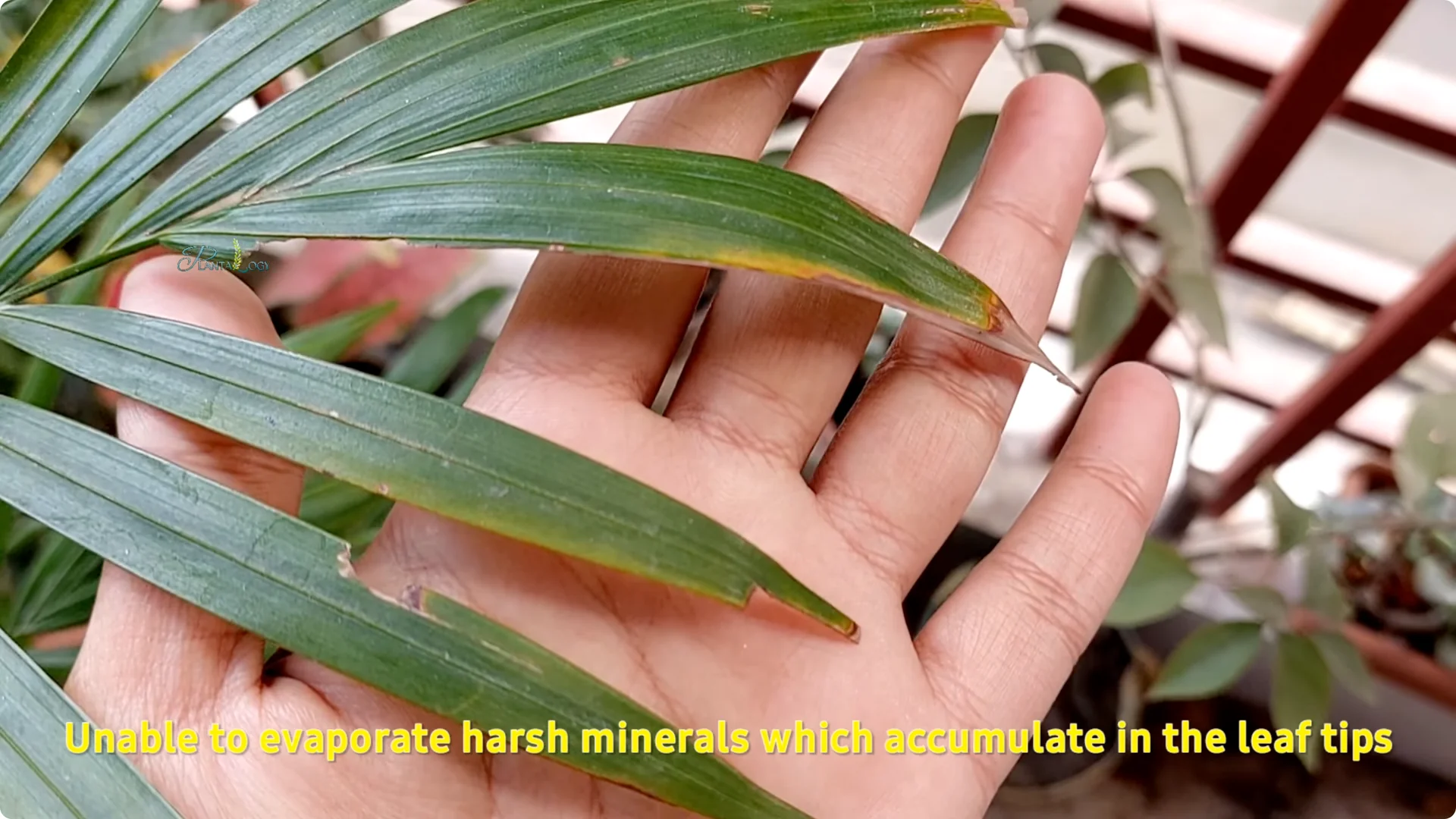
Another reason we often skip is watering with harsh minerals. The thin leaves of areca palm cannot evaporate minerals such as fluoride through the leaves, so minerals accumulate on the tips, damage cells, and ultimately cause Browning.
Prevent mineral contamination by watering with filtered water, rainwater, or fluoride-free water. Similar mineral-related browning can show up in other plants too, as seen with rosemary leaves turning brown.
Final Thoughts on Areca Palm Leaf Tip Browning
Seasonal humidity drops and cool indoor temperatures are the most common triggers for brown tips. Prioritize stable warmth, mid-range humidity, and clean water, then watch new growth for a clear health signal. If newer fronds still brown under good conditions, reassess watering and inspect for pests.