
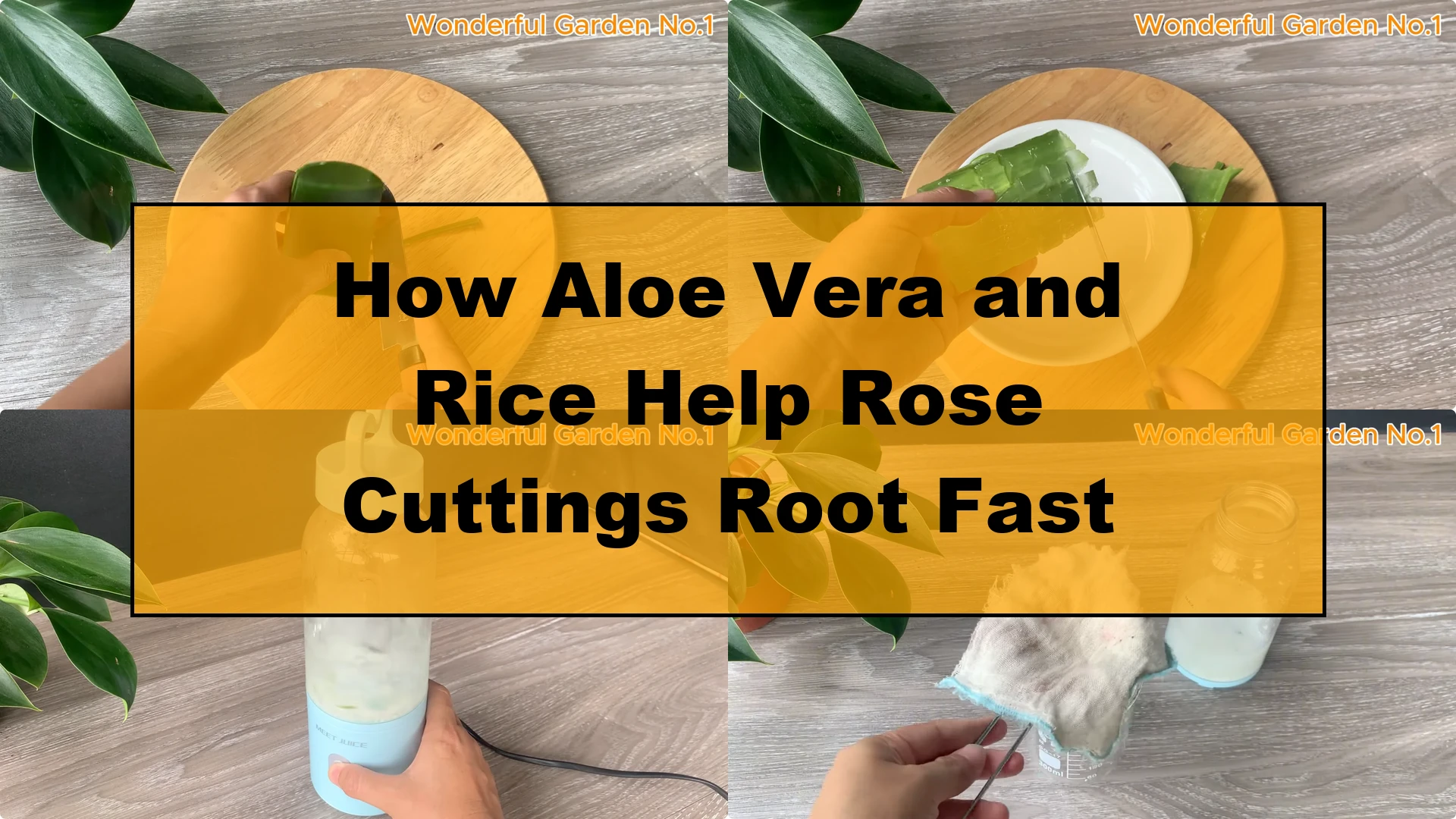
Think growing roses at home is impossible. With just aloe vera, rice, and a little honey, no chemicals, you can discover a surprisingly natural way to garden. This simple method supports rooting quickly, strongly, and reliably.
1. Natural Rooting Hormone for Roses: What You Need
Prepare an all natural rooting solution, effective without any chemicals. The first ingredient is aloe vera. The result is a complete root stimulant that protects cuttings and promotes vigorous growth.
Prepare the Aloe Gel
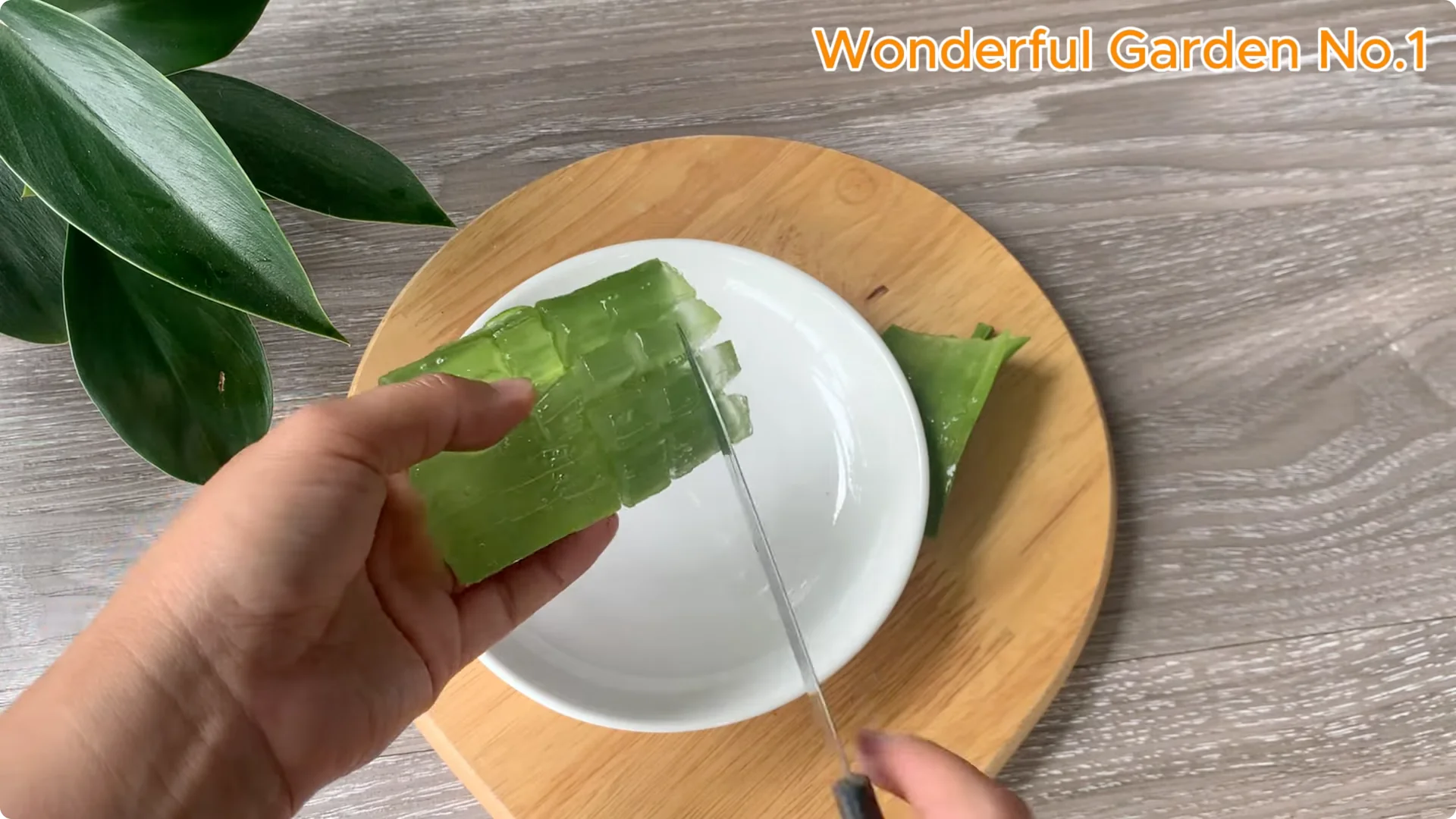
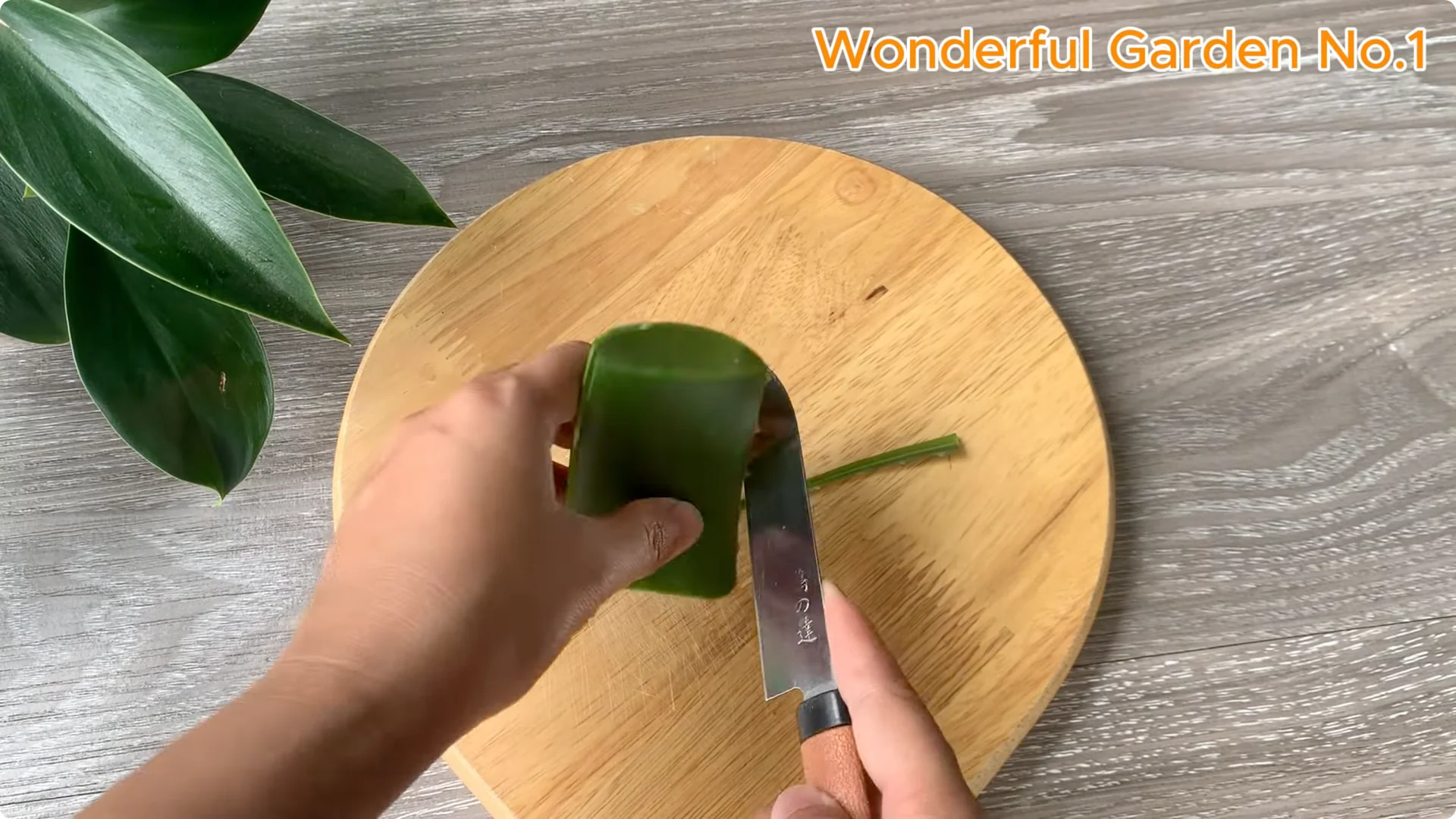
Choose a large succulent aloe leaf, ideally near the base where the most gel is contained. Cut a piece about 5 to 7 cm long. Use a sharp knife to lightly cut the thorns on both sides, then peel off the green outer layer.
What we need is the clear gel inside. Cool, flexible, and rich in nutrients. Using a spoon or small blade, gently scrape this gel off and place it in a clean bowl.
This is the basic ingredient that helps regenerate root tissue and protect the cuttings. It supports healing at the cut surface. It also helps reduce infection as roots develop.
Blend the Solution
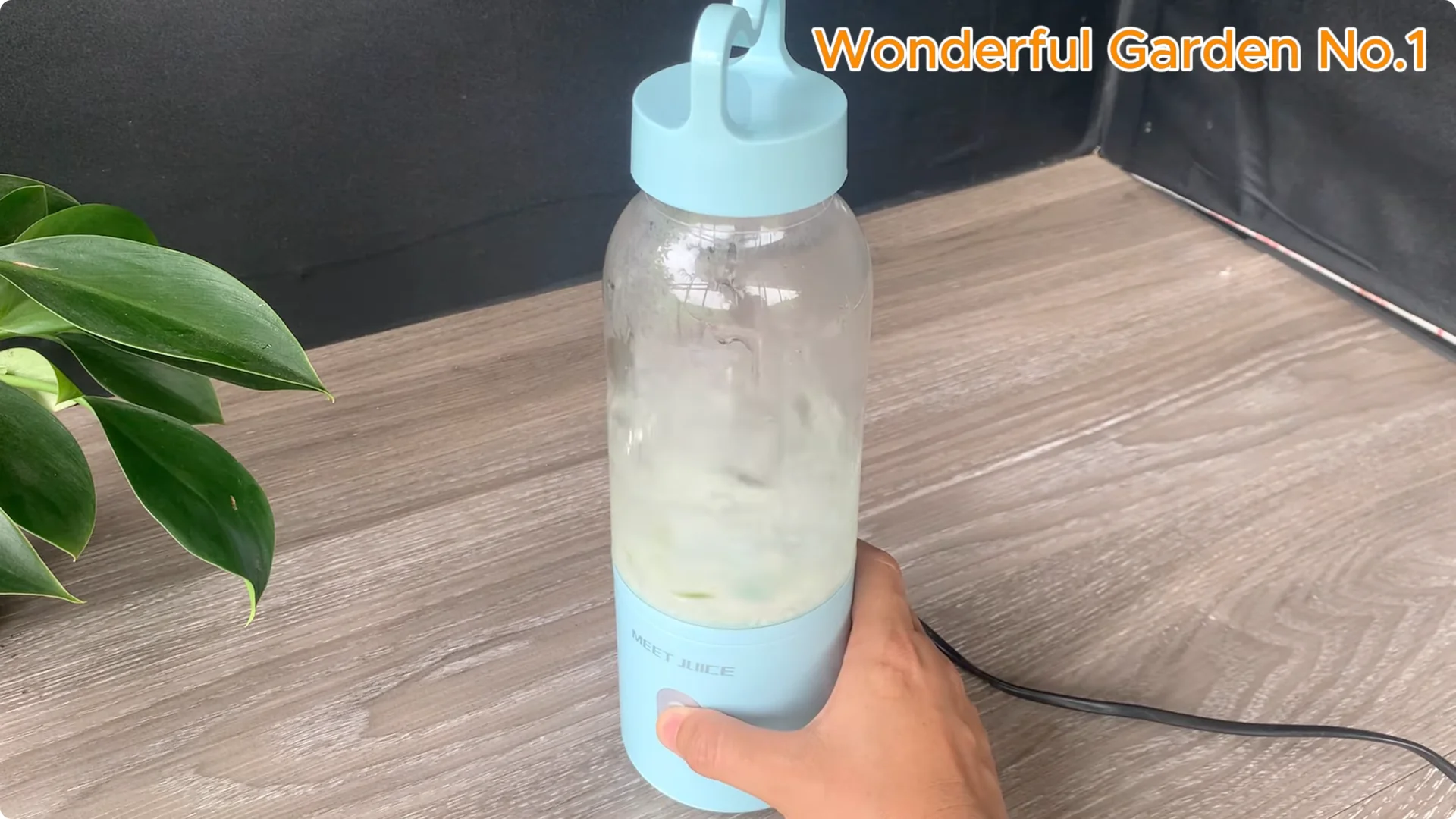
Add all the aloe vera gel into a clean blender. Next, add two tablespoons of white rice. Use clean rice free of impurities for the best result.
Finally, add 100 ml of clean water. Filtered water or boiled and cooled water is best. Avoid tap water containing chlorine as it can affect the biological activity of the mixture.
Cover and blend for about 30 to 45 seconds until the mixture is smooth and evenly colored. Everything should combine into a uniform liquid. This creates a nutrient base that penetrates quickly into cuttings.
Filter and Dilute
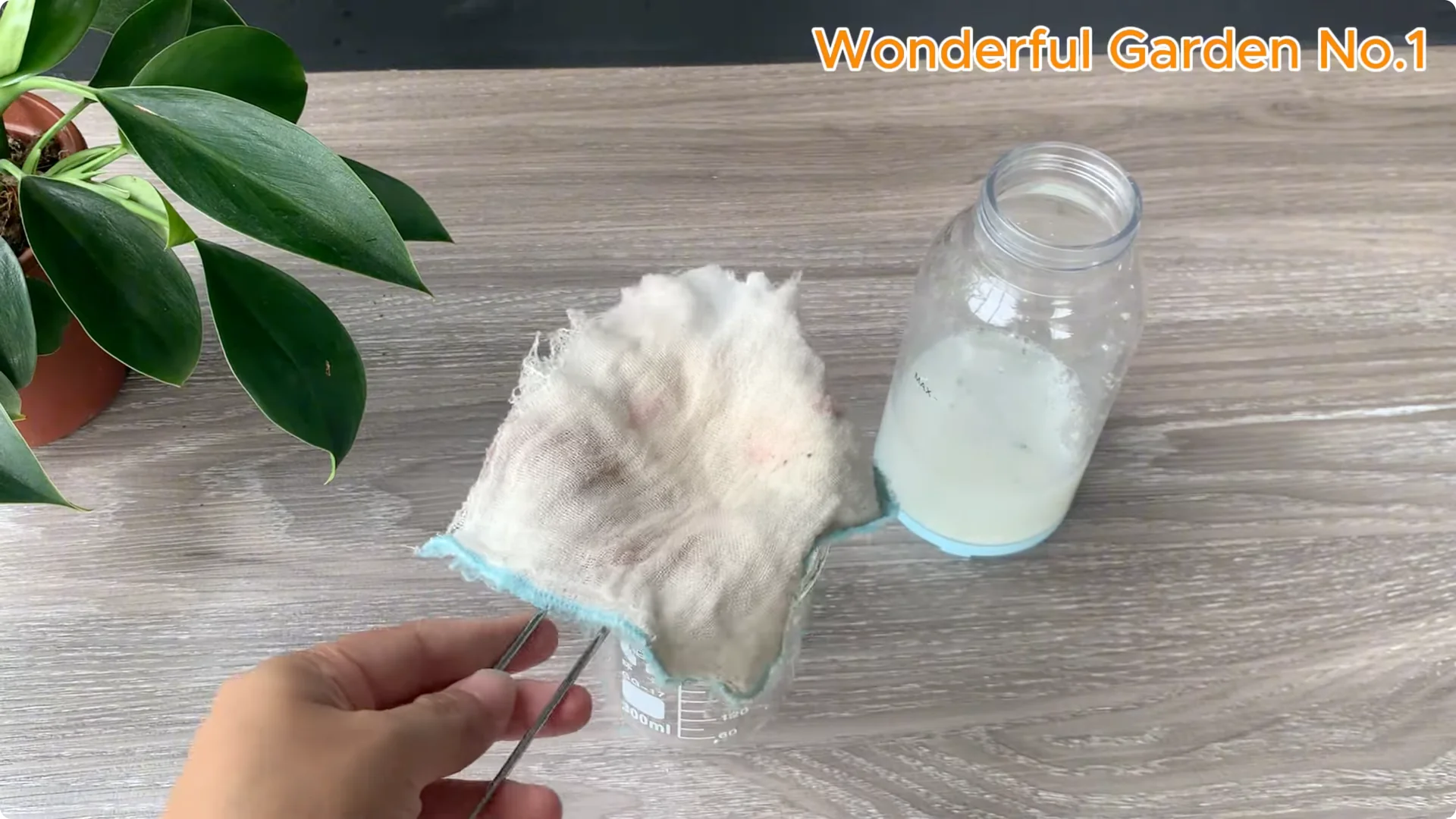
Use a sieve or thin cloth to filter out the residue. Keep only the clear, light, and nutritious liquid. This removes coarse particles that could interfere with absorption.
Add 100 ml of clean water to the filtered solution. Thinning the mixture makes it easier to use. It also helps nutrients penetrate faster and more evenly into the stem.
Add Honey
Add a spoonful of honey. Honey contains natural enzymes and antibacterial properties that help protect cuts from mold and bacteria. Combined with aloe vera and rice, it completes the root stimulant solution.
This one spoon approach supports quick, strong, and sustained rooting from the start. It helps young roots stay healthy as they emerge. For another simple kitchen method, see this one spoon rooting trick for roses.
2. Natural Rooting Hormone for Roses: Prepare the Cuttings
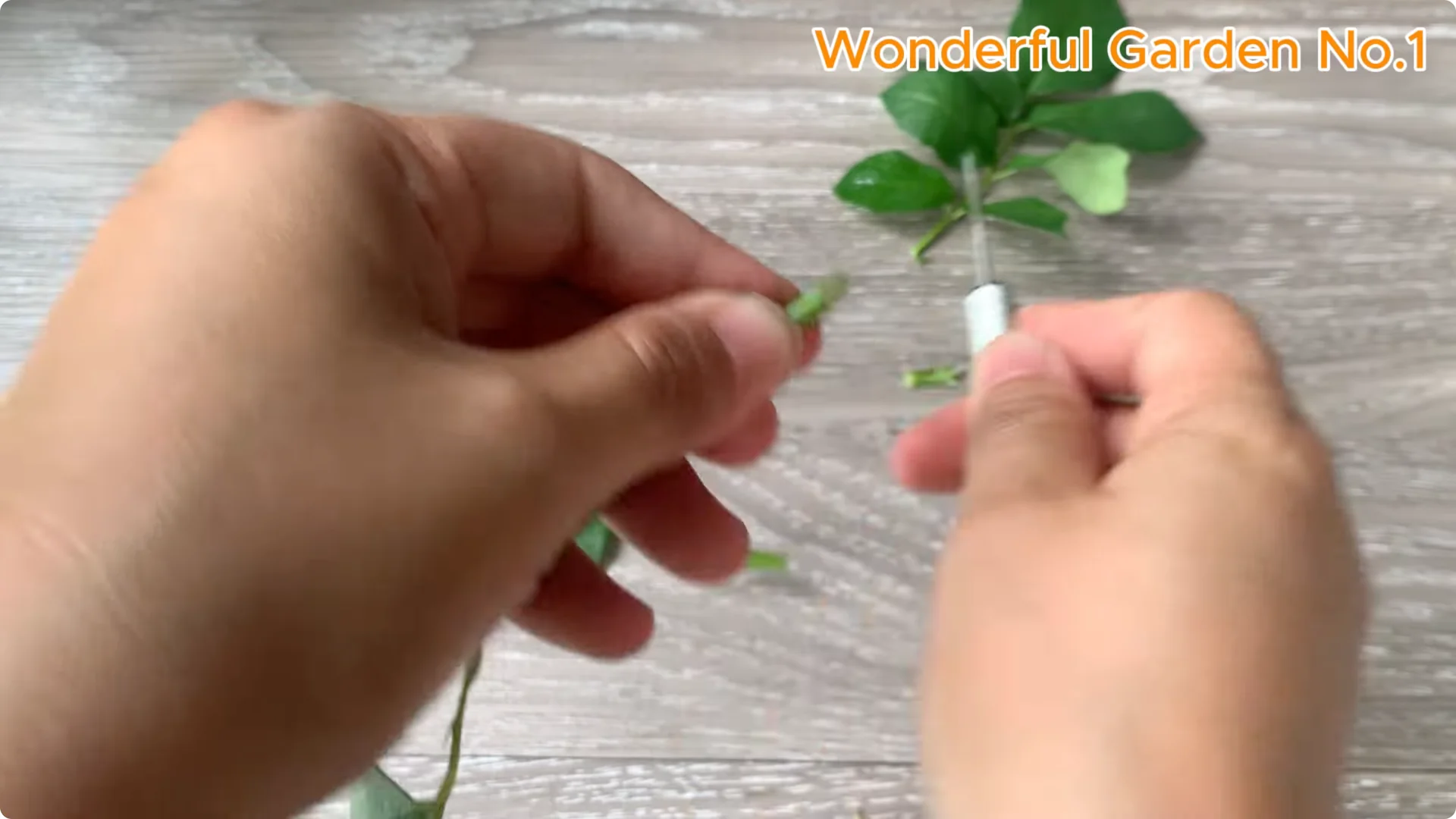
Choose a healthy rose branch, not too young and not too old. The ideal length of rose cuttings is about 15 to 20 cm. Gently remove all the bottom leaves, leaving only one or two leaves on top.
This reduces transpiration while ensuring the branch can still photosynthesize. Use a sharp knife to cut the base at about a 45 degree angle. The diagonal cut increases contact area with the solution and improves water uptake while limiting rot.
Soak the base of the branch in the rooting solution for about 15 minutes. This allows nutrients to penetrate deeply. It also supports the natural rooting process from the start.
3. Natural Rooting Hormone for Roses: Prepare the Medium
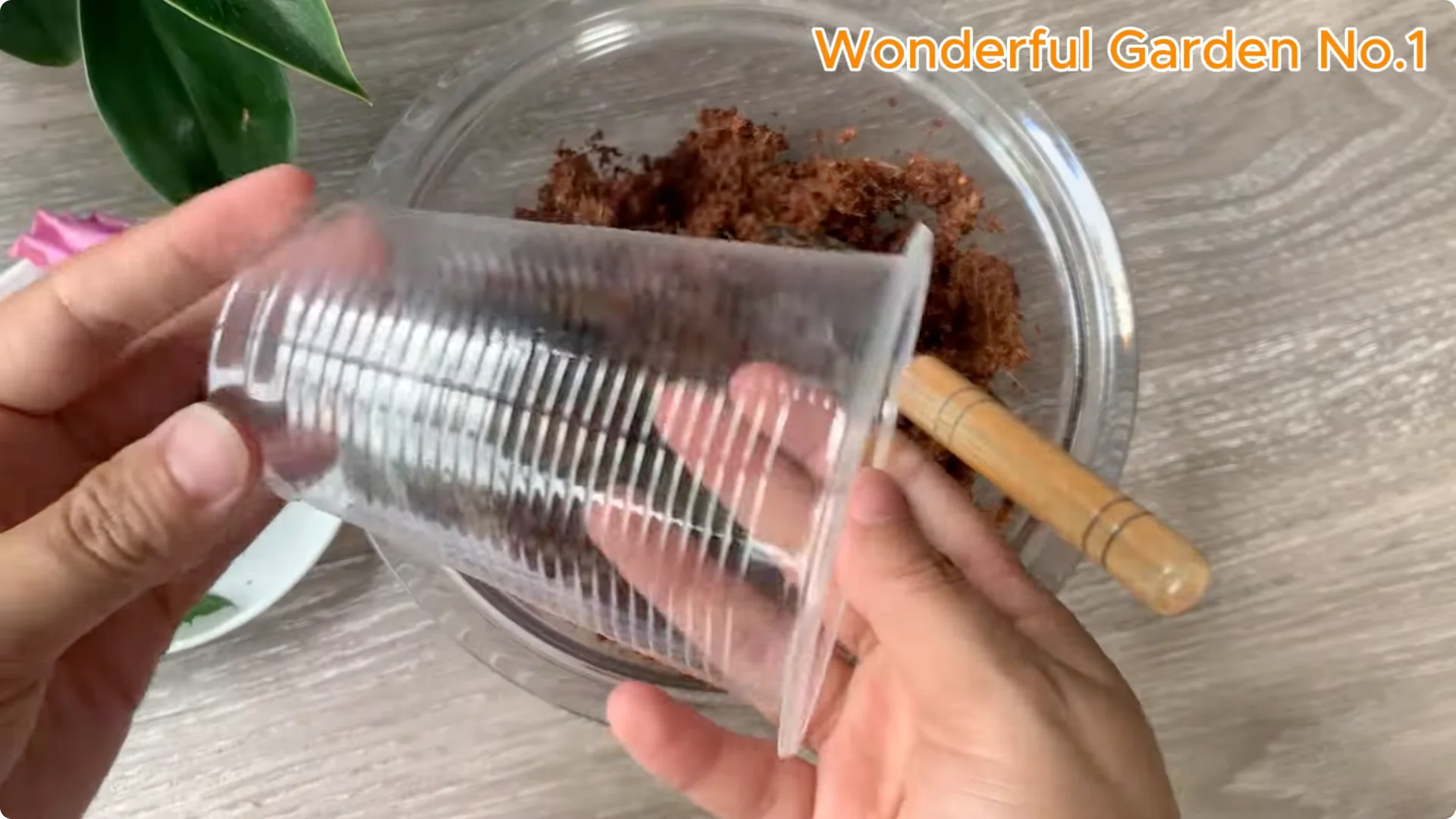
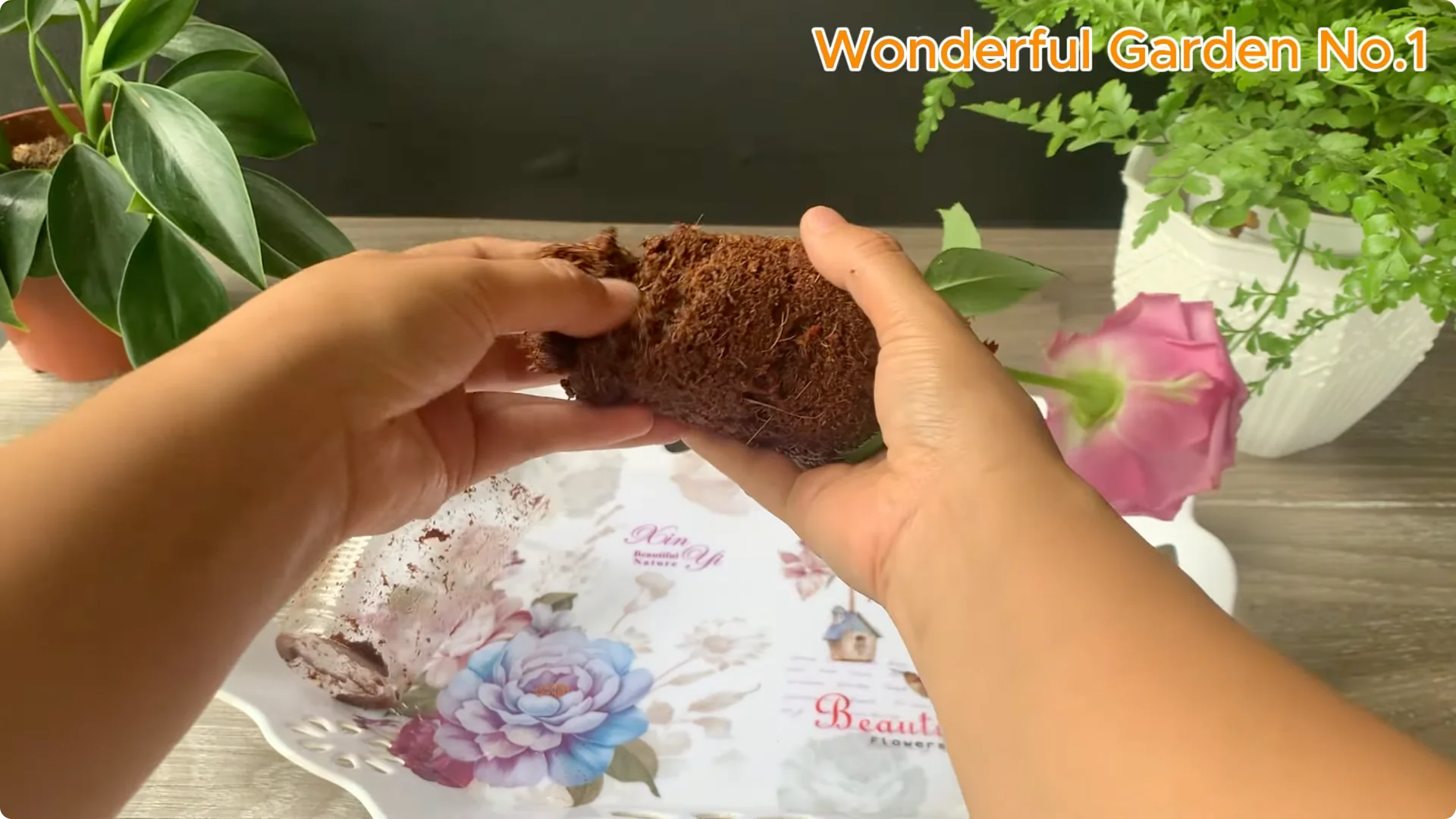
Use processed coconut fiber as the growing medium. It is natural, breathable, moisture retaining, and environmentally friendly. Before using, moisten the coir with the rooting solution.
Soak for about 5 minutes so the coir absorbs enough moisture. It should be not too dry and not too wet. Proper moisture helps new roots establish safely.
Put the coconut fiber into a clean plastic cup. Lightly press it so the stem will stand upright. Keep the surface even to support the cutting.
4. Natural Rooting Hormone for Roses: Plant and Create Humidity
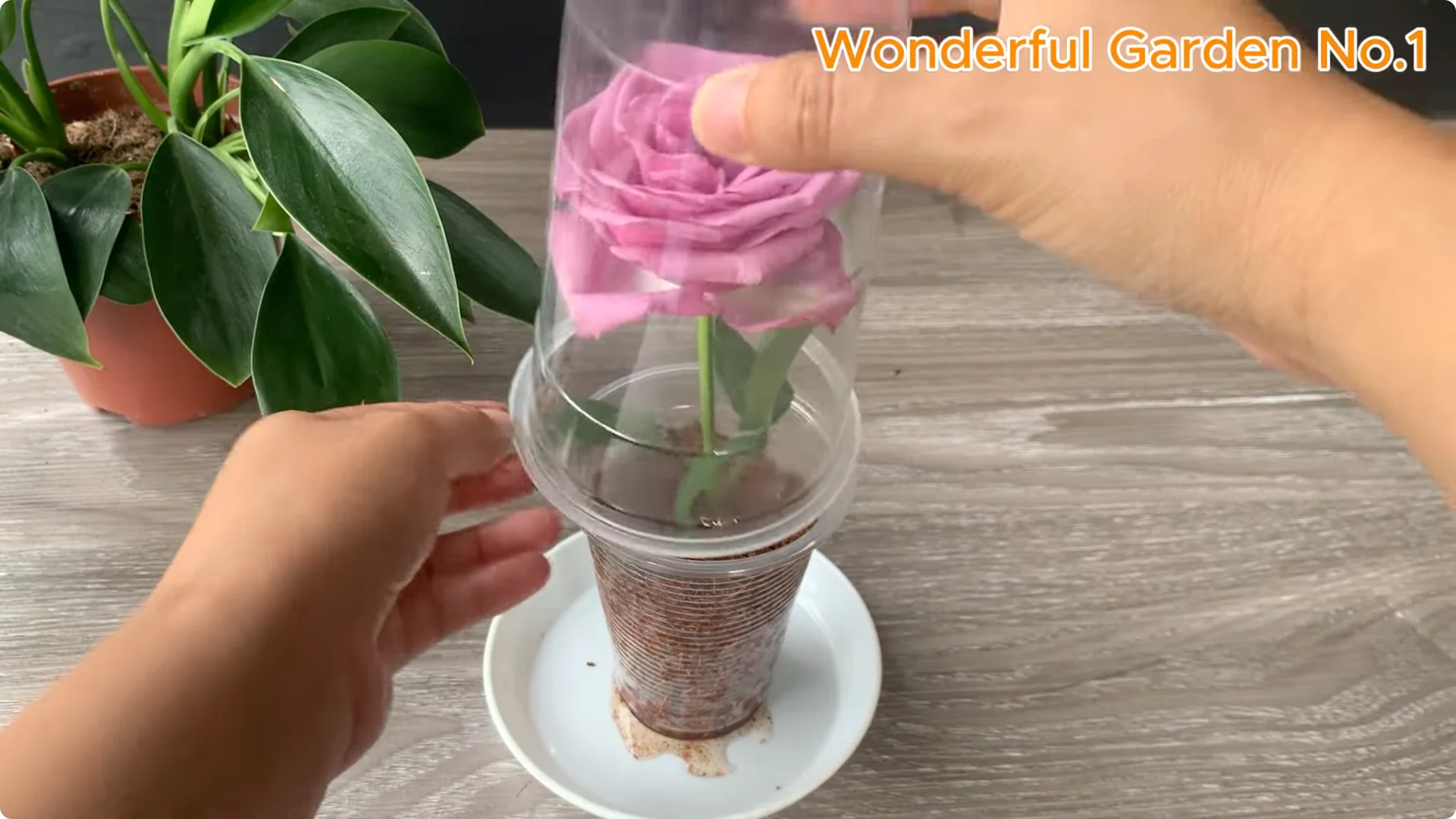
Use a small stick like a chopstick or bamboo stick to make a hole in the center. This avoids damaging young tissue when inserting the stem. Gently insert the base of the cutting into the hole.
Keep the leaf nodes facing outwards. This is where new growth will develop. Make sure the leaf nodes are not covered or turned inwards.
To create a warm, humid environment, place a larger plastic cup on top. This creates a natural greenhouse effect that encourages rooting. After planting, place the cup in a cool, indirect light location.
Open the lid for a few minutes each day to allow air to circulate. This helps prevent mold. If you like this dome approach, check the cup method to root rose cuttings for more ideas.
5. Natural Rooting Hormone for Roses: Care and Signs of Rooting
After about 2 to 3 weeks, if humidity and temperature are maintained, you should see positive signs of recovery. At the remaining leaf nodes, new shoots will appear. This shows the branch has started to metabolize again and prepare for growth.
At the base in the coconut fiber, thin white roots begin to appear. They penetrate the woody tissue from the cut and spread through the substrate. These roots search for moisture and nutrients, helping the branch anchor and absorb water efficiently.
Read More: 1 Teaspoon Red Rose Cuttings Root Bloom
6. Natural Rooting Hormone for Roses: Transplanting
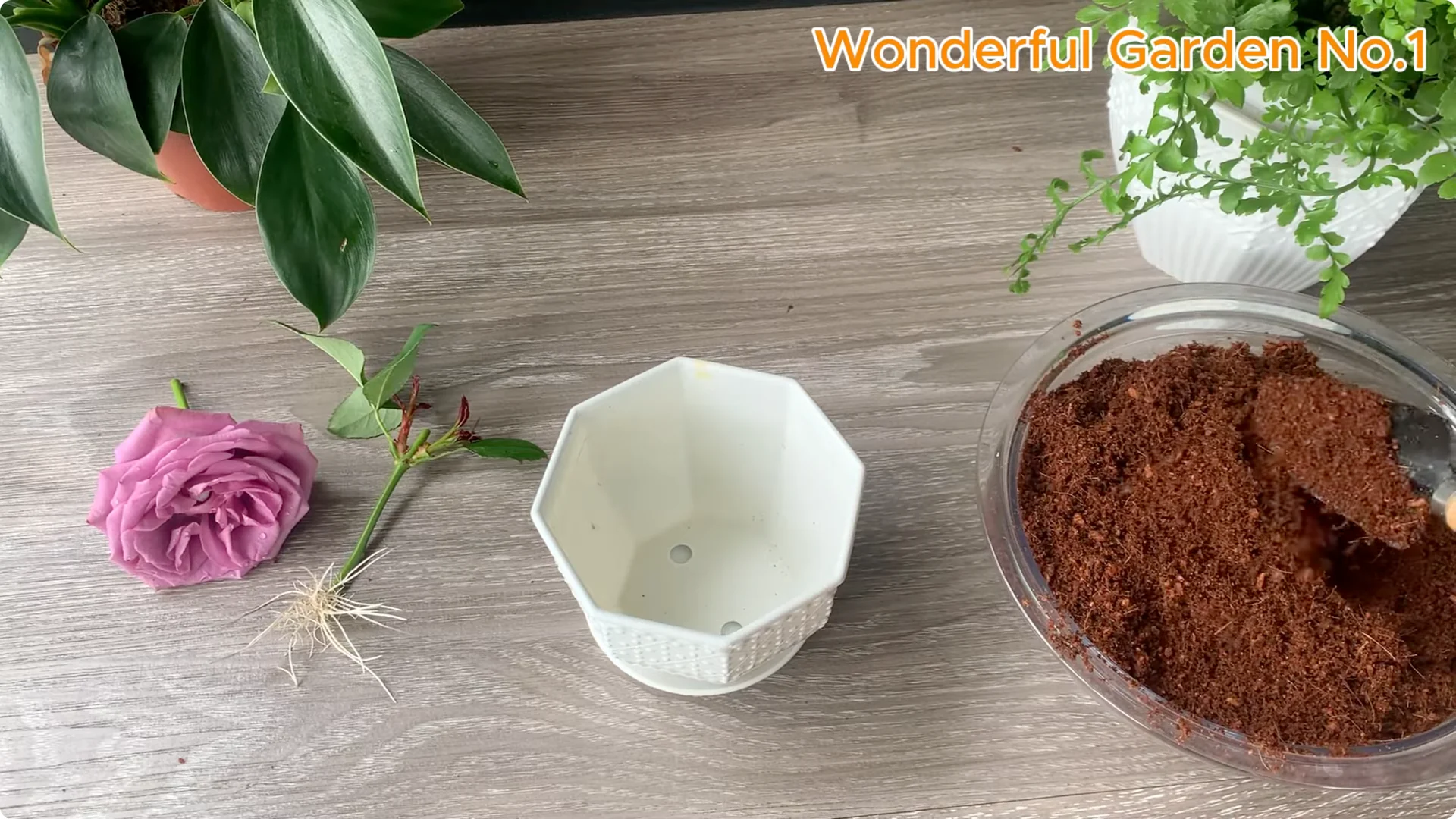
Once the roots are long and strong and new leaves have sprouted, move the plant to a larger pot. Repotting gives the roots more room and helps the plant adapt to the outside environment. Choose a pot with good drainage holes.
Line the bottom of the pot with a thin layer of coconut fiber to retain some moisture. Then use loose soil mixed with a little compost as the growing medium. Water lightly with the remaining solution or clean water.
From a simple rose branch, you can create a completely new life using natural, simple, and safe materials. Maintain gentle care during the first weeks after repotting. For another minimalist rooting approach, explore this teaspoon method focused on red rose cuttings.
Final Thoughts on Natural Rooting Hormone for Roses
Aloe vera, rice, and honey form a clean rooting solution that protects cuttings and stimulates fast, strong roots. With the right cutting, a breathable medium, and a simple humidity dome, success comes naturally. Enjoy your little garden and the calm, patient joy it brings.