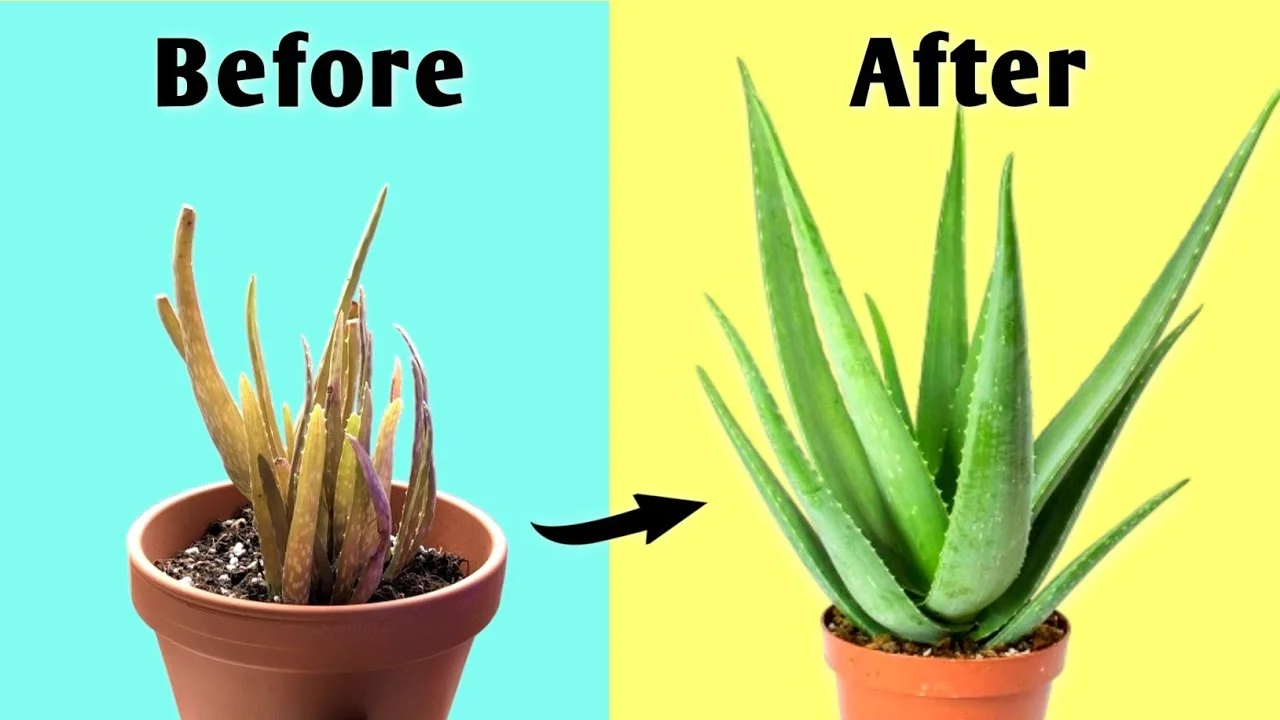
Yellow leaves, brown tips, and black spots in aloe vera plants are major problems that not only decrease the plant’s growth, but also reduce the medicinal benefits of the aloe gel by increasing its toxicity. It is important to grow healthy aloe vera in our garden. Here are four essential care guides to grow healthy aloe vera in order to maintain the medicinal properties of the plant, and you can also see our complete aloe care guide for broader context.
1. Aloe Vera Care Tips: Potting Soil
Proper structural potting soil recovers the browning or yellowing issues by balancing the air and water in the soil which ultimately improves the root health and ensures healthy growth of the plant. Sometimes we use simple garden soil that becomes hard and compacted over time that leads to root rot, base rot, black spots, and shriveled leaves.
It is essential to ensure appropriate potting soil to have a healthy compact aloe vera plant. It does best in slightly water retentive soil for a thicker growth even though it’s a succulent plant.
Commercial succulent soils can be used, but those dry out fast and often show shriveled leaves due to underwatering. You can prepare the soil by adding half part garden soil or coco peat with a part of succulent soil to make the soil slightly water retentive.
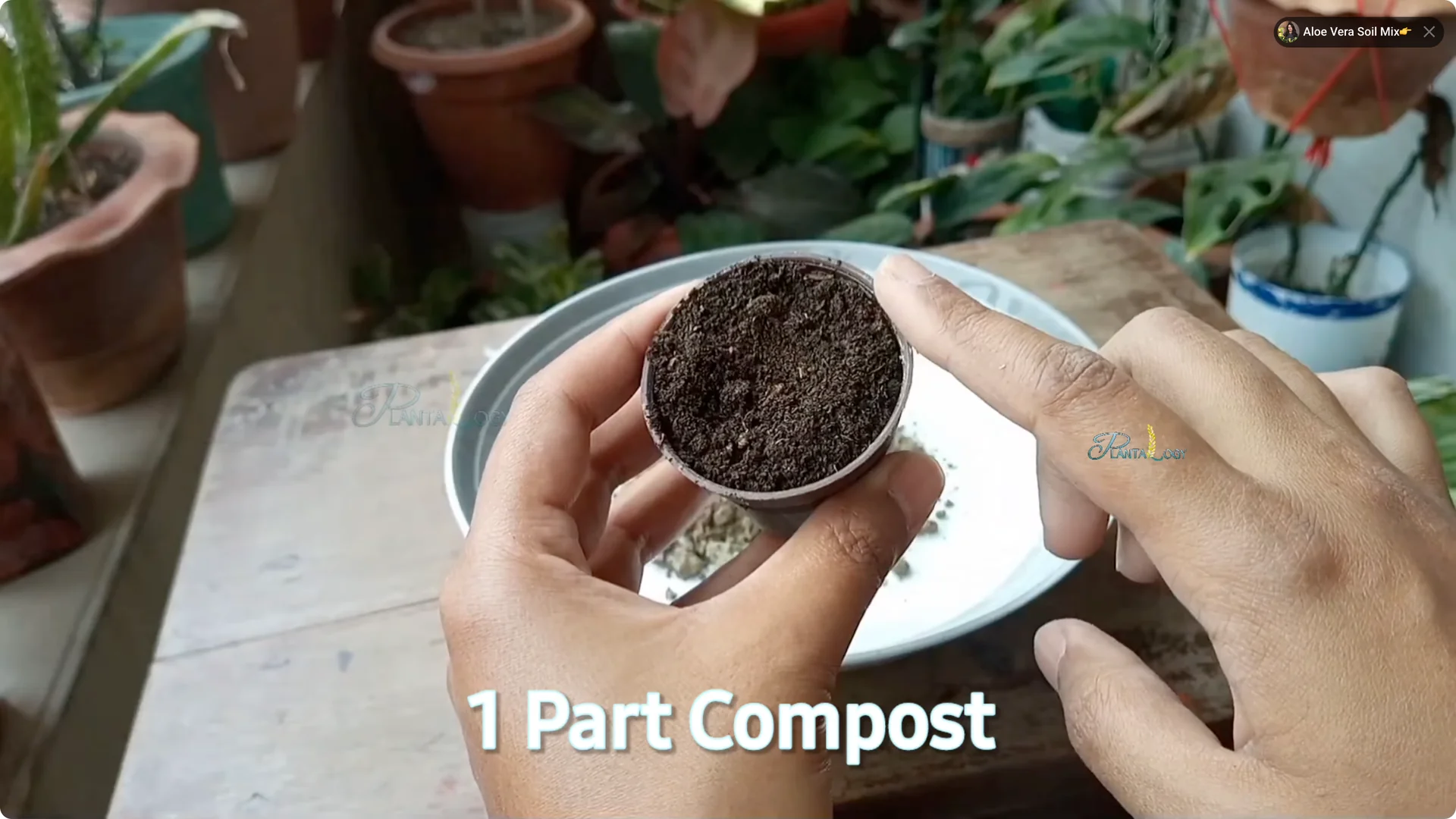
A DIY potting soil mix for aloe plants is prepared by adding one part garden soil, one part compost, half part coco peat, one part charcoal, and two parts pumice or perlite. This soil is soft, porous, drains out excess water, but holds moisture slightly longer than the succulent soils. The ingredients are easily accessible.
2. Aloe Vera Care Tips: Watering and Moisture
Moisture check
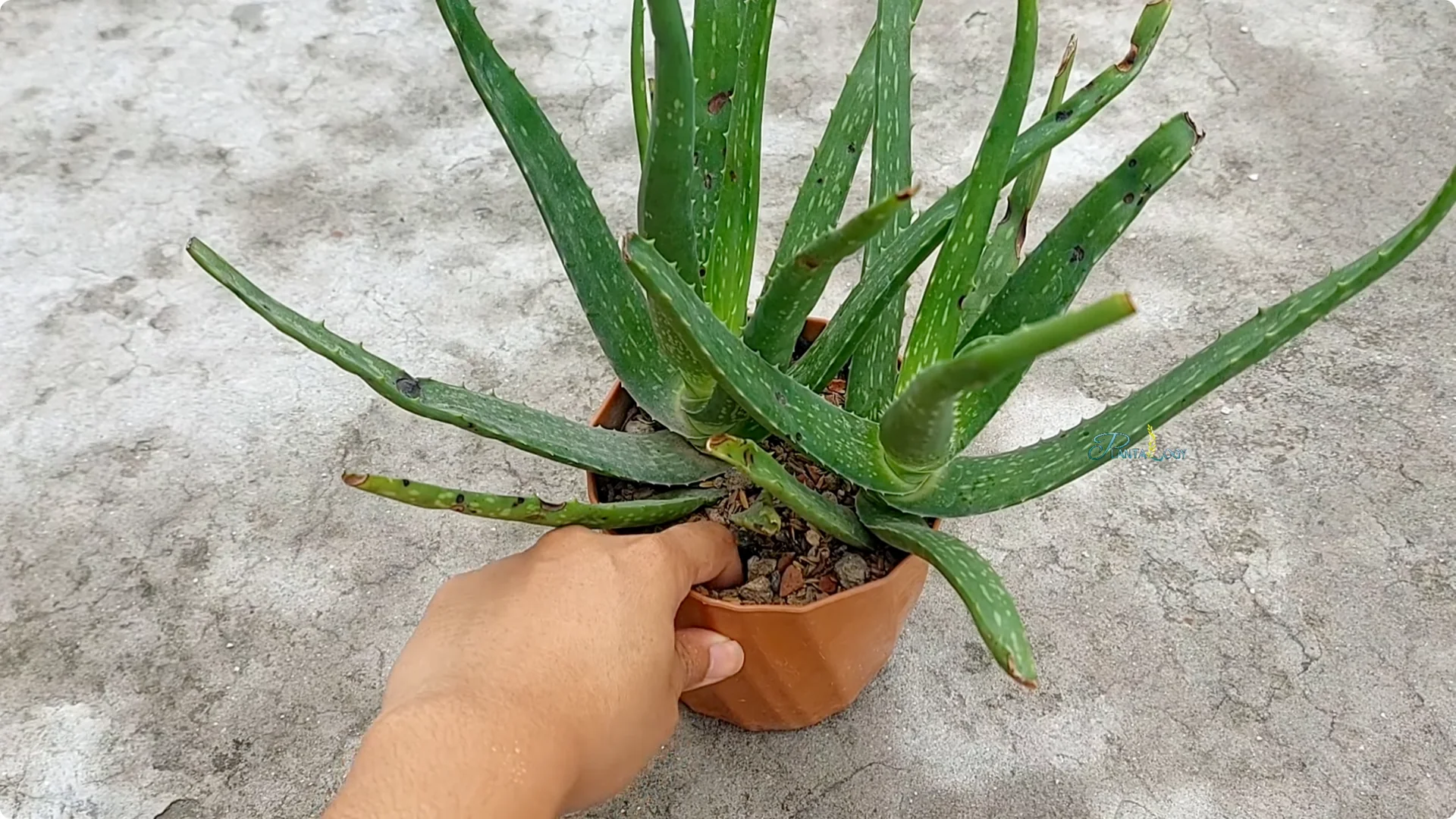
I always recommend checking the upper few inches of the soil moisture level before watering the plants. This technique prevents the plants from getting overwatered, underwatered, or having any water related issues.
In the case of aloe plants, balancing the soil moisture is very important because it’s a succulent plant that stores water in cells and unmanaged watering either will rot the plant base or shrivel the leaves. We grow aloe vera for its gel and the thickness of this aloe gel depends on the soil moisture level.
This plant requires to be watered as soon as 70% soil feels dry. Since I have used slightly water retentive soil, this will allow me to water once every 2 or 3 days in summer and once every 5 or 6 days in winter. For additional guidance on schedules and checks, see more aloe care insights.
Seasonal schedule
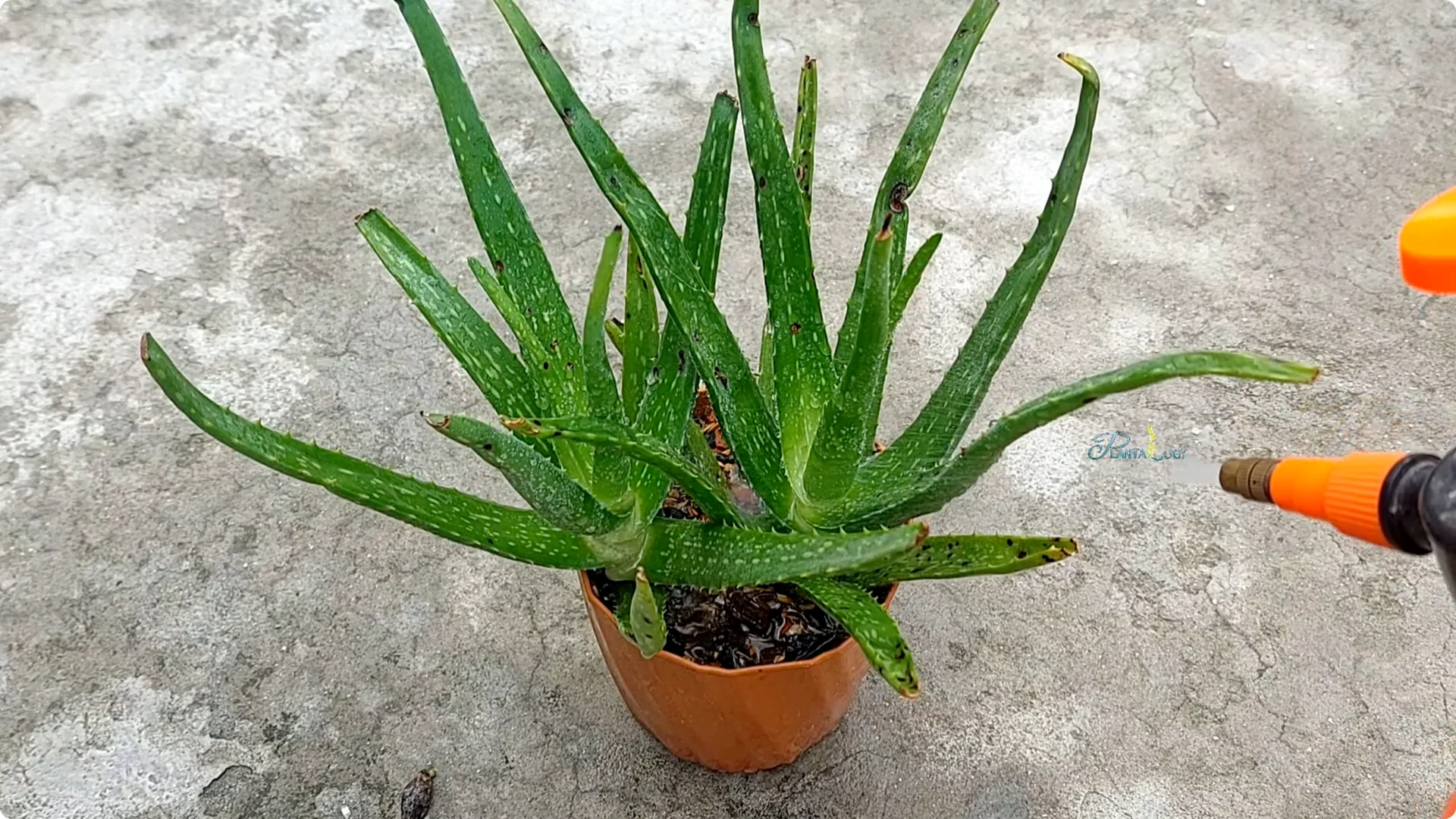
Summer is their growing period, and during this time the plants will require an even supply of moisture to be plumped and hydrated. Underwatering is better than overwatering because overwatering causes browning of the leaf that originates from the base, shows brown leaf tips, and rots the roots due to a lack of oxygen and fungal infestation.
Severe damage rots the plant base which is irreversible. Check the soil moisture and then go for watering.
3. Aloe Vera Care Tips: Light and Placement
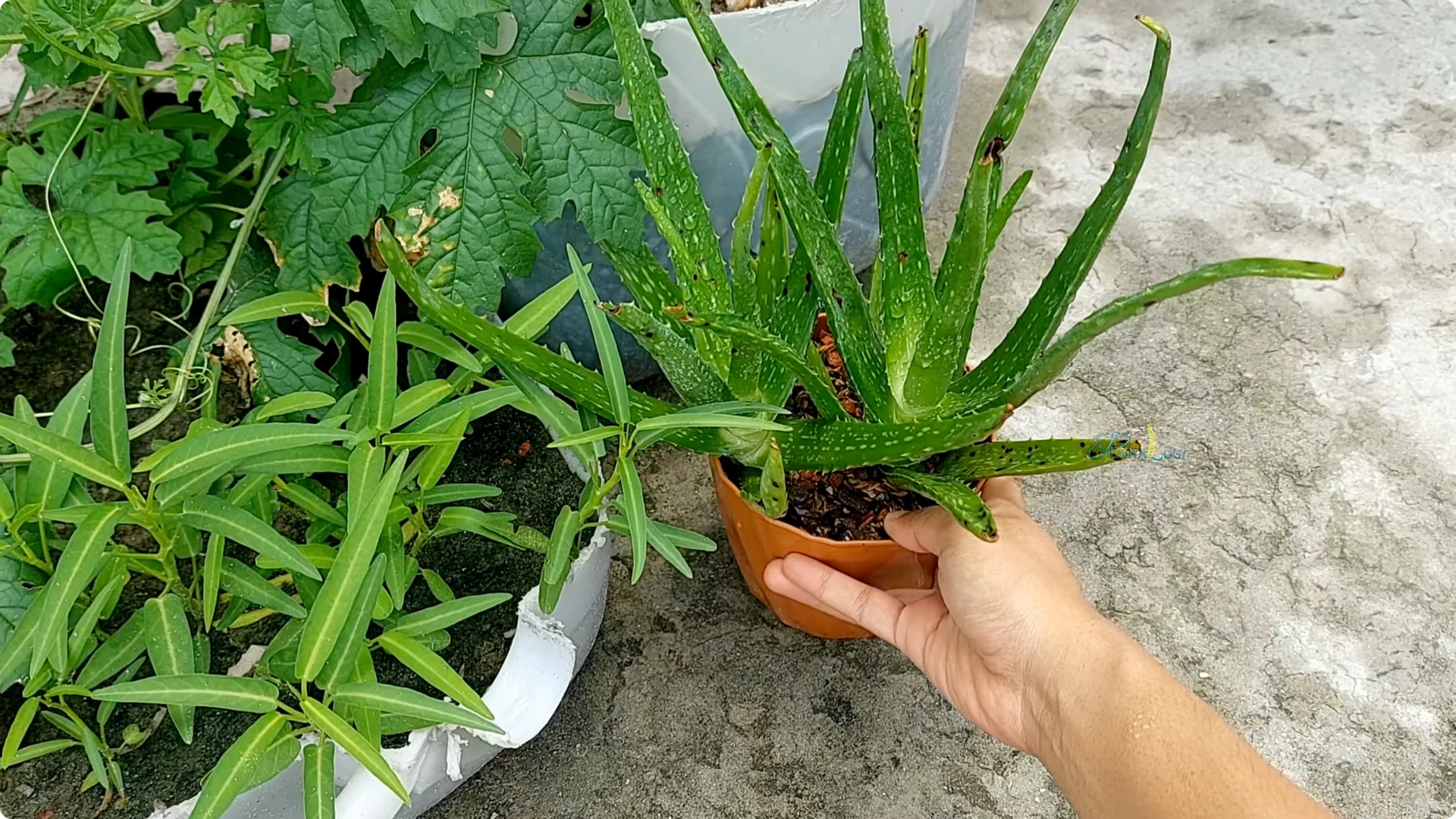
Aloe vera plants turn yellow and sometimes brown if placed under direct sunlight. Two or 3 hours of direct intensive light exposure increases the toxicity of the aloe which turns the leaves yellow or brown.
It does not mean the plant will thrive in a low light or shaded place because less light exposure turns the leaves leggy and pale. The ideal spot is where the aloe plants will receive at least 5 hours of bright indirect light.
It can be near an east-facing balcony that often receives one or two hours of direct light and bright indirect light for the rest of the four or 5 hours of the day. Or a south-facing balcony that receives bright light for four or 5 hours but not direct light exposure.
For cooler regions, aloe vera can be grown outside under three or four hours of direct sunlight, but needs protection from frost. Proper light exposure prevents yellowing or browning issues, increases pest resistance, reduces watering issues, and keeps the plant compact.
For indoor placement and window choices, see these indoor aloe care tips.
4. Aloe Vera Care Tips: Pests and Plant Health
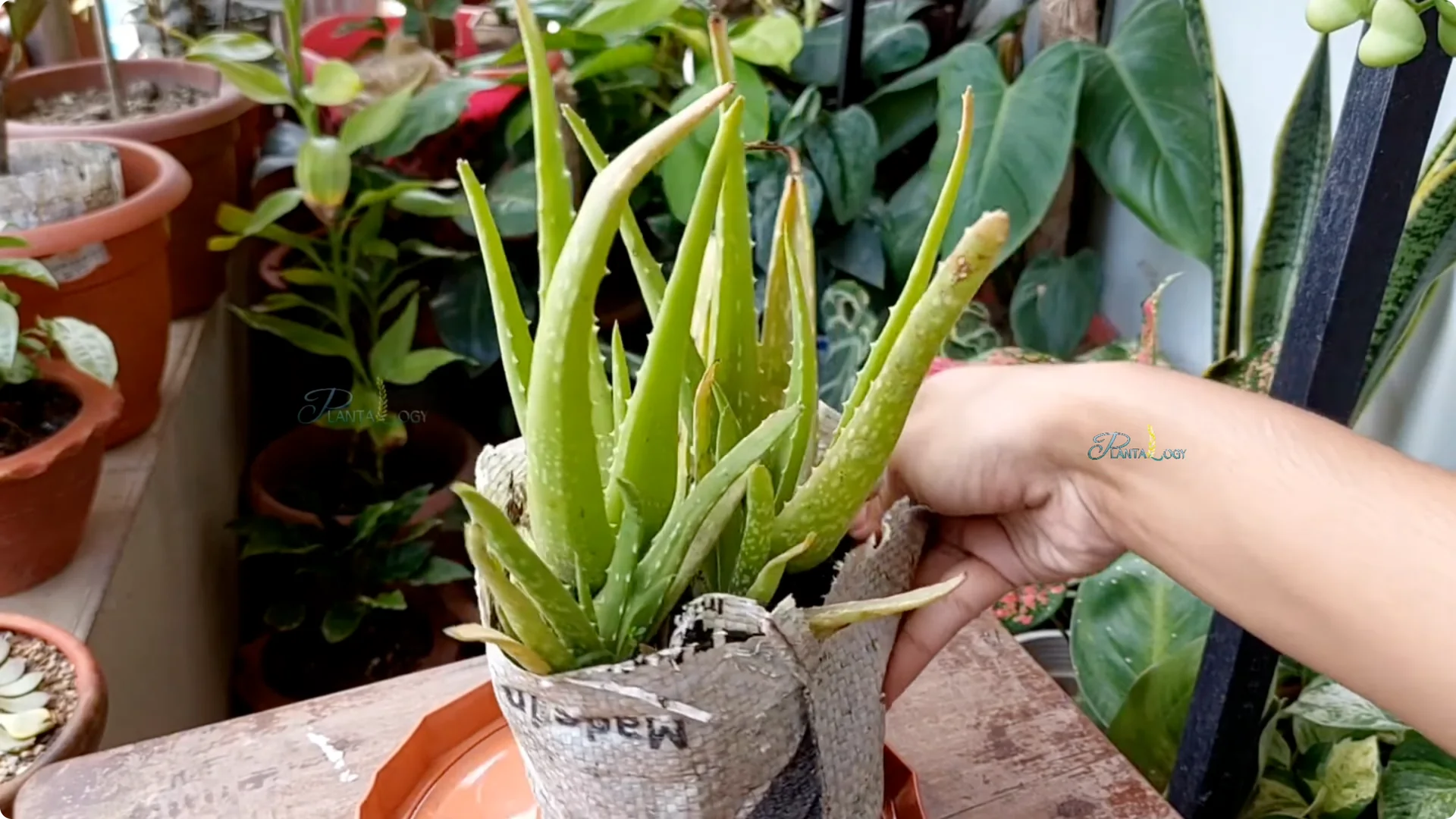
Aloe plants do not often get infested by pests, but mealy bugs and scales are two particular insects often found on the backside of the leaves. You can manually remove them by using a cotton bud or wash them with clean water or you can use neem oil solution.
Healthy plants have high pest resistance. Ensure the plant is in a bright, well ventilated place and the soil moisture is in control.
Neglected plants always have several pest issues. Take good care of your aloe veras, fulfill their requirements and your plant not only will have fewer issues but also the plant will grow fast and produce a lot of plant pups without being fertilized.
Final thoughts
Grow aloe vera in slightly water retentive, well aerated soil, keep a close eye on moisture, and prioritize bright indirect light. Manage pests early and maintain overall plant health to preserve the quality of the gel. For a deeper refresher as you apply these steps, revisit our complete aloe care guide.